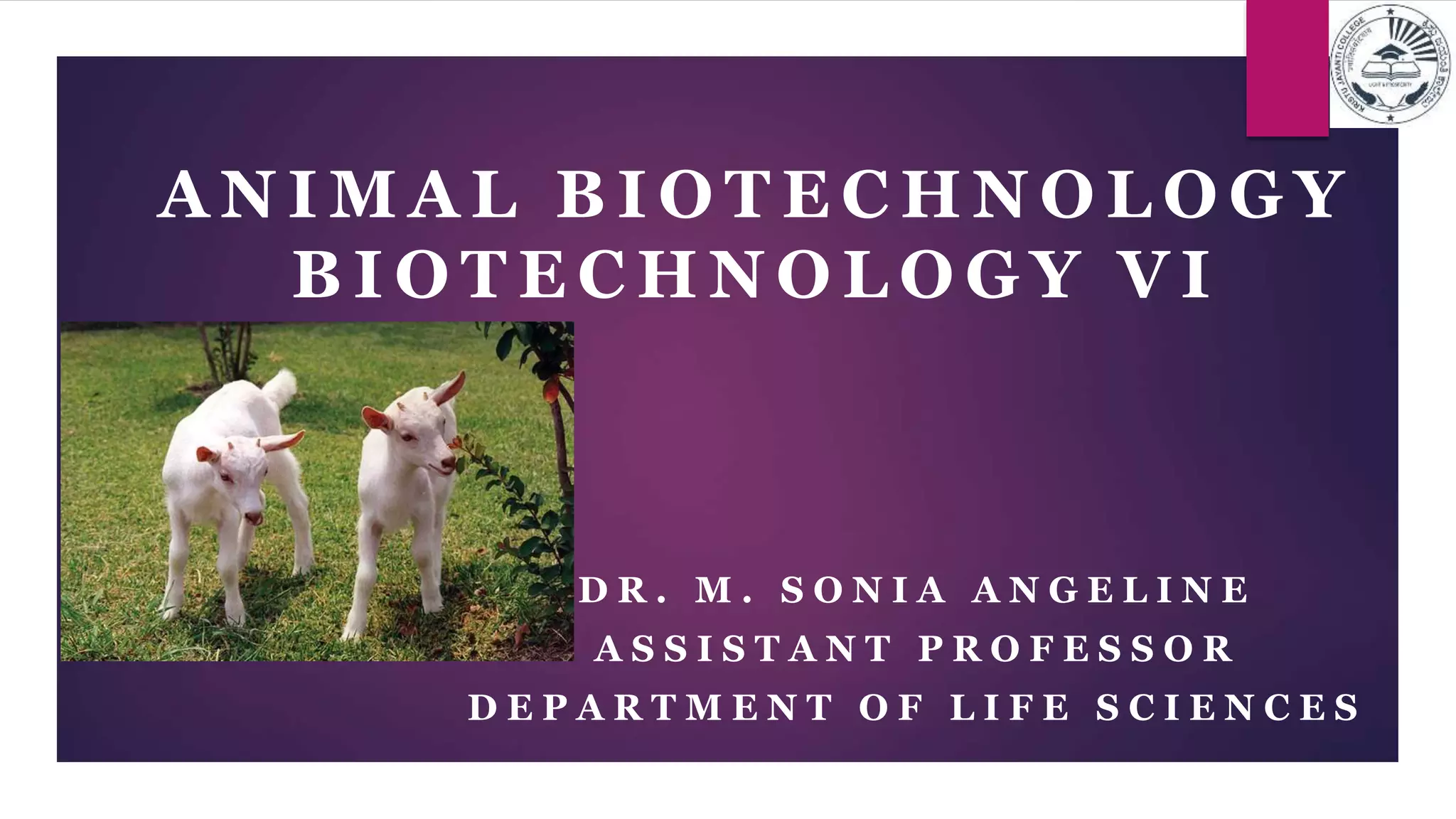
A N I M A L B I O T E C H N O L O G Y
B I O T E C H N O L O G Y V I
D R . M . S O N I A A N G E L I N E
A S S I S T A N T P R O F E S S O R
D E P A R T M E N T O F L I F E S C I E N C E S
INTRODUCTION
 The animal biotechnology in use today is built on a long history.
 Some of the first biotechnology in use includes traditional breeding techniques that date back
to 5000 B.C.
 Such techniques include crossing diverse strains of animals (known as hybridizing) to produce
greater genetic variety.
 The offspring from these crosses then are bred selectively to produce the greatest number of
desirable traits.
 The modern biotechnological tools have had a remarkable influence on animal biotechnology
as well.
 Many innovative techniques are constantly being used around the world to improve livestock.
• Biotechnology provides new tools for improving human health and animal health and
welfare and increasing livestock productivity.
• Biotechnology improves the food we eat - meat, milk and eggs.
• Biotechnology can improve an animal’s impact on the environment and enhances ability to
detect, treat and prevent diseases.
• Just like other assisted reproduction techniques such as artificial insemination, embryo
transfer and in vitro fertilization, livestock cloning improves animal breeding programs
allowing farmers and ranchers to produce healthier offspring, and therefore produce
healthier, safer and higher quality foods more consistently.
INTRODUCTION
HISTORY- 1970s
 1972: The DNA composition of humans is shown to be 99% similar to that of chimps
and gorillas
 1977: Genetically-engineered bacteria are used to make human growth protein
 1978: North Carolina scientists, Hutchinson and Edgell, prove it is possible to introduce
specific mutations at specific sites in a DNA molecule
 1979: The first monoclonal antibodies are synthesized.
 1980: The U.S. Supreme Court approves the patenting of genetically-engineered life
forms. The U.S. patent for gene cloning is awarded to Boyer and Cohen.
 1981: 1st mice to be successfully cloned
HISTORY- 1980s
 1982: Humulin, human insulin drug, produced by genetically- engineered bacteria (first biotech
drug approved by the FDA)
 1983: The first artificial chromosome is made
 1983: The first genetic markers for specific inherited diseases are found
 1984: The DNA fingerprinting technique is developed.
 1984: The first genetically-engineered vaccine is developed.
 1986: The first biotech-derived interferon drugs for the treatment of cancer are synthesized
 1988: Congress funds the Human Genome Project
 1989: Microorganisms are used to clean up the Exxon Valdez oil spill
HISTORY- 1990s
 1990: The first federally-approved gene therapy treatment is performed successfully
 1992: The structure of HIV is elucidated
 1993:The FDA declares that genetically engineered foods are "not inherently dangerous"
 1994: The first breast cancer gene is discovered
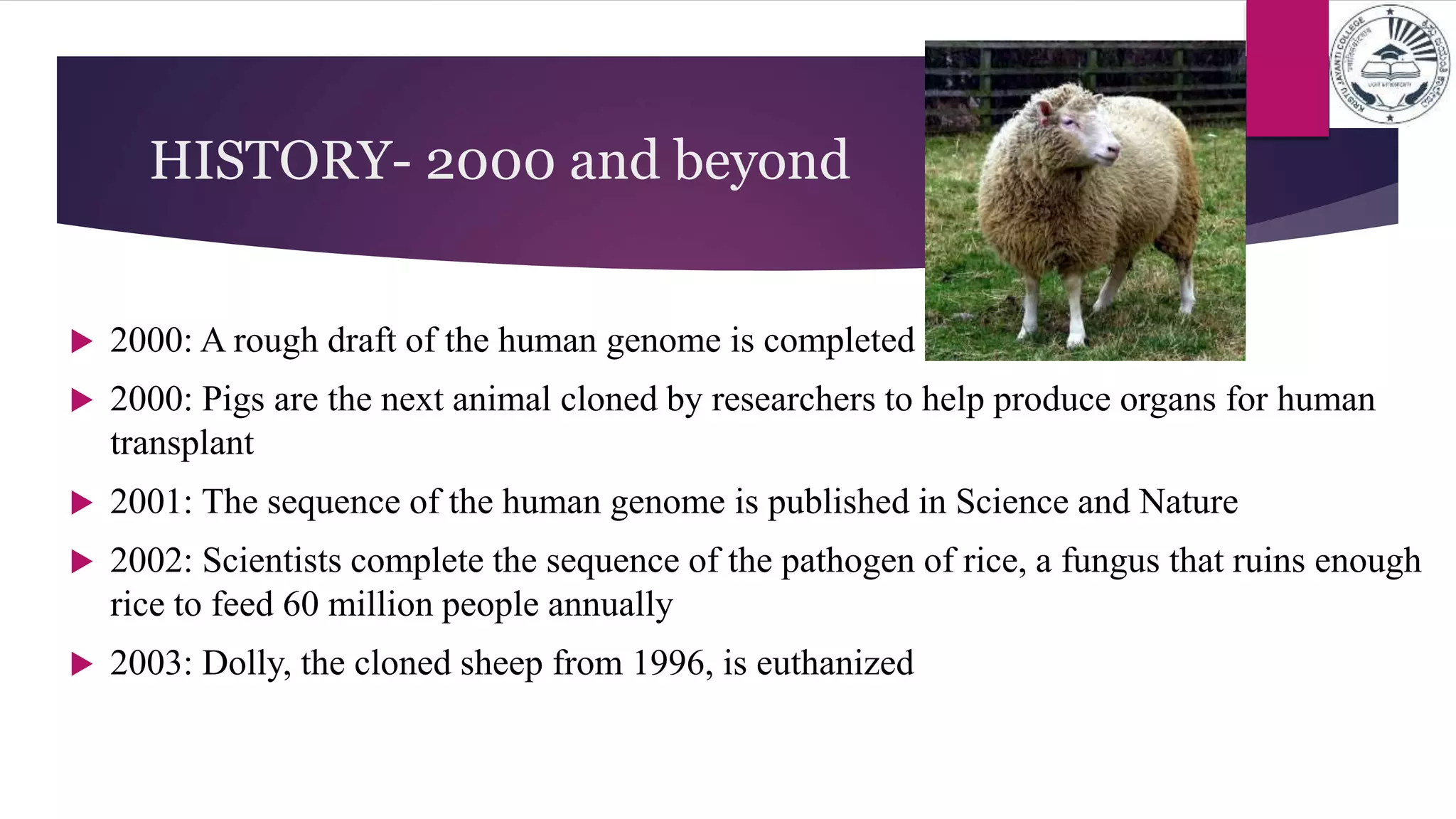
 1996: Scientists clone identical lambs from early embryonic sheep- the first mammal cloned
from an adult somatic cell (Dolly)
 1998: Scientists clone three generations of mice from nuclei of adult ovarian cells
 1998: Embryonic stem cells are used to regenerate tissue and create disorders that mimic
diseases
 1999: The genetic code of the human chromosome is deciphered
HISTORY- 2000 and beyond
 2000: A rough draft of the human genome is completed
 2000: Pigs are the next animal cloned by researchers to help produce organs for human
transplant
 2001: The sequence of the human genome is published in Science and Nature
 2002: Scientists complete the sequence of the pathogen of rice, a fungus that ruins enough
rice to feed 60 million people annually
 2003: Dolly, the cloned sheep from 1996, is euthanized
SCOPE
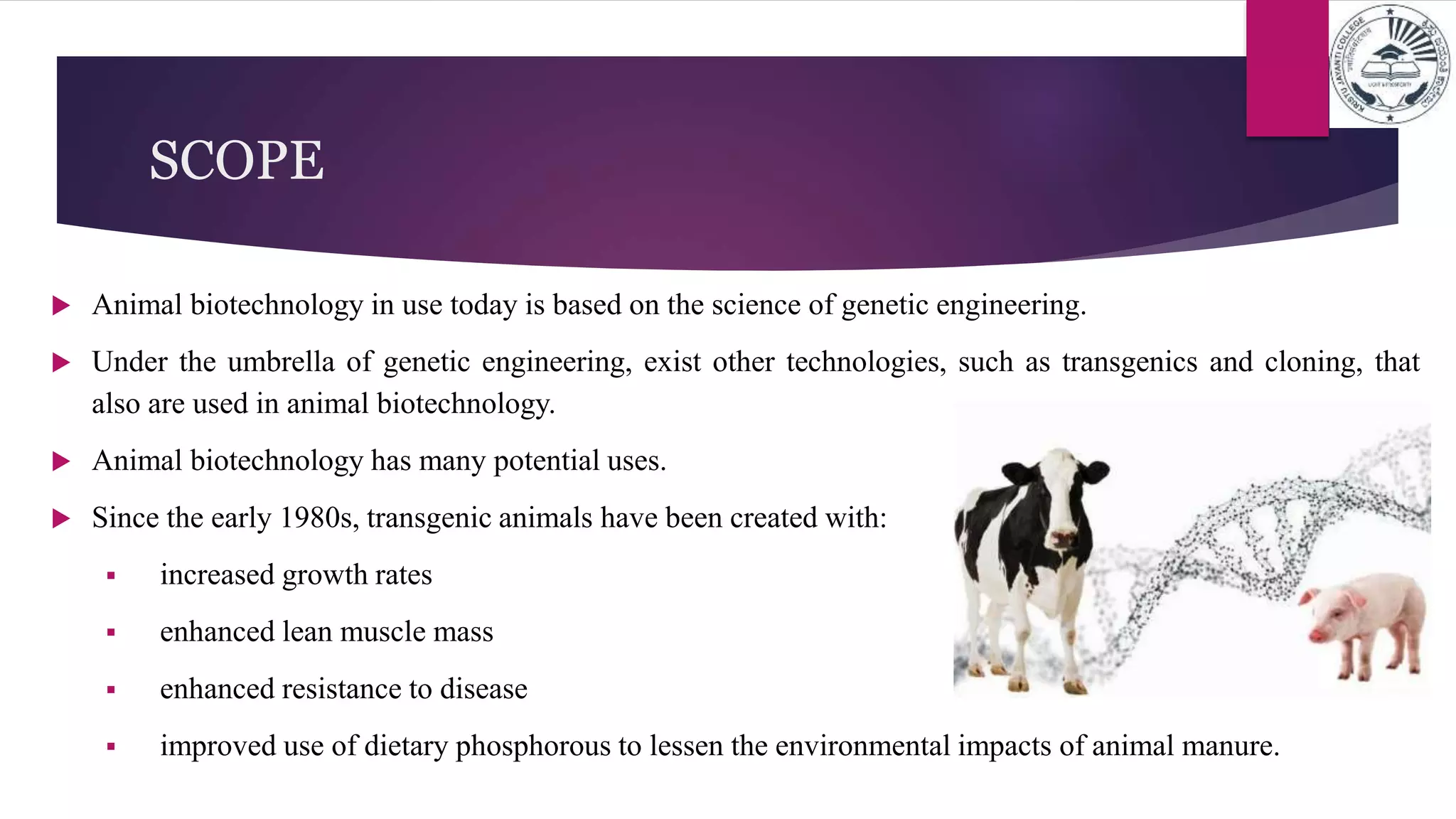
 Animal biotechnology in use today is based on the science of genetic engineering.
 Under the umbrella of genetic engineering, exist other technologies, such as transgenics and cloning, that
also are used in animal biotechnology.
 Animal biotechnology has many potential uses.
 Since the early 1980s, transgenic animals have been created with:
 increased growth rates
 enhanced lean muscle mass
 enhanced resistance to disease
 improved use of dietary phosphorous to lessen the environmental impacts of animal manure.
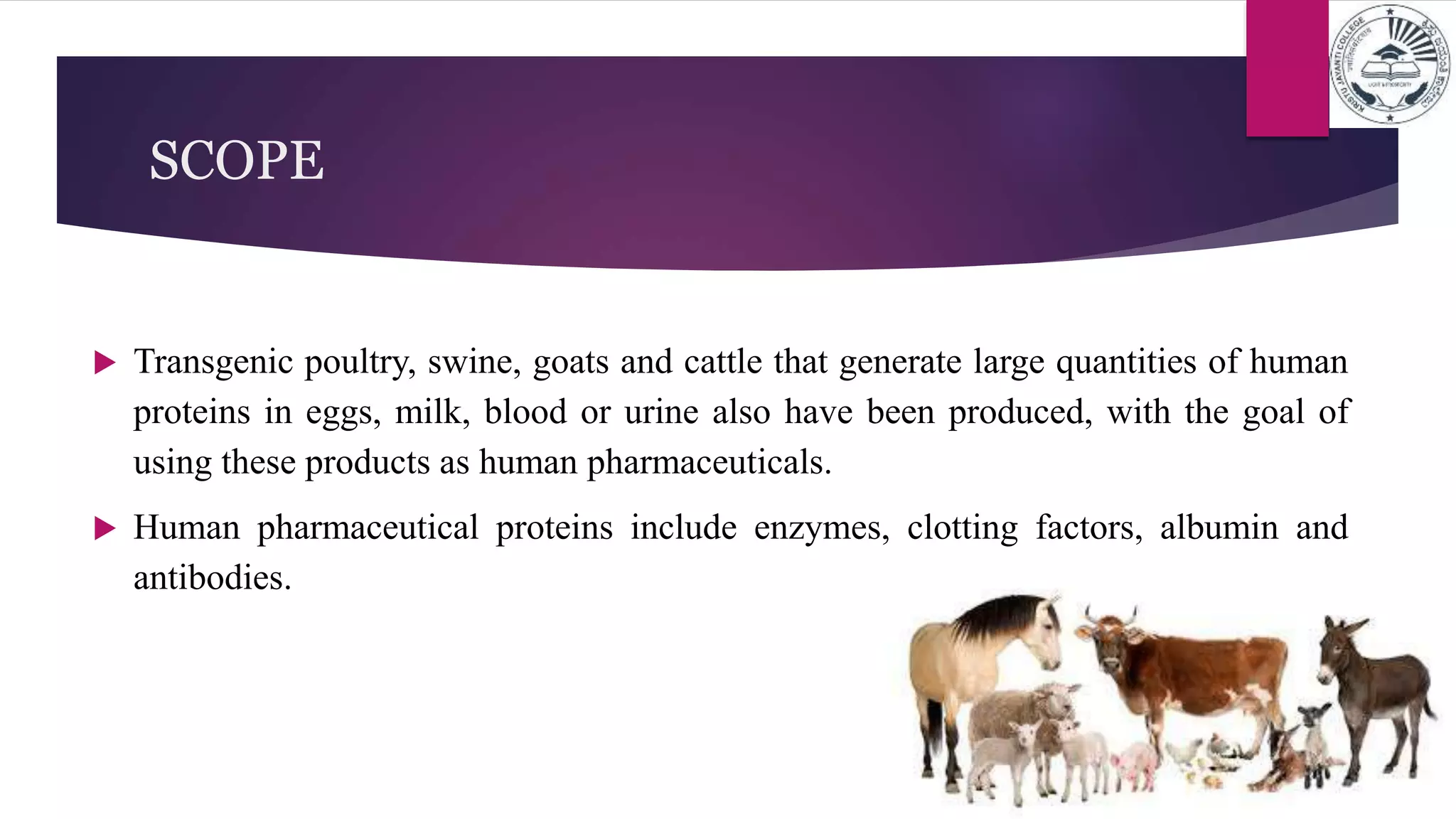
 Transgenic poultry, swine, goats and cattle that generate large quantities of human
proteins in eggs, milk, blood or urine also have been produced, with the goal of
using these products as human pharmaceuticals.
 Human pharmaceutical proteins include enzymes, clotting factors, albumin and
antibodies.
SCOPE
 Animal Biotechnology has the main objective of characterization and identification of animal breeds.
 Animal biotechnology has a widespread and diverse applications in the areas of
 food quality control
 analysis of milk products and milk and other animal products
 development of diseases-free animal
 Animal biotechnology implies the application of scientific and engineering
principles to the production and processing of materials.
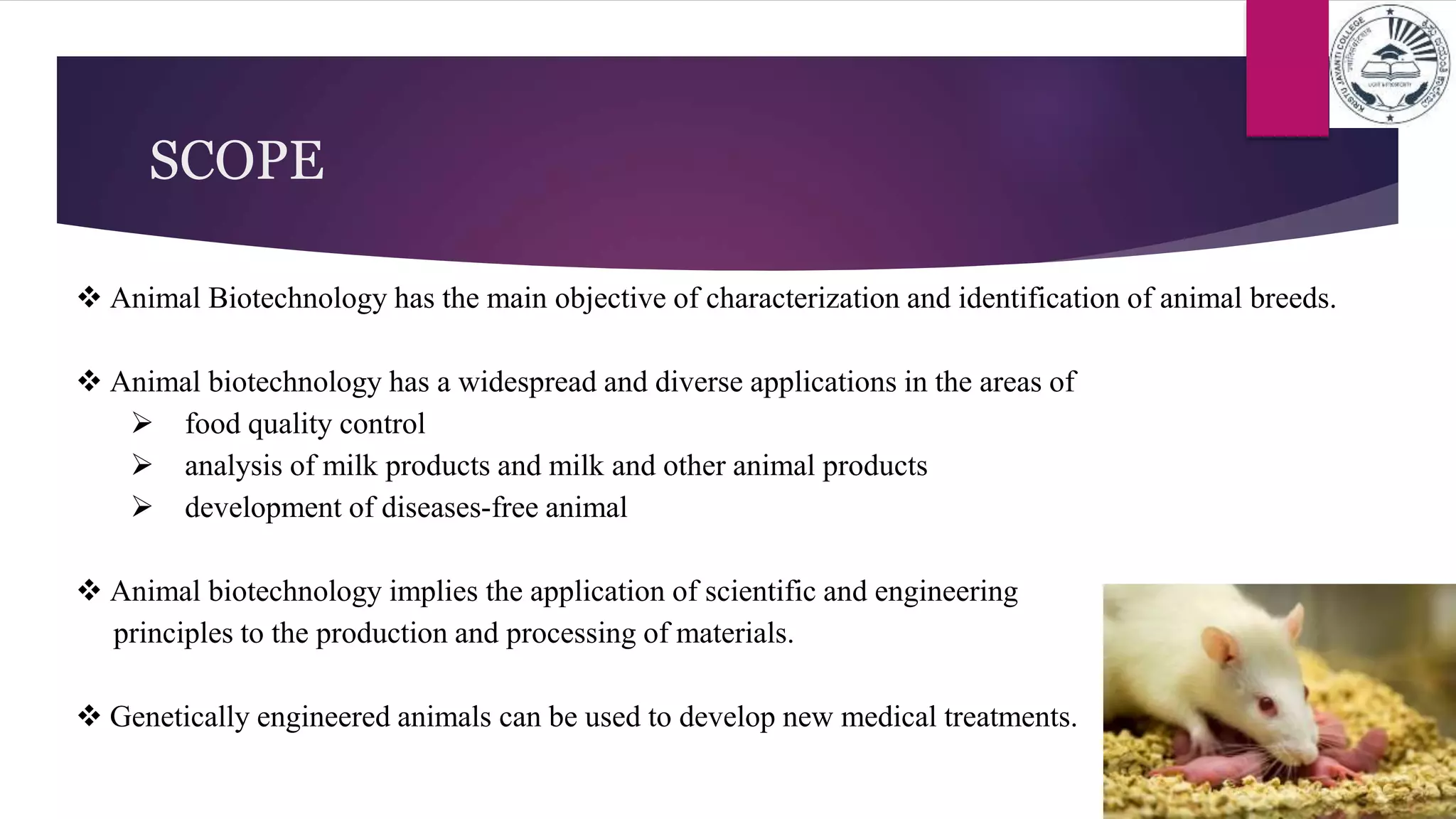
 Genetically engineered animals can be used to develop new medical treatments.
SCOPE
ANIMAL BIOTECHNOLOGY
 Animals are playing a growing role in the advancement of biotechnology, as well as
increasingly benefiting from biotechnology.
 Combining animals and biotechnology results in advances in four primary areas:
1. Advances in human health
2. Improved animal health and welfare
3. Enhancements to animal products- increased milk productivity
4. Environmental and conservation benefits
ANIMAL BIOTECHNOLOGY
 Animal biotechnology includes all animals: livestock, poultry, fish, insects, companion
animals and laboratory animals.
 Applications developed through research have led to the emergence of three scientific
agricultural animal biotechnology sectors:
1. Animal genomics
2. Animal cloning
3. Genetic engineering of animals
ANIMALS IN RESEARCH
 Animal Models
 Many genetic and physiological similarities exist between animals and humans
 Research using animals has been the key to most medical breakthroughs in the past century
 Polio vaccine
 Cataract surgery techniques
 Dialysis
 FDA regulations state that new drugs, medical procedures, and cosmetic products must pass safety tests
 Involves phase testing
 Conduct a significant number of trials on cell cultures, in live animals, and on human research
participants
 Animals most often used are
 Purebred mice and rats
 Other species used include
 Zebrafish, fruit flies, nematodes
 Dogs, monkeys, chimpanzees, cats make up less than 1% of total number of research animals
 Alternatives to Animal Models
 Cell culture and computer-generated models
 Cell Culture
 Preliminary screen to check the toxicity of substances
 Can answer fundamental questions about biology
 Cannot provide information about potential impacts on entire living organism
ANIMALS IN RESEARCH
ANIMALS IN RESEARCH
 Regulation of Animal Research
 Federal Animal Welfare Act set standards regarding the housing, feeding, cleanliness, and medical care
of research animals
 Institutional Review Boards are present at each institution; researcher must prove the need to use
animals, select the most appropriate species, and devise a plan for using as few animals as possible
 To receive funding from the NIH, the FDA, or the CDC (Centre for Disease Control), researchers must
follow standards of care set out in The Guide for the Care and Use of Laboratory Animals
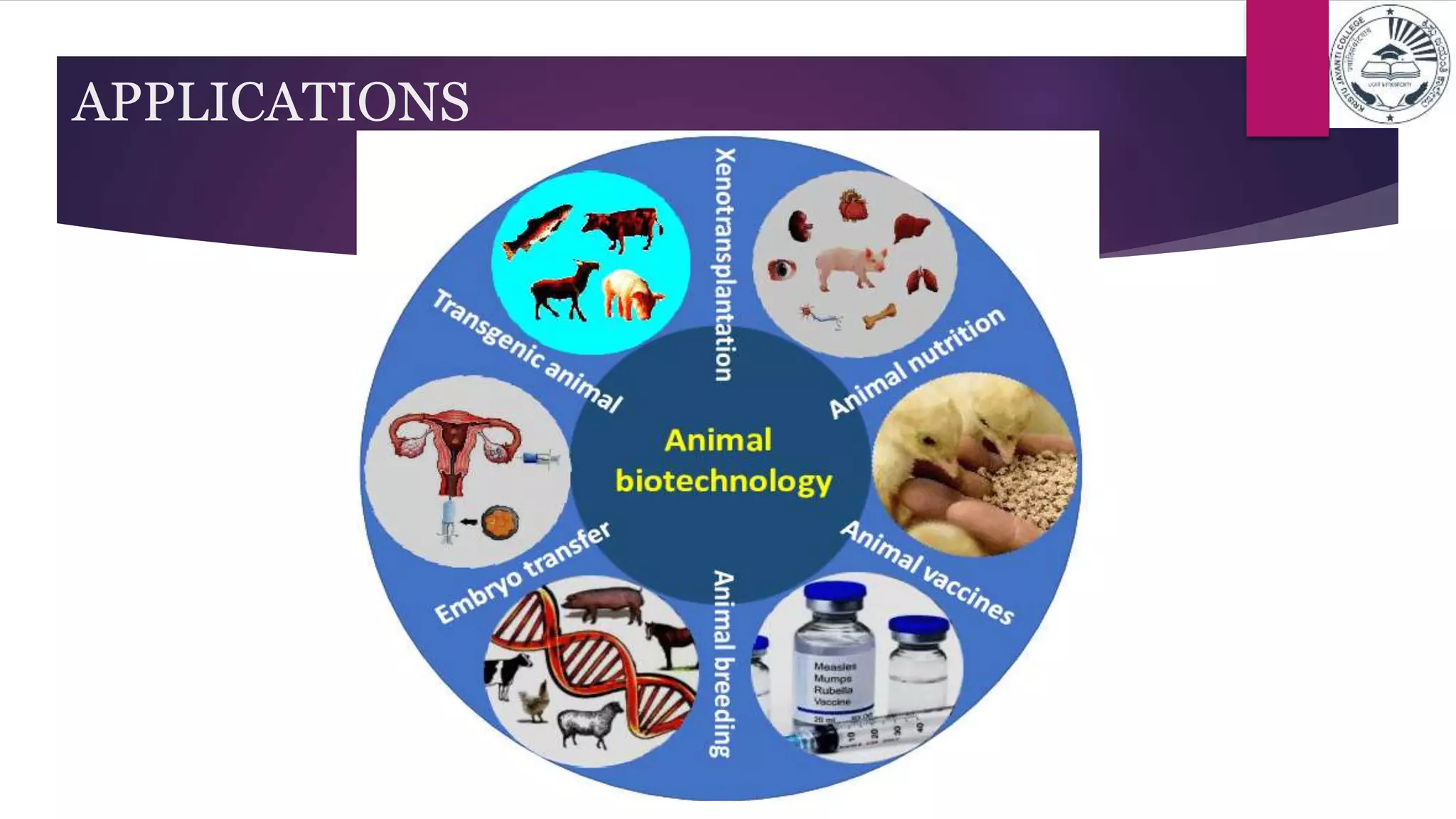
APPLICATIONS
APPLICATIONS
 Animal Breeding
 Recombinant DNA technology has made it possible to breed animals with great precision and
accuracy.
 Specific genes can be inserted into an animal embryo without causing a shift in other genes present
in the same animal.
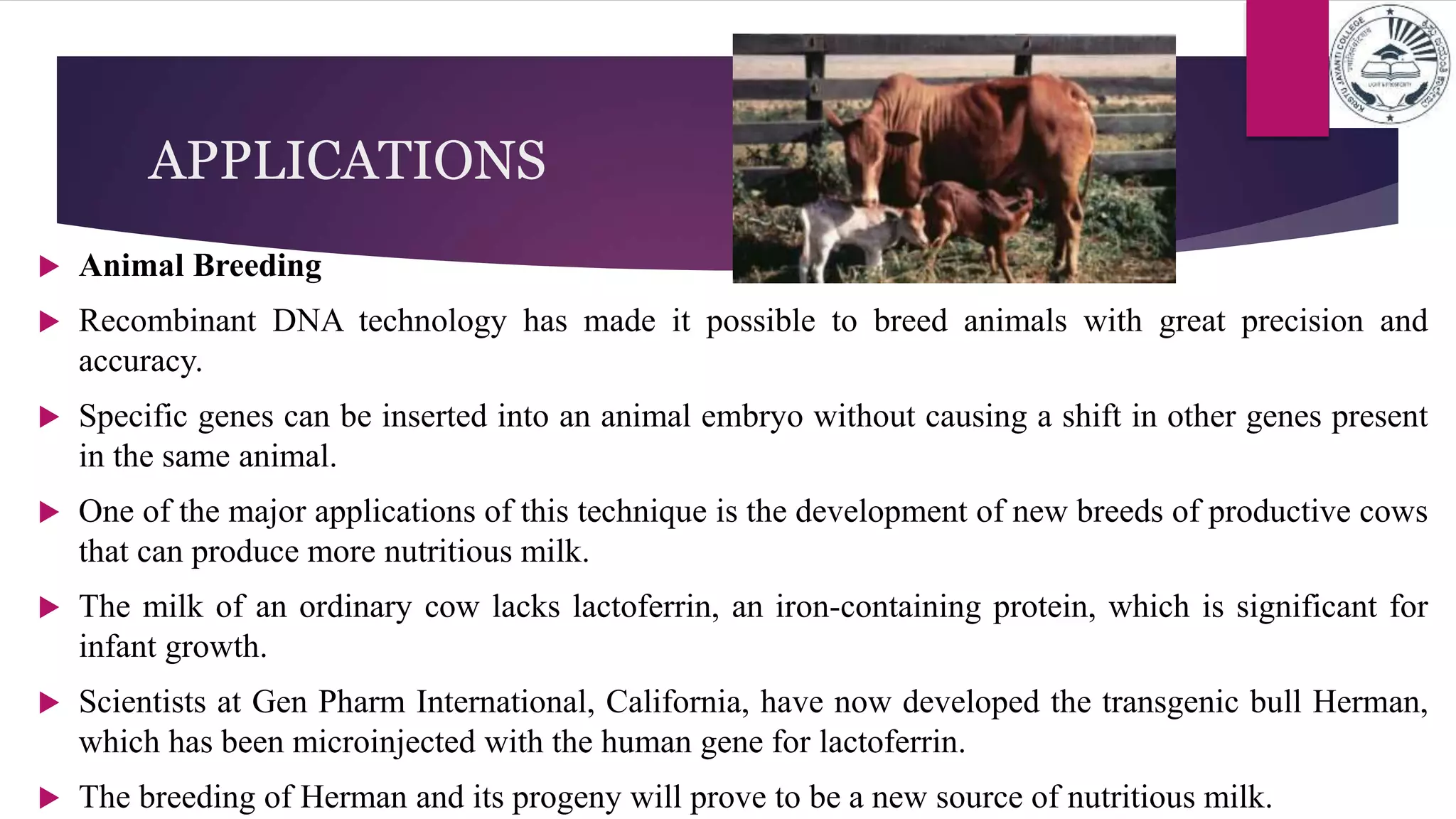
 One of the major applications of this technique is the development of new breeds of productive cows
that can produce more nutritious milk.
 The milk of an ordinary cow lacks lactoferrin, an iron-containing protein, which is significant for
infant growth.
 Scientists at Gen Pharm International, California, have now developed the transgenic bull Herman,
which has been microinjected with the human gene for lactoferrin.
 The breeding of Herman and its progeny will prove to be a new source of nutritious milk.
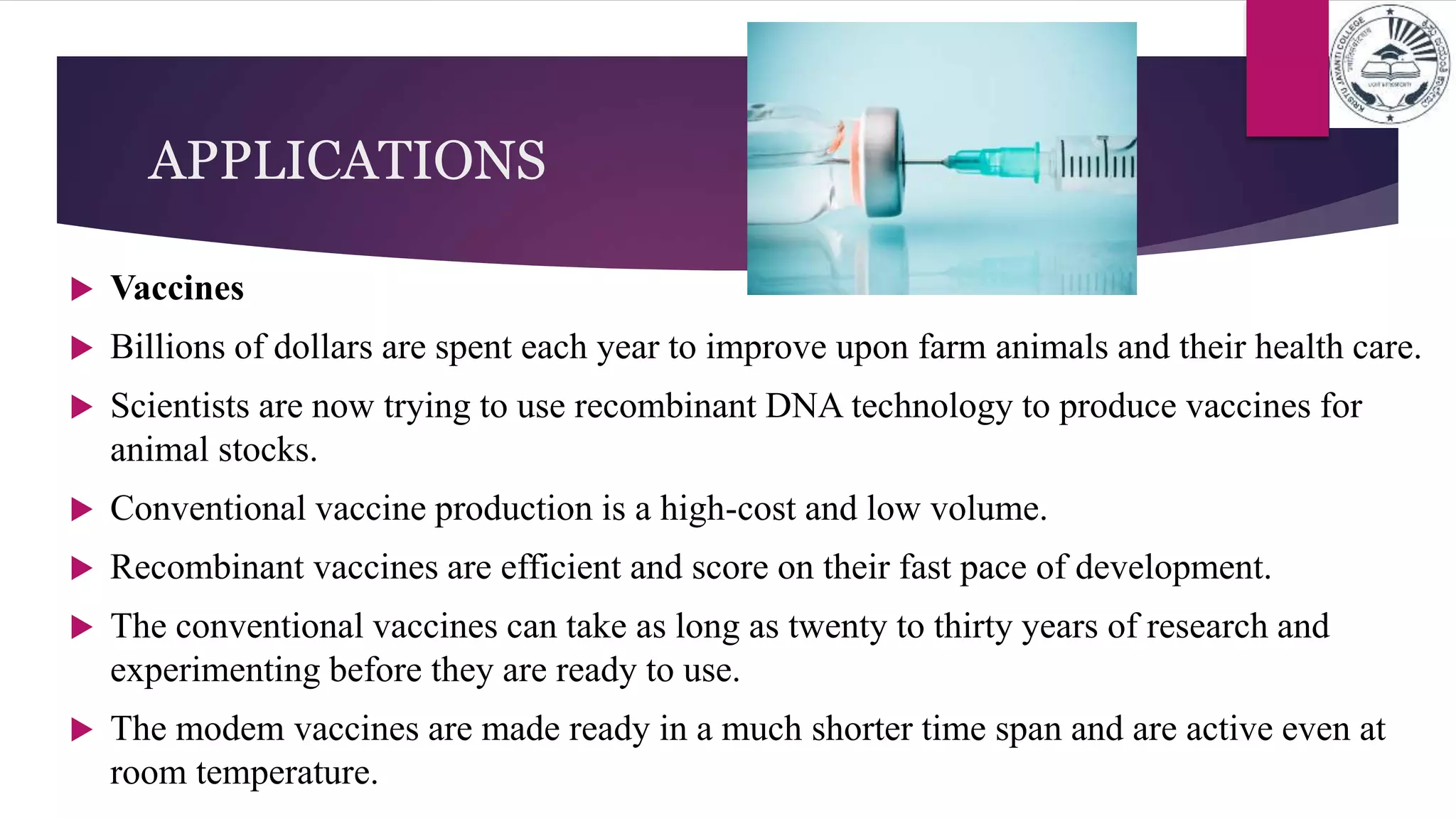
 Vaccines
 Billions of dollars are spent each year to improve upon farm animals and their health care.
 Scientists are now trying to use recombinant DNA technology to produce vaccines for
animal stocks.
 Conventional vaccine production is a high-cost and low volume.
 Recombinant vaccines are efficient and score on their fast pace of development.
 The conventional vaccines can take as long as twenty to thirty years of research and
experimenting before they are ready to use.
 The modem vaccines are made ready in a much shorter time span and are active even at
room temperature.
APPLICATIONS
APPLICATIONS
 Animal Nutrition
 Animal proteins like somatotropins can be over-expressed in bacteria and generated in larger quantities
for commercial purposes.
 Giving small amounts of these proteins to animals like sheep and cows has already shown an increase in
the animal’s feed conversion efficiency.
 Biotechnological manipulation can help generate Porcine Somatotropin (PST), which not only improves
the feed efficiency by fifteen to twenty per cent, but also has important benefits for human health systems.
 PST also helps reduce fat deposits.
 Embryo Transfer
 Embryo transfer is another technique of genetic manipulation.
 The principal advantage of embryo transfer is that it increases the reproductive capacity of useful cattle
like cows and buffaloes
APPLICATIONS
 Transgenic Animals
 The development of Dolly and Polly, the first cloned animals created waves all over the world. This feat is indeed
significant, as it not only marks a great scientific achievement, but also paves the way for the generation of many other
cloned animals, which carry valuable human proteins.
 Dolly – the ‘clone of the donor’
 Polly – the transgenic lamb containing a human gene
 This paves the way for the generation of many other cloned animals, which carry valuable human proteins.
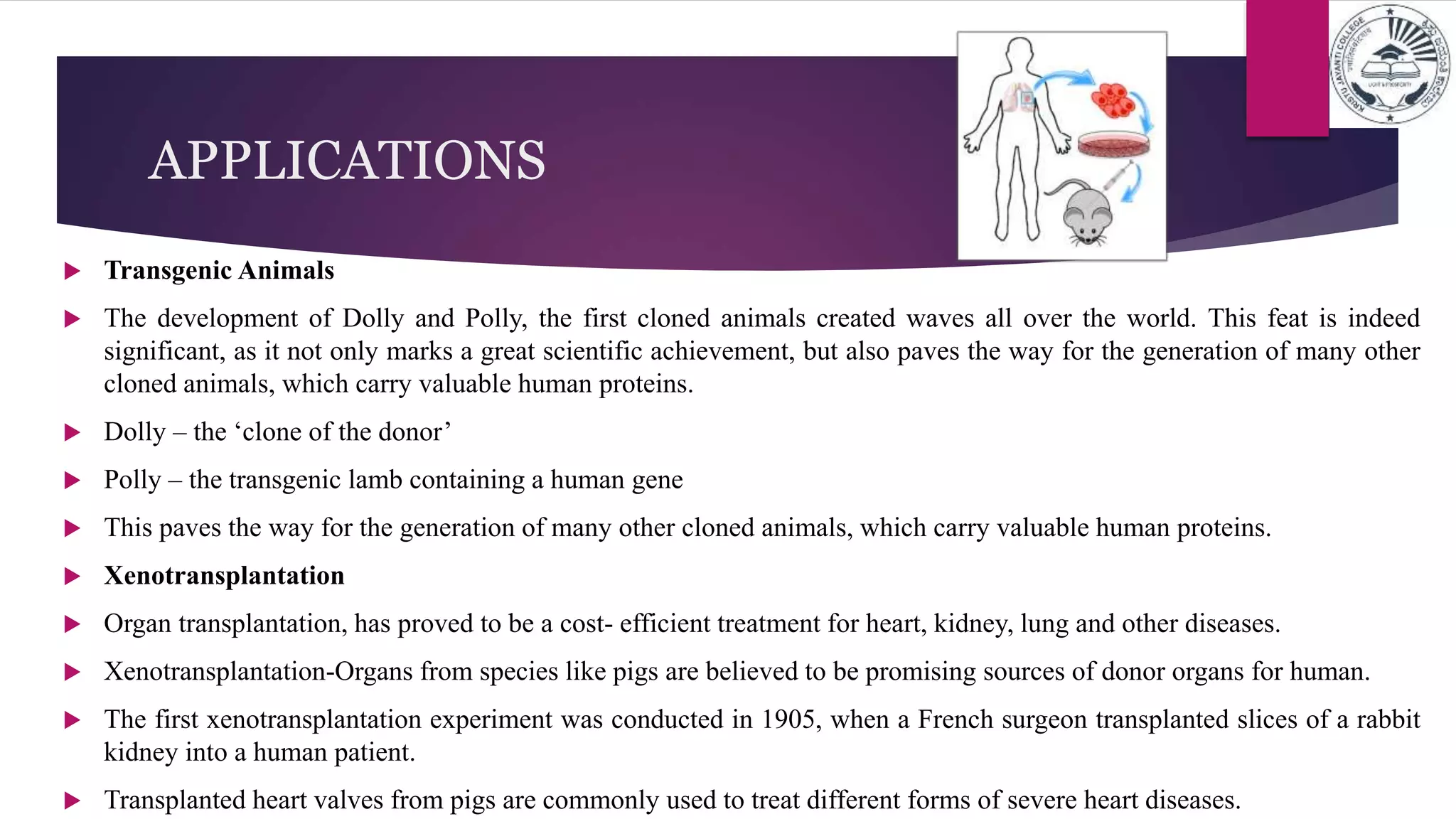
 Xenotransplantation
 Organ transplantation, has proved to be a cost- efficient treatment for heart, kidney, lung and other diseases.
 Xenotransplantation-Organs from species like pigs are believed to be promising sources of donor organs for human.
 The first xenotransplantation experiment was conducted in 1905, when a French surgeon transplanted slices of a rabbit
kidney into a human patient.
 Transplanted heart valves from pigs are commonly used to treat different forms of severe heart diseases.
TERMINOLOGIES IN ANIMAL CELL
CULTURE
Anchorage-dependent cells or cultures: Cells, or cultures derived from them, which will grow, survive, or
maintain function only when attached to an inert surface such as glass or plastic. Cells grow as monolayers adhering
to the substrate (glass/ plastic).
Aseptic technique: Procedures used to prevent the introduction of fungi, bacteria, viruses, mycoplasma or other
microorganisms into cell, tissue and organ culture. Although these procedures are used to prevent microbial
contamination of cultures, they also prevent cross contamination of cell cultures as well.
Cell culture: Term used to denote the maintenance or cultivation of cells in vitro including the culture of single cells.
In cell cultures, the cells are no longer organized into tissues.
Cell generation time: The interval between consecutive divisions of a cell.
Cell hydridization: The fusion of two or more dissimilar cells leading to the formation of a synkaryon.
TERMINOLOGIES
Cell line: A cell line arises from a primary culture at the time of the first successful subculture. The term "cell line" implies that
cultures from it consist of lineages of cells originally present in the primary culture. The term continuous cell lines implies the
indefinite growth of the cells in the subsequent sub-culturing.
Cell strain: A cell strain is derived either from a primary culture or a cell line by the selection or cloning of cells having specific
properties or markers.
Clone: In animal cell culture terminology a population of cells derived from a single cell by mitoses. A clone is not necessarily
homogeneous and, therefore, the terms clone and cloned do not indicate homogeneity in a cell population, genetic or otherwise.
Continuous cell culture: A culture which is apparently capable of an unlimited number of population doublings; often referred to an
as immortal cell culture. Such cells may or may not express the characteristics of in vitro neoplastic or malignant transformation.
Cryopreservation: Ultra-low temperature storage of cells, tissues, embryos or seeds. This storage is usually carried out using
temperatures below -100°C.
TERMINOLOGIES
Differentiated: Cells that maintain, in culture, all or much of the specialized structure and function typical of the cell type in vivo.
Diploid: The state of the cell in which all chromosomes, except sex chromosomes, are two in number and are structurally identical
with those of the species from which the culture was derived. Where there is a Commission Report available, the experimenter
should adhere to the convention for reporting the karyotype of the donor.
Euploid: The situation which exists when the nucleus of a cell contains exact multiples of the haploid number of chromosomes.
Explant: Tissue taken from its original site and transferred to an artificial medium for growth or maintenance.
Finite cells: When the cells have limited life span.
Hybridoma: The cell which results form the fusion of an antibody producing tumor cell (myeloma) and an antigenically-stimulated
normal plasma cell. Such cells are constructed because they produce a single antibody directed against the antigen epitope which
stimulated the plasma cell.
TERMINOLOGIES
Organ culture: The maintenance or growth of organ primordia or the whole or parts of an organ in vitro in a way that
may allow differentiation and preservation of the architecture and/or function.
Passage: The transfer or transplantation of cell, with or without dilution, from one culture vessel to another. It is
understood that nay time cells are transferred from one vessel to another, a certain portion of the cells may be lost and,
therefore, dilution of cells, whether deliberate or not, may occur. This term is synonymous with the term "subculture".
Passage number: The number of times the cells in the culture have been subcultured or passaged. In descriptions of
this process, the ration or dilution of the cells should be stated so that the relative cultural age can be ascertained.
Primary culture: A culture started from cells, tissues or organs taken directly from organisms. When cells are
surgically removed from an organism and placed into a suitable culture environment they will attach, divide and grow.
A primary culture may be regarded as such until it is successfully subcultured for the first time.
TERMINOLOGIES
Subculture: This term denotes the transplantation of cells from one culture vessel to another.
Suspension culture: A type of culture in which cells, or aggregates of cells, multiply while suspended in liquid medium.
Tissue culture: The maintenance or growth of tissues, in vitro, in a way that may allow differentiation and preservation of
their architecture and/or function.
Totipotency: A cell characteristic in which the potential for forming all the cell types in the adult organism is retained.
Transfection: The transfer, for the purposed of genomic integration, of naked, foreign DNA into cells in culture. The
traditional microbiological usage of this term implied that the DNA being transferred was derived from a virus. The
definition as stated here is that which is in use to describe the general transfer of DNA irrespective of its source.
TERMINOLOGIES
Transformation: In plant cell culture, the introduction and stable genomic integration of foreign DNA into a plant cell by
any means, resulting in a genetic modification. This definition is the traditional microbiological definition.
Eagles’s Minimum Essential Media (EMEM)
Dulbecco’s Modified Essential Media (DMEM)
Iscove’s Modified Dulbecco’s Medium (IMDM)
Roosevelt Park Memorial Institute (RPMI 1640)
Source: Worthington Tissue Dissociation Guide-Tissue Culture Glossary
THANK
YOU

ABT Introduction

  • 1.
    A N IM A L B I O T E C H N O L O G Y B I O T E C H N O L O G Y V I D R . M . S O N I A A N G E L I N E A S S I S T A N T P R O F E S S O R D E P A R T M E N T O F L I F E S C I E N C E S
  • 2.
    INTRODUCTION  The animalbiotechnology in use today is built on a long history.  Some of the first biotechnology in use includes traditional breeding techniques that date back to 5000 B.C.  Such techniques include crossing diverse strains of animals (known as hybridizing) to produce greater genetic variety.  The offspring from these crosses then are bred selectively to produce the greatest number of desirable traits.  The modern biotechnological tools have had a remarkable influence on animal biotechnology as well.  Many innovative techniques are constantly being used around the world to improve livestock.
  • 3.
    • Biotechnology providesnew tools for improving human health and animal health and welfare and increasing livestock productivity. • Biotechnology improves the food we eat - meat, milk and eggs. • Biotechnology can improve an animal’s impact on the environment and enhances ability to detect, treat and prevent diseases. • Just like other assisted reproduction techniques such as artificial insemination, embryo transfer and in vitro fertilization, livestock cloning improves animal breeding programs allowing farmers and ranchers to produce healthier offspring, and therefore produce healthier, safer and higher quality foods more consistently. INTRODUCTION
  • 4.
    HISTORY- 1970s  1972:The DNA composition of humans is shown to be 99% similar to that of chimps and gorillas  1977: Genetically-engineered bacteria are used to make human growth protein  1978: North Carolina scientists, Hutchinson and Edgell, prove it is possible to introduce specific mutations at specific sites in a DNA molecule  1979: The first monoclonal antibodies are synthesized.  1980: The U.S. Supreme Court approves the patenting of genetically-engineered life forms. The U.S. patent for gene cloning is awarded to Boyer and Cohen.  1981: 1st mice to be successfully cloned
  • 5.
    HISTORY- 1980s  1982:Humulin, human insulin drug, produced by genetically- engineered bacteria (first biotech drug approved by the FDA)  1983: The first artificial chromosome is made  1983: The first genetic markers for specific inherited diseases are found  1984: The DNA fingerprinting technique is developed.  1984: The first genetically-engineered vaccine is developed.  1986: The first biotech-derived interferon drugs for the treatment of cancer are synthesized  1988: Congress funds the Human Genome Project  1989: Microorganisms are used to clean up the Exxon Valdez oil spill
  • 6.
    HISTORY- 1990s  1990:The first federally-approved gene therapy treatment is performed successfully  1992: The structure of HIV is elucidated  1993:The FDA declares that genetically engineered foods are "not inherently dangerous"  1994: The first breast cancer gene is discovered  1996: Scientists clone identical lambs from early embryonic sheep- the first mammal cloned from an adult somatic cell (Dolly)  1998: Scientists clone three generations of mice from nuclei of adult ovarian cells  1998: Embryonic stem cells are used to regenerate tissue and create disorders that mimic diseases  1999: The genetic code of the human chromosome is deciphered
  • 7.
    HISTORY- 2000 andbeyond  2000: A rough draft of the human genome is completed  2000: Pigs are the next animal cloned by researchers to help produce organs for human transplant  2001: The sequence of the human genome is published in Science and Nature  2002: Scientists complete the sequence of the pathogen of rice, a fungus that ruins enough rice to feed 60 million people annually  2003: Dolly, the cloned sheep from 1996, is euthanized
  • 8.
    SCOPE  Animal biotechnologyin use today is based on the science of genetic engineering.  Under the umbrella of genetic engineering, exist other technologies, such as transgenics and cloning, that also are used in animal biotechnology.  Animal biotechnology has many potential uses.  Since the early 1980s, transgenic animals have been created with:  increased growth rates  enhanced lean muscle mass  enhanced resistance to disease  improved use of dietary phosphorous to lessen the environmental impacts of animal manure.
  • 9.
     Transgenic poultry,swine, goats and cattle that generate large quantities of human proteins in eggs, milk, blood or urine also have been produced, with the goal of using these products as human pharmaceuticals.  Human pharmaceutical proteins include enzymes, clotting factors, albumin and antibodies. SCOPE
  • 10.
     Animal Biotechnologyhas the main objective of characterization and identification of animal breeds.  Animal biotechnology has a widespread and diverse applications in the areas of  food quality control  analysis of milk products and milk and other animal products  development of diseases-free animal  Animal biotechnology implies the application of scientific and engineering principles to the production and processing of materials.  Genetically engineered animals can be used to develop new medical treatments. SCOPE
  • 11.
    ANIMAL BIOTECHNOLOGY  Animalsare playing a growing role in the advancement of biotechnology, as well as increasingly benefiting from biotechnology.  Combining animals and biotechnology results in advances in four primary areas: 1. Advances in human health 2. Improved animal health and welfare 3. Enhancements to animal products- increased milk productivity 4. Environmental and conservation benefits
  • 12.
    ANIMAL BIOTECHNOLOGY  Animalbiotechnology includes all animals: livestock, poultry, fish, insects, companion animals and laboratory animals.  Applications developed through research have led to the emergence of three scientific agricultural animal biotechnology sectors: 1. Animal genomics 2. Animal cloning 3. Genetic engineering of animals
  • 13.
    ANIMALS IN RESEARCH Animal Models  Many genetic and physiological similarities exist between animals and humans  Research using animals has been the key to most medical breakthroughs in the past century  Polio vaccine  Cataract surgery techniques  Dialysis  FDA regulations state that new drugs, medical procedures, and cosmetic products must pass safety tests  Involves phase testing  Conduct a significant number of trials on cell cultures, in live animals, and on human research participants
  • 14.
     Animals mostoften used are  Purebred mice and rats  Other species used include  Zebrafish, fruit flies, nematodes  Dogs, monkeys, chimpanzees, cats make up less than 1% of total number of research animals  Alternatives to Animal Models  Cell culture and computer-generated models  Cell Culture  Preliminary screen to check the toxicity of substances  Can answer fundamental questions about biology  Cannot provide information about potential impacts on entire living organism ANIMALS IN RESEARCH
  • 15.
    ANIMALS IN RESEARCH Regulation of Animal Research  Federal Animal Welfare Act set standards regarding the housing, feeding, cleanliness, and medical care of research animals  Institutional Review Boards are present at each institution; researcher must prove the need to use animals, select the most appropriate species, and devise a plan for using as few animals as possible  To receive funding from the NIH, the FDA, or the CDC (Centre for Disease Control), researchers must follow standards of care set out in The Guide for the Care and Use of Laboratory Animals
  • 16.
  • 17.
    APPLICATIONS  Animal Breeding Recombinant DNA technology has made it possible to breed animals with great precision and accuracy.  Specific genes can be inserted into an animal embryo without causing a shift in other genes present in the same animal.  One of the major applications of this technique is the development of new breeds of productive cows that can produce more nutritious milk.  The milk of an ordinary cow lacks lactoferrin, an iron-containing protein, which is significant for infant growth.  Scientists at Gen Pharm International, California, have now developed the transgenic bull Herman, which has been microinjected with the human gene for lactoferrin.  The breeding of Herman and its progeny will prove to be a new source of nutritious milk.
  • 18.
     Vaccines  Billionsof dollars are spent each year to improve upon farm animals and their health care.  Scientists are now trying to use recombinant DNA technology to produce vaccines for animal stocks.  Conventional vaccine production is a high-cost and low volume.  Recombinant vaccines are efficient and score on their fast pace of development.  The conventional vaccines can take as long as twenty to thirty years of research and experimenting before they are ready to use.  The modem vaccines are made ready in a much shorter time span and are active even at room temperature. APPLICATIONS
  • 19.
    APPLICATIONS  Animal Nutrition Animal proteins like somatotropins can be over-expressed in bacteria and generated in larger quantities for commercial purposes.  Giving small amounts of these proteins to animals like sheep and cows has already shown an increase in the animal’s feed conversion efficiency.  Biotechnological manipulation can help generate Porcine Somatotropin (PST), which not only improves the feed efficiency by fifteen to twenty per cent, but also has important benefits for human health systems.  PST also helps reduce fat deposits.  Embryo Transfer  Embryo transfer is another technique of genetic manipulation.  The principal advantage of embryo transfer is that it increases the reproductive capacity of useful cattle like cows and buffaloes
  • 20.
    APPLICATIONS  Transgenic Animals The development of Dolly and Polly, the first cloned animals created waves all over the world. This feat is indeed significant, as it not only marks a great scientific achievement, but also paves the way for the generation of many other cloned animals, which carry valuable human proteins.  Dolly – the ‘clone of the donor’  Polly – the transgenic lamb containing a human gene  This paves the way for the generation of many other cloned animals, which carry valuable human proteins.  Xenotransplantation  Organ transplantation, has proved to be a cost- efficient treatment for heart, kidney, lung and other diseases.  Xenotransplantation-Organs from species like pigs are believed to be promising sources of donor organs for human.  The first xenotransplantation experiment was conducted in 1905, when a French surgeon transplanted slices of a rabbit kidney into a human patient.  Transplanted heart valves from pigs are commonly used to treat different forms of severe heart diseases.
  • 21.
    TERMINOLOGIES IN ANIMALCELL CULTURE Anchorage-dependent cells or cultures: Cells, or cultures derived from them, which will grow, survive, or maintain function only when attached to an inert surface such as glass or plastic. Cells grow as monolayers adhering to the substrate (glass/ plastic). Aseptic technique: Procedures used to prevent the introduction of fungi, bacteria, viruses, mycoplasma or other microorganisms into cell, tissue and organ culture. Although these procedures are used to prevent microbial contamination of cultures, they also prevent cross contamination of cell cultures as well. Cell culture: Term used to denote the maintenance or cultivation of cells in vitro including the culture of single cells. In cell cultures, the cells are no longer organized into tissues. Cell generation time: The interval between consecutive divisions of a cell. Cell hydridization: The fusion of two or more dissimilar cells leading to the formation of a synkaryon.
  • 22.
    TERMINOLOGIES Cell line: Acell line arises from a primary culture at the time of the first successful subculture. The term "cell line" implies that cultures from it consist of lineages of cells originally present in the primary culture. The term continuous cell lines implies the indefinite growth of the cells in the subsequent sub-culturing. Cell strain: A cell strain is derived either from a primary culture or a cell line by the selection or cloning of cells having specific properties or markers. Clone: In animal cell culture terminology a population of cells derived from a single cell by mitoses. A clone is not necessarily homogeneous and, therefore, the terms clone and cloned do not indicate homogeneity in a cell population, genetic or otherwise. Continuous cell culture: A culture which is apparently capable of an unlimited number of population doublings; often referred to an as immortal cell culture. Such cells may or may not express the characteristics of in vitro neoplastic or malignant transformation. Cryopreservation: Ultra-low temperature storage of cells, tissues, embryos or seeds. This storage is usually carried out using temperatures below -100°C.
  • 23.
    TERMINOLOGIES Differentiated: Cells thatmaintain, in culture, all or much of the specialized structure and function typical of the cell type in vivo. Diploid: The state of the cell in which all chromosomes, except sex chromosomes, are two in number and are structurally identical with those of the species from which the culture was derived. Where there is a Commission Report available, the experimenter should adhere to the convention for reporting the karyotype of the donor. Euploid: The situation which exists when the nucleus of a cell contains exact multiples of the haploid number of chromosomes. Explant: Tissue taken from its original site and transferred to an artificial medium for growth or maintenance. Finite cells: When the cells have limited life span. Hybridoma: The cell which results form the fusion of an antibody producing tumor cell (myeloma) and an antigenically-stimulated normal plasma cell. Such cells are constructed because they produce a single antibody directed against the antigen epitope which stimulated the plasma cell.
  • 24.
    TERMINOLOGIES Organ culture: Themaintenance or growth of organ primordia or the whole or parts of an organ in vitro in a way that may allow differentiation and preservation of the architecture and/or function. Passage: The transfer or transplantation of cell, with or without dilution, from one culture vessel to another. It is understood that nay time cells are transferred from one vessel to another, a certain portion of the cells may be lost and, therefore, dilution of cells, whether deliberate or not, may occur. This term is synonymous with the term "subculture". Passage number: The number of times the cells in the culture have been subcultured or passaged. In descriptions of this process, the ration or dilution of the cells should be stated so that the relative cultural age can be ascertained. Primary culture: A culture started from cells, tissues or organs taken directly from organisms. When cells are surgically removed from an organism and placed into a suitable culture environment they will attach, divide and grow. A primary culture may be regarded as such until it is successfully subcultured for the first time.
  • 25.
    TERMINOLOGIES Subculture: This termdenotes the transplantation of cells from one culture vessel to another. Suspension culture: A type of culture in which cells, or aggregates of cells, multiply while suspended in liquid medium. Tissue culture: The maintenance or growth of tissues, in vitro, in a way that may allow differentiation and preservation of their architecture and/or function. Totipotency: A cell characteristic in which the potential for forming all the cell types in the adult organism is retained. Transfection: The transfer, for the purposed of genomic integration, of naked, foreign DNA into cells in culture. The traditional microbiological usage of this term implied that the DNA being transferred was derived from a virus. The definition as stated here is that which is in use to describe the general transfer of DNA irrespective of its source.
  • 26.
    TERMINOLOGIES Transformation: In plantcell culture, the introduction and stable genomic integration of foreign DNA into a plant cell by any means, resulting in a genetic modification. This definition is the traditional microbiological definition. Eagles’s Minimum Essential Media (EMEM) Dulbecco’s Modified Essential Media (DMEM) Iscove’s Modified Dulbecco’s Medium (IMDM) Roosevelt Park Memorial Institute (RPMI 1640) Source: Worthington Tissue Dissociation Guide-Tissue Culture Glossary
  • 27.