MICROBIOLOGY
introduction
Dr. Ashish Jawarkar
M.D. (Pathology)
Consultant Pathologist
Parul Sevashram Hospital, Vadodara
What is microbiology
• The branch of biology that deals with
microorganisms that infects humans, the
diseases that they cause, their diagnosis,

prevention and treatment.
• Branches – bacteriology, virulogy, mycology,
parasitology, immunology, and serology
Why microbiology
• what do nurses do?
• Most people will immediately and correctly
answer; "They care for ill and/or disabled
people."
• To effectively care for ill people, nurses must
know how to effectively deal with the microorganism (bacteria, fungi, virus, etc) which is the
underlying cause of the condition.
• nurses also must know enough about them to
catch the occasional error that a doctor may
make in treating a patient and bring the error to
his or her attention. For example; Patient X is
suffering from disease Z, which is caused by
bacteria Y, which is treatable by antibiotic A, but
not antibiotic B. Now let's say Doctor prescribes
antibiotic B, after briefly speaking to Patient X
and glancing at his chart, on hour 47 of a straight
48 hour duty shift.
• It is doctors who order or prescribe medications, but nurses
who prepare and administer them. This division of labor is
good, since it creates a "double check" system.
• Now when the nurse reads the chart and assesses the patient,
she or he will see that antibiotic B has been ordered for a
disease that it does not effectively treat and will call Doctor
Doe to inquire why he prescribed this unusual choice of
medication, at which time Doctor Doe will normally thank the
nurse for catching the inadvertent oversight and change the
order to the correct antibiotic A, which will cause a positive
outcome of the case.
• Now what if the nurse never received any
training that enabled her or him to recognize
that very possible oversight that some overworked, exhausted doctor made? At the very
least the healing process would be delayed, or at
worst, the patient may have died.
History
• Fermentation – cavemen, meat was more tasty
after being kept for some days
• - alcohol could be made from fruits and grains
• - souring of milk
• - putrefaction of dead bodies
• - dahi
• - cheese
History
• Disease and death – divine wrath – sacrifices
and pleading to gods
• Effect of environment, faulty body constitution,
faulty diet
• Roger bacon – 13th century – invisible creatures
• Fracastorius – seeds of disease passed from one
person to other
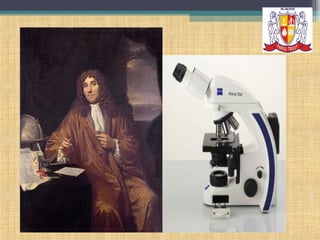
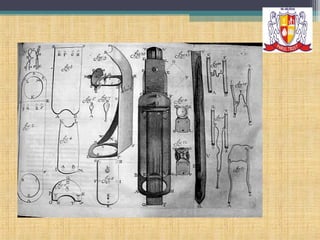
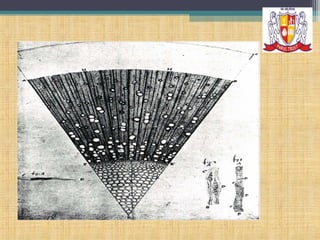
Microscope
• Antony van leeuwenhoek – father of
microbiology
• Draper
• Developed interest in lens making from glass
and observing things through them
• Little animalcules
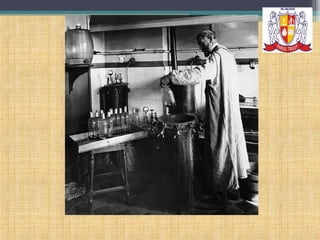
Louis pasteur
(father of bacteriology)

•
•
•
•
•

Only humans reproduce
Other organisms could originate from soil
Fermentation – beer and wine
Now used in dairy industries
Rabies vaccine – saliva from dog – rabbit spinal
cord – suspension of spinal cord into victim
• Anthrax vaccine
• Sterilisation – hot air oven, autoclave
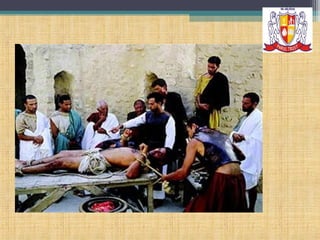
Joseph Lister
• Antisepsis
• Carbolic acid in use of surgery
• Earlier no anaesthesia, no antisepsis
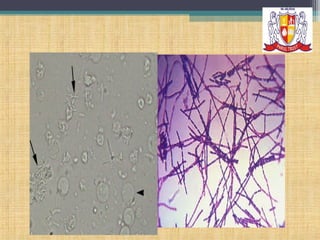
Robert Koch
(father of modern bacteriology)

• Tuberculosis, anthrax, cholera
• Staining techniques
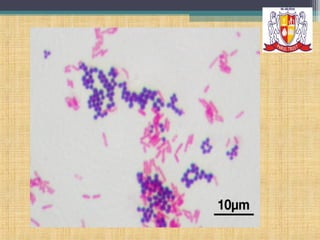
Christian Gram
• Gram positive, Gram negative bacteria
• bacteriology
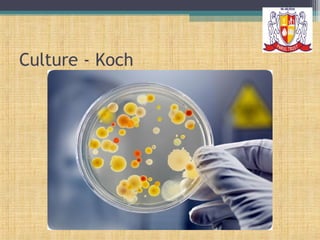
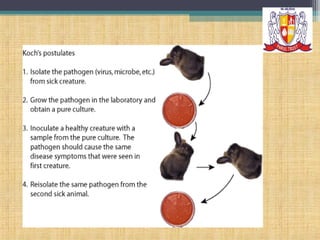
Culture - Koch
Virus
• Body fluids when made free of bacteria when
introduced into organisms were able to produce
diseases – filterable agents
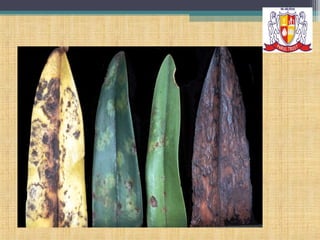
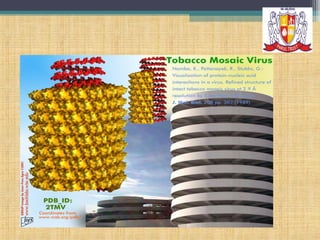
• Iwonowski observed virus from diseased tobacco
plant under electron microscope
• Landsteiner and Popper – Poliomyelitis
• Viruses could not be seen under light
microscope, and couldnot be grown in culture
• Viruses can be cultivated only in animal / human
cells
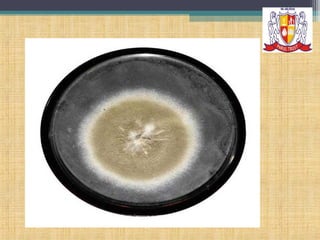
Antibiotic – Alexander Fleming
• Inhibition of staphylococcal growth on an agar
plate, which was kept exposed, due to growth of
penicillum mould
• Mould is a fungus - mycology
• Lead to discovery of penicillin, streptomycin,
tetracycline
Immunology
• People who got small pox once and recovered,
did not get the disease again
Vaccination
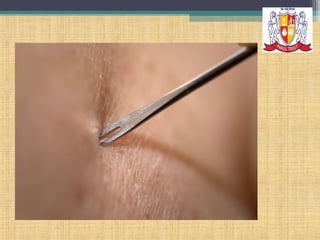
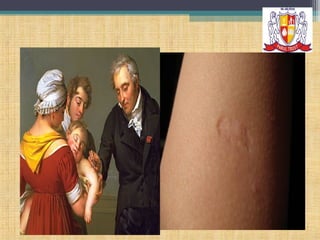
• Milkmaids who had occupational exposure to
cow pox did not get small pox
• Jenner observed that when extract from cowpox
lesion was injected into a person unaffected by
small pox, it gave immunity
• Vacca-cow
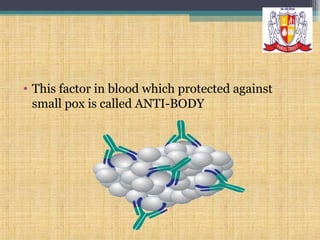
• This factor in blood which protected against
small pox is called ANTI-BODY
Serology
• Study of these antibodies and antigens in body
fluids
• Blood grouping
THANK YOU

microbiology, introduction and history

  • 1.
    MICROBIOLOGY introduction Dr. Ashish Jawarkar M.D.(Pathology) Consultant Pathologist Parul Sevashram Hospital, Vadodara
  • 2.
    What is microbiology •The branch of biology that deals with microorganisms that infects humans, the diseases that they cause, their diagnosis, prevention and treatment. • Branches – bacteriology, virulogy, mycology, parasitology, immunology, and serology
  • 3.
  • 4.
    • Most peoplewill immediately and correctly answer; "They care for ill and/or disabled people." • To effectively care for ill people, nurses must know how to effectively deal with the microorganism (bacteria, fungi, virus, etc) which is the underlying cause of the condition.
  • 5.
    • nurses alsomust know enough about them to catch the occasional error that a doctor may make in treating a patient and bring the error to his or her attention. For example; Patient X is suffering from disease Z, which is caused by bacteria Y, which is treatable by antibiotic A, but not antibiotic B. Now let's say Doctor prescribes antibiotic B, after briefly speaking to Patient X and glancing at his chart, on hour 47 of a straight 48 hour duty shift.
  • 6.
    • It isdoctors who order or prescribe medications, but nurses who prepare and administer them. This division of labor is good, since it creates a "double check" system. • Now when the nurse reads the chart and assesses the patient, she or he will see that antibiotic B has been ordered for a disease that it does not effectively treat and will call Doctor Doe to inquire why he prescribed this unusual choice of medication, at which time Doctor Doe will normally thank the nurse for catching the inadvertent oversight and change the order to the correct antibiotic A, which will cause a positive outcome of the case.
  • 7.
    • Now whatif the nurse never received any training that enabled her or him to recognize that very possible oversight that some overworked, exhausted doctor made? At the very least the healing process would be delayed, or at worst, the patient may have died.
  • 8.
    History • Fermentation –cavemen, meat was more tasty after being kept for some days • - alcohol could be made from fruits and grains • - souring of milk • - putrefaction of dead bodies • - dahi • - cheese
  • 9.
    History • Disease anddeath – divine wrath – sacrifices and pleading to gods • Effect of environment, faulty body constitution, faulty diet • Roger bacon – 13th century – invisible creatures • Fracastorius – seeds of disease passed from one person to other
  • 10.
    Microscope • Antony vanleeuwenhoek – father of microbiology • Draper • Developed interest in lens making from glass and observing things through them • Little animalcules
  • 14.
    Louis pasteur (father ofbacteriology) • • • • • Only humans reproduce Other organisms could originate from soil Fermentation – beer and wine Now used in dairy industries Rabies vaccine – saliva from dog – rabbit spinal cord – suspension of spinal cord into victim • Anthrax vaccine • Sterilisation – hot air oven, autoclave
  • 16.
    Joseph Lister • Antisepsis •Carbolic acid in use of surgery • Earlier no anaesthesia, no antisepsis
  • 18.
    Robert Koch (father ofmodern bacteriology) • Tuberculosis, anthrax, cholera • Staining techniques
  • 20.
    Christian Gram • Grampositive, Gram negative bacteria • bacteriology
  • 22.
  • 24.
    Virus • Body fluidswhen made free of bacteria when introduced into organisms were able to produce diseases – filterable agents • Iwonowski observed virus from diseased tobacco plant under electron microscope
  • 27.
    • Landsteiner andPopper – Poliomyelitis • Viruses could not be seen under light microscope, and couldnot be grown in culture • Viruses can be cultivated only in animal / human cells
  • 28.
    Antibiotic – AlexanderFleming • Inhibition of staphylococcal growth on an agar plate, which was kept exposed, due to growth of penicillum mould • Mould is a fungus - mycology • Lead to discovery of penicillin, streptomycin, tetracycline
  • 30.
    Immunology • People whogot small pox once and recovered, did not get the disease again
  • 31.
    Vaccination • Milkmaids whohad occupational exposure to cow pox did not get small pox • Jenner observed that when extract from cowpox lesion was injected into a person unaffected by small pox, it gave immunity • Vacca-cow
  • 34.
    • This factorin blood which protected against small pox is called ANTI-BODY
  • 35.
    Serology • Study ofthese antibodies and antigens in body fluids • Blood grouping
  • 37.