

SEXUALLY
TRANSMITTED
INFECTIONS
Dr. Ashish Jawarkar
Importance
 Most STDs are asymptomatic
 They may present as genital ulcers or
inflammation
 Problem is complications
 May lead to infertility, pelvic diseases,
cervical cancer and may help spread HIV
 Early screening and diagnosis may stop
complications
Major STDs
 Syphilis
 Gonorrhoea
 Chlamydial infection
 AIDS
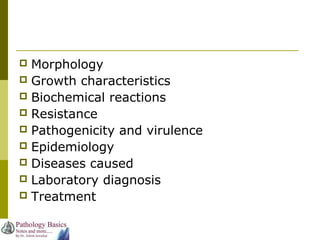
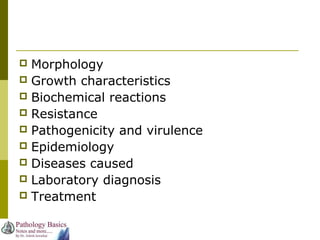
Neisseria Gonorrhoea
 Morphology
 Growth characteristics
 Biochemical reactions
 Resistance
 Pathogenicity and virulence
 Epidemiology
 Diseases caused
 Laboratory diagnosis
 Treatment
Morphology
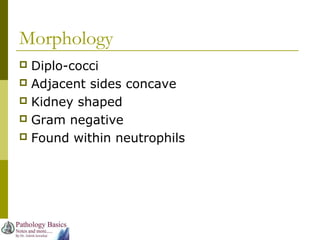
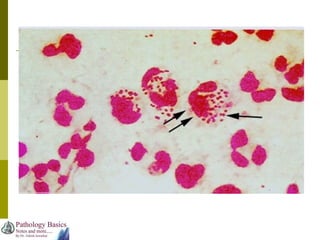
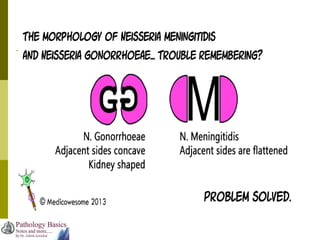
 Diplo-cocci
 Adjacent sides concave
 Kidney shaped
 Gram negative
 Found within neutrophils
 Morphology
 Growth characteristics
 Biochemical reactions
 Resistance
 Pathogenicity and virulence
 Epidemiology
 Diseases caused
 Laboratory diagnosis
 Treatment
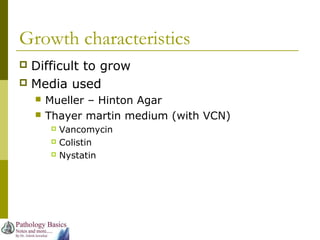
Growth characteristics
 Difficult to grow
 Media used
 Mueller – Hinton Agar
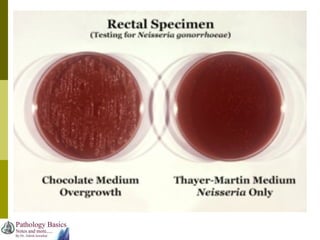
 Thayer martin medium (with VCN)
 Vancomycin
 Colistin
 Nystatin
 Morphology
 Growth characteristics
 Biochemical reactions
 Resistance
 Pathogenicity and virulence
 Epidemiology
 Diseases caused
 Laboratory diagnosis
 Treatment
Resistance
 Very delicate organism
 Dies outside the body in 1-2 hrs
 Morphology
 Growth characteristics
 Biochemical reactions
 Resistance
 Pathogenicity and virulence
 Epidemiology
 Diseases caused
 Laboratory diagnosis
 Treatment
Pathogenicity and virulence
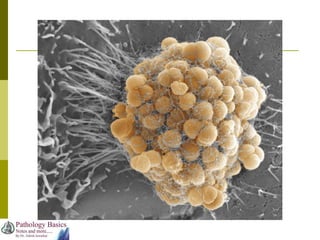
 Pili on surface
 Help in attachment to mucosal surfaces
 Prevent phagocytosis
 Morphology
 Growth characteristics
 Biochemical reactions
 Resistance
 Pathogenicity and virulence
 Epidemiology
 Diseases caused
 Laboratory diagnosis
 Treatment
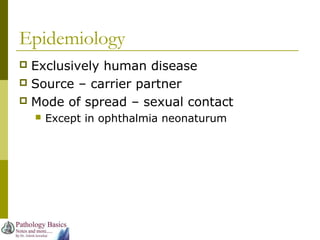
Epidemiology
 Exclusively human disease
 Source – carrier partner
 Mode of spread – sexual contact
 Except in ophthalmia neonaturum
 Morphology
 Growth characteristics
 Biochemical reactions
 Resistance
 Pathogenicity and virulence
 Epidemiology
 Diseases caused
 Laboratory diagnosis
 Treatment
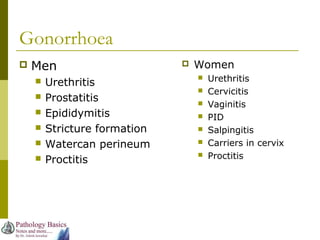
Gonorrhoea
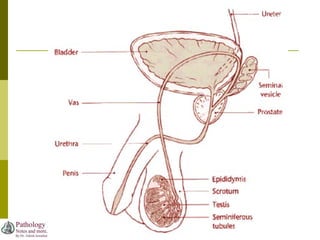
 Men
 Urethritis
 Prostatitis
 Epididymitis
 Stricture formation
 Watercan perineum
 Proctitis
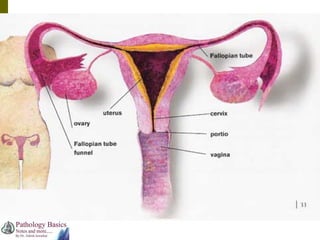
 Women
 Urethritis
 Cervicitis
 Vaginitis
 PID
 Salpingitis
 Carriers in cervix
 Proctitis
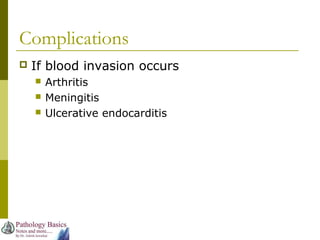
Complications
 If blood invasion occurs
 Arthritis
 Meningitis
 Ulcerative endocarditis
Neonates
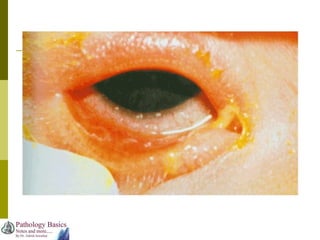
 Ophtalmia neonaturum
 Controlled by instilling 1% silver nitrate
solution
 Morphology
 Growth characteristics
 Biochemical reactions
 Resistance
 Pathogenicity and virulence
 Epidemiology
 Diseases caused
 Laboratory diagnosis
 Treatment
Lab diagnosis
 Sample – urethral discharge, cervical swab
 Transport media – Stuart’s media
 Gram stain
 Culture – Thayer Martin medium
 Morphology
 Growth characteristics
 Biochemical reactions
 Resistance
 Pathogenicity and virulence
 Epidemiology
 Diseases caused
 Laboratory diagnosis
 Treatment
Treatment
 Both partners should be treated
simultaneously
 Resistant to Penicillin
 Ceftriaxone
 Ciprofloxacin
 Doxycycline
NON GONOCOCCAL
URETHRITIS
H. Ducreyi
Chlamydia Trachomatis
Mycoplasma Hominis
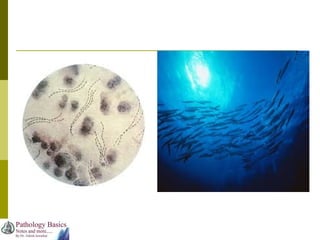
H. Ducreyi
 Causes soft chancre
 Gram negative cocco bacillus
 School of fish appearance
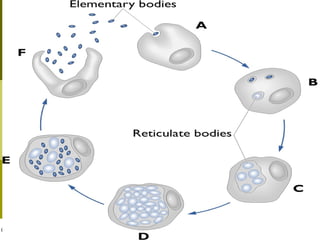
Chlamydia Trachomatis
 Intracellular pathogens
 Survive inside squamous epithelial cells
and macrophages of respiratory and
gastrointestinal / urogenital tract
Diseases caused
 Genital chlamydiasis
 Lymphogranuloma venerum (LGV)
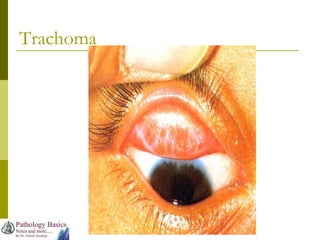
 Trachoma – leading cause of preventable
blindness
Genital chlamydiasis
 Non specific urethritis
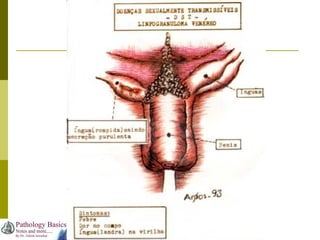
LGV
 Ulcer on external genitalia
 Lymphatic spread
 Involves inguinal lymphnodes
Trachoma
Lab diagnosis
 Sample – urethral scrapings, from bubo
(inguinal lymphnode), eye discharge
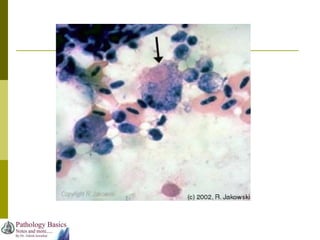
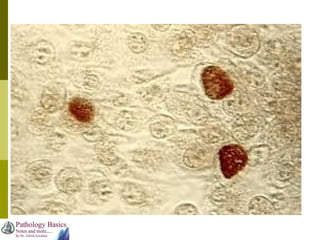
 Spread on slide, stain with Lugol’s
iodine/giemsa/immunofluorosence
 Cultured in yolk sac of embryonated eggs
or in McCoy cell culture
 Serological tests – demonstration of
antigen/antibodies
Treatment
 Both partners should be treated
simultaneously
Sexually transmitted diseases

Sexually transmitted diseases