MICROBIOLOGY
What
is
Microbiology
Study of:
Organisms of microscopic size
Classification
Morphology
Physiology
Metabolism
Distribution in nature
Relationship to each other and other living organisms
Why to study the
Subject
Distribution in Nature:
• Omnipresent: nearly everywhere in Nature
• Grow where they get food moisture and temperature suitable for
growth
• Air
• Soil
• Oceans
• Food we eat
• Surfaces of our body and inside alimentary canal
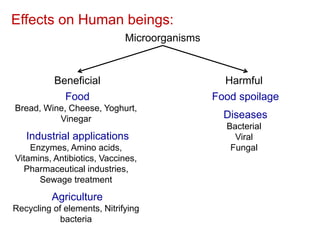
Effects on Human beings:
Microorganisms
Beneficial Harmful
Food
Bread, Wine, Cheese, Yoghurt,
Vinegar
Industrial applications
Enzymes, Amino acids,
Vitamins, Antibiotics, Vaccines,
Pharmaceutical industries,
Sewage treatment
Agriculture
Recycling of elements, Nitrifying
bacteria
Food spoilage
Diseases
Bacterial
Viral
Fungal
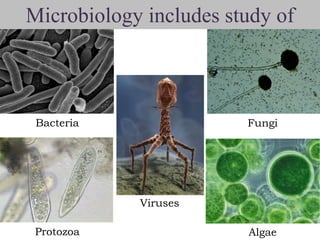
Bacteria
Protozoa Algae
Fungi
Viruses
Microbiology includes study of
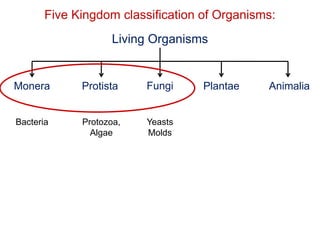
Monera Protista Fungi Plantae Animalia
Living Organisms
Five Kingdom classification of Organisms:
Bacteria Protozoa,
Algae
Yeasts
Molds
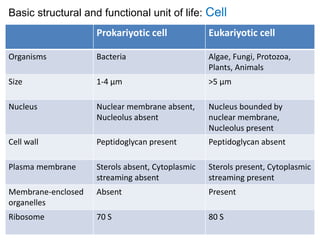
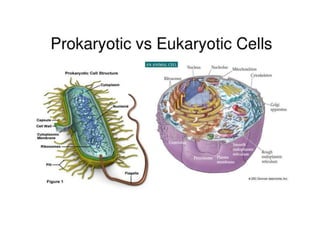
Prokariyotic cell Eukariyotic cell
Organisms Bacteria Algae, Fungi, Protozoa,
Plants, Animals
Size 1-4 µm >5 µm
Nucleus Nuclear membrane absent,
Nucleolus absent
Nucleus bounded by
nuclear membrane,
Nucleolus present
Cell wall Peptidoglycan present Peptidoglycan absent
Plasma membrane Sterols absent, Cytoplasmic
streaming absent
Sterols present, Cytoplasmic
streaming present
Membrane-enclosed
organelles
Absent Present
Ribosome 70 S 80 S
Basic structural and functional unit of life: Cell
Characteristics of
major groups of
Microorganisms
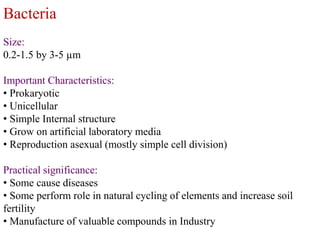
Bacteria
Size:
0.2-1.5 by 3-5 µm
Important Characteristics:
• Prokaryotic
• Unicellular
• Simple Internal structure
• Grow on artificial laboratory media
• Reproduction asexual (mostly simple cell division)
Practical significance:
• Some cause diseases
• Some perform role in natural cycling of elements and increase soil
fertility
• Manufacture of valuable compounds in Industry
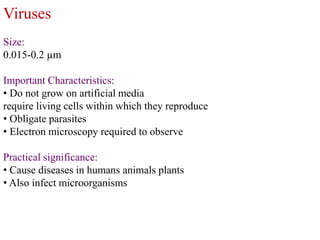
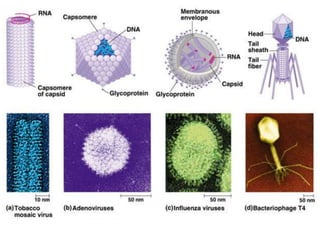
Viruses
Size:
0.015-0.2 µm
Important Characteristics:
• Do not grow on artificial media
require living cells within which they reproduce
• Obligate parasites
• Electron microscopy required to observe
Practical significance:
• Cause diseases in humans animals plants
• Also infect microorganisms
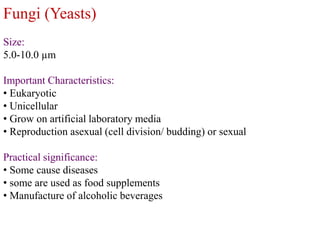
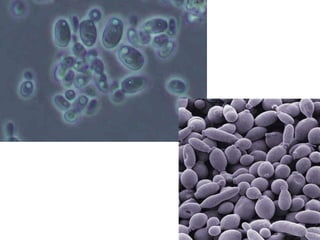
Fungi (Yeasts)
Size:
5.0-10.0 µm
Important Characteristics:
• Eukaryotic
• Unicellular
• Grow on artificial laboratory media
• Reproduction asexual (cell division/ budding) or sexual
Practical significance:
• Some cause diseases
• some are used as food supplements
• Manufacture of alcoholic beverages
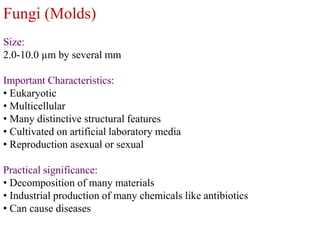
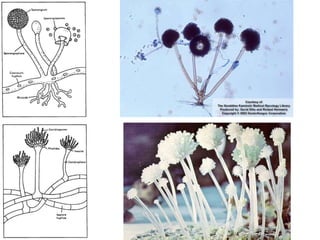
Fungi (Molds)
Size:
2.0-10.0 µm by several mm
Important Characteristics:
• Eukaryotic
• Multicellular
• Many distinctive structural features
• Cultivated on artificial laboratory media
• Reproduction asexual or sexual
Practical significance:
• Decomposition of many materials
• Industrial production of many chemicals like antibiotics
• Can cause diseases
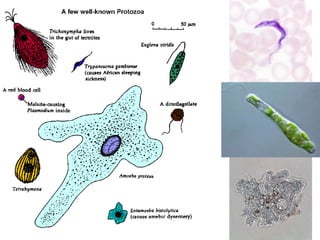
Protozoa
Size:
2.0-200 µm
Important Characteristics:
• Eukaryotic
• Unicellular
• Some cultivated on laboratory media while some are intracellular
parasites
• Reproduction asexual or sexual
Practical significance:
• Some cause diseases
• Food for aquatic animals
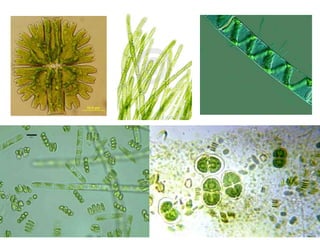
Algae
Size:
1.0 µm to several centimeters
Important Characteristics:
• Eukaryotic
• Unicellular or Multicellular
• Photosynthetic
• Most occur in aquatic environments
• Reproduction asexual or Sexual
Practical significance:
• Production of food in aquatic environments
• Source of food and in Pharmaceuticals
• Some produce toxic substances
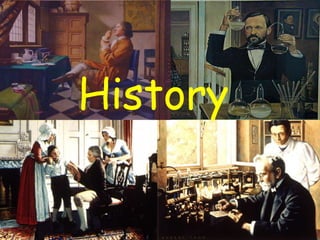
History
Varo & Columella [1st century BC]: Diseases caused by
invisible organisms (Animalia minuta)
Girolamo Fracastorius of verona [1546]: Living germs
(contagium vivum) cause infectious diseases
Von Plenciz [1762]: Each disease caused by different agent
Kircher [1659]: reported finding minute worms in blood of
plague patients.
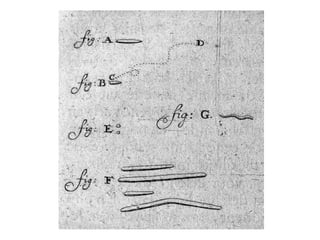
Antonie Van Leeuwenhoek [1632-1723]:
• 1st to observe and describe single celled
organisms, “animalcules”, we now refer to as
microorganisms.
• Described different morphological forms of
bacteria
• 1st to record observations of muscle fibers,
bacteria, spermatozoa and blood flow in
capillaries (small blood vessels).
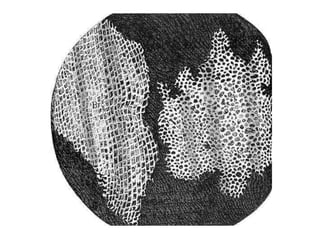
Robert Hooke [1678]:
• Developed Compound microscope
• 1st to coin the term ‘Cell’
Earliest discovery of pathogenic role of microorganism:
Augustino Bassi [1835]:
Muscardine diseases of silk worms was caused by a fungus.
Oliver Holmes [1840] & Ignaz Semmelweis [1846]:
 Concluded that puerperial sepsis was transmitted by
contaminated hands of obstetricians, nurses and medical
students.
 This could be prevented by washing hands in antiseptic
solutions.
Edwerd Jenner:
• Observed that the milk maids who had milder form of cowpox
were not prone to Smallpox.
• After observing cases of cowpox and smallpox for few years, In
1796 he removed the fluid of a cowpox from milkmaid and
inoculated James Phipps, an eight-year-old boy, who soon came
down with cowpox.
• Six weeks later, he inoculated the boy with smallpox. The boy
remained healthy.
• Jenner had proved his theory that the pus in the blisters which
milkmaids received from cowpox protected milkmaids from
smallpox.
Louis Pasteur [1822-1895]:
Father of Microbiology
• Trained chemist from France
• Established that Fermentation was
caused by microbial agents
• Demonstrated anaerobic fermentation by
both bacteria and yeasts (bacteria
produce acid and yeast produce alcohol)
• Developed pasteurization to prevent spoilage of wine by
bacteria
• Noted that different types of fermentations were associated with
different kinds of microbes
• Development of methods and techniques of Bacteriology
• proved that microbes arise only from their like
• Introduction of sterilization techniques: development of steam
sterilizer, autoclave and hot-air oven
• Studies on Anthrax, Cholera and hydrophobia
• Introduced live attenuated (weakened) vaccines
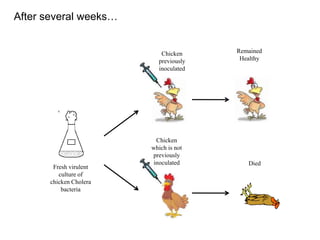
[Accidental observation: chicken cholera bacillus cultures left for
several weeks lost their pathogenicity but retained their ability to
protect the chickens from infection]
Pure culture of
chicken Cholera
bacteria
8 weeks old
Chicken
inoculated
Remains
Healthy
Fresh virulent
culture of
chicken Cholera
bacteria
Chicken
previously
inoculated
Remained
Healthy
Died
Chicken
which is not
previously
inoculated
After several weeks…
• Then he attenuated anthrax bacillus by incubation at high
temperatures (42°C-43°C) and proved that inoculation of such
bacilli in animals introduced protection against anthrax
• He coined the term ‘Vaccine’ for such prophylactic
preparations.
• While working on rabies, he could not isolate any
microorganism from dog and man but suggested that causative
agent of rabies was too small to be seen by microscope.
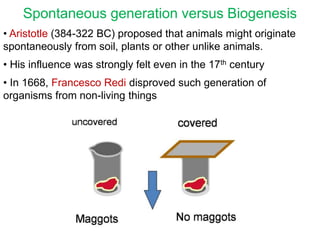
Spontaneous generation versus Biogenesis
• Aristotle (384-322 BC) proposed that animals might originate
spontaneously from soil, plants or other unlike animals.
• His influence was strongly felt even in the 17th century
• In 1668, Francesco Redi disproved such generation of
organisms from non-living things
John Needham (1745):
heated Nutrient Fluids and poured them into flasks and covered
with corks → fluid turned turbid showing presence of
microorganisms.
Spallanzani (1765):
Similar to Needham’s Experiments
Boiled the beef broth for hour and then immediately sealed flasks
No growth was observed in the broth
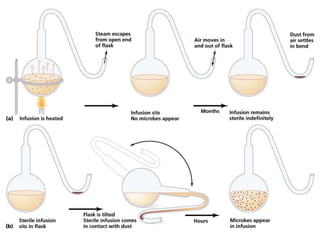
Louis Pasteur (1861)
• finally disproved spontaneous generation after many years of
debate
• Boiled broth in swan-necked flasks
Joseph Lister [1827-1912]:
Father of Antiseptic surgery
• Professor of surgery
• Applied Pasteur’s work and introduced
Antiseptic techniques in Surgery
• Use of Carbolic acid in Antiseptic
surgery
• Resulted in drop in morbidity and
mortality due to surgical sepsis
Robert Koch [1843-1910]:
Father of Bacteriology
• Introduced methods for isolation of
pure culture
• use of solid media for isolation of
bacteria
• Staining techniques
• discovered Anthrax bacillus (1876),
Tubercle bacillus (1882) and cholera
vibrios (1883)
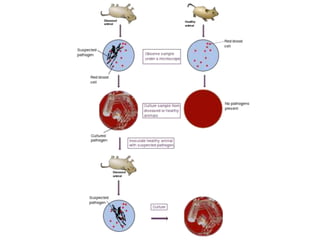
Koch’s postulates
Microorganism can be accepted as the causative agent
of an infectious disease only if following conditions are
fulfilled:
 Disease agent must be present in every organism suffering from
the disease but should be absent in healthy organism.
 It should be possible to isolate the microorganism in its pure
culture from lesion of the disease
 The isolated microorganism when introduced into suitable
laboratory animal should produce the similar disease
 It should be possible to re-isolate the microorganism in its pure
culture from lesions produced in experimental animals.
Paul Ehrlich [1854-1915]:
Father of Chemotherapy
• Applied stains to cells and tissues for
study of their functions.
• Reported the acid-fast nature of
tubercle bacillus
• Discovered Salvarsan (derivative of
arsenic) sometimes called as ‘Magic
Bullete’
• Salvarsan: capable of destroying
spirochetes of syphilis.
• Gave rise to new branch of medicine:
‘Chemotherapy’
• In 1892, Ivanovsky removed the bacteria from diseased tobacco
plant extract using some filters.
• This extract was responsible for producing tobacco mosaic
disease in healthy plant
• Beijerinck (1898) confirmed these findings and coined the term
‘Virus’ for such filterable infectious agents.
• Loeffler & Frosch (1898):
Foot and mouth disease of cattle
caused by similar filter-passing
viruses.
• Landsteiner & Popper (1909):
Virus responsible for Poliomyelitis
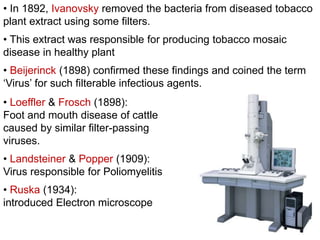
• Ruska (1934):
introduced Electron microscope
Alexander Fleming [1928]:
• Discovery of 1st Antibiotic
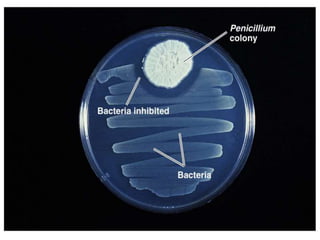
• Accidentally discovered Penicillin produced by a fungus
Penicillium
• Left his Staphylococcus culture on an agar plate for 2 weeks →
went on vacation → came back & found mold on his plate which
prevented bacterial growth
Elie Metchnikoff:
• Described how Leukocytes ingest disease producing bacteria in
the body
• Called such cells ‘Phagocytes’ & the process ‘Phagocytosis’
• Suggested that Phagocytes are the body’s 1st & most important
line of defense against infection.
Thank
You

Microbiology

  • 1.
  • 2.
    What is Microbiology Study of: Organisms ofmicroscopic size Classification Morphology Physiology Metabolism Distribution in nature Relationship to each other and other living organisms
  • 3.
    Why to studythe Subject Distribution in Nature: • Omnipresent: nearly everywhere in Nature • Grow where they get food moisture and temperature suitable for growth • Air • Soil • Oceans • Food we eat • Surfaces of our body and inside alimentary canal
  • 4.
    Effects on Humanbeings: Microorganisms Beneficial Harmful Food Bread, Wine, Cheese, Yoghurt, Vinegar Industrial applications Enzymes, Amino acids, Vitamins, Antibiotics, Vaccines, Pharmaceutical industries, Sewage treatment Agriculture Recycling of elements, Nitrifying bacteria Food spoilage Diseases Bacterial Viral Fungal
  • 5.
  • 6.
    Monera Protista FungiPlantae Animalia Living Organisms Five Kingdom classification of Organisms: Bacteria Protozoa, Algae Yeasts Molds
  • 7.
    Prokariyotic cell Eukariyoticcell Organisms Bacteria Algae, Fungi, Protozoa, Plants, Animals Size 1-4 µm >5 µm Nucleus Nuclear membrane absent, Nucleolus absent Nucleus bounded by nuclear membrane, Nucleolus present Cell wall Peptidoglycan present Peptidoglycan absent Plasma membrane Sterols absent, Cytoplasmic streaming absent Sterols present, Cytoplasmic streaming present Membrane-enclosed organelles Absent Present Ribosome 70 S 80 S Basic structural and functional unit of life: Cell
  • 9.
  • 10.
    Bacteria Size: 0.2-1.5 by 3-5µm Important Characteristics: • Prokaryotic • Unicellular • Simple Internal structure • Grow on artificial laboratory media • Reproduction asexual (mostly simple cell division) Practical significance: • Some cause diseases • Some perform role in natural cycling of elements and increase soil fertility • Manufacture of valuable compounds in Industry
  • 12.
    Viruses Size: 0.015-0.2 µm Important Characteristics: •Do not grow on artificial media require living cells within which they reproduce • Obligate parasites • Electron microscopy required to observe Practical significance: • Cause diseases in humans animals plants • Also infect microorganisms
  • 14.
    Fungi (Yeasts) Size: 5.0-10.0 µm ImportantCharacteristics: • Eukaryotic • Unicellular • Grow on artificial laboratory media • Reproduction asexual (cell division/ budding) or sexual Practical significance: • Some cause diseases • some are used as food supplements • Manufacture of alcoholic beverages
  • 16.
    Fungi (Molds) Size: 2.0-10.0 µmby several mm Important Characteristics: • Eukaryotic • Multicellular • Many distinctive structural features • Cultivated on artificial laboratory media • Reproduction asexual or sexual Practical significance: • Decomposition of many materials • Industrial production of many chemicals like antibiotics • Can cause diseases
  • 18.
    Protozoa Size: 2.0-200 µm Important Characteristics: •Eukaryotic • Unicellular • Some cultivated on laboratory media while some are intracellular parasites • Reproduction asexual or sexual Practical significance: • Some cause diseases • Food for aquatic animals
  • 20.
    Algae Size: 1.0 µm toseveral centimeters Important Characteristics: • Eukaryotic • Unicellular or Multicellular • Photosynthetic • Most occur in aquatic environments • Reproduction asexual or Sexual Practical significance: • Production of food in aquatic environments • Source of food and in Pharmaceuticals • Some produce toxic substances
  • 22.
  • 23.
    Varo & Columella[1st century BC]: Diseases caused by invisible organisms (Animalia minuta) Girolamo Fracastorius of verona [1546]: Living germs (contagium vivum) cause infectious diseases Von Plenciz [1762]: Each disease caused by different agent Kircher [1659]: reported finding minute worms in blood of plague patients.
  • 24.
    Antonie Van Leeuwenhoek[1632-1723]: • 1st to observe and describe single celled organisms, “animalcules”, we now refer to as microorganisms. • Described different morphological forms of bacteria • 1st to record observations of muscle fibers, bacteria, spermatozoa and blood flow in capillaries (small blood vessels).
  • 26.
    Robert Hooke [1678]: •Developed Compound microscope • 1st to coin the term ‘Cell’
  • 28.
    Earliest discovery ofpathogenic role of microorganism: Augustino Bassi [1835]: Muscardine diseases of silk worms was caused by a fungus. Oliver Holmes [1840] & Ignaz Semmelweis [1846]:  Concluded that puerperial sepsis was transmitted by contaminated hands of obstetricians, nurses and medical students.  This could be prevented by washing hands in antiseptic solutions.
  • 29.
    Edwerd Jenner: • Observedthat the milk maids who had milder form of cowpox were not prone to Smallpox. • After observing cases of cowpox and smallpox for few years, In 1796 he removed the fluid of a cowpox from milkmaid and inoculated James Phipps, an eight-year-old boy, who soon came down with cowpox. • Six weeks later, he inoculated the boy with smallpox. The boy remained healthy. • Jenner had proved his theory that the pus in the blisters which milkmaids received from cowpox protected milkmaids from smallpox.
  • 30.
    Louis Pasteur [1822-1895]: Fatherof Microbiology • Trained chemist from France • Established that Fermentation was caused by microbial agents • Demonstrated anaerobic fermentation by both bacteria and yeasts (bacteria produce acid and yeast produce alcohol) • Developed pasteurization to prevent spoilage of wine by bacteria • Noted that different types of fermentations were associated with different kinds of microbes • Development of methods and techniques of Bacteriology • proved that microbes arise only from their like
  • 31.
    • Introduction ofsterilization techniques: development of steam sterilizer, autoclave and hot-air oven • Studies on Anthrax, Cholera and hydrophobia • Introduced live attenuated (weakened) vaccines [Accidental observation: chicken cholera bacillus cultures left for several weeks lost their pathogenicity but retained their ability to protect the chickens from infection] Pure culture of chicken Cholera bacteria 8 weeks old Chicken inoculated Remains Healthy
  • 32.
    Fresh virulent culture of chickenCholera bacteria Chicken previously inoculated Remained Healthy Died Chicken which is not previously inoculated After several weeks…
  • 33.
    • Then heattenuated anthrax bacillus by incubation at high temperatures (42°C-43°C) and proved that inoculation of such bacilli in animals introduced protection against anthrax • He coined the term ‘Vaccine’ for such prophylactic preparations. • While working on rabies, he could not isolate any microorganism from dog and man but suggested that causative agent of rabies was too small to be seen by microscope.
  • 34.
    Spontaneous generation versusBiogenesis • Aristotle (384-322 BC) proposed that animals might originate spontaneously from soil, plants or other unlike animals. • His influence was strongly felt even in the 17th century • In 1668, Francesco Redi disproved such generation of organisms from non-living things
  • 35.
    John Needham (1745): heatedNutrient Fluids and poured them into flasks and covered with corks → fluid turned turbid showing presence of microorganisms. Spallanzani (1765): Similar to Needham’s Experiments Boiled the beef broth for hour and then immediately sealed flasks No growth was observed in the broth Louis Pasteur (1861) • finally disproved spontaneous generation after many years of debate • Boiled broth in swan-necked flasks
  • 37.
    Joseph Lister [1827-1912]: Fatherof Antiseptic surgery • Professor of surgery • Applied Pasteur’s work and introduced Antiseptic techniques in Surgery • Use of Carbolic acid in Antiseptic surgery • Resulted in drop in morbidity and mortality due to surgical sepsis
  • 38.
    Robert Koch [1843-1910]: Fatherof Bacteriology • Introduced methods for isolation of pure culture • use of solid media for isolation of bacteria • Staining techniques • discovered Anthrax bacillus (1876), Tubercle bacillus (1882) and cholera vibrios (1883)
  • 39.
    Koch’s postulates Microorganism canbe accepted as the causative agent of an infectious disease only if following conditions are fulfilled:  Disease agent must be present in every organism suffering from the disease but should be absent in healthy organism.  It should be possible to isolate the microorganism in its pure culture from lesion of the disease  The isolated microorganism when introduced into suitable laboratory animal should produce the similar disease  It should be possible to re-isolate the microorganism in its pure culture from lesions produced in experimental animals.
  • 41.
    Paul Ehrlich [1854-1915]: Fatherof Chemotherapy • Applied stains to cells and tissues for study of their functions. • Reported the acid-fast nature of tubercle bacillus • Discovered Salvarsan (derivative of arsenic) sometimes called as ‘Magic Bullete’ • Salvarsan: capable of destroying spirochetes of syphilis. • Gave rise to new branch of medicine: ‘Chemotherapy’
  • 42.
    • In 1892,Ivanovsky removed the bacteria from diseased tobacco plant extract using some filters. • This extract was responsible for producing tobacco mosaic disease in healthy plant • Beijerinck (1898) confirmed these findings and coined the term ‘Virus’ for such filterable infectious agents. • Loeffler & Frosch (1898): Foot and mouth disease of cattle caused by similar filter-passing viruses. • Landsteiner & Popper (1909): Virus responsible for Poliomyelitis • Ruska (1934): introduced Electron microscope
  • 43.
    Alexander Fleming [1928]: •Discovery of 1st Antibiotic • Accidentally discovered Penicillin produced by a fungus Penicillium • Left his Staphylococcus culture on an agar plate for 2 weeks → went on vacation → came back & found mold on his plate which prevented bacterial growth
  • 45.
    Elie Metchnikoff: • Describedhow Leukocytes ingest disease producing bacteria in the body • Called such cells ‘Phagocytes’ & the process ‘Phagocytosis’ • Suggested that Phagocytes are the body’s 1st & most important line of defense against infection.
  • 46.