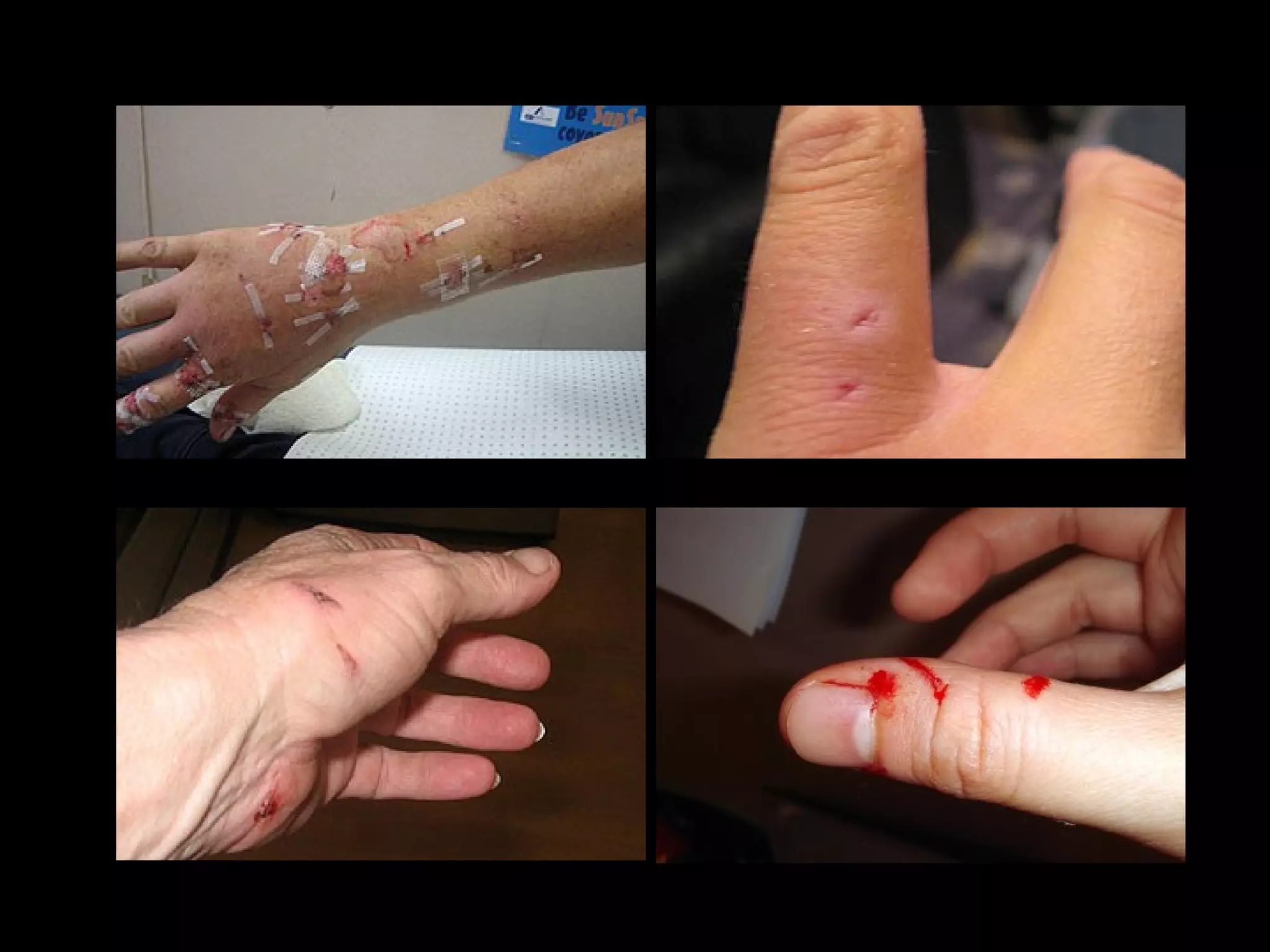
Dog Bites
Dogs
• Prominent canine teeth
• Enormous pressure when biting
• Large breeds tend to cause
  wounds in the head and neck

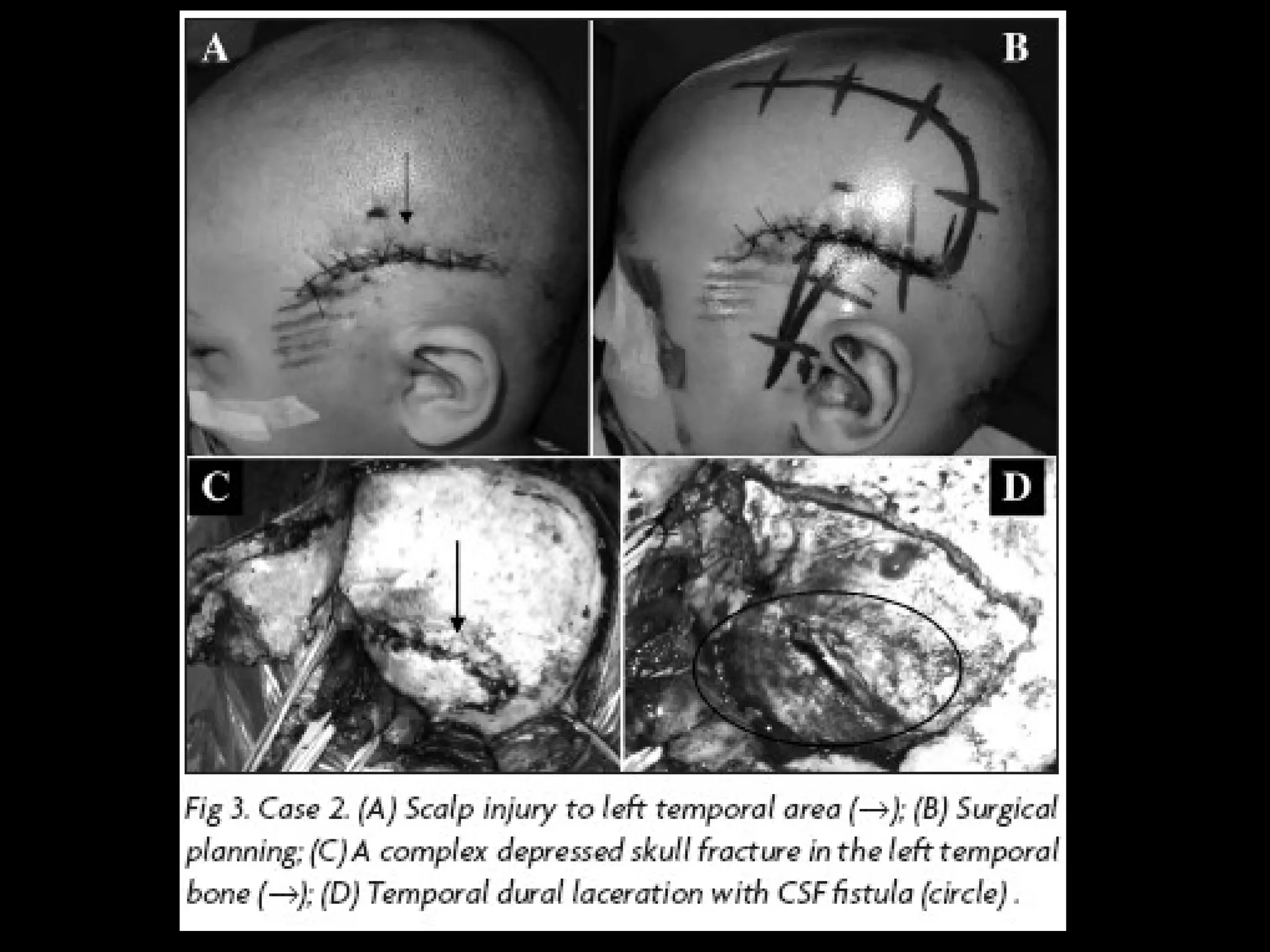
• Powerful jaws can penetrate the skull and
  destroy deep tissue
Victims
• Males are more likely to be bitten by dogs.
• Females are more likely to be bitten by
  cats.
• Animal bites are most common in children
  aged 5-14 years
Cause
• Causes of provoked attacks
  – Antagonizing an animal
  – Hurting an animal


• Causes of unprovoked attacks
  –   Approaching the young of an animal
  –   Approaching an animal that is eating
  –   Entering the property of a territorial animal
  –   Nearing an animal with rabies
Mortality/Morbidity
• Wound infection and cellulitis
  – Puncture wounds have a higher rate
    of infection than lacerations
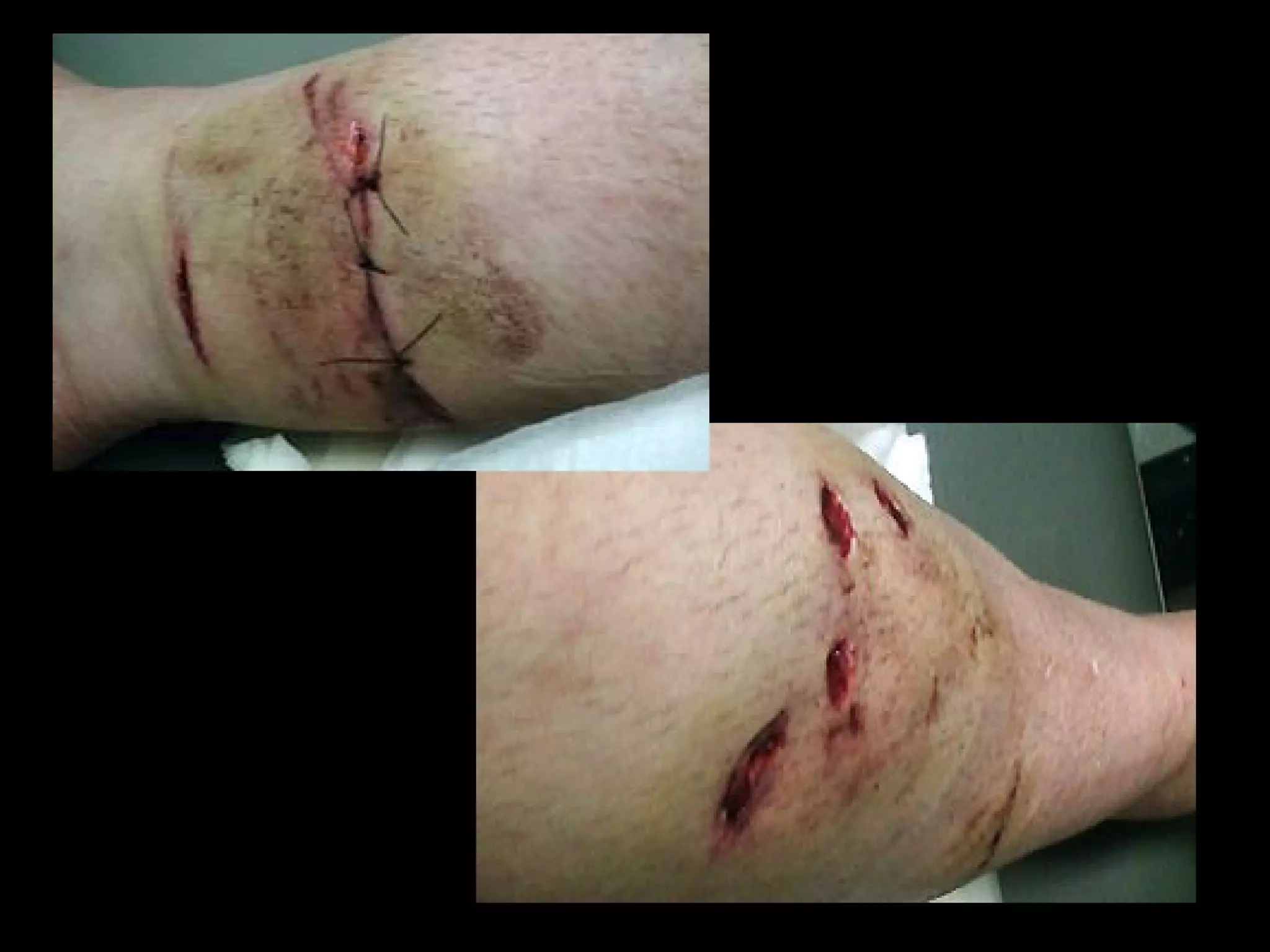
  – Lacerations cause more damage to tissues
    than puncture wounds
  – Septic arthritis from wounds in joint spaces
• Osteomyelitis from deep wounds
• Meningitis from penetrating skull wounds
• Rabies
Exams and Tests
• Inspection the wound
• X-rays to look for fractures or foreign body
  in the wound.
Rabies contacted Category
 Category                   Contact
             touching or feeding suspect animals,
Category I
             but skin is intact
             minor scratches without bleeding
Category II
             from contact, or licks on broken skin
             one or more bites, scratches, licks
             on
Category III
             broken skin, or other contact that
             breaks the skin; or exposure to bats
Treatment
• Wound care
  – Irrigation and Debridement

• Suture:
  – Primary closure in facial wounds
    ( rarely infected because of well vascularized)
  – Delayed closure
      •   heavily contaminated (dirty)
      •   significant amount of tissue damage
      •   hands or lower extremities or
      •   wound older than 6 hours

  – Some wounds are never sutured
Medical treatment
• Antibiotic coverage for
  – staphylococci
  – anaerobes
• Tetanus prophylaxis
• Rabies prophylaxis
Antibiotics commonly used


•   Amoxicillin clavulanate (Augmentin ®)
•   Ampicillin-sulbactam (Unasyn ®)
•   Trimethoprim and sulfamethoxazole (Bactrim ® )
•   Clindamycin (Cleocin ®)
•   Erythromycin (E-Mycin, Ery-Tab, Erythrocin)
•   Ceftriaxone (Rocephin ®)
•   Tetracycline (Sumycin ®)
Vaccines and immune globulins
• Tetanus toxoid
• Rabies vaccine
• Rabies immune globulin
Tetanus vaccine

Intramuscular injection


Dose 1           Dose 2      Dose 3

Day 0           Month 1-2   Month 6-12
Tetanus prophylaxis consideration
                                                               CLEAN
                                                                                ALL OTHER
              IMMUNIZATION HISTORY                             MINOR
                                                                                 WOUNDS
                                                               WOUND
  1. Fewer than 3 doses; or                                    TT only               TT +
  2. Uncertain number of doses; or                                                   TIG*
  3. No immunization

  At least 3 previous doses of tetanus vaccine,                TT only             TT only
  but the most recent more than 10 years ago


  At least 3 previous doses of tetanus vaccine,                  no                TT only
  but the most recent more than 5 and less than             immunization
  10 years ago                                                required
  At least 3 doses of tetanus, with the most                     no                  no
  recent 5 years ago or less                                immunization        immunization
                                                              required            required
  TIG*= Tetanus Immune Globolin

http://www.health.gov.nl.ca/health/publications/immunization/S5/tetanus_prophylaxis_in_wound_man.htm
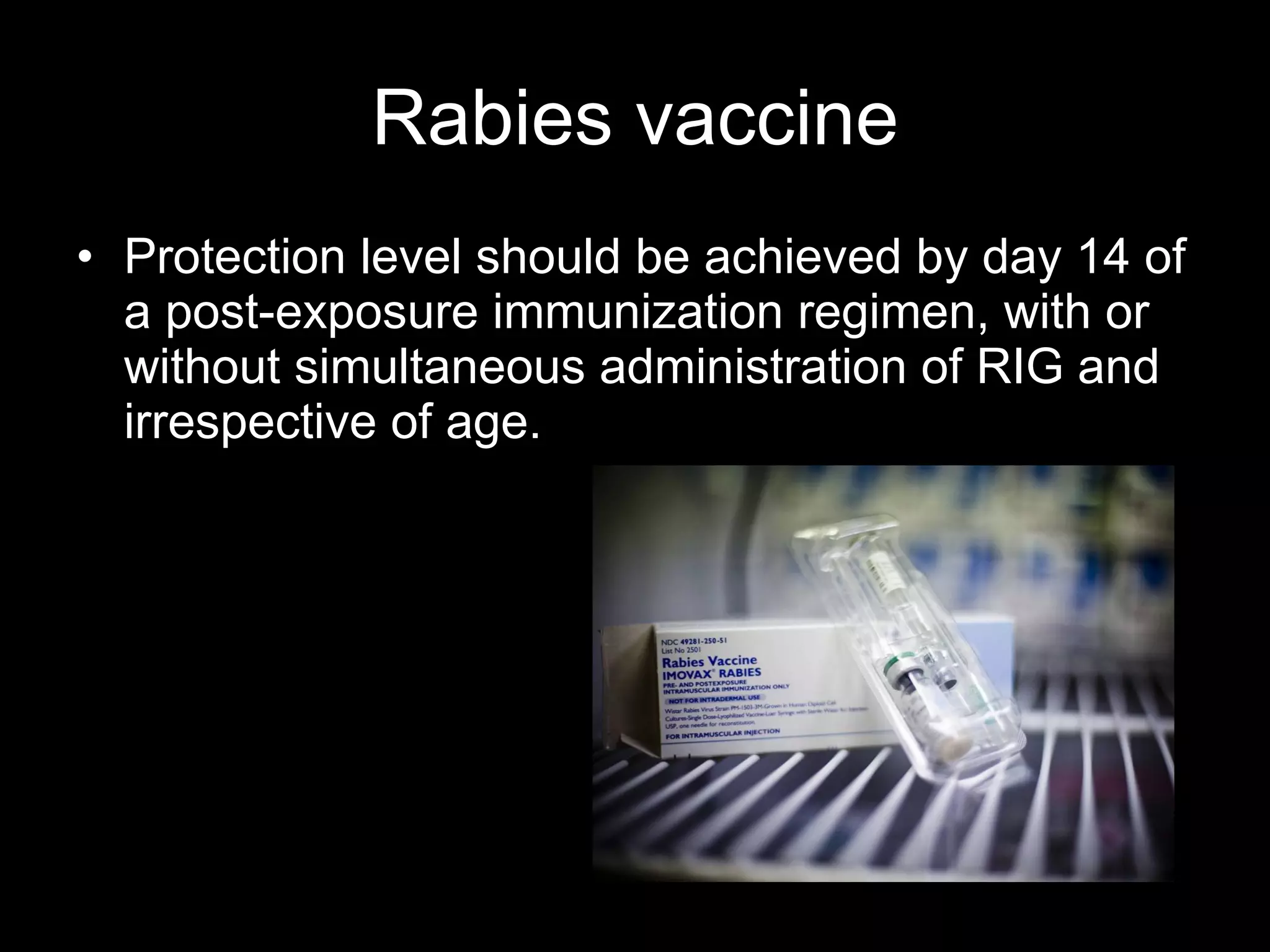
Rabies vaccine
• Protection level should be achieved by day 14 of
  a post-exposure immunization regimen, with or
  without simultaneous administration of RIG and
  irrespective of age.
Vaccine & RIG consideration
 Category                   Contact                   Immunization

             touching or feeding suspect animals,
Category I                                                None
             but skin is intact

            minor scratches without bleeding
Category II                                             Vaccine
            from contact, or licks on broken skin


             one or more bites, scratches, licks on
Category III broken skin, or other contact that       Vaccine + RIG
             breaks the skin; or exposure to bats
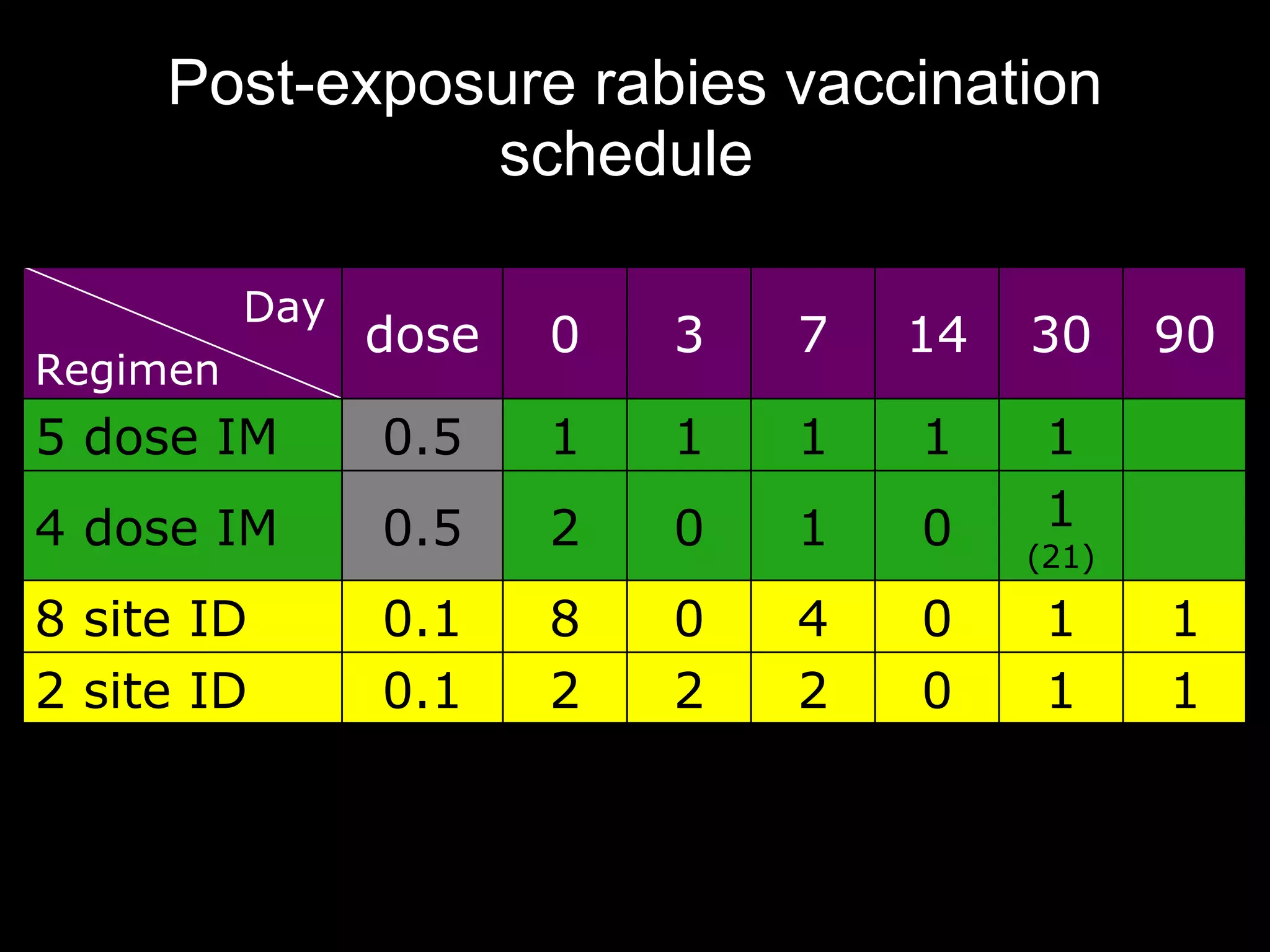
Post-exposure rabies vaccination
               schedule

          Day
                dose   0   3   7   14   30     90
Regimen
5 dose IM       0.5    1   1   1   1     1
4 dose IM       0.5    2   0   1   0     1
                                        (21)

8 site ID       0.1    8   0   4   0     1     1
2 site ID       0.1    2   2   2   0     1     1
8 sites Intradermal administration

                 Day 0 7 30 90

Day 0 7


                                                Day 0

 Day 0


Day 0 7
07/17/09                                          17
Rabies immunoglobulin
• Passive antibody is present 24 hours after injection
• Half-life of approximately 21 days.
• Dosage
   – HRIG 20 IU/kg
   – ERIG 40 IU/kg,
   admin as soon as possible at the same time as vaccine, or up to 7
     days after vaccine inj.


       HRIG 300 IU/2ml ~ 4000 baht             ERIG 1000IU/5ml~ 1900 baht
           (1 vial / 15 kg BW)                      (1 vial / 25 kg BW)
Should not inject RIG
• Later than 7 days after the initiation of
  post-exposure vaccination.
• Previously immunized

  as this may reduce the immunologic response
   to the vaccine.
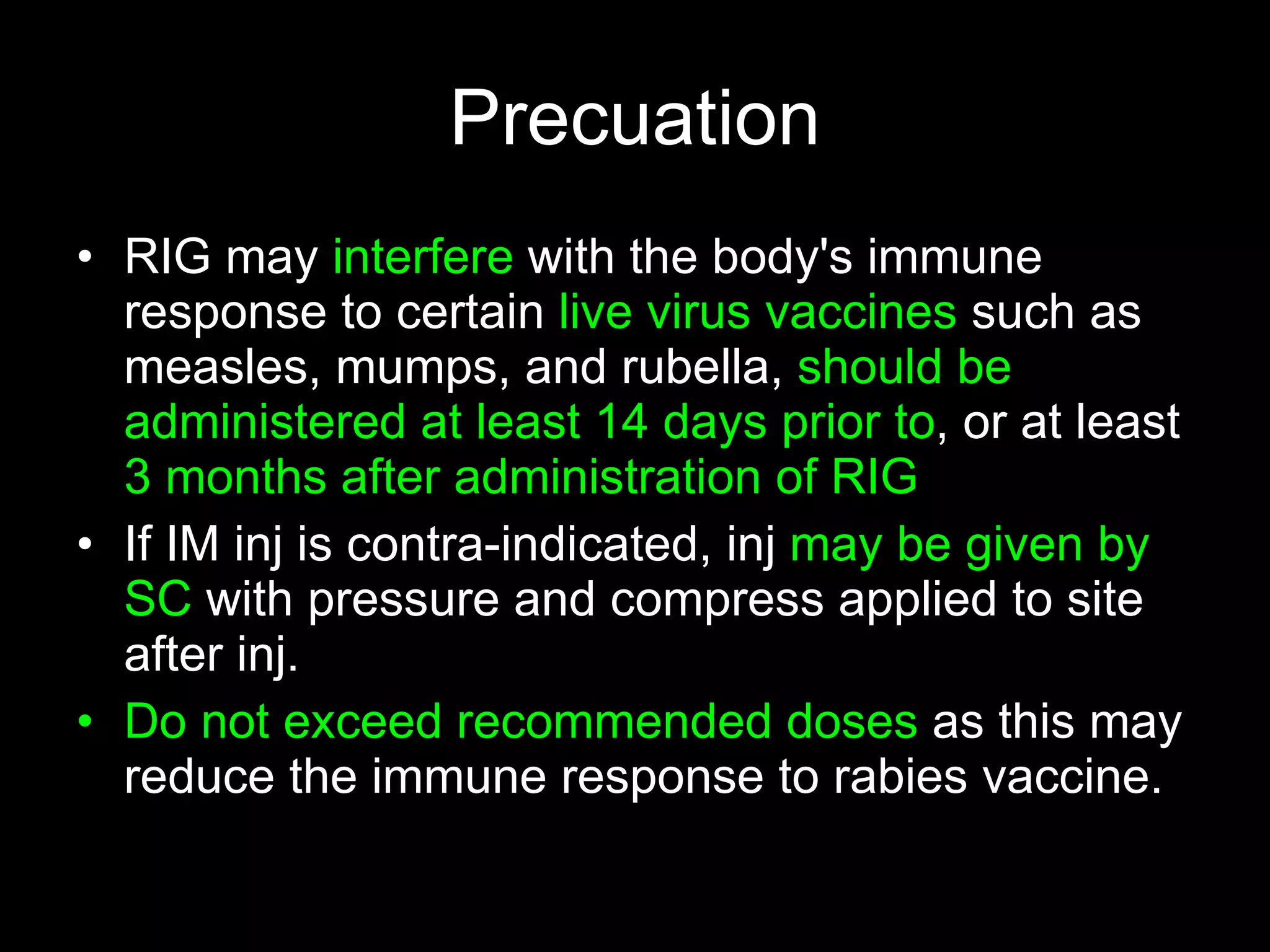
Precuation
• RIG may interfere with the body's immune
  response to certain live virus vaccines such as
  measles, mumps, and rubella, should be
  administered at least 14 days prior to, or at least
  3 months after administration of RIG
• If IM inj is contra-indicated, inj may be given by
  SC with pressure and compress applied to site
  after inj.
• Do not exceed recommended doses as this may
  reduce the immune response to rabies vaccine.
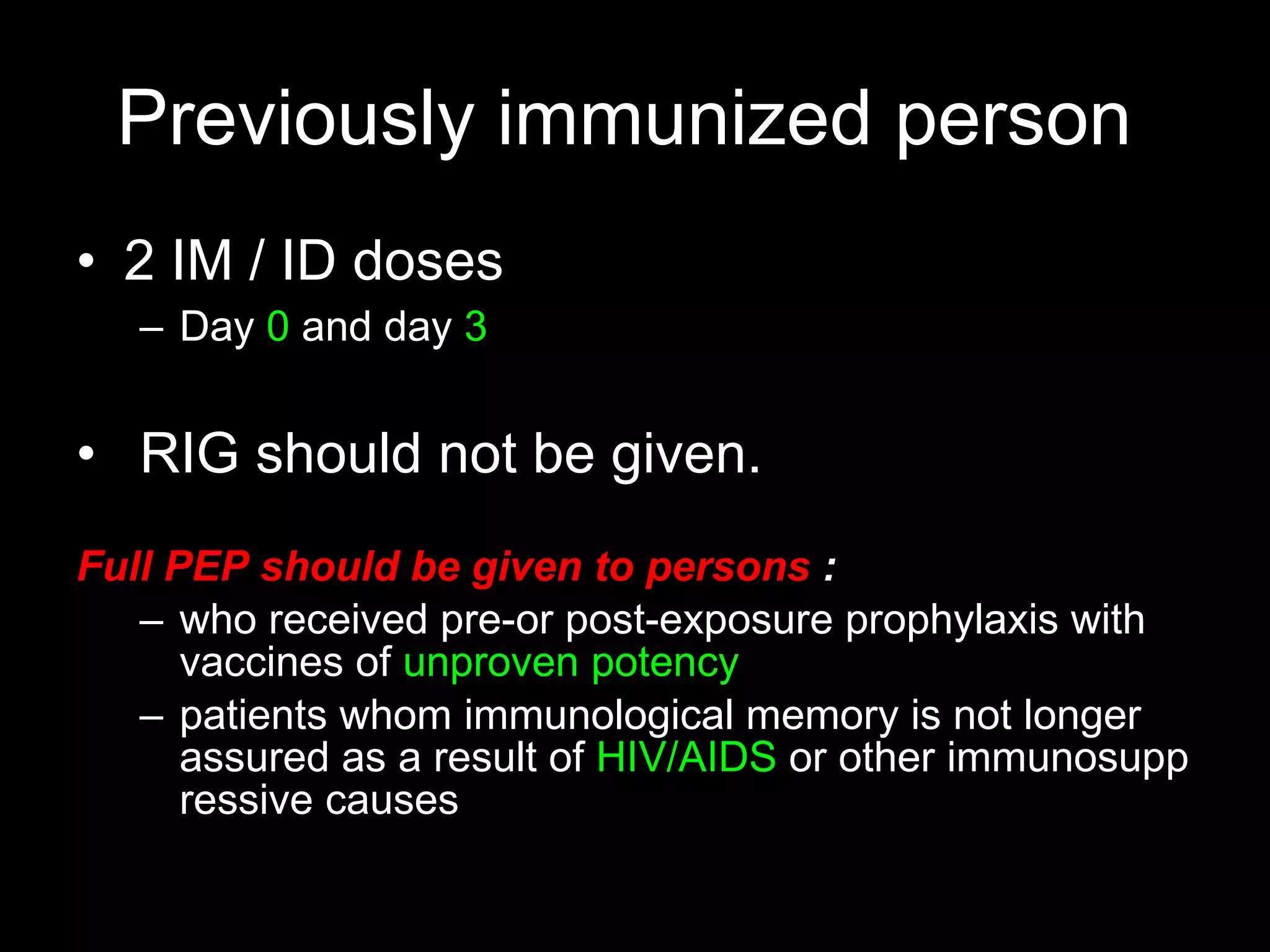
Previously immunized person
• 2 IM / ID doses
   – Day 0 and day 3


• RIG should not be given.
Full PEP should be given to persons :
   – who received pre-or post-exposure prophylaxis with
      vaccines of unproven potency
   – patients whom immunological memory is not longer
      assured as a result of HIV/AIDS or other immunosupp
      ressive causes
OPD or IPD
I am a
Pit bull
Another pit bull attack
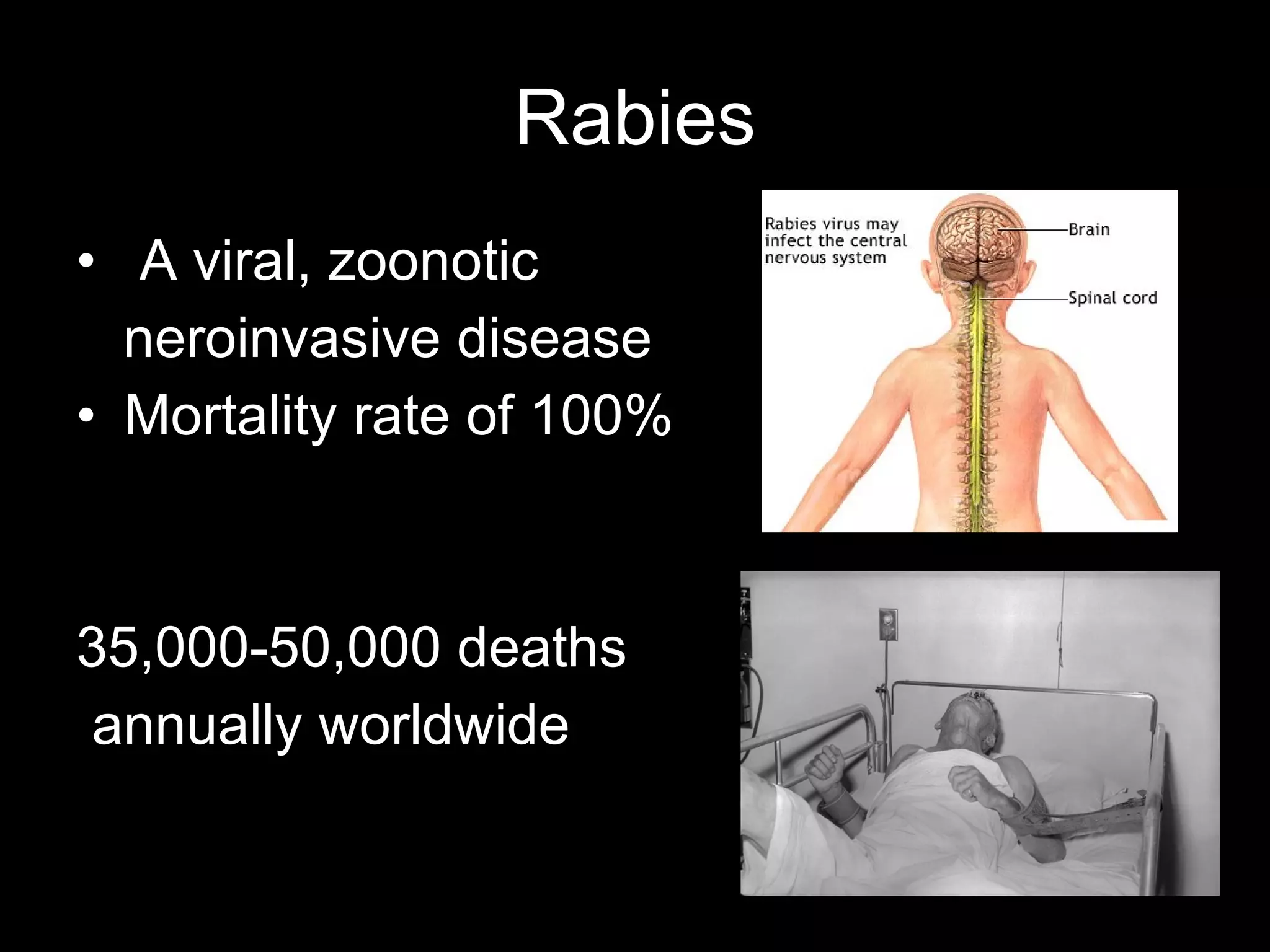
Rabies
• A viral, zoonotic
  neroinvasive disease
• Mortality rate of 100%


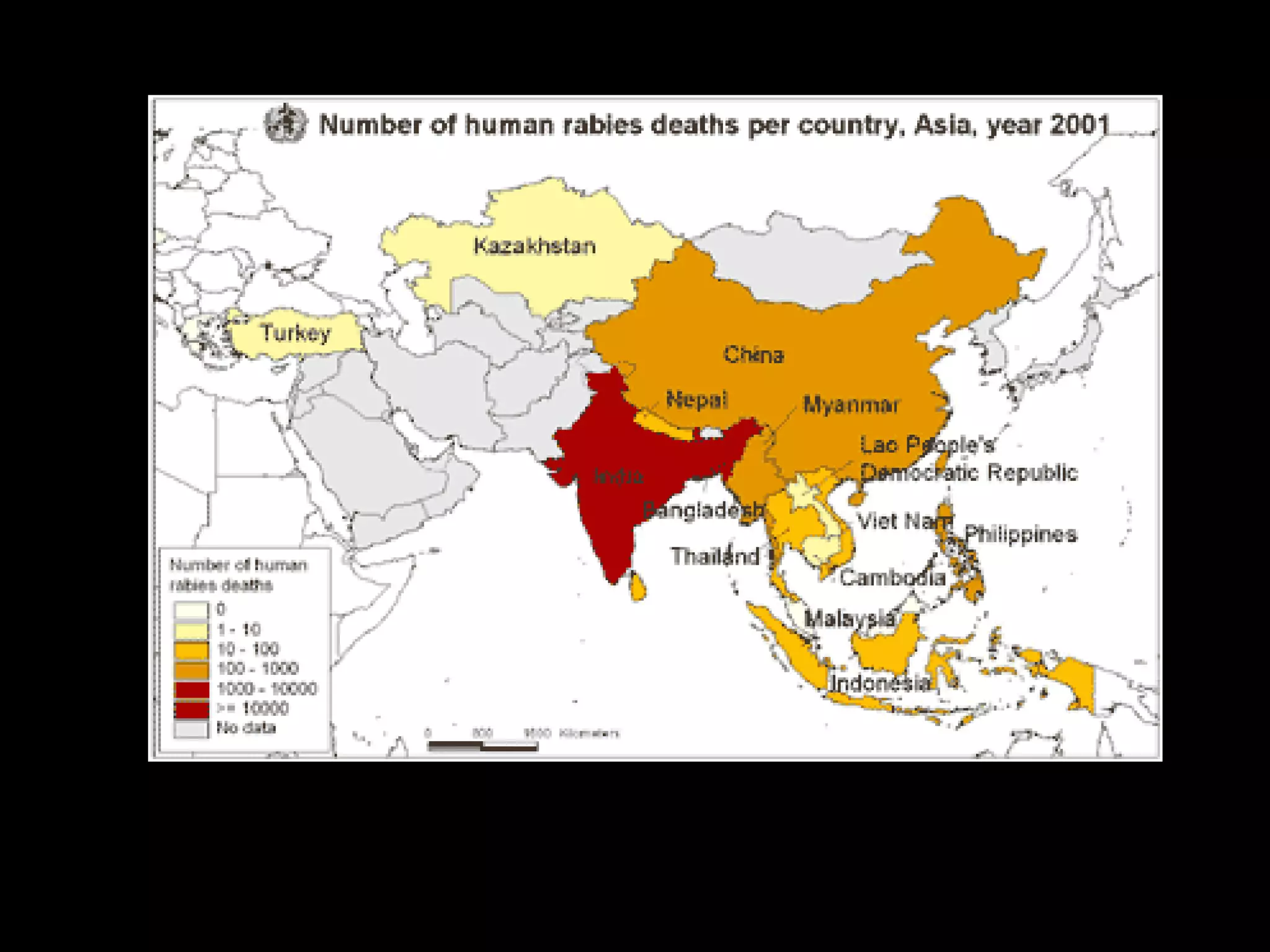
35,000-50,000 deaths
annually worldwide
Transmission
• Humans most often become infected with rabies through
  the bite or scratch of an infected dog or cat.
• Routes of transmission have been documented and
  include contamination of mucous membranes (i.e., eyes,
  nose, mouth), aerosol transmission, and corneal
  transplantations
• Rabies virus can be excreted in the saliva of infected
  animals several days before illness is apparent
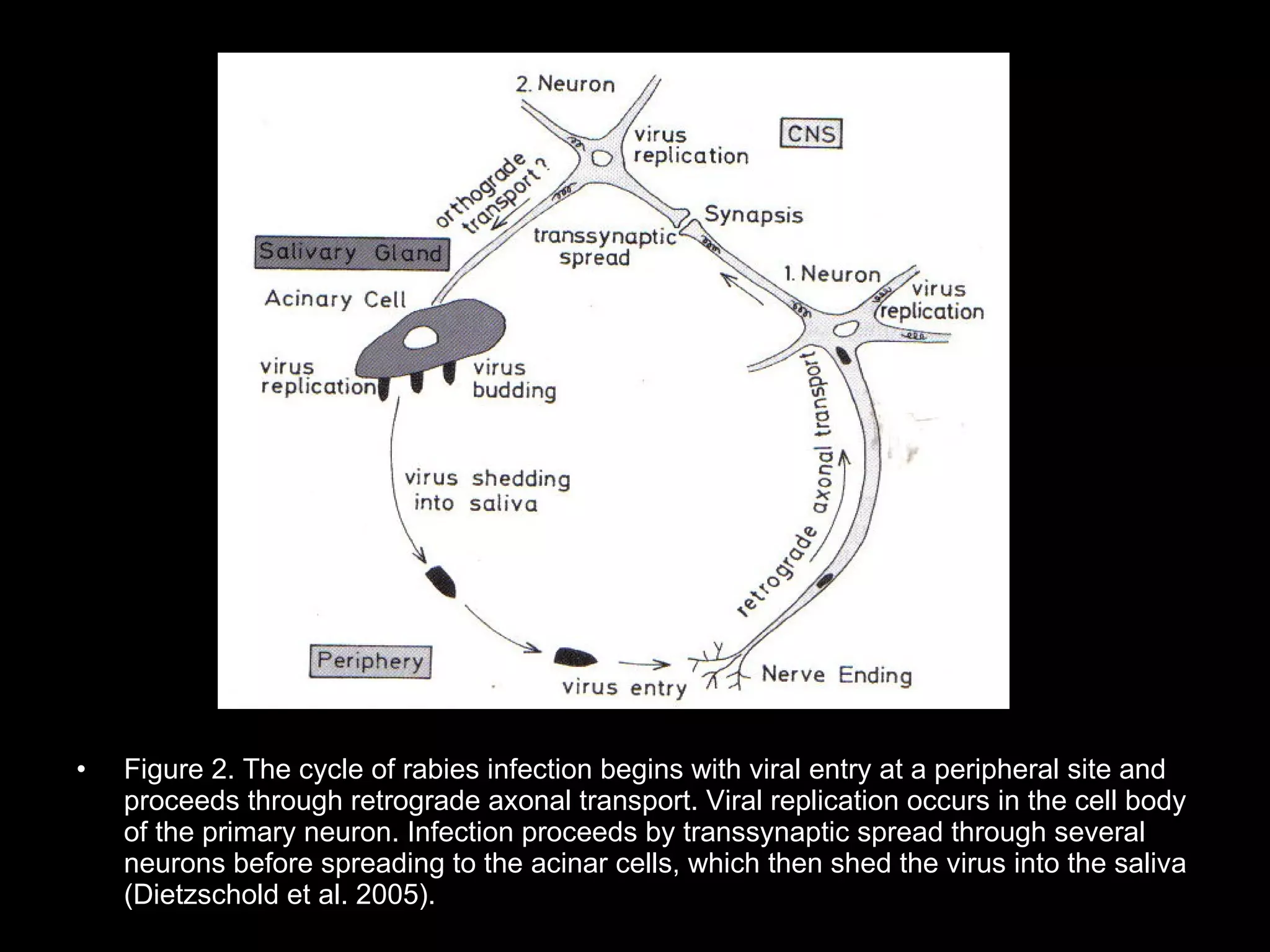
•   Figure 2. The cycle of rabies infection begins with viral entry at a peripheral site and
    proceeds through retrograde axonal transport. Viral replication occurs in the cell body
    of the primary neuron. Infection proceeds by transsynaptic spread through several
    neurons before spreading to the acinar cells, which then shed the virus into the saliva
    (Dietzschold et al. 2005).
Rabies virus
• Rabies virus travels along axons at a rate of
   12-24 mm/d* to enter the spinal ganglion
• From here, the rabies virus spreads quickly, at a
  rate of 200-400 mm/d* into the CNS
• Average incubation is 20-90 days.
  – > 90% of cases, incubation is less than 1 year
  – Rarely, incubation lasts as long as 19 years.


                            *http://emedicine.medscape.com
Test for rabies


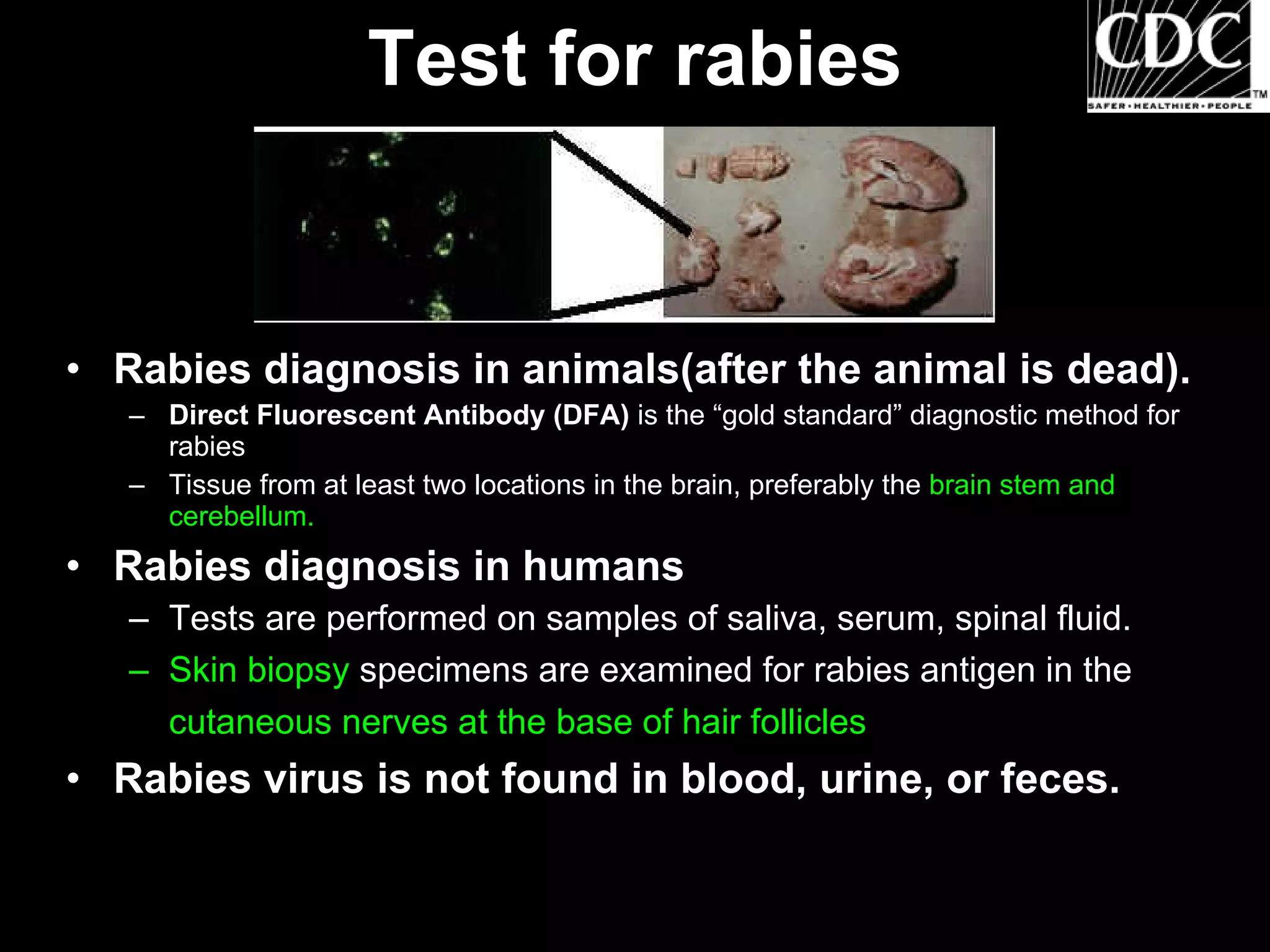
• Rabies diagnosis in animals(after the animal is dead).
   – Direct Fluorescent Antibody (DFA) is the “gold standard” diagnostic method for
     rabies
   – Tissue from at least two locations in the brain, preferably the brain stem and
     cerebellum.
• Rabies diagnosis in humans
   – Tests are performed on samples of saliva, serum, spinal fluid.
   – Skin biopsy specimens are examined for rabies antigen in the
     cutaneous nerves at the base of hair follicles
• Rabies virus is not found in blood, urine, or feces.
Incubation period ( 20-90 day)
     asymptomatic                                  Symptoms
    Prodromal period (enters the CNS, 2-10 day)
       fever malaise anorexia headaches
       nausea emesis
       oagitation diarrhea

              Neurologic period           (objective signs of

              developing CNS disease , 2-7 days)

              psychosis, restlessness ,seizures, aphasia
              hydrophobia and aerophobia
              signs of cranial nerve involvement: diplopia
               facial palsy, and optic neuritis


                                           Coma and death

Dog Bite

  • 1.
  • 2.
    Dogs • Prominent canineteeth • Enormous pressure when biting • Large breeds tend to cause wounds in the head and neck • Powerful jaws can penetrate the skull and destroy deep tissue
  • 3.
    Victims • Males aremore likely to be bitten by dogs. • Females are more likely to be bitten by cats. • Animal bites are most common in children aged 5-14 years
  • 4.
    Cause • Causes ofprovoked attacks – Antagonizing an animal – Hurting an animal • Causes of unprovoked attacks – Approaching the young of an animal – Approaching an animal that is eating – Entering the property of a territorial animal – Nearing an animal with rabies
  • 5.
    Mortality/Morbidity • Wound infectionand cellulitis – Puncture wounds have a higher rate of infection than lacerations – Lacerations cause more damage to tissues than puncture wounds – Septic arthritis from wounds in joint spaces • Osteomyelitis from deep wounds • Meningitis from penetrating skull wounds • Rabies
  • 6.
    Exams and Tests •Inspection the wound • X-rays to look for fractures or foreign body in the wound.
  • 7.
    Rabies contacted Category Category Contact touching or feeding suspect animals, Category I but skin is intact minor scratches without bleeding Category II from contact, or licks on broken skin one or more bites, scratches, licks on Category III broken skin, or other contact that breaks the skin; or exposure to bats
  • 8.
    Treatment • Wound care – Irrigation and Debridement • Suture: – Primary closure in facial wounds ( rarely infected because of well vascularized) – Delayed closure • heavily contaminated (dirty) • significant amount of tissue damage • hands or lower extremities or • wound older than 6 hours – Some wounds are never sutured
  • 9.
    Medical treatment • Antibioticcoverage for – staphylococci – anaerobes • Tetanus prophylaxis • Rabies prophylaxis
  • 10.
    Antibiotics commonly used • Amoxicillin clavulanate (Augmentin ®) • Ampicillin-sulbactam (Unasyn ®) • Trimethoprim and sulfamethoxazole (Bactrim ® ) • Clindamycin (Cleocin ®) • Erythromycin (E-Mycin, Ery-Tab, Erythrocin) • Ceftriaxone (Rocephin ®) • Tetracycline (Sumycin ®)
  • 11.
    Vaccines and immuneglobulins • Tetanus toxoid • Rabies vaccine • Rabies immune globulin
  • 12.
    Tetanus vaccine Intramuscular injection Dose1 Dose 2 Dose 3 Day 0 Month 1-2 Month 6-12
  • 13.
    Tetanus prophylaxis consideration CLEAN ALL OTHER IMMUNIZATION HISTORY MINOR WOUNDS WOUND 1. Fewer than 3 doses; or TT only TT + 2. Uncertain number of doses; or TIG* 3. No immunization At least 3 previous doses of tetanus vaccine, TT only TT only but the most recent more than 10 years ago At least 3 previous doses of tetanus vaccine, no TT only but the most recent more than 5 and less than immunization 10 years ago required At least 3 doses of tetanus, with the most no no recent 5 years ago or less immunization immunization required required TIG*= Tetanus Immune Globolin http://www.health.gov.nl.ca/health/publications/immunization/S5/tetanus_prophylaxis_in_wound_man.htm
  • 14.
    Rabies vaccine • Protectionlevel should be achieved by day 14 of a post-exposure immunization regimen, with or without simultaneous administration of RIG and irrespective of age.
  • 15.
    Vaccine & RIGconsideration Category Contact Immunization touching or feeding suspect animals, Category I None but skin is intact minor scratches without bleeding Category II Vaccine from contact, or licks on broken skin one or more bites, scratches, licks on Category III broken skin, or other contact that Vaccine + RIG breaks the skin; or exposure to bats
  • 16.
    Post-exposure rabies vaccination schedule Day dose 0 3 7 14 30 90 Regimen 5 dose IM 0.5 1 1 1 1 1 4 dose IM 0.5 2 0 1 0 1 (21) 8 site ID 0.1 8 0 4 0 1 1 2 site ID 0.1 2 2 2 0 1 1
  • 17.
    8 sites Intradermaladministration Day 0 7 30 90 Day 0 7 Day 0 Day 0 Day 0 7 07/17/09 17
  • 18.
    Rabies immunoglobulin • Passiveantibody is present 24 hours after injection • Half-life of approximately 21 days. • Dosage – HRIG 20 IU/kg – ERIG 40 IU/kg, admin as soon as possible at the same time as vaccine, or up to 7 days after vaccine inj. HRIG 300 IU/2ml ~ 4000 baht ERIG 1000IU/5ml~ 1900 baht (1 vial / 15 kg BW) (1 vial / 25 kg BW)
  • 19.
    Should not injectRIG • Later than 7 days after the initiation of post-exposure vaccination. • Previously immunized as this may reduce the immunologic response to the vaccine.
  • 20.
    Precuation • RIG mayinterfere with the body's immune response to certain live virus vaccines such as measles, mumps, and rubella, should be administered at least 14 days prior to, or at least 3 months after administration of RIG • If IM inj is contra-indicated, inj may be given by SC with pressure and compress applied to site after inj. • Do not exceed recommended doses as this may reduce the immune response to rabies vaccine.
  • 21.
    Previously immunized person •2 IM / ID doses – Day 0 and day 3 • RIG should not be given. Full PEP should be given to persons : – who received pre-or post-exposure prophylaxis with vaccines of unproven potency – patients whom immunological memory is not longer assured as a result of HIV/AIDS or other immunosupp ressive causes
  • 22.
  • 27.
  • 28.
  • 30.
    Rabies • A viral,zoonotic neroinvasive disease • Mortality rate of 100% 35,000-50,000 deaths annually worldwide
  • 33.
    Transmission • Humans mostoften become infected with rabies through the bite or scratch of an infected dog or cat. • Routes of transmission have been documented and include contamination of mucous membranes (i.e., eyes, nose, mouth), aerosol transmission, and corneal transplantations • Rabies virus can be excreted in the saliva of infected animals several days before illness is apparent
  • 34.
    Figure 2. The cycle of rabies infection begins with viral entry at a peripheral site and proceeds through retrograde axonal transport. Viral replication occurs in the cell body of the primary neuron. Infection proceeds by transsynaptic spread through several neurons before spreading to the acinar cells, which then shed the virus into the saliva (Dietzschold et al. 2005).
  • 37.
    Rabies virus • Rabiesvirus travels along axons at a rate of 12-24 mm/d* to enter the spinal ganglion • From here, the rabies virus spreads quickly, at a rate of 200-400 mm/d* into the CNS • Average incubation is 20-90 days. – > 90% of cases, incubation is less than 1 year – Rarely, incubation lasts as long as 19 years. *http://emedicine.medscape.com
  • 38.
    Test for rabies •Rabies diagnosis in animals(after the animal is dead). – Direct Fluorescent Antibody (DFA) is the “gold standard” diagnostic method for rabies – Tissue from at least two locations in the brain, preferably the brain stem and cerebellum. • Rabies diagnosis in humans – Tests are performed on samples of saliva, serum, spinal fluid. – Skin biopsy specimens are examined for rabies antigen in the cutaneous nerves at the base of hair follicles • Rabies virus is not found in blood, urine, or feces.
  • 39.
    Incubation period (20-90 day) asymptomatic Symptoms Prodromal period (enters the CNS, 2-10 day) fever malaise anorexia headaches nausea emesis oagitation diarrhea Neurologic period (objective signs of developing CNS disease , 2-7 days) psychosis, restlessness ,seizures, aphasia hydrophobia and aerophobia signs of cranial nerve involvement: diplopia facial palsy, and optic neuritis Coma and death