







Chronic Renal Failure: Made Easy


        Jurmaida H. Pagayao, BSN, RN
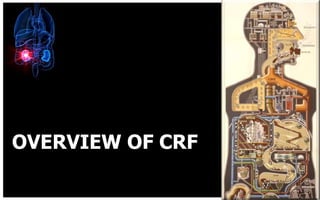
OVERVIEW OF CRF
Definition
• Inability of the kidneys to perform
  vital functions including excretion
  of:
  – Toxins
  – Electrolytes
  – Fluids
  – Hydrogen ions
Incidence
• Affects more
  than 2 out of a
  1000 population
  in the US
  annually
Onset
• Gradual
• Over many years
Etiology
• Diabetes – cause of CRF in 40% of
  all cases

• Hypertension – cause of CRF in
  25% of all cases
• Other Causes:
  – Trauma
  – Autoimmune disorders
  – Birth defects
  – Drug overdose
  – Genetic diseases
Clinical Findings
•   Edema throughout the body
•   Shortness of breath
•   Fatigue
•   Flank pain
•   Oliguria (progressing to anuria)
•   Elevated BP
•   Pale skin
NURSING FOCUS
• Never take a BP or perform a
  venipuncture on an arm with a
  dialysis shunt

• Help minimize discomfort from
  fluid restrictions by offering:
  – Ice chips
  – Frozen lemon swabs
  – Diversional activities
  – Hard candies
– Fluids are typically restricted to an
    amount equal to the previous day’s
    urine output plus 500-600mL

• Perform frequent turning and
  ROM exercises to minimize skin
  breakdown
• Provide routine skin care
  – Uremia causes itching and dryness
    of skin

• Monitor:
  – Blood urea nitrogen (BUN) and
    serum creatinine levels

• Monitor strict fluid intake and
  output
PATIENT TEACHING
• Provide patient with literature on
  CRF and/or dialysis

• Restrict sodium, water, potassium,
  phosphate, and protein intake as
  ordered
• Encourage compliance with
  secondary preventive measures

• Explain the actions, dosages, side
  effects, and adverse effects of
  meds
Thank You!

Chronic renal failure

  • 1.
    Chronic Renal Failure:Made Easy Jurmaida H. Pagayao, BSN, RN
  • 2.
  • 3.
    Definition • Inability ofthe kidneys to perform vital functions including excretion of: – Toxins – Electrolytes – Fluids – Hydrogen ions
  • 4.
    Incidence • Affects more than 2 out of a 1000 population in the US annually
  • 5.
  • 6.
    Etiology • Diabetes –cause of CRF in 40% of all cases • Hypertension – cause of CRF in 25% of all cases
  • 7.
    • Other Causes: – Trauma – Autoimmune disorders – Birth defects – Drug overdose – Genetic diseases
  • 8.
    Clinical Findings • Edema throughout the body • Shortness of breath • Fatigue • Flank pain • Oliguria (progressing to anuria) • Elevated BP • Pale skin
  • 9.
  • 10.
    • Never takea BP or perform a venipuncture on an arm with a dialysis shunt • Help minimize discomfort from fluid restrictions by offering: – Ice chips – Frozen lemon swabs – Diversional activities – Hard candies
  • 11.
    – Fluids aretypically restricted to an amount equal to the previous day’s urine output plus 500-600mL • Perform frequent turning and ROM exercises to minimize skin breakdown
  • 12.
    • Provide routineskin care – Uremia causes itching and dryness of skin • Monitor: – Blood urea nitrogen (BUN) and serum creatinine levels • Monitor strict fluid intake and output
  • 13.
  • 14.
    • Provide patientwith literature on CRF and/or dialysis • Restrict sodium, water, potassium, phosphate, and protein intake as ordered
  • 15.
    • Encourage compliancewith secondary preventive measures • Explain the actions, dosages, side effects, and adverse effects of meds
  • 16.