   DEFINITIONS
      Acute renal failure is a sudden reduction in kidney function
    that results in nitrogenous wastes accumulating in the blood.
   ETIOLOGY
Problems affecting the flow of blood before it
reaches the kidneys

   1) Dehydration
             vomiting, diarrhea, water pills, or blood
loss.
   2) Disruption of blood flow to the kidneys .
               *Major surgery with blood
loss, severe injury or            burns, or infection in
the bloodstream.
* Blockage or narrowing of a blood vessel carrying
 blood to the kidneys.
* Heart failure or heart attacks causing low blood flow.

* Liver failure causing changes in hormones that affect blood
 flow and pressure to the kidney
Problems affecting the movement of urine out of the
     kidneys.

a)     Kidney stone: usually only on one side.
b)     Cancer of the urinary tract organs or structures near
      the urinary tract that may obstruct the outflow of urine.
c)    Medications.
d) Bladder stone.
 e) Benign prostate hyper plasia (the most common cause in
men).
  f) Blood clot.
  g)Bladder cancer.
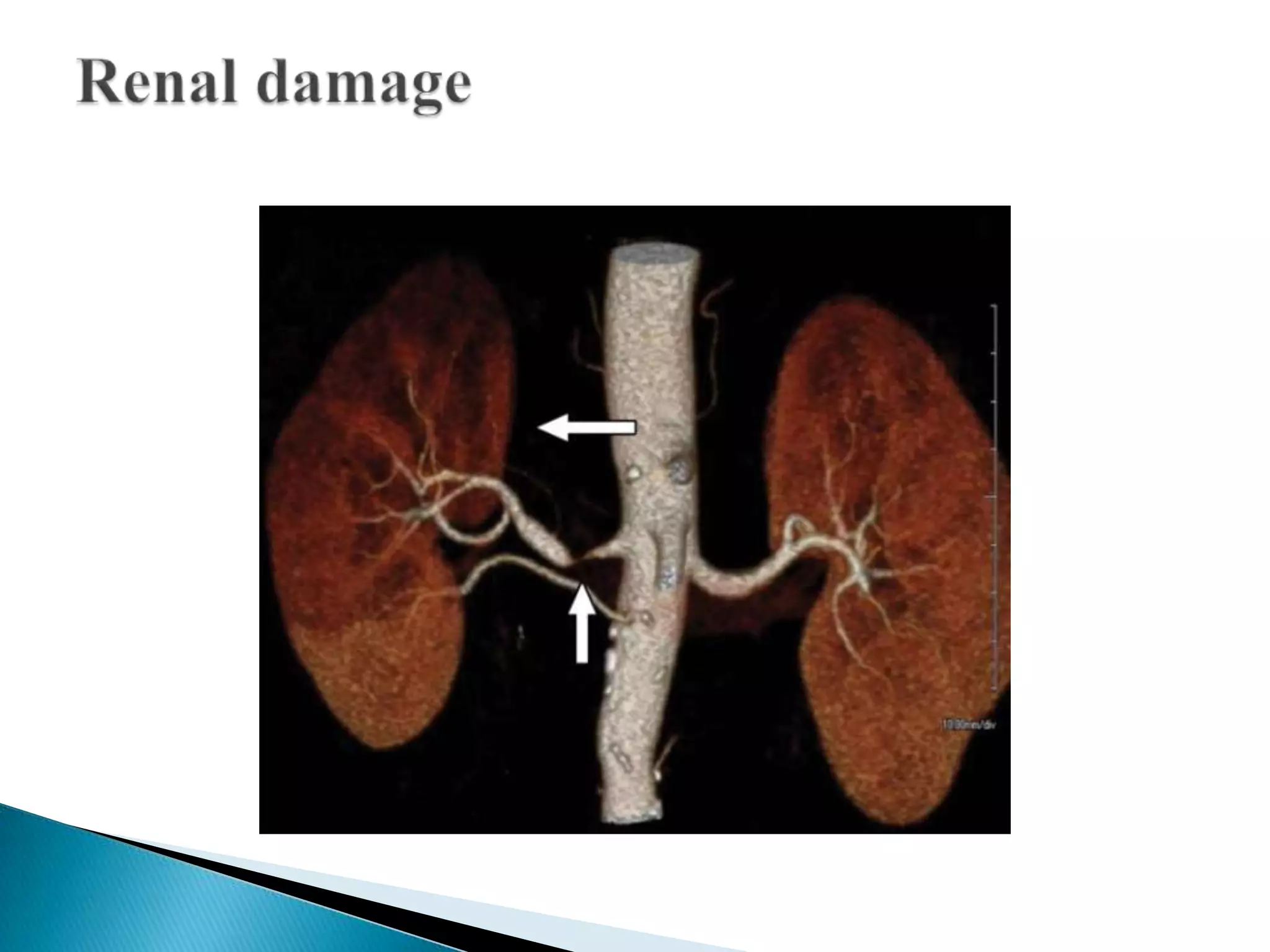
   Renal Problems with the kidney itself that prevent proper
         filtration of blood or production of urine(25-40%).
   Blood vessel diseases
   Blood clot in a vessel in the kidneys
   Injury to kidney tissue and cells
Glomerulo nephritis
     e.g, Streptococcal bacterial infections may damage the
 glomeruli.
Acute interstitial nephritis
  1) Medications such as antibiotics, anti-inflammatory
 medicines (for example, aspirin, brufen), and water pills .
  2) infections and immune-related diseases such as lupus
 , leukemia, lymphoma, and sarcoidosis.
Acute tubular necrosis
   Causes include shock (decreased blood supply to the
    kidneys),      drugs       (especially   antibiotics)
    and chemotherapy agents, toxins and poisons, and
    dyes used in certain kinds of x-rays.
   Accidents, injuries
   complications from surgeries (eg.Heart-bypass
    surgery)
   Polycystic kidney.
   produce less erythropoietin
RISK FACTORS
   Advanced age
   Blockages in the blood vessels in your arms or legs
   Diabetes
   High blood pressure
   Heart failure
   Kidney diseases
   Liver disease
Symptoms
 Vomiting and/or diarrhea, which may lead to dehydration.
 Nausea.
 Weight loss.
 Nocturnal urination.
 pale urine.
 Less frequent urination, or in smaller amounts than
  usual, with dark coloured urine
   Haematuria.
   Pressure, or difficulty urinating.
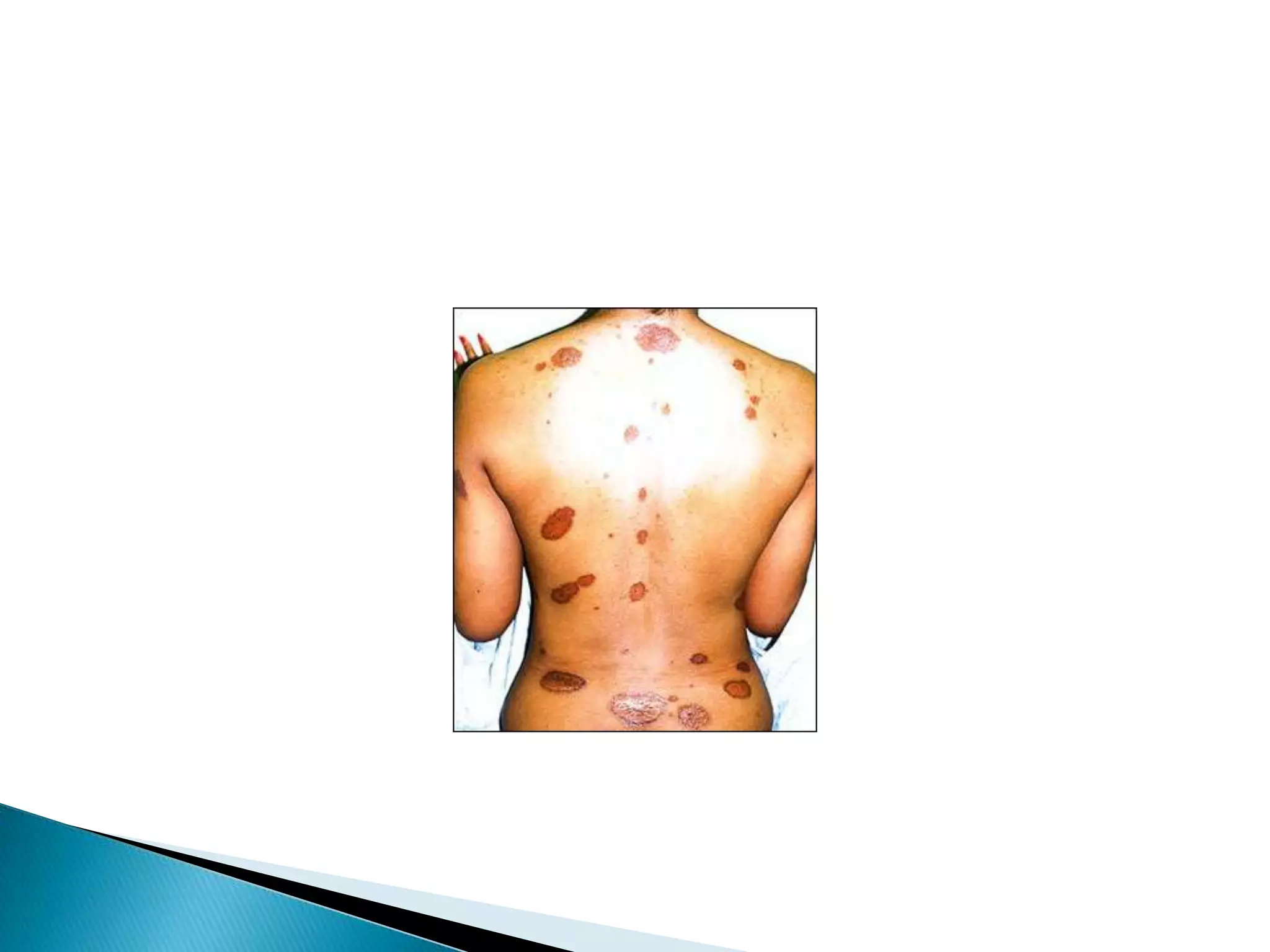
   Itching.
   Bone damage.
   Non-union in broken bones.
   Muscle cramps (caused by low levels of calcium which
    can cause hypocalcaemia).:
   Abnormal heart rhythms.
   Muscle paralysis.
   Swelling of the legs, ankles, feet, face and/or hands.
   Shortness of breath due to extra fluid on the lungs
   Pain in the back or side
   Feeling tired and/or weak.
   Memory problems.
   Difficulty concentrating.
   Dizziness.
   Low blood pressure.
Other symptoms include
    Anorexia
    Pruritus
    Seizures (if blood urea nitrogen level is very high)
    Shortness of breath (if volume overload is present).
    Decrease osmolality(A measurement of urine concentration
     that depends on the number of particles dissolved in it).
    Increase urinary sodium.
    Pericarditis.
    Pericardial effusion.
    Pleural effusion.
    Decrease calcium and bicarbonate.
    Defect in platelet functionings
PHASES OF ARF
 Initiating phase
   Oliguric phase
   Diuretic phase
   Recovery phase
Diagnosis
 History collection.
 Physical examination.
   1 Asterixis and myoclonus
   2 Peripheral edema (if volume overload is present)
   3 Pulmonary rales (if volume overload is
      present)
   4 Elevated right atrial pressure (if volume overload is
      present)
   Identification of precipitating cause.
   Serum creatinine and BUN level .(n 7-18mg/dl)
   Serum electrolytes.
   Urine analysis.
   Renal bladder ultra sound.
    Renal scan.
    CT scans and MRI scan (to identify lesion and masses)
   The urine will be examined under a microscope.
   biopsy
Medical and Pharmacological Treatment
   correcting fluid and electrolyte balance.
   Correct dehydration.
    Correct dehydration.
    Keeps other body systems working properly
   Furosemide, Torsemide, ethacrynic acid
   calcium gluconate
   Sodium bicarbonate
   dialysis
   NUTRITIONAL THERAPY
   Provide protein diet.
   Calori requirements are met with high carbo-hydrate meals
    (carbo-hydrates have a protein-sparing effect.
   Foods and fluid containing potassium or phosphorous
    (banana, coffee) are restricted.
   Patient may require parenteral nutrition.
Prevention
   A careful history(nephrotoxic antibiotic agent
    aminoglycosides, gentamicin, tobramicine, etc.)
   blood tests and urinalysis
   Drink enough fluids
   Difficulties urinating or blood in the urine should prompt a
    visit
   Treat hypotension promptly.
   Prevent and treat infections promptly.
   Pay special attention to wound, burns and other precursors of
    sepsis.
   COMPLICATIONS
   ARF can affect the entire body
   Infection
   Hyperkalaemia, Hyperphosphataemia, hyponatraemia
    water overload
   Pericarditis
   Pulmonary oedema.
   Reduced level of consciousness.
   Immune deficiency.

NURSING MANAGEMENT

 Excess fluid volume related to decreased Glomerular filtration
  rate and sodium retention
 Risk for infection related to alterations in the immune system
  and host defenses
 Imbalanced nutrition: less than body requirements
   Risk for injury related to GI bleeding
   Sleep pattern disturbances related to disease condition
   Providing skin care
   Providing support


Patient Teaching and Home Healthcare Guidelines
conclusion
THANK YOU

Acute renal failure

  • 2.
    DEFINITIONS Acute renal failure is a sudden reduction in kidney function that results in nitrogenous wastes accumulating in the blood.
  • 3.
    ETIOLOGY
  • 5.
    Problems affecting theflow of blood before it reaches the kidneys 1) Dehydration vomiting, diarrhea, water pills, or blood loss. 2) Disruption of blood flow to the kidneys . *Major surgery with blood loss, severe injury or burns, or infection in the bloodstream.
  • 6.
    * Blockage ornarrowing of a blood vessel carrying blood to the kidneys. * Heart failure or heart attacks causing low blood flow. * Liver failure causing changes in hormones that affect blood flow and pressure to the kidney
  • 8.
    Problems affecting themovement of urine out of the kidneys. a) Kidney stone: usually only on one side. b) Cancer of the urinary tract organs or structures near the urinary tract that may obstruct the outflow of urine. c) Medications.
  • 9.
    d) Bladder stone. e) Benign prostate hyper plasia (the most common cause in men). f) Blood clot. g)Bladder cancer.
  • 11.
    Renal Problems with the kidney itself that prevent proper filtration of blood or production of urine(25-40%).  Blood vessel diseases  Blood clot in a vessel in the kidneys  Injury to kidney tissue and cells
  • 12.
    Glomerulo nephritis e.g, Streptococcal bacterial infections may damage the glomeruli. Acute interstitial nephritis 1) Medications such as antibiotics, anti-inflammatory medicines (for example, aspirin, brufen), and water pills . 2) infections and immune-related diseases such as lupus , leukemia, lymphoma, and sarcoidosis.
  • 14.
  • 15.
    Causes include shock (decreased blood supply to the kidneys), drugs (especially antibiotics) and chemotherapy agents, toxins and poisons, and dyes used in certain kinds of x-rays.  Accidents, injuries  complications from surgeries (eg.Heart-bypass surgery)  Polycystic kidney.  produce less erythropoietin
  • 16.
    RISK FACTORS  Advanced age  Blockages in the blood vessels in your arms or legs  Diabetes  High blood pressure  Heart failure  Kidney diseases  Liver disease
  • 17.
    Symptoms  Vomiting and/ordiarrhea, which may lead to dehydration.  Nausea.  Weight loss.  Nocturnal urination.  pale urine.  Less frequent urination, or in smaller amounts than usual, with dark coloured urine
  • 18.
    Haematuria.  Pressure, or difficulty urinating.  Itching.  Bone damage.  Non-union in broken bones.  Muscle cramps (caused by low levels of calcium which can cause hypocalcaemia).:  Abnormal heart rhythms.  Muscle paralysis.
  • 19.
    Swelling of the legs, ankles, feet, face and/or hands.  Shortness of breath due to extra fluid on the lungs  Pain in the back or side  Feeling tired and/or weak.  Memory problems.  Difficulty concentrating.  Dizziness.  Low blood pressure.
  • 20.
    Other symptoms include  Anorexia  Pruritus  Seizures (if blood urea nitrogen level is very high)  Shortness of breath (if volume overload is present).  Decrease osmolality(A measurement of urine concentration that depends on the number of particles dissolved in it).  Increase urinary sodium.  Pericarditis.  Pericardial effusion.  Pleural effusion.  Decrease calcium and bicarbonate.  Defect in platelet functionings
  • 21.
    PHASES OF ARF Initiating phase  Oliguric phase  Diuretic phase  Recovery phase
  • 22.
    Diagnosis  History collection. Physical examination. 1 Asterixis and myoclonus 2 Peripheral edema (if volume overload is present) 3 Pulmonary rales (if volume overload is present) 4 Elevated right atrial pressure (if volume overload is present)
  • 23.
    Identification of precipitating cause.  Serum creatinine and BUN level .(n 7-18mg/dl)  Serum electrolytes.  Urine analysis.  Renal bladder ultra sound.  Renal scan.  CT scans and MRI scan (to identify lesion and masses)  The urine will be examined under a microscope.  biopsy
  • 24.
    Medical and PharmacologicalTreatment  correcting fluid and electrolyte balance.  Correct dehydration.  Correct dehydration.  Keeps other body systems working properly  Furosemide, Torsemide, ethacrynic acid  calcium gluconate  Sodium bicarbonate  dialysis
  • 25.
    NUTRITIONAL THERAPY  Provide protein diet.  Calori requirements are met with high carbo-hydrate meals (carbo-hydrates have a protein-sparing effect.  Foods and fluid containing potassium or phosphorous (banana, coffee) are restricted.  Patient may require parenteral nutrition.
  • 26.
    Prevention  A careful history(nephrotoxic antibiotic agent aminoglycosides, gentamicin, tobramicine, etc.)  blood tests and urinalysis  Drink enough fluids  Difficulties urinating or blood in the urine should prompt a visit  Treat hypotension promptly.  Prevent and treat infections promptly.  Pay special attention to wound, burns and other precursors of sepsis.
  • 27.
    COMPLICATIONS  ARF can affect the entire body  Infection  Hyperkalaemia, Hyperphosphataemia, hyponatraemia  water overload  Pericarditis  Pulmonary oedema.
  • 28.
    Reduced level of consciousness.  Immune deficiency. NURSING MANAGEMENT  Excess fluid volume related to decreased Glomerular filtration rate and sodium retention  Risk for infection related to alterations in the immune system and host defenses  Imbalanced nutrition: less than body requirements
  • 29.
    Risk for injury related to GI bleeding  Sleep pattern disturbances related to disease condition  Providing skin care  Providing support Patient Teaching and Home Healthcare Guidelines conclusion
  • 30.