

INTEGRATING
CONSTRUCTABILITY
WITH LEAN
CONSTRUCTION &
WORK PLAN
helpdesk@construction-productivity.co.uk
htt://www.construction-productivity.co.uk
 Constructability is the integration of
construction expertise into all phases
of the project.
For Improving factors such as:
 cost
 schedule
 quality
 overall project objectives
 Constructability must be used at key
points in the project life cycle. This
includes:
 in the planning phase;
 early in the design phase;
 prior to the procurement phase;
 prior to the mobilization phase for
construction.
 Constructability process considers a
detailed review of:
 Design drawings;
 Models;
 Specifications;
 construction processes.
 This is carried out by one or more highly
experienced construction Engineers or
specialists.
 working closely with the project team
including cost engineering;
 this is carried out prior to construction
mobilization;
 before construction work is put for tender.
• The purpose of the
constructability review is to
identify the following items:
• Design errors (both material
selection or dimensions).
• Un clear specifications.
• Project features-difficult and very
costly to construct.
• Project complexity- that exceed the
knowledge and capability of industry
to properly build.
• Project features that are difficult to
interpret and will be hard to
accurately bid.
 Lean construction main objective is to
maximize value and reduce waste.
 It applies specific techniques in an
innovative project delivery approach.
 including:
1. supply chain management,
2. Just-In-Time techniques.
 As well as the open sharing of information
between all the parties involved in the
production process.
 Lean manufacturing is an outgrowth of the
Toyota Production system.
 Developed by Taichii Ohno in Toyota in
the 1950s.
 It is based on lean manufacturing,
of the Toyota Production system.
 Ohno learnt from mass production at Ford
Motor manufacturing facilities in the U.S.
and witnessed high level of waste during
production.
Ohno identified several wastes in mass
production systems in car industry
such as:
1. overproducing
2. waiting time
3. transporting
also, in other areas such as:
1. processing methods;
2. unnecessary stock on hand;
3. unnecessary motion;
4. defective goods;
5. failure to meet customers’ needs;
6. high waste through out the process. He
would be very disappointed by recent
failures in Toyota car performance.
 Womack and Jones (1996) suggested that
there are five key principles that need to be
monitored when lean construction systems
are applied in construction. Those are:
 Value-clarifying the customer’s needs;
 the supply chain involvement in all stages,
from inception to completion;
 By clarifying activities or products
that signify value.
Value stream: By mapping the
whole value stream
 establishing cooperation between all
parties involved;
 identifying and eliminating waste;
 From taking such steps the
construction process can be
improved.
Flow:
 Business flow includes project
information such as:
1. specifications
2. contracts
3. plans, etc.
 Job site flow involves the activities
and the way they have to be carried
out.
 Supply flow refers to the materials
used in a project.
Pull:
 The efforts of all participants provides
smooth pulls during the construction
process.
Perfection:
 Use of best methods of work
instructions and best procedures.
 Introduction of best quality control
methods.
 This well planned and systematic
approach helps the management
team to create quality work plans.
 They learn from any failure
 a good WorkPlan is a weekly work
plan
 based on lean construction
 production scheduling
 screening
 work package
 constraint
 percentage of planned completed (PPC)
 Scheduling of construction work is often
done with the help of computer tools
 It implement the critical-path method
(CPM)
 based on activities of given duration and
unit resources allocated to them
 as well as predecessor relationships
between activities
 for different parties involved in a
construction project to communicate with
one another whom should be doing what
work and when.
 The application of lean production techniques in
construction has been triggered by its success in
manufacturing (Womack and Jones 1996).
 Weekly work plans can be developed as valuable
tools for production planning and control.
 This is possible through the application of lean
construction techniques.
 In the application weekly work plans are generated
using a database (Choo, Tommelein
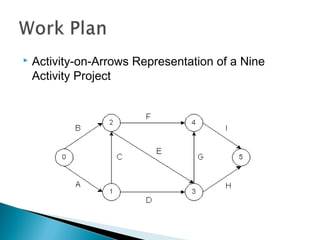
 Activity-on-Arrows Representation of a Nine
Activity Project
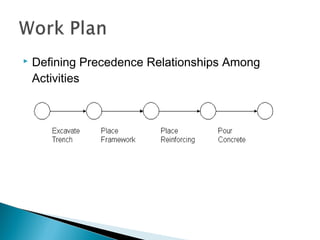
 Defining Precedence Relationships Among
Activities
050 Intergrating Constructability with Lean Construction

050 Intergrating Constructability with Lean Construction

  • 1.
    INTEGRATING CONSTRUCTABILITY WITH LEAN CONSTRUCTION & WORKPLAN helpdesk@construction-productivity.co.uk htt://www.construction-productivity.co.uk
  • 2.
     Constructability isthe integration of construction expertise into all phases of the project. For Improving factors such as:  cost  schedule  quality  overall project objectives
  • 3.
     Constructability mustbe used at key points in the project life cycle. This includes:  in the planning phase;  early in the design phase;  prior to the procurement phase;  prior to the mobilization phase for construction.
  • 4.
     Constructability processconsiders a detailed review of:  Design drawings;  Models;  Specifications;  construction processes.
  • 5.
     This iscarried out by one or more highly experienced construction Engineers or specialists.  working closely with the project team including cost engineering;  this is carried out prior to construction mobilization;  before construction work is put for tender.
  • 6.
    • The purposeof the constructability review is to identify the following items: • Design errors (both material selection or dimensions). • Un clear specifications.
  • 7.
    • Project features-difficultand very costly to construct. • Project complexity- that exceed the knowledge and capability of industry to properly build. • Project features that are difficult to interpret and will be hard to accurately bid.
  • 10.
     Lean constructionmain objective is to maximize value and reduce waste.  It applies specific techniques in an innovative project delivery approach.  including: 1. supply chain management, 2. Just-In-Time techniques.
  • 12.
     As wellas the open sharing of information between all the parties involved in the production process.  Lean manufacturing is an outgrowth of the Toyota Production system.  Developed by Taichii Ohno in Toyota in the 1950s.
  • 13.
     It isbased on lean manufacturing, of the Toyota Production system.  Ohno learnt from mass production at Ford Motor manufacturing facilities in the U.S. and witnessed high level of waste during production.
  • 14.
    Ohno identified severalwastes in mass production systems in car industry such as: 1. overproducing 2. waiting time 3. transporting
  • 15.
    also, in otherareas such as: 1. processing methods; 2. unnecessary stock on hand; 3. unnecessary motion; 4. defective goods; 5. failure to meet customers’ needs; 6. high waste through out the process. He would be very disappointed by recent failures in Toyota car performance.
  • 16.
     Womack andJones (1996) suggested that there are five key principles that need to be monitored when lean construction systems are applied in construction. Those are:  Value-clarifying the customer’s needs;  the supply chain involvement in all stages, from inception to completion;  By clarifying activities or products that signify value.
  • 17.
    Value stream: Bymapping the whole value stream  establishing cooperation between all parties involved;  identifying and eliminating waste;  From taking such steps the construction process can be improved.
  • 18.
    Flow:  Business flowincludes project information such as: 1. specifications 2. contracts 3. plans, etc.  Job site flow involves the activities and the way they have to be carried out.  Supply flow refers to the materials used in a project.
  • 19.
    Pull:  The effortsof all participants provides smooth pulls during the construction process. Perfection:  Use of best methods of work instructions and best procedures.  Introduction of best quality control methods.
  • 21.
     This wellplanned and systematic approach helps the management team to create quality work plans.  They learn from any failure  a good WorkPlan is a weekly work plan  based on lean construction  production scheduling
  • 22.
     screening  workpackage  constraint  percentage of planned completed (PPC)  Scheduling of construction work is often done with the help of computer tools  It implement the critical-path method (CPM)
  • 23.
     based onactivities of given duration and unit resources allocated to them  as well as predecessor relationships between activities  for different parties involved in a construction project to communicate with one another whom should be doing what work and when.
  • 24.
     The applicationof lean production techniques in construction has been triggered by its success in manufacturing (Womack and Jones 1996).  Weekly work plans can be developed as valuable tools for production planning and control.  This is possible through the application of lean construction techniques.  In the application weekly work plans are generated using a database (Choo, Tommelein
  • 26.
     Activity-on-Arrows Representationof a Nine Activity Project
  • 27.
     Defining PrecedenceRelationships Among Activities