





• RED SLIDE: These are notes that are very
important and should be recorded in your
science journal.
Copyright © 2010 Ryan P. Murphy
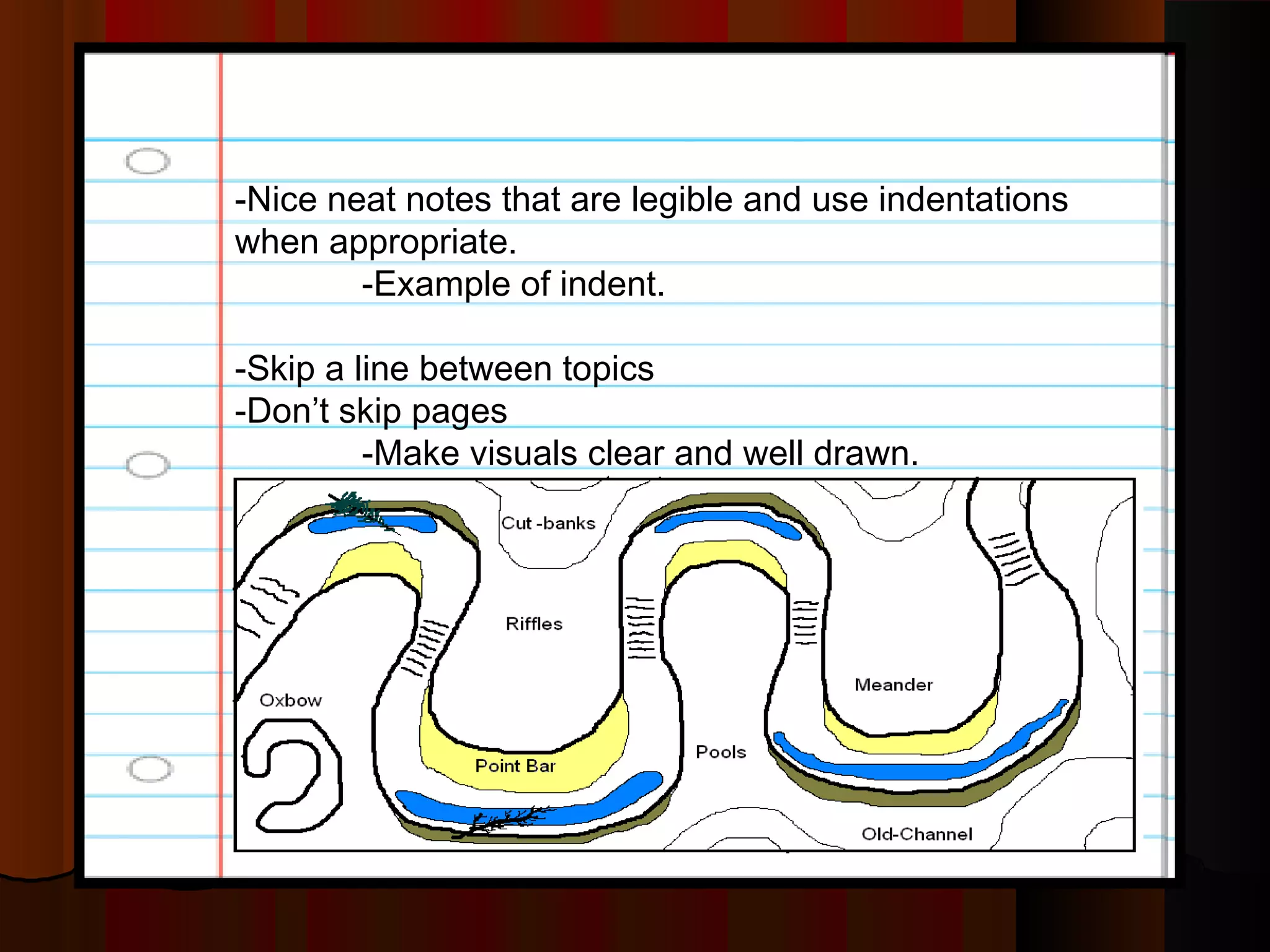
-Nice neat notes that are legible and use indentations
when appropriate.
-Example of indent.
-Skip a line between topics
-Don’t skip pages
-Make visuals clear and well drawn.
• RED SLIDE: These are notes that are very
important and should be recorded in your
science journal.
• BLACK SLIDE: Pay attention, follow
directions, complete projects as described
and answer required questions neatly.
Copyright © 2010 Ryan P. Murphy
• http://sciencepowerpoint.com/
Copyright © 2010 Ryan P. Murphy
This science unit belongs to Ryan
P Murphy Copyright 2010
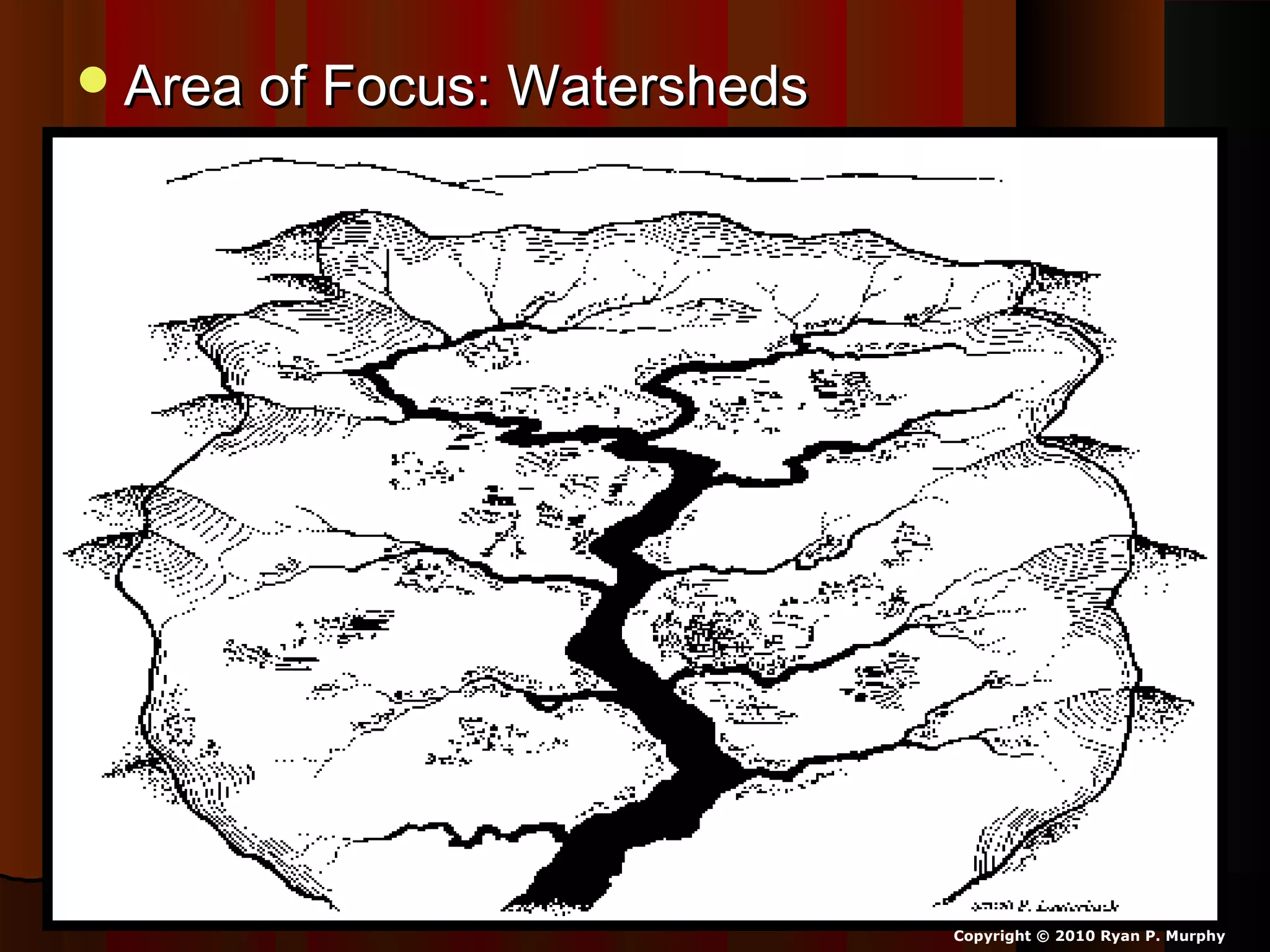
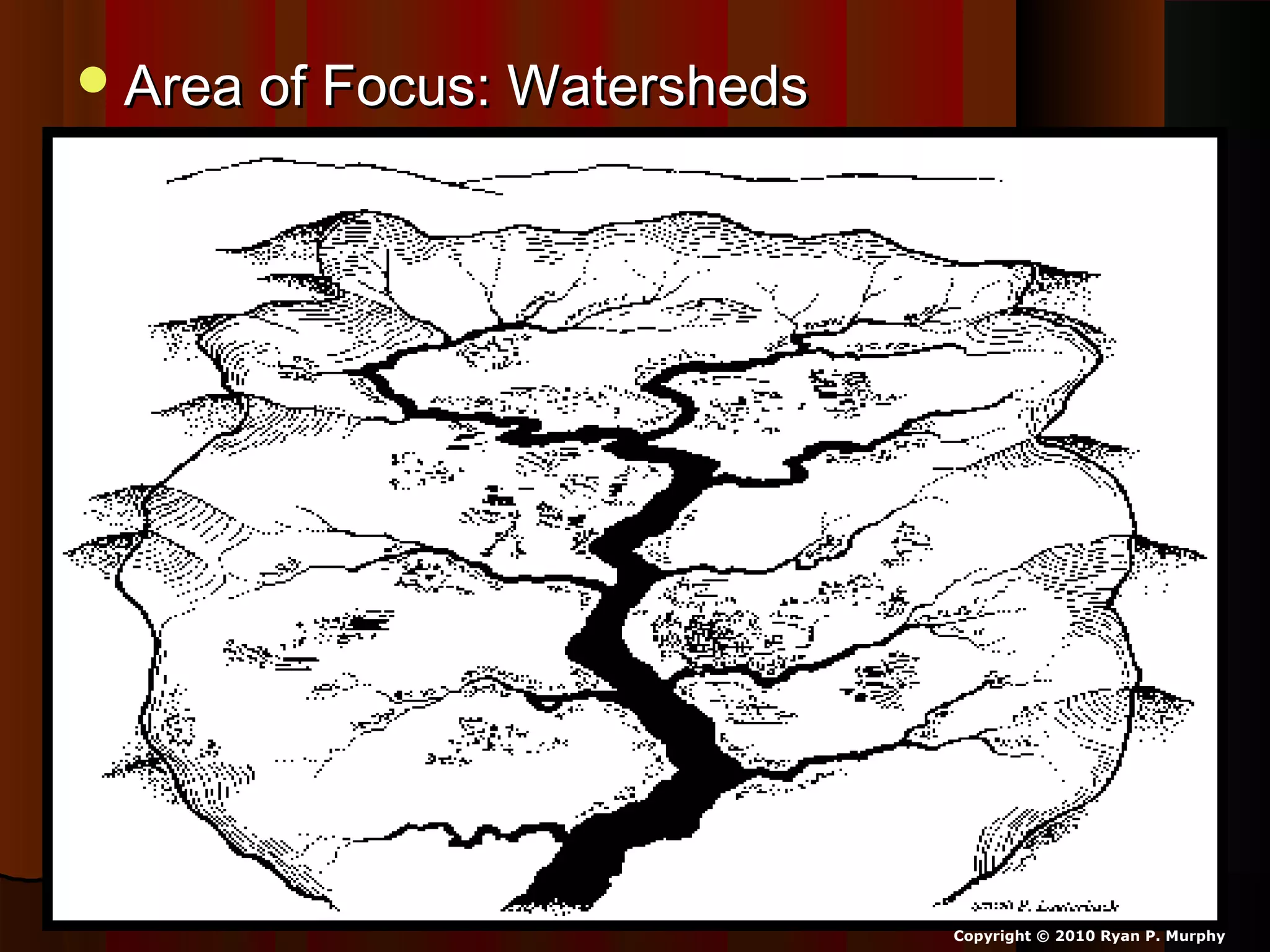
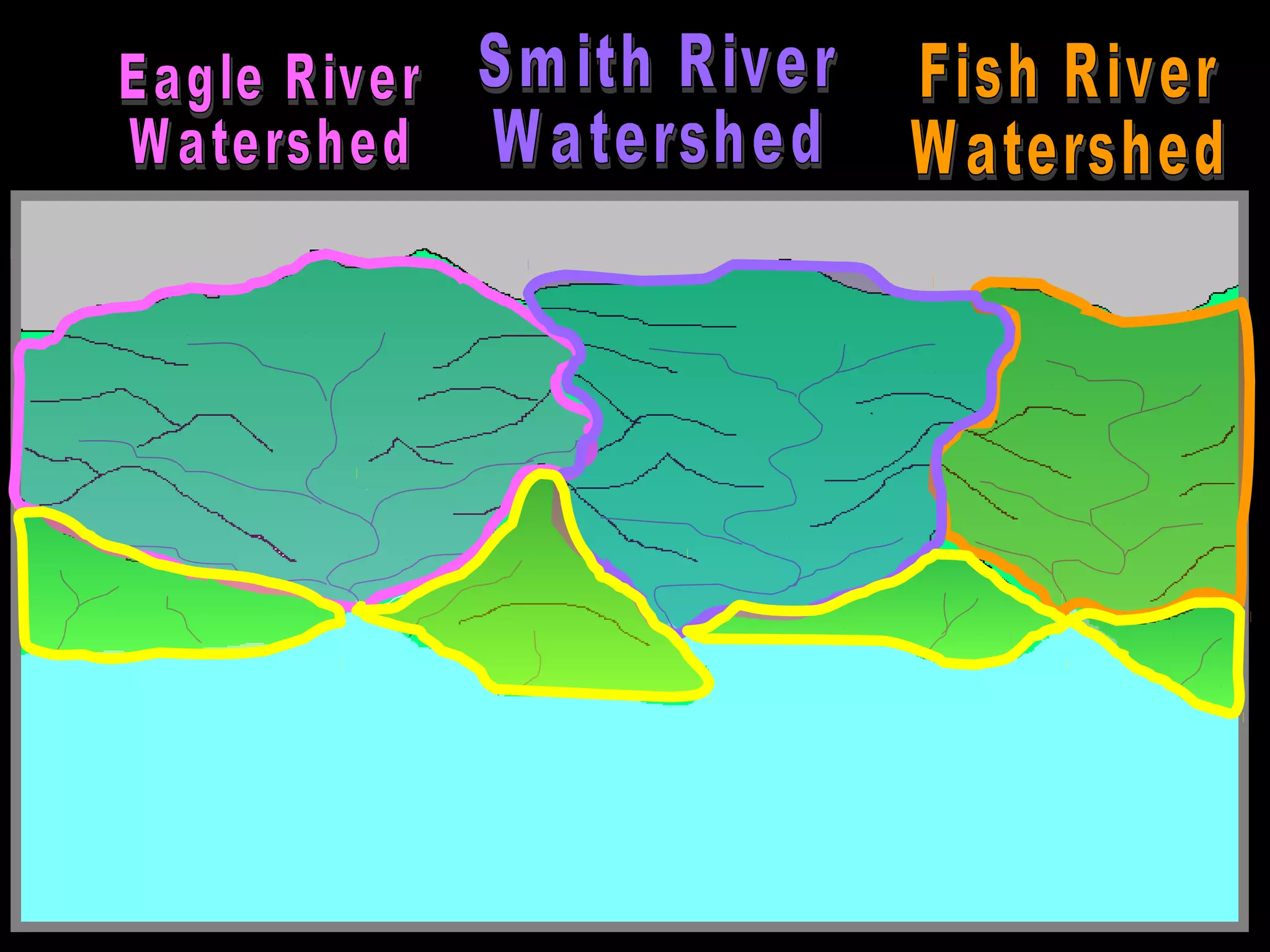
Area of Focus: WatershedsArea of Focus: Watersheds
Copyright © 2010 Ryan P. Murphy
Area of Focus: WatershedsArea of Focus: Watersheds
Copyright © 2010 Ryan P. Murphy
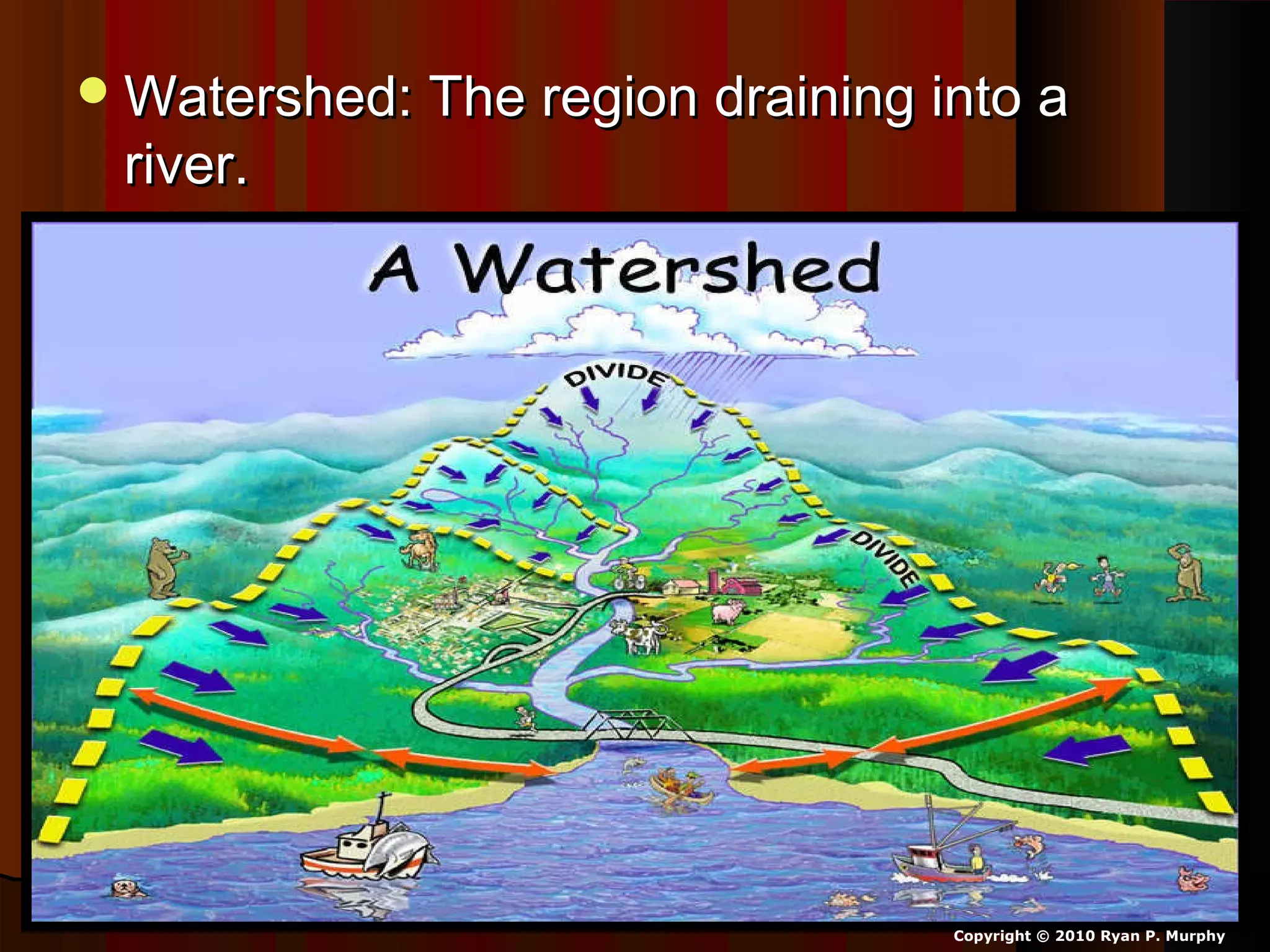
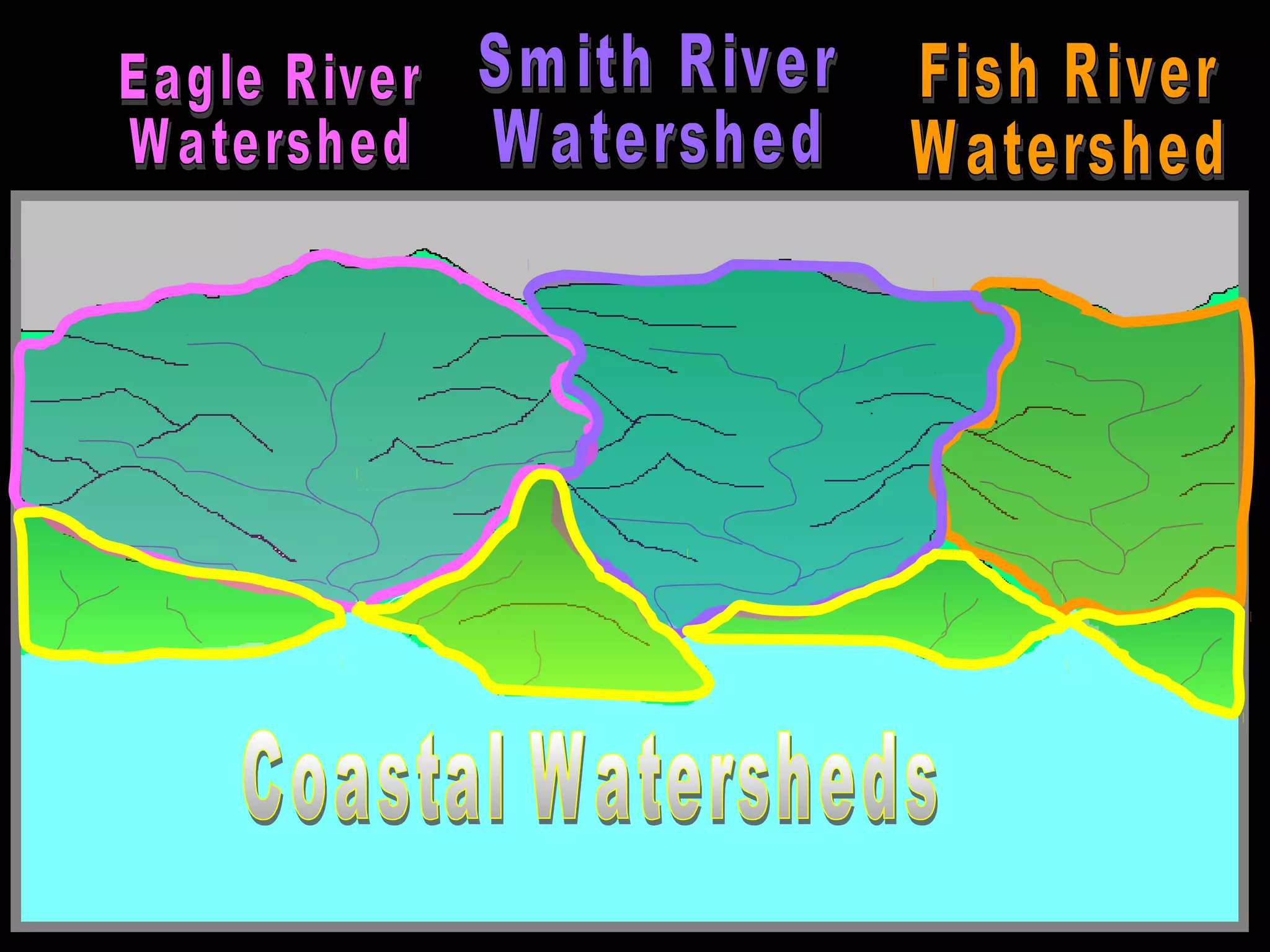
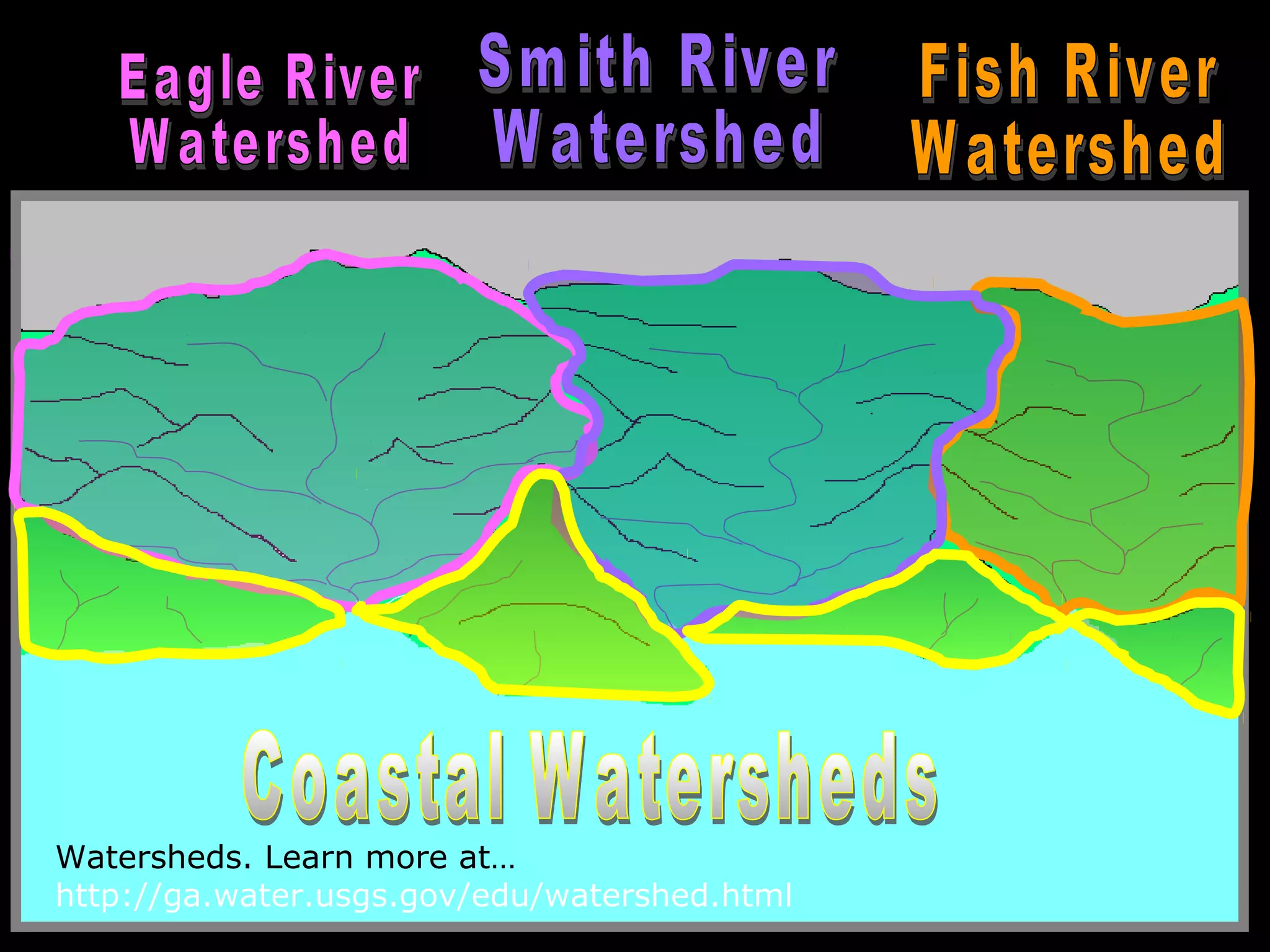
Watershed: The region draining into aWatershed: The region draining into a
river.river.
Copyright © 2010 Ryan P. Murphy
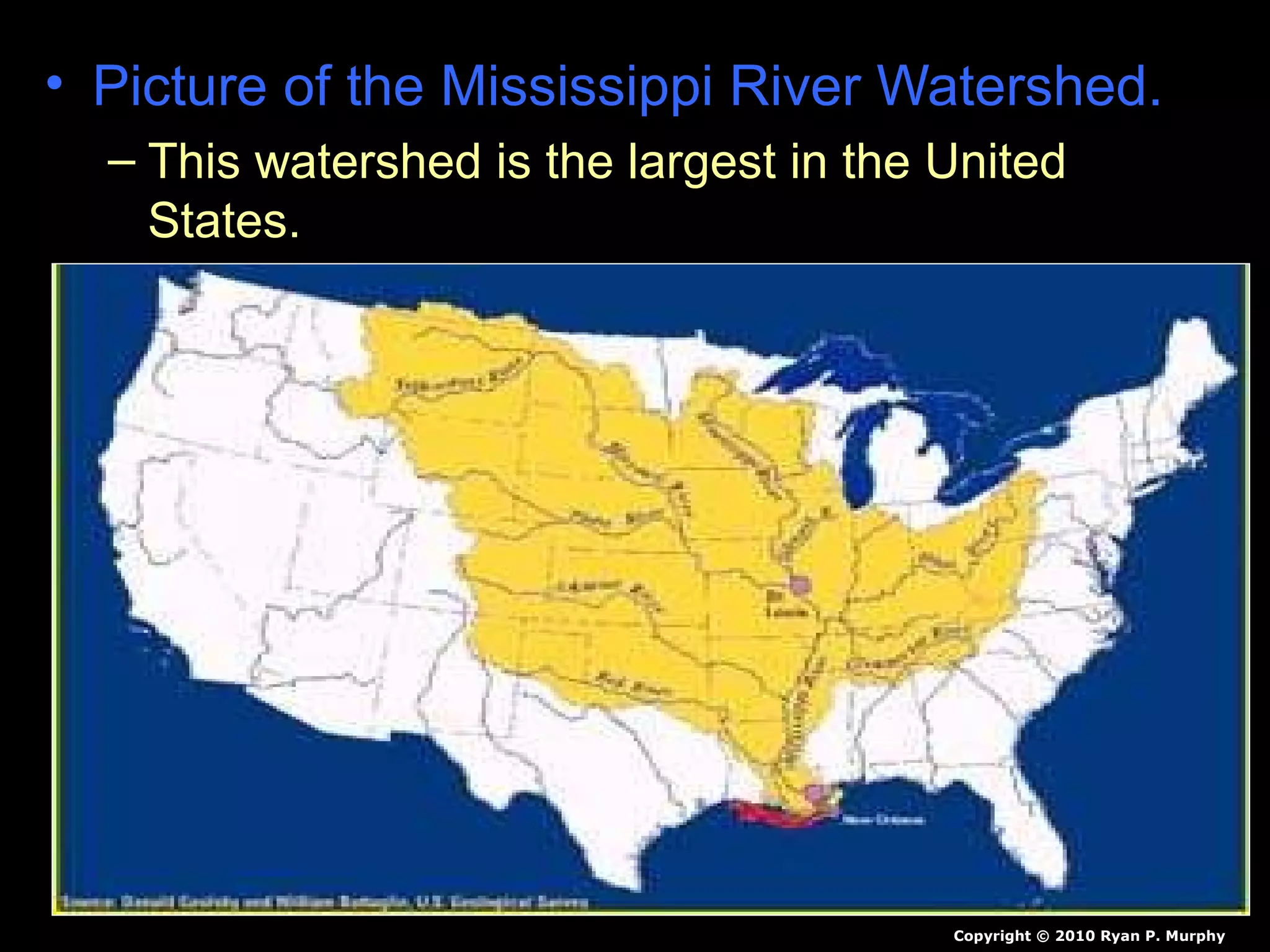
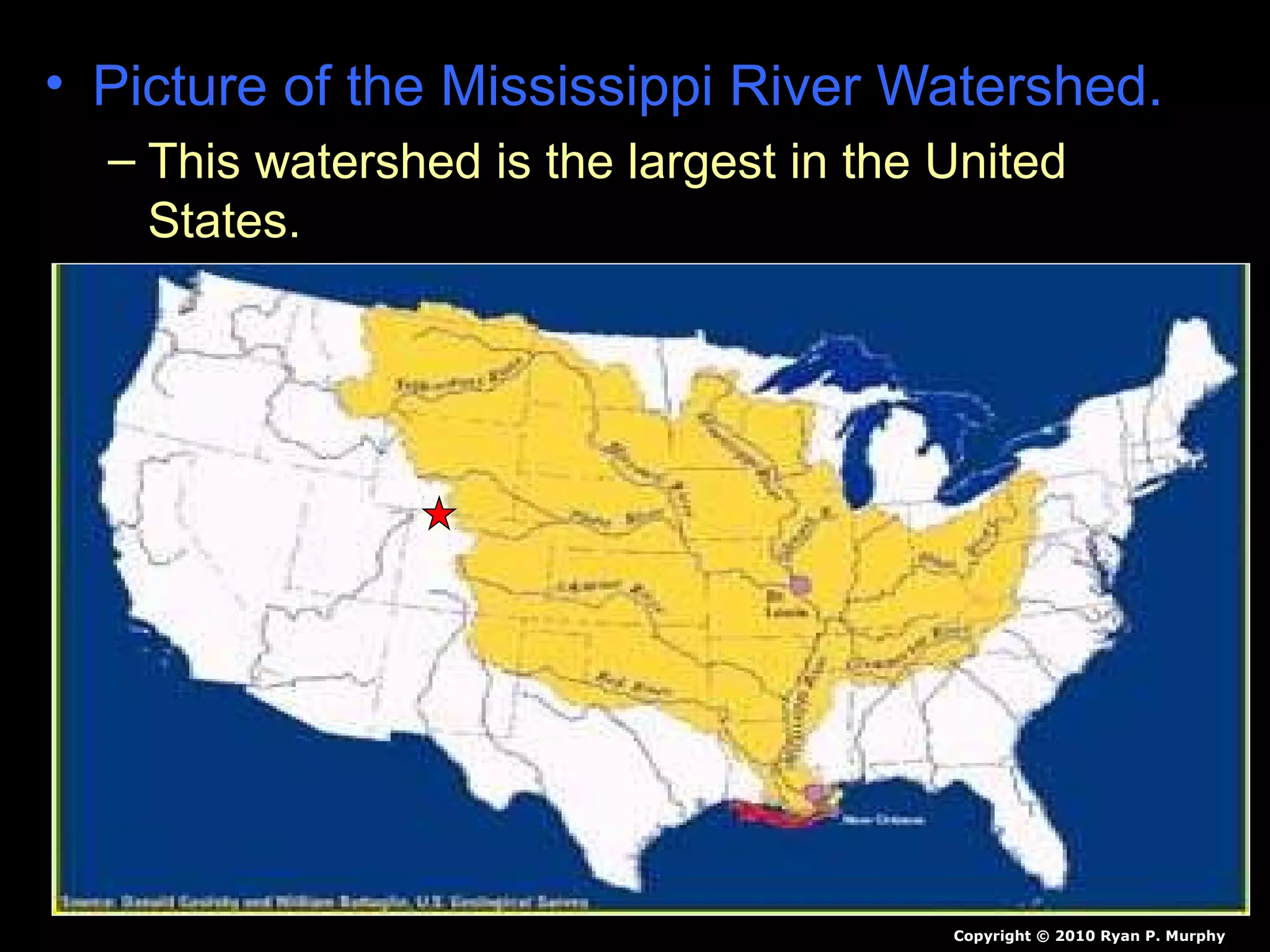
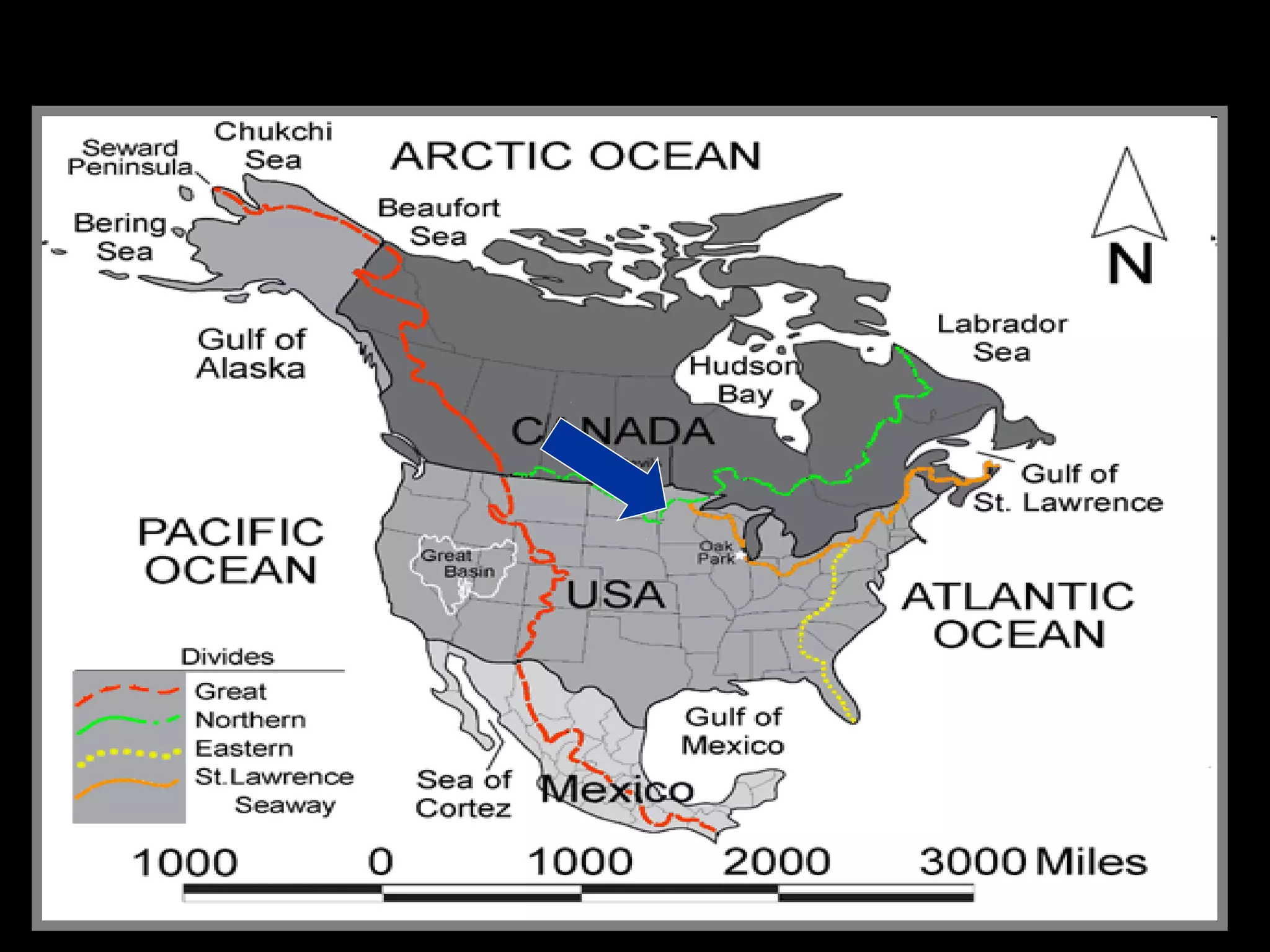
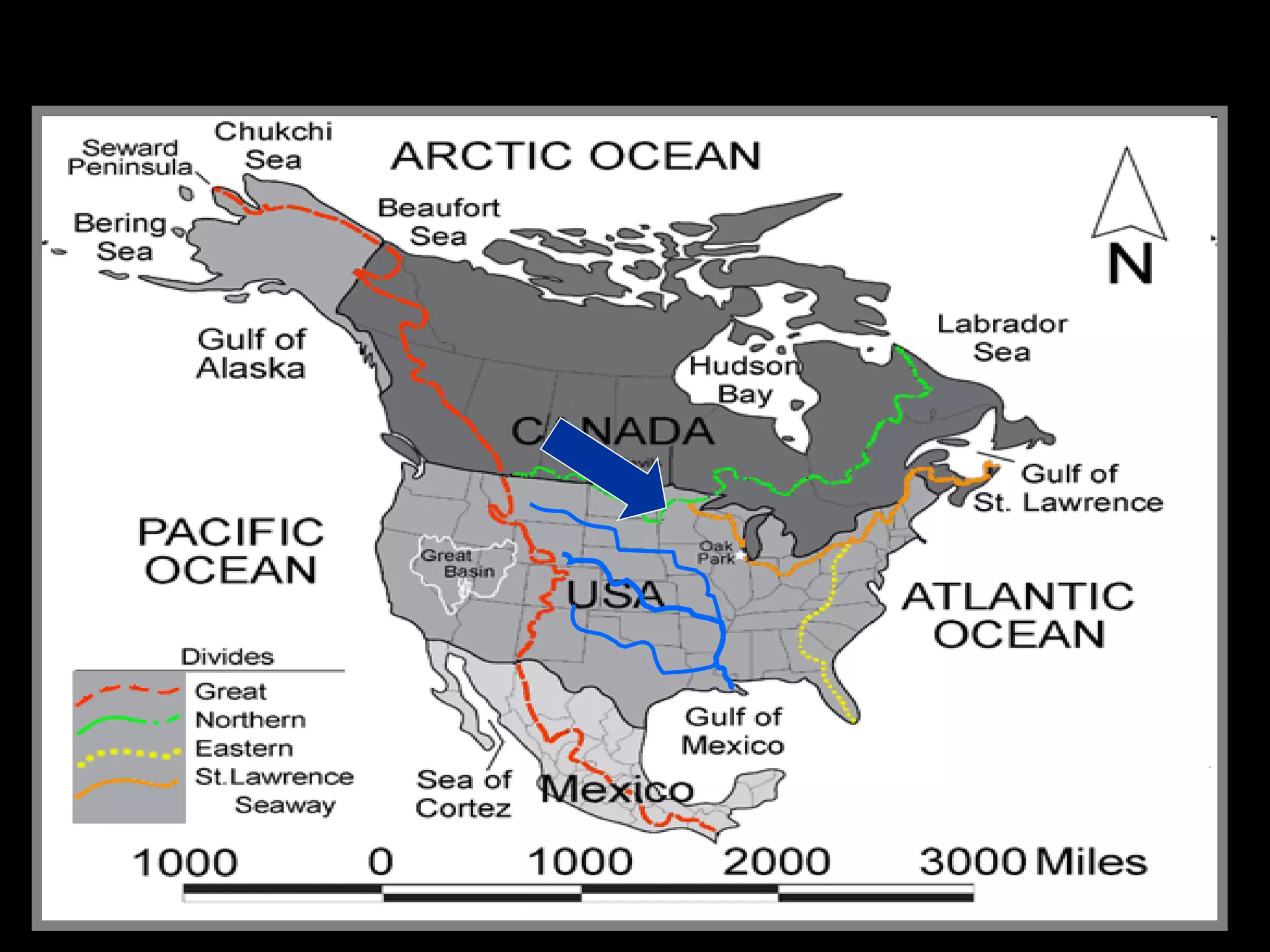
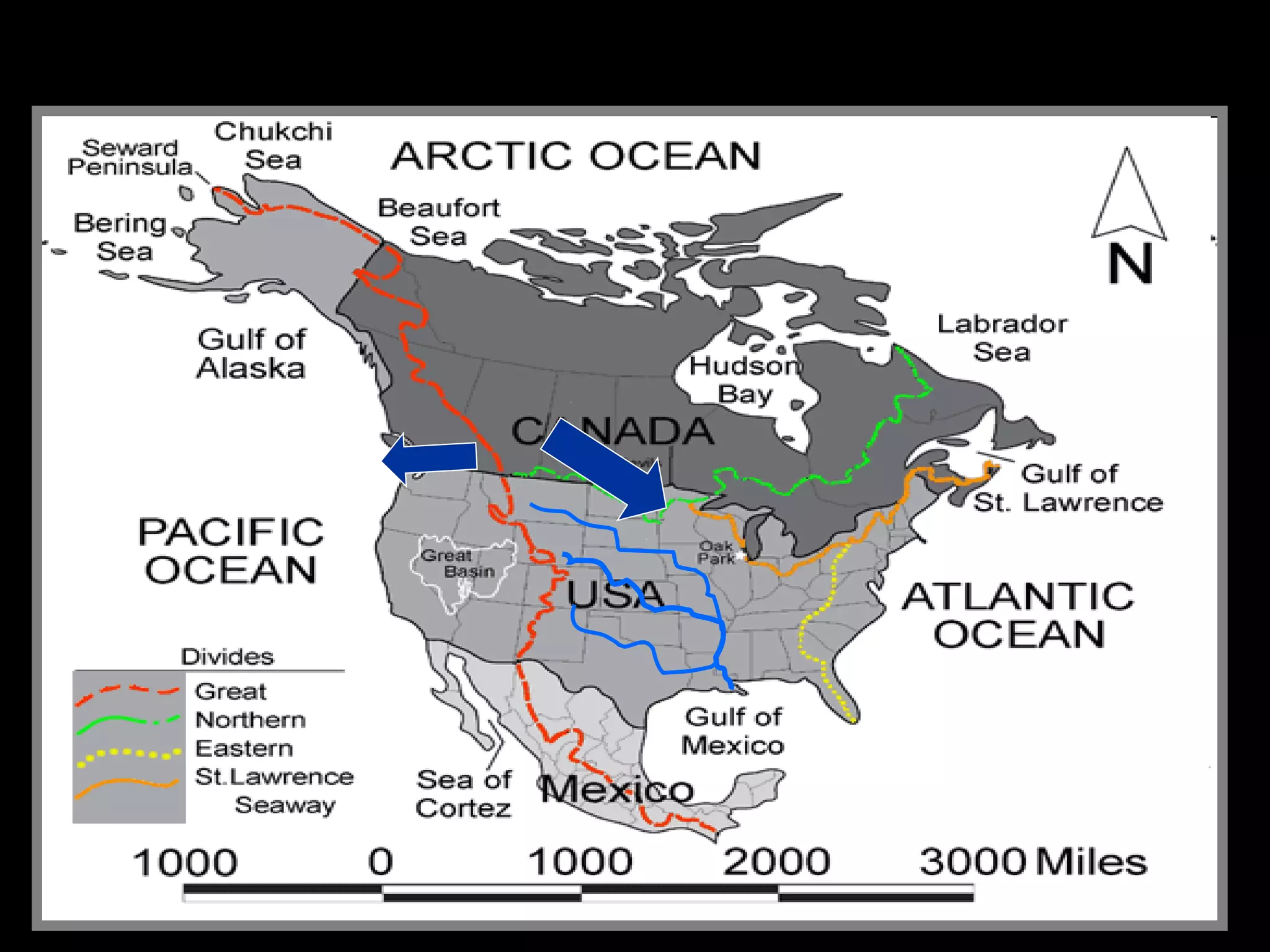
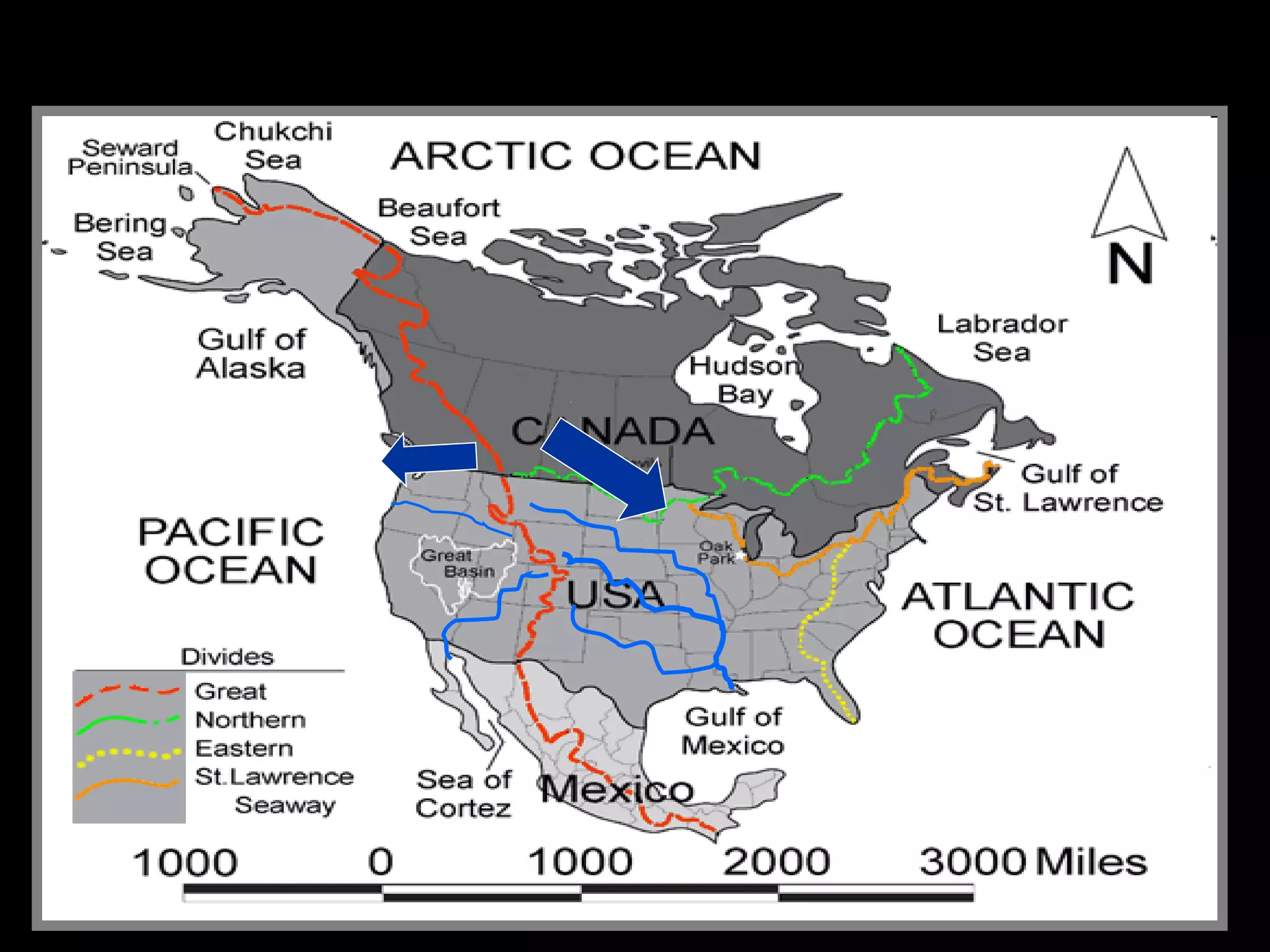
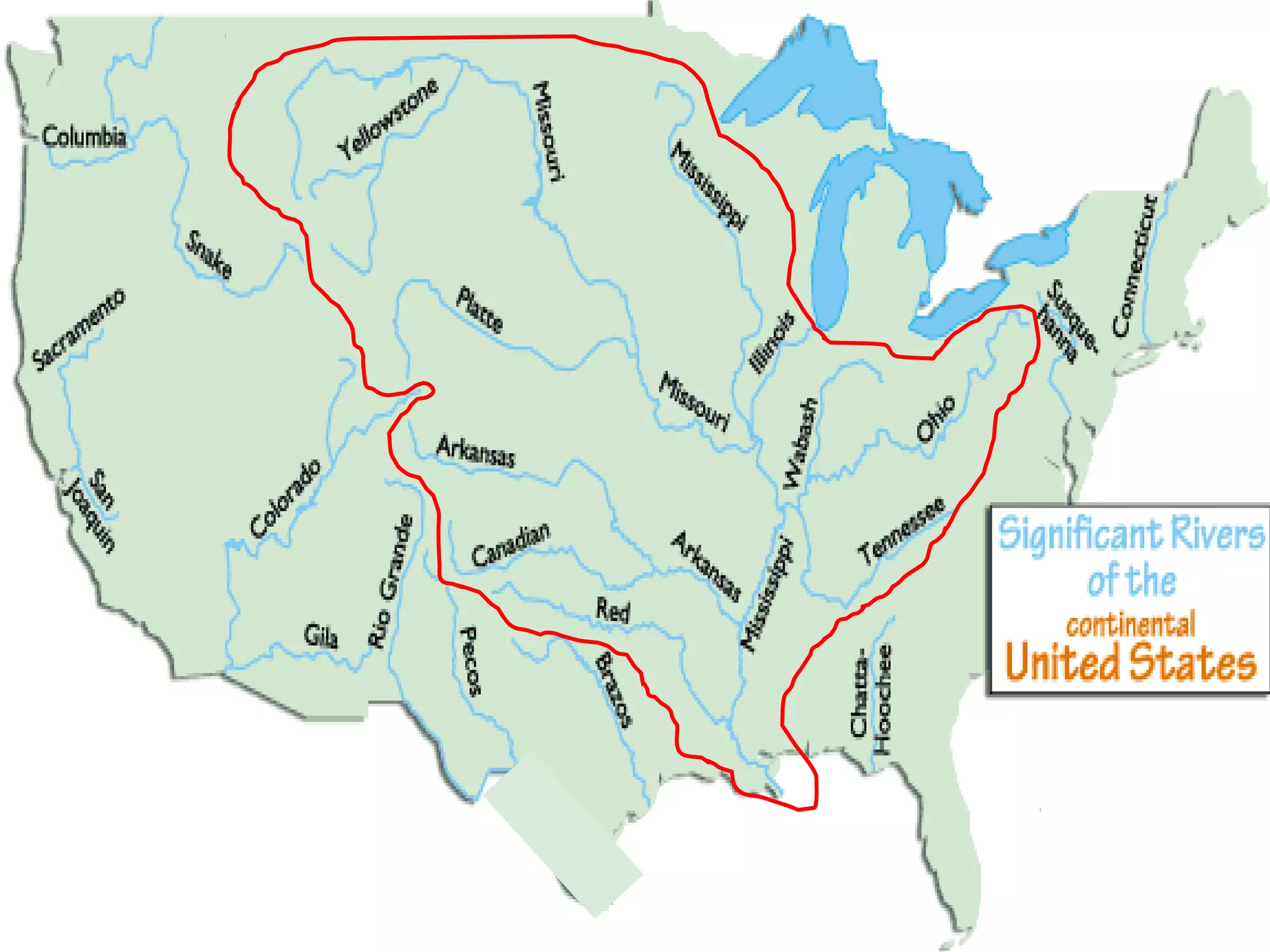
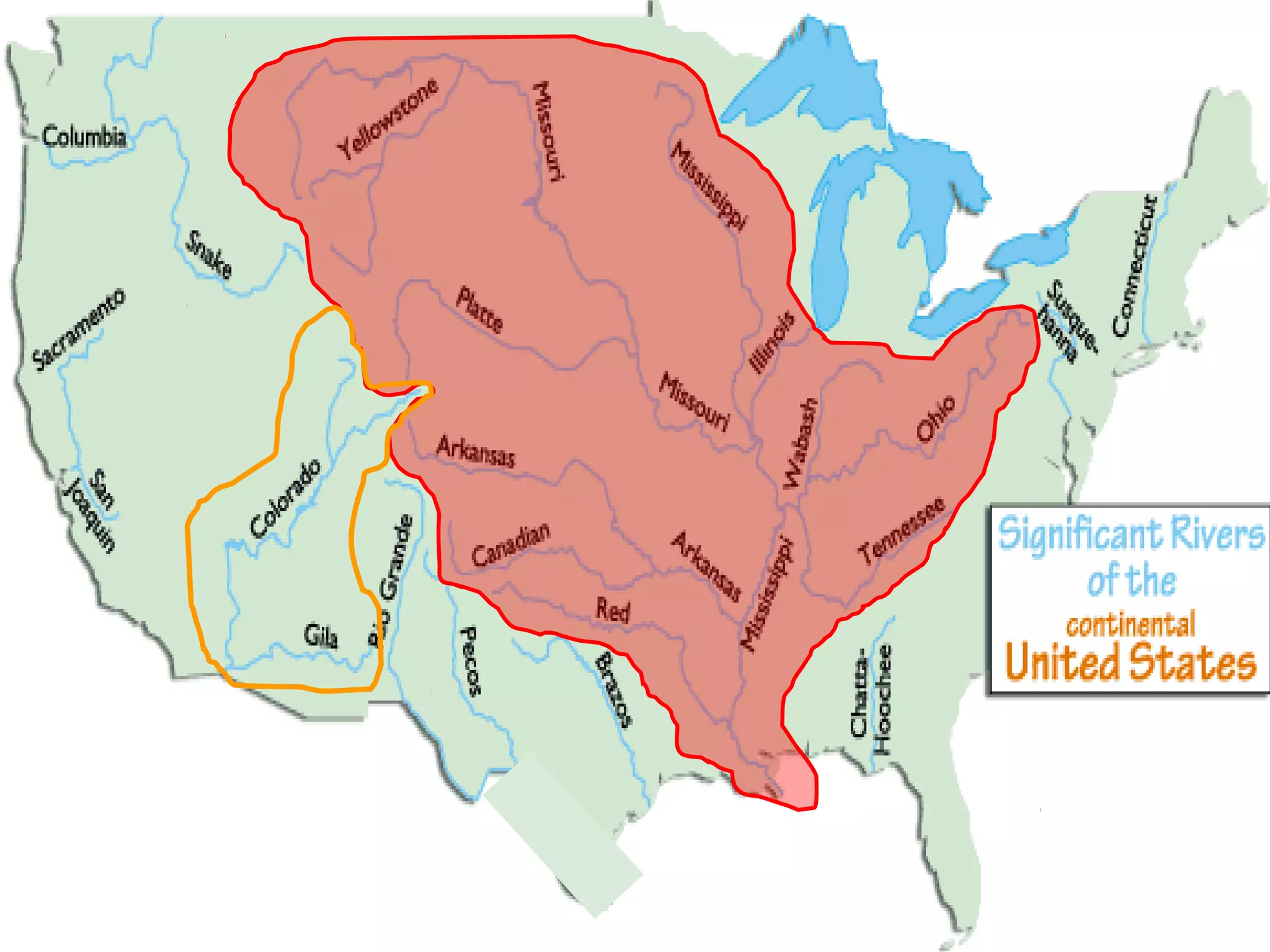
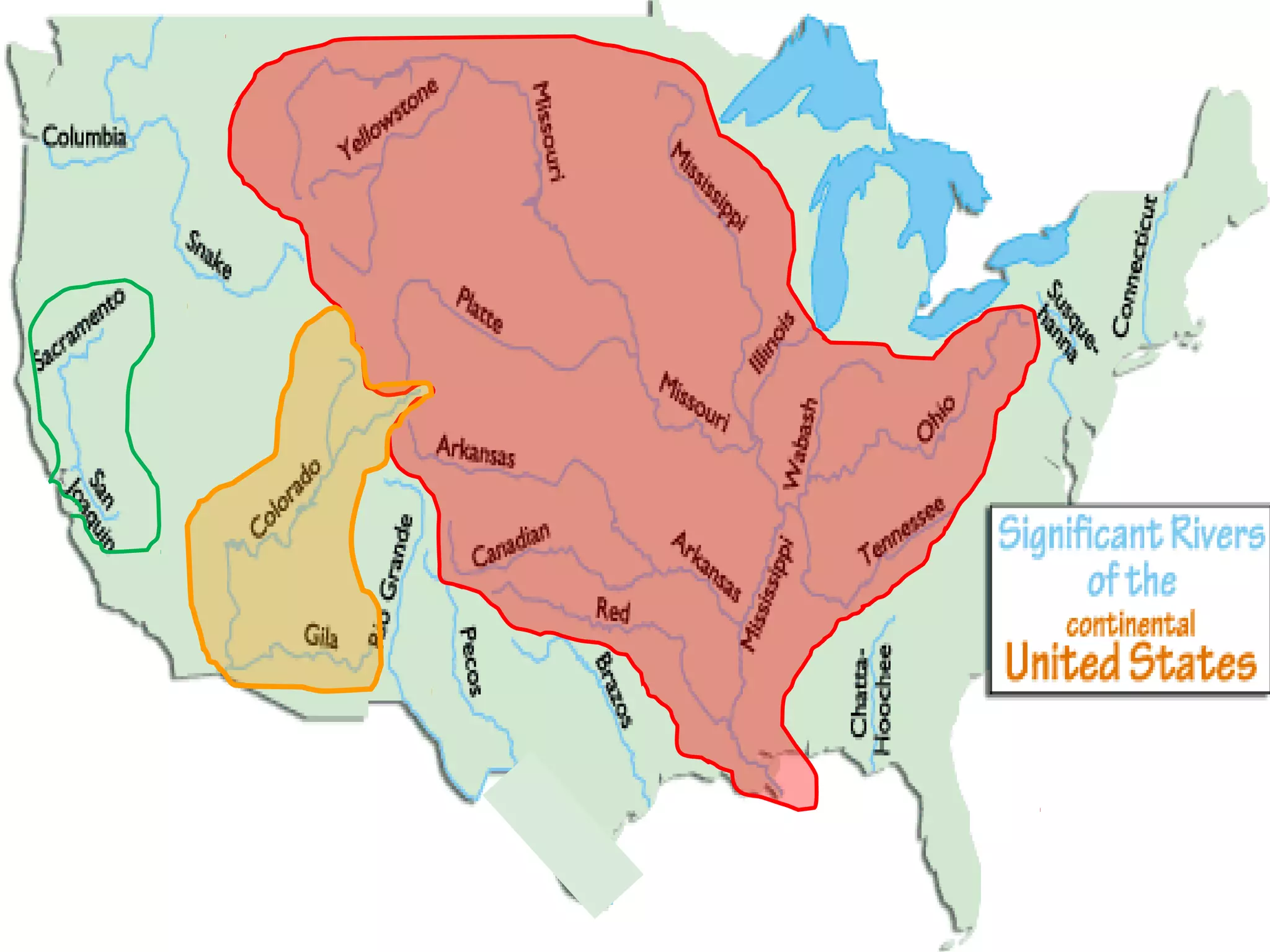
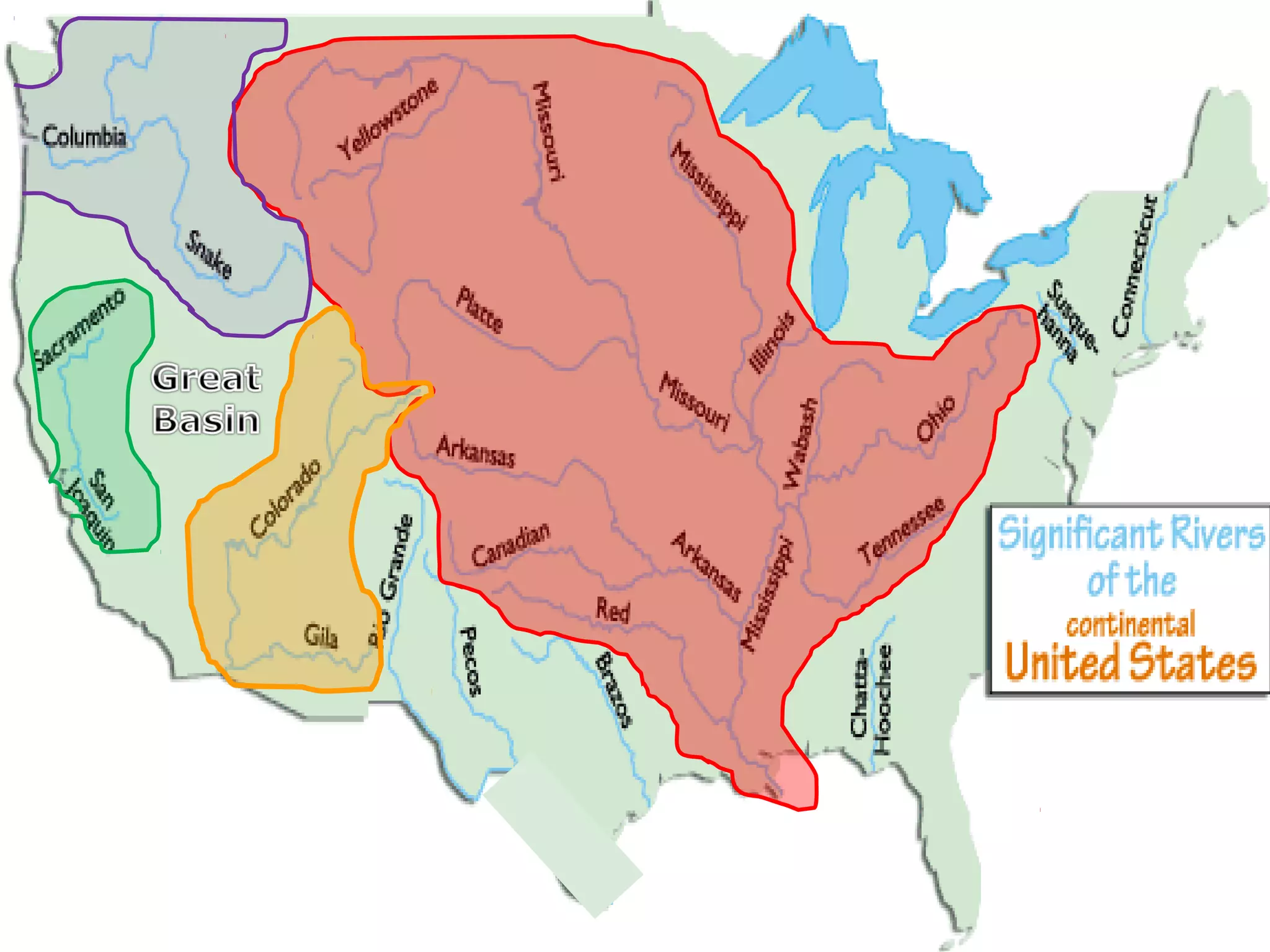
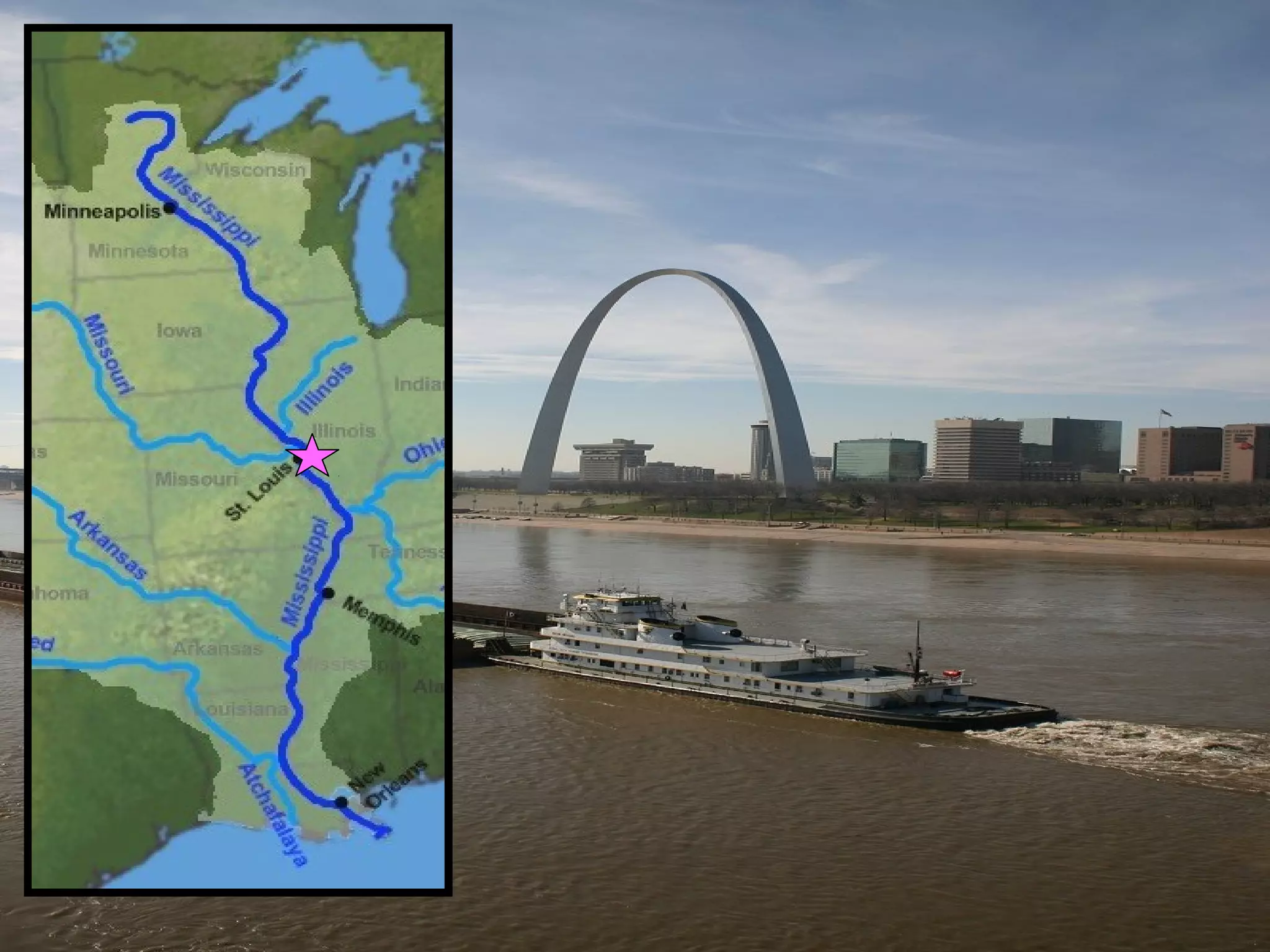
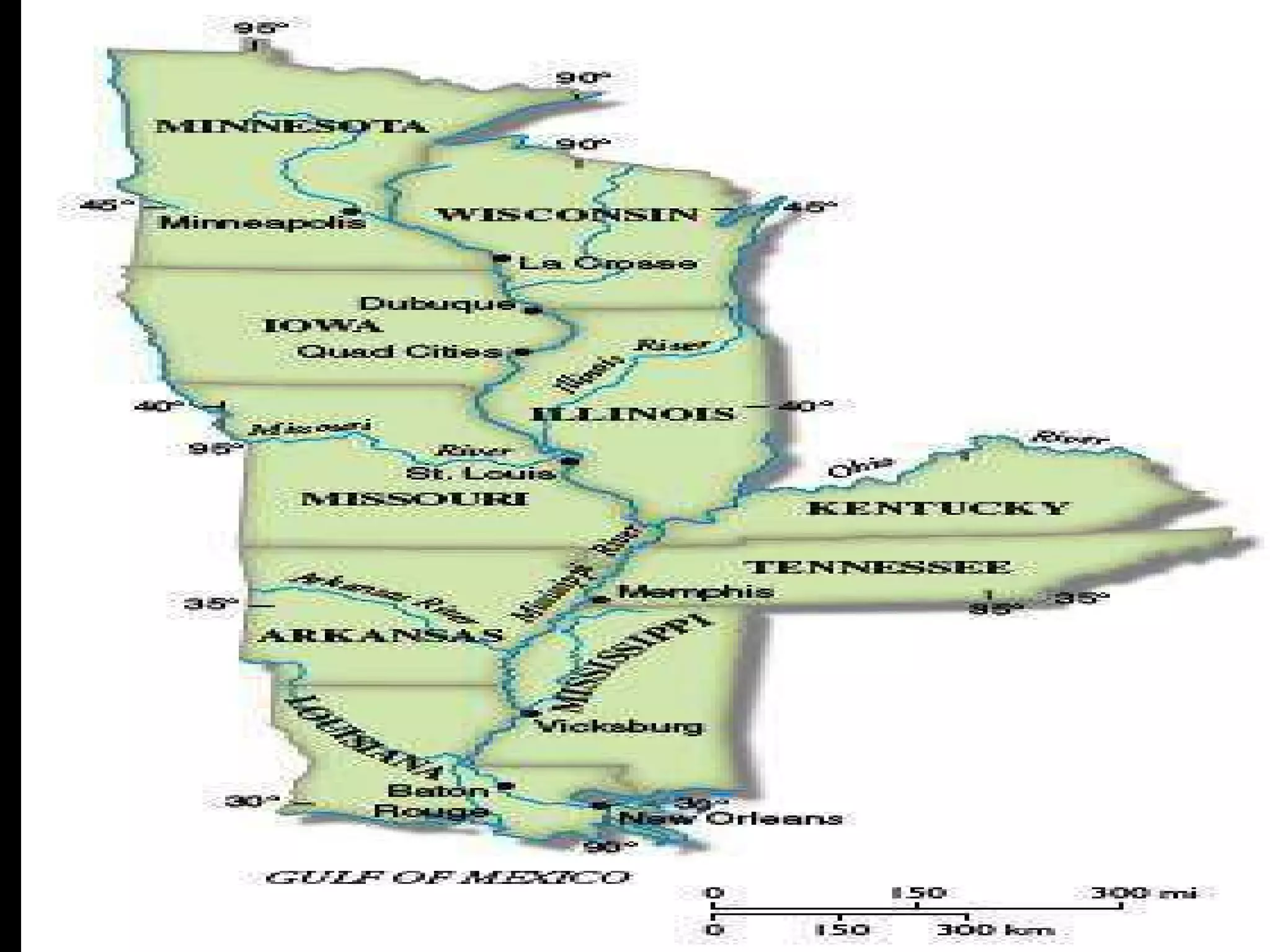
• Picture of the Mississippi River Watershed.
– This watershed is the largest in the United
States.
Copyright © 2010 Ryan P. Murphy
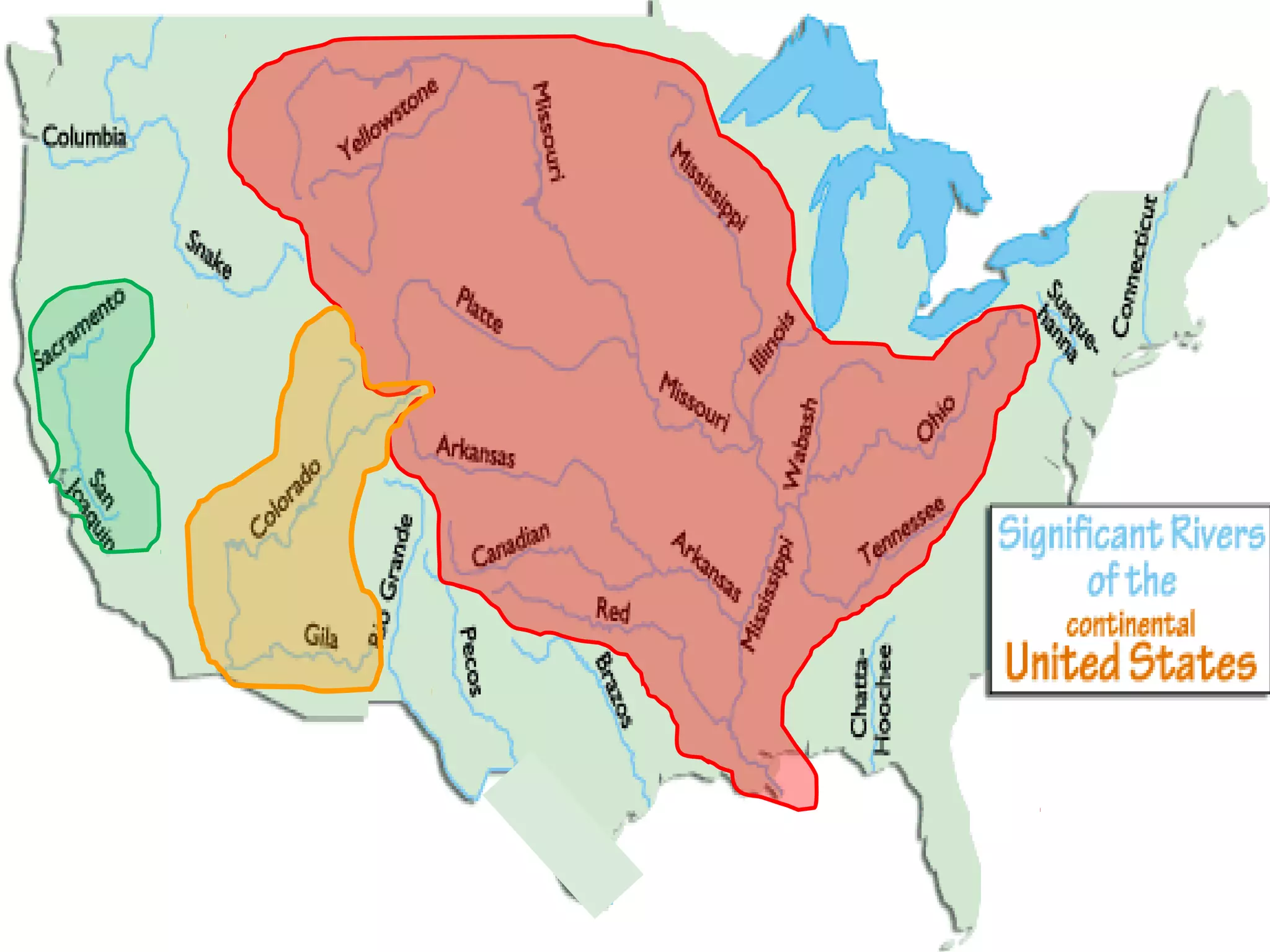
• Picture of the Mississippi River Watershed.
– This watershed is the largest in the United
States.
Copyright © 2010 Ryan P. Murphy
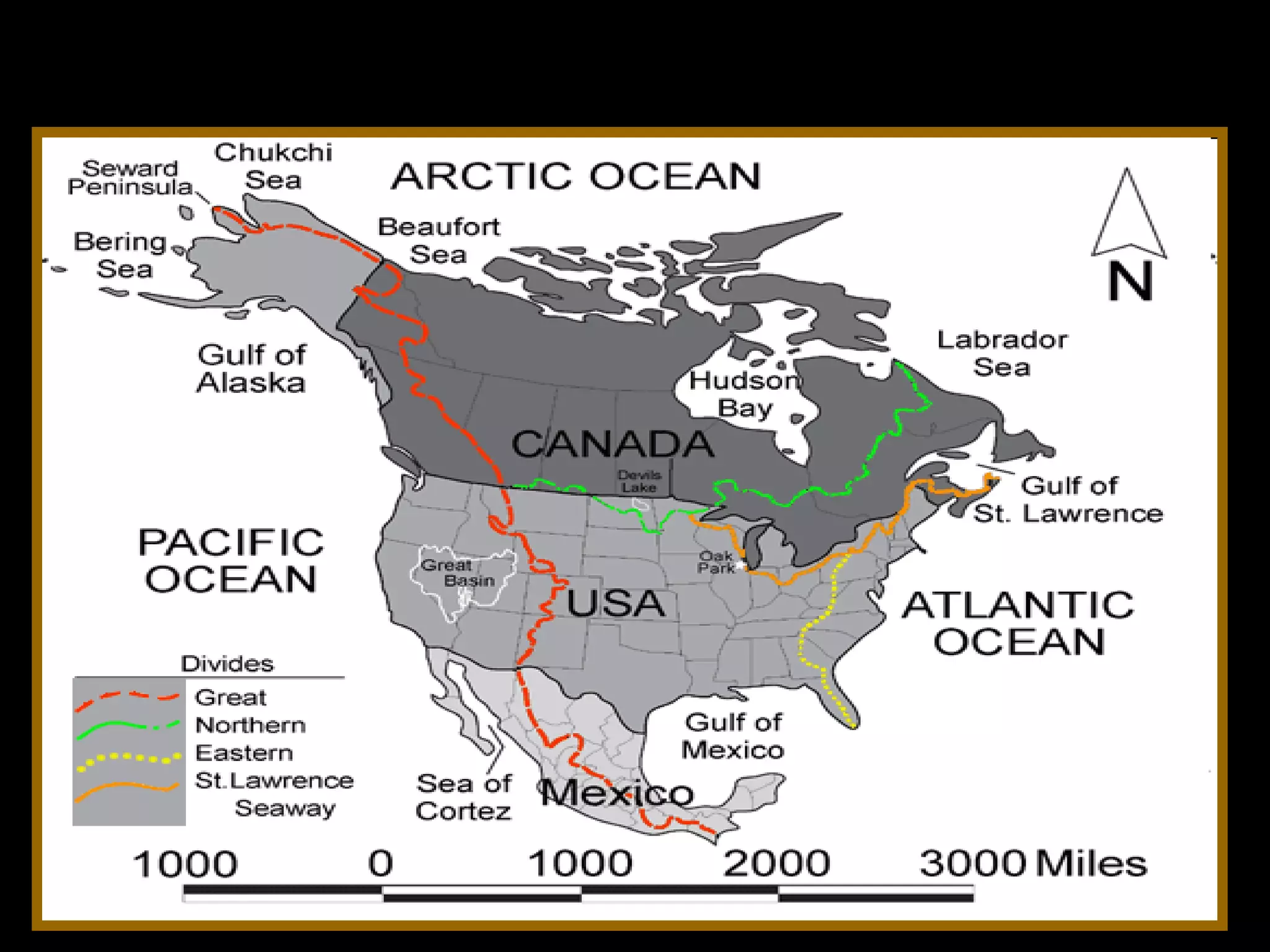
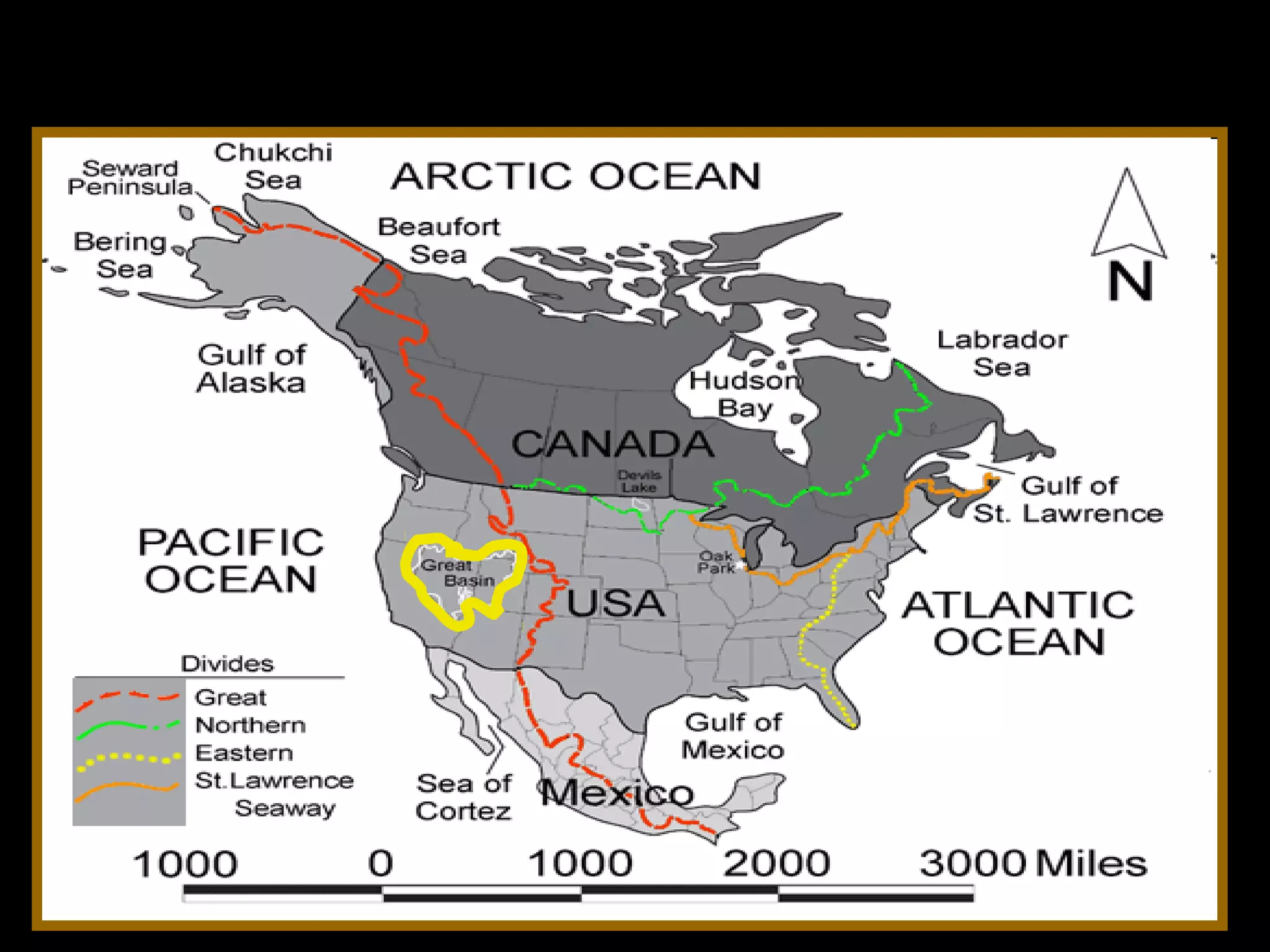
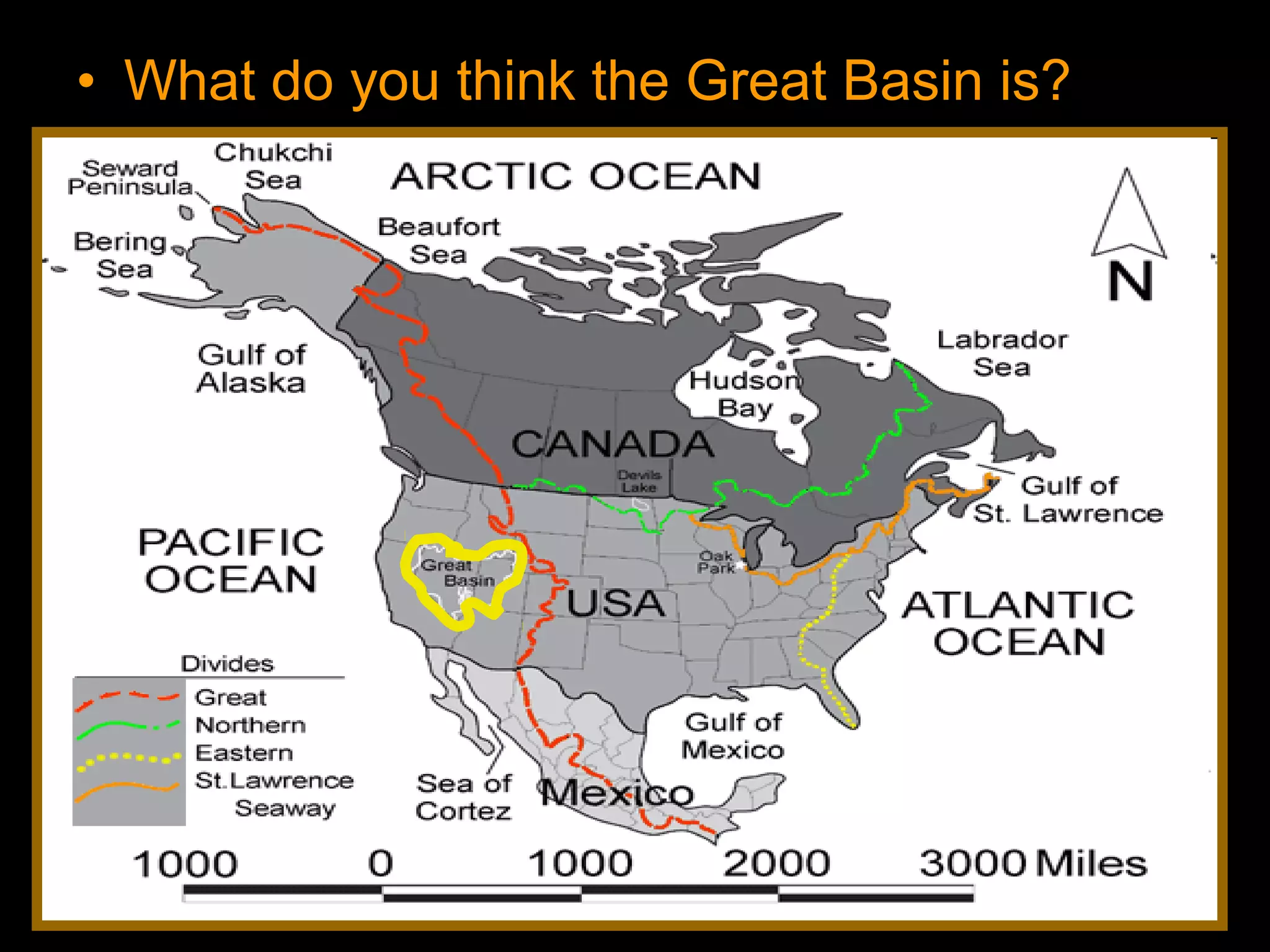
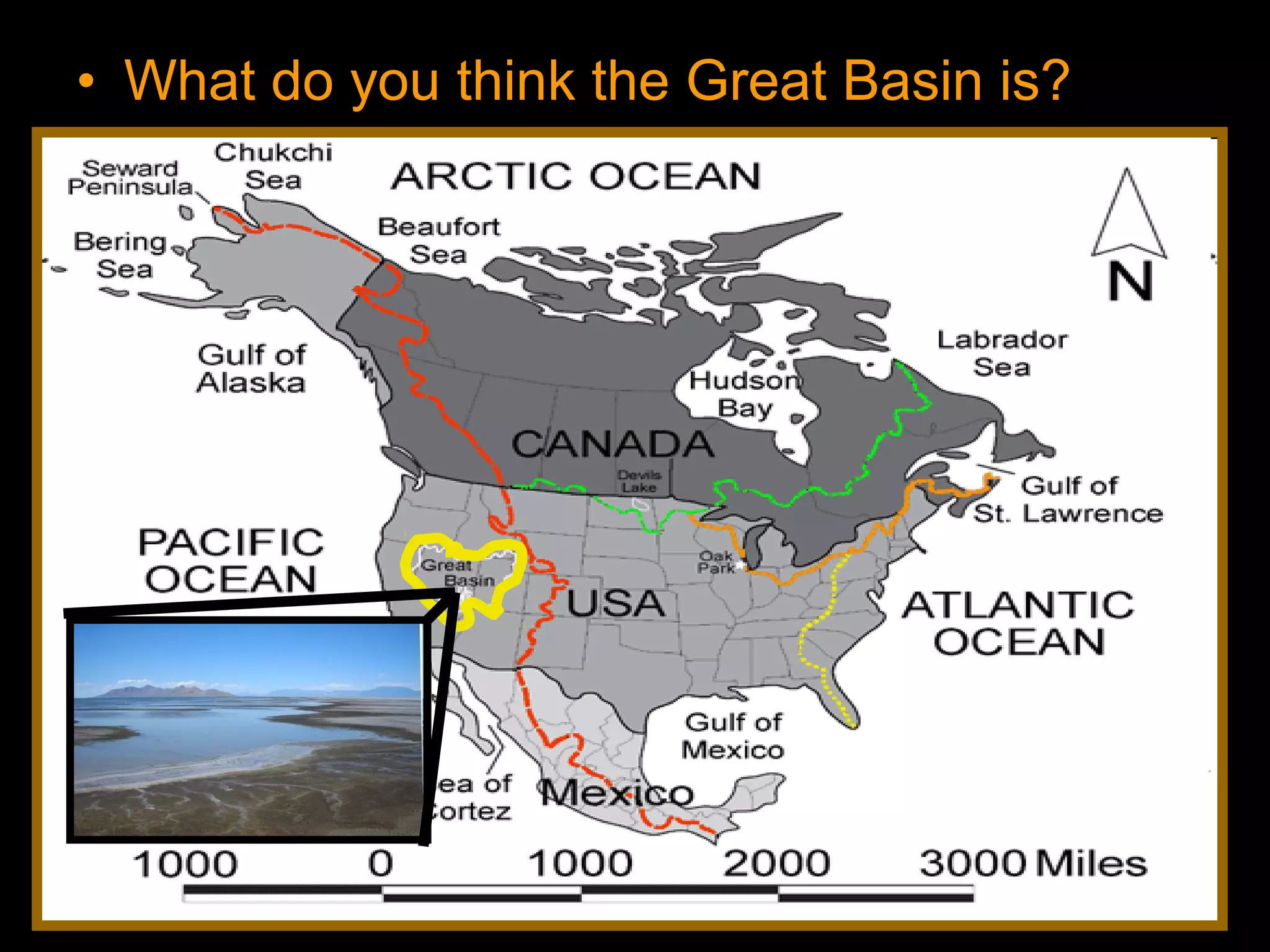
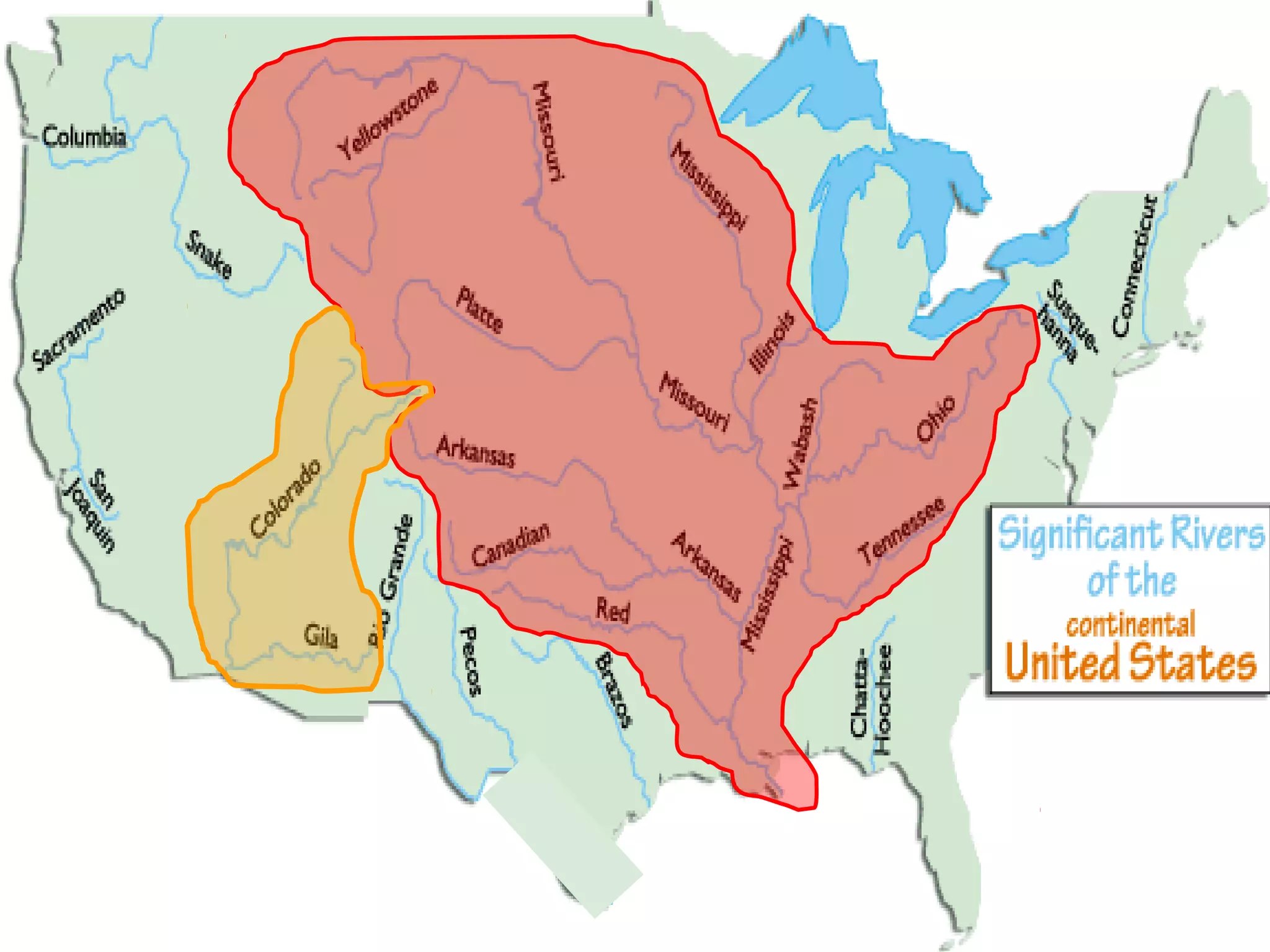
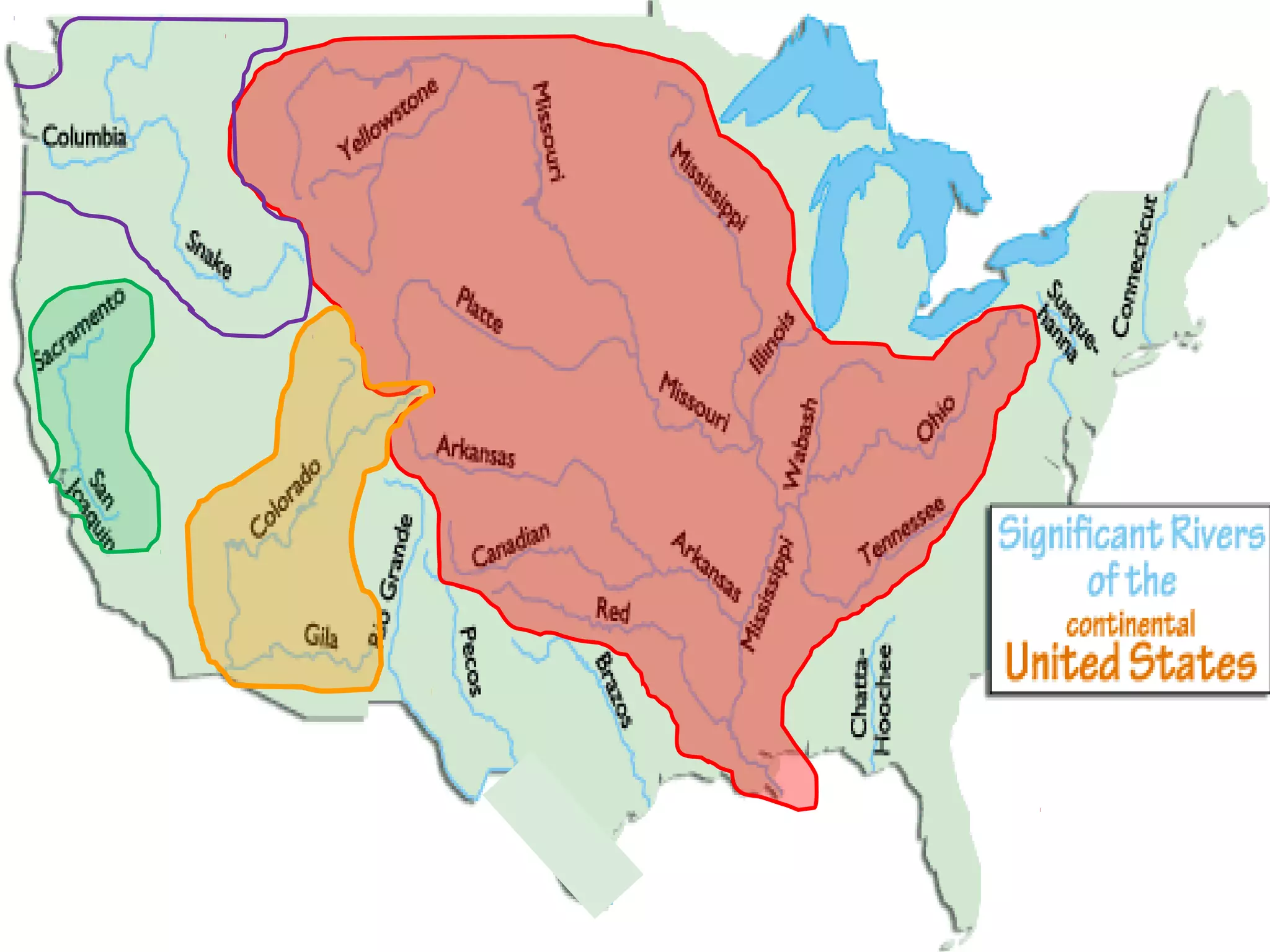
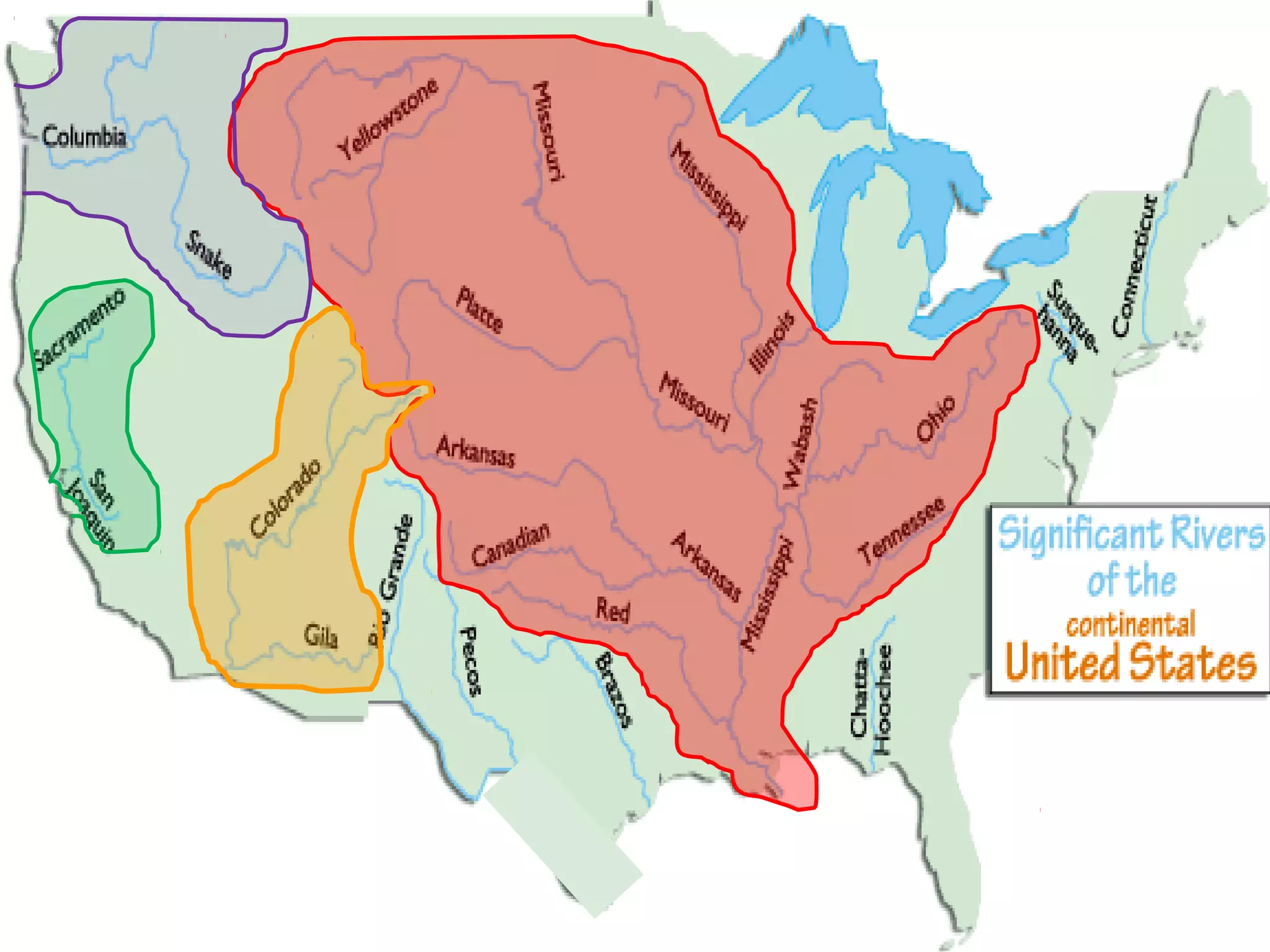
• What do you think the Great Basin is?
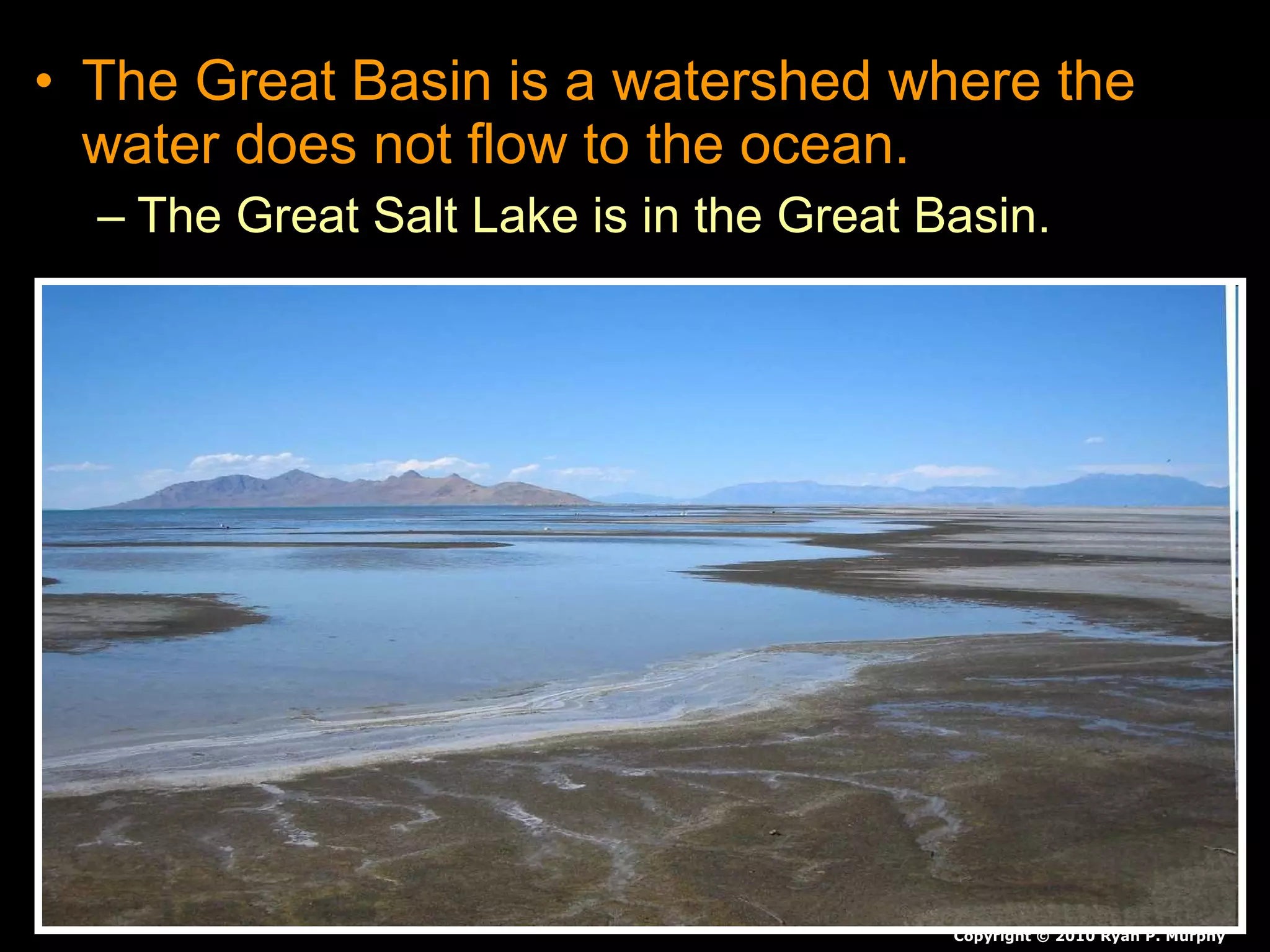
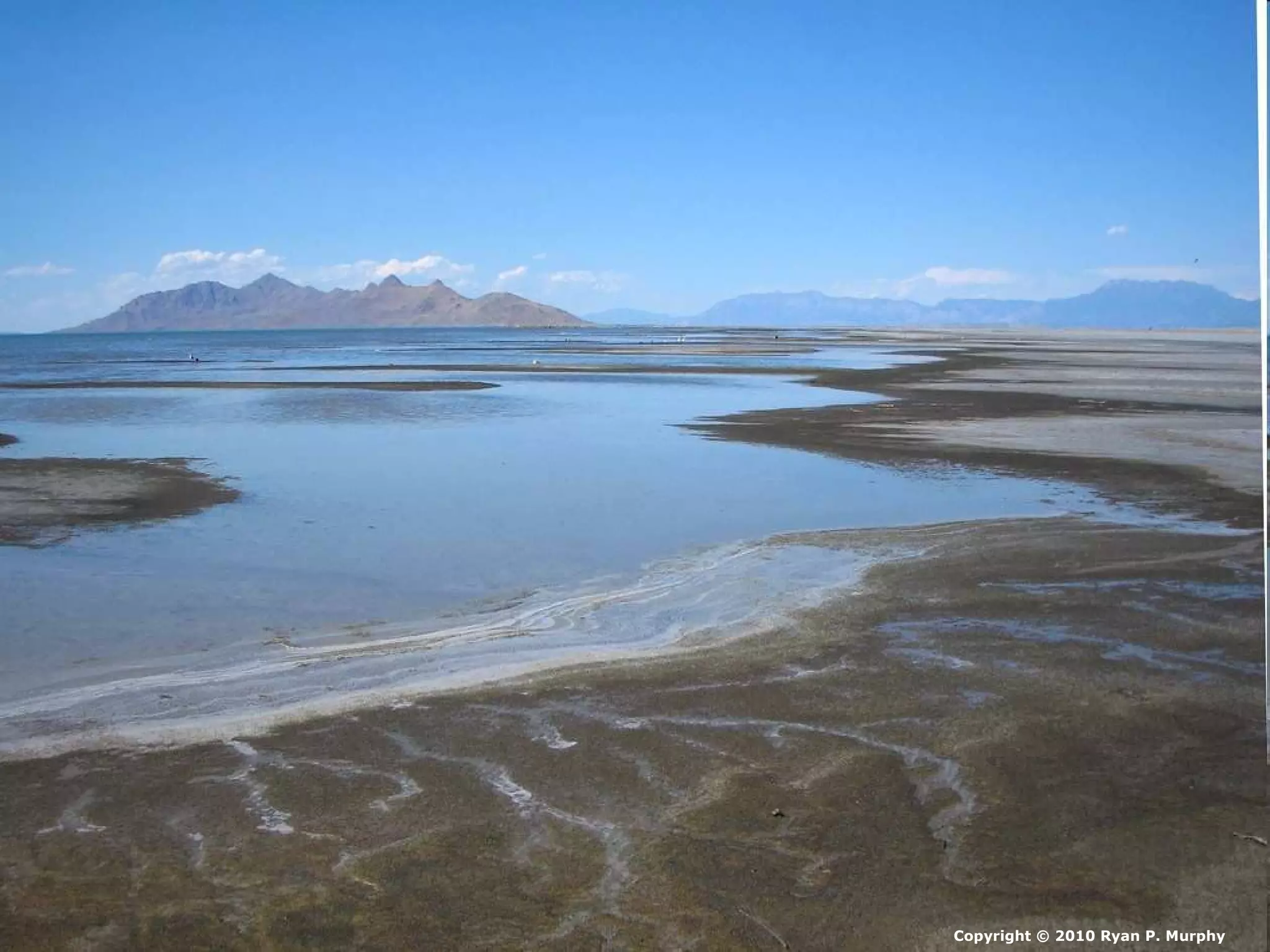
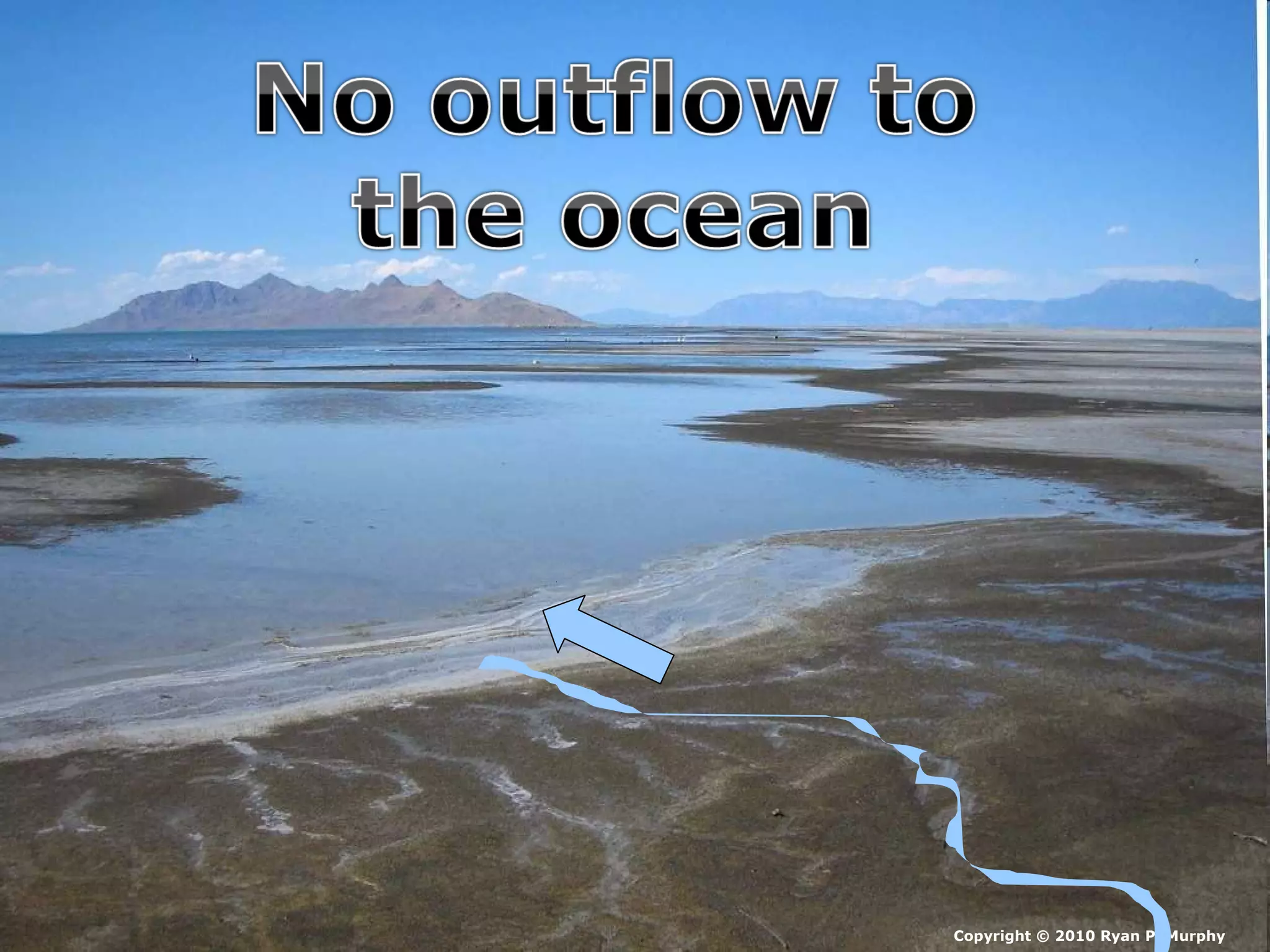
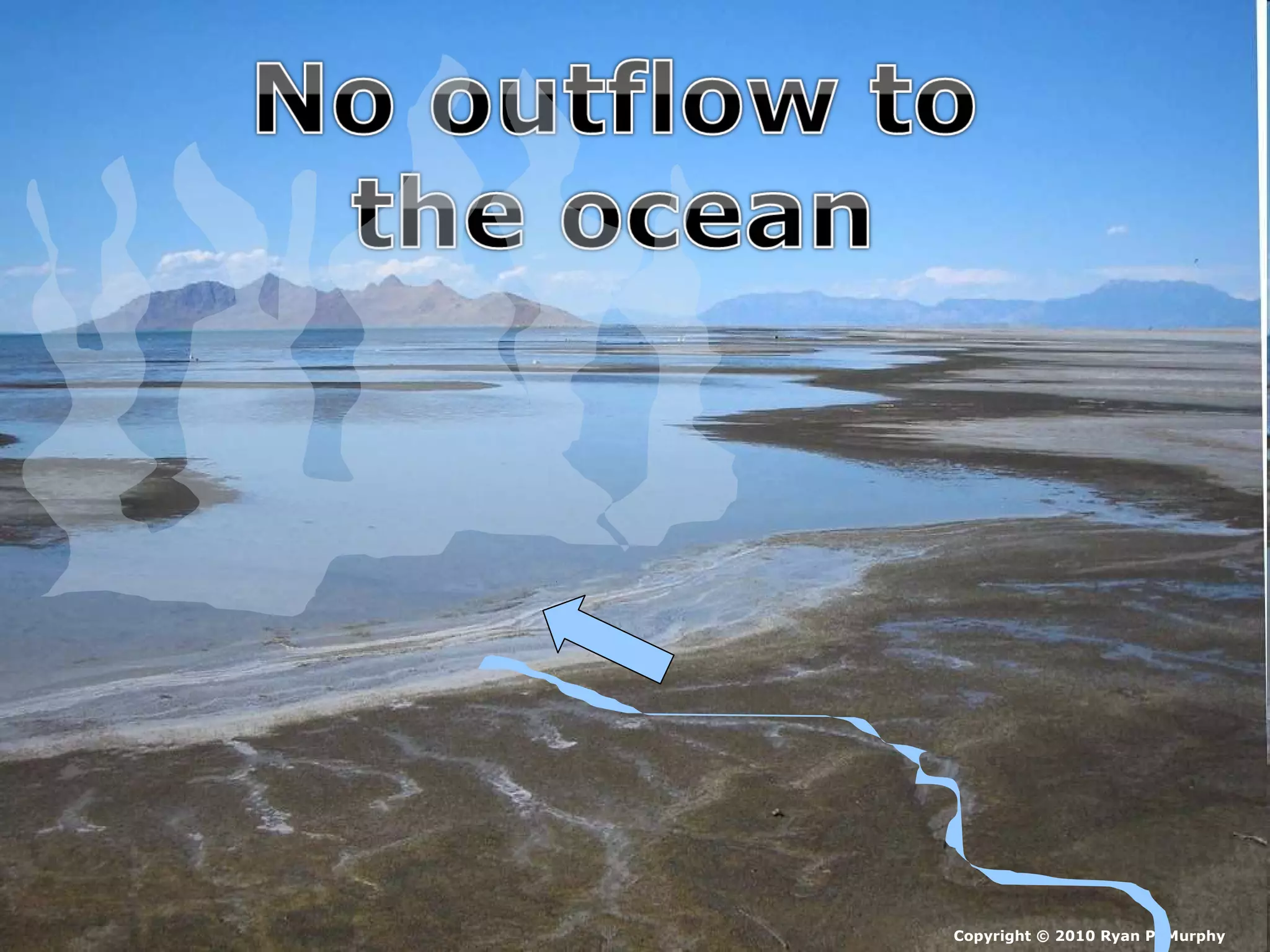
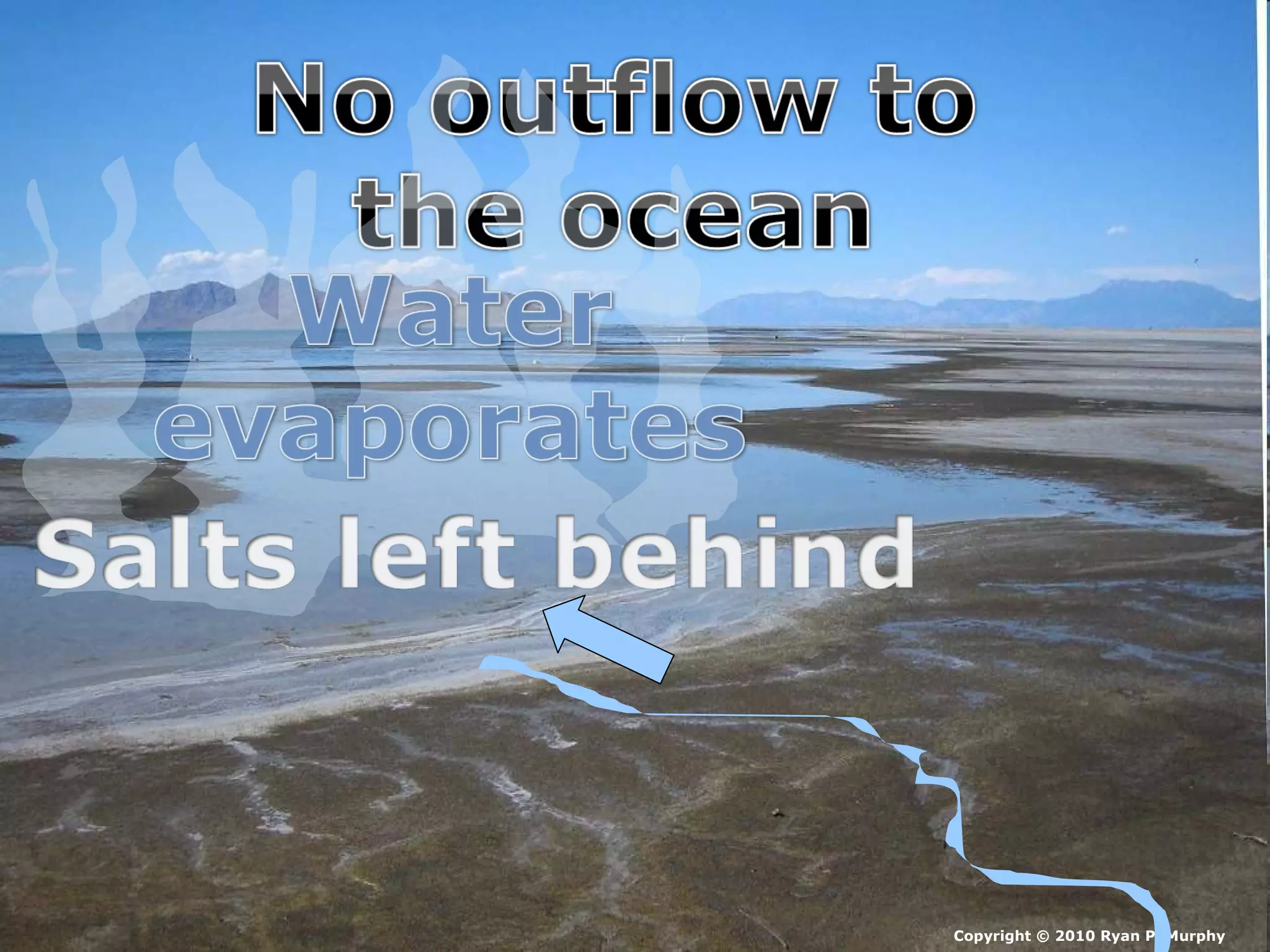
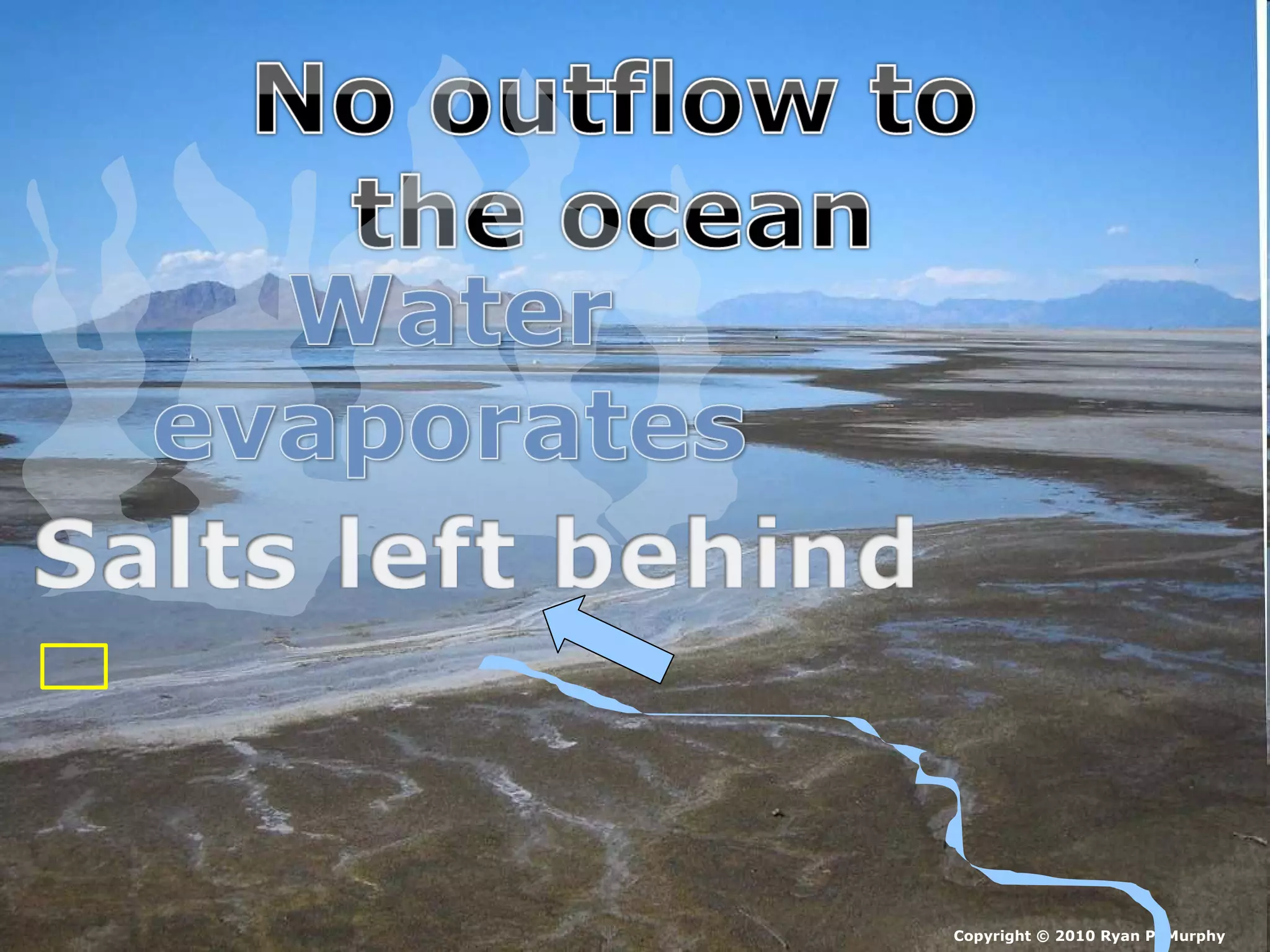
• The Great Basin is a watershed where the
water does not flow to the ocean.
– The Great Salt Lake is in the Great Basin.
Copyright © 2010 Ryan P. Murphy
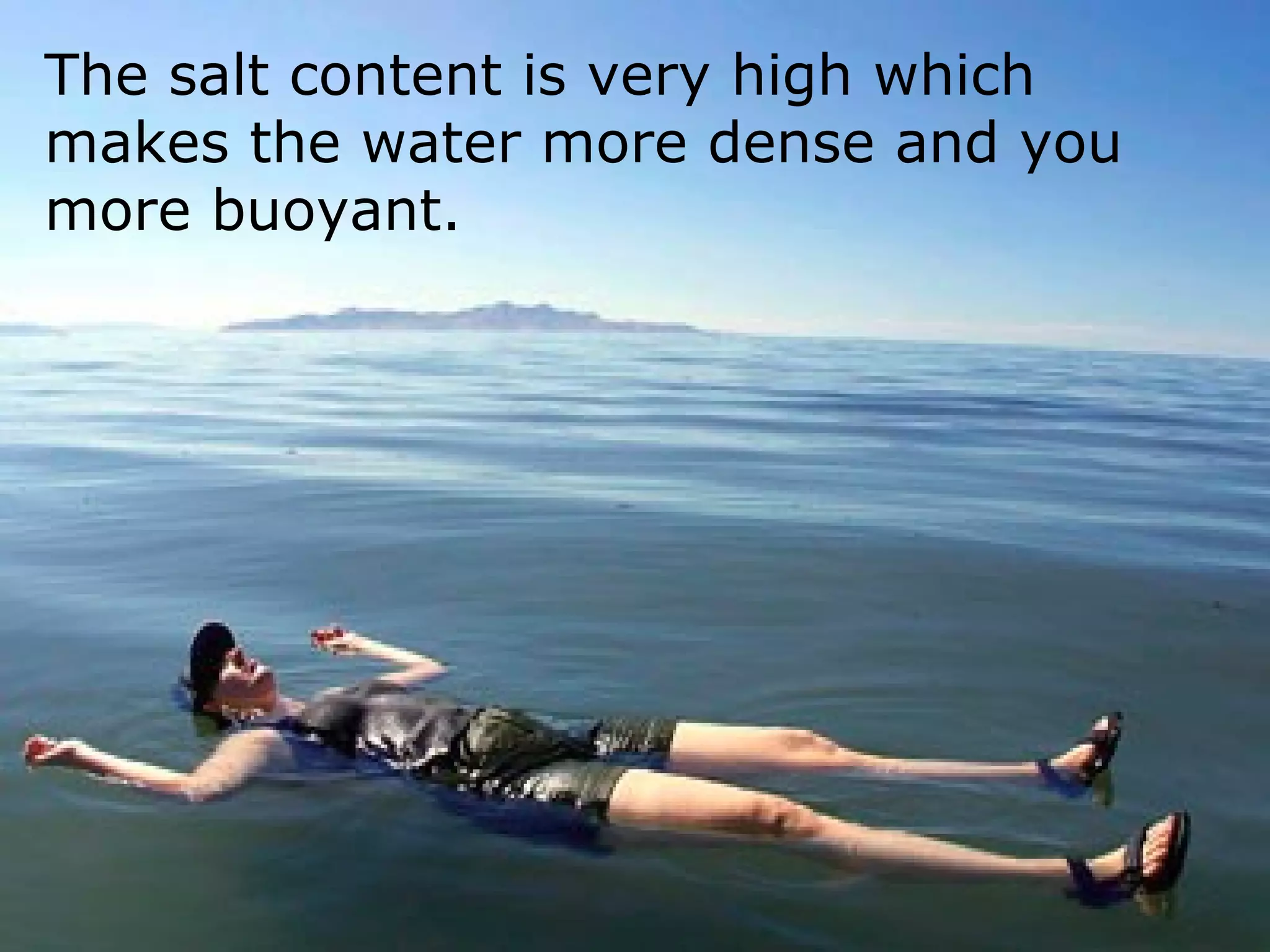
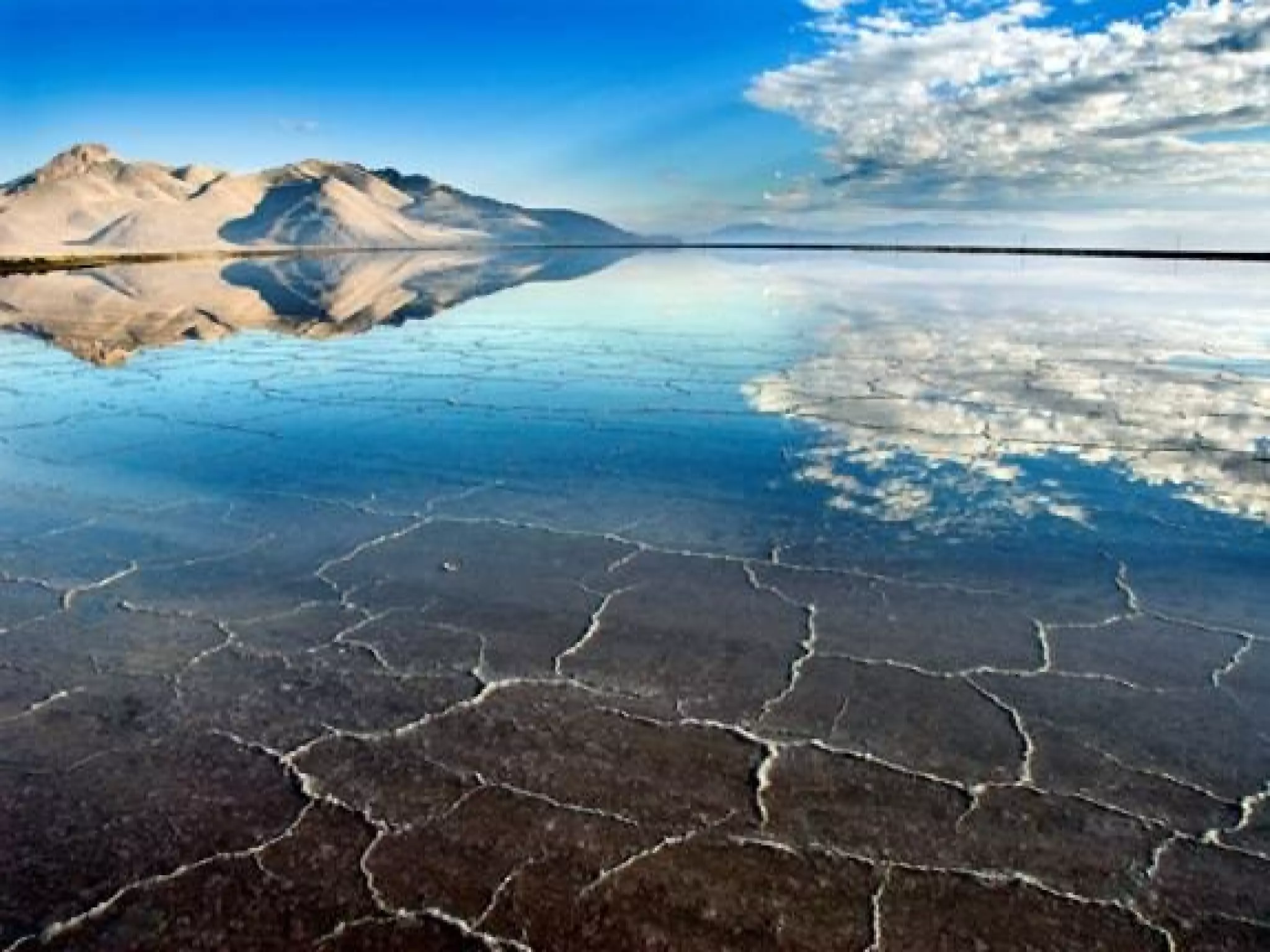
The salt content is very high which
makes the water more dense and you
more buoyant.
Copyright © 2010 Ryan P. Murphy
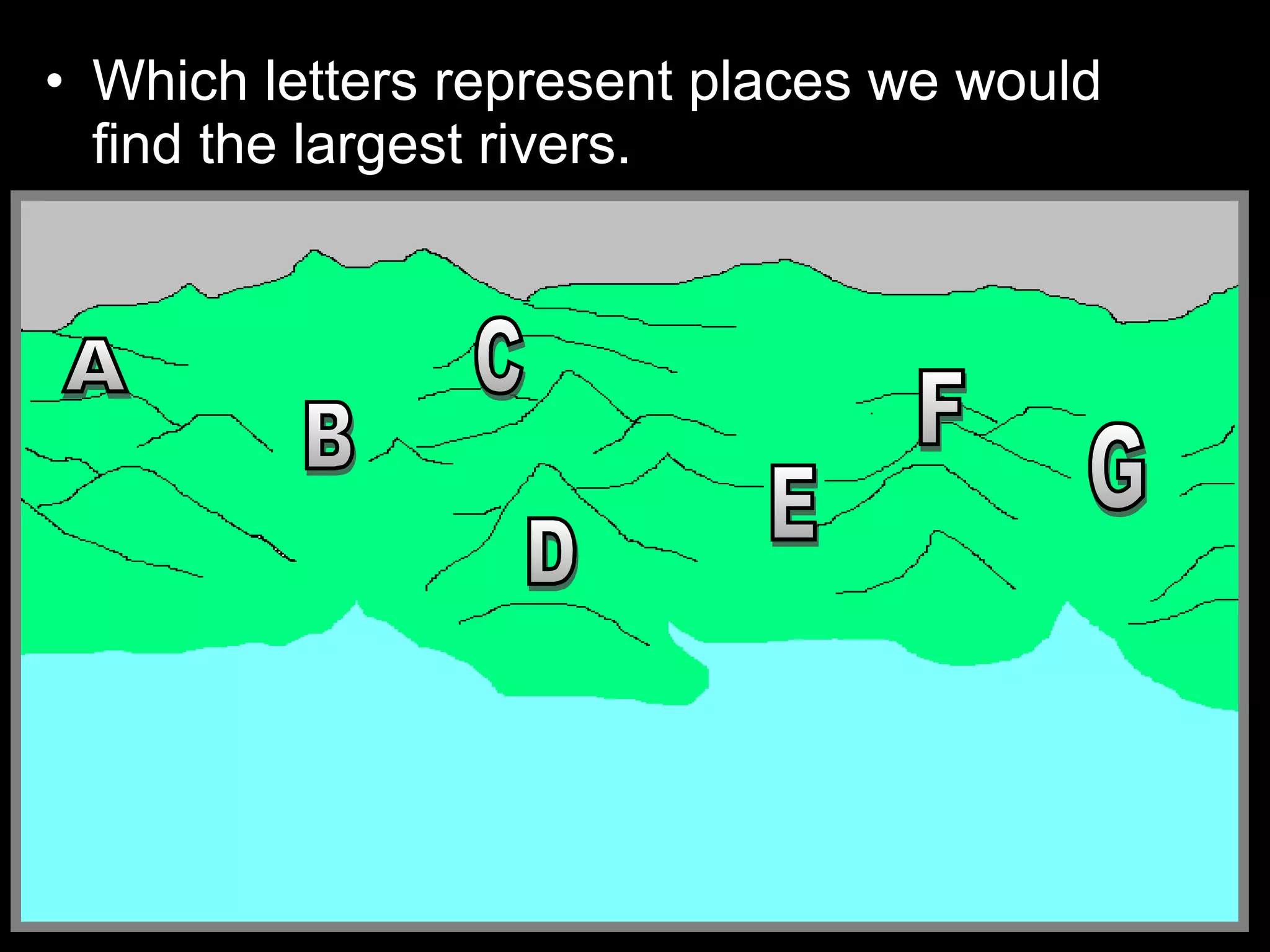
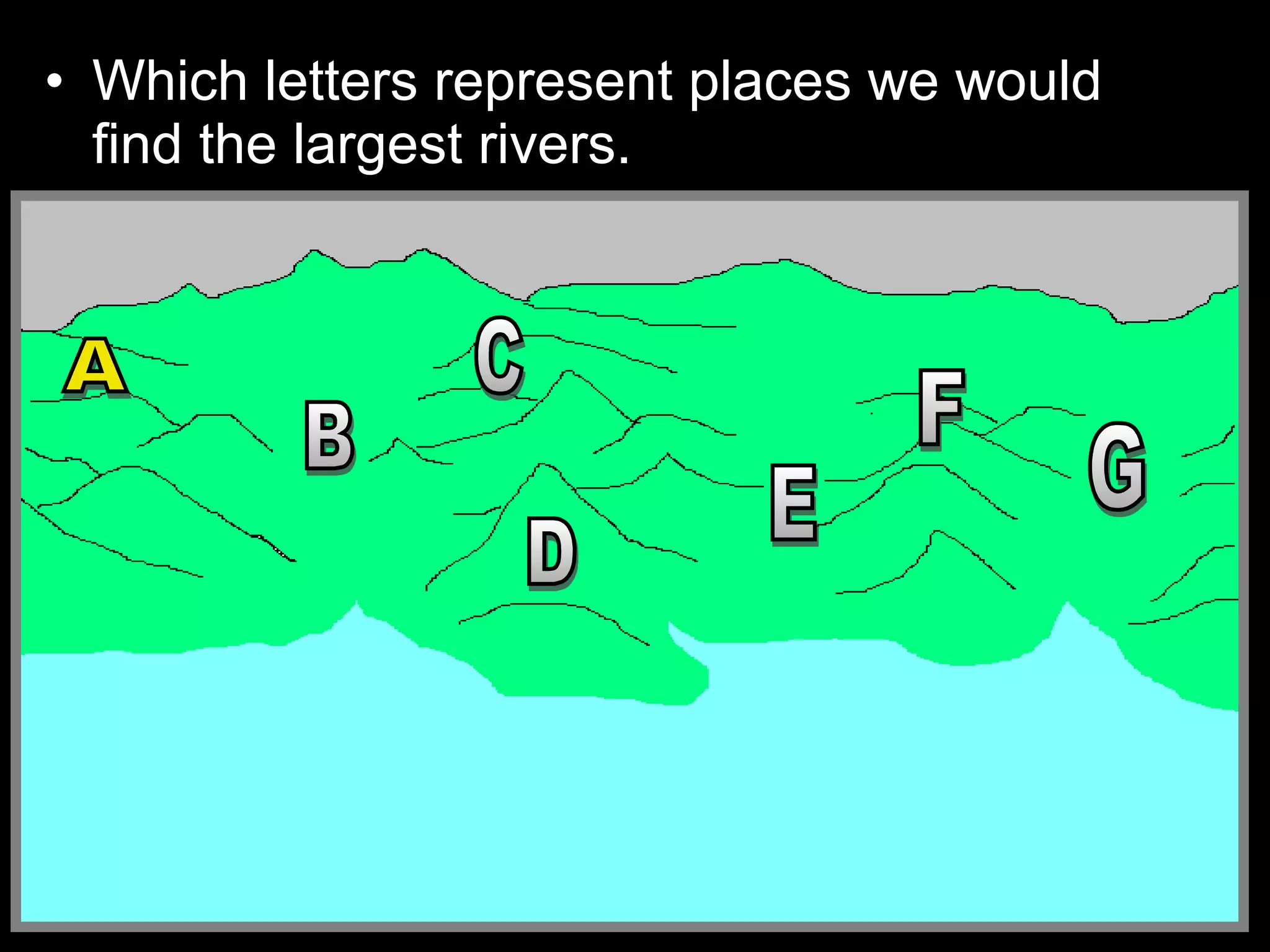
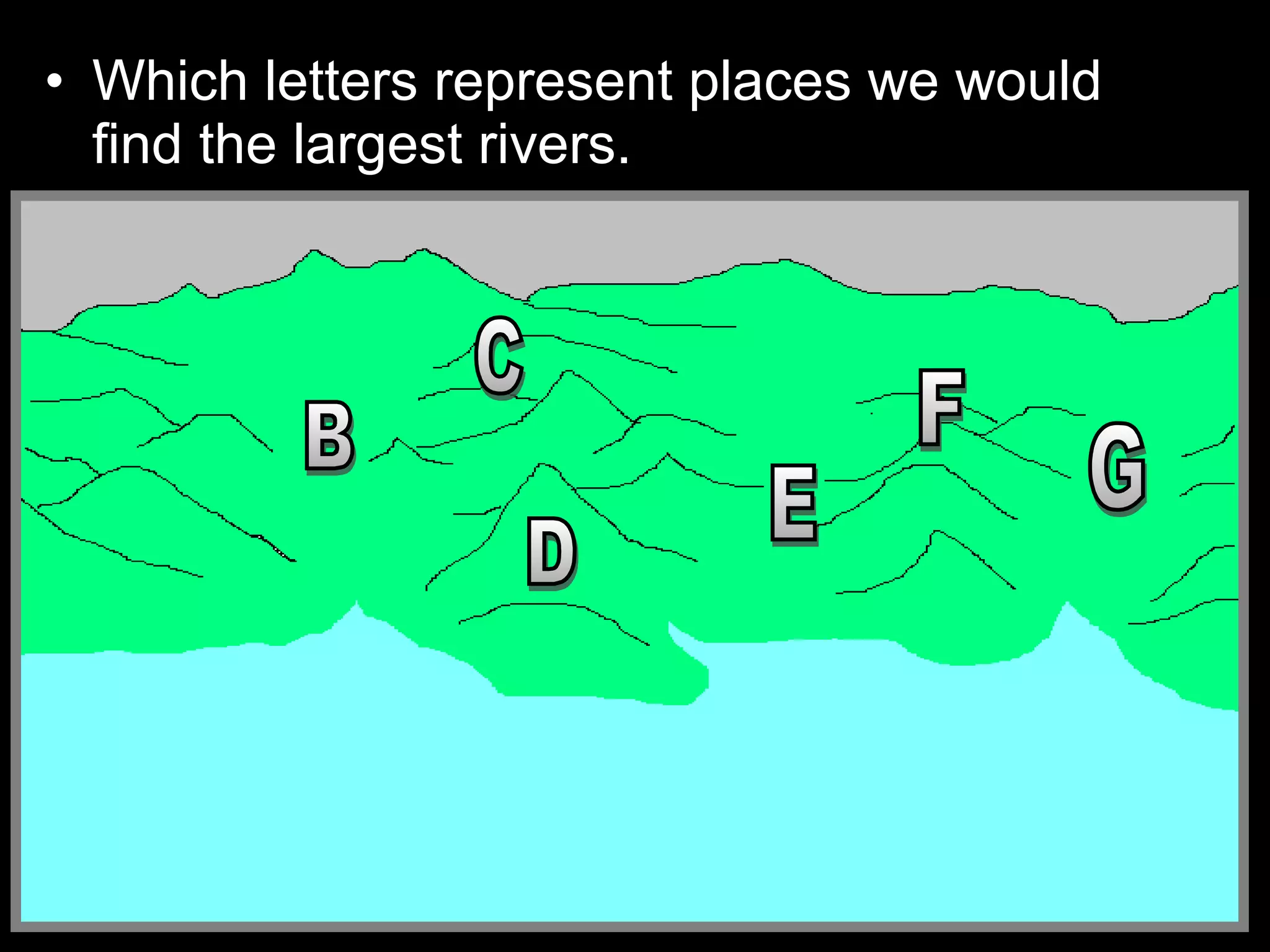
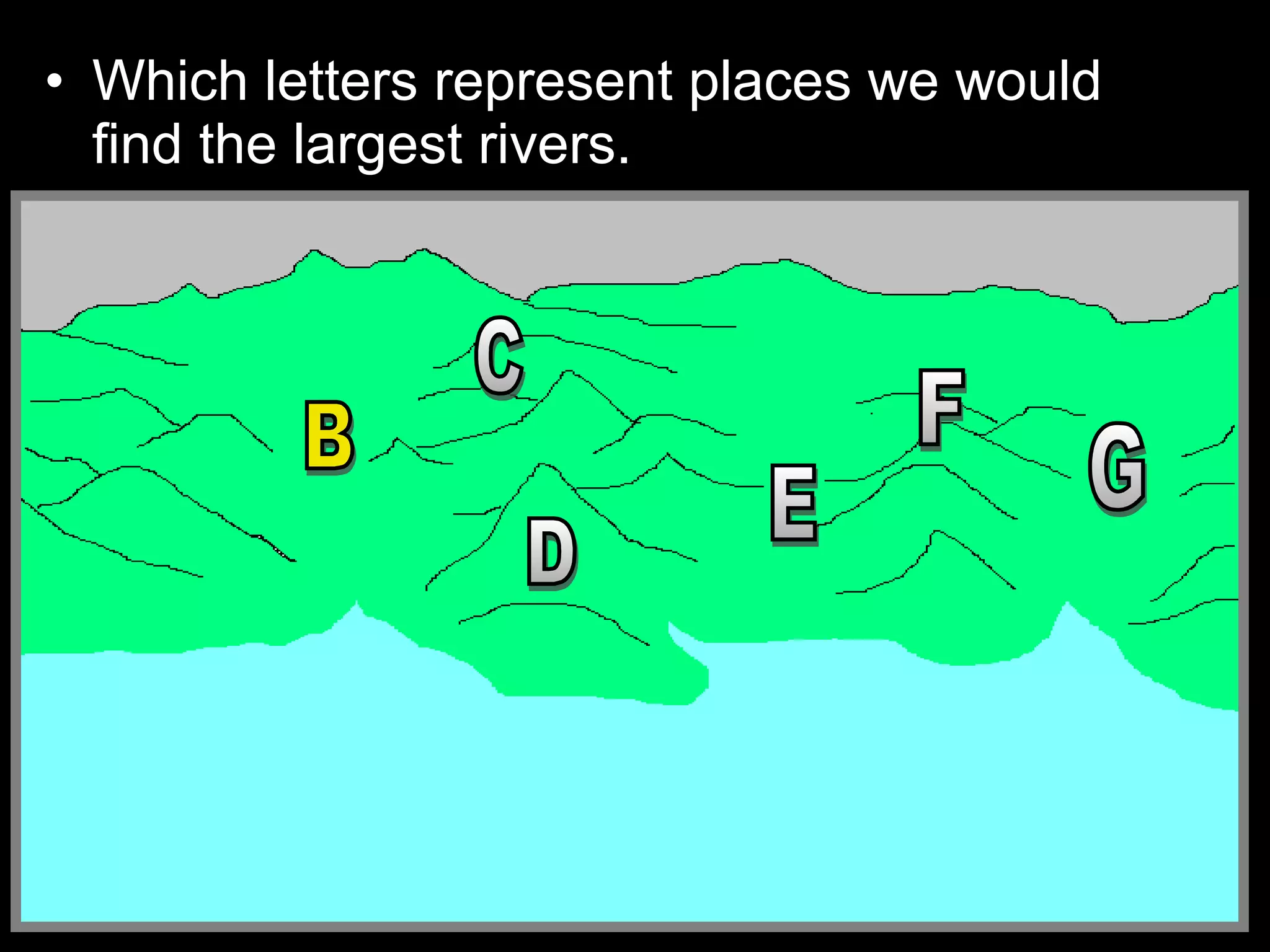
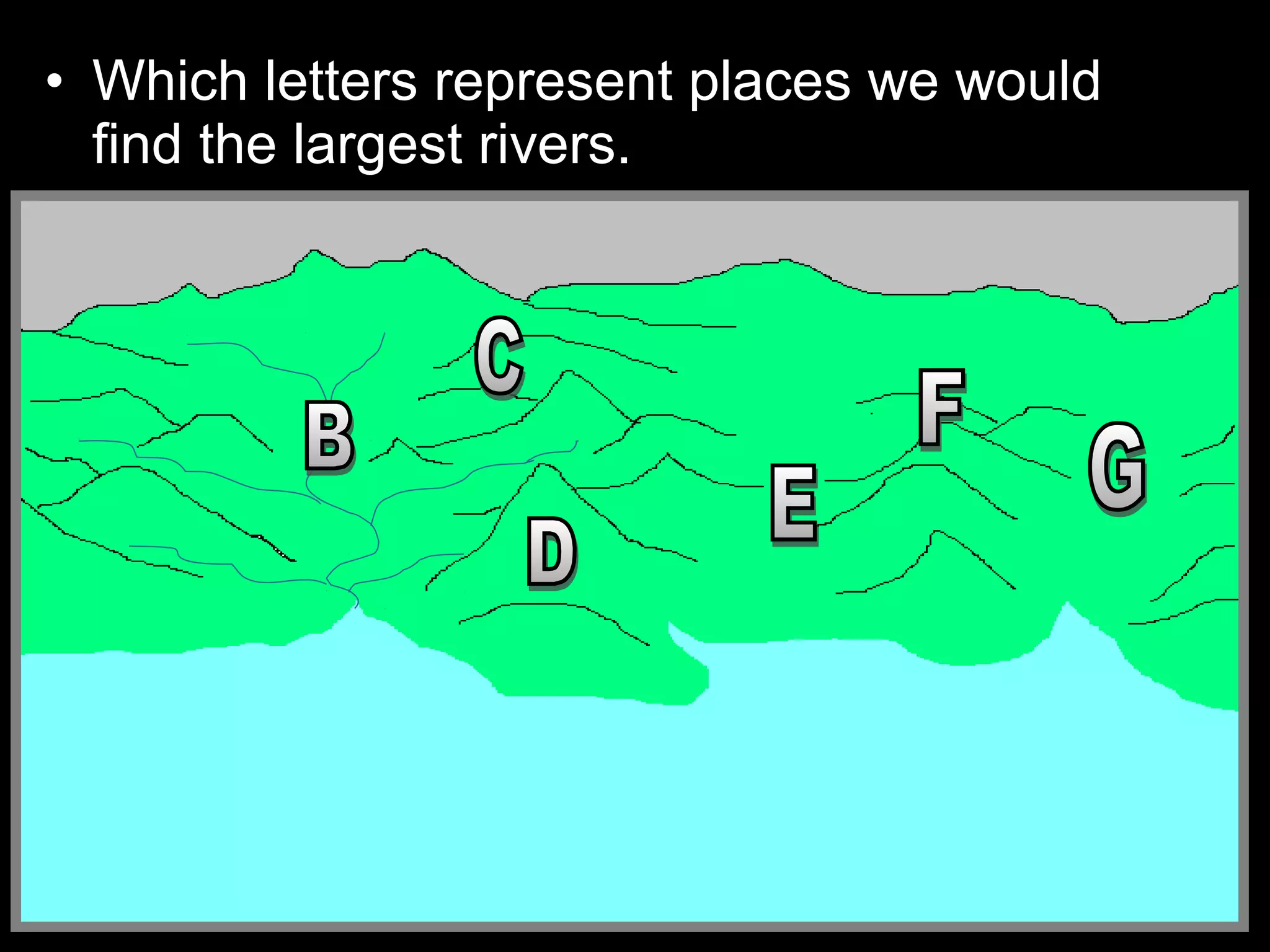
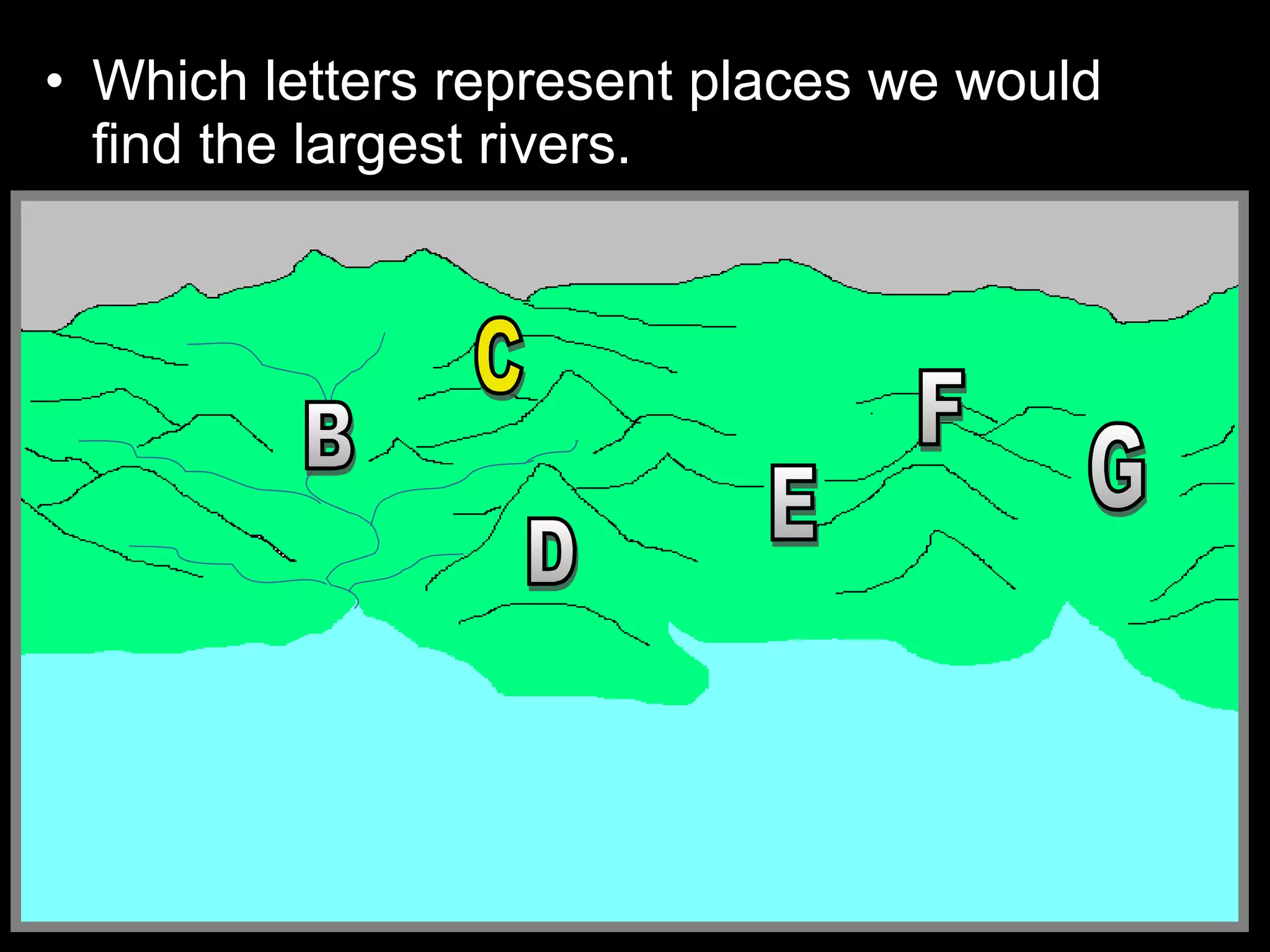
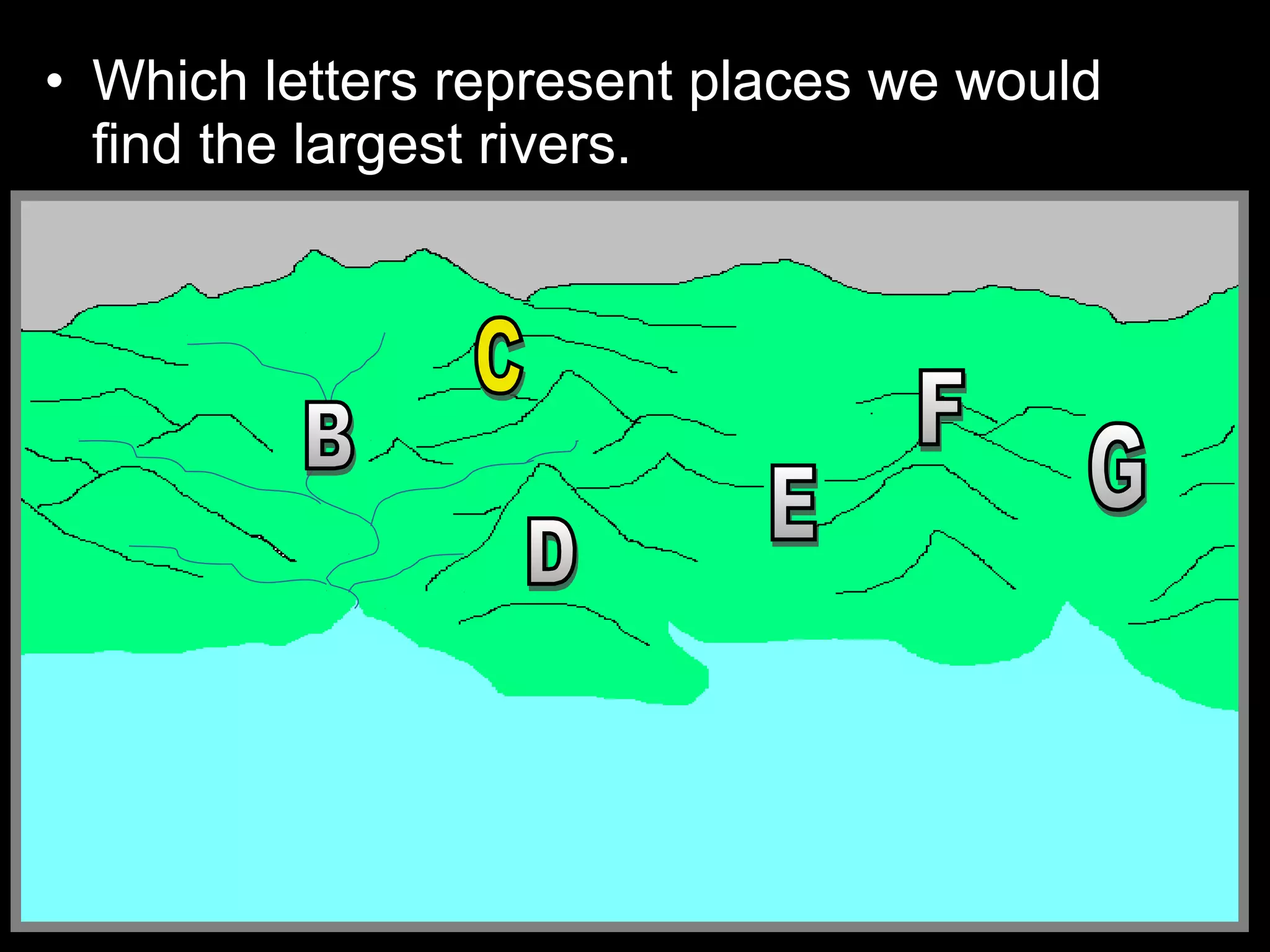
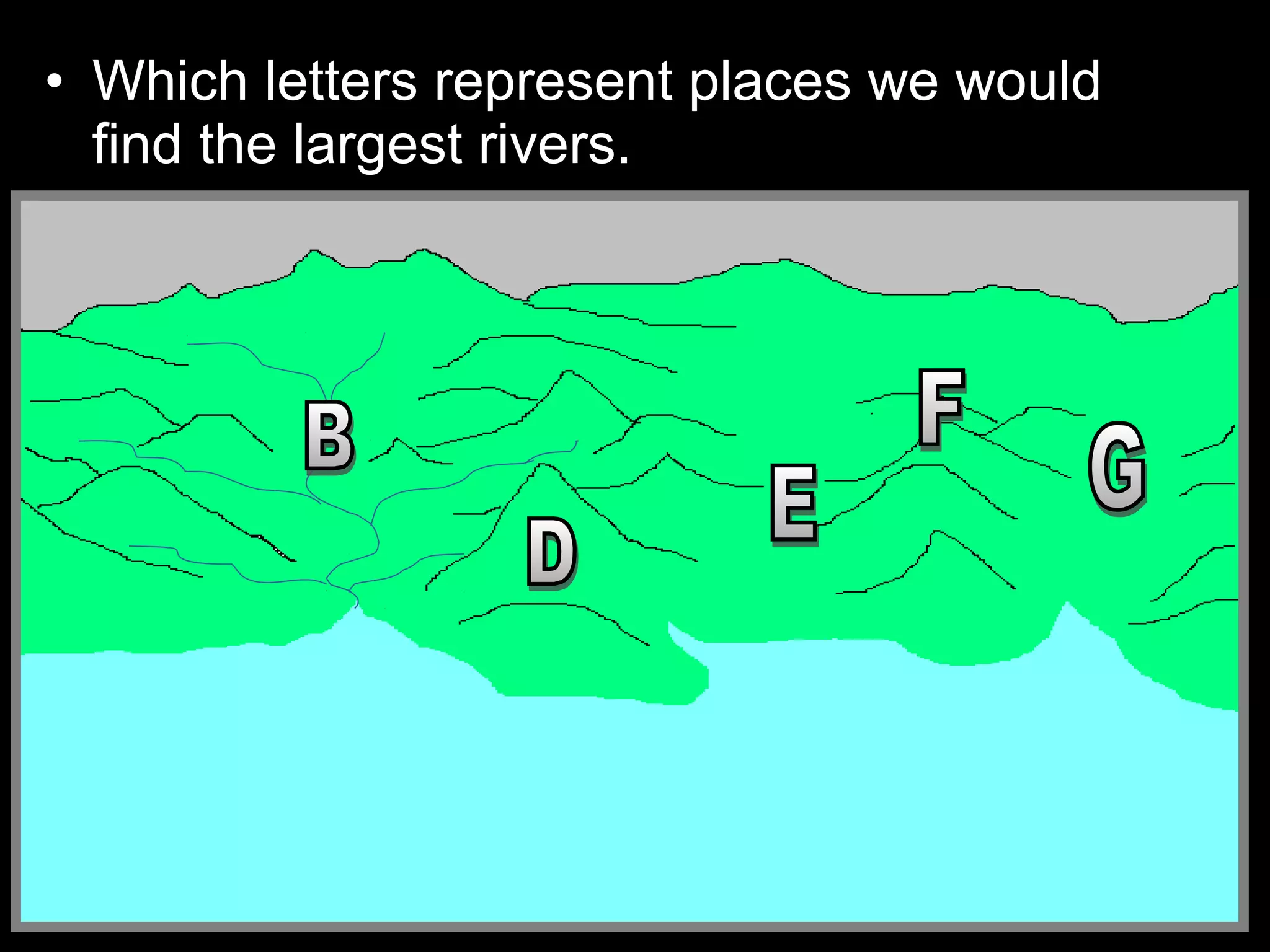
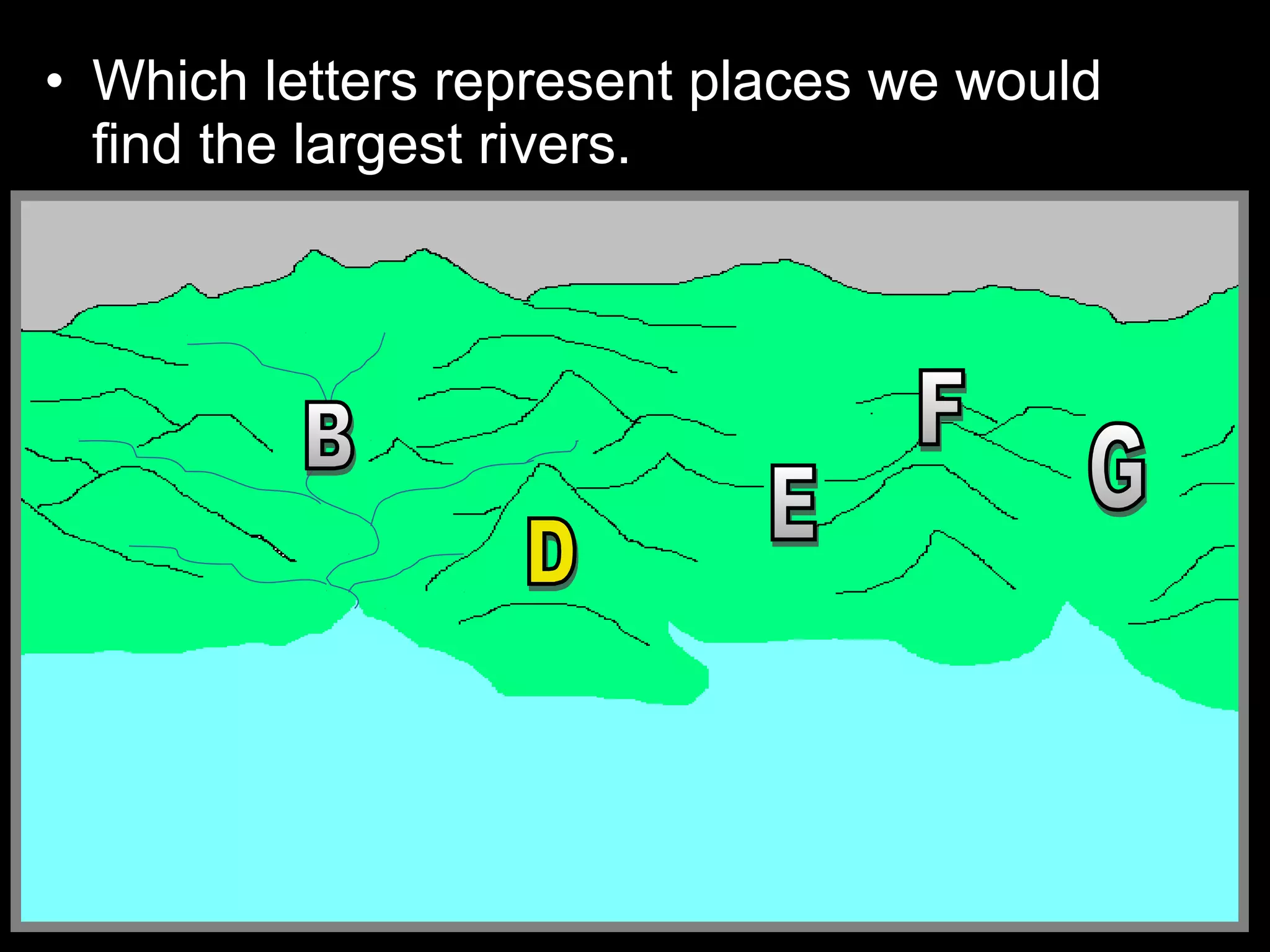
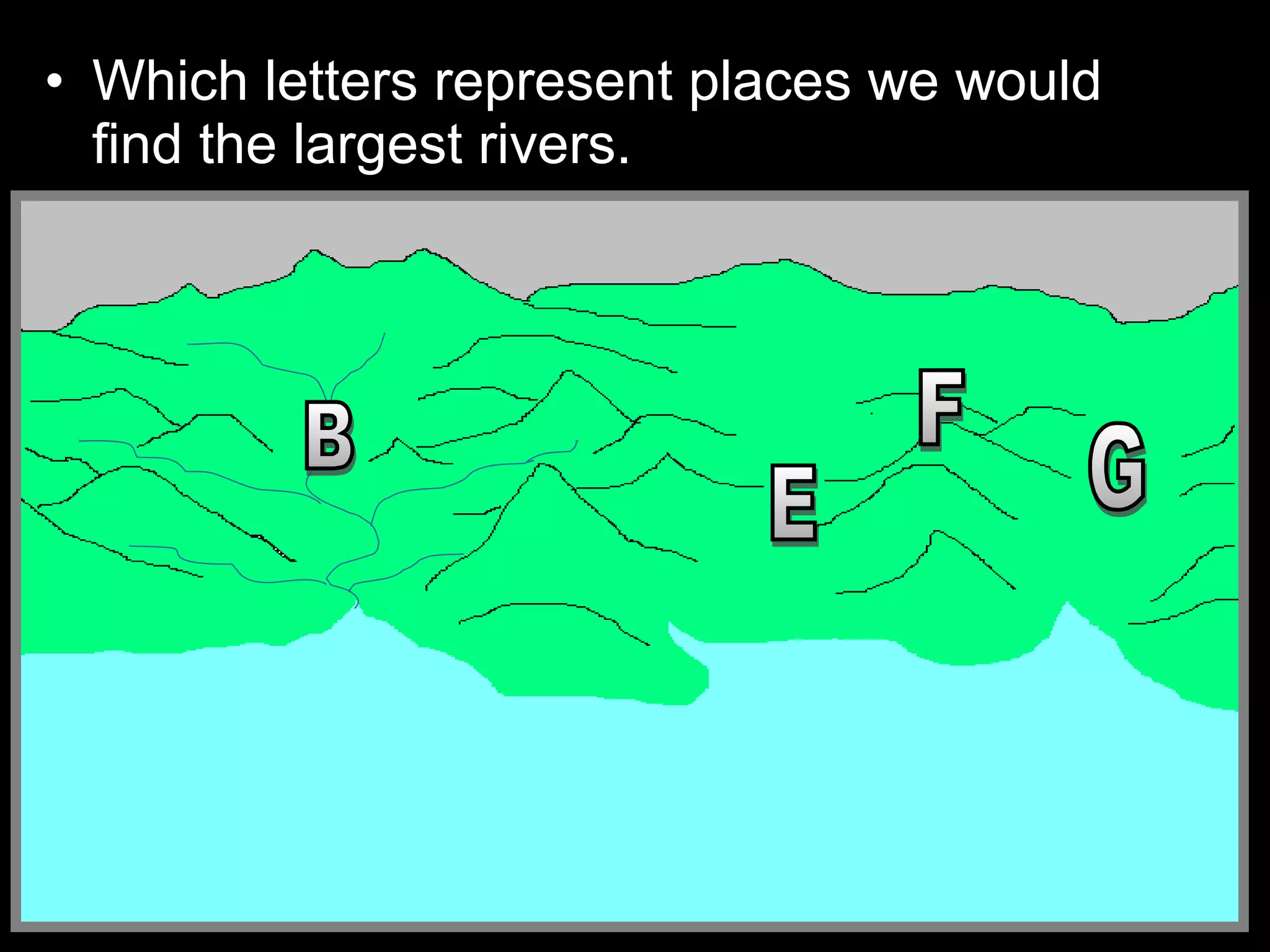
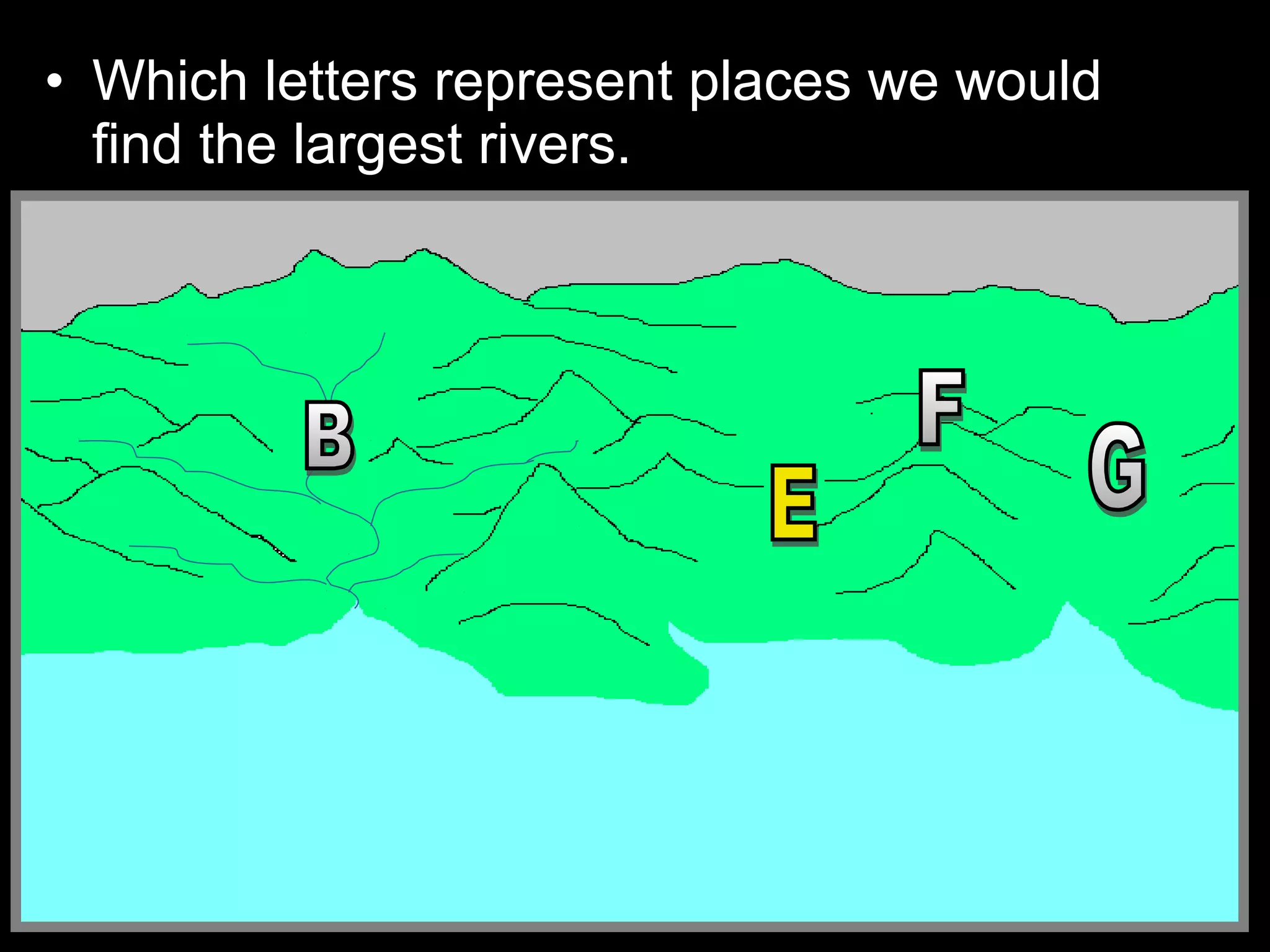
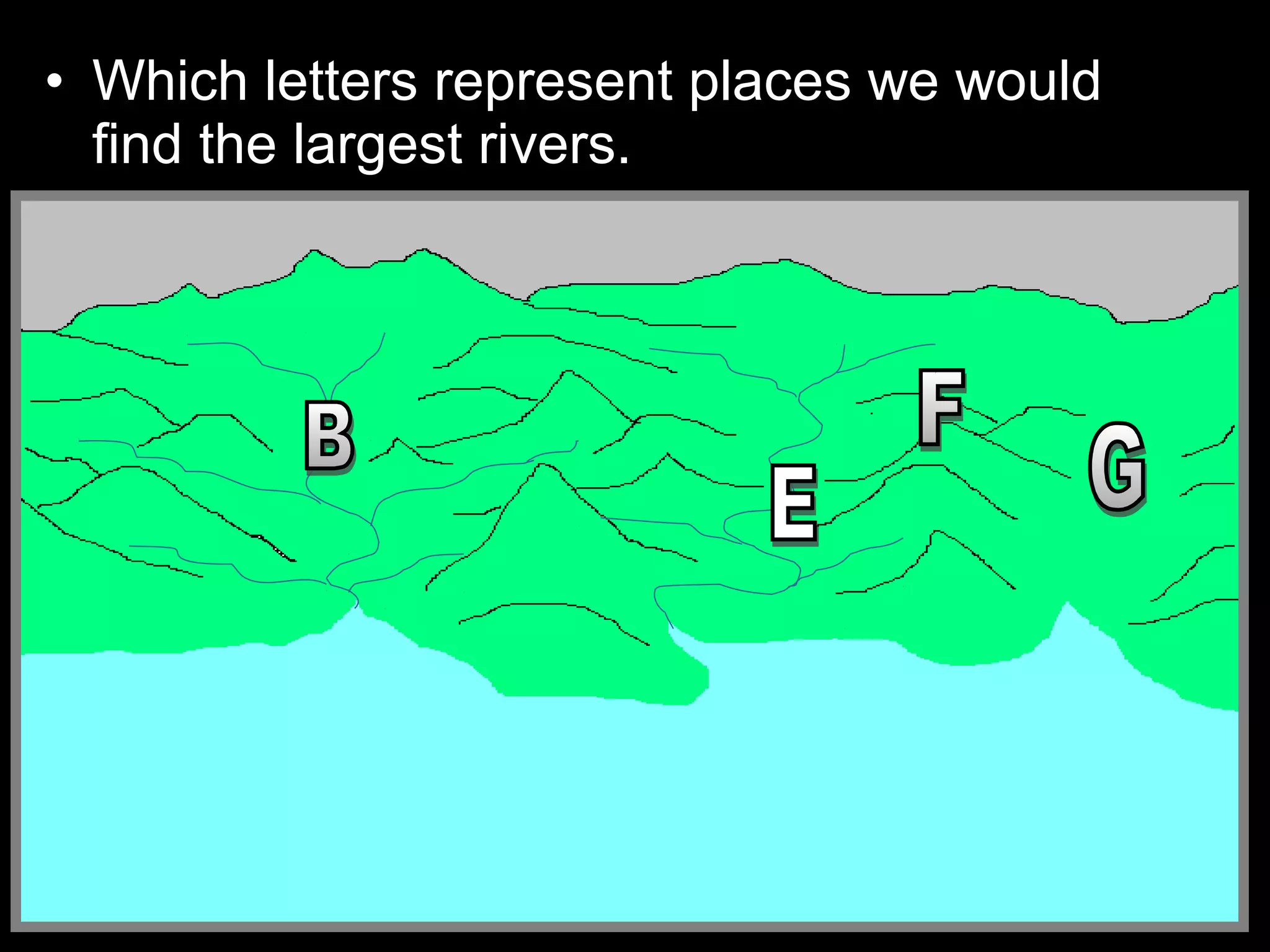
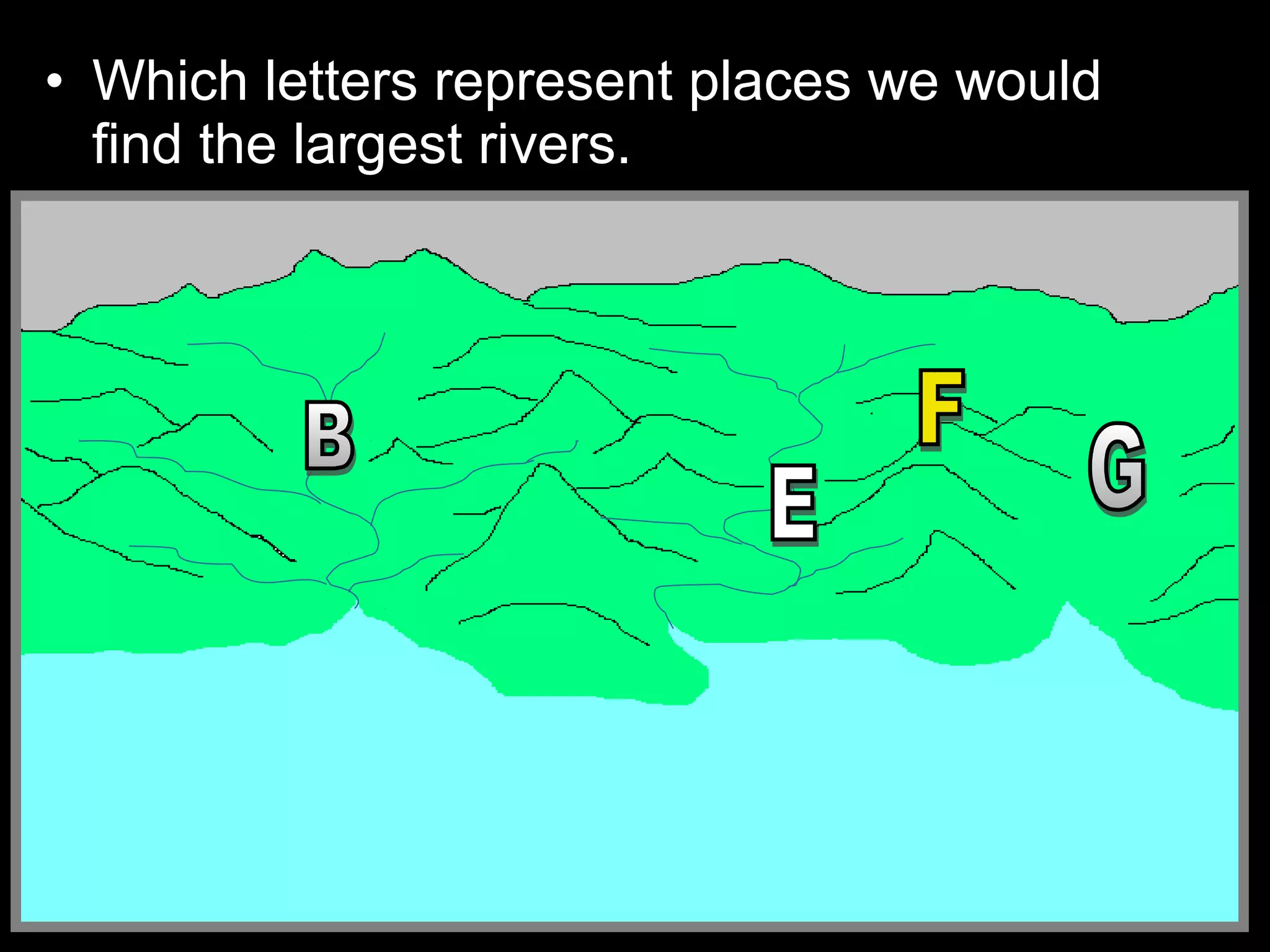
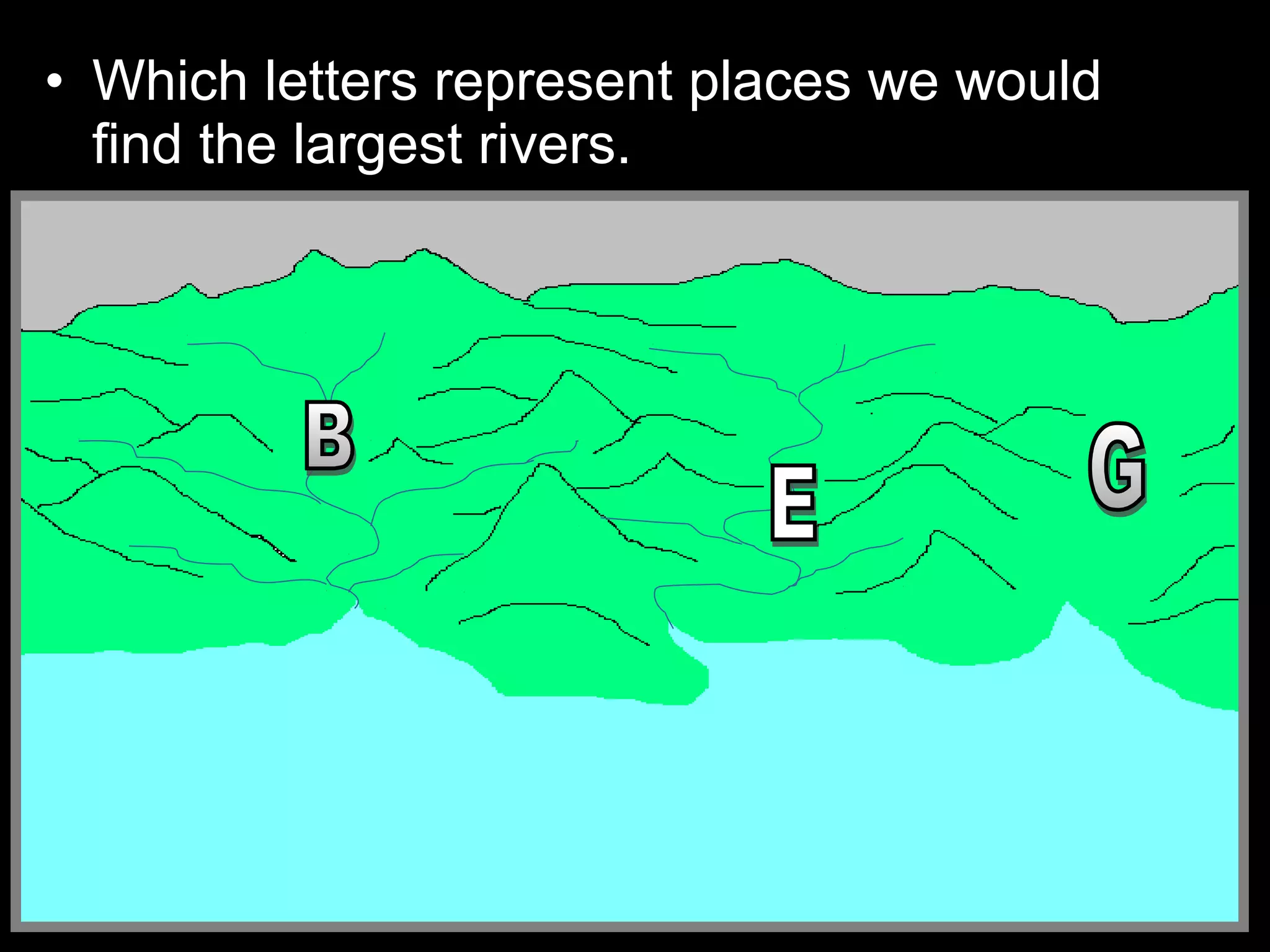
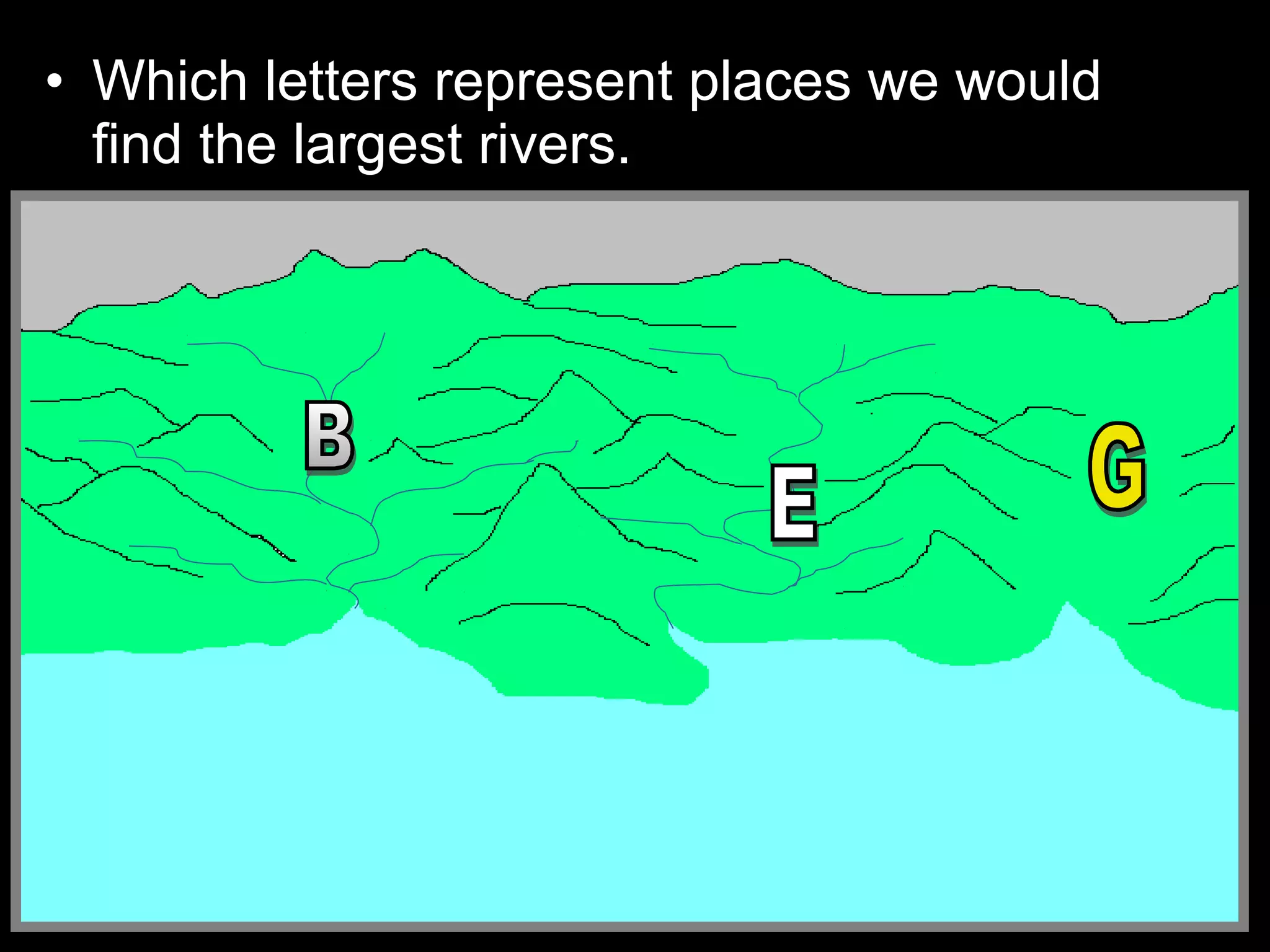
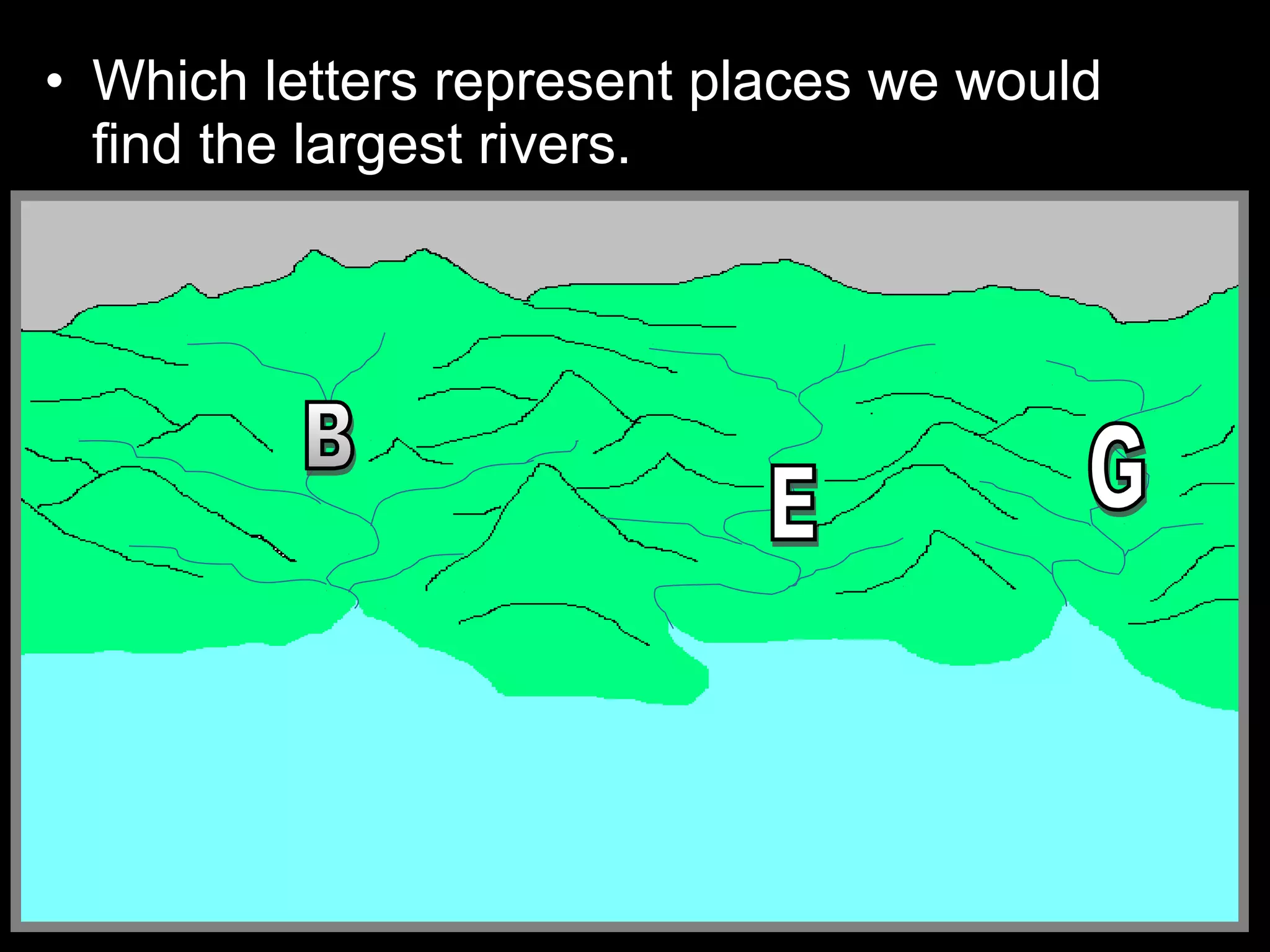
• Which letters represent places we would
find the largest rivers.
• Which letters represent places we would
find the largest rivers.
• Which letters represent places we would
find the largest rivers.
• Which letters represent places we would
find the largest rivers.
• Which letters represent places we would
find the largest rivers.
• Which letters represent places we would
find the largest rivers.
• Which letters represent places we would
find the largest rivers.
• Which letters represent places we would
find the largest rivers.
• Which letters represent places we would
find the largest rivers.
• Which letters represent places we would
find the largest rivers.
• Which letters represent places we would
find the largest rivers.
• Which letters represent places we would
find the largest rivers.
• Which letters represent places we would
find the largest rivers.
• Which letters represent places we would
find the largest rivers.
• Which letters represent places we would
find the largest rivers.
• Which letters represent places we would
find the largest rivers.
Watersheds. Learn more at…
http://ga.water.usgs.gov/edu/watershed.html
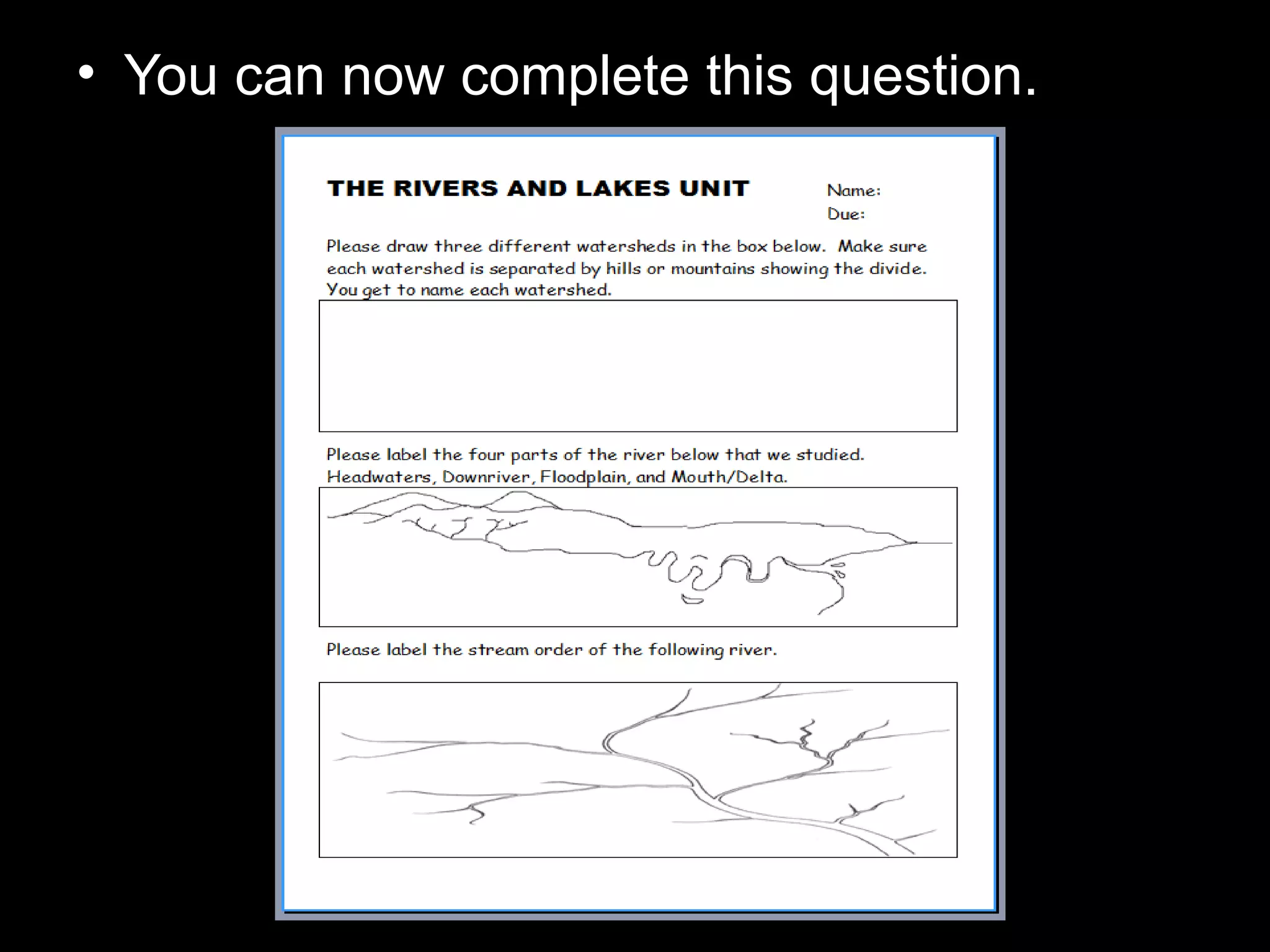
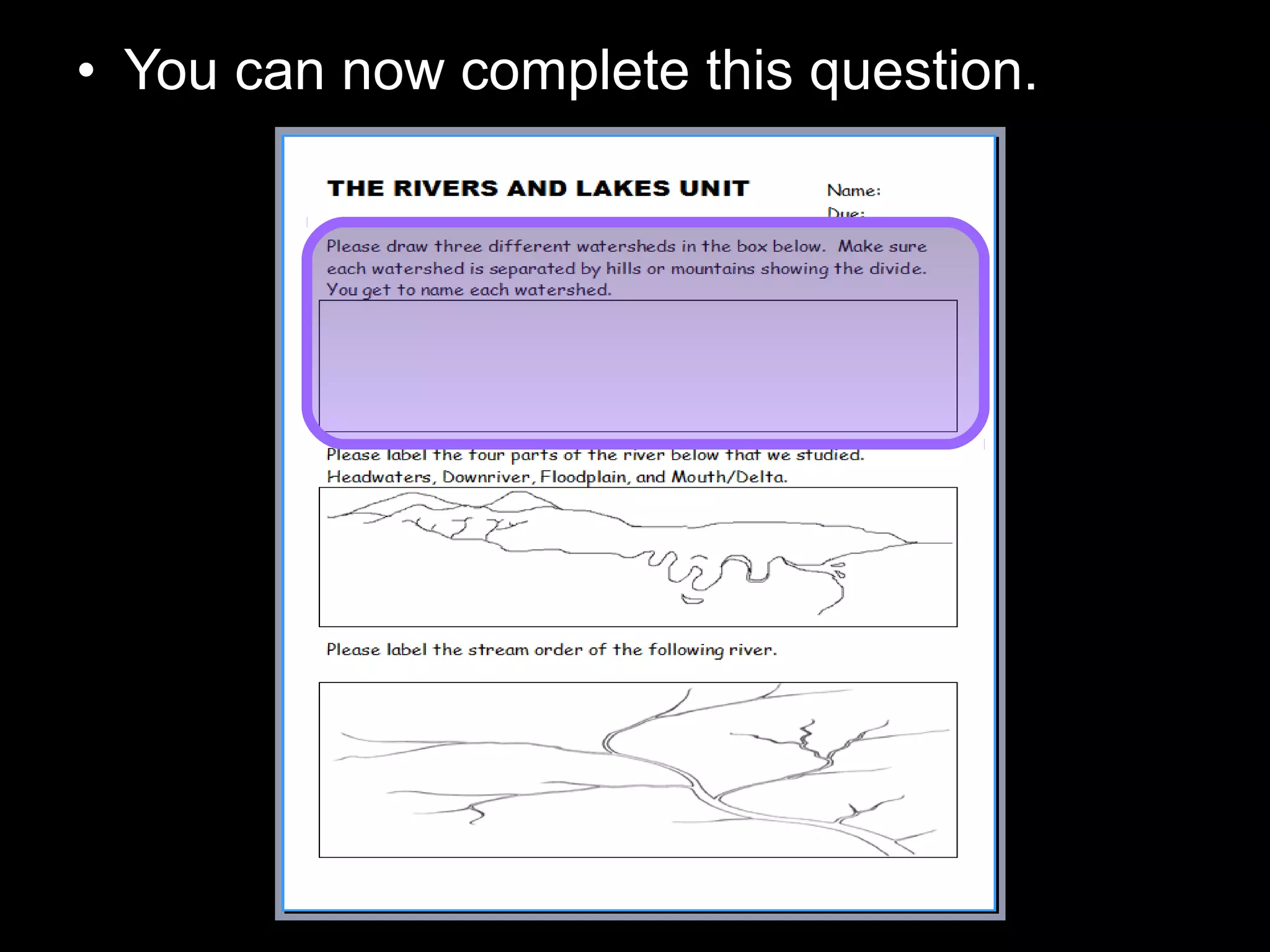
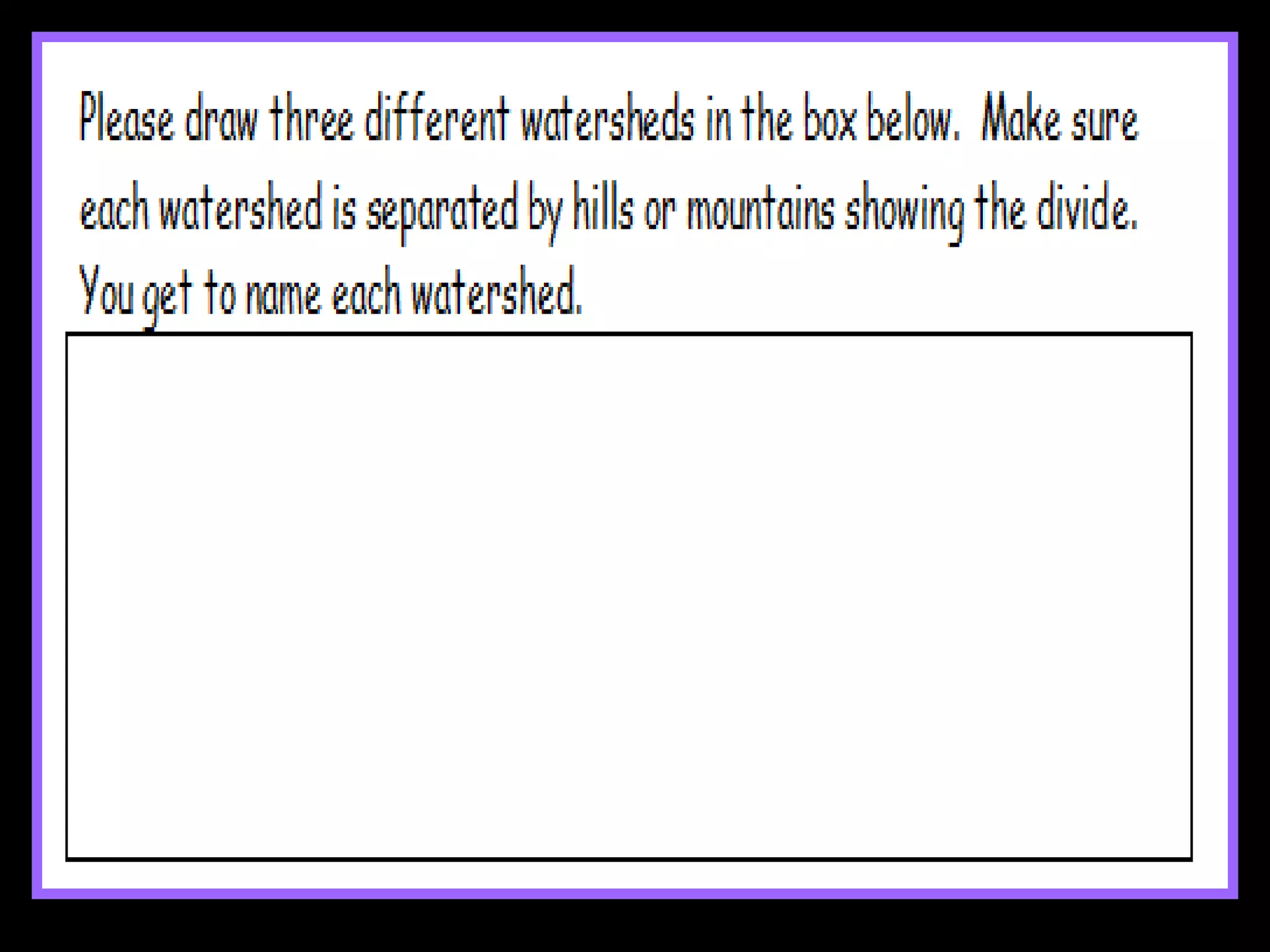
• You can now complete this question.
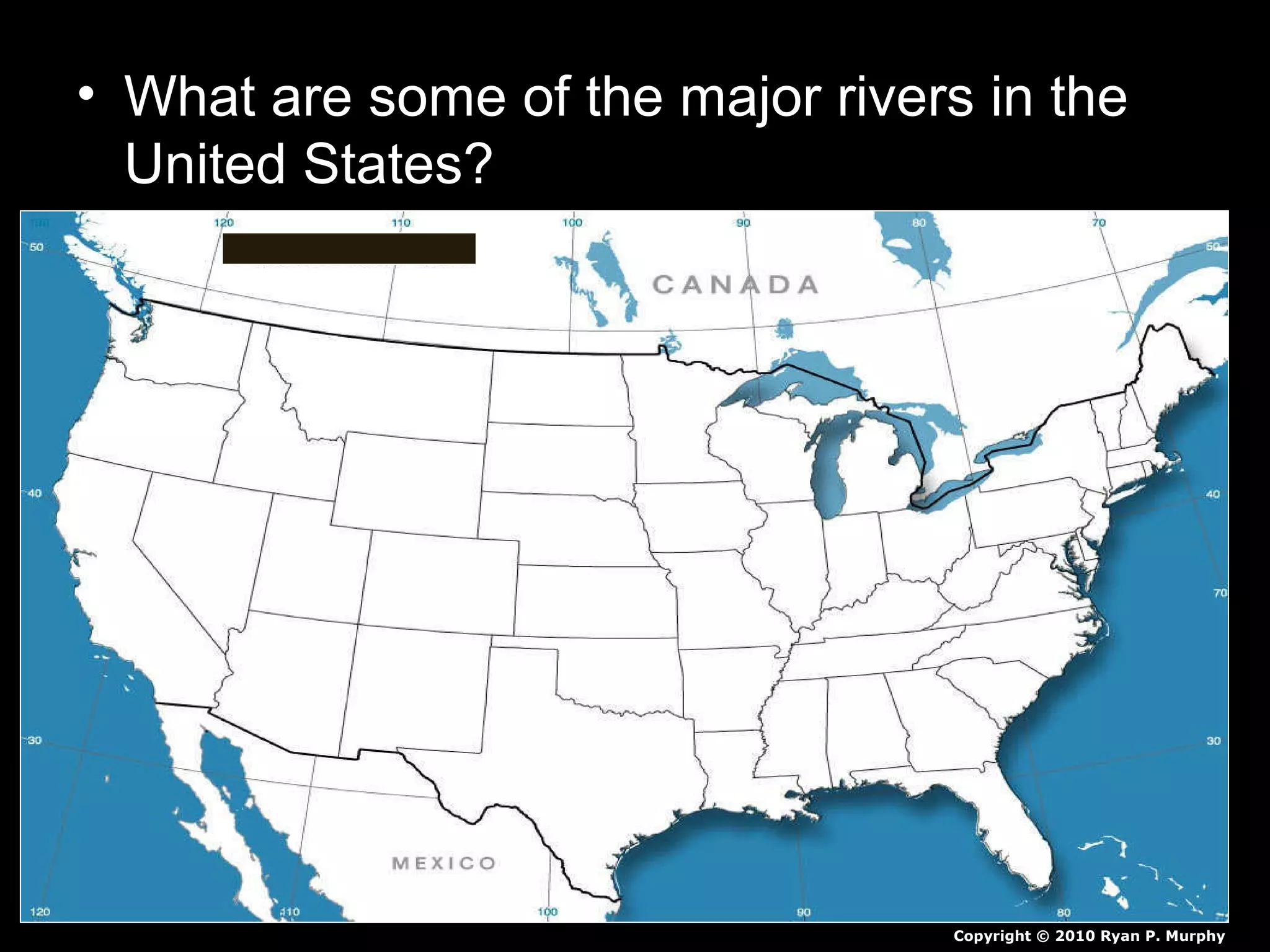
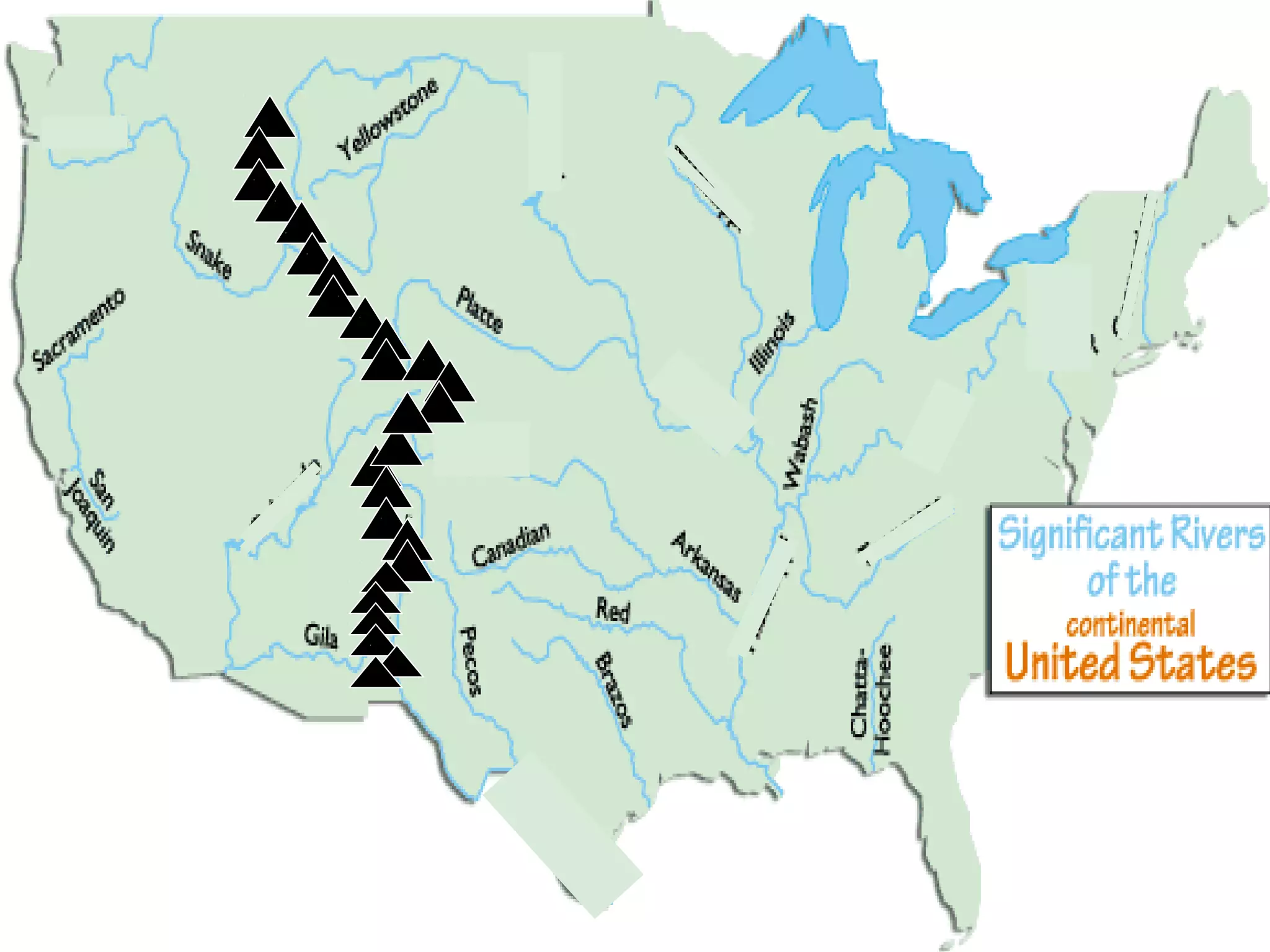
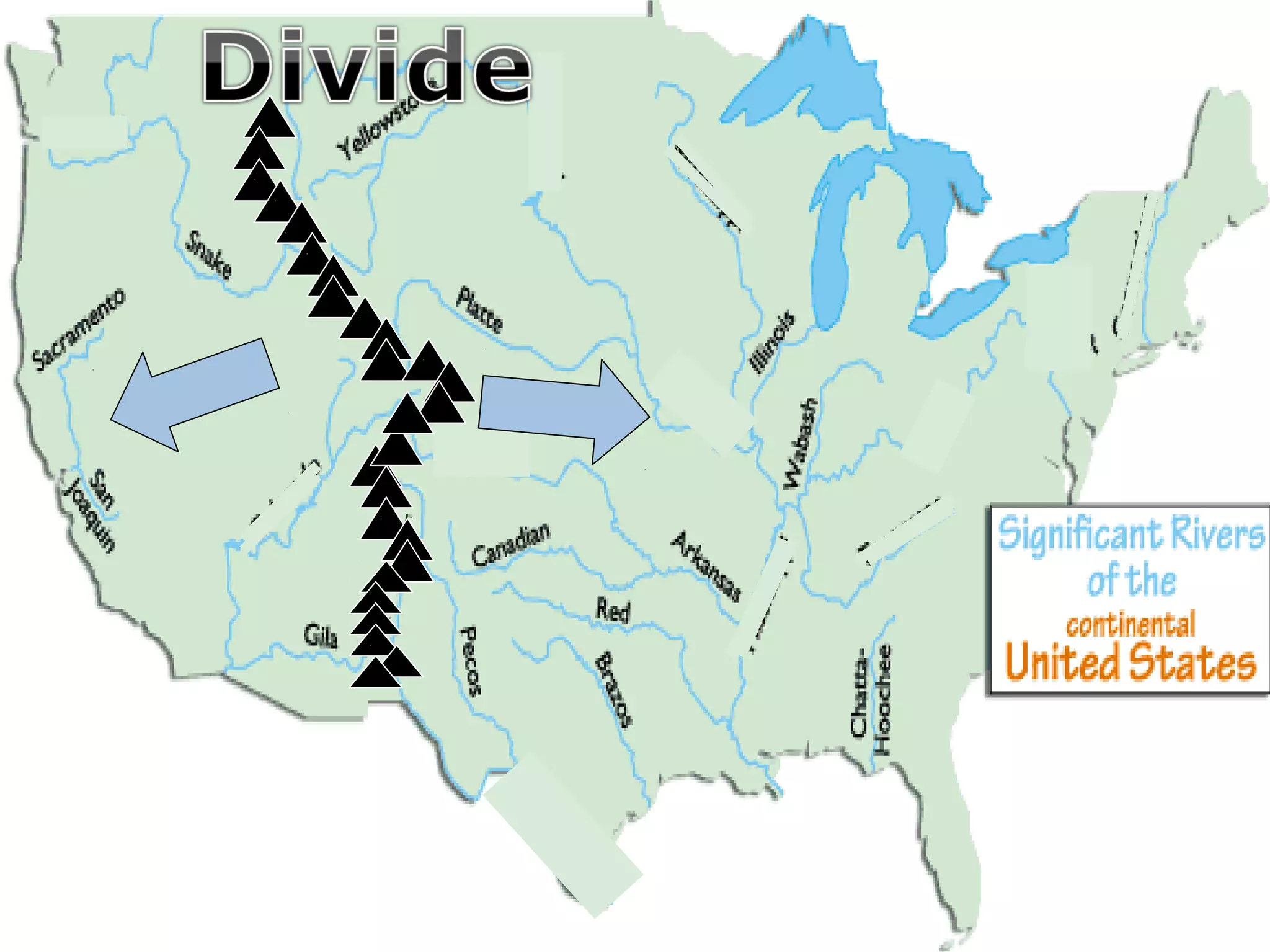
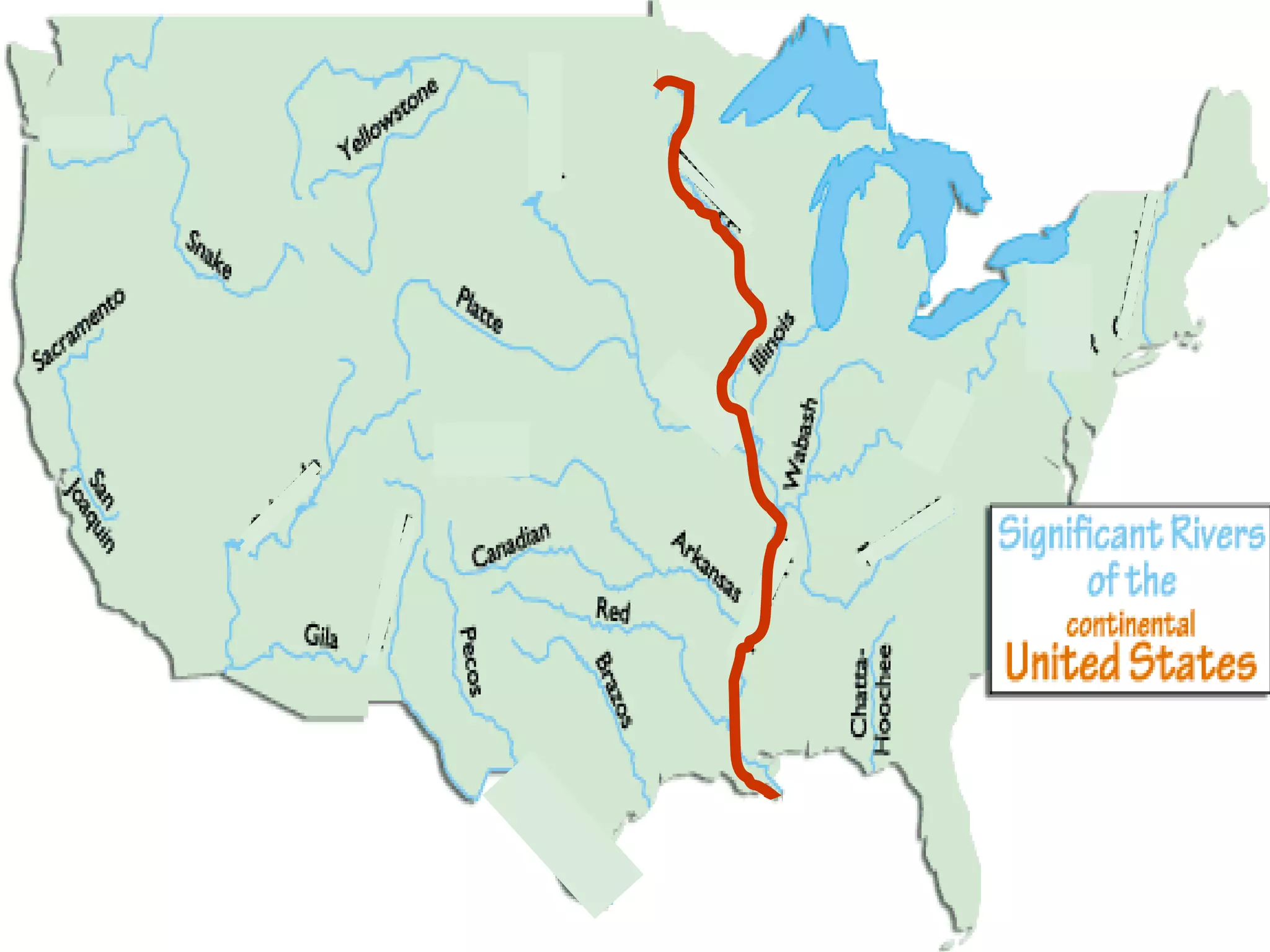
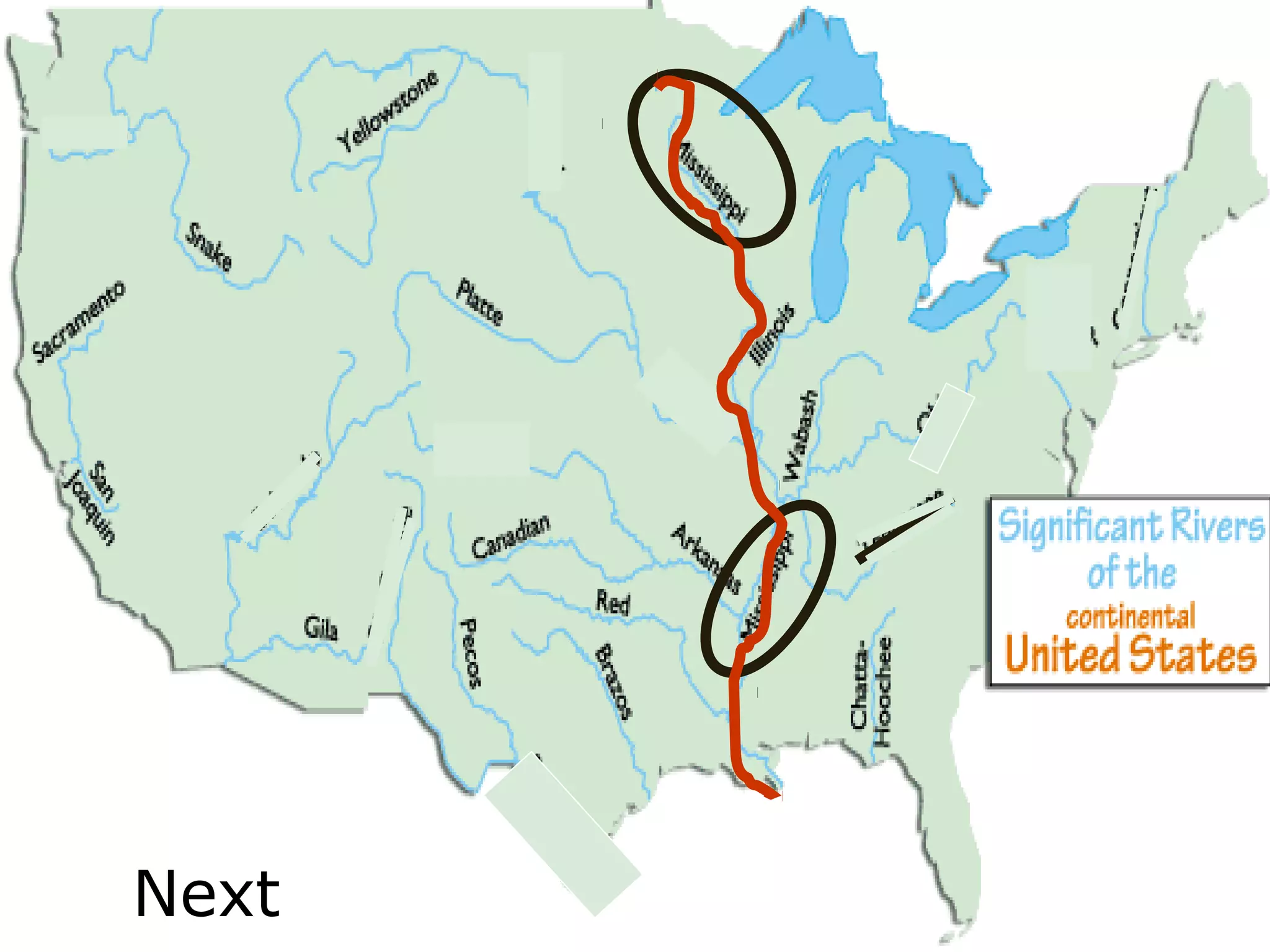
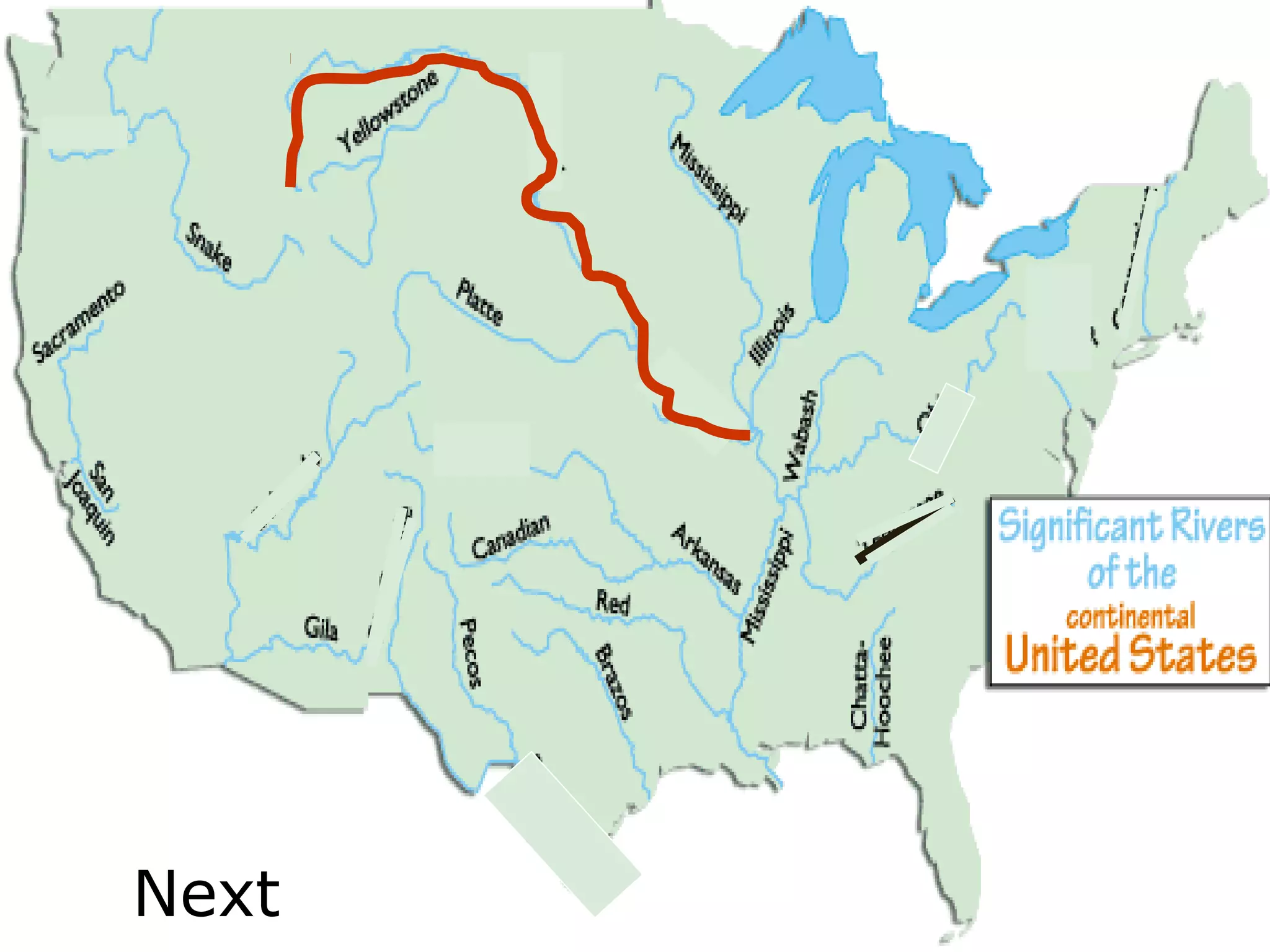
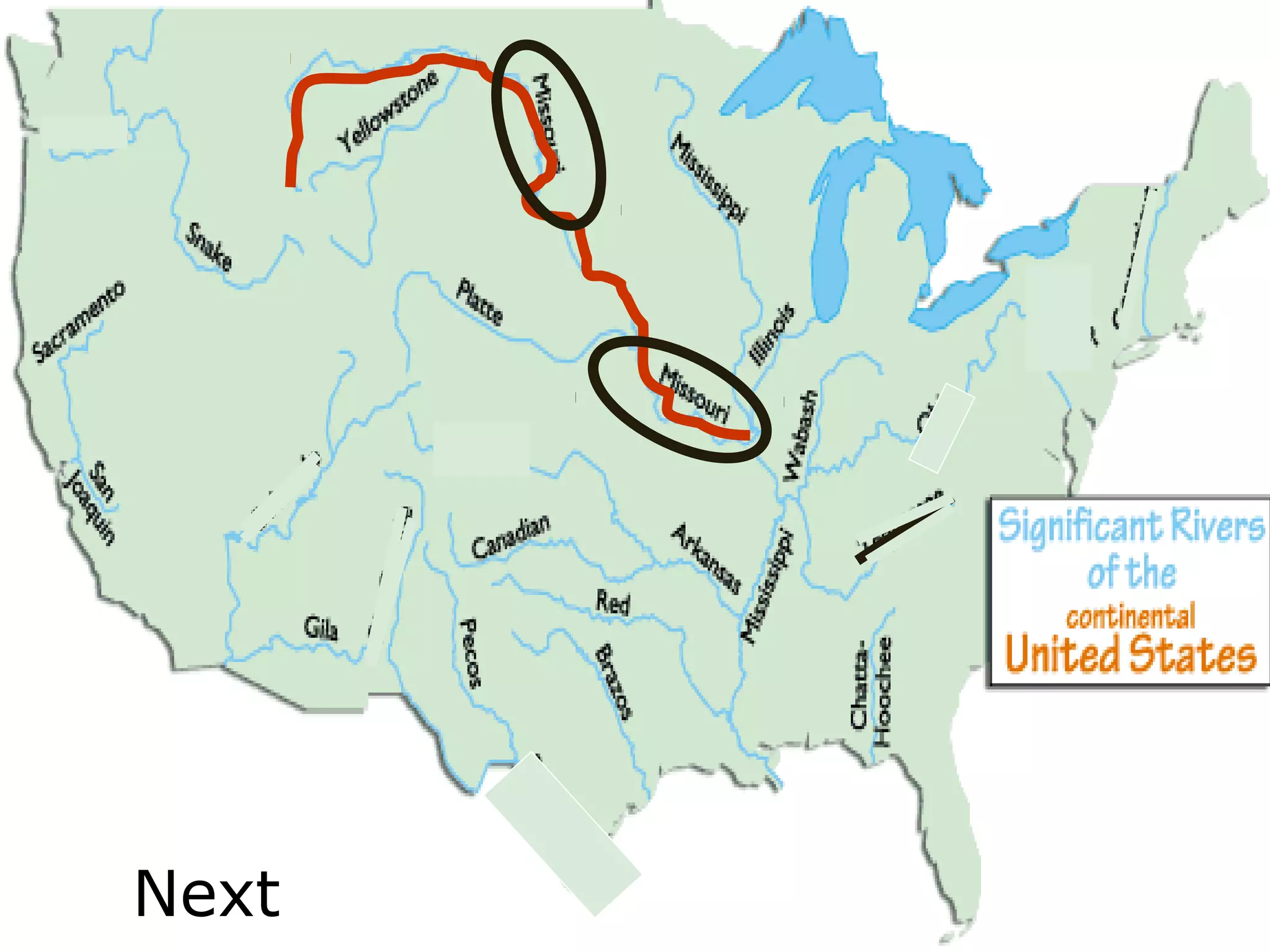
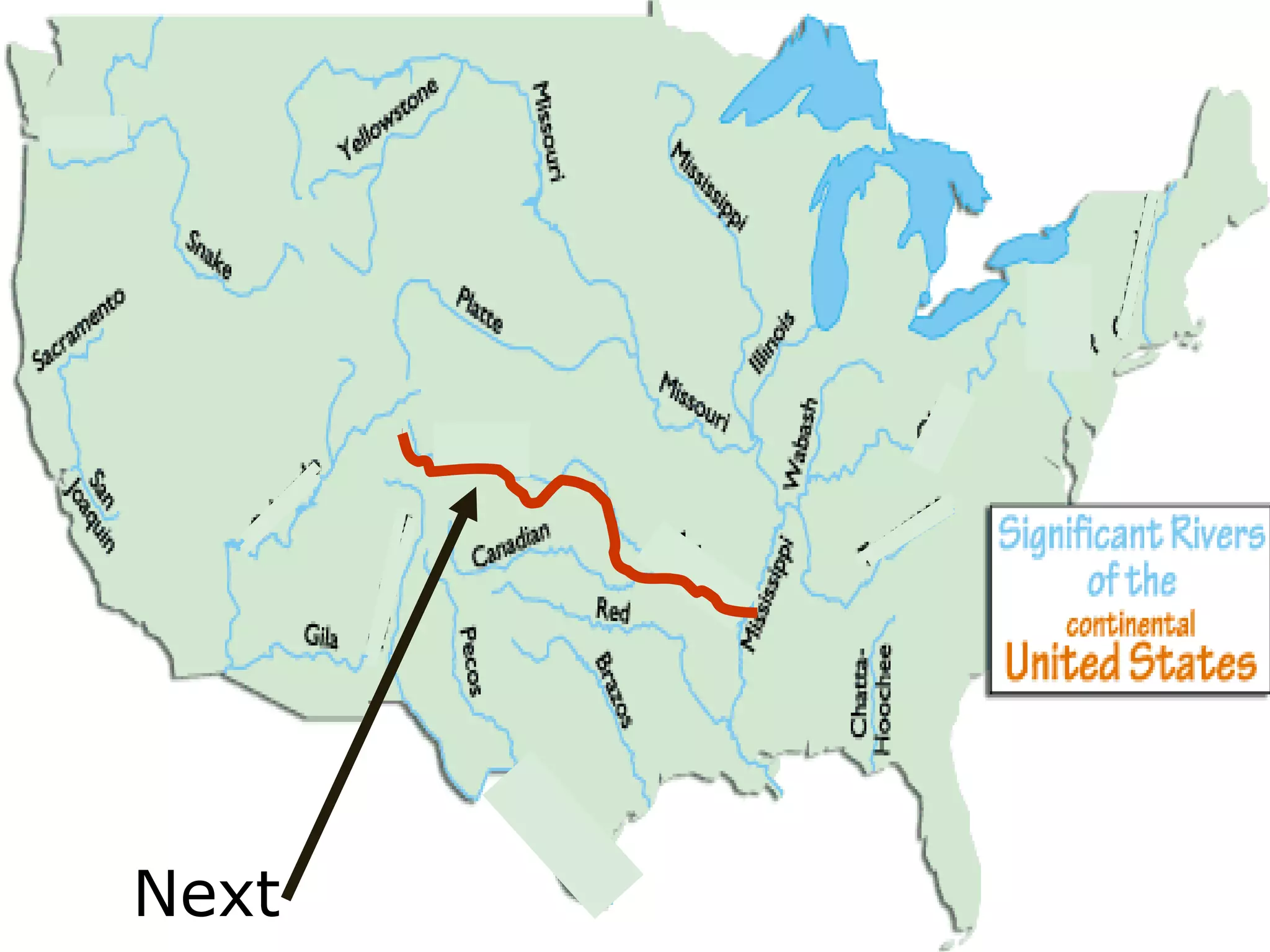
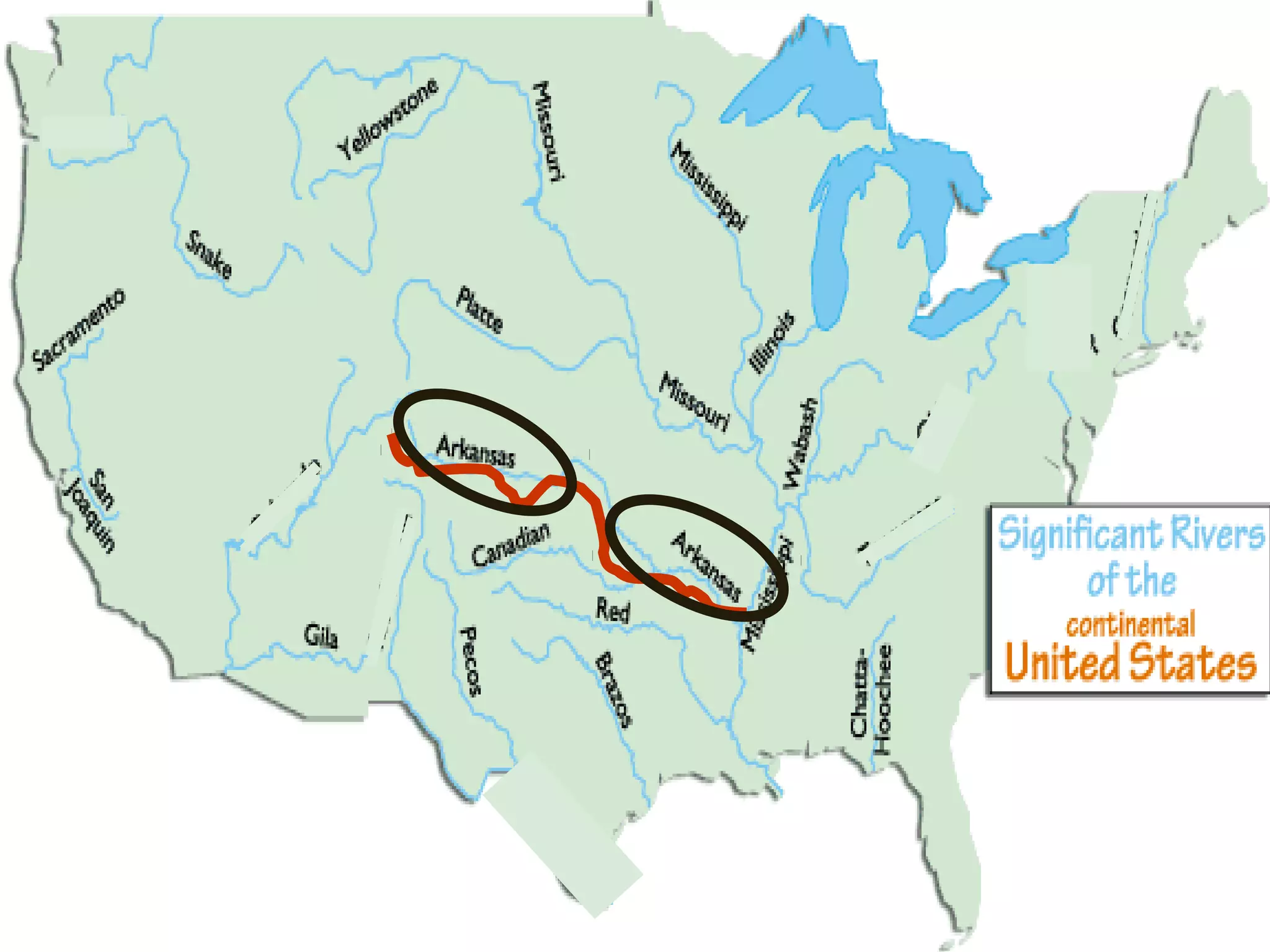
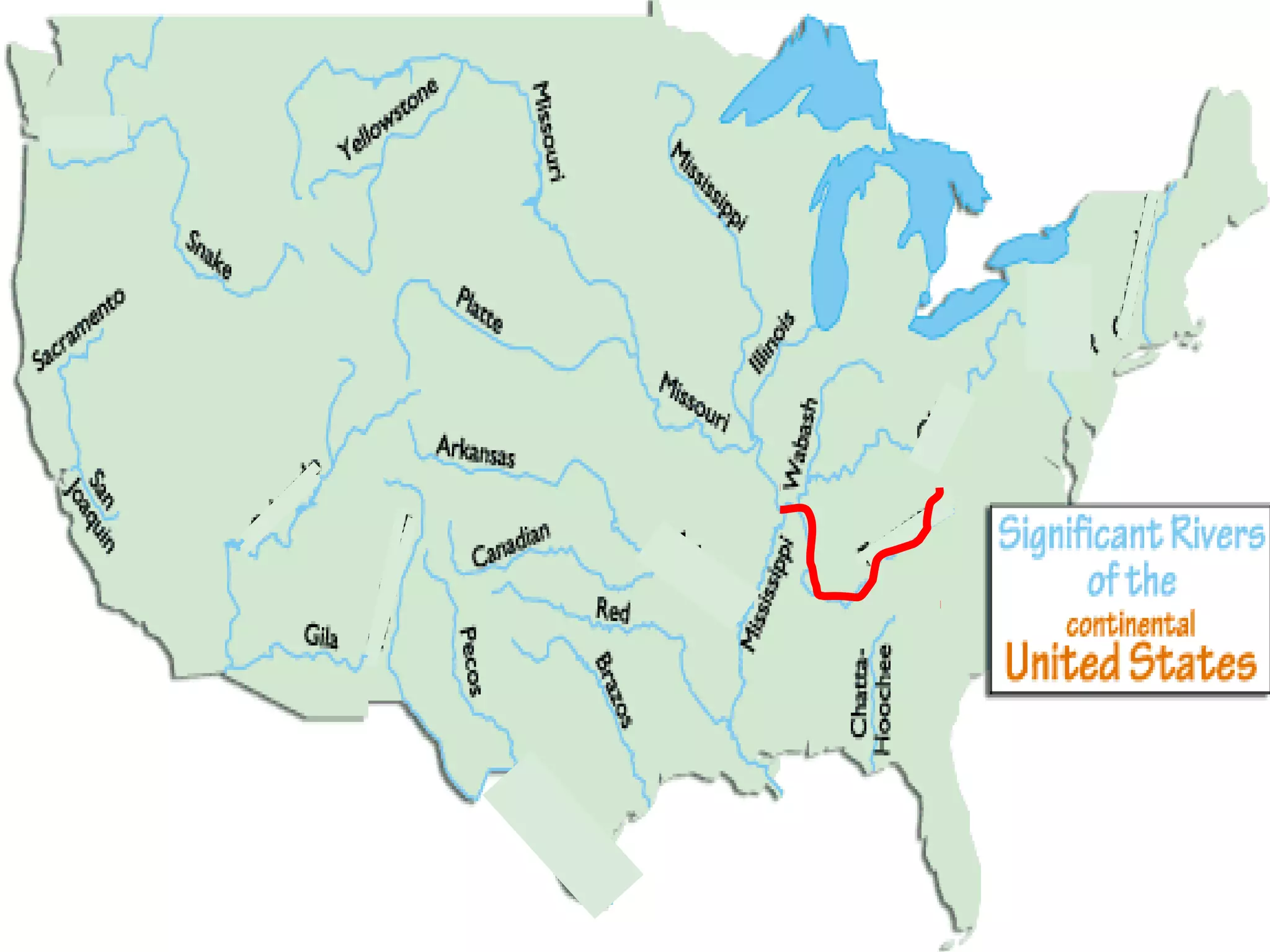
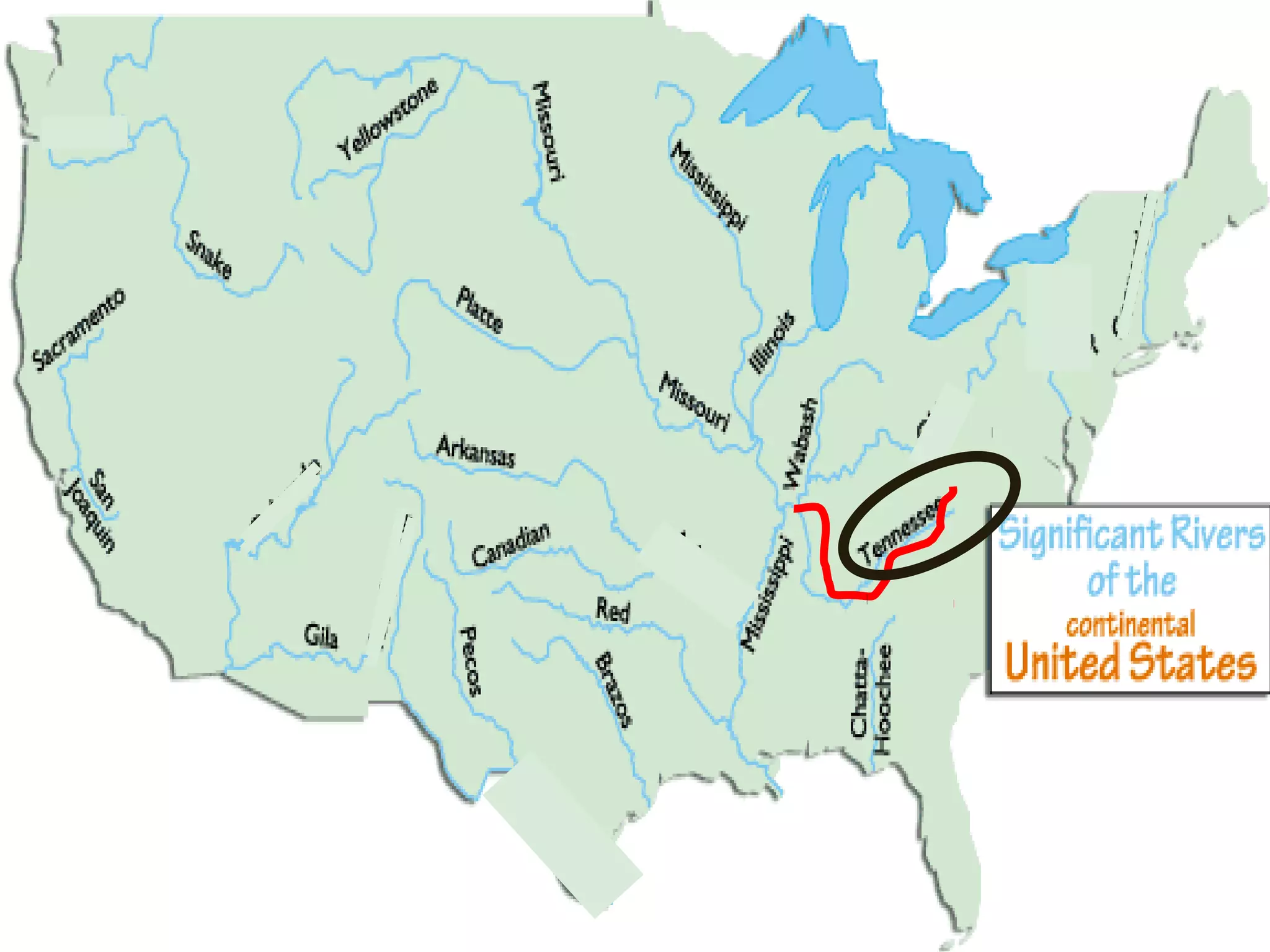
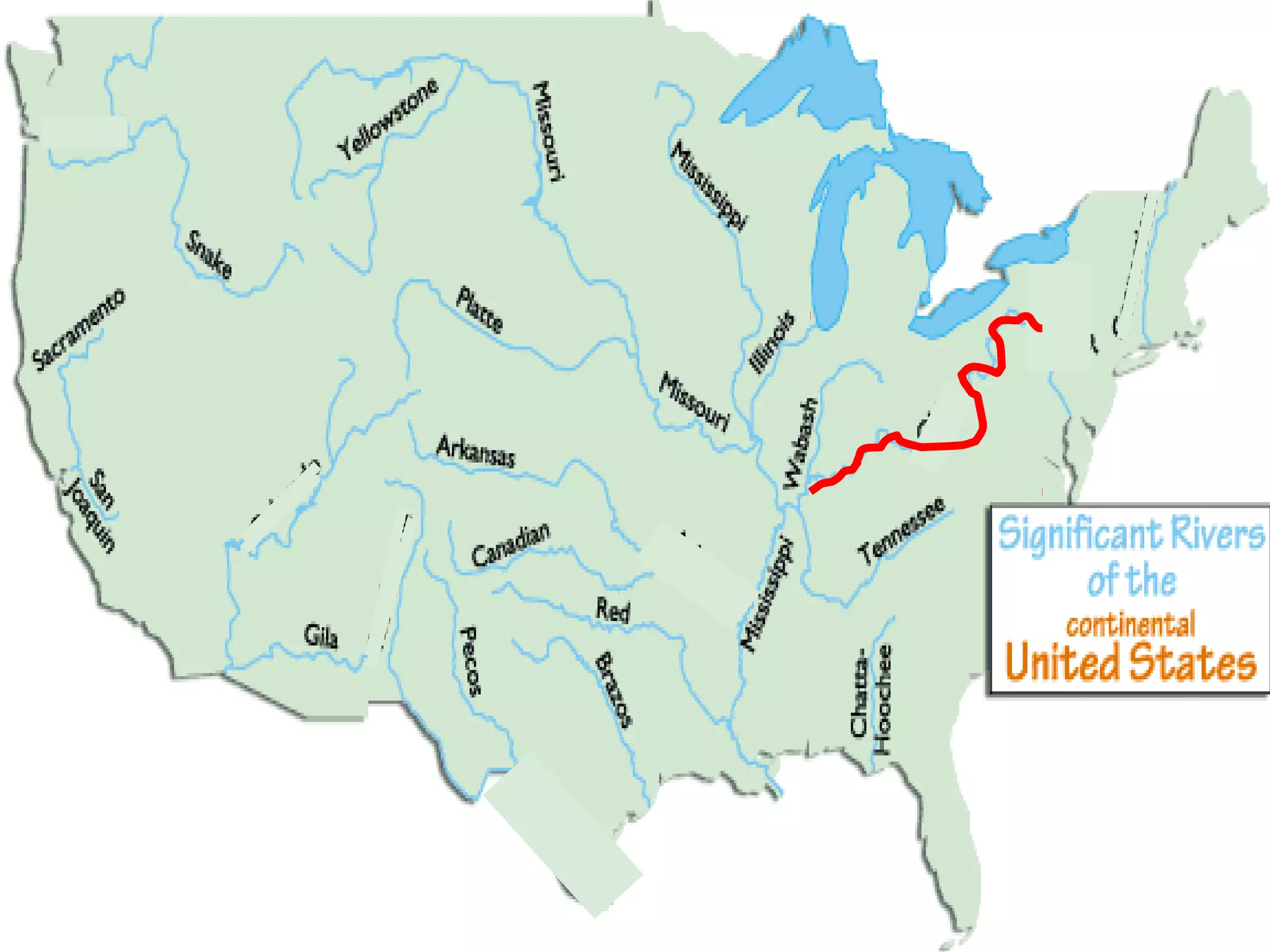
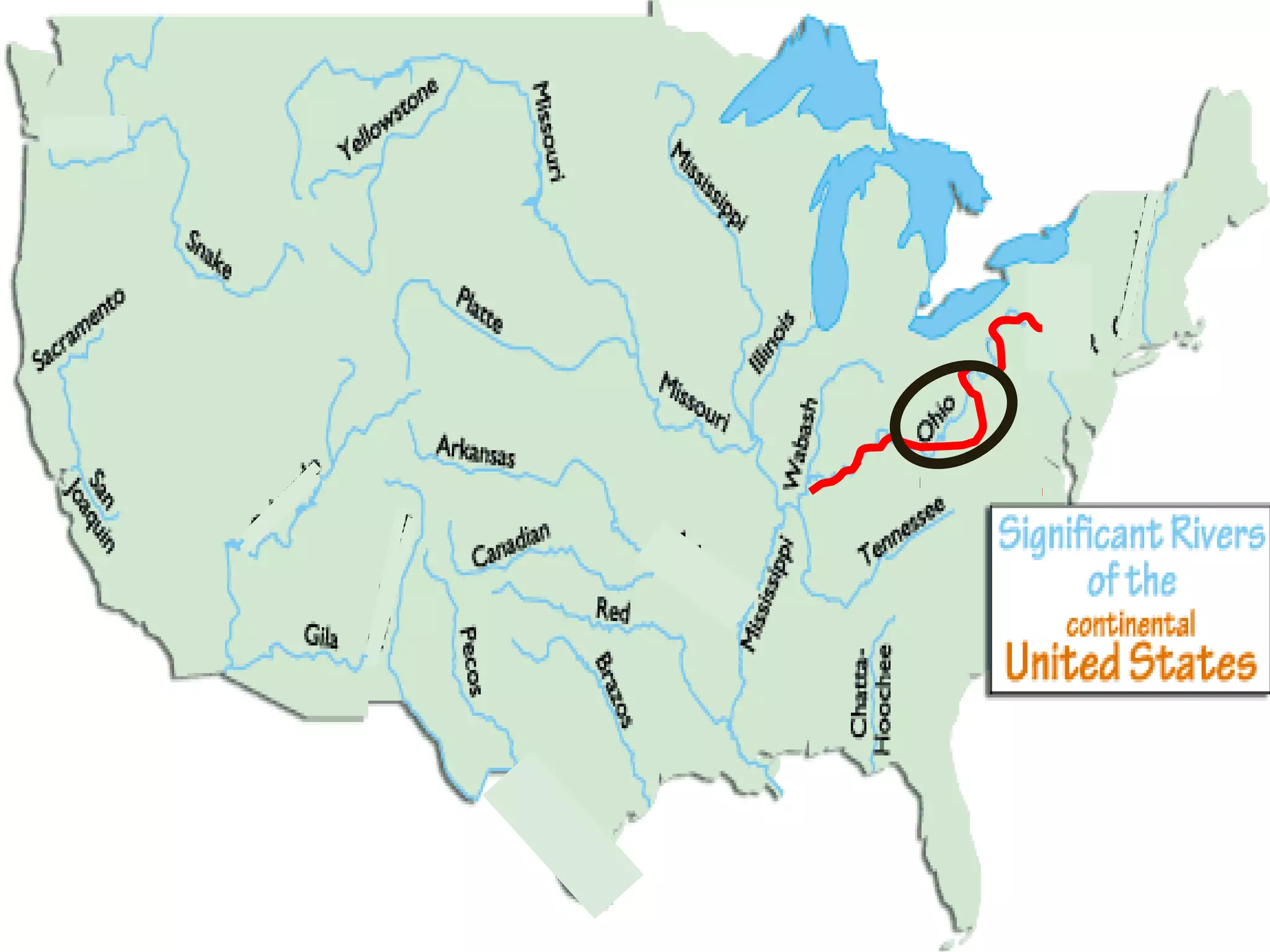
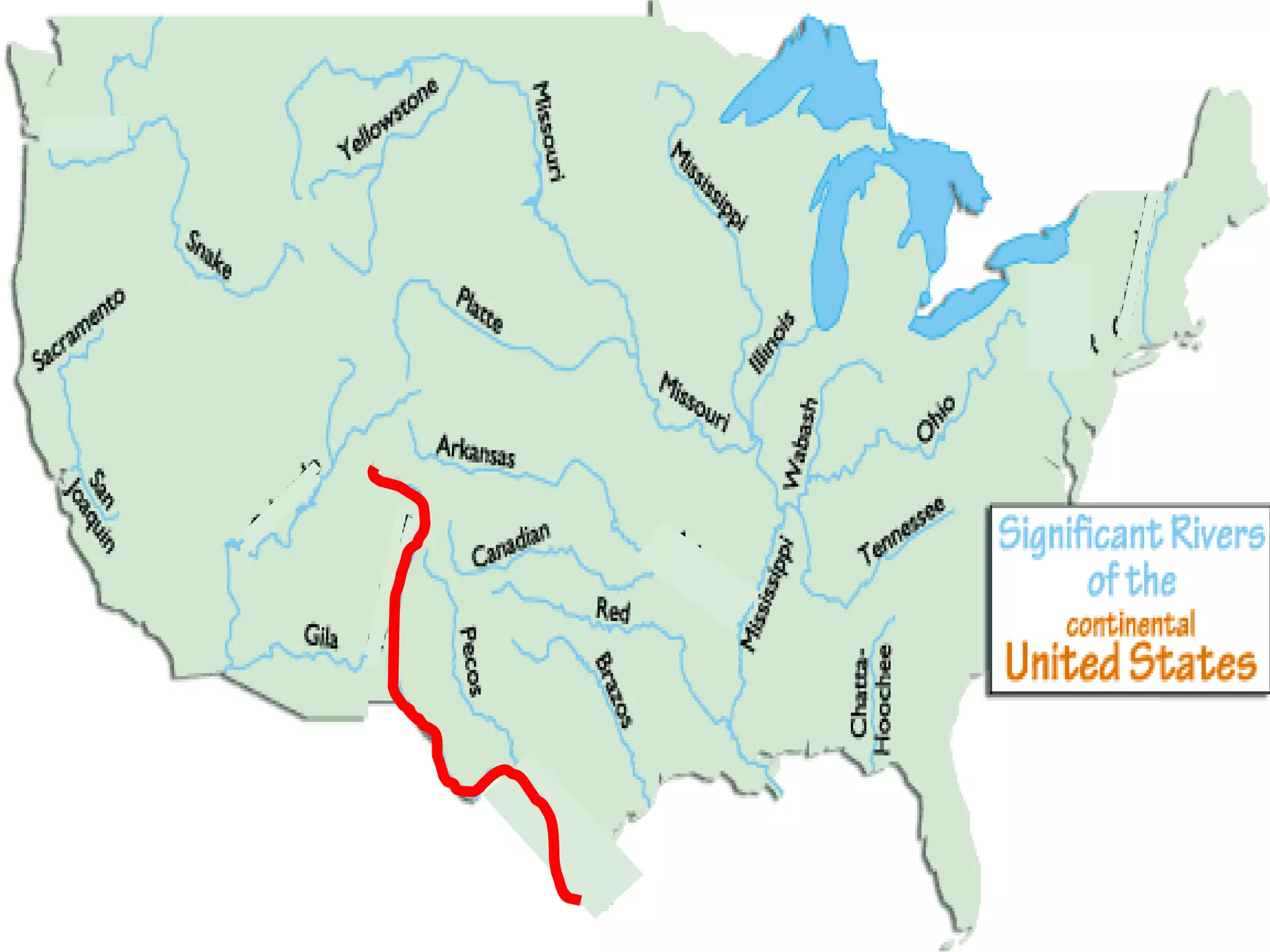
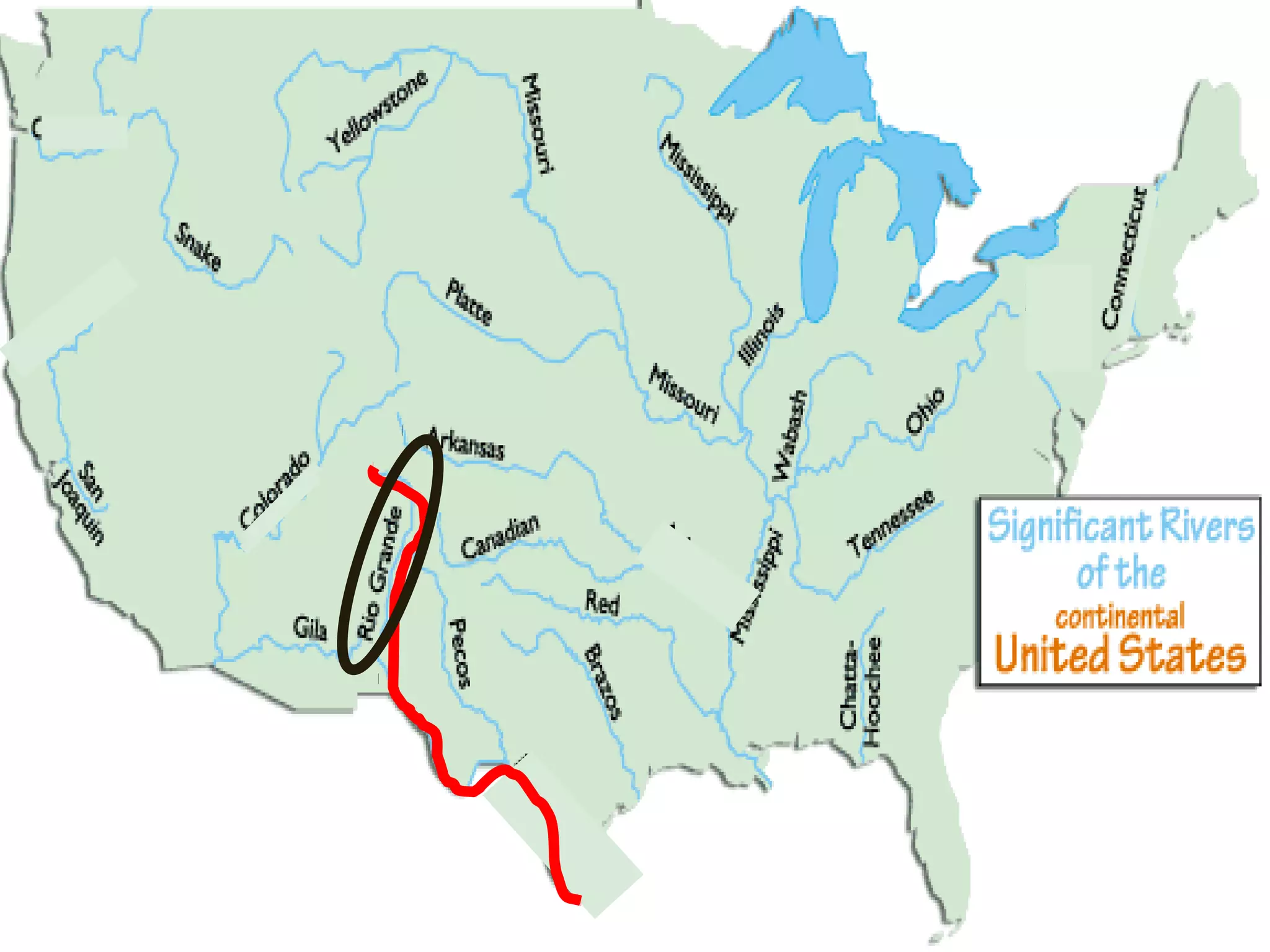
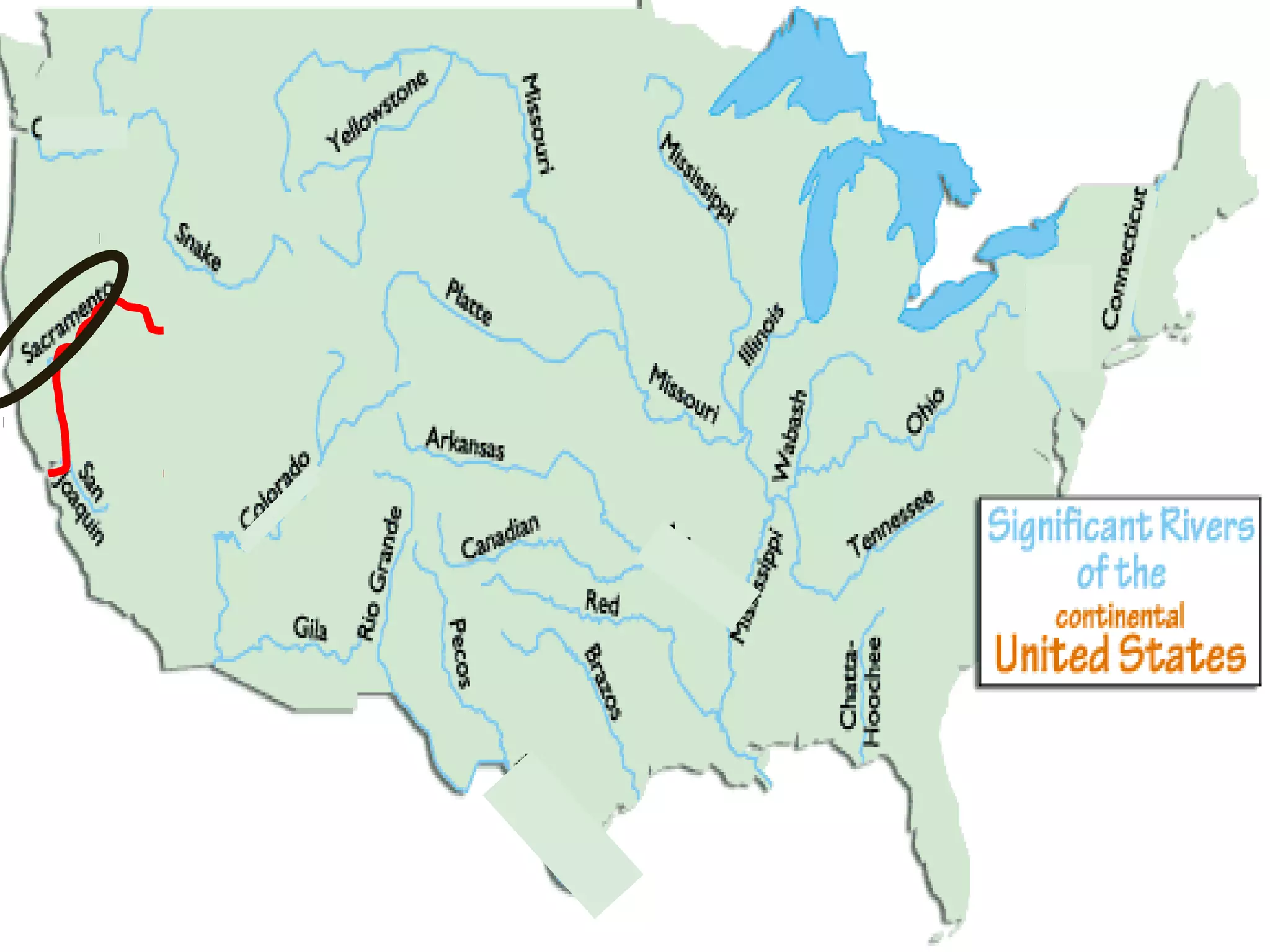
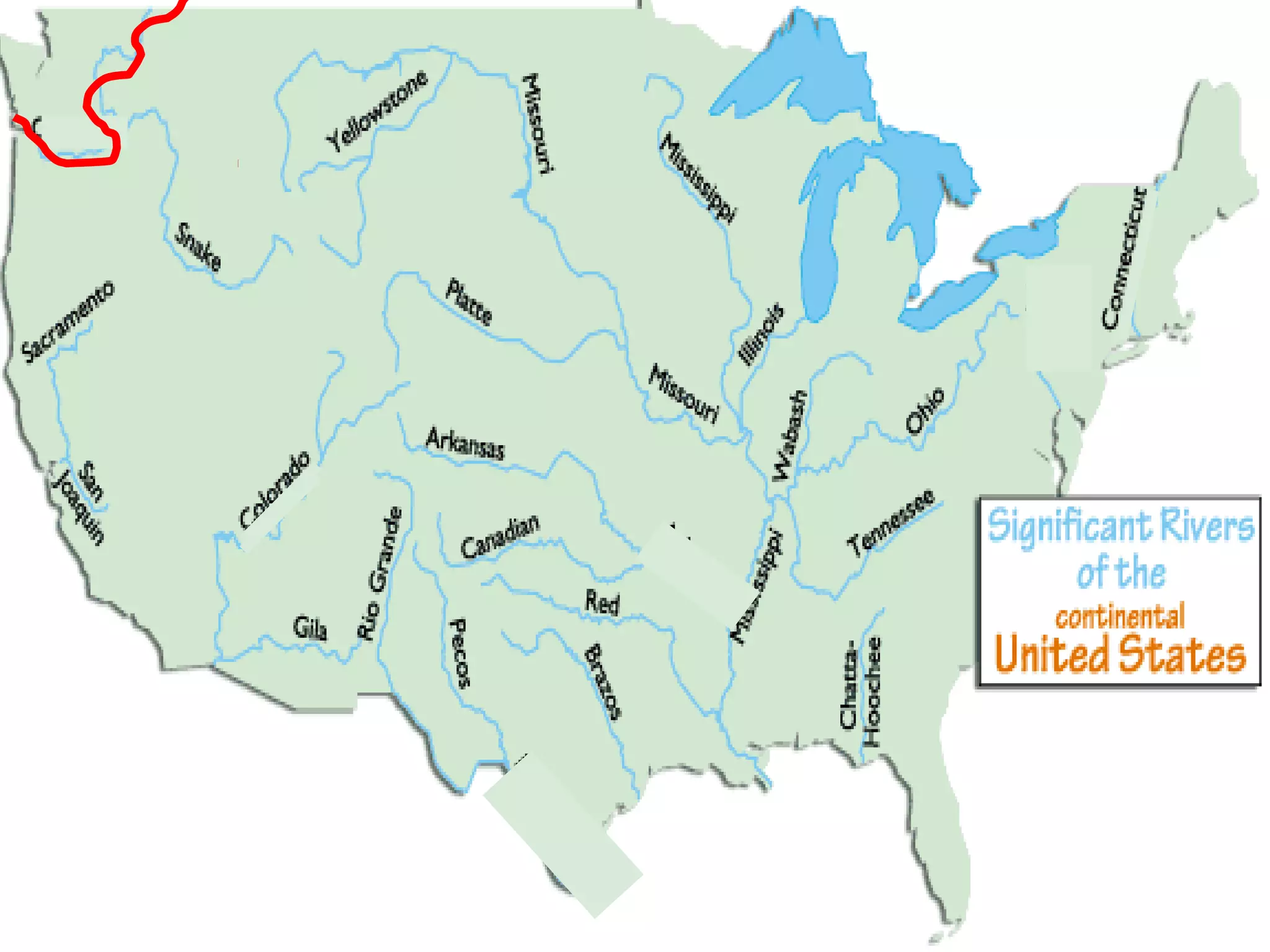
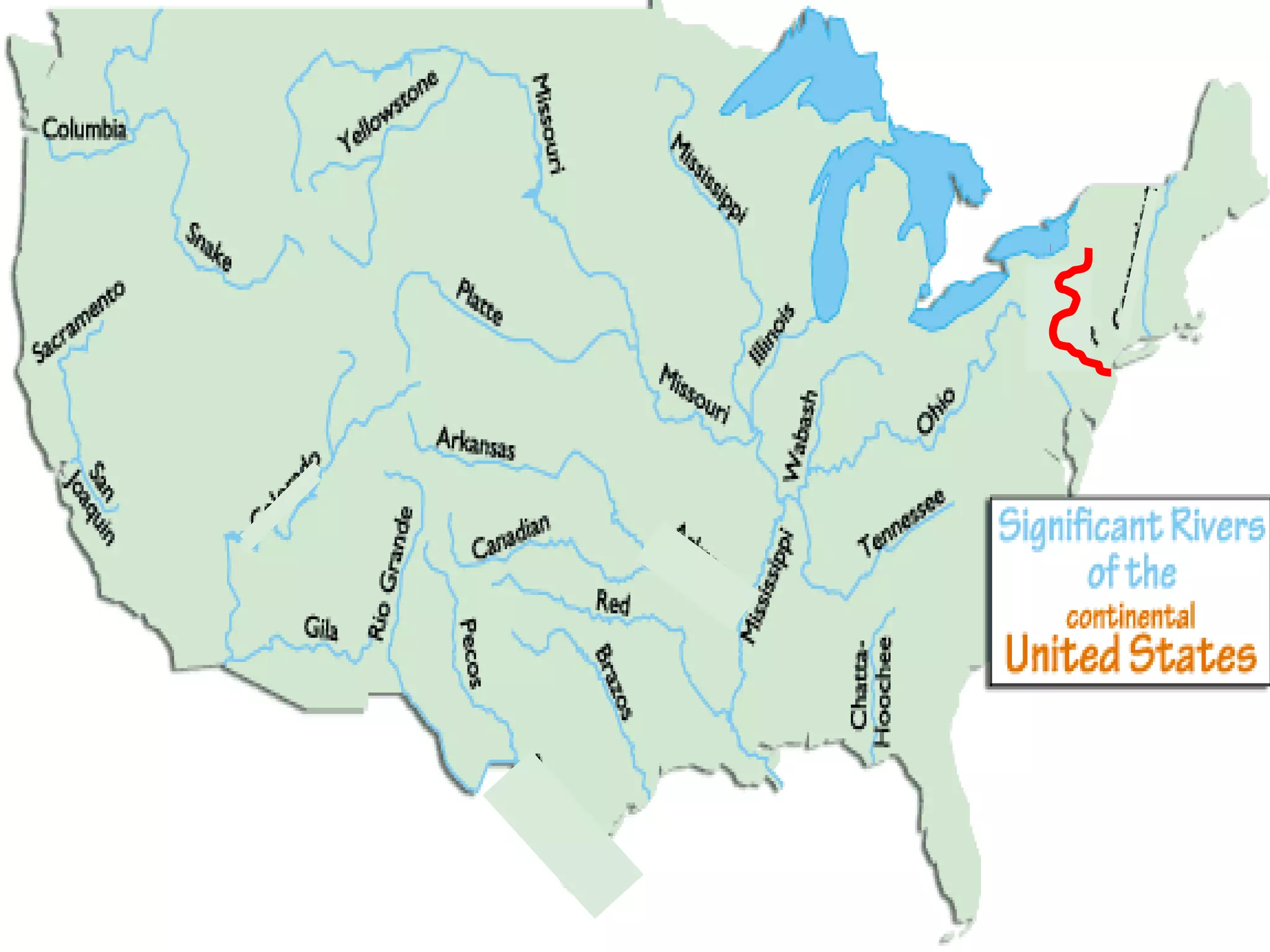
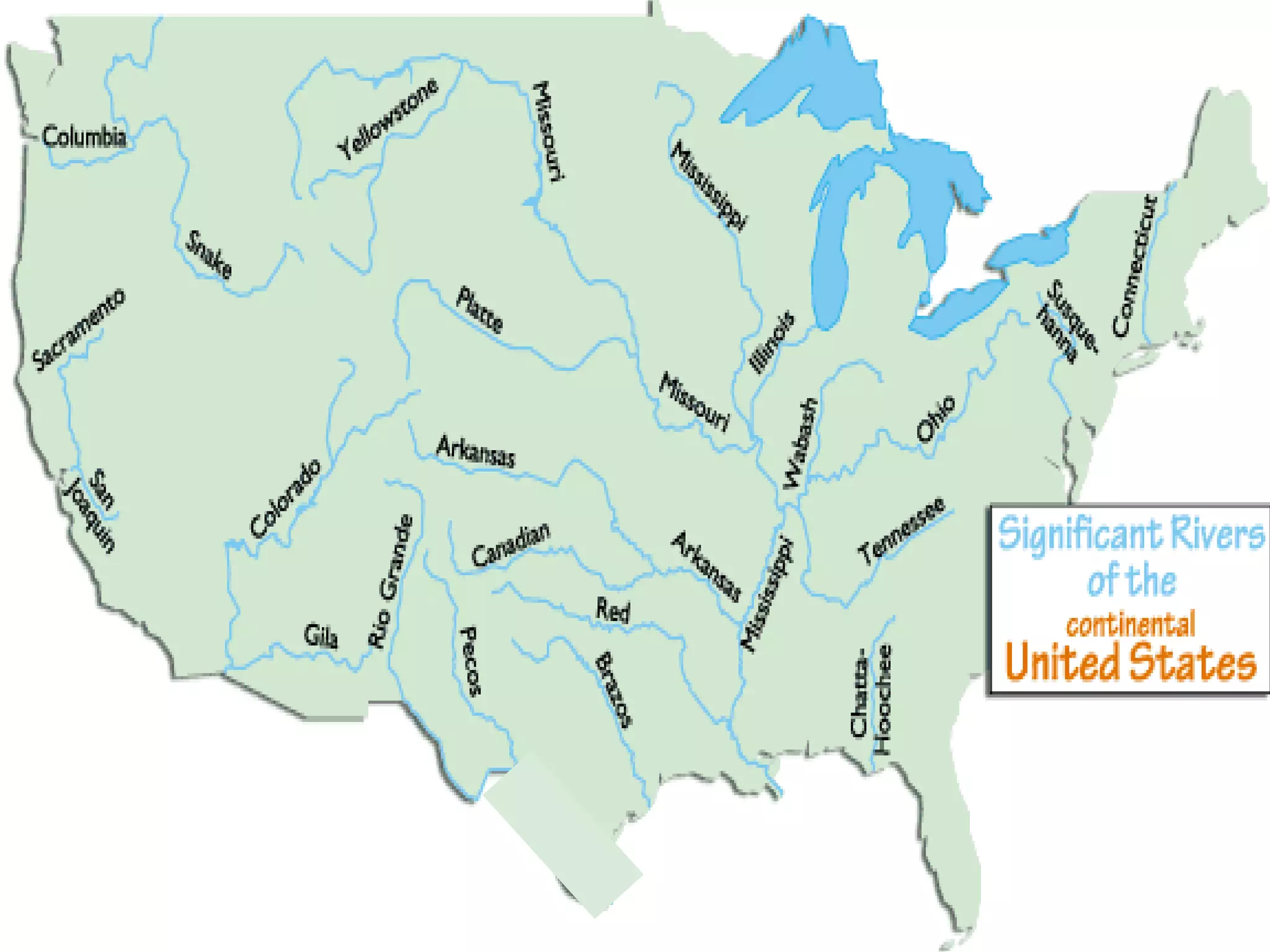
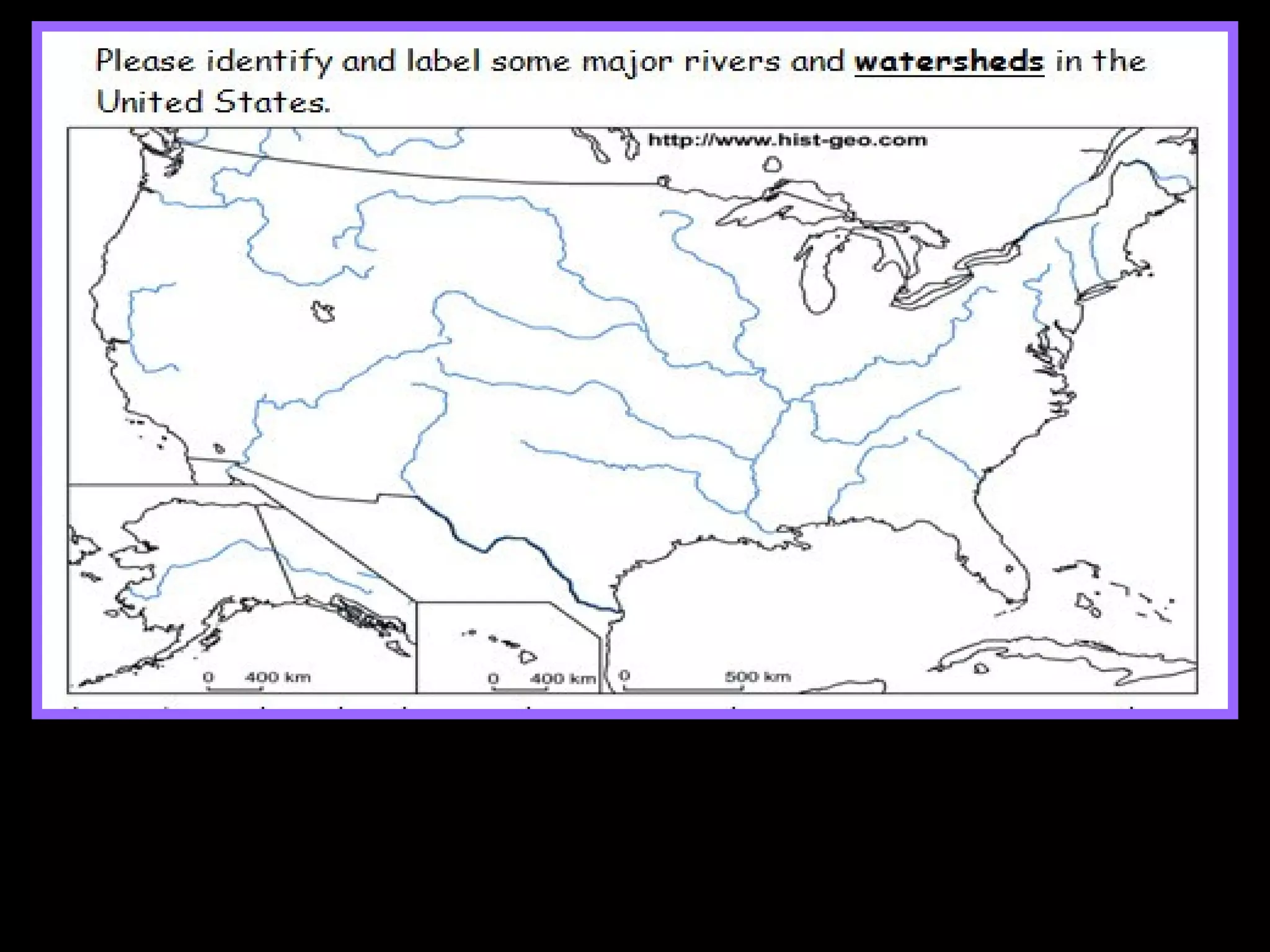
• What are some of the major rivers in the
United States?
Copyright © 2010 Ryan P. Murphy
Next
Next
Next
Next
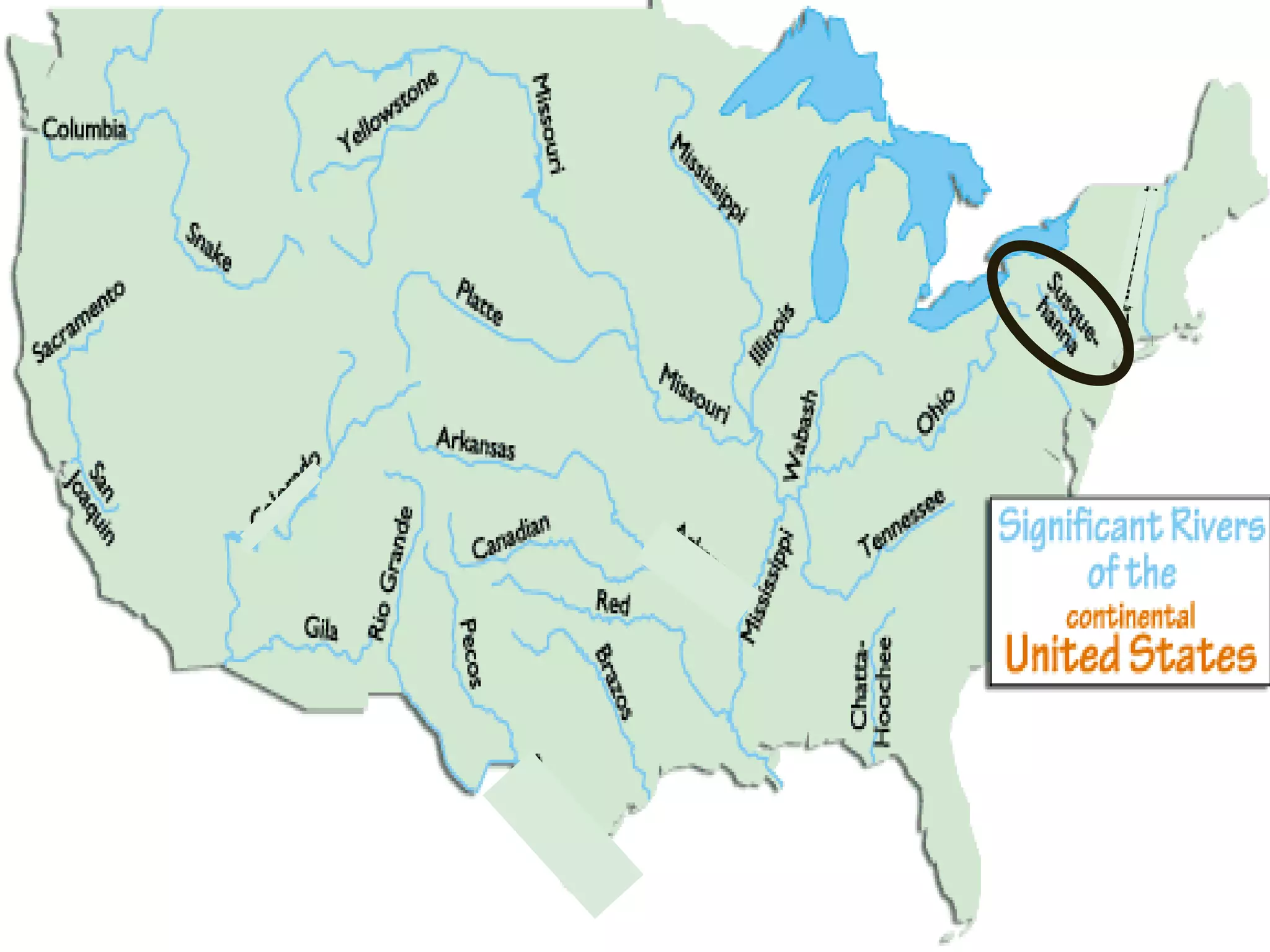
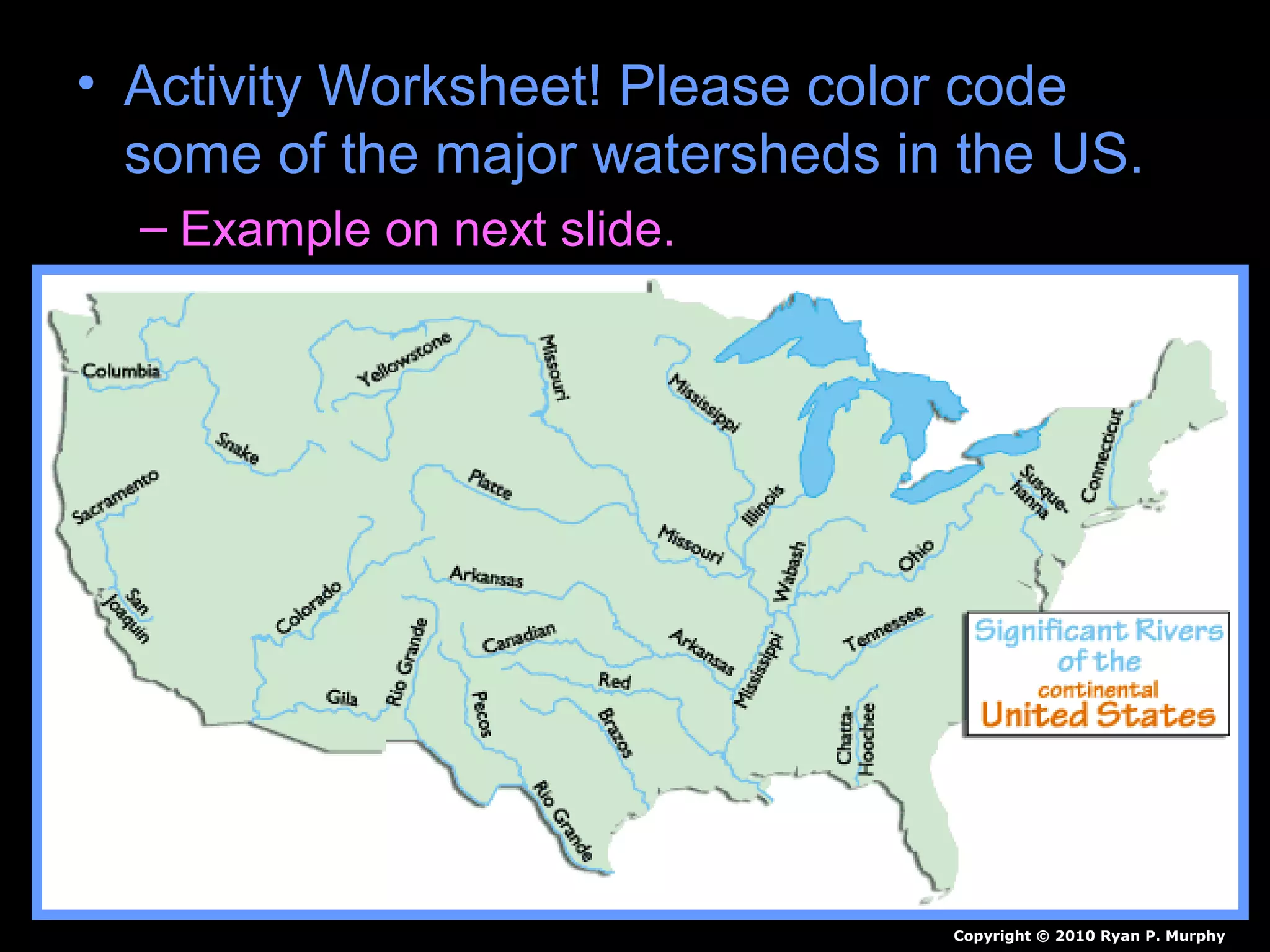
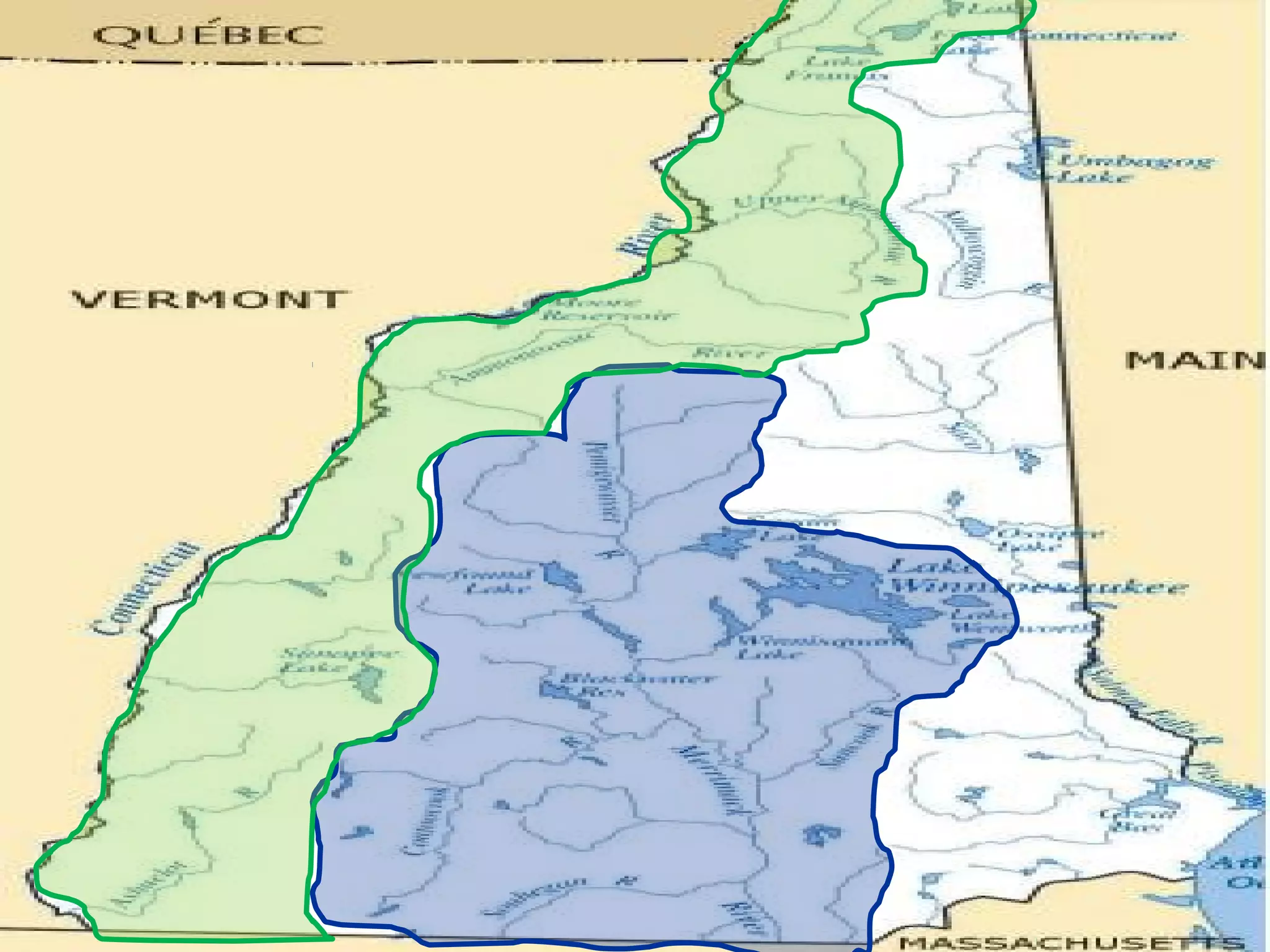
• Activity Worksheet! Please color code
some of the major watersheds in the US.
– Example on next slide.
Copyright © 2010 Ryan P. Murphy
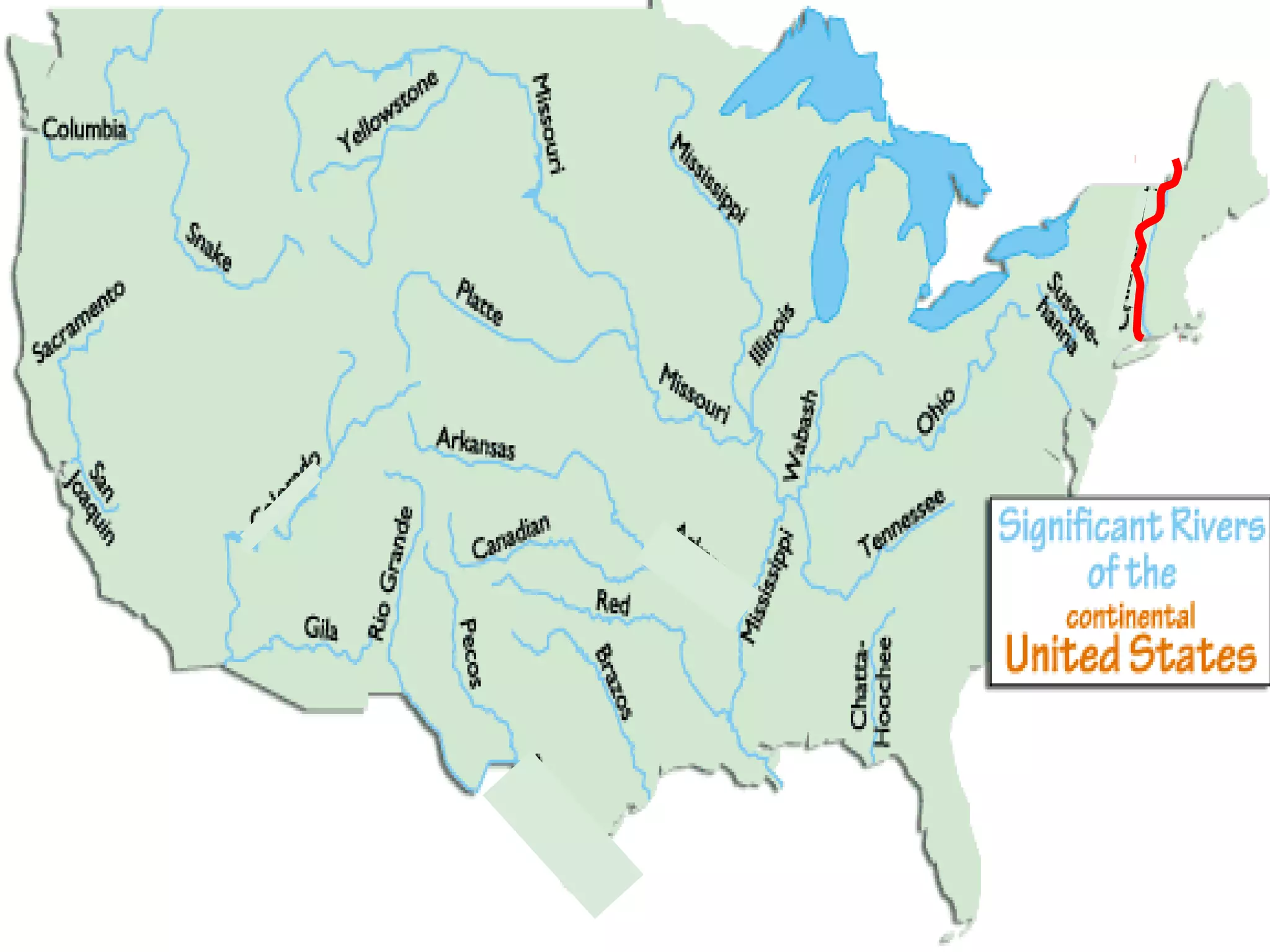
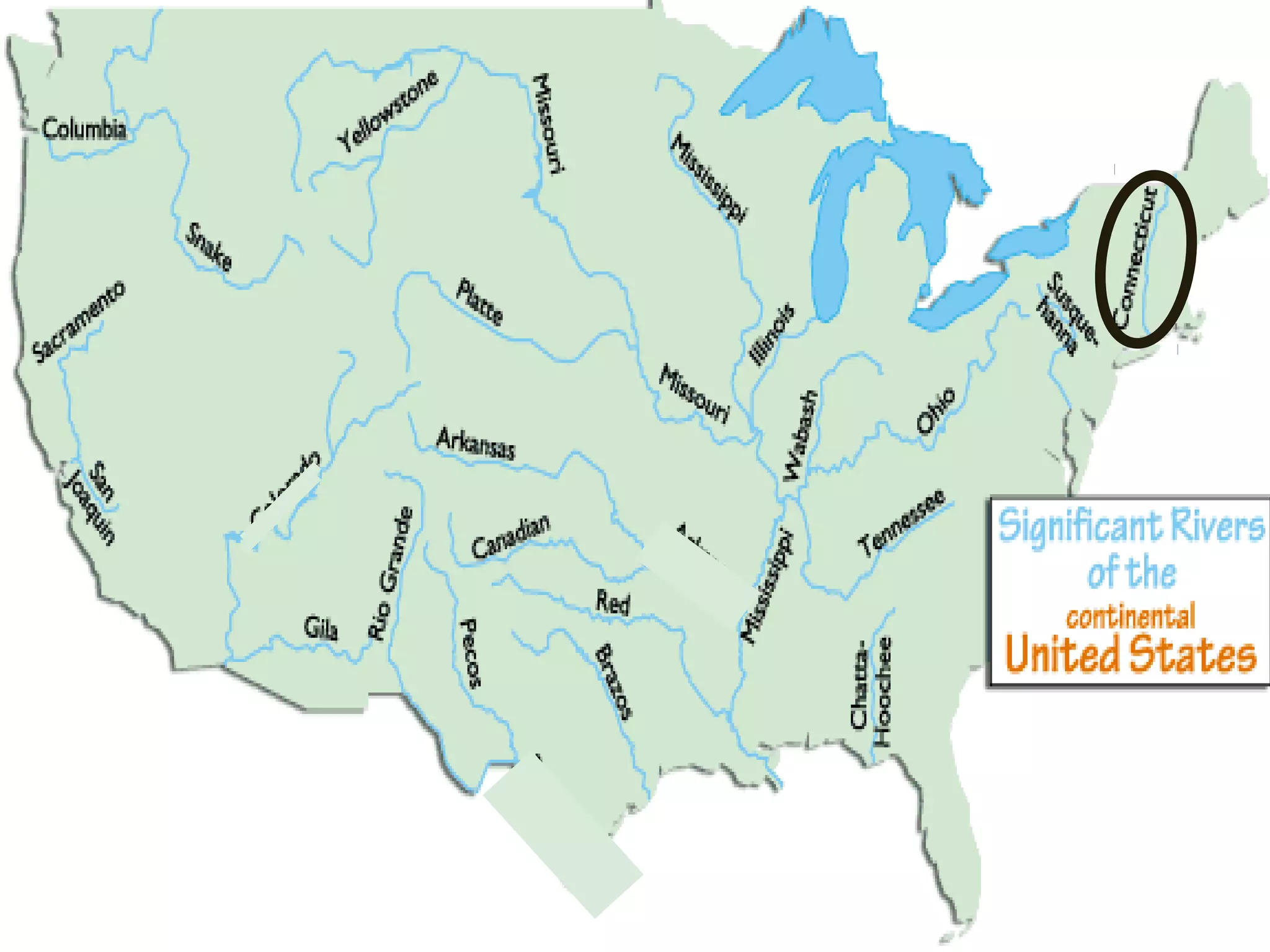
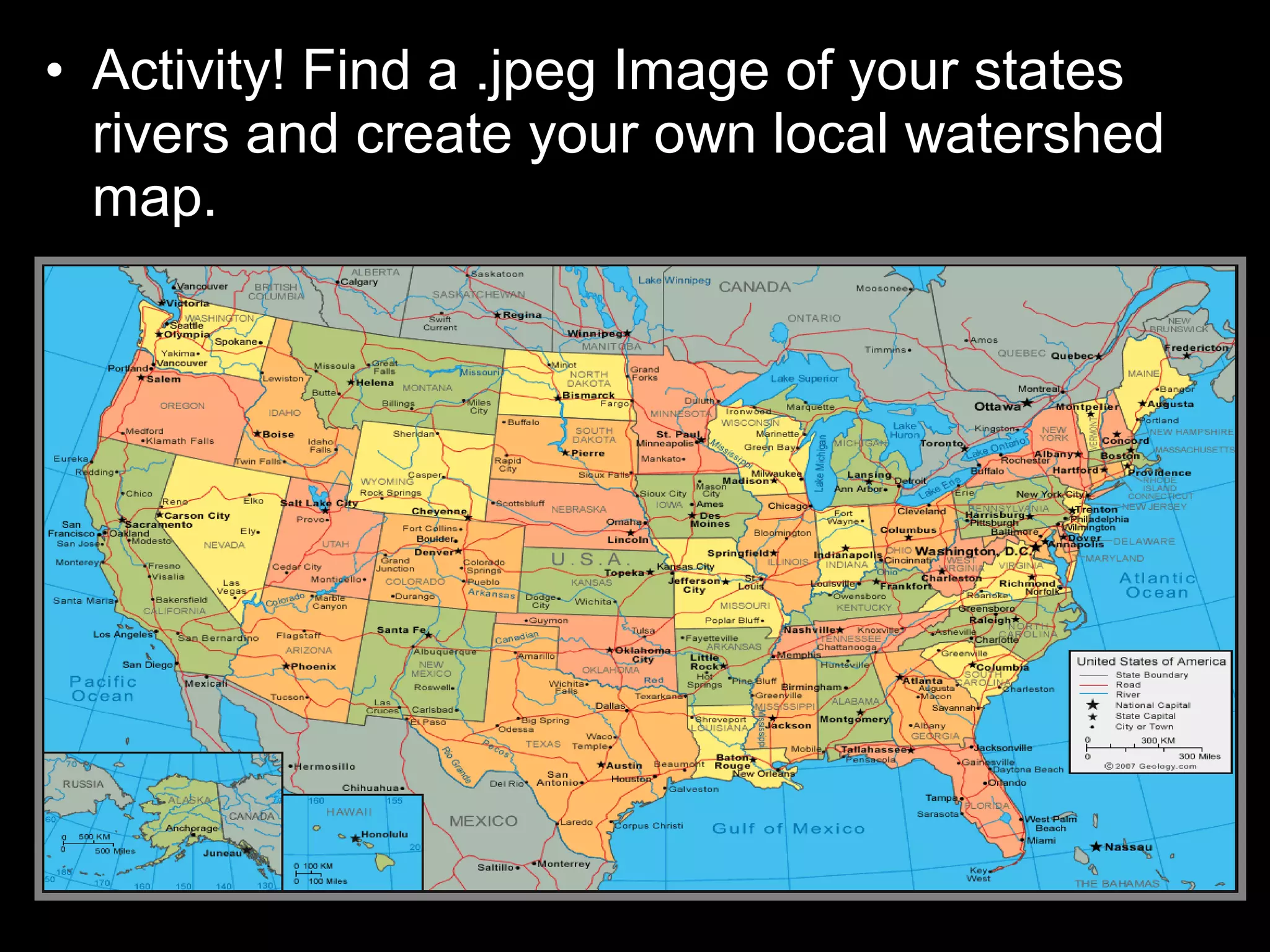
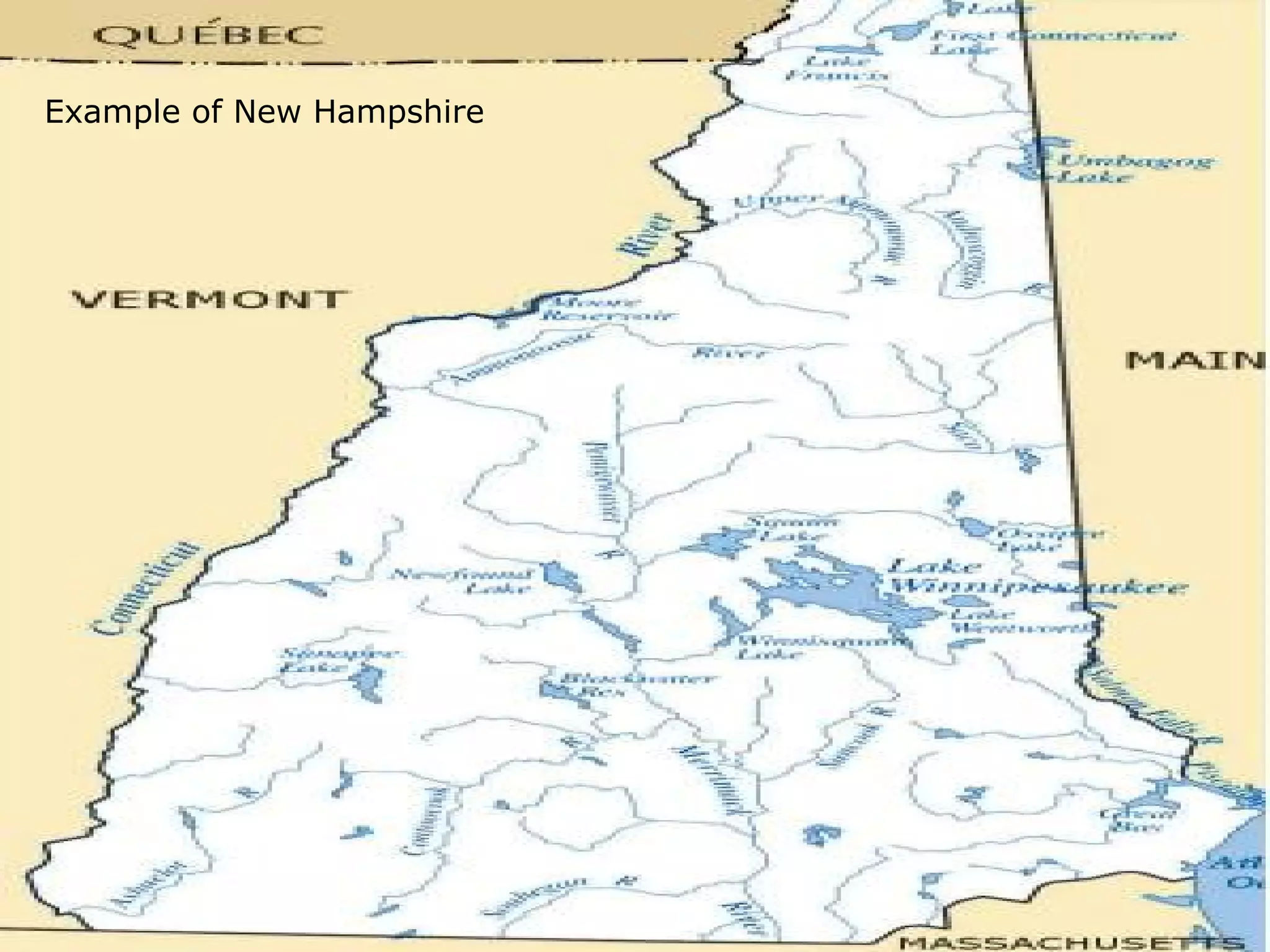
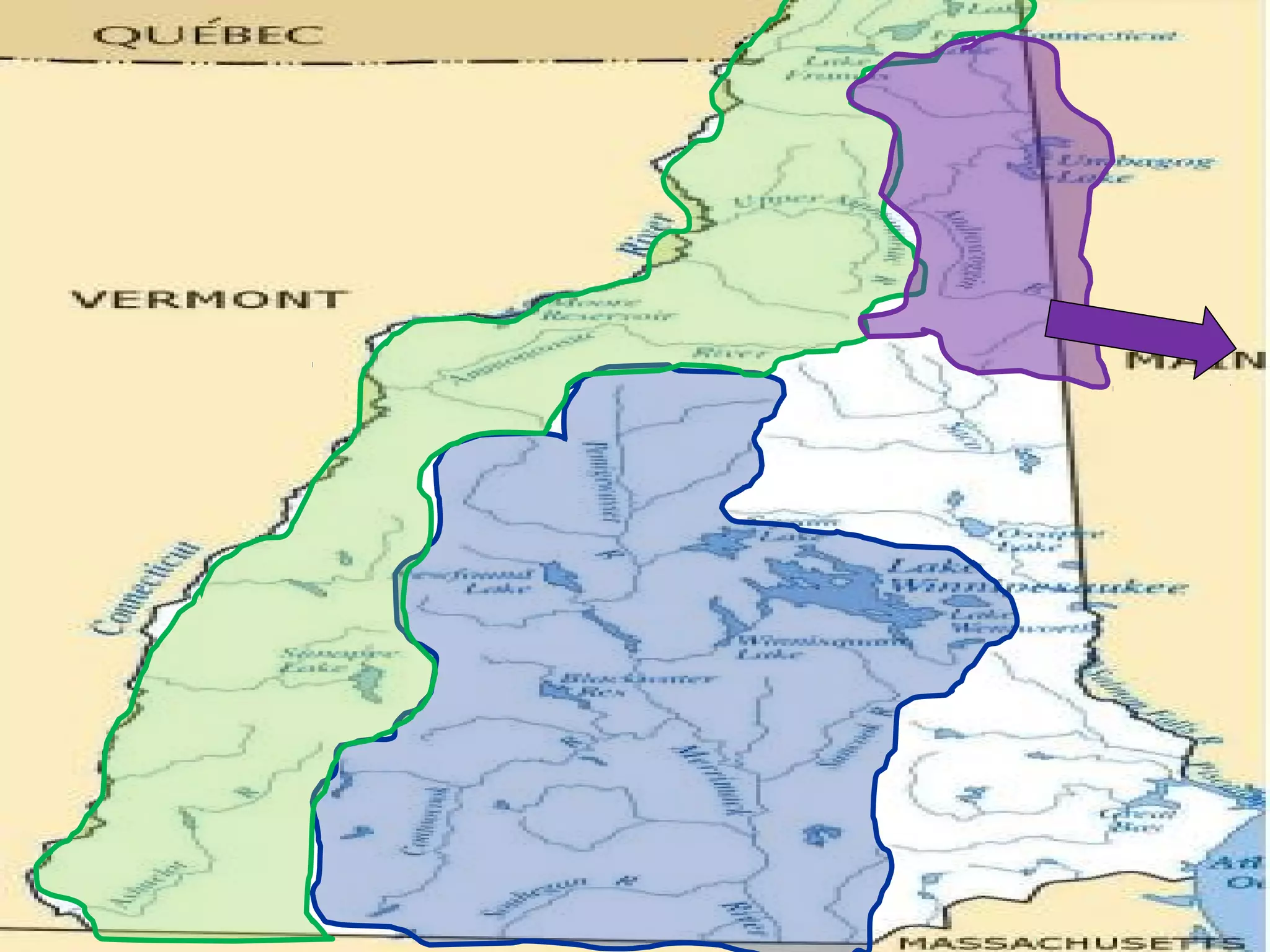
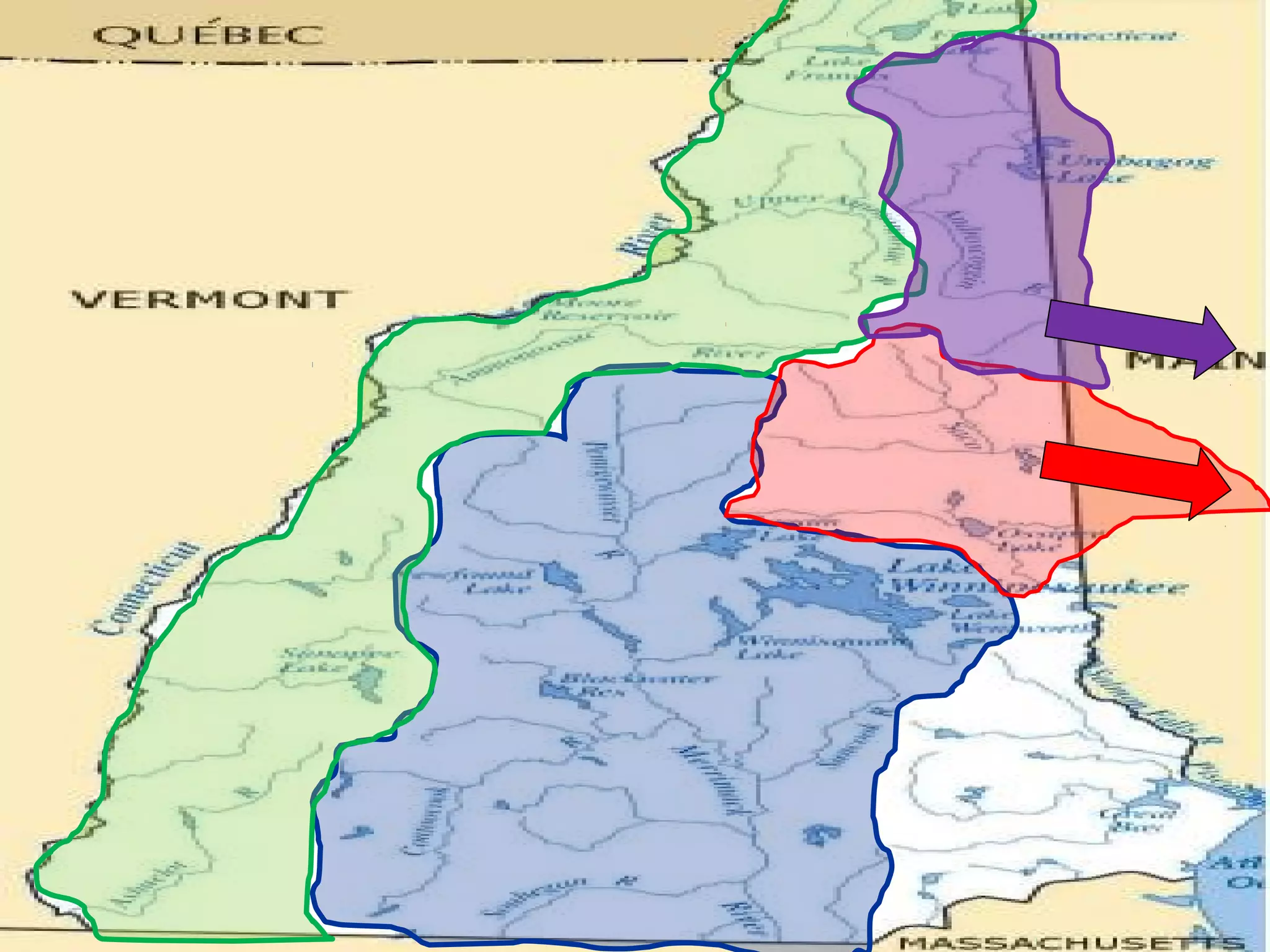
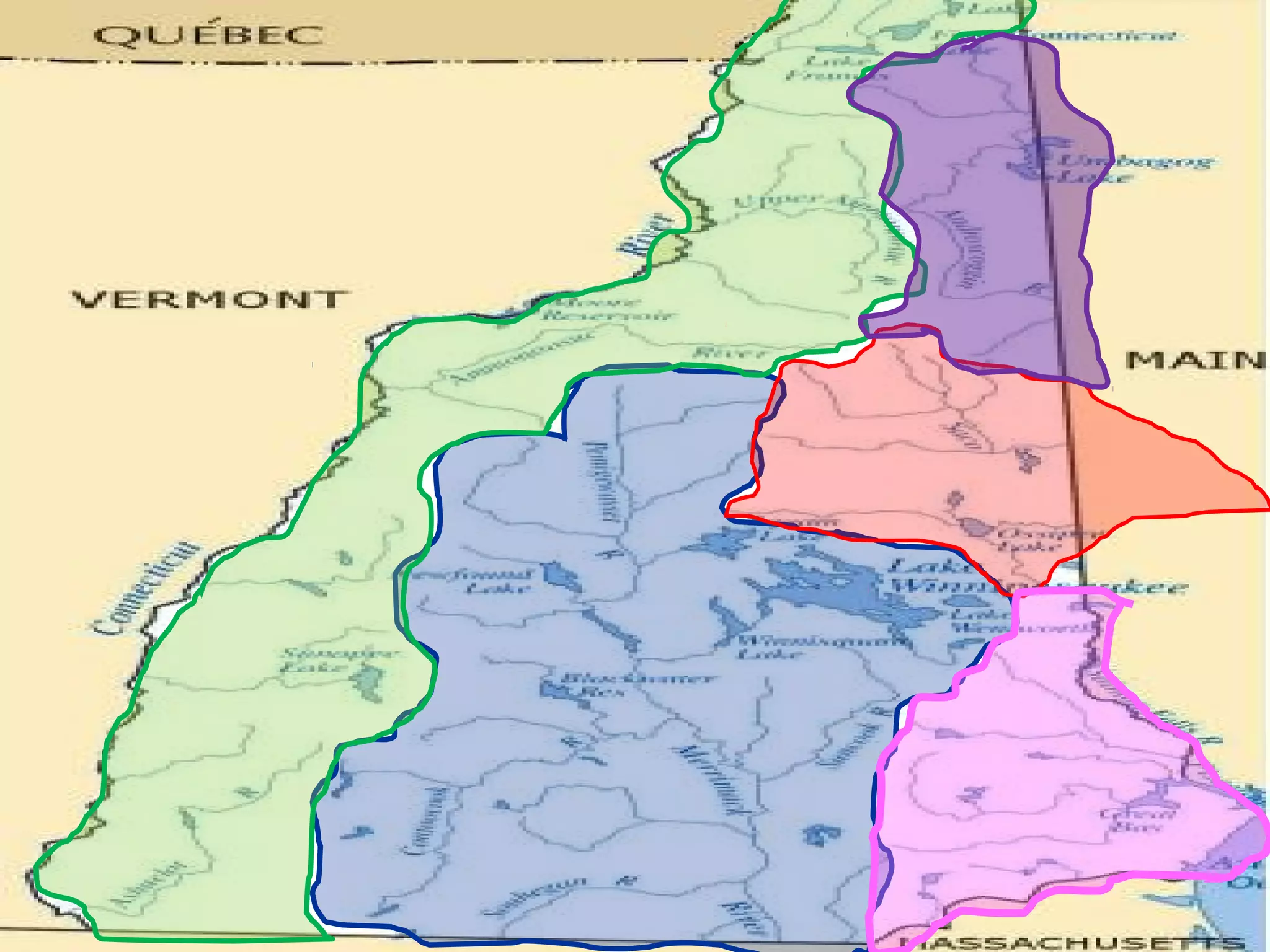
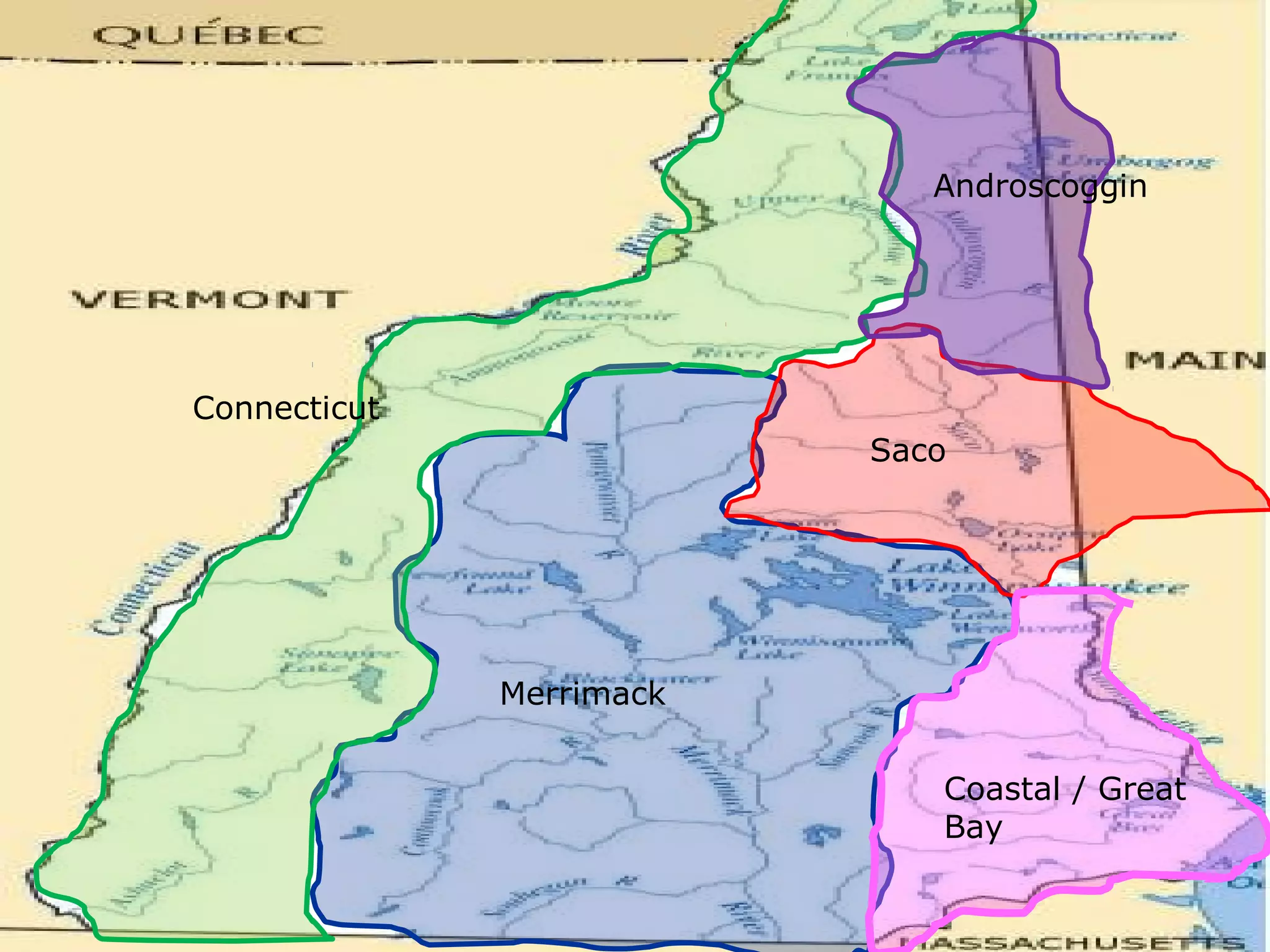
• Activity! Find a .jpeg Image of your states
rivers and create your own local watershed
map.
Example of New Hampshire
Connecticut
Merrimack
Androscoggin
Saco
Coastal / Great
Bay
• You can now complete this question.
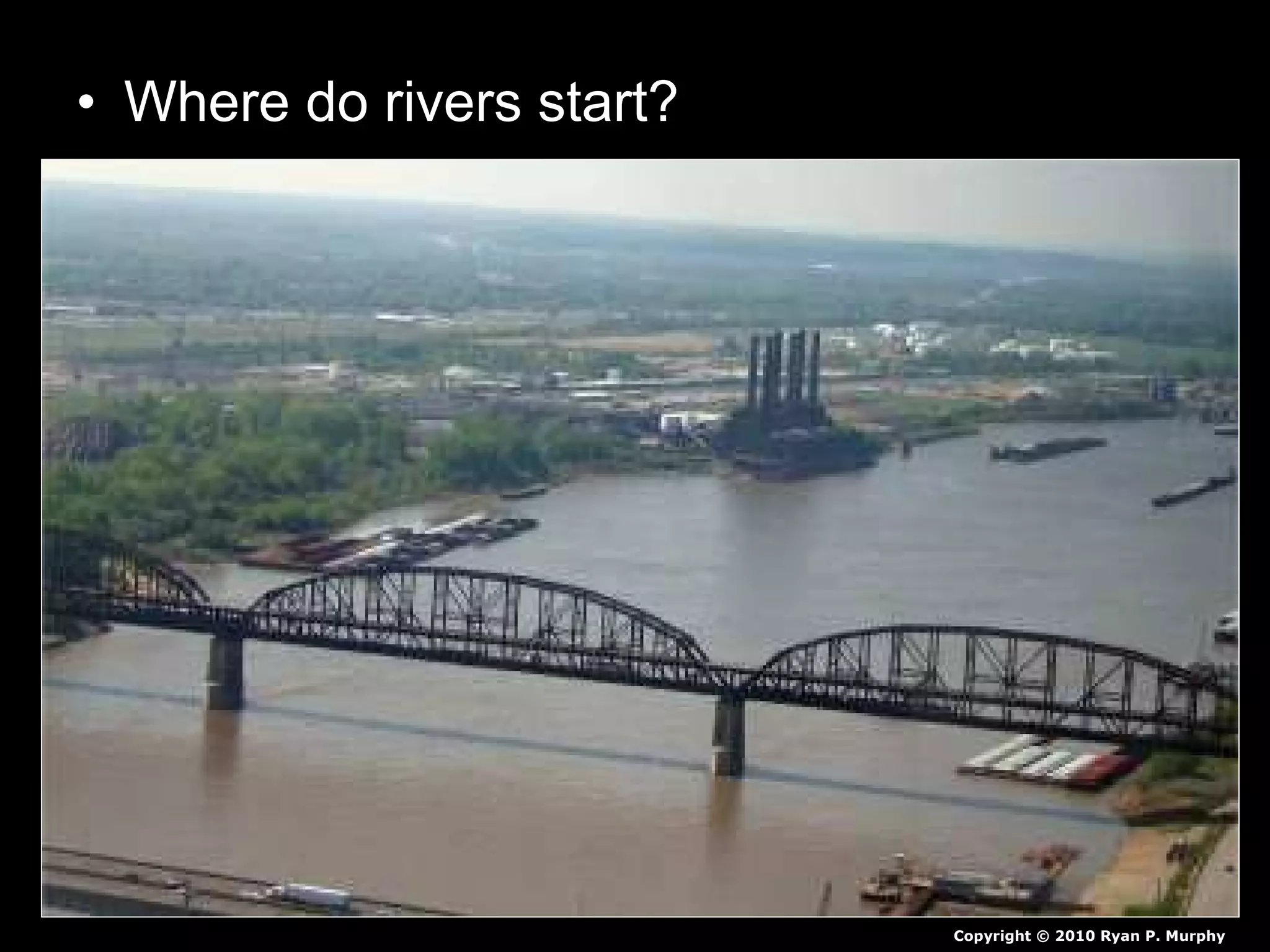
• Where do rivers start?
Copyright © 2010 Ryan P. Murphy
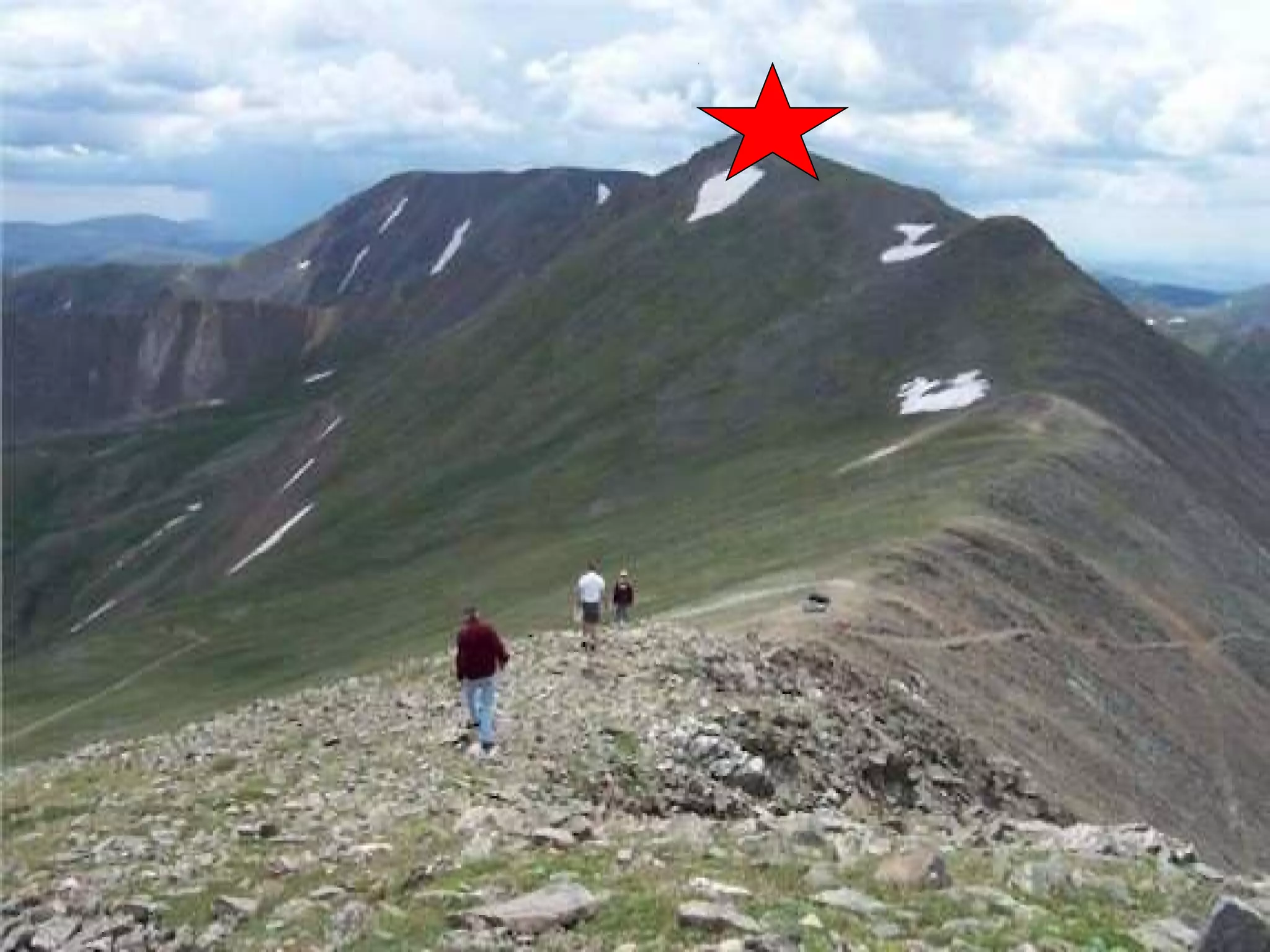
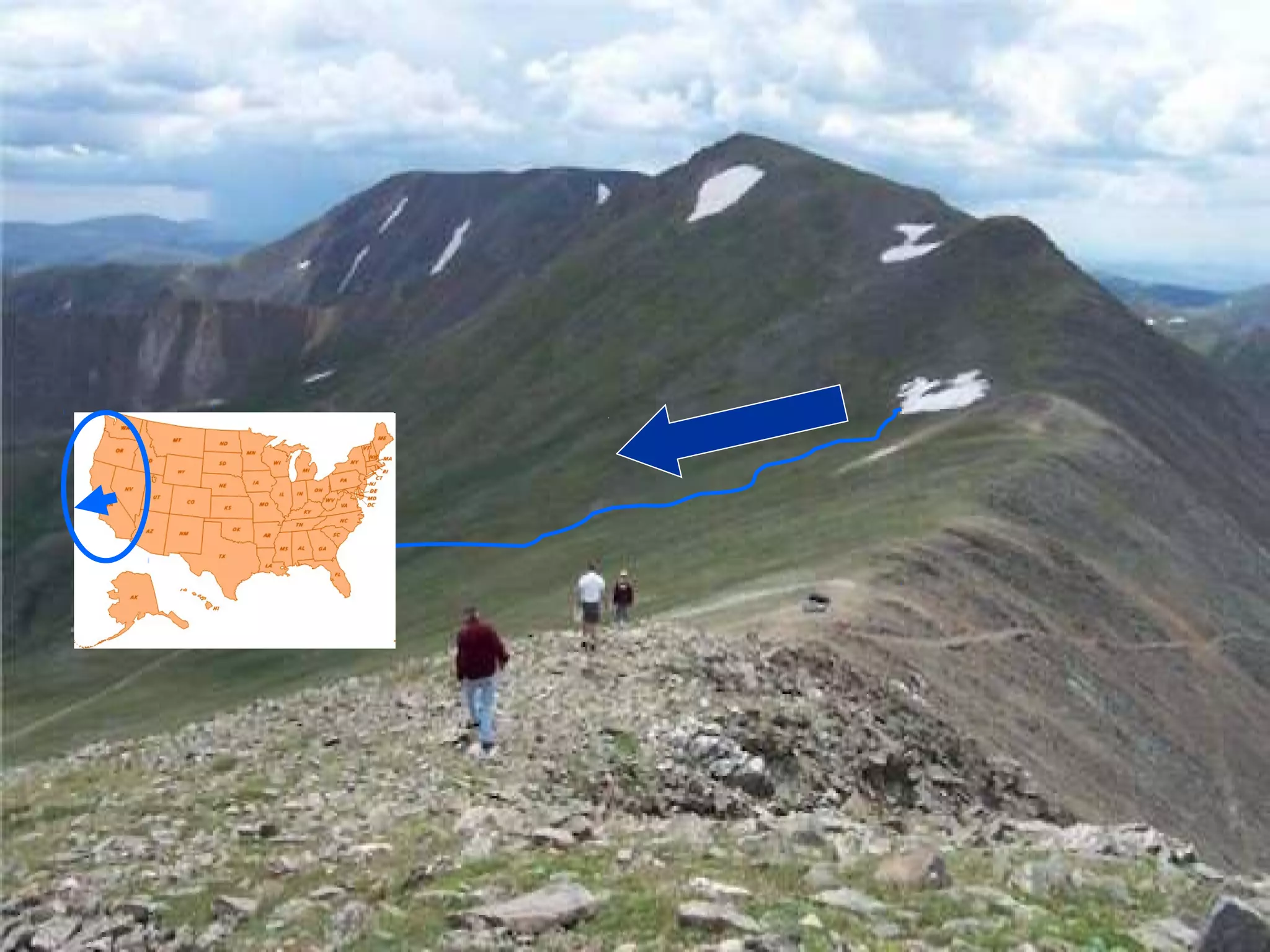
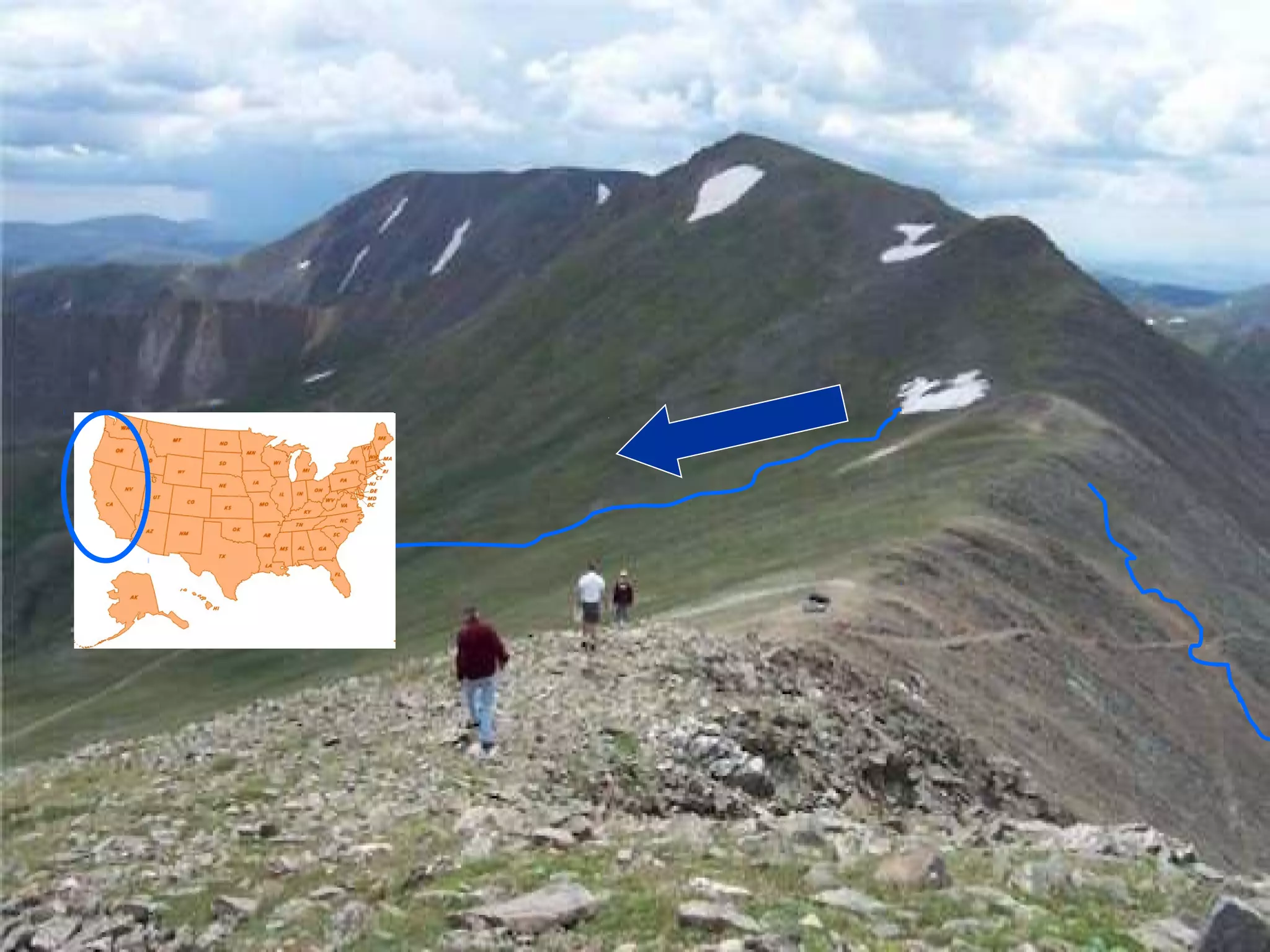
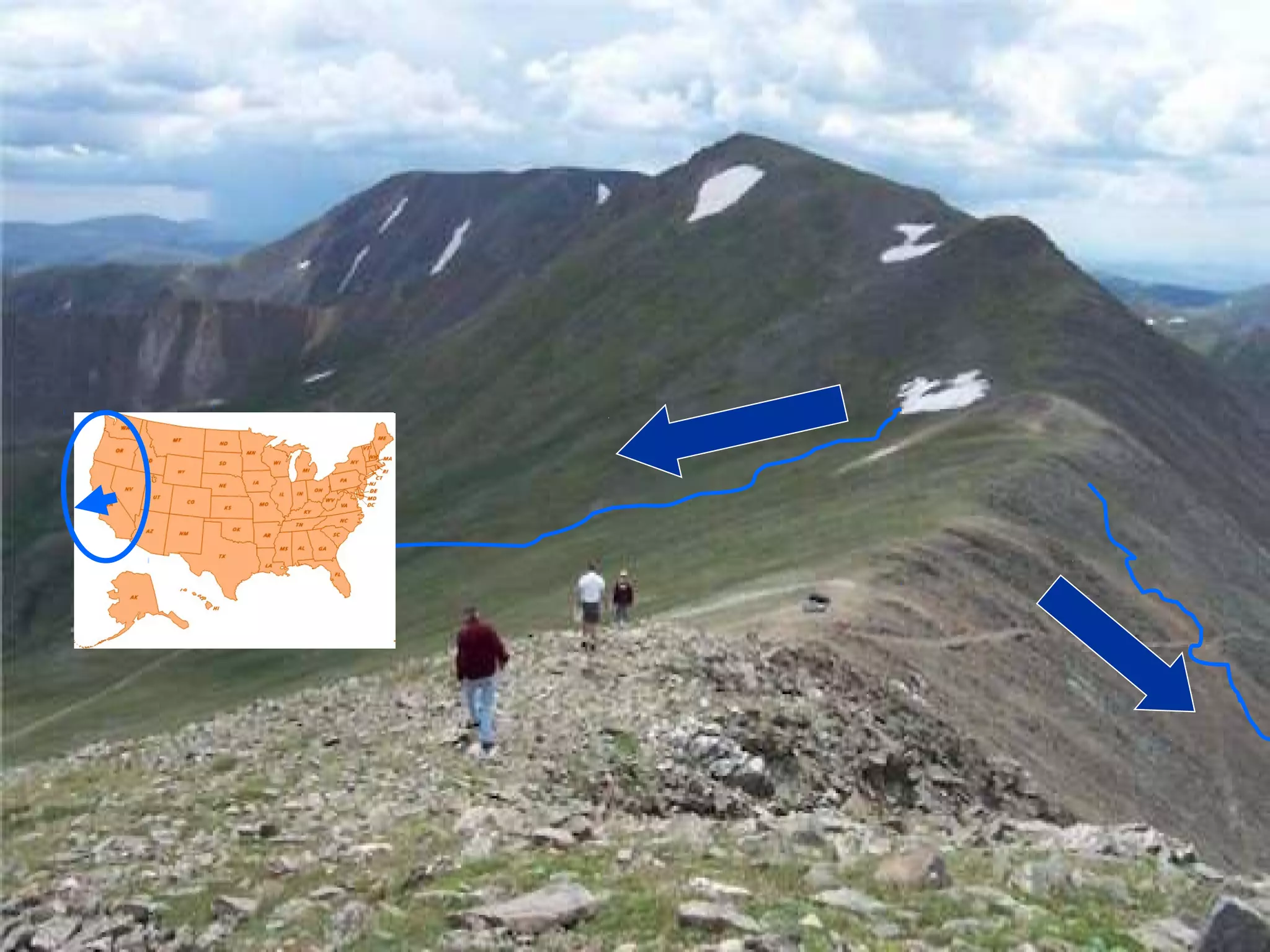
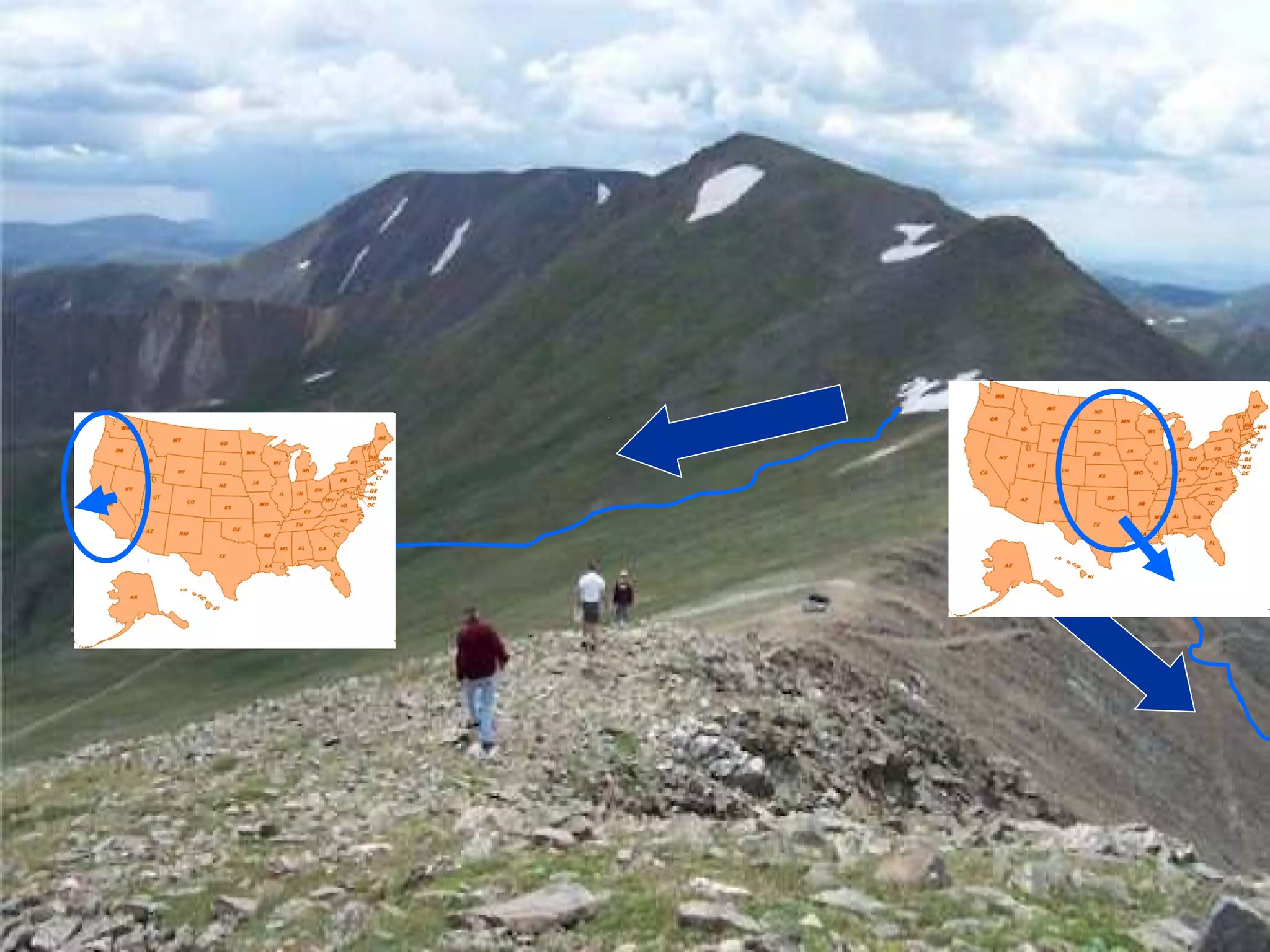
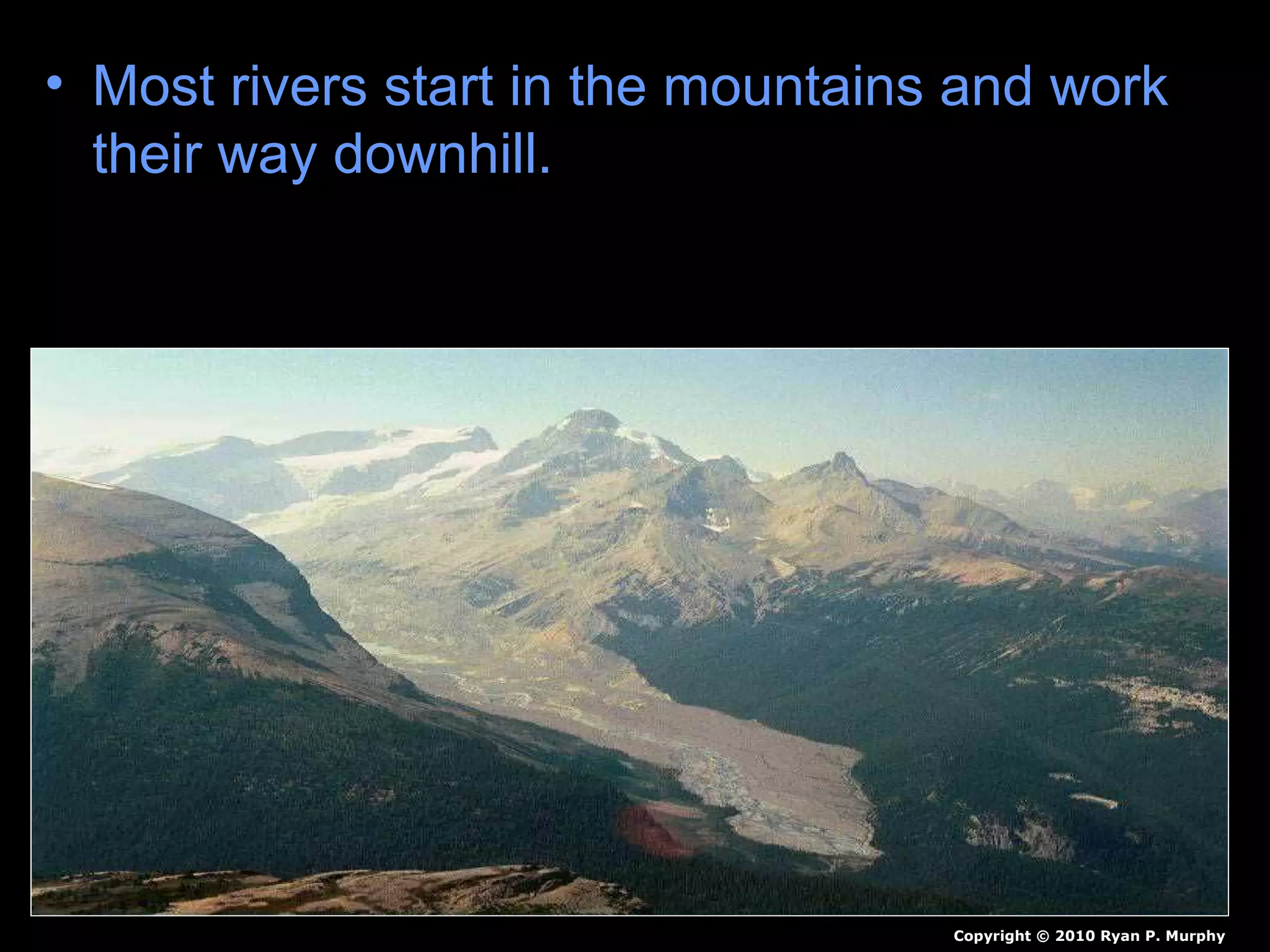
• Most rivers start in the mountains and work
their way downhill.
Copyright © 2010 Ryan P. Murphy
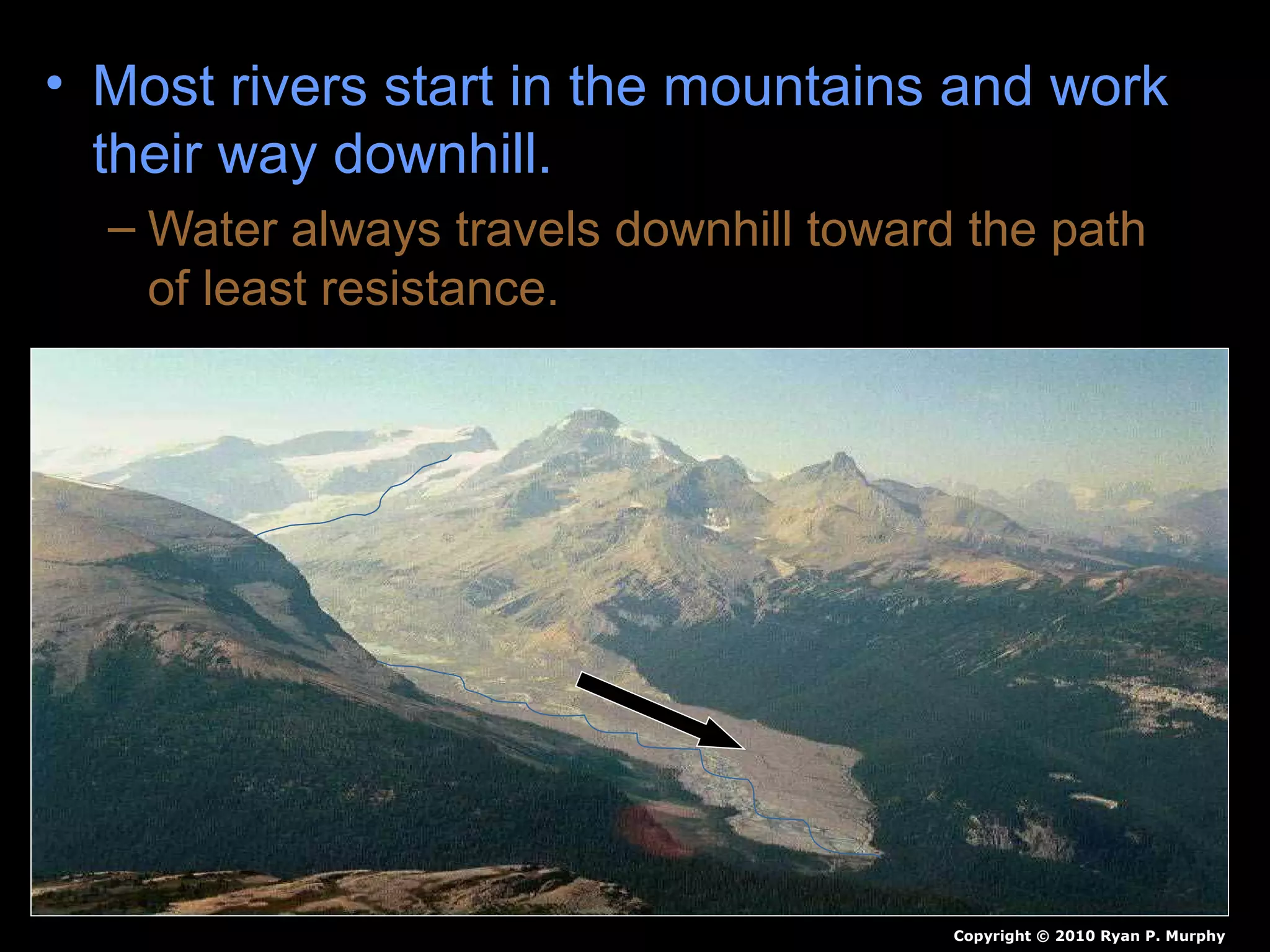
• Most rivers start in the mountains and work
their way downhill.
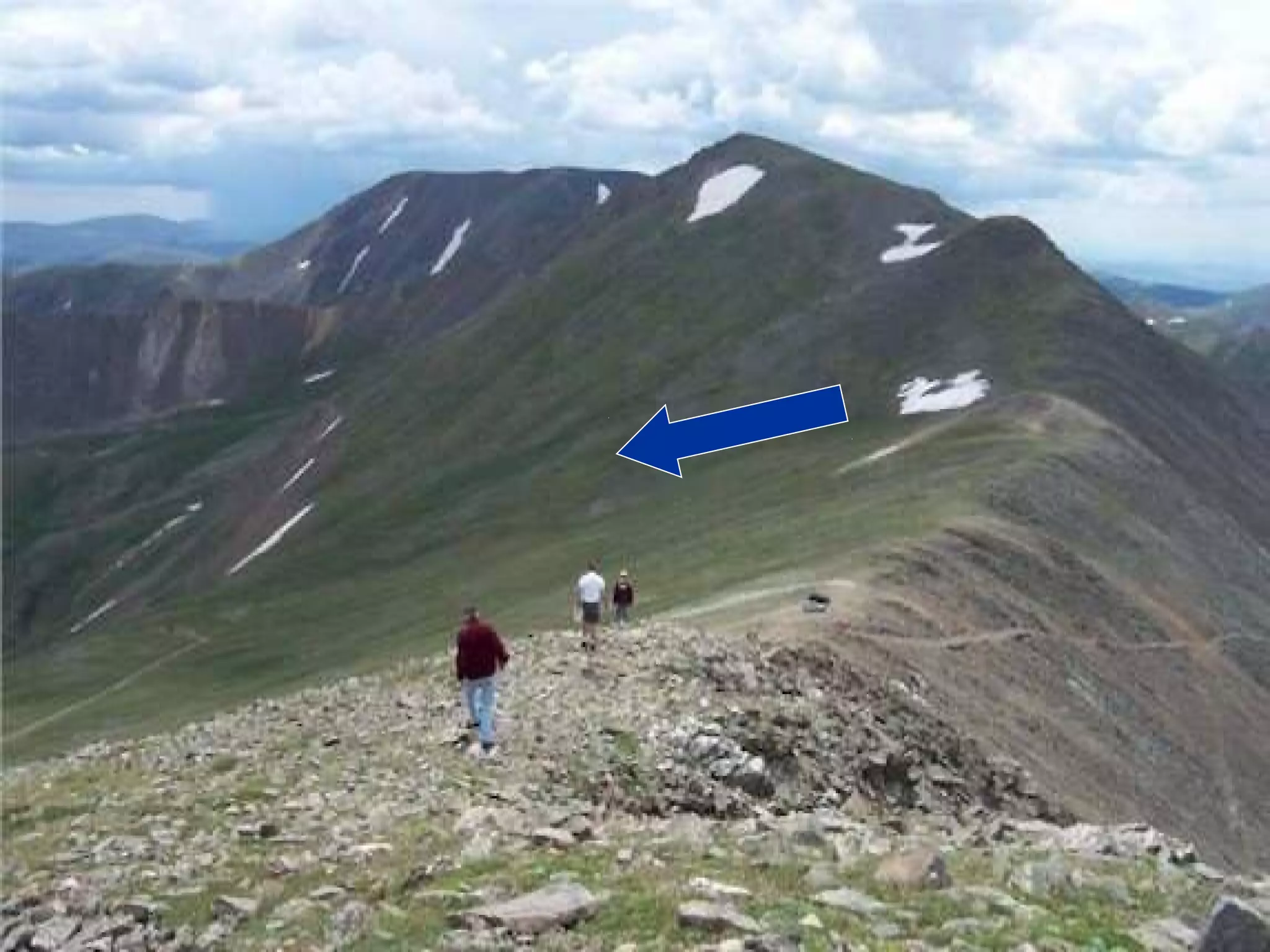
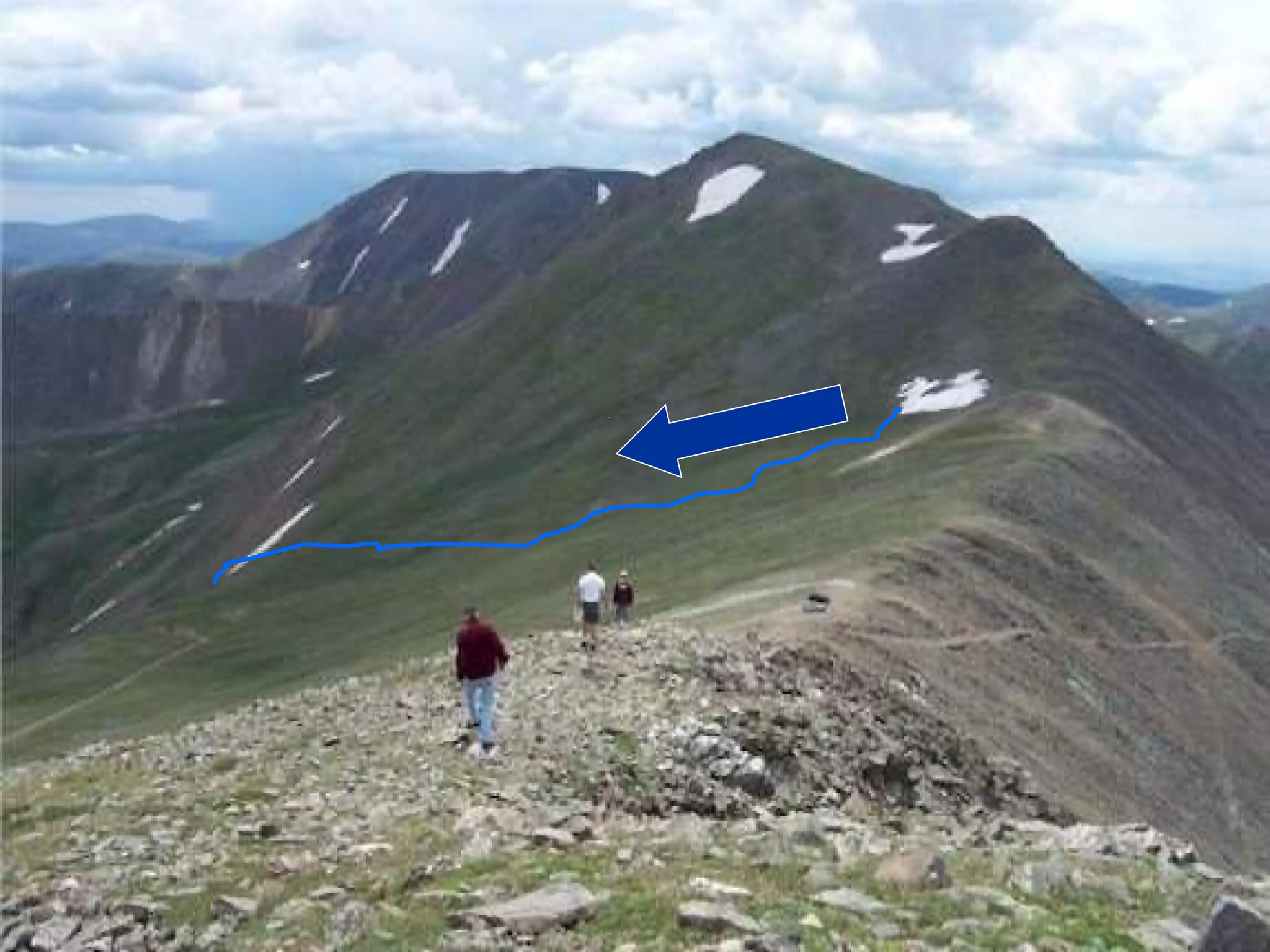
– Water always travels downhill toward the path
of least resistance.
Copyright © 2010 Ryan P. Murphy
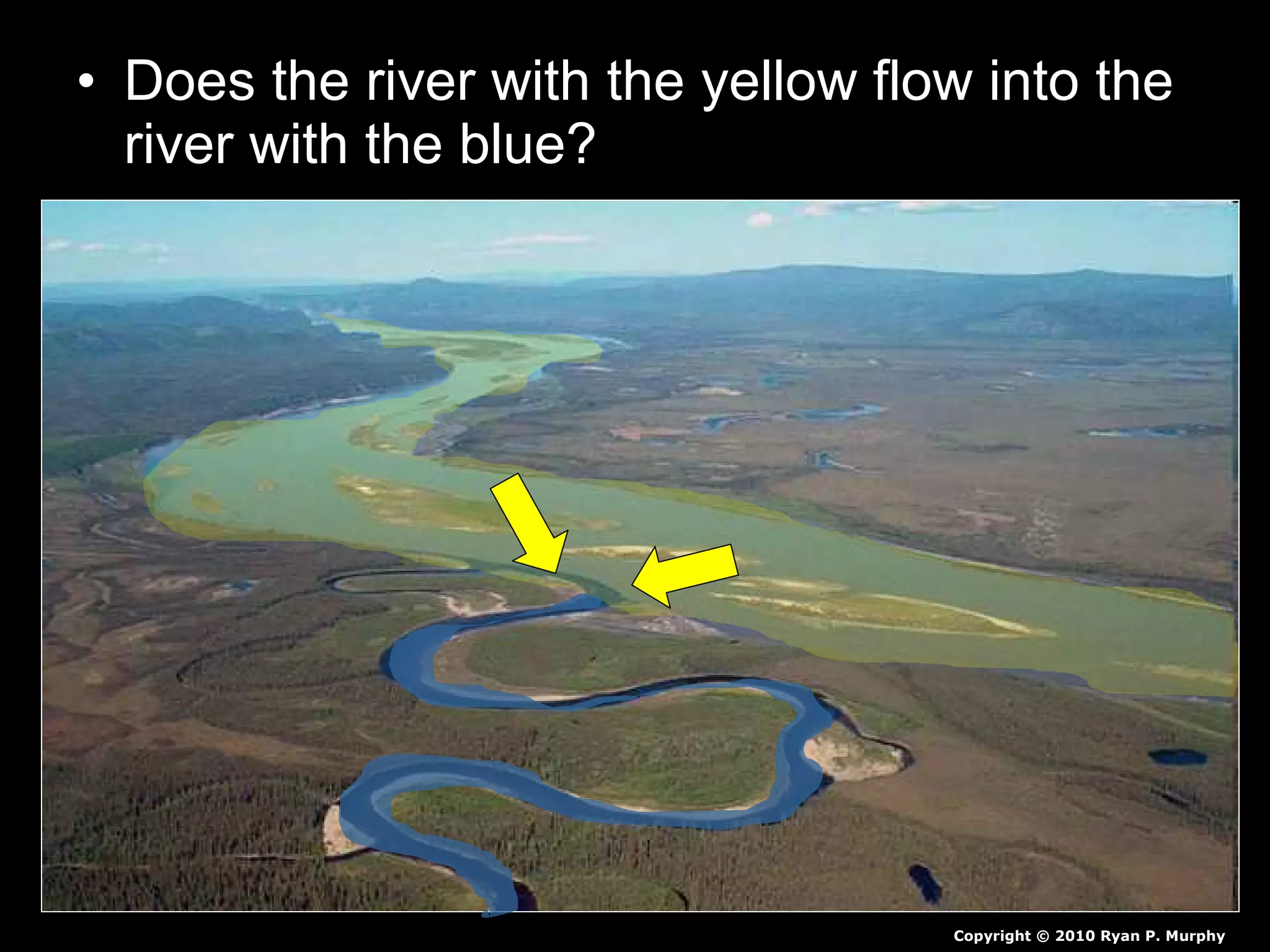
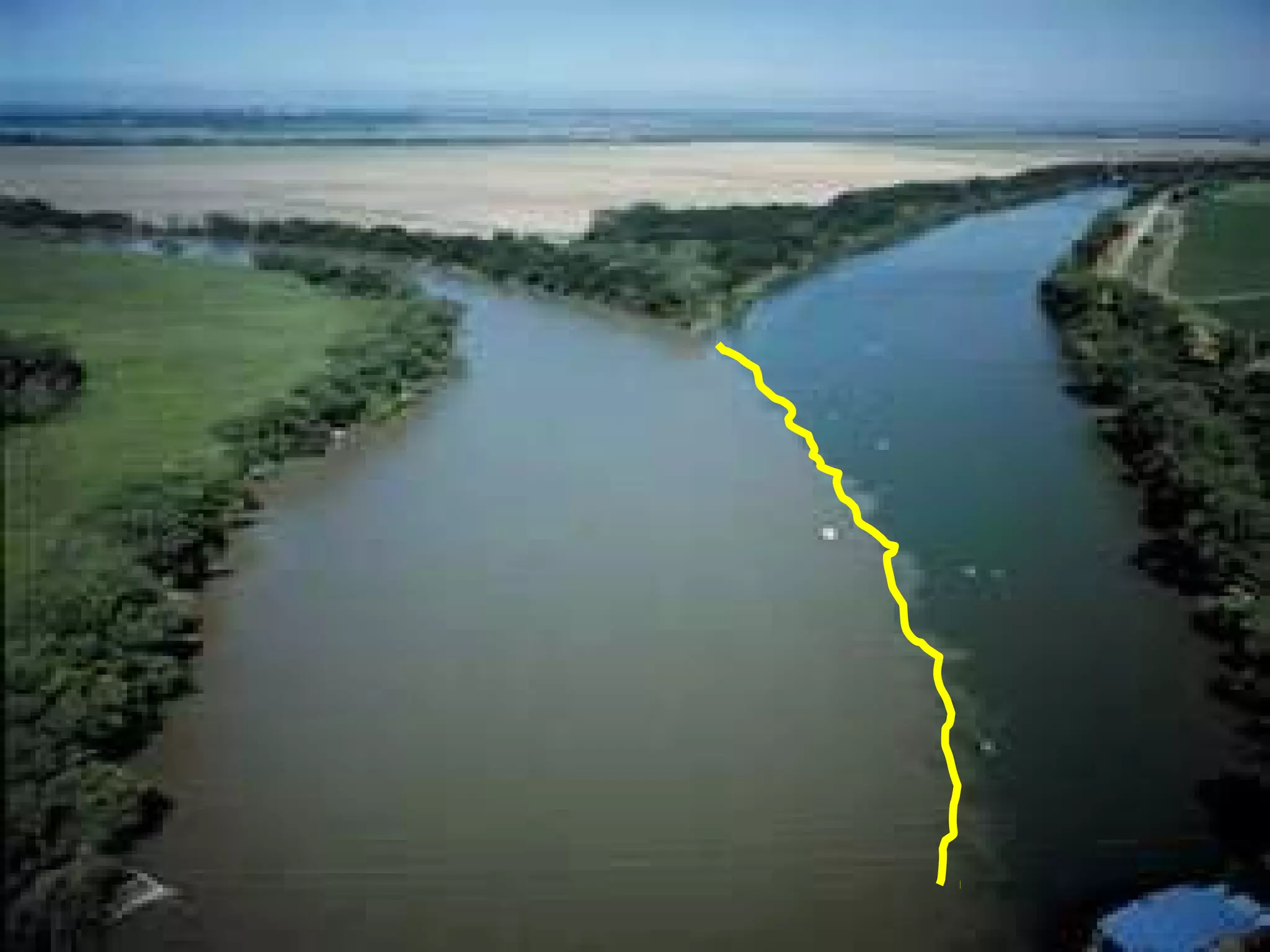
• Does the river with the yellow flow into the
river with the blue?
Copyright © 2010 Ryan P. Murphy
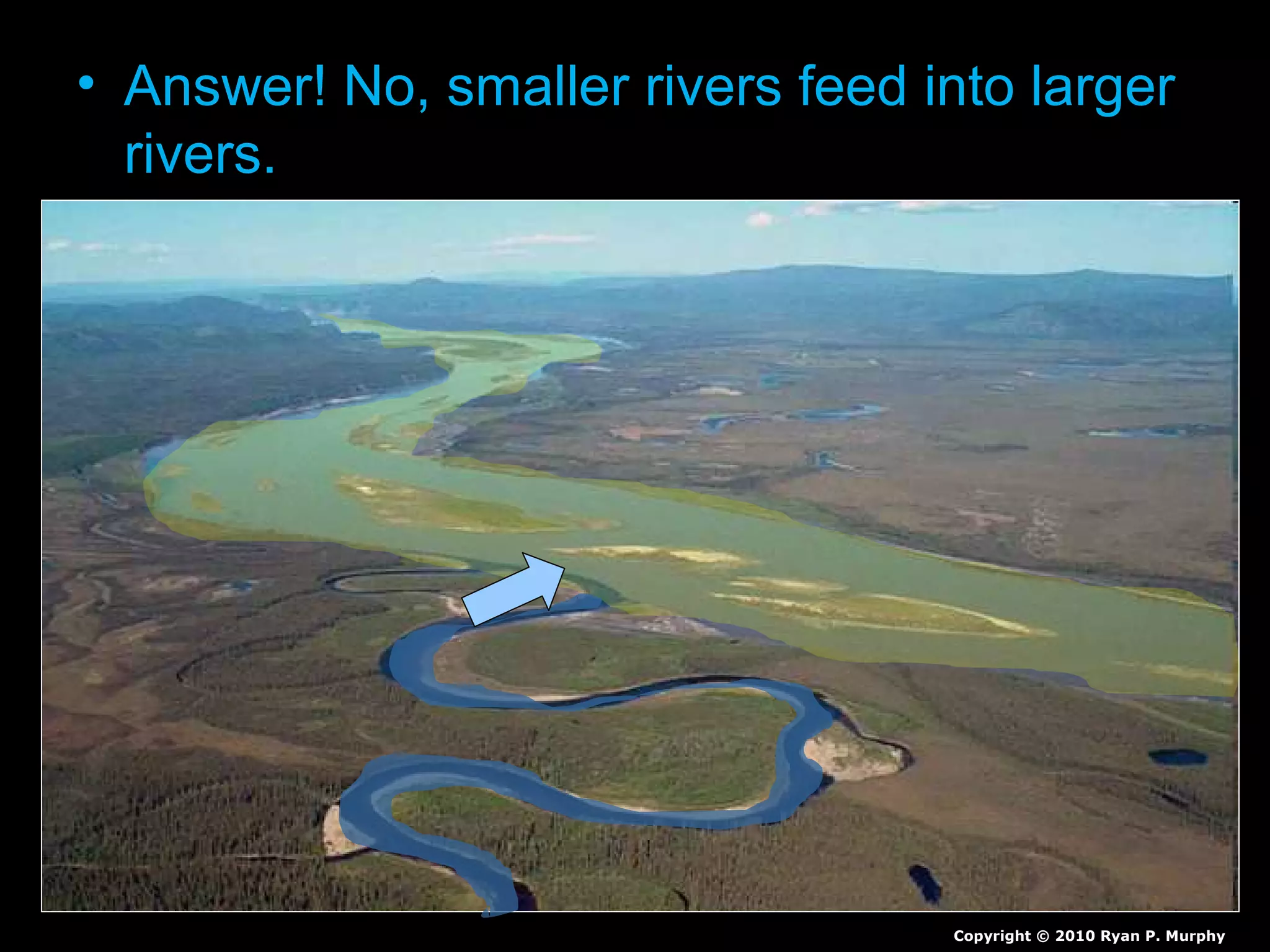
• Answer! No, smaller rivers feed into larger
rivers.
Copyright © 2010 Ryan P. Murphy
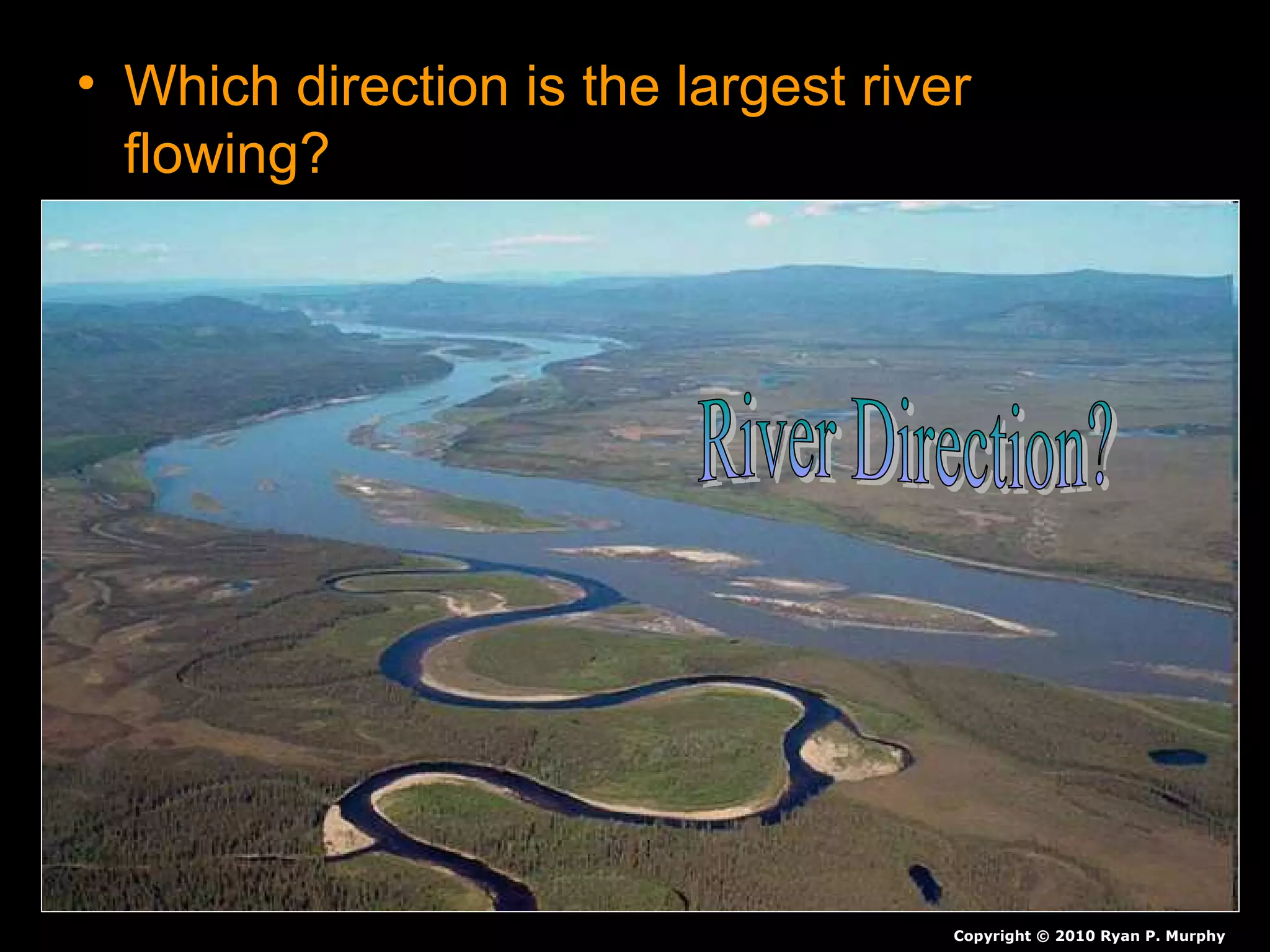
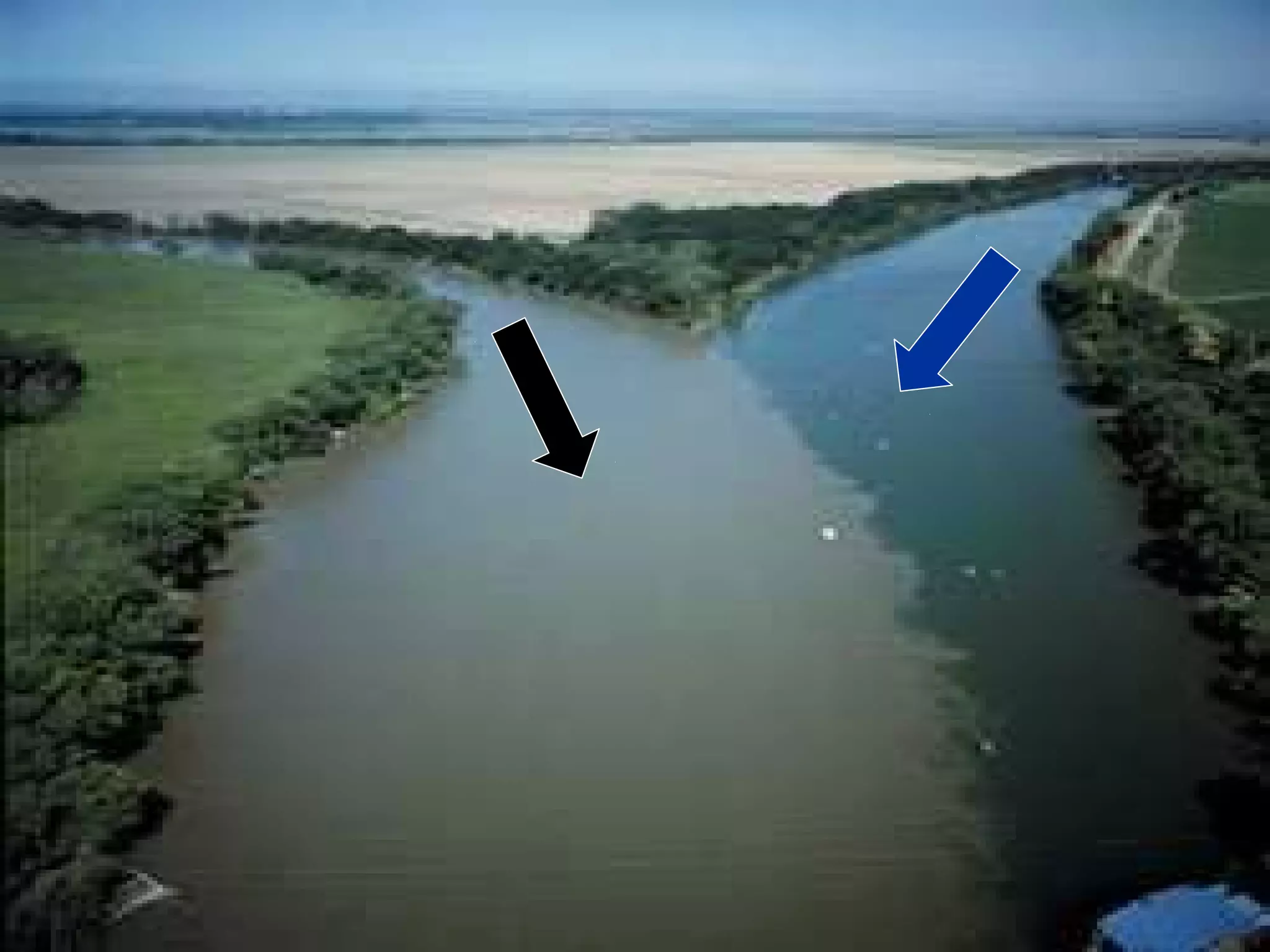
• Which direction is the largest river
flowing?
– How do you know?
Copyright © 2010 Ryan P. Murphy
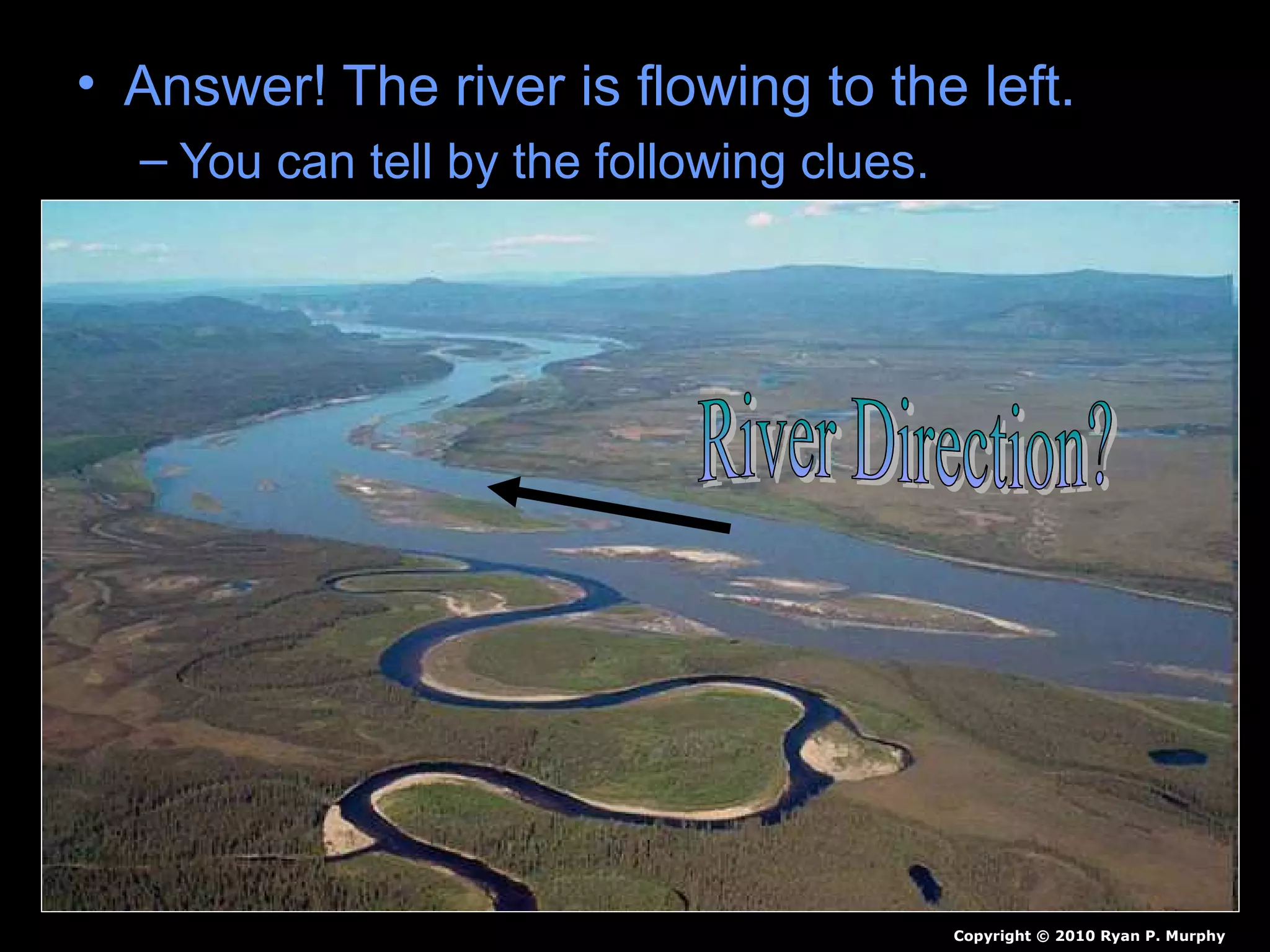
• Answer! The river is flowing to the left.
– You can tell by the following clues.
Copyright © 2010 Ryan P. Murphy
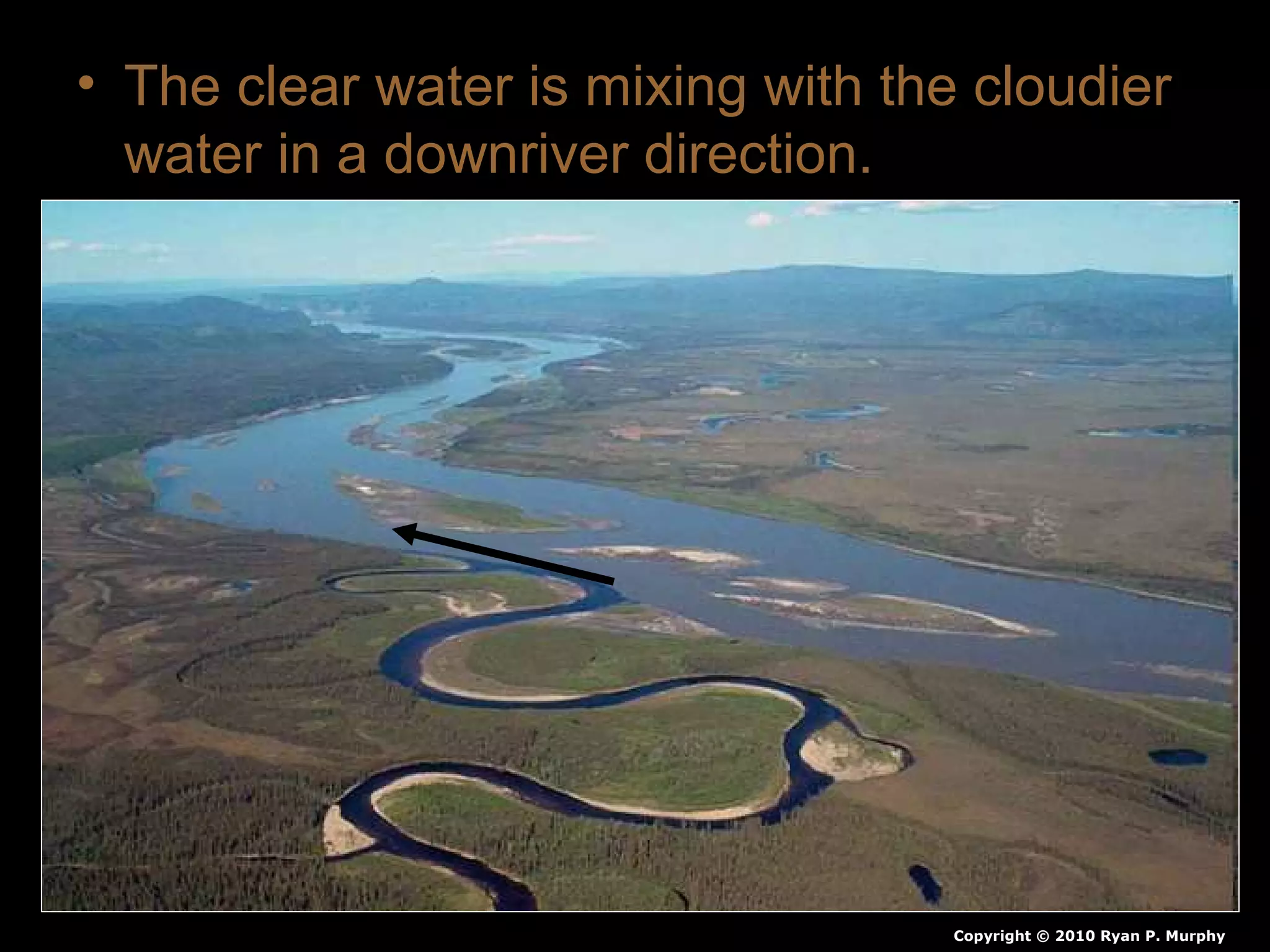
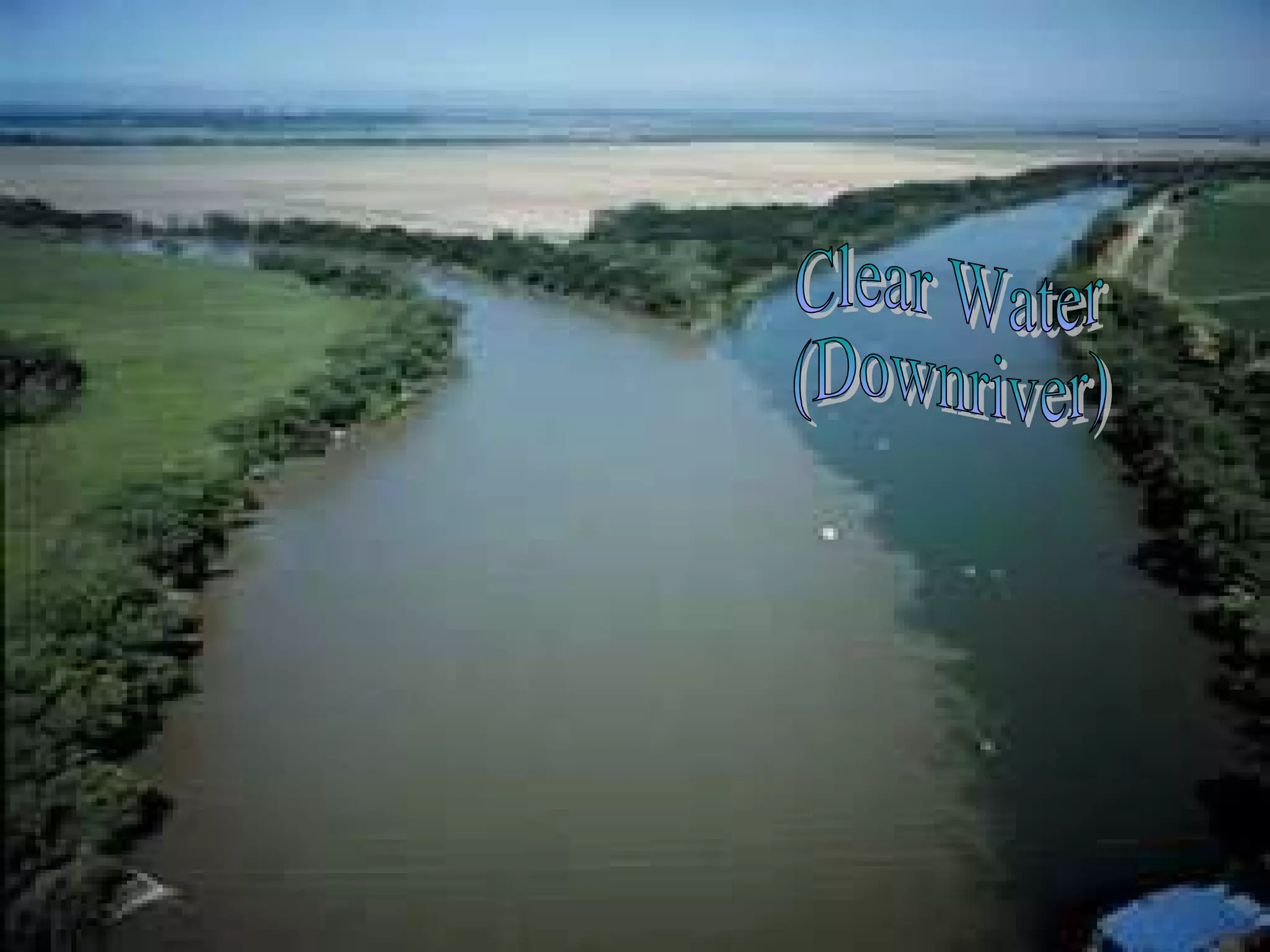
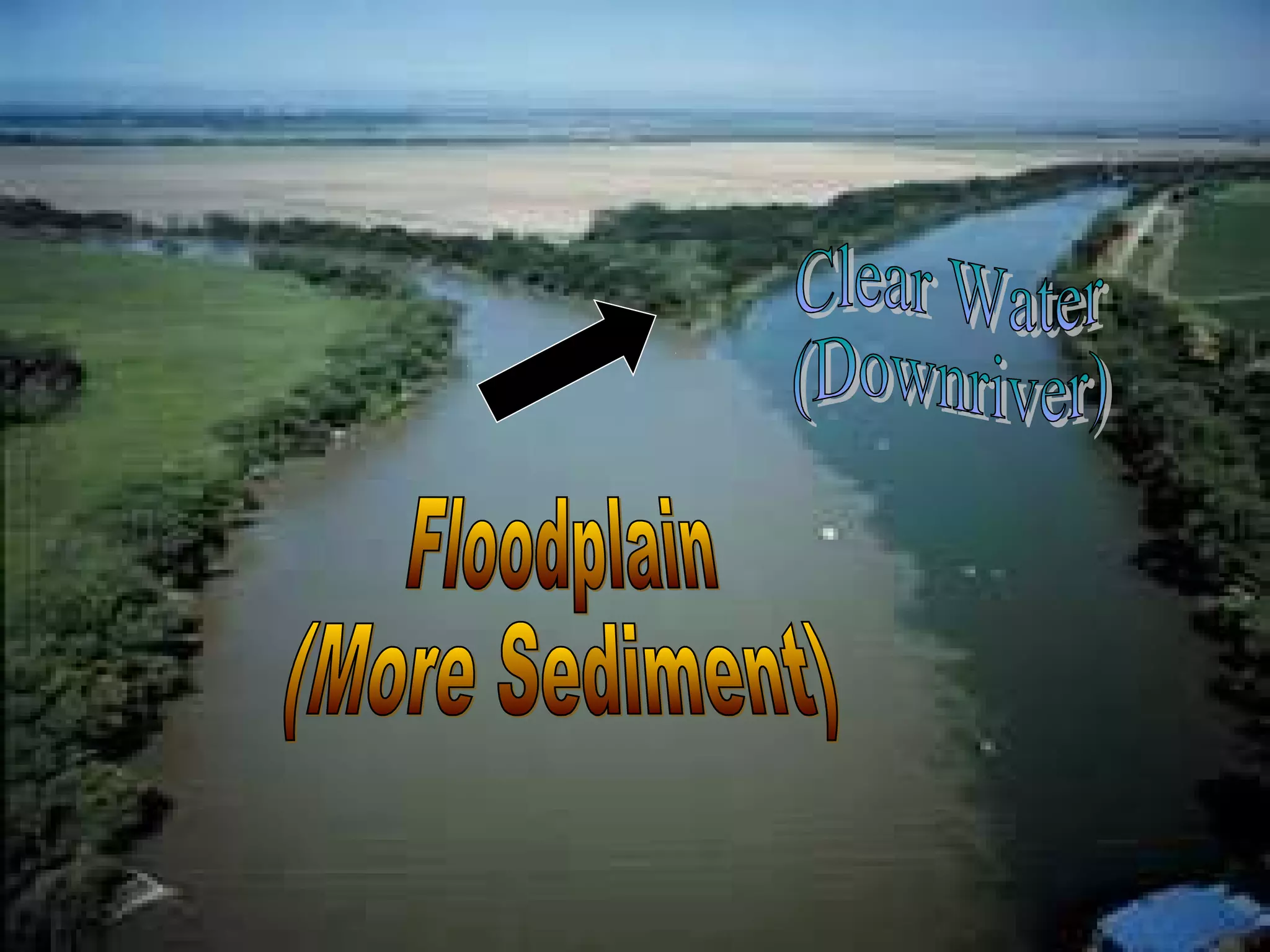
• The clear water is mixing with the cloudier
water in a downriver direction.
Copyright © 2010 Ryan P. Murphy
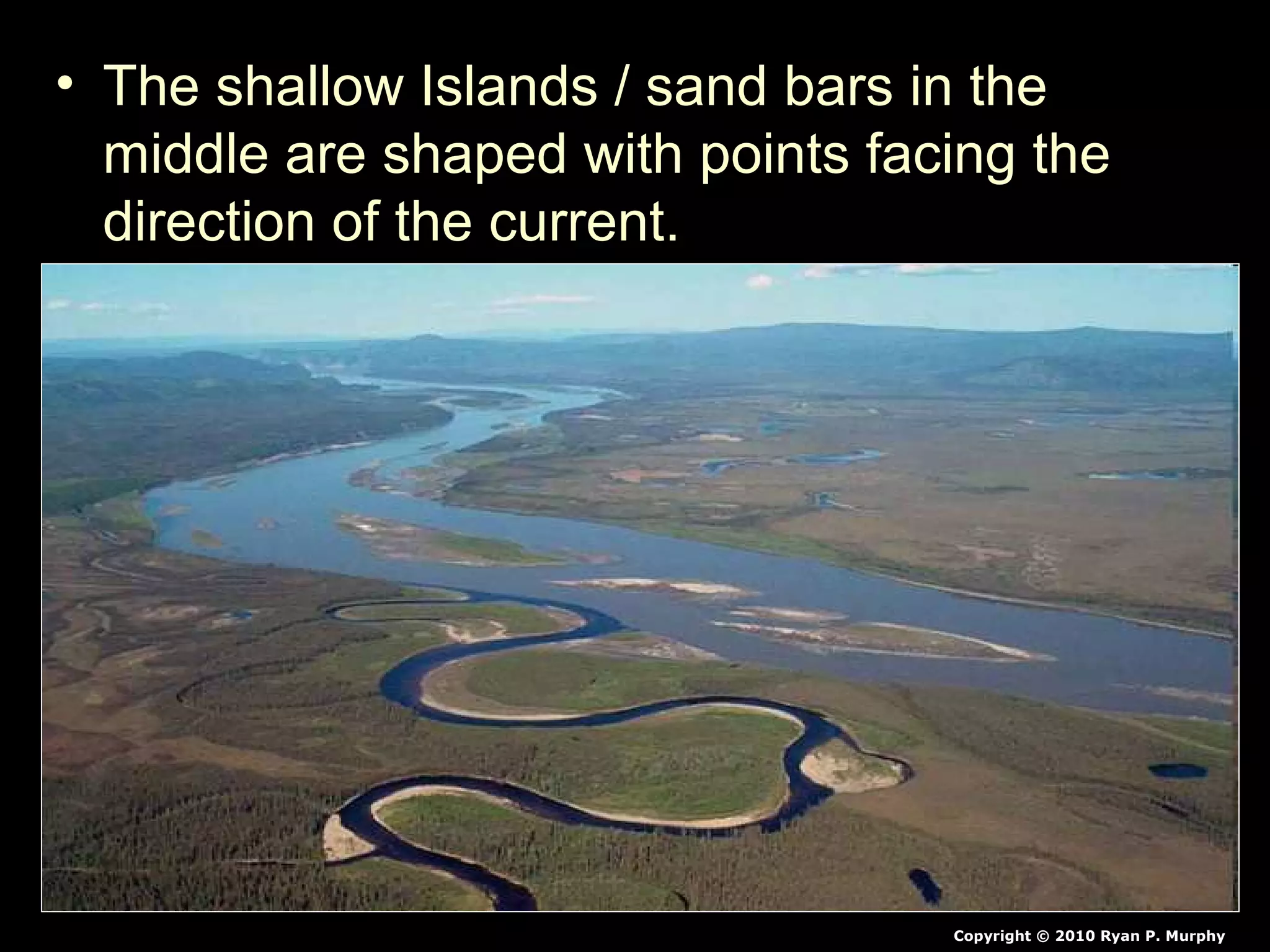
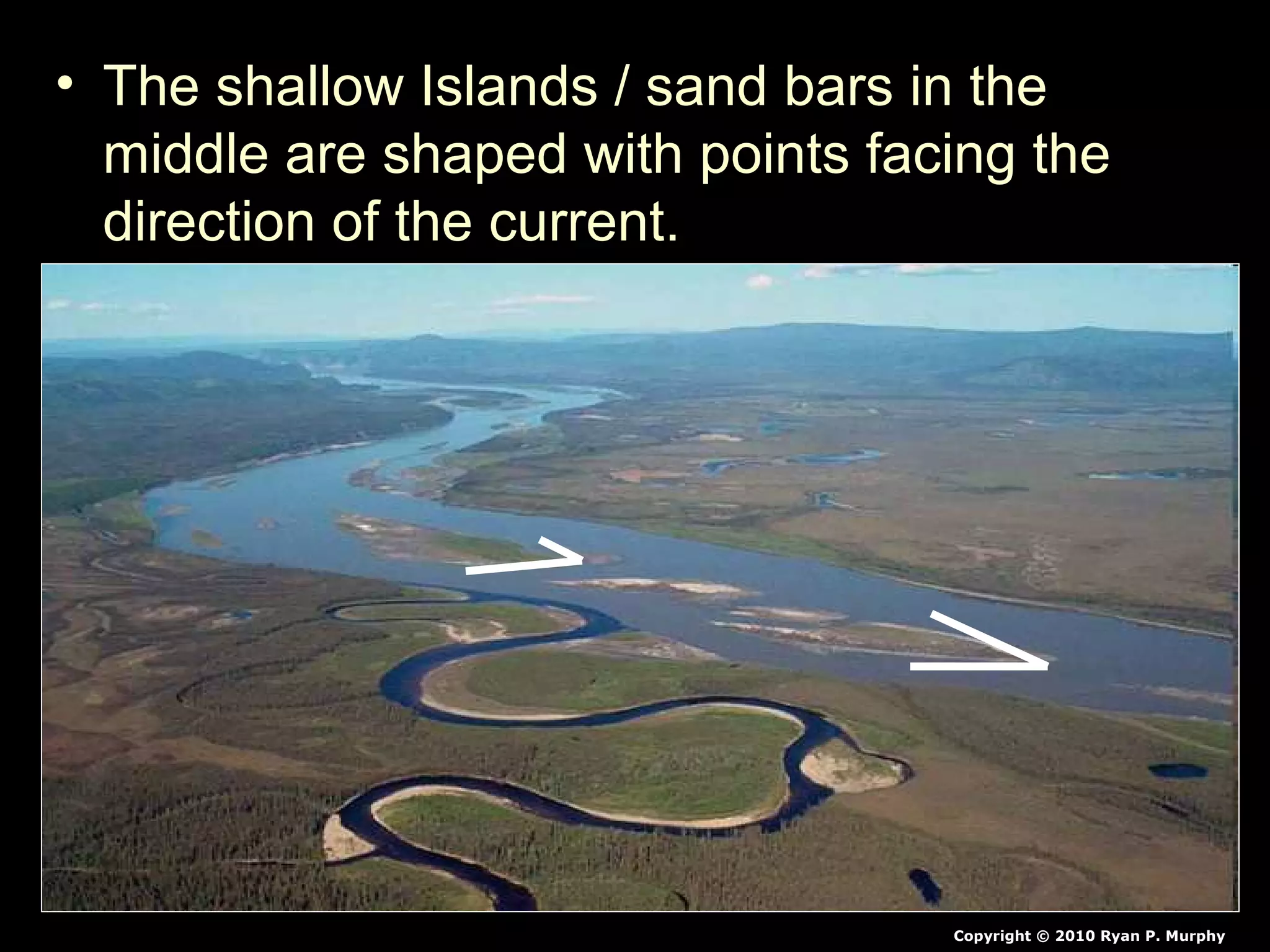
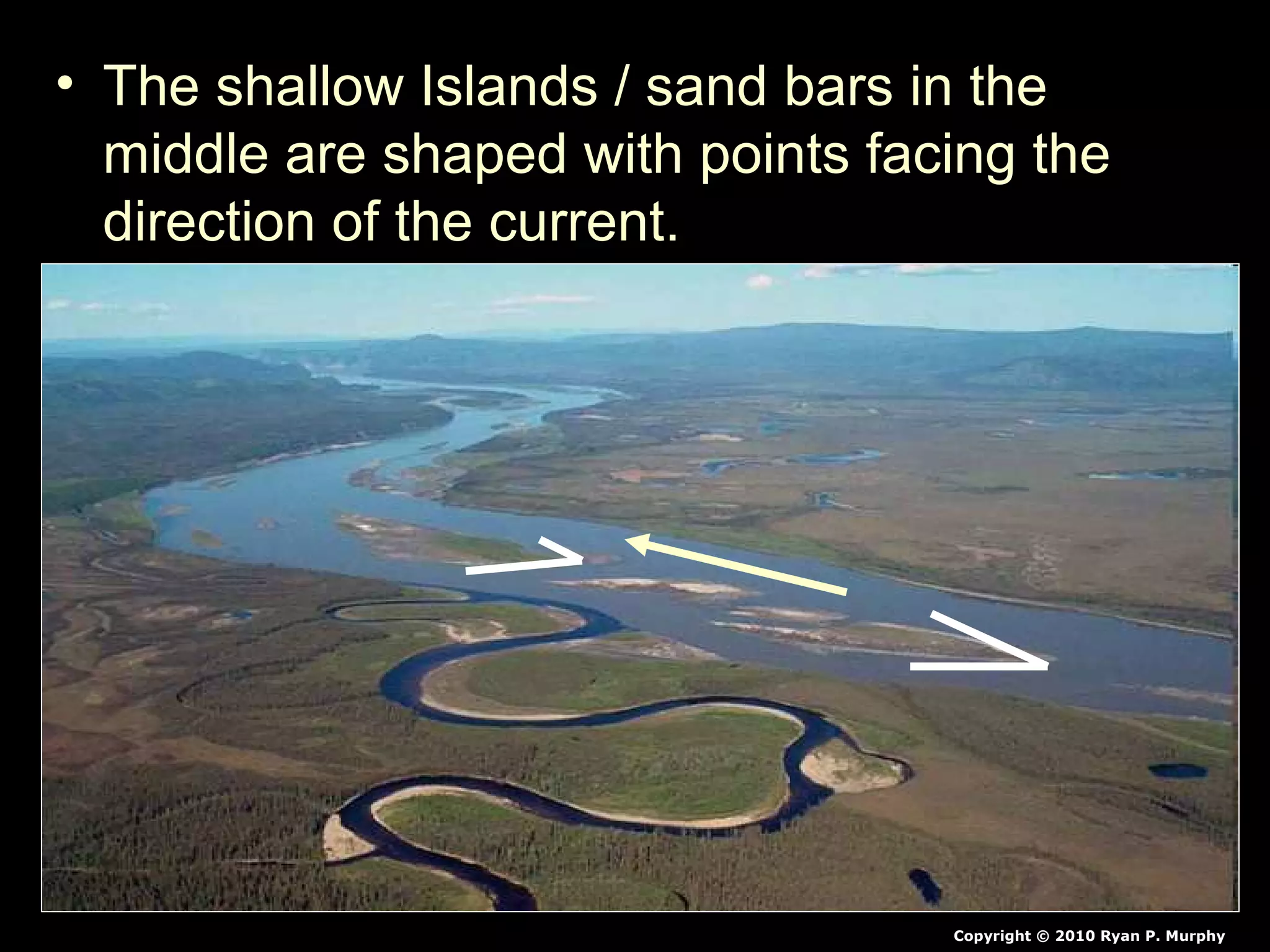
• The shallow Islands / sand bars in the
middle are shaped with points facing the
direction of the current.
Copyright © 2010 Ryan P. Murphy
• The shallow Islands / sand bars in the
middle are shaped with points facing the
direction of the current.
Copyright © 2010 Ryan P. Murphy
• The shallow Islands / sand bars in the
middle are shaped with points facing the
direction of the current.
Copyright © 2010 Ryan P. Murphy
• The shallow Islands / sand bars in the
middle are shaped with points facing the
direction of the current.
Copyright © 2010 Ryan P. Murphy
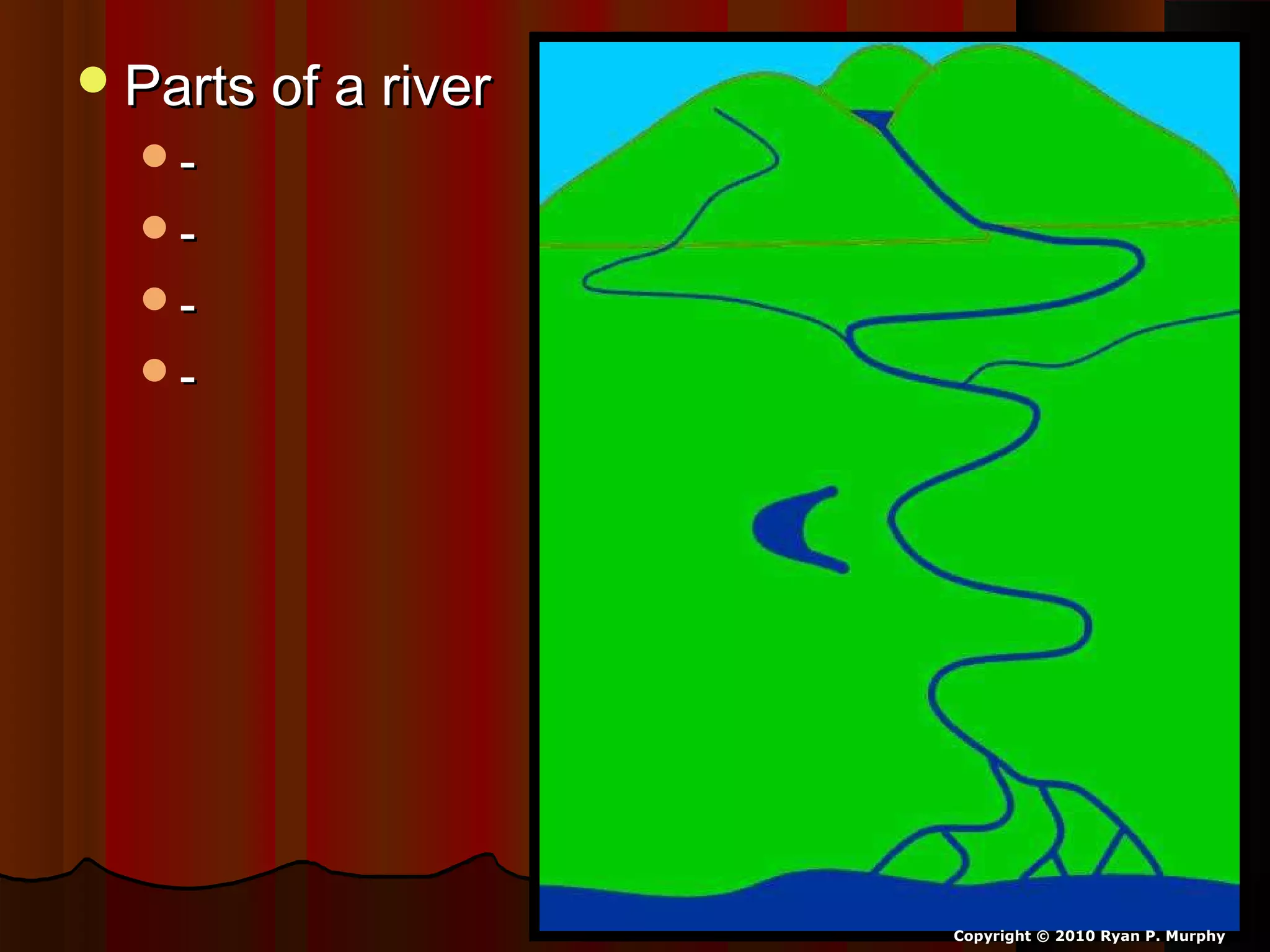
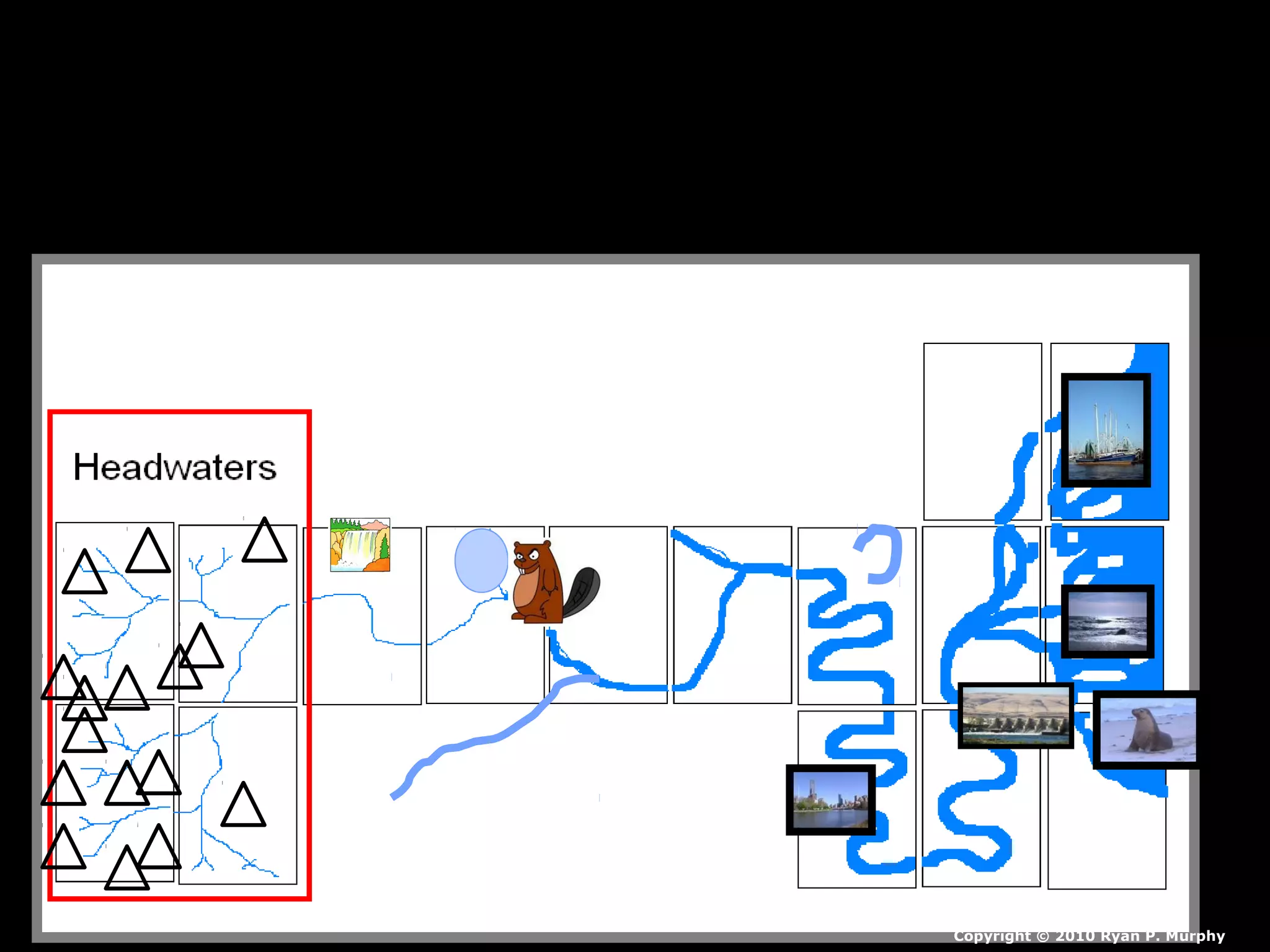
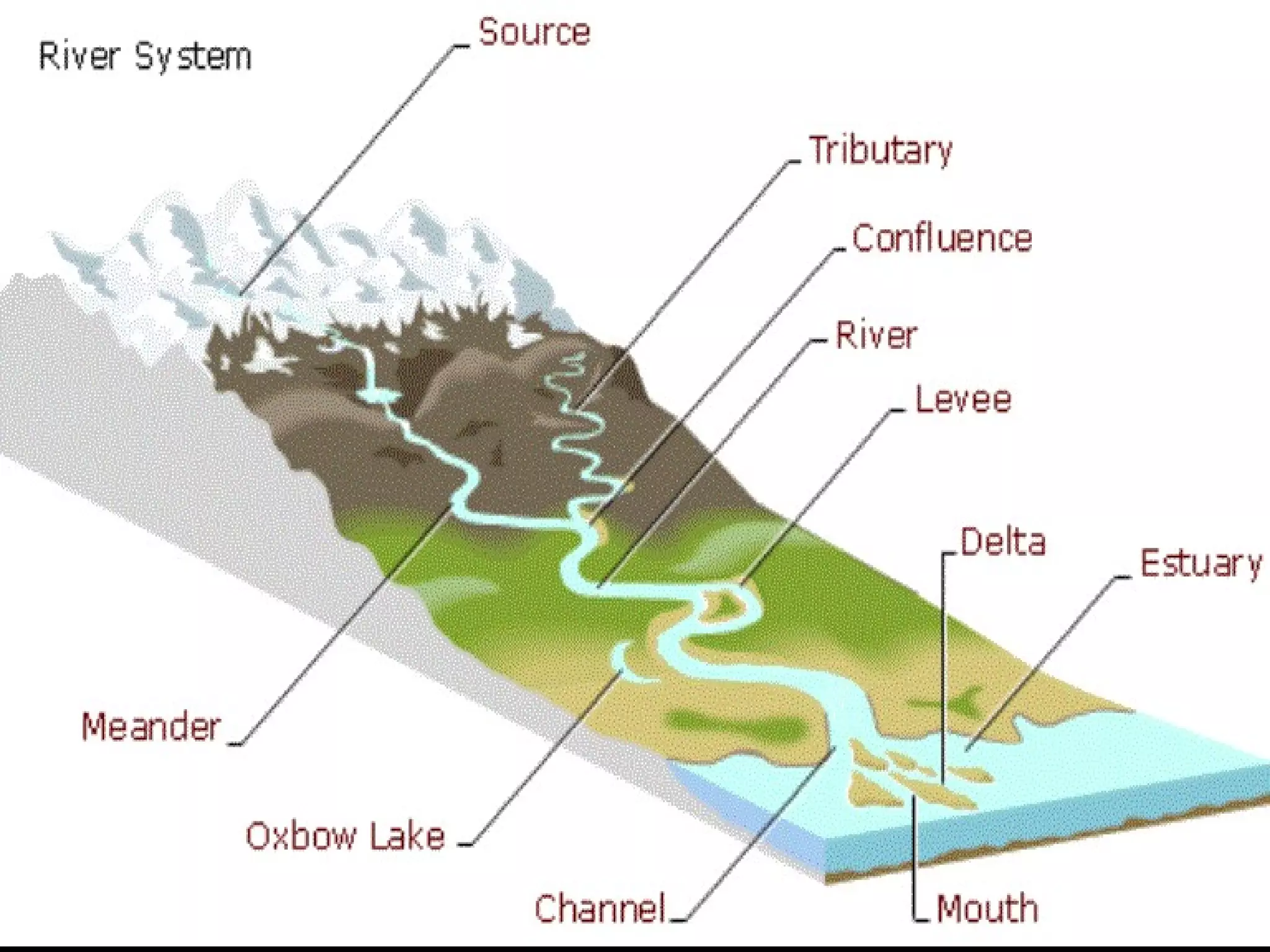
Parts of a riverParts of a river
--
--
--
--
Copyright © 2010 Ryan P. Murphy
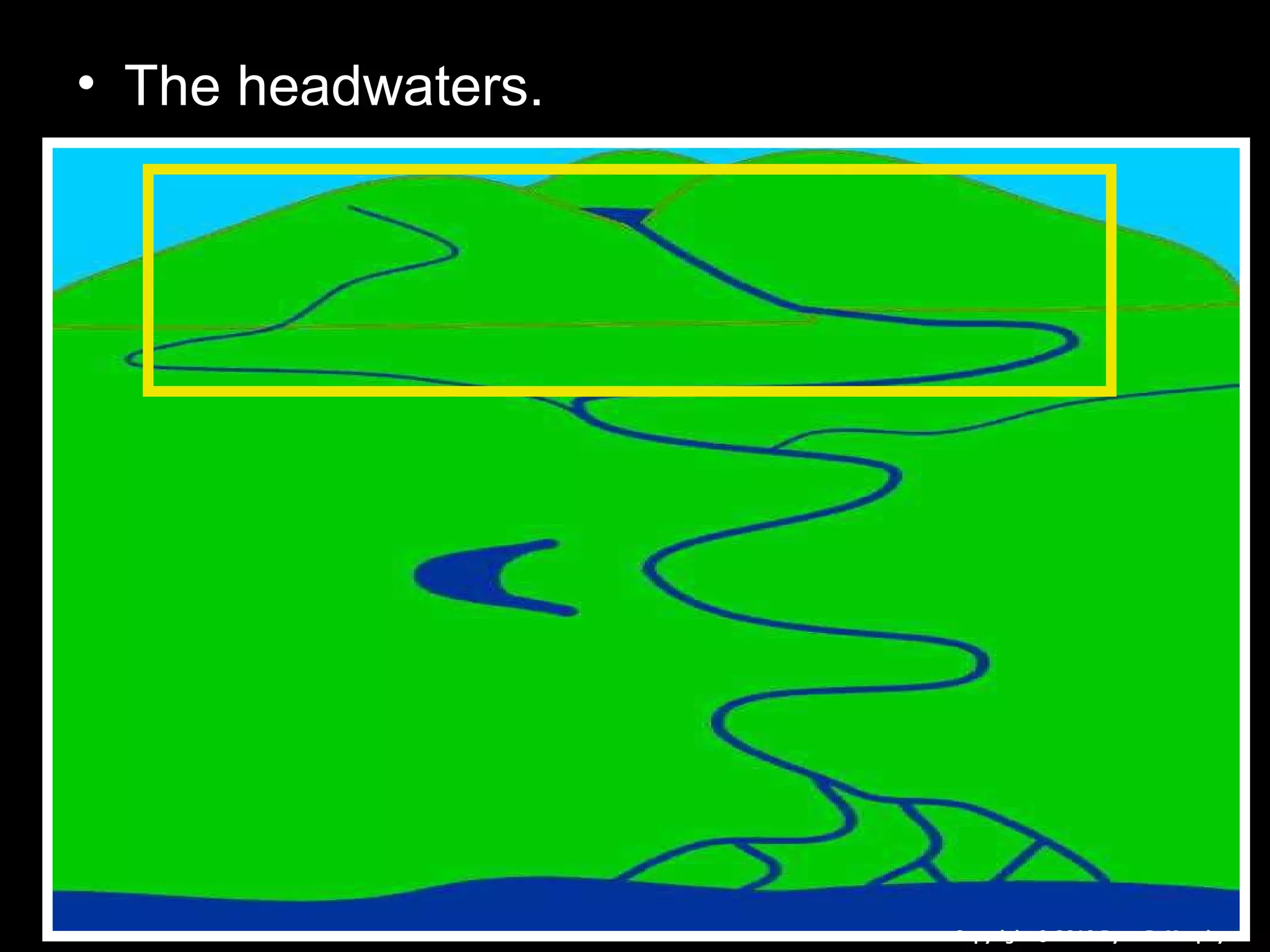
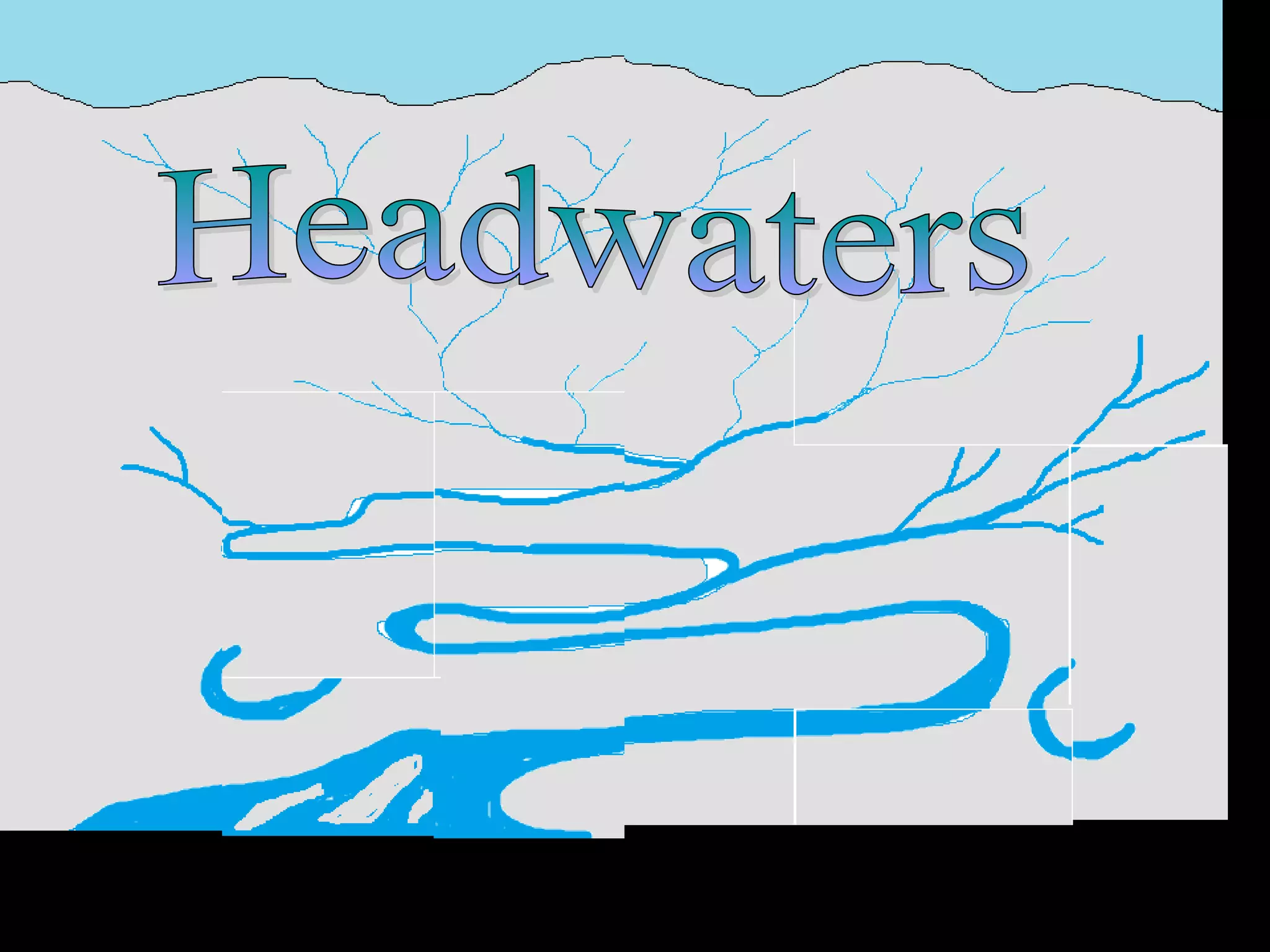
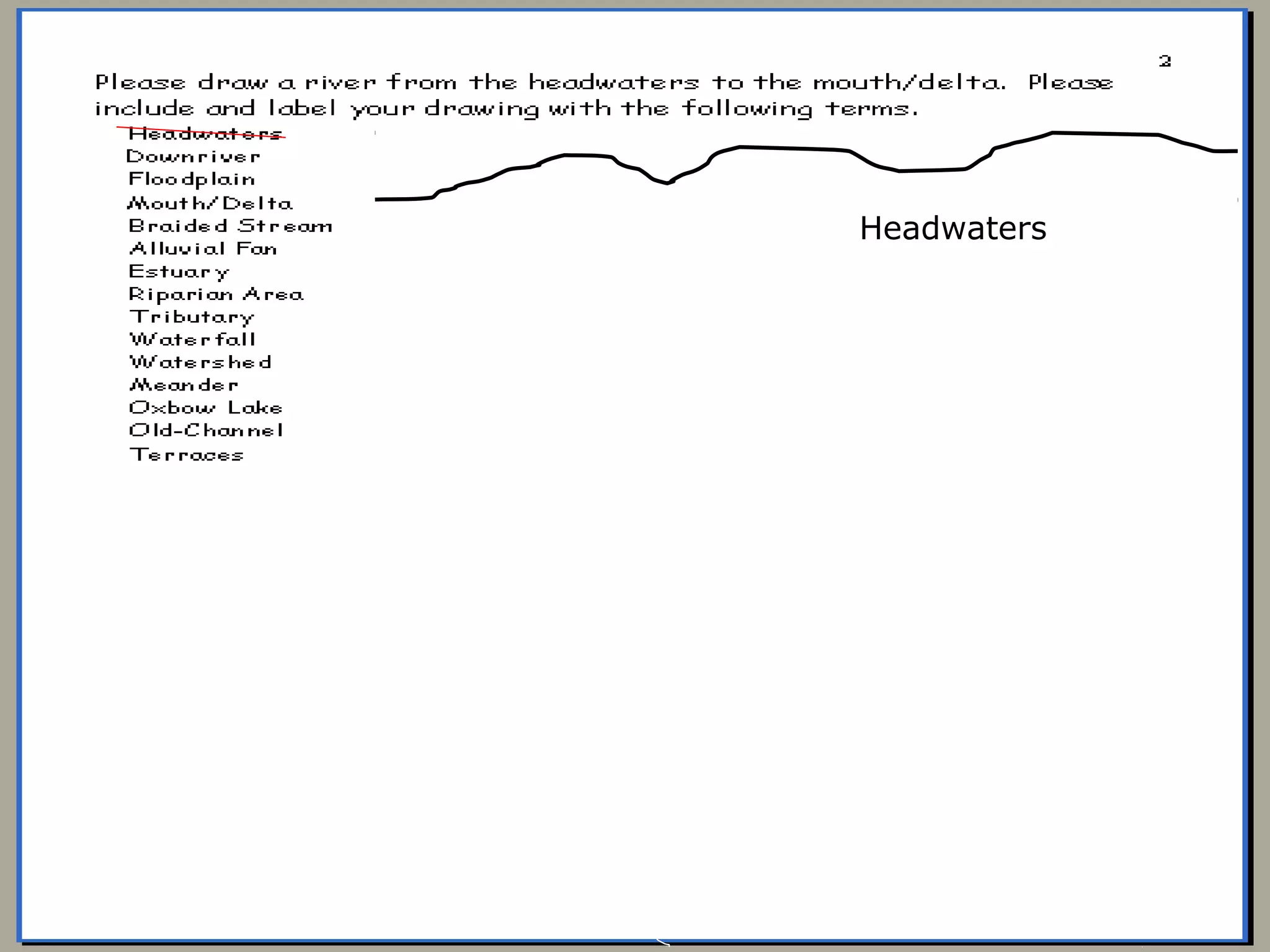
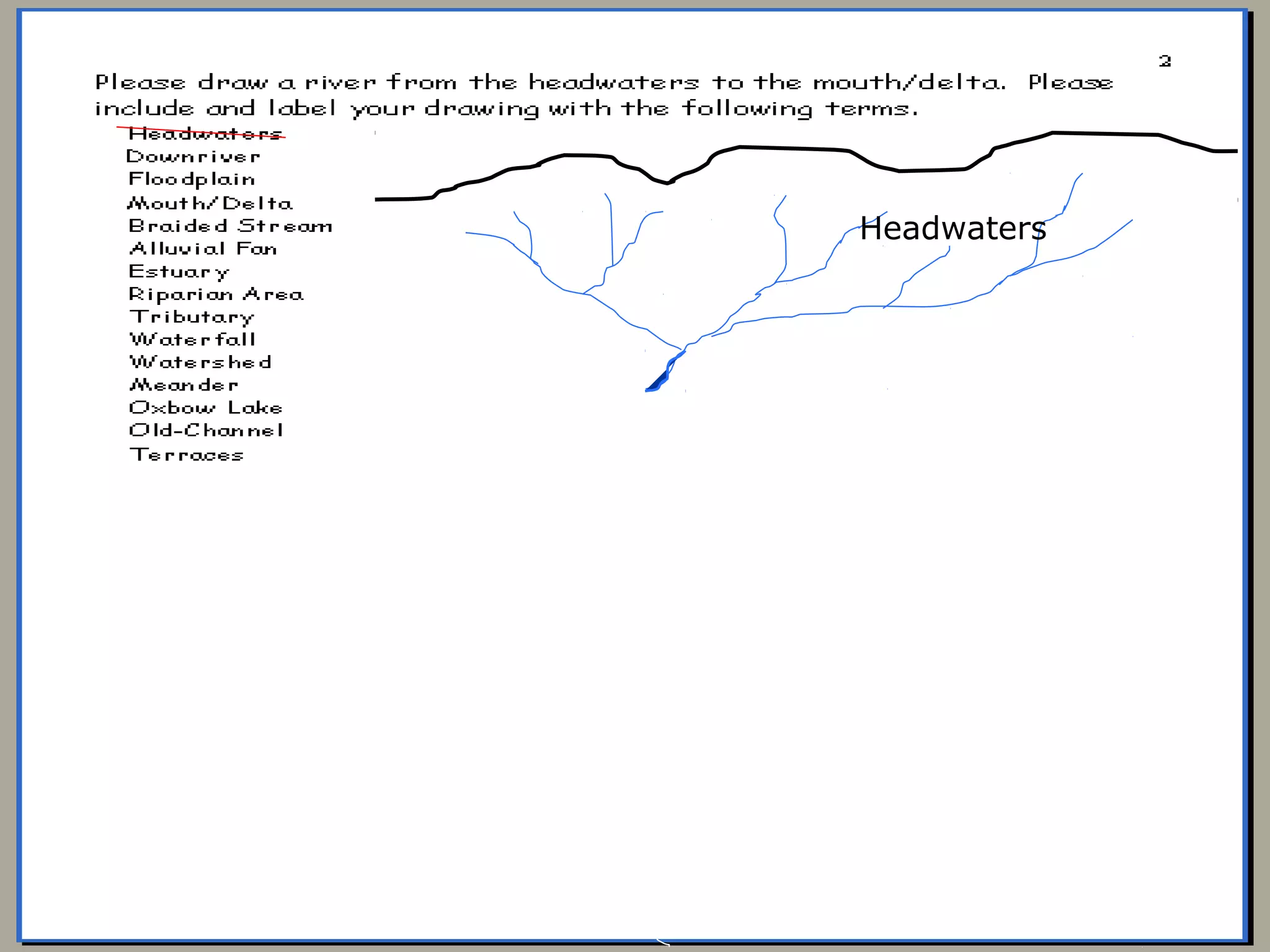
• The headwaters.
Copyright © 2010 Ryan P. Murphy
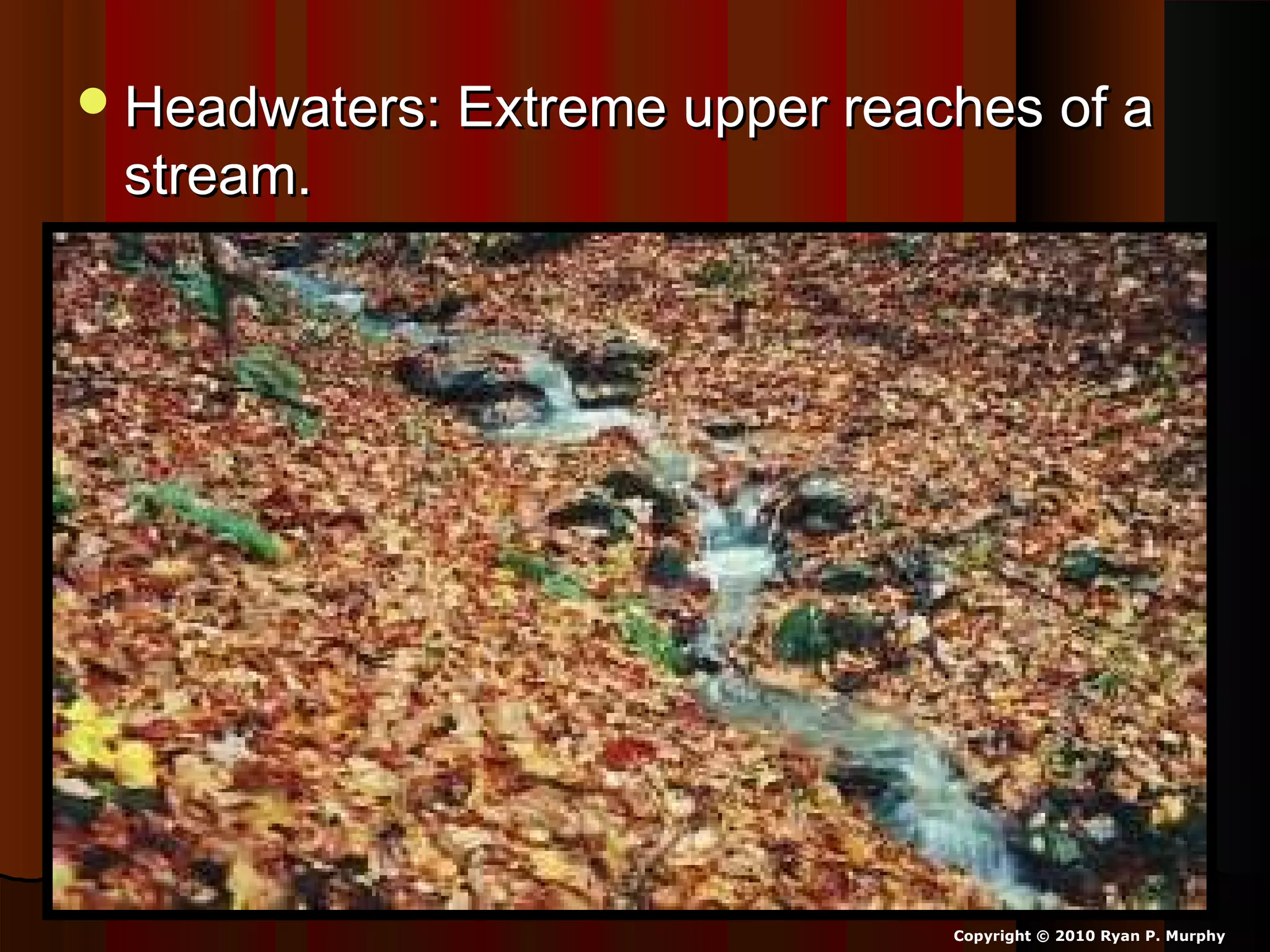
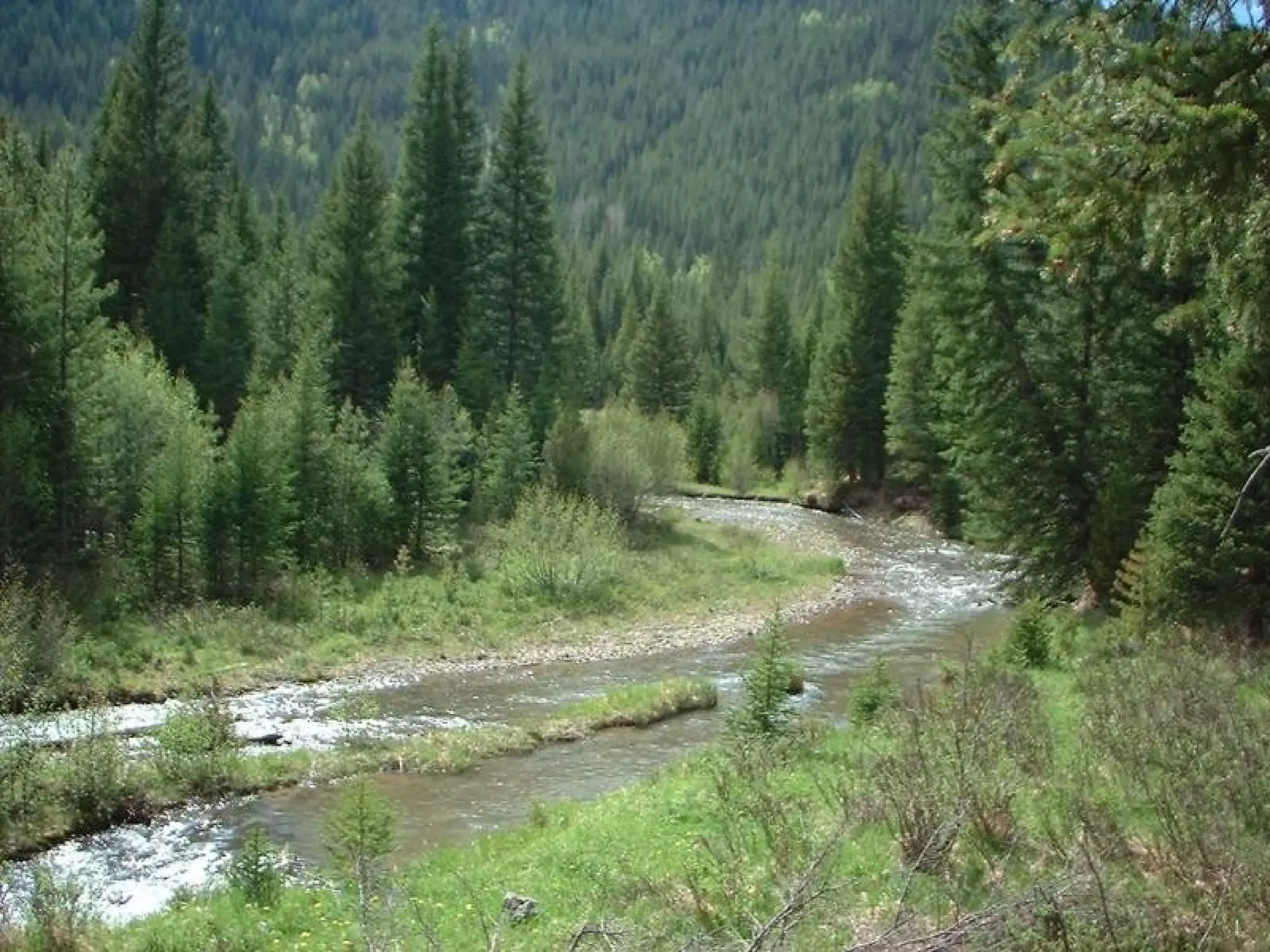
Headwaters: Extreme upper reaches of aHeadwaters: Extreme upper reaches of a
stream.stream.
Copyright © 2010 Ryan P. Murphy
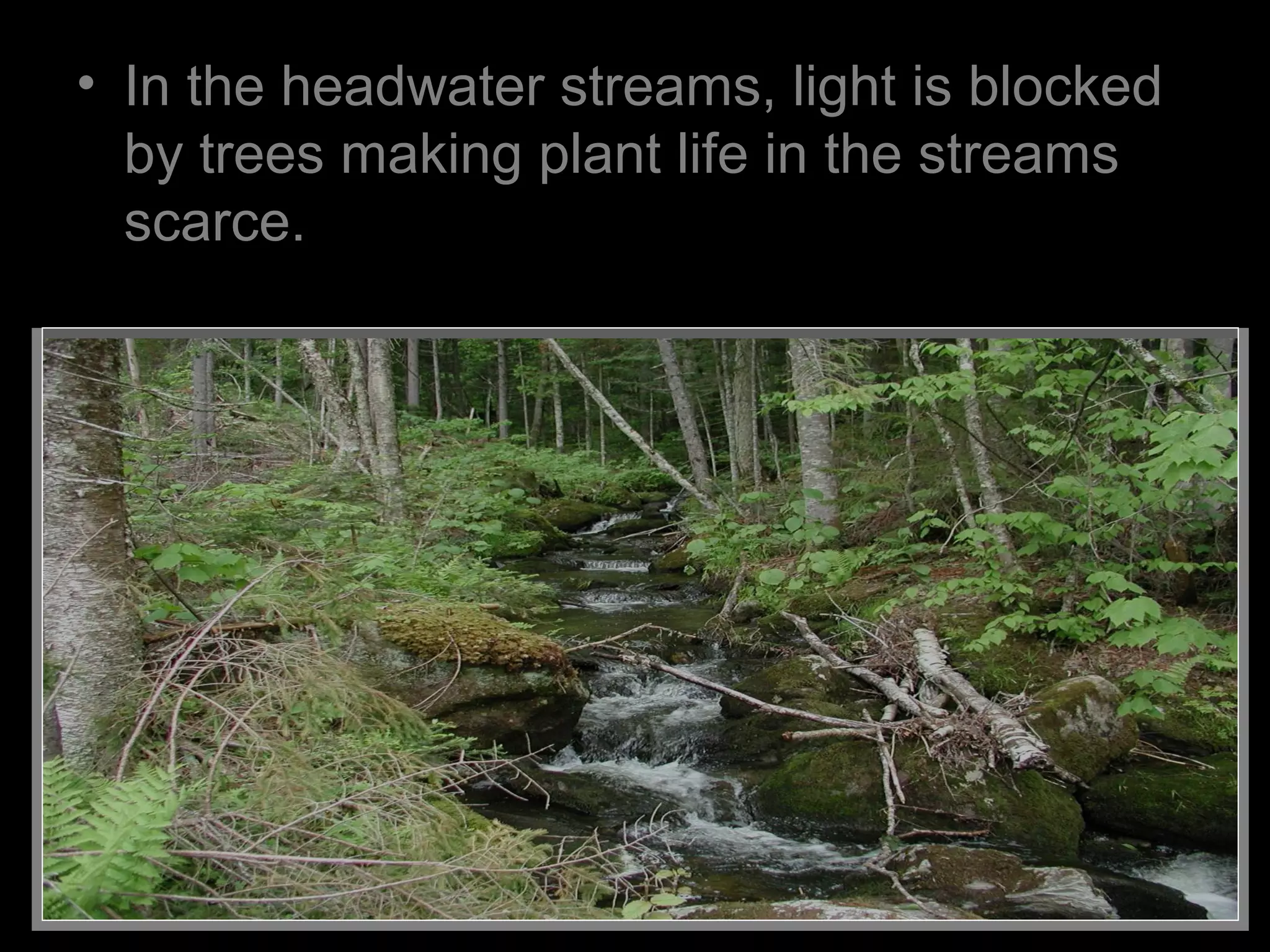
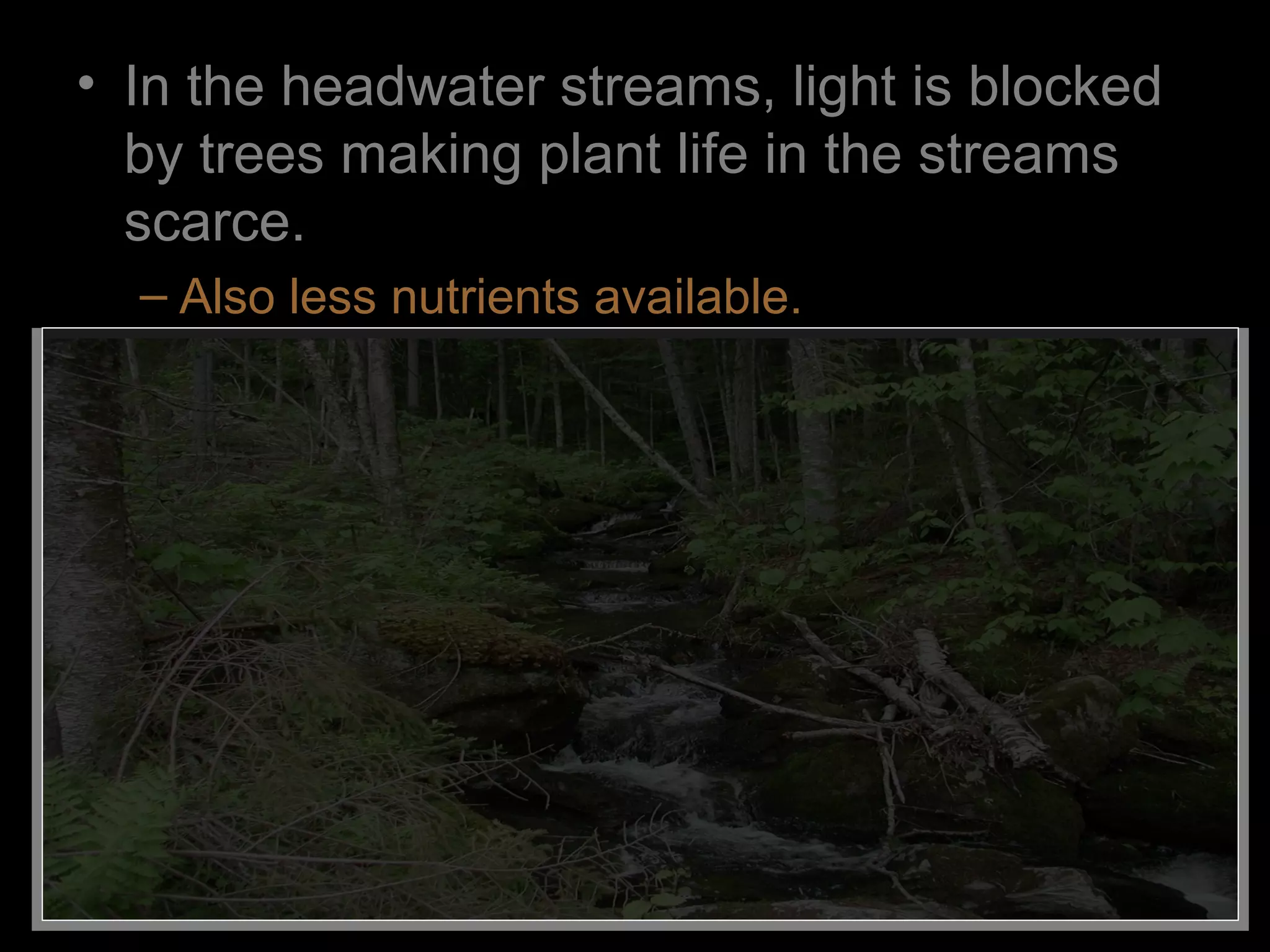
• In the headwater streams, light is blocked
by trees making plant life in the streams
scarce.
• In the headwater streams, light is blocked
by trees making plant life in the streams
scarce.
• In the headwater streams, light is blocked
by trees making plant life in the streams
scarce.
• In the headwater streams, light is blocked
by trees making plant life in the streams
scarce.
– Also less nutrients available.
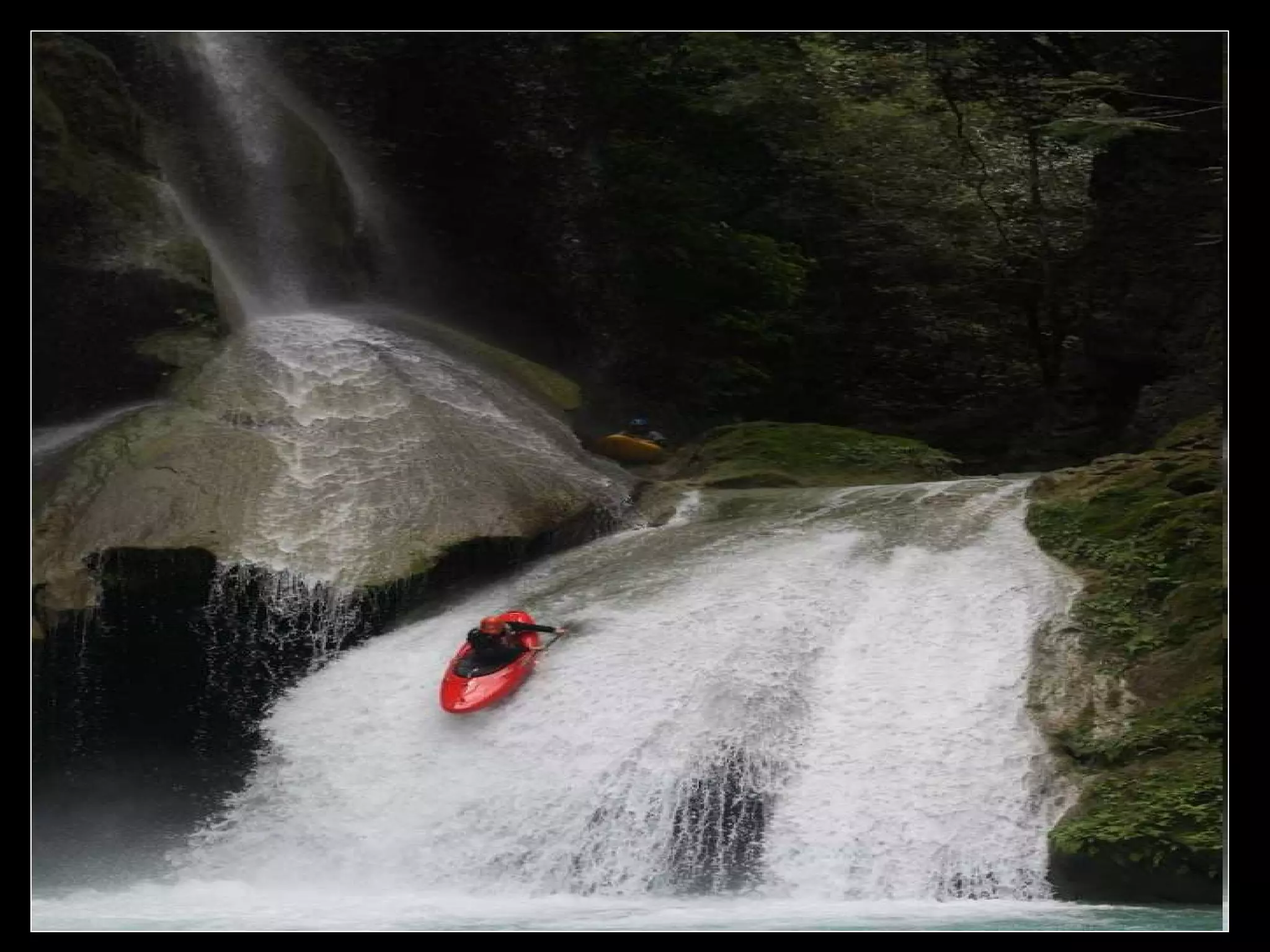
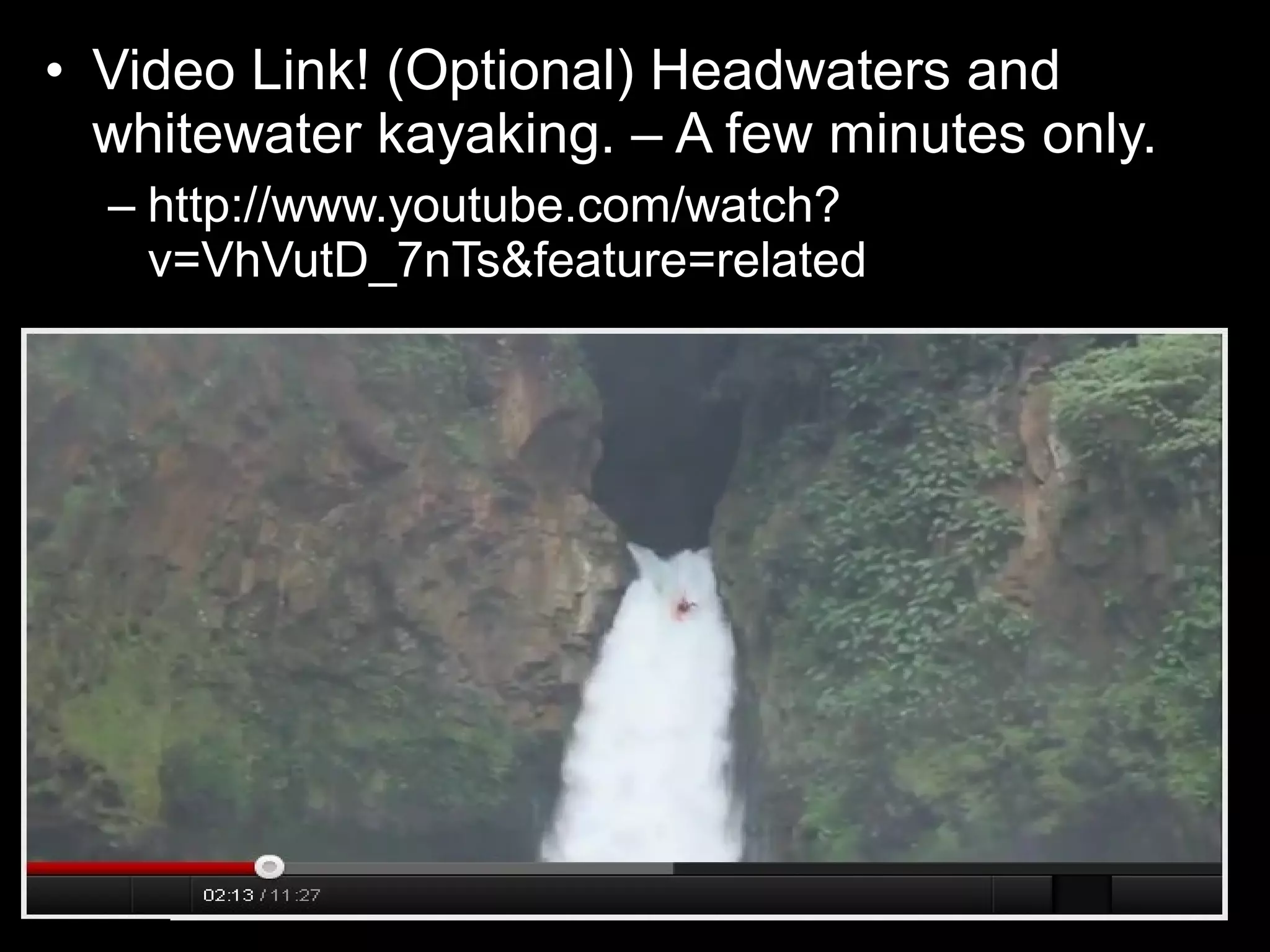
• Video Link! (Optional) Headwaters and
whitewater kayaking. – A few minutes only.
– http://www.youtube.com/watch?
v=VhVutD_7nTs&feature=related
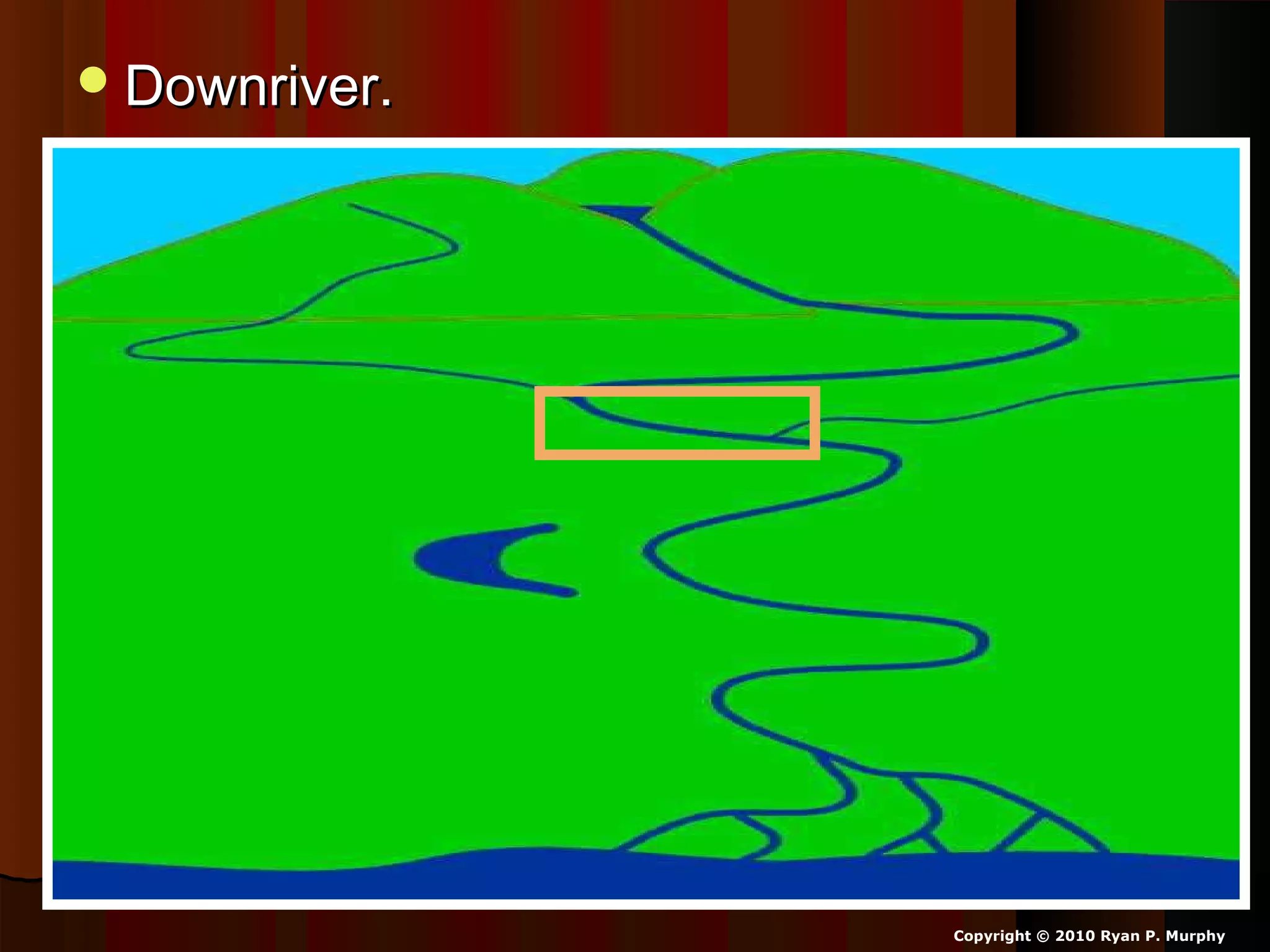
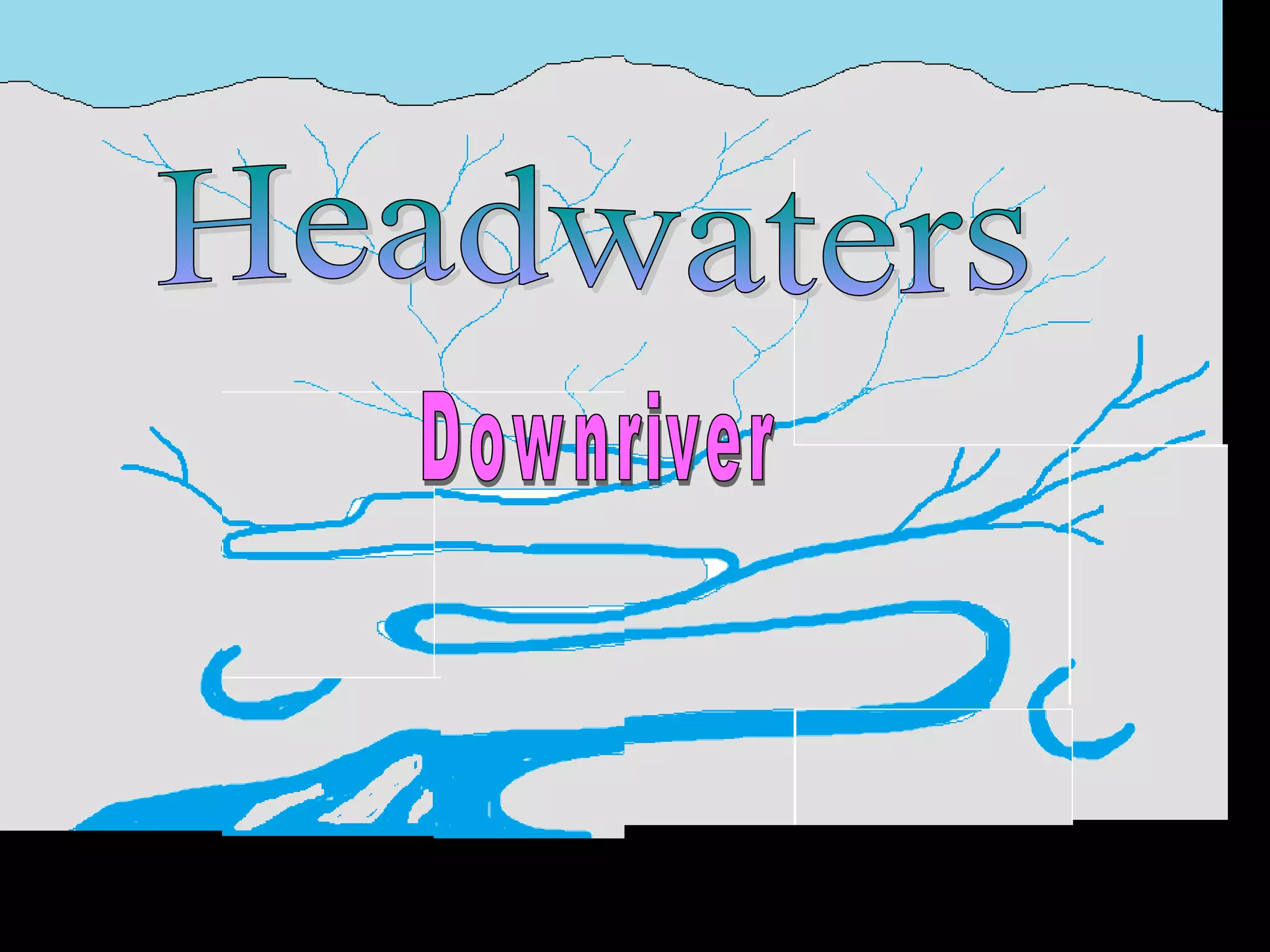
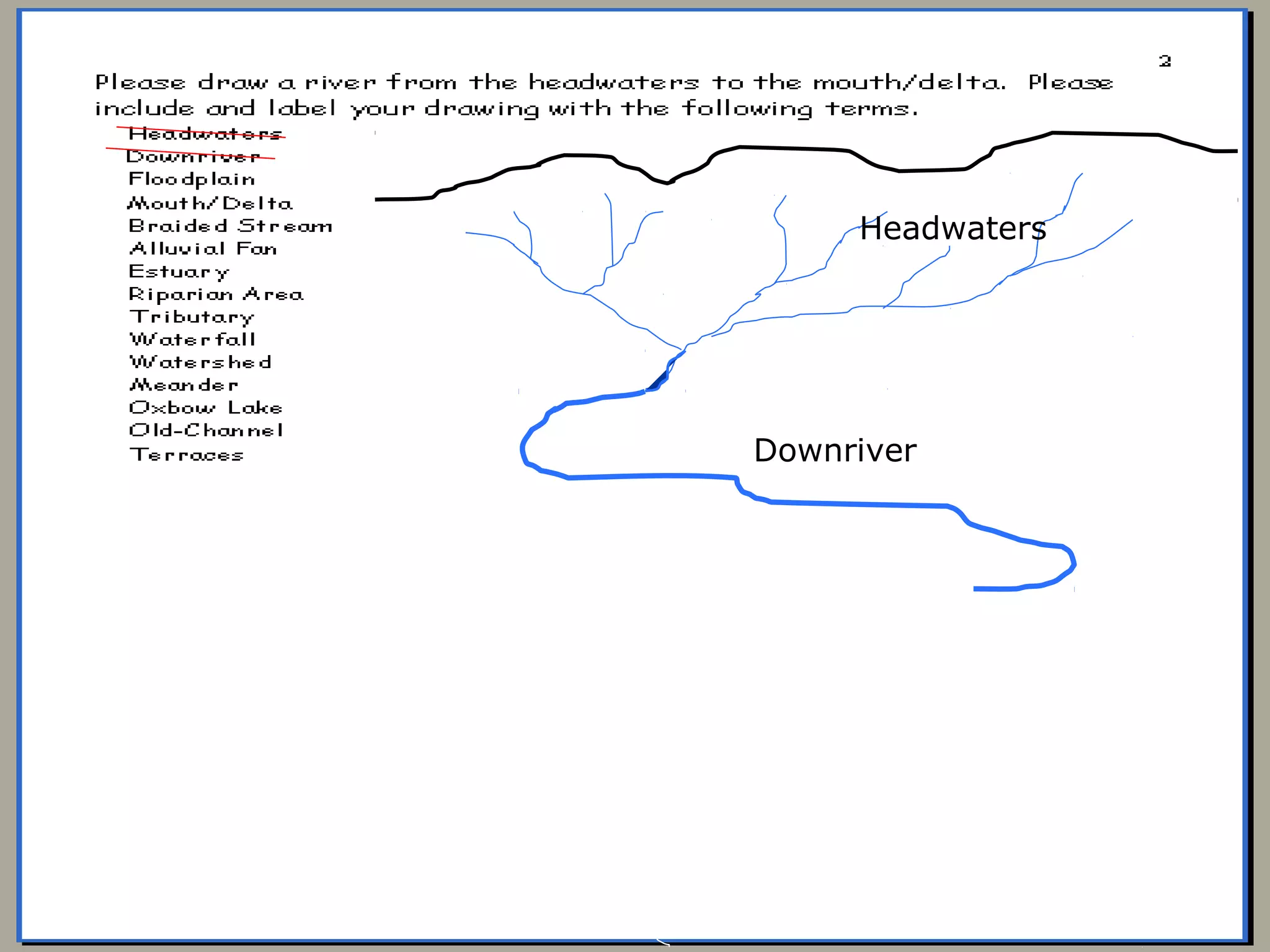
Downriver.Downriver.
Copyright © 2010 Ryan P. Murphy
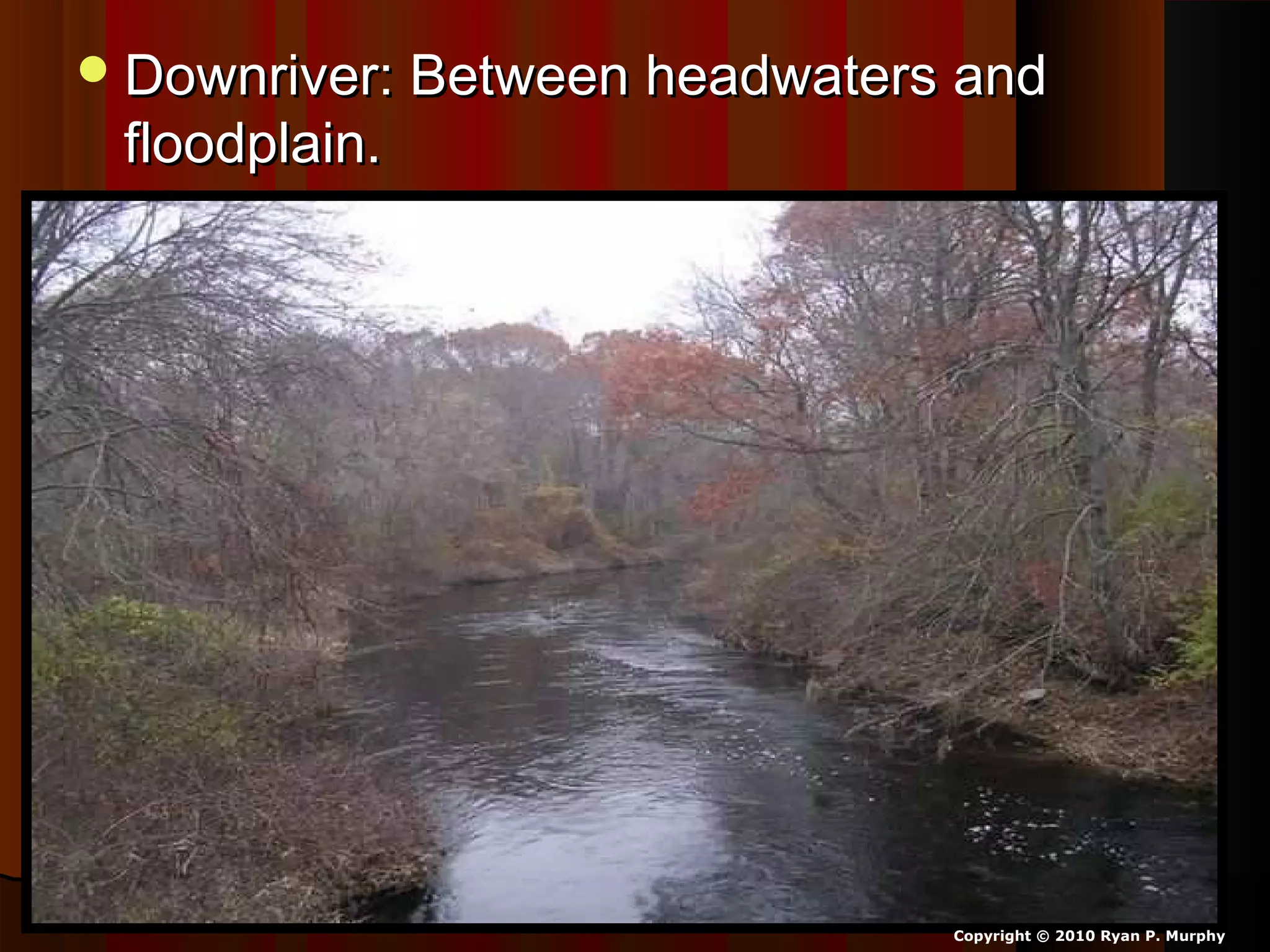
Downriver: Between headwaters andDownriver: Between headwaters and
floodplain.floodplain.
Copyright © 2010 Ryan P. Murphy
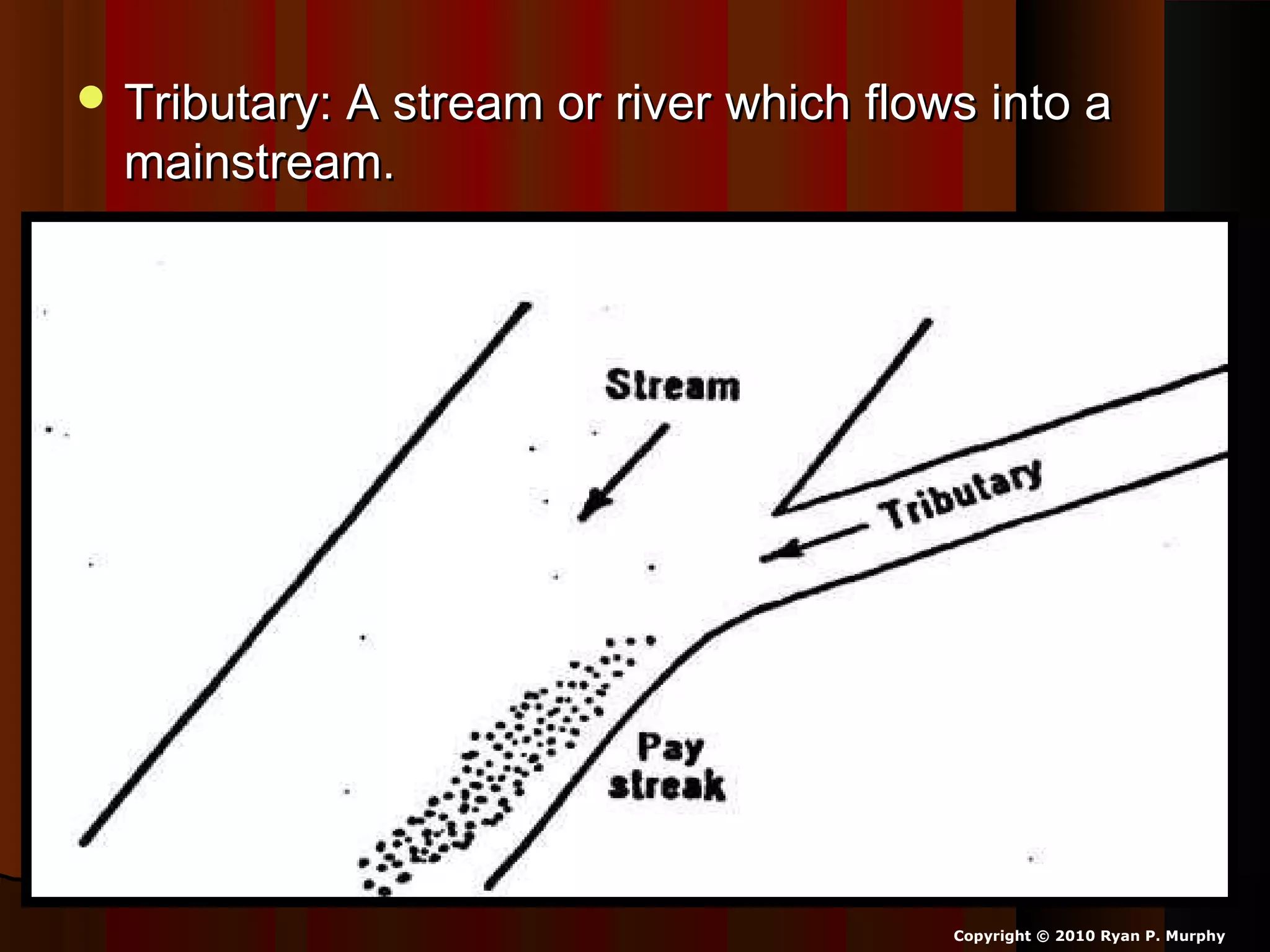
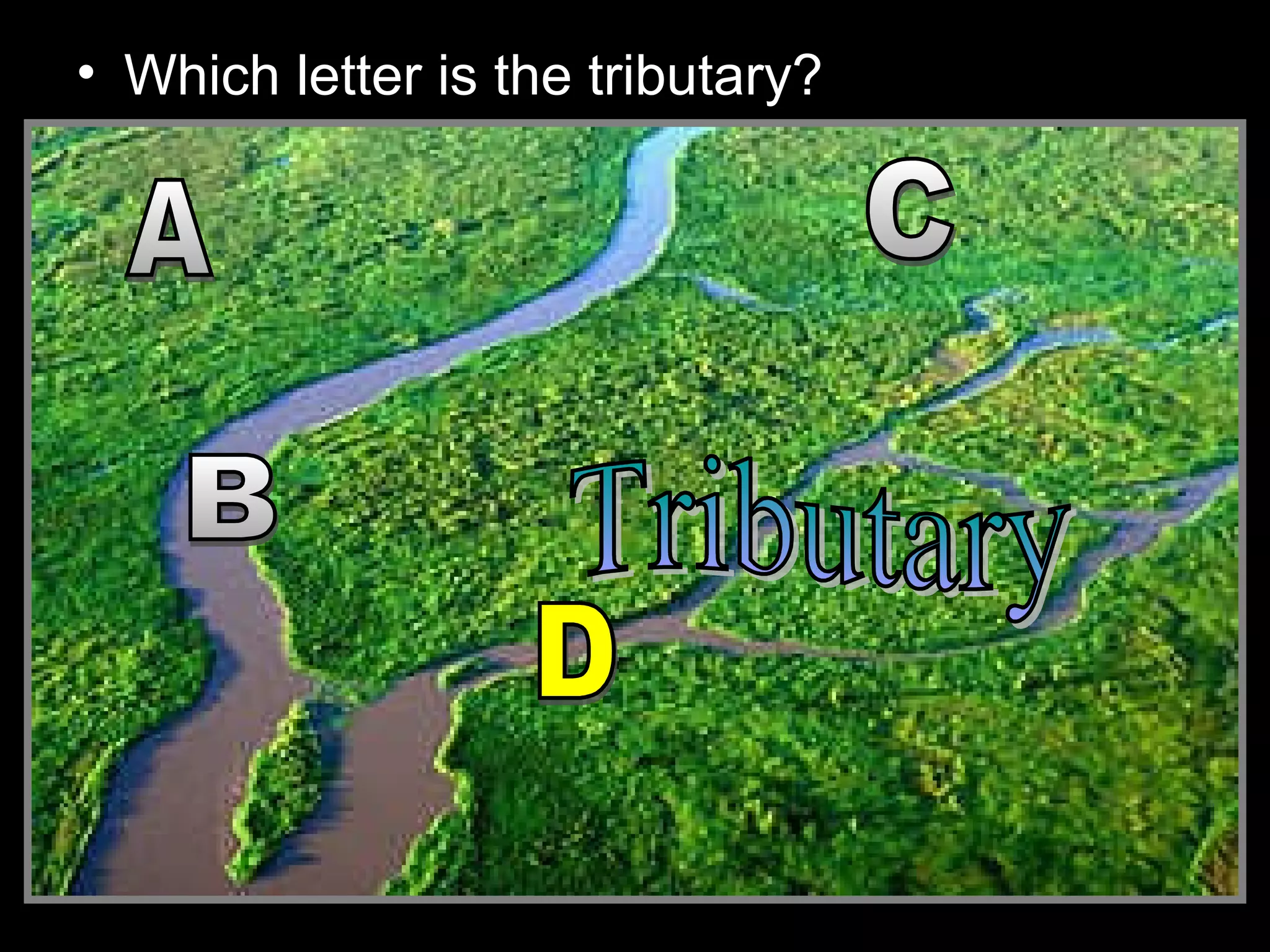
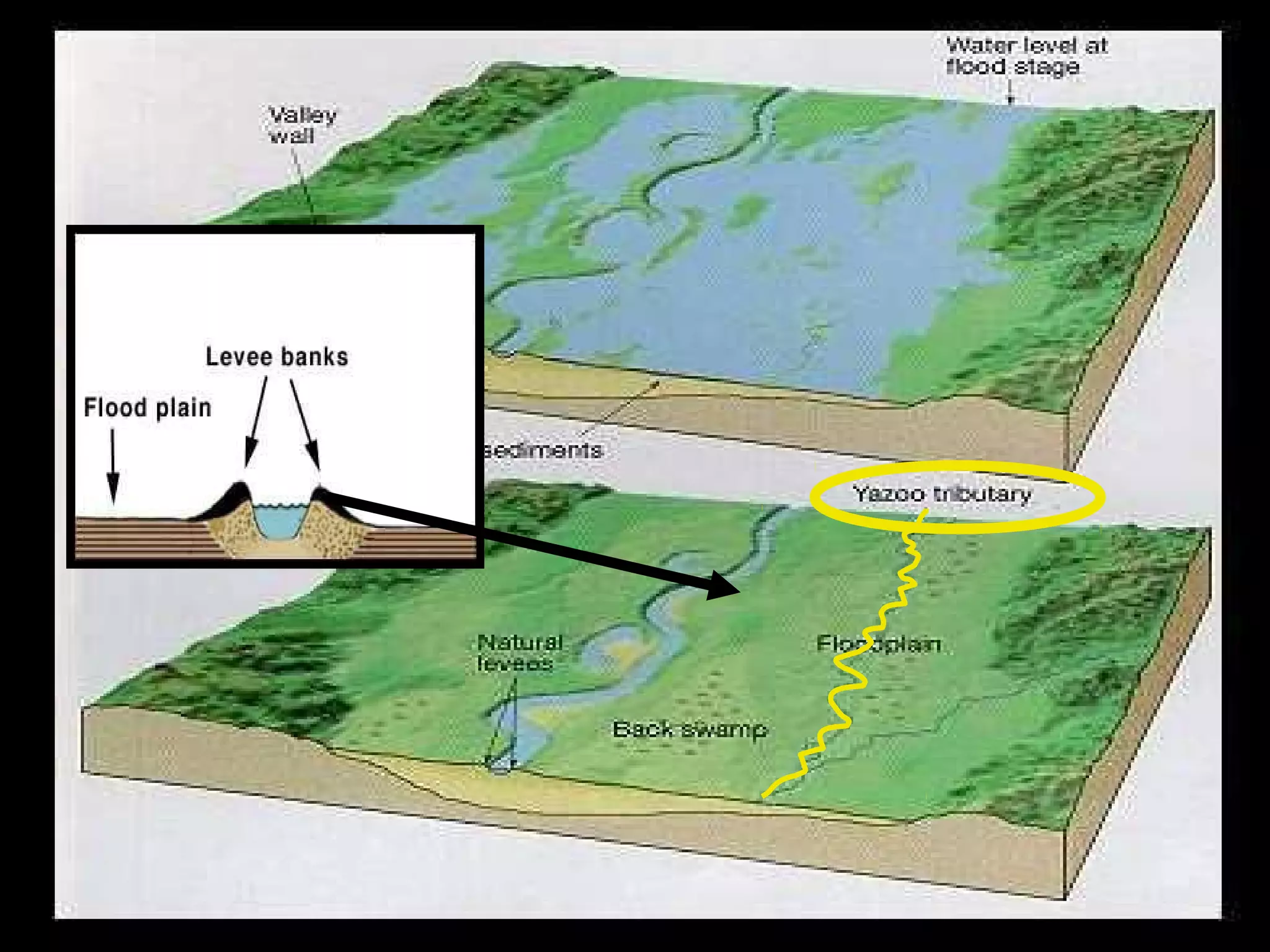
 Tributary: A stream or river which flows into aTributary: A stream or river which flows into a
mainstream.mainstream.
Copyright © 2010 Ryan P. Murphy
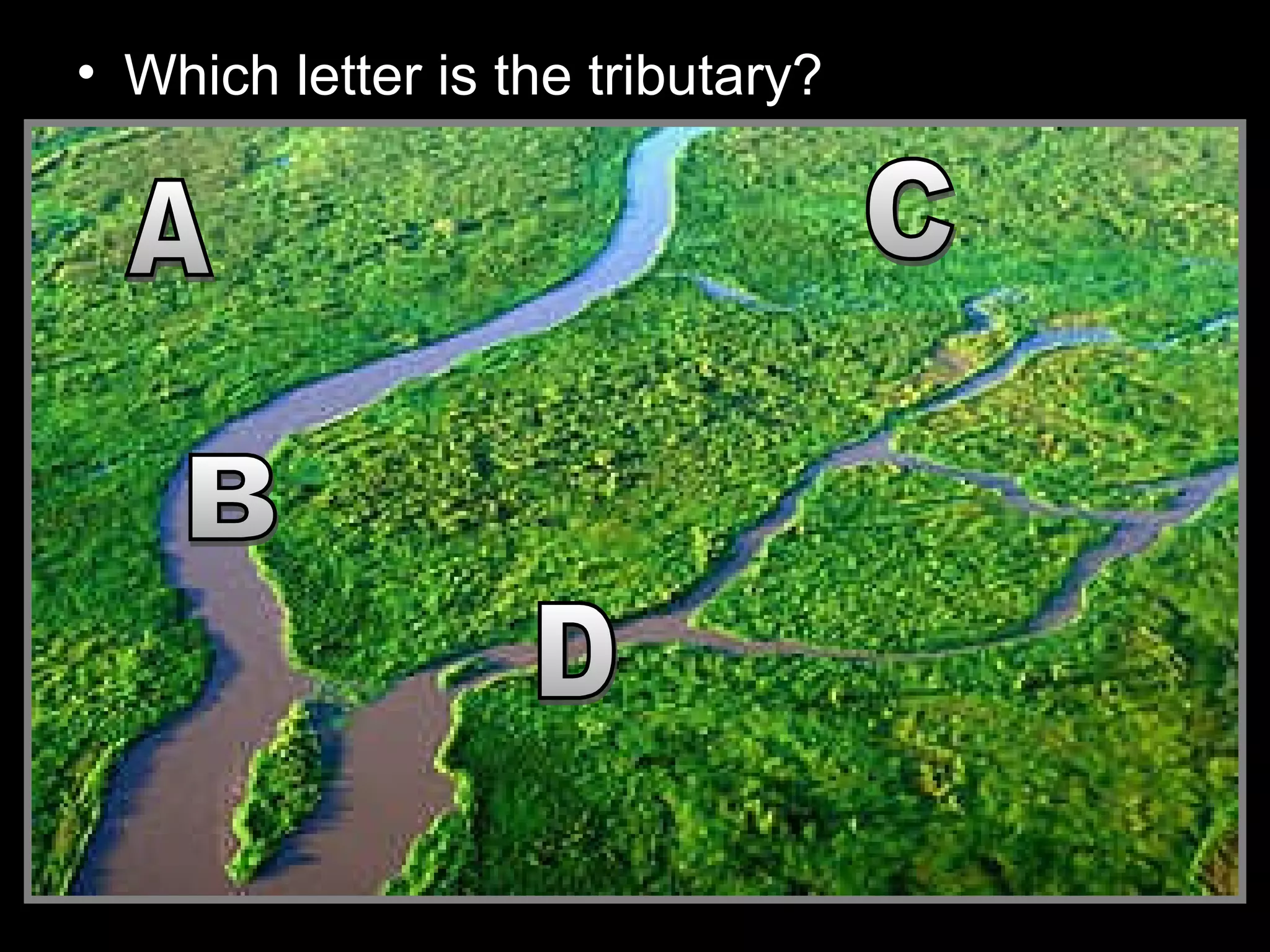
• Which letter is the tributary?
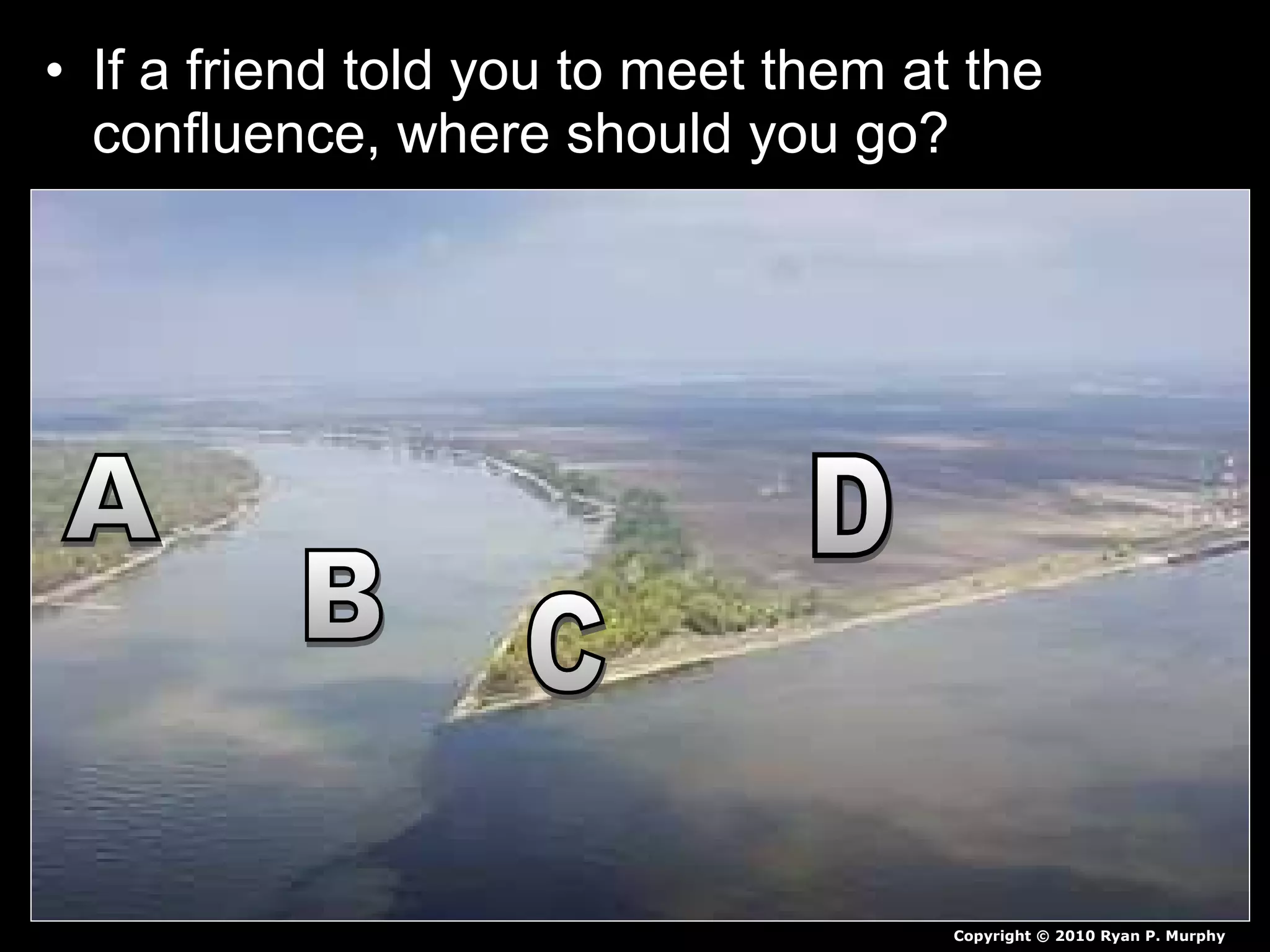
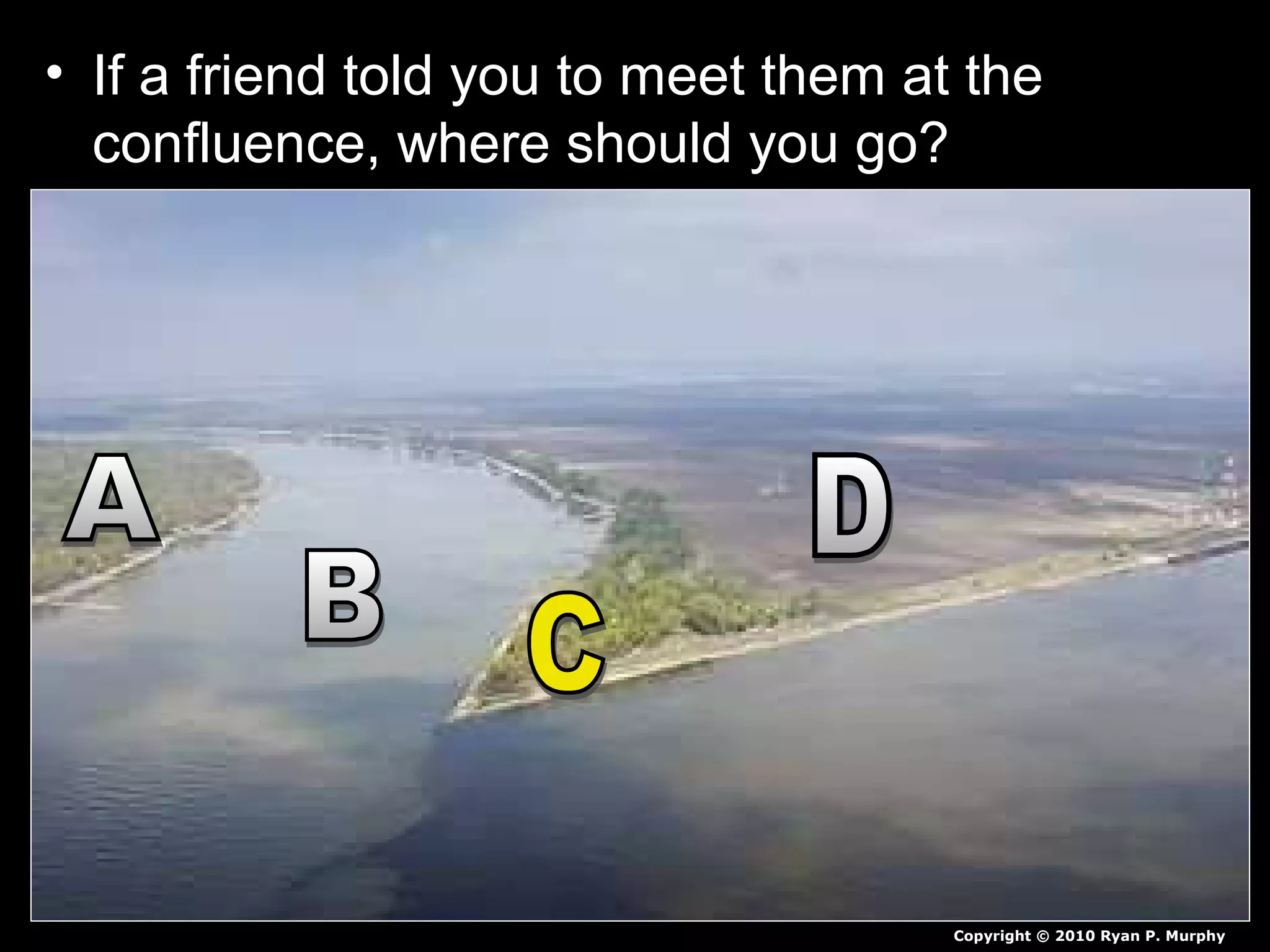
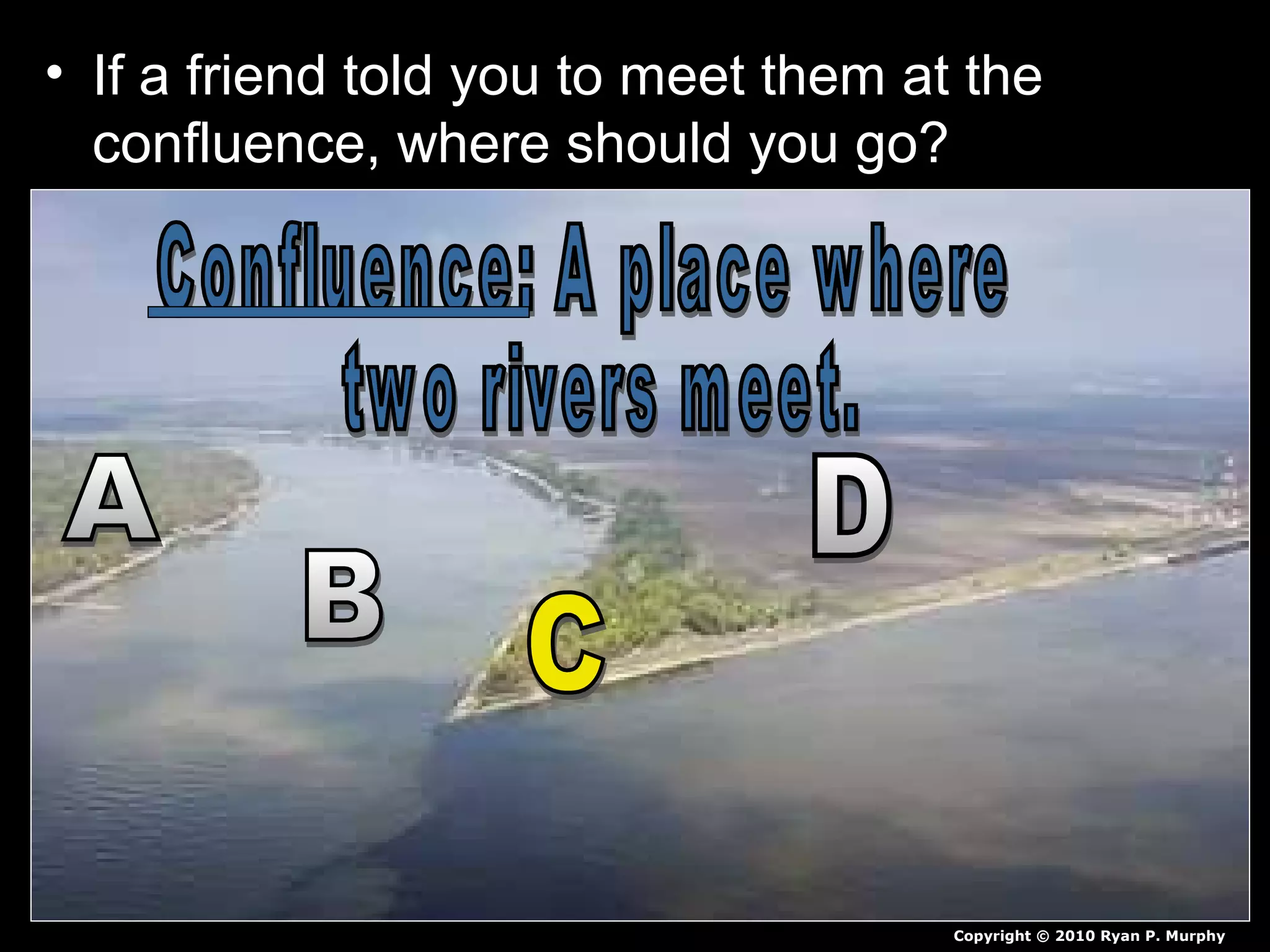
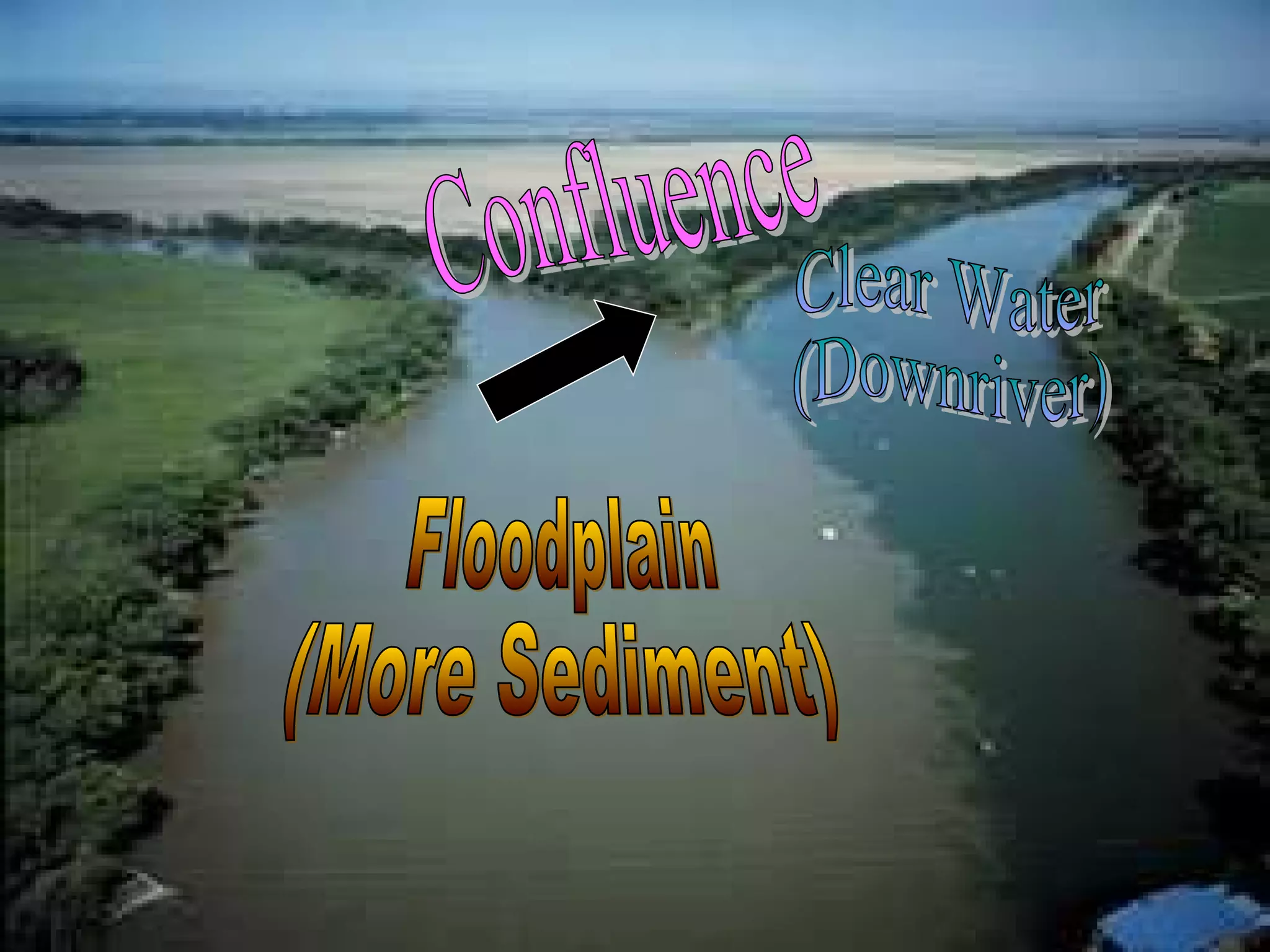
• If a friend told you to meet them at the
confluence, where should you go?
Copyright © 2010 Ryan P. Murphy
• If a friend told you to meet them at the
confluence, where should you go?
Copyright © 2010 Ryan P. Murphy
• If a friend told you to meet them at the
confluence, where should you go?
Copyright © 2010 Ryan P. Murphy
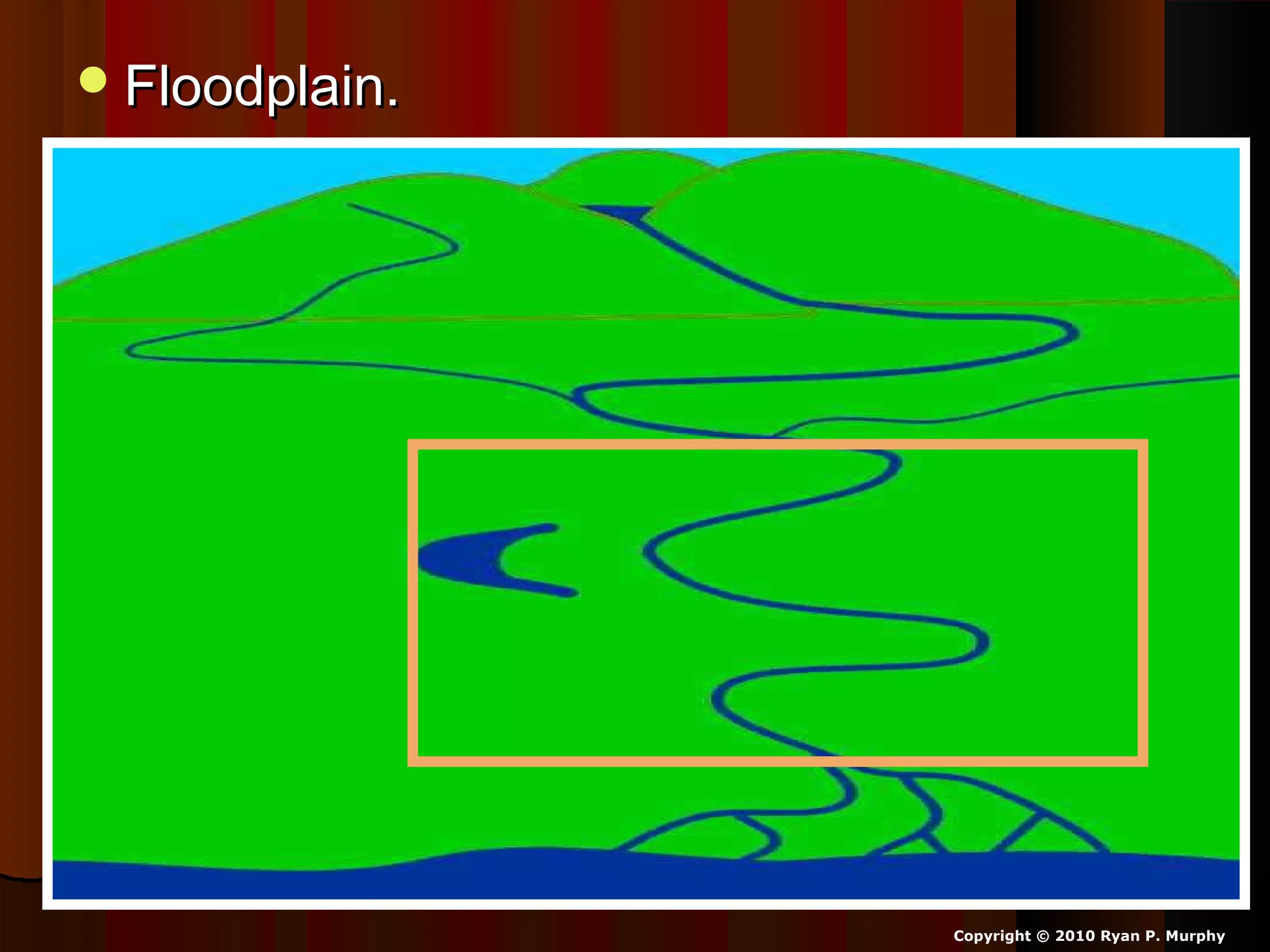
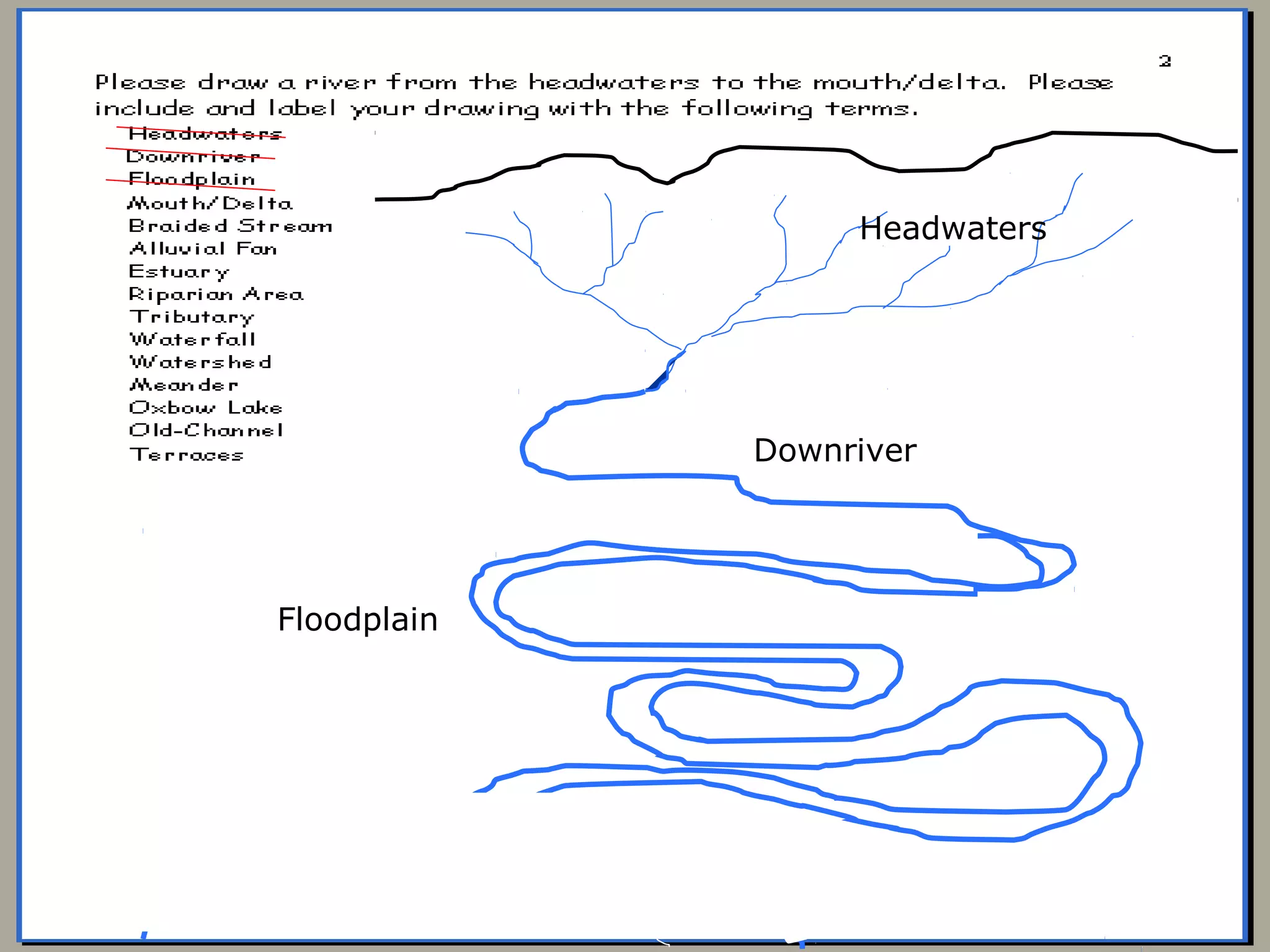
Floodplain.Floodplain.
Copyright © 2010 Ryan P. Murphy
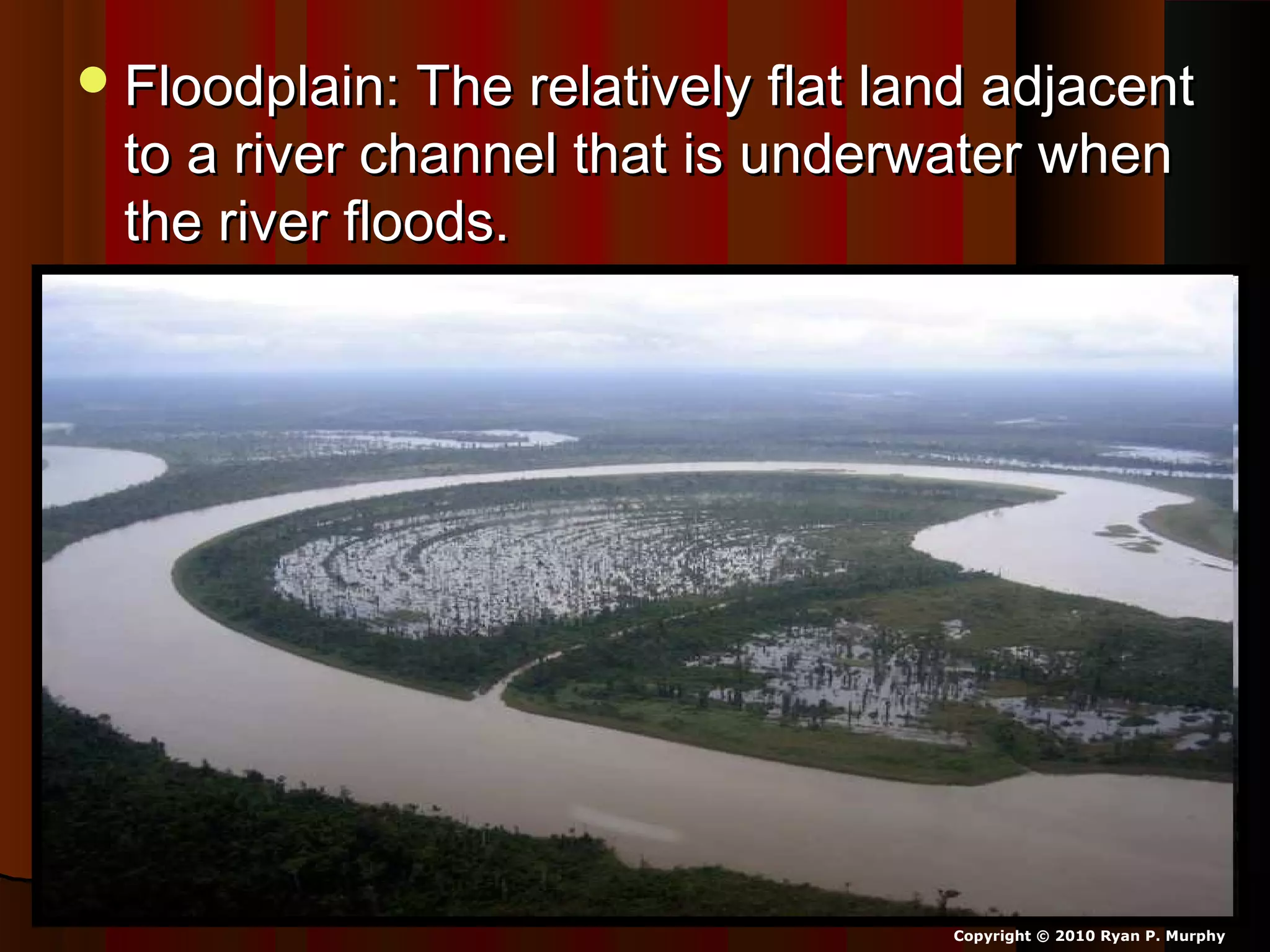
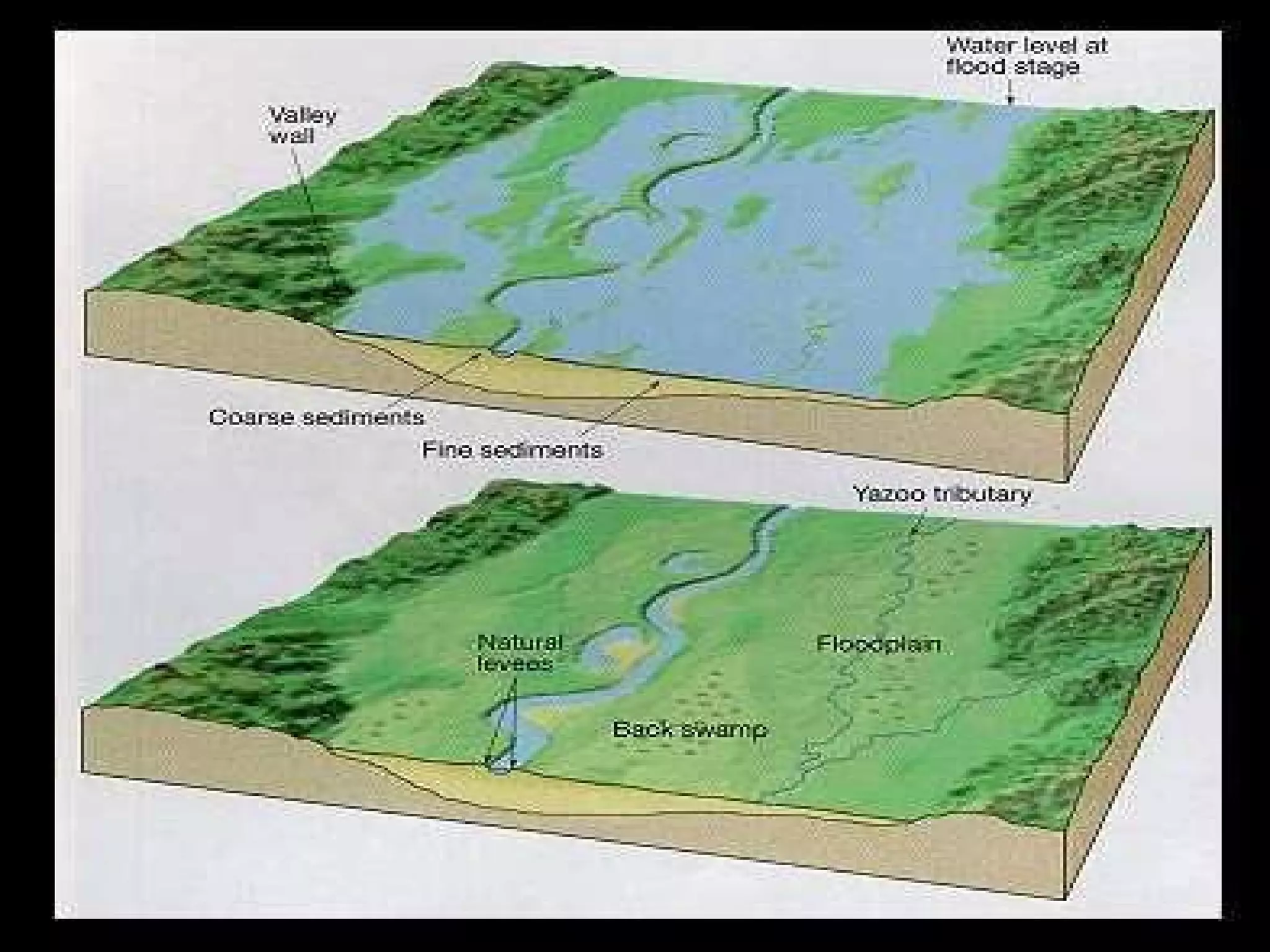
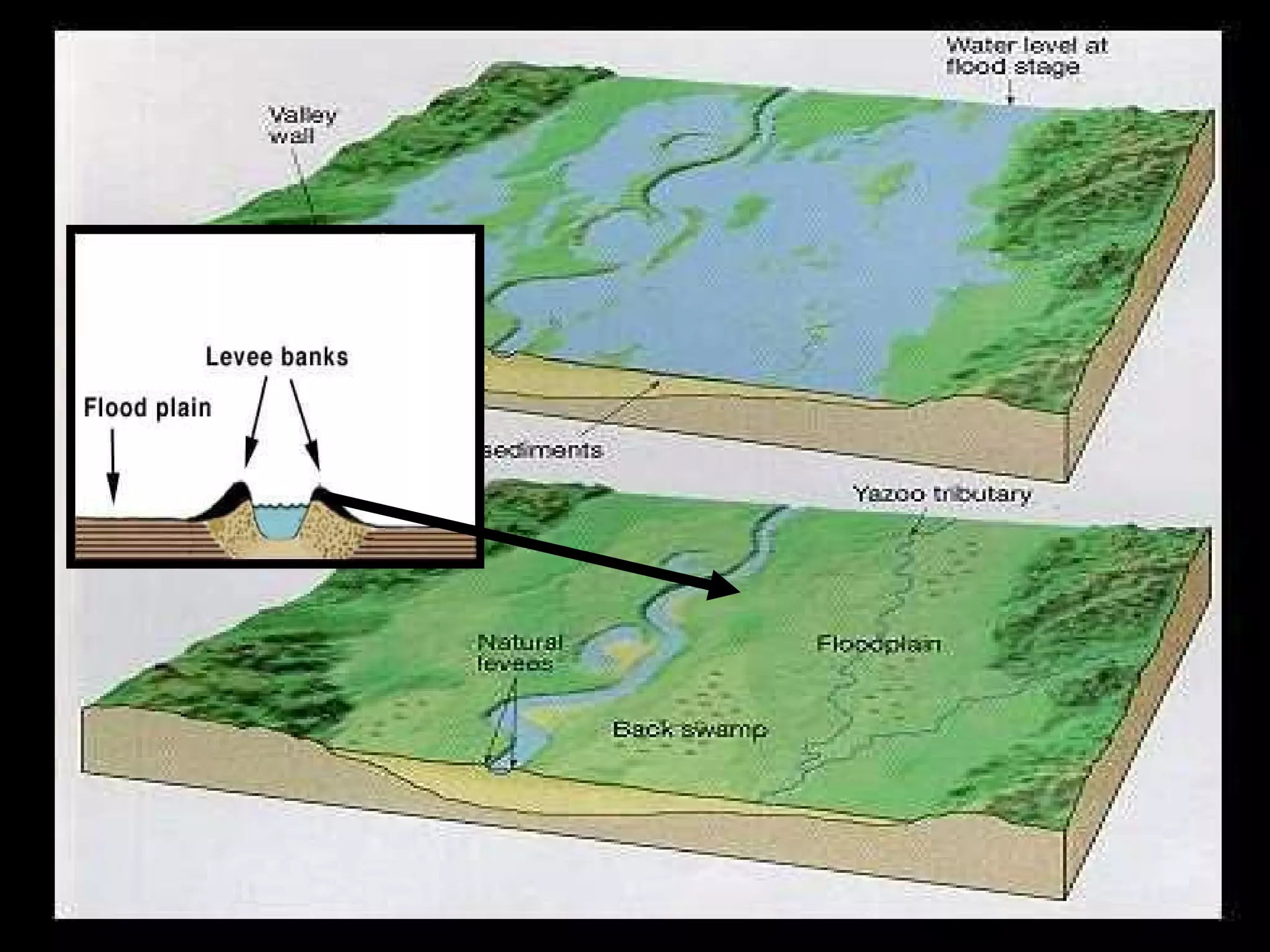
Floodplain: The relatively flat land adjacentFloodplain: The relatively flat land adjacent
to a river channel that is underwater whento a river channel that is underwater when
the river floods.the river floods.
Copyright © 2010 Ryan P. Murphy
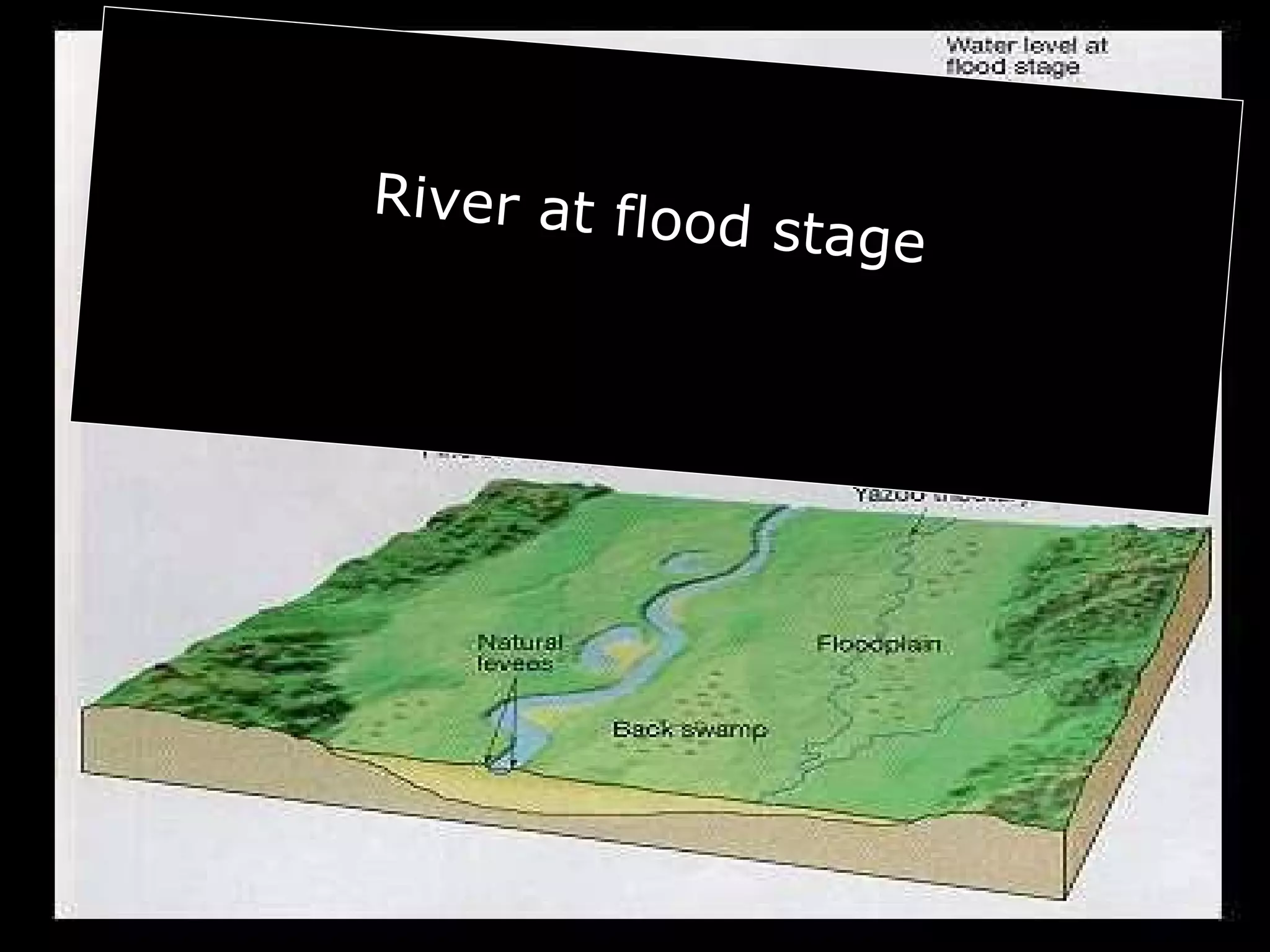
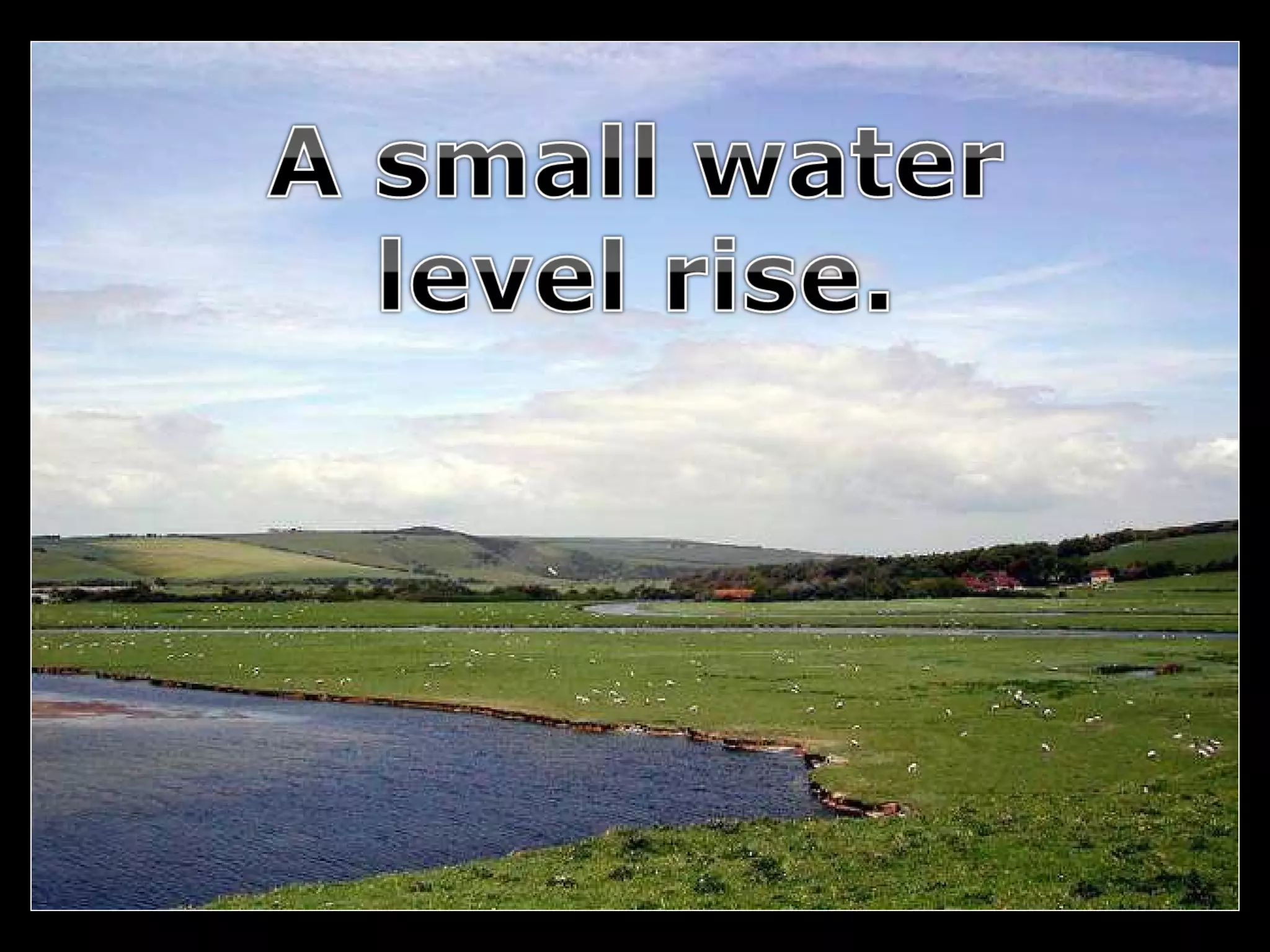
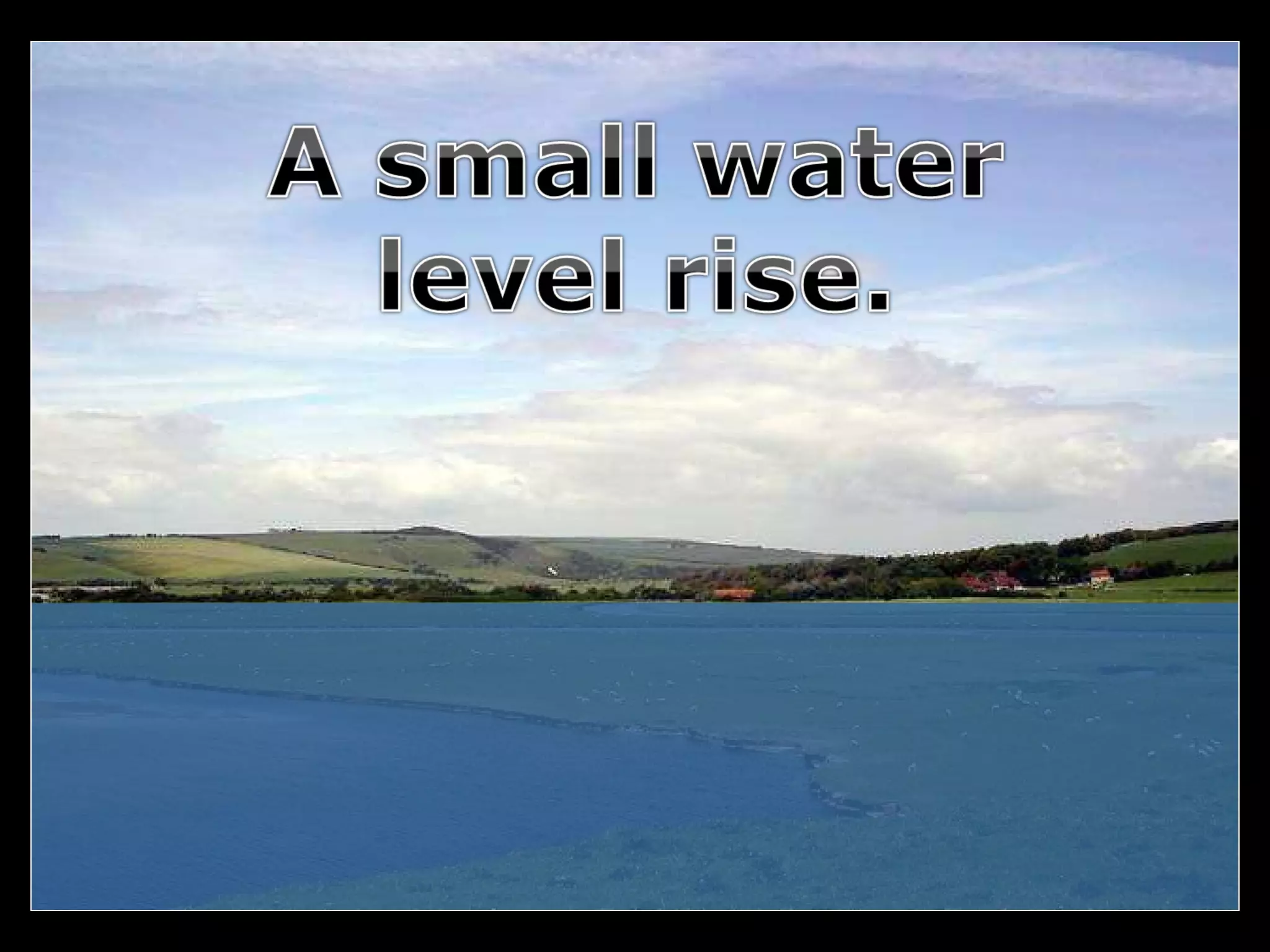
River at flood stage
River at normal flow
River at flood stage
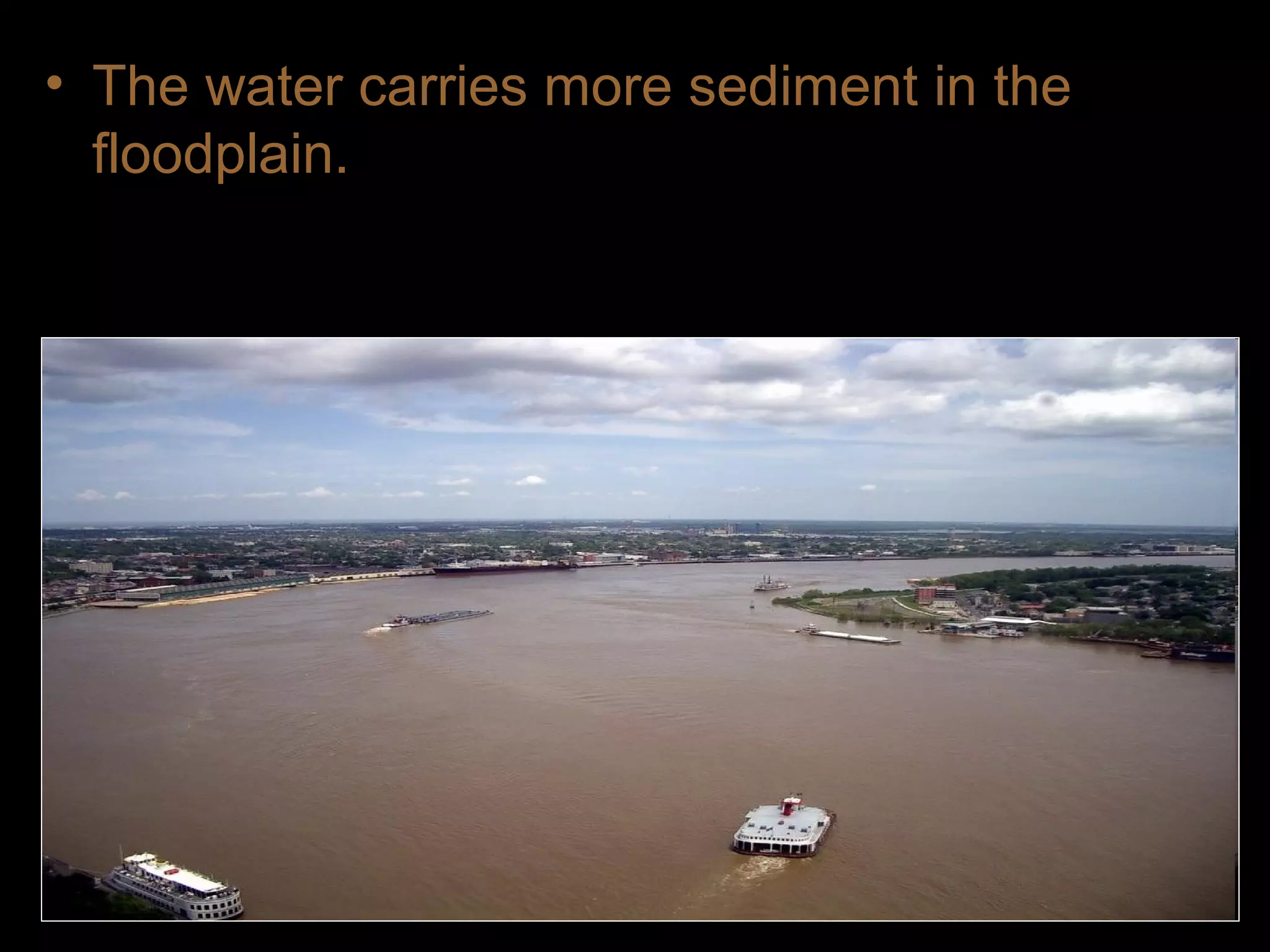
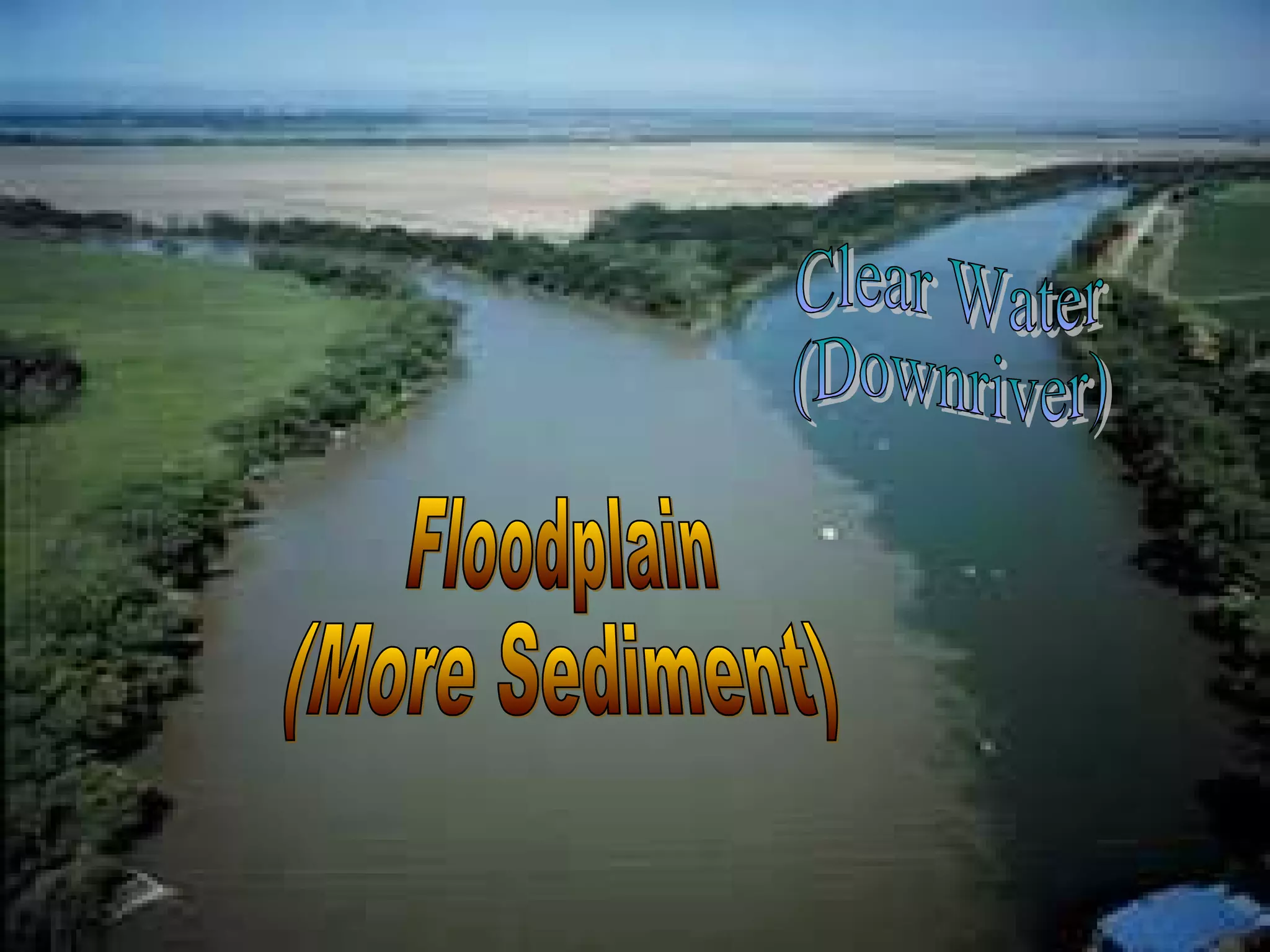
• The water carries more sediment in the
floodplain.
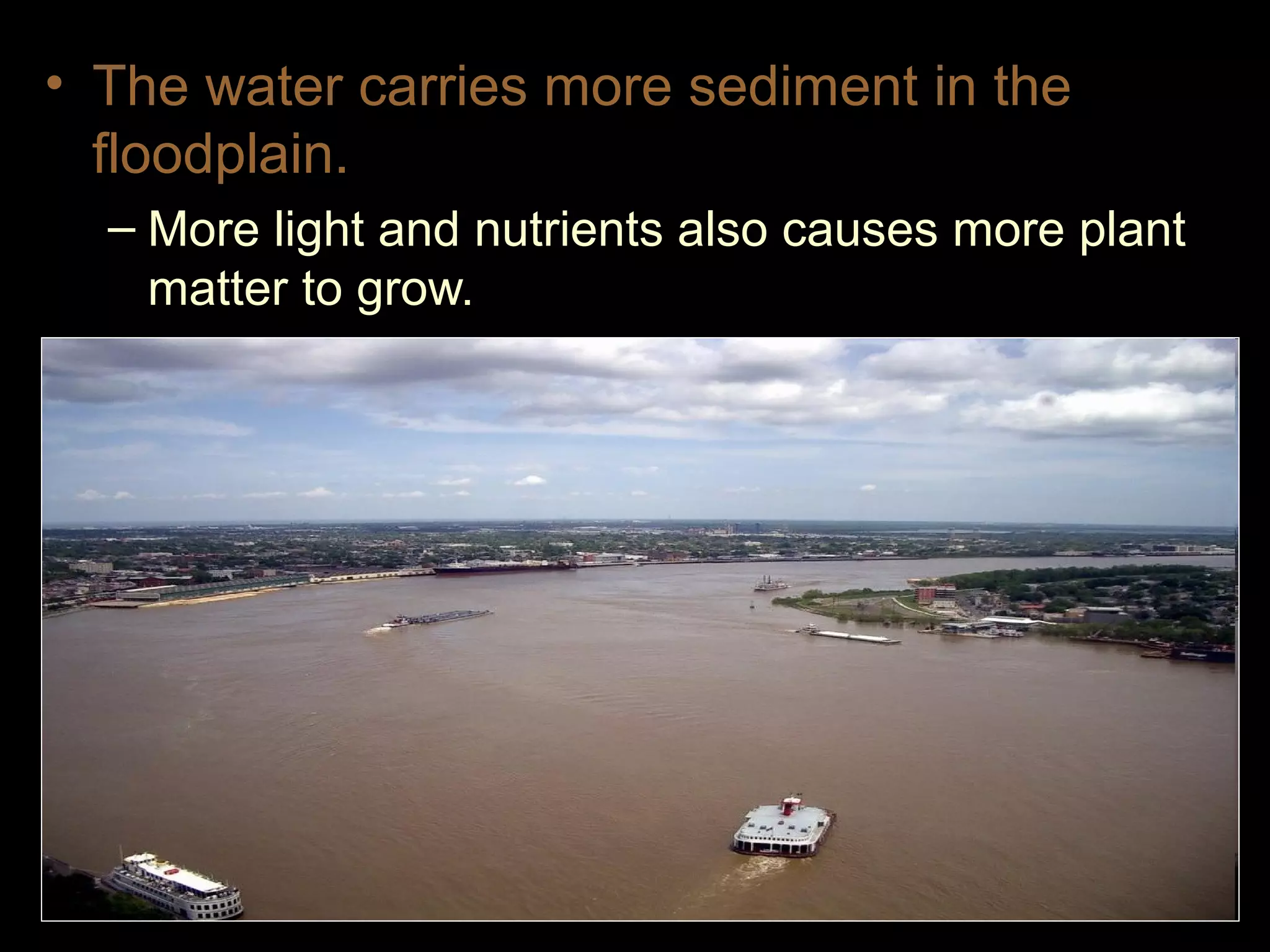
• The water carries more sediment in the
floodplain.
– More light and nutrients also causes more plant
matter to grow.
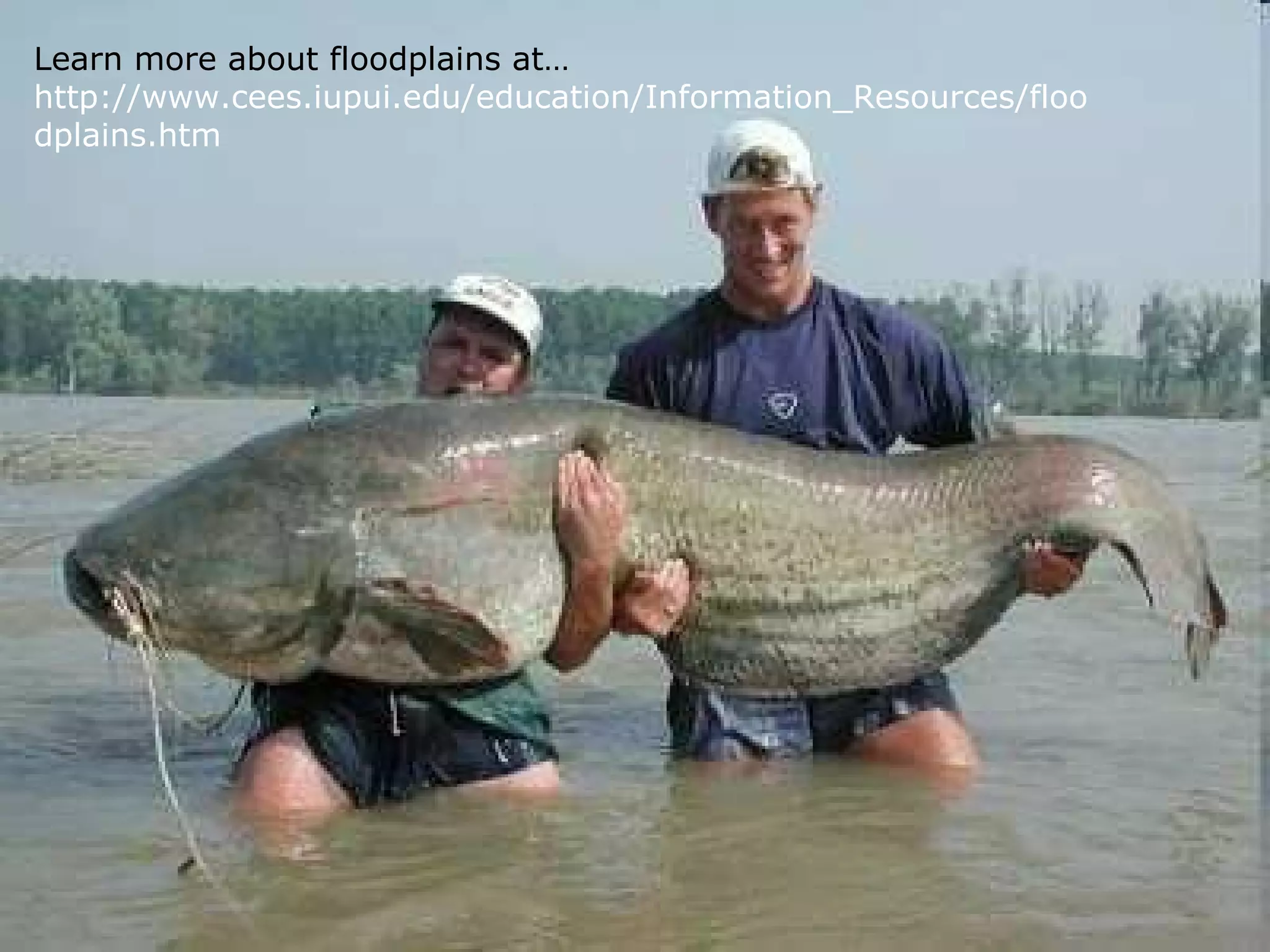
Learn more about floodplains at…
http://www.cees.iupui.edu/education/Information_Resources/floo
dplains.htm
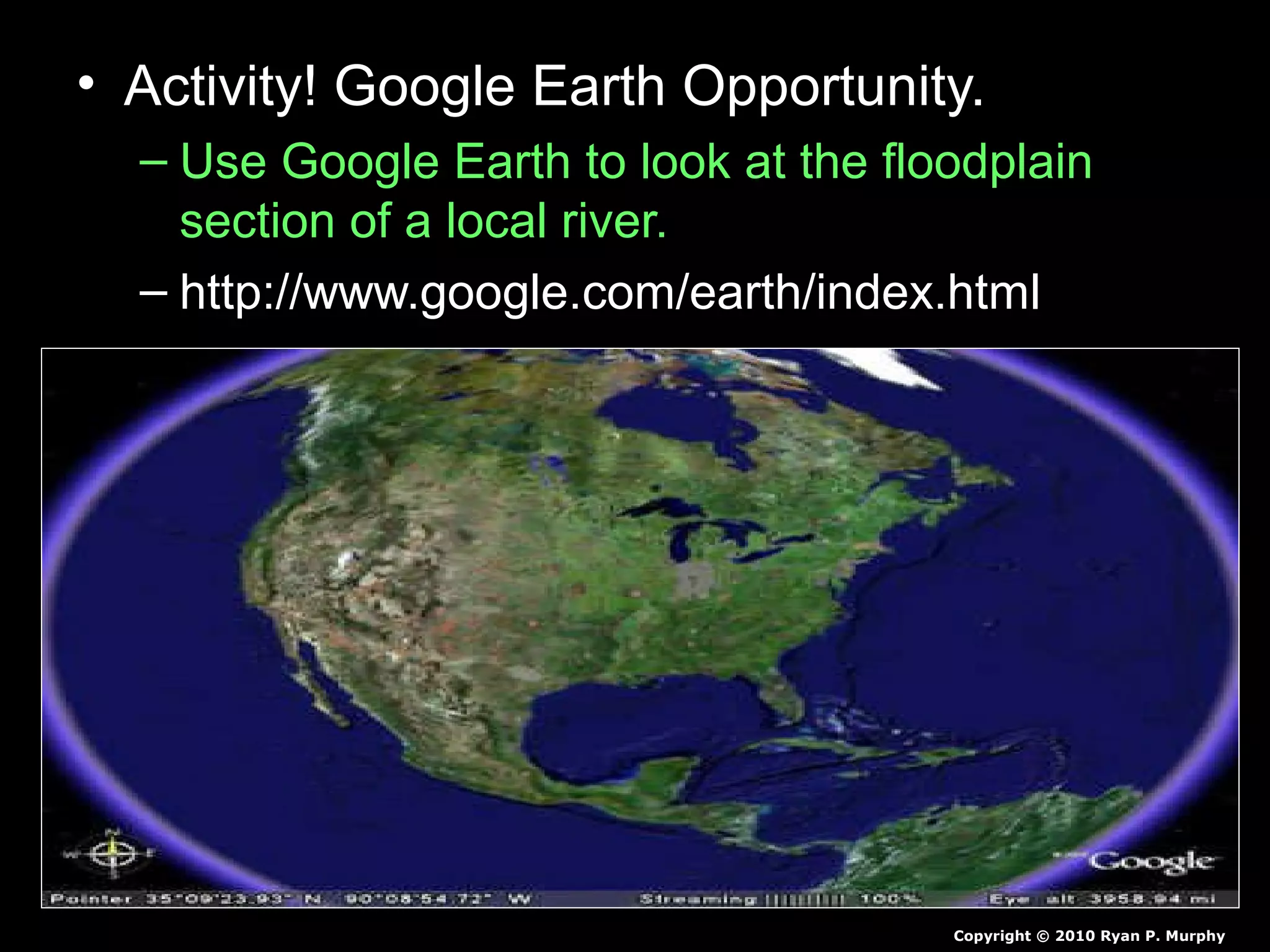
• Activity! Google Earth Opportunity.
– Use Google Earth to look at the floodplain
section of a local river.
– http://www.google.com/earth/index.html
Copyright © 2010 Ryan P. Murphy
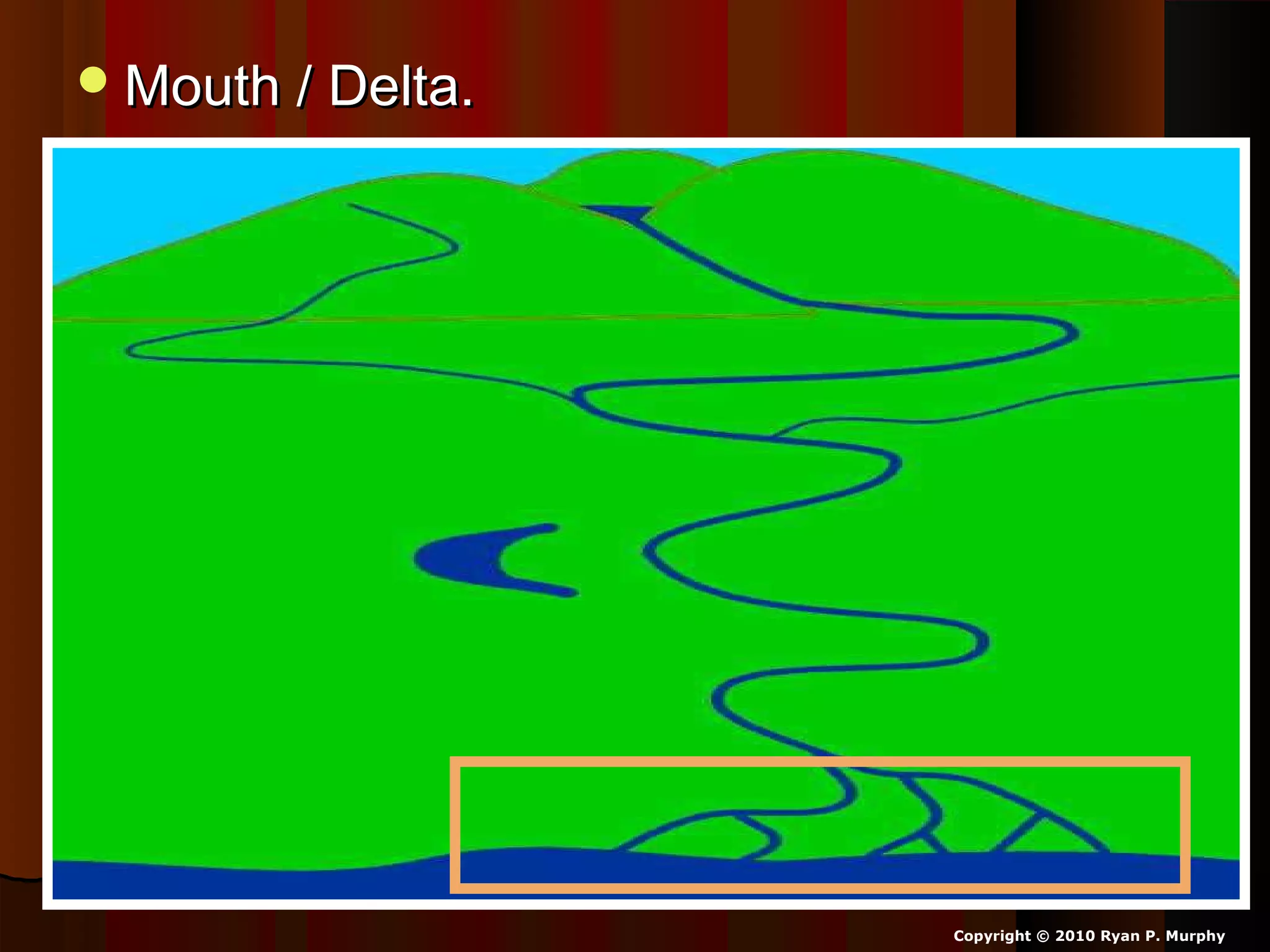
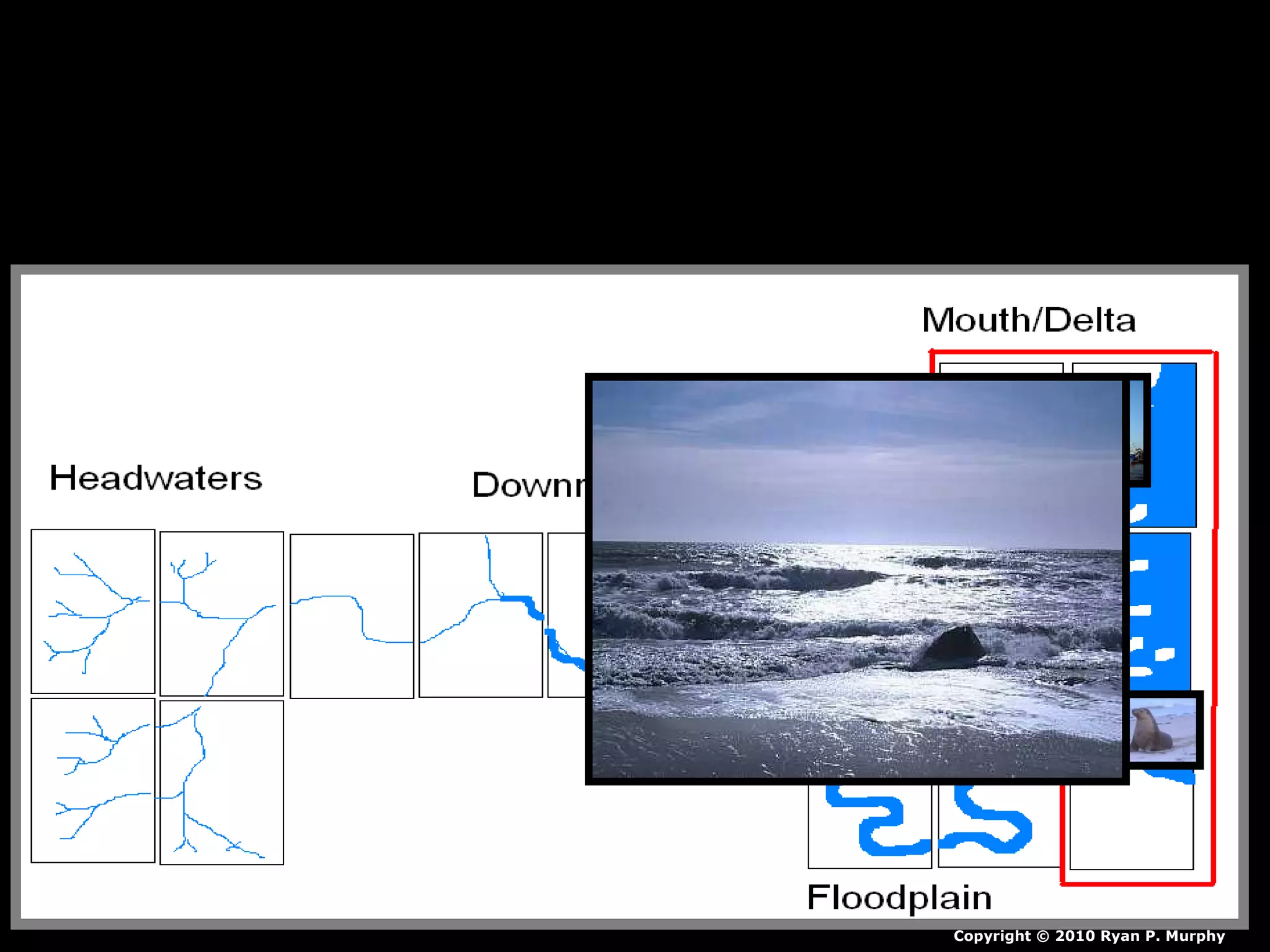
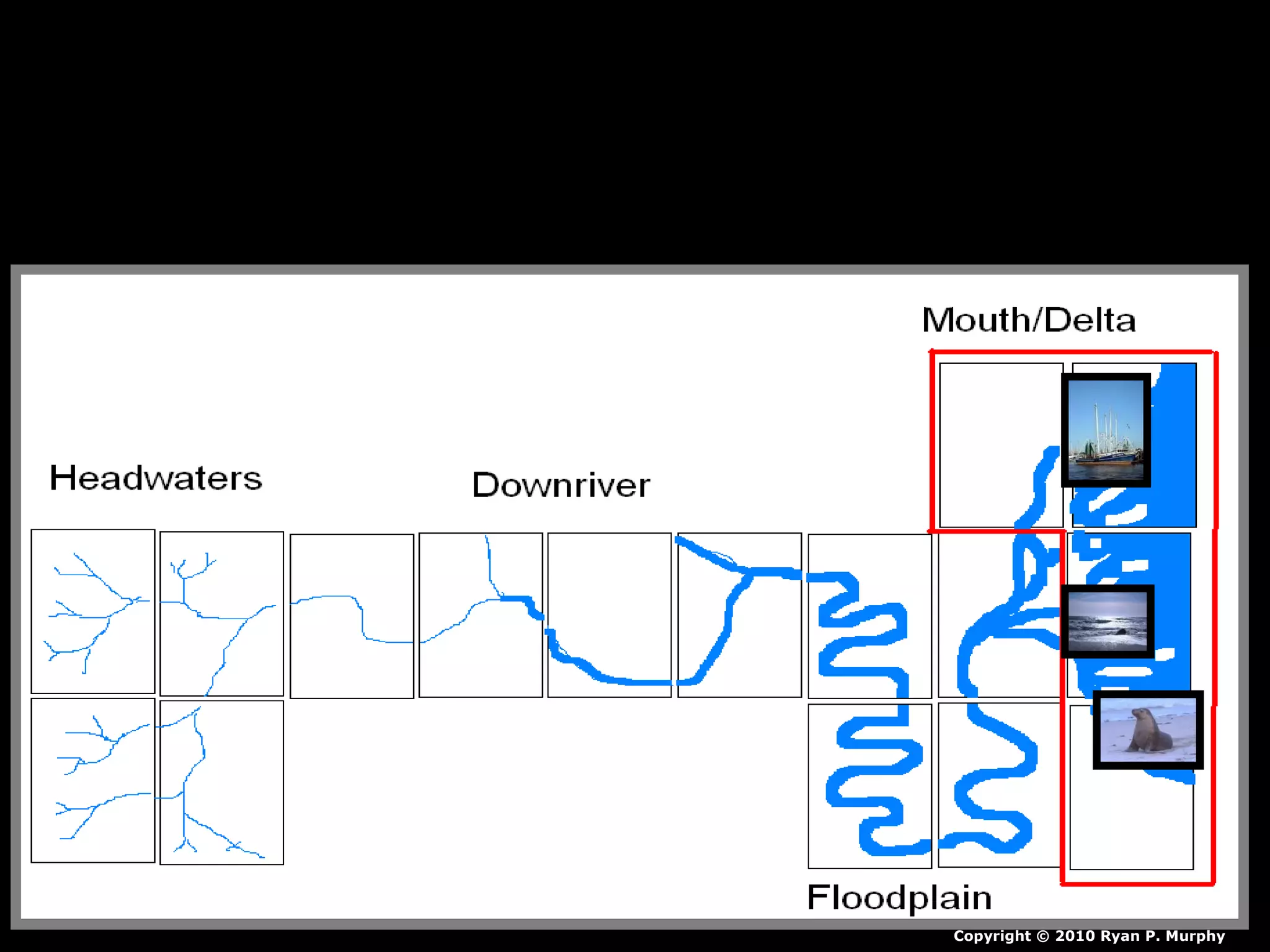
Mouth / Delta.Mouth / Delta.
Copyright © 2010 Ryan P. Murphy
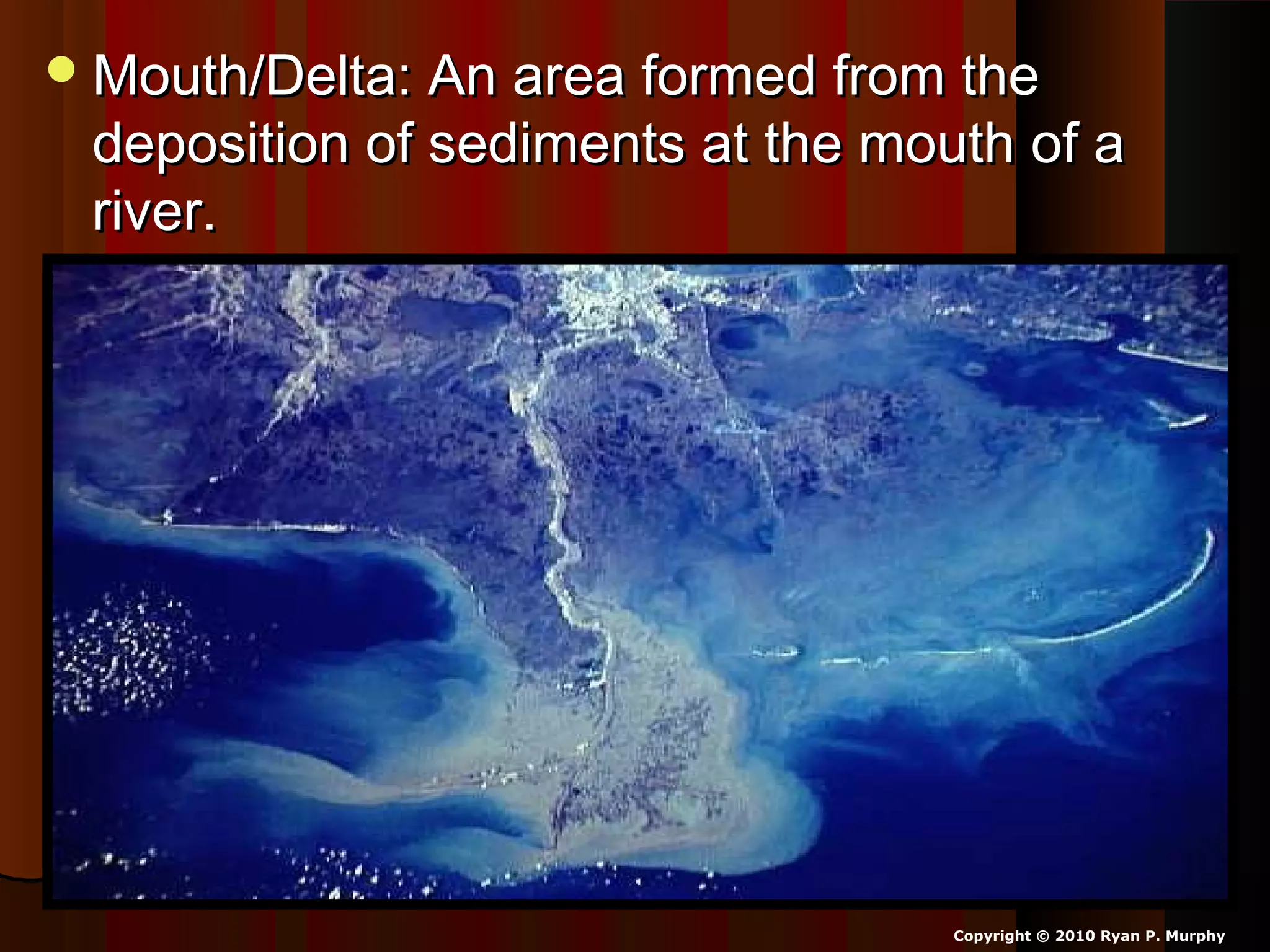
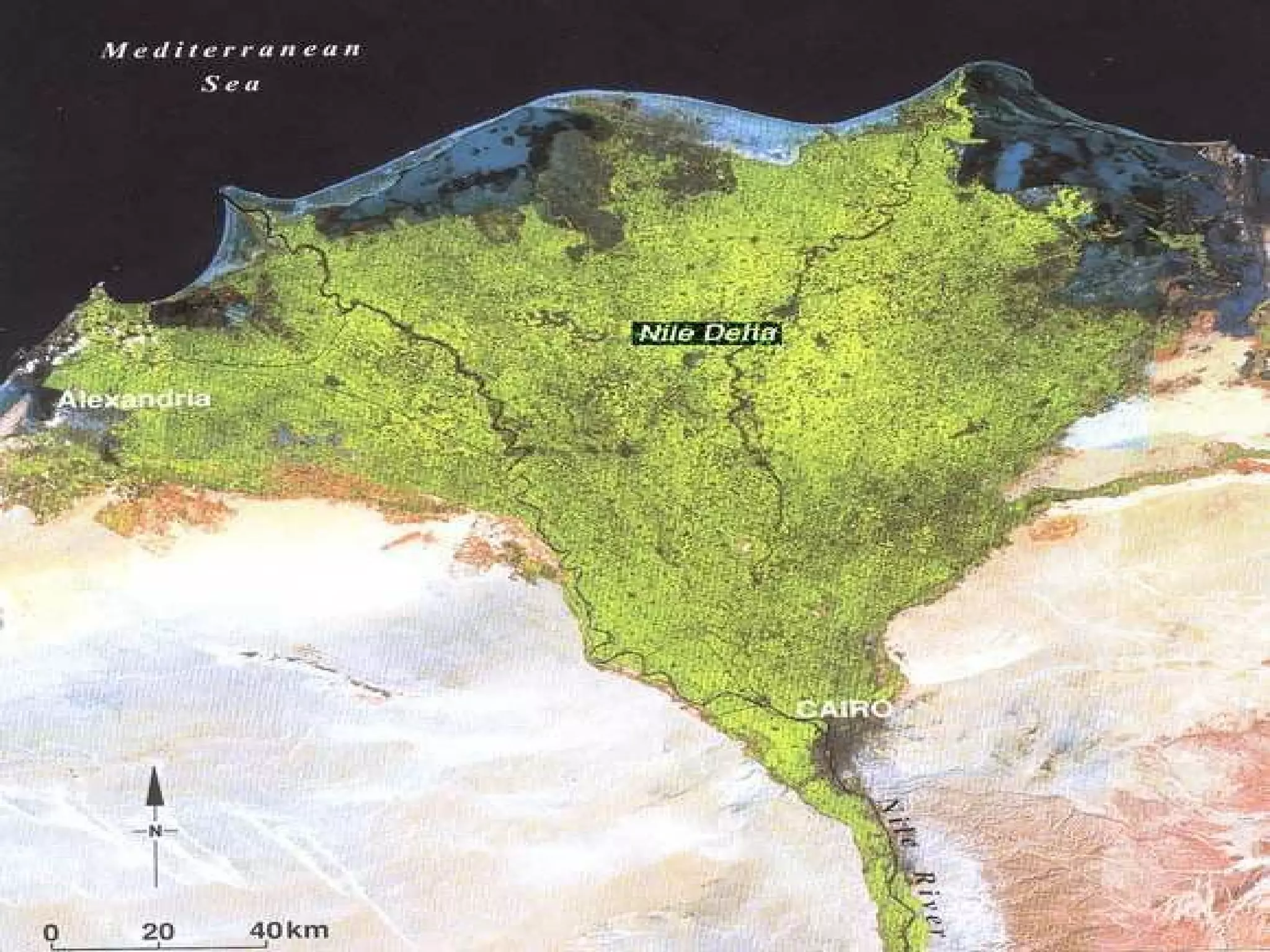
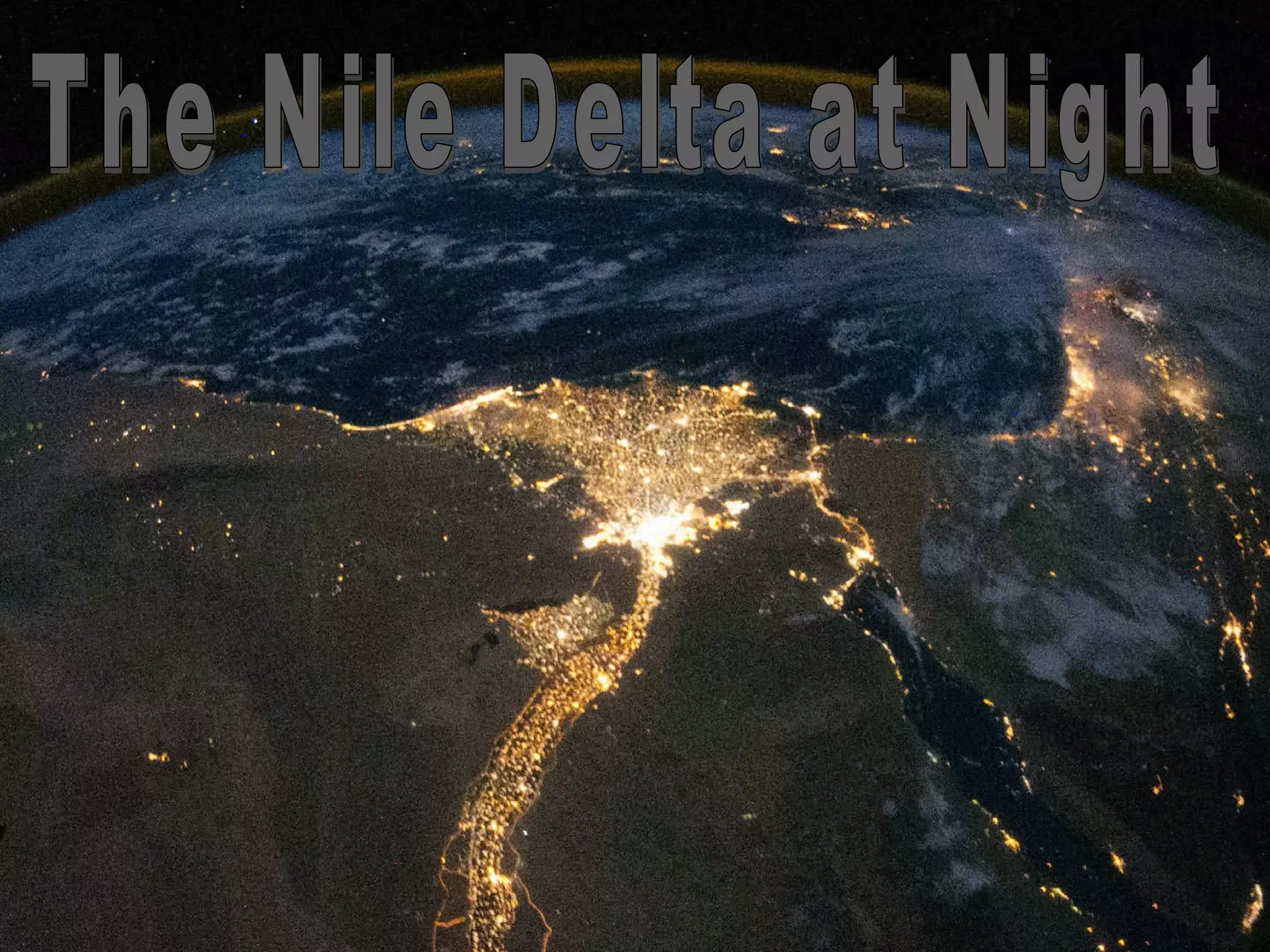
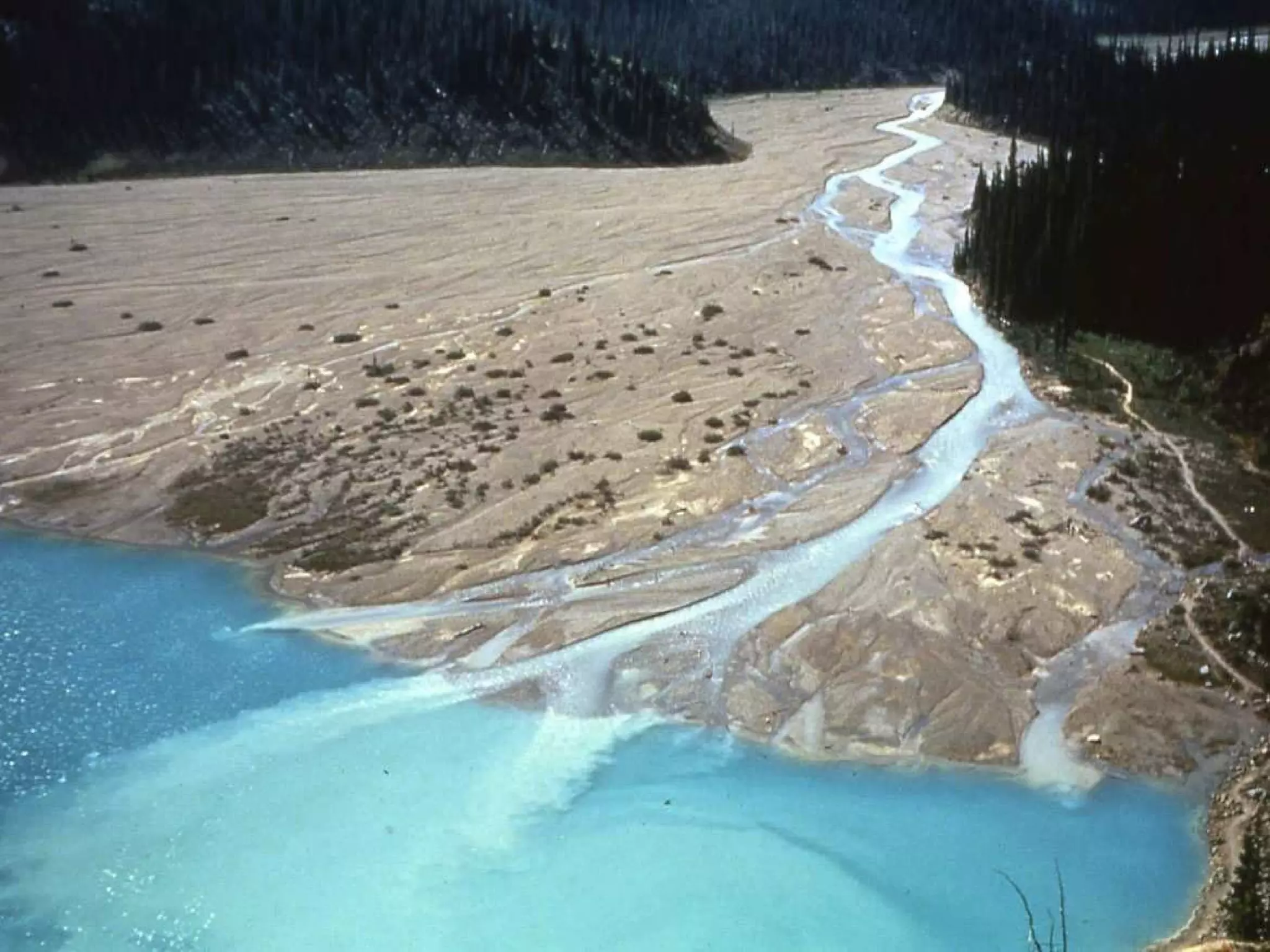
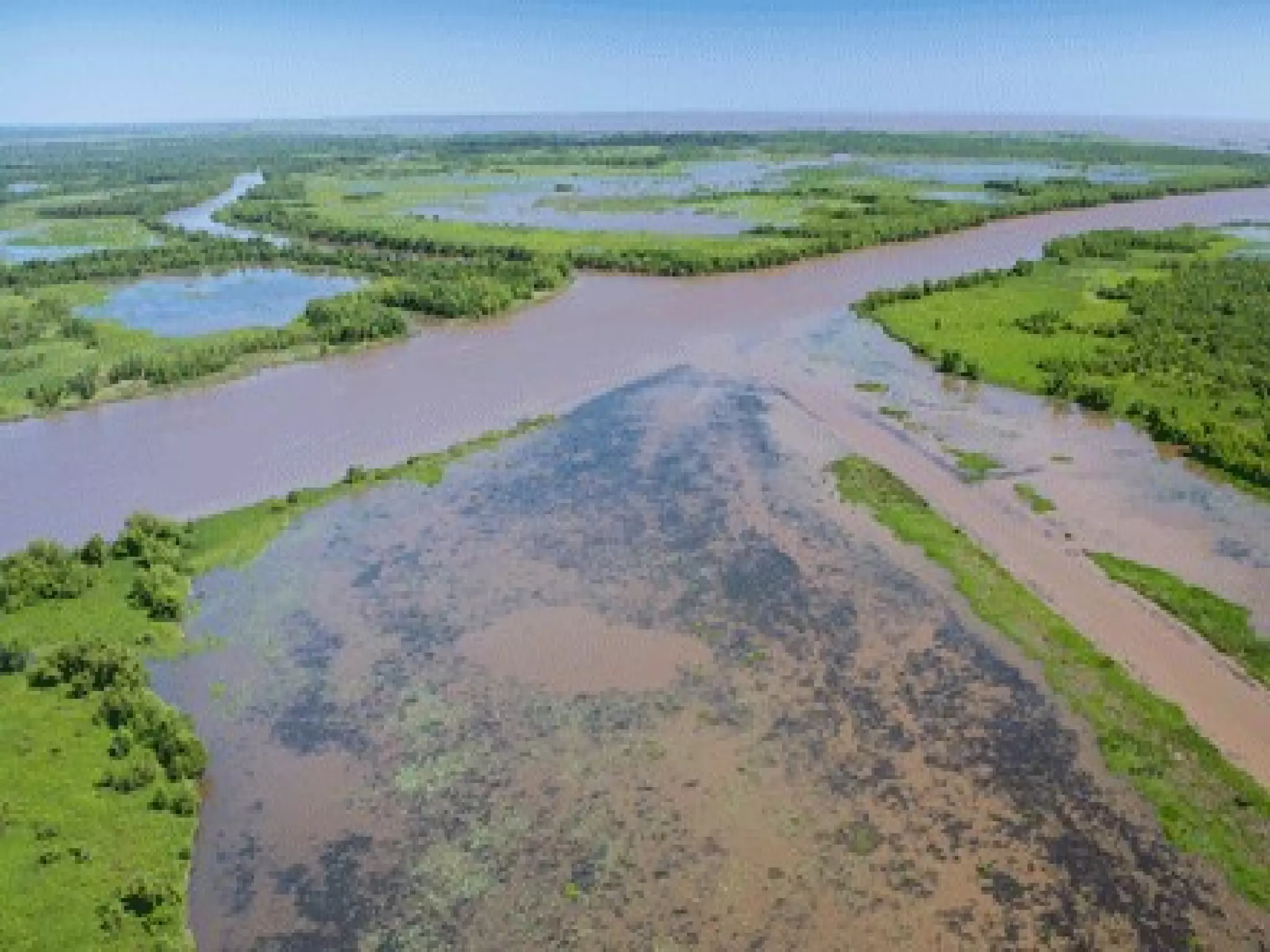
Mouth/Delta: An area formed from theMouth/Delta: An area formed from the
deposition of sediments at the mouth of adeposition of sediments at the mouth of a
river.river.
Copyright © 2010 Ryan P. Murphy
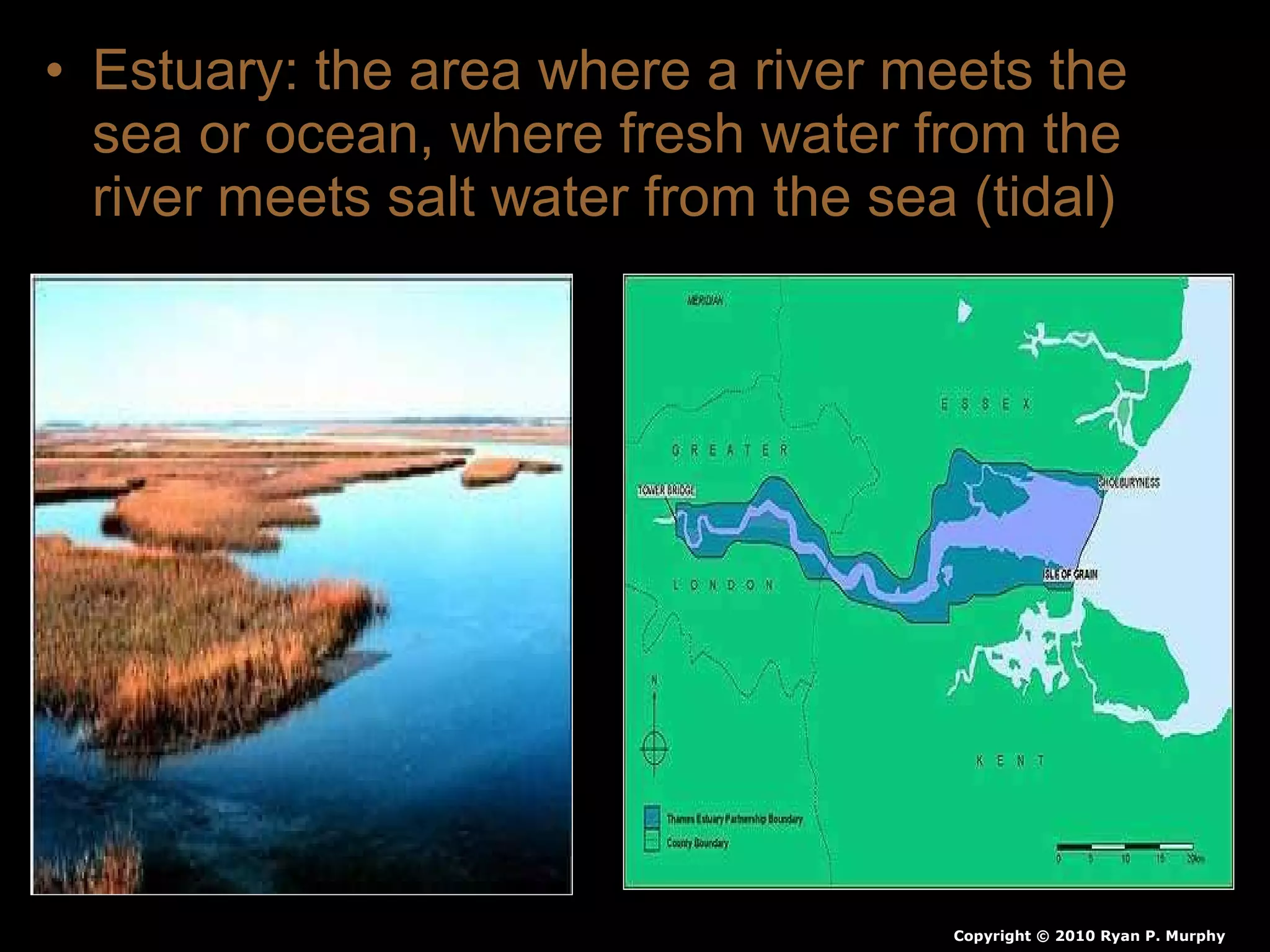
• Estuary: the area where a river meets the
sea or ocean, where fresh water from the
river meets salt water from the sea (tidal)
Copyright © 2010 Ryan P. Murphy
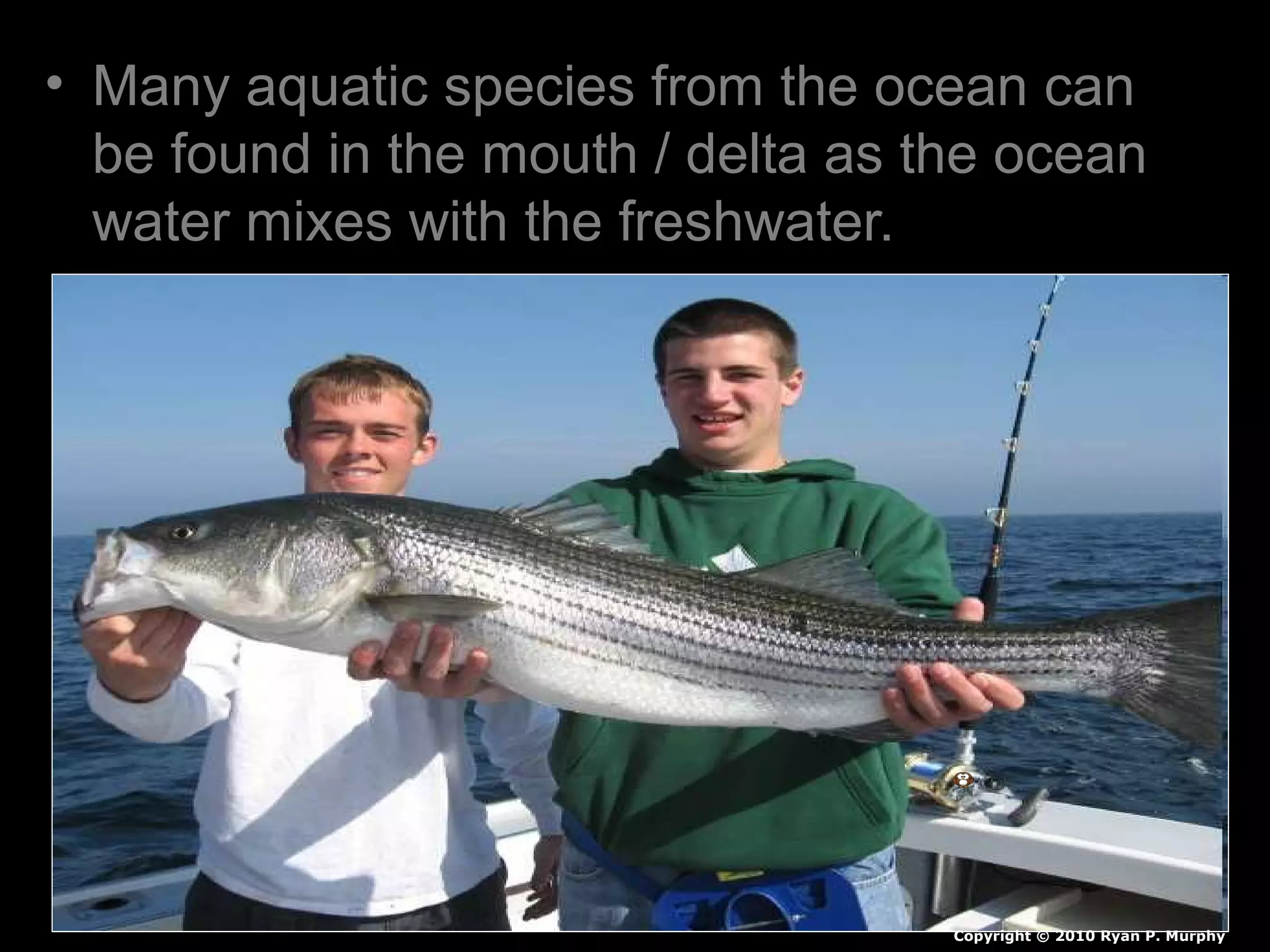
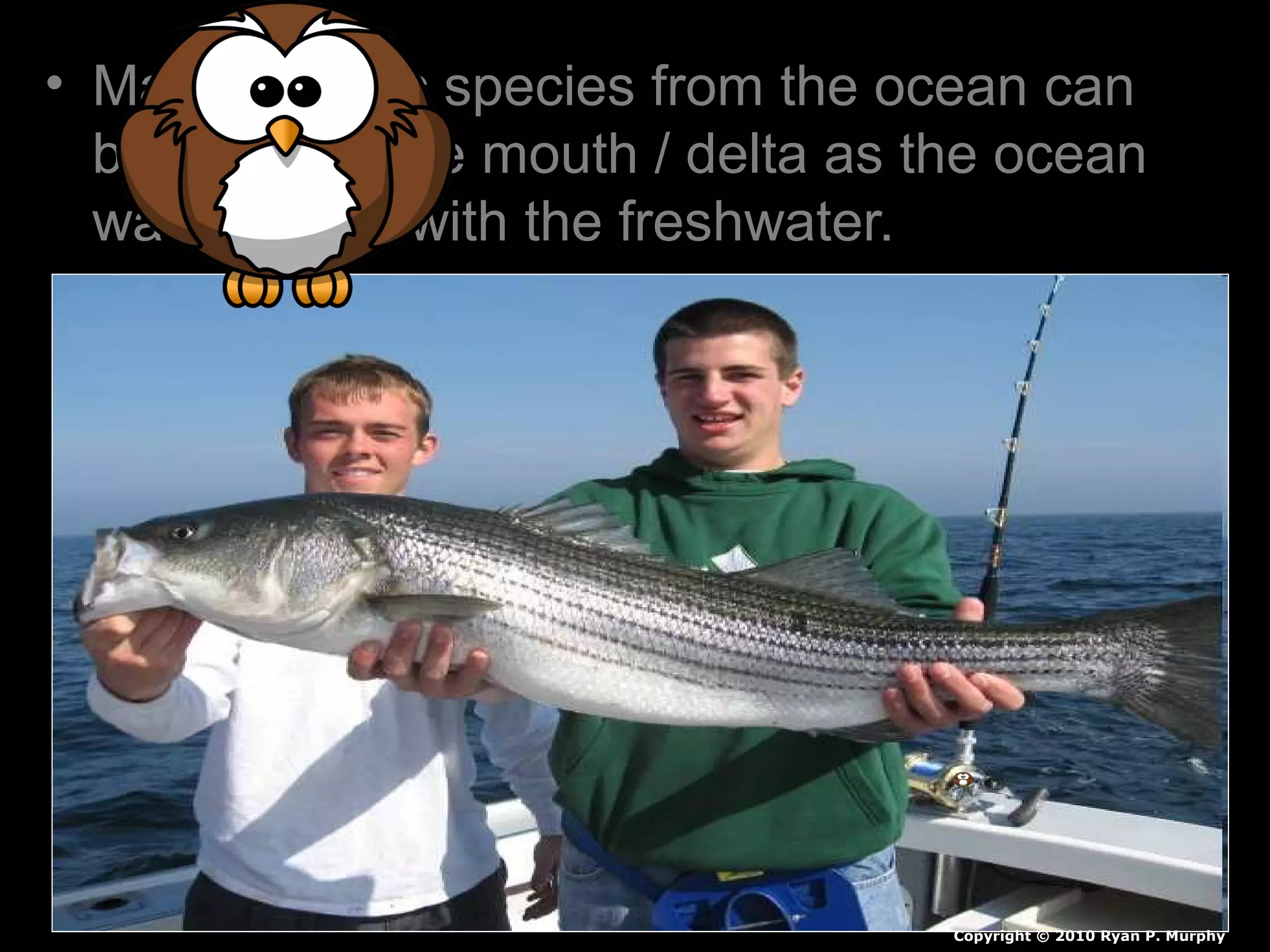
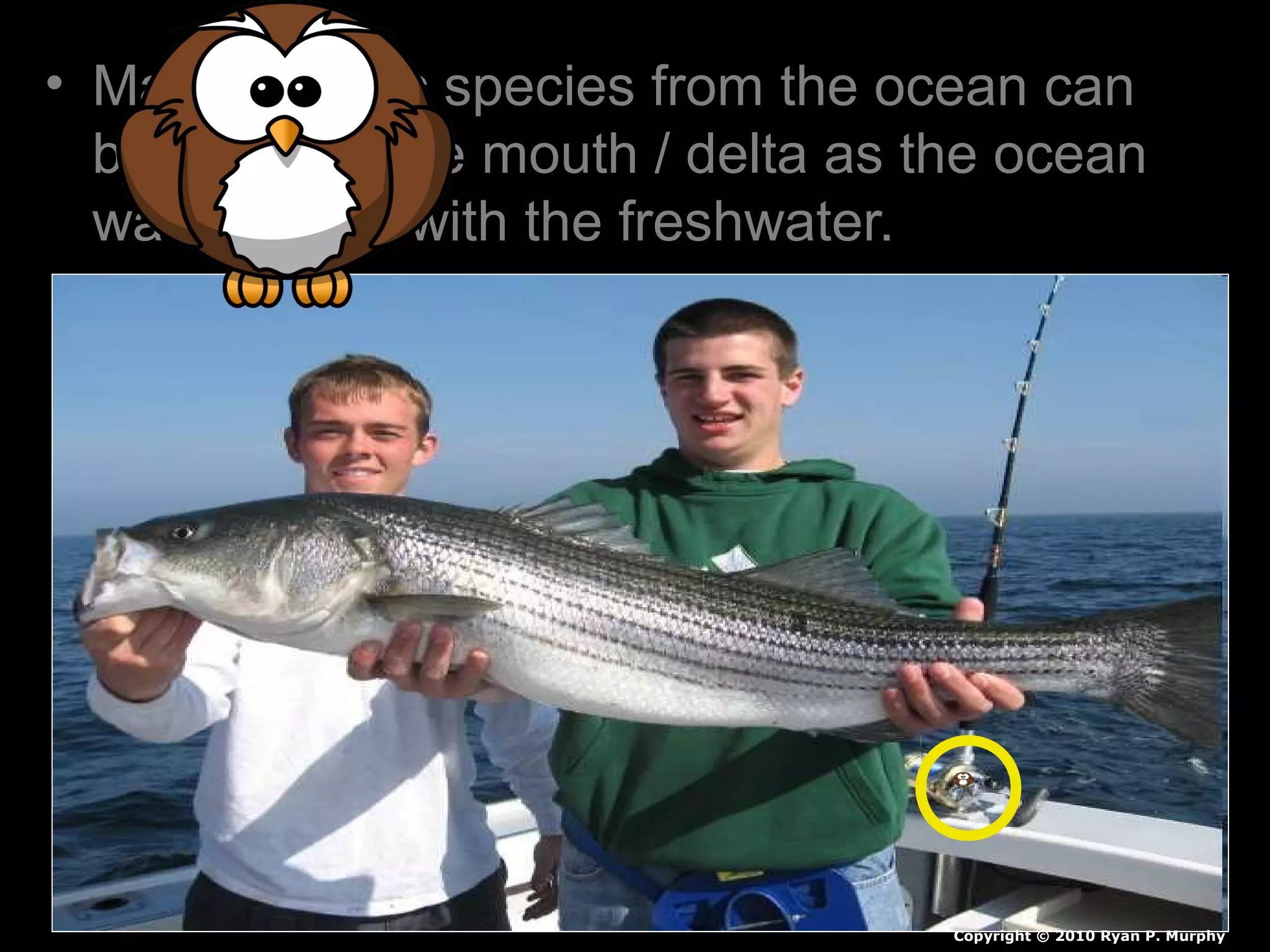
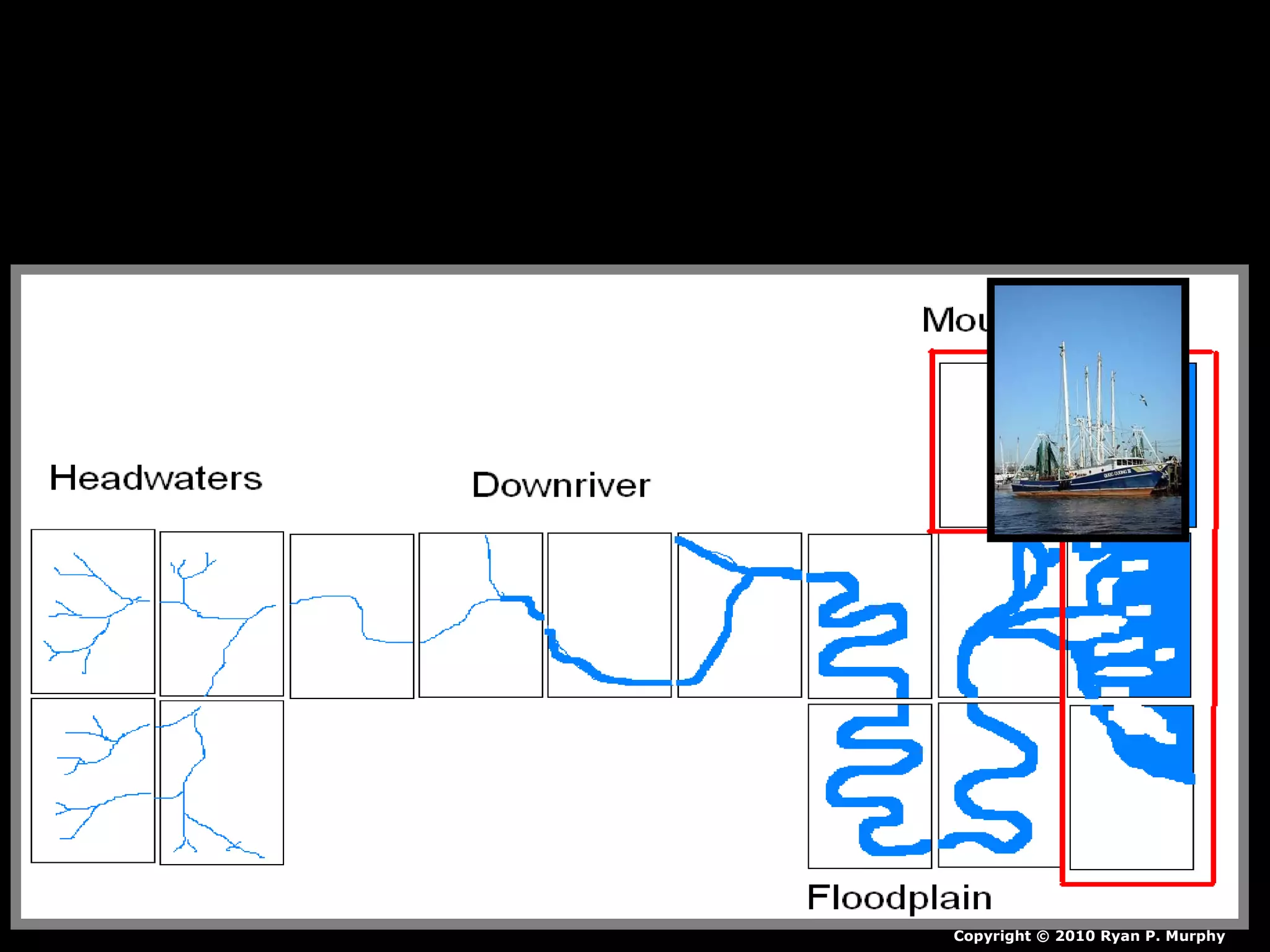
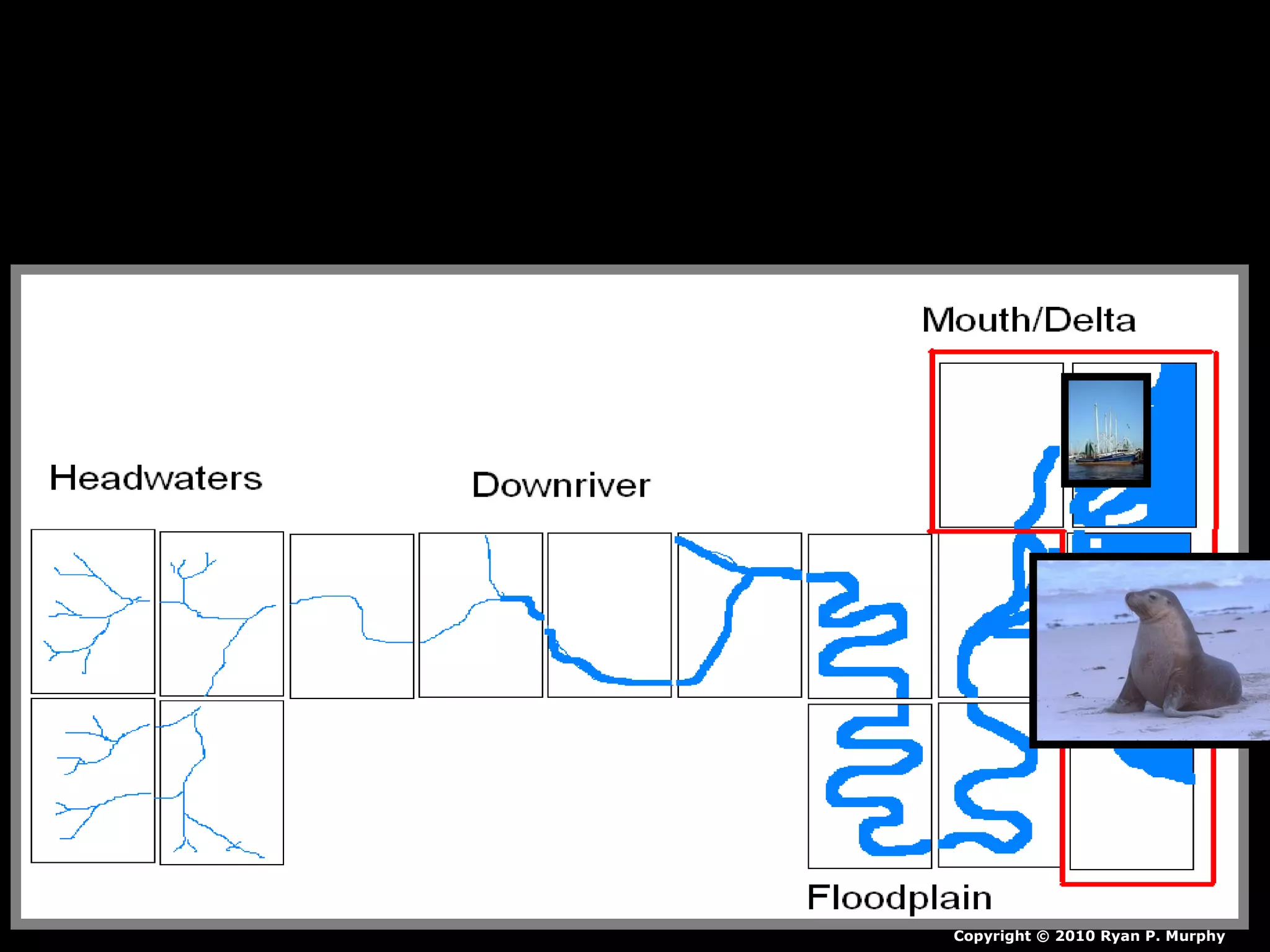
• Many aquatic species from the ocean can
be found in the mouth / delta as the ocean
water mixes with the freshwater.
Copyright © 2010 Ryan P. Murphy
• Many aquatic species from the ocean can
be found in the mouth / delta as the ocean
water mixes with the freshwater.
Copyright © 2010 Ryan P. Murphy
• Many aquatic species from the ocean can
be found in the mouth / delta as the ocean
water mixes with the freshwater.
Copyright © 2010 Ryan P. Murphy
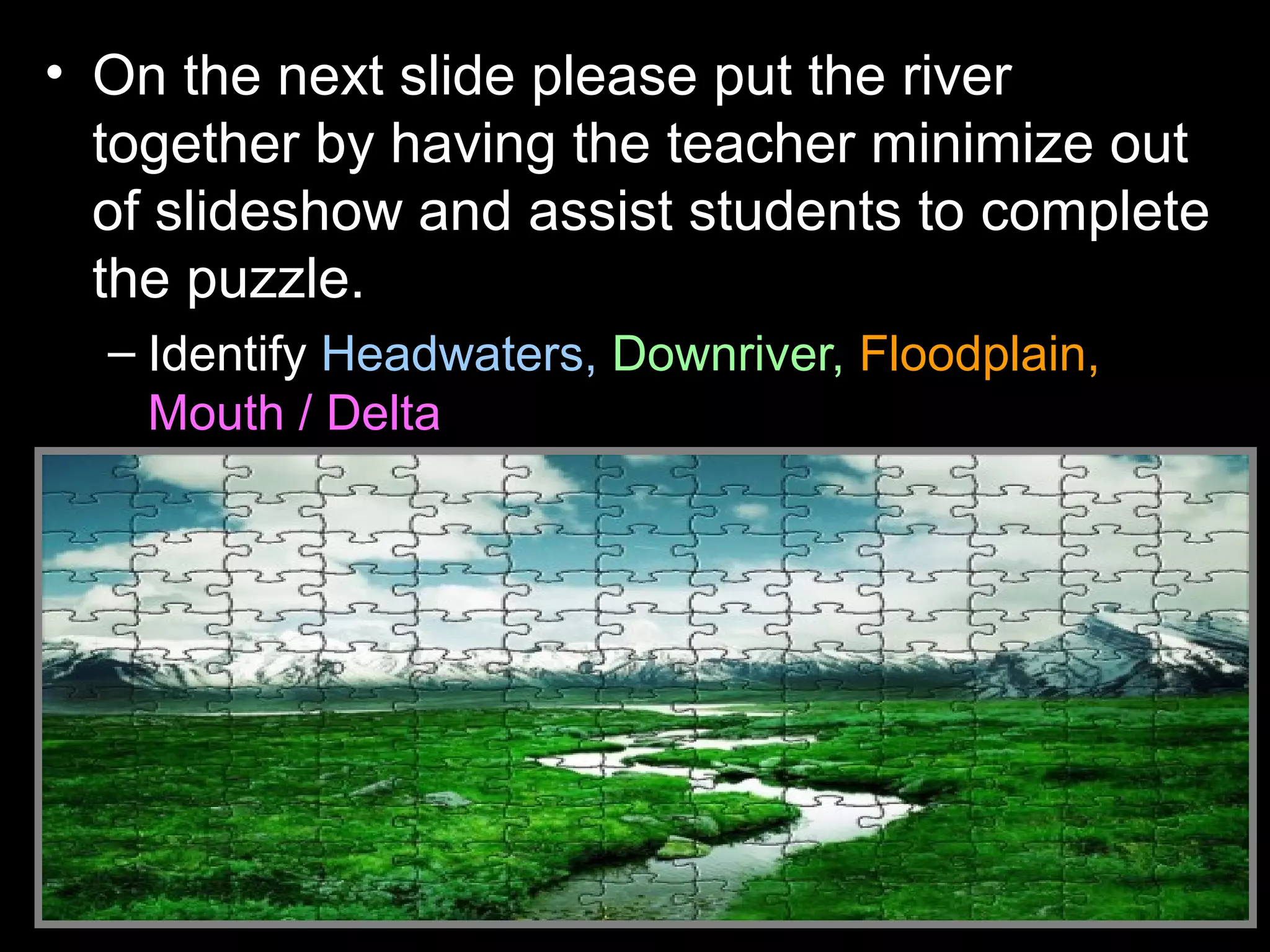
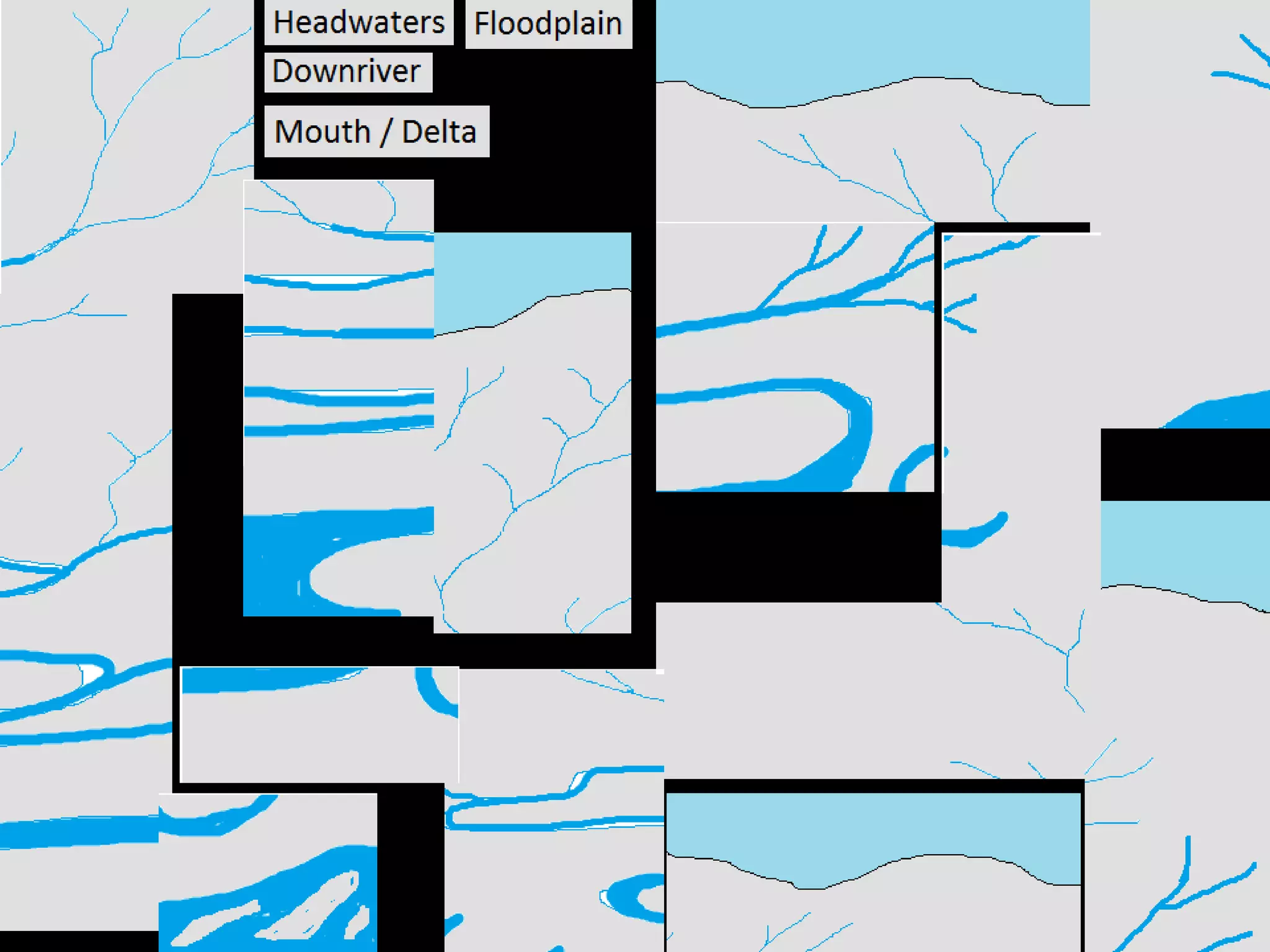
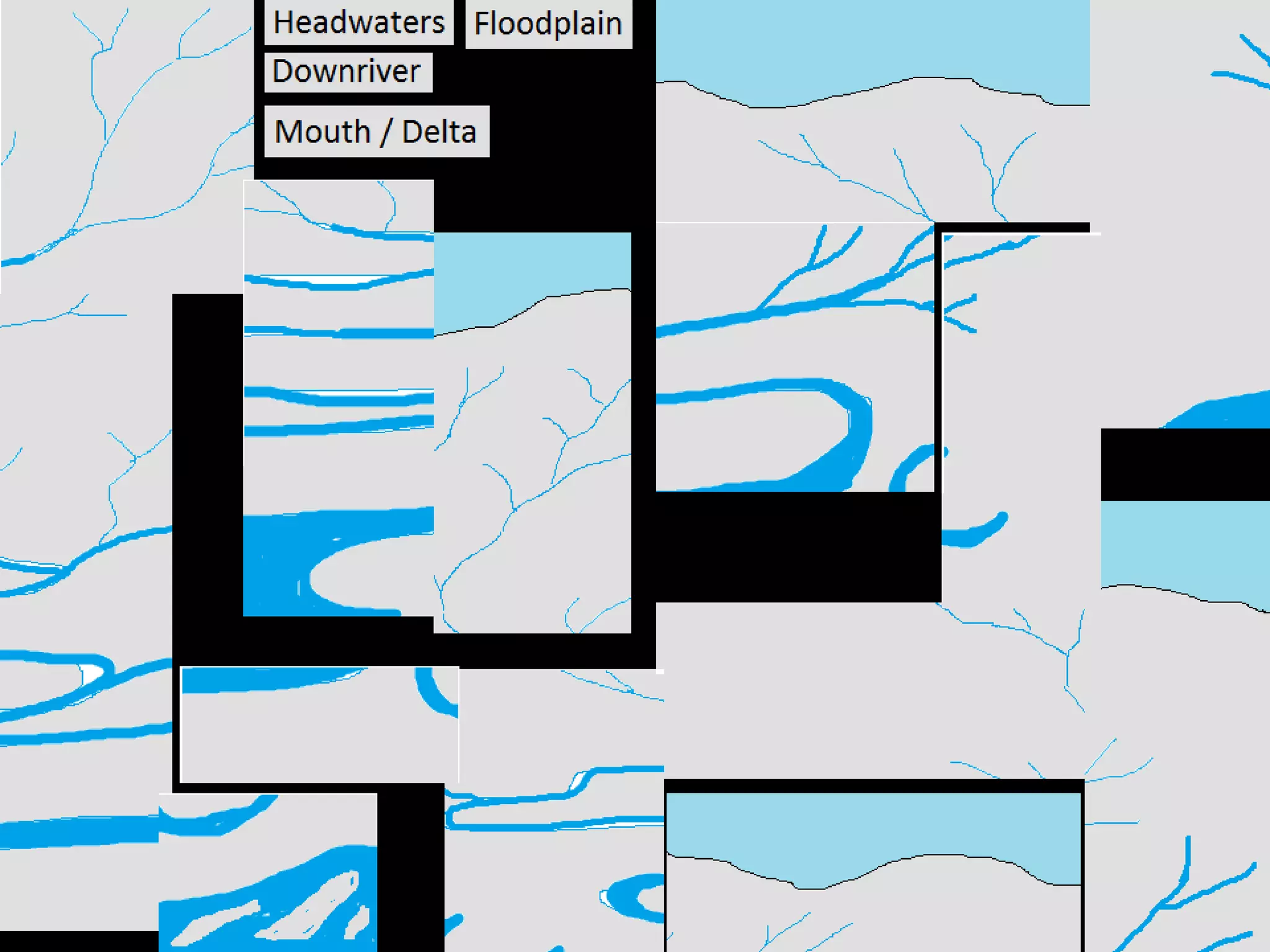
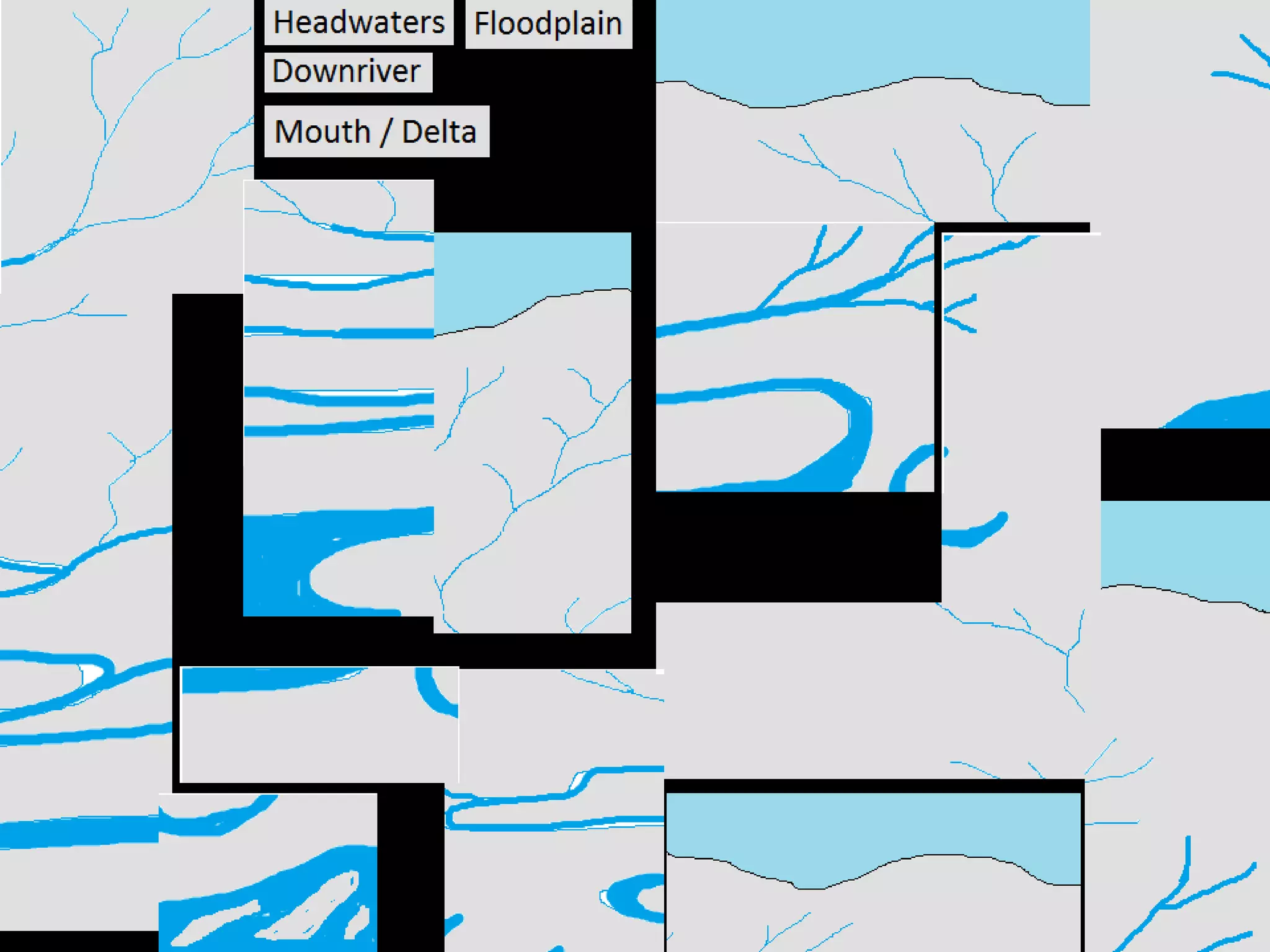
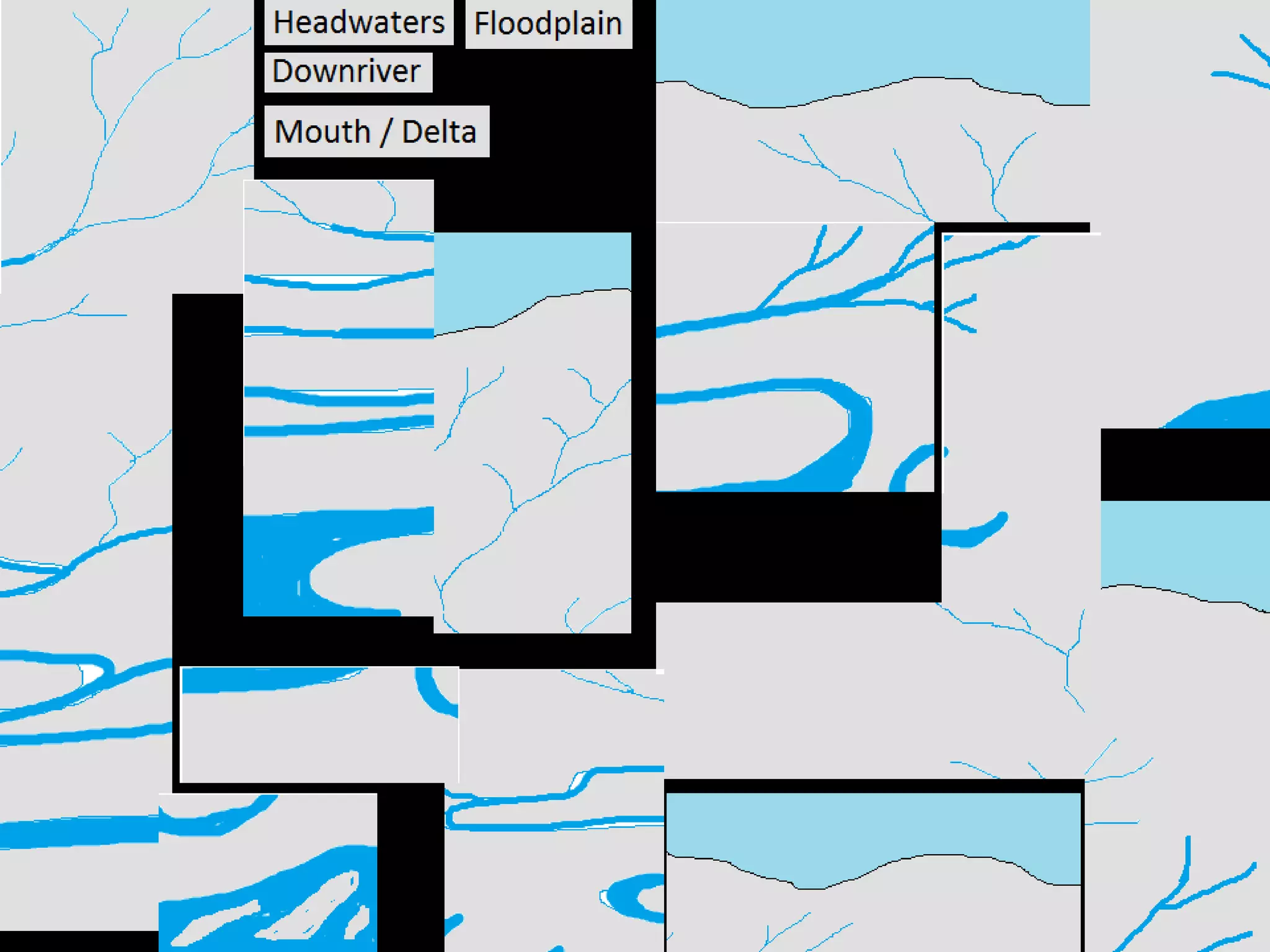
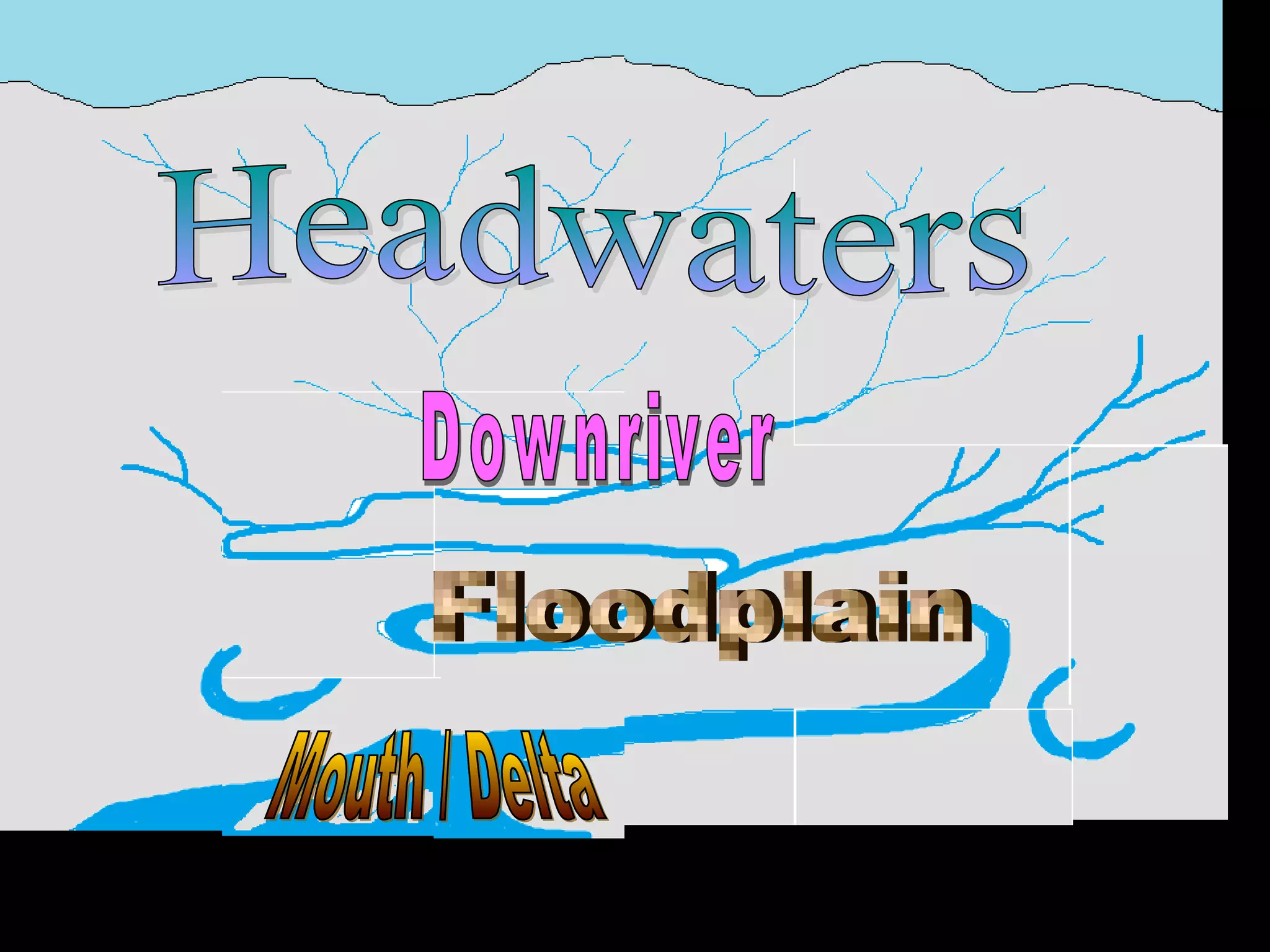
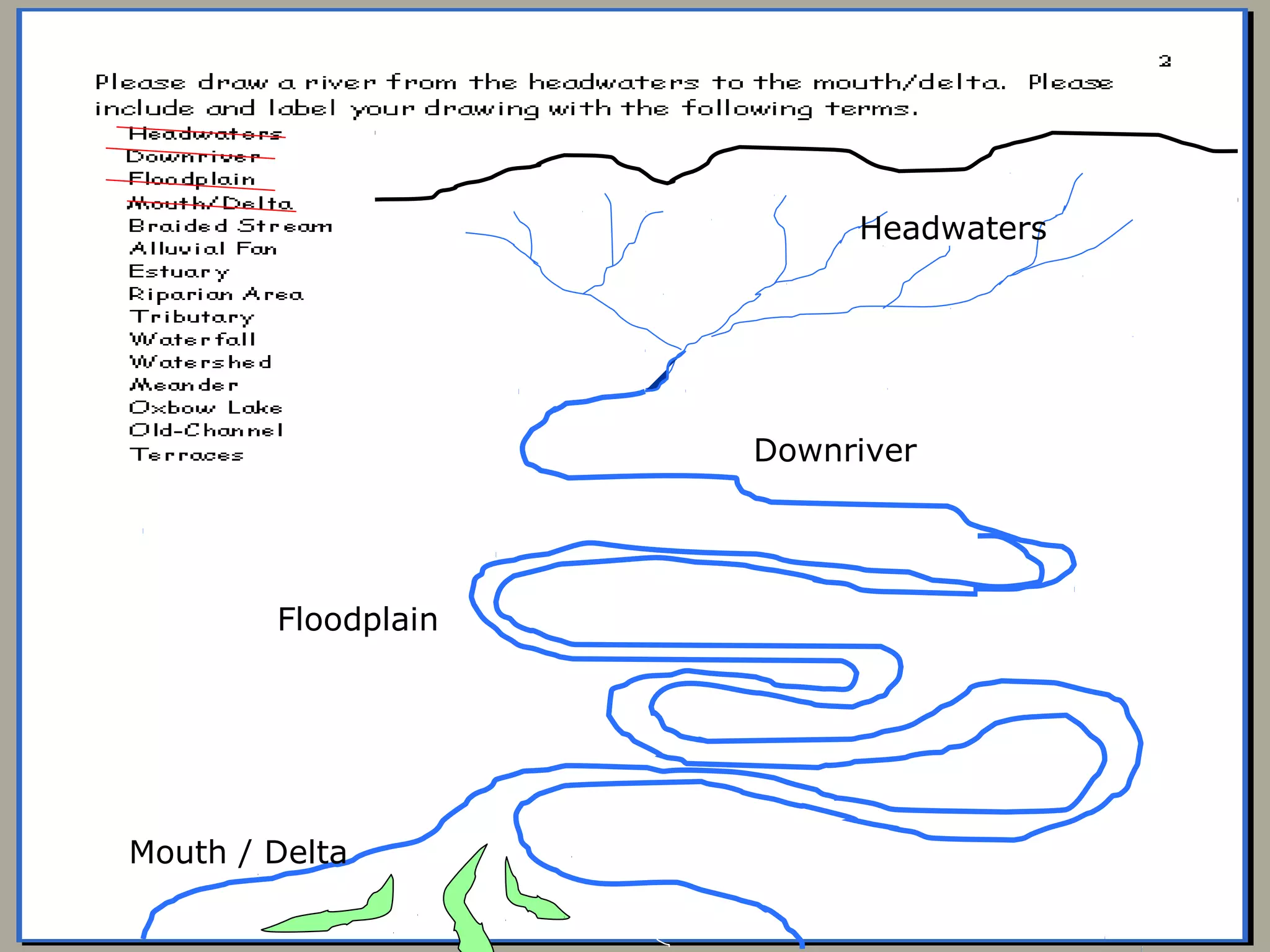
• On the next slide please put the river
together by having the teacher minimize out
of slideshow and assist students to complete
the puzzle.
– Identify Headwaters, Downriver, Floodplain,
Mouth / Delta
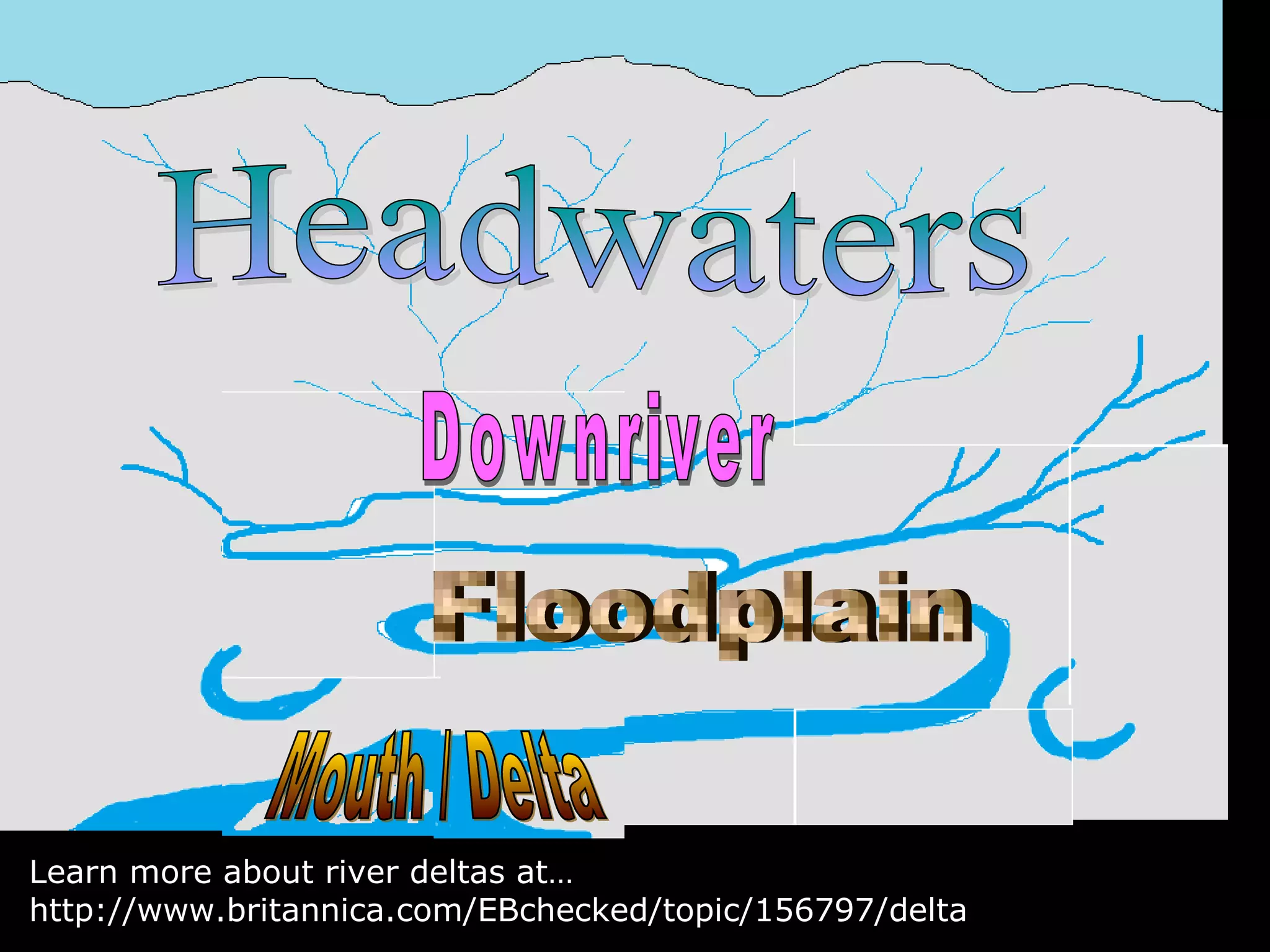
Learn more about river deltas at…
http://www.britannica.com/EBchecked/topic/156797/delta
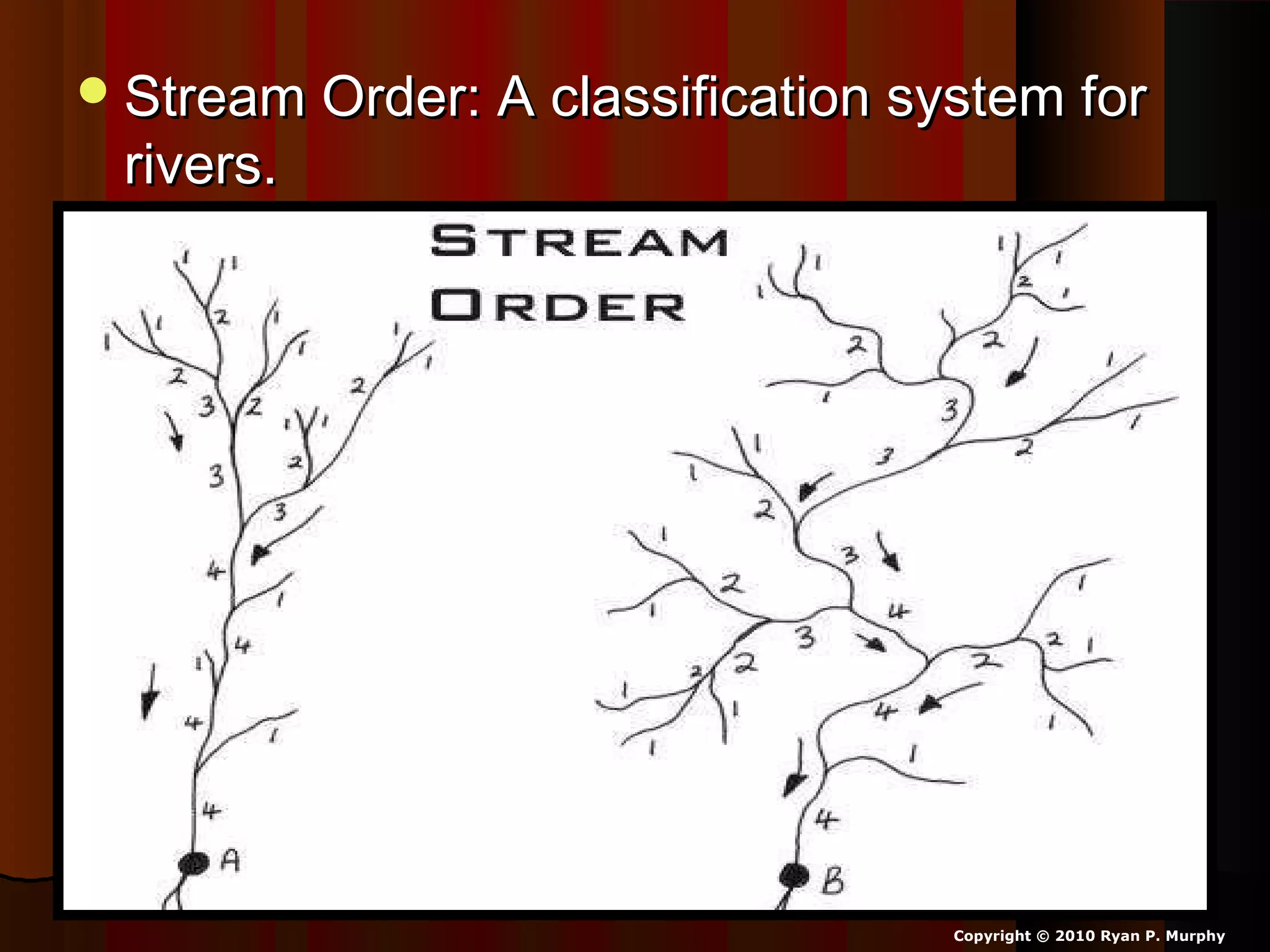
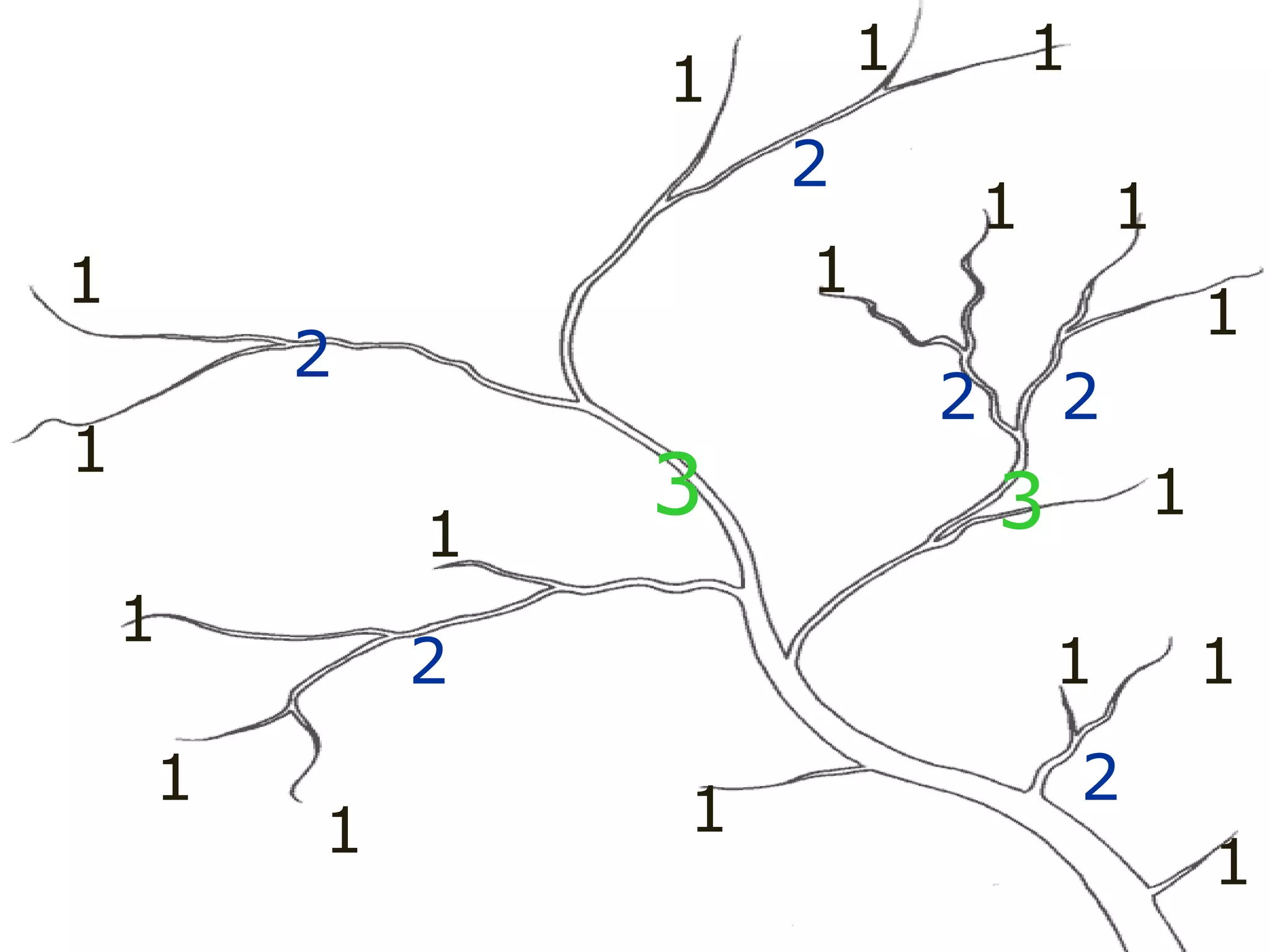
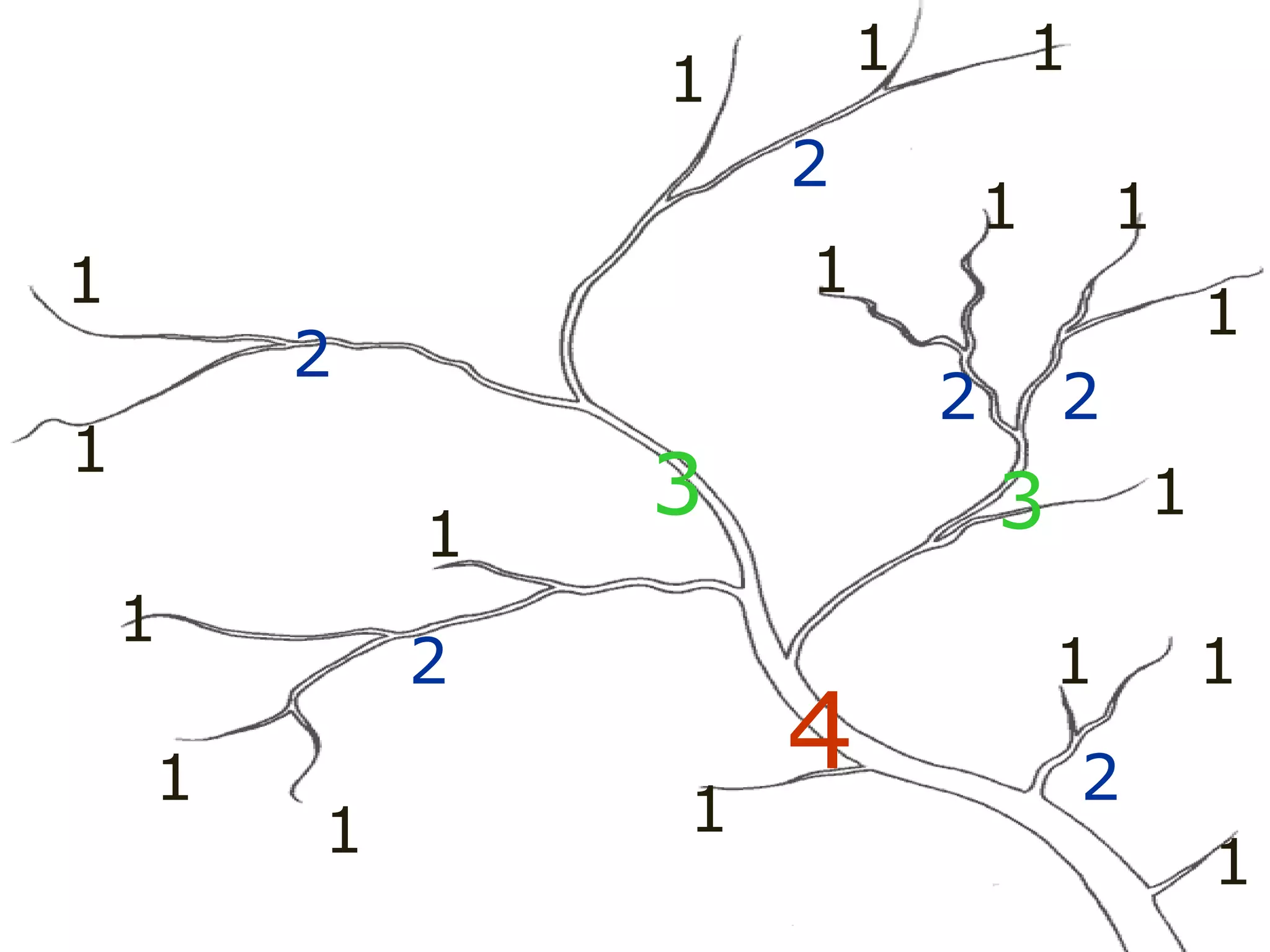
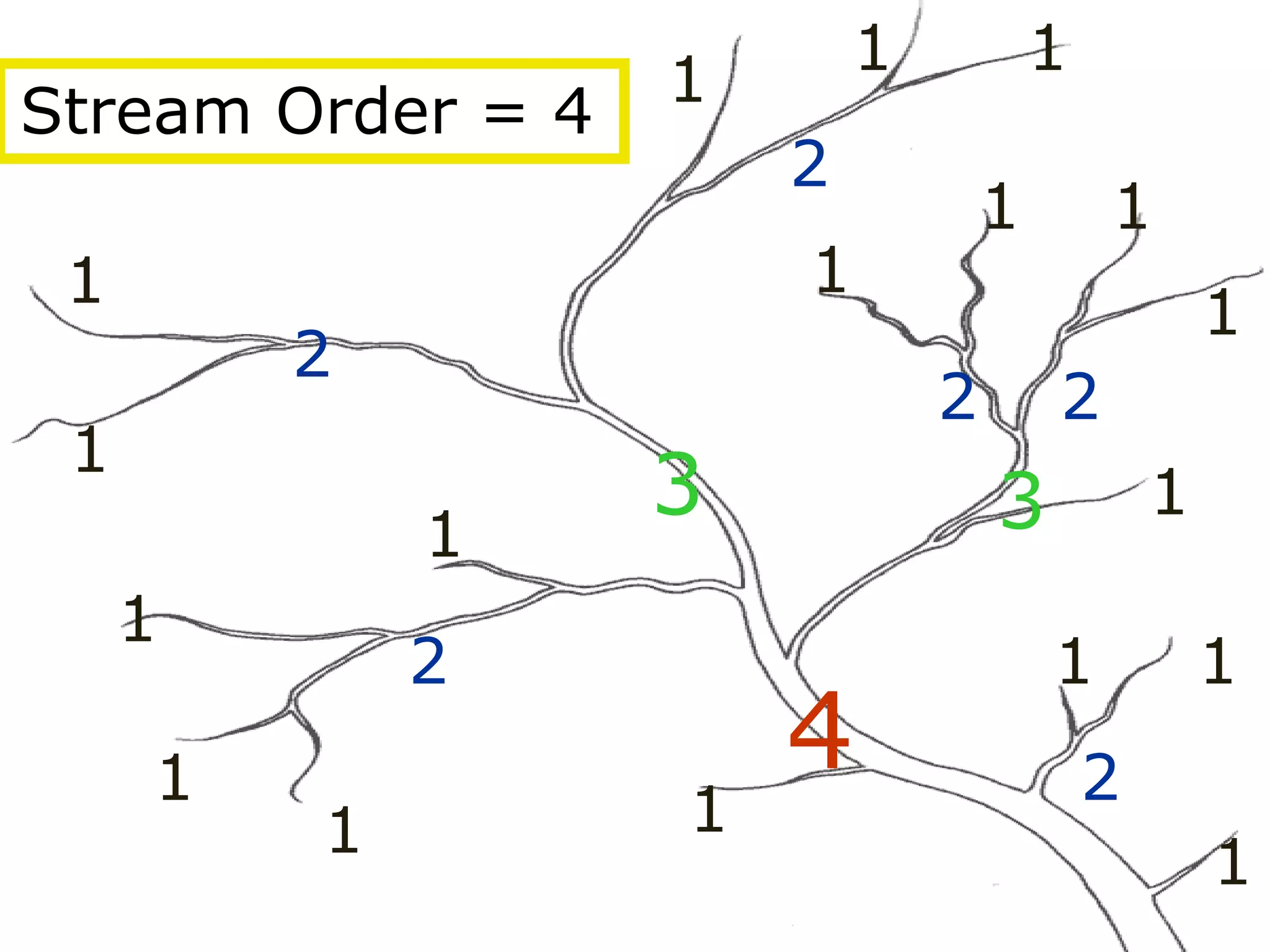
Stream Order: A classification system forStream Order: A classification system for
rivers.rivers.
Copyright © 2010 Ryan P. Murphy
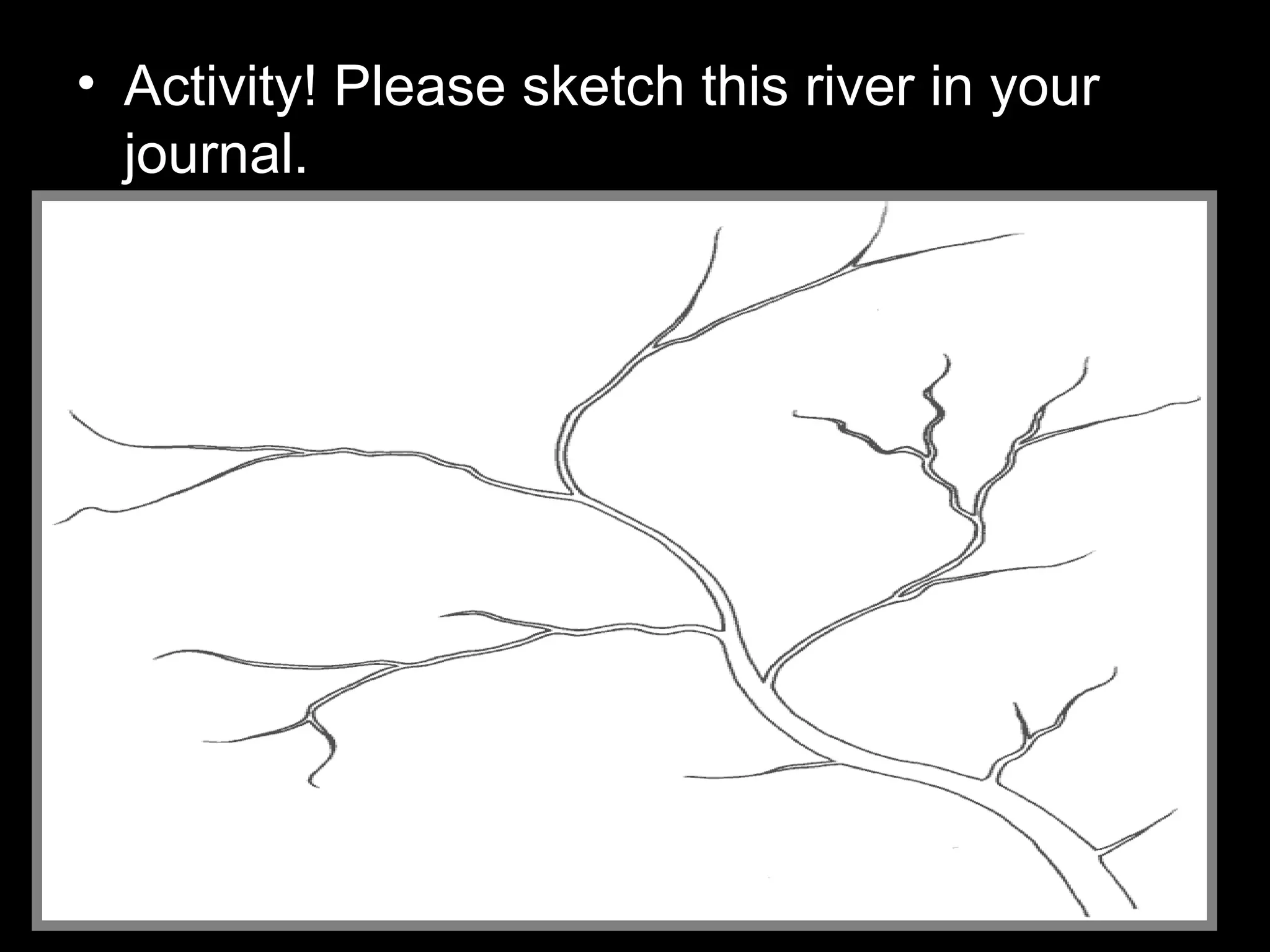
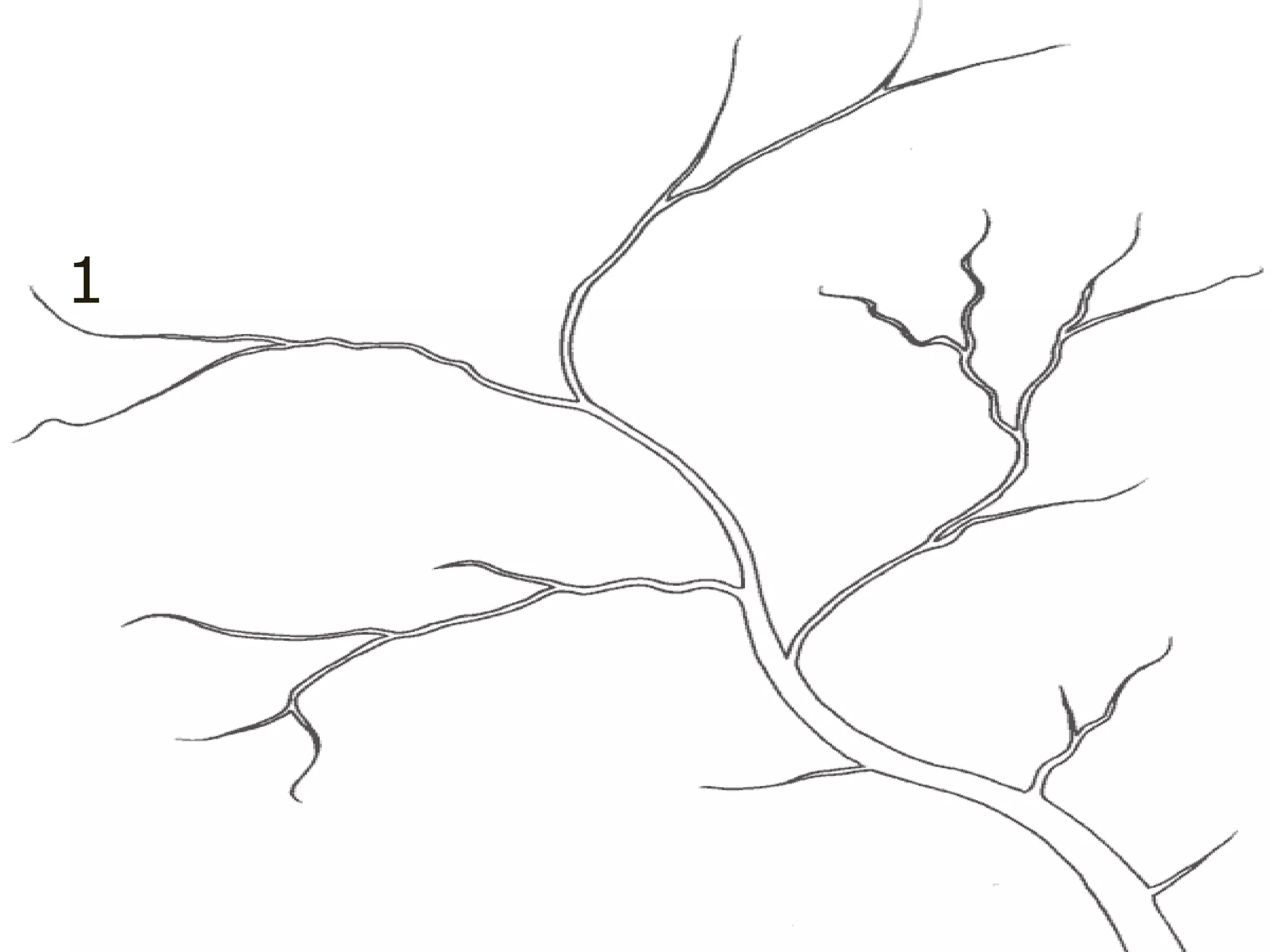
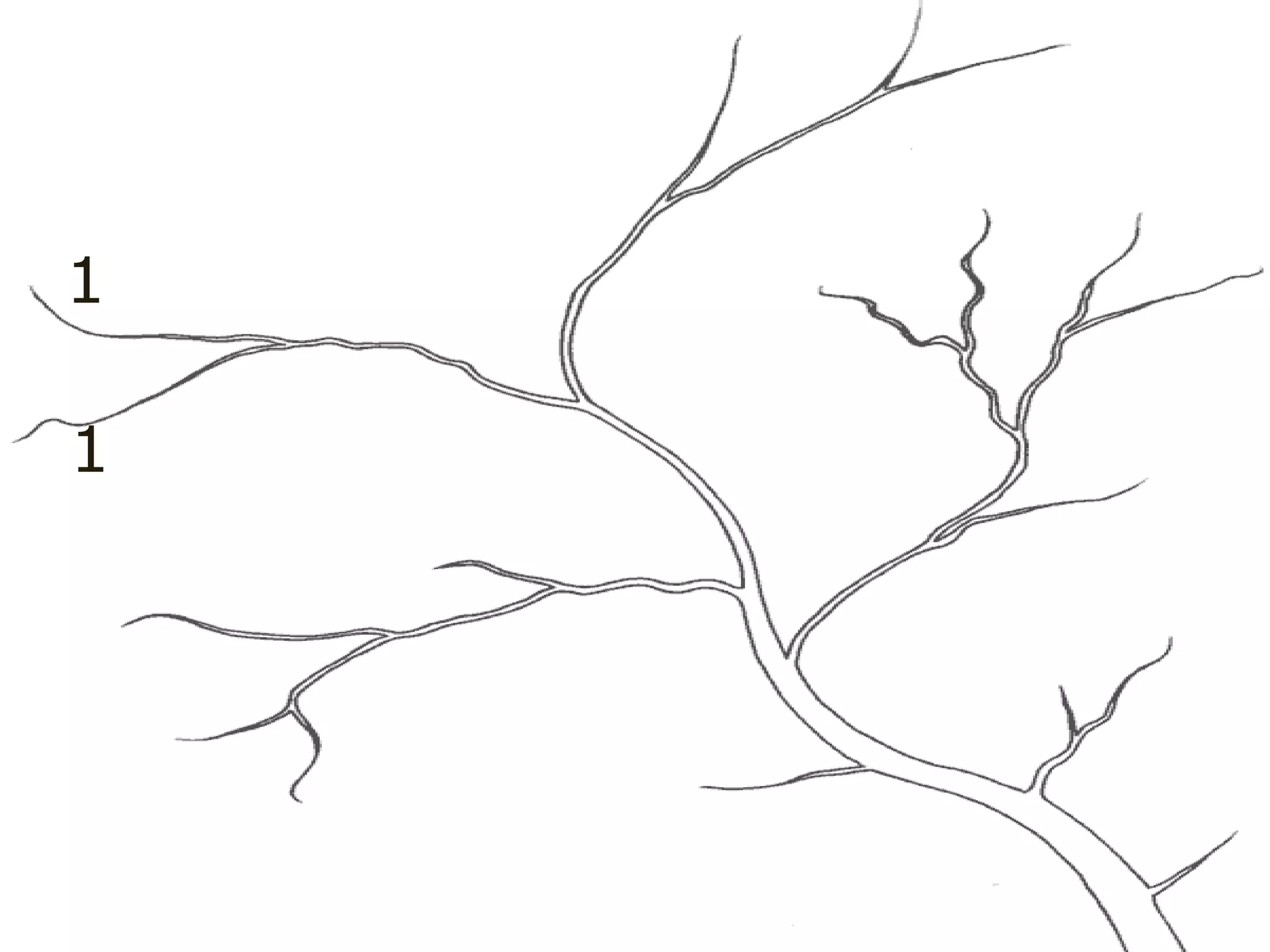
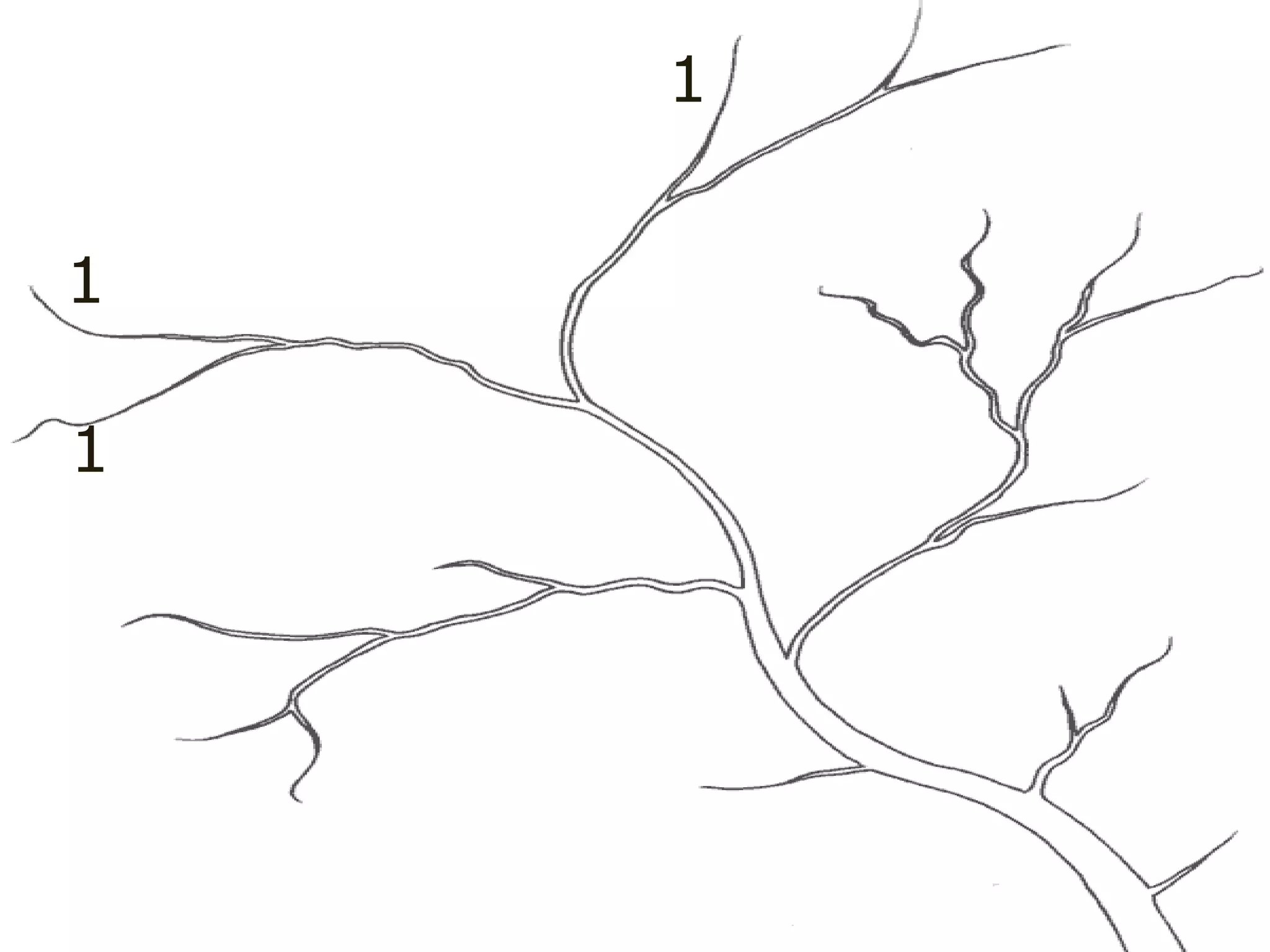
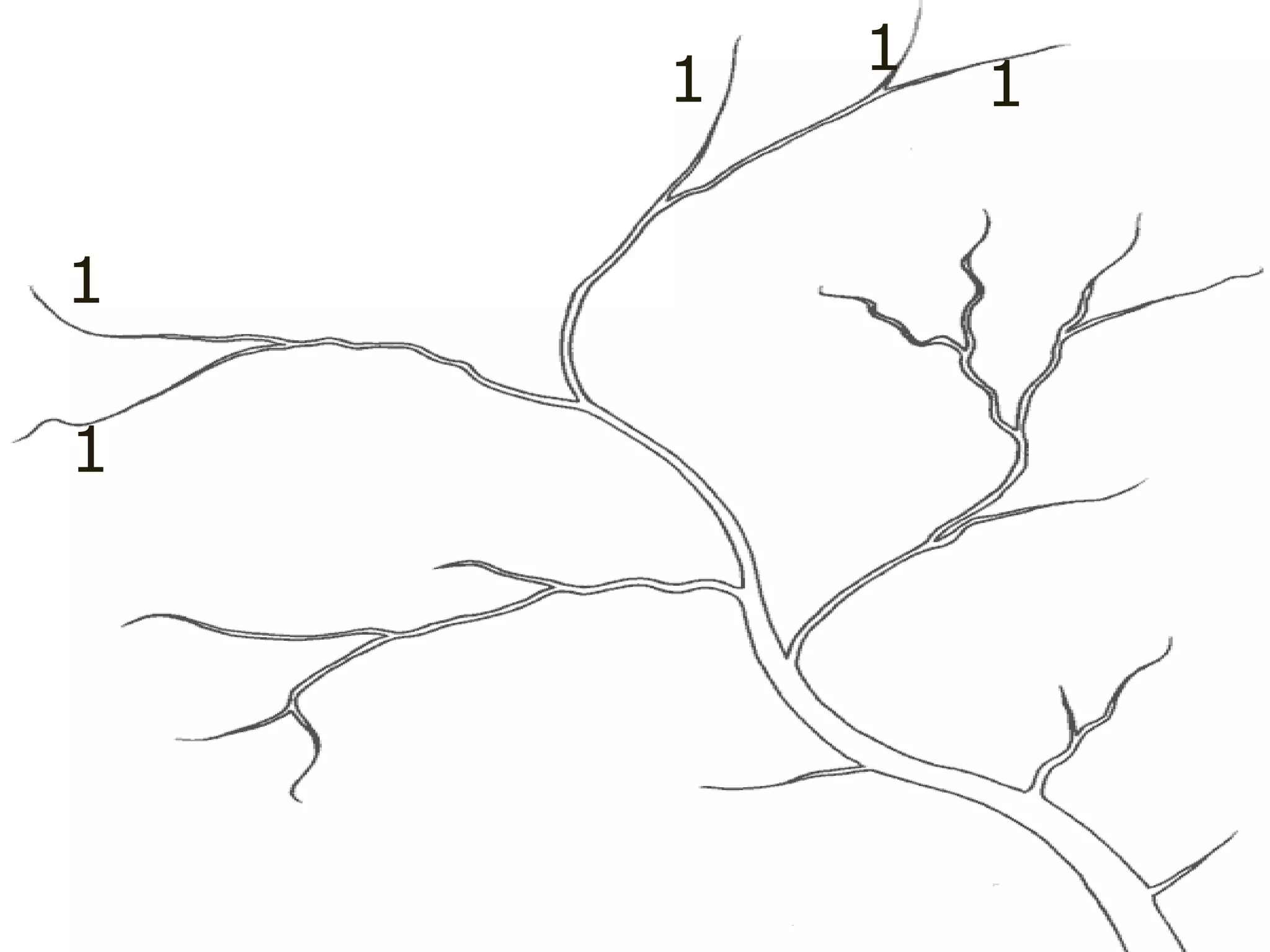
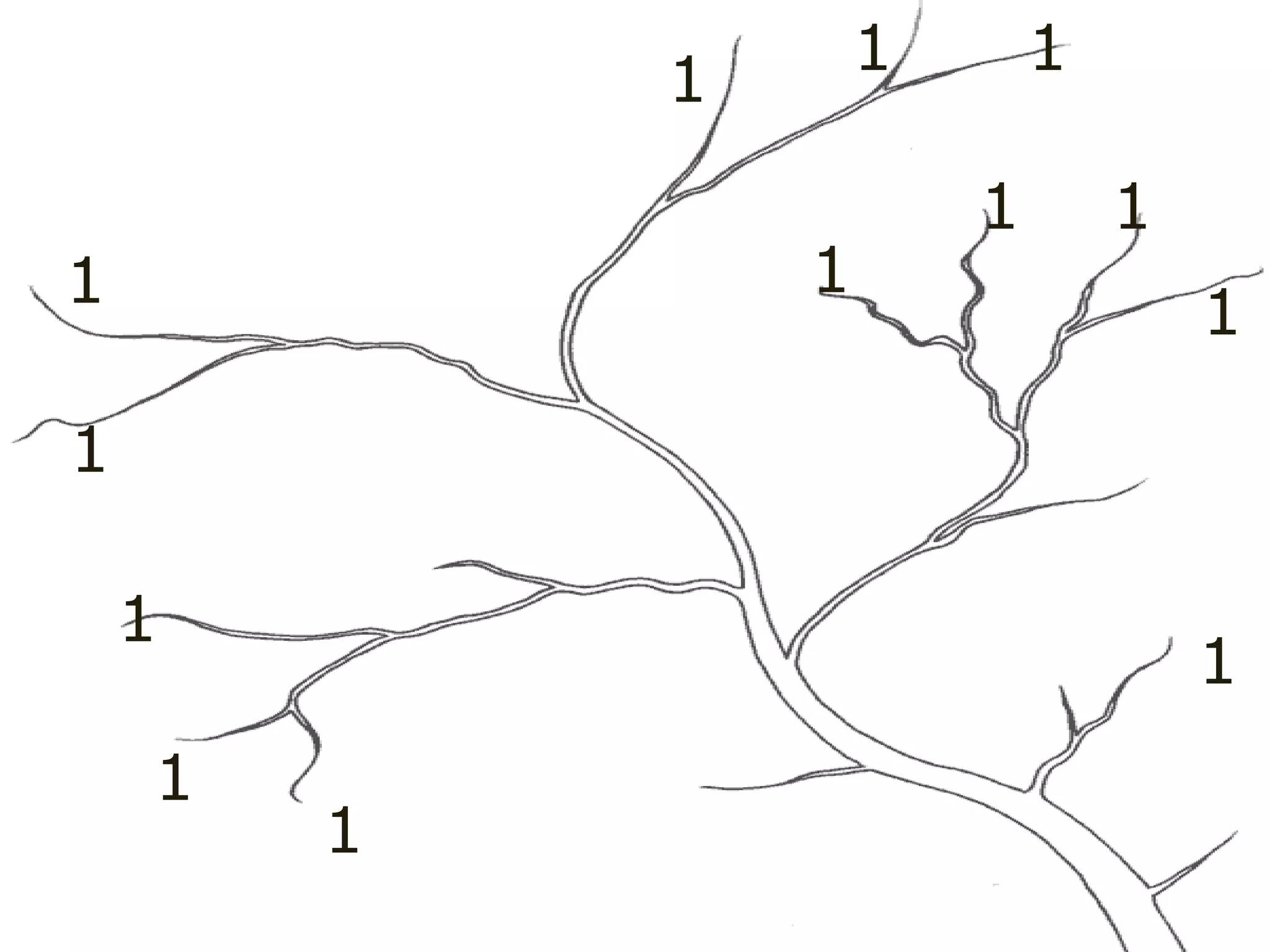
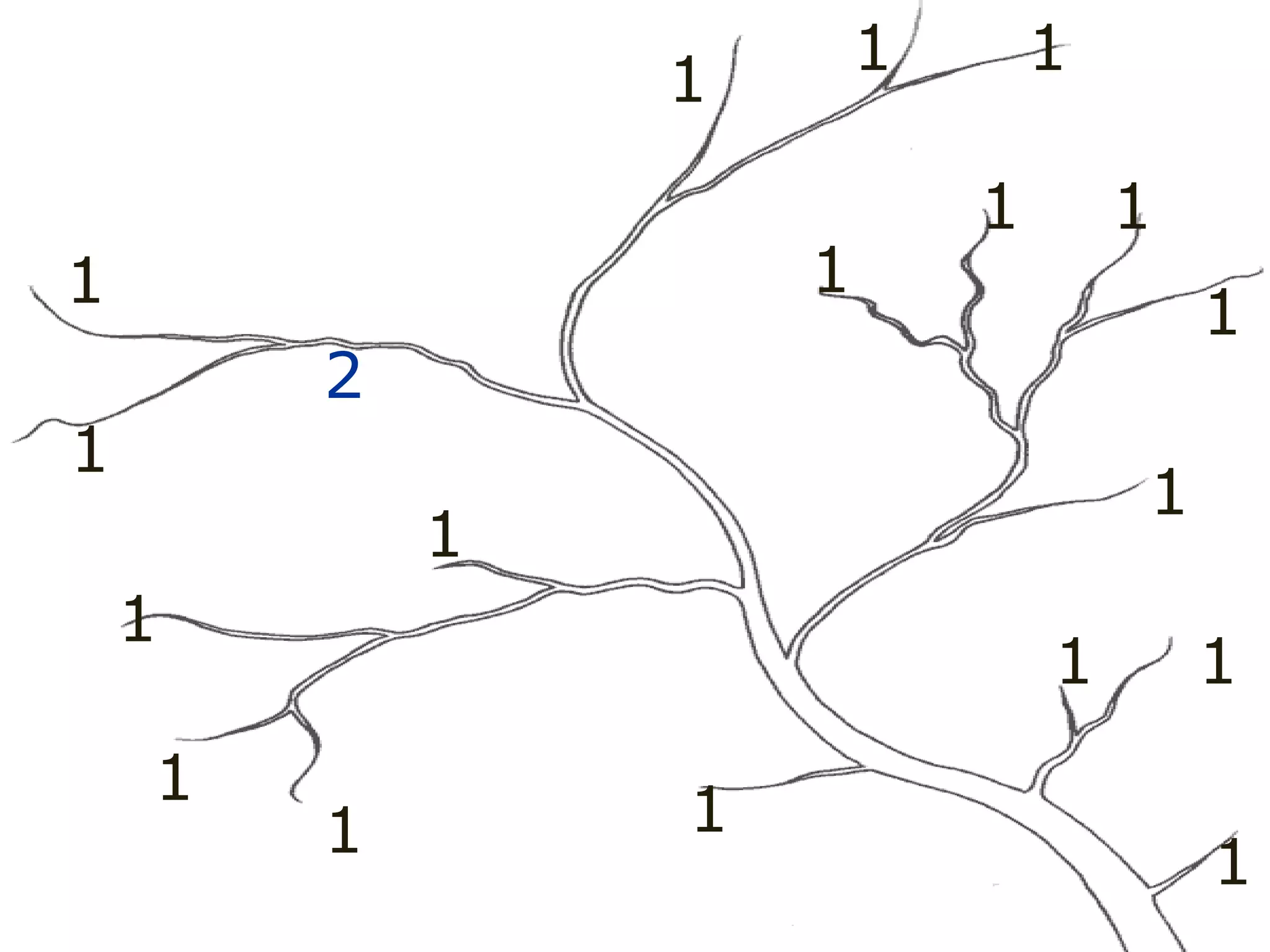
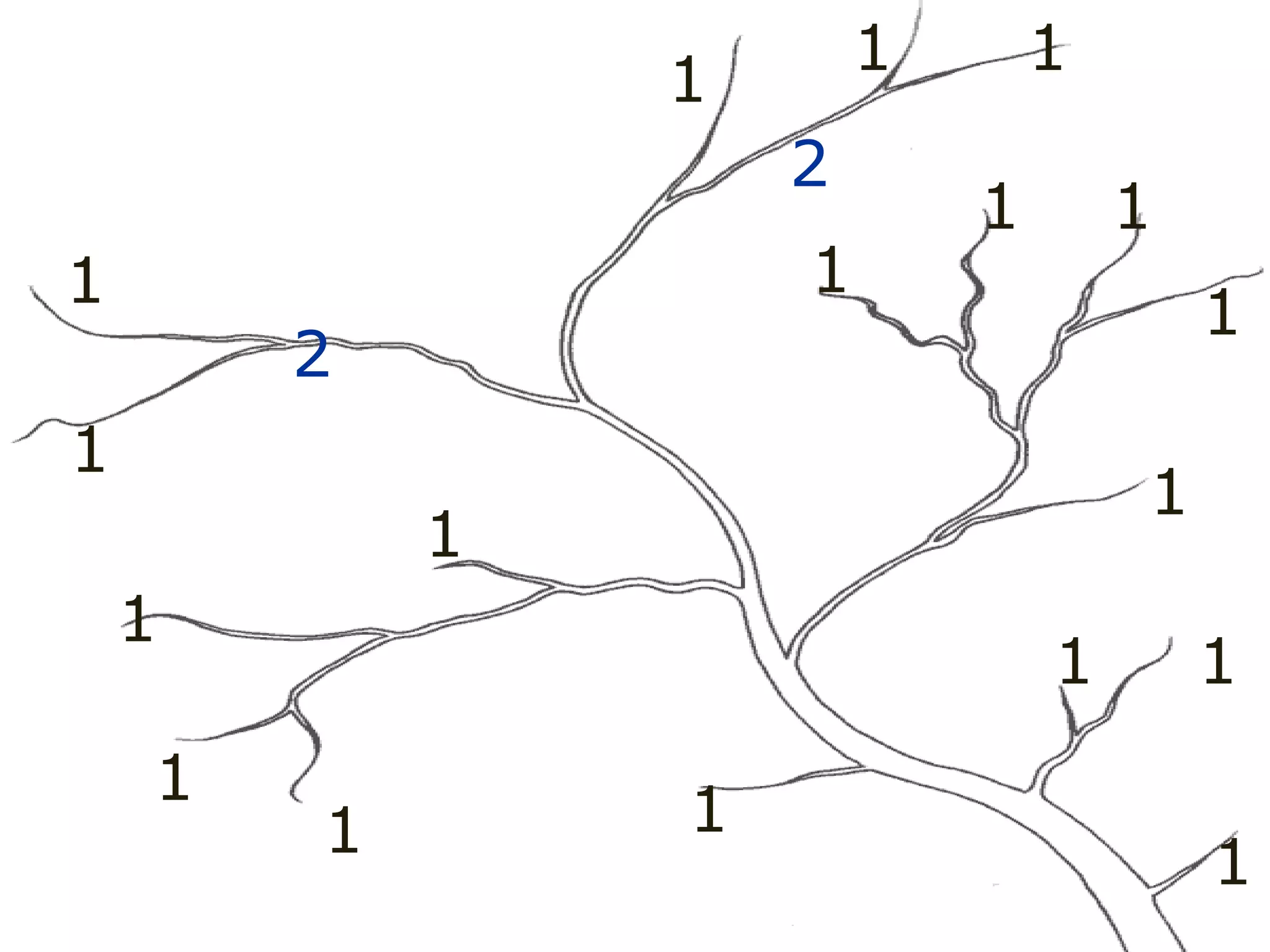
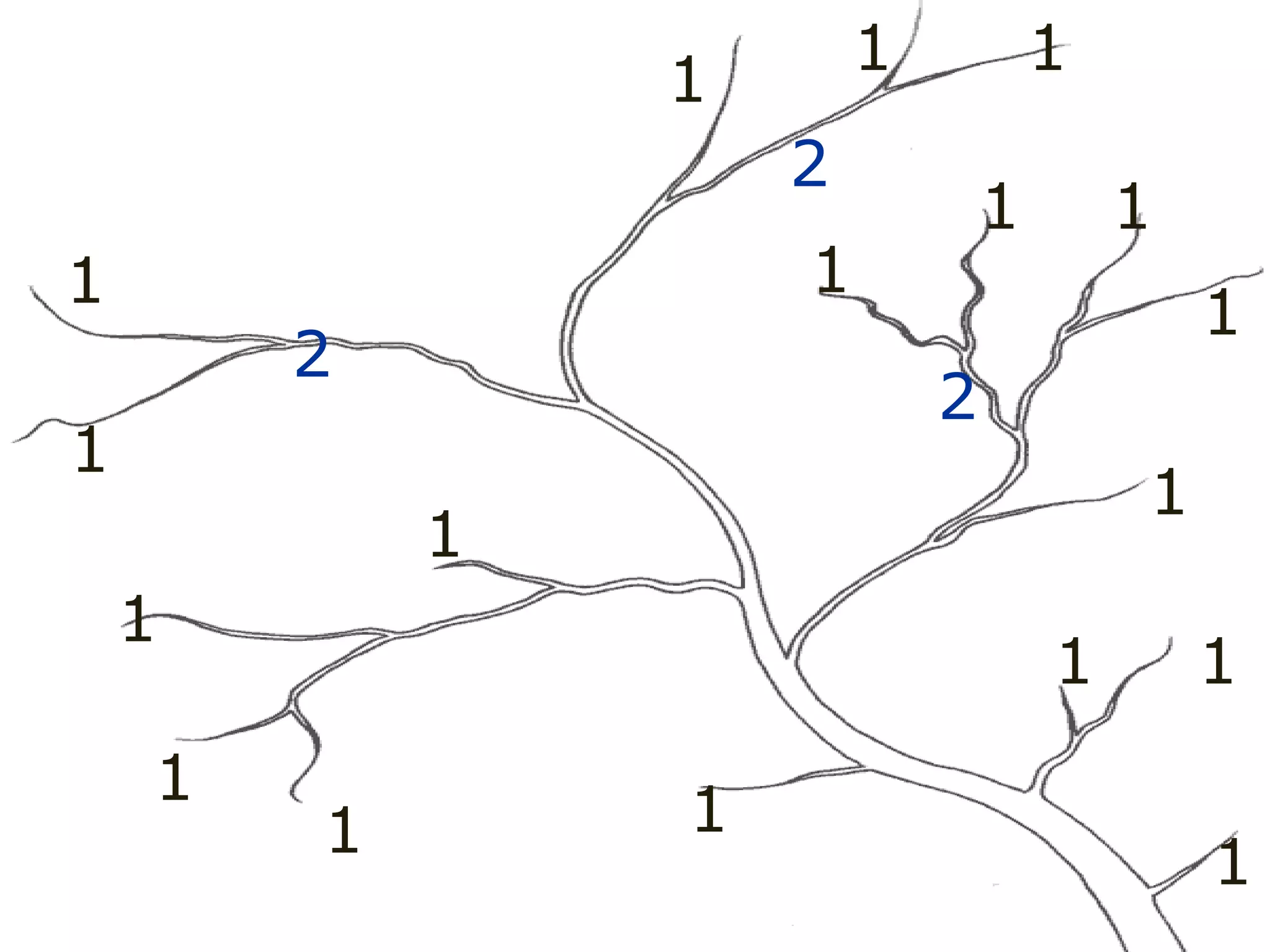
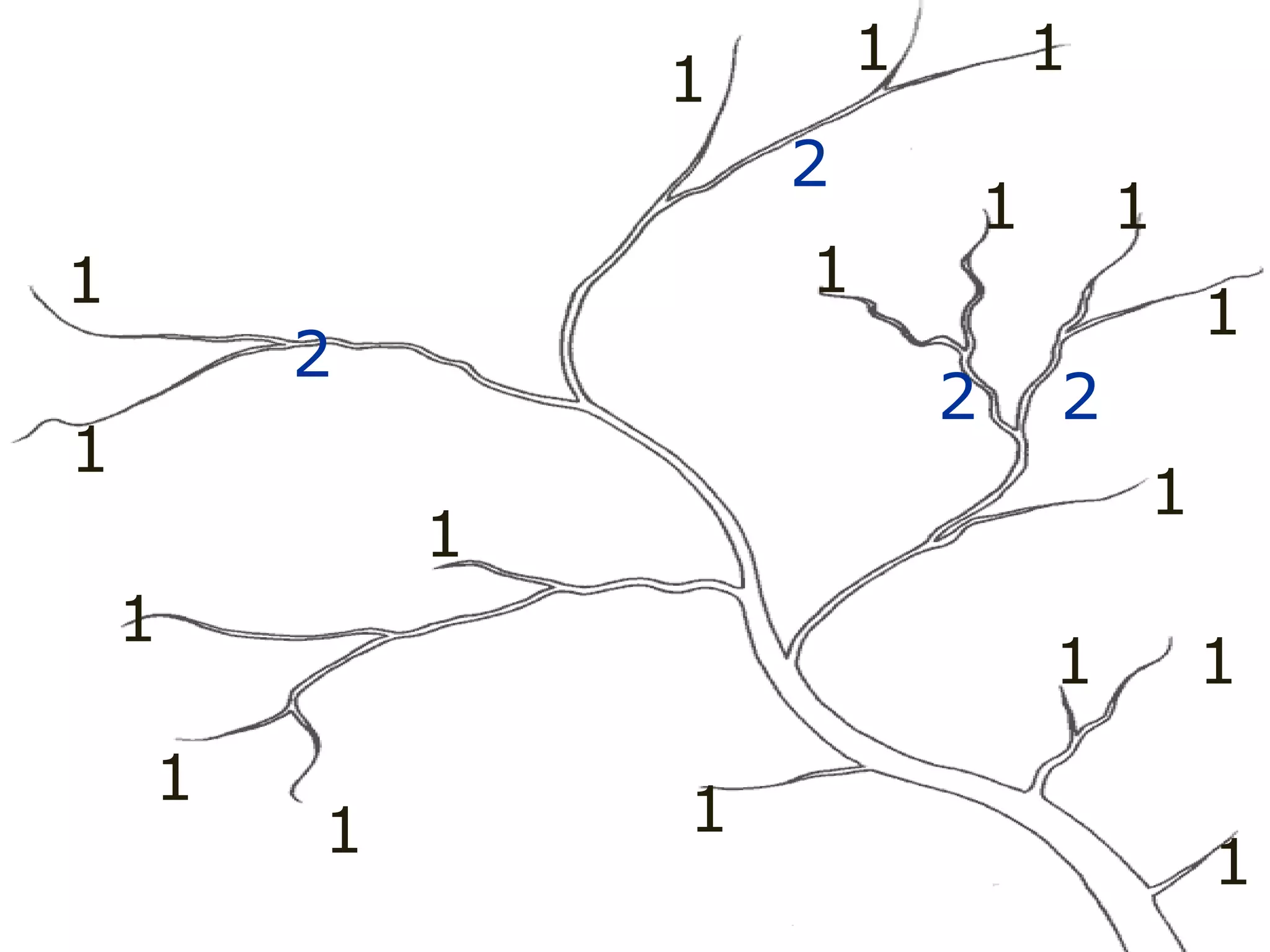
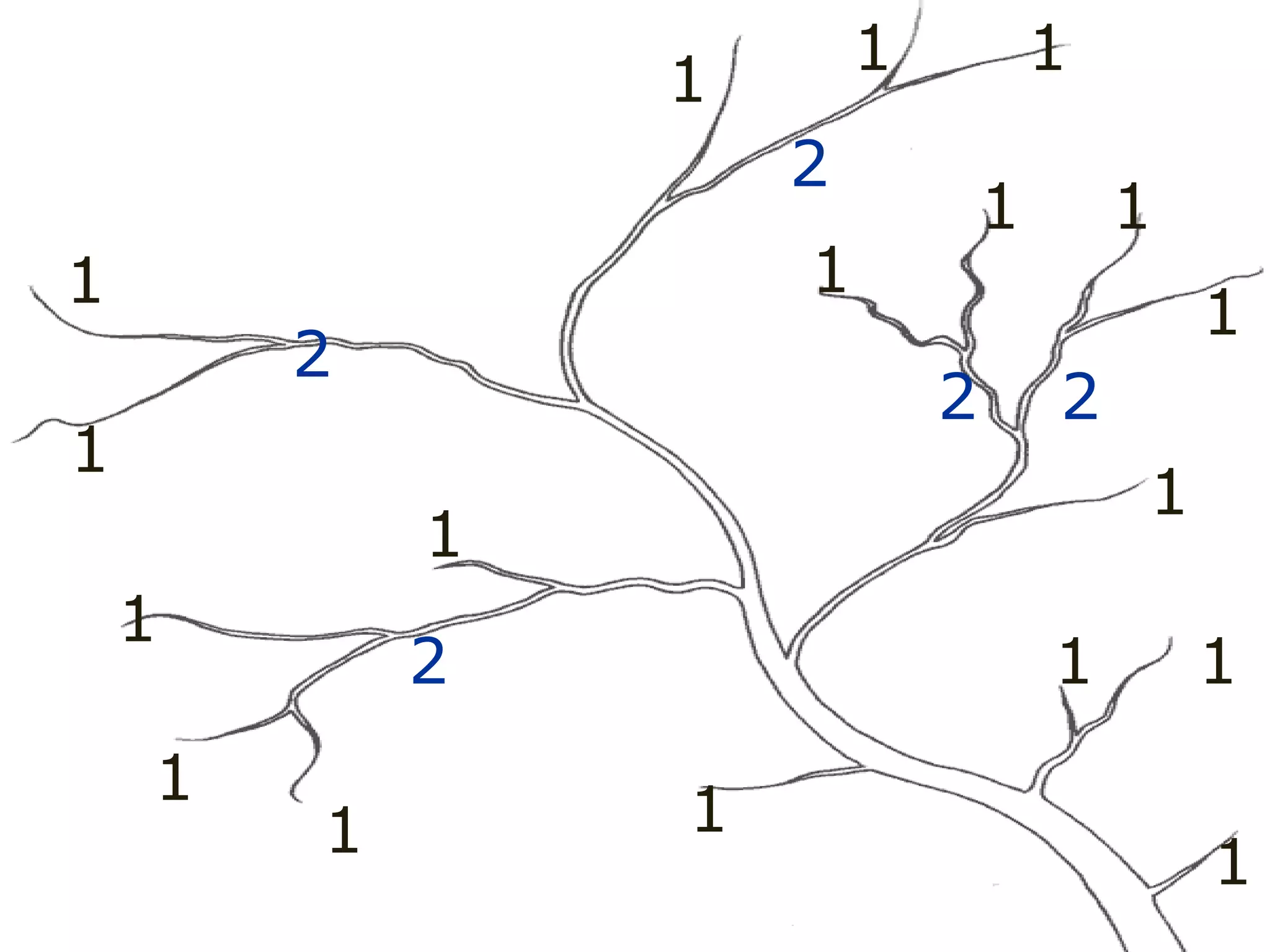
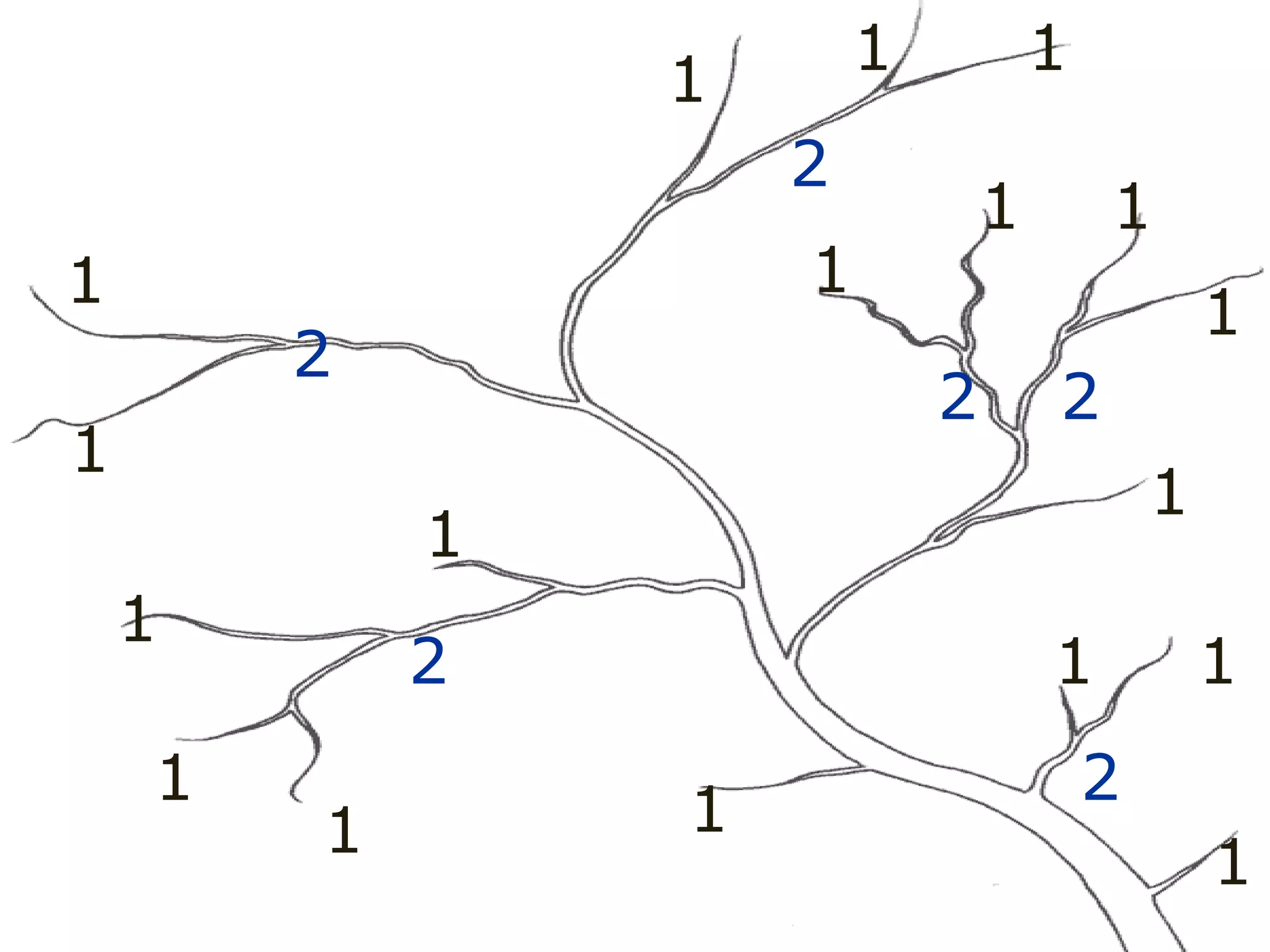
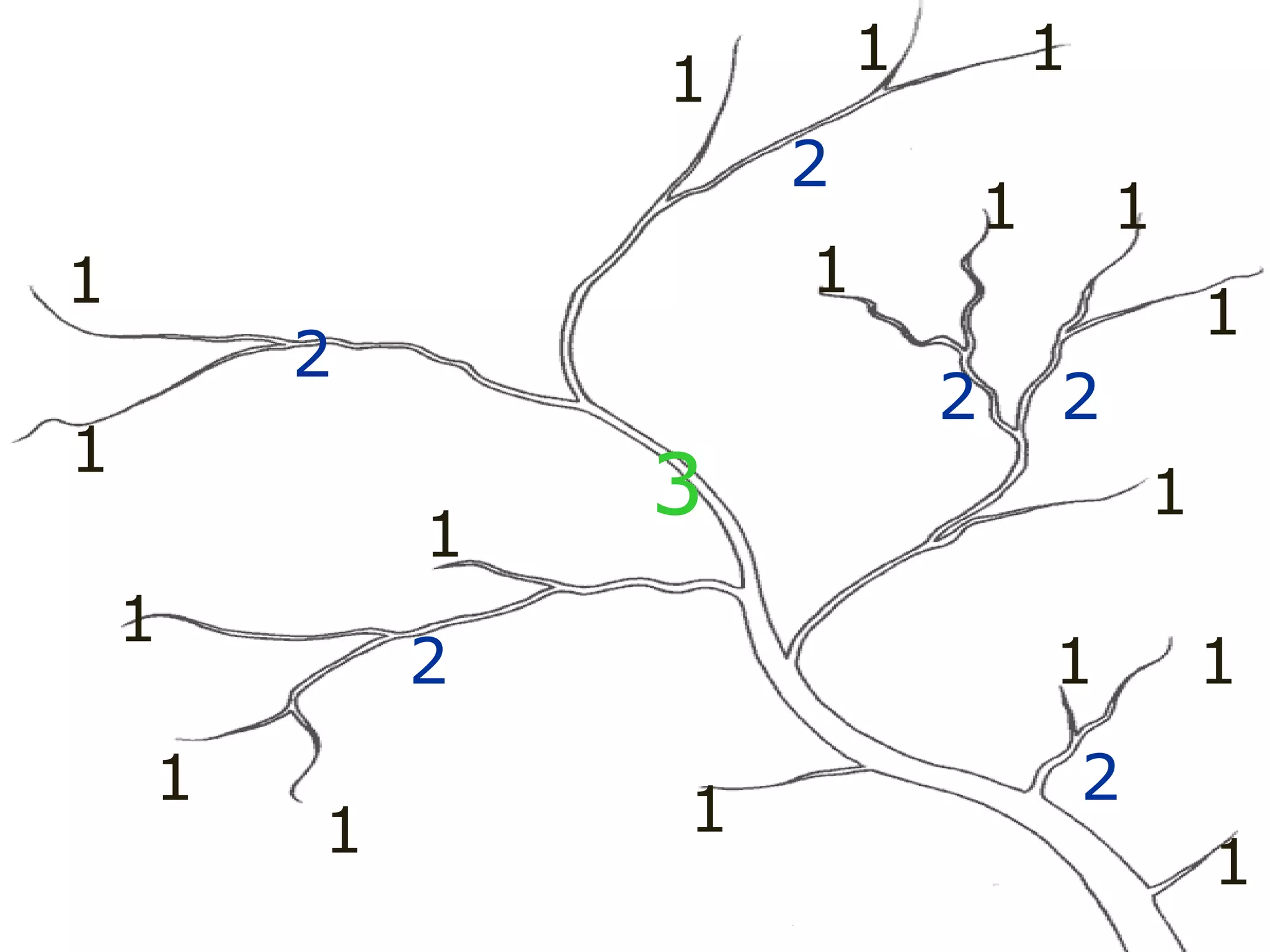
• Activity! Please sketch this river in your
journal.
1
1
1
1
1
1
1
1
1
1
1
1
1
1
1
1
1
1
1
1
1 1
1 1
1
1
1
1
1
1
1
1
1
1
1 1
1
1
1 1
1 1
1
1
1
1
1
1
1
1
1
1
1 1
1
1
1 1
1 1
2
1
1
1
1
1
1
1
1
1
1
1 1
1
1
1 1
1 1
2
2
1
1
1
1
1
1
1
1
1
1
1 1
1
1
1 1
1 1
2
2
2 2
1
1
1
1
1
1
1
1
1
1
1 1
1
1
1 1
1 1
2
2
2 2
2
1
1
1
1
1
1
1
1
1
1
1 1
1
1
1 1
1 1
2
2
2 2
2
2
1
1
1
1
1
1
1
1
1
1
1 1
1
1
1 1
1 1
2
2
2 2
2
2
2
1
1
1
1
1
1
1
1
1
1
1 1
1
1
1 1
1 1
2
2
2 2
2
2
2
3
1
1
1
1
1
1
1
1
1
1
1 1
1
1
1 1
1 1
2
2
2 2
2
2
2
3 3
1
1
1
1
1
1
1
1
1
1
1 1
1
1
1 1
1 1
2
2
2 2
2
2
2
3 3
4
1
1
1
1
1
1
1
1
1
1
1 1
1
1
1 1
1 1
2
2
2 2
2
2
2
3 3
4
Stream Order = 4
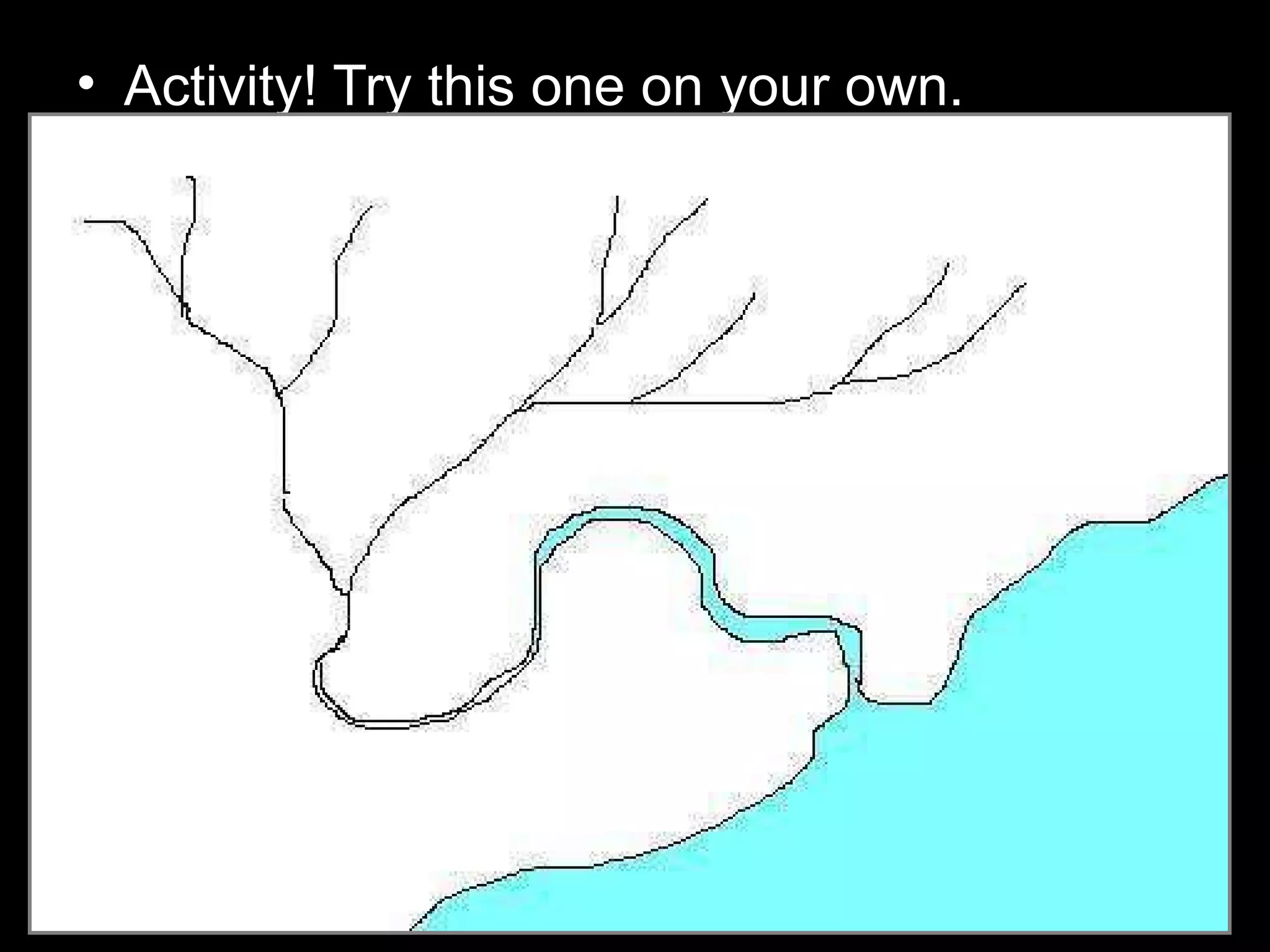
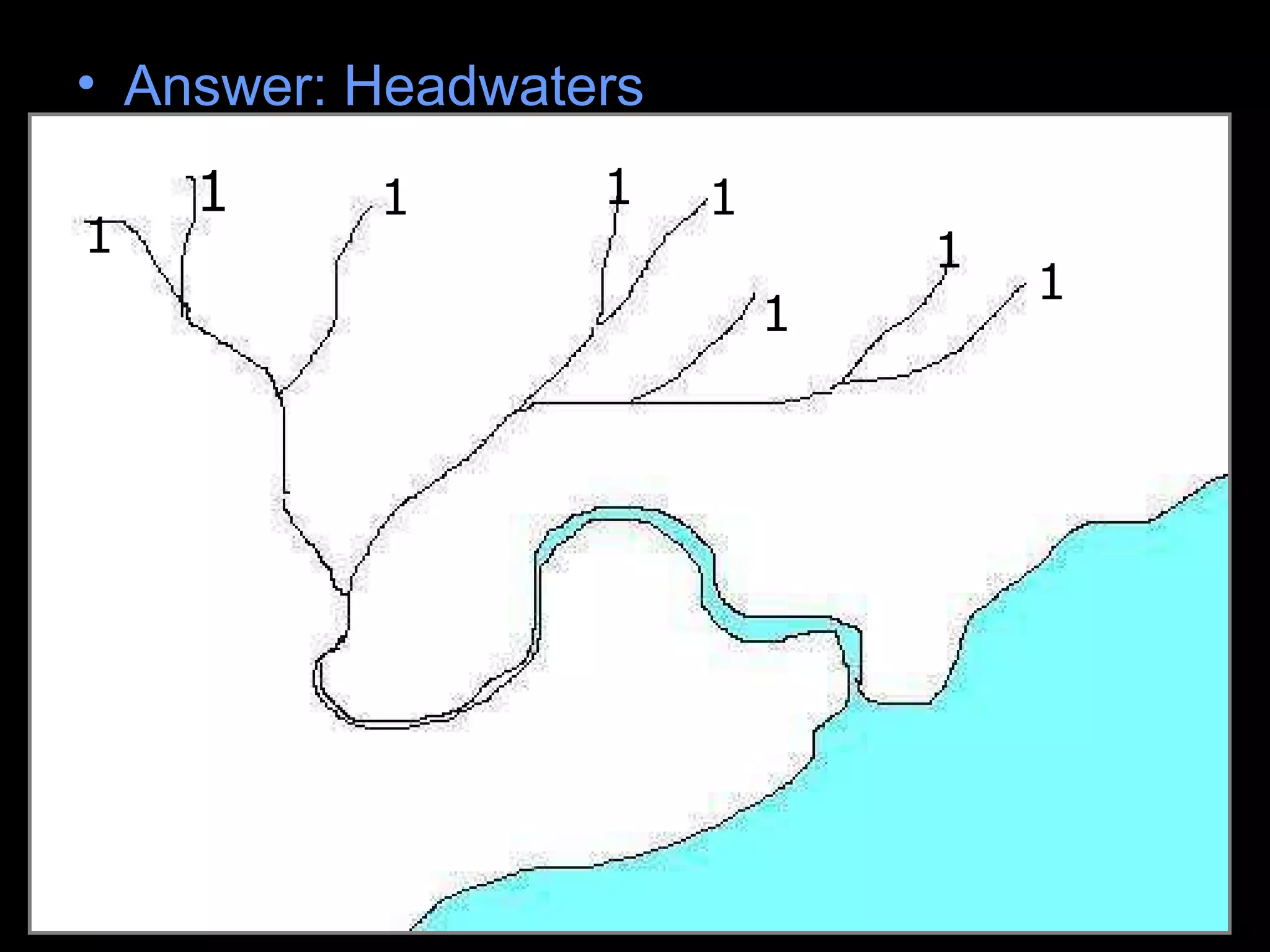
• Activity! Try this one on your own.
• Answer: Headwaters
11
1
1 11 1
1
1
1
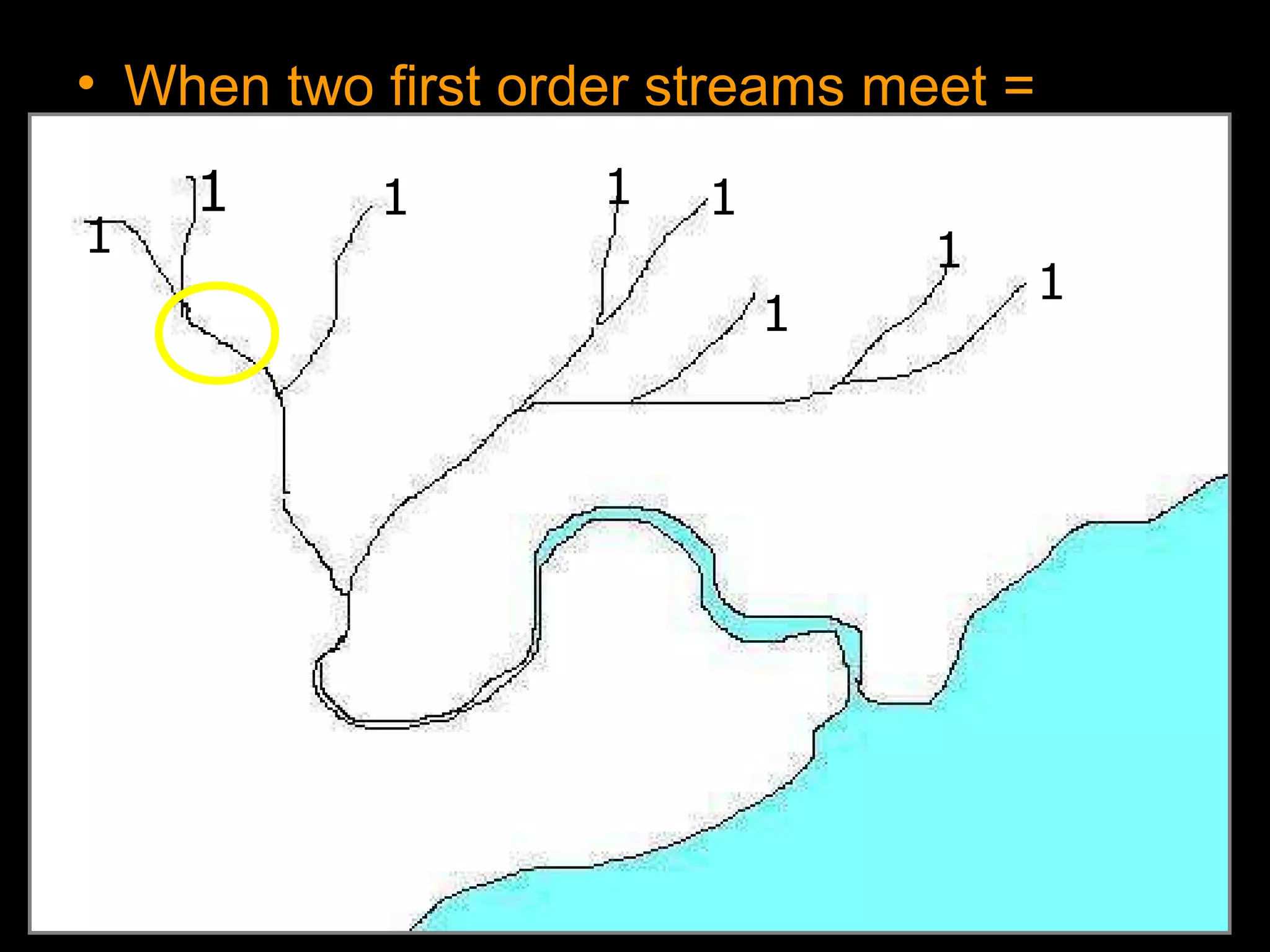
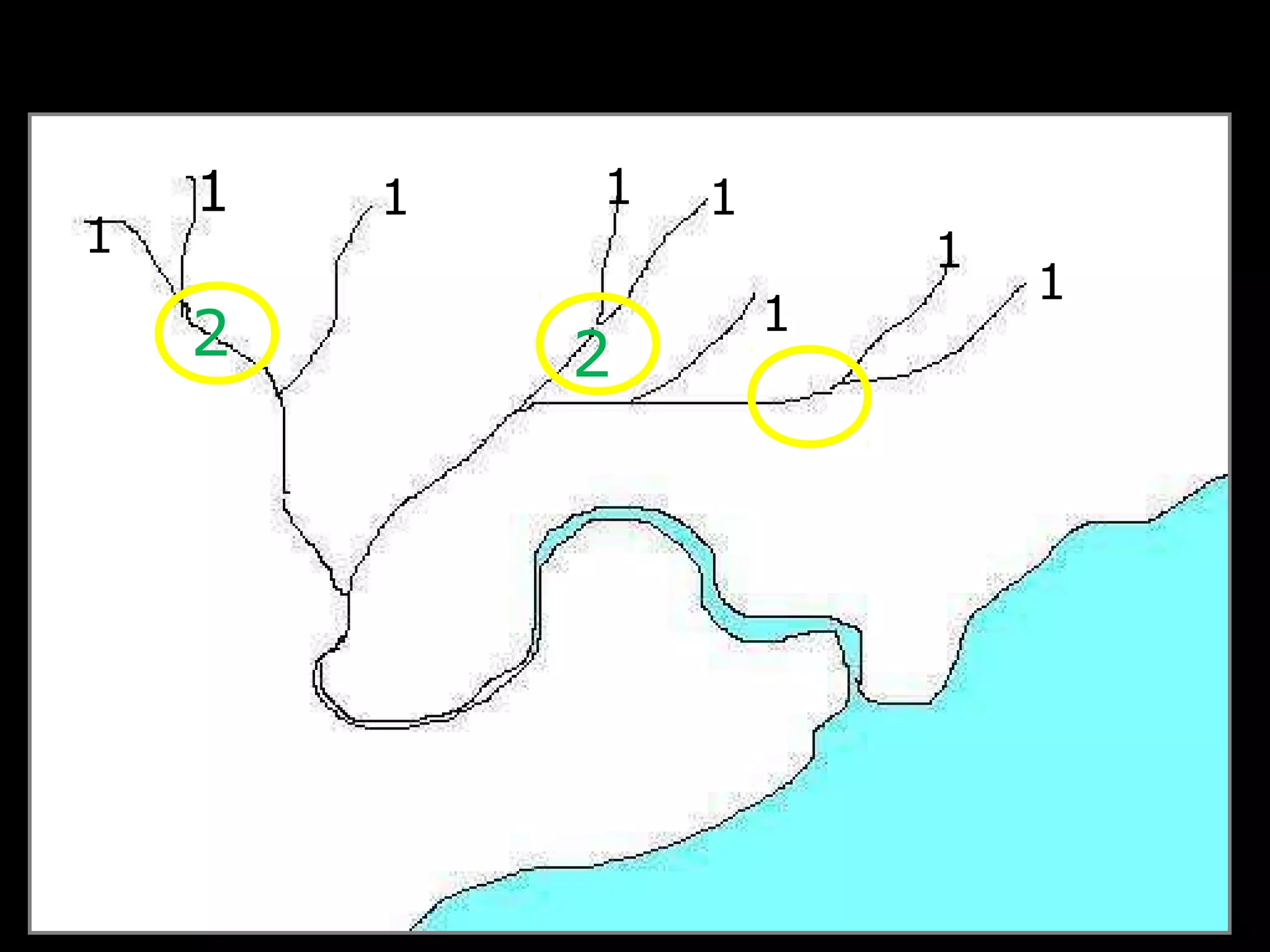
• When two first order streams meet =
11
1
1 11 1
1
1
1
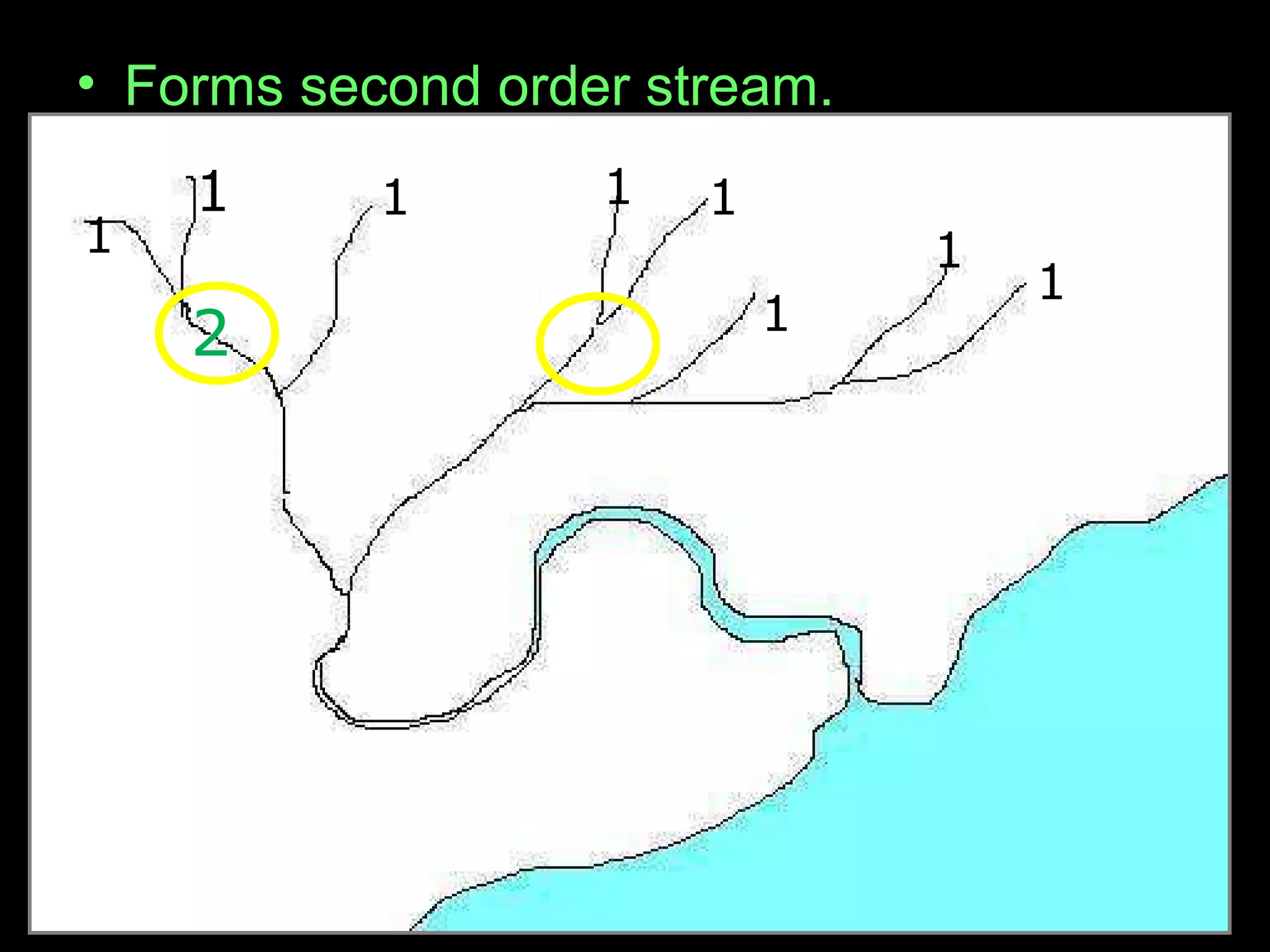
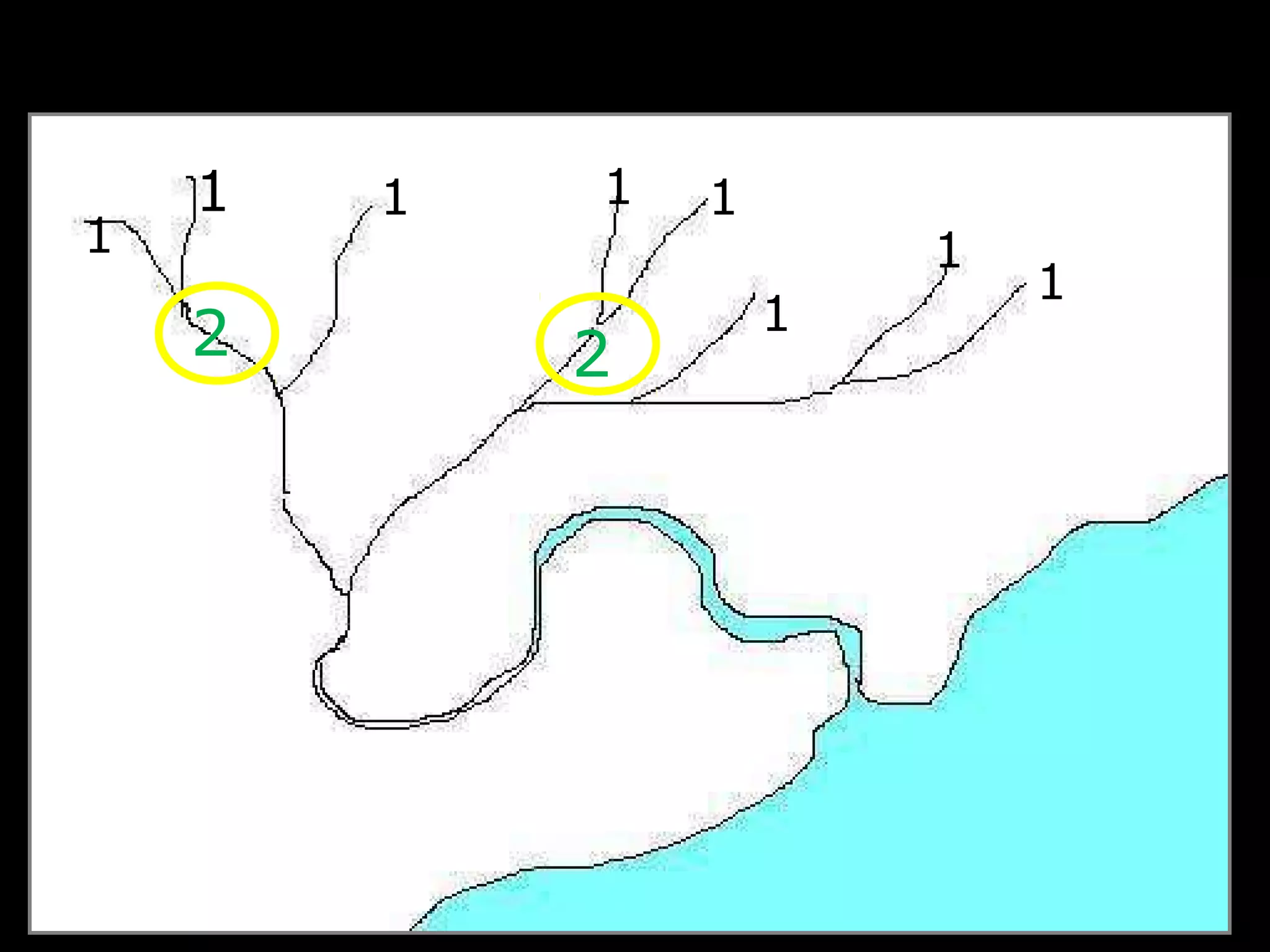
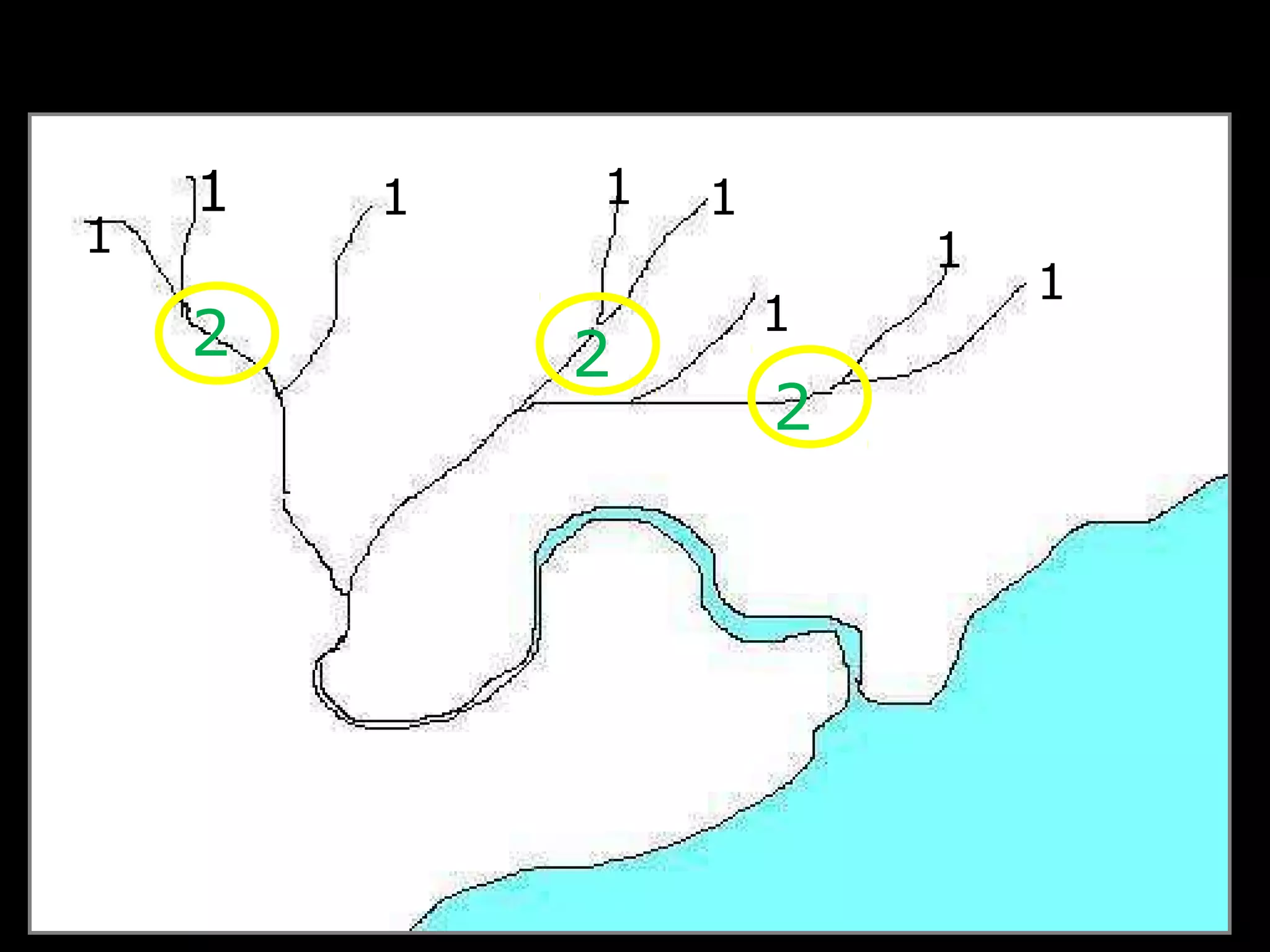
• Forms second order stream.
11
1
1 11 1
1
1
1
2
11
1
1 11 1
1
1
1
2 2
11
1
1 11 1
1
1
1
2 2
11
1
1 11 1
1
1
1
2 2
2
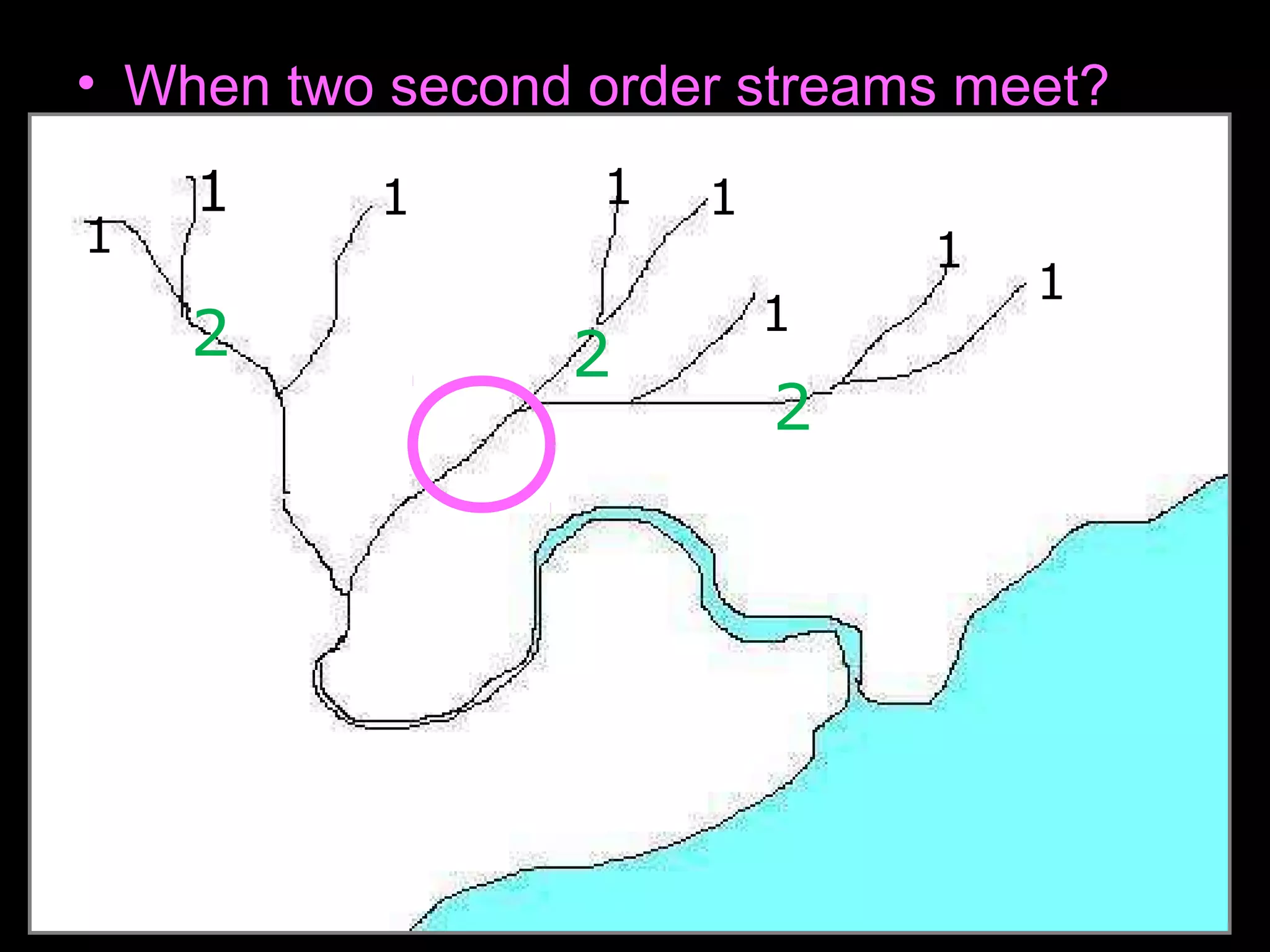
• When two second order streams meet?
11
1
1 11 1
1
1
1
2 2
2
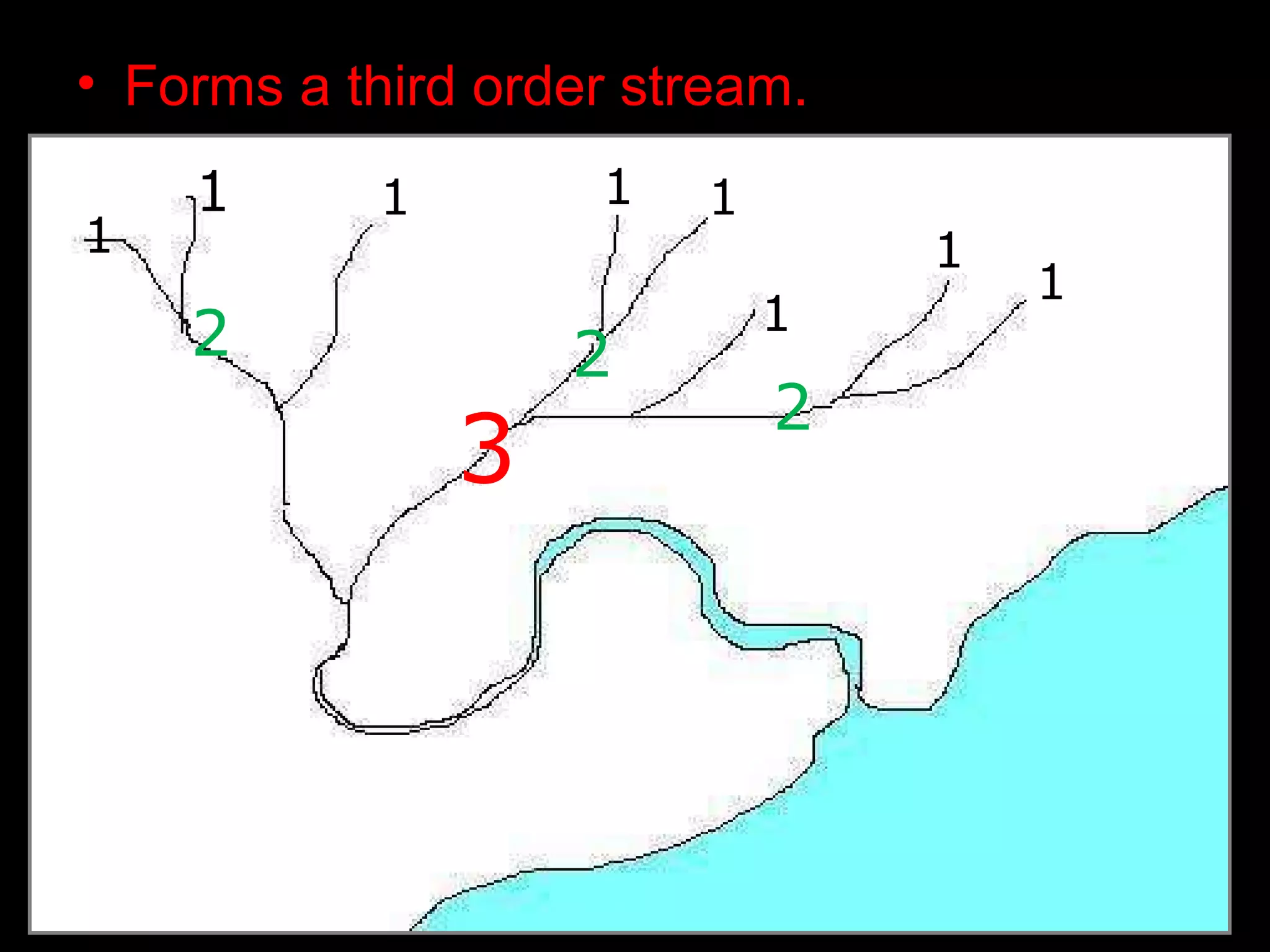
• Forms a third order stream.
11
1
1 11 1
1
1
1
2 2
2
3
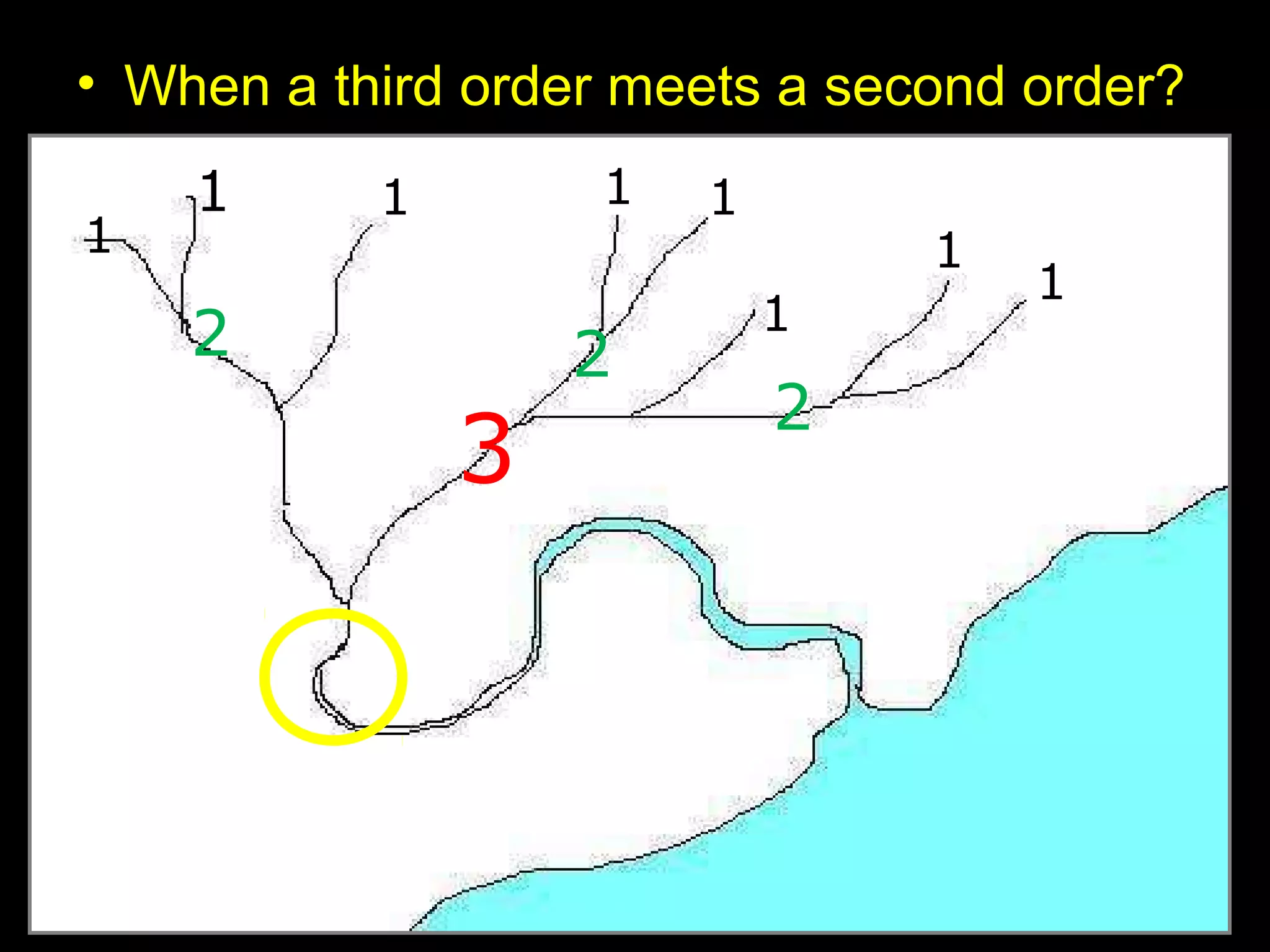
• When a third order meets a second order?
11
1
1 11 1
1
1
1
2 2
2
3
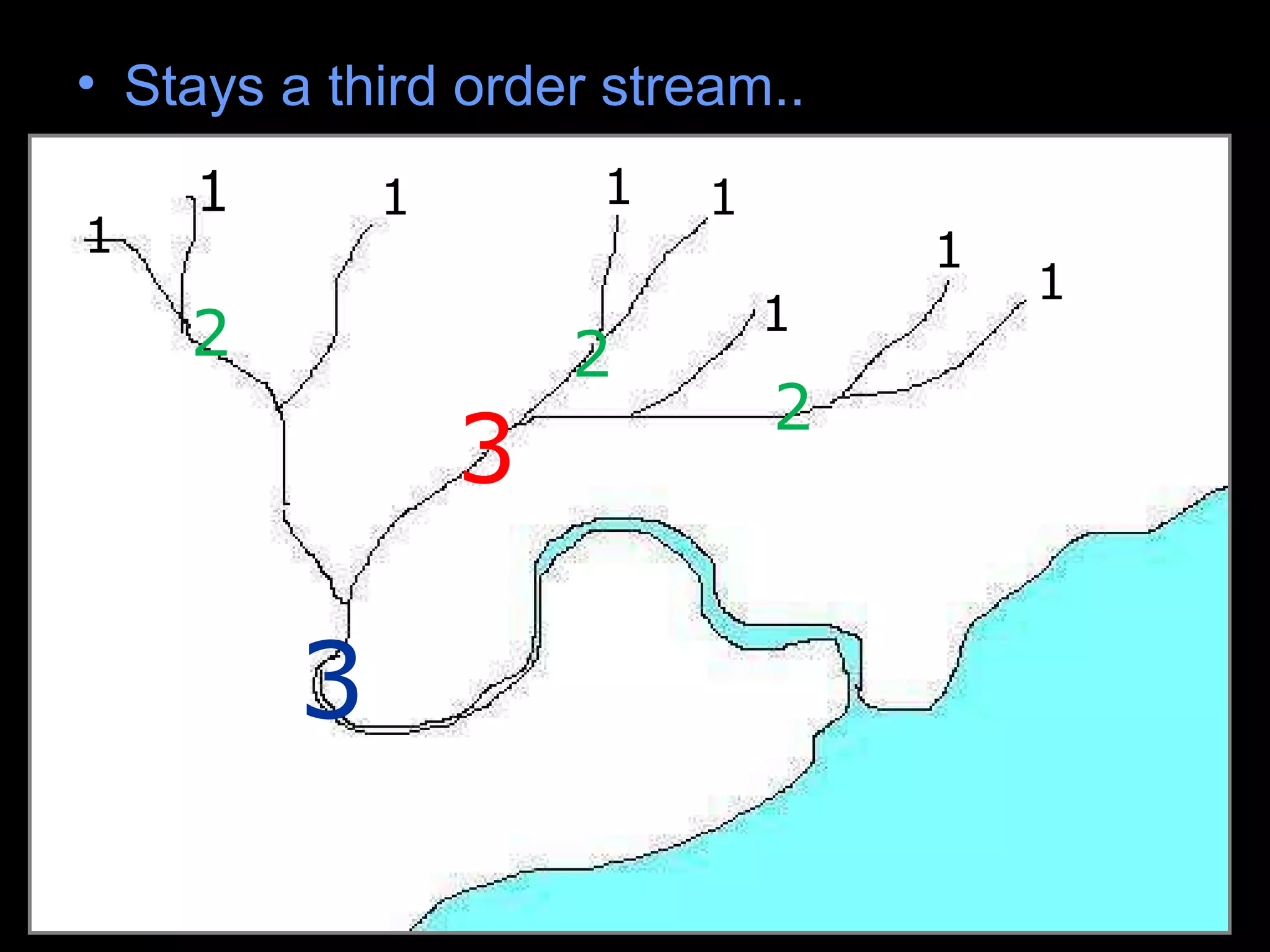
• Stays a third order stream..
11
1
1 11 1
1
1
1
2 2
2
3
3
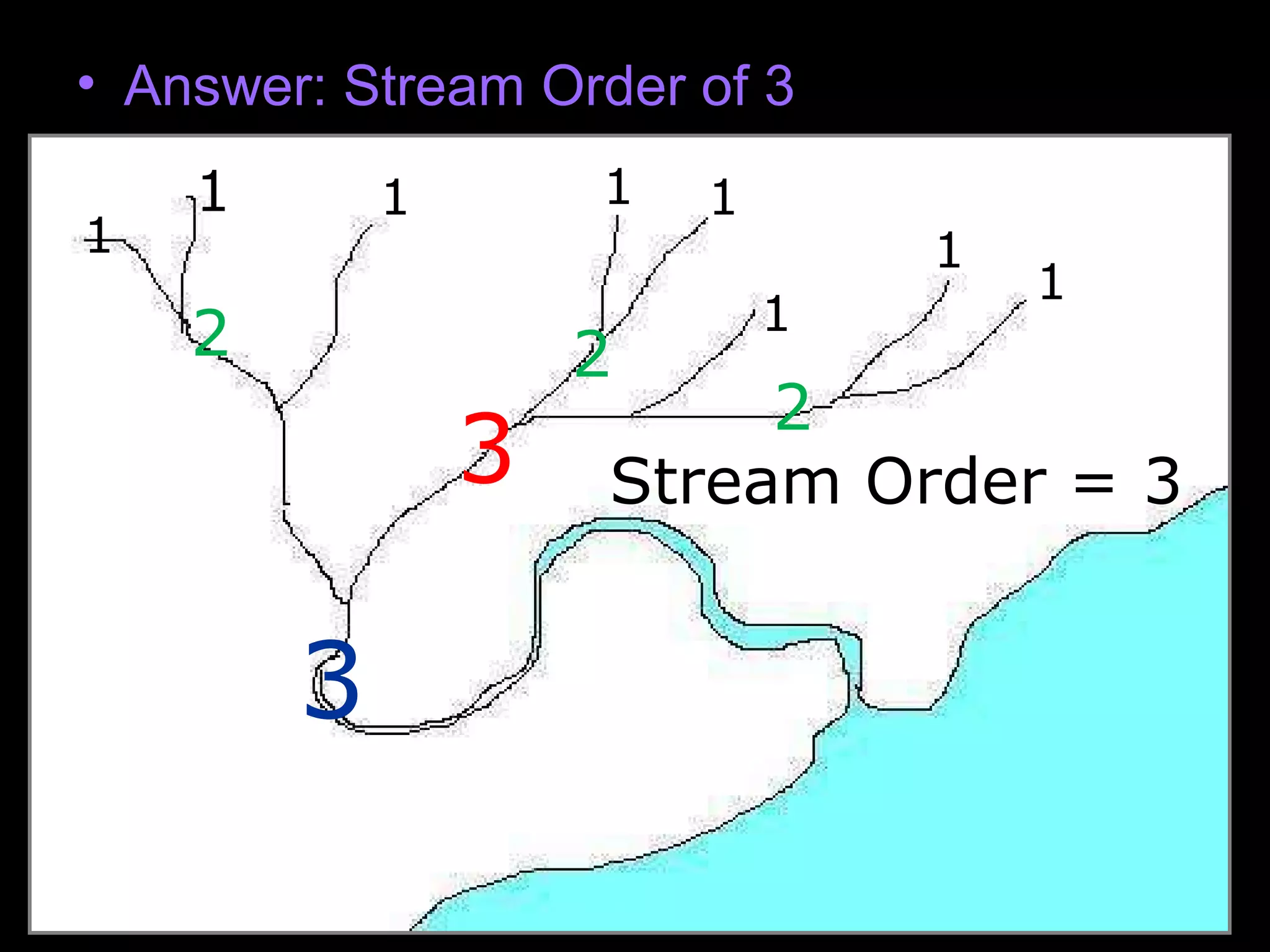
• Answer: Stream Order of 3
11
1
1 11 1
1
1
1
2 2
2
3
3
Stream Order = 3
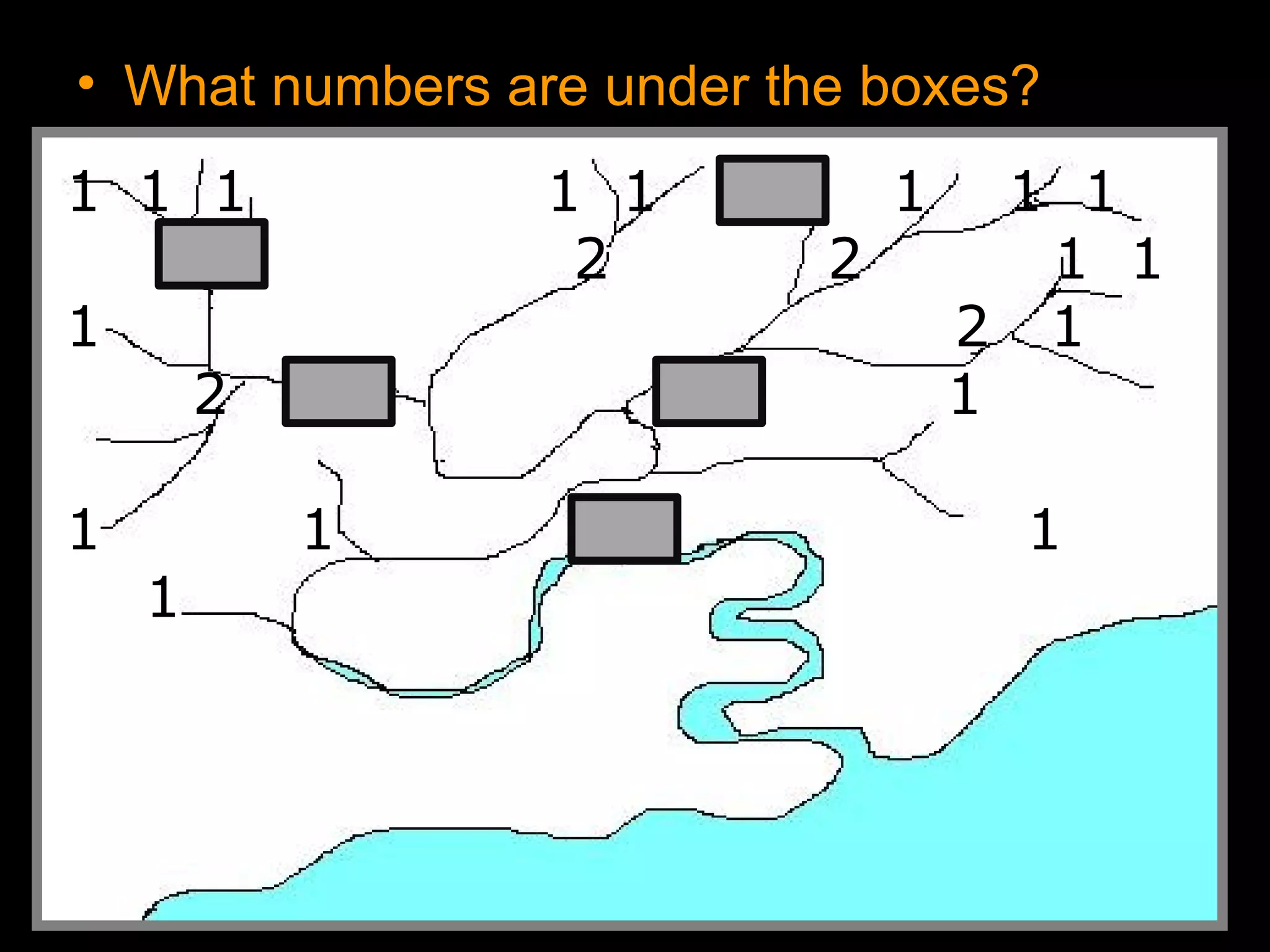
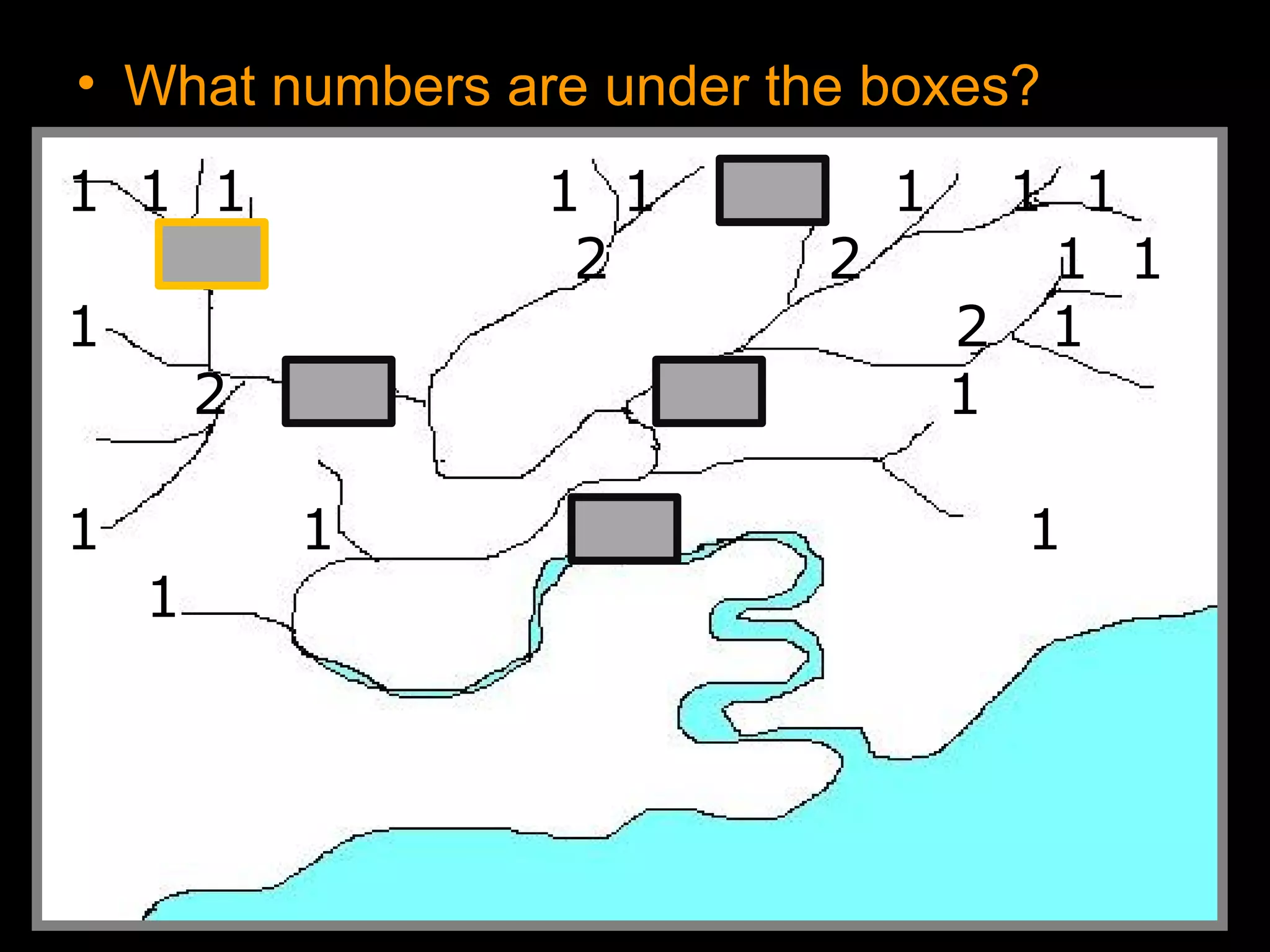
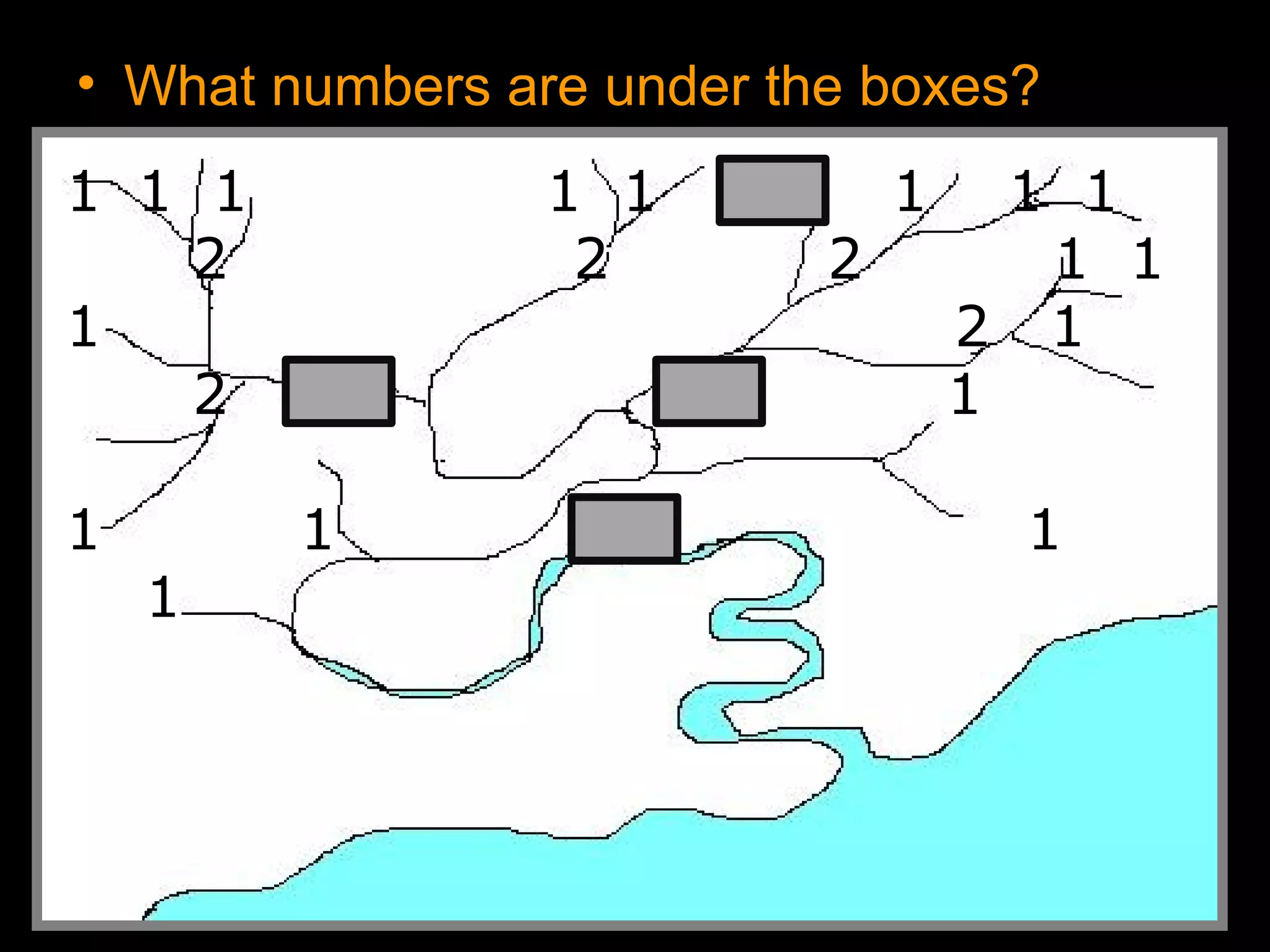
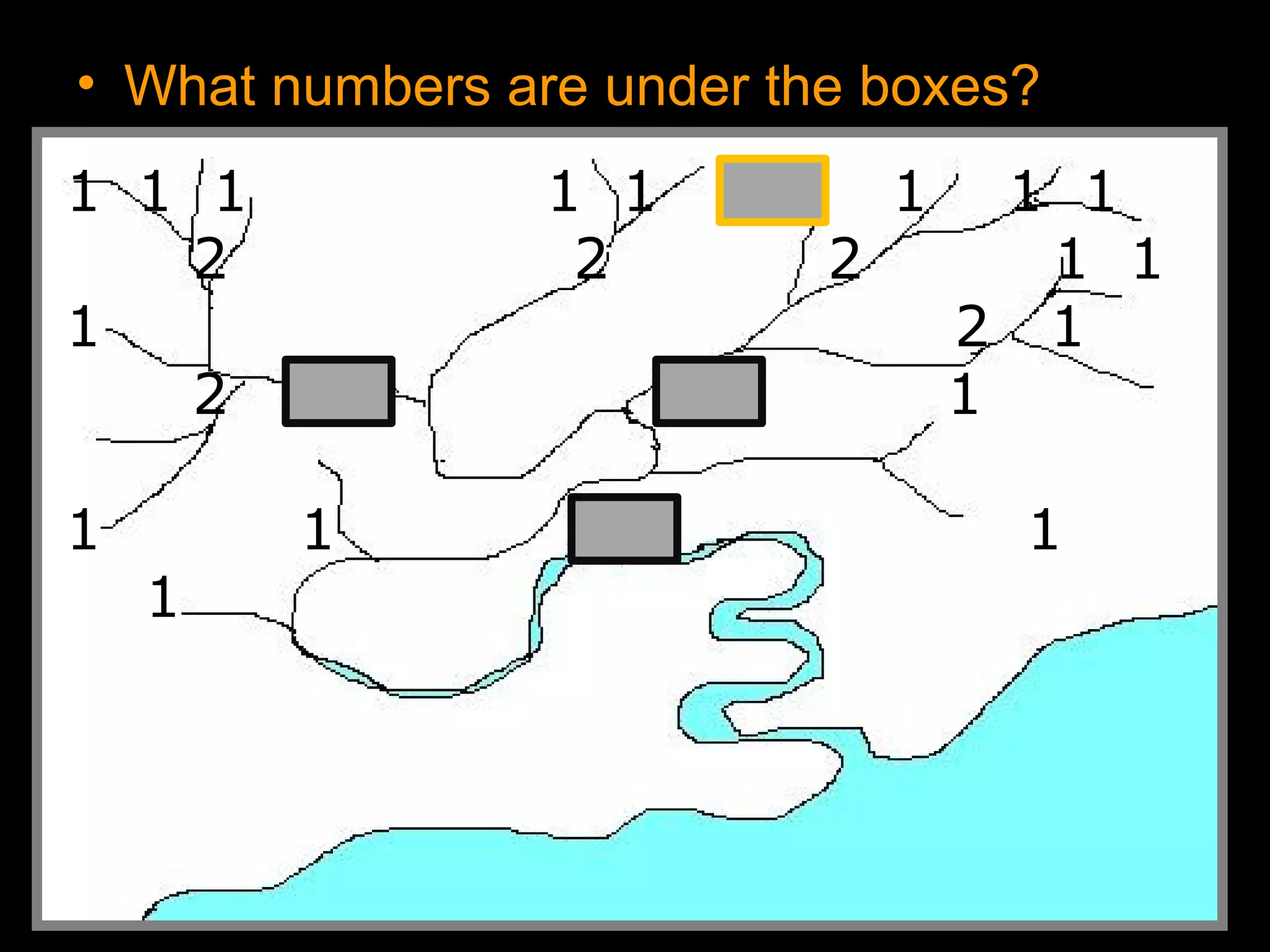
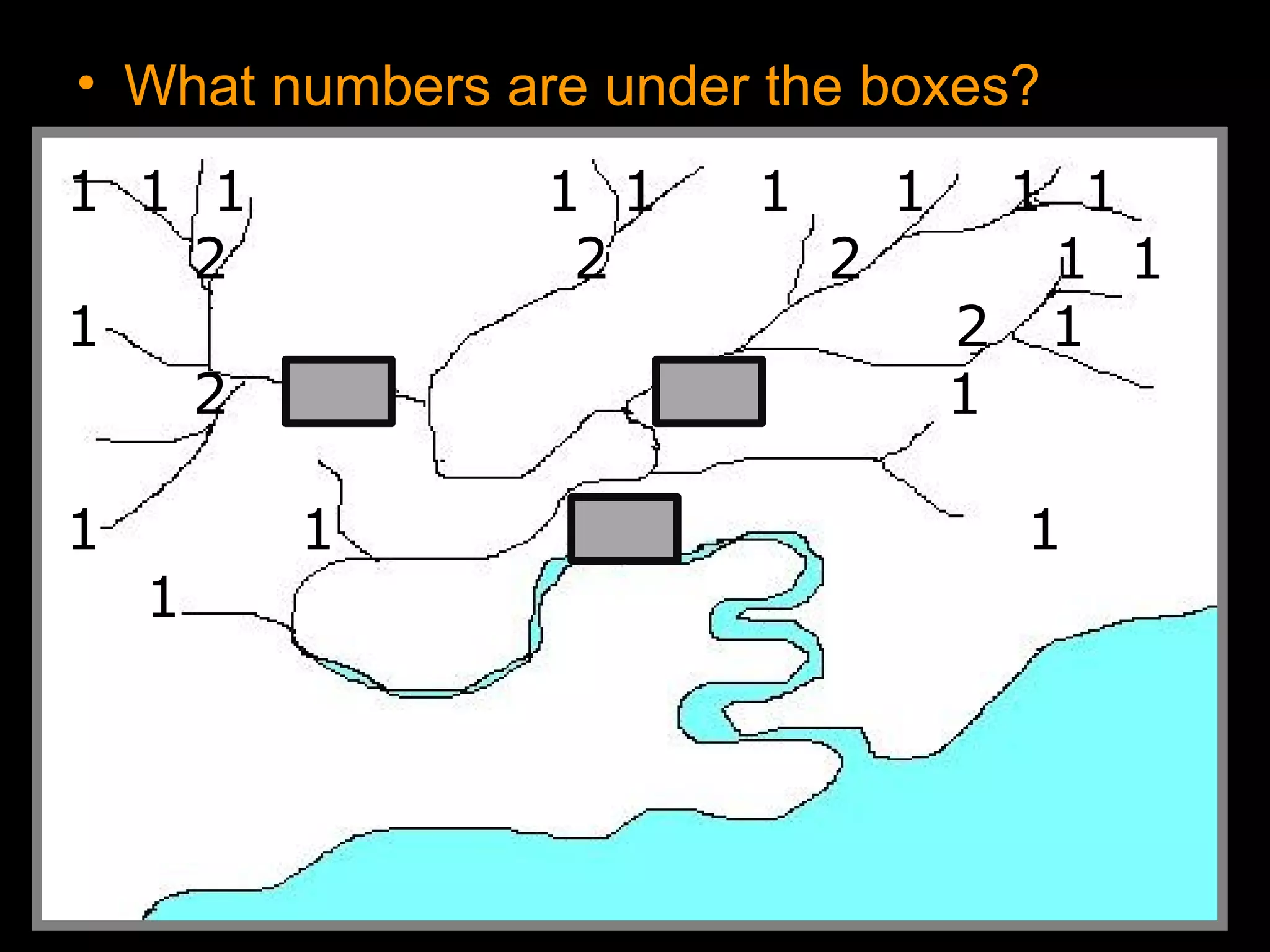
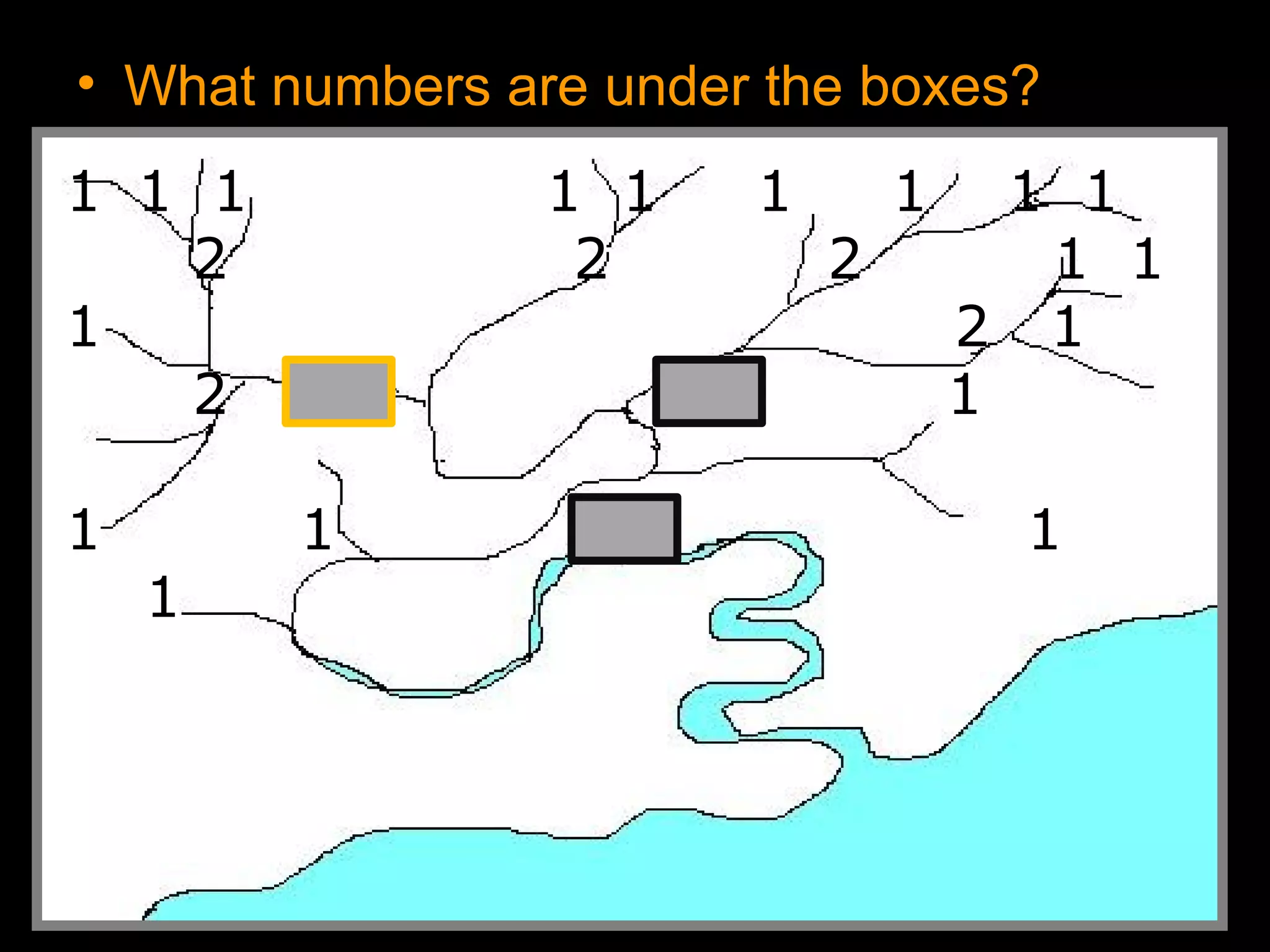
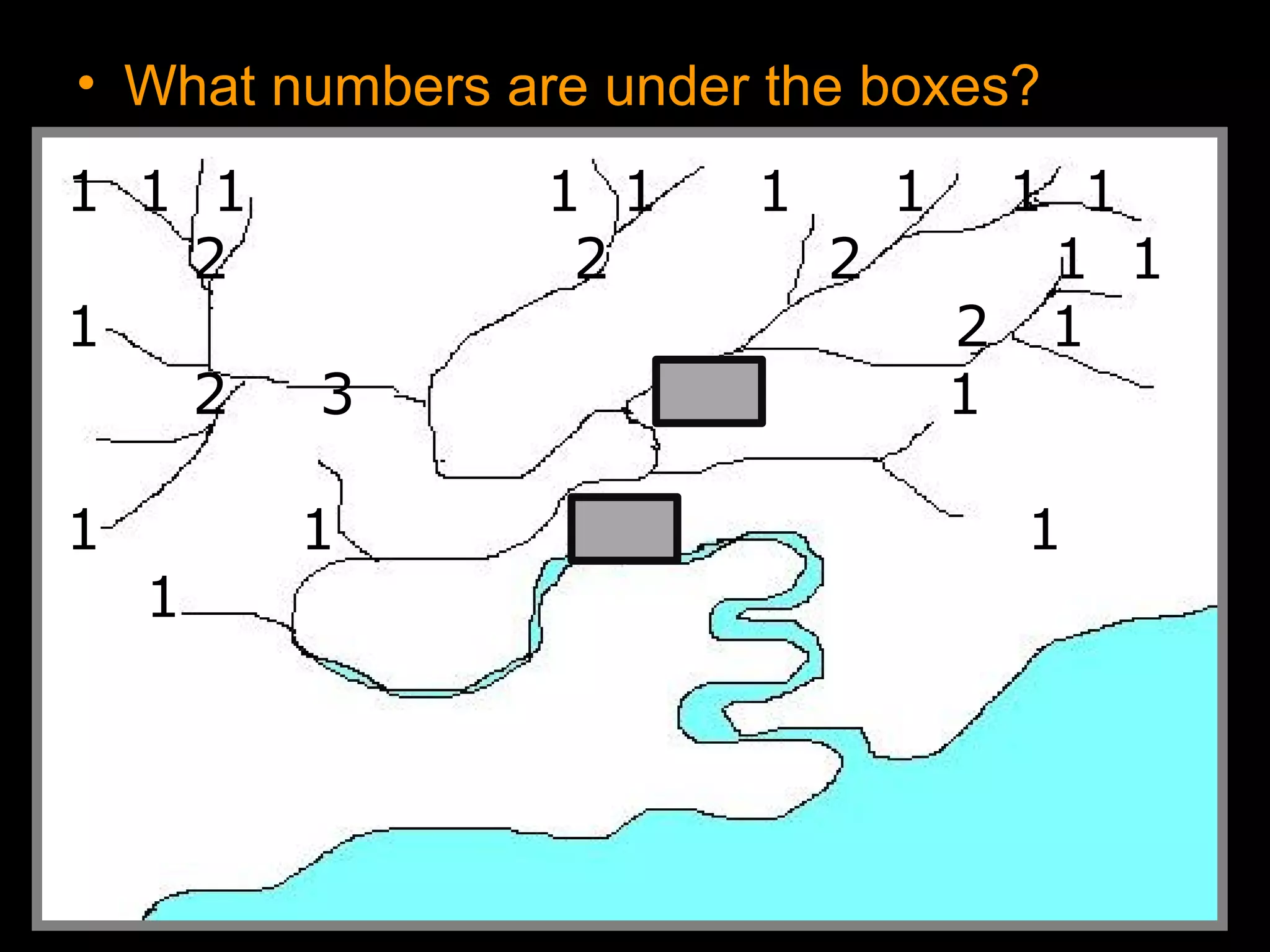
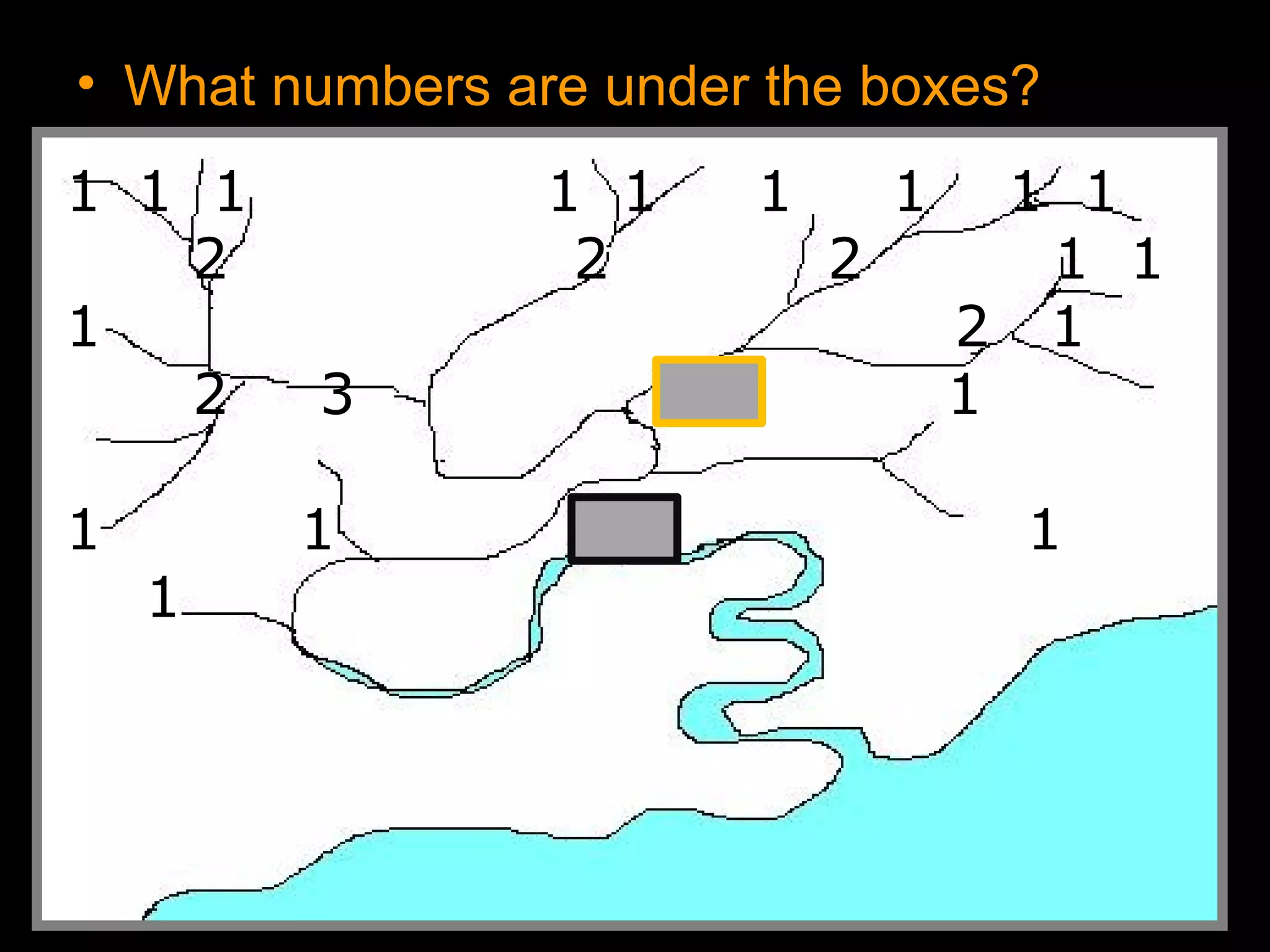
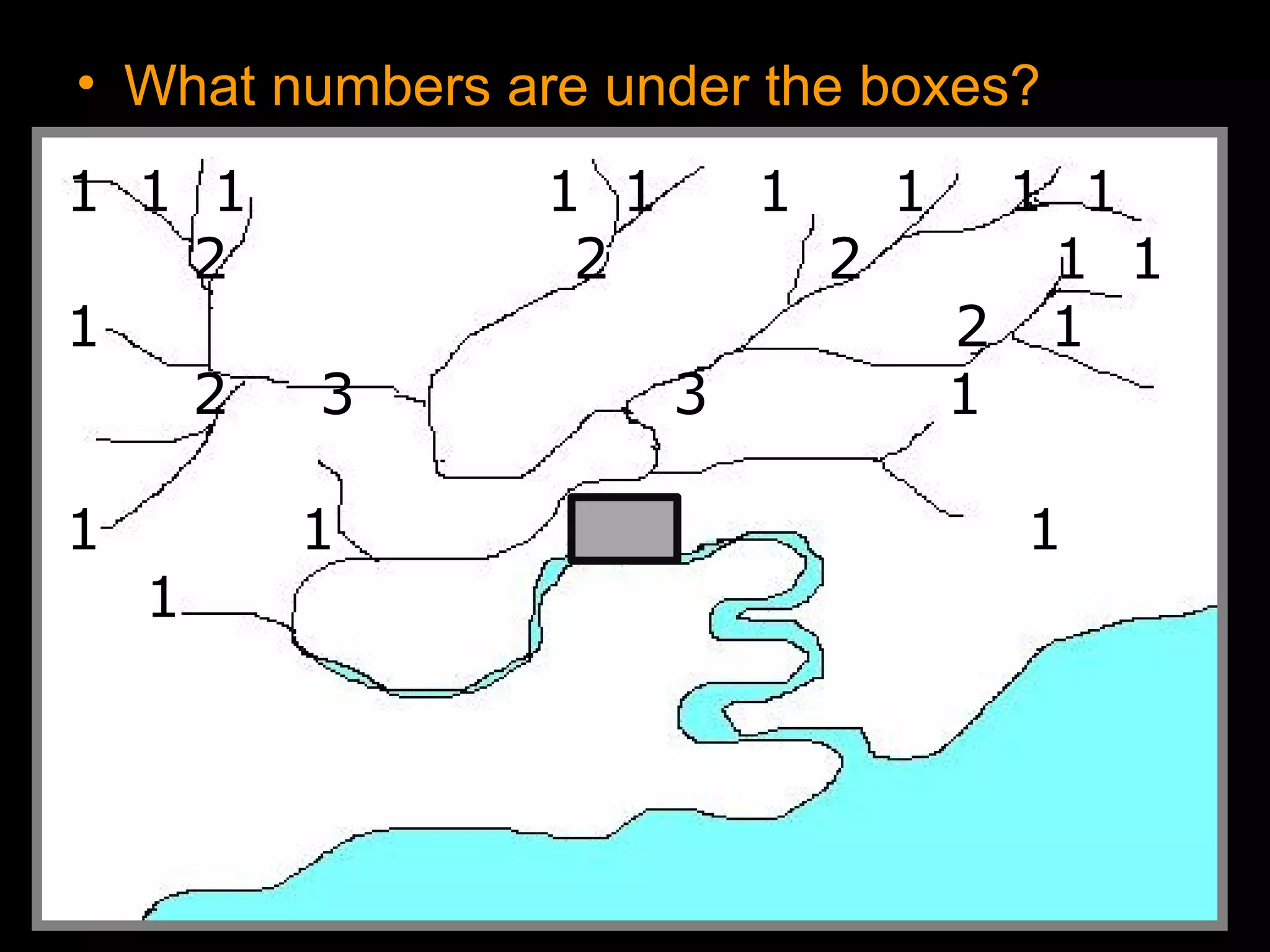
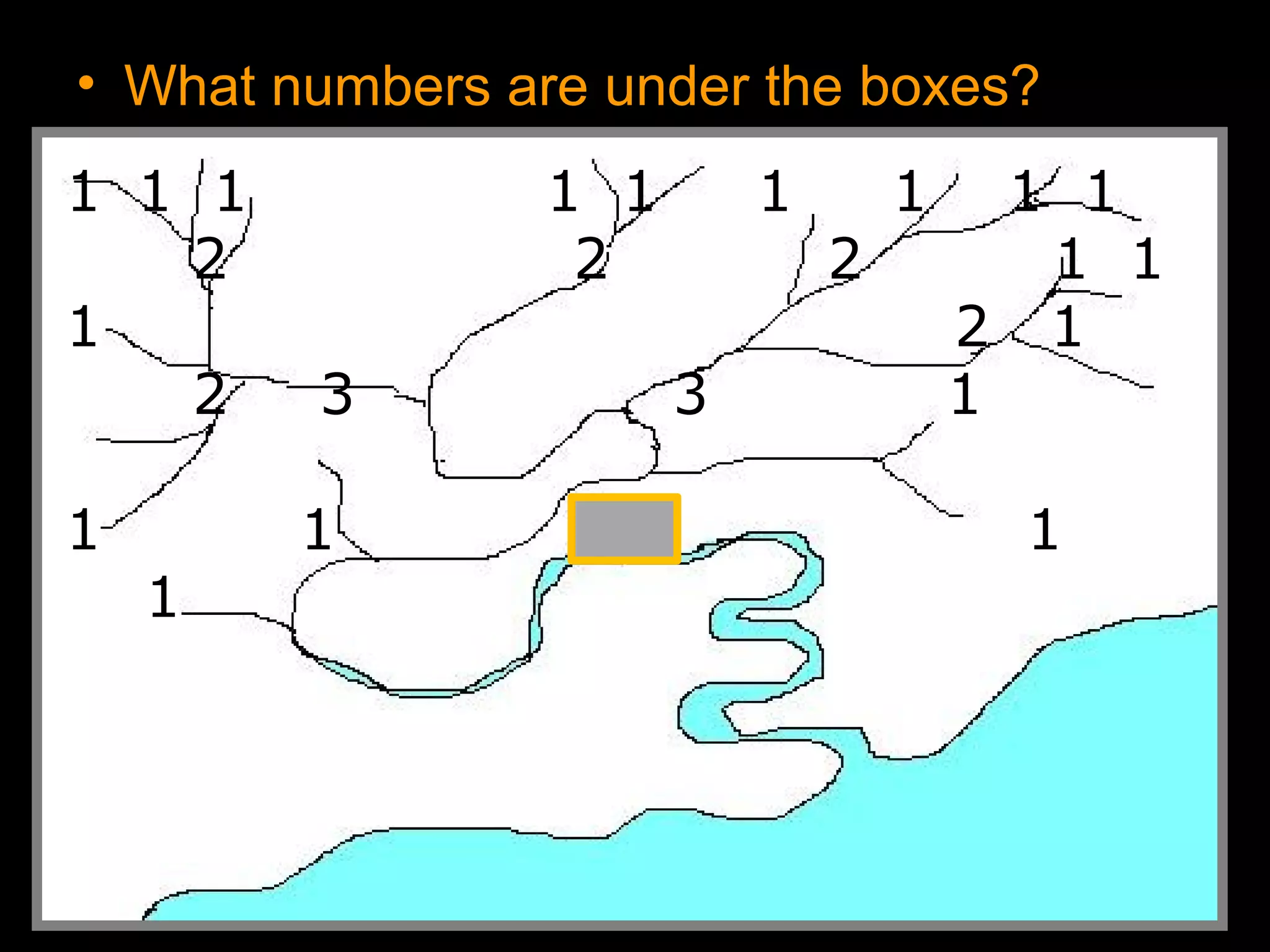
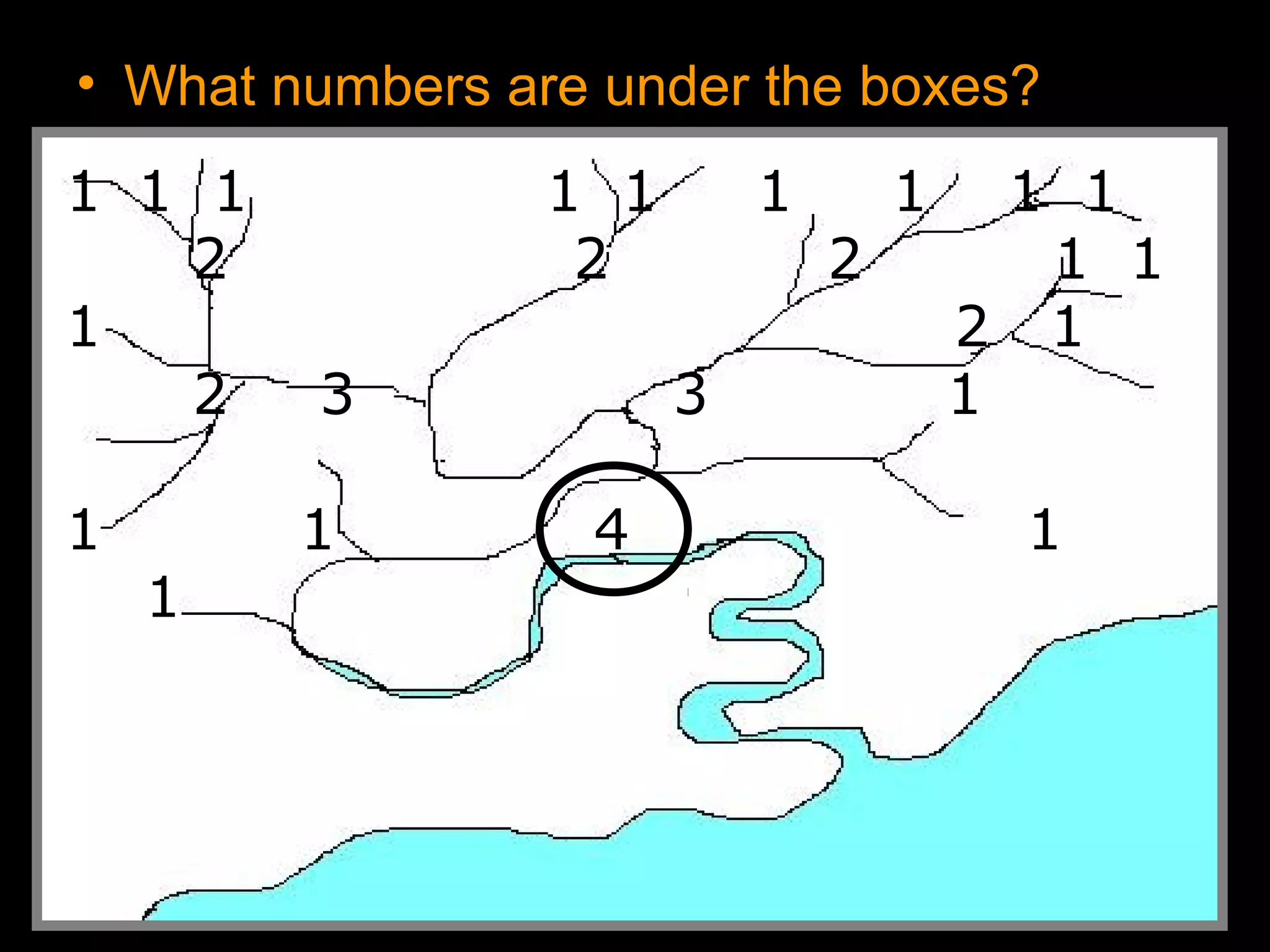
• What numbers are under the boxes?
1 1 1 1 1 1 1 1 1
2 2 2 1 1
1 2 1
2 3 3 1
1 1 4 1
1
• What numbers are under the boxes?
1 1 1 1 1 1 1 1 1
2 2 2 1 1
1 2 1
2 3 3 1
1 1 4 1
1
• What numbers are under the boxes?
1 1 1 1 1 1 1 1 1
2 2 2 1 1
1 2 1
2 3 3 1
1 1 4 1
1
• What numbers are under the boxes?
1 1 1 1 1 1 1 1 1
2 2 2 1 1
1 2 1
2 3 3 1
1 1 4 1
1
• What numbers are under the boxes?
1 1 1 1 1 1 1 1 1
2 2 2 1 1
1 2 1
2 3 3 1
1 1 4 1
1
• What numbers are under the boxes?
1 1 1 1 1 1 1 1 1
2 2 2 1 1
1 2 1
2 3 3 1
1 1 4 1
1
• What numbers are under the boxes?
1 1 1 1 1 1 1 1 1
2 2 2 1 1
1 2 1
2 3 3 1
1 1 4 1
1
• What numbers are under the boxes?
1 1 1 1 1 1 1 1 1
2 2 2 1 1
1 2 1
2 3 3 1
1 1 4 1
1
• What numbers are under the boxes?
1 1 1 1 1 1 1 1 1
2 2 2 1 1
1 2 1
2 3 3 1
1 1 4 1
1
• What numbers are under the boxes?
1 1 1 1 1 1 1 1 1
2 2 2 1 1
1 2 1
2 3 3 1
1 1 4 1
1
• What numbers are under the boxes?
1 1 1 1 1 1 1 1 1
2 2 2 1 1
1 2 1
2 3 3 1
1 1 4 1
1
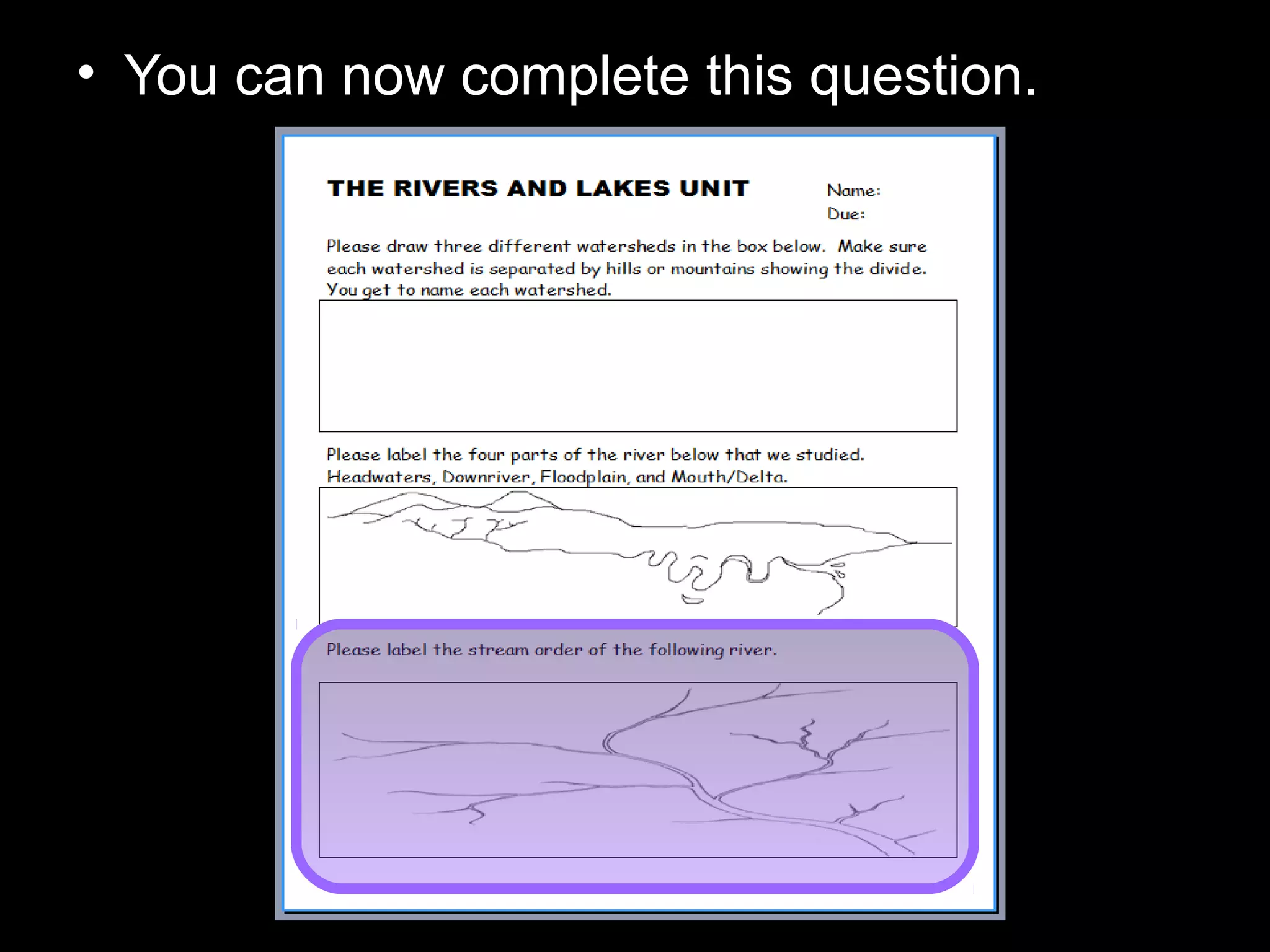
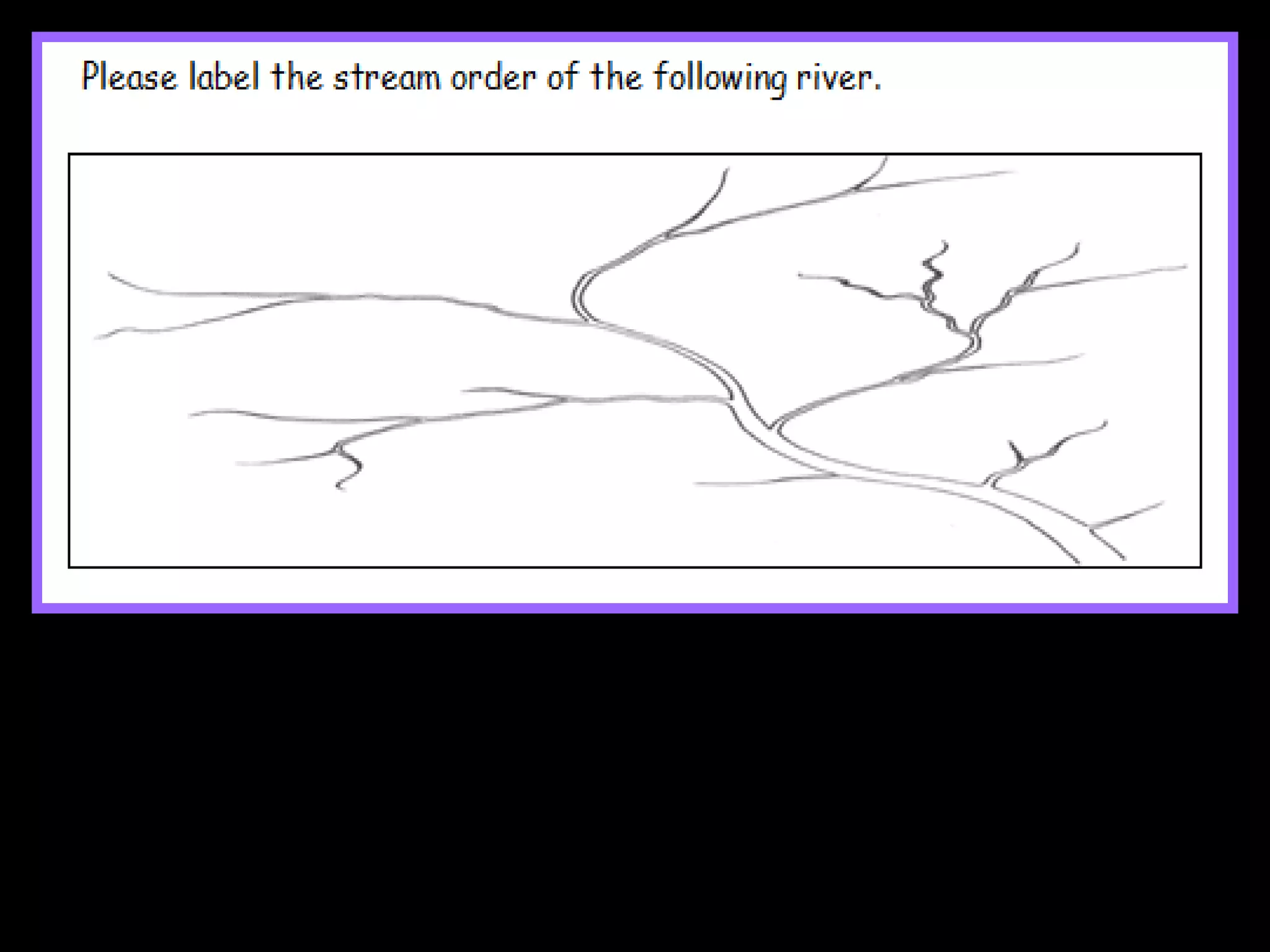
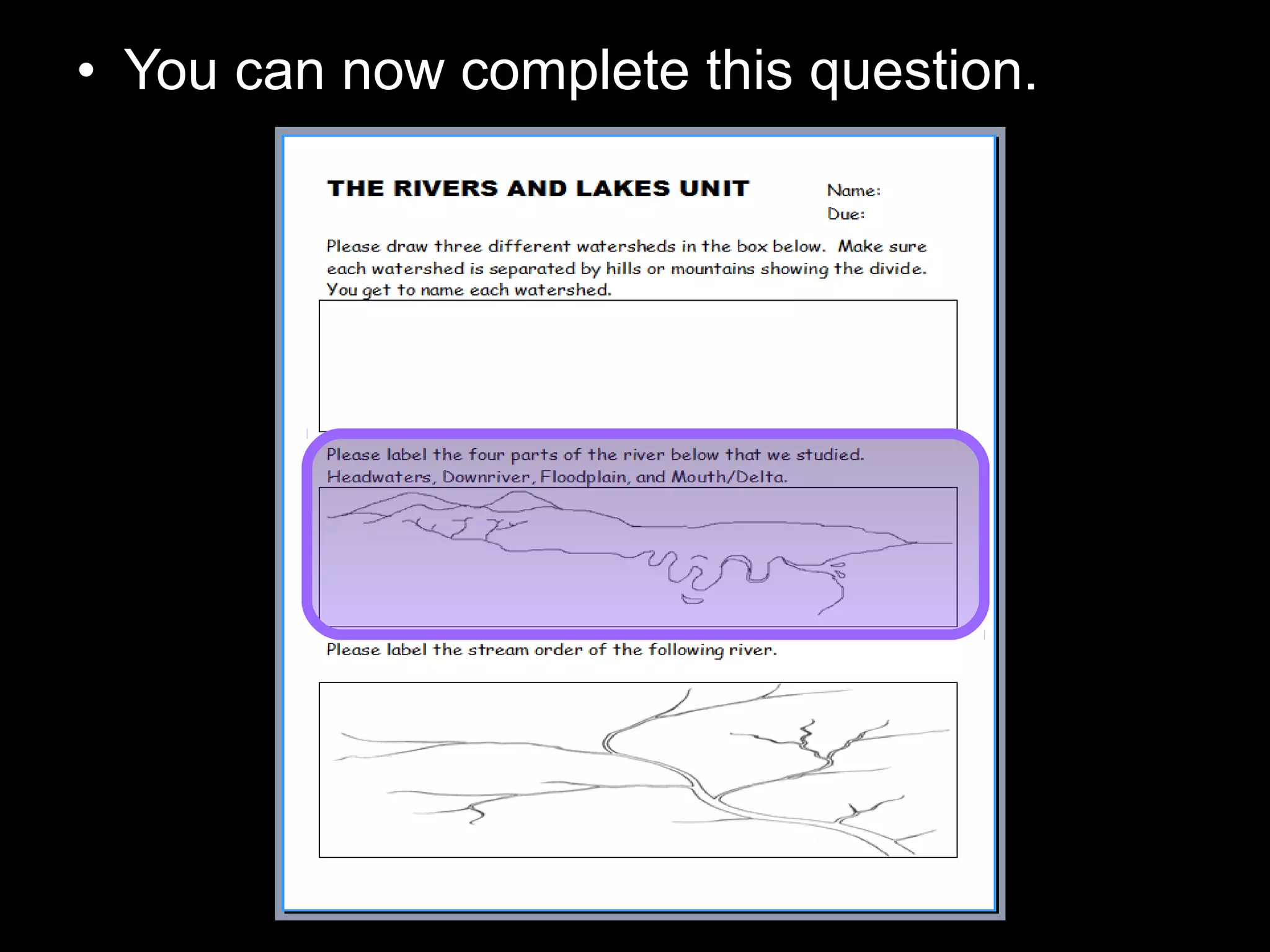
• You can now complete this question.
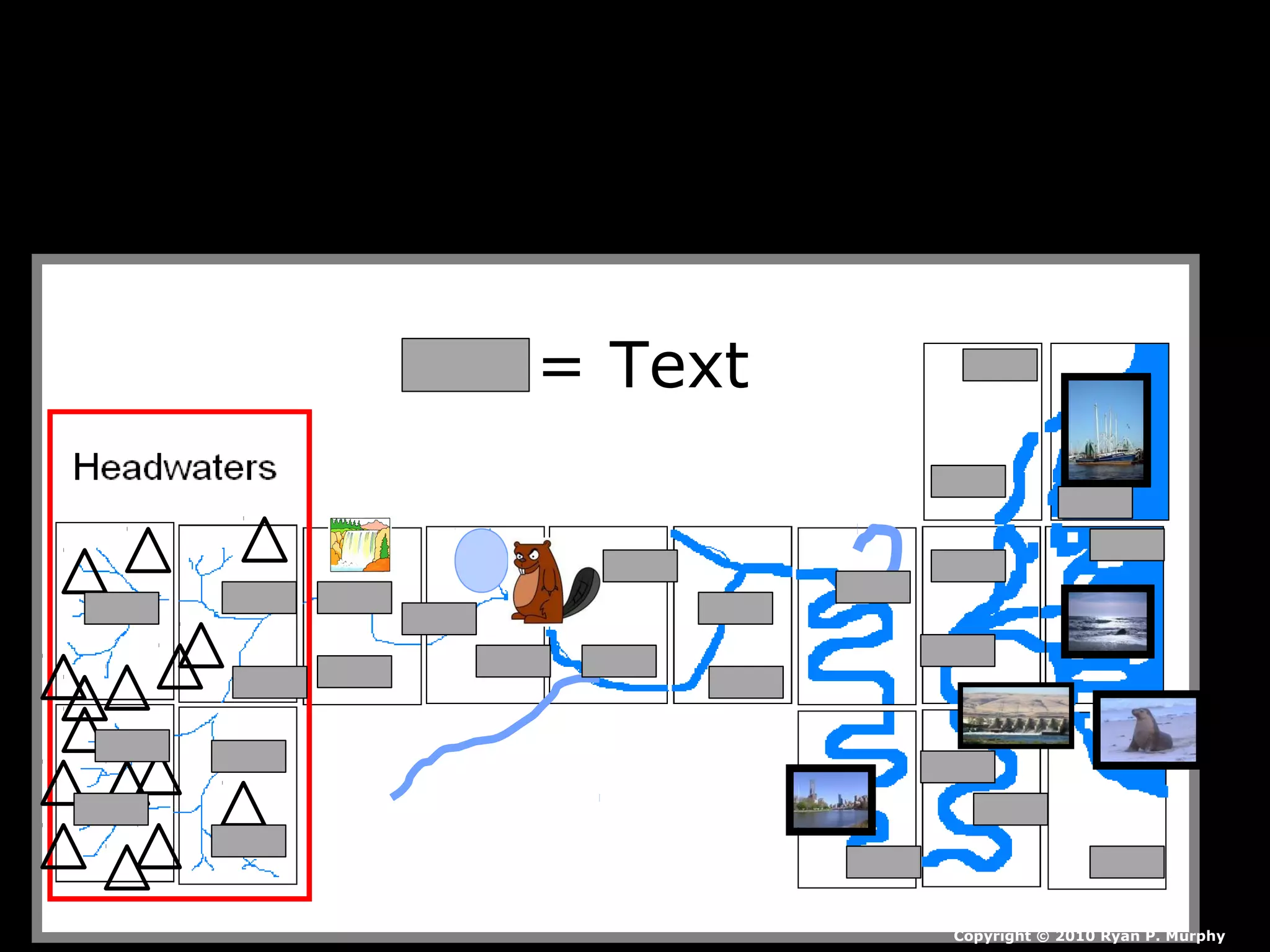
• Activity! Designing a River
– The class will design a river from Headwaters to
the Mouth/Delta putting as much information
from the sheets as possible into your work.
– The river will be needed on an upcoming
assessment.
– Each group of four or more gets four sheets.
Plan the width of the river accordingly.
– Your section should line up with the group down
river and upriver.
– Only use light colored pencils “everybody”
– Worth a two class grades (your part, your groups
part.)
Copyright © 2010 Ryan P. Murphy
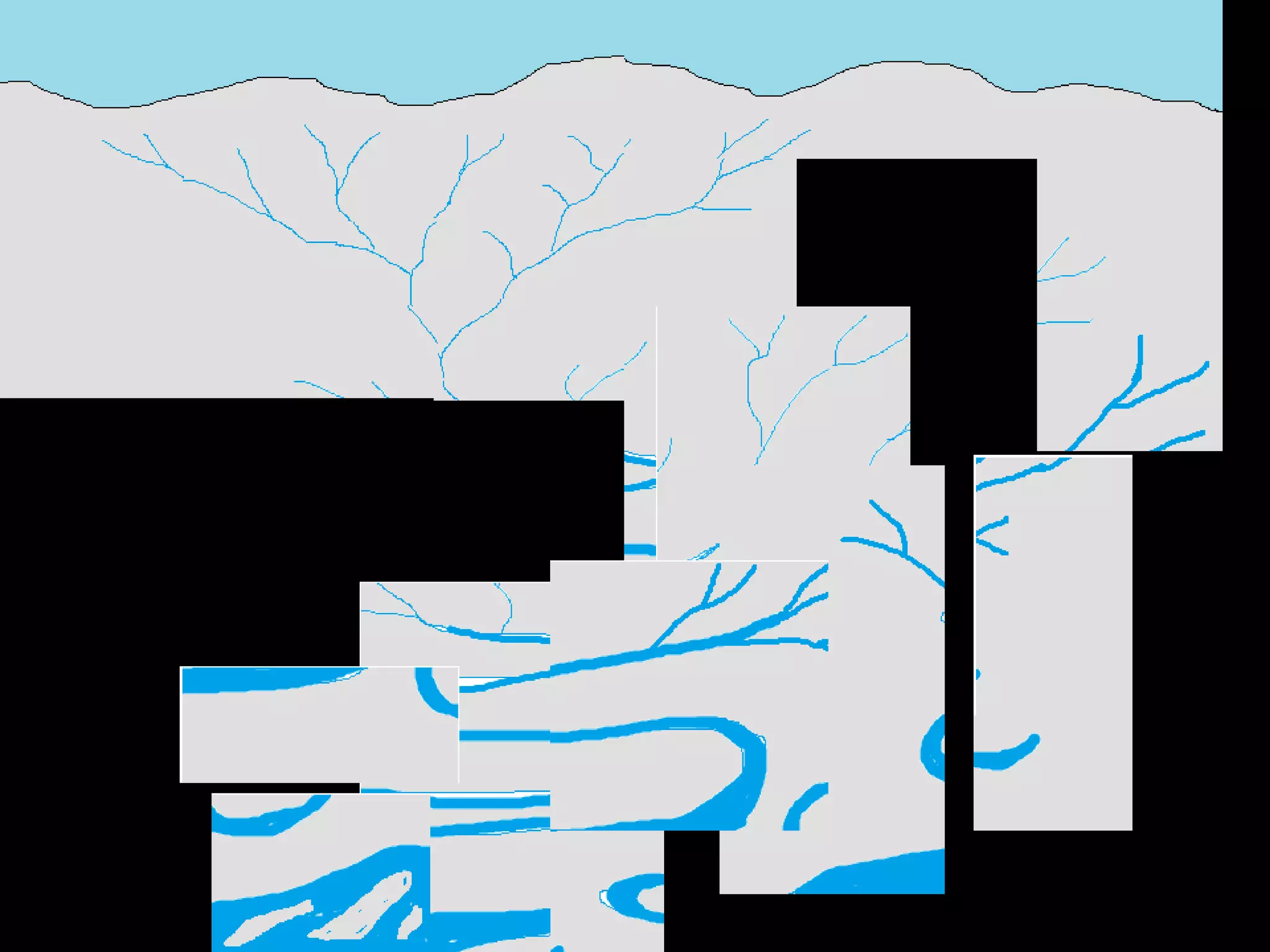
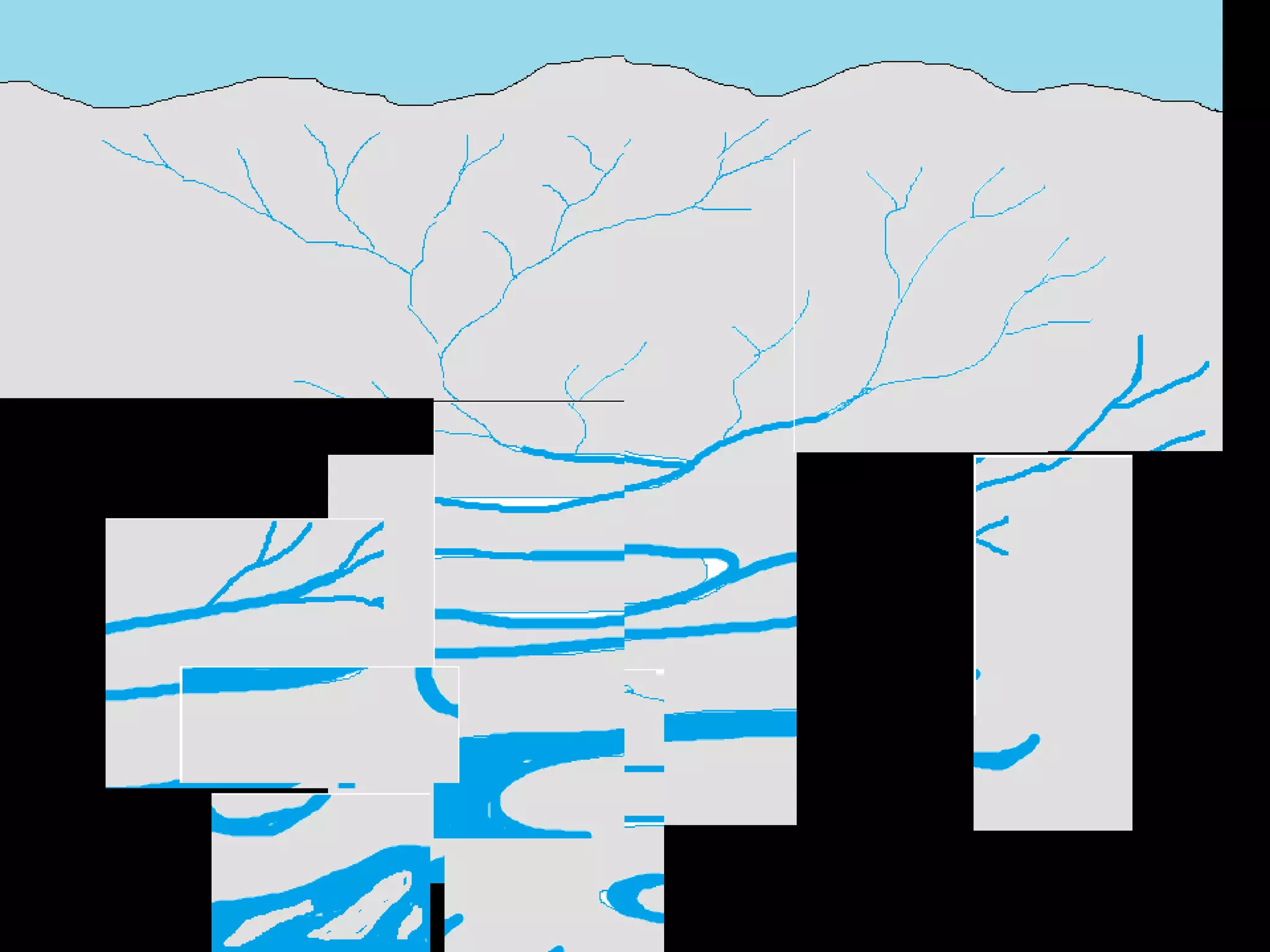
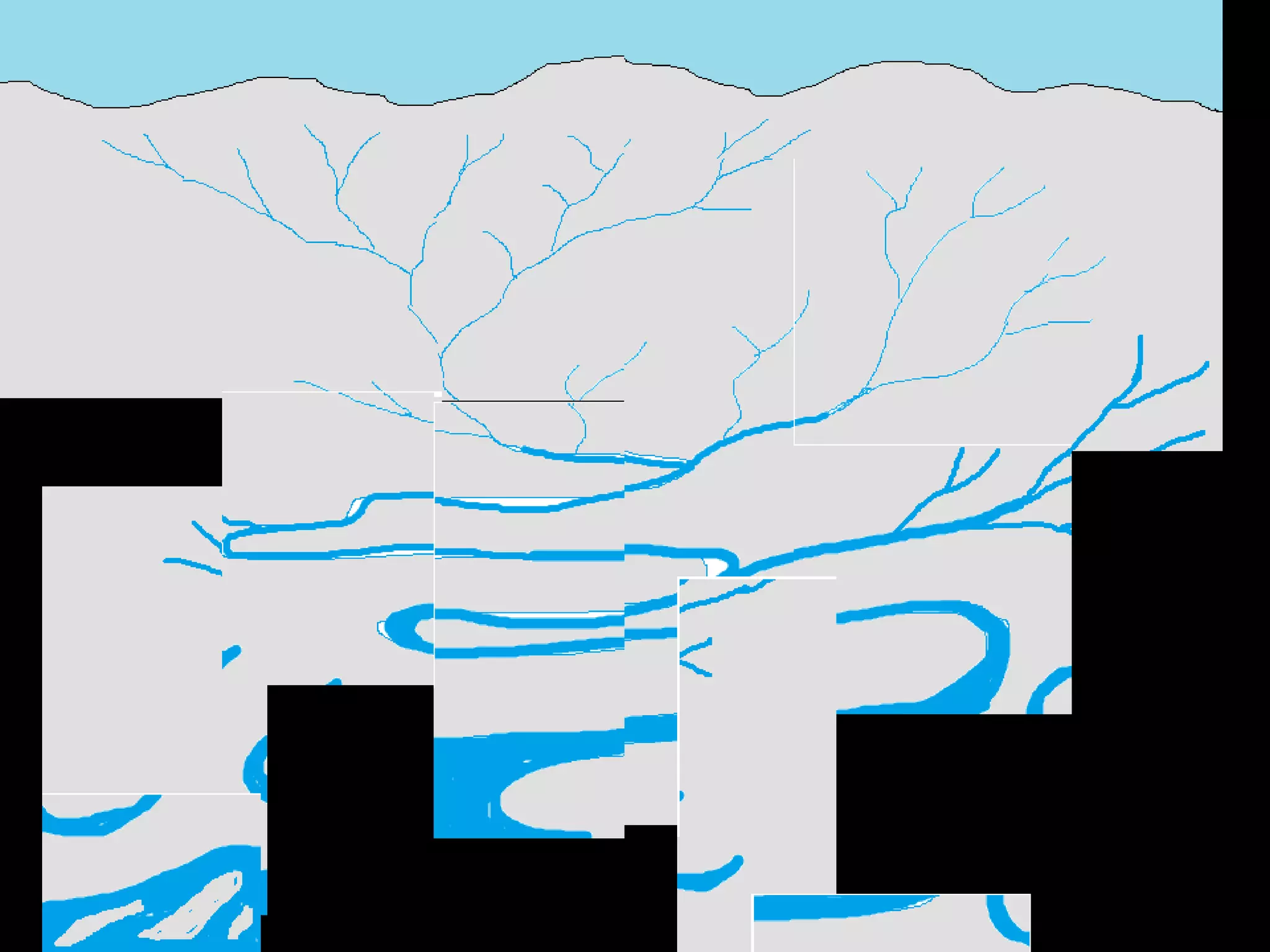
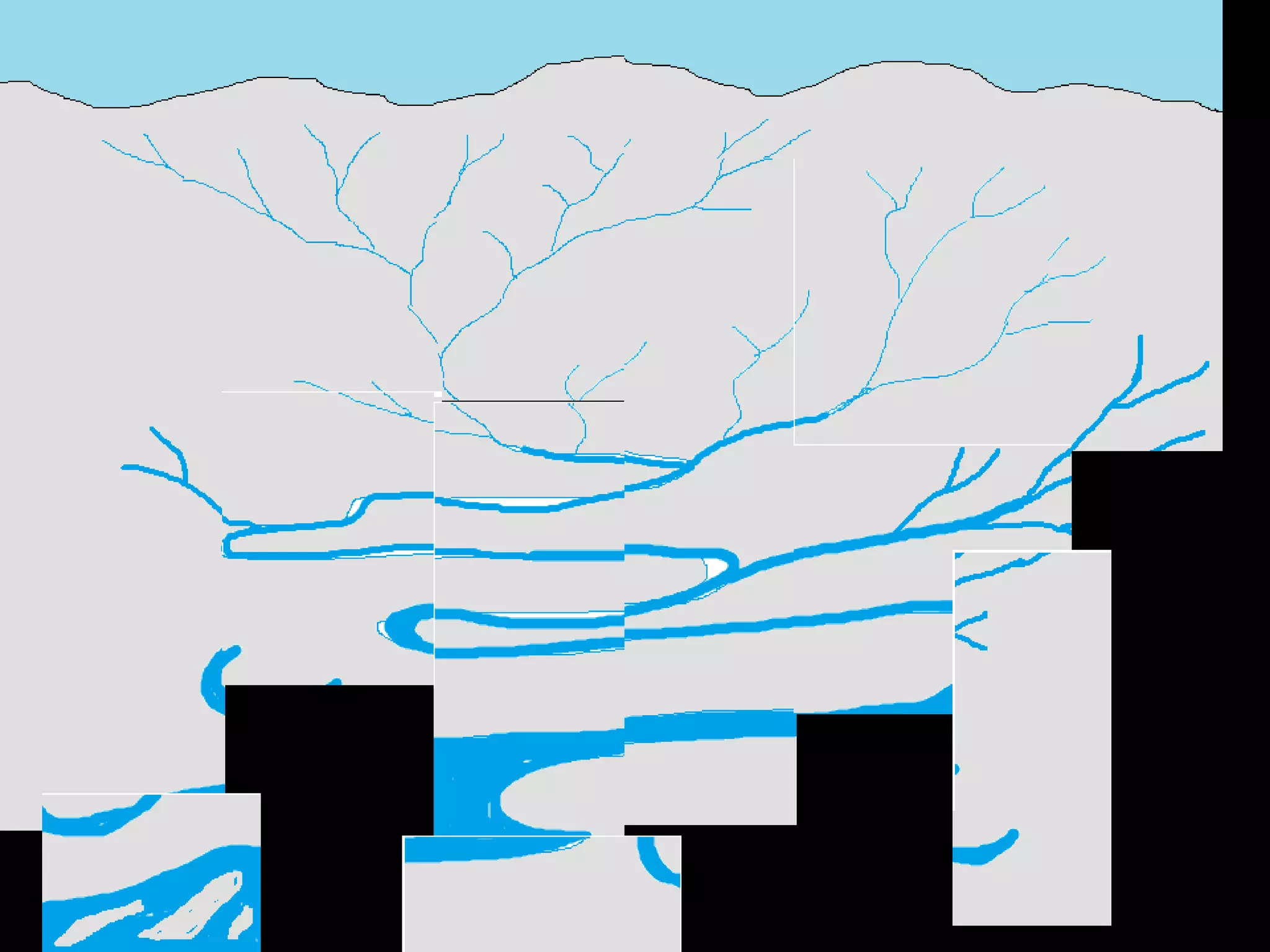
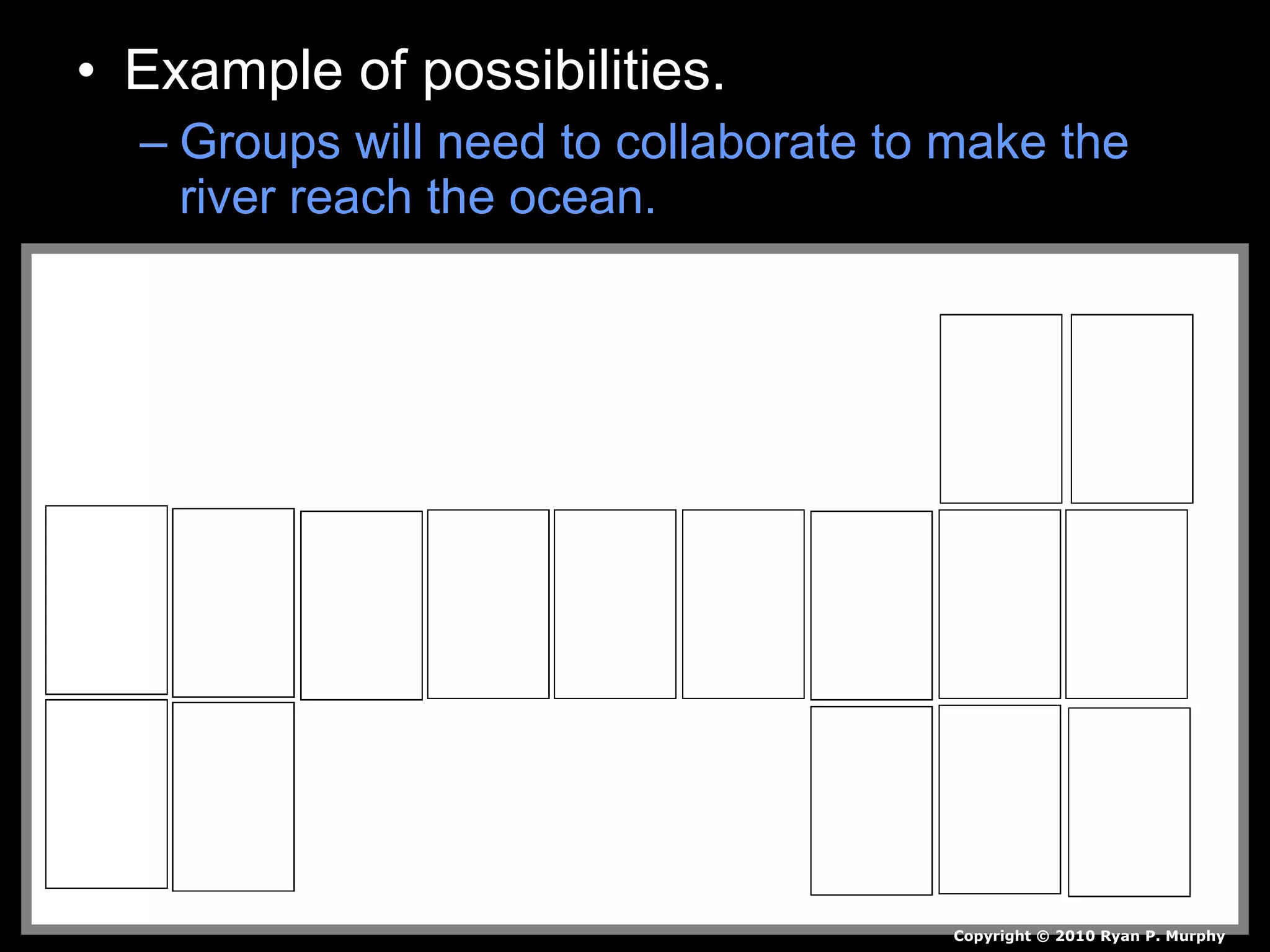
• Example of possibilities.
– Groups will need to collaborate to make the
river reach the ocean.
Copyright © 2010 Ryan P. Murphy
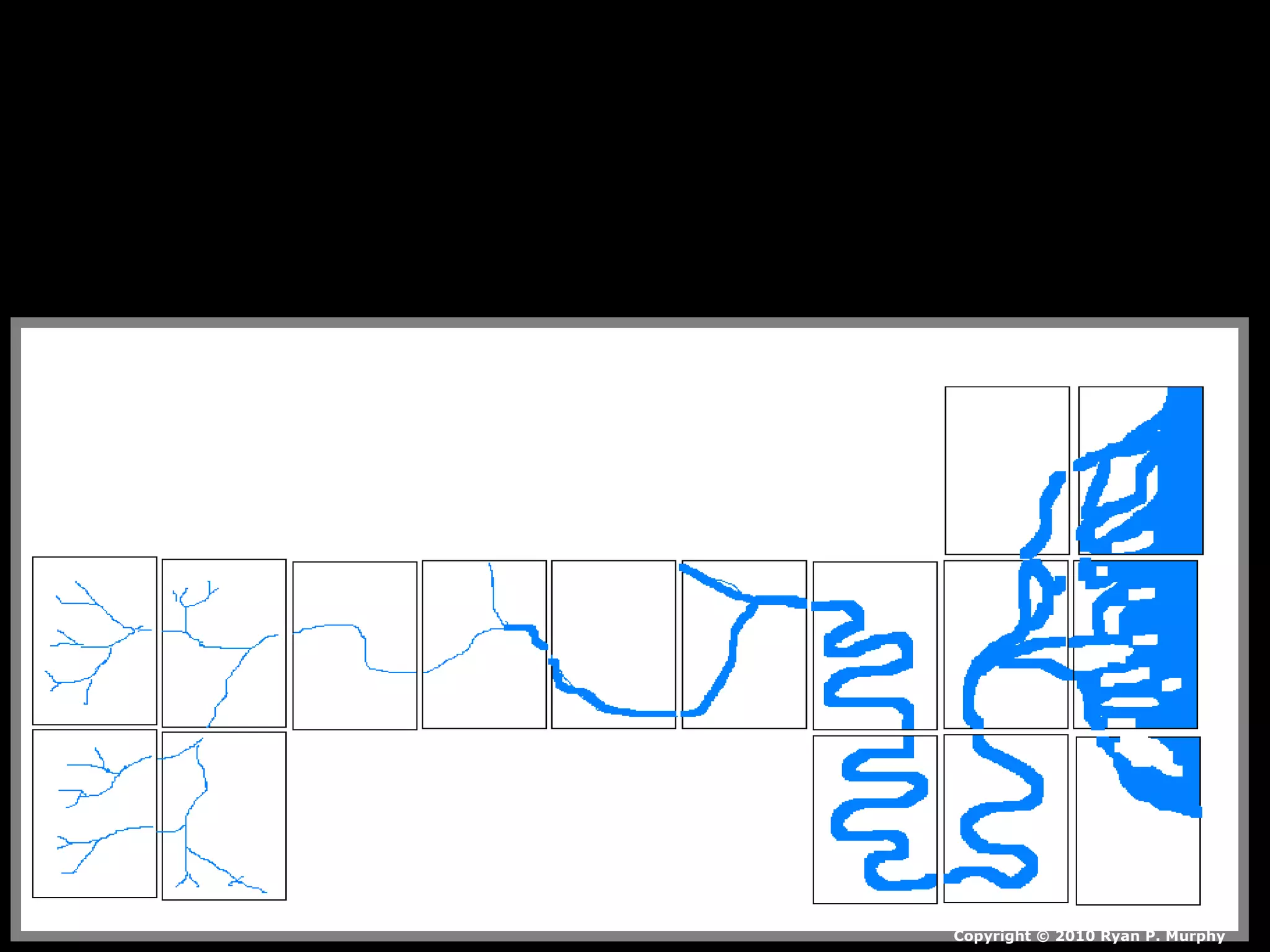
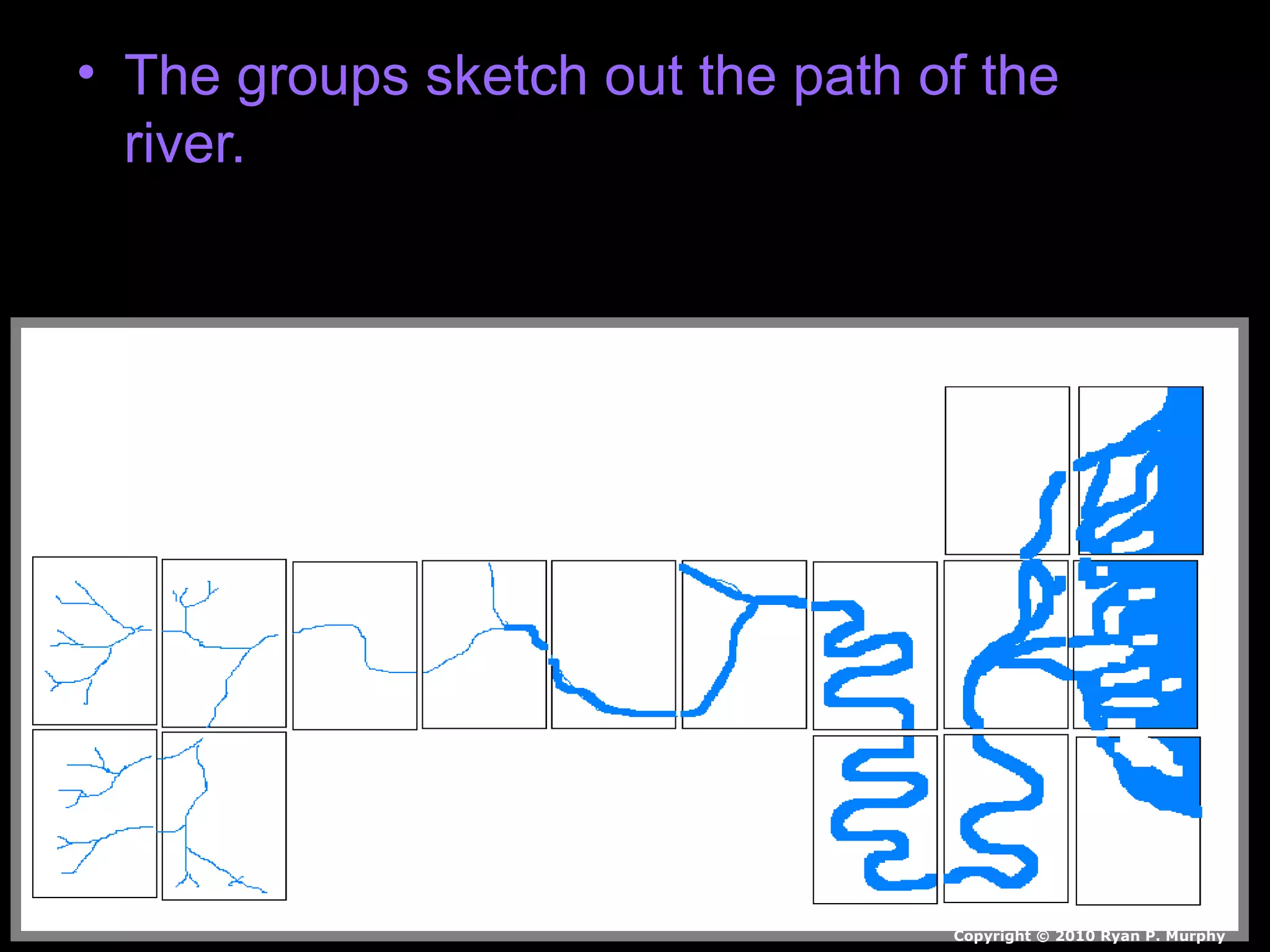
• The groups sketch out the path of the
river.
Copyright © 2010 Ryan P. Murphy
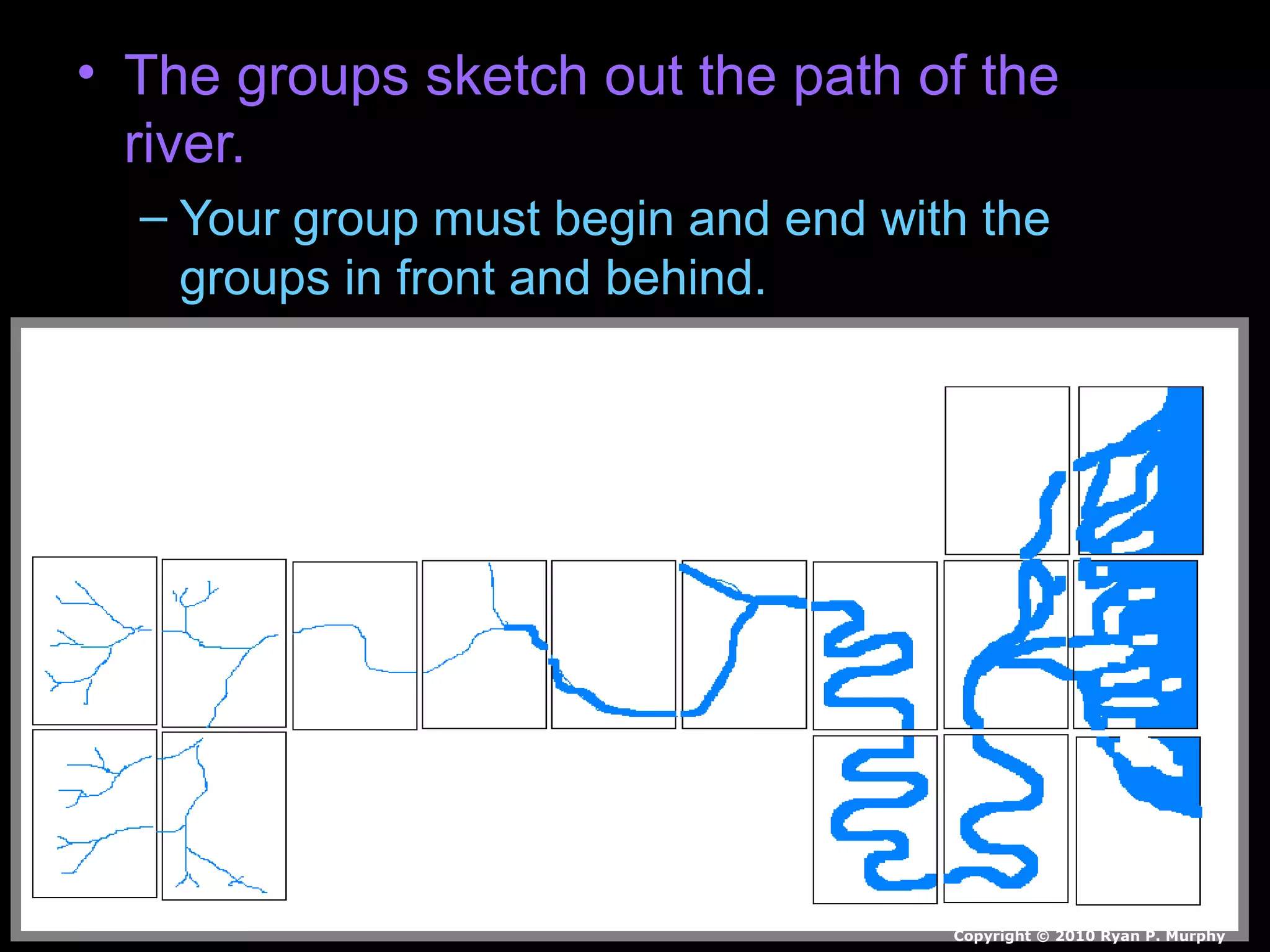
• The groups sketch out the path of the
river.
– Your group must begin and end with the
groups in front and behind.
Copyright © 2010 Ryan P. Murphy
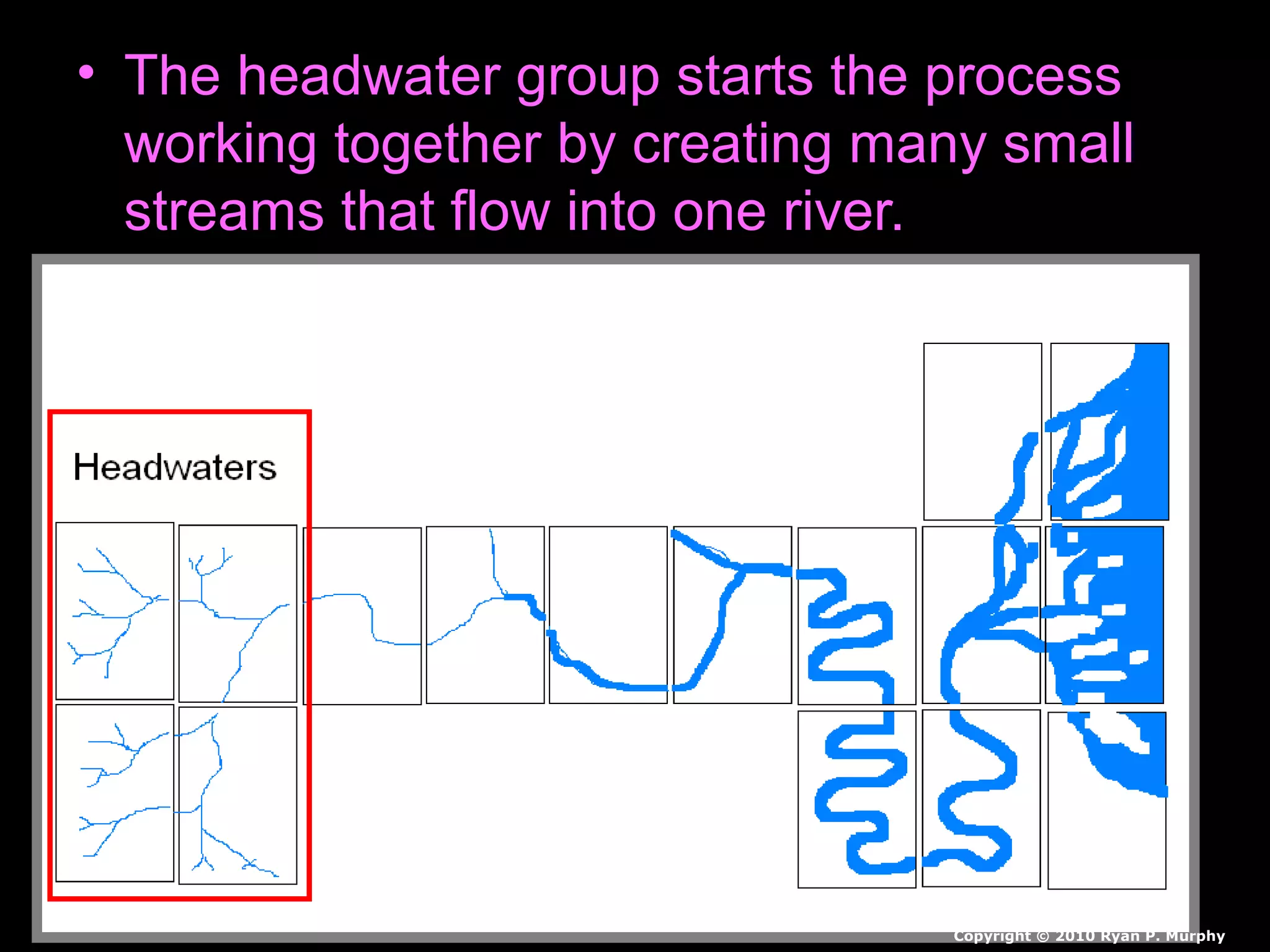
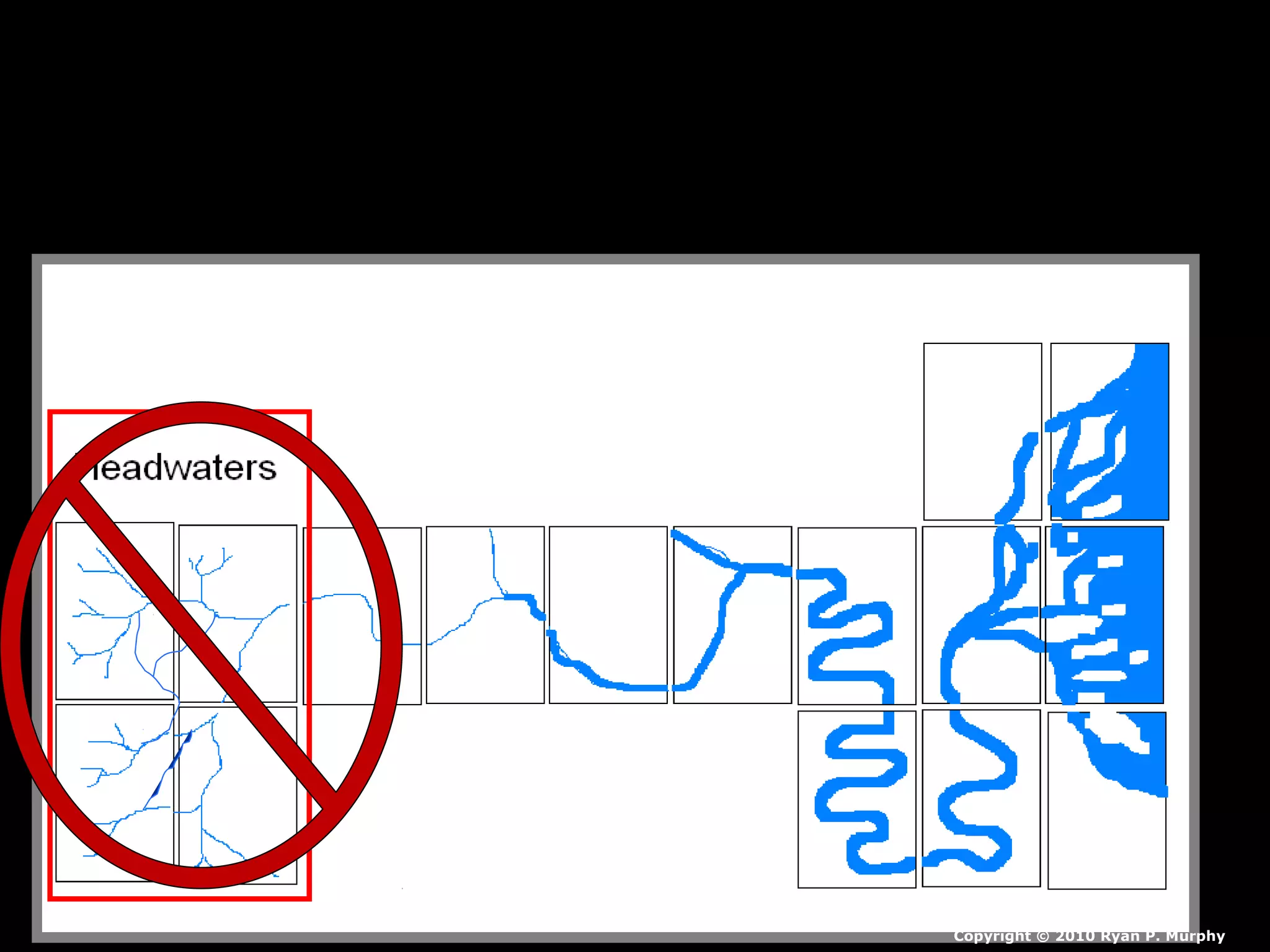
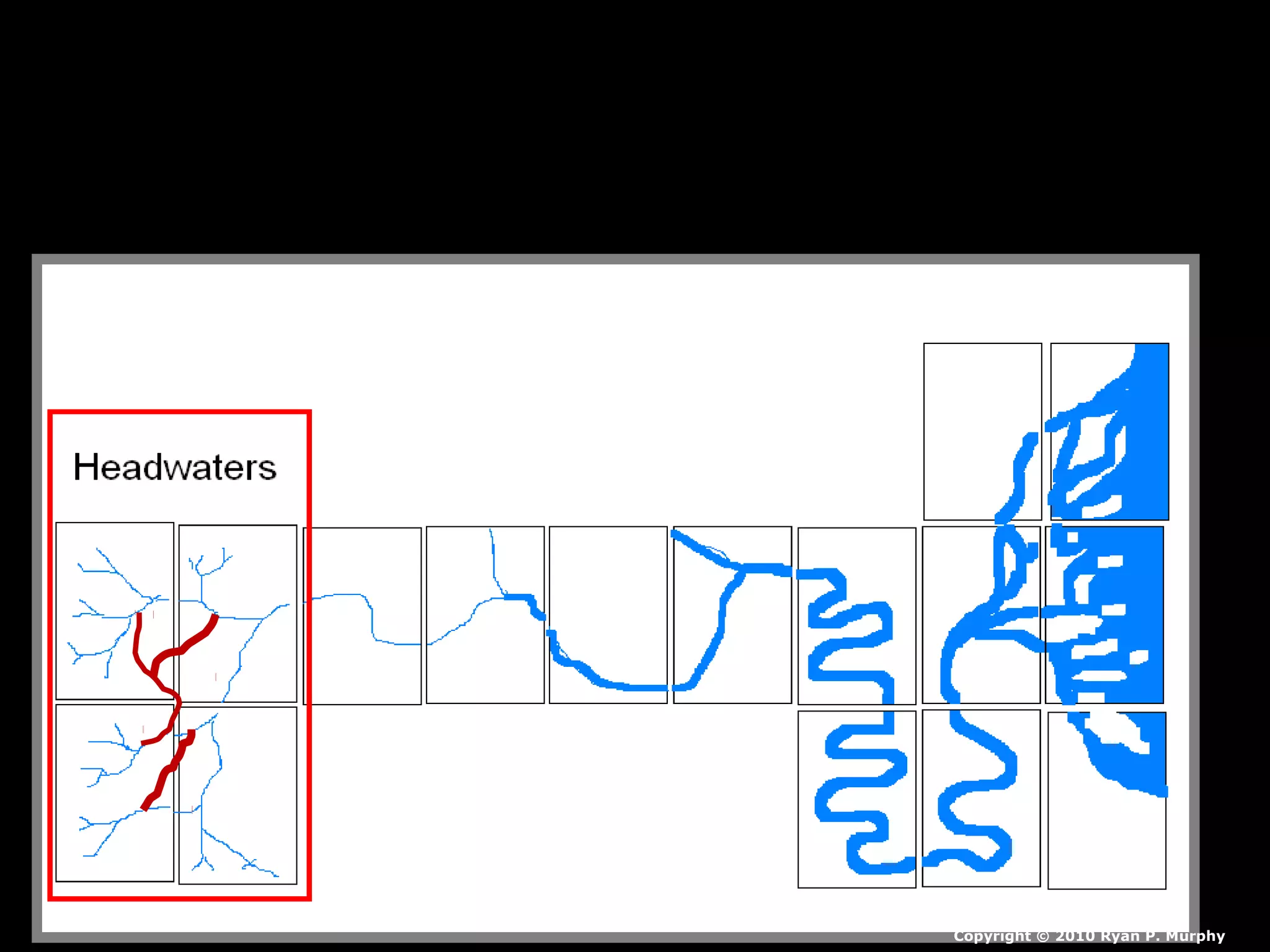
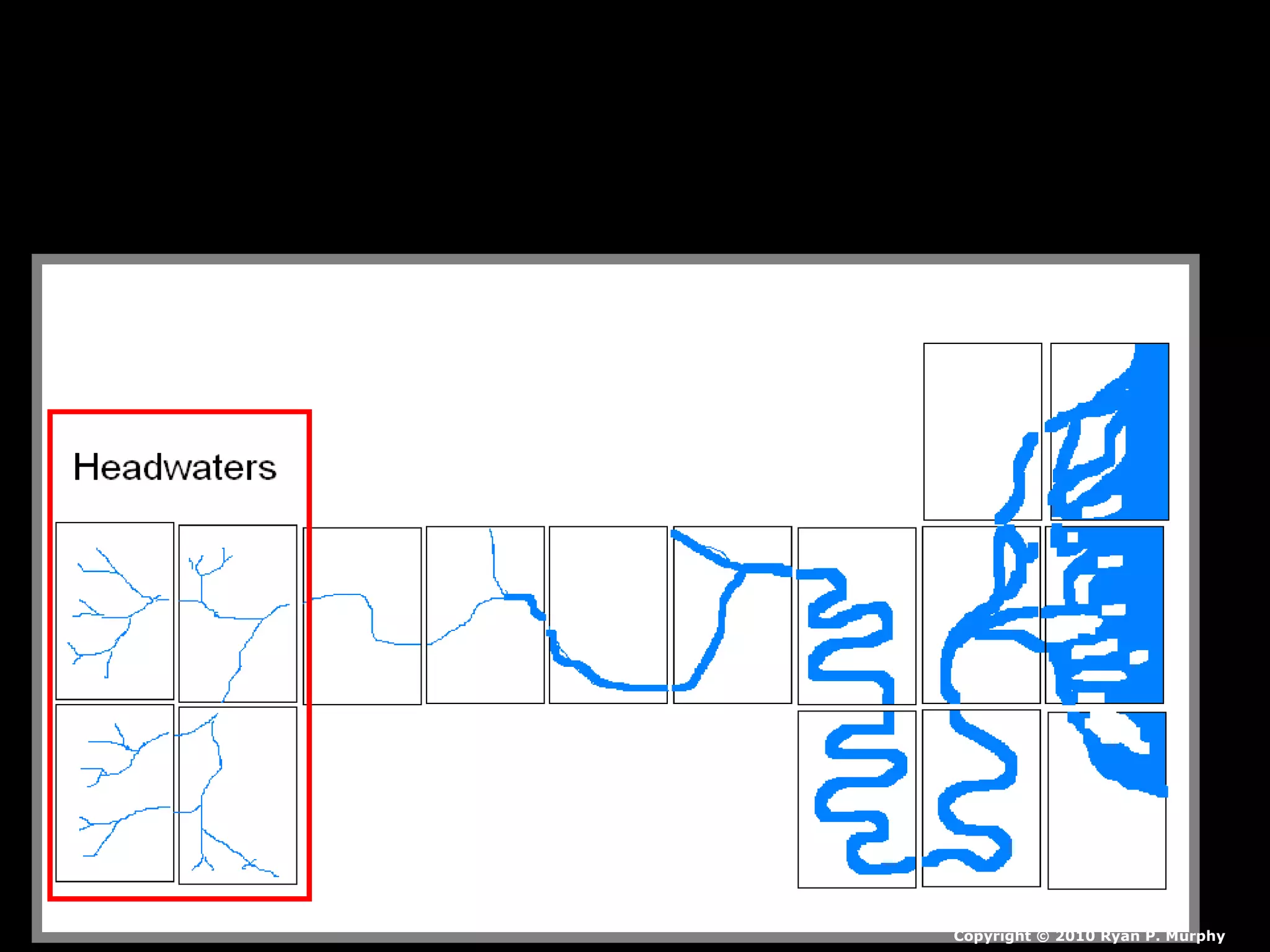
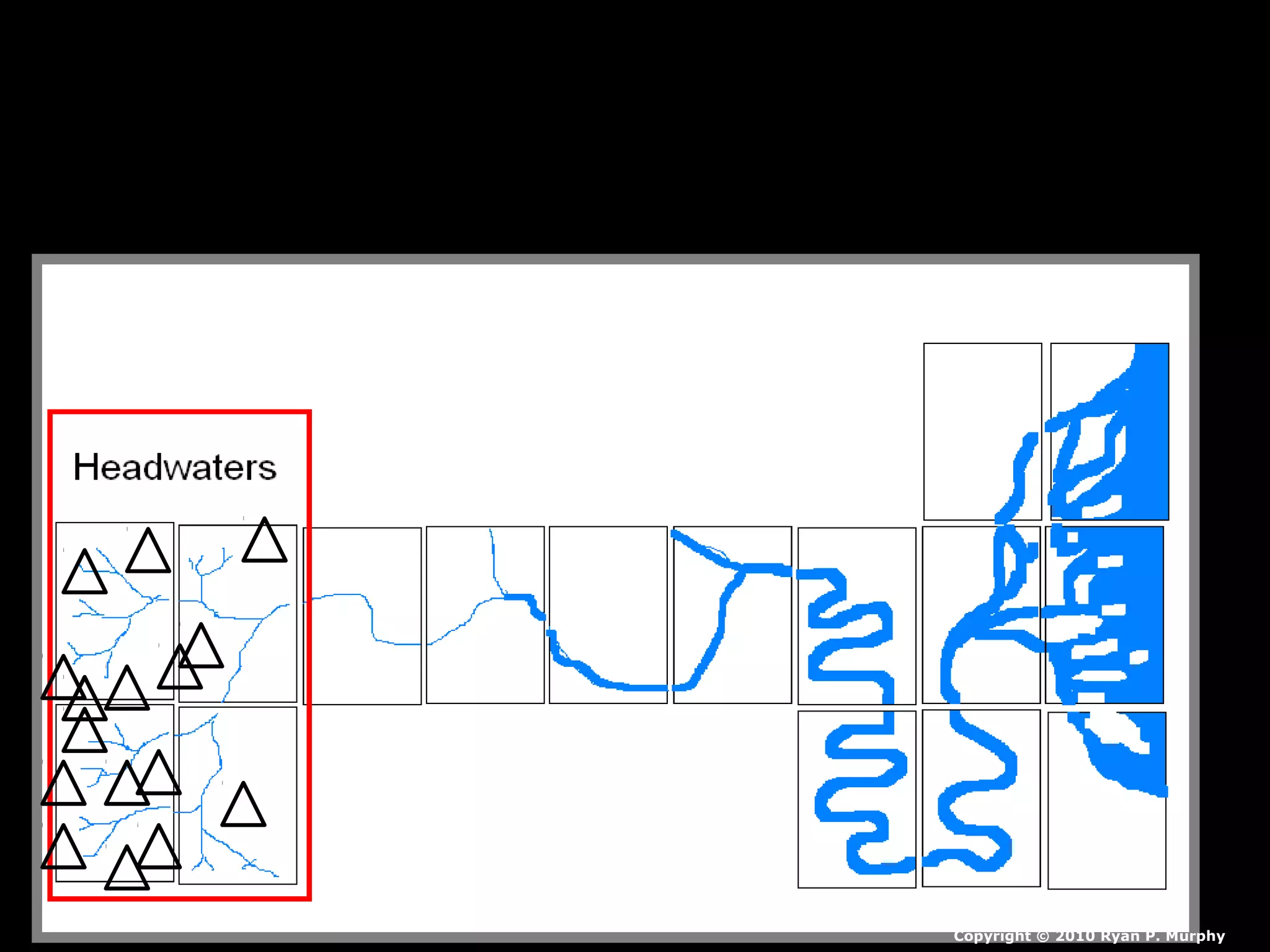
• The headwater group starts the process
working together by creating many small
streams that flow into one river.
Copyright © 2010 Ryan P. Murphy
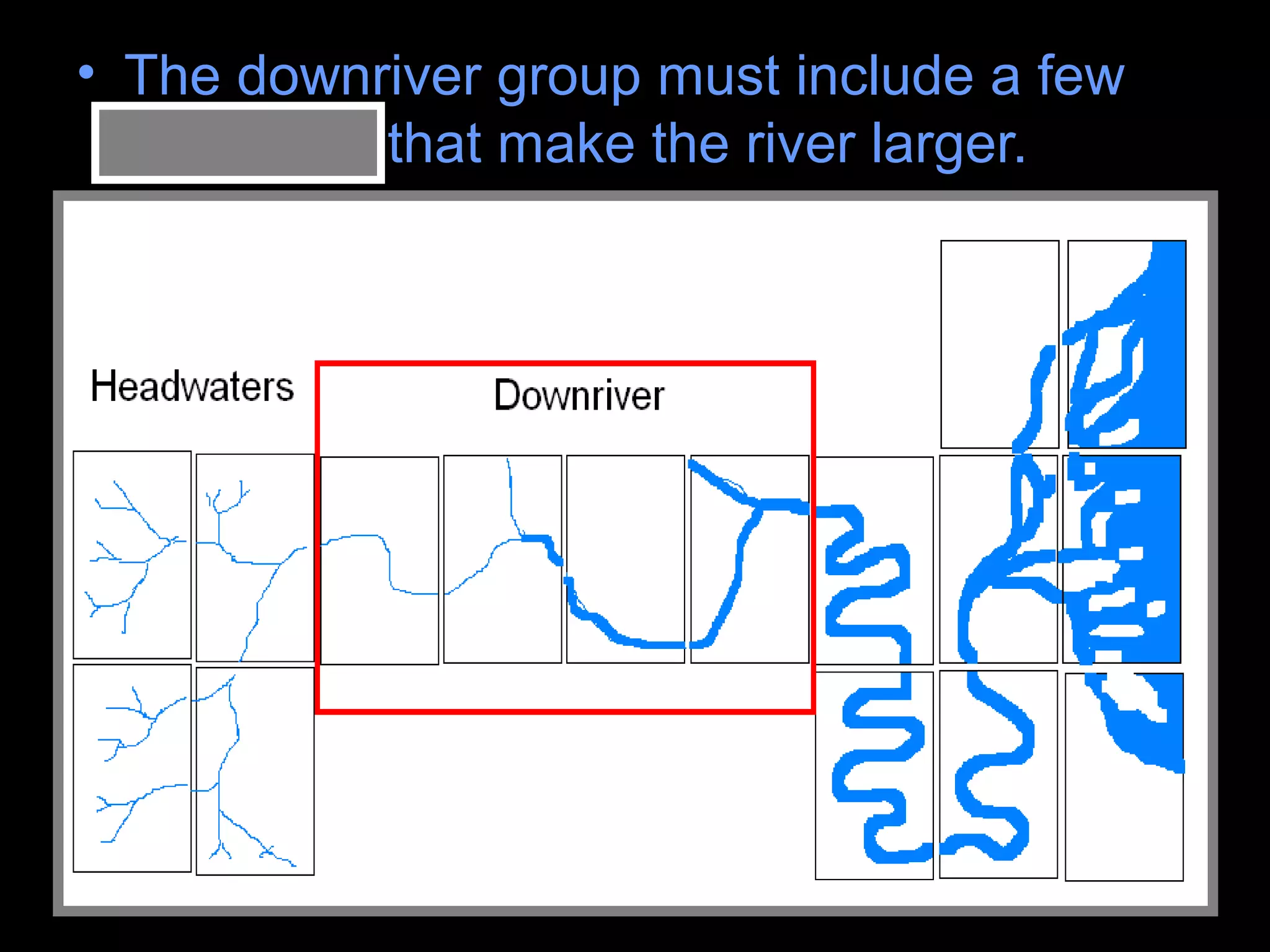
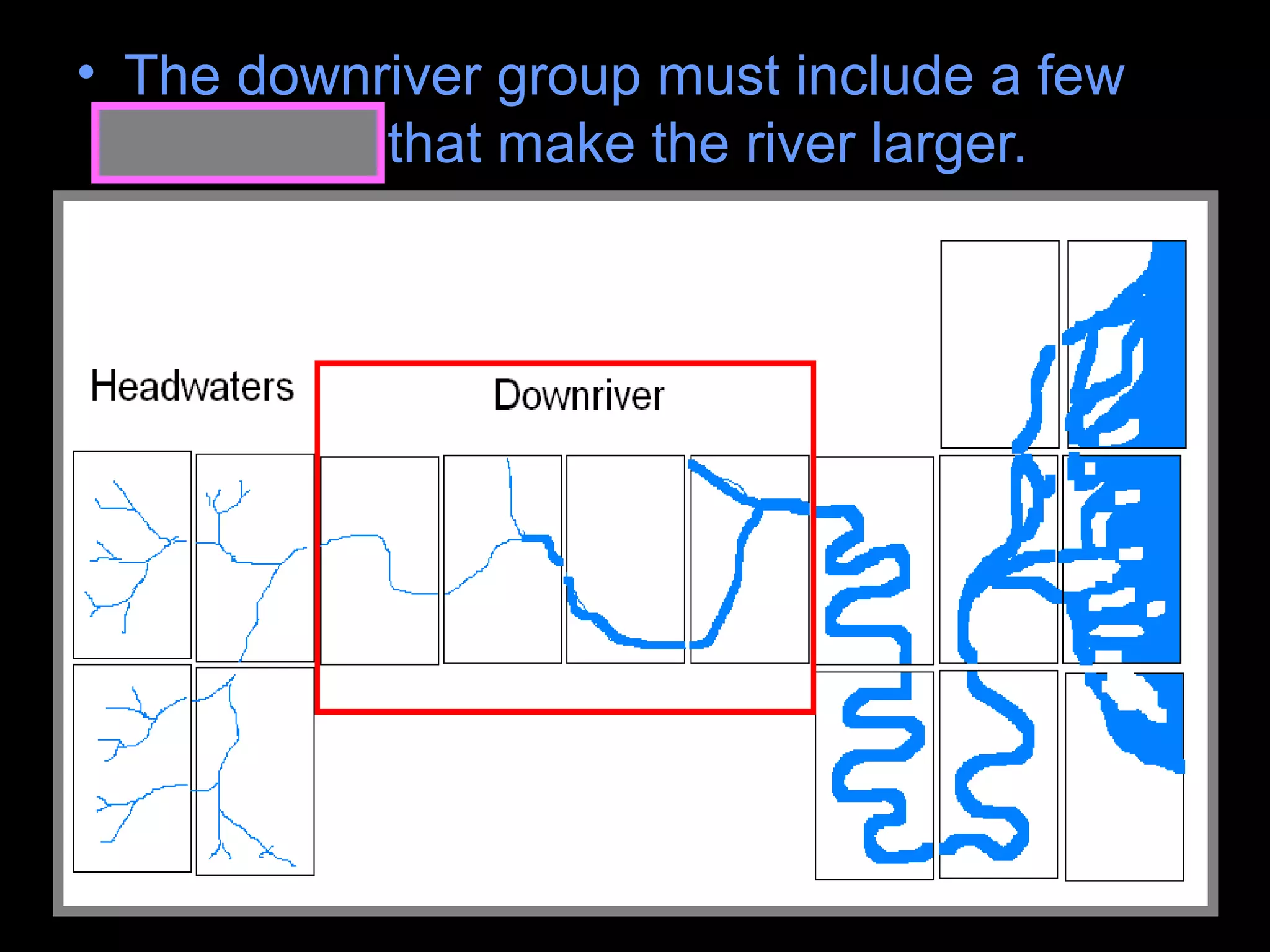
• The downriver group must include a few
tributaries that make the river larger.
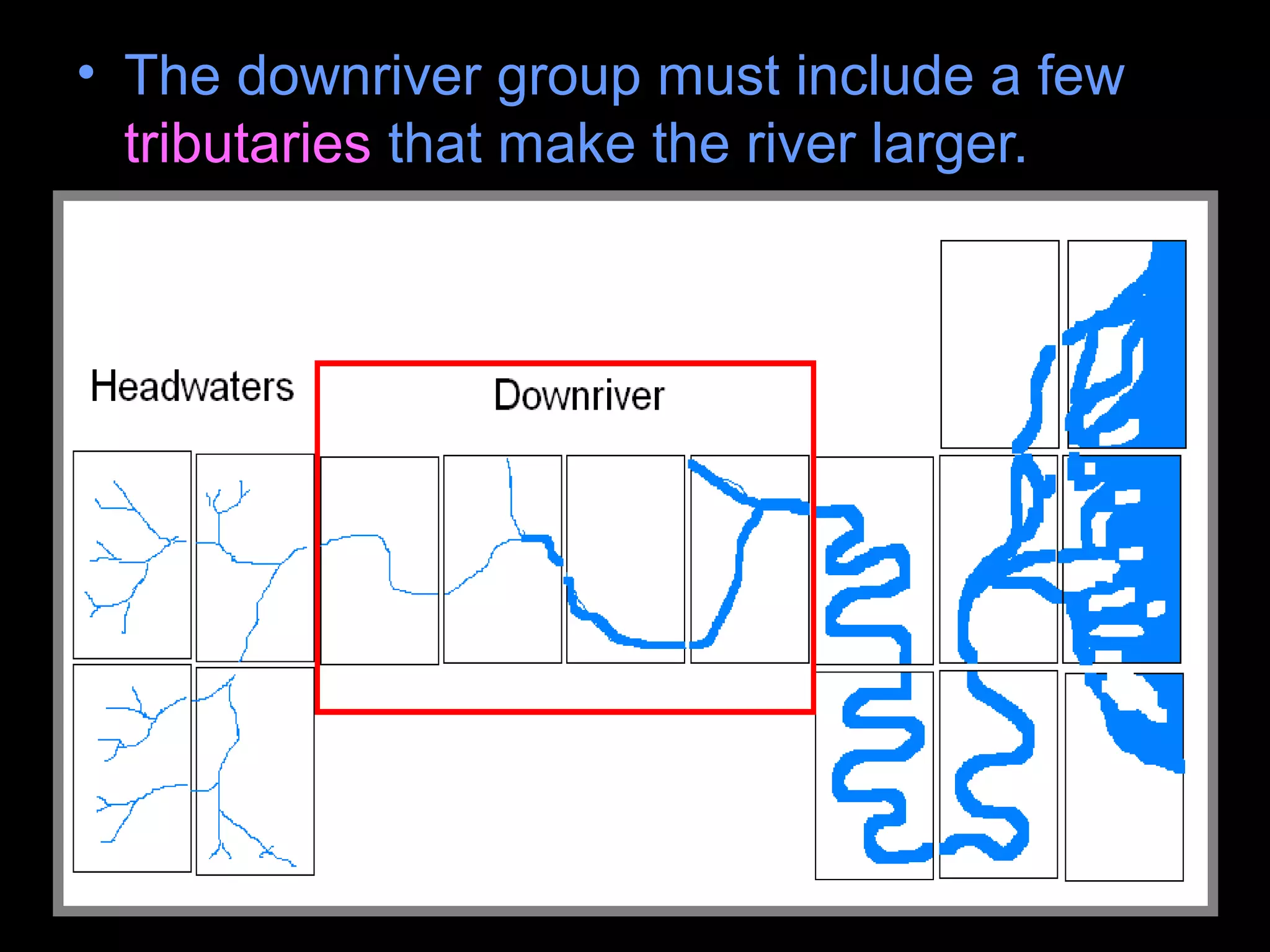
• The downriver group must include a few
tributaries that make the river larger.
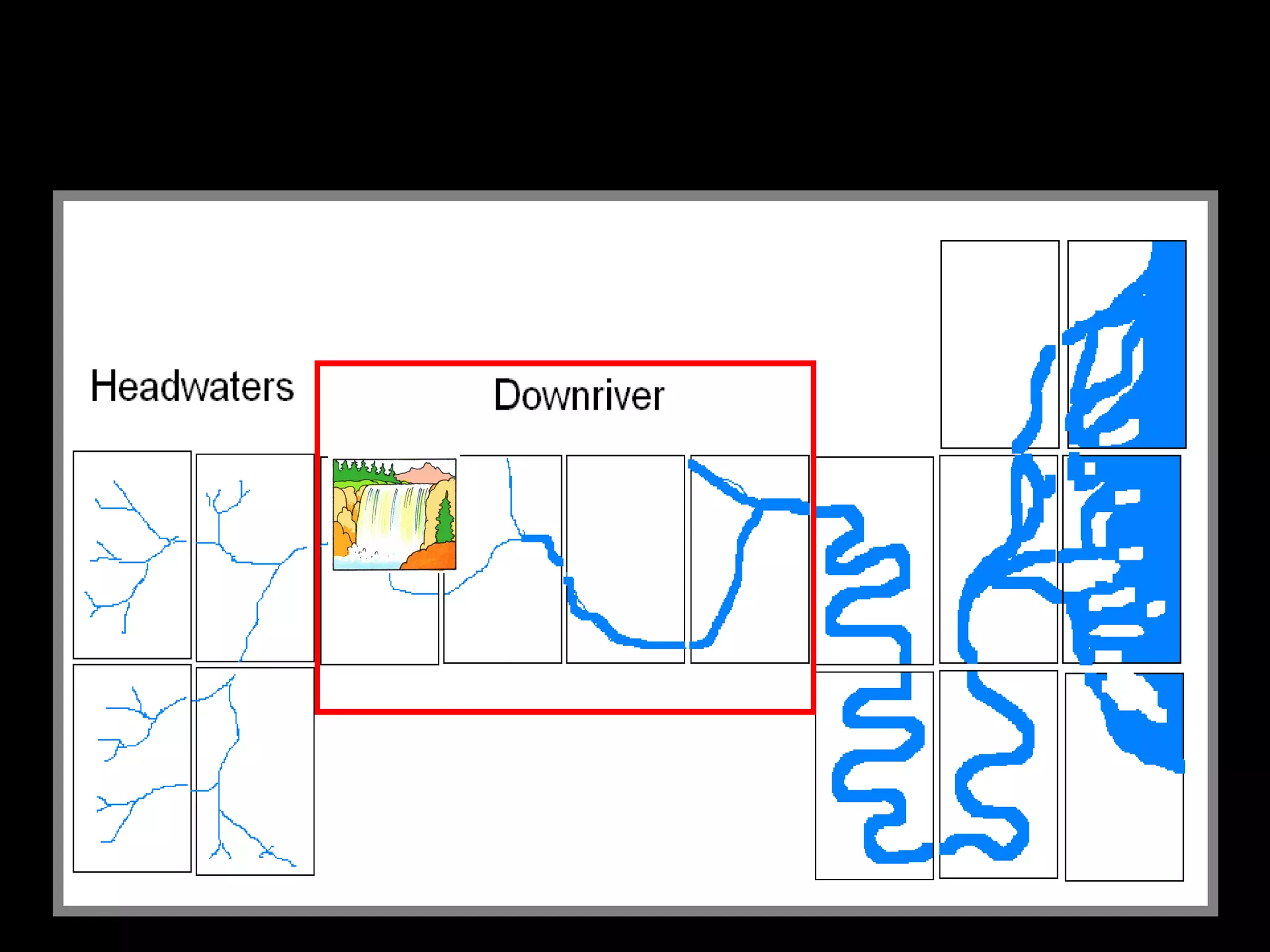
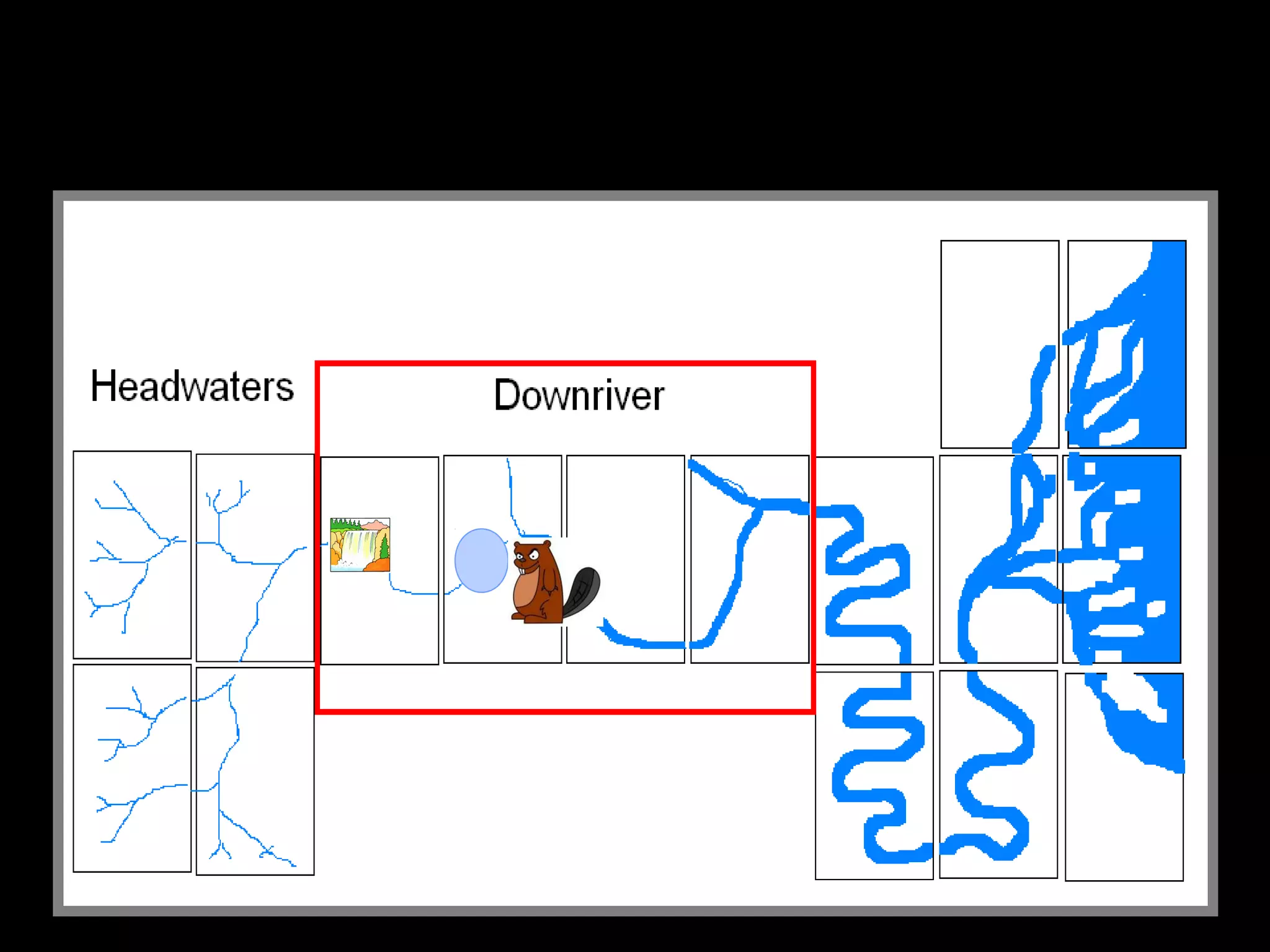
• The downriver group must include a few
tributaries that make the river larger.
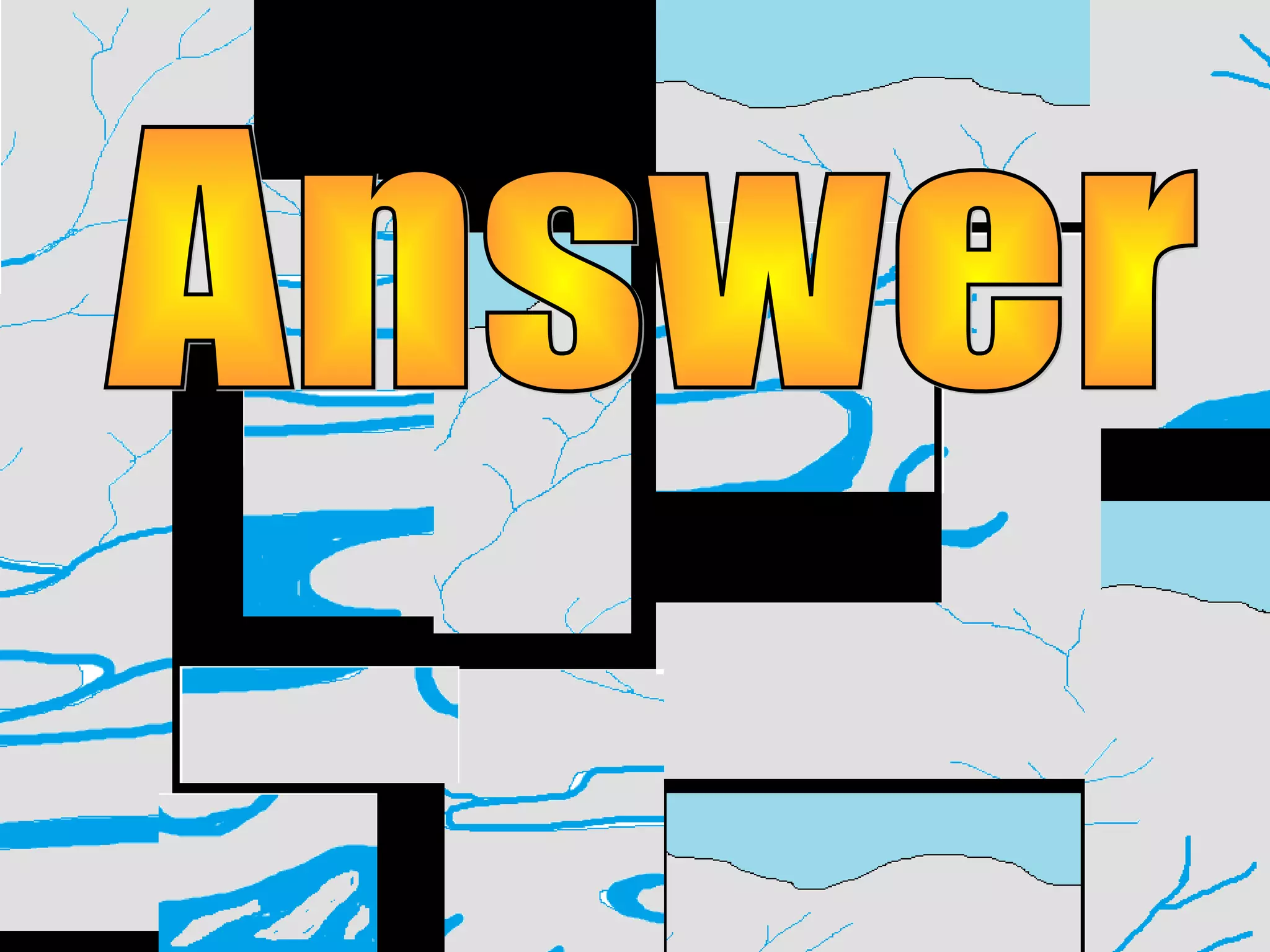
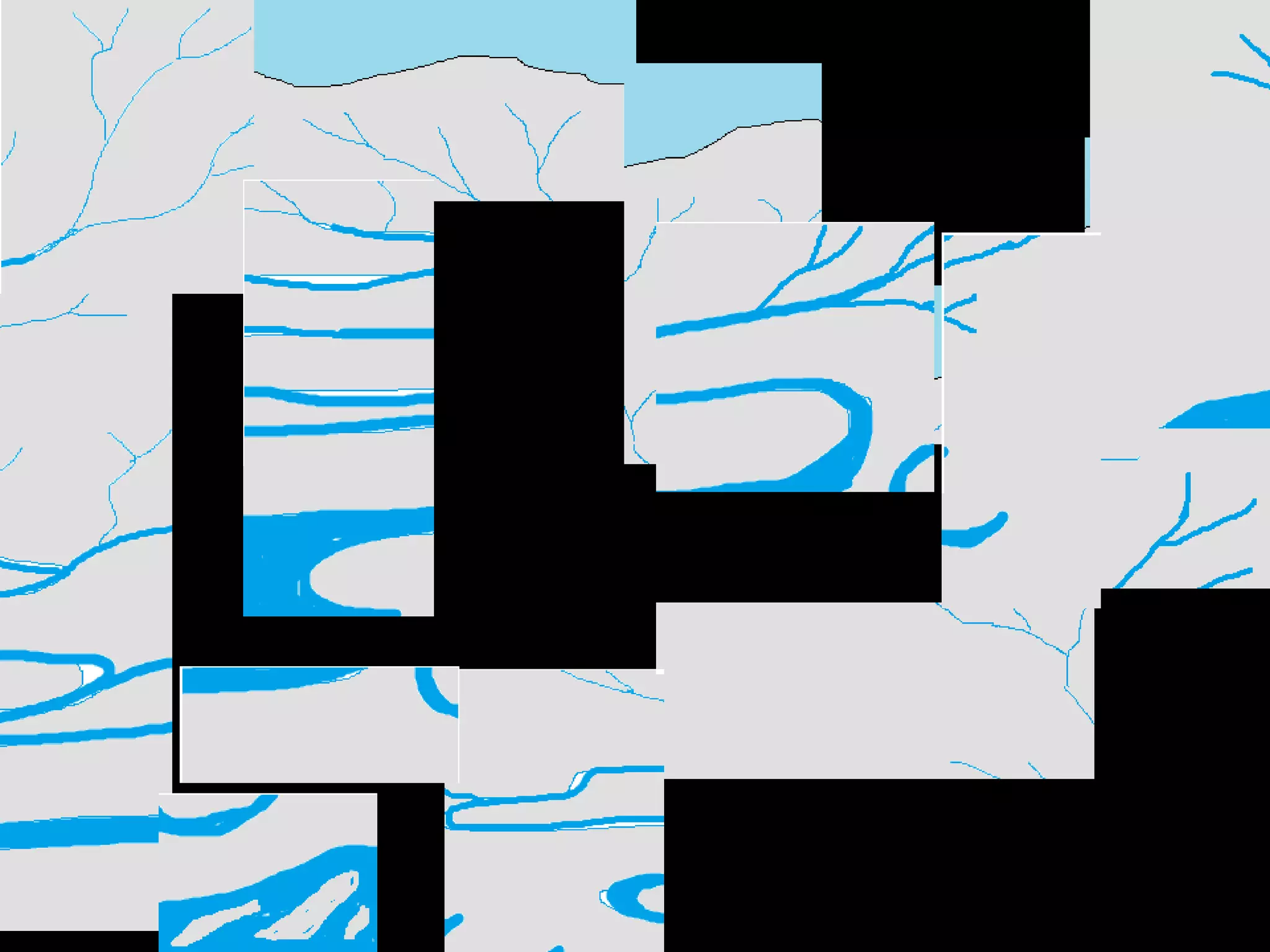
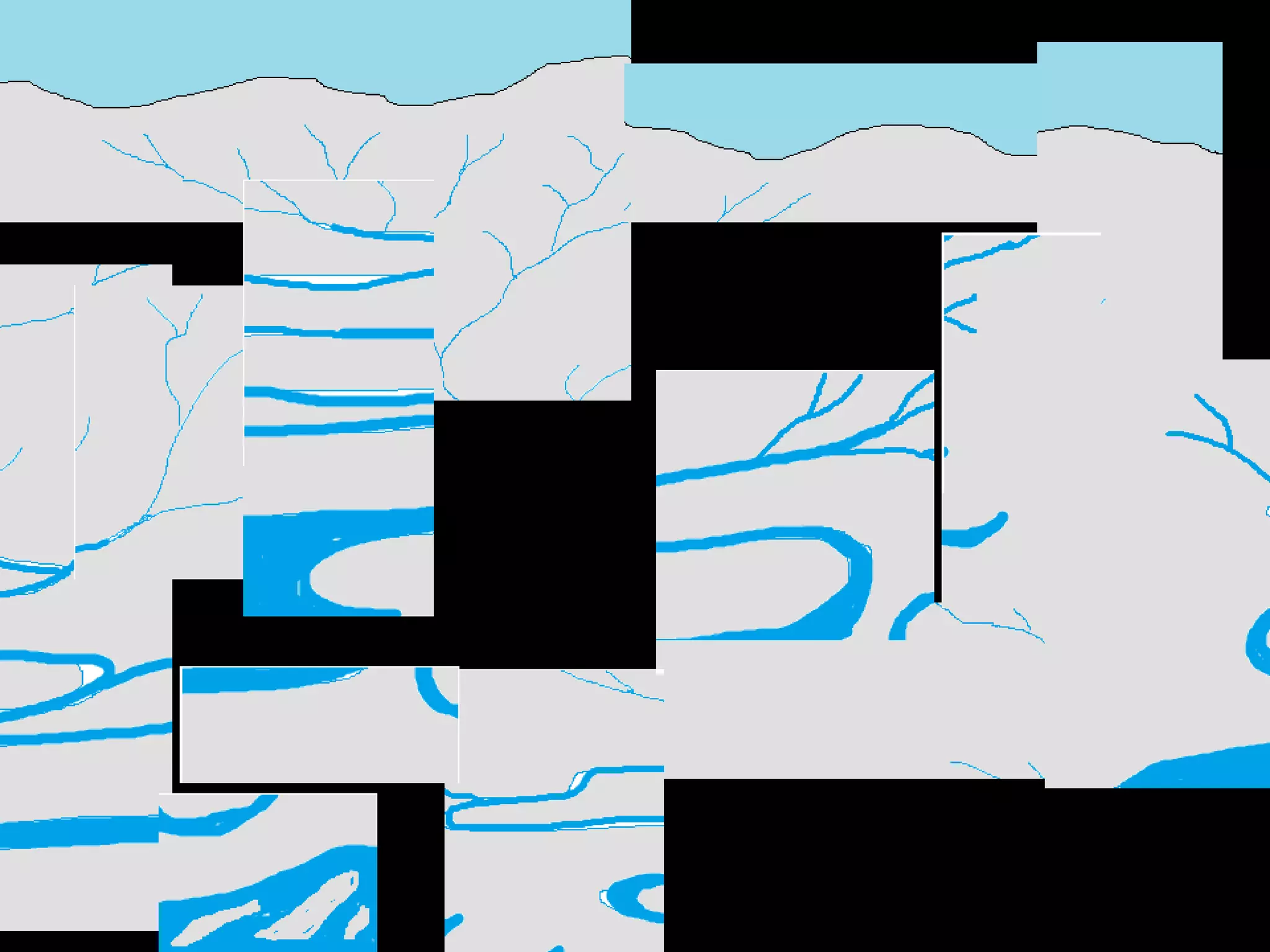
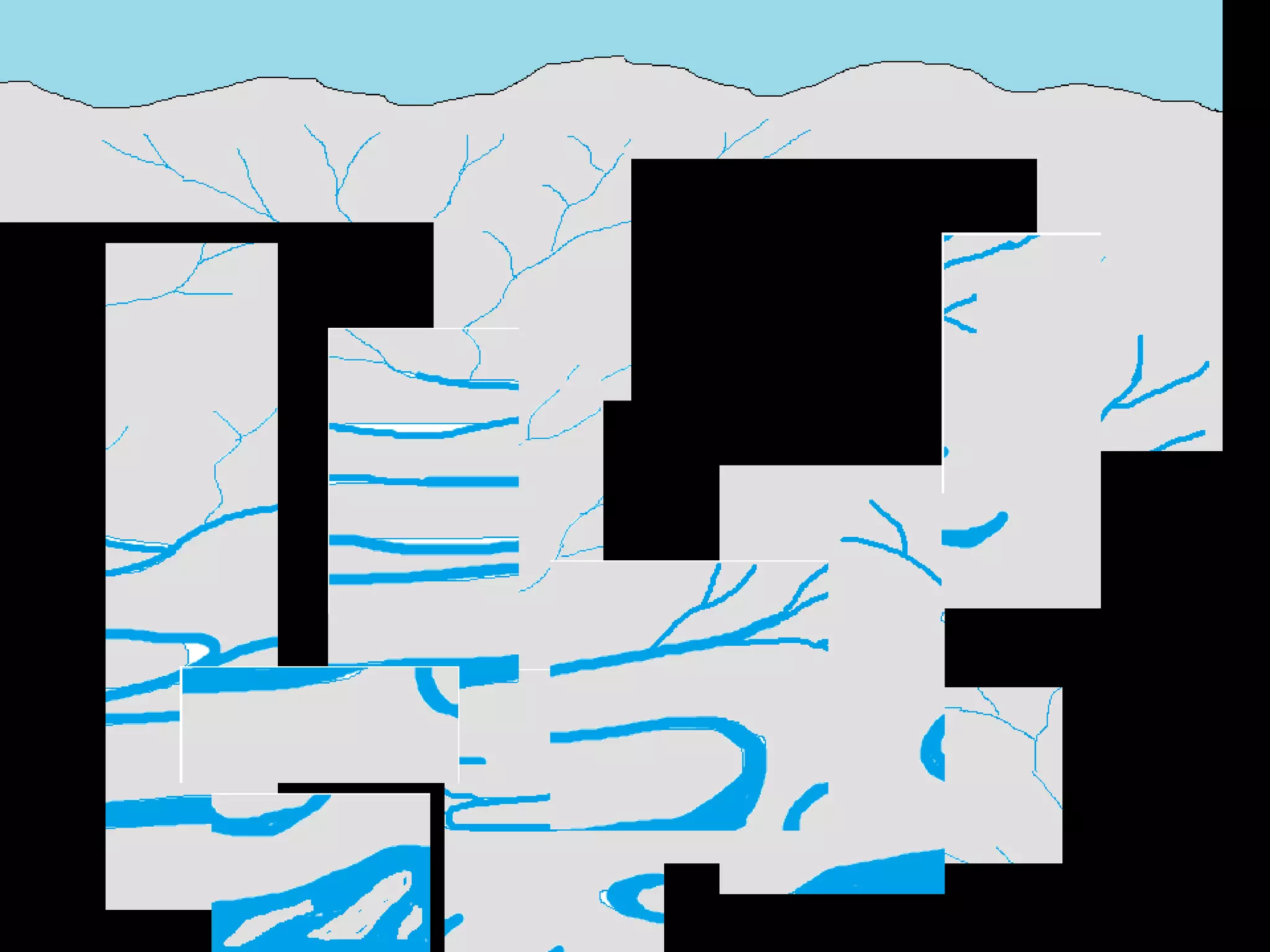
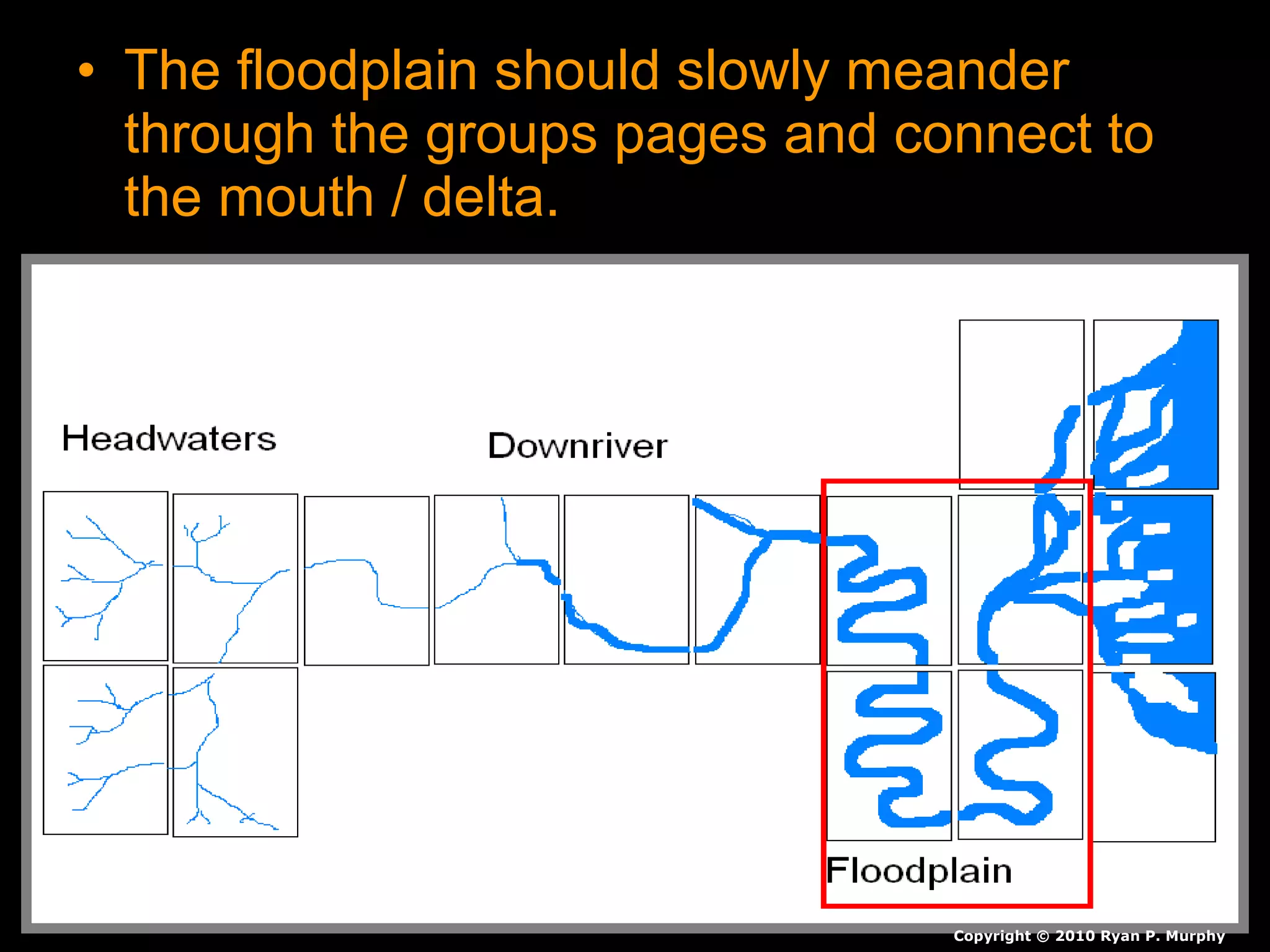
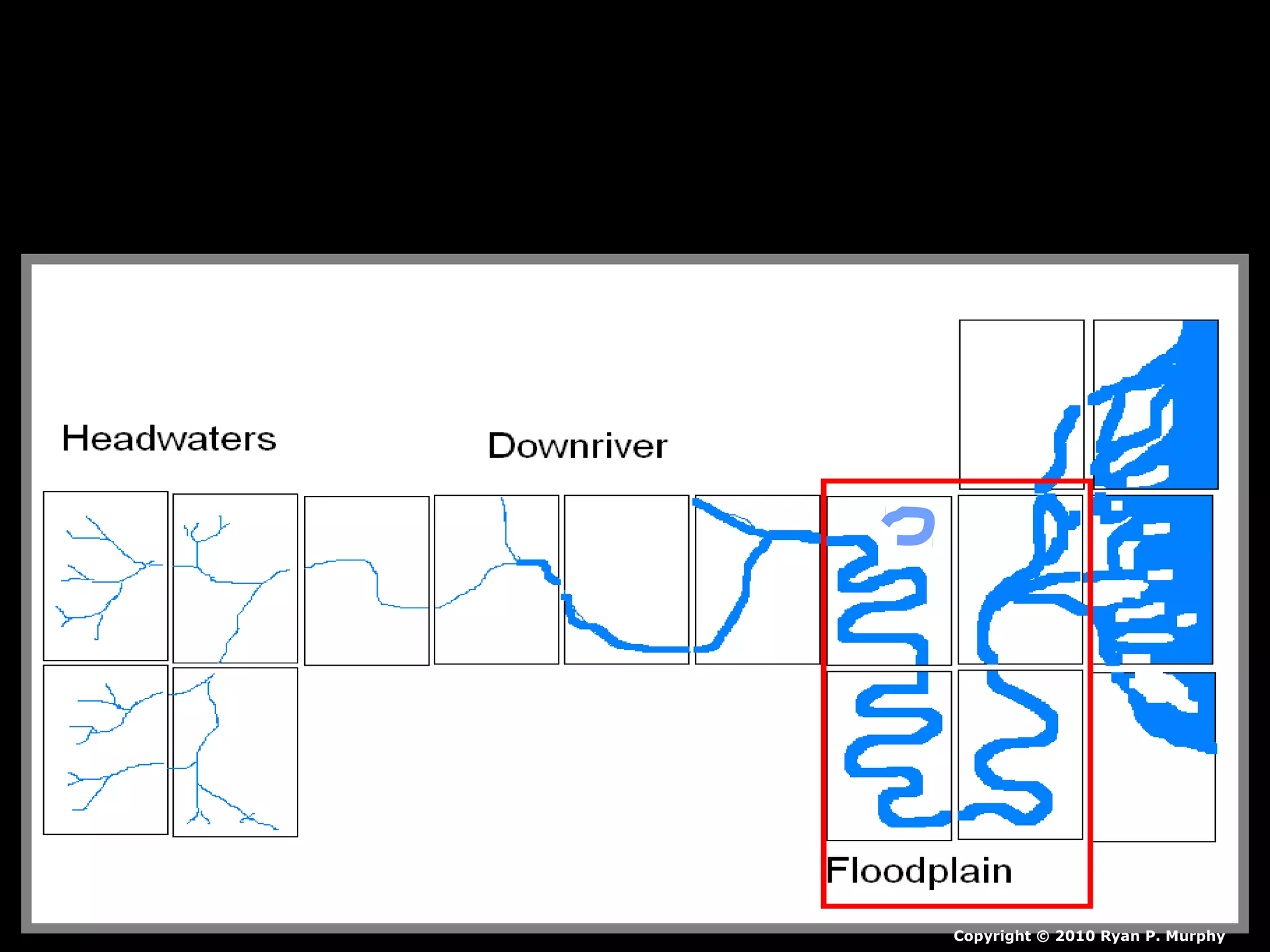
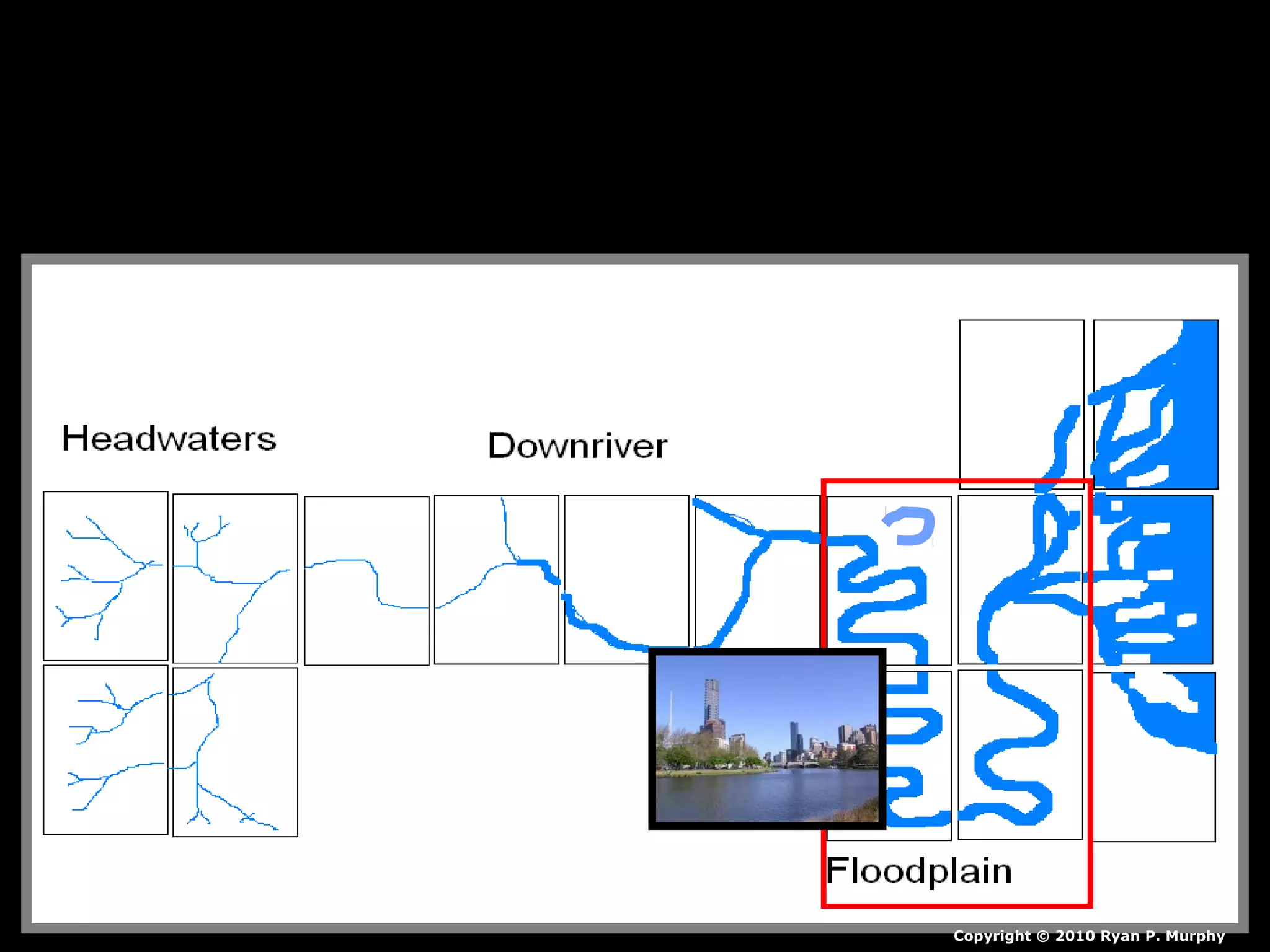
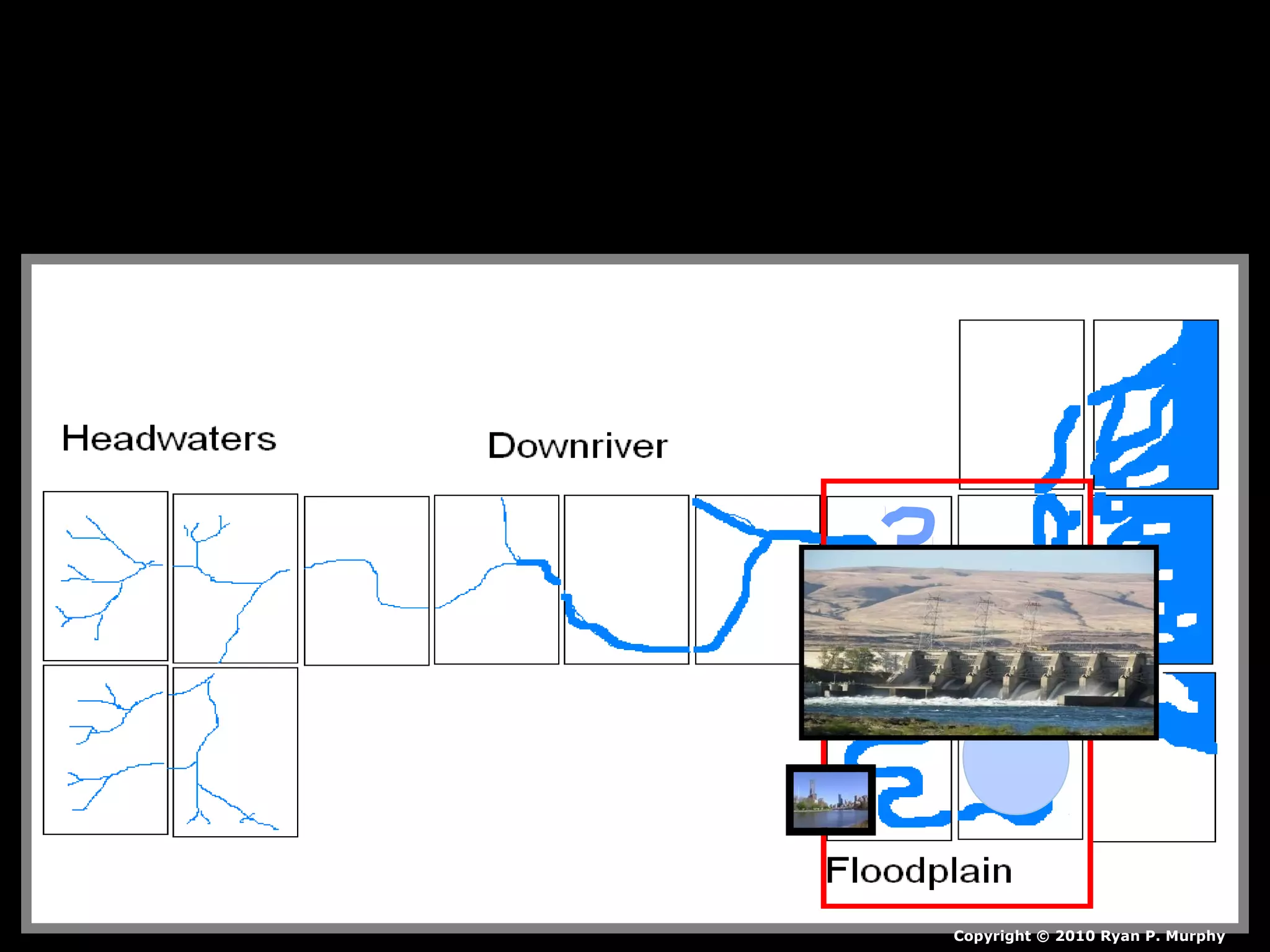
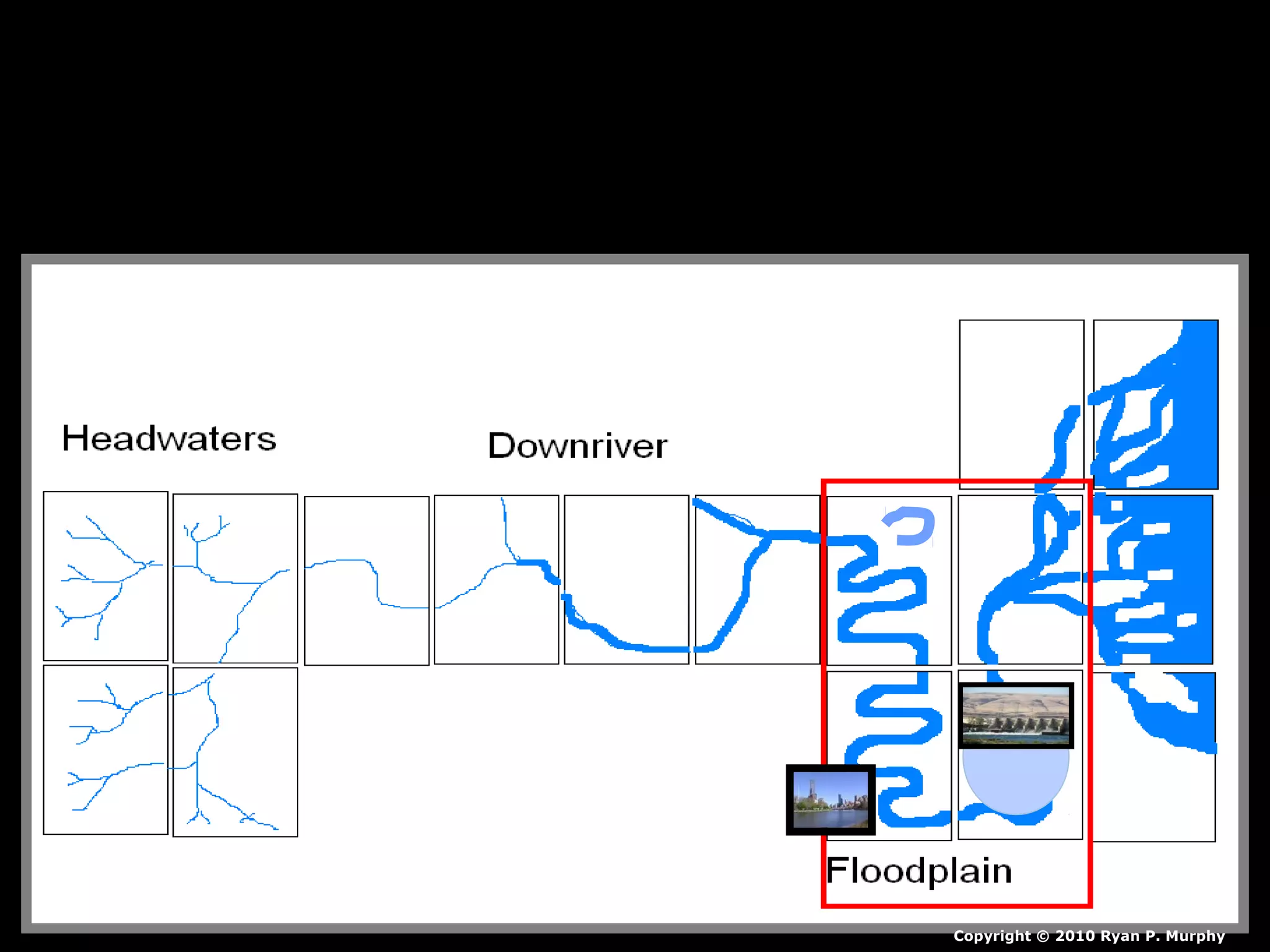
• The floodplain should slowly meander
through the groups pages and connect to
the mouth / delta.
Copyright © 2010 Ryan P. Murphy
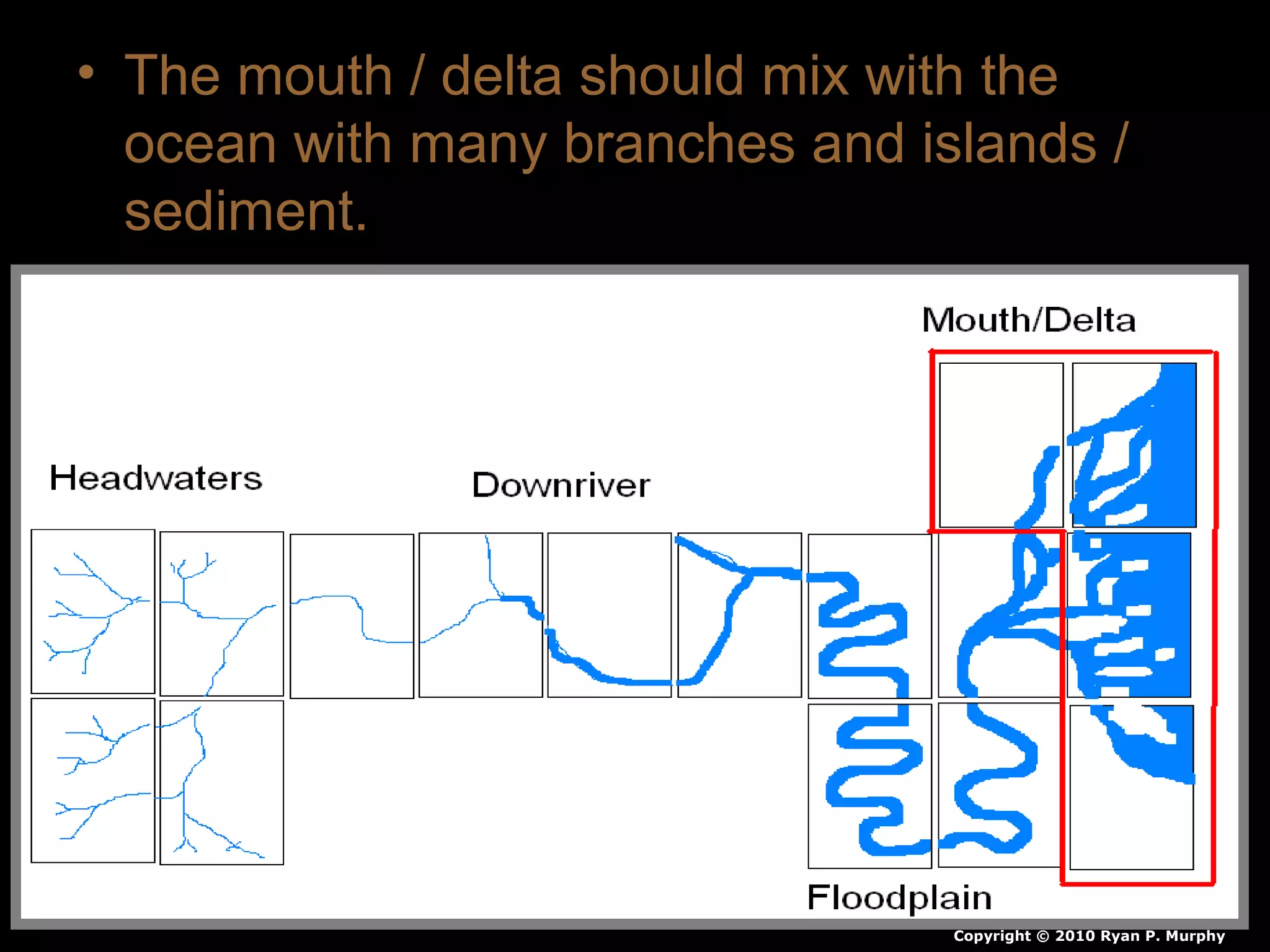
• The mouth / delta should mix with the
ocean with many branches and islands /
sediment.
Copyright © 2010 Ryan P. Murphy
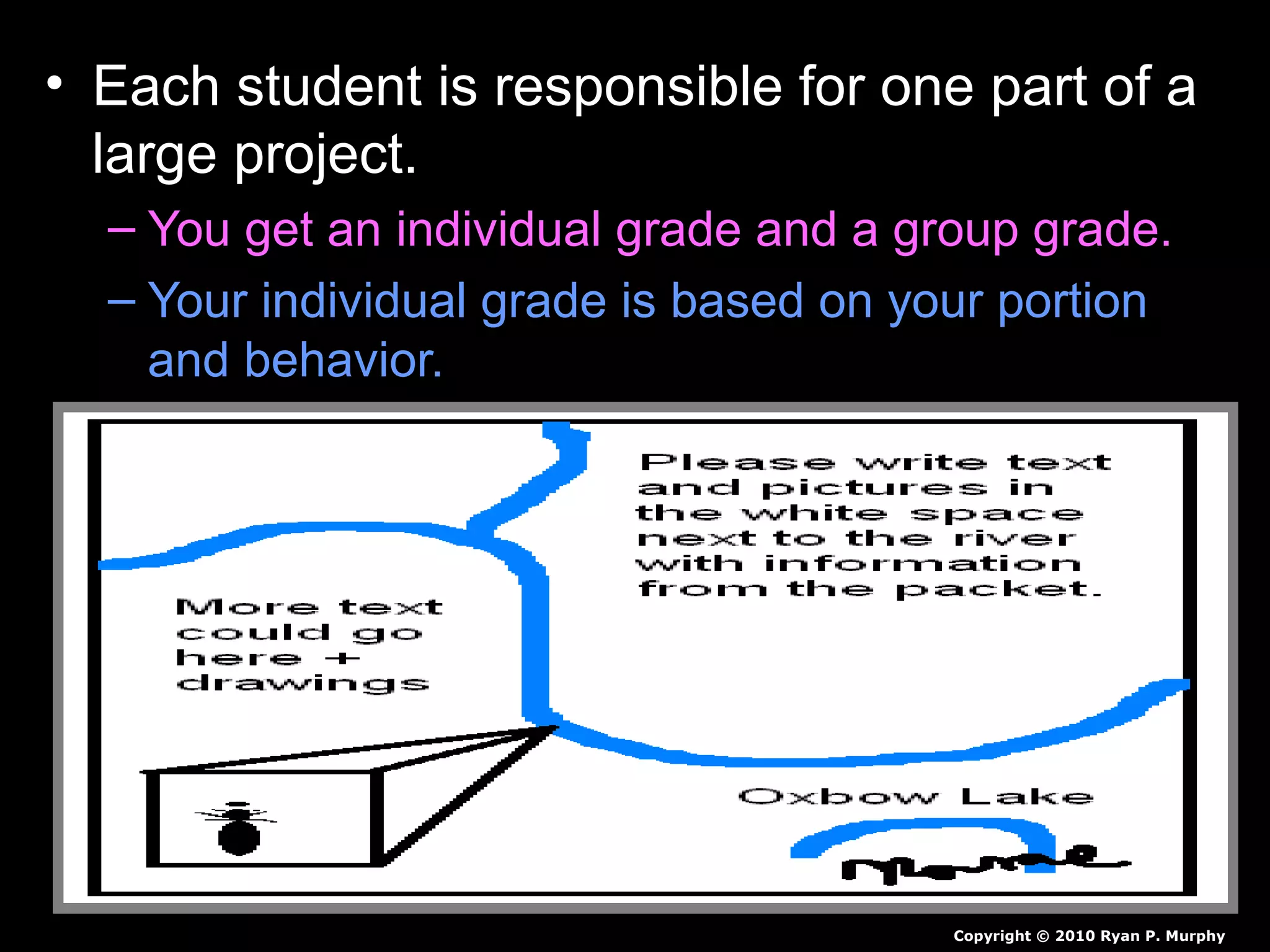
= Text
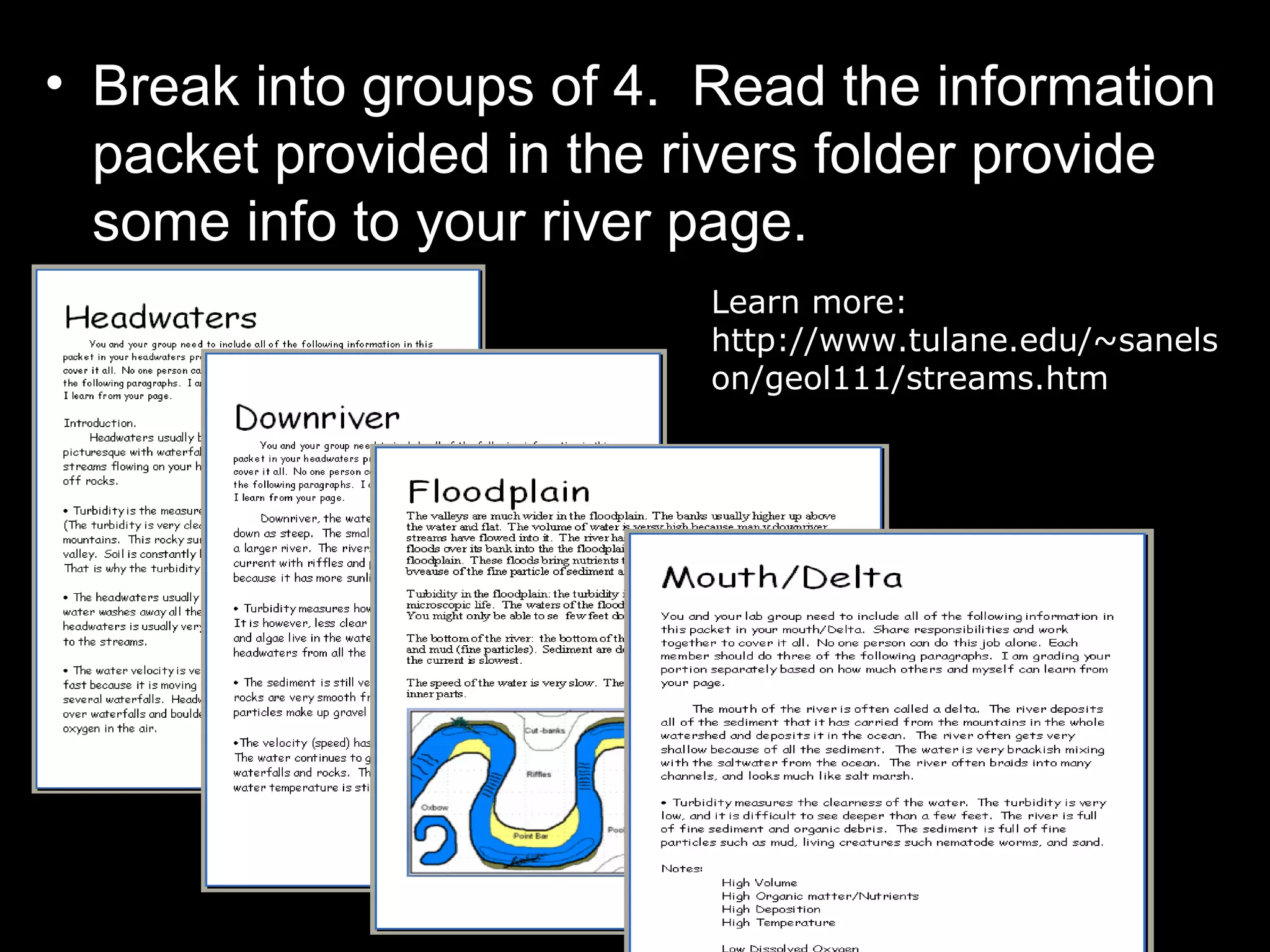
• Break into groups of 4. Read the information
packet provided in the rivers folder provide
some info to your river page.
Learn more:
http://www.tulane.edu/~sanels
on/geol111/streams.htm
• Each student is responsible for one part of a
large project.
– You get an individual grade and a group grade.
– Your individual grade is based on your portion
and behavior.
Copyright © 2010 Ryan P. Murphy
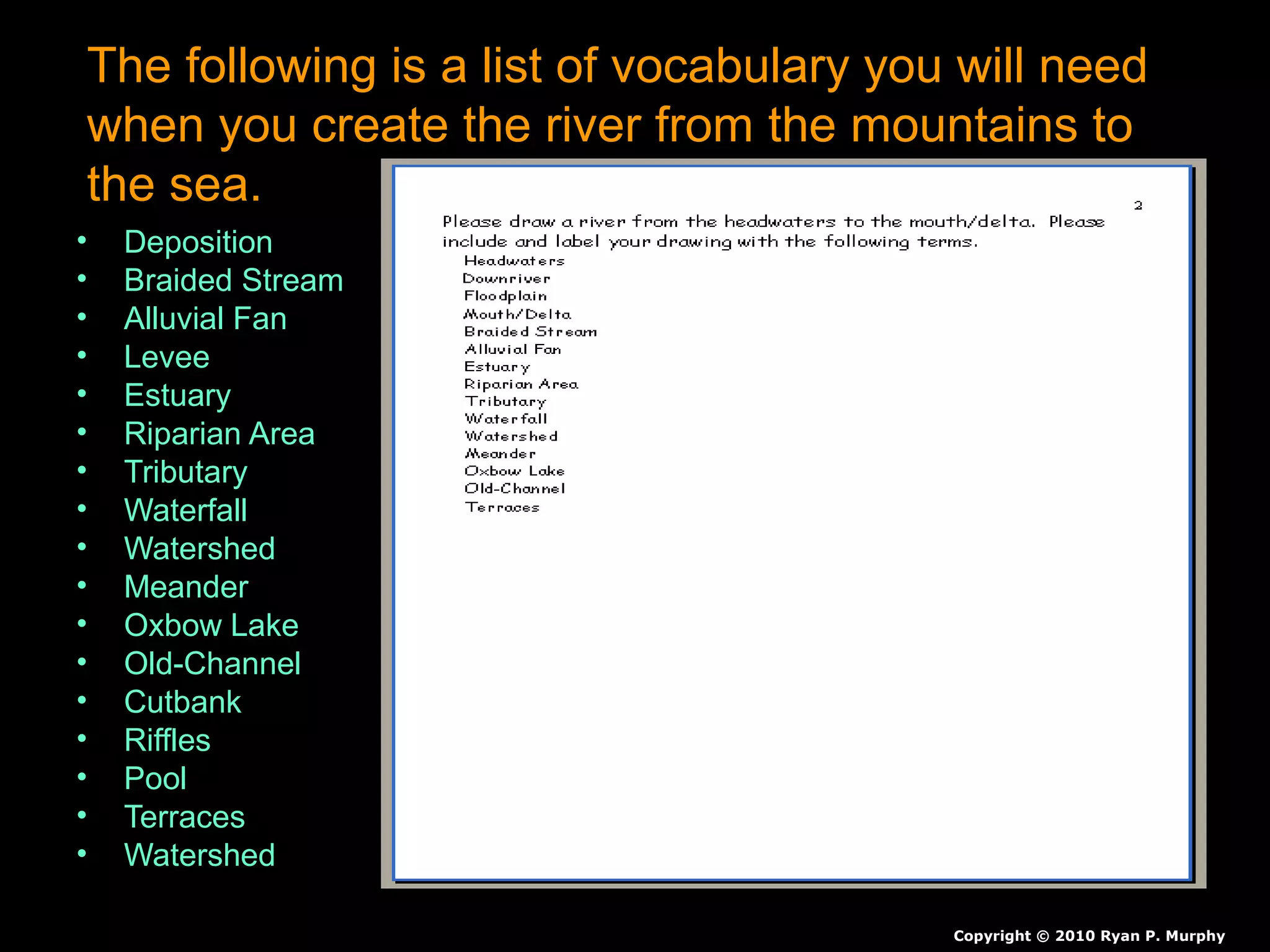
The following is a list of vocabulary you will need
when you create the river from the mountains to
the sea.
• Deposition
• Braided Stream
• Alluvial Fan
• Levee
• Estuary
• Riparian Area
• Tributary
• Waterfall
• Watershed
• Meander
• Oxbow Lake
• Old-Channel
• Cutbank
• Riffles
• Pool
• Terraces
• Watershed
Copyright © 2010 Ryan P. Murphy
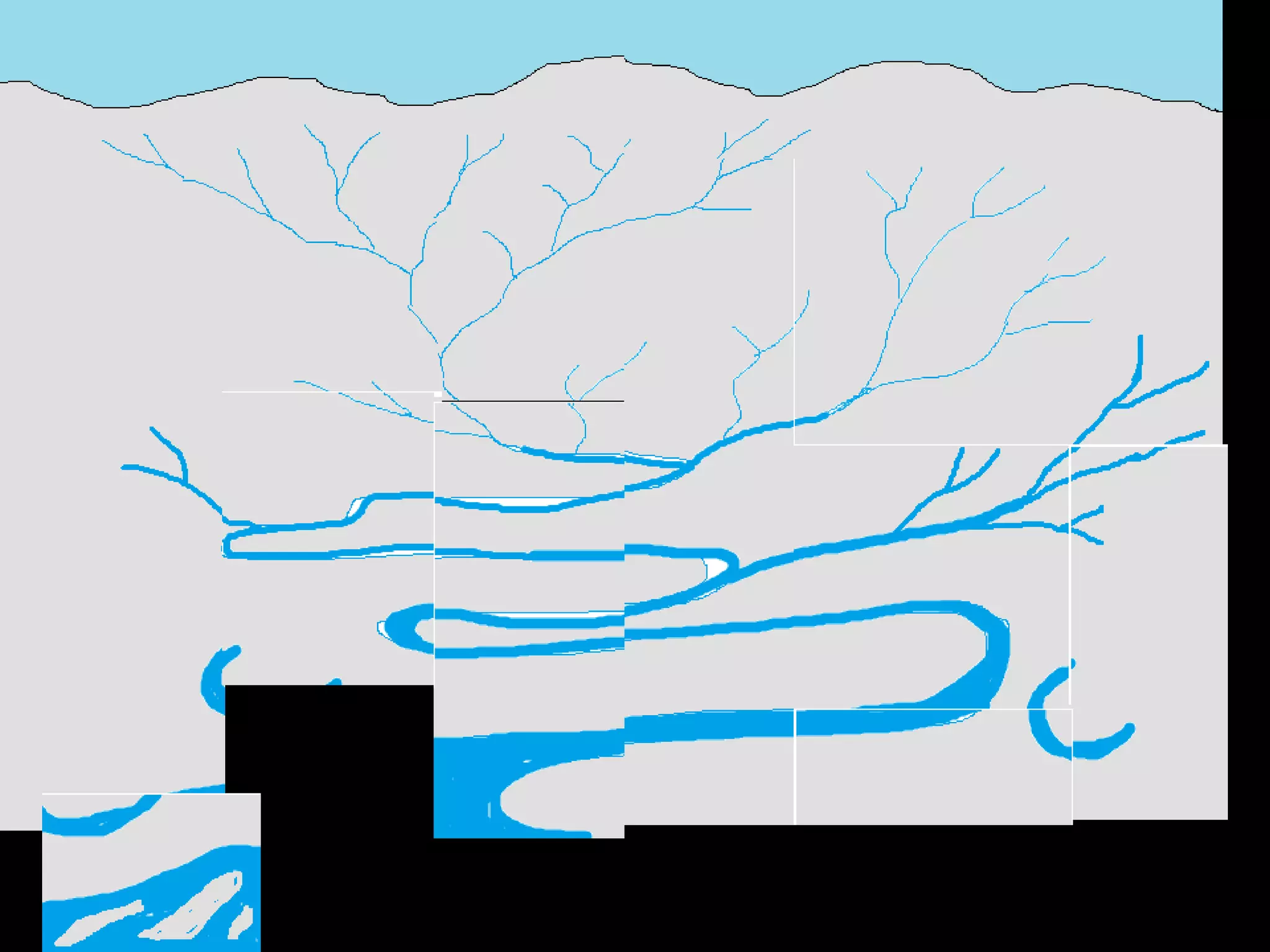
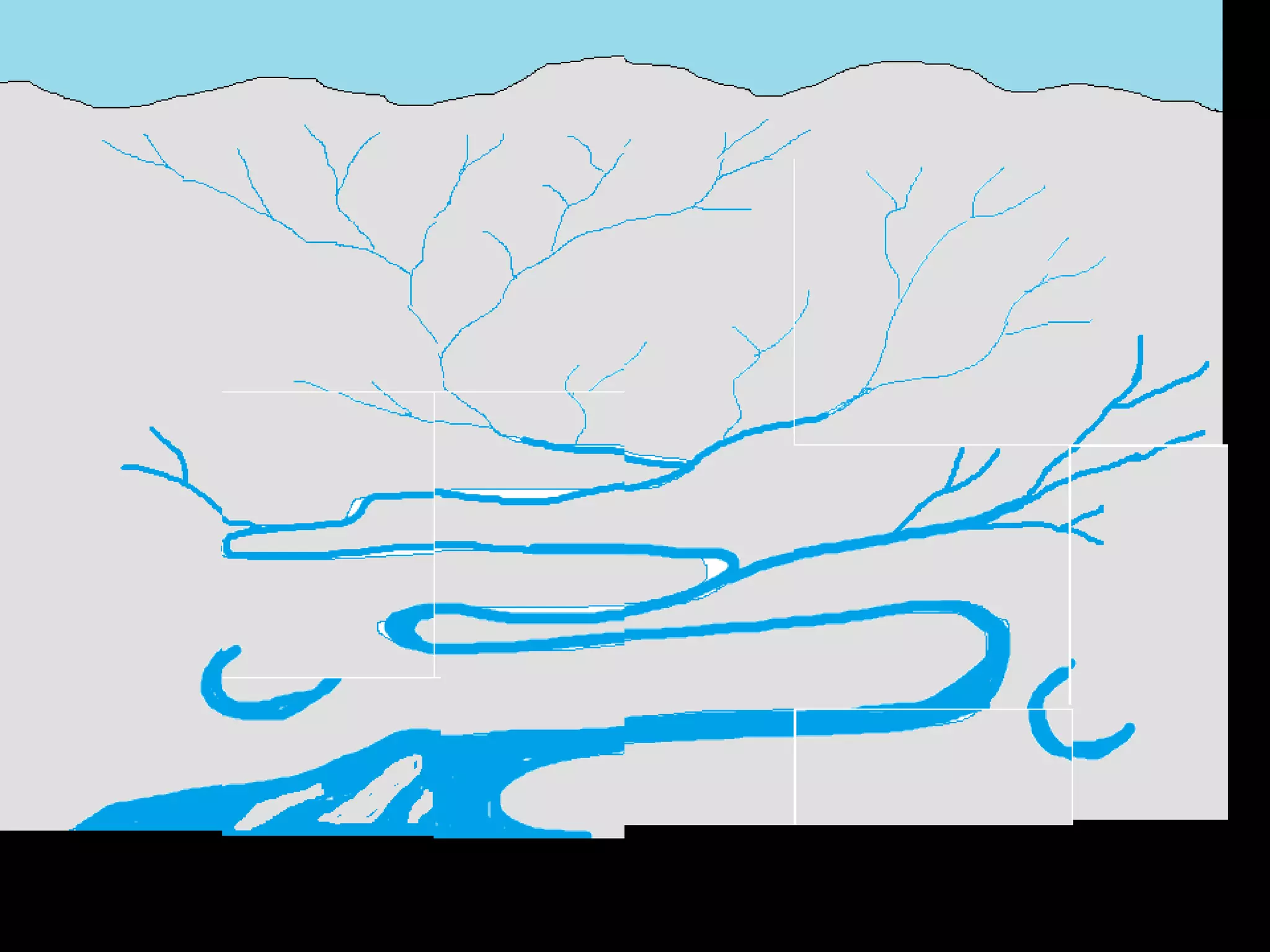
Headwaters
Headwaters
Headwaters
Downriver
Headwaters
Downriver
Floodplain
Headwaters
Downriver
Floodplain
Mouth / Delta
Headwaters
Downriver
Floodplain
Mouth / Delta
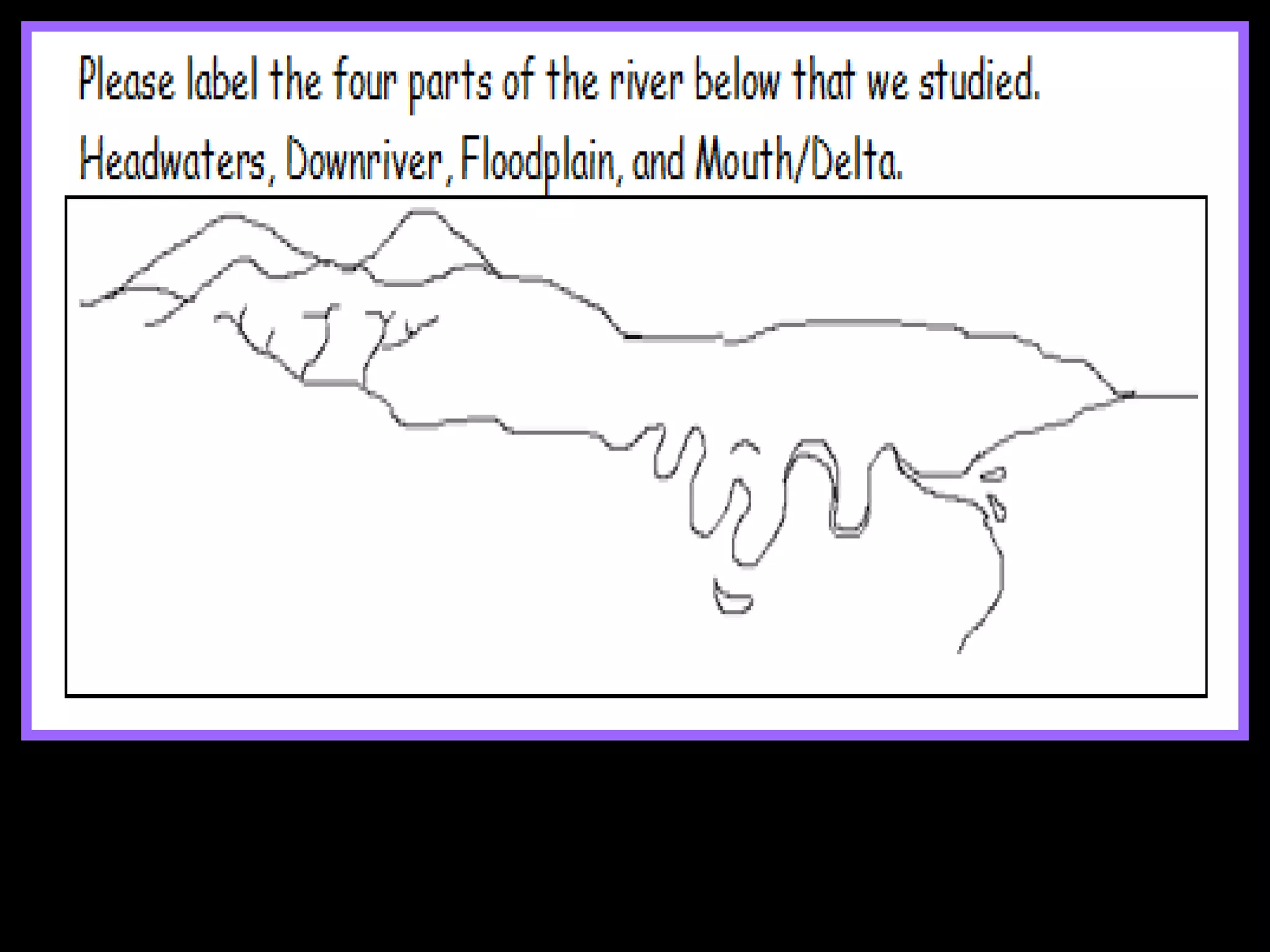
• You can now complete this question.
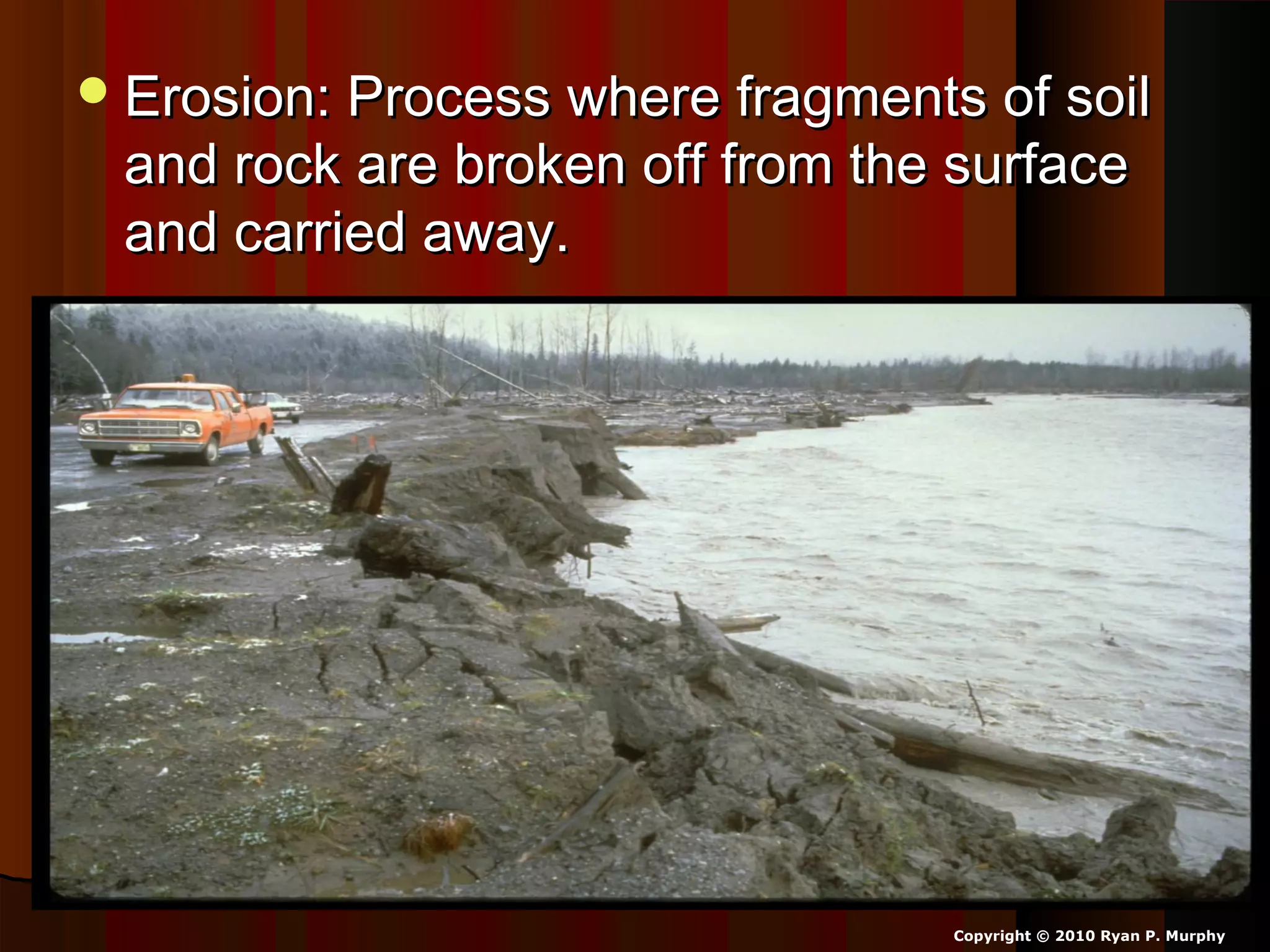
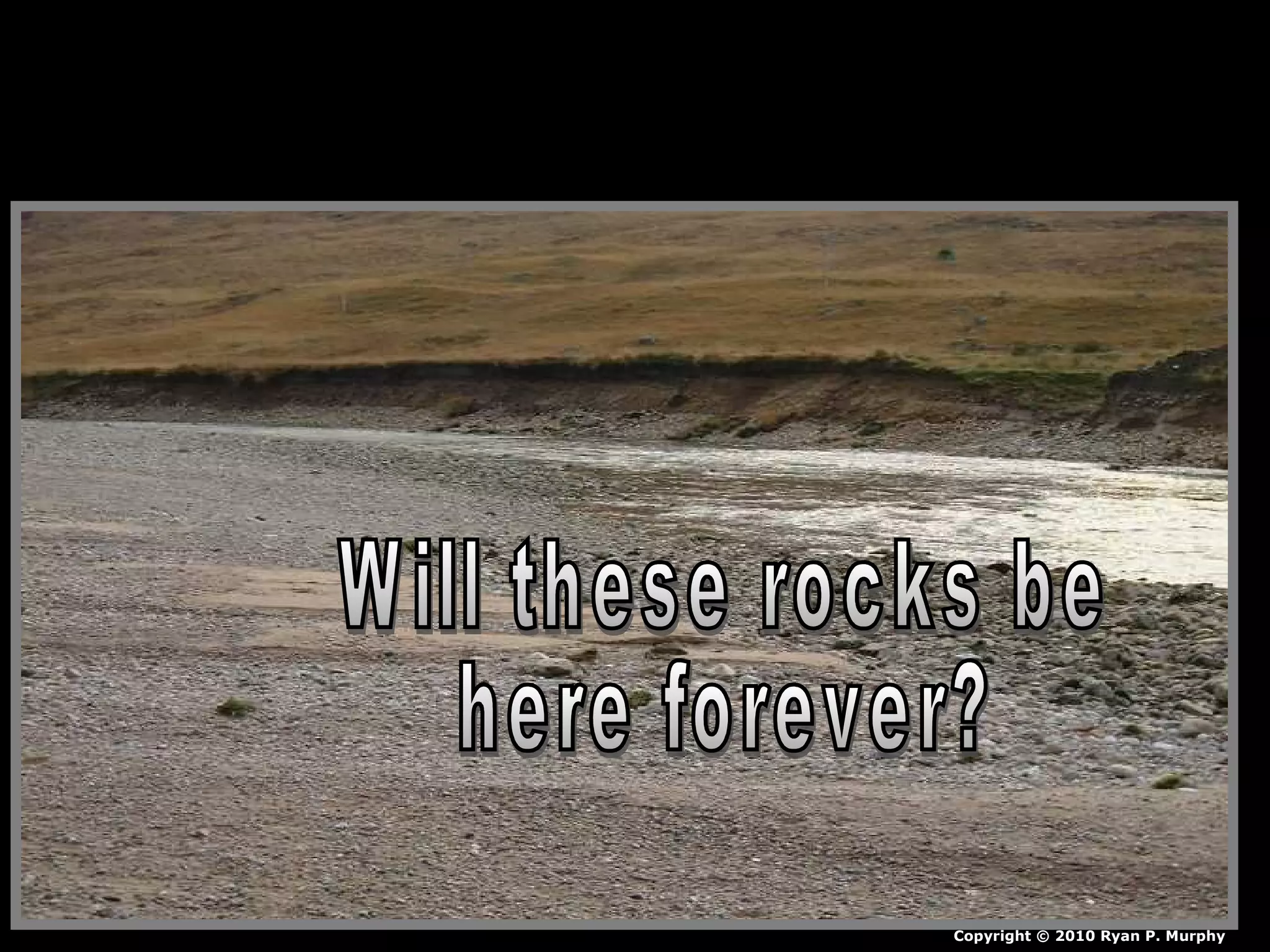
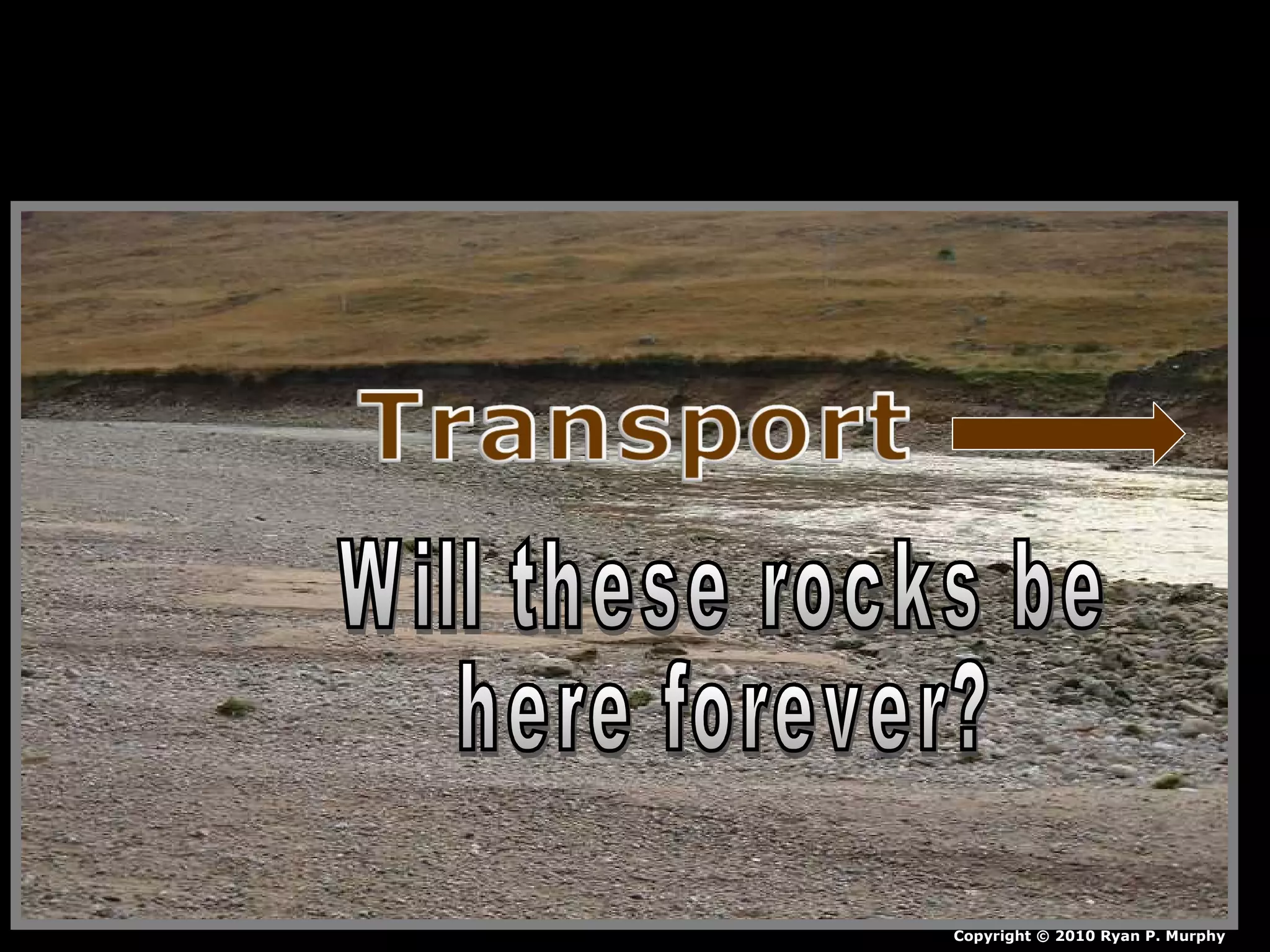
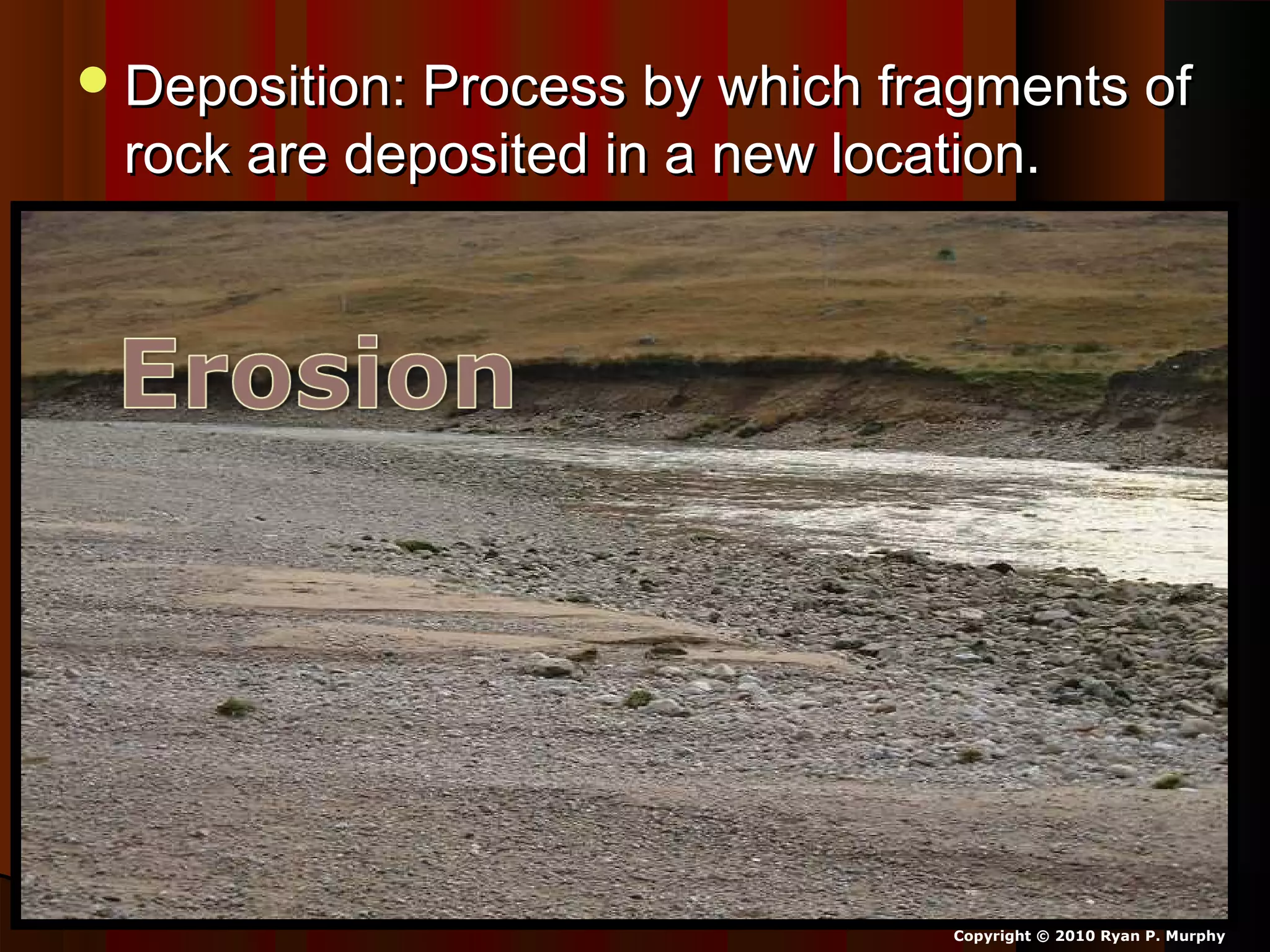
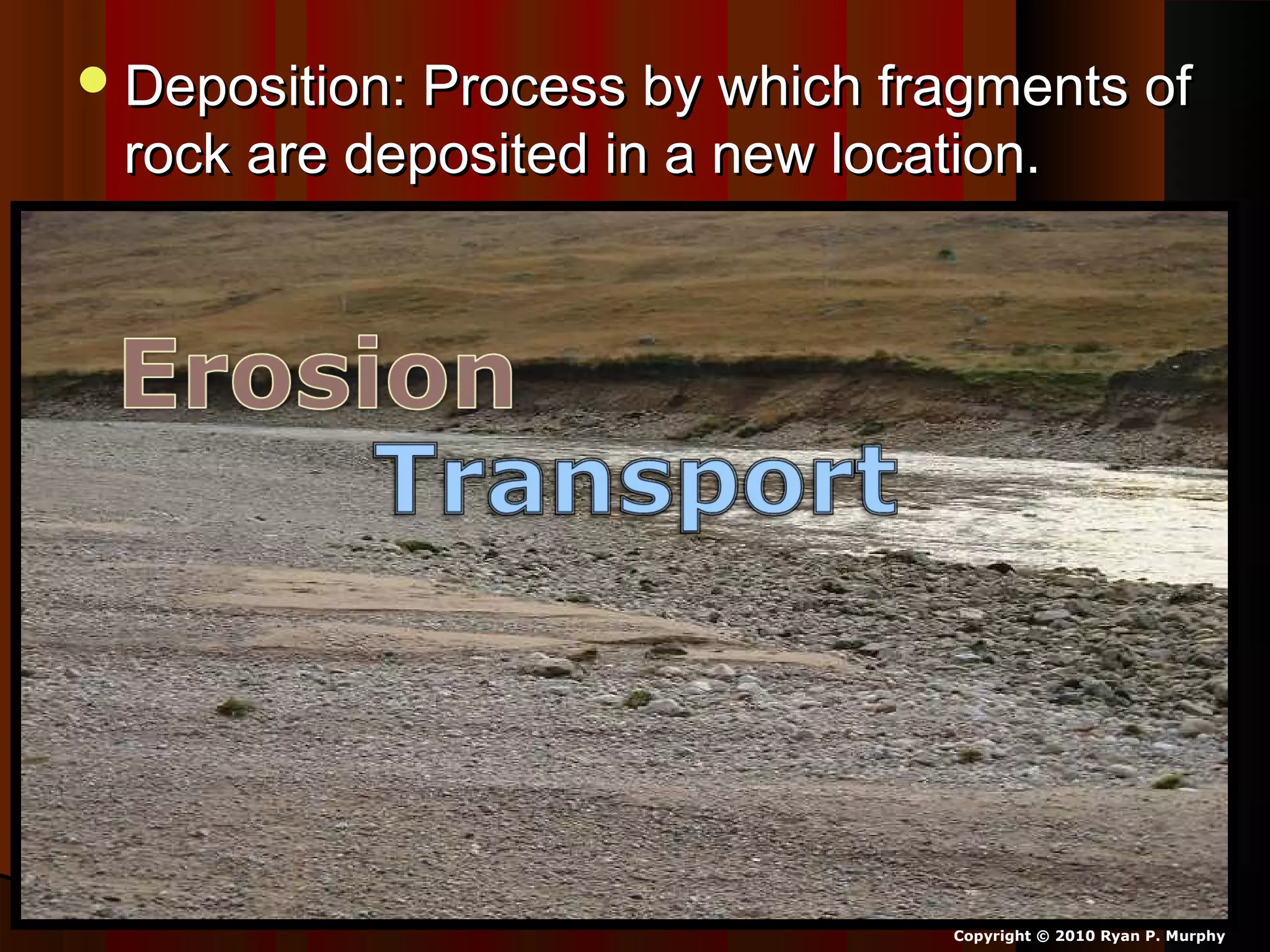
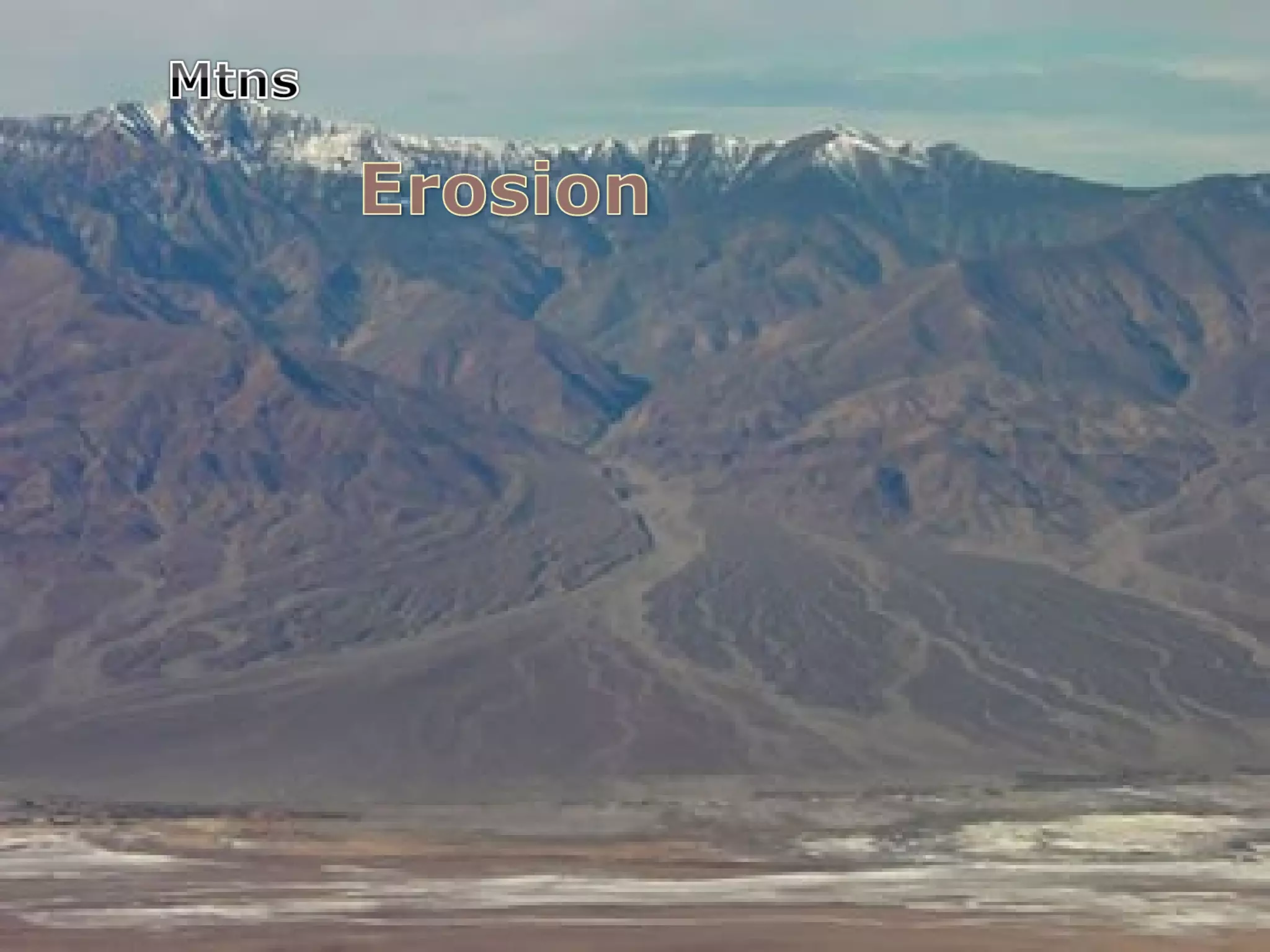
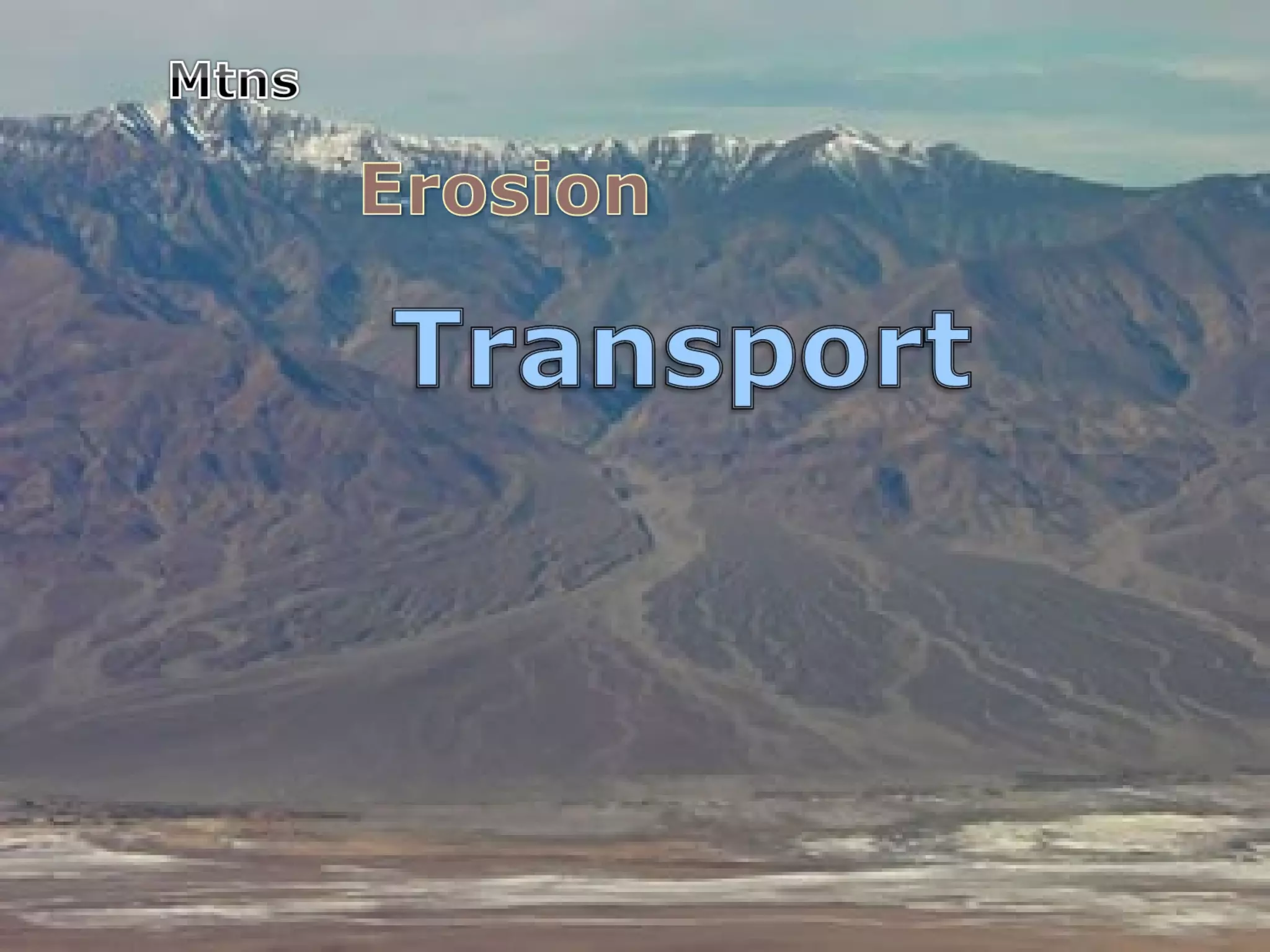
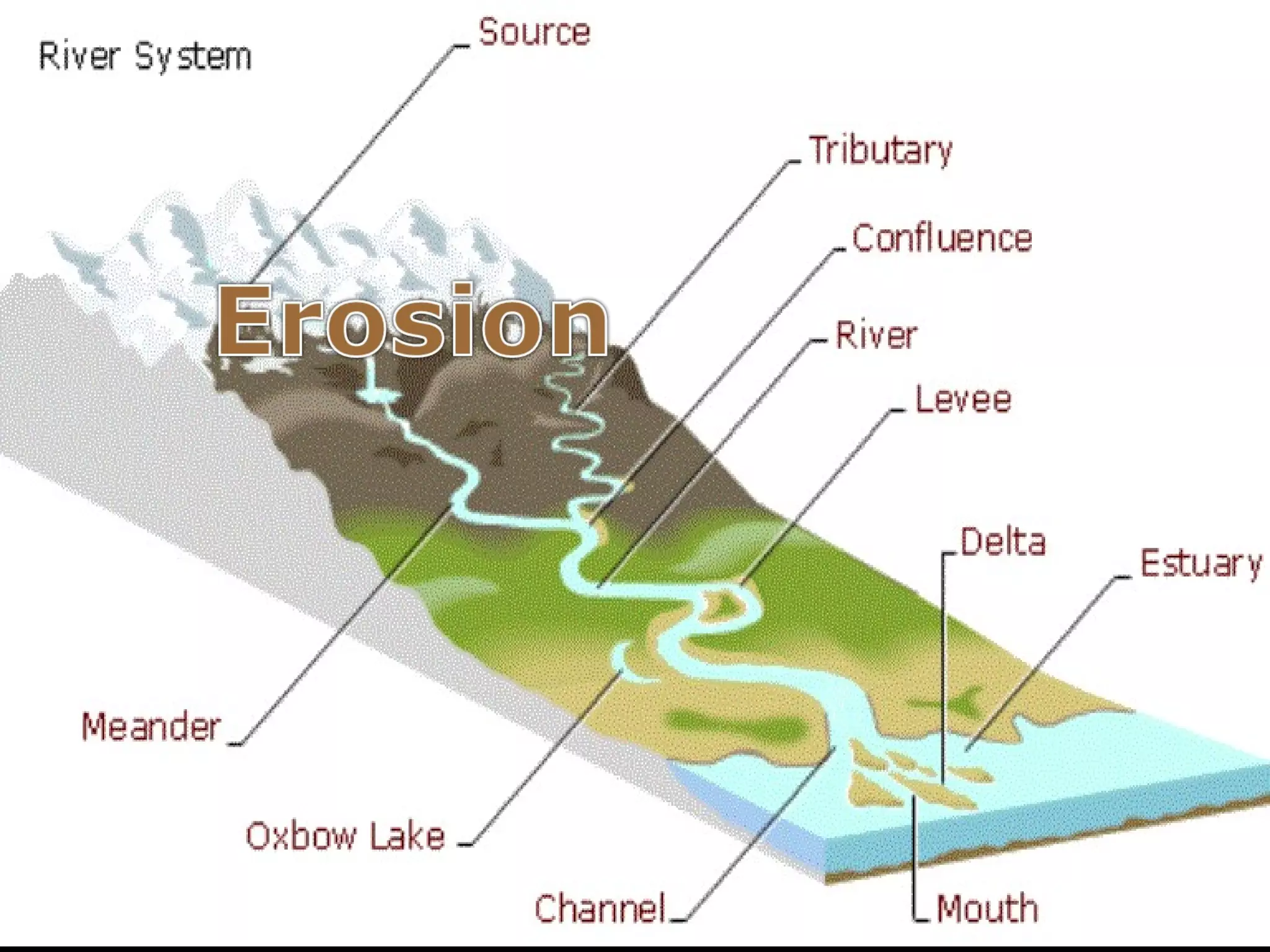
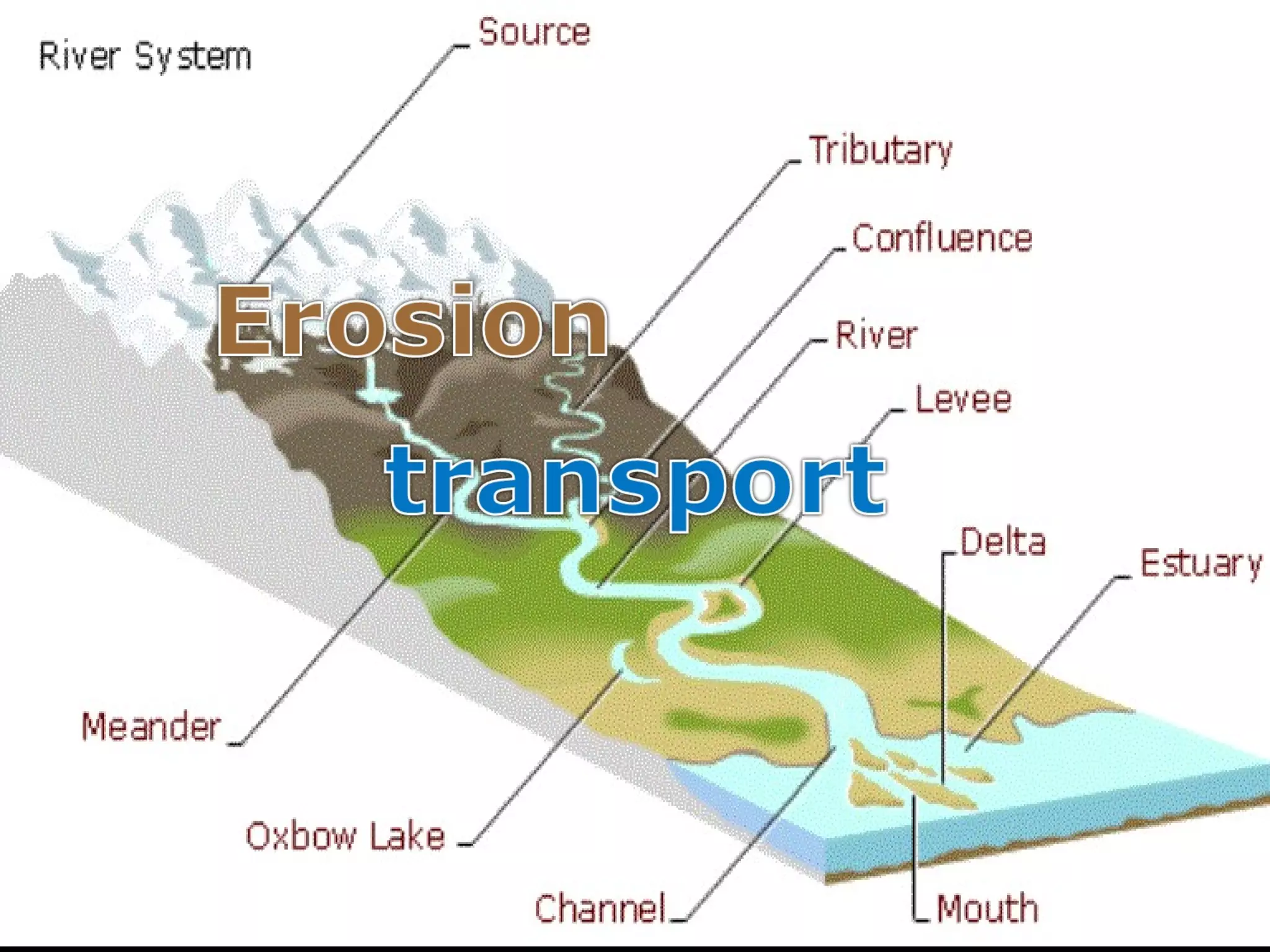
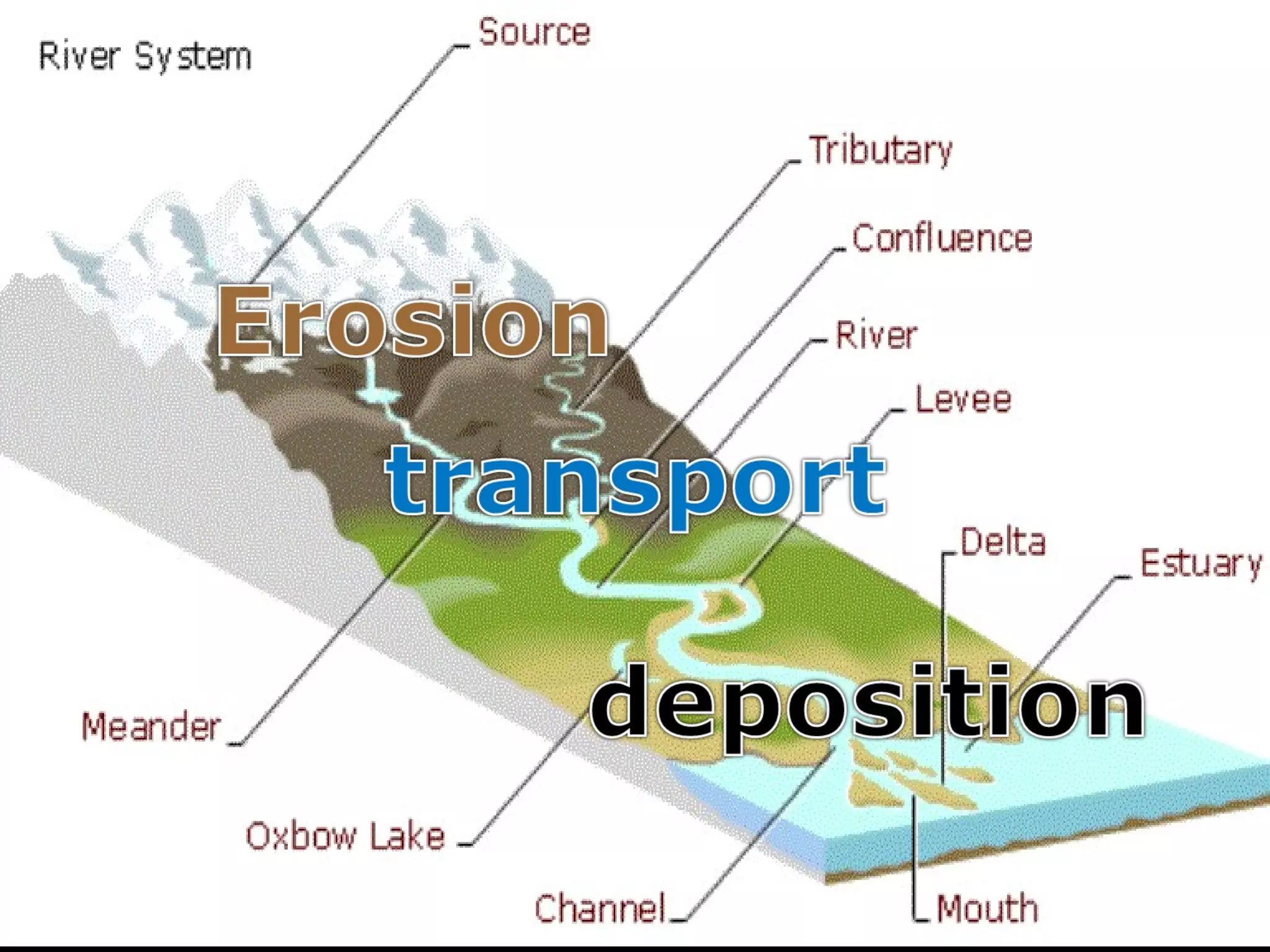
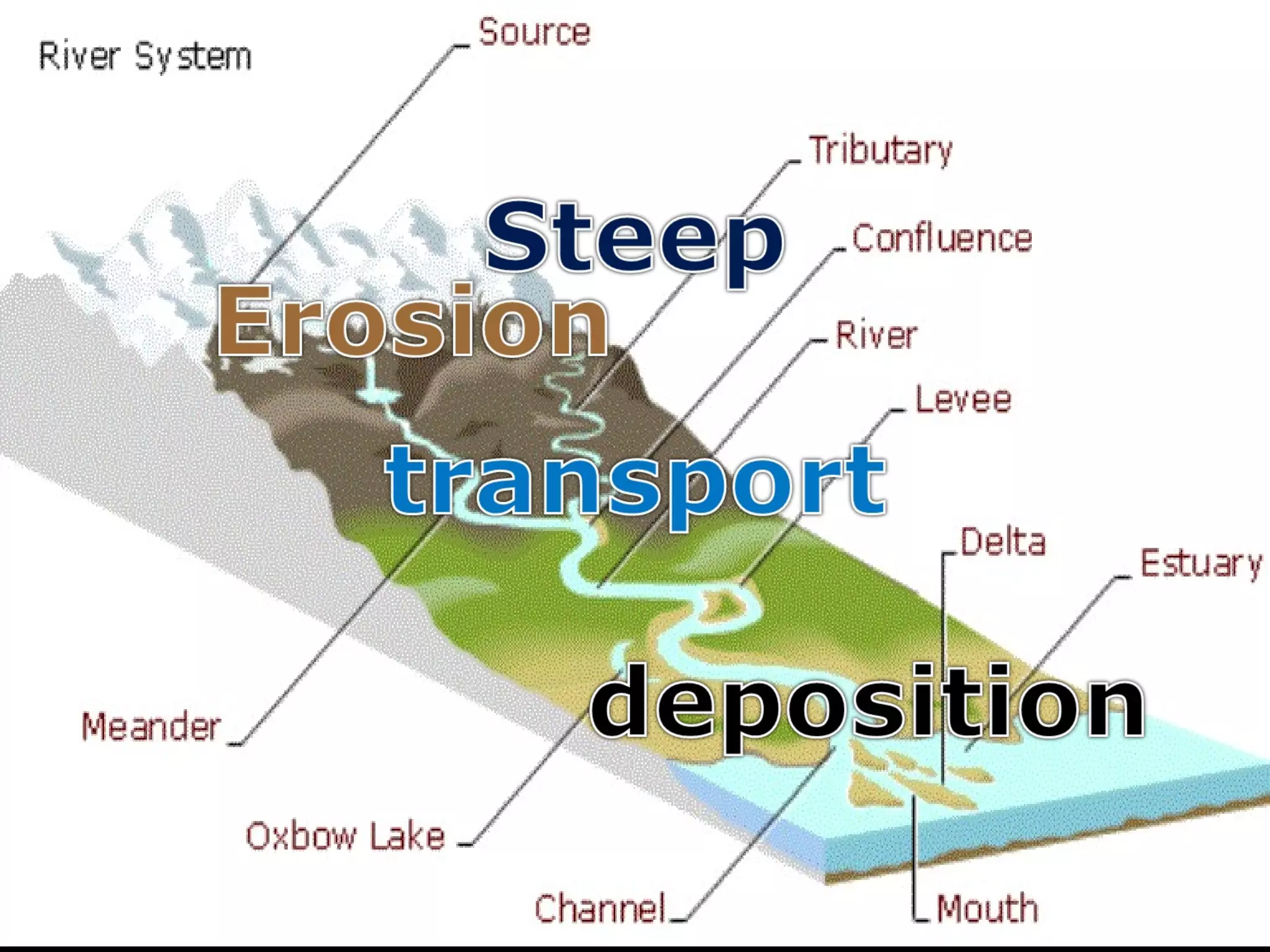
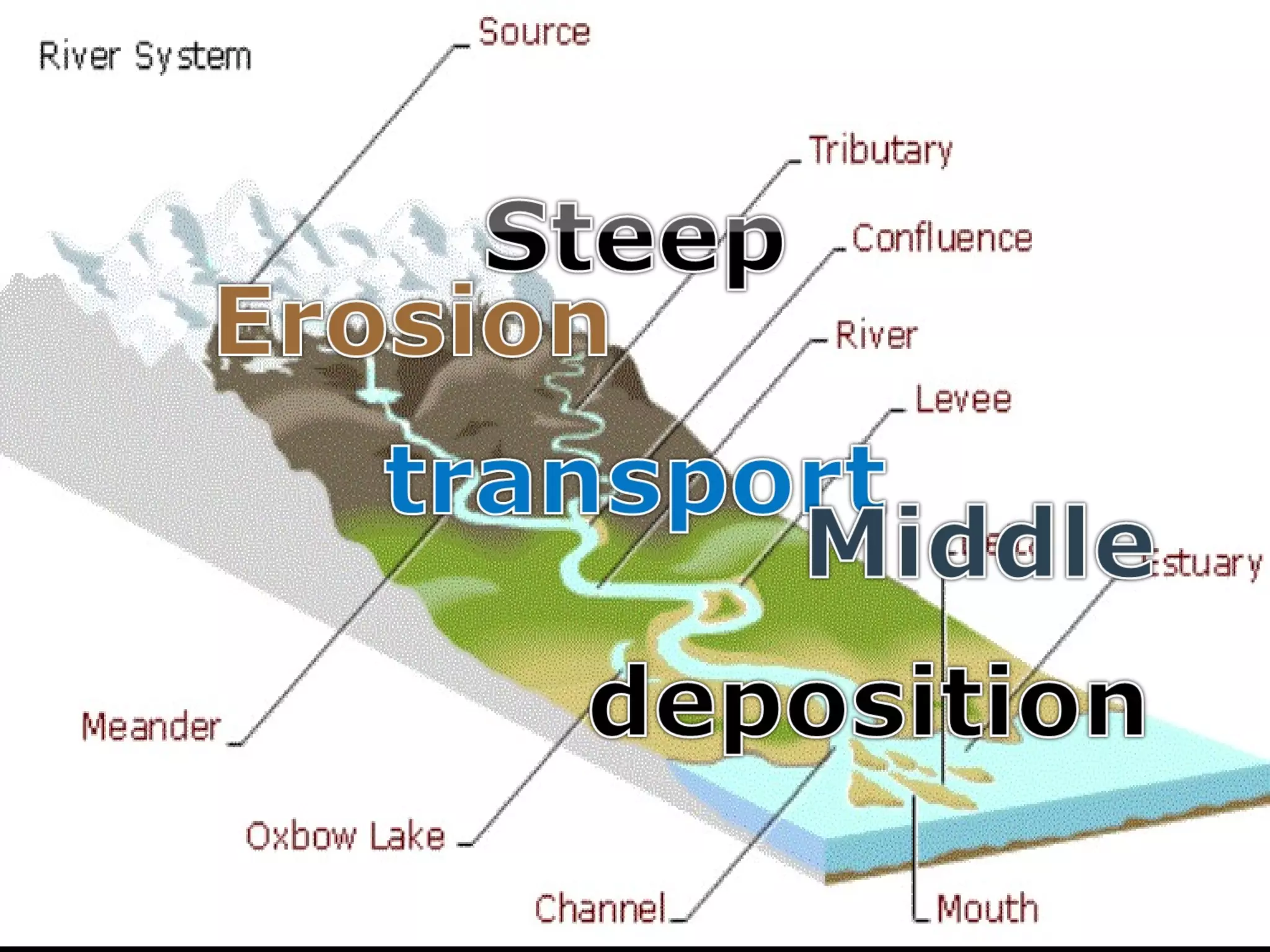
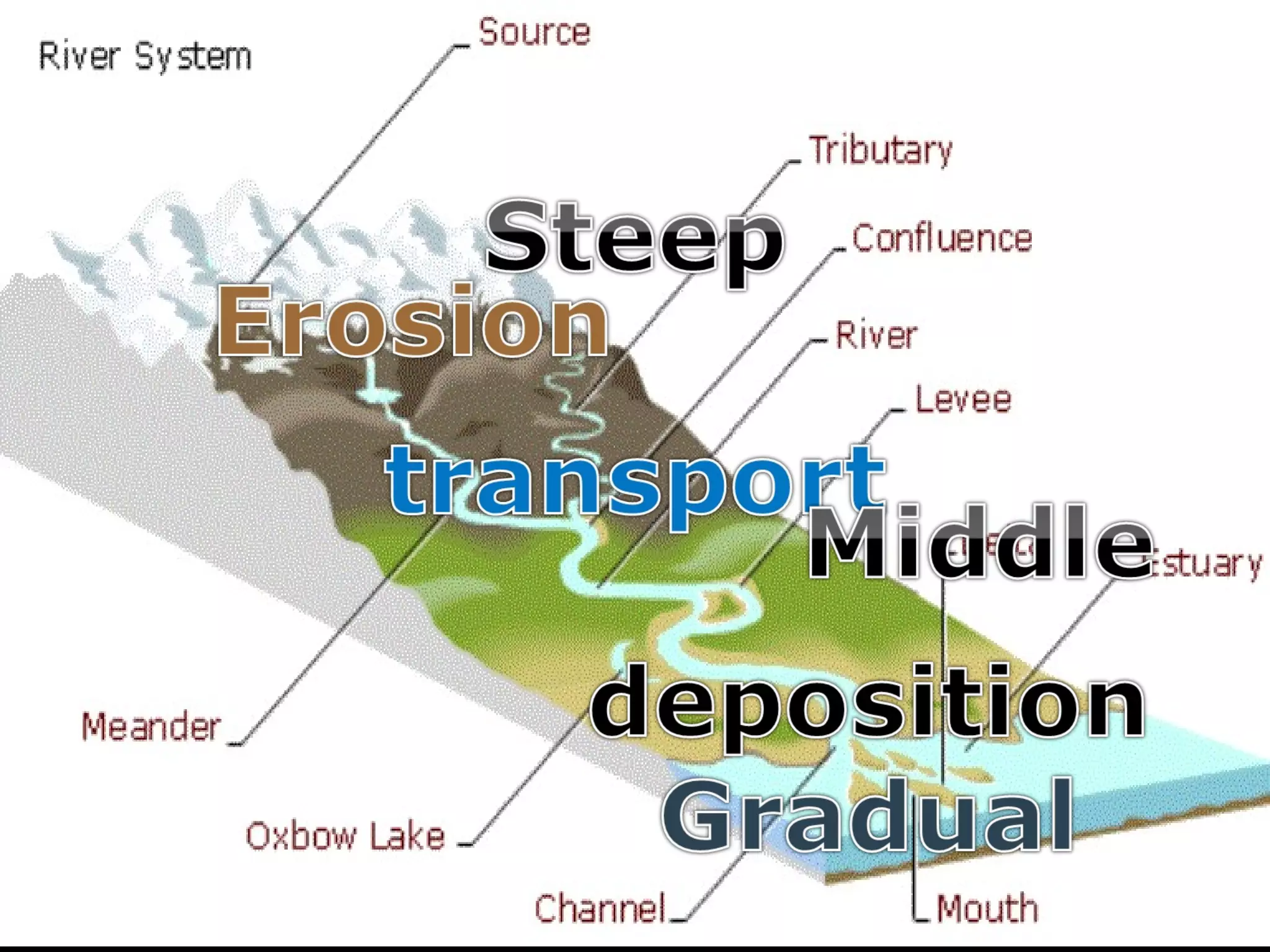
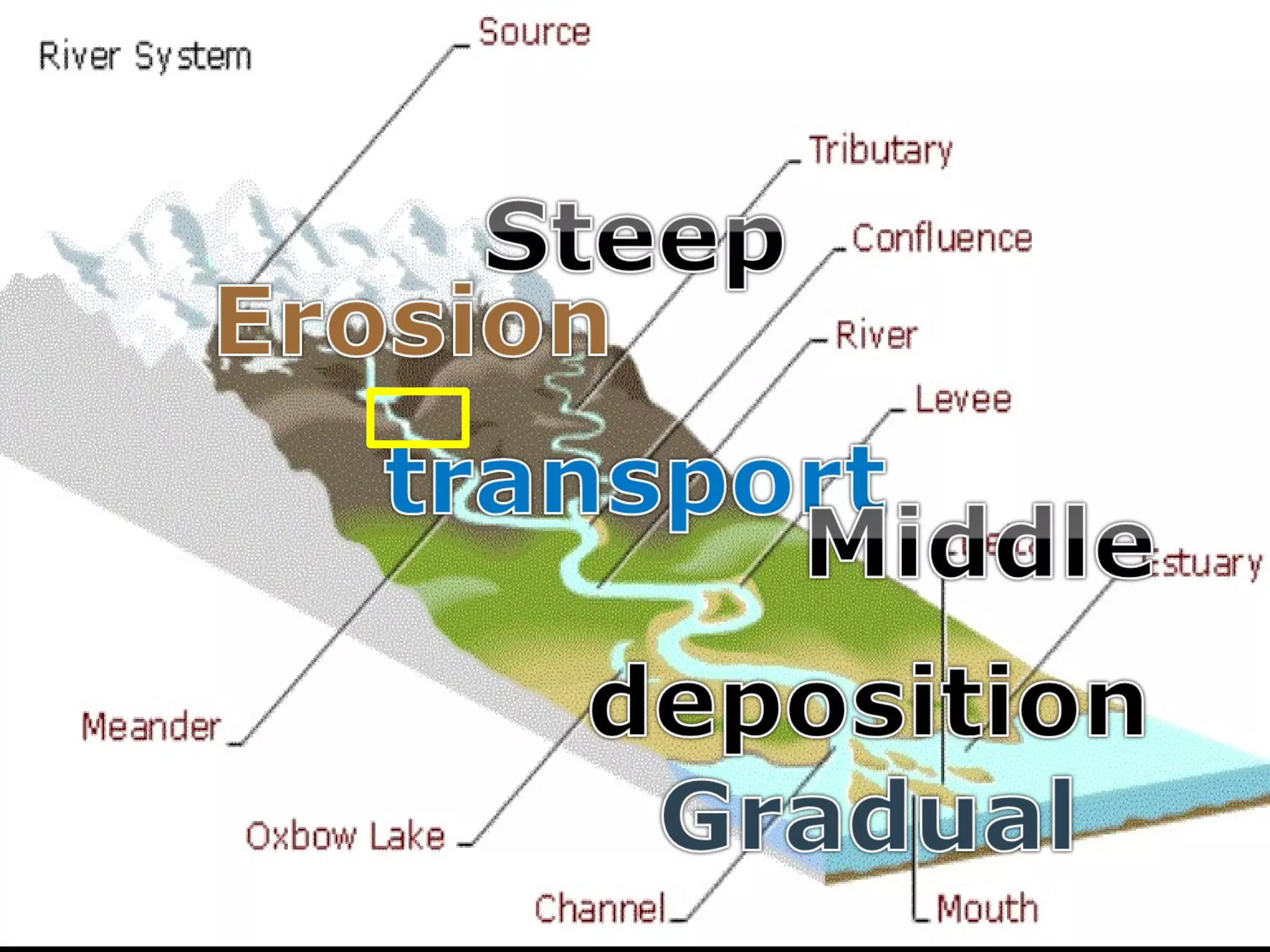
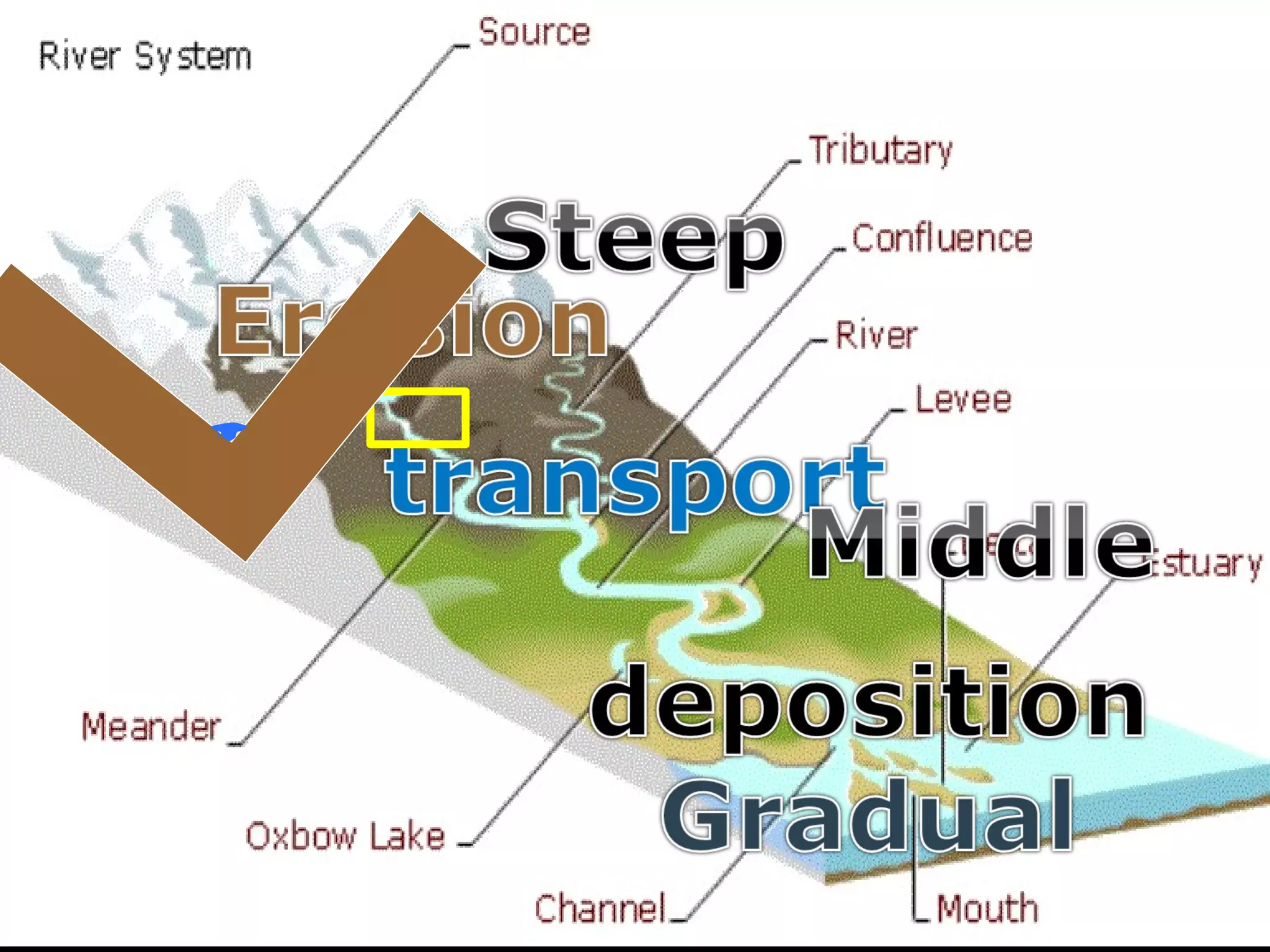
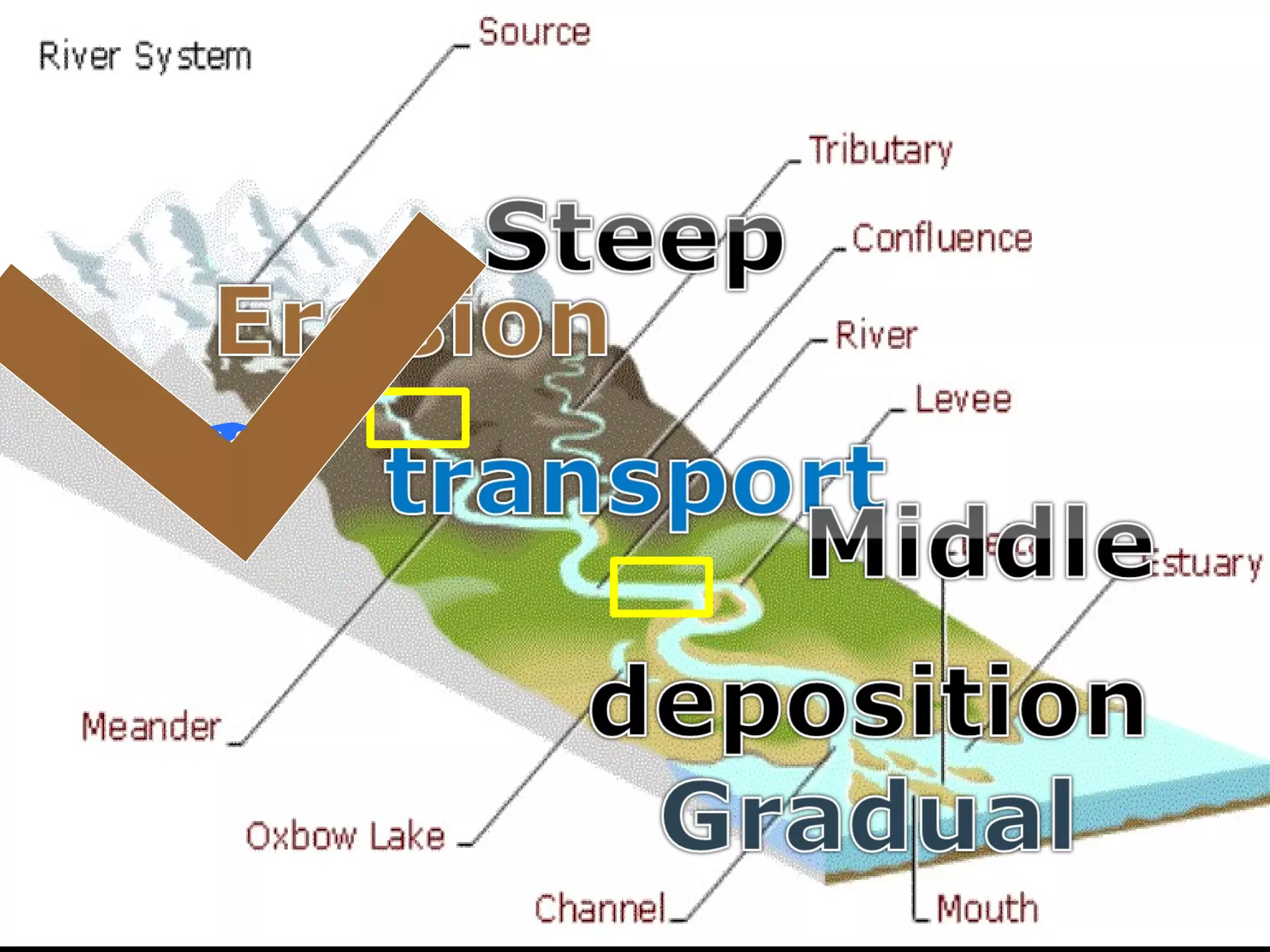
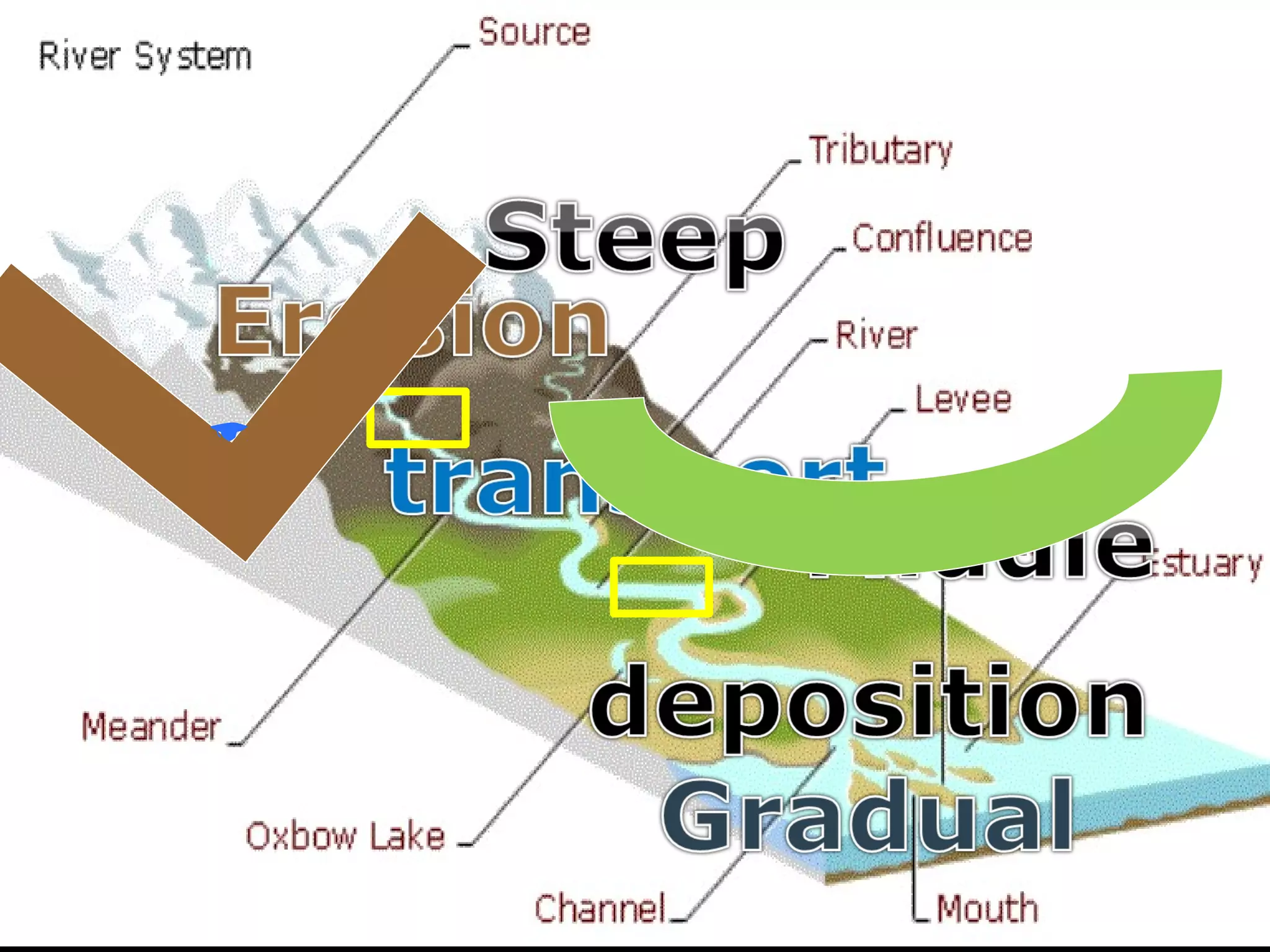
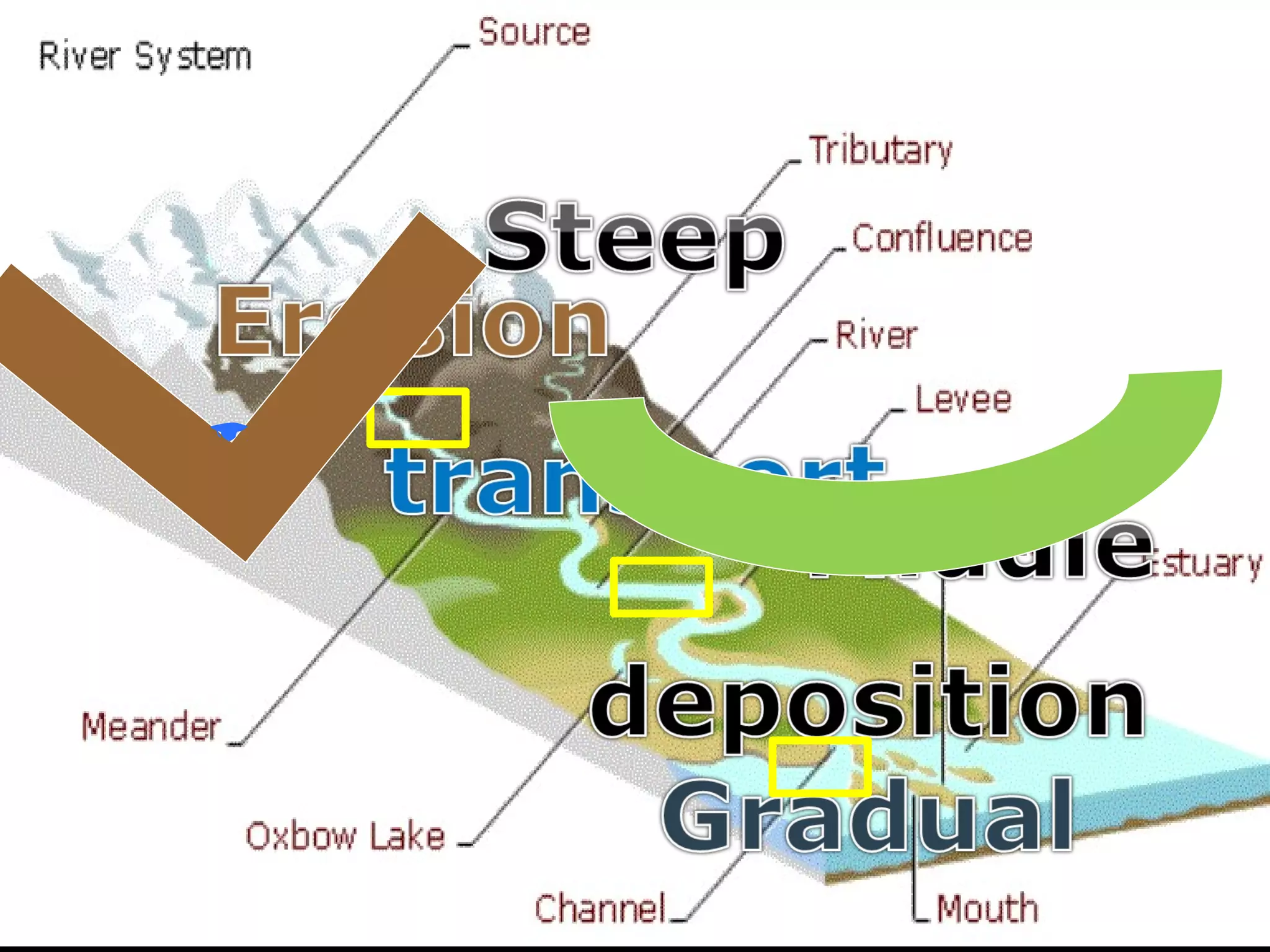
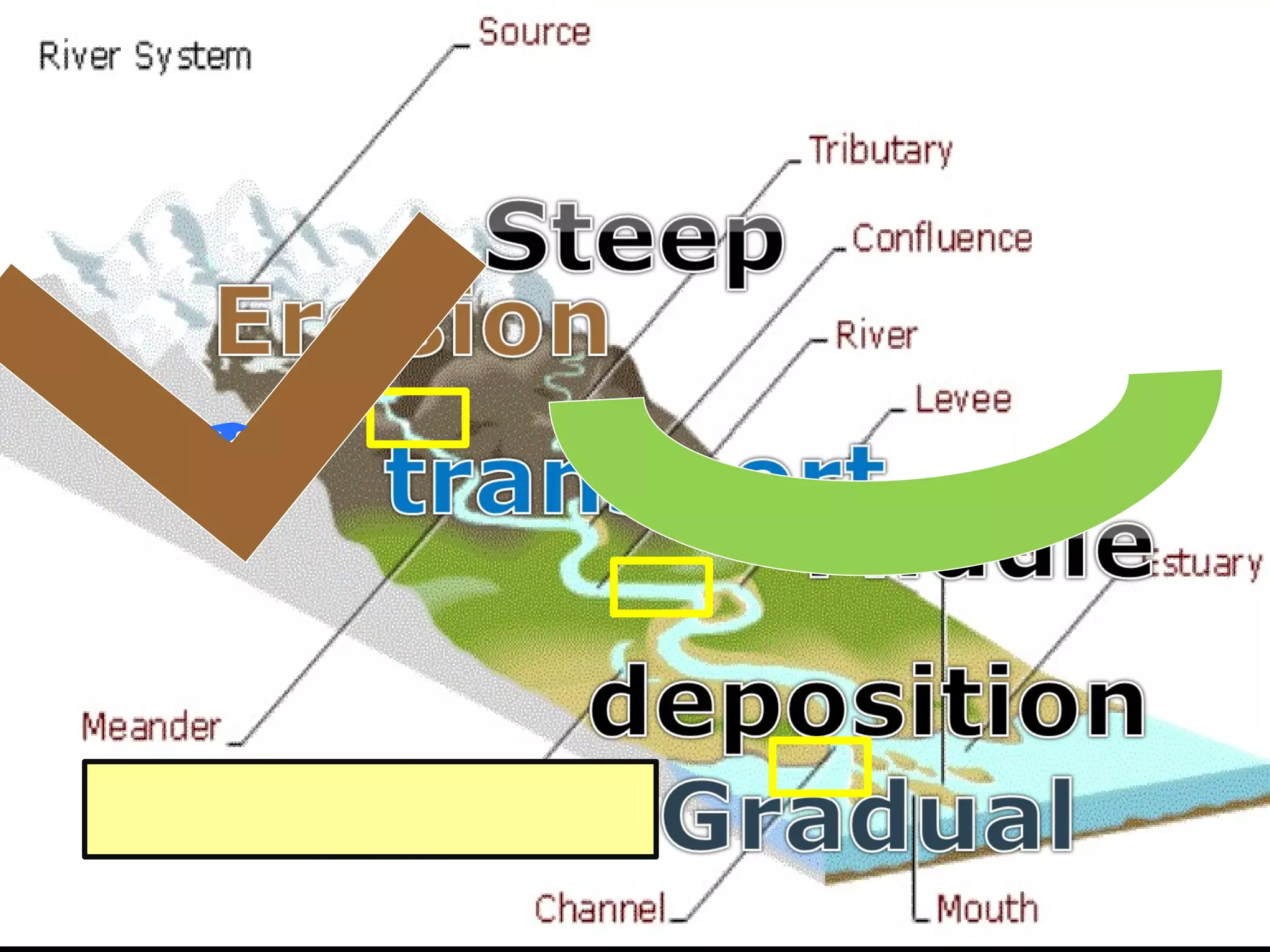
Erosion: Process where fragments of soilErosion: Process where fragments of soil
and rock are broken off from the surfaceand rock are broken off from the surface
and carried away.and carried away.
Copyright © 2010 Ryan P. Murphy
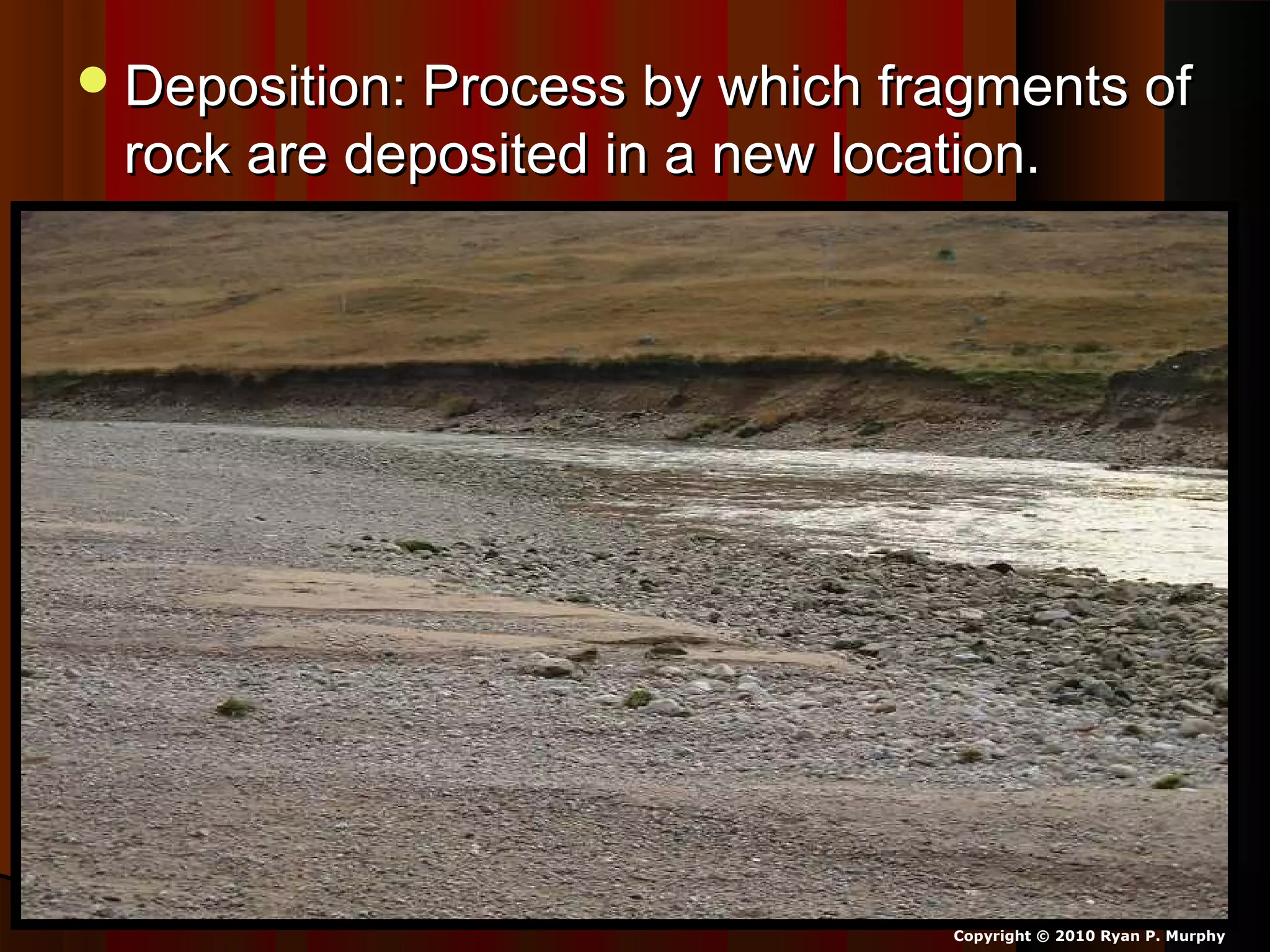
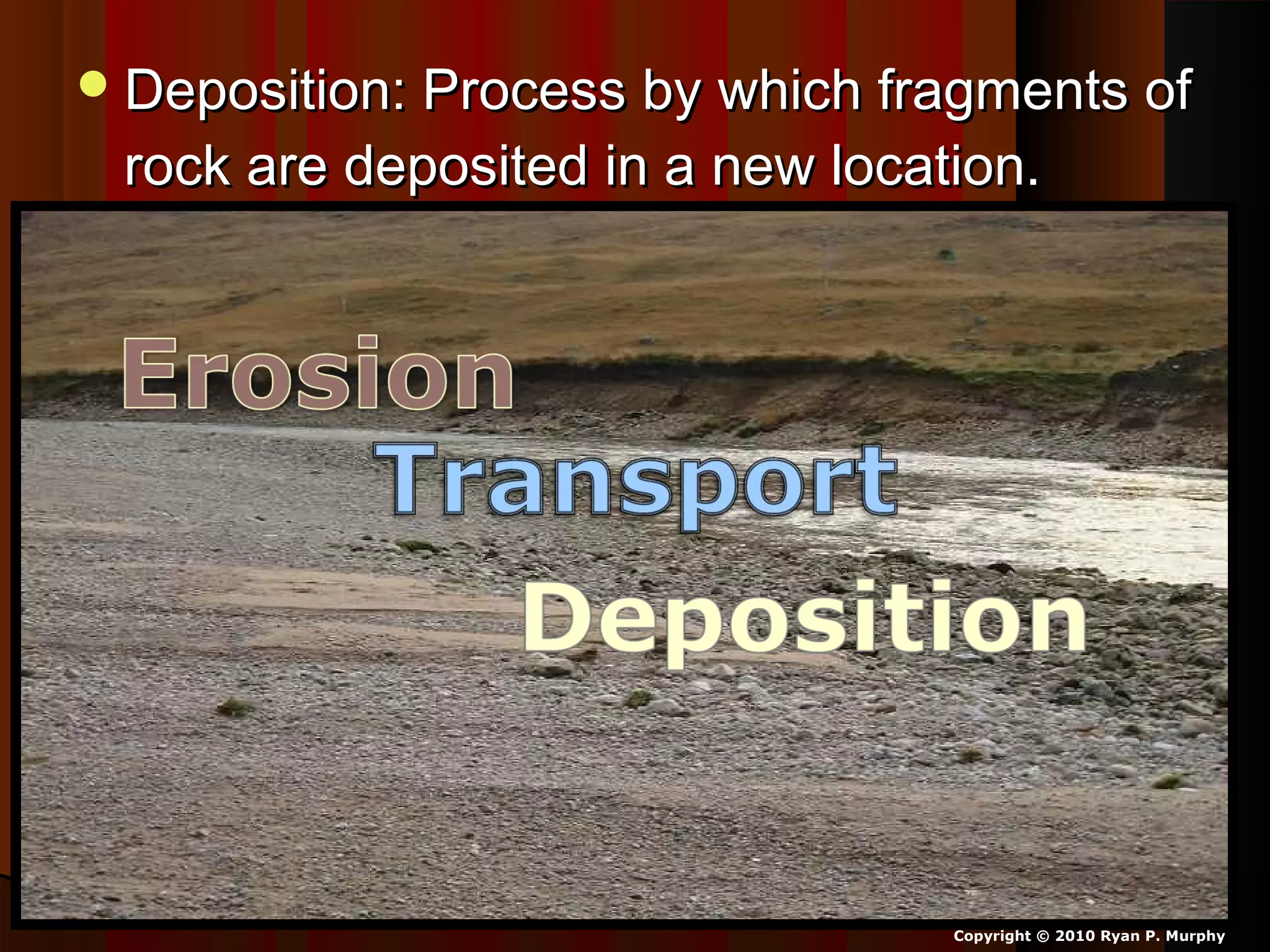
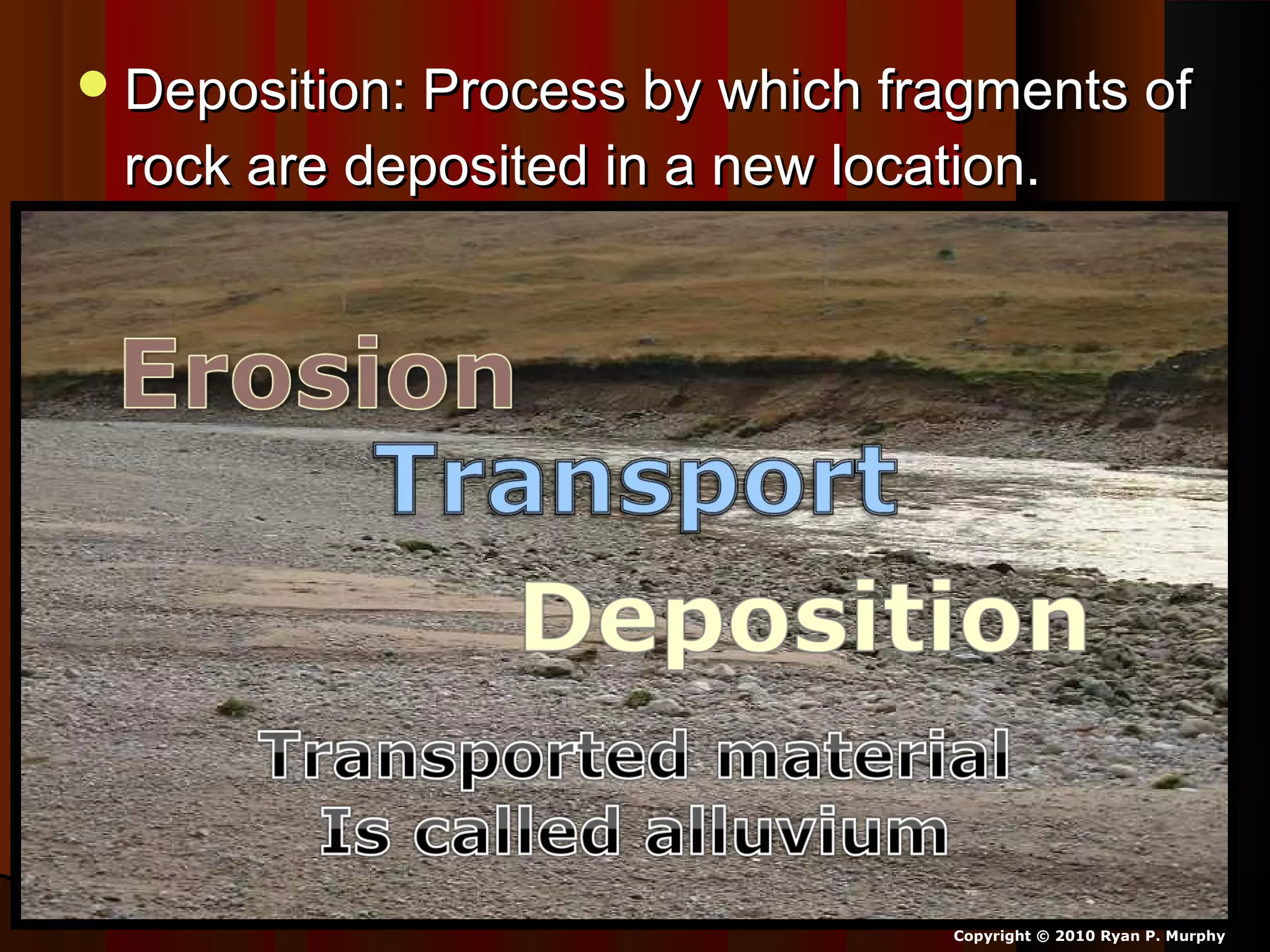
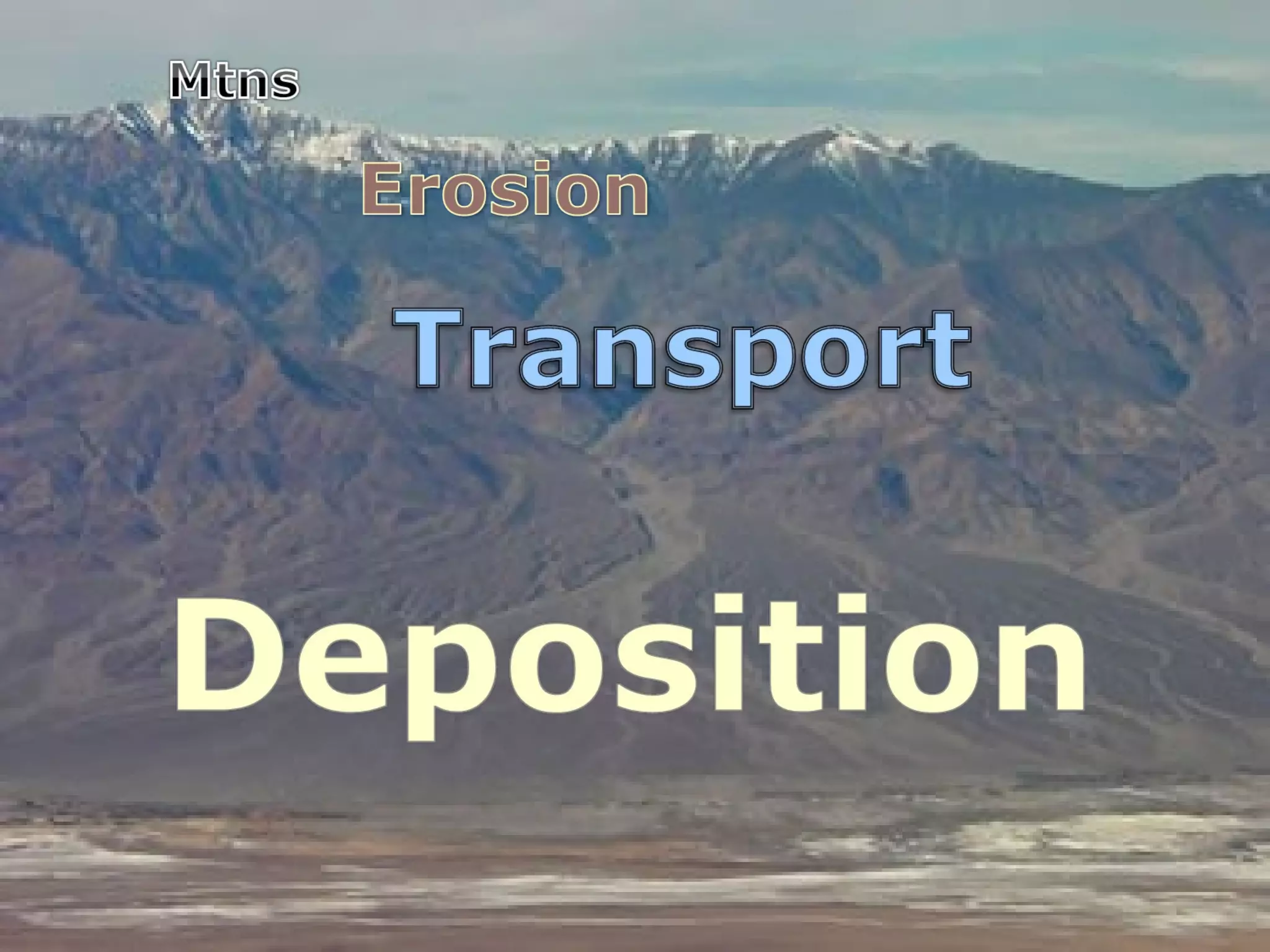
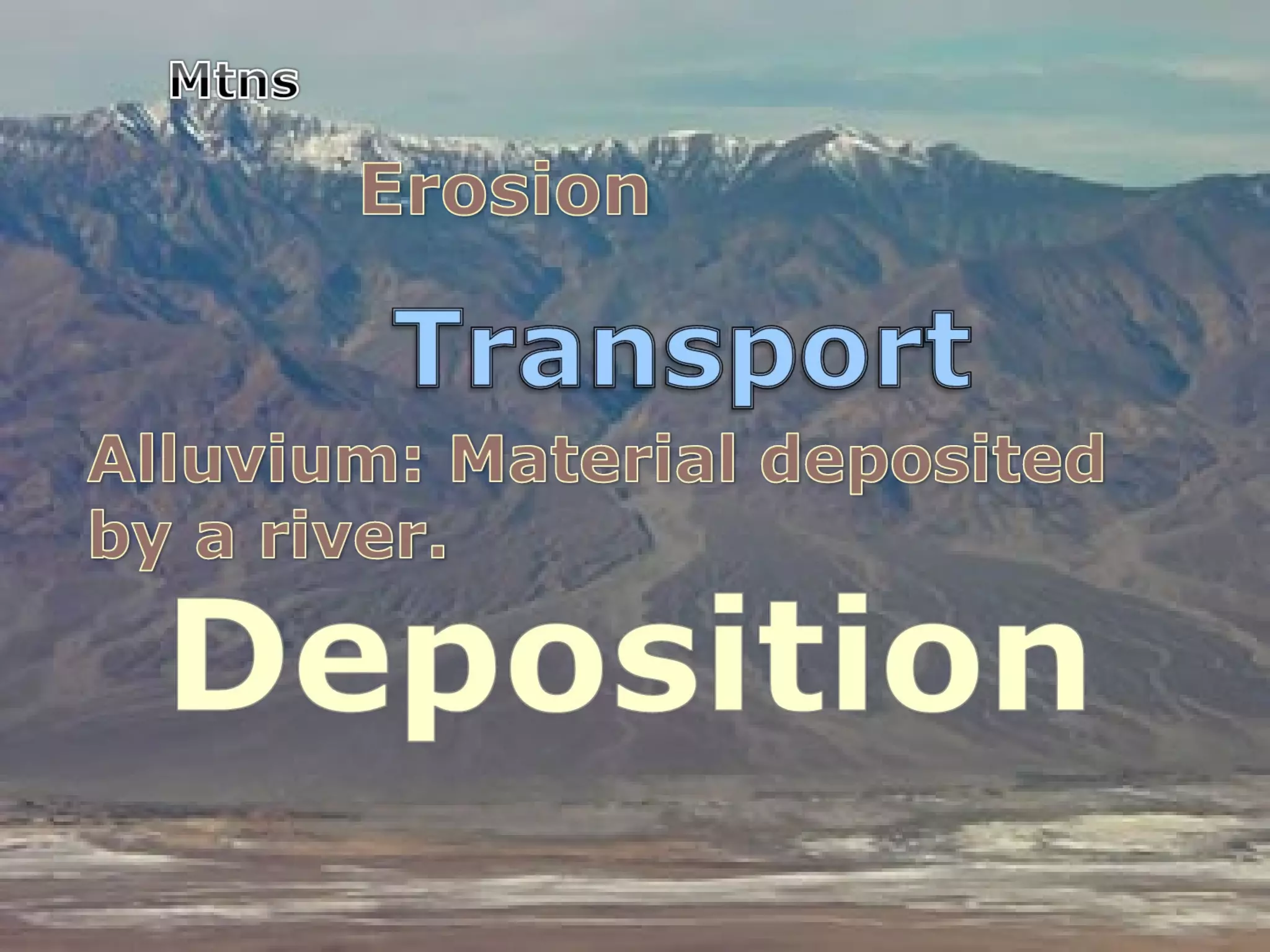
Deposition: Process by which fragments ofDeposition: Process by which fragments of
rock are deposited in a new location.rock are deposited in a new location.
Copyright © 2010 Ryan P. Murphy
Deposition: Process by which fragments ofDeposition: Process by which fragments of
rock are deposited in a new location.rock are deposited in a new location.
Copyright © 2010 Ryan P. Murphy
Deposition: Process by which fragments ofDeposition: Process by which fragments of
rock are deposited in a new location.rock are deposited in a new location.
Copyright © 2010 Ryan P. Murphy
Deposition: Process by which fragments ofDeposition: Process by which fragments of
rock are deposited in a new location.rock are deposited in a new location.
Copyright © 2010 Ryan P. Murphy
Deposition: Process by which fragments ofDeposition: Process by which fragments of
rock are deposited in a new location.rock are deposited in a new location.
Copyright © 2010 Ryan P. Murphy
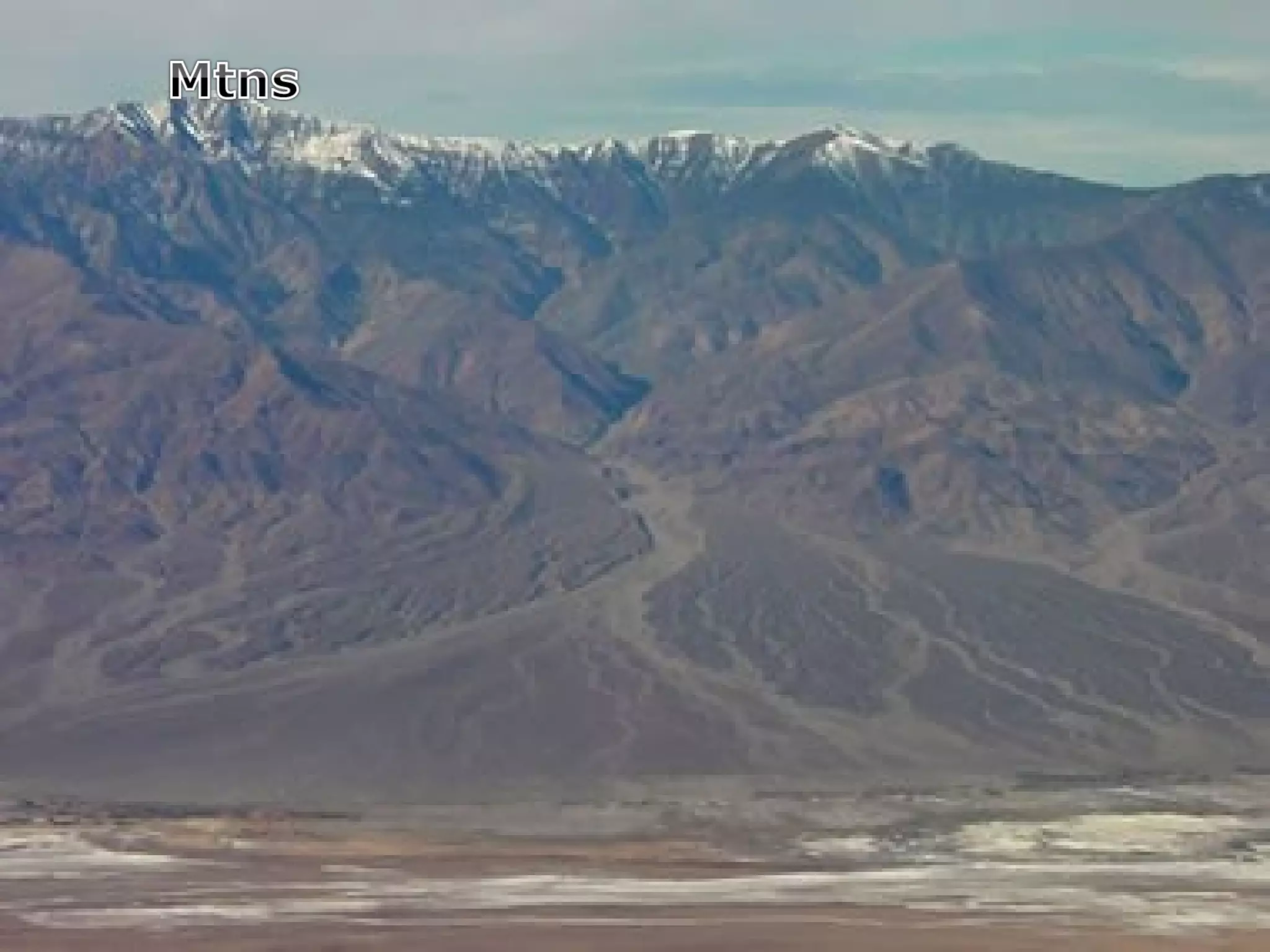
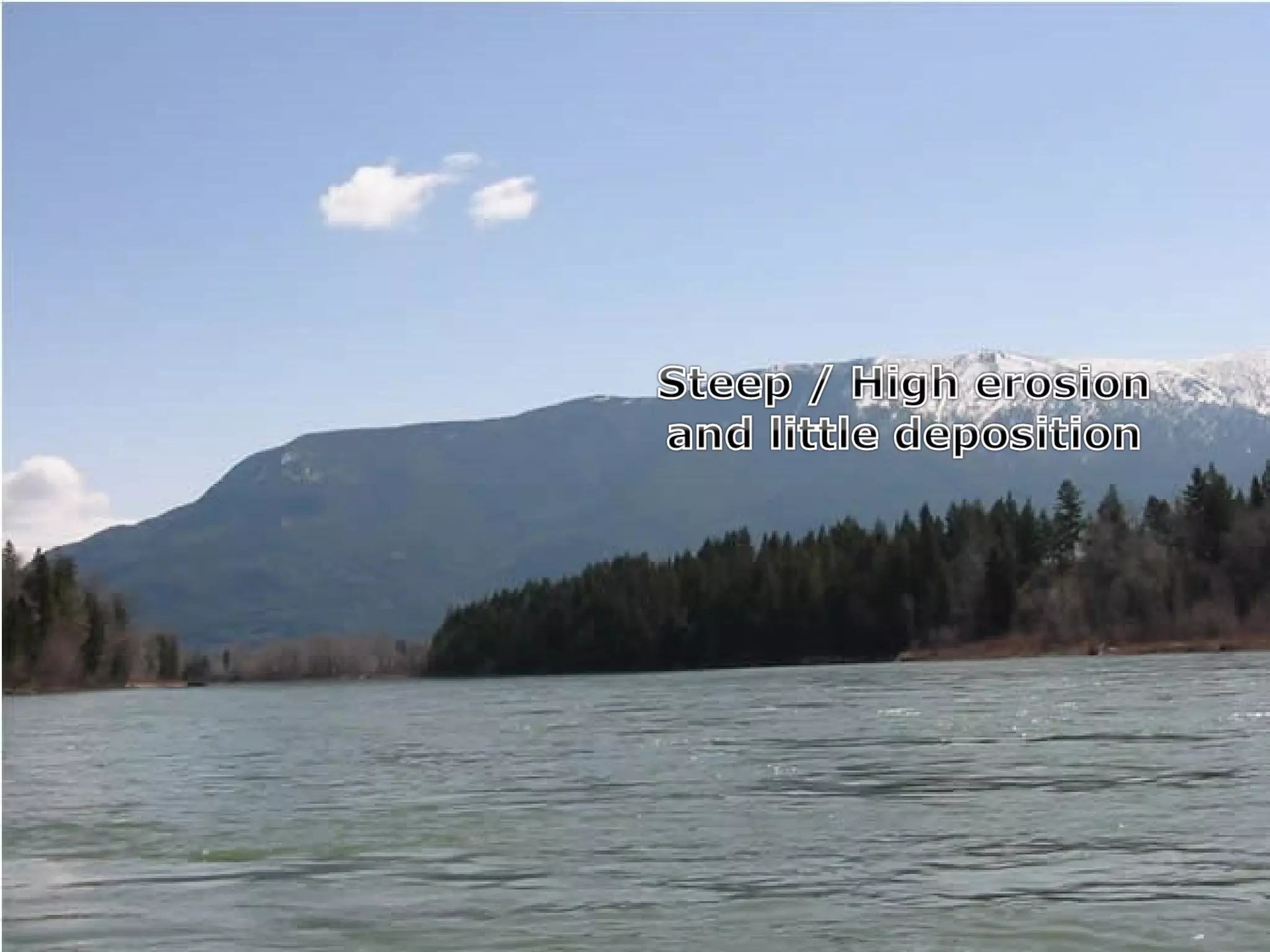
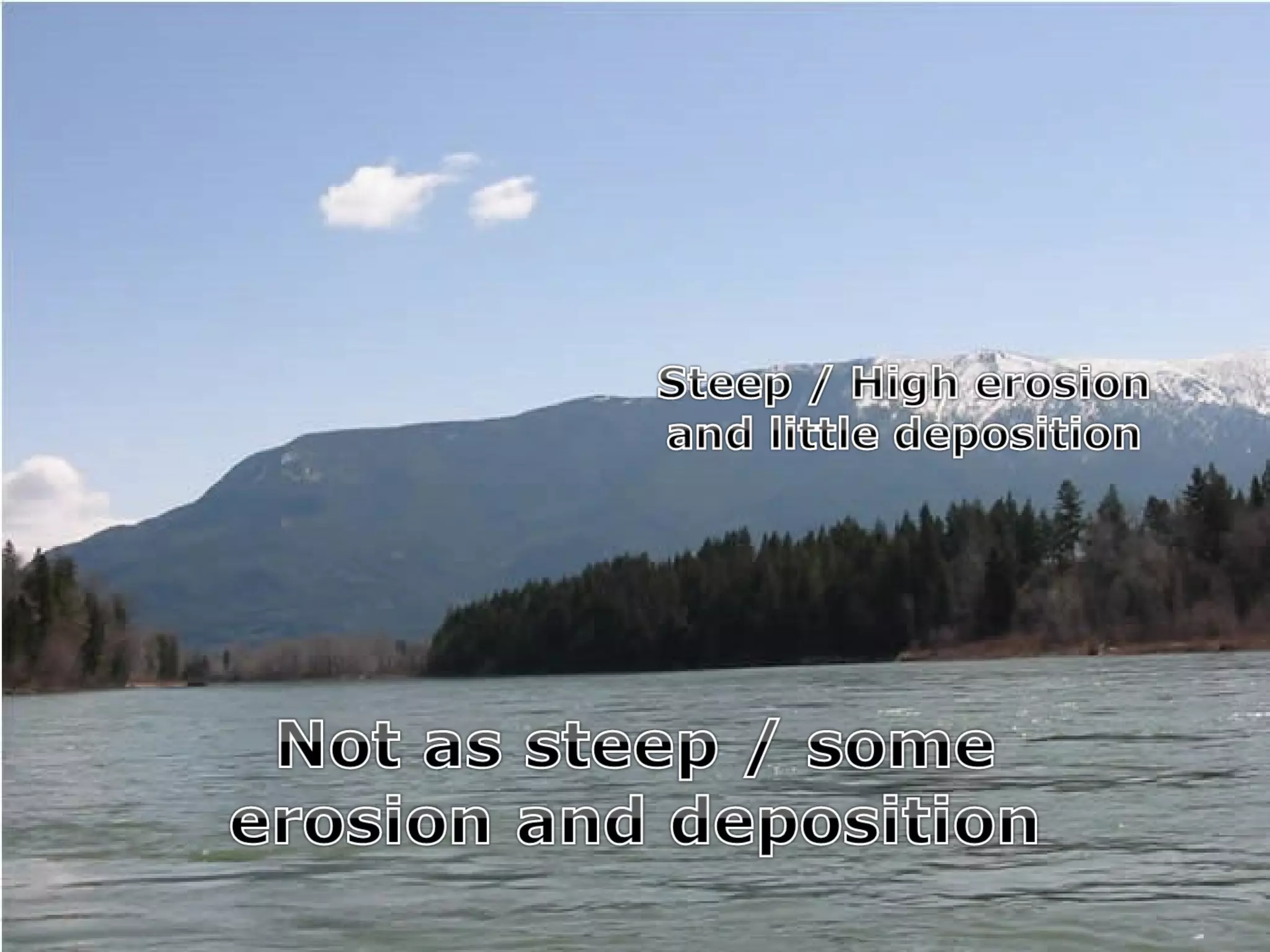
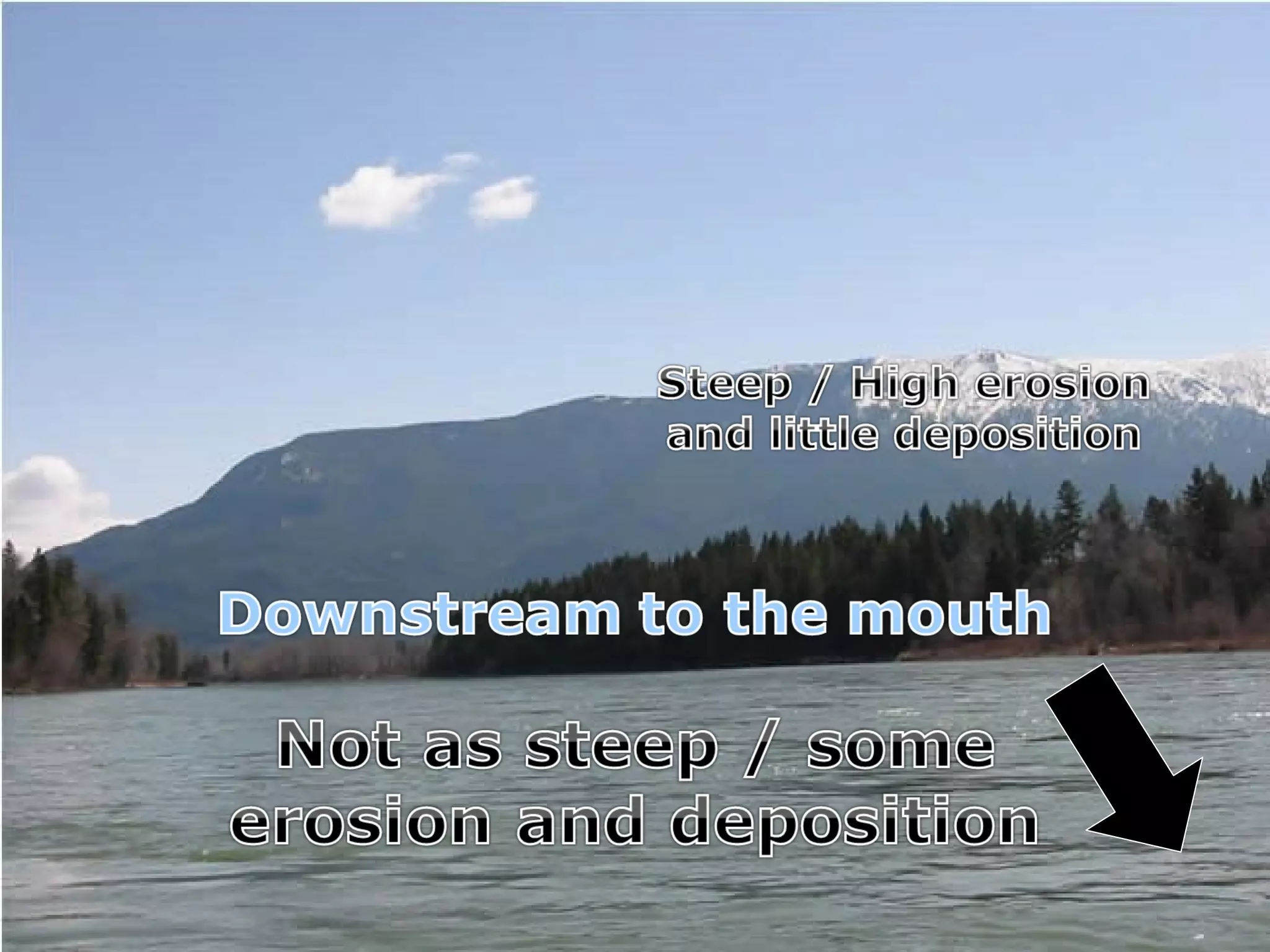
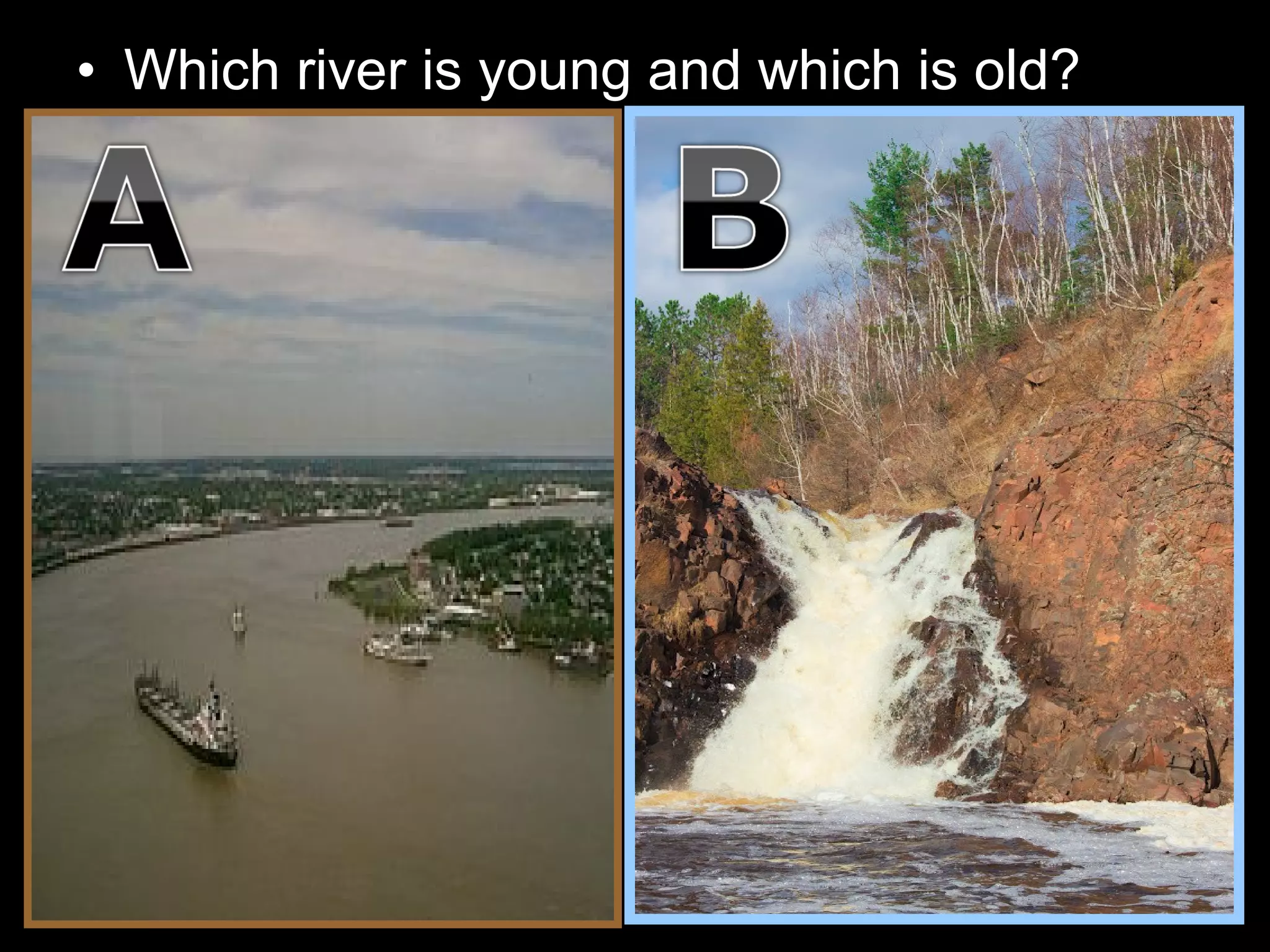
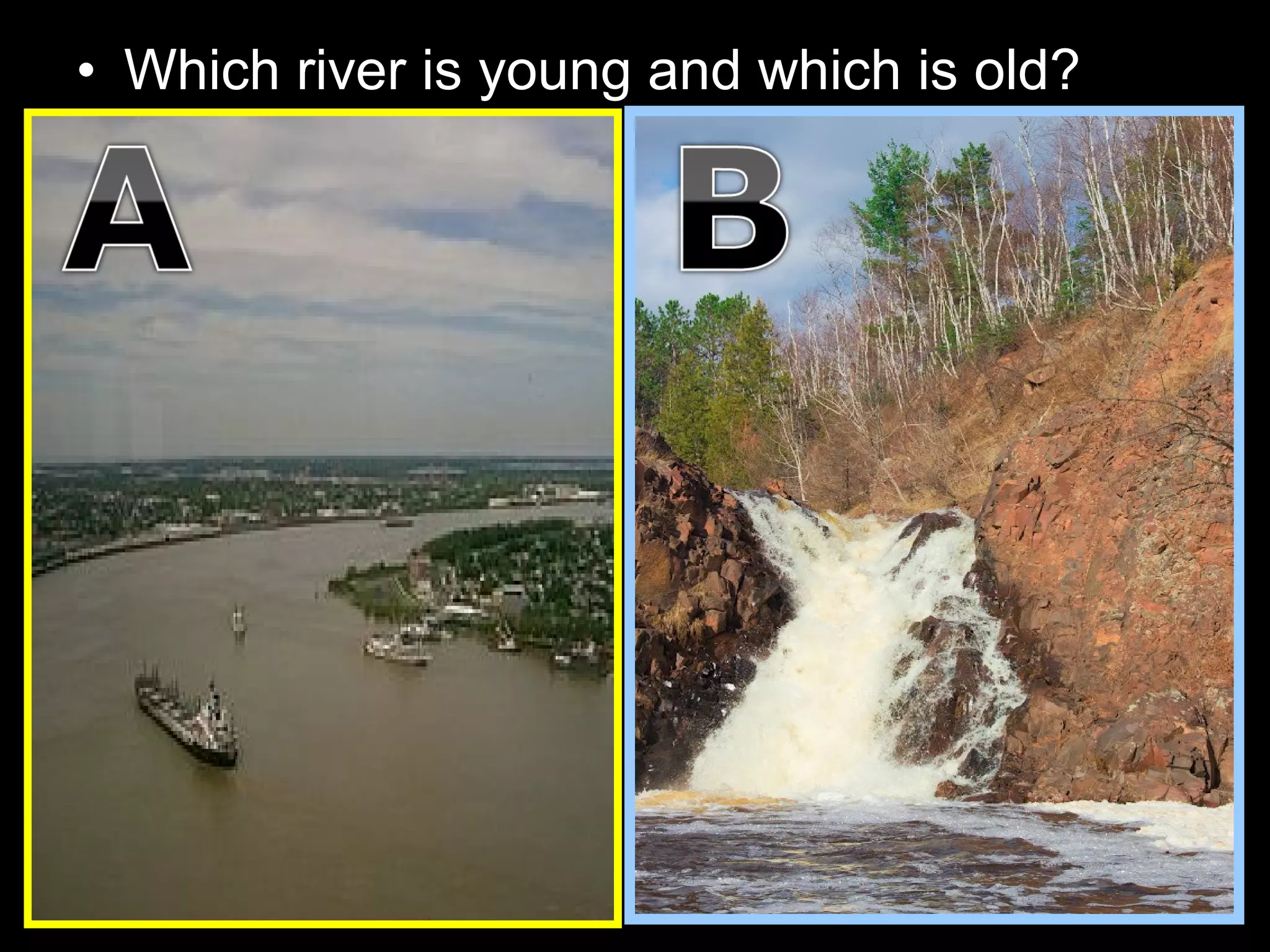
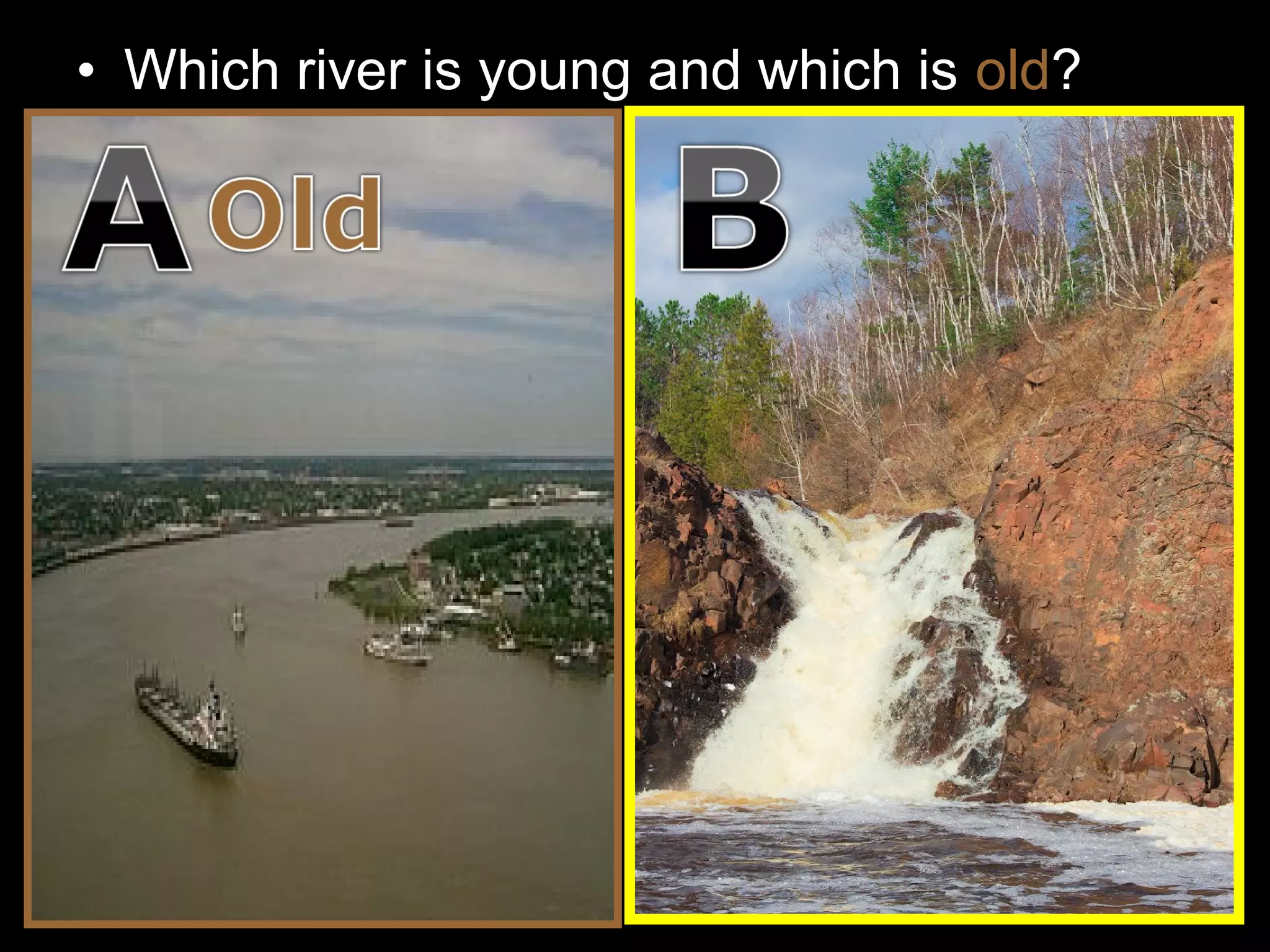
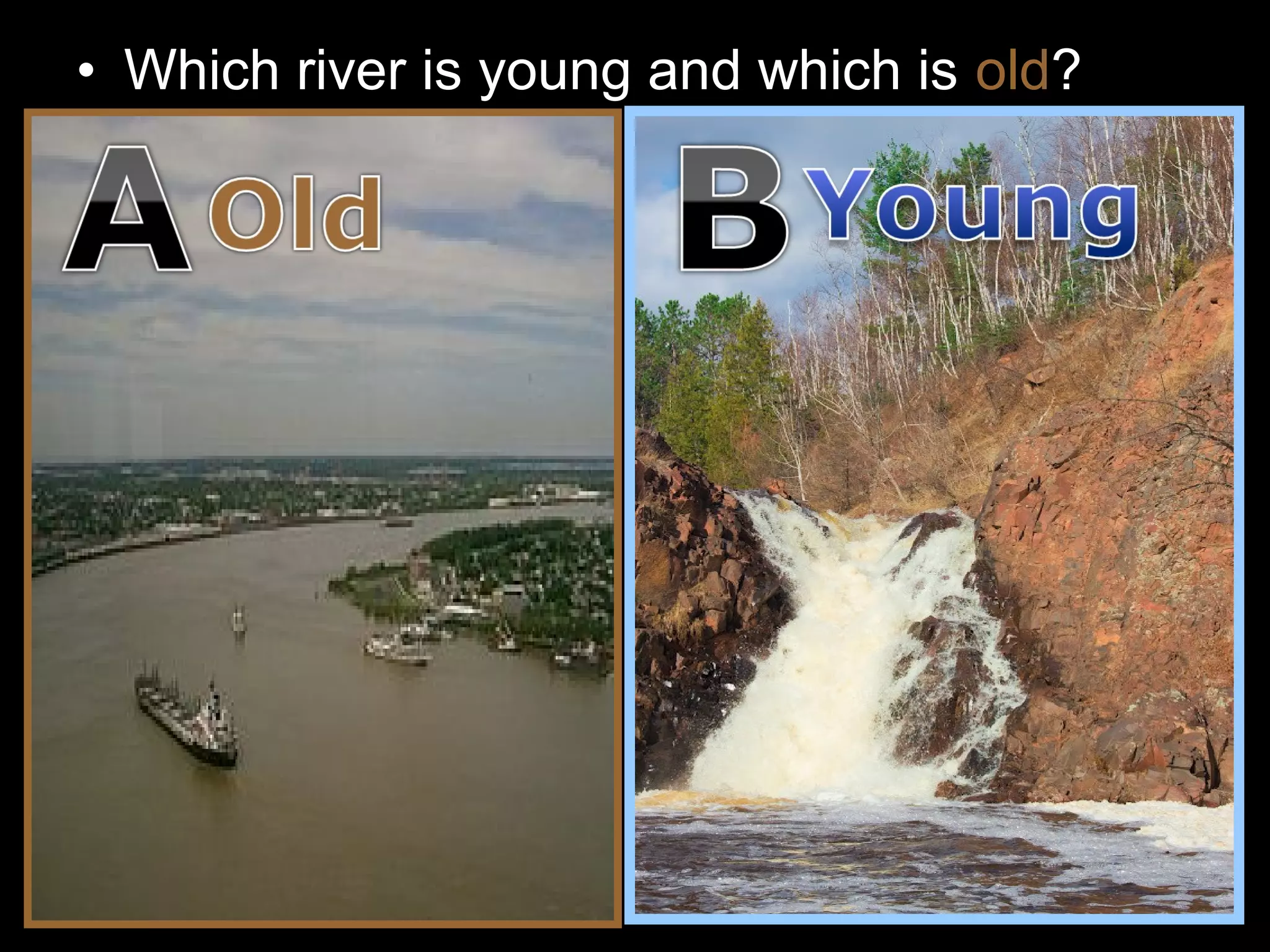
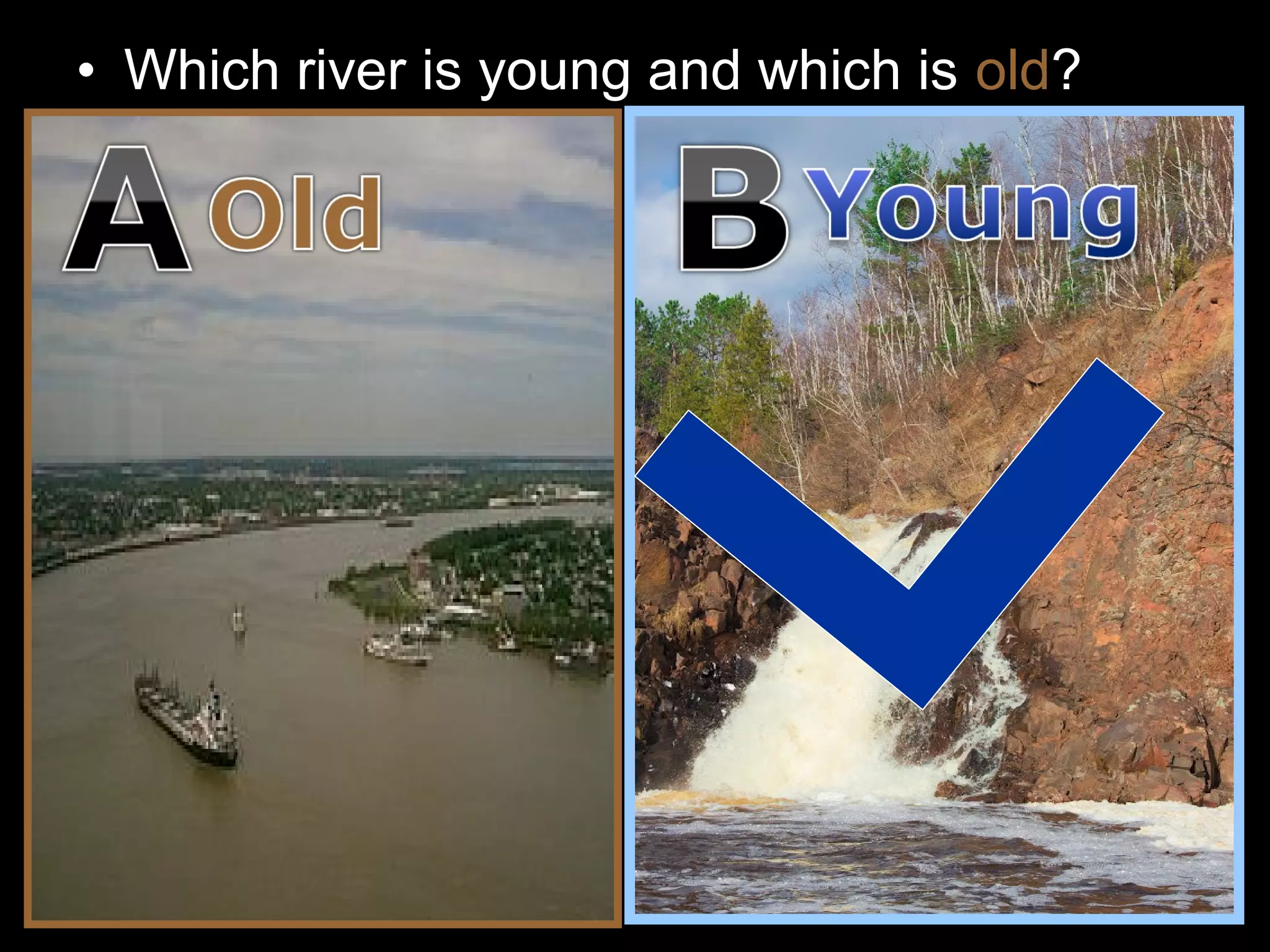
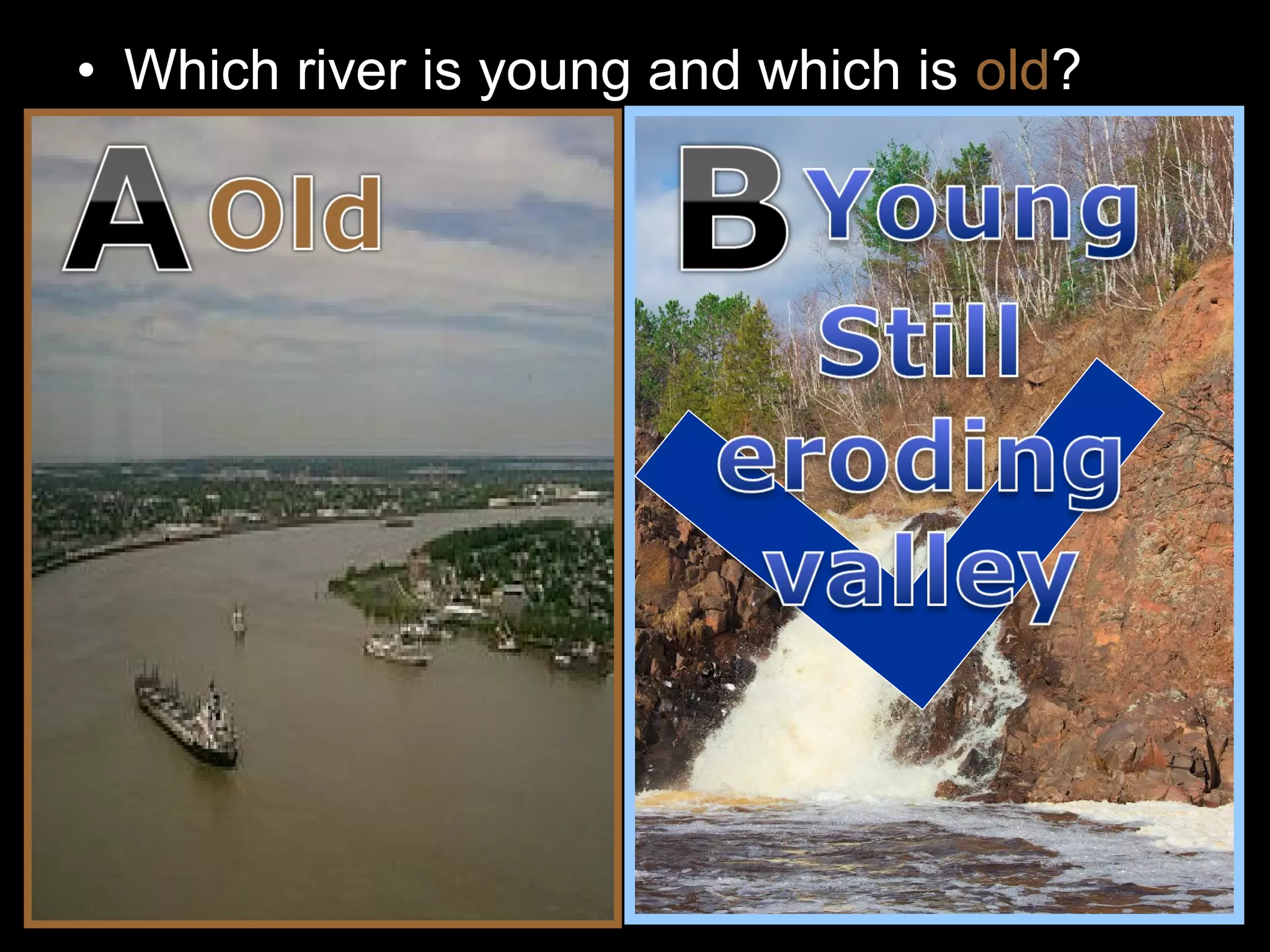
• Which river is young and which is old?
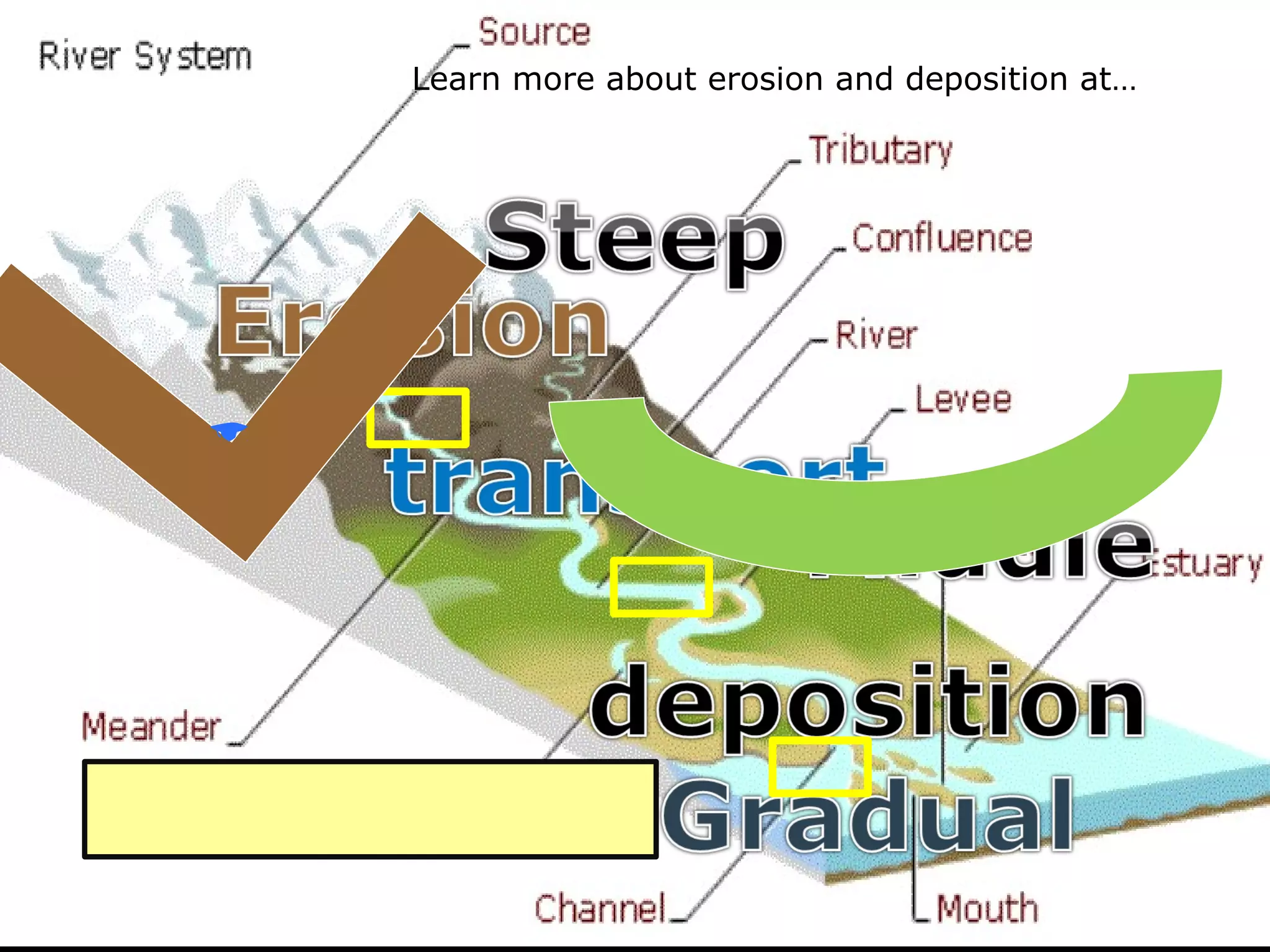
Learn more about erosion and deposition at…
http://www.physicalgeography.net/fundamental
s/10w.html
• http://sciencepowerpoint.com/
• This PowerPoint is only small part of my Rivers,
Lakes, and Water Quality Unit that I offer on TpT.
– This unit includes a four part 2,150 slide PowerPoint
roadmap.
– 13 page bundled homework, modified version, 8
pages of lesson notes, built-in visual quizzes, review
game, 23 video links, hands-on activities with
instructions and questions, crossword, rubrics,
projects, answer keys, readings, materials list,
curriculum guide, and much more.
– http://sciencepowerpoint.com/River_and_Water_Quali
ty_Unit.htm
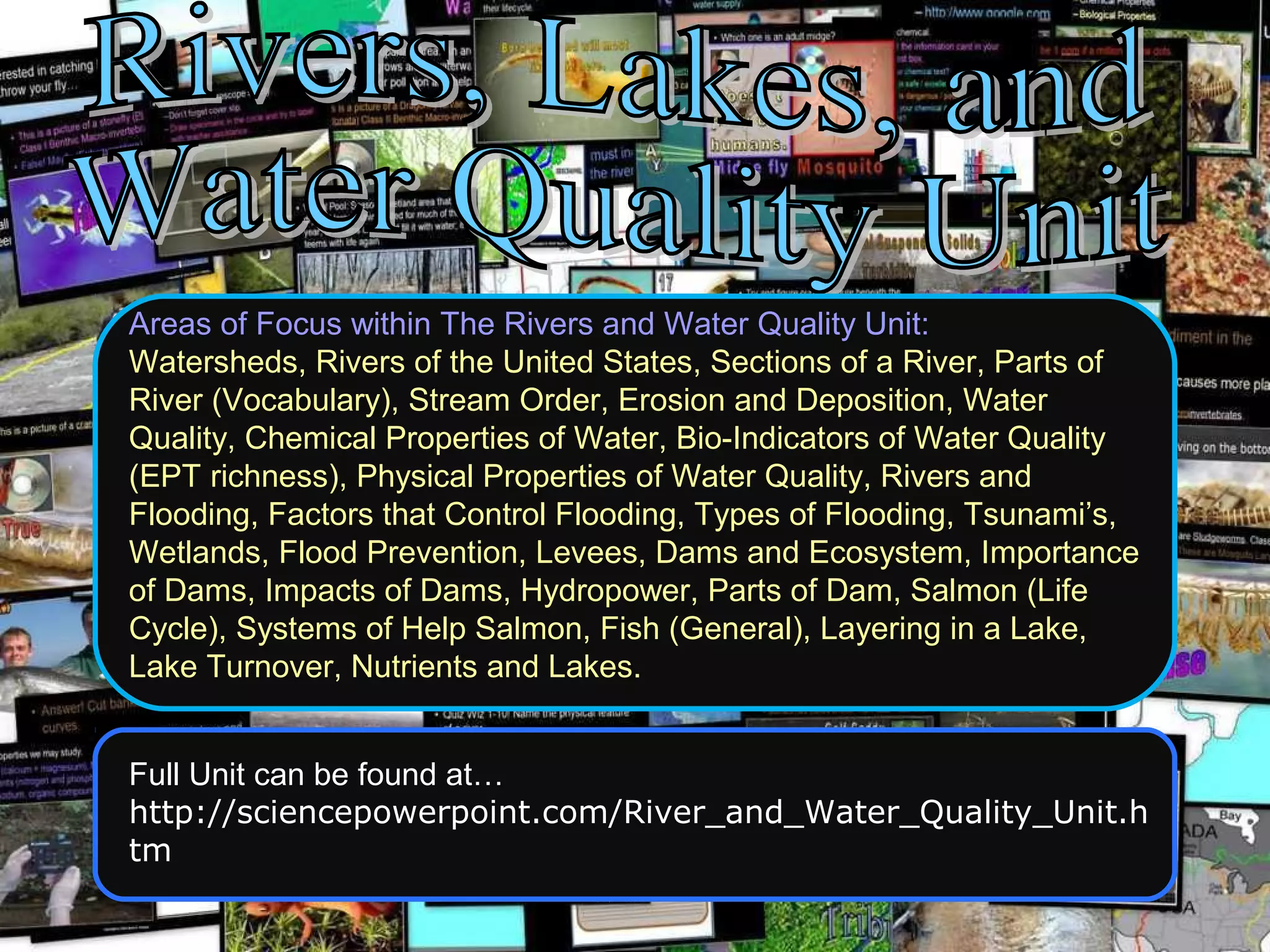
Areas of Focus within The Rivers and Water Quality Unit:
Watersheds, Rivers of the United States, Sections of a River, Parts of
River (Vocabulary), Stream Order, Erosion and Deposition, Water
Quality, Chemical Properties of Water, Bio-Indicators of Water Quality
(EPT richness), Physical Properties of Water Quality, Rivers and
Flooding, Factors that Control Flooding, Types of Flooding, Tsunami’s,
Wetlands, Flood Prevention, Levees, Dams and Ecosystem, Importance
of Dams, Impacts of Dams, Hydropower, Parts of Dam, Salmon (Life
Cycle), Systems of Help Salmon, Fish (General), Layering in a Lake,
Lake Turnover, Nutrients and Lakes.
Full Unit can be found at…
http://sciencepowerpoint.com/River_and_Water_Quality_Unit.h
tm
http://www.teacherspay
teachers.com/Product/P
hysical-Science-
Curriculum-596485
http://www.teachersp
ayteachers.com/Produ
ct/Life-Science-
Curriculum-601267
http://www.teachersp
ayteachers.com/Produ
ct/Earth-Science-
Curriculum-590950
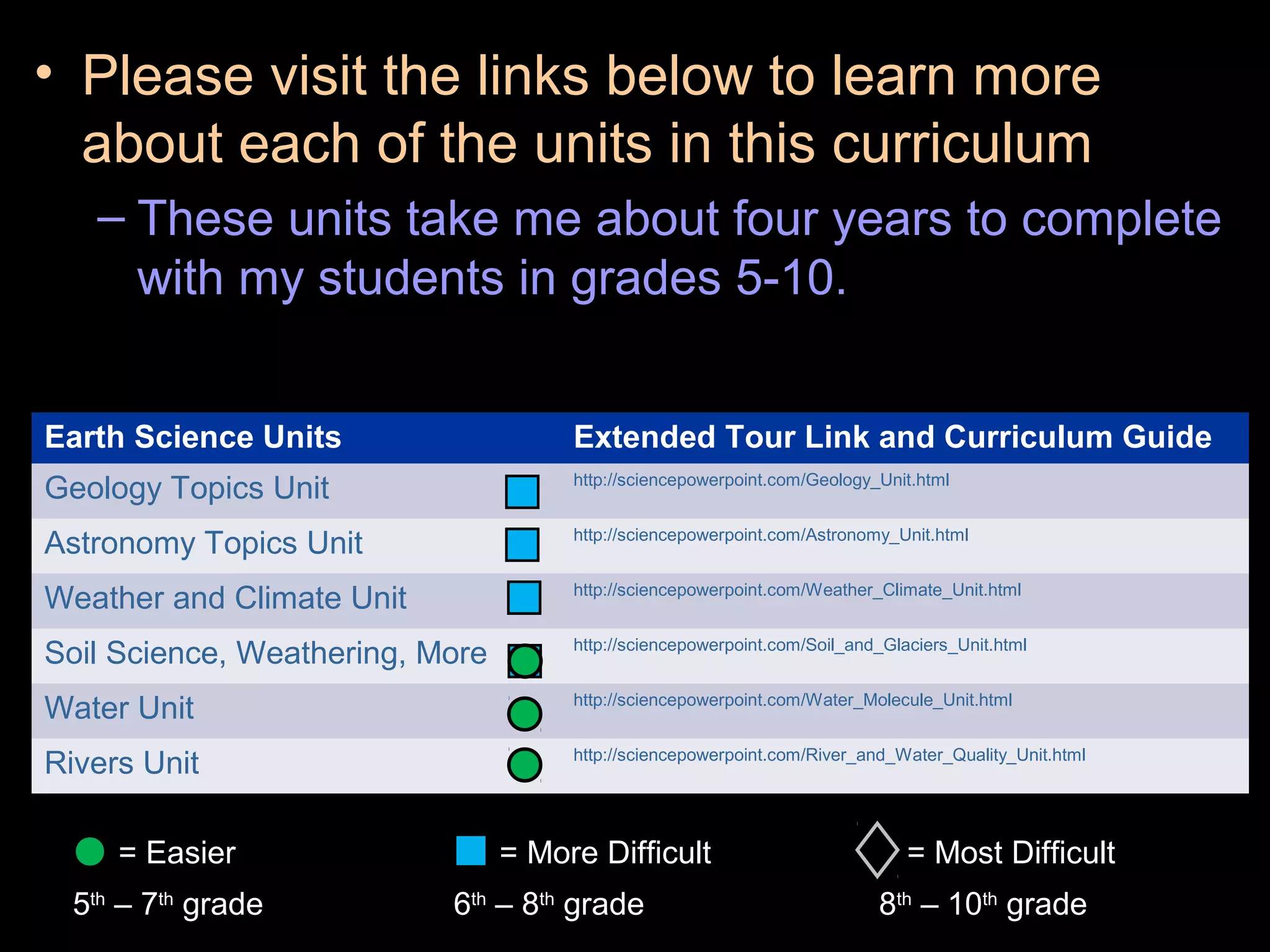
• Please visit the links below to learn more
about each of the units in this curriculum
– These units take me about four years to complete
with my students in grades 5-10.
Earth Science Units Extended Tour Link and Curriculum Guide
Geology Topics Unit http://sciencepowerpoint.com/Geology_Unit.html
Astronomy Topics Unit http://sciencepowerpoint.com/Astronomy_Unit.html
Weather and Climate Unit http://sciencepowerpoint.com/Weather_Climate_Unit.html
Soil Science, Weathering, More http://sciencepowerpoint.com/Soil_and_Glaciers_Unit.html
Water Unit http://sciencepowerpoint.com/Water_Molecule_Unit.html
Rivers Unit http://sciencepowerpoint.com/River_and_Water_Quality_Unit.html
= Easier = More Difficult = Most Difficult
5th
– 7th
grade 6th
– 8th
grade 8th
– 10th
grade
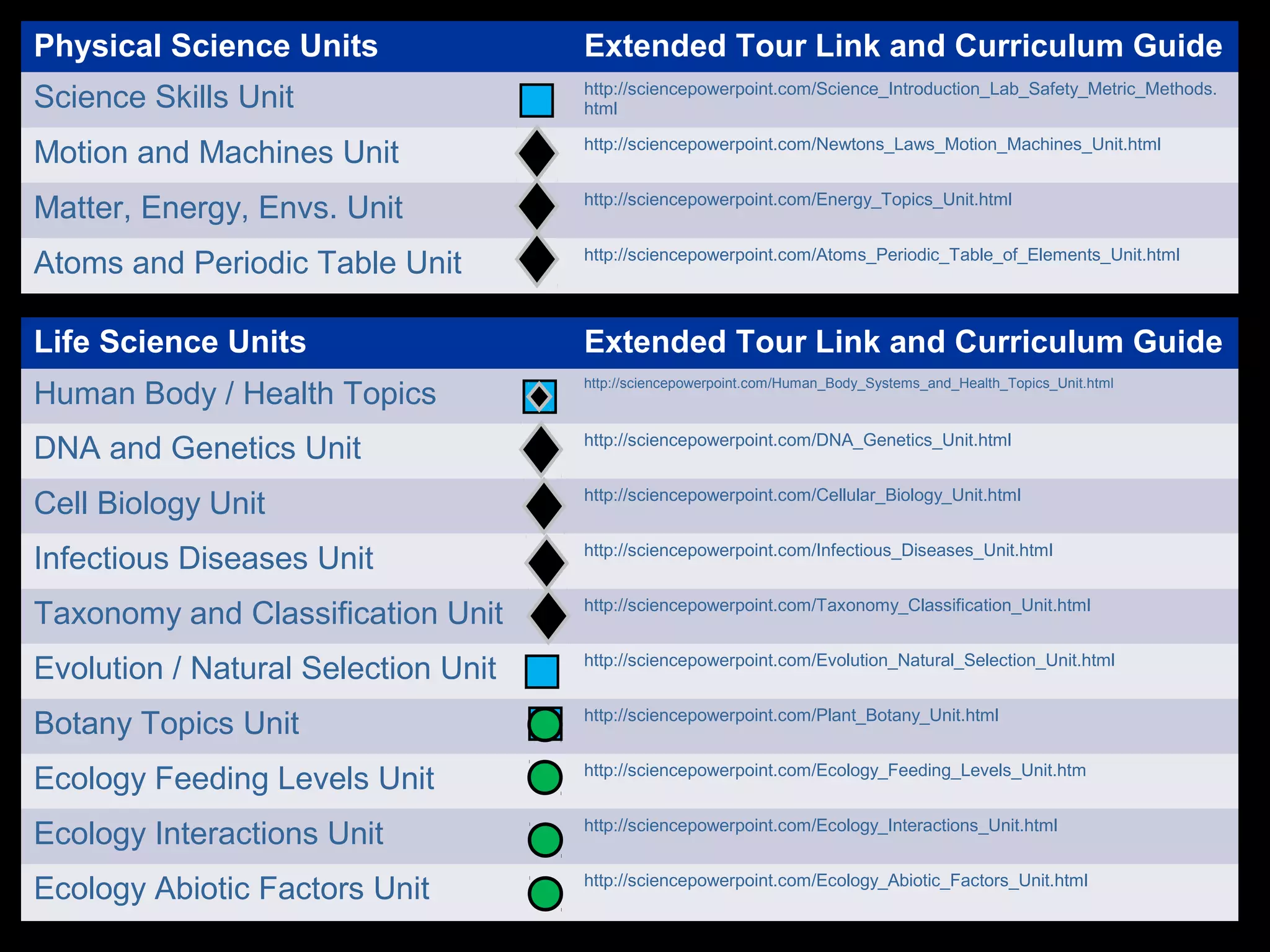
Physical Science Units Extended Tour Link and Curriculum Guide
Science Skills Unit http://sciencepowerpoint.com/Science_Introduction_Lab_Safety_Metric_Methods.
html
Motion and Machines Unit http://sciencepowerpoint.com/Newtons_Laws_Motion_Machines_Unit.html
Matter, Energy, Envs. Unit http://sciencepowerpoint.com/Energy_Topics_Unit.html
Atoms and Periodic Table Unit http://sciencepowerpoint.com/Atoms_Periodic_Table_of_Elements_Unit.html
Life Science Units Extended Tour Link and Curriculum Guide
Human Body / Health Topics
http://sciencepowerpoint.com/Human_Body_Systems_and_Health_Topics_Unit.html
DNA and Genetics Unit http://sciencepowerpoint.com/DNA_Genetics_Unit.html
Cell Biology Unit http://sciencepowerpoint.com/Cellular_Biology_Unit.html
Infectious Diseases Unit http://sciencepowerpoint.com/Infectious_Diseases_Unit.html
Taxonomy and Classification Unit http://sciencepowerpoint.com/Taxonomy_Classification_Unit.html
Evolution / Natural Selection Unit http://sciencepowerpoint.com/Evolution_Natural_Selection_Unit.html
Botany Topics Unit http://sciencepowerpoint.com/Plant_Botany_Unit.html
Ecology Feeding Levels Unit http://sciencepowerpoint.com/Ecology_Feeding_Levels_Unit.htm
Ecology Interactions Unit http://sciencepowerpoint.com/Ecology_Interactions_Unit.html
Ecology Abiotic Factors Unit http://sciencepowerpoint.com/Ecology_Abiotic_Factors_Unit.html
• The entire four year curriculum can be found
at... http://sciencepowerpoint.com/ Please feel
free to contact me with any questions you may
have. Thank you for your interest in this
curriculum.
Sincerely,
Ryan Murphy M.Ed
• http://sciencepowerpoint.com/

Watersheds PowerPoint

  • 3.
    • RED SLIDE:These are notes that are very important and should be recorded in your science journal. Copyright © 2010 Ryan P. Murphy
  • 4.
    -Nice neat notesthat are legible and use indentations when appropriate. -Example of indent. -Skip a line between topics -Don’t skip pages -Make visuals clear and well drawn.
  • 5.
    • RED SLIDE:These are notes that are very important and should be recorded in your science journal. • BLACK SLIDE: Pay attention, follow directions, complete projects as described and answer required questions neatly. Copyright © 2010 Ryan P. Murphy
  • 6.
  • 8.
    Copyright © 2010Ryan P. Murphy This science unit belongs to Ryan P Murphy Copyright 2010
  • 9.
    Area of Focus:WatershedsArea of Focus: Watersheds Copyright © 2010 Ryan P. Murphy
  • 10.
    Area of Focus:WatershedsArea of Focus: Watersheds Copyright © 2010 Ryan P. Murphy
  • 11.
    Watershed: The regiondraining into aWatershed: The region draining into a river.river. Copyright © 2010 Ryan P. Murphy
  • 13.
    • Picture ofthe Mississippi River Watershed. – This watershed is the largest in the United States. Copyright © 2010 Ryan P. Murphy
  • 14.
    • Picture ofthe Mississippi River Watershed. – This watershed is the largest in the United States. Copyright © 2010 Ryan P. Murphy
  • 28.
    • What doyou think the Great Basin is?
  • 29.
    • What doyou think the Great Basin is?
  • 30.
    • The GreatBasin is a watershed where the water does not flow to the ocean. – The Great Salt Lake is in the Great Basin. Copyright © 2010 Ryan P. Murphy
  • 31.
    The salt contentis very high which makes the water more dense and you more buoyant.
  • 32.
    Copyright © 2010Ryan P. Murphy
  • 33.
    Copyright © 2010Ryan P. Murphy
  • 34.
    Copyright © 2010Ryan P. Murphy
  • 35.
    Copyright © 2010Ryan P. Murphy
  • 36.
    Copyright © 2010Ryan P. Murphy
  • 37.
    Copyright © 2010Ryan P. Murphy
  • 39.
    • Which lettersrepresent places we would find the largest rivers.
  • 40.
    • Which lettersrepresent places we would find the largest rivers.
  • 41.
    • Which lettersrepresent places we would find the largest rivers.
  • 42.
    • Which lettersrepresent places we would find the largest rivers.
  • 43.
    • Which lettersrepresent places we would find the largest rivers.
  • 44.
    • Which lettersrepresent places we would find the largest rivers.
  • 45.
    • Which lettersrepresent places we would find the largest rivers.
  • 46.
    • Which lettersrepresent places we would find the largest rivers.
  • 47.
    • Which lettersrepresent places we would find the largest rivers.
  • 48.
    • Which lettersrepresent places we would find the largest rivers.
  • 49.
    • Which lettersrepresent places we would find the largest rivers.
  • 50.
    • Which lettersrepresent places we would find the largest rivers.
  • 51.
    • Which lettersrepresent places we would find the largest rivers.
  • 52.
    • Which lettersrepresent places we would find the largest rivers.
  • 53.
    • Which lettersrepresent places we would find the largest rivers.
  • 54.
    • Which lettersrepresent places we would find the largest rivers.
  • 65.
    Watersheds. Learn moreat… http://ga.water.usgs.gov/edu/watershed.html
  • 66.
    • You cannow complete this question.
  • 67.
    • You cannow complete this question.
  • 69.
    • What aresome of the major rivers in the United States? Copyright © 2010 Ryan P. Murphy
  • 73.
  • 74.
  • 75.
  • 76.
  • 92.
    • Activity Worksheet!Please color code some of the major watersheds in the US. – Example on next slide. Copyright © 2010 Ryan P. Murphy
  • 103.
    • Activity! Finda .jpeg Image of your states rivers and create your own local watershed map.
  • 104.
    Example of NewHampshire
  • 110.
  • 111.
    • You cannow complete this question.
  • 113.
    • Where dorivers start? Copyright © 2010 Ryan P. Murphy
  • 114.
    • Most riversstart in the mountains and work their way downhill. Copyright © 2010 Ryan P. Murphy
  • 115.
    • Most riversstart in the mountains and work their way downhill. – Water always travels downhill toward the path of least resistance. Copyright © 2010 Ryan P. Murphy
  • 118.
    • Does theriver with the yellow flow into the river with the blue? Copyright © 2010 Ryan P. Murphy
  • 119.
    • Answer! No,smaller rivers feed into larger rivers. Copyright © 2010 Ryan P. Murphy
  • 120.
    • Which directionis the largest river flowing? – How do you know? Copyright © 2010 Ryan P. Murphy
  • 121.
    • Answer! Theriver is flowing to the left. – You can tell by the following clues. Copyright © 2010 Ryan P. Murphy
  • 122.
    • The clearwater is mixing with the cloudier water in a downriver direction. Copyright © 2010 Ryan P. Murphy
  • 123.
    • The shallowIslands / sand bars in the middle are shaped with points facing the direction of the current. Copyright © 2010 Ryan P. Murphy
  • 124.
    • The shallowIslands / sand bars in the middle are shaped with points facing the direction of the current. Copyright © 2010 Ryan P. Murphy
  • 125.
    • The shallowIslands / sand bars in the middle are shaped with points facing the direction of the current. Copyright © 2010 Ryan P. Murphy
  • 126.
    • The shallowIslands / sand bars in the middle are shaped with points facing the direction of the current. Copyright © 2010 Ryan P. Murphy
  • 127.
    Parts of ariverParts of a river -- -- -- -- Copyright © 2010 Ryan P. Murphy
  • 128.
    • The headwaters. Copyright© 2010 Ryan P. Murphy
  • 129.
    Headwaters: Extreme upperreaches of aHeadwaters: Extreme upper reaches of a stream.stream. Copyright © 2010 Ryan P. Murphy
  • 134.
    • In theheadwater streams, light is blocked by trees making plant life in the streams scarce.
  • 135.
    • In theheadwater streams, light is blocked by trees making plant life in the streams scarce.
  • 136.
    • In theheadwater streams, light is blocked by trees making plant life in the streams scarce.
  • 137.
    • In theheadwater streams, light is blocked by trees making plant life in the streams scarce. – Also less nutrients available.
  • 143.
    • Video Link!(Optional) Headwaters and whitewater kayaking. – A few minutes only. – http://www.youtube.com/watch? v=VhVutD_7nTs&feature=related
  • 144.
  • 145.
    Downriver: Between headwatersandDownriver: Between headwaters and floodplain.floodplain. Copyright © 2010 Ryan P. Murphy
  • 148.
     Tributary: Astream or river which flows into aTributary: A stream or river which flows into a mainstream.mainstream. Copyright © 2010 Ryan P. Murphy
  • 149.
    • Which letteris the tributary?
  • 150.
    • Which letteris the tributary?
  • 153.
    • If afriend told you to meet them at the confluence, where should you go? Copyright © 2010 Ryan P. Murphy
  • 154.
    • If afriend told you to meet them at the confluence, where should you go? Copyright © 2010 Ryan P. Murphy
  • 155.
    • If afriend told you to meet them at the confluence, where should you go? Copyright © 2010 Ryan P. Murphy
  • 156.
  • 157.
    Floodplain: The relativelyflat land adjacentFloodplain: The relatively flat land adjacent to a river channel that is underwater whento a river channel that is underwater when the river floods.the river floods. Copyright © 2010 Ryan P. Murphy
  • 161.
  • 162.
    River at normalflow River at flood stage
  • 163.
  • 173.
    • The watercarries more sediment in the floodplain.
  • 174.
    • The watercarries more sediment in the floodplain. – More light and nutrients also causes more plant matter to grow.
  • 183.
    Learn more aboutfloodplains at… http://www.cees.iupui.edu/education/Information_Resources/floo dplains.htm
  • 184.
    • Activity! GoogleEarth Opportunity. – Use Google Earth to look at the floodplain section of a local river. – http://www.google.com/earth/index.html Copyright © 2010 Ryan P. Murphy
  • 185.
    Mouth / Delta.Mouth/ Delta. Copyright © 2010 Ryan P. Murphy
  • 186.
    Mouth/Delta: An areaformed from theMouth/Delta: An area formed from the deposition of sediments at the mouth of adeposition of sediments at the mouth of a river.river. Copyright © 2010 Ryan P. Murphy
  • 195.
    • Estuary: thearea where a river meets the sea or ocean, where fresh water from the river meets salt water from the sea (tidal) Copyright © 2010 Ryan P. Murphy
  • 196.
    • Many aquaticspecies from the ocean can be found in the mouth / delta as the ocean water mixes with the freshwater. Copyright © 2010 Ryan P. Murphy
  • 197.
    • Many aquaticspecies from the ocean can be found in the mouth / delta as the ocean water mixes with the freshwater. Copyright © 2010 Ryan P. Murphy
  • 198.
    • Many aquaticspecies from the ocean can be found in the mouth / delta as the ocean water mixes with the freshwater. Copyright © 2010 Ryan P. Murphy
  • 199.
    • On thenext slide please put the river together by having the teacher minimize out of slideshow and assist students to complete the puzzle. – Identify Headwaters, Downriver, Floodplain, Mouth / Delta
  • 218.
    Learn more aboutriver deltas at… http://www.britannica.com/EBchecked/topic/156797/delta
  • 219.
    Stream Order: Aclassification system forStream Order: A classification system for rivers.rivers. Copyright © 2010 Ryan P. Murphy
  • 220.
    • Activity! Pleasesketch this river in your journal.
  • 221.
  • 222.
  • 223.
  • 224.
  • 225.
  • 226.
  • 227.
  • 228.
  • 229.
  • 230.
  • 231.
  • 232.
  • 233.
  • 234.
  • 235.
    1 1 1 1 1 1 1 1 1 1 1 1 1 1 1 1 11 2 2 2 2 2 2 2 3 3 4
  • 236.
    1 1 1 1 1 1 1 1 1 1 1 1 1 1 1 1 11 2 2 2 2 2 2 2 3 3 4 Stream Order = 4
  • 237.
    • Activity! Trythis one on your own.
  • 238.
  • 239.
    • When twofirst order streams meet = 11 1 1 11 1 1 1 1
  • 240.
    • Forms secondorder stream. 11 1 1 11 1 1 1 1 2
  • 241.
  • 242.
  • 243.
  • 244.
    • When twosecond order streams meet? 11 1 1 11 1 1 1 1 2 2 2
  • 245.
    • Forms athird order stream. 11 1 1 11 1 1 1 1 2 2 2 3
  • 246.
    • When athird order meets a second order? 11 1 1 11 1 1 1 1 2 2 2 3
  • 247.
    • Stays athird order stream.. 11 1 1 11 1 1 1 1 2 2 2 3 3
  • 248.
    • Answer: StreamOrder of 3 11 1 1 11 1 1 1 1 2 2 2 3 3 Stream Order = 3
  • 249.
    • What numbersare under the boxes? 1 1 1 1 1 1 1 1 1 2 2 2 1 1 1 2 1 2 3 3 1 1 1 4 1 1
  • 250.
    • What numbersare under the boxes? 1 1 1 1 1 1 1 1 1 2 2 2 1 1 1 2 1 2 3 3 1 1 1 4 1 1
  • 251.
    • What numbersare under the boxes? 1 1 1 1 1 1 1 1 1 2 2 2 1 1 1 2 1 2 3 3 1 1 1 4 1 1
  • 252.
    • What numbersare under the boxes? 1 1 1 1 1 1 1 1 1 2 2 2 1 1 1 2 1 2 3 3 1 1 1 4 1 1
  • 253.
    • What numbersare under the boxes? 1 1 1 1 1 1 1 1 1 2 2 2 1 1 1 2 1 2 3 3 1 1 1 4 1 1
  • 254.
    • What numbersare under the boxes? 1 1 1 1 1 1 1 1 1 2 2 2 1 1 1 2 1 2 3 3 1 1 1 4 1 1
  • 255.
    • What numbersare under the boxes? 1 1 1 1 1 1 1 1 1 2 2 2 1 1 1 2 1 2 3 3 1 1 1 4 1 1
  • 256.
    • What numbersare under the boxes? 1 1 1 1 1 1 1 1 1 2 2 2 1 1 1 2 1 2 3 3 1 1 1 4 1 1
  • 257.
    • What numbersare under the boxes? 1 1 1 1 1 1 1 1 1 2 2 2 1 1 1 2 1 2 3 3 1 1 1 4 1 1
  • 258.
    • What numbersare under the boxes? 1 1 1 1 1 1 1 1 1 2 2 2 1 1 1 2 1 2 3 3 1 1 1 4 1 1
  • 259.
    • What numbersare under the boxes? 1 1 1 1 1 1 1 1 1 2 2 2 1 1 1 2 1 2 3 3 1 1 1 4 1 1
  • 260.
    • You cannow complete this question.
  • 262.
    • Activity! Designinga River – The class will design a river from Headwaters to the Mouth/Delta putting as much information from the sheets as possible into your work. – The river will be needed on an upcoming assessment. – Each group of four or more gets four sheets. Plan the width of the river accordingly. – Your section should line up with the group down river and upriver. – Only use light colored pencils “everybody” – Worth a two class grades (your part, your groups part.) Copyright © 2010 Ryan P. Murphy
  • 264.
    • Example ofpossibilities. – Groups will need to collaborate to make the river reach the ocean. Copyright © 2010 Ryan P. Murphy
  • 265.
    Copyright © 2010Ryan P. Murphy
  • 266.
    • The groupssketch out the path of the river. Copyright © 2010 Ryan P. Murphy
  • 267.
    • The groupssketch out the path of the river. – Your group must begin and end with the groups in front and behind. Copyright © 2010 Ryan P. Murphy
  • 268.
    • The headwatergroup starts the process working together by creating many small streams that flow into one river. Copyright © 2010 Ryan P. Murphy
  • 269.
    Copyright © 2010Ryan P. Murphy
  • 270.
    Copyright © 2010Ryan P. Murphy
  • 271.
    Copyright © 2010Ryan P. Murphy
  • 272.
    Copyright © 2010Ryan P. Murphy
  • 273.
    • The downrivergroup must include a few tributaries that make the river larger.
  • 274.
    • The downrivergroup must include a few tributaries that make the river larger.
  • 275.
    • The downrivergroup must include a few tributaries that make the river larger.
  • 279.
    • The floodplainshould slowly meander through the groups pages and connect to the mouth / delta. Copyright © 2010 Ryan P. Murphy
  • 280.
    Copyright © 2010Ryan P. Murphy
  • 281.
    Copyright © 2010Ryan P. Murphy
  • 282.
    Copyright © 2010Ryan P. Murphy
  • 283.
    Copyright © 2010Ryan P. Murphy
  • 284.
    • The mouth/ delta should mix with the ocean with many branches and islands / sediment. Copyright © 2010 Ryan P. Murphy
  • 285.
    Copyright © 2010Ryan P. Murphy
  • 286.
    Copyright © 2010Ryan P. Murphy
  • 287.
    Copyright © 2010Ryan P. Murphy
  • 288.
    Copyright © 2010Ryan P. Murphy
  • 289.
    Copyright © 2010Ryan P. Murphy
  • 290.
    Copyright © 2010Ryan P. Murphy = Text
  • 291.
    • Break intogroups of 4. Read the information packet provided in the rivers folder provide some info to your river page. Learn more: http://www.tulane.edu/~sanels on/geol111/streams.htm
  • 292.
    • Each studentis responsible for one part of a large project. – You get an individual grade and a group grade. – Your individual grade is based on your portion and behavior. Copyright © 2010 Ryan P. Murphy
  • 293.
    The following isa list of vocabulary you will need when you create the river from the mountains to the sea. • Deposition • Braided Stream • Alluvial Fan • Levee • Estuary • Riparian Area • Tributary • Waterfall • Watershed • Meander • Oxbow Lake • Old-Channel • Cutbank • Riffles • Pool • Terraces • Watershed Copyright © 2010 Ryan P. Murphy
  • 295.
  • 296.
  • 297.
  • 298.
  • 299.
  • 300.
  • 301.
    • You cannow complete this question.
  • 303.
    Erosion: Process wherefragments of soilErosion: Process where fragments of soil and rock are broken off from the surfaceand rock are broken off from the surface and carried away.and carried away. Copyright © 2010 Ryan P. Murphy
  • 304.
    Copyright © 2010Ryan P. Murphy
  • 305.
    Copyright © 2010Ryan P. Murphy
  • 306.
    Deposition: Process bywhich fragments ofDeposition: Process by which fragments of rock are deposited in a new location.rock are deposited in a new location. Copyright © 2010 Ryan P. Murphy
  • 307.
    Deposition: Process bywhich fragments ofDeposition: Process by which fragments of rock are deposited in a new location.rock are deposited in a new location. Copyright © 2010 Ryan P. Murphy
  • 308.
    Deposition: Process bywhich fragments ofDeposition: Process by which fragments of rock are deposited in a new location.rock are deposited in a new location. Copyright © 2010 Ryan P. Murphy
  • 309.
    Deposition: Process bywhich fragments ofDeposition: Process by which fragments of rock are deposited in a new location.rock are deposited in a new location. Copyright © 2010 Ryan P. Murphy
  • 310.
    Deposition: Process bywhich fragments ofDeposition: Process by which fragments of rock are deposited in a new location.rock are deposited in a new location. Copyright © 2010 Ryan P. Murphy
  • 324.
    • Which riveris young and which is old?
  • 325.
    • Which riveris young and which is old?
  • 326.
    • Which riveris young and which is old?
  • 327.
    • Which riveris young and which is old?
  • 328.
    • Which riveris young and which is old?
  • 329.
    • Which riveris young and which is old?
  • 330.
    • Which riveris young and which is old?
  • 344.
    Learn more abouterosion and deposition at… http://www.physicalgeography.net/fundamental s/10w.html
  • 345.
  • 346.
    • This PowerPointis only small part of my Rivers, Lakes, and Water Quality Unit that I offer on TpT. – This unit includes a four part 2,150 slide PowerPoint roadmap. – 13 page bundled homework, modified version, 8 pages of lesson notes, built-in visual quizzes, review game, 23 video links, hands-on activities with instructions and questions, crossword, rubrics, projects, answer keys, readings, materials list, curriculum guide, and much more. – http://sciencepowerpoint.com/River_and_Water_Quali ty_Unit.htm
  • 348.
    Areas of Focuswithin The Rivers and Water Quality Unit: Watersheds, Rivers of the United States, Sections of a River, Parts of River (Vocabulary), Stream Order, Erosion and Deposition, Water Quality, Chemical Properties of Water, Bio-Indicators of Water Quality (EPT richness), Physical Properties of Water Quality, Rivers and Flooding, Factors that Control Flooding, Types of Flooding, Tsunami’s, Wetlands, Flood Prevention, Levees, Dams and Ecosystem, Importance of Dams, Impacts of Dams, Hydropower, Parts of Dam, Salmon (Life Cycle), Systems of Help Salmon, Fish (General), Layering in a Lake, Lake Turnover, Nutrients and Lakes. Full Unit can be found at… http://sciencepowerpoint.com/River_and_Water_Quality_Unit.h tm
  • 352.
  • 353.
    • Please visitthe links below to learn more about each of the units in this curriculum – These units take me about four years to complete with my students in grades 5-10. Earth Science Units Extended Tour Link and Curriculum Guide Geology Topics Unit http://sciencepowerpoint.com/Geology_Unit.html Astronomy Topics Unit http://sciencepowerpoint.com/Astronomy_Unit.html Weather and Climate Unit http://sciencepowerpoint.com/Weather_Climate_Unit.html Soil Science, Weathering, More http://sciencepowerpoint.com/Soil_and_Glaciers_Unit.html Water Unit http://sciencepowerpoint.com/Water_Molecule_Unit.html Rivers Unit http://sciencepowerpoint.com/River_and_Water_Quality_Unit.html = Easier = More Difficult = Most Difficult 5th – 7th grade 6th – 8th grade 8th – 10th grade
  • 354.
    Physical Science UnitsExtended Tour Link and Curriculum Guide Science Skills Unit http://sciencepowerpoint.com/Science_Introduction_Lab_Safety_Metric_Methods. html Motion and Machines Unit http://sciencepowerpoint.com/Newtons_Laws_Motion_Machines_Unit.html Matter, Energy, Envs. Unit http://sciencepowerpoint.com/Energy_Topics_Unit.html Atoms and Periodic Table Unit http://sciencepowerpoint.com/Atoms_Periodic_Table_of_Elements_Unit.html Life Science Units Extended Tour Link and Curriculum Guide Human Body / Health Topics http://sciencepowerpoint.com/Human_Body_Systems_and_Health_Topics_Unit.html DNA and Genetics Unit http://sciencepowerpoint.com/DNA_Genetics_Unit.html Cell Biology Unit http://sciencepowerpoint.com/Cellular_Biology_Unit.html Infectious Diseases Unit http://sciencepowerpoint.com/Infectious_Diseases_Unit.html Taxonomy and Classification Unit http://sciencepowerpoint.com/Taxonomy_Classification_Unit.html Evolution / Natural Selection Unit http://sciencepowerpoint.com/Evolution_Natural_Selection_Unit.html Botany Topics Unit http://sciencepowerpoint.com/Plant_Botany_Unit.html Ecology Feeding Levels Unit http://sciencepowerpoint.com/Ecology_Feeding_Levels_Unit.htm Ecology Interactions Unit http://sciencepowerpoint.com/Ecology_Interactions_Unit.html Ecology Abiotic Factors Unit http://sciencepowerpoint.com/Ecology_Abiotic_Factors_Unit.html
  • 355.
    • The entirefour year curriculum can be found at... http://sciencepowerpoint.com/ Please feel free to contact me with any questions you may have. Thank you for your interest in this curriculum. Sincerely, Ryan Murphy M.Ed
  • 356.