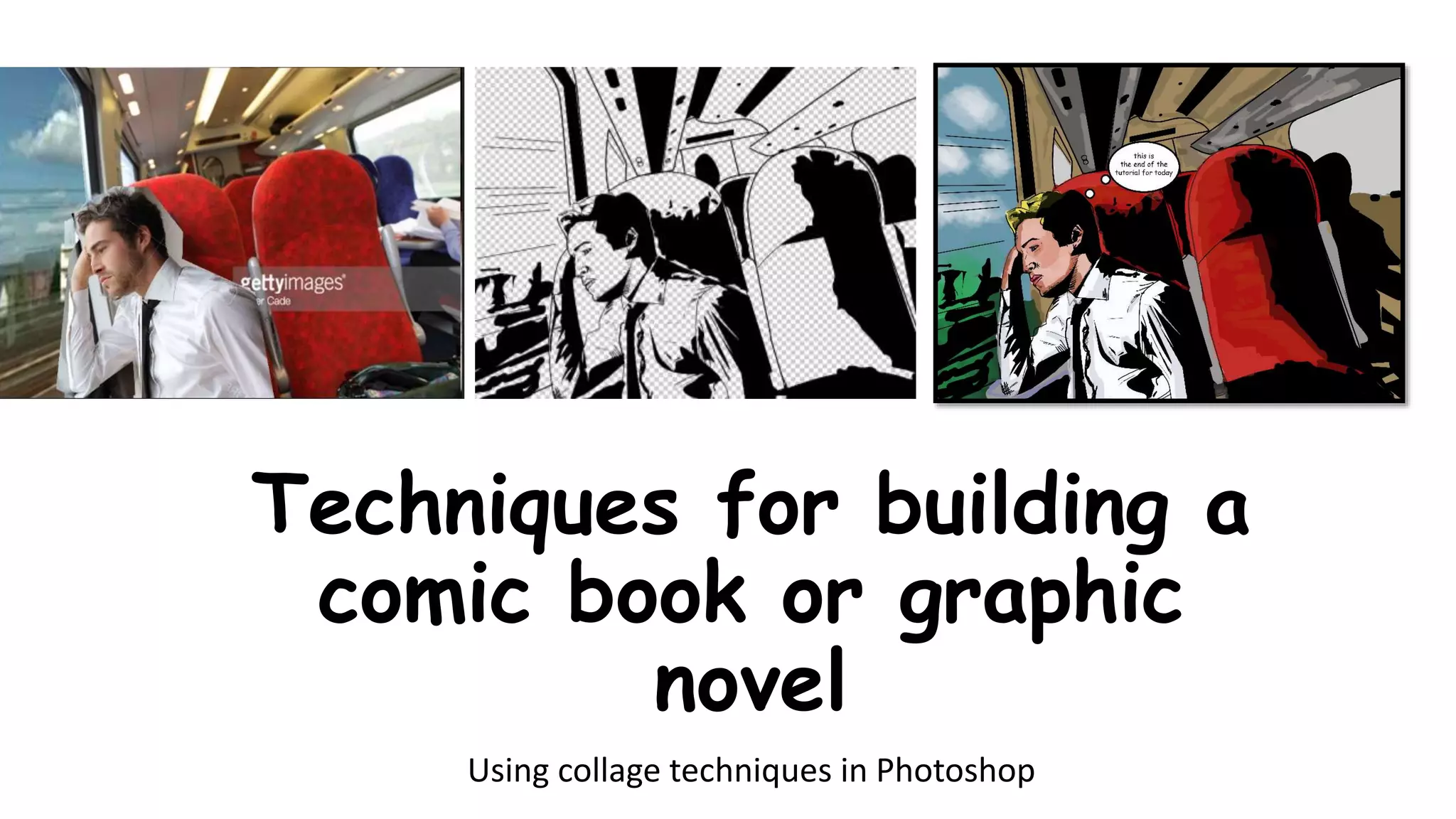
Techniques for building a
comic book or graphic
novel
Using collage techniques in Photoshop
Step 1- Building a
collage
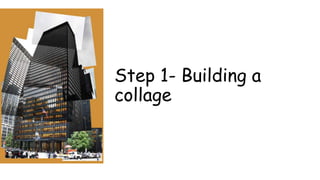
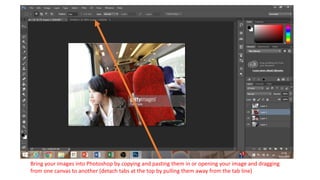
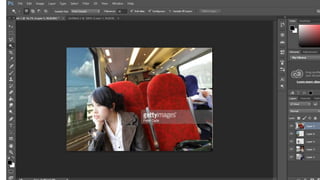
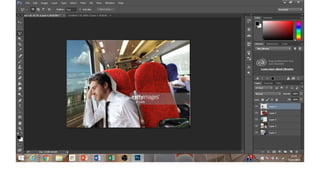
Bring your images into Photoshop by copying and pasting them in or opening your image and dragging
from one canvas to another (detach tabs at the top by pulling them away from the tab line)
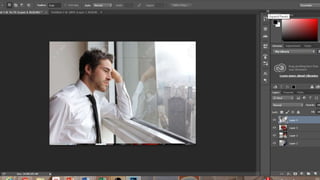
Then you need to put your images into place
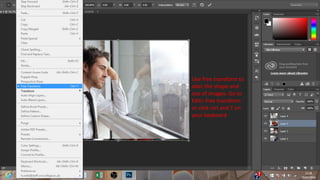
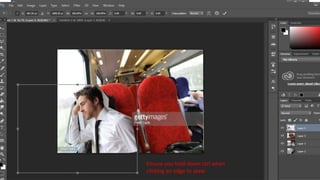
Use free transform to
alter the shape and
size of images. Go to
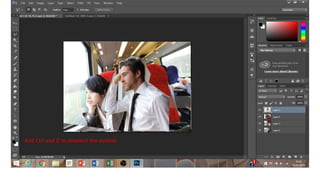
Edit> free transform
or click ctrl and T on
your keyboard
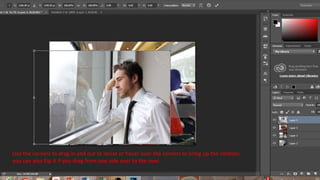
Use the corners to drag in and out to resize or hover over the corners to bring up the rotation,
you can also flip it if you drag from one side over to the over.
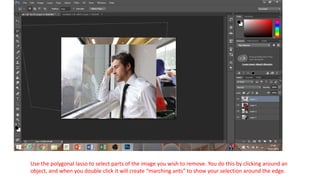
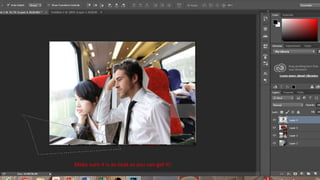
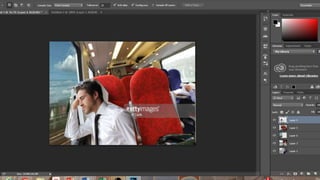
Use the polygonal lasso to select parts of the image you wish to remove. You do this by clicking around an
object, and when you double click it will create “marching ants” to show your selection around the edge.
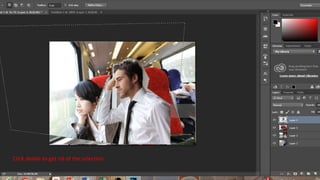
Click delete to get rid of the selection
And Ctrl and D to deselect the outline.
Make sure it is as neat as you can get it!
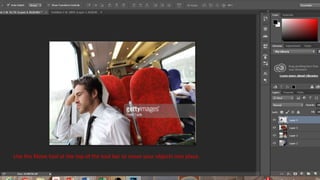
Use the Move tool at the top of the tool bar to move your objects into place.
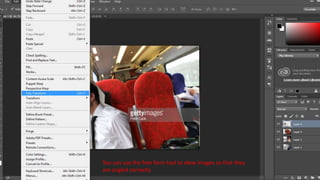
You can use the free form tool to skew images so that they
are angled correctly
Ensure you hold down ctrl when
clicking an edge to skew
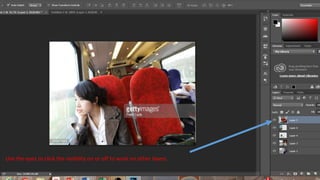
Use the eyes to click the visibility on or off to work on other layers.
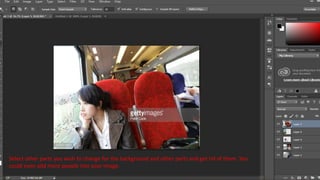
Select other parts you wish to change for the background and other parts and get rid of them. You
could even add more people into your image.
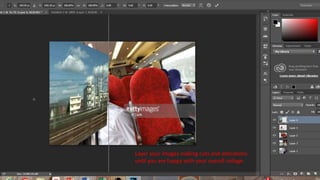
Layer your images making cuts and alterations
until you are happy with your overall collage.
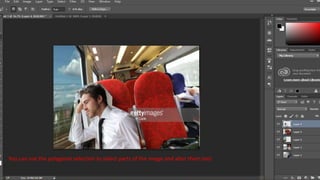
You can use the polygonal selection to select parts of the image and alter them too!
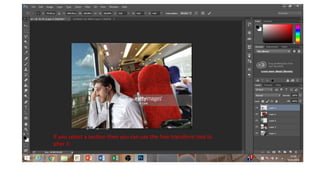
If you select a section then you can use the free transform tool to
alter it.
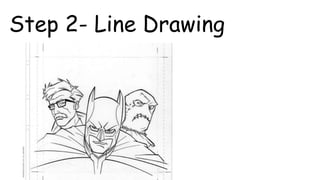
Step 2- Line Drawing
Learn how to use the pen tool before you
carry on with the next step
• https://www.youtube.com/watch?v=dSdov7nVYdo
• https://www.youtube.com/watch?v=w47u7gi0bUw
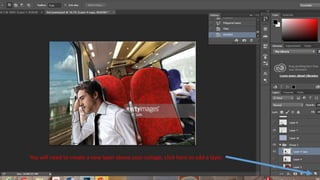
You will need to create a new layer above your collage, click here to add a layer.
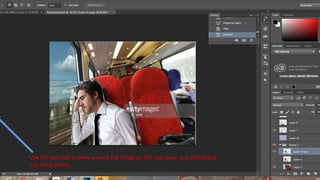
Use the pen tool to draw around the image on the new layer, you should pick
out some details
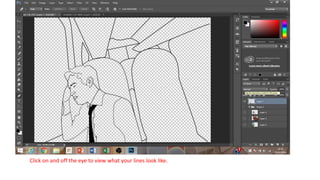
Click on and off the eye to view what your lines look like.
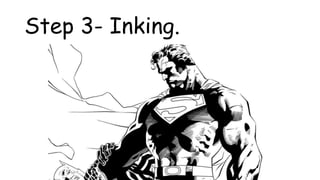
Step 3- Inking.
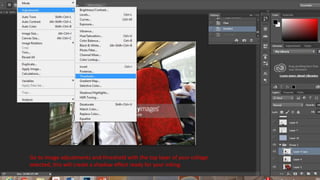
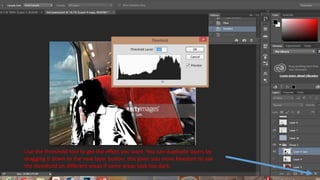
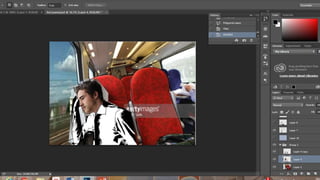
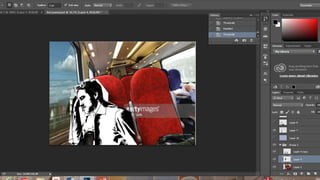
Go to image adjustments and threshold with the top layer of your collage
selected, this will create a shadow effect ready for your inking.
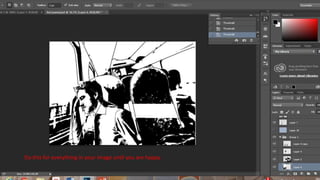
Use the threshold tool to get the effect you want. You can duplicate layers by
dragging it down to the new layer button, this gives you more freedom to use
the threshold on different areas if some areas look too dark.
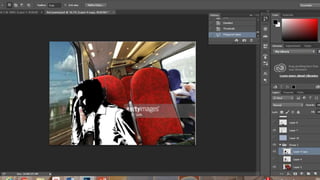
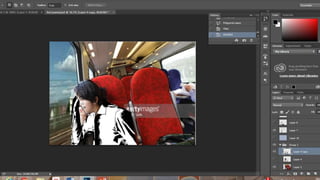
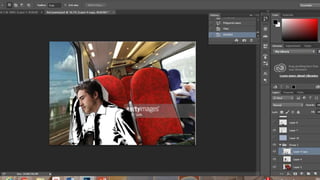
Do this for everything in your image until you are happy.
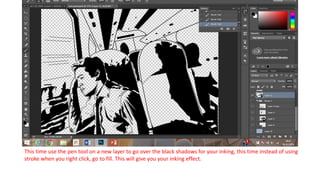
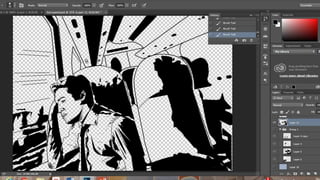
This time use the pen tool on a new layer to go over the black shadows for your inking, this time instead of using
stroke when you right click, go to fill. This will give you your inking effect.
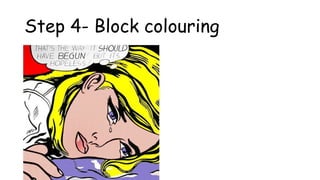
Step 4- Block colouring
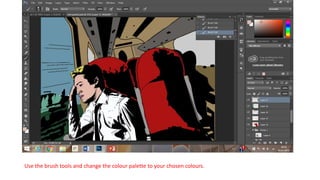
Use the brush tools and change the colour palette to your chosen colours.
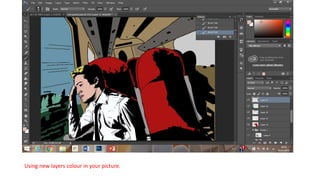
Using new layers colour in your picture.
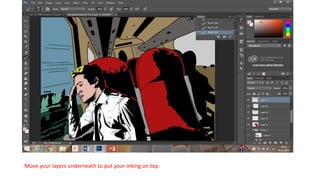
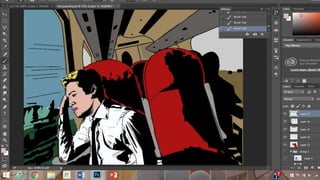
Move your layers underneath to put your inking on top.
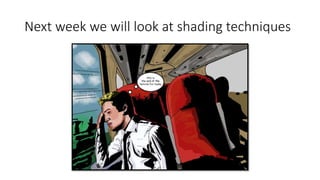
Next week we will look at shading techniques

Tutorial

  • 1.
    Techniques for buildinga comic book or graphic novel Using collage techniques in Photoshop
  • 2.
  • 3.
    Bring your imagesinto Photoshop by copying and pasting them in or opening your image and dragging from one canvas to another (detach tabs at the top by pulling them away from the tab line)
  • 4.
    Then you needto put your images into place
  • 6.
    Use free transformto alter the shape and size of images. Go to Edit> free transform or click ctrl and T on your keyboard
  • 7.
    Use the cornersto drag in and out to resize or hover over the corners to bring up the rotation, you can also flip it if you drag from one side over to the over.
  • 8.
    Use the polygonallasso to select parts of the image you wish to remove. You do this by clicking around an object, and when you double click it will create “marching ants” to show your selection around the edge.
  • 9.
    Click delete toget rid of the selection
  • 10.
    And Ctrl andD to deselect the outline.
  • 11.
    Make sure itis as neat as you can get it!
  • 12.
    Use the Movetool at the top of the tool bar to move your objects into place.
  • 13.
    You can usethe free form tool to skew images so that they are angled correctly
  • 14.
    Ensure you holddown ctrl when clicking an edge to skew
  • 15.
    Use the eyesto click the visibility on or off to work on other layers.
  • 16.
    Select other partsyou wish to change for the background and other parts and get rid of them. You could even add more people into your image.
  • 17.
    Layer your imagesmaking cuts and alterations until you are happy with your overall collage.
  • 20.
    You can usethe polygonal selection to select parts of the image and alter them too!
  • 21.
    If you selecta section then you can use the free transform tool to alter it.
  • 23.
    Step 2- LineDrawing
  • 24.
    Learn how touse the pen tool before you carry on with the next step • https://www.youtube.com/watch?v=dSdov7nVYdo • https://www.youtube.com/watch?v=w47u7gi0bUw
  • 25.
    You will needto create a new layer above your collage, click here to add a layer.
  • 26.
    Use the pentool to draw around the image on the new layer, you should pick out some details
  • 27.
    Click on andoff the eye to view what your lines look like.
  • 28.
  • 29.
    Go to imageadjustments and threshold with the top layer of your collage selected, this will create a shadow effect ready for your inking.
  • 30.
    Use the thresholdtool to get the effect you want. You can duplicate layers by dragging it down to the new layer button, this gives you more freedom to use the threshold on different areas if some areas look too dark.
  • 36.
    Do this foreverything in your image until you are happy.
  • 37.
    This time usethe pen tool on a new layer to go over the black shadows for your inking, this time instead of using stroke when you right click, go to fill. This will give you your inking effect.
  • 39.
    Step 4- Blockcolouring
  • 40.
    Use the brushtools and change the colour palette to your chosen colours.
  • 41.
    Using new layerscolour in your picture.
  • 42.
    Move your layersunderneath to put your inking on top.
  • 44.
    Next week wewill look at shading techniques