1
CONTENTS 
 INTRODUCTION 
CURRENT FINALISED SUPAC 
*SUPAC-IR 
*SUPAC-MR 
*SUPAC-SS 
 PROPOSED SUPAC DOCUENTS 
CONCLUSION 
SUMMARY 
REFERNCES 
2
The acronym "SUPAC" stands for "Scale-Up and Post- 
Approval Changes". 
 It refers to the FDA-recommended testing and filing 
actions to be taken by a pharmaceutical firm when it 
changes the manufacturing processes of a drug product 
that has been approved via a New Drug Application 
(NDA), an Abbreviated New Drug Application (ANDA), or 
an Abbreviated Antibiotic Drug Application (AADA). 
The Agency has provided its recommendations to 
industry in the form of Guidances. 
3
INTRODUCTION 
This guidance provides recommendations to 
sponsors of new drug applications (NDA's), 
abbreviated new drug applications (ANDA's), and 
abbreviated antibiotic applications (AADA's) who 
intend, during the postapproval period, to change: 
 the components or composition; 
the site of manufacture; 
 the scale-up/scale-down of manufacture; and/or 
 the manufacturing (process and equipment) 
4
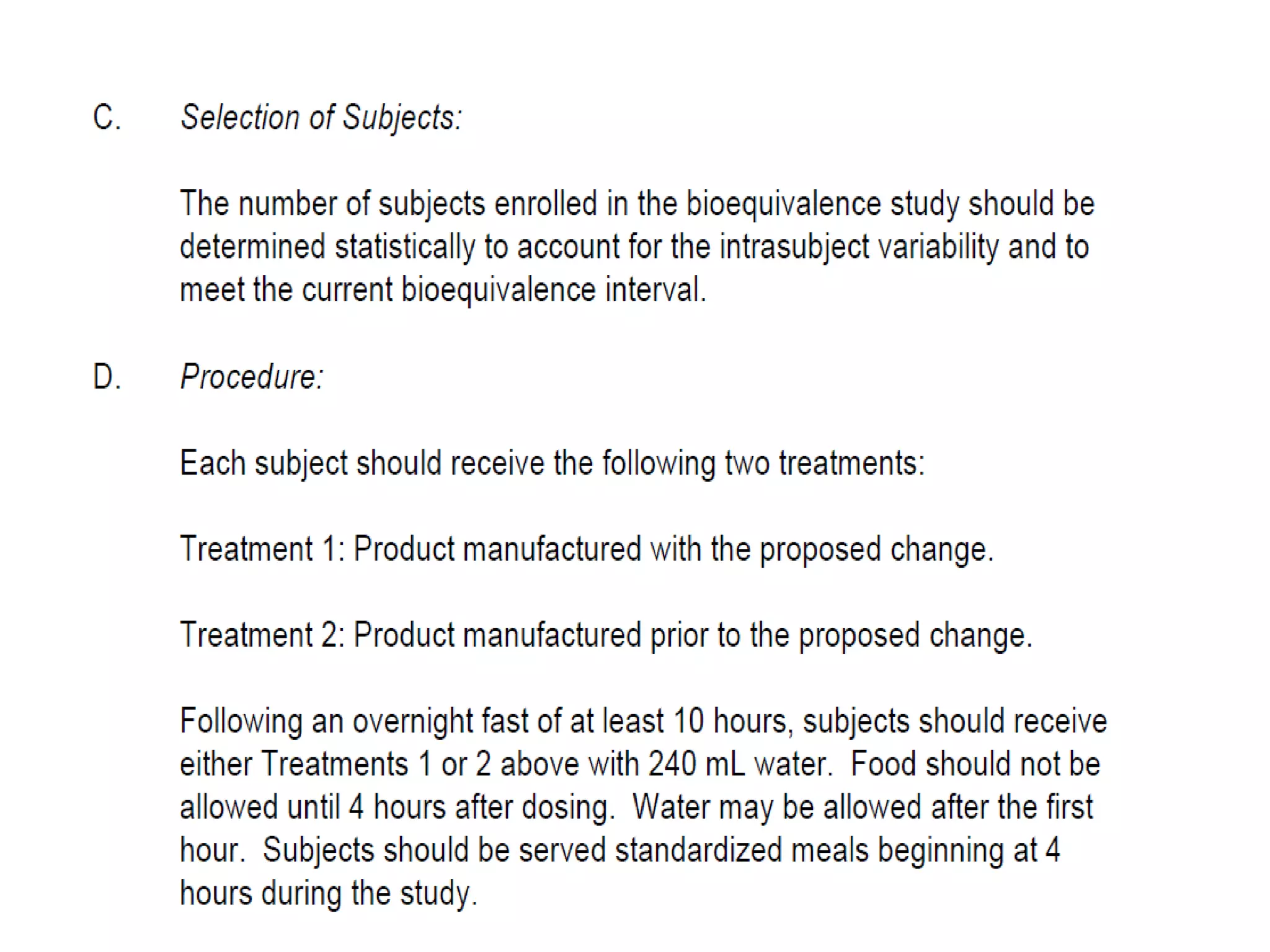
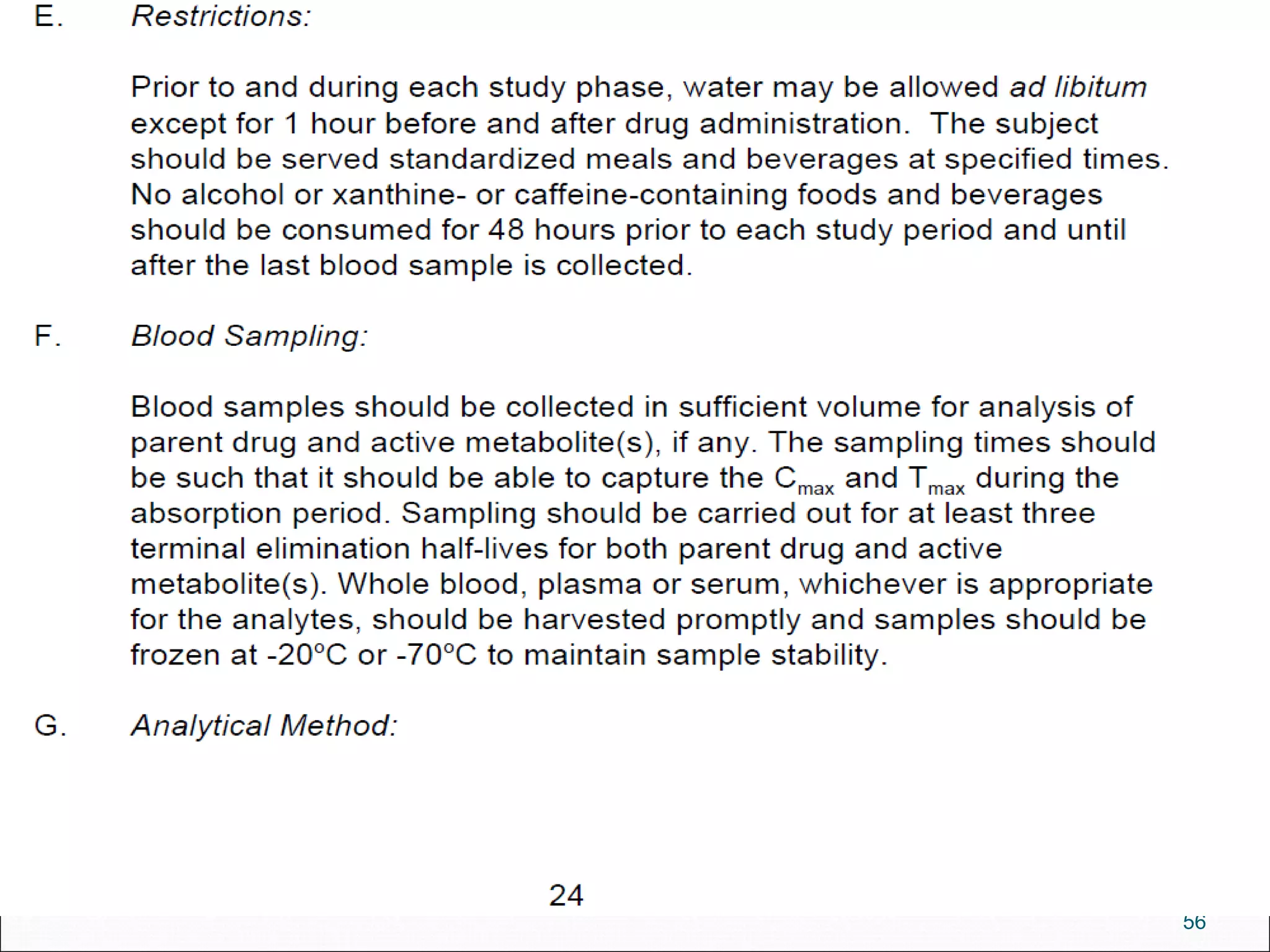
This guidance is the result of 
1) a workshop on the scale-up of immediate release 
drug products conducted by the American 
Association of Pharmaceutical Scientists in 
conjunction with the United States Pharmacopoeial 
Convention and the Food and Drug Administration 
(FDA) 
2) Research conducted by the University of Maryland 
at Baltimore on the chemistry, manufacturing and 
controls of immediate release drug products under 
the FDA/University of Maryland Manufacturing 
Research Contract; 
3) the drug categorization research conducted at the 
University of Michigan and the University of Uppsala 
on the permeability of drug substances; 
5
4)the Scale Up and Post Approval Changes (SUPAC) 
Task Force which was established by the Center for 
Drug Evaluation and Research (CDER) Chemistry, 
Manufacturing and Controls Coordinating Committee 
to develop guidance on scale-up and other 
postapproval changes 
6
The guidance defines: 
1) levels of change; 
2) recommended chemistry, manufacturing, and 
controls tests for each level of change; 
3) in vitro dissolution tests and/or in vivo 
bioequivalence tests for each level of change; and 
4)documentation that should support the change. 
7
21 CFR 314.70 provides instructions for how changes to 
approved manufacturing process should be reported to 
the Agency. 
Why do the SUPAC Guidances offer an advantage over 
the regulations????? 
The documents are specific for particular dosage 
forms. 
To date, two Guidances have been finalized. They are: 
8
 Immediate Release Solid Oral Dosage Forms---Scale- 
Up and Post-Approval Changes: 
Chemistry, Manufacturing and Controls, In Vitro 
Dissolution Testing, and In Vivo Bioequivalence 
Documentation (November 1995) 
 Nonsterile Semisolid Dosage Forms---Scale-Up and 
Post-Approval Changes: 
Chemistry, Manufacturing and Controls; In Vitro 
Dissolution Testing and In Vivo Bioequivalence 
Documentation (May 1997) 
In addition, SUPAC documents covering other dosage 
forms (e.g., extended-release products, transdermals, 
parenteral solutions), as well as a related document(s) for 
bulk active substances, are at various stages of 
development. 
9
SUPAC-IR 
FDA issued the first of its SUPAC guidances in nov 
1995 
This guidance addressed scale-up and PACs for 
immediate release oral solid dosage forms 
When making equipment changes ,the FDA’s 
SUPAC-IR/MR immediate release and modified 
release solid oral dosage forms Manufacturing 
Equipment Addendum ,released in january 1999 has 
to be followed This addendum lists various types 
of equipment and categorises them into operating 
classes and subclasses 10
SUPAC-IR Q&A 
In feb 1997,the FDA issued a letter containing the 
most frequently asked questions regarding SUPAC 
The clarification regarding stand-alone packing site 
changes 
The second change reffered to post-approval 
analytical testing site changes 
11
PAC-ALTS 
In april 1998 the FDA issued the PAC-ATLS (post 
approval changes-analytical testing laboratory site) 
guidance document allowing analytical testing 
laboratory site changes for all regulated dosage form 
12
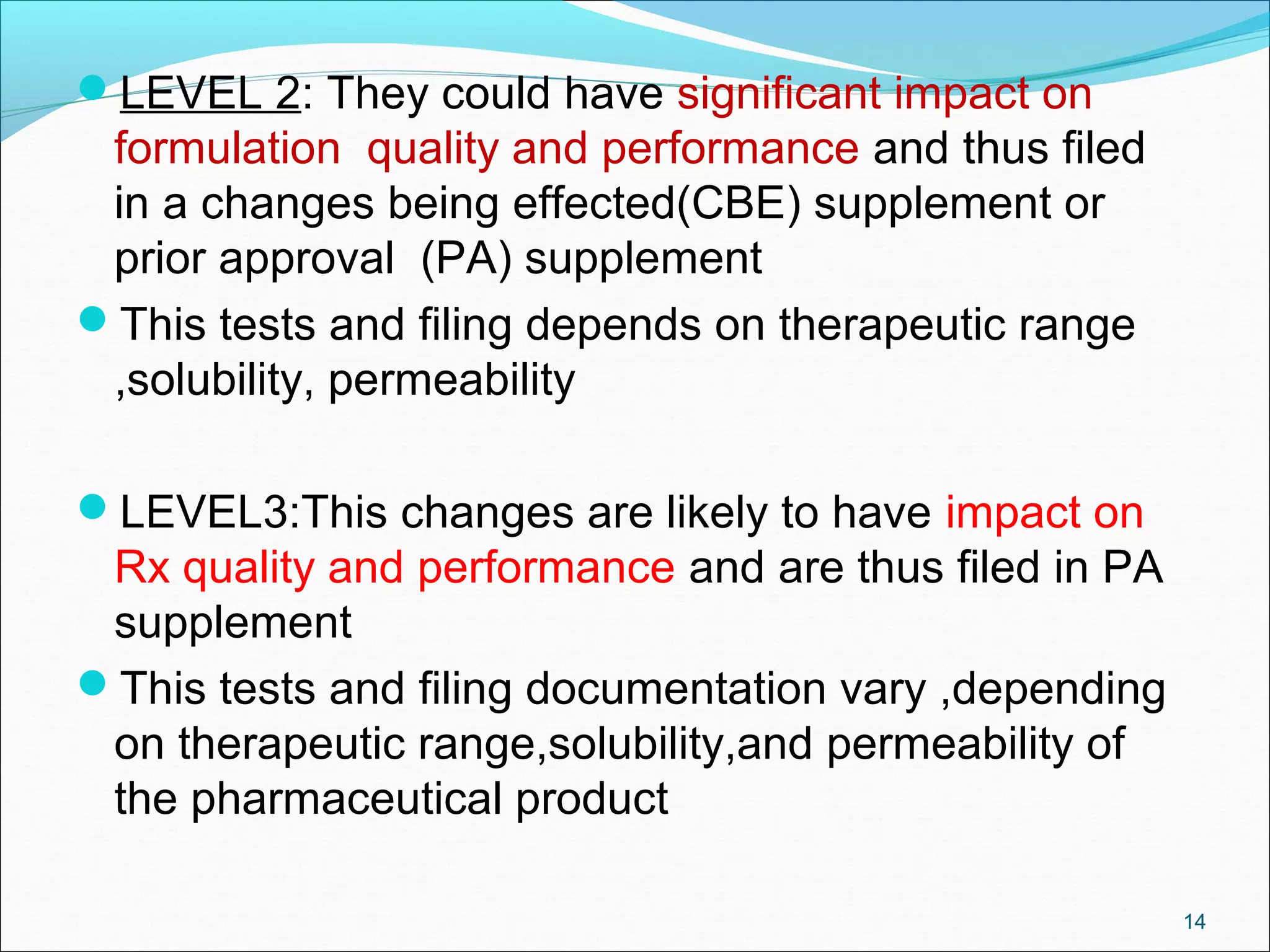
LEVELS OF CHANGES 
3 levels of changes: 
level 1 
level 2 
level 3 
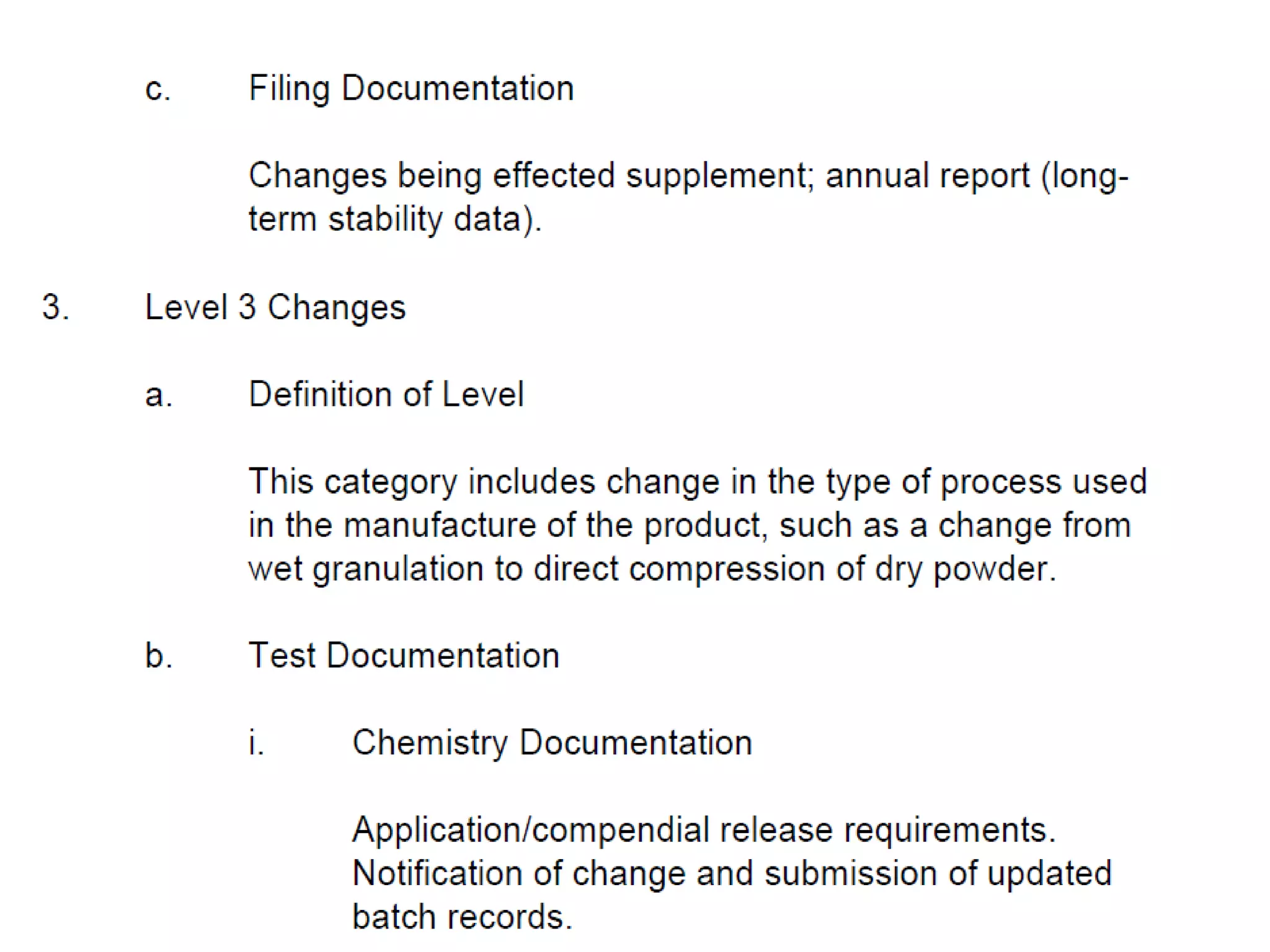
LLeevveell 11:: This level 1 changes may be filed in an 
annual report and have no detectable impact on 
formulation quality or performance 
13
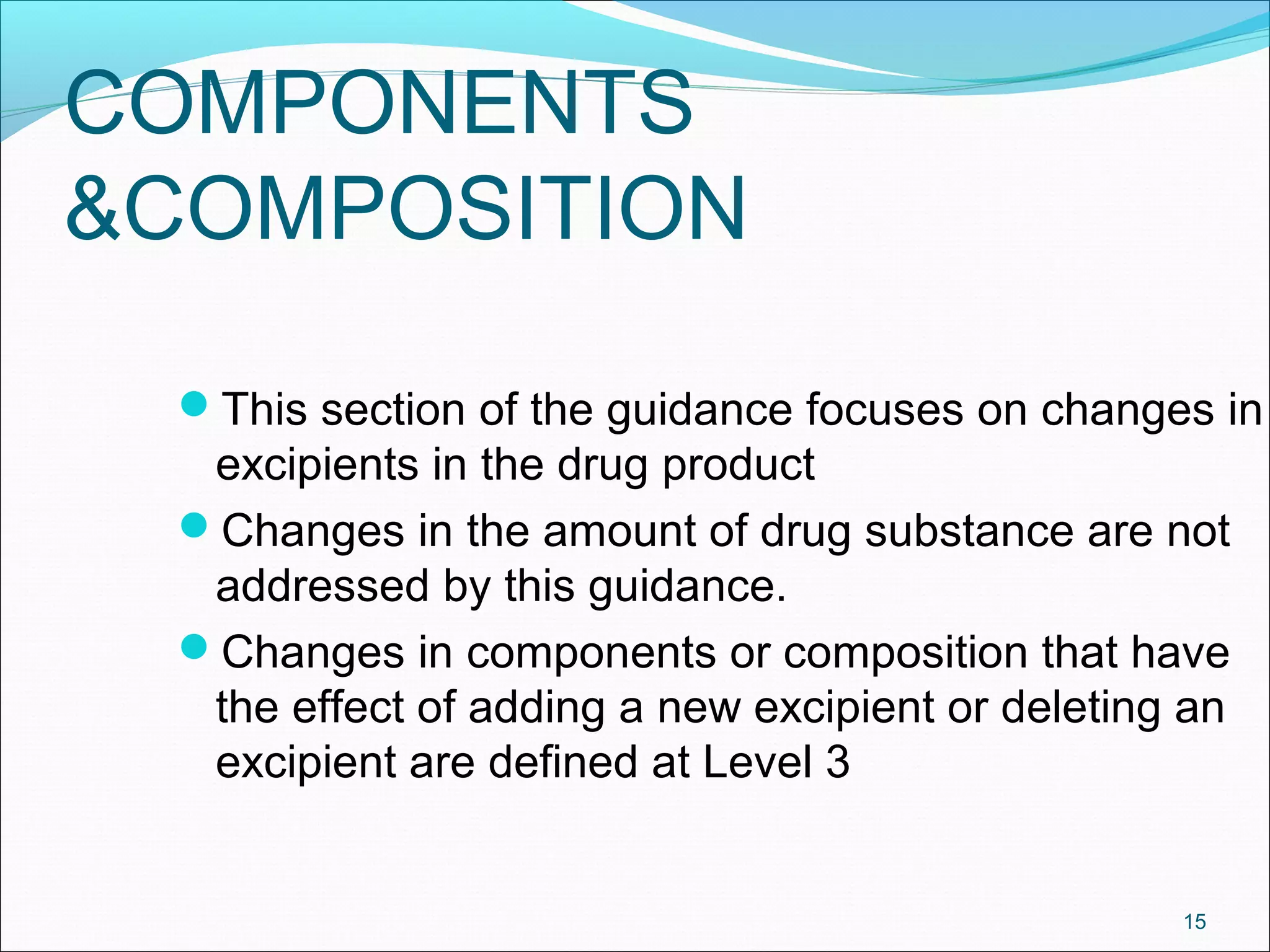
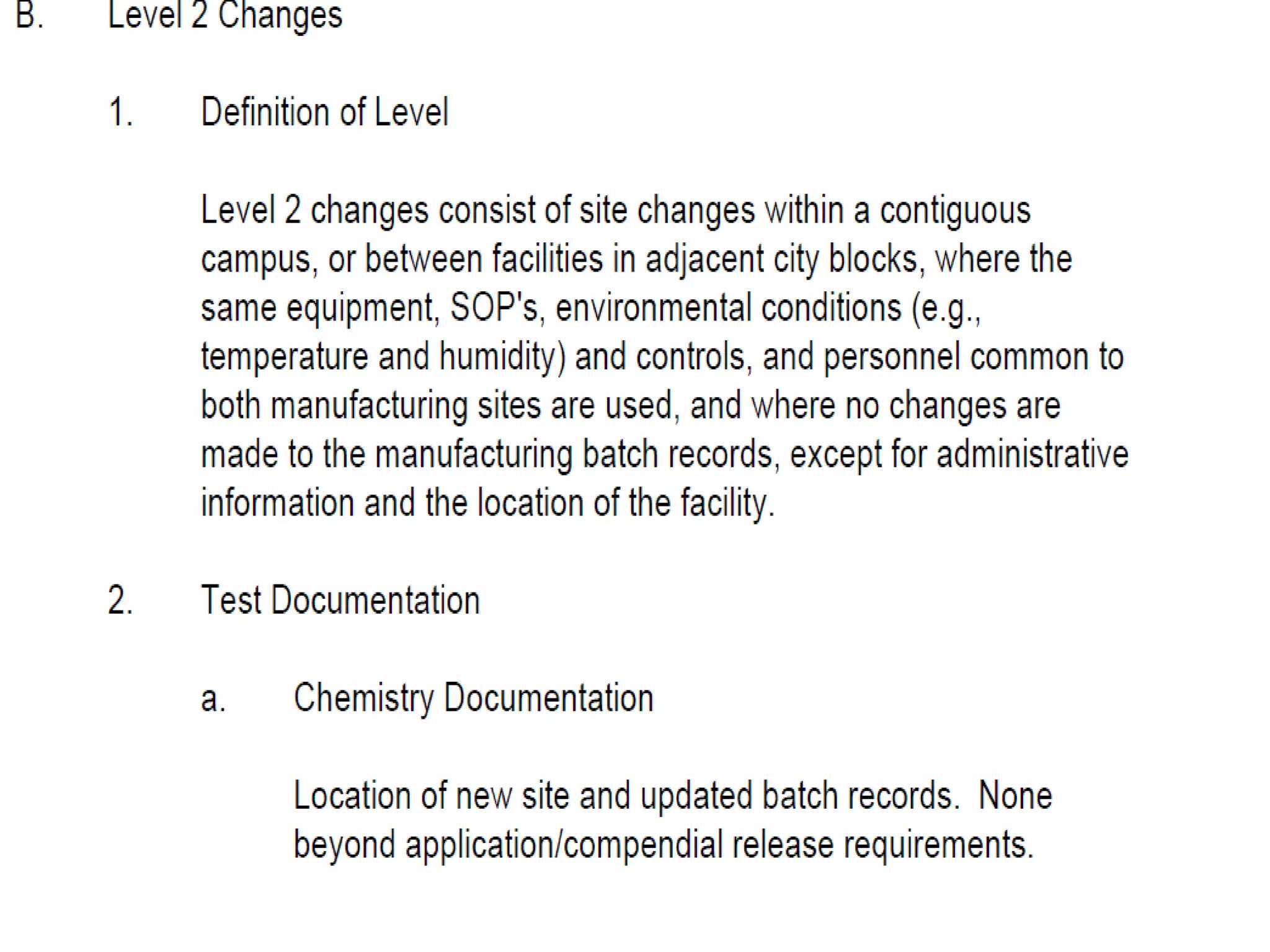
LEVEL 2: They could have significant impact on 
formulation quality and performance and thus filed 
in a changes being effected(CBE) supplement or 
prior approval (PA) supplement 
This tests and filing depends on therapeutic range 
,solubility, permeability 
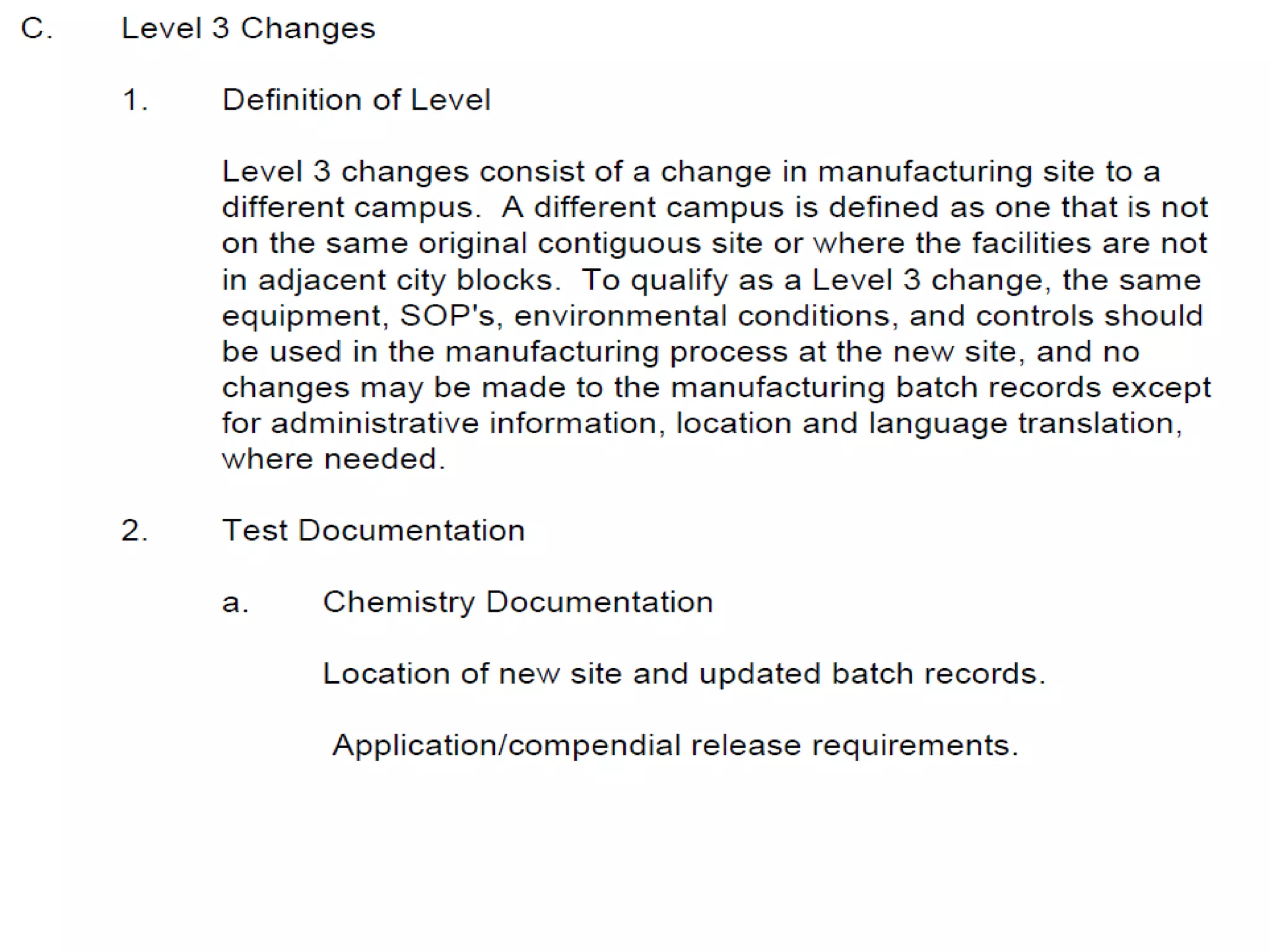
LEVEL3:This changes are likely to have impact on 
Rx quality and performance and are thus filed in PA 
supplement 
This tests and filing documentation vary ,depending 
on therapeutic range,solubility,and permeability of 
the pharmaceutical product 
14
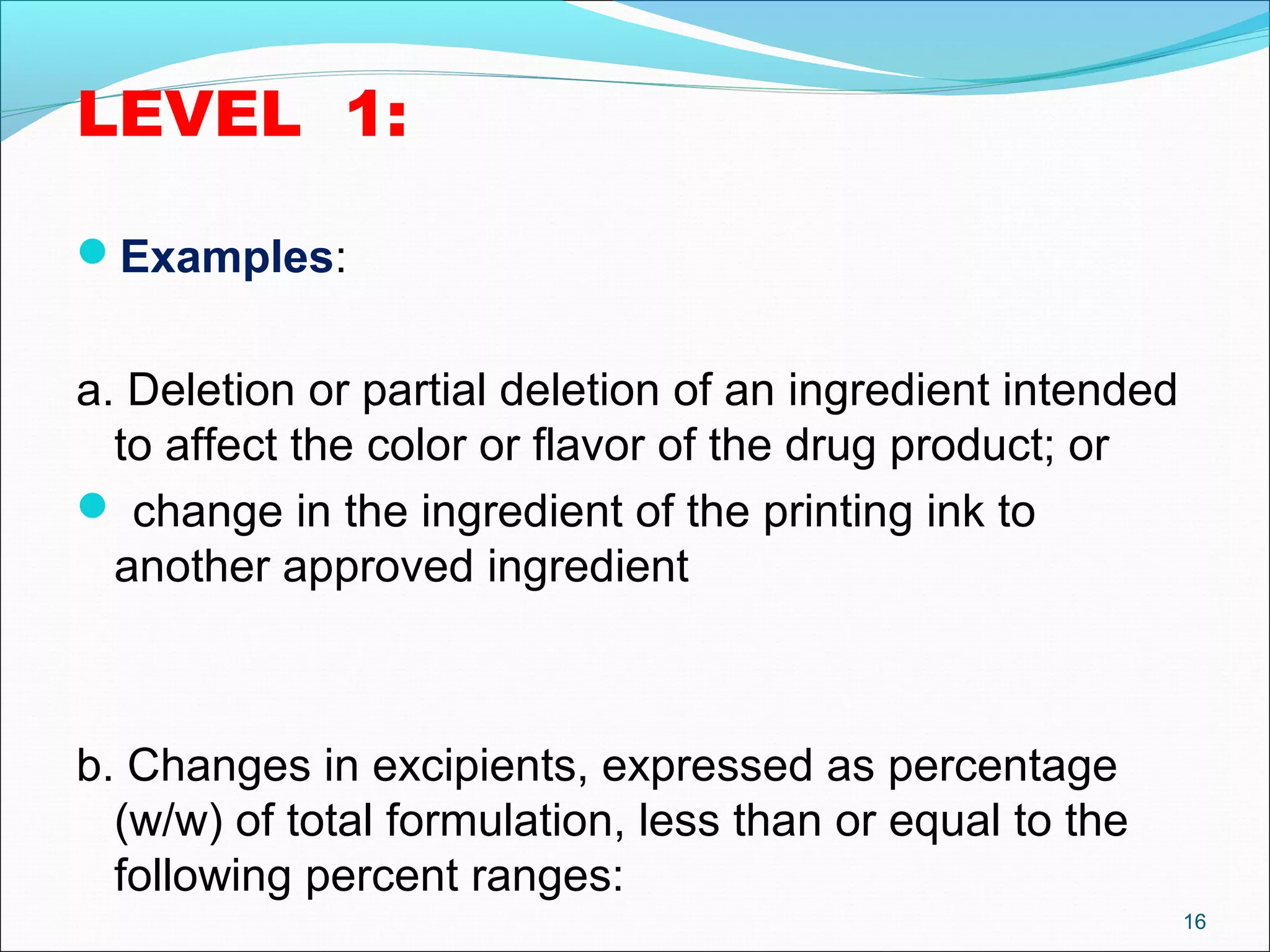
COMPONENTS 
&COMPOSITION 
This section of the guidance focuses on changes in 
excipients in the drug product 
Changes in the amount of drug substance are not 
addressed by this guidance. 
Changes in components or composition that have 
the effect of adding a new excipient or deleting an 
excipient are defined at Level 3 
15
LEVEL 1: 
Examples: 
a. Deletion or partial deletion of an ingredient intended 
to affect the color or flavor of the drug product; or 
 change in the ingredient of the printing ink to 
another approved ingredient 
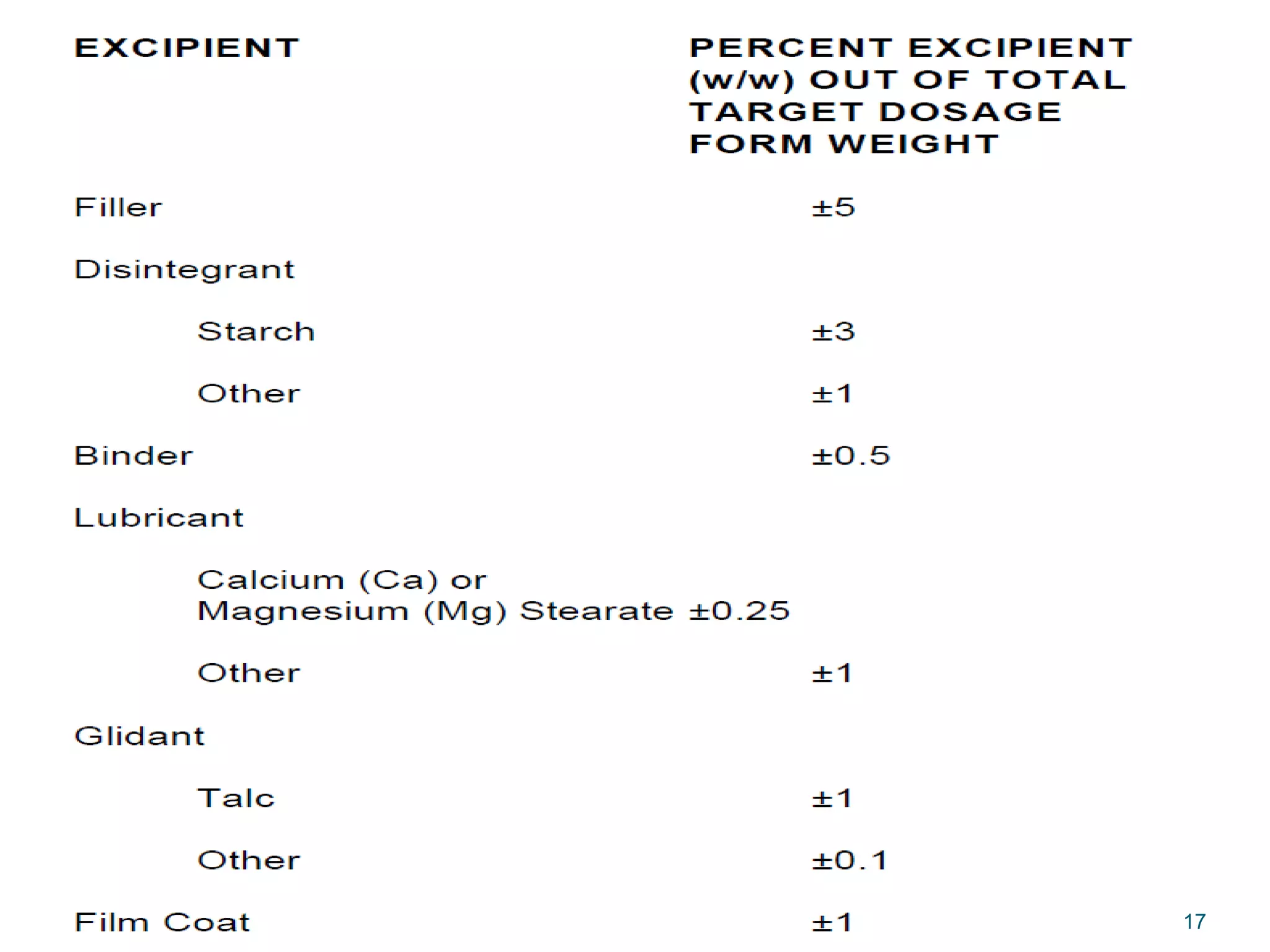
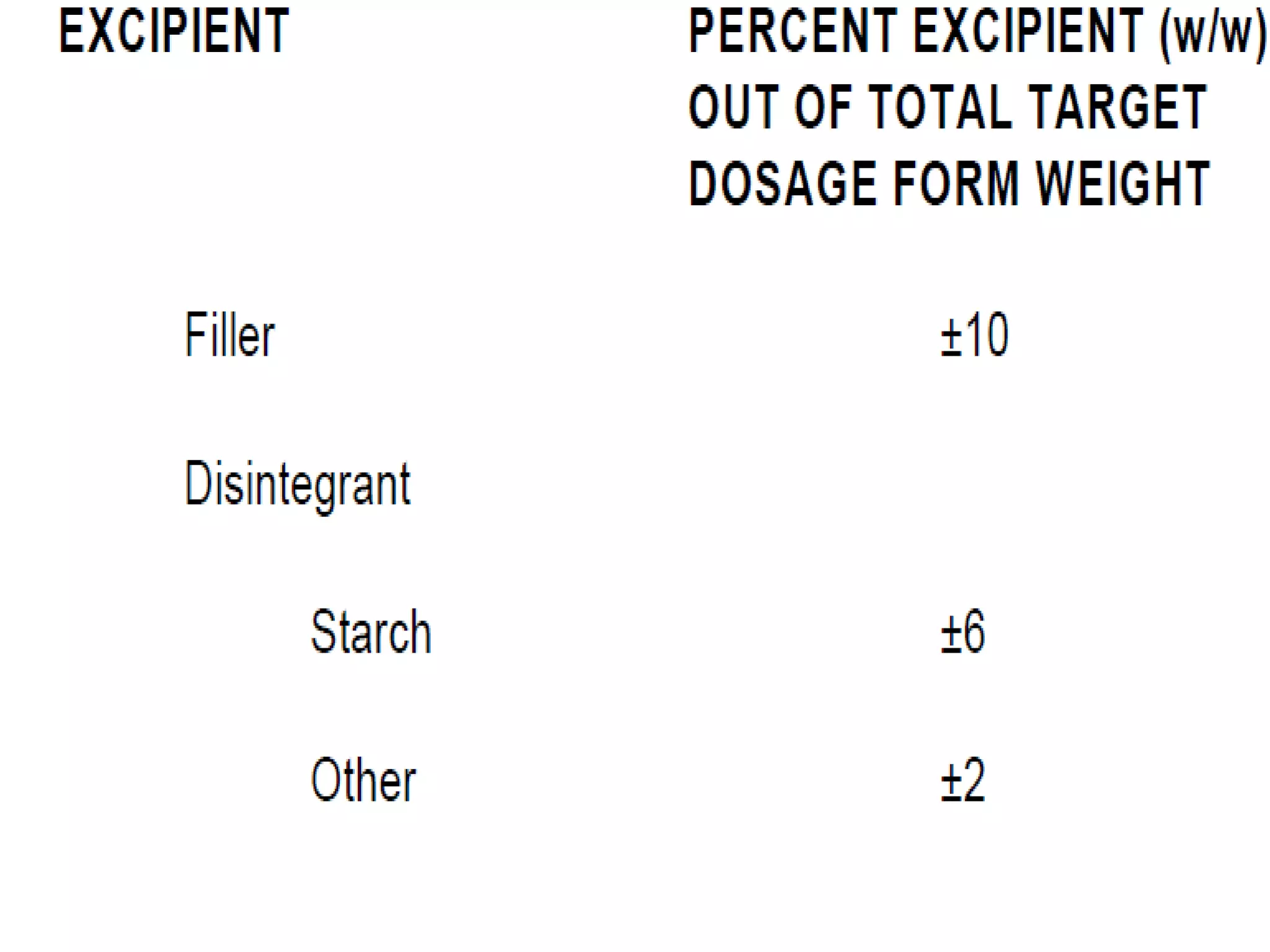
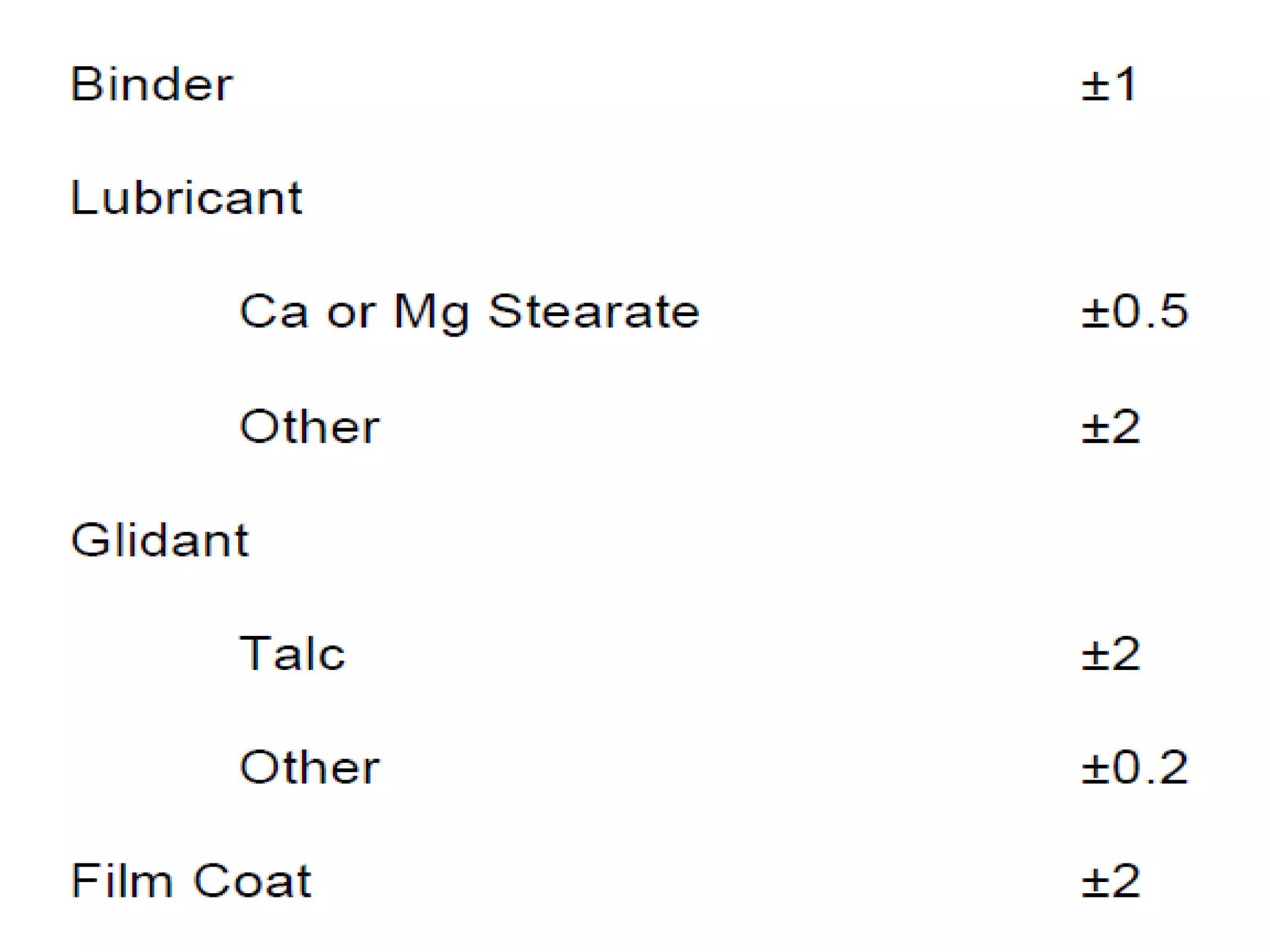
b. Changes in excipients, expressed as percentage 
(w/w) of total formulation, less than or equal to the 
following percent ranges: 
16
17
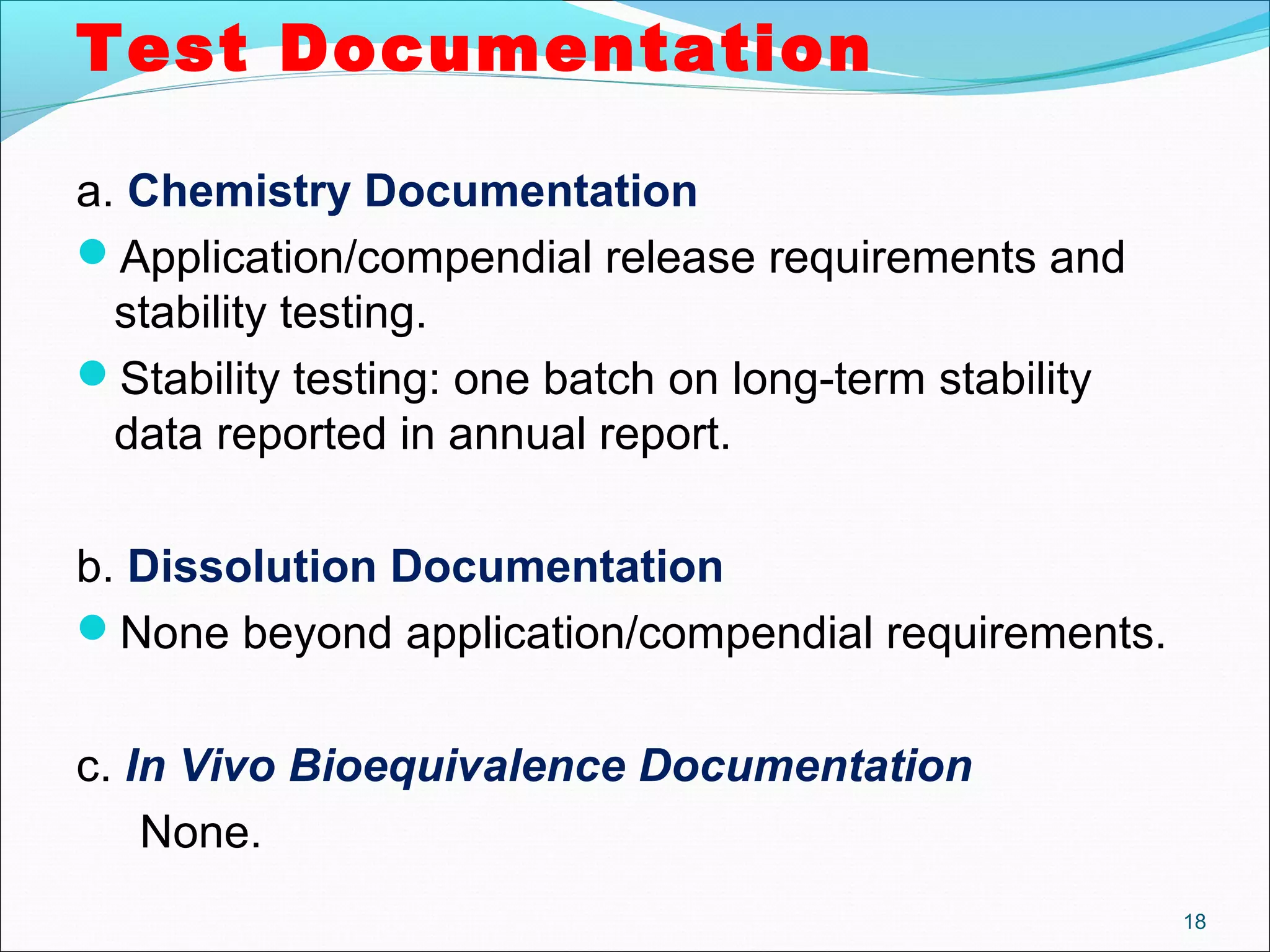
Test Documentation 
a. Chemistry Documentation 
Application/compendial release requirements and 
stability testing. 
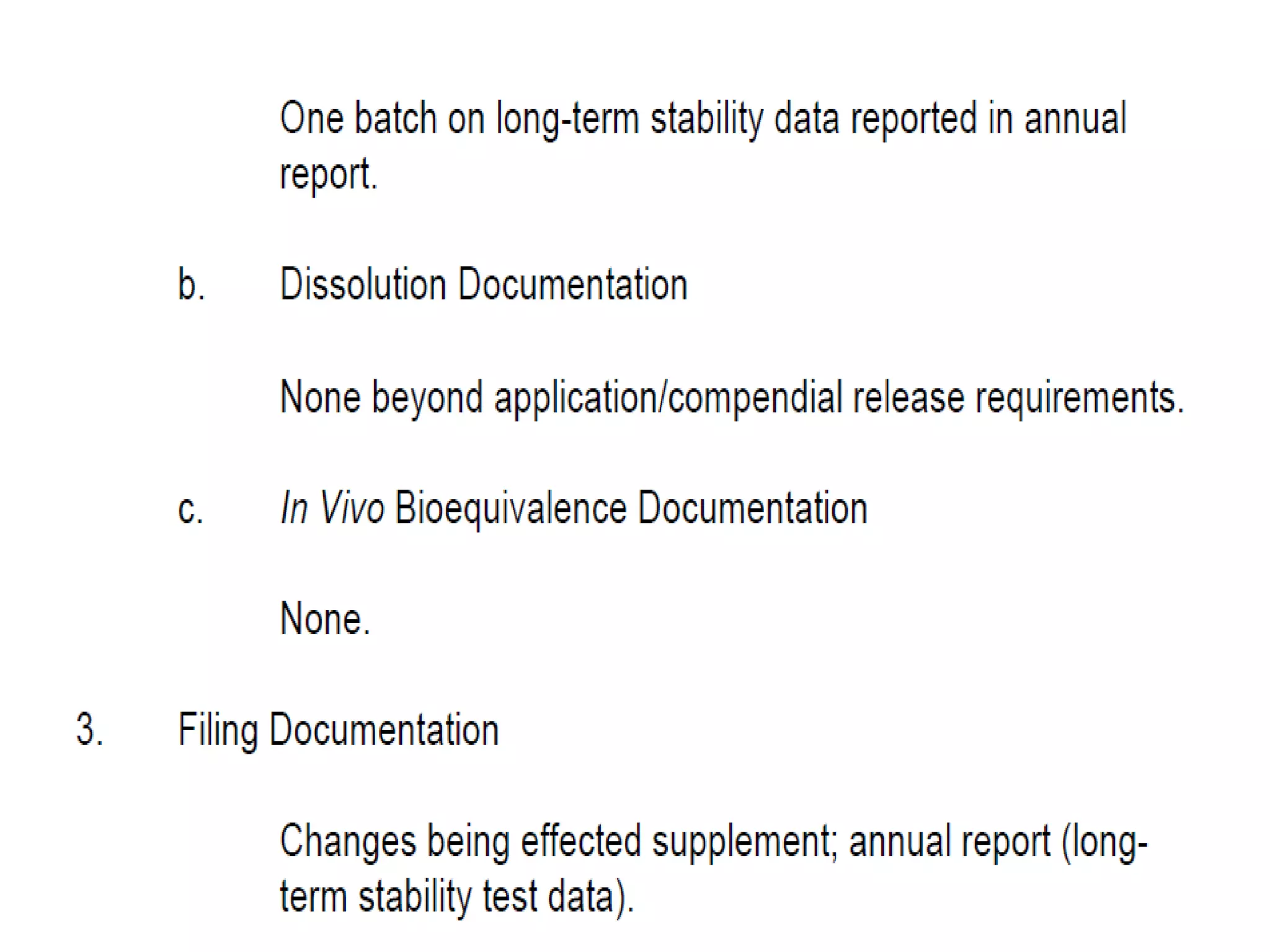
Stability testing: one batch on long-term stability 
data reported in annual report. 
b. Dissolution Documentation 
None beyond application/compendial requirements. 
c. In Vivo Bioequivalence Documentation 
None. 
18
Filing Documentation 
Annual report (all information including long-term 
stability data). 
19
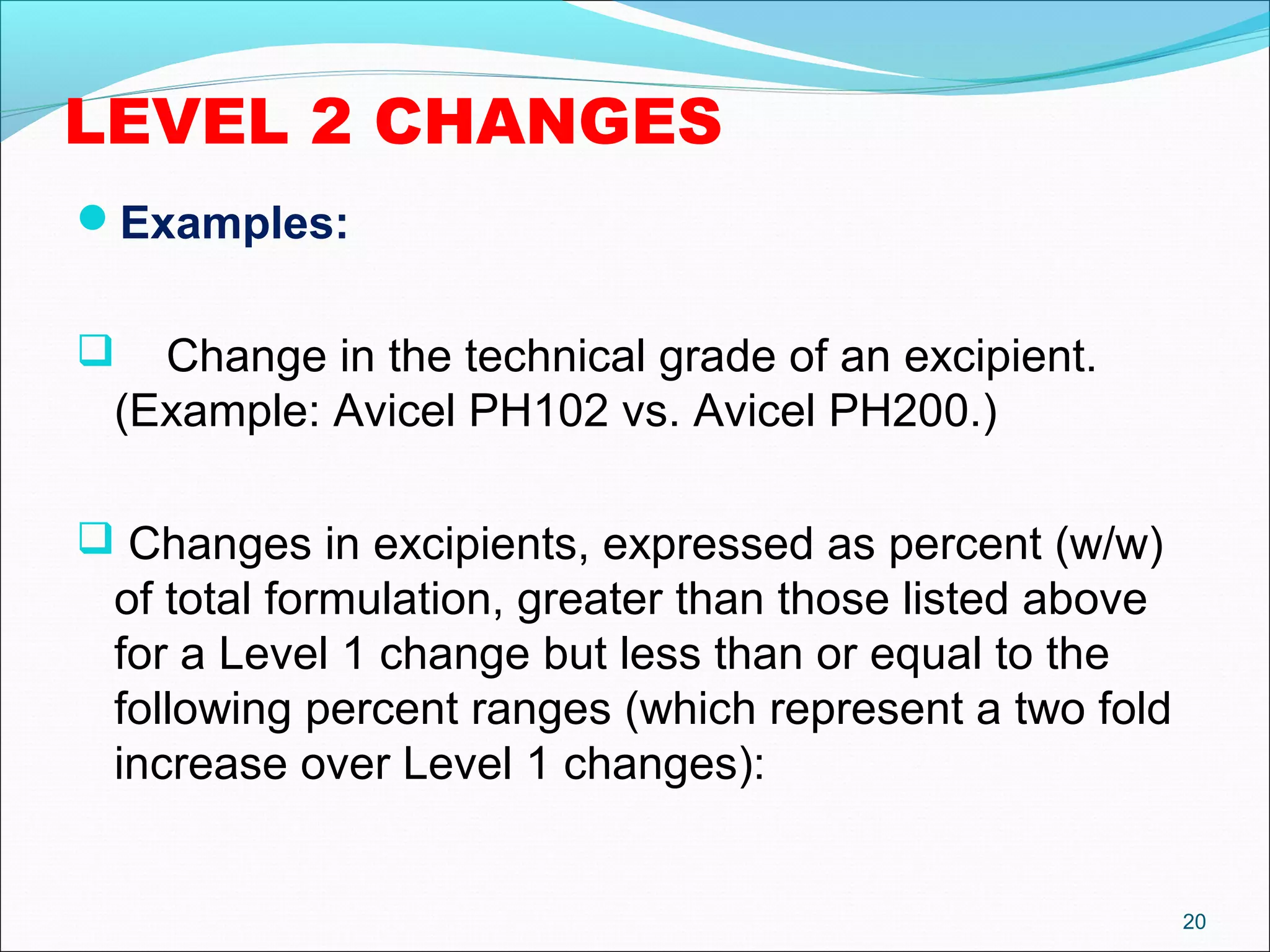
LEVEL 2 CHANGES 
Examples: 
 Change in the technical grade of an excipient. 
(Example: Avicel PH102 vs. Avicel PH200.) 
 Changes in excipients, expressed as percent (w/w) 
of total formulation, greater than those listed above 
for a Level 1 change but less than or equal to the 
following percent ranges (which represent a two fold 
increase over Level 1 changes): 
20
21
22
23 
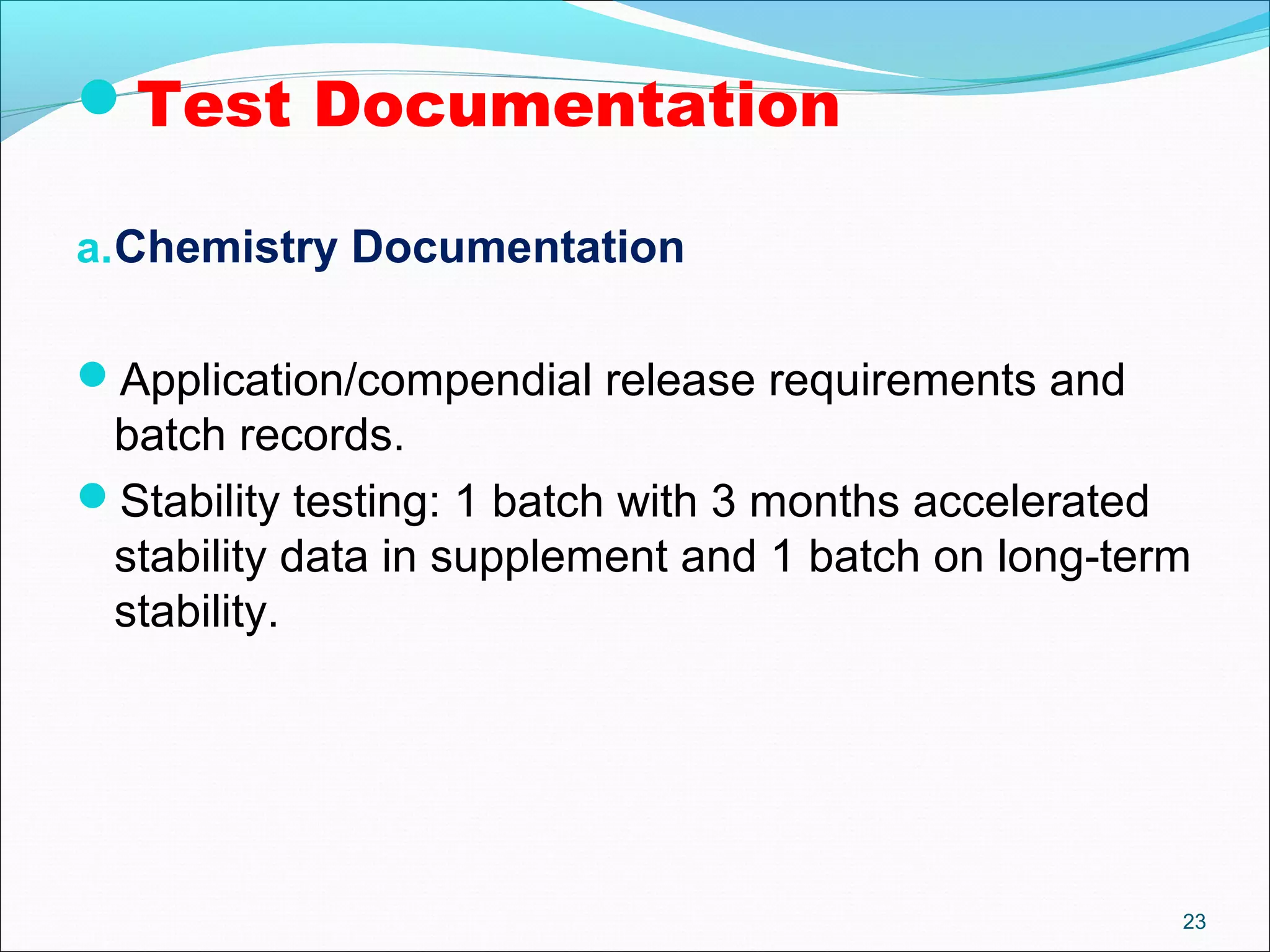
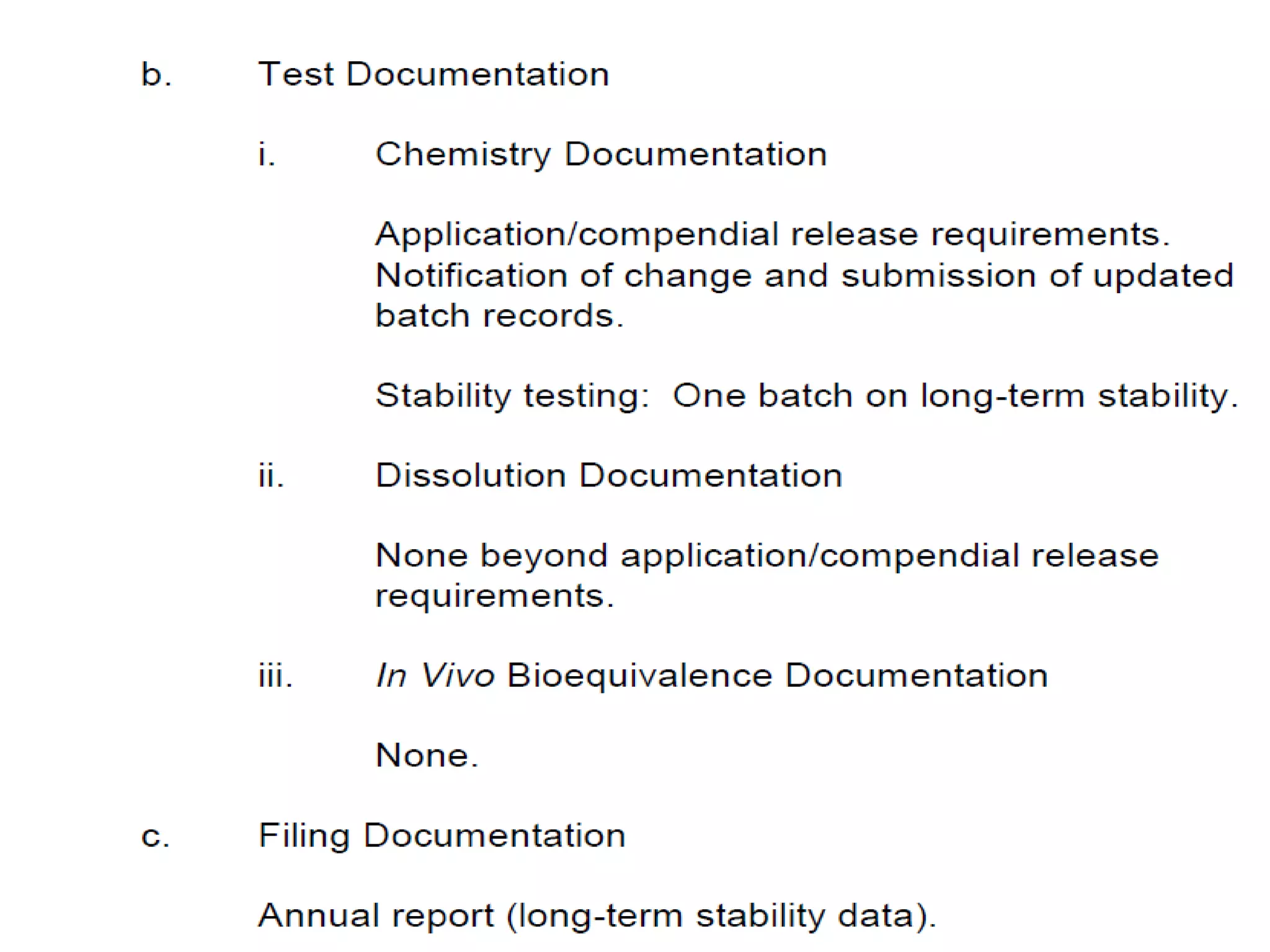
Test Documentation 
a.Chemistry Documentation 
Application/compendial release requirements and 
batch records. 
Stability testing: 1 batch with 3 months accelerated 
stability data in supplement and 1 batch on long-term 
stability.
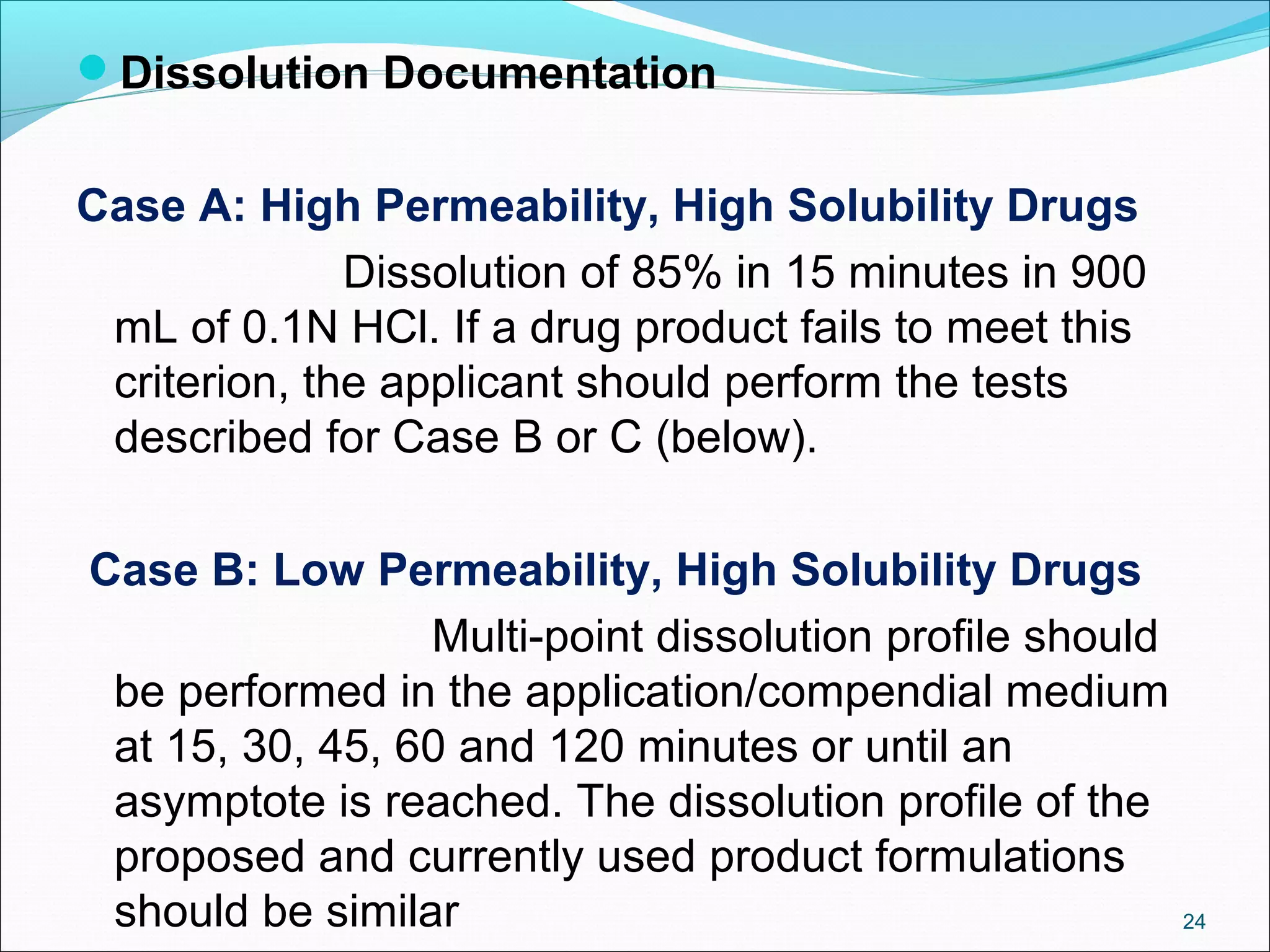
Dissolution Documentation 
Case A: High Permeability, High Solubility Drugs 
Dissolution of 85% in 15 minutes in 900 
mL of 0.1N HCl. If a drug product fails to meet this 
criterion, the applicant should perform the tests 
described for Case B or C (below). 
Case B: Low Permeability, High Solubility Drugs 
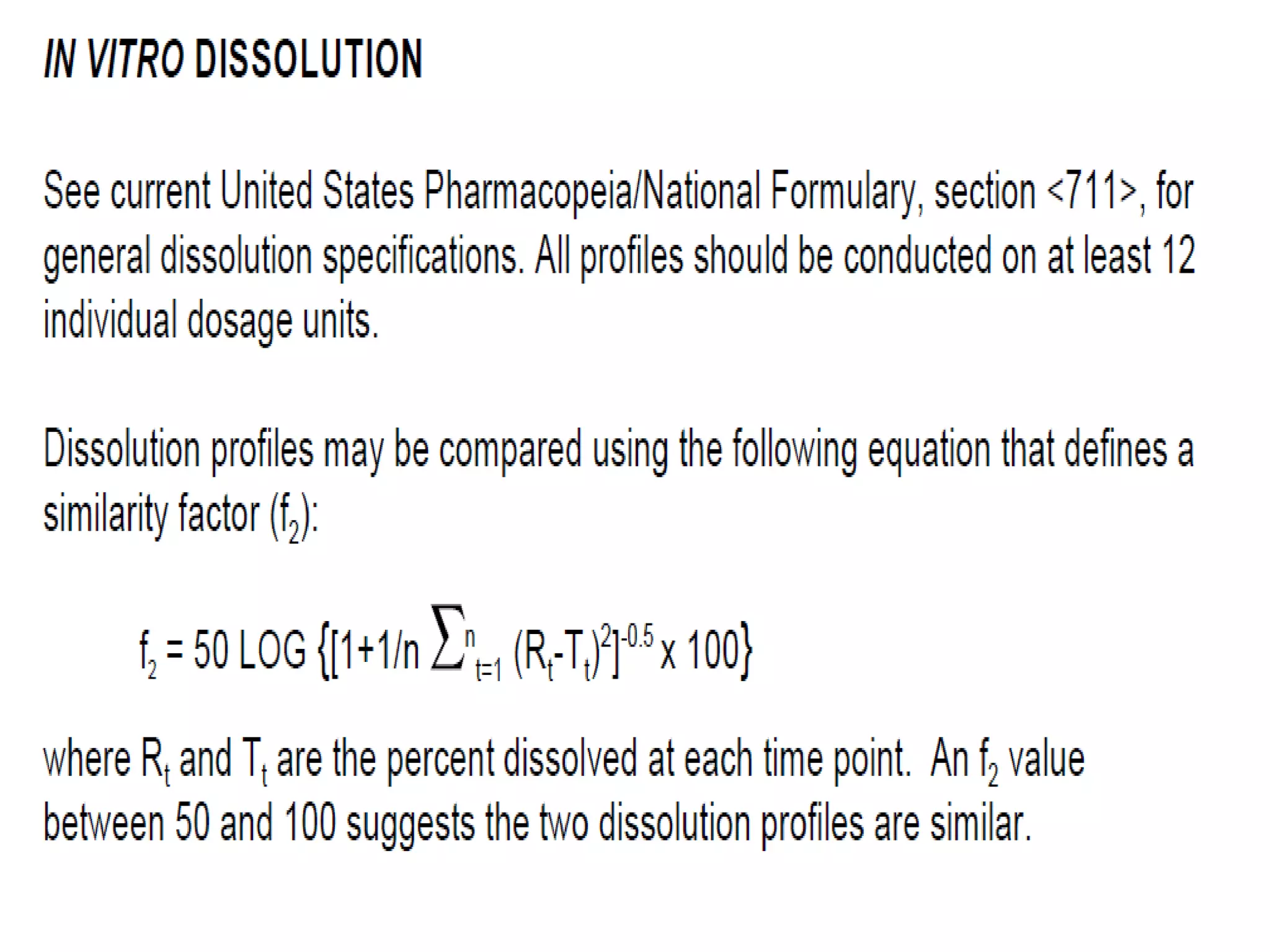
Multi-point dissolution profile should 
be performed in the application/compendial medium 
at 15, 30, 45, 60 and 120 minutes or until an 
asymptote is reached. The dissolution profile of the 
proposed and currently used product formulations 
should be similar 24
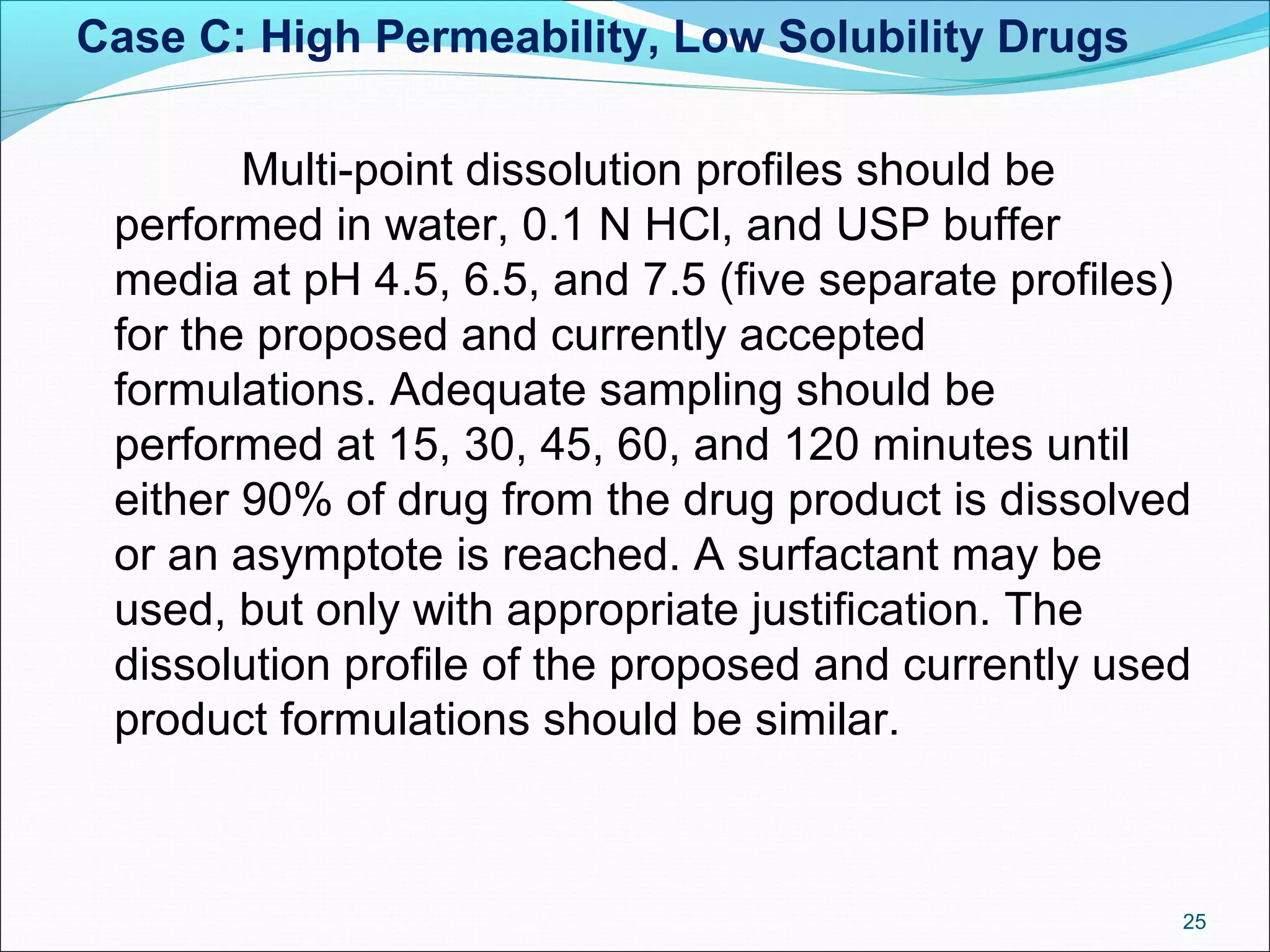
Case C: High Permeability, Low Solubility Drugs 
Multi-point dissolution profiles should be 
performed in water, 0.1 N HCl, and USP buffer 
media at pH 4.5, 6.5, and 7.5 (five separate profiles) 
for the proposed and currently accepted 
formulations. Adequate sampling should be 
performed at 15, 30, 45, 60, and 120 minutes until 
either 90% of drug from the drug product is dissolved 
or an asymptote is reached. A surfactant may be 
used, but only with appropriate justification. The 
dissolution profile of the proposed and currently used 
product formulations should be similar. 
25
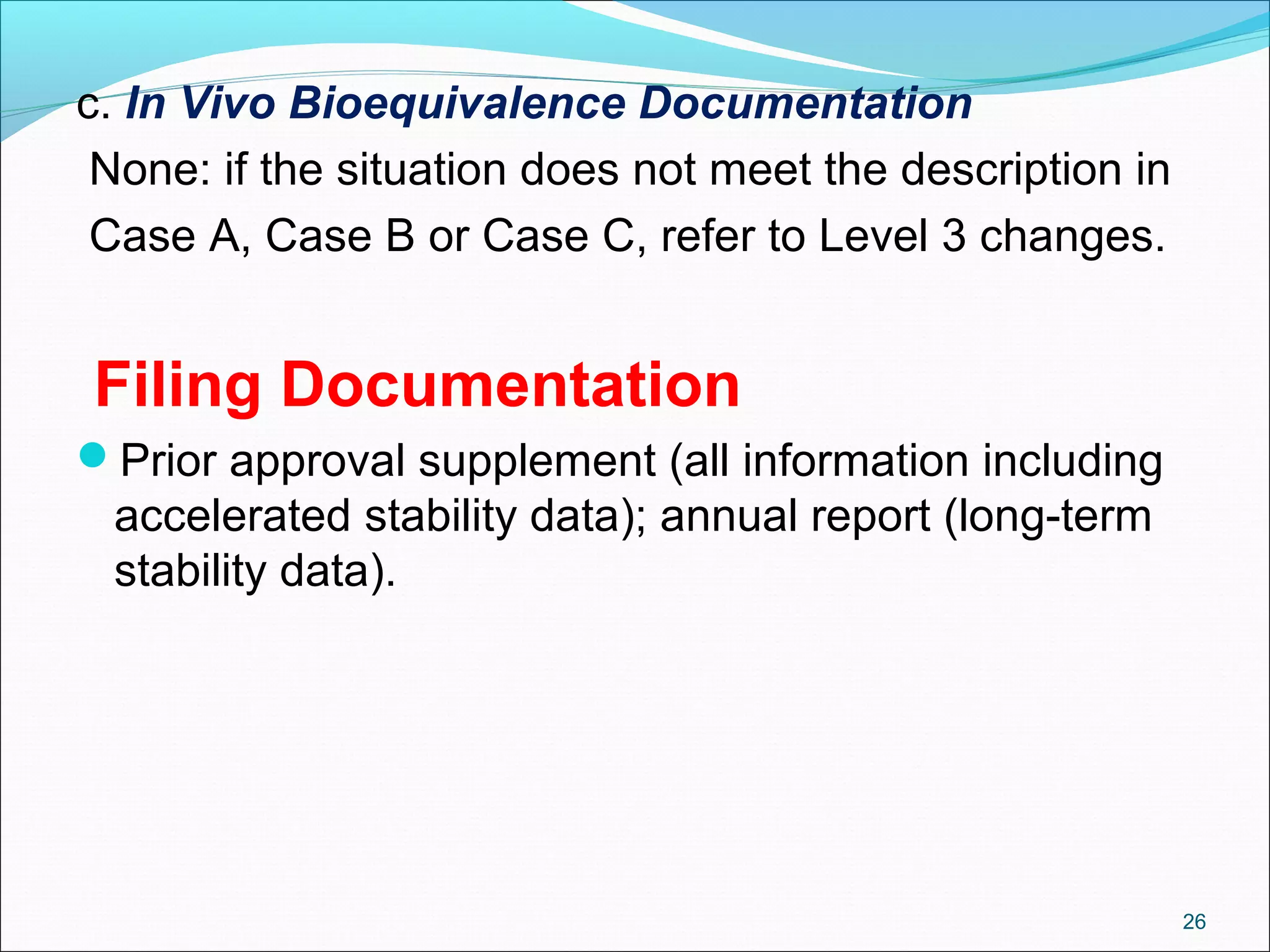
c. In Vivo Bioequivalence Documentation 
None: if the situation does not meet the description in 
Case A, Case B or Case C, refer to Level 3 changes. 
Filing Documentation 
Prior approval supplement (all information including 
accelerated stability data); annual report (long-term 
stability data). 
26
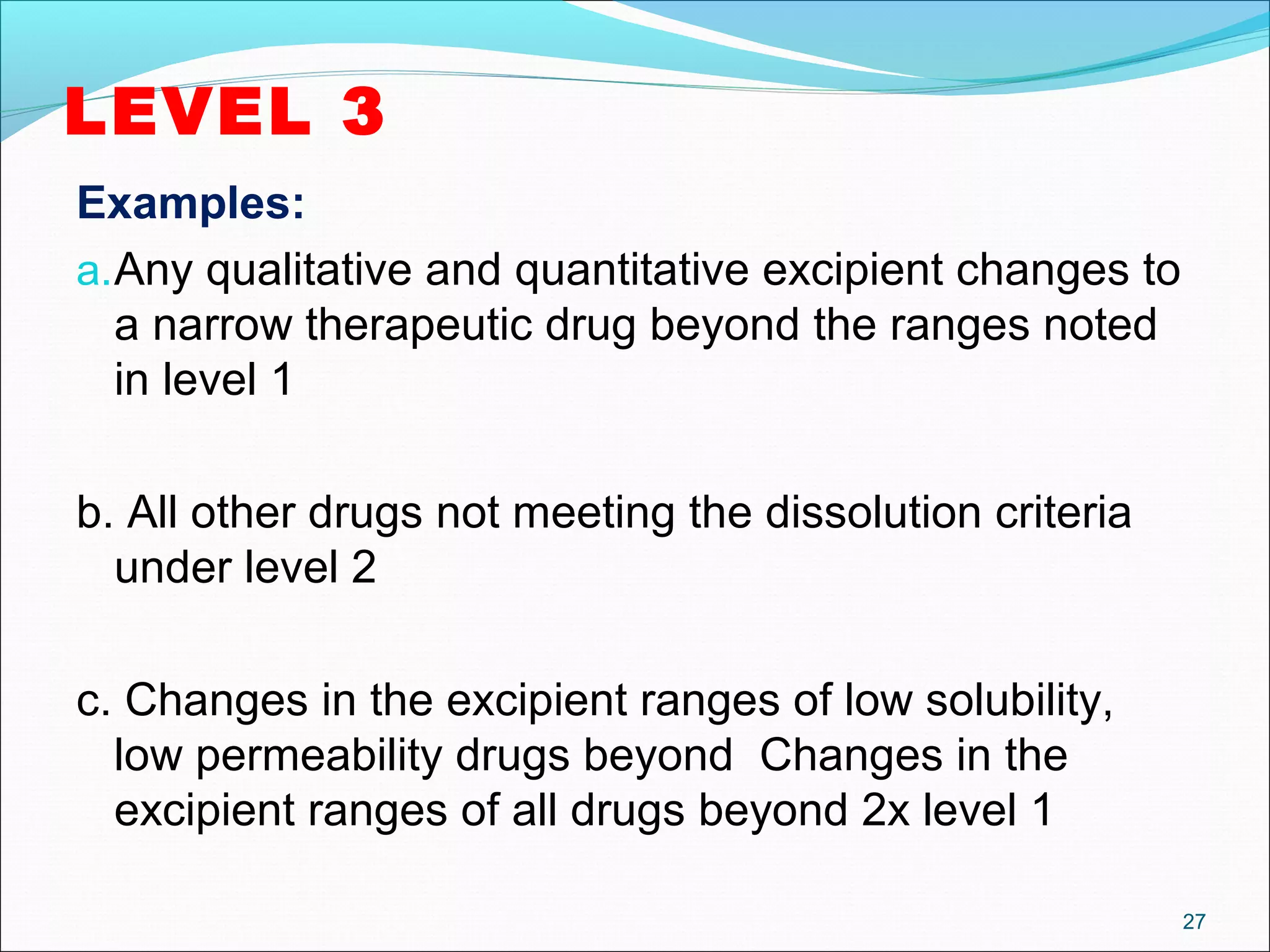
LEVEL 3 
Examples: 
a.Any qualitative and quantitative excipient changes to 
a narrow therapeutic drug beyond the ranges noted 
in level 1 
b. All other drugs not meeting the dissolution criteria 
under level 2 
c. Changes in the excipient ranges of low solubility, 
low permeability drugs beyond Changes in the 
excipient ranges of all drugs beyond 2x level 1 
27
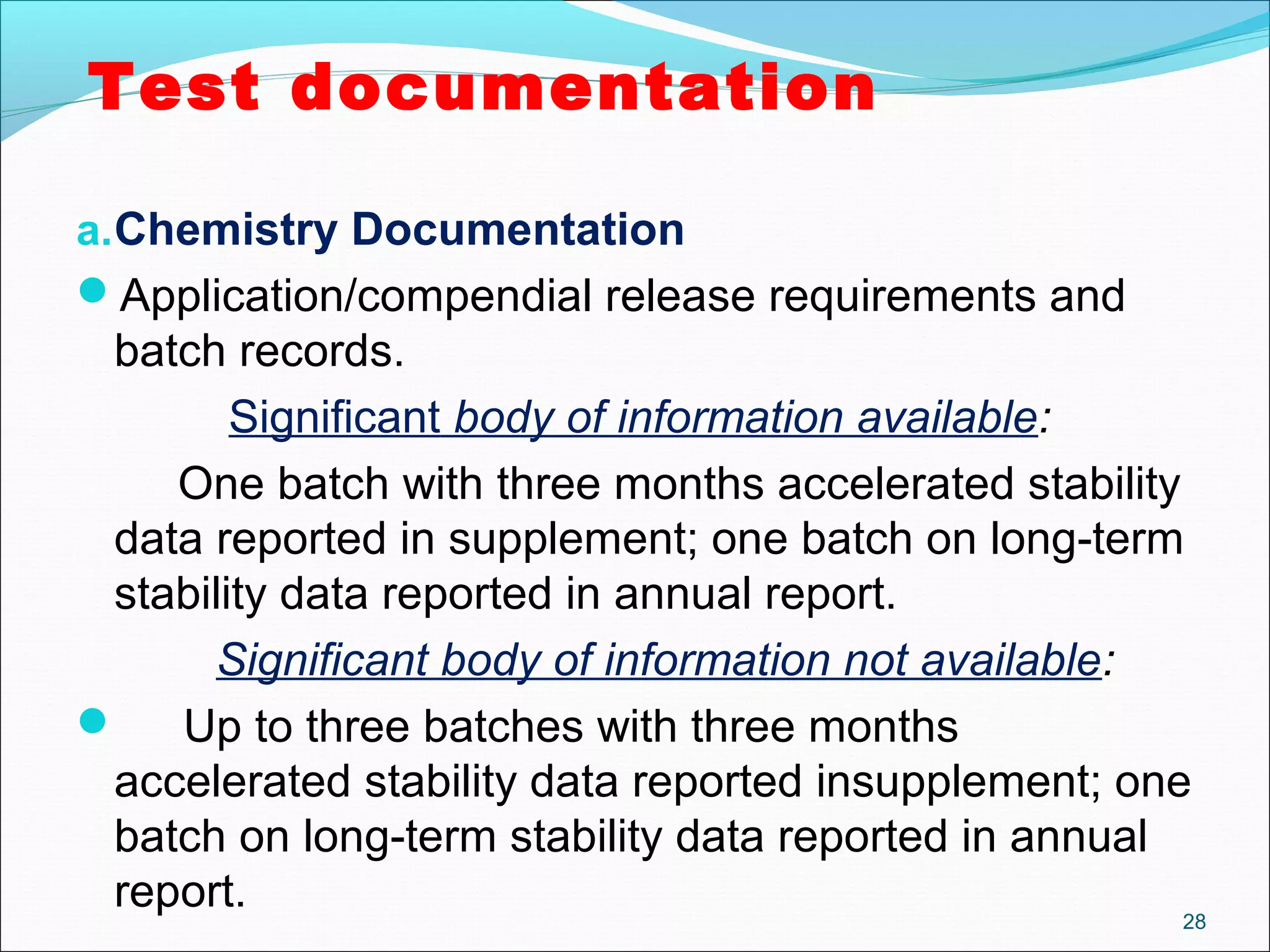
Test documentation 
a.Chemistry Documentation 
Application/compendial release requirements and 
batch records. 
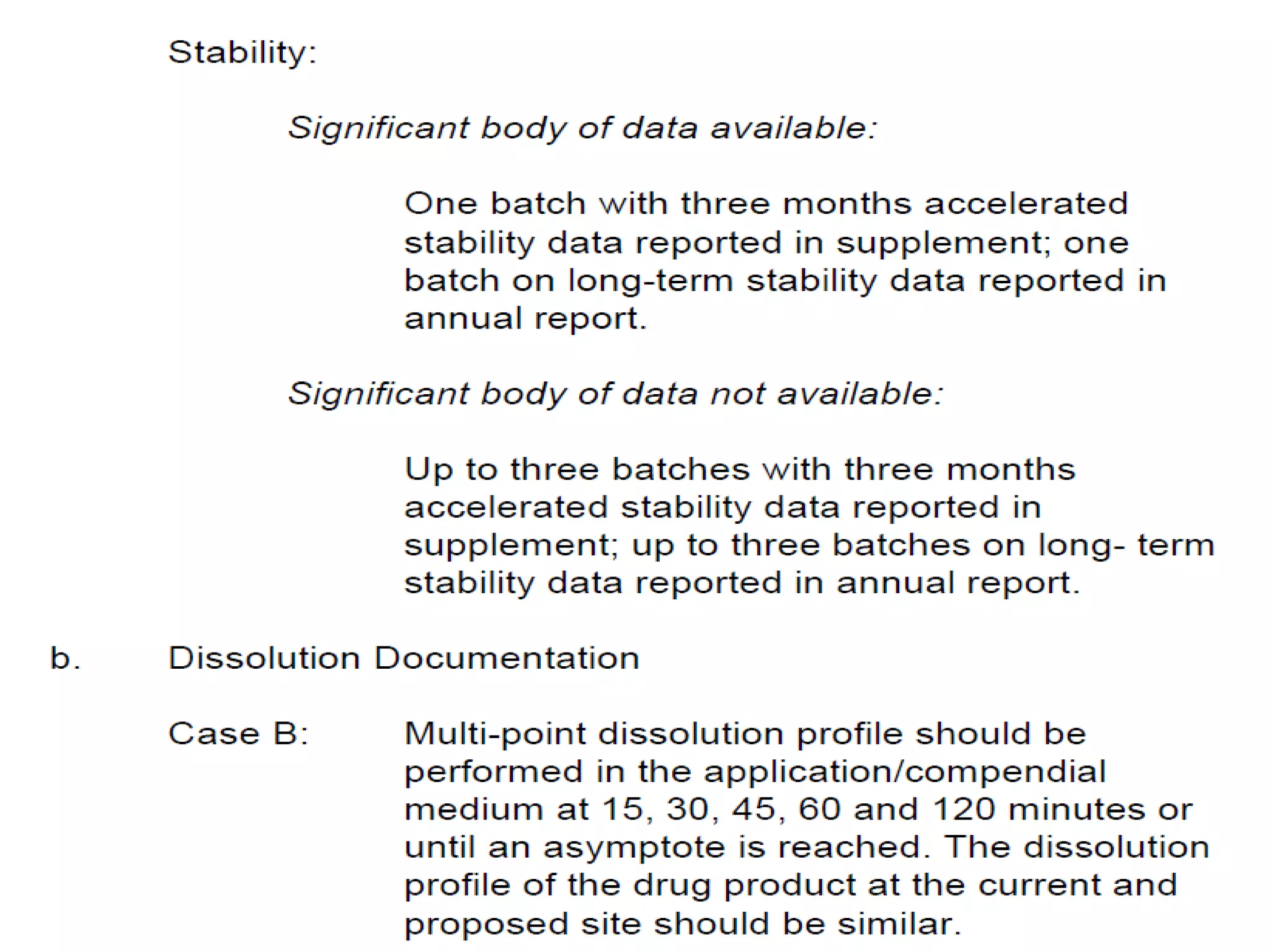
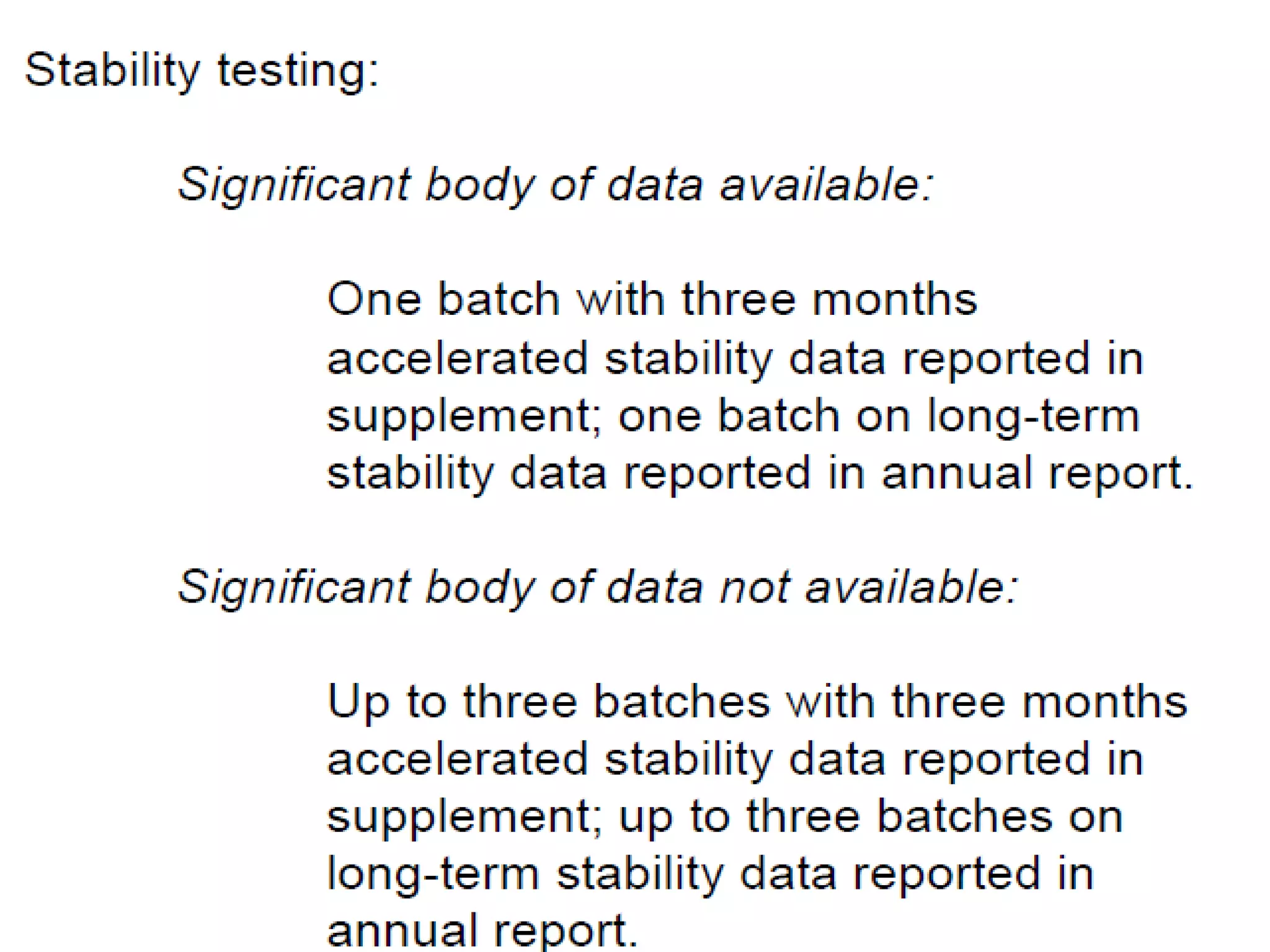
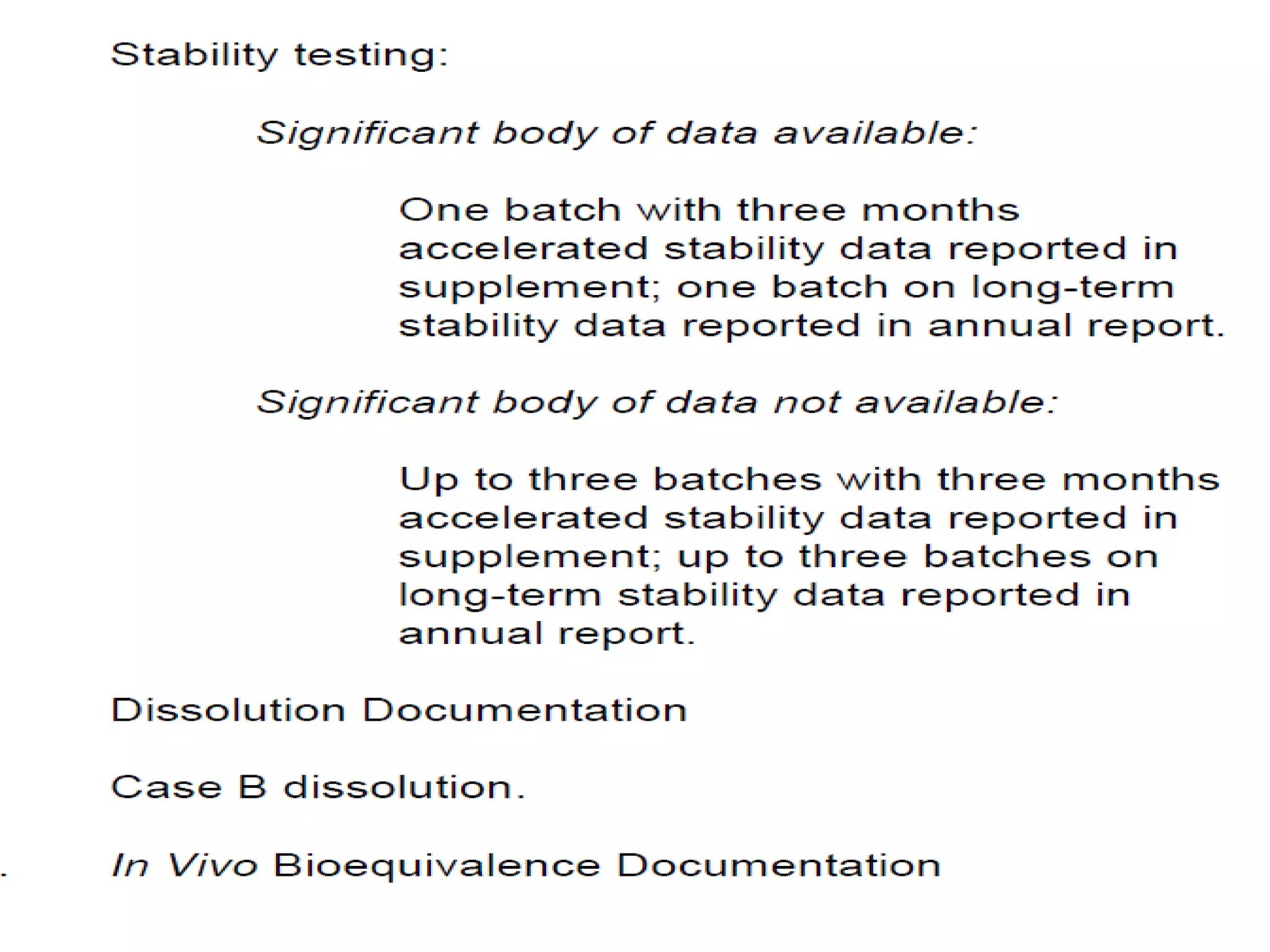
Significant body of information available: 
One batch with three months accelerated stability 
data reported in supplement; one batch on long-term 
stability data reported in annual report. 
Significant body of information not available: 
 Up to three batches with three months 
accelerated stability data reported insupplement; one 
batch on long-term stability data reported in annual 
report. 28
Dissolution Documentation 
Case B dissolution profile as described in Section 
III.B.2.b. 
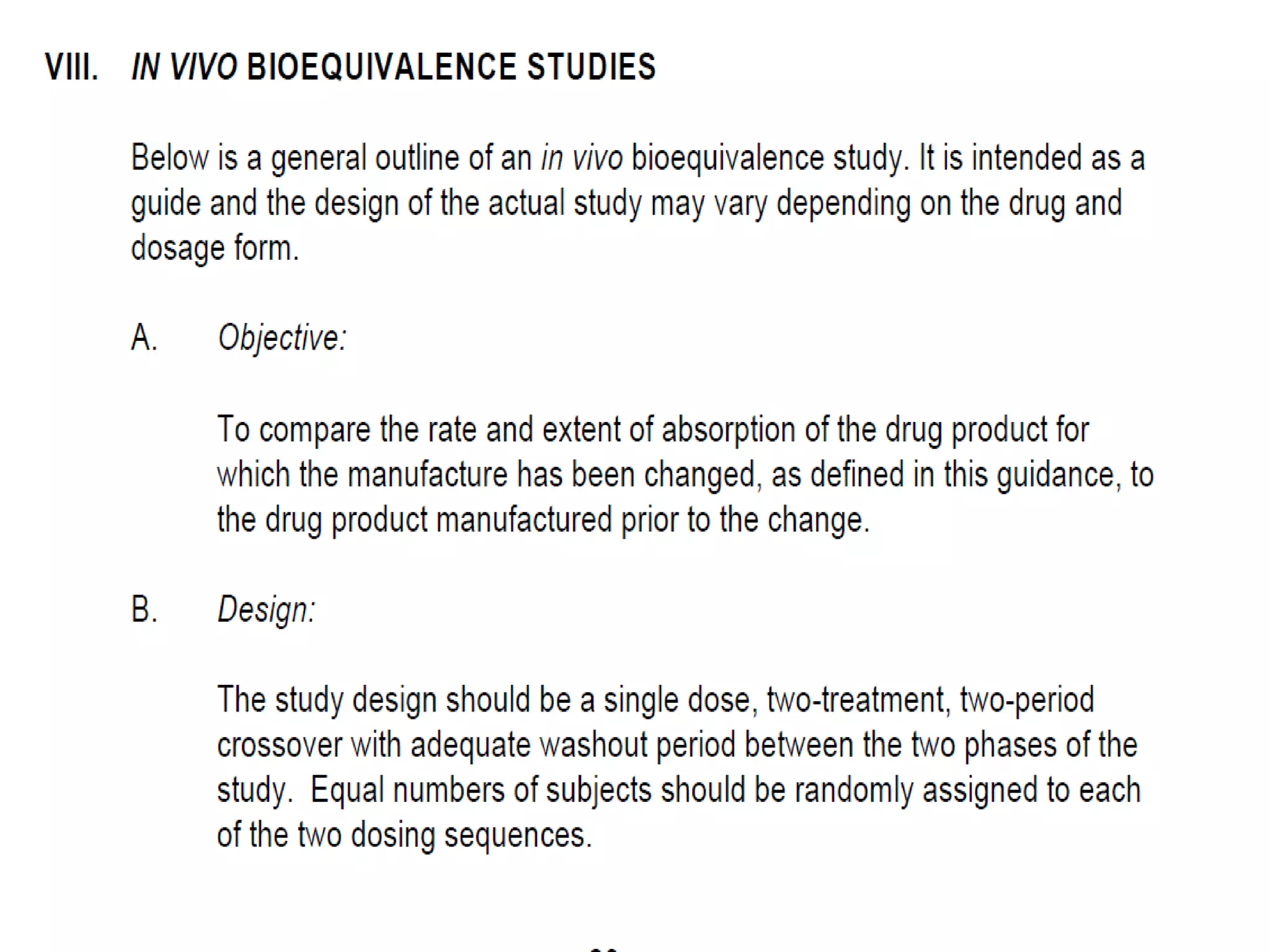
In Vivo Bioequivalence Documentation 
Full bioequivalence study. The bioequivalence study 
may be waived with an acceptable in vivo/in vitro 
correlation has been verified 
29
Filing Documentation 
Prior approval supplement (all information including 
accelerated stability data); annual report (long-term 
stability data). 
30
31
32
33
34
35
36
37
38
39
40
41
42
43
44
45
46
47
48
49
50
51
52
53
54
55
56
CONCLUSION 
57
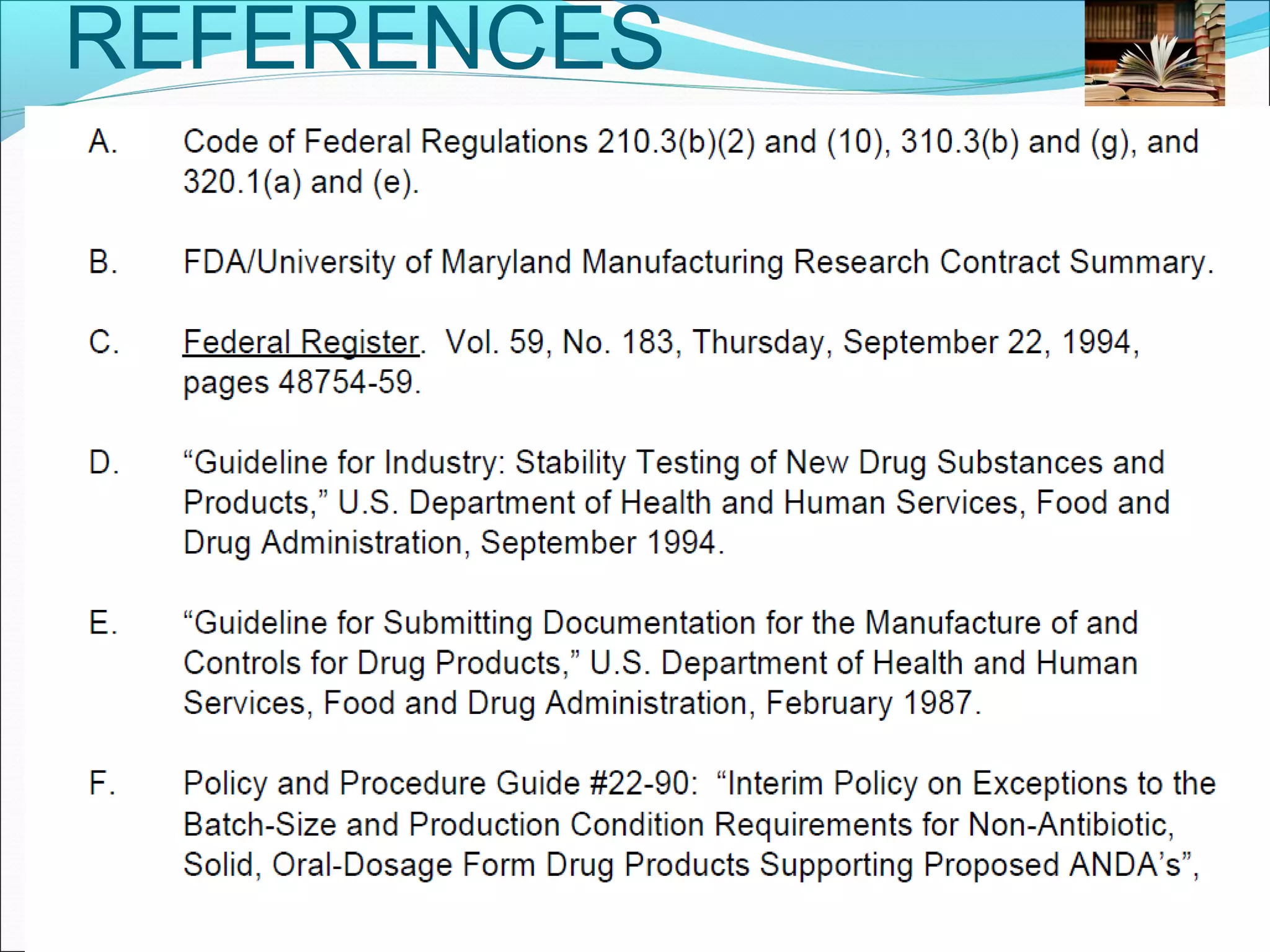
REFERENCES 
58
59 
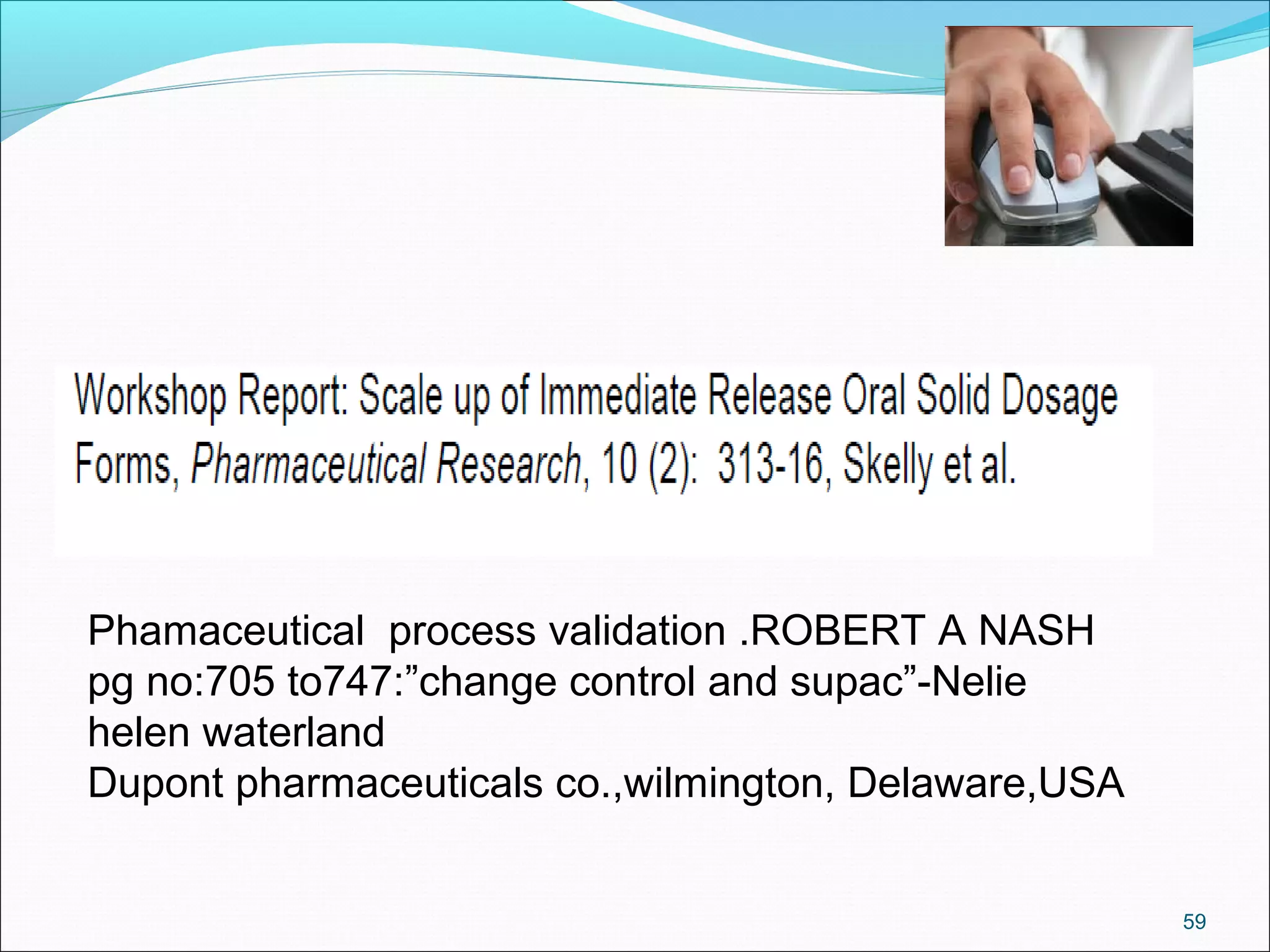
Phamaceutical process validation .ROBERT A NASH 
pg no:705 to747:”change control and supac”-Nelie 
helen waterland 
Dupont pharmaceuticals co.,wilmington, Delaware,USA
60

Supac

  • 1.
  • 2.
    CONTENTS  INTRODUCTION CURRENT FINALISED SUPAC *SUPAC-IR *SUPAC-MR *SUPAC-SS  PROPOSED SUPAC DOCUENTS CONCLUSION SUMMARY REFERNCES 2
  • 3.
    The acronym "SUPAC"stands for "Scale-Up and Post- Approval Changes".  It refers to the FDA-recommended testing and filing actions to be taken by a pharmaceutical firm when it changes the manufacturing processes of a drug product that has been approved via a New Drug Application (NDA), an Abbreviated New Drug Application (ANDA), or an Abbreviated Antibiotic Drug Application (AADA). The Agency has provided its recommendations to industry in the form of Guidances. 3
  • 4.
    INTRODUCTION This guidanceprovides recommendations to sponsors of new drug applications (NDA's), abbreviated new drug applications (ANDA's), and abbreviated antibiotic applications (AADA's) who intend, during the postapproval period, to change:  the components or composition; the site of manufacture;  the scale-up/scale-down of manufacture; and/or  the manufacturing (process and equipment) 4
  • 5.
    This guidance isthe result of 1) a workshop on the scale-up of immediate release drug products conducted by the American Association of Pharmaceutical Scientists in conjunction with the United States Pharmacopoeial Convention and the Food and Drug Administration (FDA) 2) Research conducted by the University of Maryland at Baltimore on the chemistry, manufacturing and controls of immediate release drug products under the FDA/University of Maryland Manufacturing Research Contract; 3) the drug categorization research conducted at the University of Michigan and the University of Uppsala on the permeability of drug substances; 5
  • 6.
    4)the Scale Upand Post Approval Changes (SUPAC) Task Force which was established by the Center for Drug Evaluation and Research (CDER) Chemistry, Manufacturing and Controls Coordinating Committee to develop guidance on scale-up and other postapproval changes 6
  • 7.
    The guidance defines: 1) levels of change; 2) recommended chemistry, manufacturing, and controls tests for each level of change; 3) in vitro dissolution tests and/or in vivo bioequivalence tests for each level of change; and 4)documentation that should support the change. 7
  • 8.
    21 CFR 314.70provides instructions for how changes to approved manufacturing process should be reported to the Agency. Why do the SUPAC Guidances offer an advantage over the regulations????? The documents are specific for particular dosage forms. To date, two Guidances have been finalized. They are: 8
  • 9.
     Immediate ReleaseSolid Oral Dosage Forms---Scale- Up and Post-Approval Changes: Chemistry, Manufacturing and Controls, In Vitro Dissolution Testing, and In Vivo Bioequivalence Documentation (November 1995)  Nonsterile Semisolid Dosage Forms---Scale-Up and Post-Approval Changes: Chemistry, Manufacturing and Controls; In Vitro Dissolution Testing and In Vivo Bioequivalence Documentation (May 1997) In addition, SUPAC documents covering other dosage forms (e.g., extended-release products, transdermals, parenteral solutions), as well as a related document(s) for bulk active substances, are at various stages of development. 9
  • 10.
    SUPAC-IR FDA issuedthe first of its SUPAC guidances in nov 1995 This guidance addressed scale-up and PACs for immediate release oral solid dosage forms When making equipment changes ,the FDA’s SUPAC-IR/MR immediate release and modified release solid oral dosage forms Manufacturing Equipment Addendum ,released in january 1999 has to be followed This addendum lists various types of equipment and categorises them into operating classes and subclasses 10
  • 11.
    SUPAC-IR Q&A Infeb 1997,the FDA issued a letter containing the most frequently asked questions regarding SUPAC The clarification regarding stand-alone packing site changes The second change reffered to post-approval analytical testing site changes 11
  • 12.
    PAC-ALTS In april1998 the FDA issued the PAC-ATLS (post approval changes-analytical testing laboratory site) guidance document allowing analytical testing laboratory site changes for all regulated dosage form 12
  • 13.
    LEVELS OF CHANGES 3 levels of changes: level 1 level 2 level 3 LLeevveell 11:: This level 1 changes may be filed in an annual report and have no detectable impact on formulation quality or performance 13
  • 14.
    LEVEL 2: Theycould have significant impact on formulation quality and performance and thus filed in a changes being effected(CBE) supplement or prior approval (PA) supplement This tests and filing depends on therapeutic range ,solubility, permeability LEVEL3:This changes are likely to have impact on Rx quality and performance and are thus filed in PA supplement This tests and filing documentation vary ,depending on therapeutic range,solubility,and permeability of the pharmaceutical product 14
  • 15.
    COMPONENTS &COMPOSITION Thissection of the guidance focuses on changes in excipients in the drug product Changes in the amount of drug substance are not addressed by this guidance. Changes in components or composition that have the effect of adding a new excipient or deleting an excipient are defined at Level 3 15
  • 16.
    LEVEL 1: Examples: a. Deletion or partial deletion of an ingredient intended to affect the color or flavor of the drug product; or  change in the ingredient of the printing ink to another approved ingredient b. Changes in excipients, expressed as percentage (w/w) of total formulation, less than or equal to the following percent ranges: 16
  • 17.
  • 18.
    Test Documentation a.Chemistry Documentation Application/compendial release requirements and stability testing. Stability testing: one batch on long-term stability data reported in annual report. b. Dissolution Documentation None beyond application/compendial requirements. c. In Vivo Bioequivalence Documentation None. 18
  • 19.
    Filing Documentation Annualreport (all information including long-term stability data). 19
  • 20.
    LEVEL 2 CHANGES Examples:  Change in the technical grade of an excipient. (Example: Avicel PH102 vs. Avicel PH200.)  Changes in excipients, expressed as percent (w/w) of total formulation, greater than those listed above for a Level 1 change but less than or equal to the following percent ranges (which represent a two fold increase over Level 1 changes): 20
  • 21.
  • 22.
  • 23.
    23 Test Documentation a.Chemistry Documentation Application/compendial release requirements and batch records. Stability testing: 1 batch with 3 months accelerated stability data in supplement and 1 batch on long-term stability.
  • 24.
    Dissolution Documentation CaseA: High Permeability, High Solubility Drugs Dissolution of 85% in 15 minutes in 900 mL of 0.1N HCl. If a drug product fails to meet this criterion, the applicant should perform the tests described for Case B or C (below). Case B: Low Permeability, High Solubility Drugs Multi-point dissolution profile should be performed in the application/compendial medium at 15, 30, 45, 60 and 120 minutes or until an asymptote is reached. The dissolution profile of the proposed and currently used product formulations should be similar 24
  • 25.
    Case C: HighPermeability, Low Solubility Drugs Multi-point dissolution profiles should be performed in water, 0.1 N HCl, and USP buffer media at pH 4.5, 6.5, and 7.5 (five separate profiles) for the proposed and currently accepted formulations. Adequate sampling should be performed at 15, 30, 45, 60, and 120 minutes until either 90% of drug from the drug product is dissolved or an asymptote is reached. A surfactant may be used, but only with appropriate justification. The dissolution profile of the proposed and currently used product formulations should be similar. 25
  • 26.
    c. In VivoBioequivalence Documentation None: if the situation does not meet the description in Case A, Case B or Case C, refer to Level 3 changes. Filing Documentation Prior approval supplement (all information including accelerated stability data); annual report (long-term stability data). 26
  • 27.
    LEVEL 3 Examples: a.Any qualitative and quantitative excipient changes to a narrow therapeutic drug beyond the ranges noted in level 1 b. All other drugs not meeting the dissolution criteria under level 2 c. Changes in the excipient ranges of low solubility, low permeability drugs beyond Changes in the excipient ranges of all drugs beyond 2x level 1 27
  • 28.
    Test documentation a.ChemistryDocumentation Application/compendial release requirements and batch records. Significant body of information available: One batch with three months accelerated stability data reported in supplement; one batch on long-term stability data reported in annual report. Significant body of information not available:  Up to three batches with three months accelerated stability data reported insupplement; one batch on long-term stability data reported in annual report. 28
  • 29.
    Dissolution Documentation CaseB dissolution profile as described in Section III.B.2.b. In Vivo Bioequivalence Documentation Full bioequivalence study. The bioequivalence study may be waived with an acceptable in vivo/in vitro correlation has been verified 29
  • 30.
    Filing Documentation Priorapproval supplement (all information including accelerated stability data); annual report (long-term stability data). 30
  • 31.
  • 32.
  • 33.
  • 34.
  • 35.
  • 36.
  • 37.
  • 38.
  • 39.
  • 40.
  • 41.
  • 42.
  • 43.
  • 44.
  • 45.
  • 46.
  • 47.
  • 48.
  • 49.
  • 50.
  • 51.
  • 52.
  • 53.
  • 54.
  • 55.
  • 56.
  • 57.
  • 58.
  • 59.
    59 Phamaceutical processvalidation .ROBERT A NASH pg no:705 to747:”change control and supac”-Nelie helen waterland Dupont pharmaceuticals co.,wilmington, Delaware,USA
  • 60.

Editor's Notes

  • #60 And christopher c.kowtna