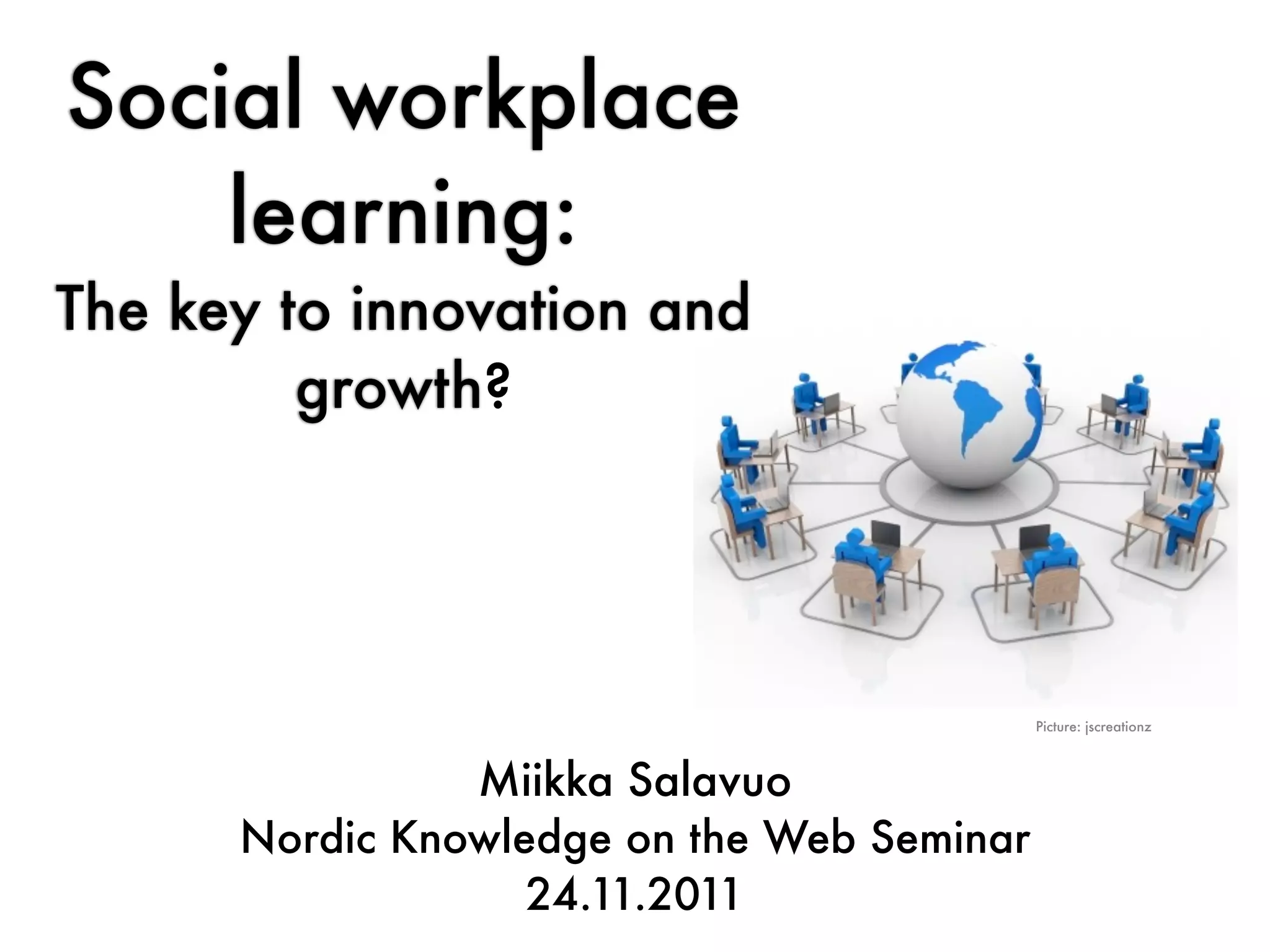
Social workplace
    learning:
The key to innovation and
         growth?


                                            Picture: jscreationz


                Miikka Salavuo
      Nordic Knowledge on the Web Seminar
                   24.11.2011
What is Social Learning?


A concept for social media enhanced,
continuous, often informal learning within workflow.


From training to constant learning


Understanding the essence of learning
What is Social Learning?

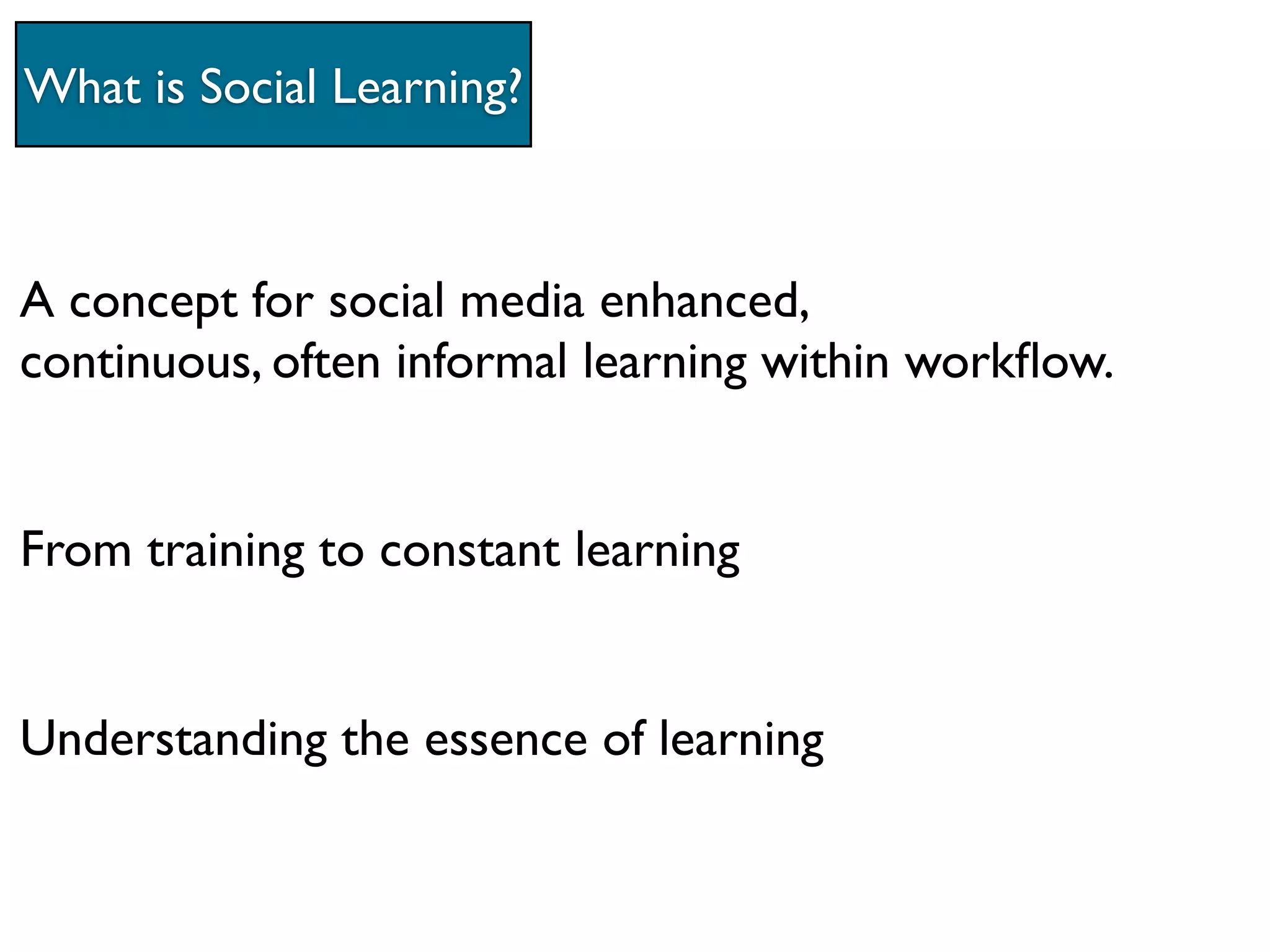
Learning theory viewpoints:
    We learn best from
    interactions with others,
    by activating our own brain,       Picture: jscreationz


    by explainging, questioning,
    predisposing ourselves to ideas,
    arguments, counterarguments,
    mistakes.........
What is Social Learning?

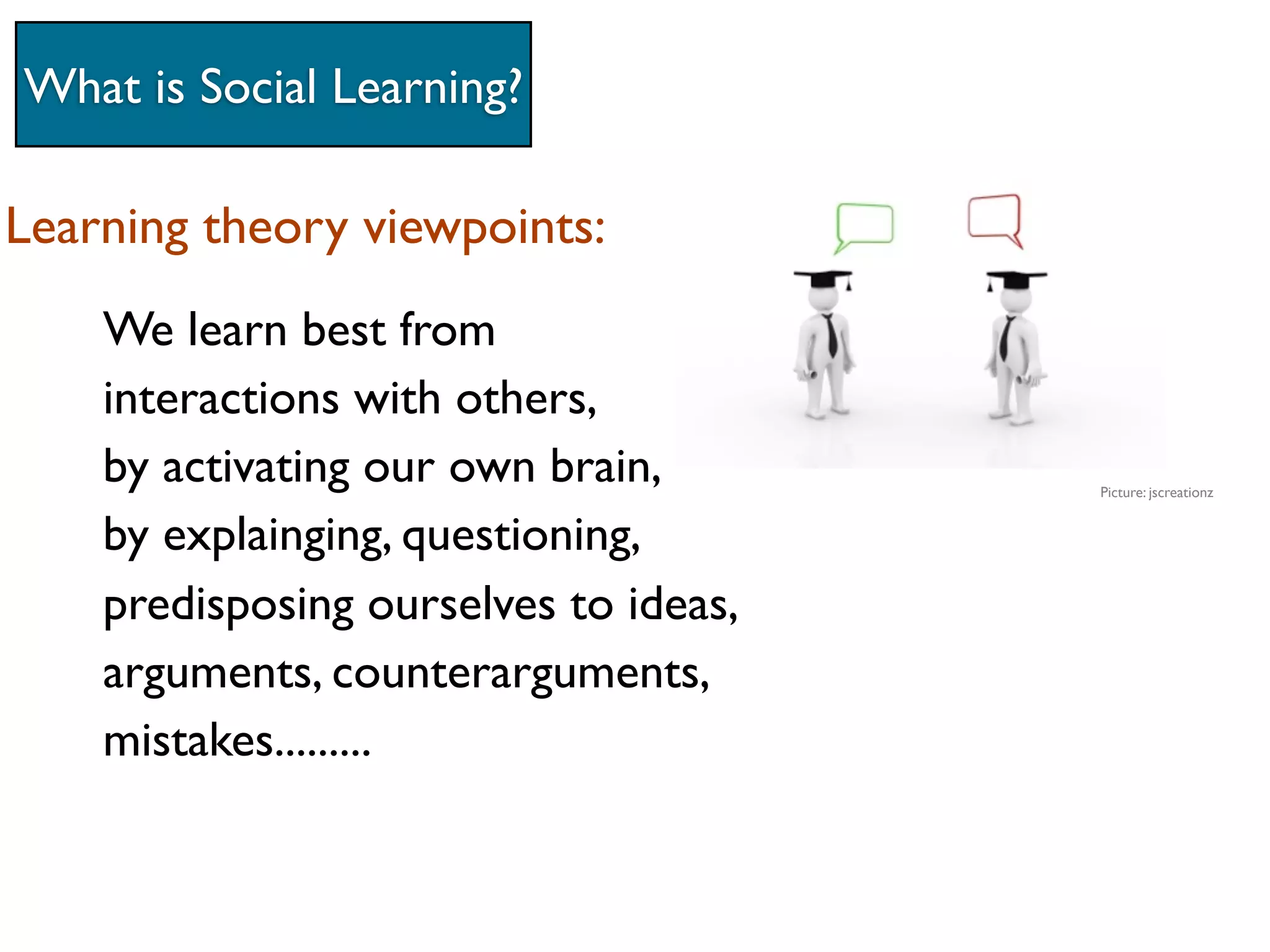
Social learning relies on the
distributed expertise

and takes place within
collectives,
                                 Picture: jscreationz

such as active, dynamic, self-
organizing communities of
practice
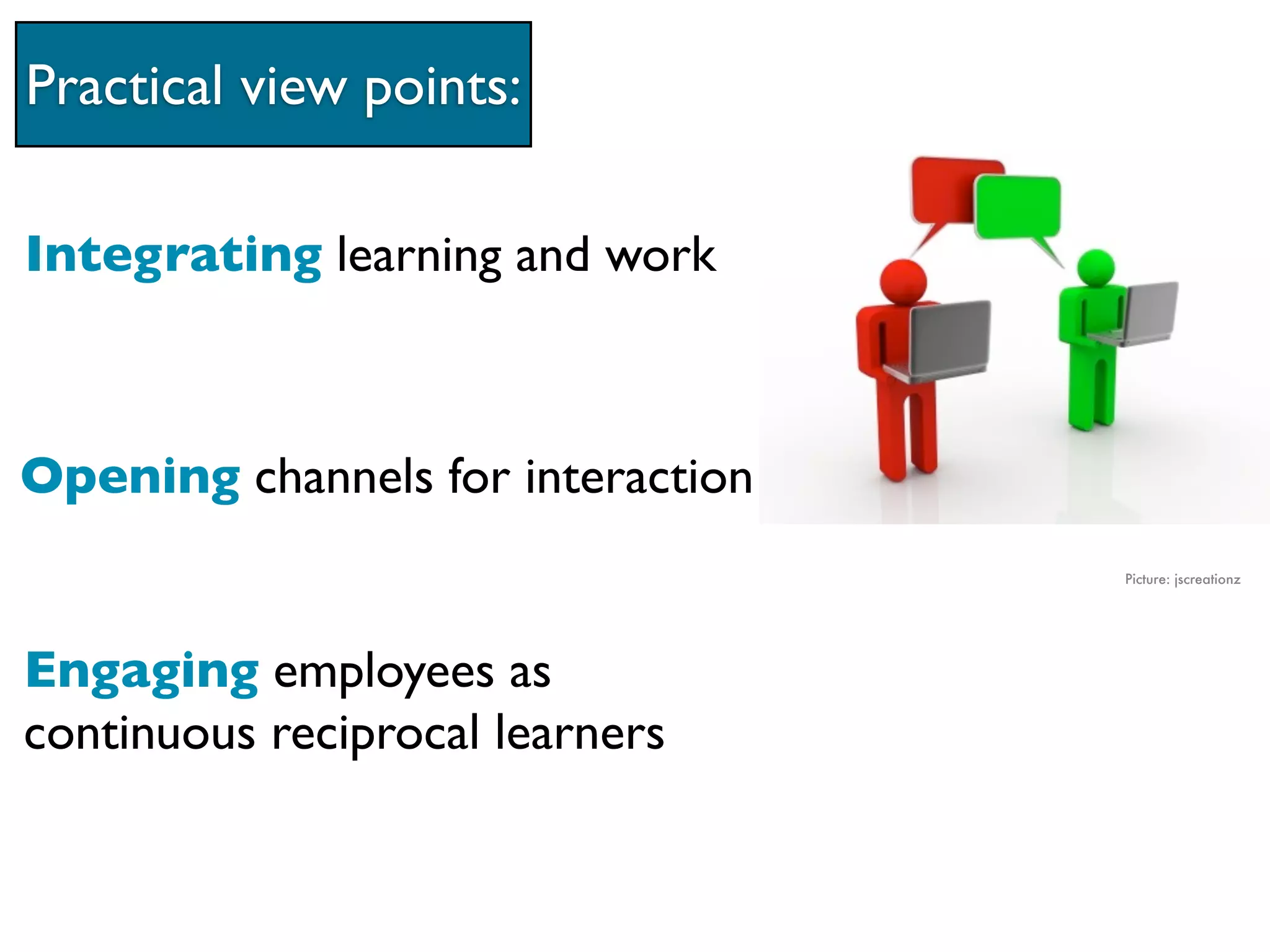
Practical view points:

Integrating learning and work


Opening channels for interaction
                                   Picture: jscreationz


Engaging employees as
continuous reciprocal learners
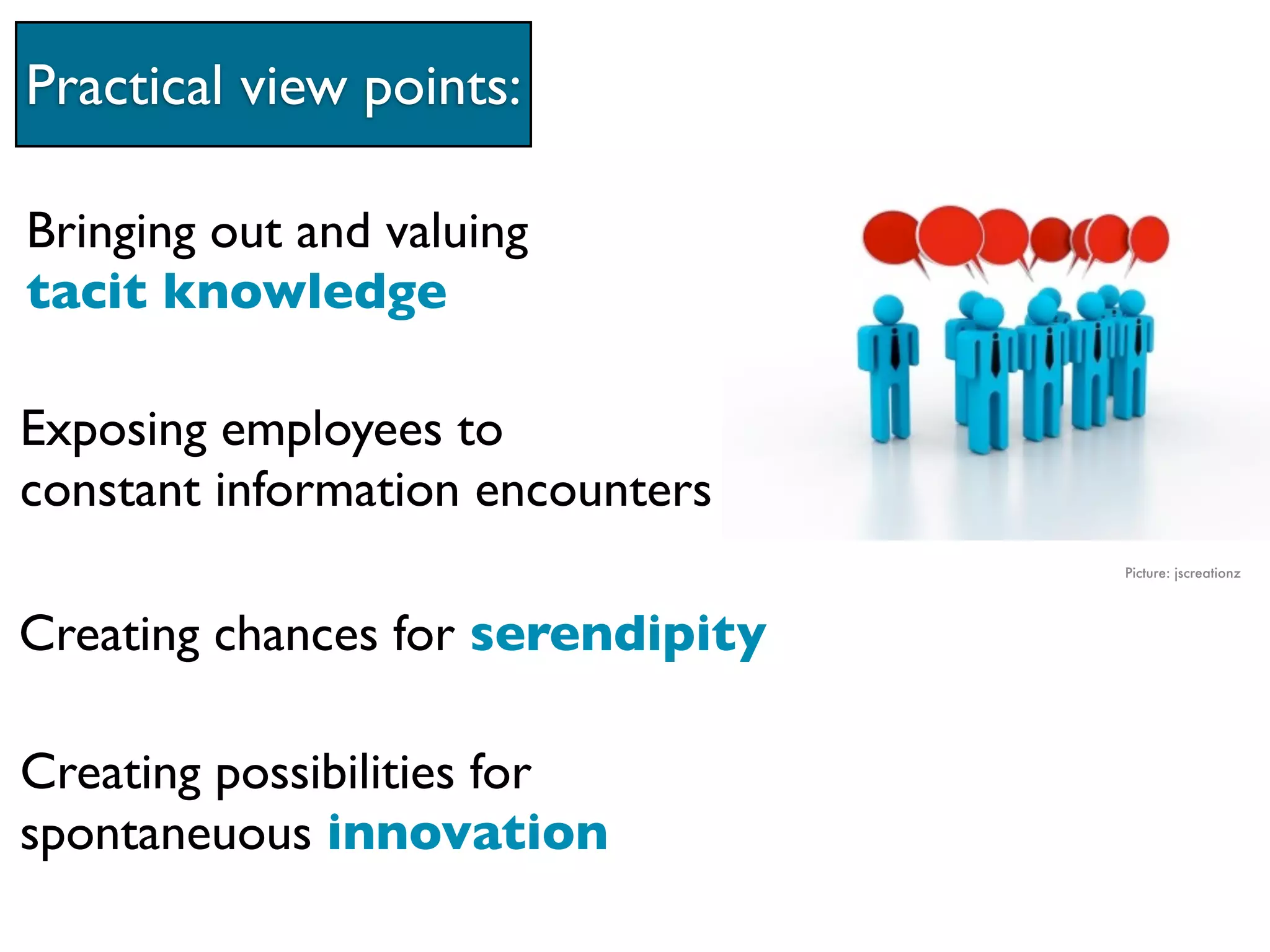
Practical view points:

Bringing out and valuing
tacit knowledge

Exposing employees to
constant information encounters
                                   Picture: jscreationz


Creating chances for serendipity

Creating possibilities for
spontaneuous innovation
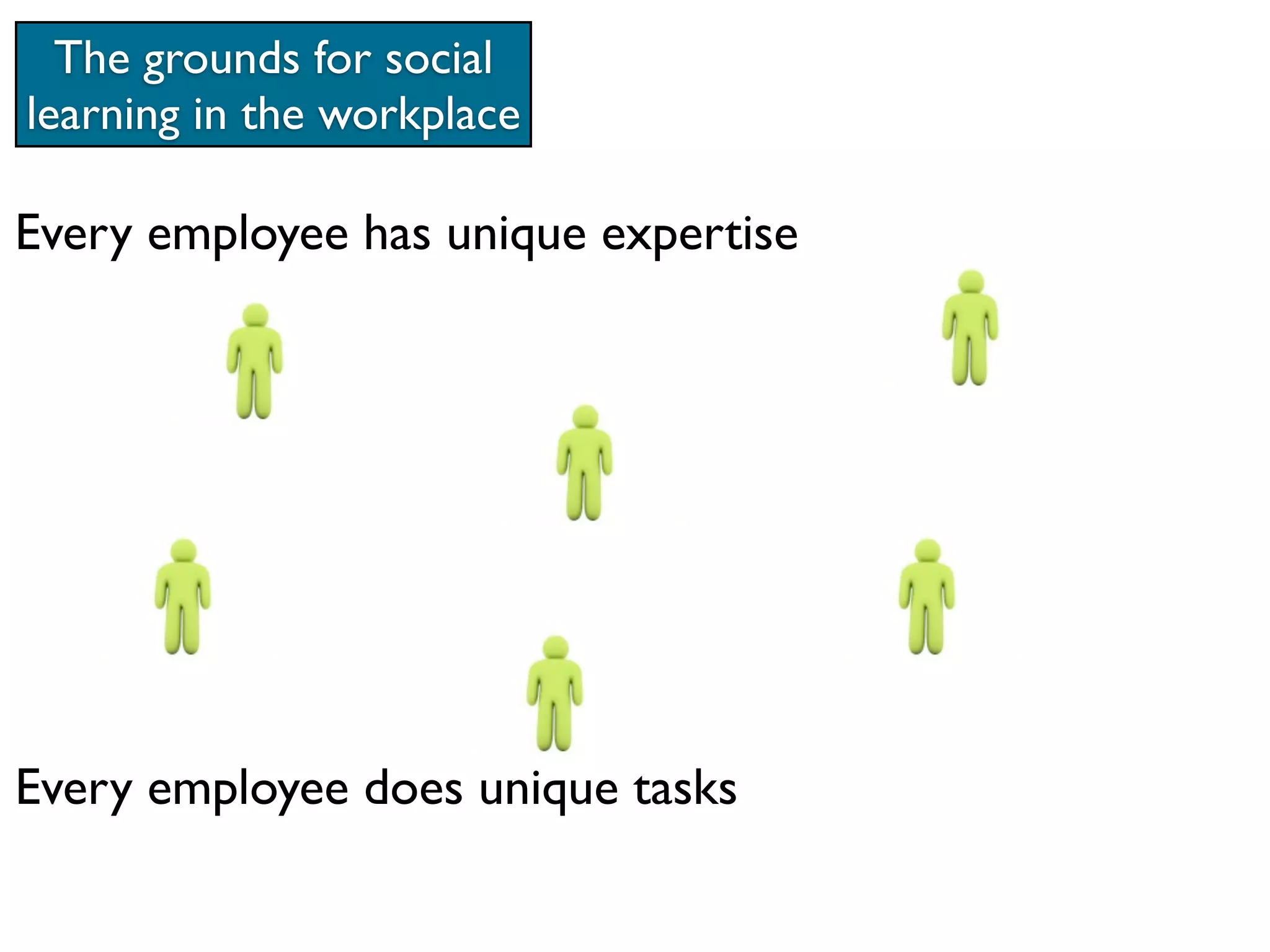
The grounds for social
learning in the workplace

Every employee has unique expertise


Every employee does unique tasks
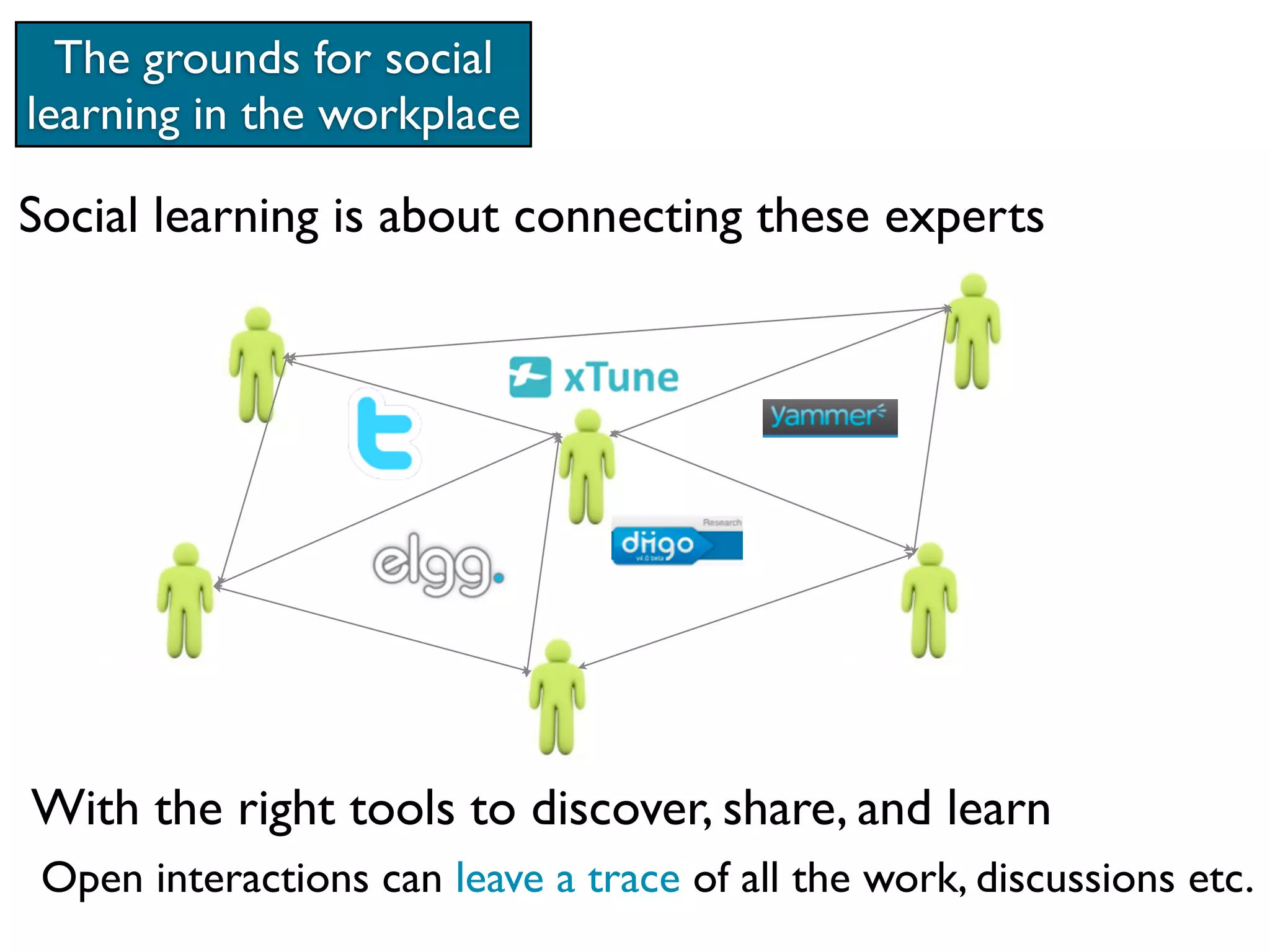
The grounds for social
learning in the workplace

Social learning is about connecting these experts


With the right tools to discover, share, and learn
 Open interactions can leave a trace of all the work, discussions etc.
The importance of
       networks

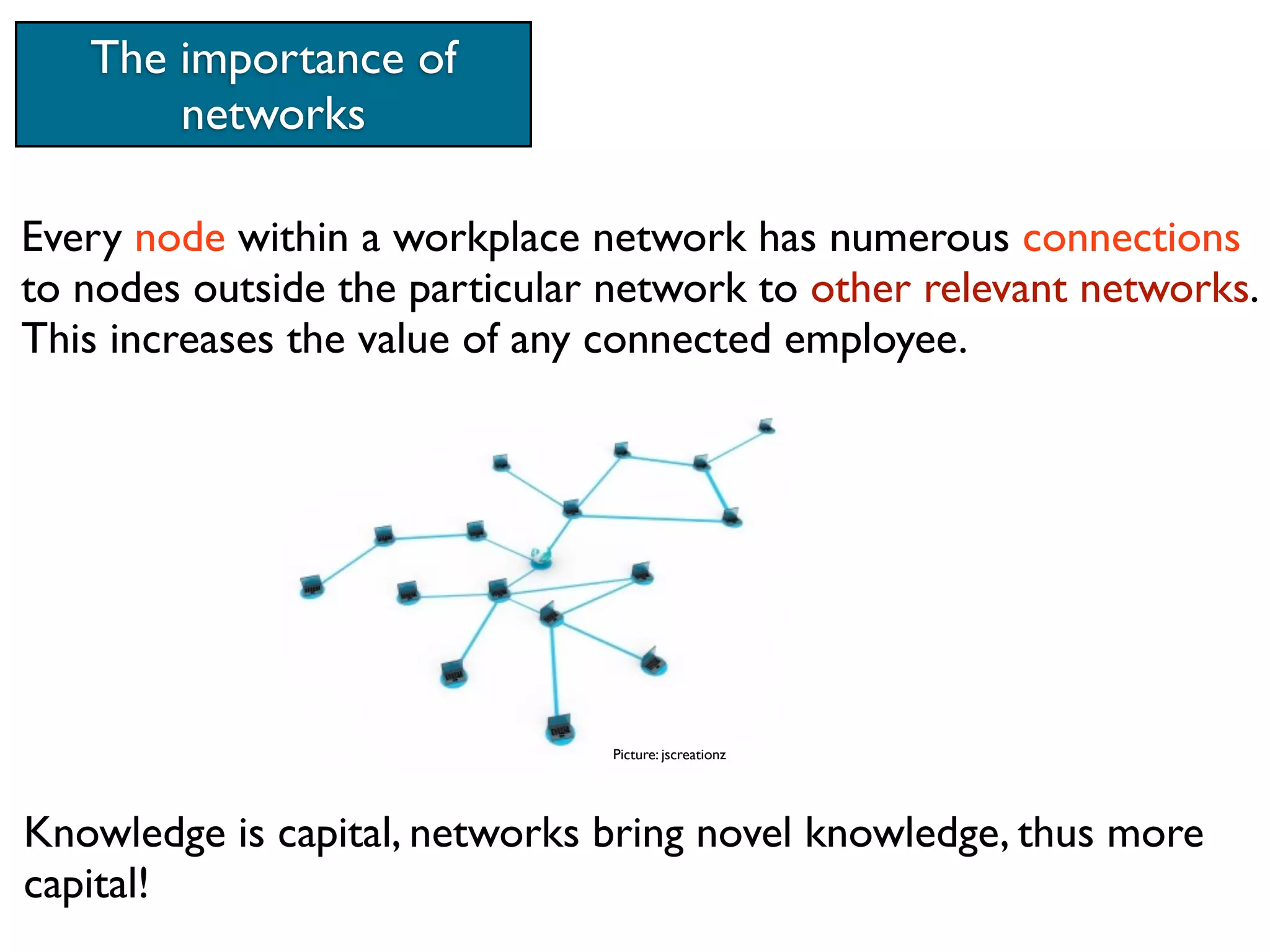
Every node within a workplace network has numerous connections
to nodes outside the particular network to other relevant networks.
This increases the value of any connected employee.


                                Picture: jscreationz


Knowledge is capital, networks bring novel knowledge, thus more
capital!
The grounds for social
learning in the workplace
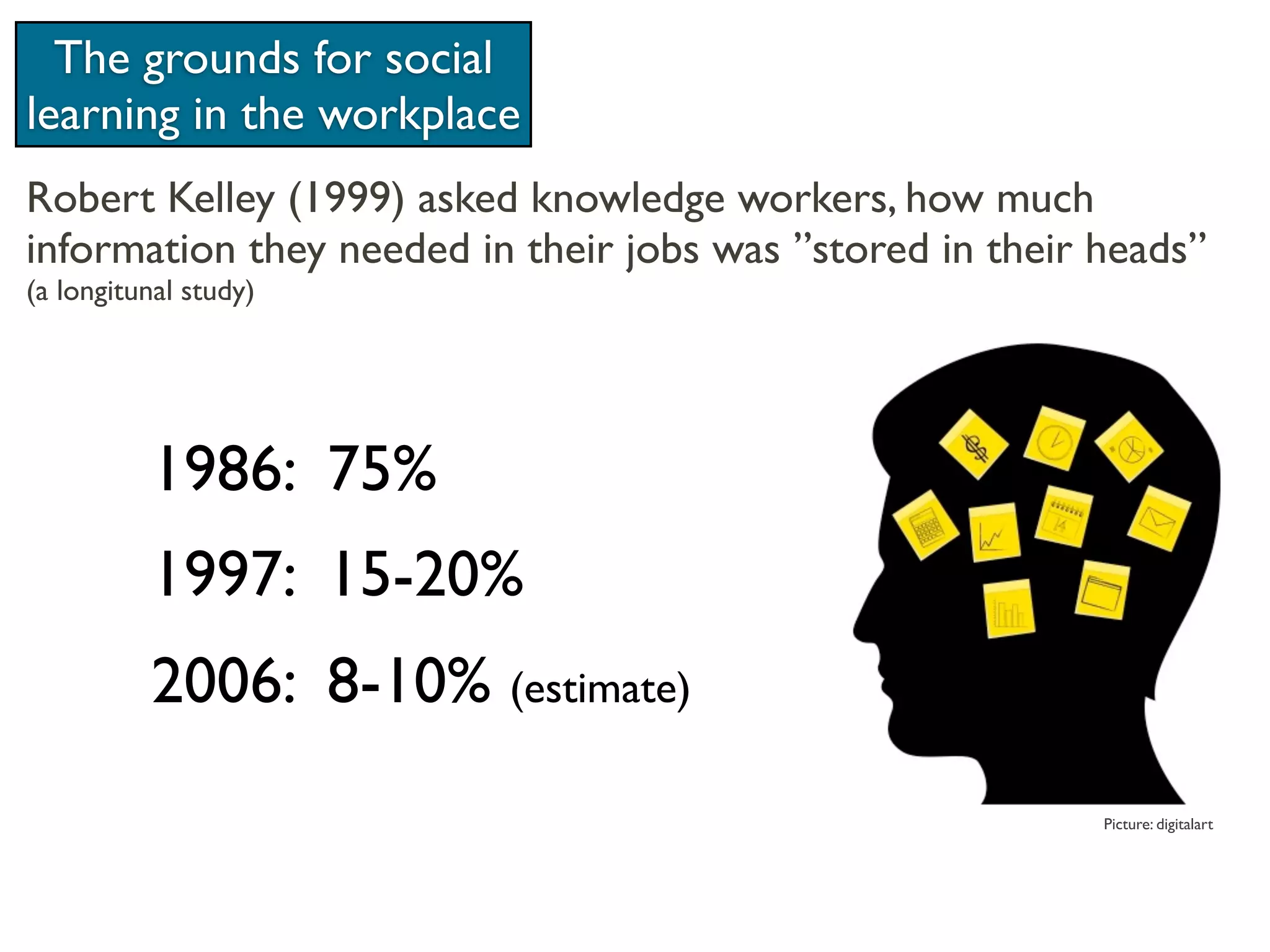
Robert Kelley (1999) asked knowledge workers, how much
information they needed in their jobs was ”stored in their heads”
(a longitunal study)


          1986: 75%
          1997: 15-20%
          2006: 8-10% (estimate)
                                                           Picture: digitalart
The grounds for social
learning in the workplace
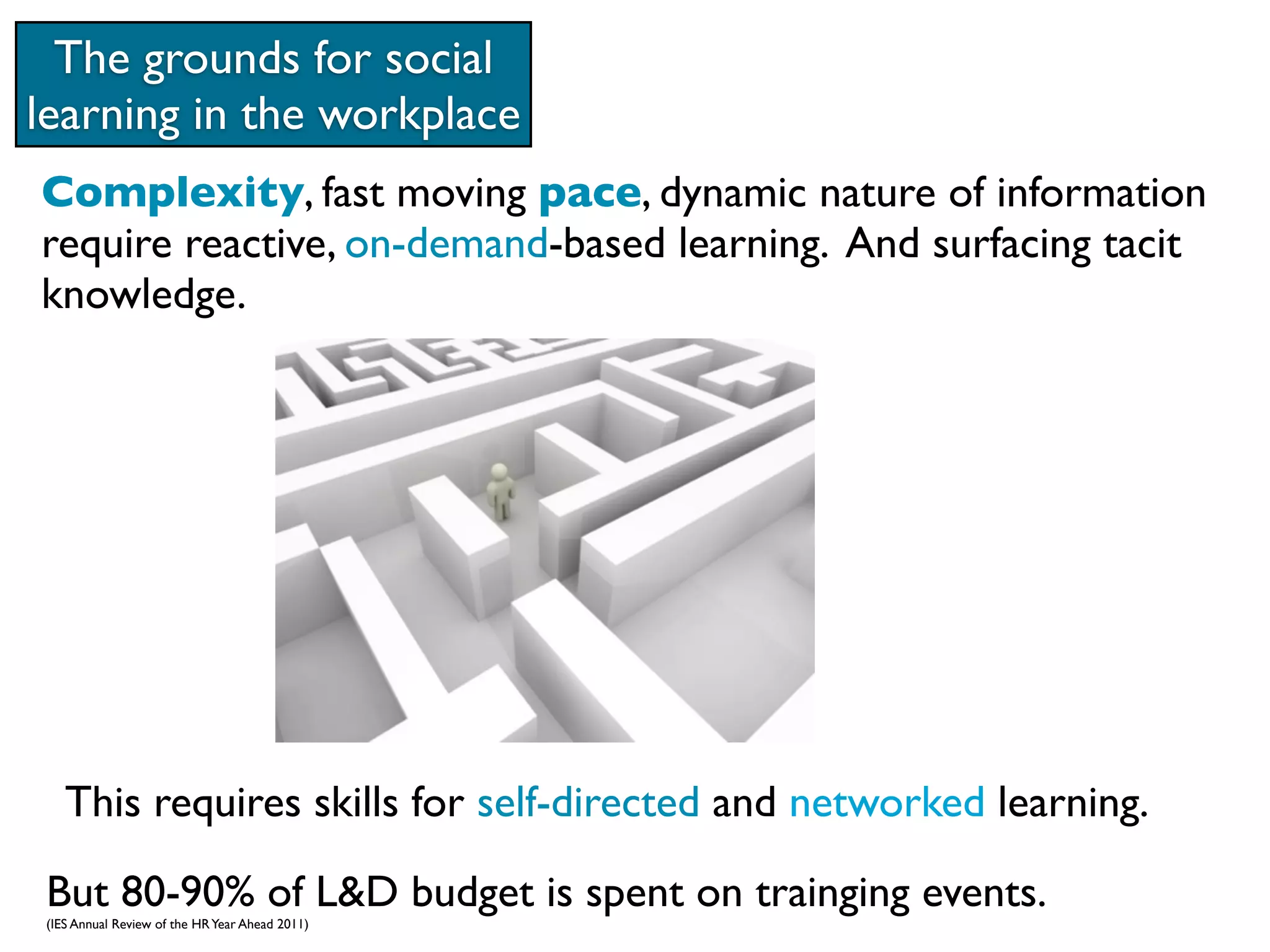
Complexity, fast moving pace, dynamic nature of information
require reactive, on-demand-based learning. And surfacing tacit
knowledge.


    This requires skills for self-directed and networked learning.

 But 80-90% of L&D budget is spent on trainging events.
 (IES Annual Review of the HR Year Ahead 2011)
The grounds for social
learning in the workplace


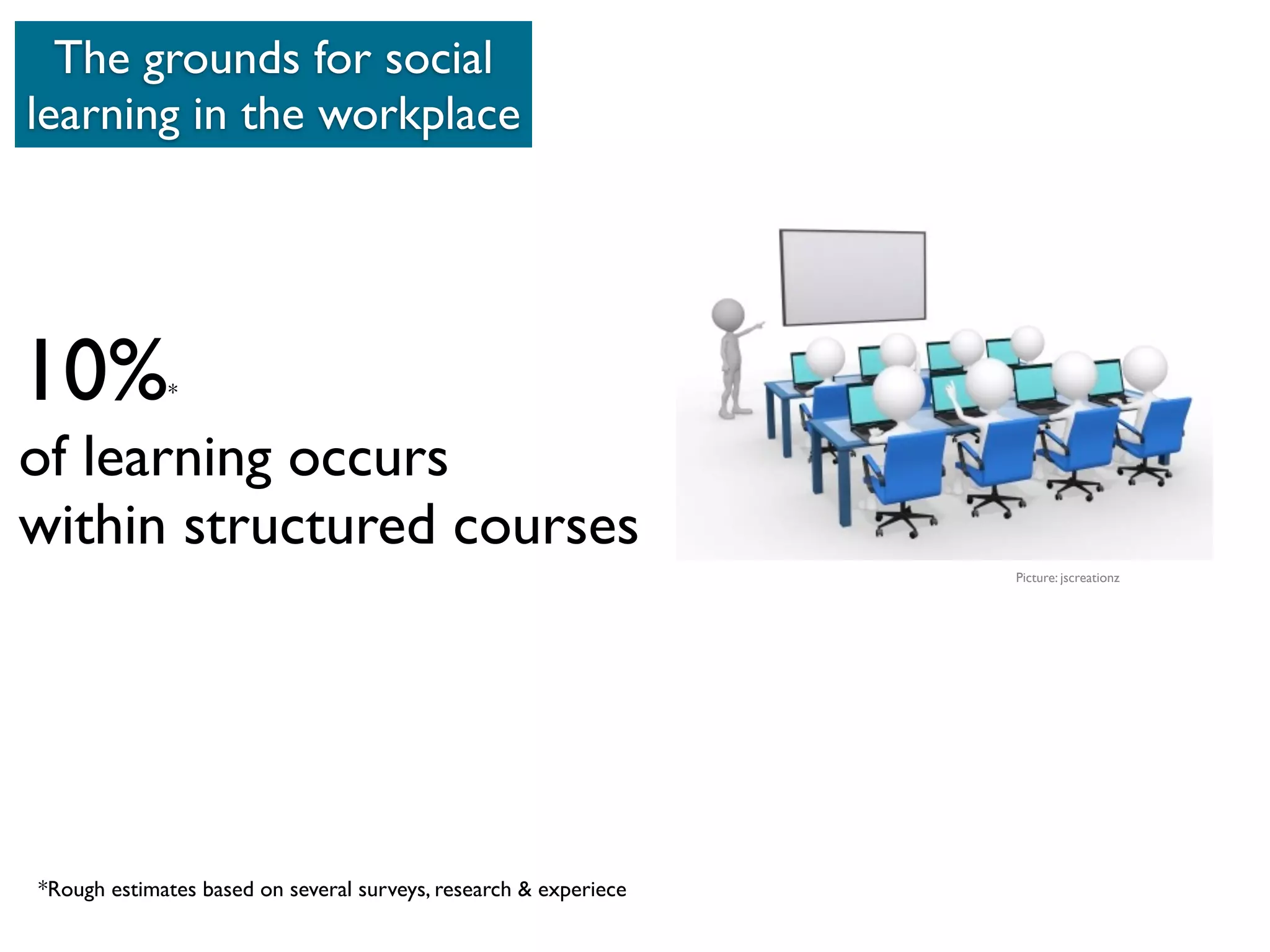
10%          *


of learning occurs
within structured courses
                                                                  Picture: jscreationz


*Rough estimates based on several surveys, research & experiece
The grounds for social
learning in the workplace


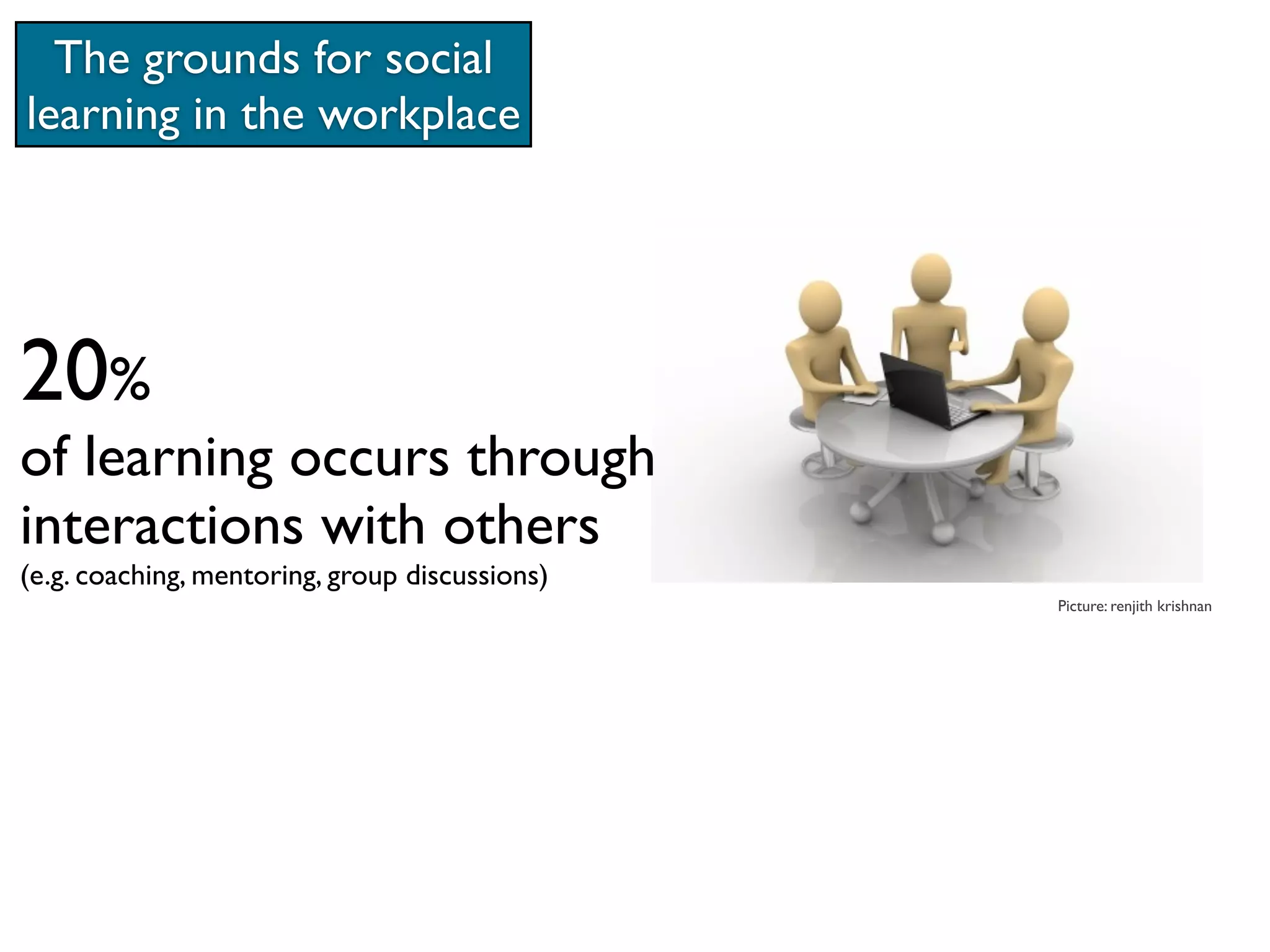
20%
of learning occurs through
interactions with others
(e.g. coaching, mentoring, group discussions)
                                                Picture: renjith krishnan
The grounds for social
  learning in the workplace


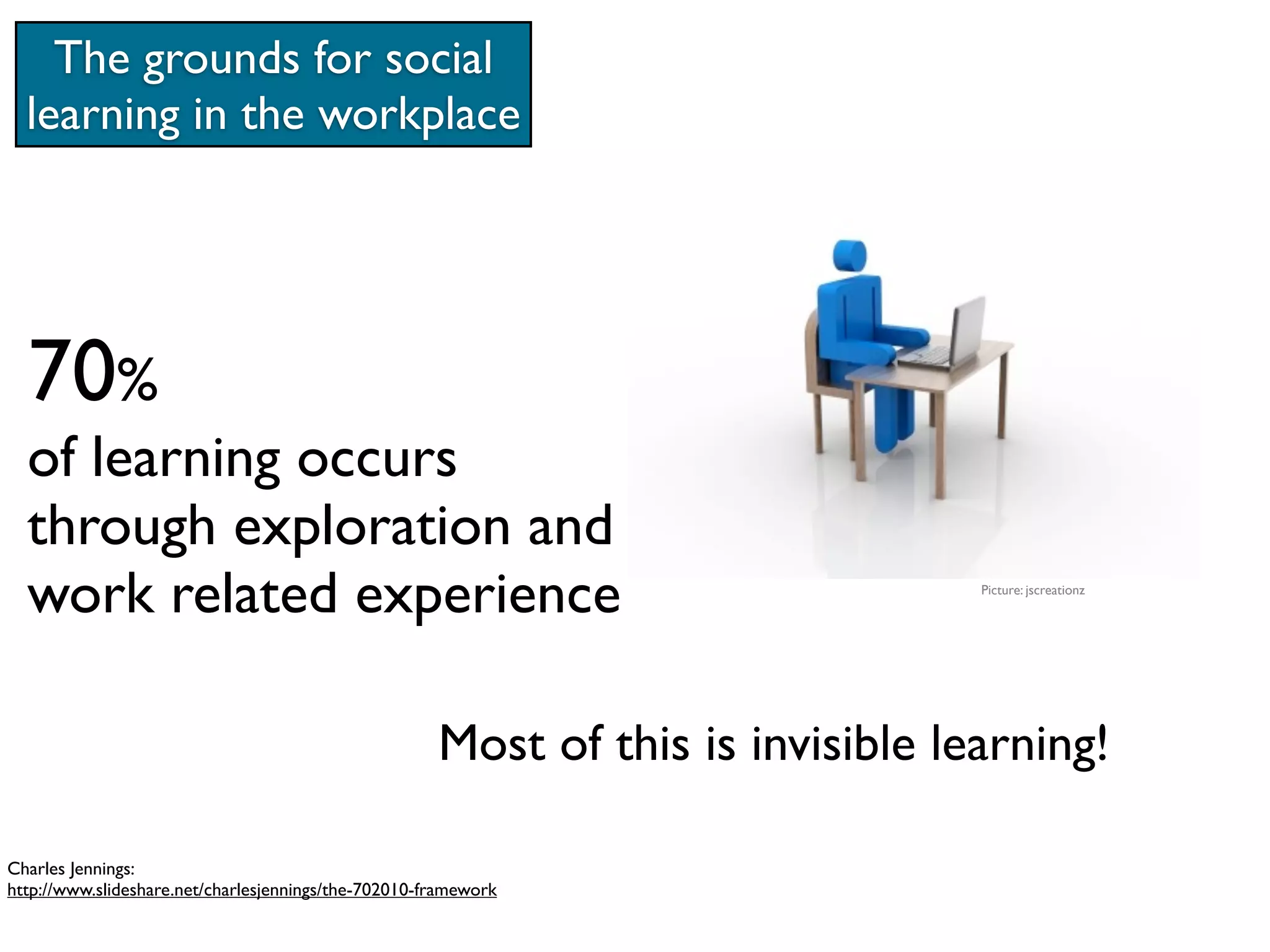
  70%
  of learning occurs
  through exploration and
  work related experience                                                         Picture: jscreationz


                                                      Most of this is invisible learning!

Charles Jennings:
http://www.slideshare.net/charlesjennings/the-702010-framework
The state of social media
in the workplace
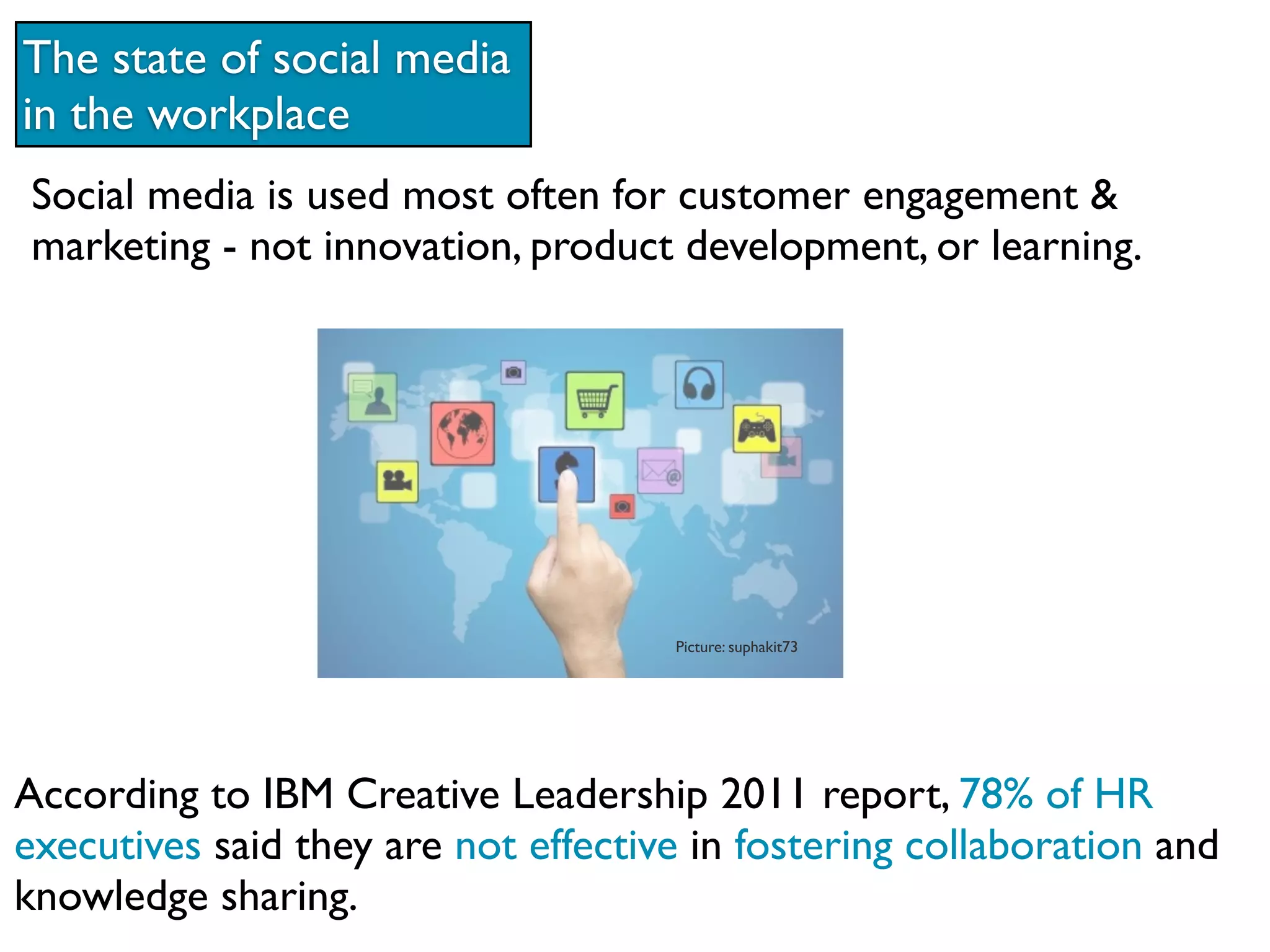
Social media is used most often for customer engagement &
marketing - not innovation, product development, or learning.


                                     Picture: suphakit73


According to IBM Creative Leadership 2011 report, 78% of HR
executives said they are not effective in fostering collaboration and
knowledge sharing.
Obstacles to social
learning in the workplace
                                                                       Picture: jscreationz


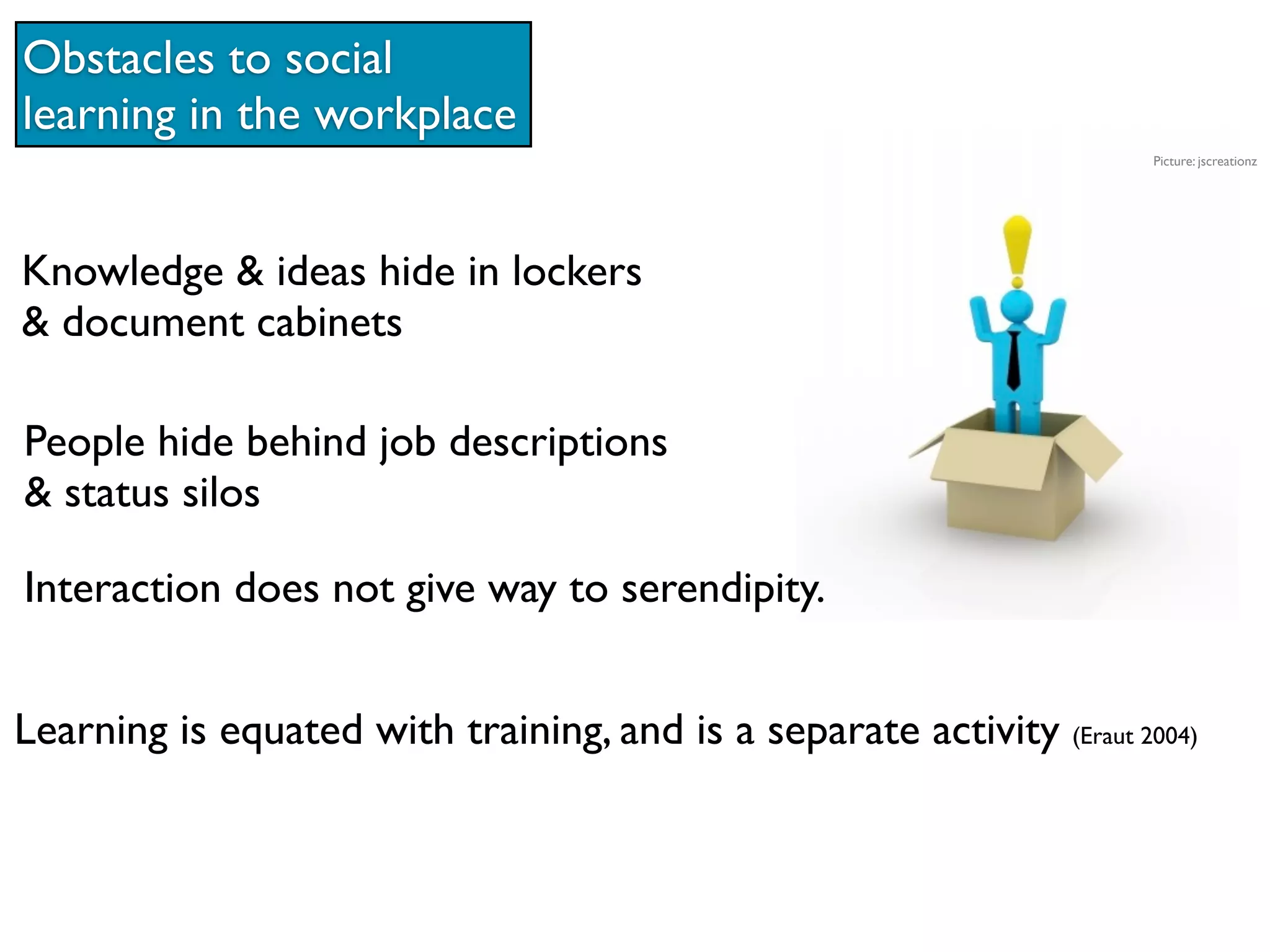
Knowledge & ideas hide in lockers
& document cabinets

People hide behind job descriptions
& status silos

Interaction does not give way to serendipity.


Learning is equated with training, and is a separate activity (Eraut 2004)
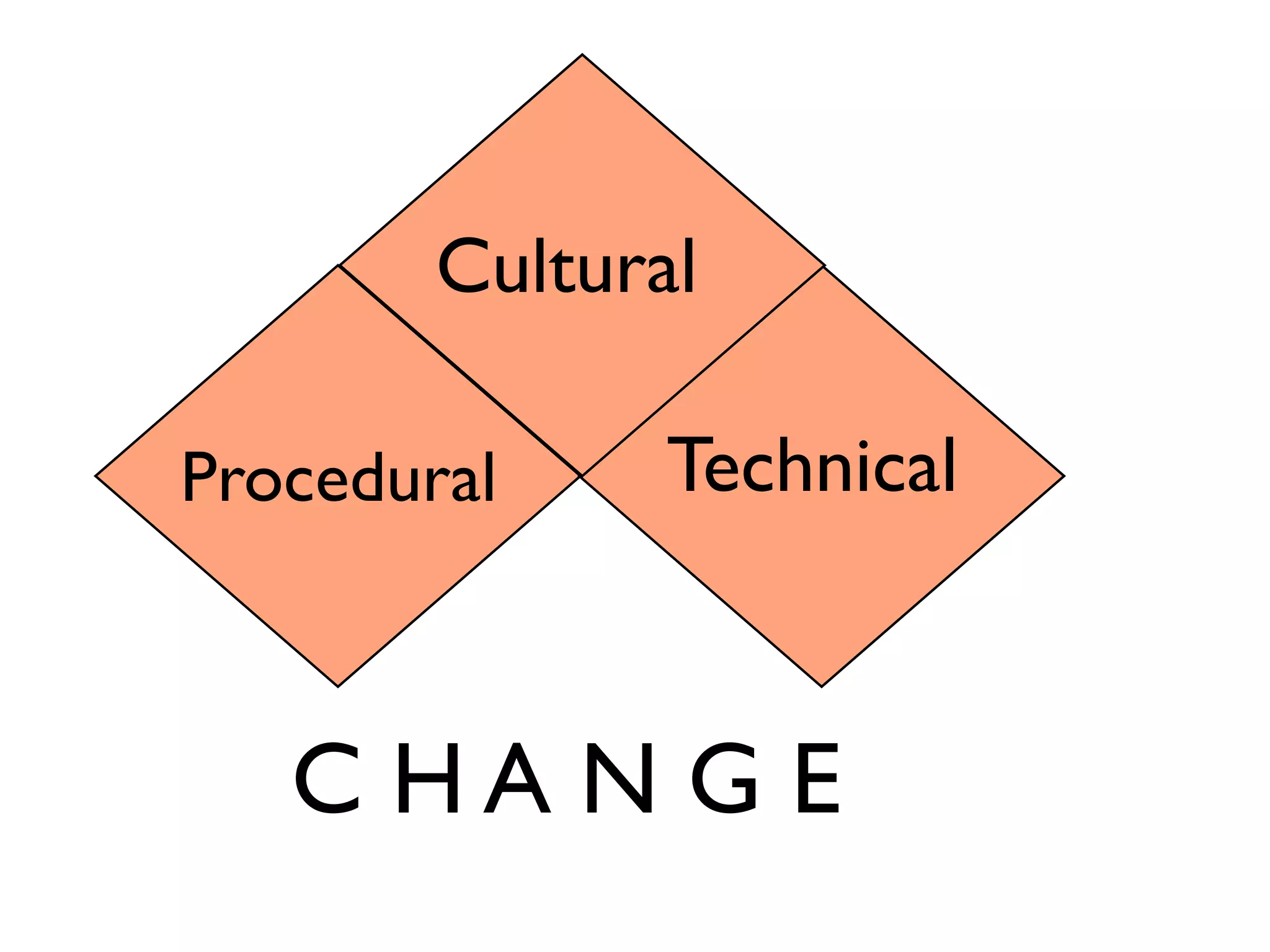
Cultural

Procedural     Technical


   C HA N G E
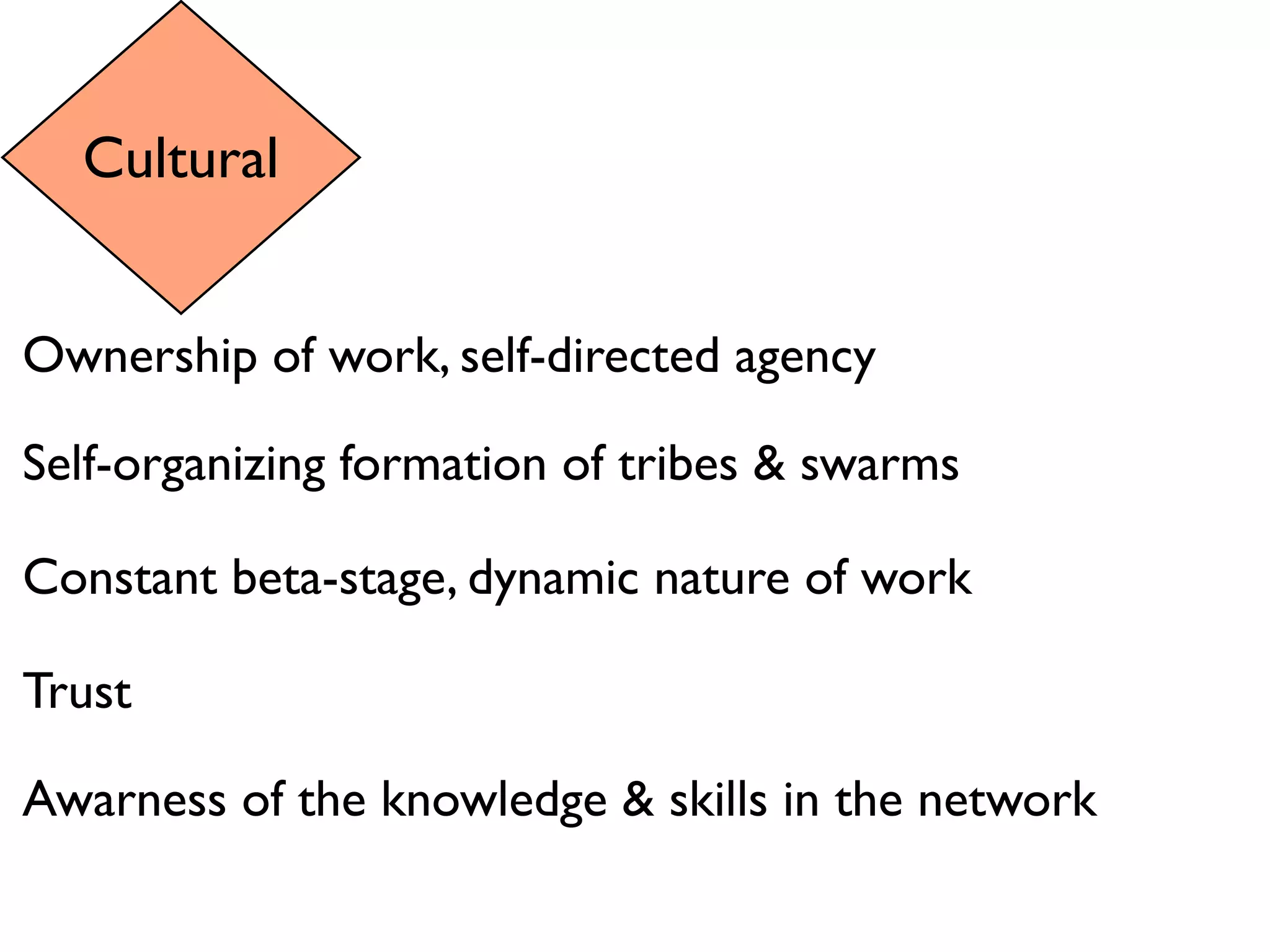
Cultural


Ownership of work, self-directed agency

Self-organizing formation of tribes & swarms

Constant beta-stage, dynamic nature of work

Trust

Awarness of the knowledge & skills in the network
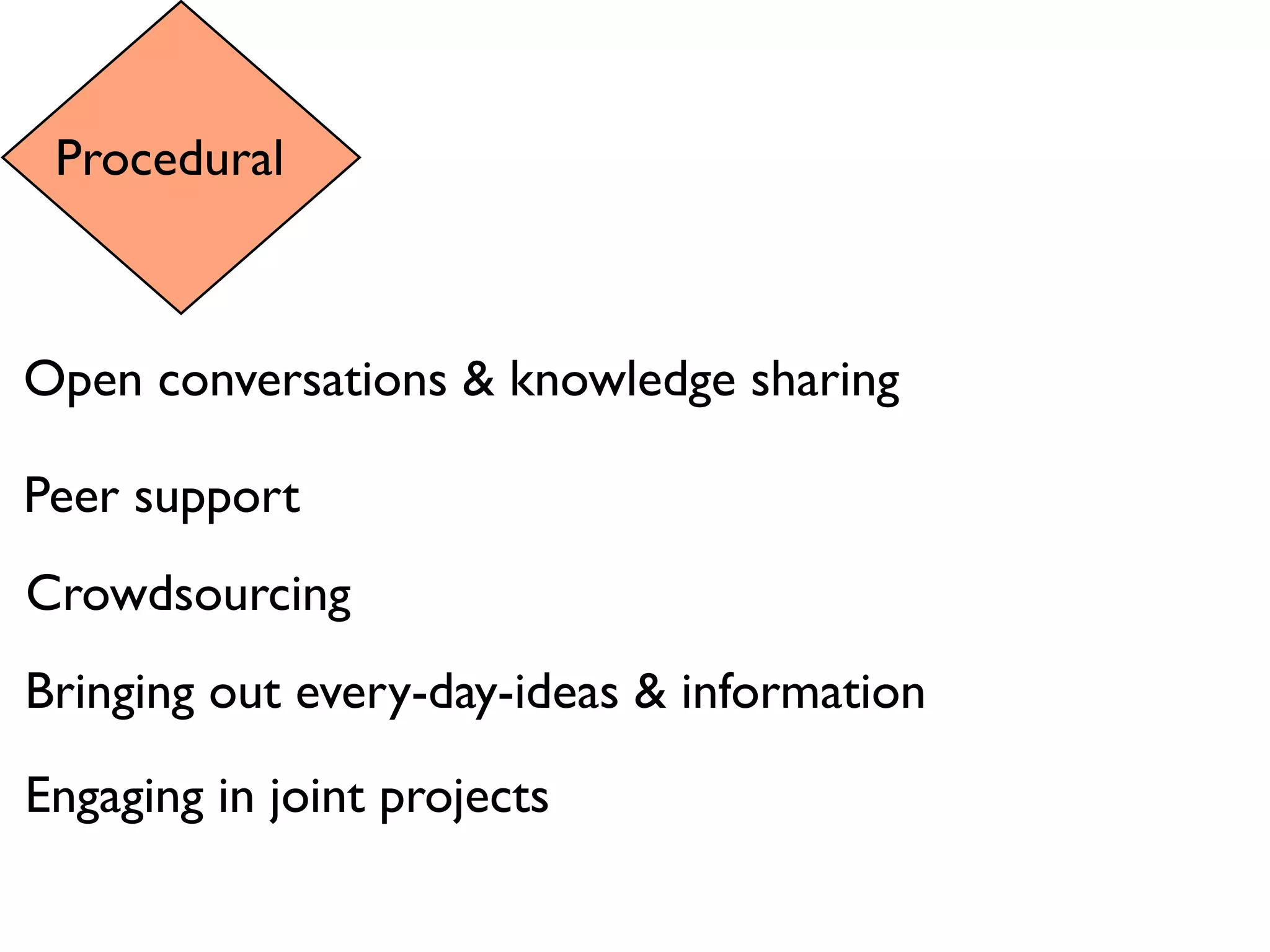
Procedural


Open conversations & knowledge sharing

Peer support
Crowdsourcing
Bringing out every-day-ideas & information

Engaging in joint projects
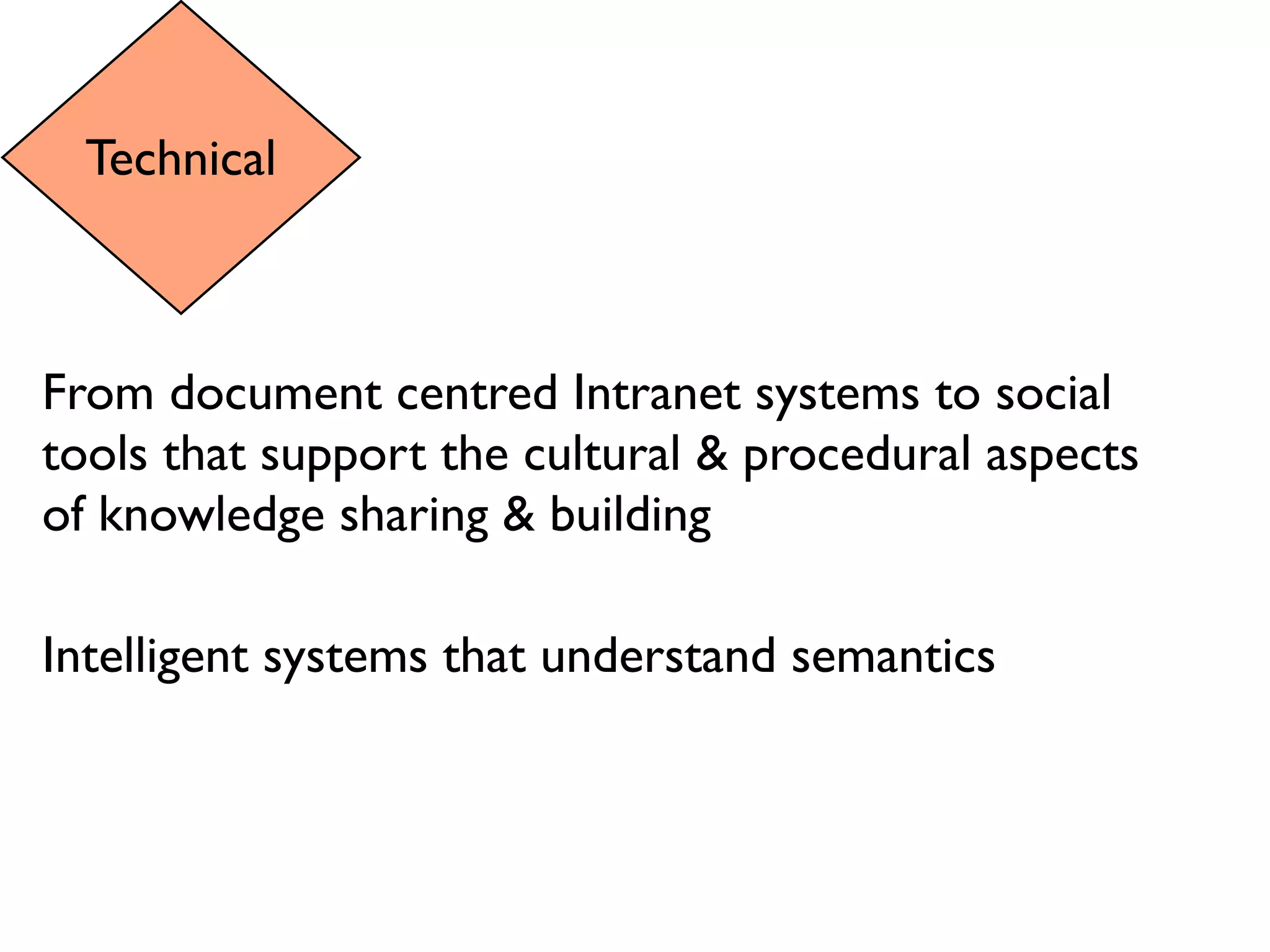
Technical


From document centred Intranet systems to social
tools that support the cultural & procedural aspects
of knowledge sharing & building

Intelligent systems that understand semantics
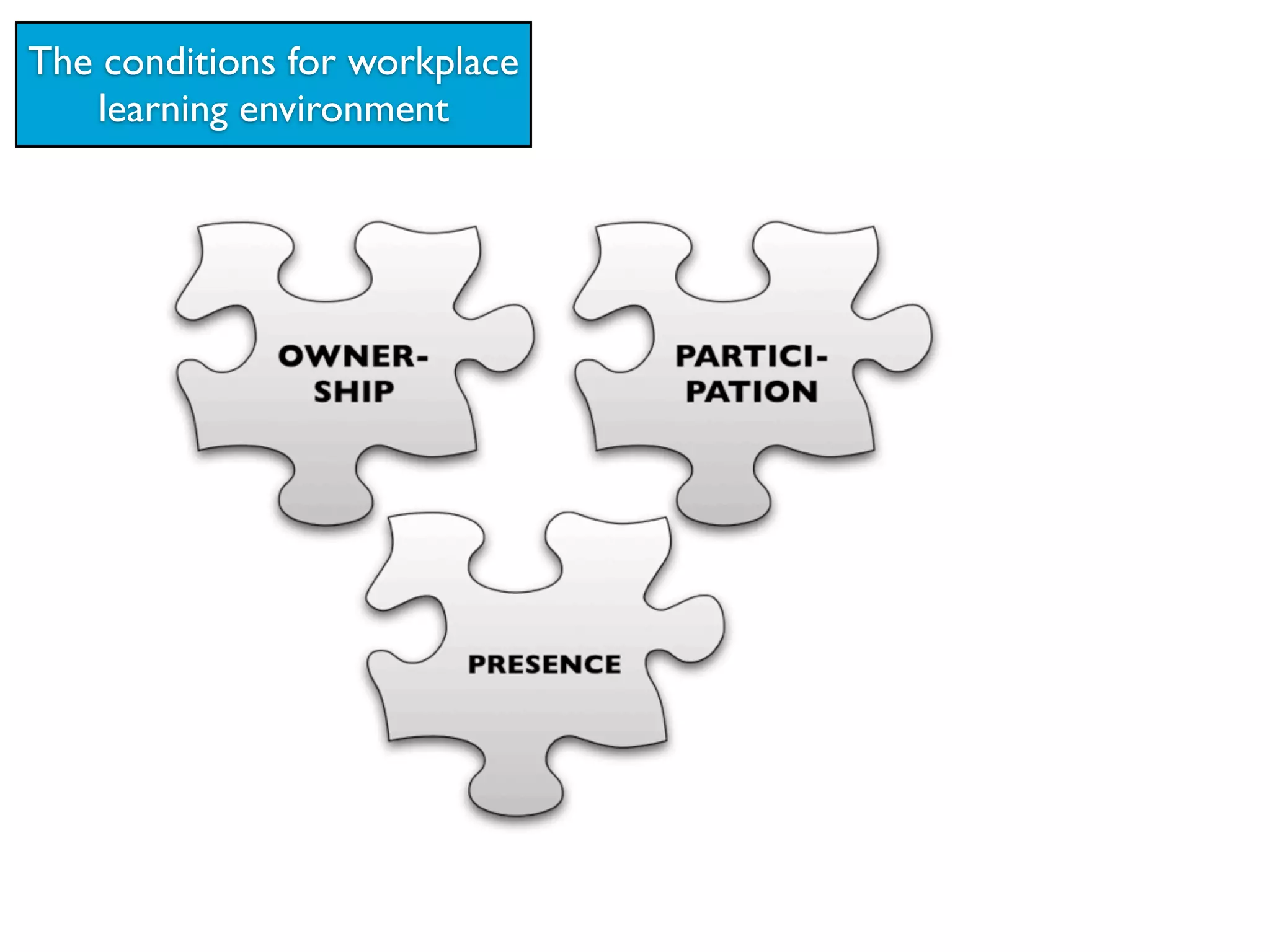
The conditions for workplace
   learning environment
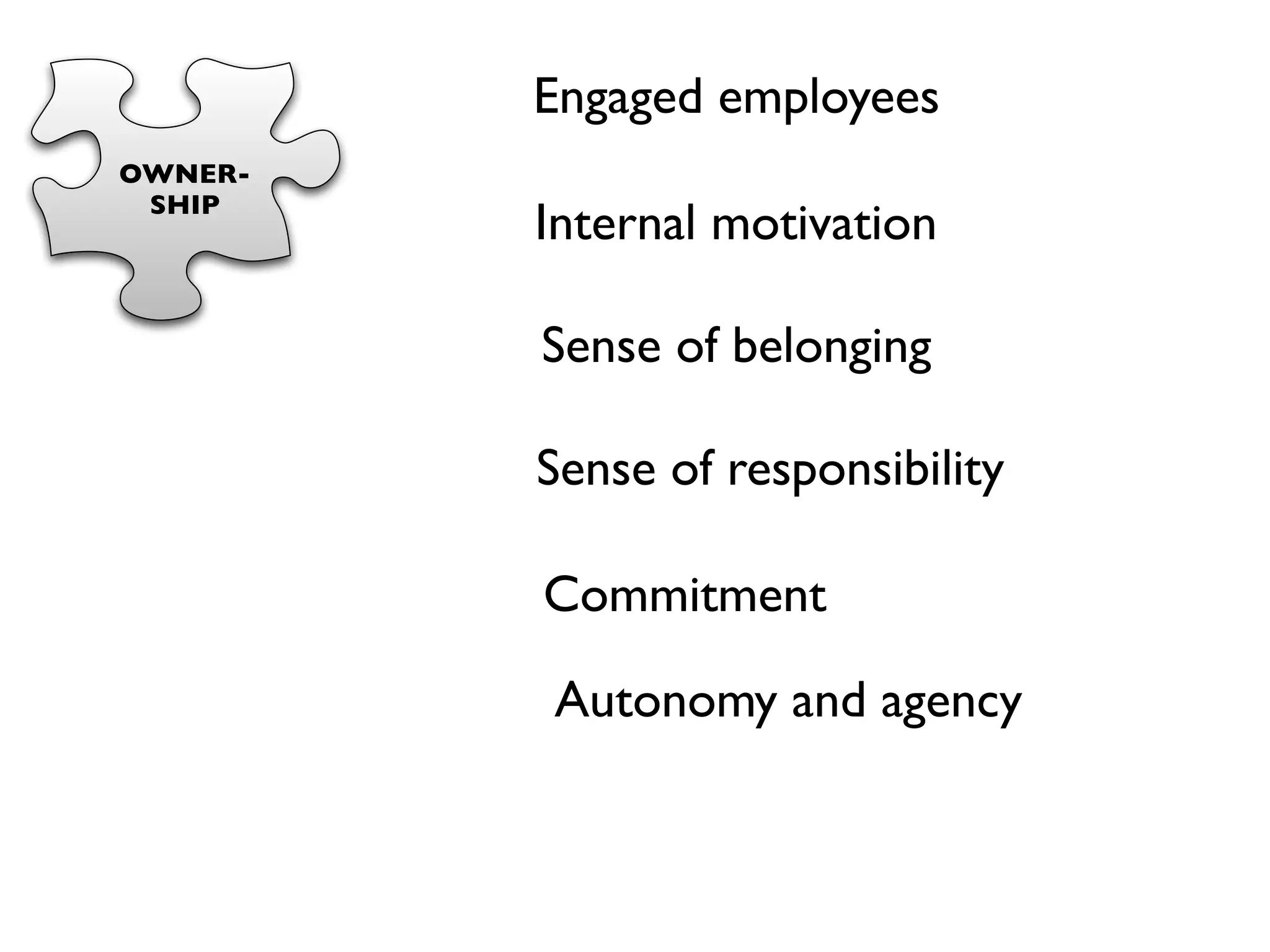
Engaged employees
OWNER-
 SHIP
         Internal motivation

         Sense of belonging

         Sense of responsibility

         Commitment

         Autonomy and agency
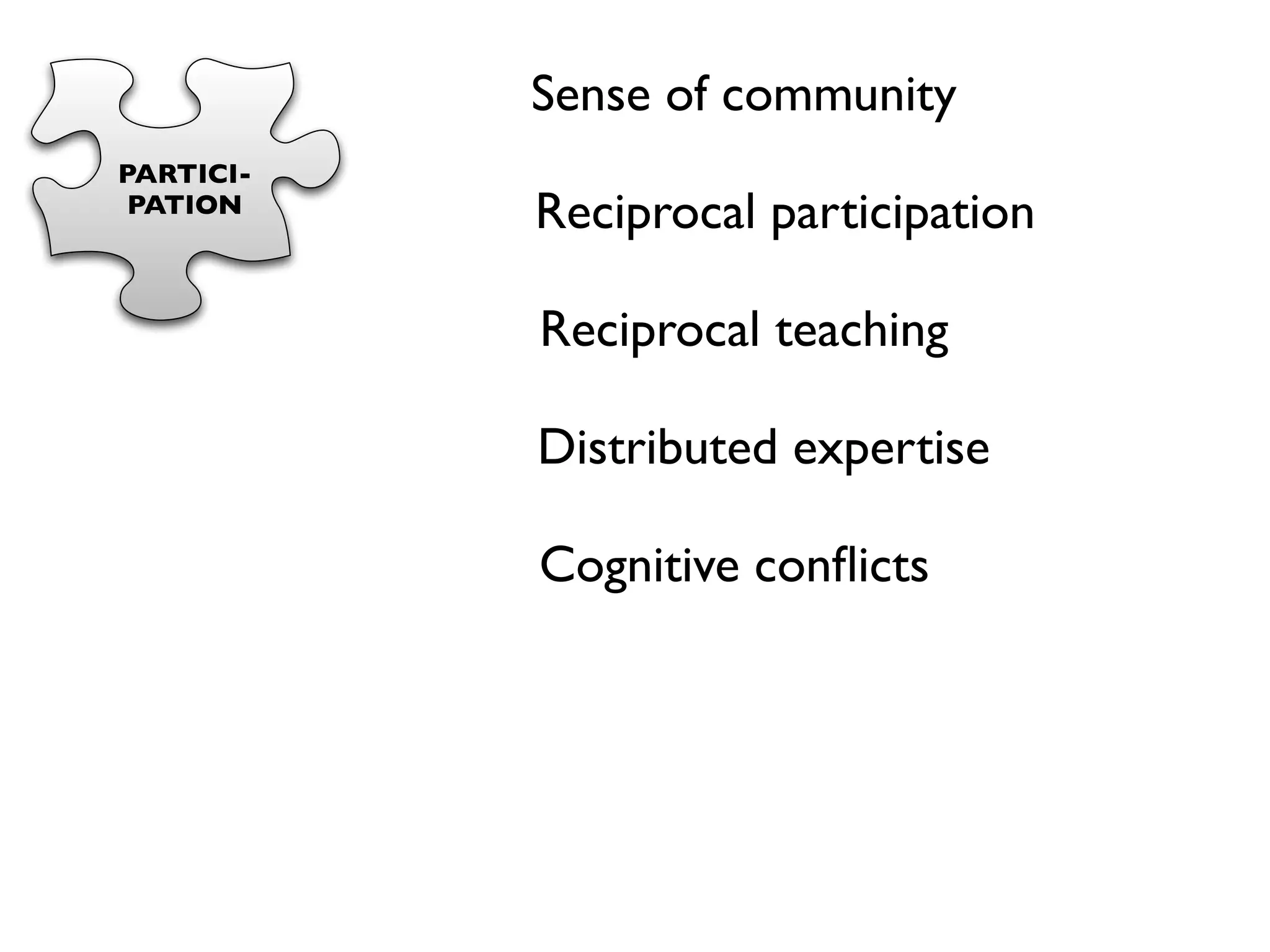
Sense of community
PARTICI-
 PATION
           Reciprocal participation

           Reciprocal teaching

           Distributed expertise

           Cognitive conflicts
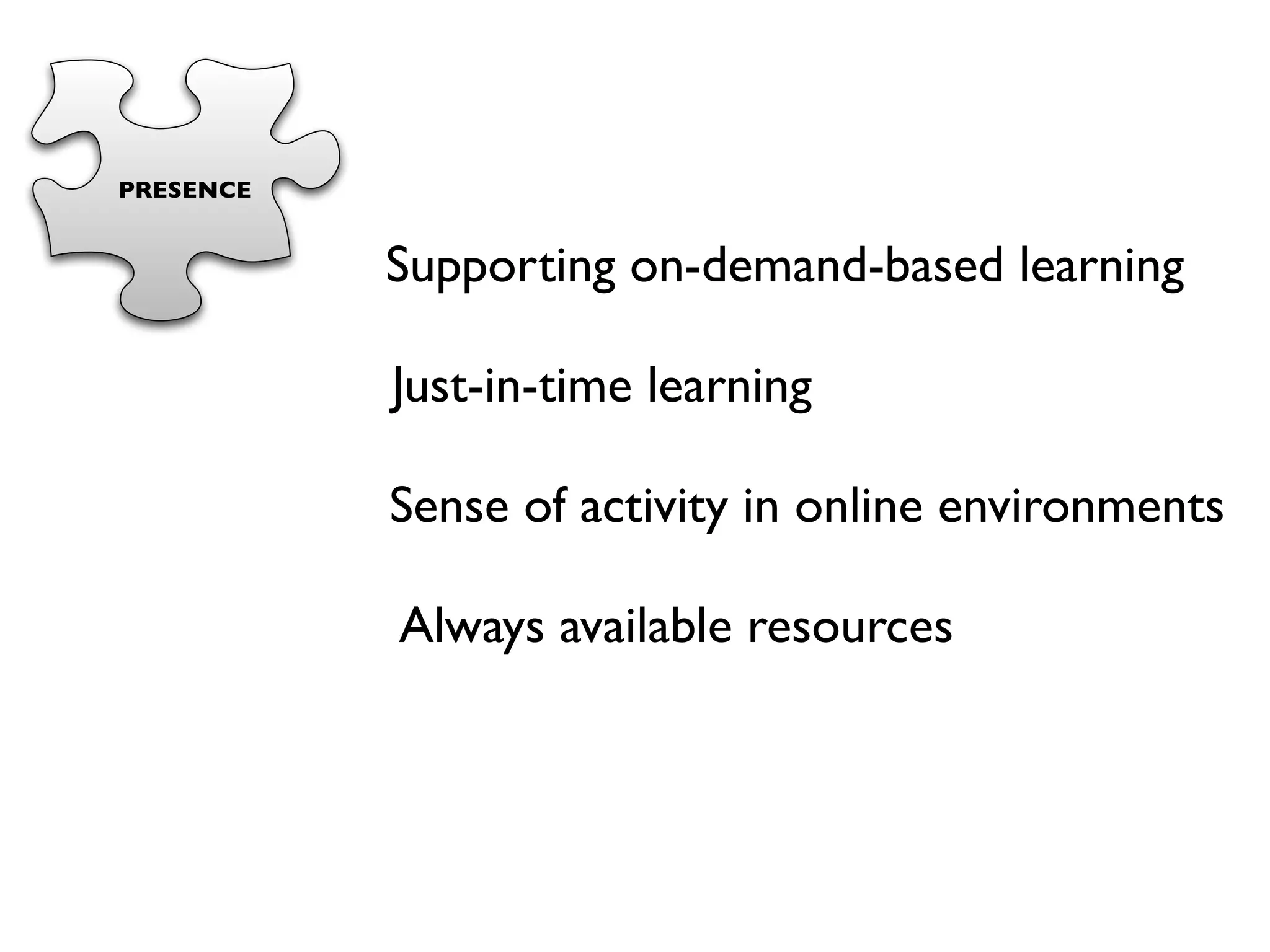
PRESENCE


           Supporting on-demand-based learning

           Just-in-time learning

           Sense of activity in online environments

           Always available resources
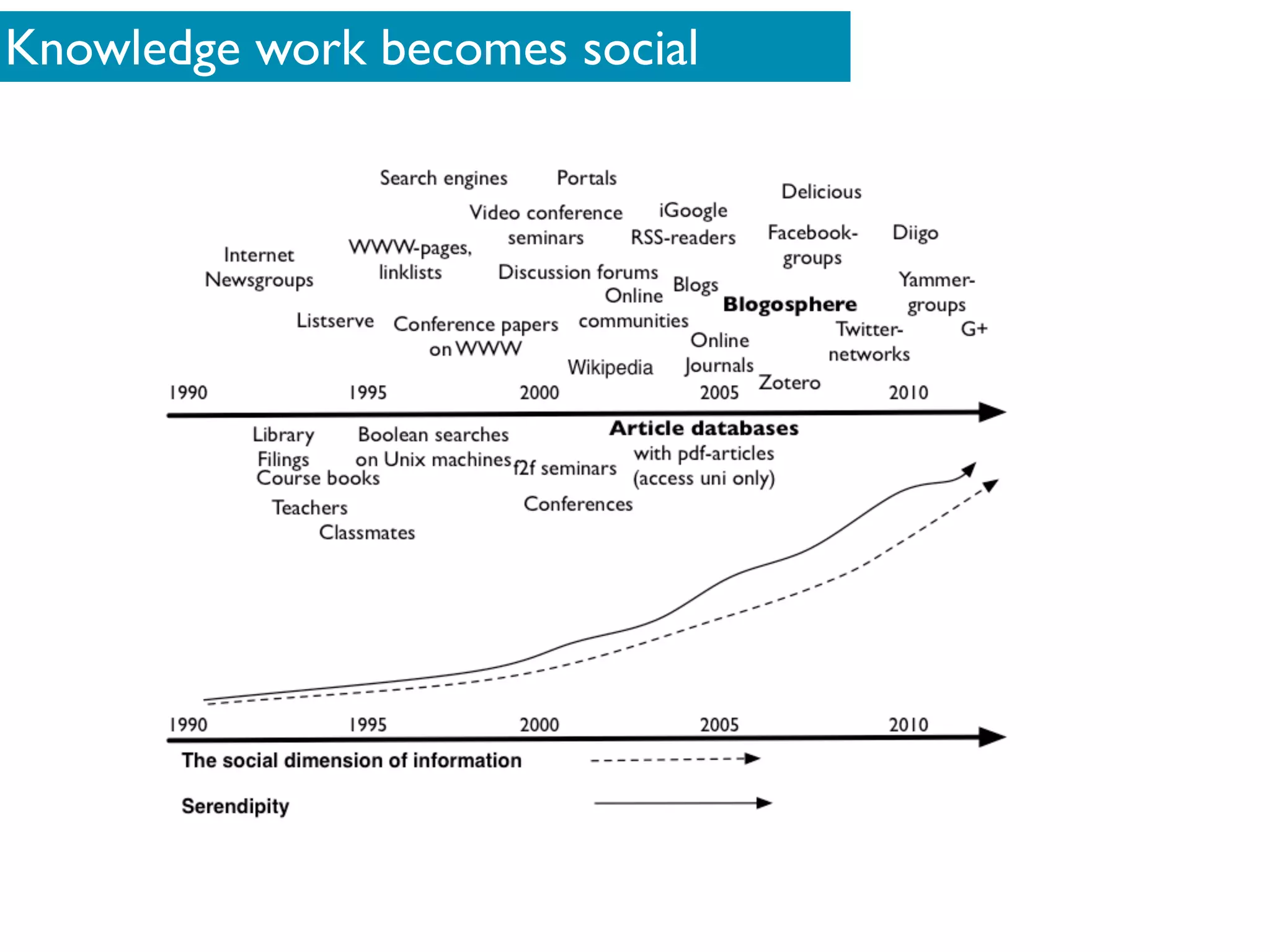
Knowledge work becomes social
Social learning in the Academia


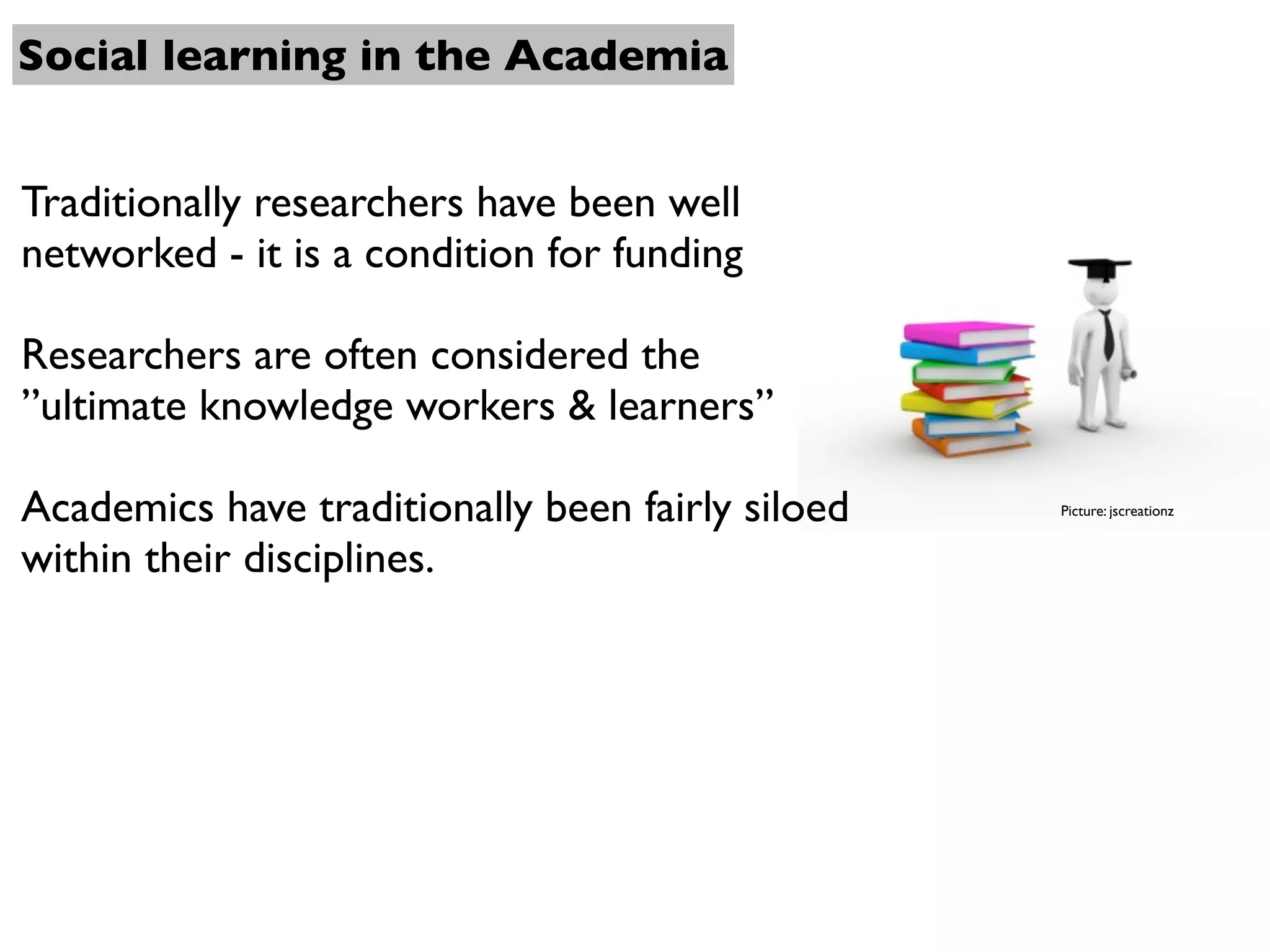
Traditionally researchers have been well
networked - it is a condition for funding

Researchers are often considered the
”ultimate knowledge workers & learners”

Academics have traditionally been fairly siloed   Picture: jscreationz


within their disciplines.
Social learning in the Academia

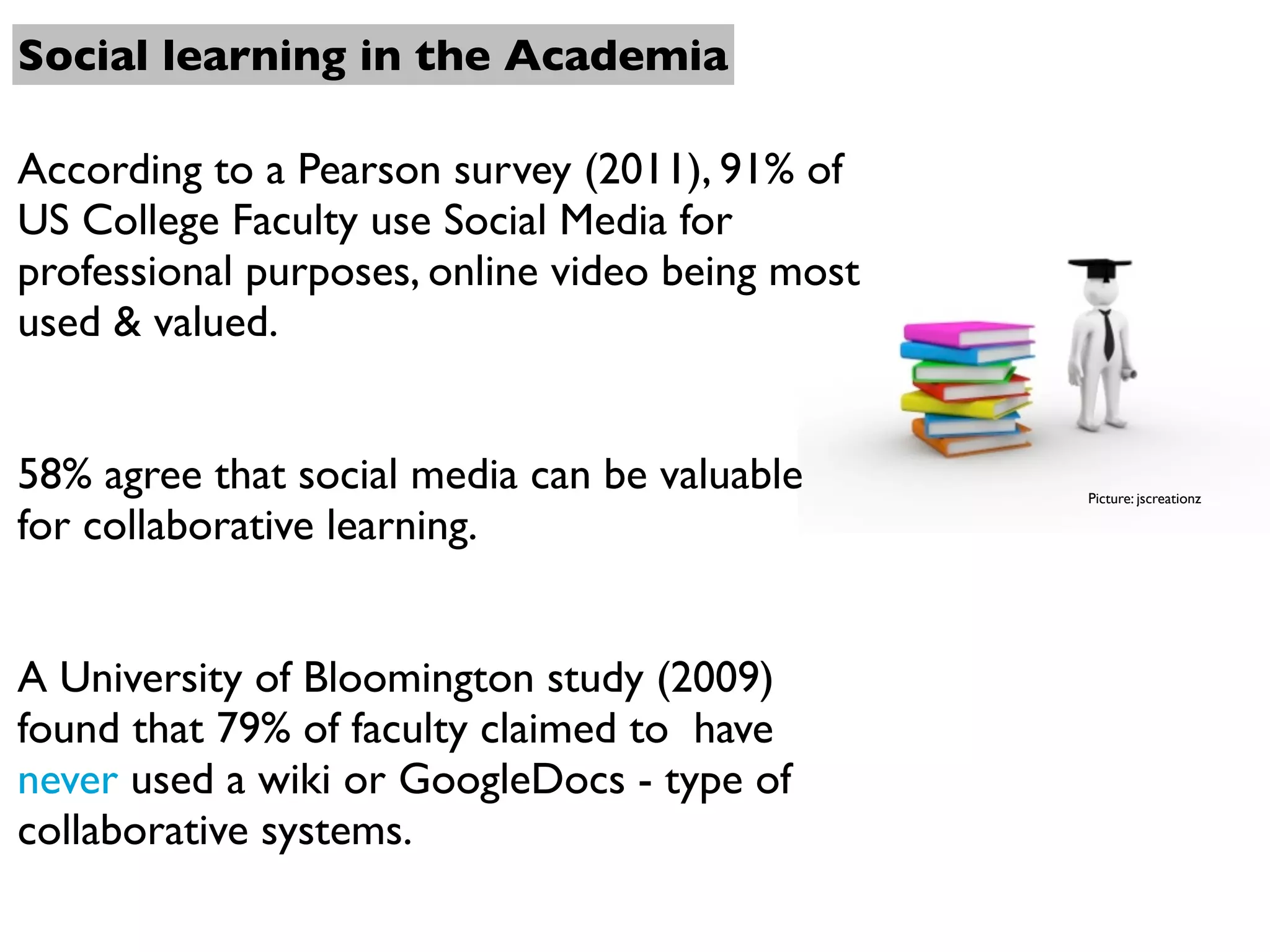
According to a Pearson survey (2011), 91% of
US College Faculty use Social Media for
professional purposes, online video being most
used & valued.


58% agree that social media can be valuable      Picture: jscreationz

for collaborative learning.


A University of Bloomington study (2009)
found that 79% of faculty claimed to have
never used a wiki or GoogleDocs - type of
collaborative systems.
Social learning in the Academia


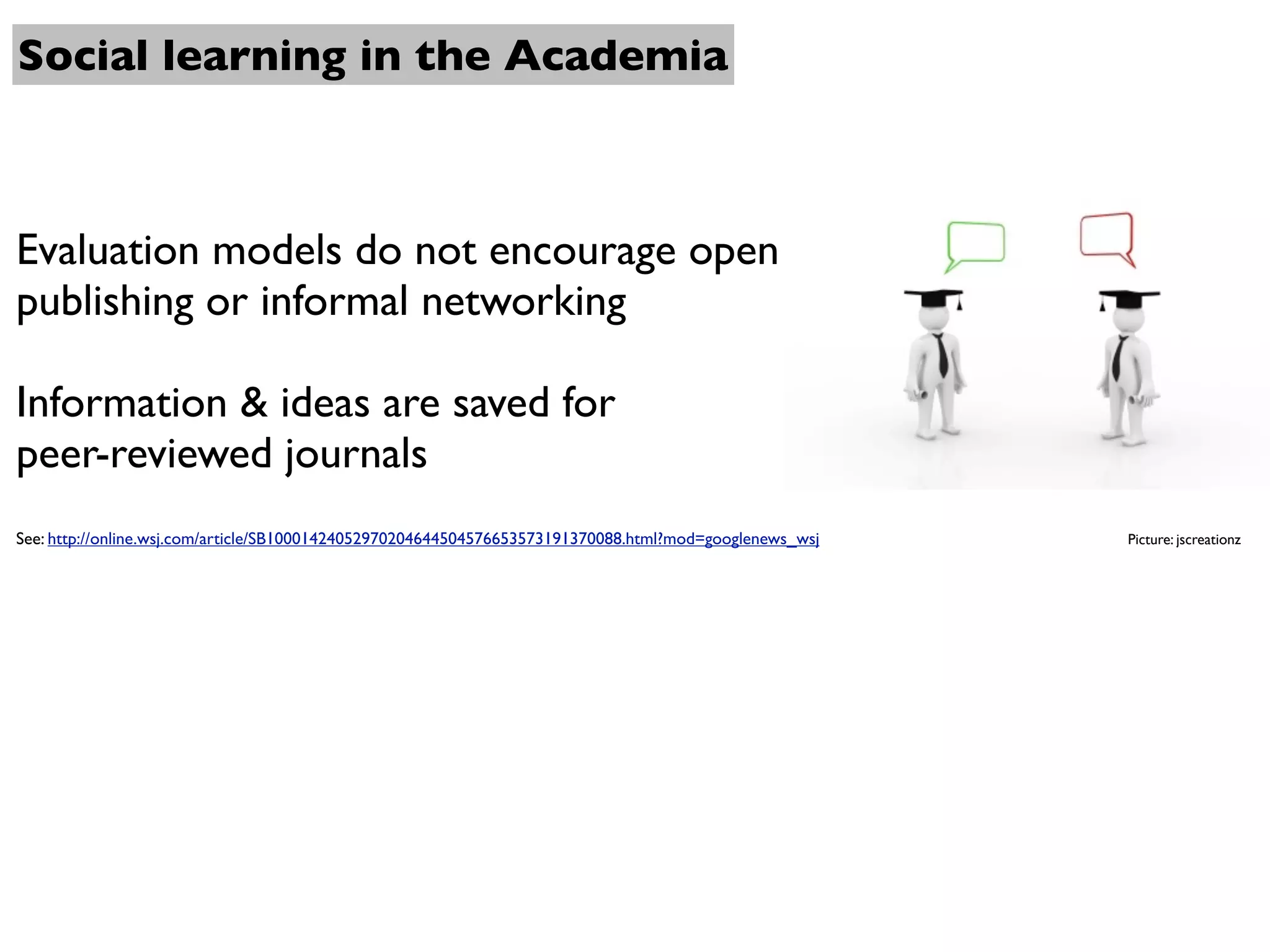
Evaluation models do not encourage open
publishing or informal networking

Information & ideas are saved for
peer-reviewed journals
See: http://online.wsj.com/article/SB10001424052970204644504576653573191370088.html?mod=googlenews_wsj   Picture: jscreationz
Thank
      you!
     miikkasalavuo.fi
www.slideshare.net/msalavuo
 miikka@miikkasalavuo.fi

Social Workplace Learning: The Key to Innovation and Growth?

  • 1.
    Social workplace learning: The key to innovation and growth? Picture: jscreationz Miikka Salavuo Nordic Knowledge on the Web Seminar 24.11.2011
  • 2.
    What is SocialLearning? A concept for social media enhanced, continuous, often informal learning within workflow. From training to constant learning Understanding the essence of learning
  • 3.
    What is SocialLearning? Learning theory viewpoints: We learn best from interactions with others, by activating our own brain, Picture: jscreationz by explainging, questioning, predisposing ourselves to ideas, arguments, counterarguments, mistakes.........
  • 4.
    What is SocialLearning? Social learning relies on the distributed expertise and takes place within collectives, Picture: jscreationz such as active, dynamic, self- organizing communities of practice
  • 5.
    Practical view points: Integratinglearning and work Opening channels for interaction Picture: jscreationz Engaging employees as continuous reciprocal learners
  • 6.
    Practical view points: Bringingout and valuing tacit knowledge Exposing employees to constant information encounters Picture: jscreationz Creating chances for serendipity Creating possibilities for spontaneuous innovation
  • 7.
    The grounds forsocial learning in the workplace Every employee has unique expertise Every employee does unique tasks
  • 8.
    The grounds forsocial learning in the workplace Social learning is about connecting these experts With the right tools to discover, share, and learn Open interactions can leave a trace of all the work, discussions etc.
  • 9.
    The importance of networks Every node within a workplace network has numerous connections to nodes outside the particular network to other relevant networks. This increases the value of any connected employee. Picture: jscreationz Knowledge is capital, networks bring novel knowledge, thus more capital!
  • 10.
    The grounds forsocial learning in the workplace Robert Kelley (1999) asked knowledge workers, how much information they needed in their jobs was ”stored in their heads” (a longitunal study) 1986: 75% 1997: 15-20% 2006: 8-10% (estimate) Picture: digitalart
  • 11.
    The grounds forsocial learning in the workplace Complexity, fast moving pace, dynamic nature of information require reactive, on-demand-based learning. And surfacing tacit knowledge. This requires skills for self-directed and networked learning. But 80-90% of L&D budget is spent on trainging events. (IES Annual Review of the HR Year Ahead 2011)
  • 12.
    The grounds forsocial learning in the workplace 10% * of learning occurs within structured courses Picture: jscreationz *Rough estimates based on several surveys, research & experiece
  • 13.
    The grounds forsocial learning in the workplace 20% of learning occurs through interactions with others (e.g. coaching, mentoring, group discussions) Picture: renjith krishnan
  • 14.
    The grounds forsocial learning in the workplace 70% of learning occurs through exploration and work related experience Picture: jscreationz Most of this is invisible learning! Charles Jennings: http://www.slideshare.net/charlesjennings/the-702010-framework
  • 15.
    The state ofsocial media in the workplace Social media is used most often for customer engagement & marketing - not innovation, product development, or learning. Picture: suphakit73 According to IBM Creative Leadership 2011 report, 78% of HR executives said they are not effective in fostering collaboration and knowledge sharing.
  • 16.
    Obstacles to social learningin the workplace Picture: jscreationz Knowledge & ideas hide in lockers & document cabinets People hide behind job descriptions & status silos Interaction does not give way to serendipity. Learning is equated with training, and is a separate activity (Eraut 2004)
  • 17.
    Cultural Procedural Technical C HA N G E
  • 18.
    Cultural Ownership of work,self-directed agency Self-organizing formation of tribes & swarms Constant beta-stage, dynamic nature of work Trust Awarness of the knowledge & skills in the network
  • 19.
    Procedural Open conversations &knowledge sharing Peer support Crowdsourcing Bringing out every-day-ideas & information Engaging in joint projects
  • 20.
    Technical From document centredIntranet systems to social tools that support the cultural & procedural aspects of knowledge sharing & building Intelligent systems that understand semantics
  • 21.
    The conditions forworkplace learning environment
  • 22.
    Engaged employees OWNER- SHIP Internal motivation Sense of belonging Sense of responsibility Commitment Autonomy and agency
  • 23.
    Sense of community PARTICI- PATION Reciprocal participation Reciprocal teaching Distributed expertise Cognitive conflicts
  • 24.
    PRESENCE Supporting on-demand-based learning Just-in-time learning Sense of activity in online environments Always available resources
  • 25.
  • 26.
    Social learning inthe Academia Traditionally researchers have been well networked - it is a condition for funding Researchers are often considered the ”ultimate knowledge workers & learners” Academics have traditionally been fairly siloed Picture: jscreationz within their disciplines.
  • 27.
    Social learning inthe Academia According to a Pearson survey (2011), 91% of US College Faculty use Social Media for professional purposes, online video being most used & valued. 58% agree that social media can be valuable Picture: jscreationz for collaborative learning. A University of Bloomington study (2009) found that 79% of faculty claimed to have never used a wiki or GoogleDocs - type of collaborative systems.
  • 28.
    Social learning inthe Academia Evaluation models do not encourage open publishing or informal networking Information & ideas are saved for peer-reviewed journals See: http://online.wsj.com/article/SB10001424052970204644504576653573191370088.html?mod=googlenews_wsj Picture: jscreationz
  • 29.
    Thank you! miikkasalavuo.fi www.slideshare.net/msalavuo miikka@miikkasalavuo.fi