SERIES &
  PARALLEL
  CIRCUITS

Electric Power and
      Energy
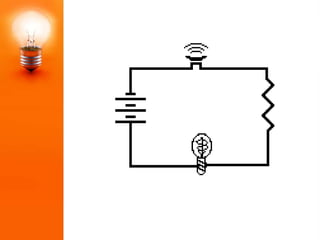
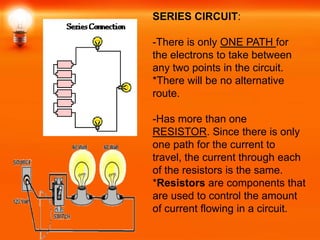
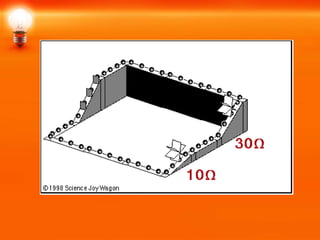
SERIES CIRCUIT:

-There is only ONE PATH for
the electrons to take between
any two points in the circuit.
*There will be no alternative
route.

-Has more than one
RESISTOR. Since there is only
one path for the current to
travel, the current through each
of the resistors is the same.
*Resistors are components that
are used to control the amount
of current flowing in a circuit.
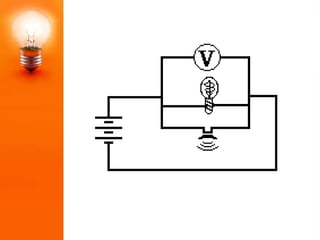
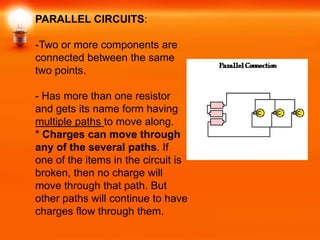
PARALLEL CIRCUITS:

-Two or more components are
connected between the same
two points.

- Has more than one resistor
and gets its name form having
multiple paths to move along.
* Charges can move through
any of the several paths. If
one of the items in the circuit is
broken, then no charge will
move through that path. But
other paths will continue to have
charges flow through them.
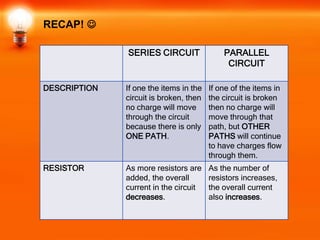
RECAP! 

              SERIES CIRCUIT                PARALLEL
                                             CIRCUIT

DESCRIPTION   If one the items in the   If one of the items in
              circuit is broken, then   the circuit is broken
              no charge will move       then no charge will
              through the circuit       move through that
              because there is only     path, but OTHER
              ONE PATH.                 PATHS will continue
                                        to have charges flow
                                        through them.
RESISTOR      As more resistors are     As the number of
              added, the overall        resistors increases,
              current in the circuit    the overall current
              decreases.                also increases.
EQUIVALENT RESISTANCE
-Is the amount of resistance that a single resistor
would need in order to equal the overall effect of
the collection of resistors that are present in the
circuit.
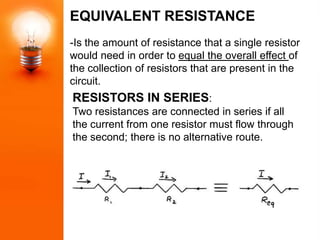
RESISTORS IN SERIES:
Two resistances are connected in series if all
the current from one resistor must flow through
the second; there is no alternative route.
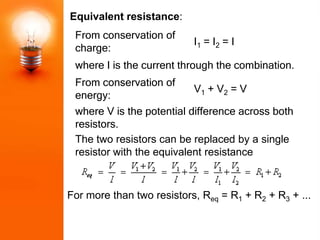
Equivalent resistance:
 From conservation of
                           I1 = I2 = I
 charge:
 where I is the current through the combination.
 From conservation of
                           V1 + V2 = V
 energy:
 where V is the potential difference across both
 resistors.
 The two resistors can be replaced by a single
 resistor with the equivalent resistance


For more than two resistors, Req = R1 + R2 + R3 + ...
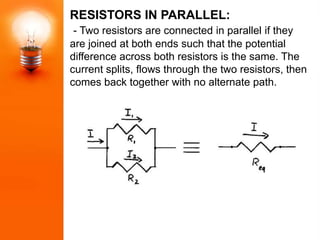
RESISTORS IN PARALLEL:
 - Two resistors are connected in parallel if they
are joined at both ends such that the potential
difference across both resistors is the same. The
current splits, flows through the two resistors, then
comes back together with no alternate path.
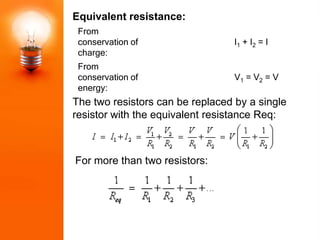
Equivalent resistance:
 From
 conservation of                  I1 + I2 = I
 charge:
 From
 conservation of                  V1 = V2 = V
 energy:
The two resistors can be replaced by a single
resistor with the equivalent resistance Req:


For more than two resistors:
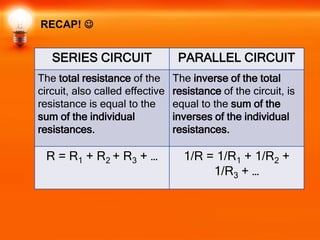
RECAP! 


   SERIES CIRCUIT                 PARALLEL CIRCUIT
The total resistance of the      The inverse of the total
circuit, also called effective   resistance of the circuit, is
resistance is equal to the       equal to the sum of the
sum of the individual            inverses of the individual
resistances.                     resistances.

 R = R 1 + R2 + R3 + …             1/R = 1/R1 + 1/R2 +
                                        1/R3 + …
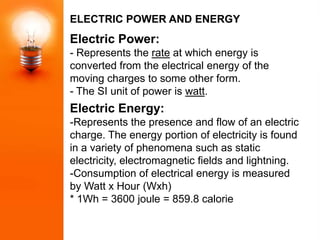
ELECTRIC POWER AND ENERGY
Electric Power:
- Represents the rate at which energy is
converted from the electrical energy of the
moving charges to some other form.
- The SI unit of power is watt.
Electric Energy:
-Represents the presence and flow of an electric
charge. The energy portion of electricity is found
in a variety of phenomena such as static
electricity, electromagnetic fields and lightning.
-Consumption of electrical energy is measured
by Watt x Hour (Wxh)
* 1Wh = 3600 joule = 859.8 calorie
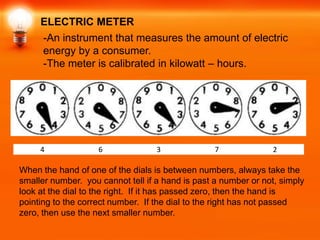
ELECTRIC METER
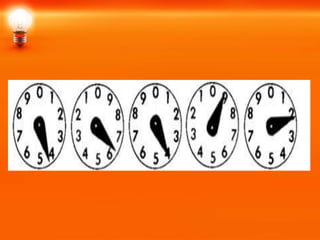
      -An instrument that measures the amount of electric
      energy by a consumer.
      -The meter is calibrated in kilowatt – hours.


     4              6              3              7             2

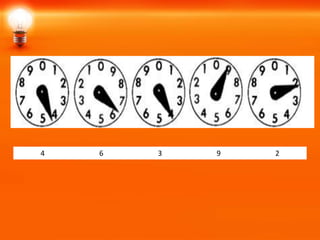
When the hand of one of the dials is between numbers, always take the
smaller number. you cannot tell if a hand is past a number or not, simply
look at the dial to the right. If it has passed zero, then the hand is
pointing to the correct number. If the dial to the right has not passed
zero, then use the next smaller number.
4   6   3   9   2

Series & Parallel

  • 1.
    SERIES & PARALLEL CIRCUITS Electric Power and Energy
  • 4.
    SERIES CIRCUIT: -There isonly ONE PATH for the electrons to take between any two points in the circuit. *There will be no alternative route. -Has more than one RESISTOR. Since there is only one path for the current to travel, the current through each of the resistors is the same. *Resistors are components that are used to control the amount of current flowing in a circuit.
  • 7.
    PARALLEL CIRCUITS: -Two ormore components are connected between the same two points. - Has more than one resistor and gets its name form having multiple paths to move along. * Charges can move through any of the several paths. If one of the items in the circuit is broken, then no charge will move through that path. But other paths will continue to have charges flow through them.
  • 9.
    RECAP!  SERIES CIRCUIT PARALLEL CIRCUIT DESCRIPTION If one the items in the If one of the items in circuit is broken, then the circuit is broken no charge will move then no charge will through the circuit move through that because there is only path, but OTHER ONE PATH. PATHS will continue to have charges flow through them. RESISTOR As more resistors are As the number of added, the overall resistors increases, current in the circuit the overall current decreases. also increases.
  • 10.
    EQUIVALENT RESISTANCE -Is theamount of resistance that a single resistor would need in order to equal the overall effect of the collection of resistors that are present in the circuit. RESISTORS IN SERIES: Two resistances are connected in series if all the current from one resistor must flow through the second; there is no alternative route.
  • 11.
    Equivalent resistance: Fromconservation of I1 = I2 = I charge: where I is the current through the combination. From conservation of V1 + V2 = V energy: where V is the potential difference across both resistors. The two resistors can be replaced by a single resistor with the equivalent resistance For more than two resistors, Req = R1 + R2 + R3 + ...
  • 12.
    RESISTORS IN PARALLEL: - Two resistors are connected in parallel if they are joined at both ends such that the potential difference across both resistors is the same. The current splits, flows through the two resistors, then comes back together with no alternate path.
  • 13.
    Equivalent resistance: From conservation of I1 + I2 = I charge: From conservation of V1 = V2 = V energy: The two resistors can be replaced by a single resistor with the equivalent resistance Req: For more than two resistors:
  • 14.
    RECAP!  SERIES CIRCUIT PARALLEL CIRCUIT The total resistance of the The inverse of the total circuit, also called effective resistance of the circuit, is resistance is equal to the equal to the sum of the sum of the individual inverses of the individual resistances. resistances. R = R 1 + R2 + R3 + … 1/R = 1/R1 + 1/R2 + 1/R3 + …
  • 15.
    ELECTRIC POWER ANDENERGY Electric Power: - Represents the rate at which energy is converted from the electrical energy of the moving charges to some other form. - The SI unit of power is watt. Electric Energy: -Represents the presence and flow of an electric charge. The energy portion of electricity is found in a variety of phenomena such as static electricity, electromagnetic fields and lightning. -Consumption of electrical energy is measured by Watt x Hour (Wxh) * 1Wh = 3600 joule = 859.8 calorie
  • 16.
    ELECTRIC METER -An instrument that measures the amount of electric energy by a consumer. -The meter is calibrated in kilowatt – hours. 4 6 3 7 2 When the hand of one of the dials is between numbers, always take the smaller number. you cannot tell if a hand is past a number or not, simply look at the dial to the right. If it has passed zero, then the hand is pointing to the correct number. If the dial to the right has not passed zero, then use the next smaller number.
  • 18.
    4 6 3 9 2