Downloaded 360 times
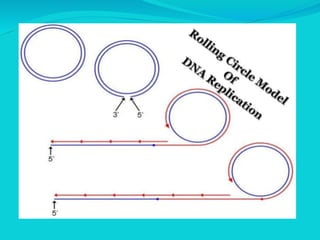
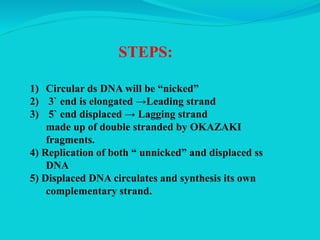
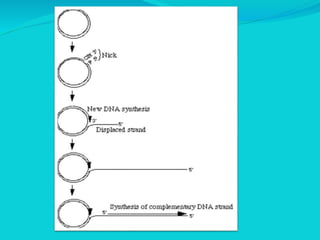
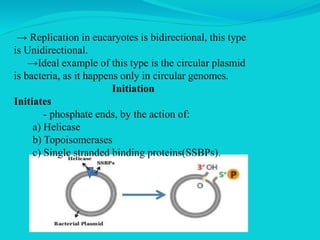
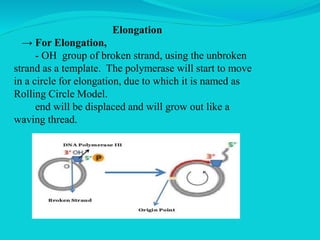
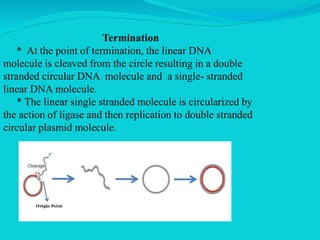


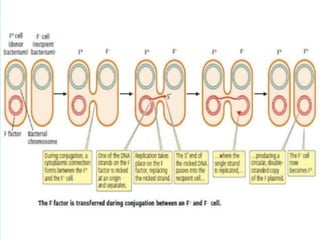
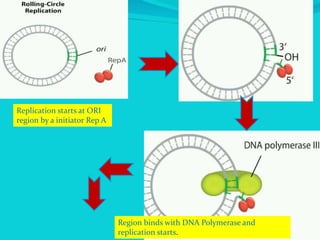
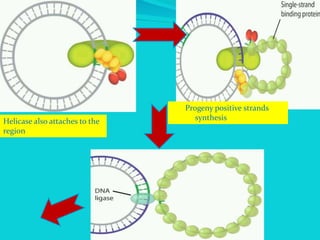
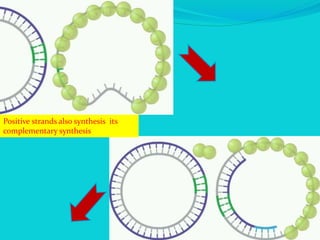
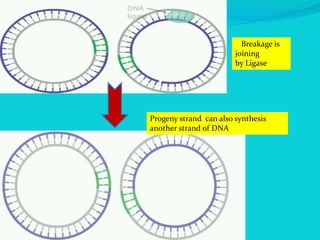





Rolling circle replication is a unidirectional nucleic acid replication process that rapidly synthesizes multiple copies of circular DNA or RNA molecules, primarily utilized in molecular biology and biomedical applications. The process involves a sequence of steps including nicking of circular DNA, elongation of strands, and termination resulting in double-stranded circular DNA and single-stranded linear molecules. This method is exemplified in circular plasmids in bacteria and certain viruses such as herpes and papillomavirus.


