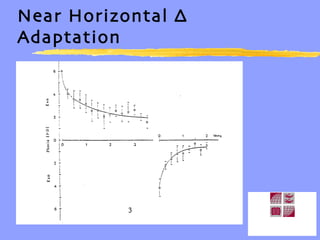
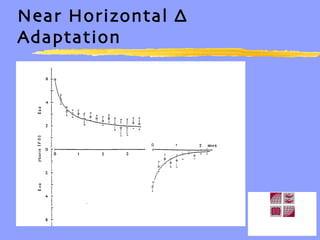

Prism Adaptation ∆  correction changes with time It appears that ∆ is absorbed Is it worth giving ∆? Who can be prescribed ∆? How can we check who will benefit?
Tonic Vergence Maddox 1893 Alpern 1946 Ellerbrock 1950 Carter 1963 Henson and North 1980
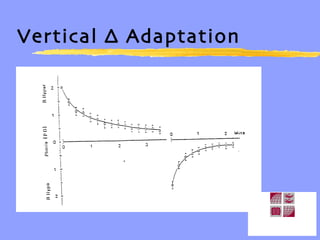
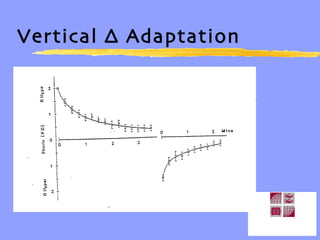
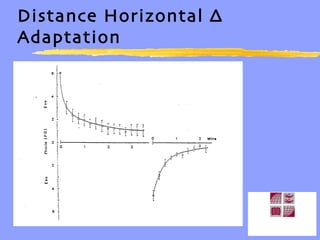
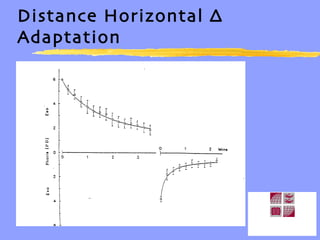
Measuring Adaptation “ Flashed” Maddox Rod Measure baseline phoria Insert ∆ Measure new “phoria” Remove ∆ Measure new “phoria”
Vertical ∆ Adaptation
Distance Horizontal ∆ Adaptation
Near Horizontal ∆ Adaptation
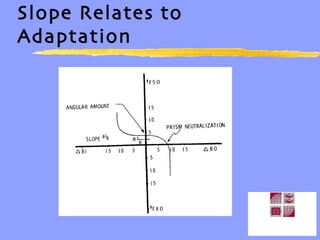
Slope Relates to Adaptation
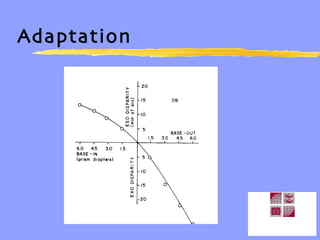
Adaptation
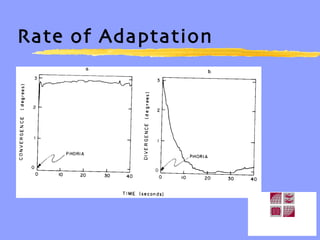
Rate of Adaptation
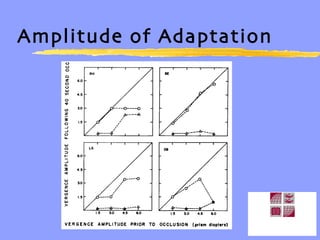
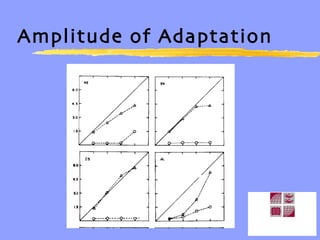
Amplitude of Adaptation
Symptomatic Patients Patients with BV problems have abnormal adaptation Abnormality greatest at distance producing symptoms Horizontal & vertical systems are functionally independent Poor correlation between phoria, FD, fusional reserves and adaptation
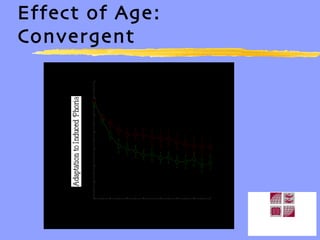
Effect of Age: Convergent
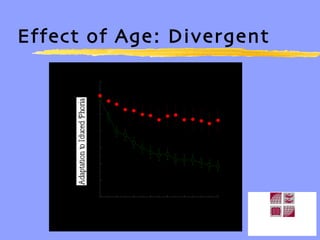
Effect of Age: Divergent
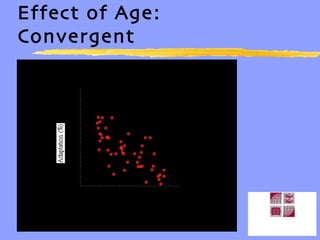
Effect of Age: Convergent
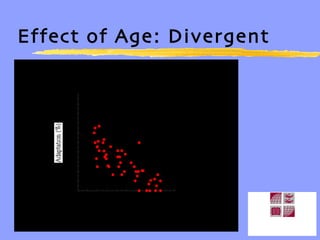
Effect of Age: Divergent
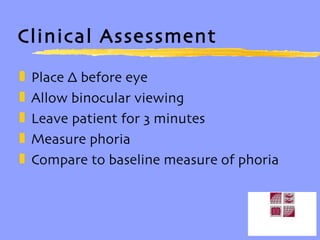
Clinical Assessment Place ∆ before eye Allow binocular viewing Leave patient for 3 minutes Measure phoria Compare to baseline measure of phoria
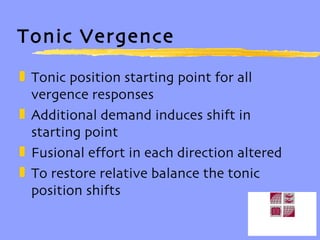
Tonic Vergence Tonic position starting point for all vergence responses Additional demand induces shift in starting point Fusional effort in each direction altered To restore relative balance the tonic position shifts
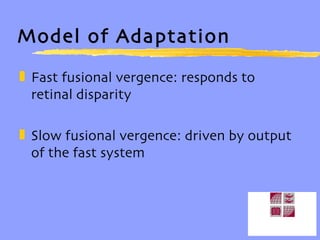
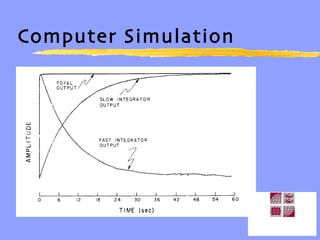
Model of Adaptation Fast fusional vergence: responds to retinal disparity Slow fusional vergence: driven by output of the fast system
Computer Simulation
Model (Schor 1980)
Summary Prism adaptation present in patients Mechanism of adaptation related to tonic position Vergence system has fast and slow components Adaptation different at Distance and Near Assess patients prior to giving ∆

Prism adaptation