LAIBS Learning and Teaching 
Conference 
Innovating our curriculum through 
social media and technology 
Dr Helen Webster, 
Anglia Learning and Teaching 
Dr Debbie Holley, 
Dept of Education
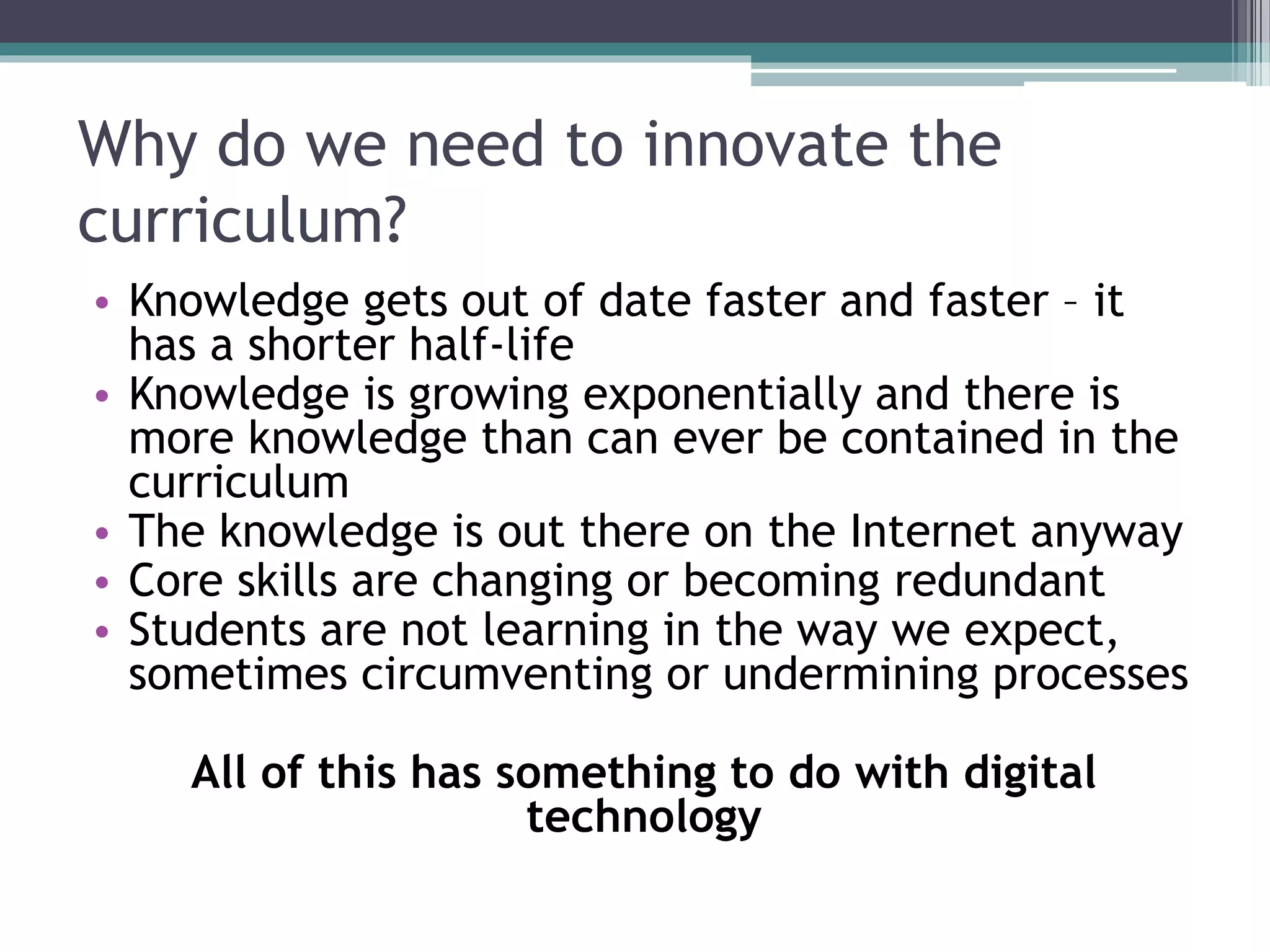
Why do we need to innovate the 
curriculum? 
• Knowledge gets out of date faster and faster – it 
has a shorter half-life 
• Knowledge is growing exponentially and there is 
more knowledge than can ever be contained in the 
curriculum 
• The knowledge is out there on the Internet anyway 
• Core skills are changing or becoming redundant 
• Students are not learning in the way we expect, 
sometimes circumventing or undermining processes 
All of this has something to do with digital 
technology
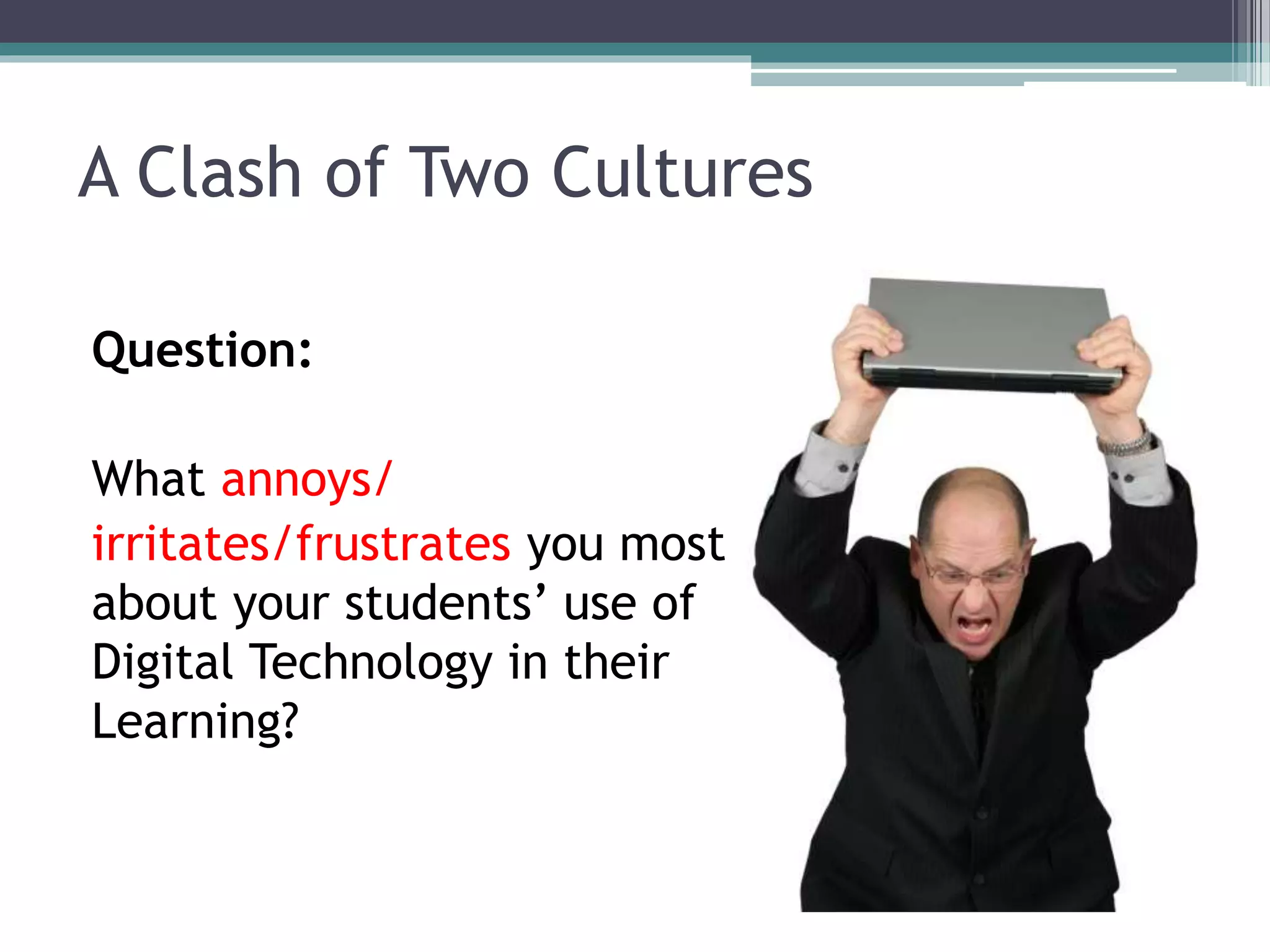
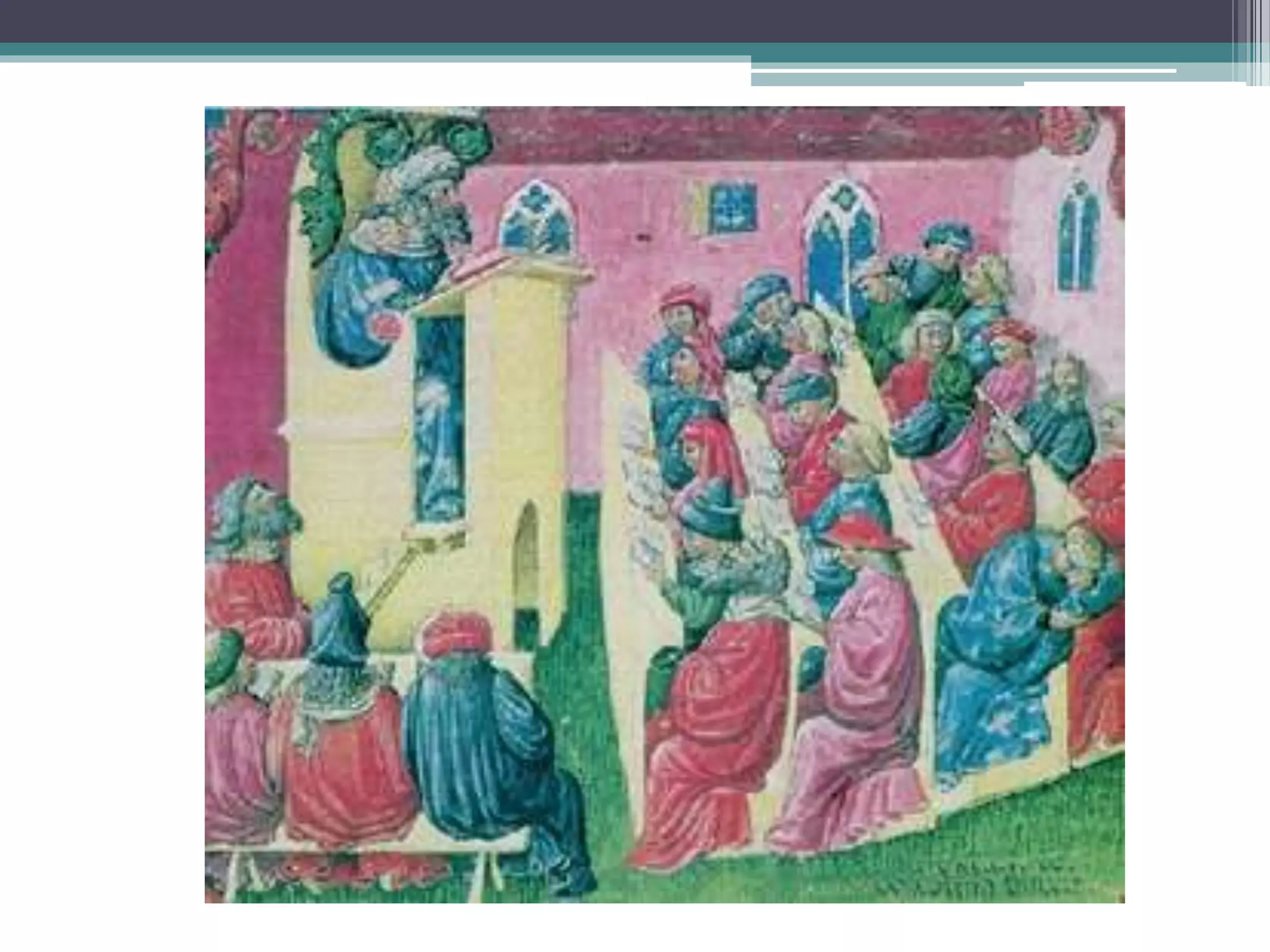
A Clash of Two Cultures 
Question: 
What annoys/ 
irritates/frustrates you most 
about your students’ use of 
Digital Technology in their 
Learning?
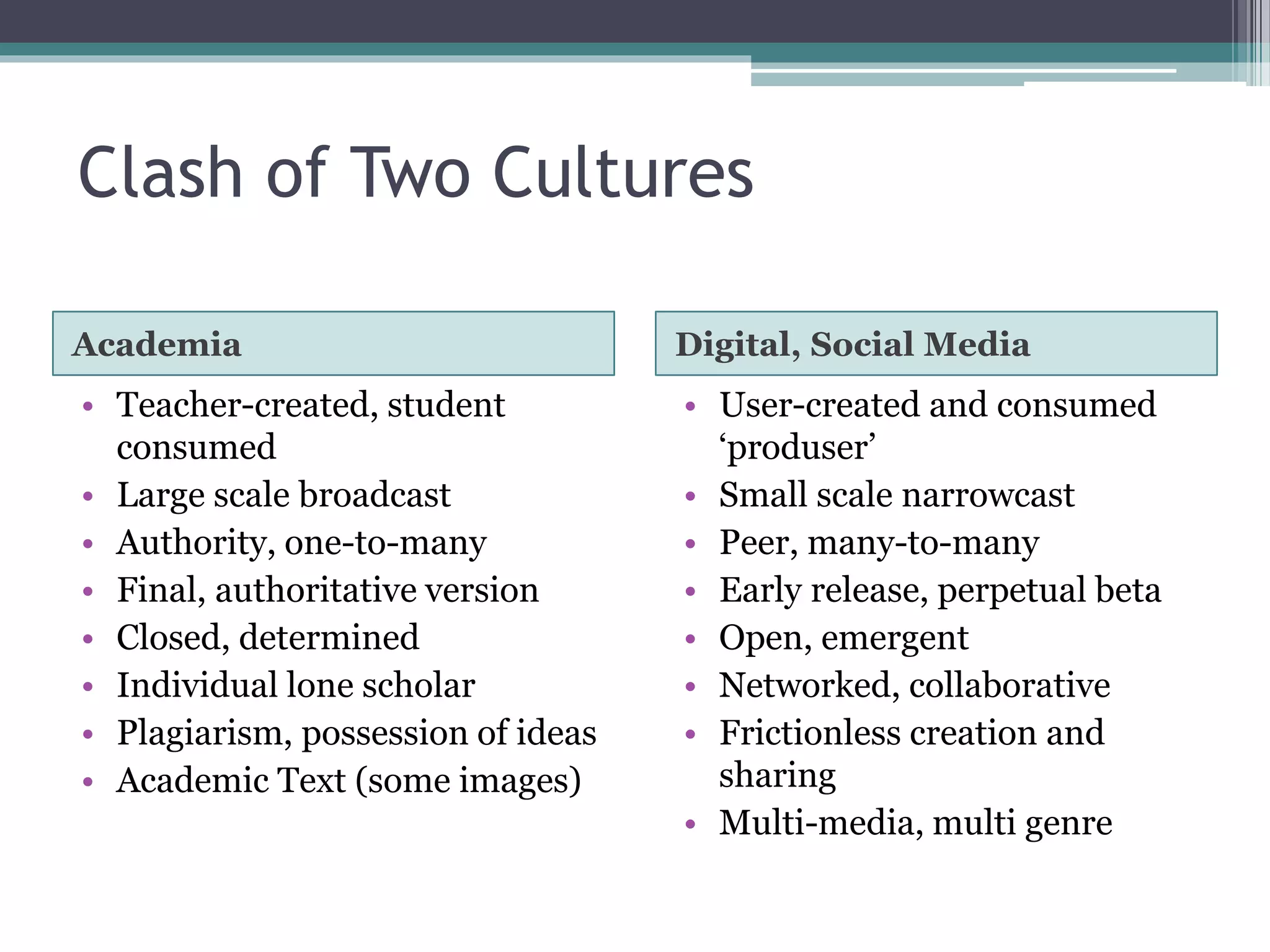
Clash of Two Cultures 
Academia Digital, Social Media 
• Teacher-created, student 
consumed 
• Large scale broadcast 
• Authority, one-to-many 
• Final, authoritative version 
• Closed, determined 
• Individual lone scholar 
• Plagiarism, possession of ideas 
• Academic Text (some images) 
• User-created and consumed 
‘produser’ 
• Small scale narrowcast 
• Peer, many-to-many 
• Early release, perpetual beta 
• Open, emergent 
• Networked, collaborative 
• Frictionless creation and 
sharing 
• Multi-media, multi genre
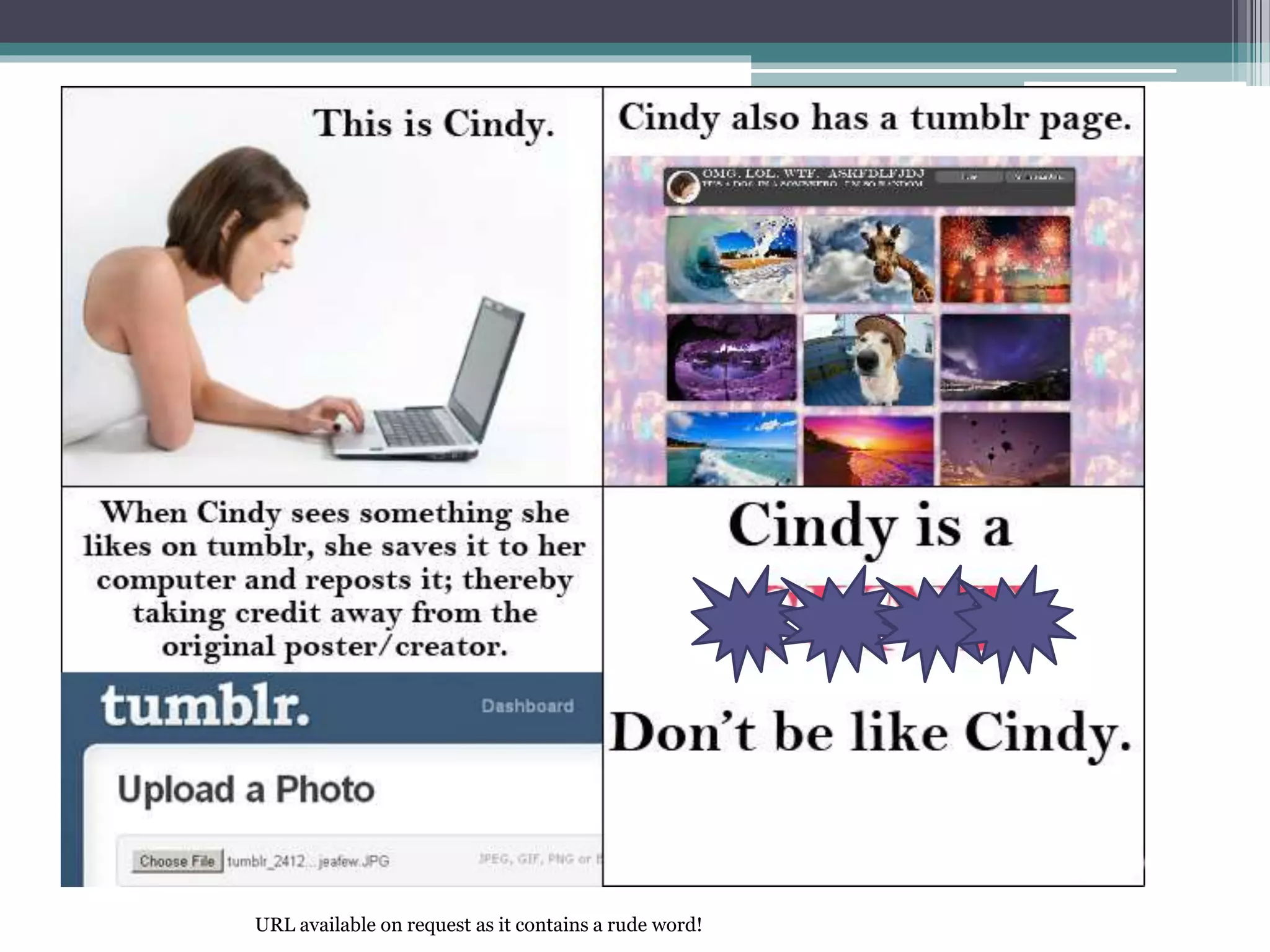
URL available on request as it contains a rude word!
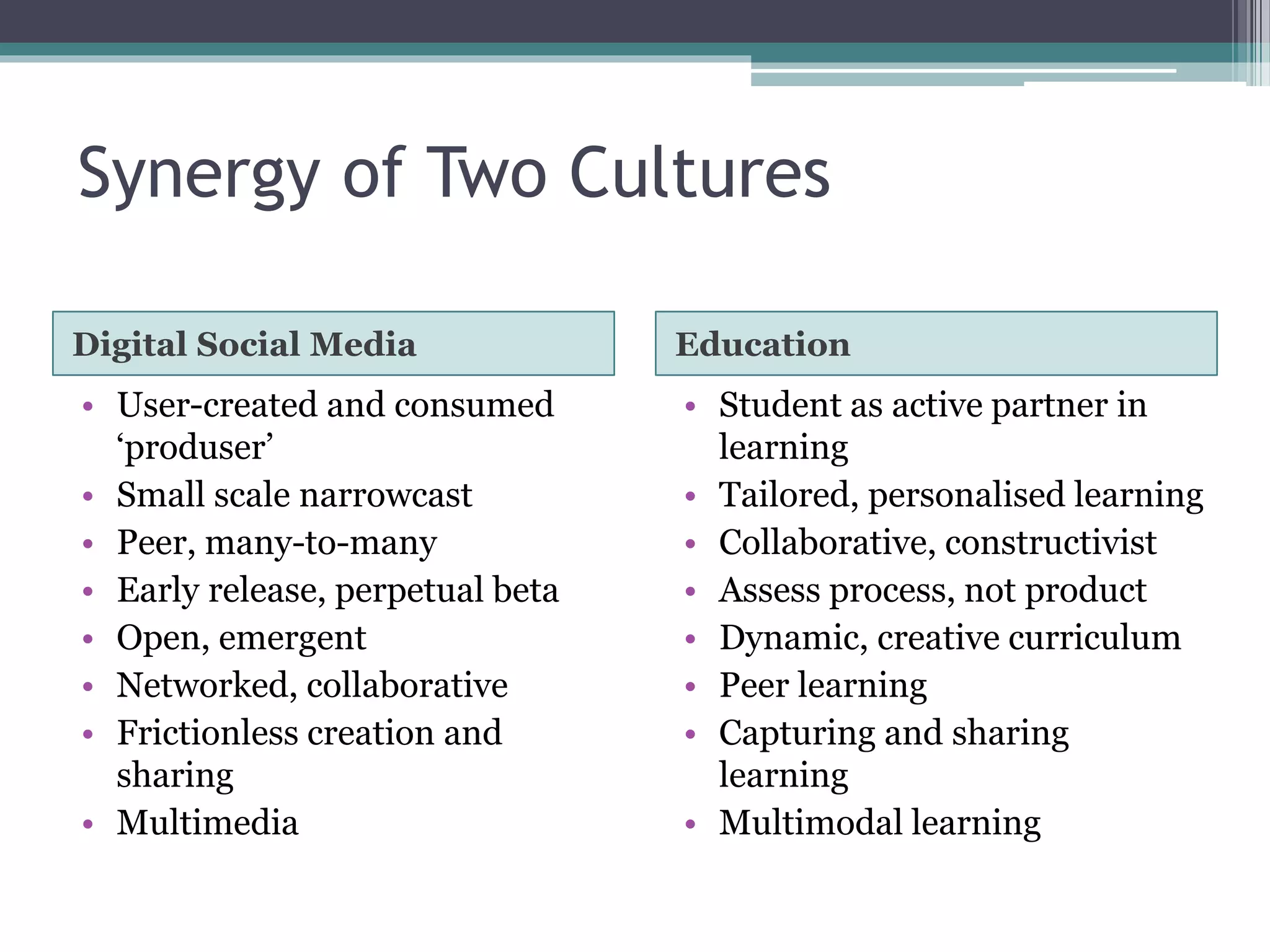
Synergy of Two Cultures 
Digital Social Media Education 
• User-created and consumed 
‘produser’ 
• Small scale narrowcast 
• Peer, many-to-many 
• Early release, perpetual beta 
• Open, emergent 
• Networked, collaborative 
• Frictionless creation and 
sharing 
• Multimedia 
• Student as active partner in 
learning 
• Tailored, personalised learning 
• Collaborative, constructivist 
• Assess process, not product 
• Dynamic, creative curriculum 
• Peer learning 
• Capturing and sharing 
learning 
• Multimodal learning
Digital Openness 
Think creatively… 
Affordances and technological determinism 
Vs Emergent, creative use in tune with digital culture 
and good pedagogy
Digital Technology 
Are we talking about… 
• Using technology to enhance 
how we teach, learn and 
assess? (do things differently) 
• Reviewing how and what we 
teach, how and what students 
learn, in a world which is 
altered by technology? (do 
different things, flip the 
classroom!)
Definitions: Social Media 
• Web 2.0 
• User generated content* 
• Networked and shared, many to many 
• *Content: 
▫ Multimedia (including text) 
▫ Metadata and curation 
▫ Edits, additions and comments
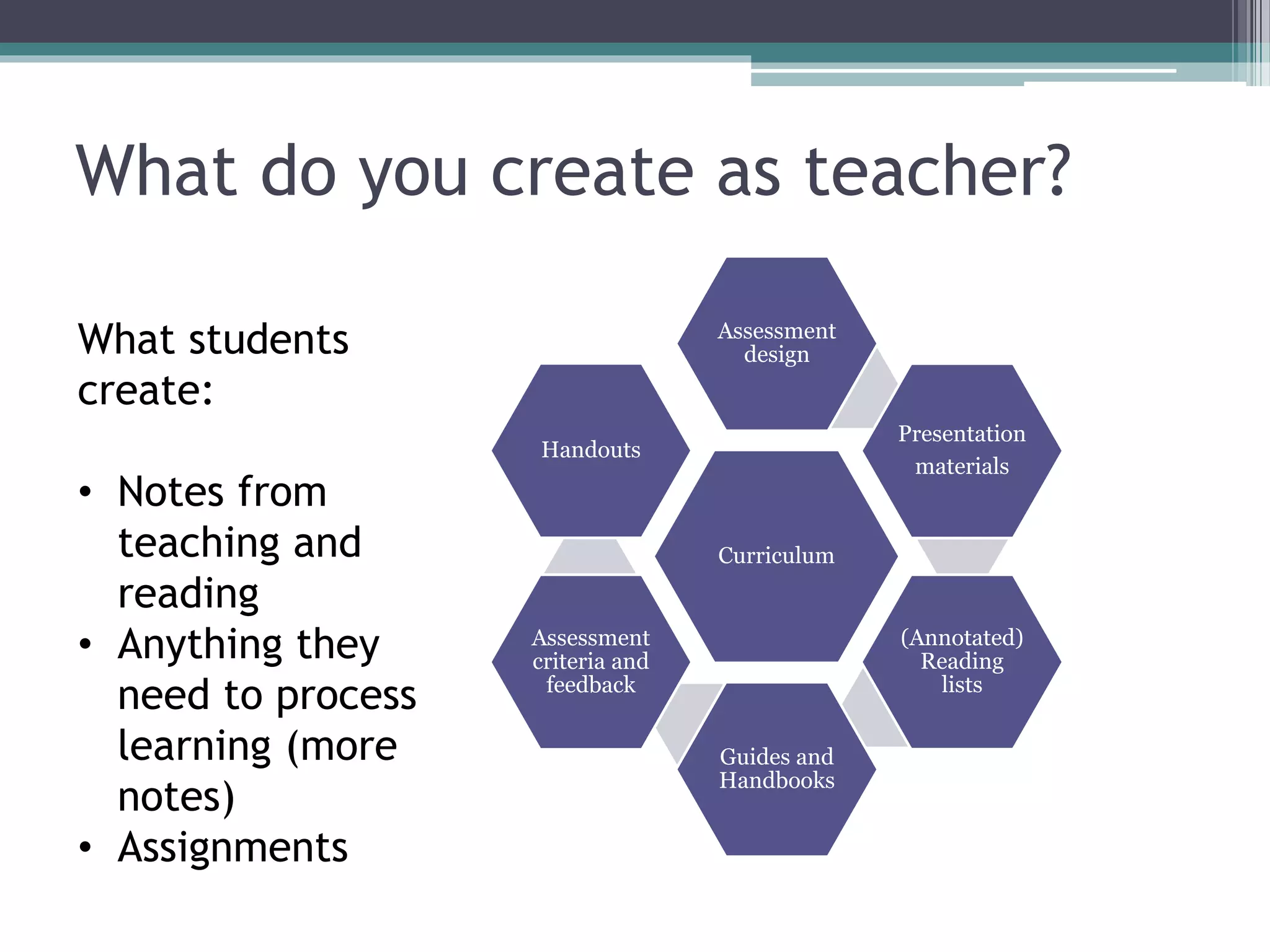
What do you create as teacher? 
Assessment 
design 
Curriculum 
Presentation 
materials 
(Annotated) 
Reading 
lists 
Guides and 
Handbooks 
Handouts 
Assessment 
criteria and 
feedback 
What students 
create: 
• Notes from 
teaching and 
reading 
• Anything they 
need to process 
learning (more 
notes) 
• Assignments
Some ideas…. 
Bibliograwiki 
• Discussion forum/Twitter suggest search 
terms, likely formats and databases, 
crowdsource suggestions 
• Mendeley/Delicious Collate and curate a 
reading list, tag with metadata 
• Wiki Summarise and annotate reading list 
• Blog Critique articles/books 
• Wiki Synthesise debates and trends
Some ideas… 
Hack the Lecture 
• Wiki develop the curriculum and keep it updating 
throughout 
• Twitter/Discussion Forum Crowdsource questions and 
topics to cover in module/lecture 
• Powerpoint/Dropbox students research and create a 
slide each 
• (Lecture, using student-created slides) Looking things 
up on mobile devices 
• Blog/Twitter/mindmap software Liveblog or livetweet 
the lecture 
• Wiki/Storify lecture notes into a collaborative version 
• Youtube/lecturecapture/Audacity Student-edited clips 
of the main points of the lecture (audio/video)
Some ideas… 
The social assignment 
• Wiki/discussion forum Students suggest and 
discuss assignments, materials and assessment 
criteria 
• Blog: Students select assignment, and blog weekly 
progress: 
▫ Question analysis 
▫ Essay plan 
▫ Search strategies and reading notes 
▫ Rough draft 
▫ Revised draft 
▫ Anticipated feedback 
▫ Response to feedback 
• Students share exemplars and annotate
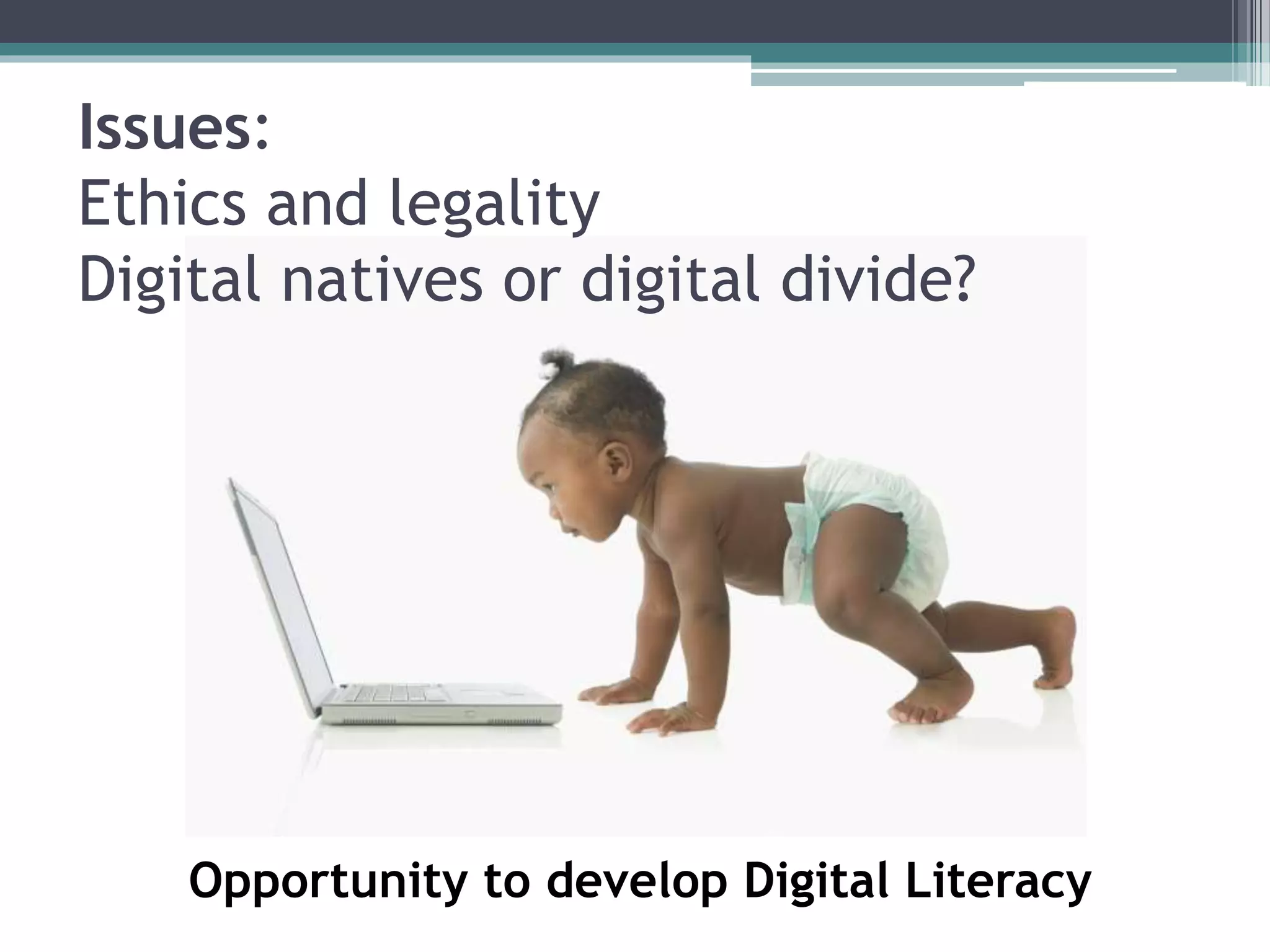
Issues: 
Ethics and legality 
Digital natives or digital divide? 
Opportunity to develop Digital Literacy

innovating the curriculum through social media

  • 1.
    LAIBS Learning andTeaching Conference Innovating our curriculum through social media and technology Dr Helen Webster, Anglia Learning and Teaching Dr Debbie Holley, Dept of Education
  • 2.
    Why do weneed to innovate the curriculum? • Knowledge gets out of date faster and faster – it has a shorter half-life • Knowledge is growing exponentially and there is more knowledge than can ever be contained in the curriculum • The knowledge is out there on the Internet anyway • Core skills are changing or becoming redundant • Students are not learning in the way we expect, sometimes circumventing or undermining processes All of this has something to do with digital technology
  • 3.
    A Clash ofTwo Cultures Question: What annoys/ irritates/frustrates you most about your students’ use of Digital Technology in their Learning?
  • 4.
    Clash of TwoCultures Academia Digital, Social Media • Teacher-created, student consumed • Large scale broadcast • Authority, one-to-many • Final, authoritative version • Closed, determined • Individual lone scholar • Plagiarism, possession of ideas • Academic Text (some images) • User-created and consumed ‘produser’ • Small scale narrowcast • Peer, many-to-many • Early release, perpetual beta • Open, emergent • Networked, collaborative • Frictionless creation and sharing • Multi-media, multi genre
  • 7.
    URL available onrequest as it contains a rude word!
  • 8.
    Synergy of TwoCultures Digital Social Media Education • User-created and consumed ‘produser’ • Small scale narrowcast • Peer, many-to-many • Early release, perpetual beta • Open, emergent • Networked, collaborative • Frictionless creation and sharing • Multimedia • Student as active partner in learning • Tailored, personalised learning • Collaborative, constructivist • Assess process, not product • Dynamic, creative curriculum • Peer learning • Capturing and sharing learning • Multimodal learning
  • 9.
    Digital Openness Thinkcreatively… Affordances and technological determinism Vs Emergent, creative use in tune with digital culture and good pedagogy
  • 10.
    Digital Technology Arewe talking about… • Using technology to enhance how we teach, learn and assess? (do things differently) • Reviewing how and what we teach, how and what students learn, in a world which is altered by technology? (do different things, flip the classroom!)
  • 11.
    Definitions: Social Media • Web 2.0 • User generated content* • Networked and shared, many to many • *Content: ▫ Multimedia (including text) ▫ Metadata and curation ▫ Edits, additions and comments
  • 12.
    What do youcreate as teacher? Assessment design Curriculum Presentation materials (Annotated) Reading lists Guides and Handbooks Handouts Assessment criteria and feedback What students create: • Notes from teaching and reading • Anything they need to process learning (more notes) • Assignments
  • 13.
    Some ideas…. Bibliograwiki • Discussion forum/Twitter suggest search terms, likely formats and databases, crowdsource suggestions • Mendeley/Delicious Collate and curate a reading list, tag with metadata • Wiki Summarise and annotate reading list • Blog Critique articles/books • Wiki Synthesise debates and trends
  • 14.
    Some ideas… Hackthe Lecture • Wiki develop the curriculum and keep it updating throughout • Twitter/Discussion Forum Crowdsource questions and topics to cover in module/lecture • Powerpoint/Dropbox students research and create a slide each • (Lecture, using student-created slides) Looking things up on mobile devices • Blog/Twitter/mindmap software Liveblog or livetweet the lecture • Wiki/Storify lecture notes into a collaborative version • Youtube/lecturecapture/Audacity Student-edited clips of the main points of the lecture (audio/video)
  • 15.
    Some ideas… Thesocial assignment • Wiki/discussion forum Students suggest and discuss assignments, materials and assessment criteria • Blog: Students select assignment, and blog weekly progress: ▫ Question analysis ▫ Essay plan ▫ Search strategies and reading notes ▫ Rough draft ▫ Revised draft ▫ Anticipated feedback ▫ Response to feedback • Students share exemplars and annotate
  • 16.
    Issues: Ethics andlegality Digital natives or digital divide? Opportunity to develop Digital Literacy