Glycoprotein
•A glycoprotein is a type of protein molecule that has had a
carbohydrate attached to it.
•The process either occurs during protein translation or as a
posttranslational modification in a process called
glycosylation.
•The carbohydrate is an oligosaccharide chain (glycan) that is
covalently bonded to the polypeptide side chains of the
protein.
•Because of the -OH groups of sugars, glycoproteins are
more hydrophilic than simple proteins.
•This means glycoproteins are more attracted to water than
ordinary proteins.
•Glycoproteins function in the structure, reproduction,
immune system, hormones, and protection of cells and
organisms.
•Glycoproteins are found on the surface of the lipid bilayer
of cell membranes.
•Their hydrophilic nature allows them to function in the
aqueous environment, where they act in cell-cell
recognition and binding of other molecules.
•Cell surface glycoproteins are also important for cross-
linking cells and proteins (e.g., collagen) to add strength and
stability to a tissue. Glycoproteins in plant cells are what
allow plants to stand upright against the force of gravity.
•Glycosylated proteins are not just critical for intercellular
communication.
• They also help organ systems communicate with each
other.
•Glycoproteins are found in brain gray matter, where they
work together with axons and synaptosomes.
•Hormones may be glycoproteins. Examples include human
chorionic gonadotropin (HCG) and erythropoietin (EPO).
•Blood clotting depends on the glycoproteins prothrombin,
thrombin, and fibrinogen.
•Cell markers may be glycoproteins. The MN blood groups
are due to two polymorphic forms of the glycoprotein
glycophorin A. The two forms differ only by two amino acid
residues, yet that is enough to cause problems for persons
receiving an organ donated by someone with a different
blood group. The Major Histocompatibility Complex (MHC)
and H antigen of the ABO blood group are distinguished by
glycosylated proteins.
•Glycophorin A is also important because it's the attachment
site for Plasmodium falciparum, a human blood parasite.
1. Castor
•Syn: Erandi
•Source: dried seeds of Ricinus communis
•Family: Euphorbiaceae
•Constituents: glycoprotein-lectin-ricin
•Ricin causes haemolysis if taken IV but not ingestion
•Ricin is present throughout plant, seeds contain highest %
of ricin.
•In addition to ricin, leaves, stem and seeds also contain
potassium nitrate & HCN.
1. Castor
•Toxicity occurs after well masticated seeds, where whole
seeds are relatively nontoxic.
•Castor seeds contain 40% fixed oil, 1-5% ricin & 0.5-0.8%
ricinine
•Ricin is type-II ribosomal inactivating protein, mannose rich
N-linked oligosaccharide, as carbohydrate sidechain.
•Ricin suppress growth of ascites of tumour cells probably
by inhibiting protein synthesis at ribosomal level (Anti-
cancer)
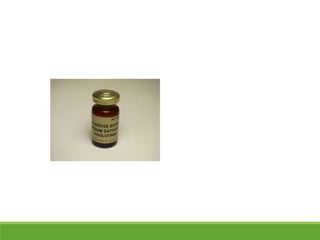
2. Pea
•Syn: Garden Pea, Matar
•Source: cotyledons of Pisum Sativum
•Family: Leguminosae
•Constituents: glycoprotein-Legumin, Vicilin
•Legumin: 1% neutral sugar (mannose, glucose), 0.1% amino
sugar (glucosamine)
•Vicilin: 0.3 % neutral sugar (mannose), 0.2% amino sugar
(glucosamine)
2. Pea
•Pisum sativum agglutinin and
phytohaem(erythro)agglutinin were found to bind to gp120.
• They were able to inhibit fusion of HIV-infected cells with
CD4 cells by a carbohydrate-specific interaction with the
HIV-infected cells (Hansen et al. 1989).
•Plant lectins displayed anti-coronaviral activity, especially
mannose-binding lectins, in severe acute respiratory
syndrome coronavirus.
•They interfered viral attachment in early stage of replication
cycle and suppressed the growth by interacting at the end
of the infectious virus cycle (Keyaerts et al. 2007).
3. Oats
•Syn:
•Source: cotyledons of Avena sativa
•Family: Poaceae
•Constituents: dry seeds 8-14% protein, albumin 5-10%,
Globulin-80%, Prolamin- 5-10%, Glutelin-5%
•Causes nitrate toxicity in Live stock
•Prolamin (Avenin)- celiac & auto immune disease (safe)
•hemagglutination
Avenanthramides (AVAs)
controlling the blood pressure, as they produce nitric oxide which
dilates the blood vessels

Glycoprotein

  • 1.
  • 2.
    •A glycoprotein isa type of protein molecule that has had a carbohydrate attached to it. •The process either occurs during protein translation or as a posttranslational modification in a process called glycosylation. •The carbohydrate is an oligosaccharide chain (glycan) that is covalently bonded to the polypeptide side chains of the protein. •Because of the -OH groups of sugars, glycoproteins are more hydrophilic than simple proteins. •This means glycoproteins are more attracted to water than ordinary proteins.
  • 3.
    •Glycoproteins function inthe structure, reproduction, immune system, hormones, and protection of cells and organisms. •Glycoproteins are found on the surface of the lipid bilayer of cell membranes. •Their hydrophilic nature allows them to function in the aqueous environment, where they act in cell-cell recognition and binding of other molecules. •Cell surface glycoproteins are also important for cross- linking cells and proteins (e.g., collagen) to add strength and stability to a tissue. Glycoproteins in plant cells are what allow plants to stand upright against the force of gravity.
  • 4.
    •Glycosylated proteins arenot just critical for intercellular communication. • They also help organ systems communicate with each other. •Glycoproteins are found in brain gray matter, where they work together with axons and synaptosomes. •Hormones may be glycoproteins. Examples include human chorionic gonadotropin (HCG) and erythropoietin (EPO). •Blood clotting depends on the glycoproteins prothrombin, thrombin, and fibrinogen.
  • 5.
    •Cell markers maybe glycoproteins. The MN blood groups are due to two polymorphic forms of the glycoprotein glycophorin A. The two forms differ only by two amino acid residues, yet that is enough to cause problems for persons receiving an organ donated by someone with a different blood group. The Major Histocompatibility Complex (MHC) and H antigen of the ABO blood group are distinguished by glycosylated proteins. •Glycophorin A is also important because it's the attachment site for Plasmodium falciparum, a human blood parasite.
  • 6.
    1. Castor •Syn: Erandi •Source:dried seeds of Ricinus communis •Family: Euphorbiaceae •Constituents: glycoprotein-lectin-ricin •Ricin causes haemolysis if taken IV but not ingestion •Ricin is present throughout plant, seeds contain highest % of ricin. •In addition to ricin, leaves, stem and seeds also contain potassium nitrate & HCN.
  • 7.
    1. Castor •Toxicity occursafter well masticated seeds, where whole seeds are relatively nontoxic. •Castor seeds contain 40% fixed oil, 1-5% ricin & 0.5-0.8% ricinine •Ricin is type-II ribosomal inactivating protein, mannose rich N-linked oligosaccharide, as carbohydrate sidechain. •Ricin suppress growth of ascites of tumour cells probably by inhibiting protein synthesis at ribosomal level (Anti- cancer)
  • 8.
    2. Pea •Syn: GardenPea, Matar •Source: cotyledons of Pisum Sativum •Family: Leguminosae •Constituents: glycoprotein-Legumin, Vicilin •Legumin: 1% neutral sugar (mannose, glucose), 0.1% amino sugar (glucosamine) •Vicilin: 0.3 % neutral sugar (mannose), 0.2% amino sugar (glucosamine)
  • 10.
    2. Pea •Pisum sativumagglutinin and phytohaem(erythro)agglutinin were found to bind to gp120. • They were able to inhibit fusion of HIV-infected cells with CD4 cells by a carbohydrate-specific interaction with the HIV-infected cells (Hansen et al. 1989). •Plant lectins displayed anti-coronaviral activity, especially mannose-binding lectins, in severe acute respiratory syndrome coronavirus. •They interfered viral attachment in early stage of replication cycle and suppressed the growth by interacting at the end of the infectious virus cycle (Keyaerts et al. 2007).
  • 11.
    3. Oats •Syn: •Source: cotyledonsof Avena sativa •Family: Poaceae •Constituents: dry seeds 8-14% protein, albumin 5-10%, Globulin-80%, Prolamin- 5-10%, Glutelin-5% •Causes nitrate toxicity in Live stock •Prolamin (Avenin)- celiac & auto immune disease (safe) •hemagglutination
  • 12.
    Avenanthramides (AVAs) controlling theblood pressure, as they produce nitric oxide which dilates the blood vessels