Done By :
  Jincy Abraham
    B090238CS
INTRODUCTION
Mobile communication is an important aspect in
communication technology and mobile phone has
become the most common tool of communication over
the recent years.

Several innovative improvements regarding mobile
communication technologies have been made by developing
various multiple-access schemes used for wireless
communication (such as TDMA, FDMA, CDMA, WCDMA,
etc).

The big challenge is to select the right technology for the
applications and systematically identify the factors that
influence the overall performance.
Mobility is one of the most invigorating features, having
an enormous impact on how communication is evolving
into the future.

Mobility in 4G networks requires new level of mobility
support as compared to traditional mobility.

This presentation brings about the different generations
of mobile technology and identifies the different issues
and challenges related to mobility management in 4G
networks.
0TH         GENERATION
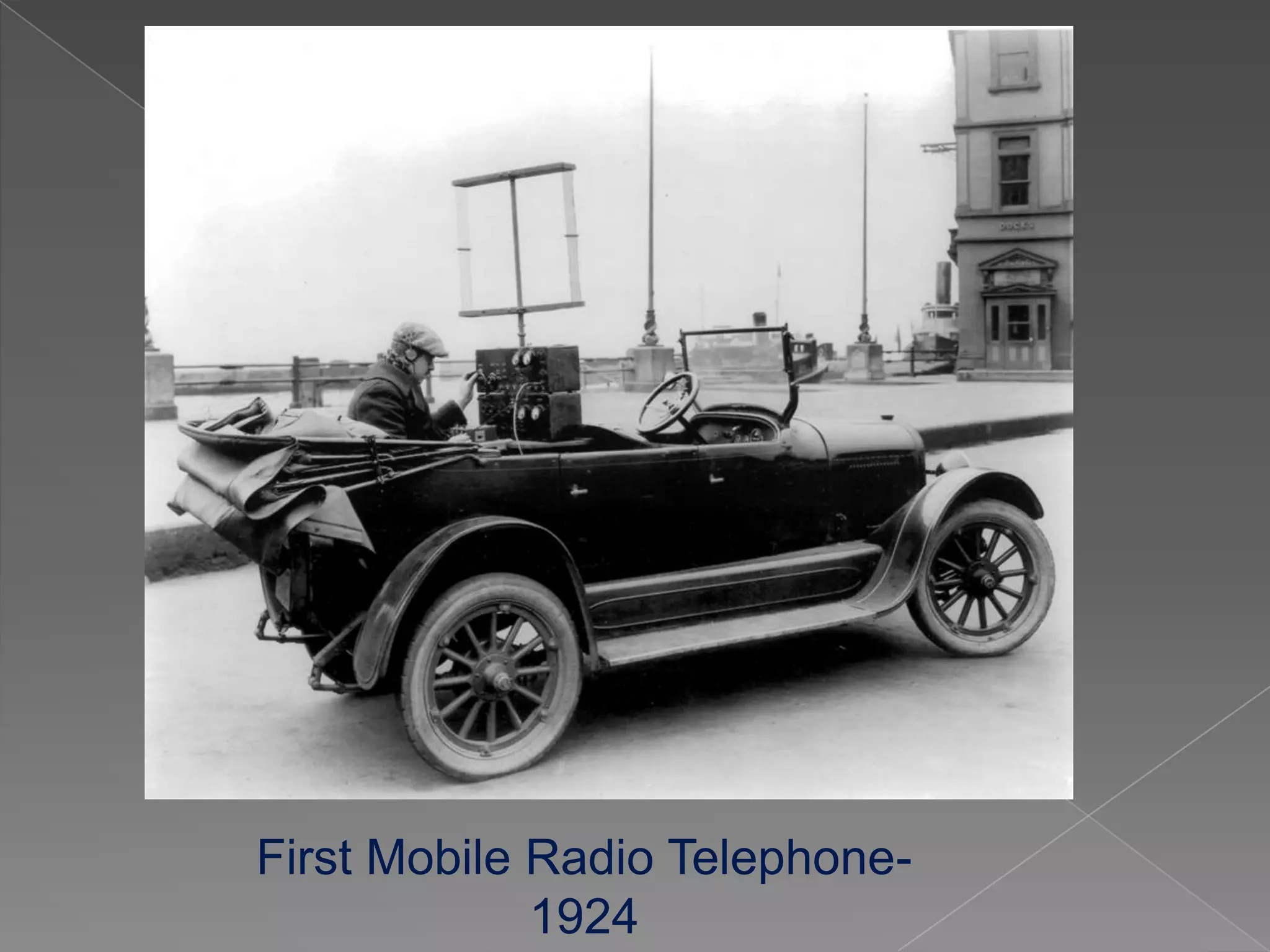
Pre-cell phone mobile telephony technology, such as radio
telephones that some had in cars before the arrival of cell phones.

Communication was possible through voice only.

These mobile telephones were usually mounted in cars or trucks.

Technologies :
           PTT(Push to Talk)
           MTS (Mobile Telephone System)
           IMTS (Improved MTS)
First Mobile Radio Telephone-
             1924
1 st    GENERATION
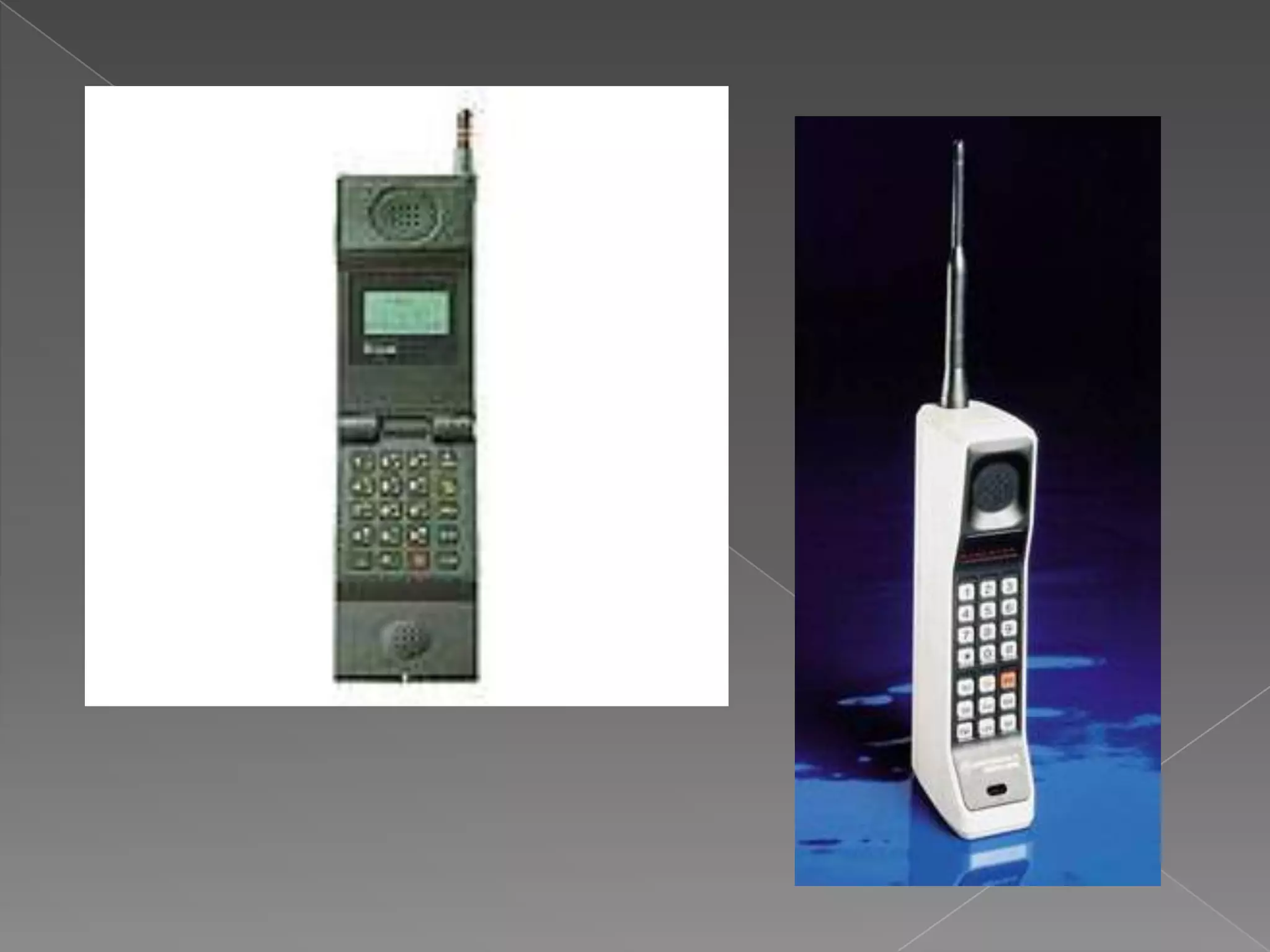
Analog cell phones.
A voice call gets modulated to a higher frequency of about 150MHz
and it is transmitted between radio towers. This is done using a
technique called Frequency-Division Multiple Access (FDMA).

Technologies:
     FDMA (Frequency Division Multiple Access)
     NMT (Nordic Mobile Telephone)
     AMPS (Advanced Mobile Phone System)

Problems :
      No security
      Prone to distortions
2 nd      GENERATION
Digital cell phones
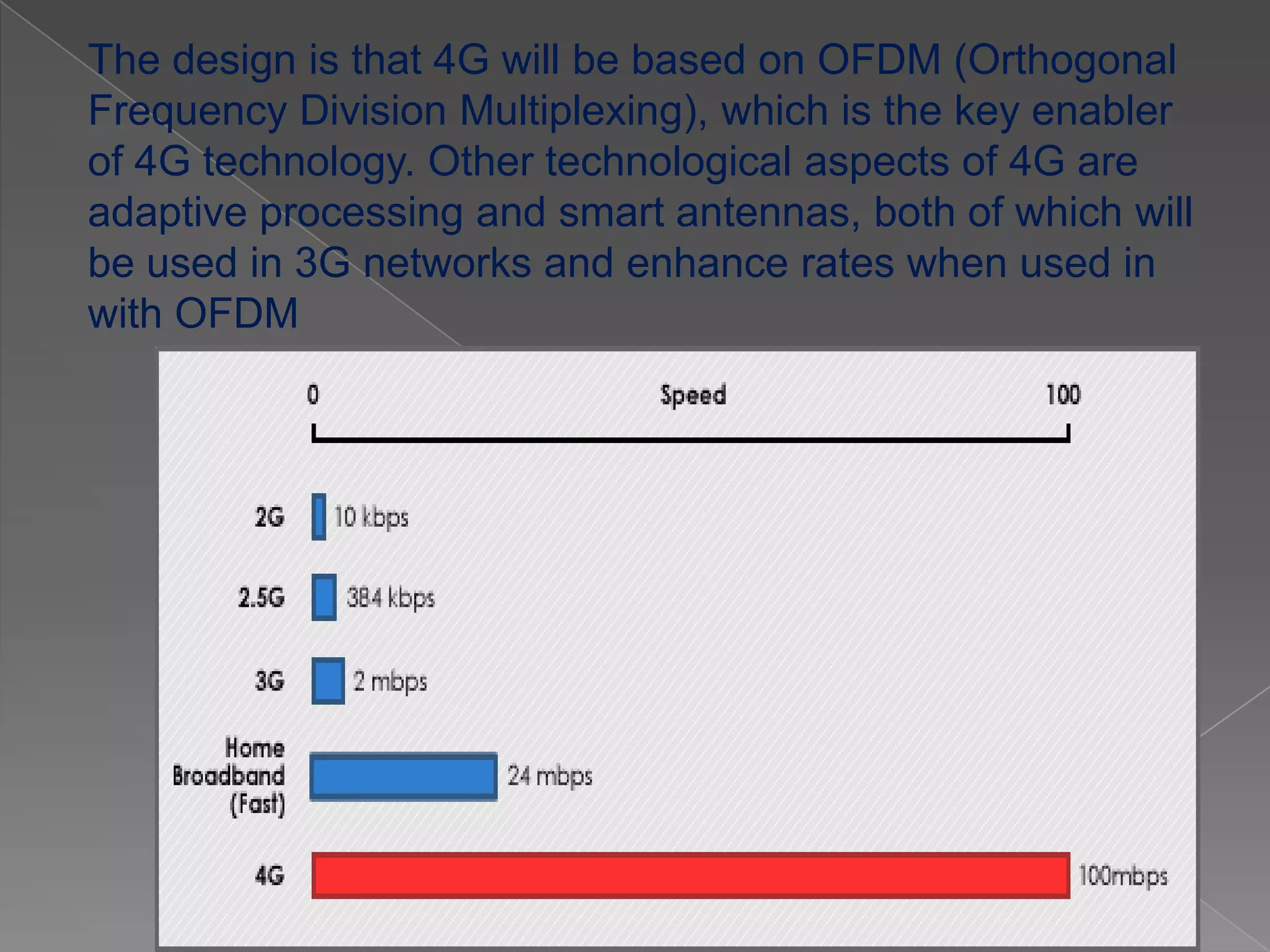
Speed: 10kbits/sec
Time to download a 3min MP3 song:
31-41 min
Different Services :
               digital voice calling
               short message service (SMS)
Standards:
                GSM
                CDMA
                TDMA
Benefits:
        consume less battery power
        improves the voice clarity
        reduces noise in the line
        secrecy and safety to the data and voice calls
3 rd    GENERATION
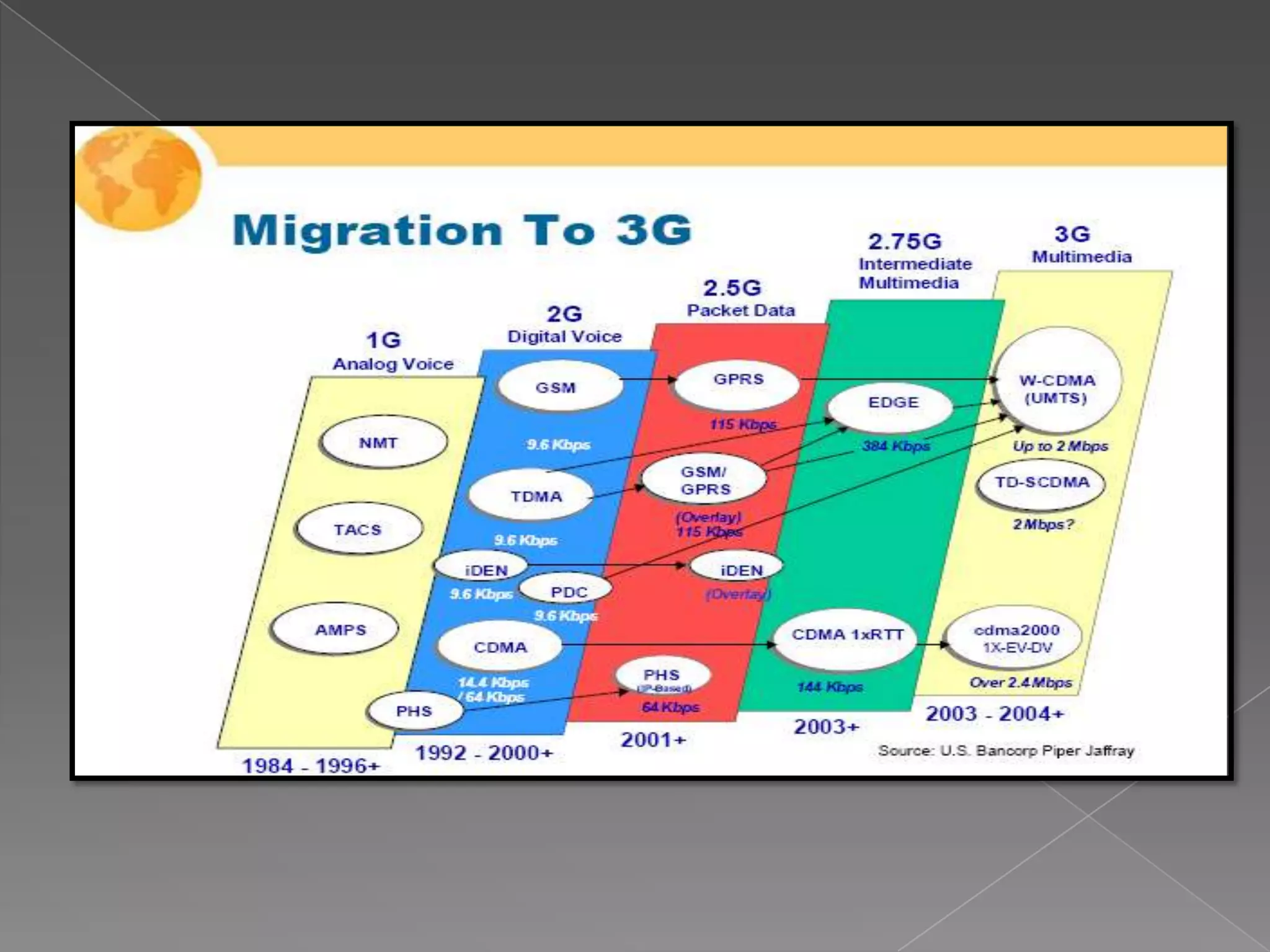
 2G networks were built mainly for voice data and slow
 transmission. Due to rapid changes in user expectation, they
 do not meet today's wireless needs.
 3G networks provide the ability to transfer voice data and
 non-voice data over the same network simultaneously.
Applications :
            Internet, e-mail, fax, e-commerce, music,
            video clips, and videoconferencing


  The aim of the 3G is to allow for more coverage and growth
  with minimum investment.
Combines a mobile phone, laptop PC and TV

Features includes:
- Phone calls
- Global roaming
- Send/receive large email messages
- High-speed Web
- Navigation/maps
- Videoconferencing
- TV streaming
- Electronic agenda meeting reminder
-GPS

Speed: 144kb/sec-3mb/sec i.e. 1 million bits, or 125,000
bytes, of data are being transferred per second
Time to download a 3min MP3 song:
11sec-1.5min
3G has the following enhancements over 2.5G and previous
networks:
             Enhanced audio and video streaming
             Several Times higher data speed
             Video-conferencing support
             Web and WAP browsing at higher speeds
             IPTV (TV through the Internet) support
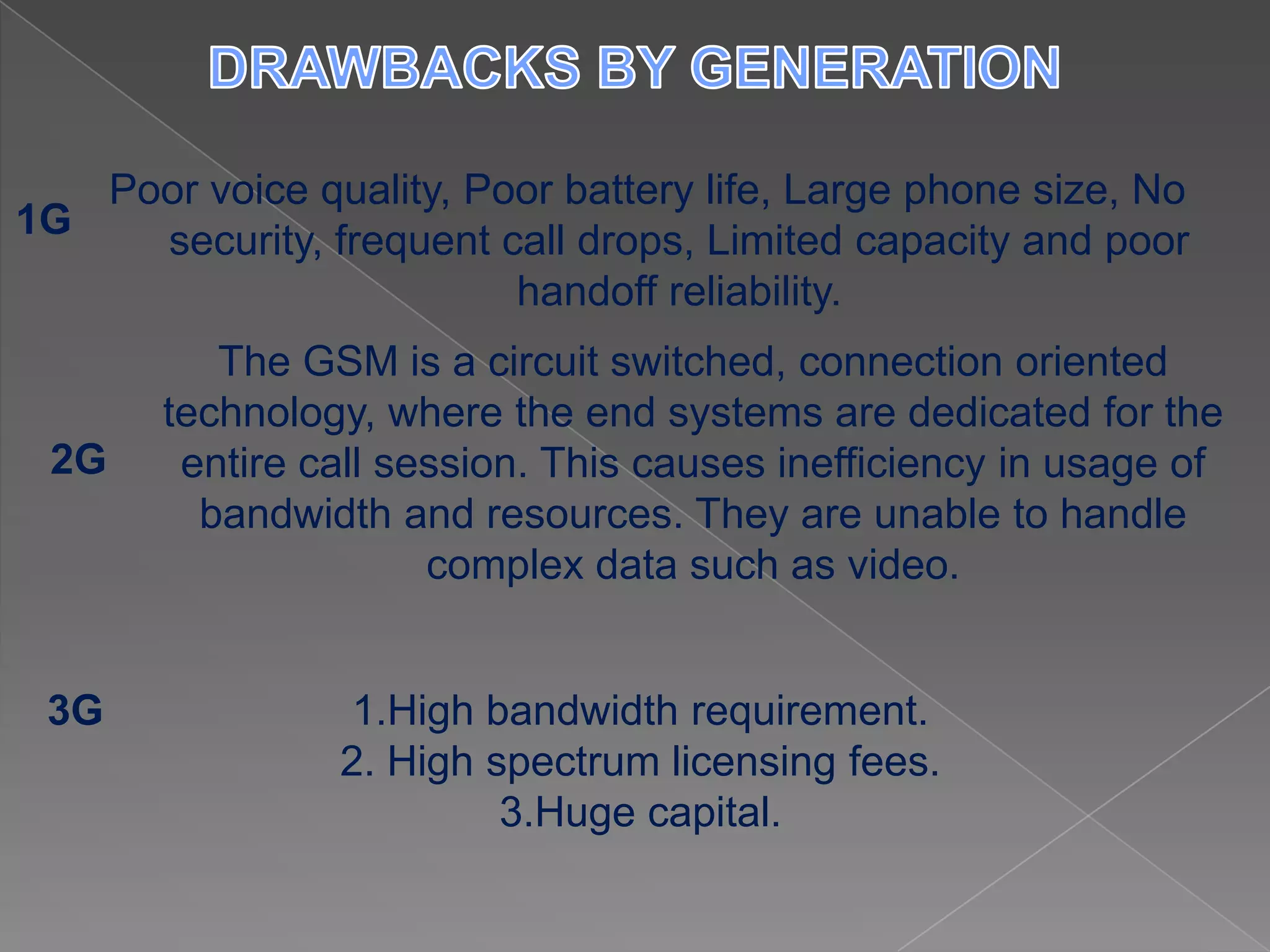
Poor voice quality, Poor battery life, Large phone size, No
1G   security, frequent call drops, Limited capacity and poor
                         handoff reliability.
          The GSM is a circuit switched, connection oriented
       technology, where the end systems are dedicated for the
 2G     entire call session. This causes inefficiency in usage of
         bandwidth and resources. They are unable to handle
                      complex data such as video.


 3G               1.High bandwidth requirement.
                 2. High spectrum licensing fees.
                          3.Huge capital.
4 th     GENERATION
4G development focuses around achieving ultra-
broadband speeds, competing with and in some cases
outstripping the speeds provided by your home internet
connection.

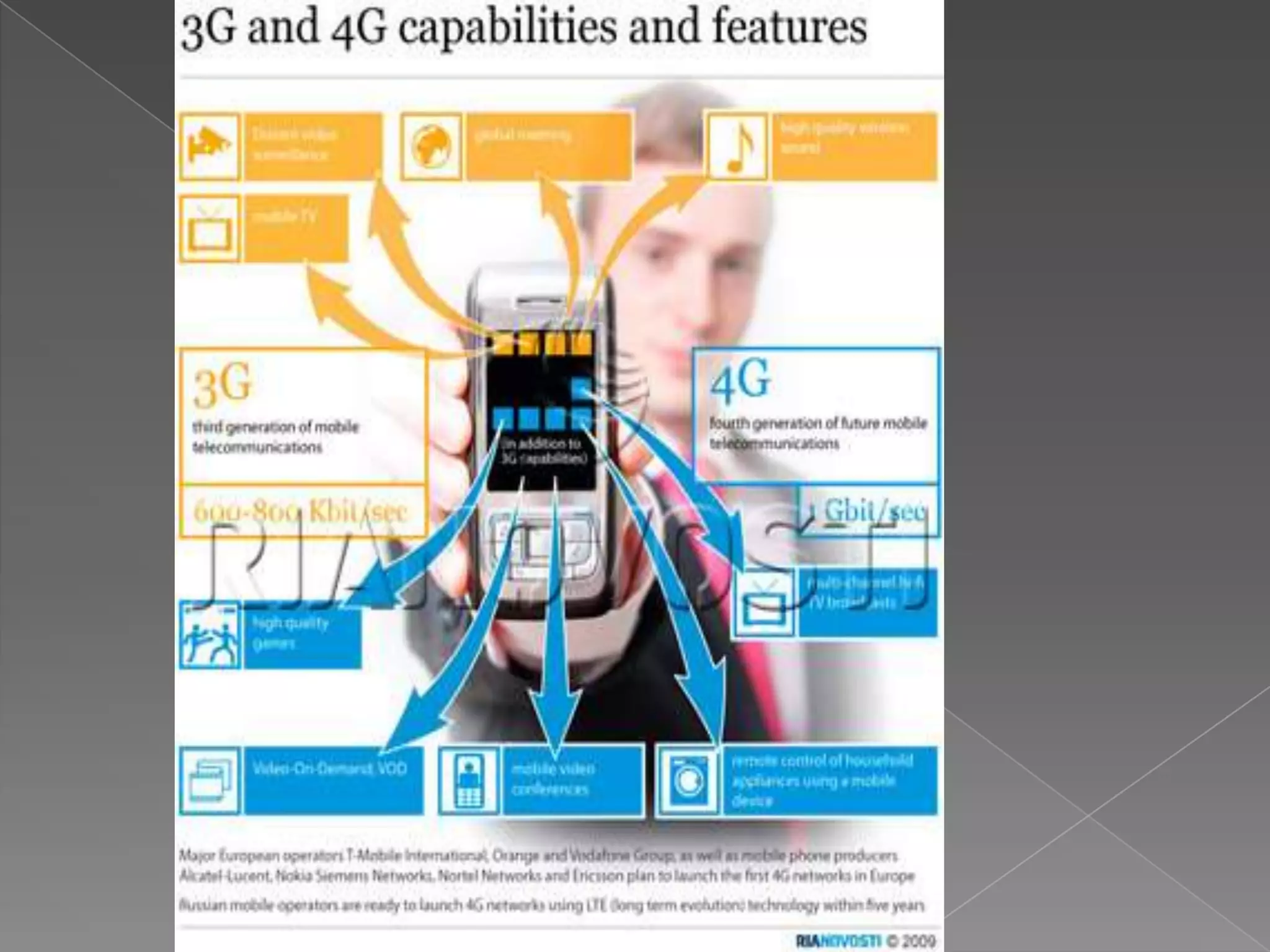
4G average speeds are targeted to be in the 100Mbps to
1Gbps range, roughly 10 to 100 times (dependent on
location) faster than 3G networks. At that rate, that 4-
minute MP3 download would take you mere seconds.

A 4G phone can run on a 3G network just fine, and it’ll be
ready for the 4G revolution when the time comes.
There are two major systems in U.S, which are using the 4G
mobile technology – WiMax, backed by Clearwire and Long
Term Evolution or LTE.

WiMax’s majority owner is Sprint Nextel. Sprint currently has
two mobile phones, the HTC Evo and the Samsung Epic,
which achieve speeds 10 times faster than 3G; coverage is
still limited to major metropolitan cities. Outside of these
areas, data speeds revert to 3G.

Long Term Evolution is backed by Verizon. According to
cnet, Verizon has completed initial 4G wireless test, but not
available for widespread use until end of 2012.
The word “MAGIC” also refers to 4G wireless
 technology which stands for
 Mobile multimedia, Any-where, Global mobility
 solutions over, Integrated wireless and Customized
 services.

Features include:
      - A spectrally efficient system
      - High network capacity
      - Huge data rate
      - Perfect connectivity & global roaming
      - High quality of service
      - Security & Privacy

Speed:
         The data transfer is 100 Mbps for outdoor and 1Gbps
         for indoor.
The design is that 4G will be based on OFDM (Orthogonal
Frequency Division Multiplexing), which is the key enabler
of 4G technology. Other technological aspects of 4G are
adaptive processing and smart antennas, both of which will
be used in 3G networks and enhance rates when used in
with OFDM
Applications :

Games
  Games will be a major application segment in 4G.

Electronic Agents
       There will be e-assistance, e-secretaries, e-advisors, e-
administrators etc. This kind of control is what home automation
applications anticipate.

Broadband Access in Remote Locations
       4G networks will provide a wireless alternative for
broadband access to residential and business customers. In
addition, 4G will provide the first opportunity for broadband
access in remote locations without an infrastructure to support
cable or DSL access.
• E-commerce
• Business/Work
• Private Life
• Vehicular
• Public Place
• Entertainment
• Education

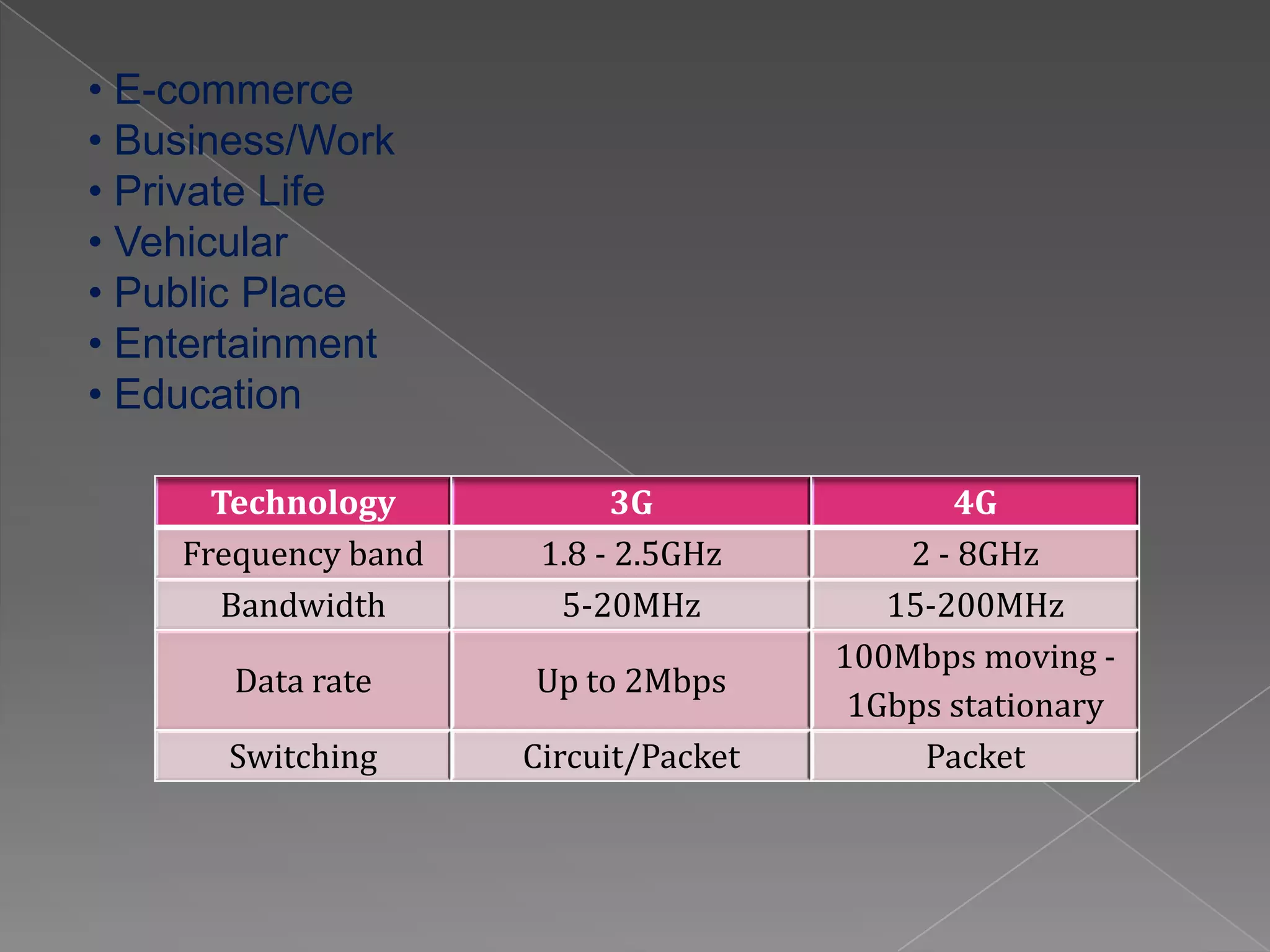
      Technology           3G                4G
    Frequency band    1.8 - 2.5GHz        2 - 8GHz
       Bandwidth       5-20MHz           15-200MHz
                                      100Mbps moving -
       Data rate     Up to 2Mbps
                                       1Gbps stationary
      Switching      Circuit/Packet        Packet
5 th      GENERATION
5G is a is a technology used in research papers and projects
to denote the next major phase of mobile telecommunication
standards.It is a Real wireless world that is a complete
WWWW: World Wide Wireless Web. 5G technology has
changed the means to use cell phones within very high
bandwidth. A user would never have experienced such a high
value technology.

5G technology is going to be a new mobile revolution in
mobile market.5G technology has extraordinary data
capabilities and has ability to tie together unrestricted call
volumes and infinite data broadcast within latest mobile
operating system.
CONCLUSION
We have seen how the technology has progressed through the
years.

4G mobile technologies will stimulate subscriber interest in
broadband wireless applications because of its ability and flexibility
towards the world of wireless mobile communications.
4G just right started from 2002 and there are many standards and
technologies, which are still in developing process.
Therefore, no one can really sure what the future 4G will look like and
                                       .
what services it will offer to people.

4G is the evolution based on 3G’s limitation and it will fulfill the idea
of WWWW(5G), World Wide Wireless Web, offering more services
and smooth global roaming with inexpensive cost

Since 3G mobile is still in the market, 4G reduces the market
competition in the mobile industry
REFERENCES
Generations of Mobile Wireless Technology: A Survey
    By Mudit Ratana Bhalla & Anand Vardhan Bhalla
International Journal of Computer Applications (0975 – 8887)
      Volume 5– No.4, August 2010

Evolution and Development Towards 4th Generation (4G)
Mobile Communication Systems
  By M. Junaid Arshad, Amjad Farooq, Abad Shah
            Journal of American Science
Generation of mobile communication systems

Generation of mobile communication systems

  • 1.
    Done By : Jincy Abraham B090238CS
  • 2.
    INTRODUCTION Mobile communication isan important aspect in communication technology and mobile phone has become the most common tool of communication over the recent years. Several innovative improvements regarding mobile communication technologies have been made by developing various multiple-access schemes used for wireless communication (such as TDMA, FDMA, CDMA, WCDMA, etc). The big challenge is to select the right technology for the applications and systematically identify the factors that influence the overall performance.
  • 3.
    Mobility is oneof the most invigorating features, having an enormous impact on how communication is evolving into the future. Mobility in 4G networks requires new level of mobility support as compared to traditional mobility. This presentation brings about the different generations of mobile technology and identifies the different issues and challenges related to mobility management in 4G networks.
  • 4.
    0TH GENERATION Pre-cell phone mobile telephony technology, such as radio telephones that some had in cars before the arrival of cell phones. Communication was possible through voice only. These mobile telephones were usually mounted in cars or trucks. Technologies : PTT(Push to Talk) MTS (Mobile Telephone System) IMTS (Improved MTS)
  • 5.
    First Mobile RadioTelephone- 1924
  • 6.
    1 st GENERATION Analog cell phones. A voice call gets modulated to a higher frequency of about 150MHz and it is transmitted between radio towers. This is done using a technique called Frequency-Division Multiple Access (FDMA). Technologies: FDMA (Frequency Division Multiple Access) NMT (Nordic Mobile Telephone) AMPS (Advanced Mobile Phone System) Problems : No security Prone to distortions
  • 8.
    2 nd GENERATION Digital cell phones Speed: 10kbits/sec Time to download a 3min MP3 song: 31-41 min Different Services : digital voice calling short message service (SMS) Standards: GSM CDMA TDMA Benefits: consume less battery power improves the voice clarity reduces noise in the line secrecy and safety to the data and voice calls
  • 10.
    3 rd GENERATION 2G networks were built mainly for voice data and slow transmission. Due to rapid changes in user expectation, they do not meet today's wireless needs. 3G networks provide the ability to transfer voice data and non-voice data over the same network simultaneously. Applications : Internet, e-mail, fax, e-commerce, music, video clips, and videoconferencing The aim of the 3G is to allow for more coverage and growth with minimum investment.
  • 11.
    Combines a mobilephone, laptop PC and TV Features includes: - Phone calls - Global roaming - Send/receive large email messages - High-speed Web - Navigation/maps - Videoconferencing - TV streaming - Electronic agenda meeting reminder -GPS Speed: 144kb/sec-3mb/sec i.e. 1 million bits, or 125,000 bytes, of data are being transferred per second Time to download a 3min MP3 song: 11sec-1.5min
  • 12.
    3G has thefollowing enhancements over 2.5G and previous networks: Enhanced audio and video streaming Several Times higher data speed Video-conferencing support Web and WAP browsing at higher speeds IPTV (TV through the Internet) support
  • 14.
    Poor voice quality,Poor battery life, Large phone size, No 1G security, frequent call drops, Limited capacity and poor handoff reliability. The GSM is a circuit switched, connection oriented technology, where the end systems are dedicated for the 2G entire call session. This causes inefficiency in usage of bandwidth and resources. They are unable to handle complex data such as video. 3G 1.High bandwidth requirement. 2. High spectrum licensing fees. 3.Huge capital.
  • 16.
    4 th GENERATION 4G development focuses around achieving ultra- broadband speeds, competing with and in some cases outstripping the speeds provided by your home internet connection. 4G average speeds are targeted to be in the 100Mbps to 1Gbps range, roughly 10 to 100 times (dependent on location) faster than 3G networks. At that rate, that 4- minute MP3 download would take you mere seconds. A 4G phone can run on a 3G network just fine, and it’ll be ready for the 4G revolution when the time comes.
  • 17.
    There are twomajor systems in U.S, which are using the 4G mobile technology – WiMax, backed by Clearwire and Long Term Evolution or LTE. WiMax’s majority owner is Sprint Nextel. Sprint currently has two mobile phones, the HTC Evo and the Samsung Epic, which achieve speeds 10 times faster than 3G; coverage is still limited to major metropolitan cities. Outside of these areas, data speeds revert to 3G. Long Term Evolution is backed by Verizon. According to cnet, Verizon has completed initial 4G wireless test, but not available for widespread use until end of 2012.
  • 18.
    The word “MAGIC”also refers to 4G wireless technology which stands for Mobile multimedia, Any-where, Global mobility solutions over, Integrated wireless and Customized services. Features include: - A spectrally efficient system - High network capacity - Huge data rate - Perfect connectivity & global roaming - High quality of service - Security & Privacy Speed: The data transfer is 100 Mbps for outdoor and 1Gbps for indoor.
  • 19.
    The design isthat 4G will be based on OFDM (Orthogonal Frequency Division Multiplexing), which is the key enabler of 4G technology. Other technological aspects of 4G are adaptive processing and smart antennas, both of which will be used in 3G networks and enhance rates when used in with OFDM
  • 21.
    Applications : Games Games will be a major application segment in 4G. Electronic Agents There will be e-assistance, e-secretaries, e-advisors, e- administrators etc. This kind of control is what home automation applications anticipate. Broadband Access in Remote Locations 4G networks will provide a wireless alternative for broadband access to residential and business customers. In addition, 4G will provide the first opportunity for broadband access in remote locations without an infrastructure to support cable or DSL access.
  • 22.
    • E-commerce • Business/Work •Private Life • Vehicular • Public Place • Entertainment • Education Technology 3G 4G Frequency band 1.8 - 2.5GHz 2 - 8GHz Bandwidth 5-20MHz 15-200MHz 100Mbps moving - Data rate Up to 2Mbps 1Gbps stationary Switching Circuit/Packet Packet
  • 25.
    5 th GENERATION 5G is a is a technology used in research papers and projects to denote the next major phase of mobile telecommunication standards.It is a Real wireless world that is a complete WWWW: World Wide Wireless Web. 5G technology has changed the means to use cell phones within very high bandwidth. A user would never have experienced such a high value technology. 5G technology is going to be a new mobile revolution in mobile market.5G technology has extraordinary data capabilities and has ability to tie together unrestricted call volumes and infinite data broadcast within latest mobile operating system.
  • 26.
    CONCLUSION We have seenhow the technology has progressed through the years. 4G mobile technologies will stimulate subscriber interest in broadband wireless applications because of its ability and flexibility towards the world of wireless mobile communications. 4G just right started from 2002 and there are many standards and technologies, which are still in developing process. Therefore, no one can really sure what the future 4G will look like and . what services it will offer to people. 4G is the evolution based on 3G’s limitation and it will fulfill the idea of WWWW(5G), World Wide Wireless Web, offering more services and smooth global roaming with inexpensive cost Since 3G mobile is still in the market, 4G reduces the market competition in the mobile industry
  • 27.
    REFERENCES Generations of MobileWireless Technology: A Survey By Mudit Ratana Bhalla & Anand Vardhan Bhalla International Journal of Computer Applications (0975 – 8887) Volume 5– No.4, August 2010 Evolution and Development Towards 4th Generation (4G) Mobile Communication Systems By M. Junaid Arshad, Amjad Farooq, Abad Shah Journal of American Science