Flame Test
JOHN FLORENTINO E. ECHON
OBJECTIVES
determine the characteristic
colors that metal salts emit;
and
relate the colors emitted by
metal salts to the structure of
the atom.
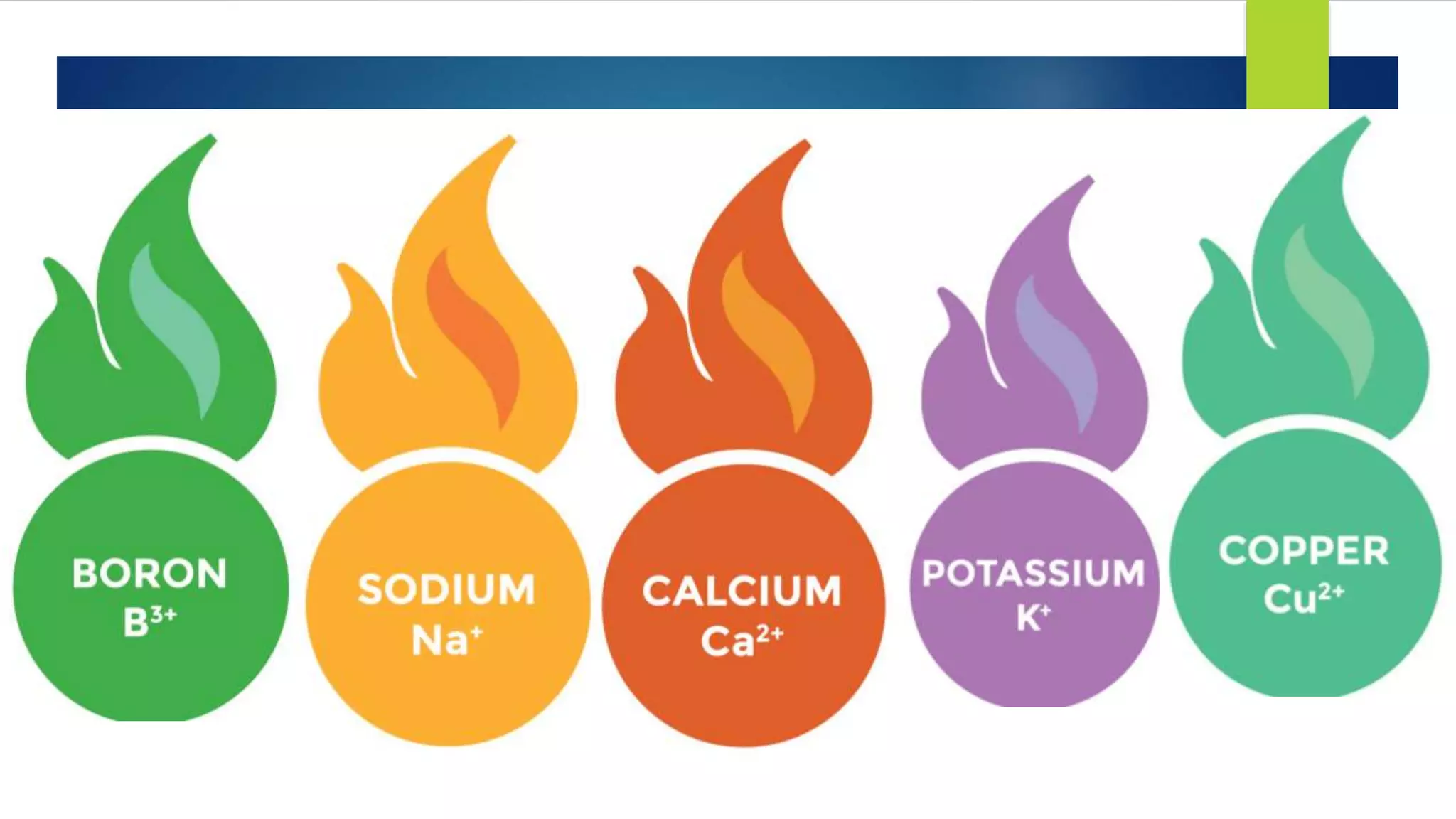
Q1. Why do you think
are there different
colors emitted?
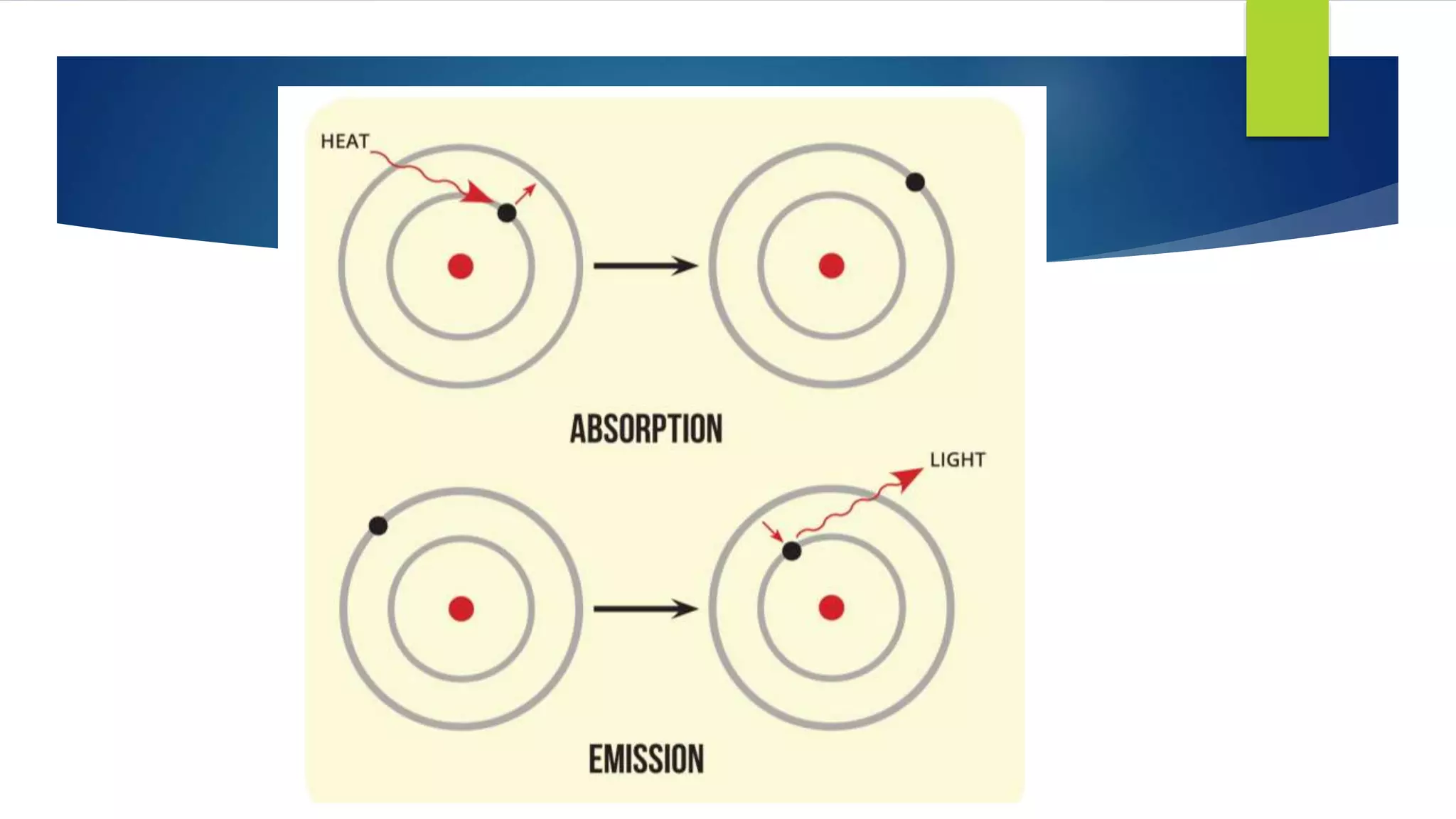
Q2. What particles in the heated
compounds are responsible for
the production of the colored
light?
Q3. How did the scientists explain
the relationship between the
colors observed and the structure
of the atom?
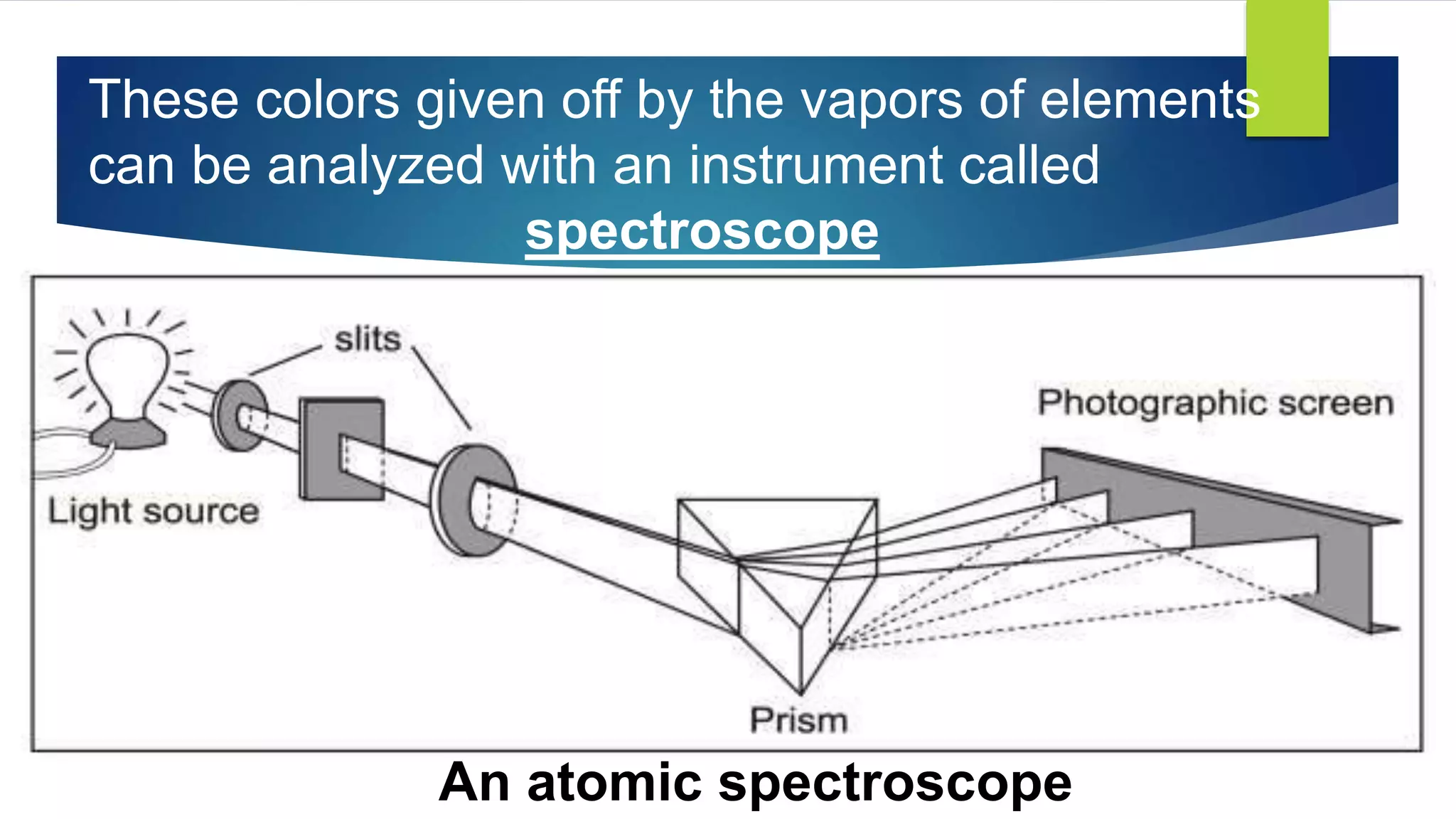
These colors given off by the vapors of elements
can be analyzed with an instrument called
spectroscope
An atomic spectroscope
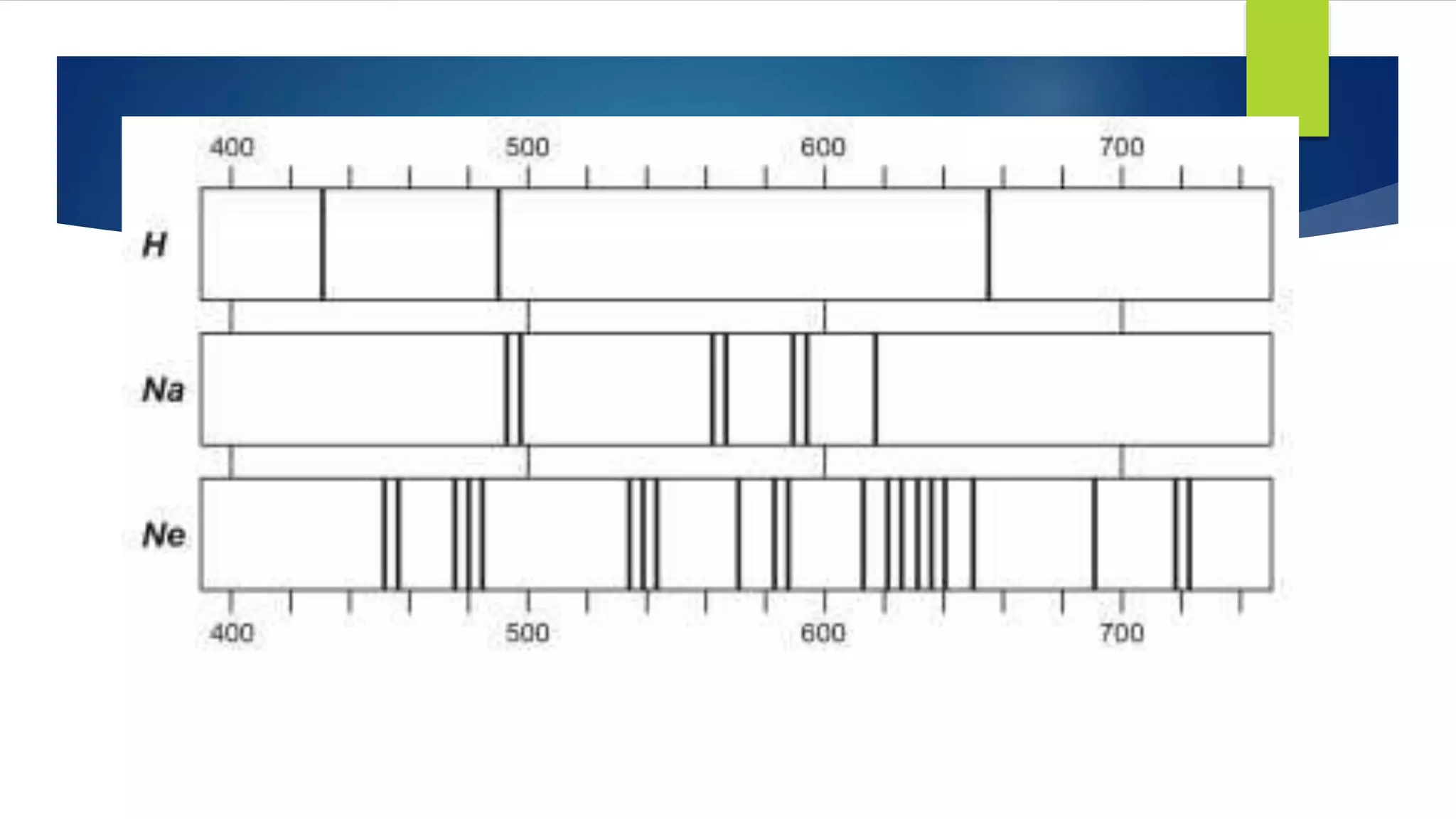
We call this series of lines the atomic
spectrum of the element. The color, numbe
and position of lines produced is called the
“fingerprint” of an element. These are all
constant for a given element.
Q4. Explain how your observation in
Activity 1 relates to Bohr’s model of the
atom. You can explain using an illustration
n = energy level
Excited state of an electron
Q5. Which illustration below represents the
energy of the electron as described by
Bohr? Explain your answer.
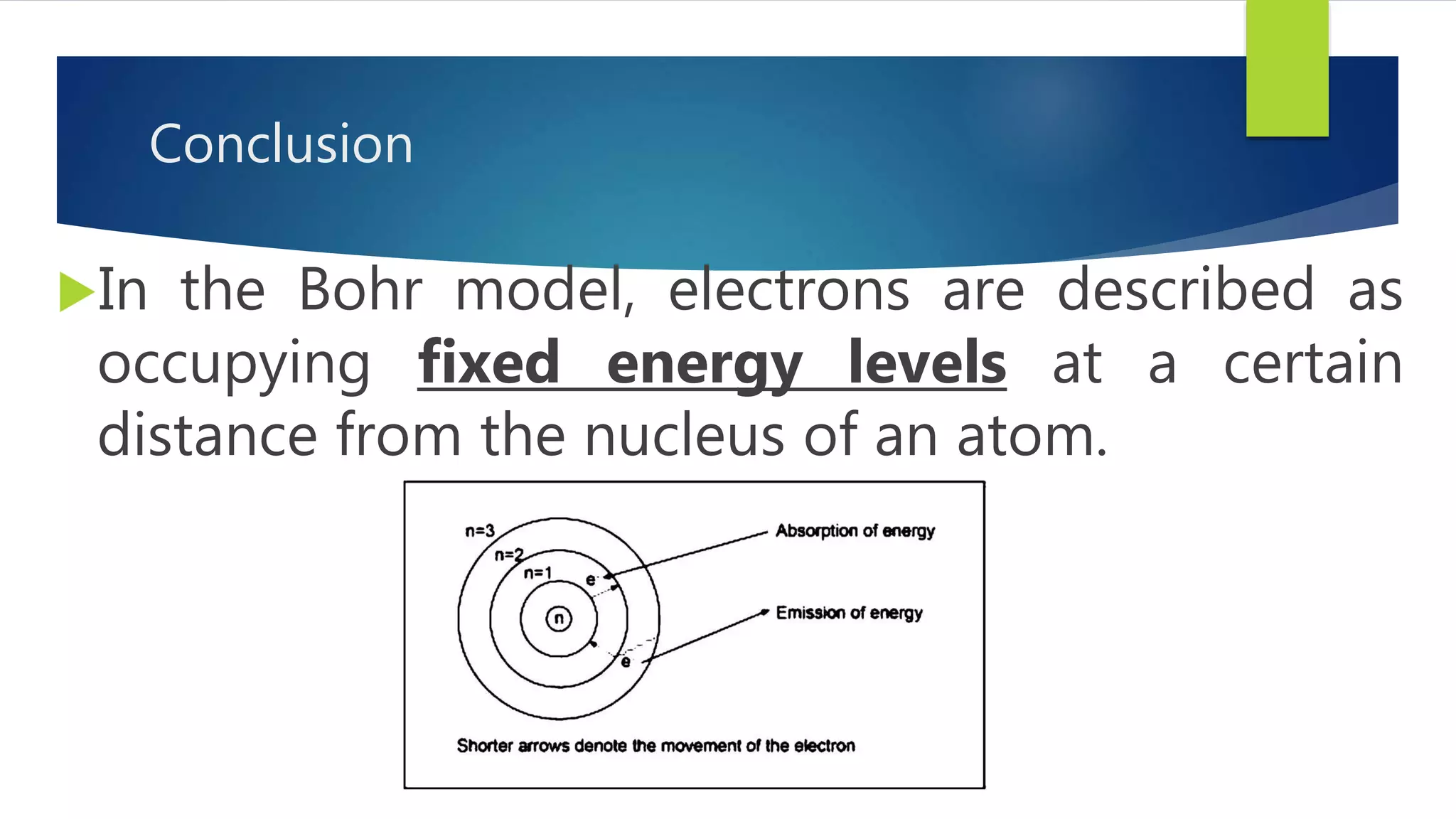
Conclusion
In the Bohr model, electrons are described as
occupying fixed energy levels at a certain
distance from the nucleus of an atom.

Flame test

  • 1.
  • 2.
    OBJECTIVES determine the characteristic colorsthat metal salts emit; and relate the colors emitted by metal salts to the structure of the atom.
  • 6.
    Q1. Why doyou think are there different colors emitted?
  • 8.
    Q2. What particlesin the heated compounds are responsible for the production of the colored light?
  • 11.
    Q3. How didthe scientists explain the relationship between the colors observed and the structure of the atom?
  • 12.
    These colors givenoff by the vapors of elements can be analyzed with an instrument called spectroscope An atomic spectroscope
  • 14.
    We call thisseries of lines the atomic spectrum of the element. The color, numbe and position of lines produced is called the “fingerprint” of an element. These are all constant for a given element.
  • 15.
    Q4. Explain howyour observation in Activity 1 relates to Bohr’s model of the atom. You can explain using an illustration
  • 16.
    n = energylevel Excited state of an electron
  • 17.
    Q5. Which illustrationbelow represents the energy of the electron as described by Bohr? Explain your answer.
  • 19.
    Conclusion In the Bohrmodel, electrons are described as occupying fixed energy levels at a certain distance from the nucleus of an atom.