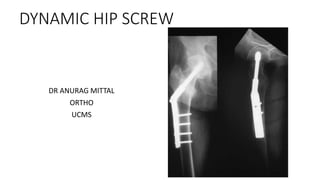
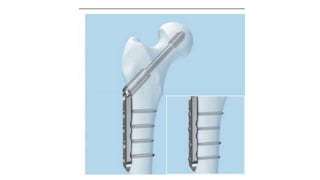
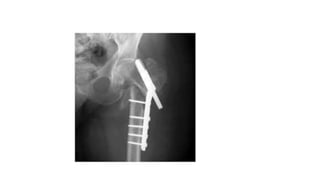
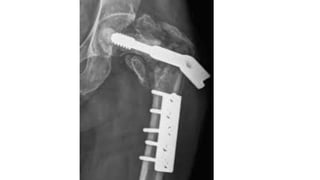
DYNAMIC HIP SCREW
DR ANURAG MITTAL
ORTHO
UCMS
INDICATION
• Stable intertrochanteric fracture till 2.1 –study by evans and another
by Hornby-non operative vs operative
• Low complication ,mortality rate,pain, leg swelling, sores –same in both
• But shorter hospitalization
• Better restoration of normal anatomy
• Ability to live independently
• Basicervical neck of femur # with derotation screw
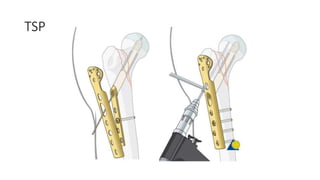
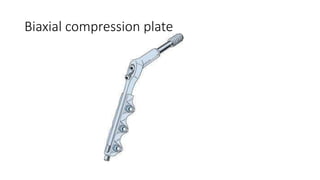
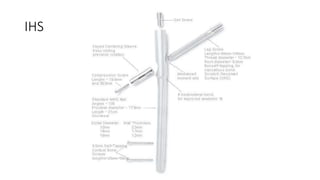
• Unstable # with
• TSP
• Axial dynamic compression plate
• IHS
TSP
Biaxial compression plate
IHS
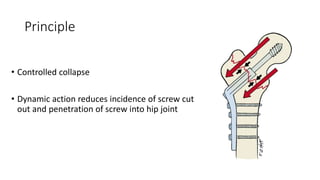
Principle
• Controlled collapse
• Dynamic action reduces incidence of screw cut
out and penetration of screw into hip joint
Procedure
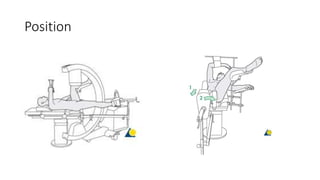
Position
Reduction
• Undisplaced #-no reduction,slight IR
• Displaced#-
• extension ,
• Abduction-corrects varus
• IR –”screw home” the distal fragment
• Evaluation
• #displacement
• Neck shaft angle
• Anteversion
• Femoral shaft ‘sag’
• Rotation checked clinically
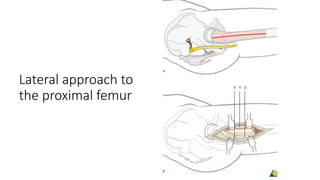
Lateral approach to
the proximal femur
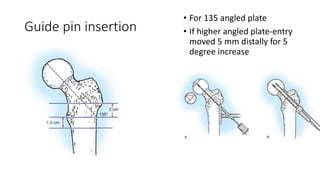
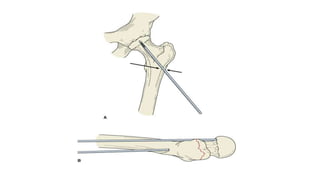
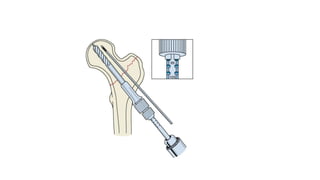
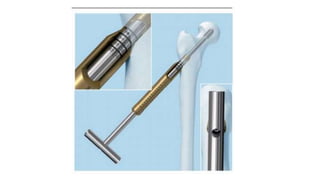
Guide pin insertion
• For 135 angled plate
• If higher angled plate-entry
moved 5 mm distally for 5
degree increase
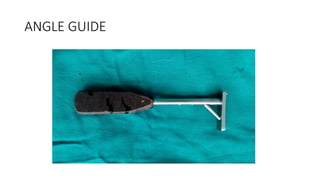
ANGLE GUIDE
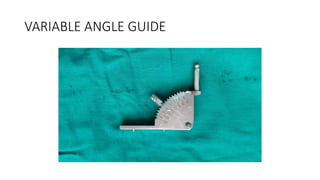
VARIABLE ANGLE GUIDE
• Why 135 ideal??
• Hip joint resultant force-159-
difficult insertion/cut out
• 130-high bending load
• Influence of nail plate angle on
bending moment: Larger angle
results in smaller moment
because of shorter distance (d);
conversely, smaller angle results
in larger moment because of
longer distance
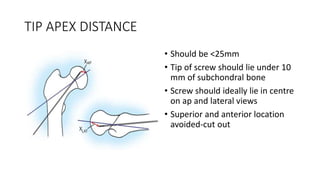
TIP APEX DISTANCE
• Should be <25mm
• Tip of screw should lie under 10
mm of subchondral bone
• Screw should ideally lie in centre
on ap and lateral views
• Superior and anterior location
avoided-cut out
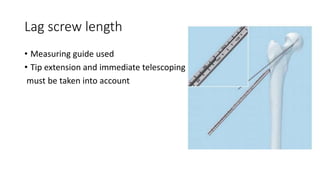
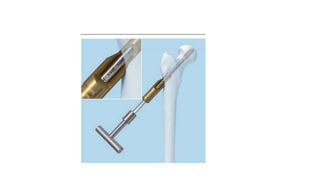
Lag screw length
• Measuring guide used
• Tip extension and immediate telescoping
must be taken into account
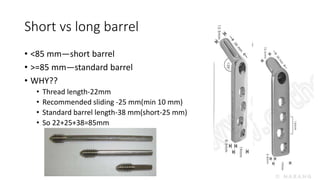
Short vs long barrel
• <85 mm—short barrel
• >=85 mm—standard barrel
• WHY??
• Thread length-22mm
• Recommended sliding -25 mm(min 10 mm)
• Standard barrel length-38 mm(short-25 mm)
• So 22+25+38=85mm
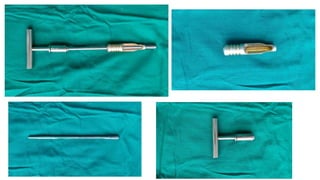
COMPONENTS
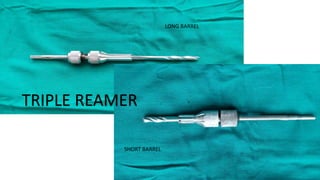
SHORT BARREL
LONG BARREL
TRIPLE REAMER
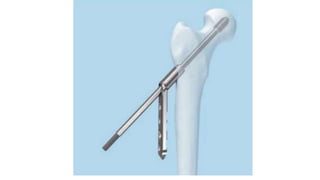
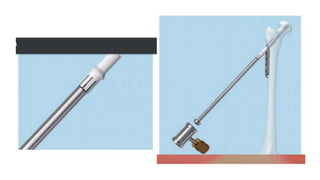
Implant insertion and fixation
• Long vs short side plate
• More dissection
• Complicate future surgery
• no improvement in proximal purchase
• Inherent stability of fracture/reduction not altered
• Reduces tensile forces on prox two screws but no additional protection
• Same rate of failure
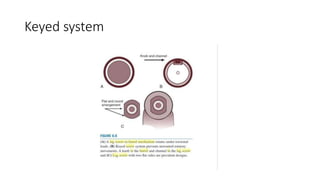
Keyed system
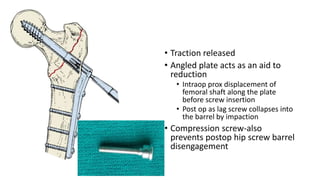
• Traction released
• Angled plate acts as an aid to
reduction
• Intraop prox displacement of
femoral shaft along the plate
before screw insertion
• Post op as lag screw collapses into
the barrel by impaction
• Compression screw-also
prevents postop hip screw barrel
disengagement
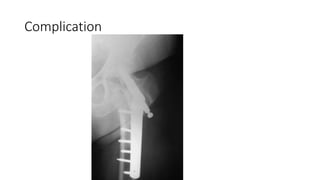
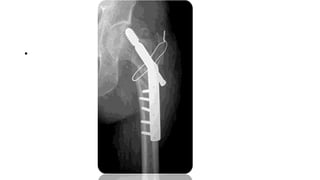
Complication
•
Dynamic hip screw
Dynamic hip screw

Dynamic hip screw

  • 1.
    DYNAMIC HIP SCREW DRANURAG MITTAL ORTHO UCMS
  • 2.
    INDICATION • Stable intertrochantericfracture till 2.1 –study by evans and another by Hornby-non operative vs operative • Low complication ,mortality rate,pain, leg swelling, sores –same in both • But shorter hospitalization • Better restoration of normal anatomy • Ability to live independently • Basicervical neck of femur # with derotation screw • Unstable # with • TSP • Axial dynamic compression plate • IHS
  • 5.
  • 6.
  • 7.
  • 8.
    Principle • Controlled collapse •Dynamic action reduces incidence of screw cut out and penetration of screw into hip joint
  • 9.
  • 10.
  • 11.
    Reduction • Undisplaced #-noreduction,slight IR • Displaced#- • extension , • Abduction-corrects varus • IR –”screw home” the distal fragment • Evaluation • #displacement • Neck shaft angle • Anteversion • Femoral shaft ‘sag’ • Rotation checked clinically
  • 12.
  • 13.
    Guide pin insertion •For 135 angled plate • If higher angled plate-entry moved 5 mm distally for 5 degree increase
  • 14.
  • 15.
  • 17.
    • Why 135ideal?? • Hip joint resultant force-159- difficult insertion/cut out • 130-high bending load • Influence of nail plate angle on bending moment: Larger angle results in smaller moment because of shorter distance (d); conversely, smaller angle results in larger moment because of longer distance
  • 18.
    TIP APEX DISTANCE •Should be <25mm • Tip of screw should lie under 10 mm of subchondral bone • Screw should ideally lie in centre on ap and lateral views • Superior and anterior location avoided-cut out
  • 19.
    Lag screw length •Measuring guide used • Tip extension and immediate telescoping must be taken into account
  • 20.
    Short vs longbarrel • <85 mm—short barrel • >=85 mm—standard barrel • WHY?? • Thread length-22mm • Recommended sliding -25 mm(min 10 mm) • Standard barrel length-38 mm(short-25 mm) • So 22+25+38=85mm
  • 21.
  • 25.
    Implant insertion andfixation • Long vs short side plate • More dissection • Complicate future surgery • no improvement in proximal purchase • Inherent stability of fracture/reduction not altered • Reduces tensile forces on prox two screws but no additional protection • Same rate of failure
  • 26.
  • 31.
    • Traction released •Angled plate acts as an aid to reduction • Intraop prox displacement of femoral shaft along the plate before screw insertion • Post op as lag screw collapses into the barrel by impaction • Compression screw-also prevents postop hip screw barrel disengagement
  • 32.
  • 33.