PEDIATRIC  INFECTIONS  DISEASES Pediatric Exanthems Dr.  JOHN SRAGOWICZ  PA-C, MPAS 2008
 
History Detailed history: Recent travel Woodland exposure Drug ingestion ILL contacts Medical history
History Rash details: macular, papular, petecchia blister, vesicular, reticulate Distribution: acral, palmoplantar, unilateral, truncal Direction of spread: centripetal, centrifugal,  cephalocaudal Pruritus Relationship of rash and fever Oral or topical therapies
Physical Examination Identify primary lesion and presence of secondary lesions Thorough physical examination essential to accurate diagnosis Etiology: Viral, Bacterial,  Rickettsial,  Fungal, Drug-induced
Laboratory Data Serologic tests not often helpful in acute setting Aspirates, scrapings and pustular fluid may be obtained
 
The exanthematous diseases of childhood were named according to the  order in which they were reported: First disease:  Measles (Rubeola) Second disease:  Scarlet fever Third disease:  German measles (rubella) Fourth disease:  Duke’s Filatow disease (possible a scarlet fever variant) Fifth disease:  Erythema infecciosum Sixth disease:  Roseola, Erythema subitum
Rubella (German measles) Etiology:   Is a  Togavirus, a single stranded RNA virus Transmission:   Humans are the only host. via infected respiratory droplets, where it replicates in the respiratory  tract,  and  viremia follows 5-7 days  Infected patients shed the virus 7 days prior to the exanthem to 7 days  after.  They are contagious during the exanthem period Transplacental transmission during viremia (first 16 weeks of  pregnancy)  deafness, cataracts, heart problems, and CNS abnormalities Late winter – early spring Incubation period: 14-21 days
Rubella (German measles) Prodomal symptoms: Uncommon in children, mainly in Adolescents:  Low fever, HA/malaise 1- 4 days, mild pharyngitis,  Lymphadenopathy: Post-auricular, occipital  Forschheimer’s spots  – petechiae papules on soft palate before rash  Exanthem: Eruption  generalized within 24-48 hours Fine Pink (erythematous) maculopapules with discrete lesions Start in face/neck progressing in a cephalocaudal fashion By 3rd  day: Rash starts to fade in 3 days, signaling end of the viremia  Rash on face disappeared Only extremities are involved Rash may disappear by end of 3rd  day No desquamation Milder, more evanescent rash Others signs: Often  transient polyarthralgia, polyarthritis, more in teens


Rubella (German measles) LAB:   Isolation from nasopharinx Serologic studies: presence of anti-rubella-specific IGM (pregnancy) Elisa: rise of IgG antibody Treatment:   Supportive Prevention:   MMR Vaccine  12-15 months 4-6  years Not indicated in pregnant women. Avoid pregnancy for 3 months after vaccination
Rubeola (Measles-First Disease) Highly contagious disease characterized by enanthem and exanthem Etiology:   Paramyxovirus virus, an RNA virus  Rare in developing countries due to universal immunization Happens in Third world countries where can be fatal to malnourished children  Transmission:   Humans are the natural host and reservoir of the virus. Spread by respiratory droplets, primary replication of the virus occurs in the respiratory epithelial cells, where it replicates, later spreading to to the local lymphnodes, and then to the blood, resulting in a viremia Incubation period:  10-21 days with average of 14 days Late winter – early spring
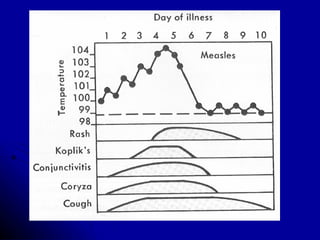
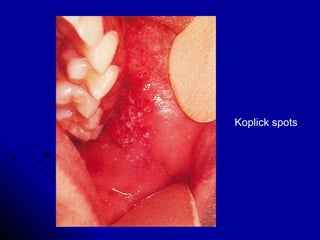
Rubeola (measles) Prodrome:  high fever (104F), malaise, anorexia followed by URI sx  Three C’s:   cough, coryza, conjunctivitis (exsudative, photophobia) Exanthem:   Appearance of macular-papular (confluent) rash on or about 3th  febrile day  (coincides with peak of fever) Rash first of face/neck (hairline) with a  cephalocaudal  progression; fades in 5days Mild desquamation and brown staining of skin follow the rash  Enanthem:   Koplic Spots : White-Gray dots on  erythematous buccal mucosa Seen 2 days before and 2 days after the rash appears Appears at:  buccal mucosa opposite the  lower molars


Measles with Bronchopneumonia


Koplick spots
 
LAB:   -Nasopharinx culture -CBC: leukopenia and lymphocytosis -Rise in measles  specific-antibody titers (IgM) -CSF in suspected encephalitis: Increased protein,  Normal glucose Predominance of lymphocytes TX: Supportive MMR vaccine 12-15 months, 4-6 years.  Current vaccine 95% effective, Immunoglobulin (up to 6 days after exposure) Complications: Otitis media Pneumonia: Interstitial Pneumonitis BCP 2ary  to bacterial infection Encephalitis 1/1000 cases
KAWASAKY DISEASE Is a febrile mucocutaneous lymph node syndrome.  Systemic vasculitis with devastating cardiac sequelae Etiology:  The exact cause is unknown. It is an immune-mediated disorder in a genetically predisposed child Epidemiology:  Disease of young children, mainly boys  Most of patients (80%) are less than 5 years of age, average 2-3 years If child is older than 5 years old doubt the diagnosis Most common in Asians than whites, and least in blacks Most common in winter. Suspect of cases during spring months Pathogenesis:  An unknown superantigen result in heavy cytokine release, being  responsible for the multiple clinical findings.
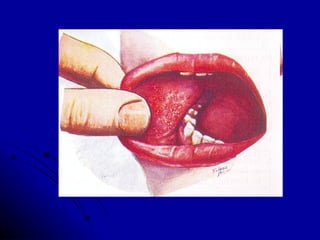
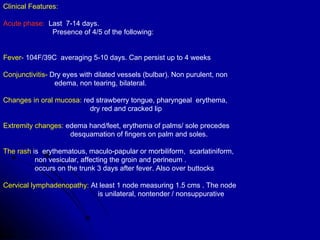
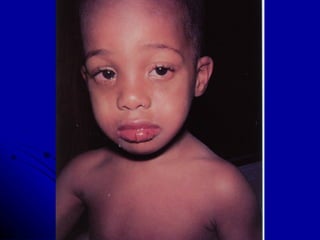
Clinical Features:   Acute phase:   Last  7-14 days.  Presence of 4/5 of the following:  Fever-  104F/39C  averaging 5-10 days. Can persist up to 4 weeks Conjunctivitis-  Dry eyes with dilated vessels (bulbar). Non purulent, non  edema, non tearing, bilateral.  Changes in oral mucosa:  red strawberry tongue, pharyngeal  erythema,  dry red and cracked lip  Extremity changes:  edema hand/feet, erythema of palms/ sole precedes  desquamation of fingers on palm and soles.  The rash  is  erythematous, maculo-papular or morbiliform,  scarlatiniform,  non vesicular, affecting the groin and perineum .  occurs on the trunk 3 days after fever. Also over buttocks  Cervical lymphadenopathy:  At least 1 node measuring 1.5 cms . The node  is unilateral, nontender / nonsuppurative
Subacute Phase:  From day 14 to 25:  - Decrease of fever.  -Arthralgias occurs  involving large and small joints.  Giant and painless skin desquamation occurs around day  14,  in the fingertips,  palms, soles, perineal areas (groin)!!!  Convalescent Phase:   Begins in day 21-60:  - In this phase, coronary artery aneurysms are detected by Echo  - Arthritis may persist, but other  Sx  subside.  - Beau Line in fingernails - Observe signs of cardiac insufficiency: Fatigue, chest pain, DOE  - Control with weekly ECG.
LAB: WBC:   elevated with left shift. Greater than 20.000 in 50% of cases ESR:   Increased. Often greater than  40/50mm or more  CRP:   Elevated, above 3mg/dL Albumin  3g/dL or less Platelet count:   Increase after the 1 st   week of illness.  U/A:   10 wbc/hpf, Pyuria, proteinuria Elevation of alanine aminotransferase ECG:   acute phase- prolonged PR interval, Flat T  waves, ST changes CX-Ray:   May show dilated heart during acute phase ECHO:   Detection of aneurysm.  Strict ECHO follow-up. DD: Scarlet-  Throat CX Positive, Increase ASO Titer Measles-  Increase IgG, IgM Titer EBV, TOXO, CMV-  Saliva, U/A, Titers
TX: Bed Rest until 72 hours without fever IVIG:  Intravenous Immunoglobulin- 2g/kg one time over 10 hs Repeat to patients who fail to response the first shot. Aspirin:   80-100 mg/kg/d in divided dosis, for 10 days, or until child 48 hours afebrile  3-10 mg/kg/d for 6-8 weeks after fever resolves or  until platelets count returns to normal Descontinue if patient has varicella or Influenza Steroids:  controversial  Complications:  coronary  artery dilatation and aneurysms


VARICELLA-ZOSTER (CHICKEN-POX) Highly contagious disease caused by  Varicella-zoster virus:  member of herpes virus family,  a double-stranded DNA viruses  causing varicella as a primary infection, or a recurrent  infection (Shingles).  Humans are the only source of infection Transmission:   Contact with respiratory secretions, lesion fluid, airborne spread  Primary infection occurs in the nasopharinx through droplet inoculation.  Local  replication starts in the nasopharinx, causing viremia and dissemination by circulating mononuclear cells Epidemiology: Varicella affects the preschool and school children (5-10 years)  Seen more during late winter and early spring Transplacental transmission-  newborn can develop varicella if mother  contracted the disease  5 days before delivery Incubation period:  10-21 days, average 12-14 days
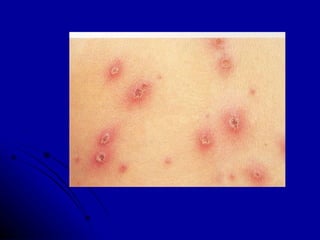
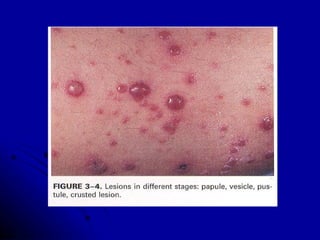
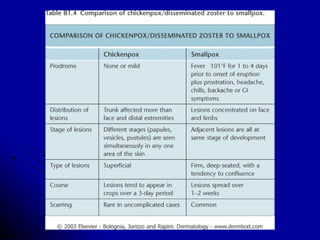
Clinical Features: Disease is preceded by fever, malaise, and URI symptoms. Skin Eruption: Centripetal distribution (lesions more on torso than face/extremities) Lesions can be seen on scalp and mucous membranes Lesions go through several stages: Papules, Vesicles, Pustules, Crust Classic Lesion:  vesicle surrounded by erythema described as a  “dew  drop on a rose petal” Different types of lesions can be seen together in the same area. Eruption last  5-7 days Infectivity: Most contagious: 1-2 days before and 7 days after the onset of rash. Lesions are infected until they have turned into dried crust
Lab:  Tzanc test:  + presence of multinucleated giant cells, with epithelial cell degeneration.  Viral culture from a new vesicle TX:  Acyclovir 80mg/kg/d  in 4/5 doses in immunocompromised patients .  NEVER  give  ASPIRIN  due to the association with REYE Syndrome.  Active Immunization:  Varivax: 1 dose between 1-13 y, 2 doses after 13 y  with 1-2 months apart. Is contraindicated in persons with hypersensitivity to gelatin or neomycin. Passive Immunization:  Varicella-Zoster Immune globulin (VZIG):  Immunocompromised children Neonates whose mothers get varicella 5 days or less before delivery or within 48 hours after delivery Complications:  2ary Skin infection, Cellulitis, abscesses ( Staph, strept ), BCP fever, soreness on site of injection, varicella rash
 
 
Varicella-zoster virus Neonatal chickenpox Delivery within one week before or after the onset of maternal varicella – often severe Congenital varicella syndrome 25% of fetuses infected – not always significant 6-20 weeks gestation – 2% VZV embryopathy Affect limbs, eyes, skin, and brain Progressive varicella – visceral organ involvement


HERPES ZOSTER – SHINGLES Is  an acute vesico-pustular eruption that occurs in a dermatomal distribution. Etiology:   Varicella-zoster virus, an Herpesvirus Incubation period: 1-3 weeks Pathogenesis:   HZ is the localized recurrence of a VZ virus infection There is a past history of varicella The virus is reactivated after lying dormant in a sensory  dorsal root ganglion Precipitating factors include: - Lowered host immunity - Radiation/chemo therapy - Physical trauma or emotional stress - Poor nutrition, fatigue An infant may develop HZ if mother had varicella during pregnancy
CLINICAL FEATURES :  Skin Lesions: First SX:  Elevated rash group vesicles on an erythematous base that  form  blisters, and  later they form scabs resembling Varicella.  Blisters disappear in 2 weeks, but pain can continue. - Eruption is preceded by severe pain, itching, redness, tingling , hyperesthesia In severe cases, rash can leave permanent scars, long standing pain  (post-herpetic neuralgia, numbness, and skin discoloration).  - Linear distribution - Site: Along one or two dermatomes supplied by a spinal or cranial nerve Most common Involved Dermatomes:  - Those supplied by thoracic spinal nerves (thorax) T-3/L-2 - Ophthalmic Branch of the Trigeminal nerve (forehead) LAB:  Tzank smear Treatment:  Acyclovir , Valaclovir
 
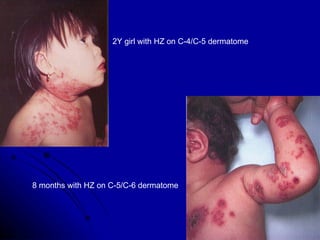
2Y girl with HZ on C-4/C-5 dermatome 8 months with HZ on C-5/C-6 dermatome
Neurocutaneous pathway on the trunk HZ in the T-1 dermatome
HERPES SIMPLEX Caused by the Herpes-virus  hominis,  which consists of 2 related viruses:  Herpes simplex virus type 1 (HSV-1) / Herpes simplex virus type-2 (HSV-2)  produce infections involving mucocutaneous surfaces, the CNS.  Epidemiology:   Seen in children/adolescents  of all ages Spread through   Direct  Mucocutaneous contact ( potential exposure to  HSV from sexual or other close contact (kissing, sharing of glasses, etc)  Transmission result from:  contact with persons with active ulcerative lesions  persons without clinical manifestations of infection who are shedding HSV
 
 
Pathogenesis:  Exposure to HSV at mucosal surfaces or abraded skin sites permits entry of the virus and initiation of its replication in cells of the epidermis and dermis.  On entry into the neuronal cell, the virus is transported to the nerve cell bodies in ganglia, where the virus remains dormant in a sensory ganglion and dorsal root ganglia Latent virus may be reactivated and viral replication cycle occurs in ganglia and contiguous neural tissue.  Virus then spreads to other mucosal skin surfaces through centrifugal migration of infectious virions via peripheral sensory nerves.  Stimuli that have been observed to be associated with the reactivation of latent HSV have included stress, menstruation, and exposure to ultraviolet light.
Clinical features: Herpetic Gingivostomatitis (herpes labialis):  Caused by HSV-1.  MC form of HSV primary infection in children Most common age: 1-3 years of age Infection of the pharynx usually results in exsudative or ulcerative  lesions of the posterior pharynx and/or tonsillar pillars. Lesions begins as vesicles, forming Ulcers (painful, bleed easy) Fever very high lasting from 2 to 7 days  Sites: Lesions involve the hard and soft palate, lip, gums and facial area  Lesions of the tongue, buccal mucosa, or gingiva may occur later  in the course in one-third of case  Cervical  lymphadenopathy Inability to eat or drink, malaise, myalgias, irritability, Foul breath Self limited illness, resolves in 5-7 days
Herpetic Dermatitis: Caused by HSV-1 Herpetic Whitlow HSV infection of the finger—may occur as a complication by inoculation of virus through a break in the epidermal surface or by direct introduction of virus into the hand through occupational or some other type of exposure.  Signs and symptoms include the abrupt onset of edema, erythema, and localized tenderness of the infected finger. V esicular or pustular lesions on the fingertip.  Fever, lymphadenitis, epitrochlear and axillary lymphadenopathy  Herpes Gladiatorum HSV may infect almost any area of skin.  Mucocutaneous HSV infections of the thorax, ears, face, and hands have been described among wrestlers.  Transmission of these infections is facilitated by trauma to the skin sustained during wrestling.
Herpetic Vulvovaginitis: Caused by HSV-2 Genital herpes is characterized by fever, headache, malaise, and  myalgias.  Pain, itching, dysuria, vaginal and urethral discharge, and  tender inguinal lymphadenopathy are the predominant local symptoms.  Lesions may be present in varying stages, including vesicles,  pustules, or painful erythematous ulcers.  The cervix and urethra are involved in  >80% of women with first-episode infections.  May result from sexual abuse
LAB:   Molecular techniques are the gold standard. Tzanck test (Giemsa):  + test:  presence of multinucleated giant cells, degeneration of epithelial cells  HSV infection is best confirmed in the lab by isolation of the virus in tissue culture or by demonstration of HSV antigens or DNA in scrapings from lesions.  Spin-amplified culture with subsequent staining for HSV antigen has shortened the time needed to identify HSV to <24 h.  PCR is being used for the detection of HSV DNA  TX:  Supportive therapy: antipyretics, diet (cold drinks, soft diet, popsicles Acyclovir, Valacyclovir, Famciclovir  (act on viral replication, causing  chain termination of the viral DNA  topical vidarabine, and cidofovir  Idoxuridine ophtalmic drops when lesions are near the eye
 
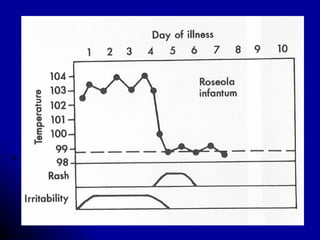
Roseola It is an acute infection of infants characterized by a rash that appears after 3-4 days of high fever AKA:   exanthem subitum, roseola subitum, sixth Ds  Etiology:   Human herpes virus 6 or 7, double stranded DNA virus Self-limited benign disease Epidemiology:   Affects  6 months to 36 months infants. Peak 6-7 months Incubation period 7-15 days Transmission: Saliva, airbone Lab: Serology:   Anti-HHV-6 IgM,  Anti-HHV-7 IgM Polymerase chain reaction of HHV-6 DNA Complication:   Febrile seizures during the prodromal stage TX:  Supportive
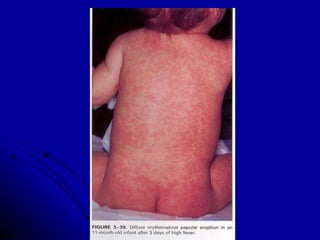
Clinical features: Incubation period 7-15 days Sudden onset of fever lasting 1-6 days, average of 4 days ( high as 40.0 C) Infant looks well Mild irritability despite fevers Exam:   reveal cervical adenopathy (posterior cervical & occipital)  tonsillar, pharyngeal and TM erythematous 1/3 with diarrhea & vomiting Bulging anterior fontanel in 26% of patients  Rash: Appears after Temp. drops suddenly on 4 th  – 5 th   day (defervescence) Rarely rash appears before fever has subsided completely Diffuse blanching pink morbiliform maculopapules rash Distribution on Trunk, Neck, Extremities, spares the face It last hours to 2-3 days Clears without any pigmentation or desquamation  Nagayama spots:  erythematous papules on the soft palate and uvula
 
ROSEOLA
 
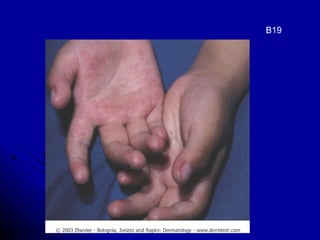
Erythema infectiosum (fifth disease) Etiology:  Human Parvovirus B-19 Smallest human DNA virus (single strand of DNA) Epidemiology: Occurs in all children age, most common on school age children Rare in African-American children Common in late winter and early spring When rash appears, child is not contagious. Transmission:  Respiratory secretions Transplacental (higher risk at second trimester) Lab:   Serology for IgM andIgGantibodies via radiommunoassy or Elisa. IgM is  present at time of rash and lasts 2-3 months. IgG once present lasts several  years and confers future immunity Complications:  Arthralgyas, Fetal hydrops in pregnants,  anemia with low  Reticulocytes ( aplastic crises) TX:  Supportive
Clinical features: Incubation period:  4 - 18 days Primarily children between 3 to 15 years of age Mild prodrome: Fever, coryza, malaise are minimal for 3 days before rash Arthralgias, arthritis in about 10%. Three stages of Rash: 1- Slapped cheek appearance (1-4 days) 2- Erythematous papular eruption over upper and lower extremities spreading to trunk,  assuming a lacy  evanescent  reticular appearance as it  fades (lasts 4 days) 3- Evanescent stage: Rash typically resolves in 5-10 days although may  wax & wane for weeks or months.  Is precipitated by: Hot showers, vigorous exercise, sunlight 4-Papular Purpuric Gloves and Socks syndrome (only hands and feet affected)  Parvovirus B-19,  usually teenagers, lasts 7-14 days. Fever, rash and arthralgias.  Rash is  contagious at the time of eruption, presenting  acral painful or pruritic palpable  purpura mainly at ankle and wrists. Also presents symmetric swelling of digits,and oral  petecchia and erosions, pharingeal erythema and edematous lips.
 
 
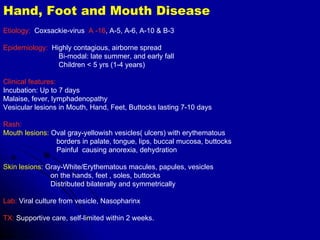
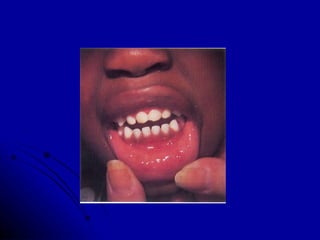
Hand, Foot and Mouth Disease Etiology:   Coxsackie-virus  A -16 , A-5, A-6, A-10 & B-3 Epidemiology:   Highly contagious, airborne spread Bi-modal: late summer, and early fall Children < 5 yrs (1-4 years) Clinical features: Incubation: Up to 7 days Malaise, fever, lymphadenopathy  Vesicular lesions in Mouth, Hand, Feet, Buttocks lasting 7-10 days Rash: Mouth lesions:  Oval gray-yellowish vesicles( ulcers) with erythematous  borders in palate, tongue, lips, buccal mucosa, buttocks  Painful  causing anorexia, dehydration Skin lesions:  Gray-White/Erythematous macules, papules, vesicles  on the hands, feet , soles, buttocks Distributed bilaterally and symmetrically Lab:  Viral culture from vesicle, Nasopharinx TX:  Supportive care, self-limited within 2 weeks.


B19
MUMPS-PAROTITIS  Systemic ds. characterized by swelling of the salivary glands specially the parotid gland Etiology:  Is caused by a Paramyxovirus, an RNA Bacterial cases  2ary to Staphylococcus. (suppurative parotitis) Epidemiology:  5-15 years. Declined due to the MMR.  Mumps Ds. gives lifelong immunity Pathogenesis:  - Humans are the only natural hosts for this virus  - Acquired by direct contact with saliva or resp. dropplets of infected person Virus enters through the mouth and nostrils, replicating in the URT and lymphanodes, later the viremia spreads to salivary glands. Also gonads, pancreas, meninges
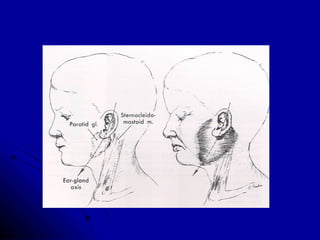
Clinical Signs:   Incubation of 16-21 days  Contagiosity:   1-3 days before, to 7 days after the onset of parotid swelling Children return to school, 10 days after onset of parotid swelling Starts with fever, headache, malaise. Onset of mumps is pain and non-erythematous swelling in front and below the ear obscuring the mandibular  ramus (ear displaced outward, upward) Swelling starts with one ear and then progresses to the other ear Often submaxillar and sublingual glands are also swollen  Low grade fever and intense parotid pain when chewing Inflammation of  the opening of Stensen duct in mouth
Complications: Meningitis:  Most frequent. Asseptic meningitis Pancreatitis:  mild inflammation is present Epididymoorchitis:  Adolescents, young adults. Develops 4-10 days within  the onset of the parotid swelling (testicular pain/swelling) LAB:  Uncomplicated Parotitis:   Leukopenia with lymphocytosis Suppurative parotitis/orchitis:   leukocytosis Pancreas Involvement:   Hyperamilasemia  /  Hyperlipasemia Meningitis:  CSF pleocytosis (mainly mononuclear) Body fluid isolation of mumps virus in tissue culture TX: Rest,  Bland diet,  Buccal hygiene,  Atb if suppurative parotitis,  MMR,  Tylenol/Motrin.
 
 
INFECTIOUS  MONONUCLEOSIS Lymphoproliferative self-limited disease caused by the Epstein-Barr virus.  Etiology:  EBV, a DNA virus, belongs to the Herpes group virus Epidemiology:   Occurs in all age groups, predominates in adolescents (intimacy period) and young adults. Mild cases can be seen in children Incubation: 30-50 days EBV spreads via respiratory droplets, coughing, kissing Pathophysiology:  EBV replicates in oropharingeal epithelium Selective infection of B-lymphocytes occurs, resulting  in proliferation of  cells in tonsils, lymph nodes, spleen
Clinical Features: Incubation period of 30-50 days Low grade fever, sore throat, coryza, malaise, Exsudative pharyngitis (50%) with palatal petecchia Associated GABS pharingytis (25%) Cervical Lymphadenopathy- Enlarged, usually nontender Hepatomegaly  Splenomegaly: moderate enlargement  (50%) Skin rash: Seen in 10-15%. Increase to 40% if penicillin derivatives is used Morbiliform or scarlanitiform. CNS features: Encephalitis, asseptic meningitis, Guillain-Barre syndrome Classic illness  is characterized by:  fatigue, low grade fever, malaise, tonsillopharyngitis (often exsudative)  adenopathy, HSplenomegaly (may persist for months)
LAB:  CBC:   > 10% of atypical lymphocytes (greater than 50% lymphocytes),  Leukocytosis Liver enzymes: Mild hepatitis is found, jaundice is rare EBV serology:  Elisa (Monospot): rapid slide agglutinin test for heterophile antibodies:  Often negative in children under 5 years old  Detects 90% of cases in adolescents Anti-VCA IgG/IgM (viral capsid antigen) recent/past infection  EBNA: Ebstein Barr Nuclear Antigen- positive means no latent infection 1 st  antibody: IgM VCA- positive 2-3  week of infection. Wanes in 2-4 weeks 2 nd  antibody: IgG VCA- positive in 2 nd   to 4 th   week of infection 3 rd  antibody: EA- Present during EBV replication. 4 th  antibody: EBNA- Presence coincides with recovery. Rises beyond 6 weeks
Complications:  -   Dehydration (due to severe pharyngitis)  Streptococcal pharyngitis: 25% G-A strep infection  - Atb induced rash: morbiliforme. After use of ampicillin or amoxicillin  Splenic rupture    hemorrhage    shock   death.  Rupture occurs  between  4 th  /21th  day after onset of symptoms.  Chronic fatigue syndrome  - Hepatitis frequently accompanies IM. High liver enzymes, hepatomegaly TX:   Supportive care (fluids, acetoaminophen, rest) Prednisone 1mg/kg/d bid. Reduce swelling of spleen, lymphnodes, airway obstruction No contact sports until 6 weeks have passed after resolution of  Sx Return to full activity average 1month, fatigue may persist for 3-4 months
 
ROCKY MOUNTAIN SPOTTED FEVER (RMSF) Etiology:  Is Rickettsia rickettsii, transmitted by those vectors: - Dog tick:  Dermacentor  variabilis  (east)  - Wood tick:  Dermacentor  andersoni  (west)  - Lone star tick:  Amblyomma  americanum  (southwest) Epidemiology:  Endemic in Southeastern, Central, Rocky mountain states.  More common in children (5-9y), and in the summer Pathophysiology: Transmitted mainly by a tick bite, airborne droplets Incubation period; 2-14 days, average 7 days After exposure:   - Rickettsia multiply in the endothelial lining and smooth muscle cells of  blood vessels.  - Disseminates via bloodstream, producing a generalized vasculitis  associated with a  centripetal petecchial rash and fever
Clinical features: Incubation period: 1 week Tick must attach and feed for 4-6 hours to transmit disease. Abrupt or gradual onset of fever, more than 40-C, not responding to meds  Abrupt onset of Headache: intense, frontal,  retrobulbar Myalgia (calf or thigh), abdominal pain, confusion, photophobia, vomiting Rash:   Usually appears by 2 nd  or 3 rd   day after fever onset. Rash is small, irregular, erythematous macules that blanch,  becoming maculopapular and petecchial ( rose to purpuric) spreading centrally Starts from wrists, ankles. (periphery) Whitin hours spreads centrally from extremities toward trunk, neck, face. Can appear in palms and soles and scrotum  Can progress to necrosis of toes, ears, scrotum, nose, fingers. Also:  CNS, Cardiac, Pulmonary, GI, Ocular symptoms
Prognosis:   Improvement in 24-36 hours Defervescence in 2-3 days Majority improve in less than 1 week if treated early.  TX:   Supportive care ( avoid tick areas, pants inside boots, repellants, gloves  hydration support,  Platelets for thrombocytopenia Doxycycline:  2.2mg/kg BID PO 1 day. Then qd for 7-10days  Tetracycline:  25-50mg/kg/d PO qd or 20-30mg/kg/d IV Chloramfenicol  is an alternate drug
LAB:  CBC:  WBC  normal or low first 4 days. Later, leukocytosis,  ↑  band  count anemia, thrombocytopenia ( consumptive coagulopathy) CMP, LFT: abnormal, DIC screen, CXR, ABG, EKG, Echo,  Lytes: Hyponatremia CSF:  Clear, with/ without  ↑  protein.  Pleiocytosis  and  ↑  protein  in 1/3 of cases ELISA:  sensitive and accurate, but it takes about 6 days (seroconversion) IFA:  Indirect Fluorescent antibody- sensitivity 94-100%, specificity 100% IHA:  Indirect Hemagglutination: sensitivity 91-100%, specificity 99% LA:  latex agglutination-sensitivity 71-94%, specificity 99% PCR by DNA:  takes 48 hours.  Weil-Felix:  3-5 minutes. Poor specificity and insensitive. Titer 1:160 suspect
 
 
SCARLET  FEVER Etiology:  Group A Beta-hemolytic streptococcus strain (Streptococcus  pyogenes ) that  produces erythrotoxigenic toxins  Epidemiology:  Occur in children between 2-10 years old Most cases seen in winter and early spring Pathogenesis:  Oropharinx is the portal of entry to airborne droplets where it replicates. Complications:  Acute glomerulonephritis, Rheumatic fever LAB:  CBC, Rapid strept antigen test, Throath Cx, Dick test not in use Treatment:  Supportive, rest Oral or IM Penicillin or derivatives Erythromycin / Clindamycin if allergic to Penicillin
Clinical Features: Incubation period:  2- 4 days.  Average 1- 7 days Prodomal symptoms:   fever, sore throat, malaise, myalgia, HA, abd. Pain Mouth:   Pharinx,  tonsils are beefy red, and may have exsudate  Hemorrhagic spots on  anterior pillar of tonsils and palate (petecchia)  Large, tender anterior cervical nodes  Tongue: white coat with edematous red papilla. The coat desquamate and  reveals a swollen, red and a strawberry aspect of tongue Face:  Malar flush with Circumoral pallor present Pastia line’s:  Deep red non blanching lesions in the antecubital area RASH:   Starts 12-48 hours after onset of fever.  fine maculopapular, sandpaper texture, on erythematous background.  Affect neck, axilla, shoulders, most prominent in trunk,  groin  Blanches when pressure is applied.  Skin desquamates within 7-21 days from onset of illness, starting with hands.


PERTUSSIS- WHOOPING COUGH Is a life threatening infection in very young infants Etiology:  Bordetella  pertussis , a gram negative  Epidemiology:   Disease of young infants, children, and adolescents  Infection via respiratory droplets, direct contact with nasal secretions  Pathophysiology:  Replicates only in association with ciliated epithelium, causing congestion, inflammation of the bronchi LAB:   Culture of  Bordetella by nasopharyngeal culture is the standard test. Direct immunofluorescent assay of nasopharyngeal secretions TX:   Isolation, Supportive (hydration, sucction secretions, humidified oxygen) Erythromycin for 14 days. 50mg/kg/d divided 4 doses , Zythromax Corticoids is questionable. Prevention:  Immunization  DTaP (fade after 5-10 y),  Boostrix/Adacel (10-18 y)
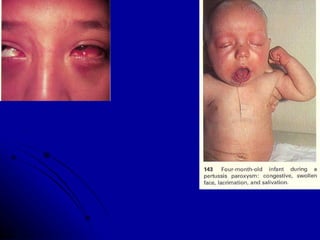
Clinical features:  Incubation period of 7-14 days (4-21 days) 3 stages:  Catarrhal:   Last 1-2 weeks URI symptoms, low grade or absent fever, mild cough, coryza Highly communicable during this stage and the first 3 weeks after cough  Paroxysmal:   Last 2- 6 weeks  Salvo of paroxysmal cough ending with an inspiratory whoop through narrowed glottis during the forceful inspiratory phase with accumulation of a thick airway secretion Presence: petecchia, subconjuntival hemorrhage, cyanosis, eyelid edema Convalescent :  Last 1-3 weeks Cough lessens and disappears or cough can persist for several weeks  Lung auscultation is normal, unless atelectasis or pneumonia occurred Complications:  Pneumonia (90%), atelectasis, subcutaneous emphysema
 
LYME DISEASE  Etiology:  spirochete Borrelia  burgdorferi  transmitted by a deer tick, Ixodes  dammini.  Deer tick is flat, small, 8 legs, male is black, female is red/black. According to a specialized California laboratory, 20% of patients with Lyme are co-infected with Anaplasma, Babesia or Erlichia Epidemiology:   Affect people from all ages, 1/3 are children, adolescent.  late spring/early summer  months in Northeast, North Central, Pacific states Pathophysiology:  Borrelia is injected into the skin with the saliva of the deer tick.  Then migrate within the skin, forming a rash (erythema chronicum migrans).  Rash starts as red macule or papule and expands to an annular lesion up to 30 cm in diameter with partial central clearing.  Then the spirochete is spread hematogeneously to heart, joints and CNS.  Complications:  Chronic arthritis in 10% (pauciarticular)
Clinical Features: Stage I- Localized Ds:   May begin within hours to several weeks after infection.  Rash (erythema chronicum migrans) starts as red macule or papule, and  8 days after the tick bite, it expands to an annular lesion up to 30 cm in diameter with partial central clearing. Can be painful, burning, fever, regional adenopathy Stage II-Disseminated Ds:  Occurs weeks to months following the tick bite  Characterized by neurologic and cardiac involvement .  Malaise, high fever, myalgias, headache  Neurologic signs (aseptic meningitis, Bell’s palsy , Guillain-Barre like Ds.  Arthritis affecting large joints (knee).  Joint fluid mainly neutrophil. WBC up to 110.000 cells  Cardiac signs ( AV block mc) pericarditis, miocarditis Stage III-   Can develop within a few weeks to 2 years following infection  Most common symptom is arthritis, intermittent, lasting several days to weeks Late Lyme disease can affect central nervous system  Patients may have memory loss, fatigue and polyneuropathy
LAB:   Lyme Titer:  ELISA- develops 3-4 weeks after infection begins Western blot Test: More specific test, confirmatory test.  Negative western blot and a positive Elisa:  no Lyme Ds. Western Blot positive test: confirms a positive  Elisa result Skin biopsy: positive direct  immunofluorescence  provides a rapid test IgG/IgM Titers will remain elevated for months/years, after the treatment. TX:  Amoxicillin 250mg tid for 30 days for under 8/9 years old Amoxicillin  500mg tid for 30 days if over 9 years old Doxycycline  100mg bid for 30 days if over 9 years old Eythromycin 30mg/kg/day for 30 days  Patients with only a rash: treat for 14 days  Severe arthritis or carditis: Ceftriaxone or PCN IV 14-21 days
GONOCOCCAL INFECTION Etiology:   Neisseria  gonorrhea,  G- diplococcus Epidemiology:  Seen in the following groups of children: Newborn infants:  acquired from the infected maternal vaginal canal Prepubertal children:  as a result of sexual abuse Adolescents:  as a result of sexual abuse or voluntary sexual activity Males: 15/19  20/24 years  Female: 15/19 years Incubation period is 2-7 days LAB:   Gram stain:  G – intracellular paired organisms  Culture  in Thayer-Martin medium or chocolate agar of specimens taken  from the eyes, vagina, cervix, penis, anus, throat   STD panel:  HIV, Chlamydia, Syphilis, Trichomonas  Synovial fluid culture  is positive in 50% with Gonococcal Bacteremia
Clinical features:  Newborn:   Ophtalmia neonatorum.   Appear 2-5 days after delivery.  Bilateral  discharge that becomes muco-purulent with/without streaks of blood. Conjunctiva and Lid is edematous. Corneal ulcer, blindness if not treated early Sexually abused children:  copious purulent discharge from vagina/penis. other sites: Rectum, throat Disseminated gonococcal infection:  Is a gonococcal bacteremia.  Cervical motion tenderness:   Characteristic on pelvic examination in patients with ascending cervical infection Urethritis:   Copious mucoid purulent discharge after exposure, often bloodstained  Micturition is painful, associated with urine retention.  The persistent inflammation  predisposes to a urethral stricture.  Proctitis  may be present in homosexuals
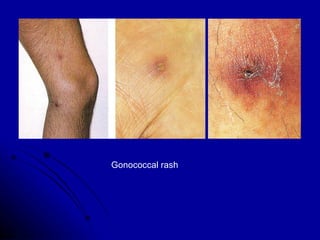
Complications:   Blindness, meningitis, Inf. endocarditis, osteomyelitis, PID  Arthritis-Dermatitis syndrome:  Seen in > 90% of cases  May be migratory  Associated pain/ swelling of big joints (knees, ankles, wrists, elbows),  Tenosynovitis Rash:  In Disseminated Gonococcal Infection cases: 50-75% of cases.  petecchial or pustural lesions appear on distal extremity, 3-21 days after exposure, together with arthralgias, septic arthritis,  fever, chills, malaise
Tx:   Neonate:   Hospitalize after cultures: blood, spinal fluid, eye, urine. Ophtalmia neonatorum  Ceftriaxone single dose 25/50mg/kg IV-IM up to 125mg given once Eye care: sterile saline irrigation at frequent intervals Prophylaxis: 1% silver nitrate or 0,5% erythromycin ointment Non-disseminated:   Ceftriaxone single dose of  125mg IM  and Erythromycin or Zythromax for prepubertal children. Doxycyclin or Zythromax for children older than 8 years old (presumption of having  Chlamydia ) Disseminated gonococcal infection:  Hospitalize  Ceftriaxone 25/50mg/kg IV-IM daily/7 days  Cefotaxime 50-100 mg IV-IM in two doses for 7 days.  Continue for 14 days if meningitis is present Erythromycin, Zythromax, Doxycyclin, PO (presumption of having  Chlamydia )
 
Intracellular diplococci  Urethritis
Gonococcal rash
SYPHILIS  Etiology:  Treponema  pallidum ,  a spirochete  Epidemiology:   Occurs in sexually active adolescents and adults  May result from sexual abuse in children  Spread: sexual contact with ulcerative lesions of skin/ mucous membrane from one infected individual to another non infected individual LAB:   Non treponemal antibody test:  VDRL, RPR: rapid plasma reagin Treponemal antibody test:   Confirmatory test of diagnosis of syphilis infection. Once infected, stays  + FTA-ABS  (fluorescent treponemal antibody)+  MHA-TP  (microagglutination assay for antibody to treponema pallidum CSF:  neurosyphilis- mononuclear pleocytosis,  ↑   protein, normal glucose  Dark-Field microscopy of smears from skin/ mucous membranes lesions X-R:  Long Bones- metaphyseal osteochondritis and/or diaphyseal periostitis Chest: fluffy difuse infiltration in pneumonia alba
Clinical Feature:   Incubation period:  3 weeks (range 10-90 days)  Primary Stage:   Chancre-Primary Syphilis   Last 1-6 weeks.  Solitary, painless, indurated, ulcerated lesion on genitalia  This lesion represents the site of inoculation  Painless inguinal adenopathy Secondary Stage: Secondary Syphilis   Last 2-10 weeks  Flu-like illness:  fever, malaise, myalgia, HA,  Arthralgias,  adenopathy  Moth eaten Alopecia in beard, scalp, eyelashes  mucous patches:  on tongue, mouth, look  superficial erosions, but papules can be seen. Are round, oval, serpiginous in outline and red color or covered with a greyish membrane. Serpiginous lesions are called snail track ulcers.  Rash:  Erythematous maculopapular squamous lesions on torso, palms, soles  Condyloma Lata:  whitish, moist, anal condyloma lata lesions are highly infectious wart like lesions distributed mainly in the  anogenital area
Subclinical latent stage:   Diagnosed by presence of reactive sorologic test. Lasts 1-40 years Late stage (Tertiary Syphilis):   seen in 1/3 of patients many years after the 1ary/2ary  stage.  Gummas or granulomatous lesions develop subcutaneously, expand and  ulcerate in the skin. They can also appear in the liver, bones, brain, etc… cutaneous, visceral, CV, CNS (neurosyphilis, gummatous lesions)   death
TX: Syphilis less than 1 year duration: Benzathine penicillin G: 50,000 U/kg IM in a single dose. Up to 2,400.000 U Erythromycin 50mg/kg  PO QID, 2 weeks Tetracycline 500mg PO QID, 2 weeks in patients over 9 years old Doxycycline 100mg PO BID for 2 weeks in patients over 9 years old Syphilis greater than 1 year  duration: Benzathine Penicillin G 50,000 U/kg IM weekly, for 3 consecutives weeks Tetracycline 500mg PO QID, 4 weeks in patients over 9 years old Doxycycline 100mg PO BID, 4 weeks in patients over 9 years old NeuroSyphilis: Aqueous Penicillin G 200,000/300,000 U/kg/d. Not exceed 24 million units day divided in q4 or q6 for 10-14 days All cases should be reported to the health department


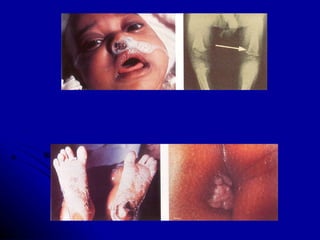
CONGENITAL  SYPHILIS Intrauterine infection  by  fetus from a mother infected with Treponema Pallidum Etiology:  Treponema pallidum, a spirochete Epidemiology:  Associated with lack of prenatal care, and illicit drug use Lab:  Non-treponemal test on cord blood: VDRL, RPR  Confirmatory test: treponemal test FTA-ABS Darkfield microscopy of skin/membranes lesion X-ray of long bones CSF fluid exam: Pleocytosis,  ↑  protein, VDRL + Complications:  Stillbirth, Blindness, Deformities (saber shin, saddle nose) TX:  Aqueous crystalline penicillin G: 100,000/150.000 U/kg/d IV 2/3X, 14d Procaine penicillin G: 50,000 U/kg IM daily, 10-14 days 3 weeks tx, if CNS is involved
Clinical features: Early congenital Syphilis < 2 years of age Clinical signs absent or minimal  Rhinitis (snuffles):  mucopurulent , profuse discharge  May result in rhagades or fissures around mouth Cutaneous eruptions: Erythematous  macules or papules, or papulosquamous lesions, round or oval in shape. Lesions fade to coppery brown color.  Vesicobullous hemorrhagic lesions, palmo-plantar scaling Late congenital Syphilis > 2 years of age Interstitial keratitis:  appears between 6-14 years, corneal opacity, pain,  photophobia, lacrimation  Hutchinson teeth:   notching of biting surface of upper central incisors  8 th   nerve deafness   Saber shins   Higoumenaki sign  (unilateral tickening of inner clavicle)   Syphilitic arthritis  (8-15 years)  Gummas in bones
 
 
Meningococcemia  Gram negative diplococcus Colonization of nasopharynx 2-30% Disseminated into blood stream – inflammatory reaction and endotoxin production leads to organ necrosis Fever and occult bacteremia to sepsis and death Often presents with malaise, pharyngitis, fever Prompt hospitalization, blood and CSF culture Penicillin G (ceftriaxone and cefotaxime) Mortality 8-13% Complications:  Tissue necrosis and gangrene,  meningitis, purpura fulminans
JUAN  SRAGOWICZ  PA-C, MPAS
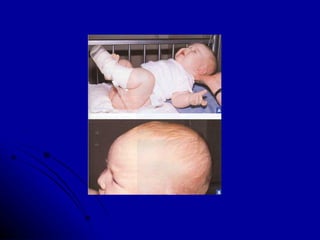
Meningitis Viral  - 80% due to enterovirus,  most common in summer or fall,  spontaneous remission and no sequelae Clinical  Bacterial –  Sudden onset and rapidly progressive with shock, purpura, disseminated intravascular coagulation  fever, poor feeding,  signs of increased intracranial pressure – meningeal irritation, nuchal rigidity, headache, emesis, bulging faontanel, diastasis (widening of the sutures), occulomotor paraslysis, back pain (Kernigs and Brudzinski signs) Seizures  in 30% of patients, alterations in consciousness
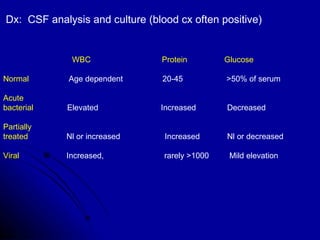
Dx:  CSF analysis and culture (blood cx often positive) WBC   Protein   Glucose Normal   Age dependent    20-45   >50% of serum Acute  bacterial   Elevated  Increased Decreased Partially  treated   Nl or increased   Increased Nl or decreased Viral   Increased,  rarely >1000  Mild elevation
Treatment: Start antibiotics after lumbar puncture (signs of shock start immediately) Empiric therapy – ceftriaxone or cefotaxime +/- vancomycin until culture and sensitivities prove Strep pneumonia  - if uncomplicated Penicillin or  cephalosporins 10/14 d.  N. meningitidis 5-7 days iv PCN Partially treated  - cx neg.  Third generation cephalosporin for 7-10 days Corticosteroids – Rapidly killing of bacteria by antibiotics can release toxic products – massive inflamation Corticosteroids (Dexamethasone) esp H. influenzae Prognosis: Mortality 1-8% Severe neurodevelopmental sequelae 10-20% 50% with some subtle neurobehavioral morbidity
Complications: SIADH – hyponatremia  Stroke Seizures Cerebellar or cerebral herniation Mental retardation Language delay Behavioral problem Visual impairment Cranial nerve palsy sensorineural hearing loss
Prevention Neisseria meningitidis:  Chemoprophylaxis for all close contacts (household, day care, hospital workers in contact with body secretions): Rifampim Vaccination – not all serotypes, poor response children<2 yrs H. influenzae vaccination Prevnar – Streptococcus pneumoniae
 
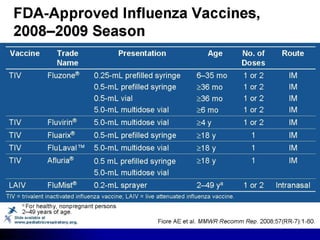
Influenza Viral infection causing a broad range of respiratory symptoms Animal reservoir:  Antigenic drift – minor changes Antigenic shift – major changes Annual spread from Asia to N. America Novel (serologically distinct) virus enters the population, have potential for pandemic (1918 flu killed >20 million) More often  - small yearly variations in the antigenic  composition causing localized epidemics Mortality primarily in elderly and chronically ill
Influenza High attack rate - 30% Clinically Predominatly respiratory: Coryza,  conjuntivitis,  pharyngitis,  cough Fever,  malaise,  headache,  myalgia Complications:   Secondary bacterial otitis media  and pneumonia Less common:  acute myositis,  myocarditis Diagnosis:  Influenza A+B test Viral Culture Treatment Oseltamivir, Zanamivir – prophylaxis and treatment if  given in first 48 hrs Fluids and rest, no salicylates
Influenza Vaccination Children 6 months or older in chronic care facilities with pulmonary or cardiovascular disease Asthma Chronic metabolic disease (diabetes) Renal dysfunction Hemoglobinopathies (sickle cell) Immunosuppressed On long term aspirin therapy Pregnant women in 2 nd  or 3 rd  trimester during season Health care workers who may transmit the illness to a high risk population


Child Infec. Diseases

  • 1.
    PEDIATRIC INFECTIONS DISEASES Pediatric Exanthems Dr. JOHN SRAGOWICZ PA-C, MPAS 2008
  • 2.
  • 3.
    History Detailed history:Recent travel Woodland exposure Drug ingestion ILL contacts Medical history
  • 4.
    History Rash details:macular, papular, petecchia blister, vesicular, reticulate Distribution: acral, palmoplantar, unilateral, truncal Direction of spread: centripetal, centrifugal, cephalocaudal Pruritus Relationship of rash and fever Oral or topical therapies
  • 5.
    Physical Examination Identifyprimary lesion and presence of secondary lesions Thorough physical examination essential to accurate diagnosis Etiology: Viral, Bacterial, Rickettsial, Fungal, Drug-induced
  • 6.
    Laboratory Data Serologictests not often helpful in acute setting Aspirates, scrapings and pustular fluid may be obtained
  • 7.
  • 8.
    The exanthematous diseasesof childhood were named according to the order in which they were reported: First disease: Measles (Rubeola) Second disease: Scarlet fever Third disease: German measles (rubella) Fourth disease: Duke’s Filatow disease (possible a scarlet fever variant) Fifth disease: Erythema infecciosum Sixth disease: Roseola, Erythema subitum
  • 9.
    Rubella (German measles)Etiology: Is a Togavirus, a single stranded RNA virus Transmission: Humans are the only host. via infected respiratory droplets, where it replicates in the respiratory tract, and viremia follows 5-7 days Infected patients shed the virus 7 days prior to the exanthem to 7 days after. They are contagious during the exanthem period Transplacental transmission during viremia (first 16 weeks of pregnancy) deafness, cataracts, heart problems, and CNS abnormalities Late winter – early spring Incubation period: 14-21 days
  • 10.
    Rubella (German measles)Prodomal symptoms: Uncommon in children, mainly in Adolescents: Low fever, HA/malaise 1- 4 days, mild pharyngitis, Lymphadenopathy: Post-auricular, occipital Forschheimer’s spots – petechiae papules on soft palate before rash Exanthem: Eruption generalized within 24-48 hours Fine Pink (erythematous) maculopapules with discrete lesions Start in face/neck progressing in a cephalocaudal fashion By 3rd day: Rash starts to fade in 3 days, signaling end of the viremia Rash on face disappeared Only extremities are involved Rash may disappear by end of 3rd day No desquamation Milder, more evanescent rash Others signs: Often transient polyarthralgia, polyarthritis, more in teens
  • 11.
  • 12.
  • 13.
  • 14.
  • 15.
    Rubella (German measles)LAB: Isolation from nasopharinx Serologic studies: presence of anti-rubella-specific IGM (pregnancy) Elisa: rise of IgG antibody Treatment: Supportive Prevention: MMR Vaccine 12-15 months 4-6 years Not indicated in pregnant women. Avoid pregnancy for 3 months after vaccination
  • 16.
    Rubeola (Measles-First Disease)Highly contagious disease characterized by enanthem and exanthem Etiology: Paramyxovirus virus, an RNA virus Rare in developing countries due to universal immunization Happens in Third world countries where can be fatal to malnourished children Transmission: Humans are the natural host and reservoir of the virus. Spread by respiratory droplets, primary replication of the virus occurs in the respiratory epithelial cells, where it replicates, later spreading to to the local lymphnodes, and then to the blood, resulting in a viremia Incubation period: 10-21 days with average of 14 days Late winter – early spring
  • 17.
    Rubeola (measles) Prodrome: high fever (104F), malaise, anorexia followed by URI sx Three C’s: cough, coryza, conjunctivitis (exsudative, photophobia) Exanthem: Appearance of macular-papular (confluent) rash on or about 3th febrile day (coincides with peak of fever) Rash first of face/neck (hairline) with a cephalocaudal progression; fades in 5days Mild desquamation and brown staining of skin follow the rash Enanthem: Koplic Spots : White-Gray dots on erythematous buccal mucosa Seen 2 days before and 2 days after the rash appears Appears at: buccal mucosa opposite the lower molars
  • 18.
  • 19.
  • 20.
  • 21.
  • 22.
  • 23.
  • 24.
  • 25.
  • 26.
  • 27.
  • 28.
    LAB: -Nasopharinx culture -CBC: leukopenia and lymphocytosis -Rise in measles specific-antibody titers (IgM) -CSF in suspected encephalitis: Increased protein, Normal glucose Predominance of lymphocytes TX: Supportive MMR vaccine 12-15 months, 4-6 years. Current vaccine 95% effective, Immunoglobulin (up to 6 days after exposure) Complications: Otitis media Pneumonia: Interstitial Pneumonitis BCP 2ary to bacterial infection Encephalitis 1/1000 cases
  • 29.
    KAWASAKY DISEASE Isa febrile mucocutaneous lymph node syndrome. Systemic vasculitis with devastating cardiac sequelae Etiology: The exact cause is unknown. It is an immune-mediated disorder in a genetically predisposed child Epidemiology: Disease of young children, mainly boys Most of patients (80%) are less than 5 years of age, average 2-3 years If child is older than 5 years old doubt the diagnosis Most common in Asians than whites, and least in blacks Most common in winter. Suspect of cases during spring months Pathogenesis: An unknown superantigen result in heavy cytokine release, being responsible for the multiple clinical findings.
  • 30.
    Clinical Features: Acute phase: Last 7-14 days. Presence of 4/5 of the following: Fever- 104F/39C averaging 5-10 days. Can persist up to 4 weeks Conjunctivitis- Dry eyes with dilated vessels (bulbar). Non purulent, non edema, non tearing, bilateral. Changes in oral mucosa: red strawberry tongue, pharyngeal erythema, dry red and cracked lip Extremity changes: edema hand/feet, erythema of palms/ sole precedes desquamation of fingers on palm and soles. The rash is erythematous, maculo-papular or morbiliform, scarlatiniform, non vesicular, affecting the groin and perineum . occurs on the trunk 3 days after fever. Also over buttocks Cervical lymphadenopathy: At least 1 node measuring 1.5 cms . The node is unilateral, nontender / nonsuppurative
  • 31.
    Subacute Phase: From day 14 to 25: - Decrease of fever. -Arthralgias occurs involving large and small joints. Giant and painless skin desquamation occurs around day 14, in the fingertips, palms, soles, perineal areas (groin)!!! Convalescent Phase: Begins in day 21-60: - In this phase, coronary artery aneurysms are detected by Echo - Arthritis may persist, but other Sx subside. - Beau Line in fingernails - Observe signs of cardiac insufficiency: Fatigue, chest pain, DOE - Control with weekly ECG.
  • 32.
    LAB: WBC: elevated with left shift. Greater than 20.000 in 50% of cases ESR: Increased. Often greater than 40/50mm or more CRP: Elevated, above 3mg/dL Albumin 3g/dL or less Platelet count: Increase after the 1 st week of illness. U/A: 10 wbc/hpf, Pyuria, proteinuria Elevation of alanine aminotransferase ECG: acute phase- prolonged PR interval, Flat T waves, ST changes CX-Ray: May show dilated heart during acute phase ECHO: Detection of aneurysm. Strict ECHO follow-up. DD: Scarlet- Throat CX Positive, Increase ASO Titer Measles- Increase IgG, IgM Titer EBV, TOXO, CMV- Saliva, U/A, Titers
  • 33.
    TX: Bed Restuntil 72 hours without fever IVIG: Intravenous Immunoglobulin- 2g/kg one time over 10 hs Repeat to patients who fail to response the first shot. Aspirin: 80-100 mg/kg/d in divided dosis, for 10 days, or until child 48 hours afebrile 3-10 mg/kg/d for 6-8 weeks after fever resolves or until platelets count returns to normal Descontinue if patient has varicella or Influenza Steroids: controversial Complications: coronary artery dilatation and aneurysms
  • 34.
  • 35.
  • 36.
  • 37.
  • 38.
  • 39.
  • 40.
  • 41.
  • 42.
  • 43.
    VARICELLA-ZOSTER (CHICKEN-POX) Highlycontagious disease caused by Varicella-zoster virus: member of herpes virus family, a double-stranded DNA viruses causing varicella as a primary infection, or a recurrent infection (Shingles). Humans are the only source of infection Transmission: Contact with respiratory secretions, lesion fluid, airborne spread Primary infection occurs in the nasopharinx through droplet inoculation. Local replication starts in the nasopharinx, causing viremia and dissemination by circulating mononuclear cells Epidemiology: Varicella affects the preschool and school children (5-10 years) Seen more during late winter and early spring Transplacental transmission- newborn can develop varicella if mother contracted the disease 5 days before delivery Incubation period: 10-21 days, average 12-14 days
  • 44.
    Clinical Features: Diseaseis preceded by fever, malaise, and URI symptoms. Skin Eruption: Centripetal distribution (lesions more on torso than face/extremities) Lesions can be seen on scalp and mucous membranes Lesions go through several stages: Papules, Vesicles, Pustules, Crust Classic Lesion: vesicle surrounded by erythema described as a “dew drop on a rose petal” Different types of lesions can be seen together in the same area. Eruption last 5-7 days Infectivity: Most contagious: 1-2 days before and 7 days after the onset of rash. Lesions are infected until they have turned into dried crust
  • 45.
    Lab: Tzanctest: + presence of multinucleated giant cells, with epithelial cell degeneration. Viral culture from a new vesicle TX: Acyclovir 80mg/kg/d in 4/5 doses in immunocompromised patients . NEVER give ASPIRIN due to the association with REYE Syndrome. Active Immunization: Varivax: 1 dose between 1-13 y, 2 doses after 13 y with 1-2 months apart. Is contraindicated in persons with hypersensitivity to gelatin or neomycin. Passive Immunization: Varicella-Zoster Immune globulin (VZIG): Immunocompromised children Neonates whose mothers get varicella 5 days or less before delivery or within 48 hours after delivery Complications: 2ary Skin infection, Cellulitis, abscesses ( Staph, strept ), BCP fever, soreness on site of injection, varicella rash
  • 46.
  • 47.
  • 48.
    Varicella-zoster virus Neonatalchickenpox Delivery within one week before or after the onset of maternal varicella – often severe Congenital varicella syndrome 25% of fetuses infected – not always significant 6-20 weeks gestation – 2% VZV embryopathy Affect limbs, eyes, skin, and brain Progressive varicella – visceral organ involvement
  • 49.
  • 50.
  • 51.
  • 52.
  • 53.
  • 54.
  • 55.
  • 56.
    HERPES ZOSTER –SHINGLES Is an acute vesico-pustular eruption that occurs in a dermatomal distribution. Etiology: Varicella-zoster virus, an Herpesvirus Incubation period: 1-3 weeks Pathogenesis: HZ is the localized recurrence of a VZ virus infection There is a past history of varicella The virus is reactivated after lying dormant in a sensory dorsal root ganglion Precipitating factors include: - Lowered host immunity - Radiation/chemo therapy - Physical trauma or emotional stress - Poor nutrition, fatigue An infant may develop HZ if mother had varicella during pregnancy
  • 57.
    CLINICAL FEATURES : Skin Lesions: First SX: Elevated rash group vesicles on an erythematous base that form blisters, and later they form scabs resembling Varicella. Blisters disappear in 2 weeks, but pain can continue. - Eruption is preceded by severe pain, itching, redness, tingling , hyperesthesia In severe cases, rash can leave permanent scars, long standing pain (post-herpetic neuralgia, numbness, and skin discoloration). - Linear distribution - Site: Along one or two dermatomes supplied by a spinal or cranial nerve Most common Involved Dermatomes: - Those supplied by thoracic spinal nerves (thorax) T-3/L-2 - Ophthalmic Branch of the Trigeminal nerve (forehead) LAB: Tzank smear Treatment: Acyclovir , Valaclovir
  • 58.
  • 59.
    2Y girl withHZ on C-4/C-5 dermatome 8 months with HZ on C-5/C-6 dermatome
  • 60.
    Neurocutaneous pathway onthe trunk HZ in the T-1 dermatome
  • 61.
    HERPES SIMPLEX Causedby the Herpes-virus hominis, which consists of 2 related viruses: Herpes simplex virus type 1 (HSV-1) / Herpes simplex virus type-2 (HSV-2) produce infections involving mucocutaneous surfaces, the CNS. Epidemiology: Seen in children/adolescents of all ages Spread through Direct Mucocutaneous contact ( potential exposure to HSV from sexual or other close contact (kissing, sharing of glasses, etc) Transmission result from: contact with persons with active ulcerative lesions persons without clinical manifestations of infection who are shedding HSV
  • 62.
  • 63.
  • 64.
    Pathogenesis: Exposureto HSV at mucosal surfaces or abraded skin sites permits entry of the virus and initiation of its replication in cells of the epidermis and dermis. On entry into the neuronal cell, the virus is transported to the nerve cell bodies in ganglia, where the virus remains dormant in a sensory ganglion and dorsal root ganglia Latent virus may be reactivated and viral replication cycle occurs in ganglia and contiguous neural tissue. Virus then spreads to other mucosal skin surfaces through centrifugal migration of infectious virions via peripheral sensory nerves. Stimuli that have been observed to be associated with the reactivation of latent HSV have included stress, menstruation, and exposure to ultraviolet light.
  • 65.
    Clinical features: HerpeticGingivostomatitis (herpes labialis): Caused by HSV-1. MC form of HSV primary infection in children Most common age: 1-3 years of age Infection of the pharynx usually results in exsudative or ulcerative lesions of the posterior pharynx and/or tonsillar pillars. Lesions begins as vesicles, forming Ulcers (painful, bleed easy) Fever very high lasting from 2 to 7 days Sites: Lesions involve the hard and soft palate, lip, gums and facial area Lesions of the tongue, buccal mucosa, or gingiva may occur later in the course in one-third of case Cervical lymphadenopathy Inability to eat or drink, malaise, myalgias, irritability, Foul breath Self limited illness, resolves in 5-7 days
  • 66.
    Herpetic Dermatitis: Causedby HSV-1 Herpetic Whitlow HSV infection of the finger—may occur as a complication by inoculation of virus through a break in the epidermal surface or by direct introduction of virus into the hand through occupational or some other type of exposure. Signs and symptoms include the abrupt onset of edema, erythema, and localized tenderness of the infected finger. V esicular or pustular lesions on the fingertip. Fever, lymphadenitis, epitrochlear and axillary lymphadenopathy Herpes Gladiatorum HSV may infect almost any area of skin. Mucocutaneous HSV infections of the thorax, ears, face, and hands have been described among wrestlers. Transmission of these infections is facilitated by trauma to the skin sustained during wrestling.
  • 67.
    Herpetic Vulvovaginitis: Causedby HSV-2 Genital herpes is characterized by fever, headache, malaise, and myalgias. Pain, itching, dysuria, vaginal and urethral discharge, and tender inguinal lymphadenopathy are the predominant local symptoms. Lesions may be present in varying stages, including vesicles, pustules, or painful erythematous ulcers. The cervix and urethra are involved in >80% of women with first-episode infections. May result from sexual abuse
  • 68.
    LAB: Molecular techniques are the gold standard. Tzanck test (Giemsa): + test: presence of multinucleated giant cells, degeneration of epithelial cells HSV infection is best confirmed in the lab by isolation of the virus in tissue culture or by demonstration of HSV antigens or DNA in scrapings from lesions. Spin-amplified culture with subsequent staining for HSV antigen has shortened the time needed to identify HSV to <24 h. PCR is being used for the detection of HSV DNA TX: Supportive therapy: antipyretics, diet (cold drinks, soft diet, popsicles Acyclovir, Valacyclovir, Famciclovir (act on viral replication, causing chain termination of the viral DNA topical vidarabine, and cidofovir Idoxuridine ophtalmic drops when lesions are near the eye
  • 69.
  • 70.
    Roseola It isan acute infection of infants characterized by a rash that appears after 3-4 days of high fever AKA: exanthem subitum, roseola subitum, sixth Ds Etiology: Human herpes virus 6 or 7, double stranded DNA virus Self-limited benign disease Epidemiology: Affects 6 months to 36 months infants. Peak 6-7 months Incubation period 7-15 days Transmission: Saliva, airbone Lab: Serology: Anti-HHV-6 IgM, Anti-HHV-7 IgM Polymerase chain reaction of HHV-6 DNA Complication: Febrile seizures during the prodromal stage TX: Supportive
  • 71.
    Clinical features: Incubationperiod 7-15 days Sudden onset of fever lasting 1-6 days, average of 4 days ( high as 40.0 C) Infant looks well Mild irritability despite fevers Exam: reveal cervical adenopathy (posterior cervical & occipital) tonsillar, pharyngeal and TM erythematous 1/3 with diarrhea & vomiting Bulging anterior fontanel in 26% of patients Rash: Appears after Temp. drops suddenly on 4 th – 5 th day (defervescence) Rarely rash appears before fever has subsided completely Diffuse blanching pink morbiliform maculopapules rash Distribution on Trunk, Neck, Extremities, spares the face It last hours to 2-3 days Clears without any pigmentation or desquamation Nagayama spots: erythematous papules on the soft palate and uvula
  • 72.
  • 73.
  • 74.
  • 75.
    Erythema infectiosum (fifthdisease) Etiology: Human Parvovirus B-19 Smallest human DNA virus (single strand of DNA) Epidemiology: Occurs in all children age, most common on school age children Rare in African-American children Common in late winter and early spring When rash appears, child is not contagious. Transmission: Respiratory secretions Transplacental (higher risk at second trimester) Lab: Serology for IgM andIgGantibodies via radiommunoassy or Elisa. IgM is present at time of rash and lasts 2-3 months. IgG once present lasts several years and confers future immunity Complications: Arthralgyas, Fetal hydrops in pregnants, anemia with low Reticulocytes ( aplastic crises) TX: Supportive
  • 76.
    Clinical features: Incubationperiod: 4 - 18 days Primarily children between 3 to 15 years of age Mild prodrome: Fever, coryza, malaise are minimal for 3 days before rash Arthralgias, arthritis in about 10%. Three stages of Rash: 1- Slapped cheek appearance (1-4 days) 2- Erythematous papular eruption over upper and lower extremities spreading to trunk, assuming a lacy evanescent reticular appearance as it fades (lasts 4 days) 3- Evanescent stage: Rash typically resolves in 5-10 days although may wax & wane for weeks or months. Is precipitated by: Hot showers, vigorous exercise, sunlight 4-Papular Purpuric Gloves and Socks syndrome (only hands and feet affected) Parvovirus B-19, usually teenagers, lasts 7-14 days. Fever, rash and arthralgias. Rash is contagious at the time of eruption, presenting acral painful or pruritic palpable purpura mainly at ankle and wrists. Also presents symmetric swelling of digits,and oral petecchia and erosions, pharingeal erythema and edematous lips.
  • 77.
  • 78.
  • 79.
    Hand, Foot andMouth Disease Etiology: Coxsackie-virus A -16 , A-5, A-6, A-10 & B-3 Epidemiology: Highly contagious, airborne spread Bi-modal: late summer, and early fall Children < 5 yrs (1-4 years) Clinical features: Incubation: Up to 7 days Malaise, fever, lymphadenopathy Vesicular lesions in Mouth, Hand, Feet, Buttocks lasting 7-10 days Rash: Mouth lesions: Oval gray-yellowish vesicles( ulcers) with erythematous borders in palate, tongue, lips, buccal mucosa, buttocks Painful causing anorexia, dehydration Skin lesions: Gray-White/Erythematous macules, papules, vesicles on the hands, feet , soles, buttocks Distributed bilaterally and symmetrically Lab: Viral culture from vesicle, Nasopharinx TX: Supportive care, self-limited within 2 weeks.
  • 80.
  • 81.
  • 82.
  • 83.
  • 84.
  • 85.
    MUMPS-PAROTITIS Systemicds. characterized by swelling of the salivary glands specially the parotid gland Etiology: Is caused by a Paramyxovirus, an RNA Bacterial cases 2ary to Staphylococcus. (suppurative parotitis) Epidemiology: 5-15 years. Declined due to the MMR. Mumps Ds. gives lifelong immunity Pathogenesis: - Humans are the only natural hosts for this virus - Acquired by direct contact with saliva or resp. dropplets of infected person Virus enters through the mouth and nostrils, replicating in the URT and lymphanodes, later the viremia spreads to salivary glands. Also gonads, pancreas, meninges
  • 86.
    Clinical Signs: Incubation of 16-21 days Contagiosity: 1-3 days before, to 7 days after the onset of parotid swelling Children return to school, 10 days after onset of parotid swelling Starts with fever, headache, malaise. Onset of mumps is pain and non-erythematous swelling in front and below the ear obscuring the mandibular ramus (ear displaced outward, upward) Swelling starts with one ear and then progresses to the other ear Often submaxillar and sublingual glands are also swollen Low grade fever and intense parotid pain when chewing Inflammation of the opening of Stensen duct in mouth
  • 87.
    Complications: Meningitis: Most frequent. Asseptic meningitis Pancreatitis: mild inflammation is present Epididymoorchitis: Adolescents, young adults. Develops 4-10 days within the onset of the parotid swelling (testicular pain/swelling) LAB: Uncomplicated Parotitis: Leukopenia with lymphocytosis Suppurative parotitis/orchitis: leukocytosis Pancreas Involvement: Hyperamilasemia / Hyperlipasemia Meningitis: CSF pleocytosis (mainly mononuclear) Body fluid isolation of mumps virus in tissue culture TX: Rest, Bland diet, Buccal hygiene, Atb if suppurative parotitis, MMR, Tylenol/Motrin.
  • 88.
  • 89.
  • 90.
    INFECTIOUS MONONUCLEOSISLymphoproliferative self-limited disease caused by the Epstein-Barr virus. Etiology: EBV, a DNA virus, belongs to the Herpes group virus Epidemiology: Occurs in all age groups, predominates in adolescents (intimacy period) and young adults. Mild cases can be seen in children Incubation: 30-50 days EBV spreads via respiratory droplets, coughing, kissing Pathophysiology: EBV replicates in oropharingeal epithelium Selective infection of B-lymphocytes occurs, resulting in proliferation of cells in tonsils, lymph nodes, spleen
  • 91.
    Clinical Features: Incubationperiod of 30-50 days Low grade fever, sore throat, coryza, malaise, Exsudative pharyngitis (50%) with palatal petecchia Associated GABS pharingytis (25%) Cervical Lymphadenopathy- Enlarged, usually nontender Hepatomegaly Splenomegaly: moderate enlargement (50%) Skin rash: Seen in 10-15%. Increase to 40% if penicillin derivatives is used Morbiliform or scarlanitiform. CNS features: Encephalitis, asseptic meningitis, Guillain-Barre syndrome Classic illness is characterized by: fatigue, low grade fever, malaise, tonsillopharyngitis (often exsudative) adenopathy, HSplenomegaly (may persist for months)
  • 92.
    LAB: CBC: > 10% of atypical lymphocytes (greater than 50% lymphocytes), Leukocytosis Liver enzymes: Mild hepatitis is found, jaundice is rare EBV serology: Elisa (Monospot): rapid slide agglutinin test for heterophile antibodies: Often negative in children under 5 years old Detects 90% of cases in adolescents Anti-VCA IgG/IgM (viral capsid antigen) recent/past infection EBNA: Ebstein Barr Nuclear Antigen- positive means no latent infection 1 st antibody: IgM VCA- positive 2-3 week of infection. Wanes in 2-4 weeks 2 nd antibody: IgG VCA- positive in 2 nd to 4 th week of infection 3 rd antibody: EA- Present during EBV replication. 4 th antibody: EBNA- Presence coincides with recovery. Rises beyond 6 weeks
  • 93.
    Complications: - Dehydration (due to severe pharyngitis) Streptococcal pharyngitis: 25% G-A strep infection - Atb induced rash: morbiliforme. After use of ampicillin or amoxicillin Splenic rupture  hemorrhage  shock  death. Rupture occurs between 4 th /21th day after onset of symptoms. Chronic fatigue syndrome - Hepatitis frequently accompanies IM. High liver enzymes, hepatomegaly TX: Supportive care (fluids, acetoaminophen, rest) Prednisone 1mg/kg/d bid. Reduce swelling of spleen, lymphnodes, airway obstruction No contact sports until 6 weeks have passed after resolution of Sx Return to full activity average 1month, fatigue may persist for 3-4 months
  • 94.
  • 95.
    ROCKY MOUNTAIN SPOTTEDFEVER (RMSF) Etiology: Is Rickettsia rickettsii, transmitted by those vectors: - Dog tick: Dermacentor variabilis (east) - Wood tick: Dermacentor andersoni (west) - Lone star tick: Amblyomma americanum (southwest) Epidemiology: Endemic in Southeastern, Central, Rocky mountain states. More common in children (5-9y), and in the summer Pathophysiology: Transmitted mainly by a tick bite, airborne droplets Incubation period; 2-14 days, average 7 days After exposure: - Rickettsia multiply in the endothelial lining and smooth muscle cells of blood vessels. - Disseminates via bloodstream, producing a generalized vasculitis associated with a centripetal petecchial rash and fever
  • 96.
    Clinical features: Incubationperiod: 1 week Tick must attach and feed for 4-6 hours to transmit disease. Abrupt or gradual onset of fever, more than 40-C, not responding to meds Abrupt onset of Headache: intense, frontal, retrobulbar Myalgia (calf or thigh), abdominal pain, confusion, photophobia, vomiting Rash: Usually appears by 2 nd or 3 rd day after fever onset. Rash is small, irregular, erythematous macules that blanch, becoming maculopapular and petecchial ( rose to purpuric) spreading centrally Starts from wrists, ankles. (periphery) Whitin hours spreads centrally from extremities toward trunk, neck, face. Can appear in palms and soles and scrotum Can progress to necrosis of toes, ears, scrotum, nose, fingers. Also: CNS, Cardiac, Pulmonary, GI, Ocular symptoms
  • 97.
    Prognosis: Improvement in 24-36 hours Defervescence in 2-3 days Majority improve in less than 1 week if treated early. TX: Supportive care ( avoid tick areas, pants inside boots, repellants, gloves hydration support, Platelets for thrombocytopenia Doxycycline: 2.2mg/kg BID PO 1 day. Then qd for 7-10days Tetracycline: 25-50mg/kg/d PO qd or 20-30mg/kg/d IV Chloramfenicol is an alternate drug
  • 98.
    LAB: CBC: WBC normal or low first 4 days. Later, leukocytosis, ↑ band count anemia, thrombocytopenia ( consumptive coagulopathy) CMP, LFT: abnormal, DIC screen, CXR, ABG, EKG, Echo, Lytes: Hyponatremia CSF: Clear, with/ without ↑ protein. Pleiocytosis and ↑ protein in 1/3 of cases ELISA: sensitive and accurate, but it takes about 6 days (seroconversion) IFA: Indirect Fluorescent antibody- sensitivity 94-100%, specificity 100% IHA: Indirect Hemagglutination: sensitivity 91-100%, specificity 99% LA: latex agglutination-sensitivity 71-94%, specificity 99% PCR by DNA: takes 48 hours. Weil-Felix: 3-5 minutes. Poor specificity and insensitive. Titer 1:160 suspect
  • 99.
  • 100.
  • 101.
    SCARLET FEVEREtiology: Group A Beta-hemolytic streptococcus strain (Streptococcus pyogenes ) that produces erythrotoxigenic toxins Epidemiology: Occur in children between 2-10 years old Most cases seen in winter and early spring Pathogenesis: Oropharinx is the portal of entry to airborne droplets where it replicates. Complications: Acute glomerulonephritis, Rheumatic fever LAB: CBC, Rapid strept antigen test, Throath Cx, Dick test not in use Treatment: Supportive, rest Oral or IM Penicillin or derivatives Erythromycin / Clindamycin if allergic to Penicillin
  • 102.
    Clinical Features: Incubationperiod: 2- 4 days. Average 1- 7 days Prodomal symptoms: fever, sore throat, malaise, myalgia, HA, abd. Pain Mouth: Pharinx, tonsils are beefy red, and may have exsudate Hemorrhagic spots on anterior pillar of tonsils and palate (petecchia) Large, tender anterior cervical nodes Tongue: white coat with edematous red papilla. The coat desquamate and reveals a swollen, red and a strawberry aspect of tongue Face: Malar flush with Circumoral pallor present Pastia line’s: Deep red non blanching lesions in the antecubital area RASH: Starts 12-48 hours after onset of fever. fine maculopapular, sandpaper texture, on erythematous background. Affect neck, axilla, shoulders, most prominent in trunk, groin Blanches when pressure is applied. Skin desquamates within 7-21 days from onset of illness, starting with hands.
  • 103.
  • 104.
  • 105.
  • 106.
  • 107.
  • 108.
    PERTUSSIS- WHOOPING COUGHIs a life threatening infection in very young infants Etiology: Bordetella pertussis , a gram negative Epidemiology: Disease of young infants, children, and adolescents Infection via respiratory droplets, direct contact with nasal secretions Pathophysiology: Replicates only in association with ciliated epithelium, causing congestion, inflammation of the bronchi LAB: Culture of Bordetella by nasopharyngeal culture is the standard test. Direct immunofluorescent assay of nasopharyngeal secretions TX: Isolation, Supportive (hydration, sucction secretions, humidified oxygen) Erythromycin for 14 days. 50mg/kg/d divided 4 doses , Zythromax Corticoids is questionable. Prevention: Immunization DTaP (fade after 5-10 y), Boostrix/Adacel (10-18 y)
  • 109.
    Clinical features: Incubation period of 7-14 days (4-21 days) 3 stages: Catarrhal: Last 1-2 weeks URI symptoms, low grade or absent fever, mild cough, coryza Highly communicable during this stage and the first 3 weeks after cough Paroxysmal: Last 2- 6 weeks Salvo of paroxysmal cough ending with an inspiratory whoop through narrowed glottis during the forceful inspiratory phase with accumulation of a thick airway secretion Presence: petecchia, subconjuntival hemorrhage, cyanosis, eyelid edema Convalescent : Last 1-3 weeks Cough lessens and disappears or cough can persist for several weeks Lung auscultation is normal, unless atelectasis or pneumonia occurred Complications: Pneumonia (90%), atelectasis, subcutaneous emphysema
  • 110.
  • 111.
    LYME DISEASE Etiology: spirochete Borrelia burgdorferi transmitted by a deer tick, Ixodes dammini. Deer tick is flat, small, 8 legs, male is black, female is red/black. According to a specialized California laboratory, 20% of patients with Lyme are co-infected with Anaplasma, Babesia or Erlichia Epidemiology: Affect people from all ages, 1/3 are children, adolescent. late spring/early summer months in Northeast, North Central, Pacific states Pathophysiology: Borrelia is injected into the skin with the saliva of the deer tick. Then migrate within the skin, forming a rash (erythema chronicum migrans). Rash starts as red macule or papule and expands to an annular lesion up to 30 cm in diameter with partial central clearing. Then the spirochete is spread hematogeneously to heart, joints and CNS. Complications: Chronic arthritis in 10% (pauciarticular)
  • 112.
    Clinical Features: StageI- Localized Ds: May begin within hours to several weeks after infection. Rash (erythema chronicum migrans) starts as red macule or papule, and 8 days after the tick bite, it expands to an annular lesion up to 30 cm in diameter with partial central clearing. Can be painful, burning, fever, regional adenopathy Stage II-Disseminated Ds: Occurs weeks to months following the tick bite Characterized by neurologic and cardiac involvement . Malaise, high fever, myalgias, headache Neurologic signs (aseptic meningitis, Bell’s palsy , Guillain-Barre like Ds. Arthritis affecting large joints (knee). Joint fluid mainly neutrophil. WBC up to 110.000 cells Cardiac signs ( AV block mc) pericarditis, miocarditis Stage III- Can develop within a few weeks to 2 years following infection Most common symptom is arthritis, intermittent, lasting several days to weeks Late Lyme disease can affect central nervous system Patients may have memory loss, fatigue and polyneuropathy
  • 113.
    LAB: Lyme Titer: ELISA- develops 3-4 weeks after infection begins Western blot Test: More specific test, confirmatory test. Negative western blot and a positive Elisa: no Lyme Ds. Western Blot positive test: confirms a positive Elisa result Skin biopsy: positive direct immunofluorescence provides a rapid test IgG/IgM Titers will remain elevated for months/years, after the treatment. TX: Amoxicillin 250mg tid for 30 days for under 8/9 years old Amoxicillin 500mg tid for 30 days if over 9 years old Doxycycline 100mg bid for 30 days if over 9 years old Eythromycin 30mg/kg/day for 30 days Patients with only a rash: treat for 14 days Severe arthritis or carditis: Ceftriaxone or PCN IV 14-21 days
  • 114.
    GONOCOCCAL INFECTION Etiology: Neisseria gonorrhea, G- diplococcus Epidemiology: Seen in the following groups of children: Newborn infants: acquired from the infected maternal vaginal canal Prepubertal children: as a result of sexual abuse Adolescents: as a result of sexual abuse or voluntary sexual activity Males: 15/19 20/24 years Female: 15/19 years Incubation period is 2-7 days LAB: Gram stain: G – intracellular paired organisms Culture in Thayer-Martin medium or chocolate agar of specimens taken from the eyes, vagina, cervix, penis, anus, throat STD panel: HIV, Chlamydia, Syphilis, Trichomonas Synovial fluid culture is positive in 50% with Gonococcal Bacteremia
  • 115.
    Clinical features: Newborn: Ophtalmia neonatorum. Appear 2-5 days after delivery. Bilateral discharge that becomes muco-purulent with/without streaks of blood. Conjunctiva and Lid is edematous. Corneal ulcer, blindness if not treated early Sexually abused children: copious purulent discharge from vagina/penis. other sites: Rectum, throat Disseminated gonococcal infection: Is a gonococcal bacteremia. Cervical motion tenderness: Characteristic on pelvic examination in patients with ascending cervical infection Urethritis: Copious mucoid purulent discharge after exposure, often bloodstained Micturition is painful, associated with urine retention. The persistent inflammation predisposes to a urethral stricture. Proctitis may be present in homosexuals
  • 116.
    Complications: Blindness, meningitis, Inf. endocarditis, osteomyelitis, PID Arthritis-Dermatitis syndrome: Seen in > 90% of cases May be migratory Associated pain/ swelling of big joints (knees, ankles, wrists, elbows), Tenosynovitis Rash: In Disseminated Gonococcal Infection cases: 50-75% of cases. petecchial or pustural lesions appear on distal extremity, 3-21 days after exposure, together with arthralgias, septic arthritis, fever, chills, malaise
  • 117.
    Tx: Neonate: Hospitalize after cultures: blood, spinal fluid, eye, urine. Ophtalmia neonatorum Ceftriaxone single dose 25/50mg/kg IV-IM up to 125mg given once Eye care: sterile saline irrigation at frequent intervals Prophylaxis: 1% silver nitrate or 0,5% erythromycin ointment Non-disseminated: Ceftriaxone single dose of 125mg IM and Erythromycin or Zythromax for prepubertal children. Doxycyclin or Zythromax for children older than 8 years old (presumption of having Chlamydia ) Disseminated gonococcal infection: Hospitalize Ceftriaxone 25/50mg/kg IV-IM daily/7 days Cefotaxime 50-100 mg IV-IM in two doses for 7 days. Continue for 14 days if meningitis is present Erythromycin, Zythromax, Doxycyclin, PO (presumption of having Chlamydia )
  • 118.
  • 119.
  • 120.
  • 121.
    SYPHILIS Etiology: Treponema pallidum , a spirochete Epidemiology: Occurs in sexually active adolescents and adults May result from sexual abuse in children Spread: sexual contact with ulcerative lesions of skin/ mucous membrane from one infected individual to another non infected individual LAB: Non treponemal antibody test: VDRL, RPR: rapid plasma reagin Treponemal antibody test: Confirmatory test of diagnosis of syphilis infection. Once infected, stays + FTA-ABS (fluorescent treponemal antibody)+ MHA-TP (microagglutination assay for antibody to treponema pallidum CSF: neurosyphilis- mononuclear pleocytosis, ↑ protein, normal glucose Dark-Field microscopy of smears from skin/ mucous membranes lesions X-R: Long Bones- metaphyseal osteochondritis and/or diaphyseal periostitis Chest: fluffy difuse infiltration in pneumonia alba
  • 122.
    Clinical Feature: Incubation period: 3 weeks (range 10-90 days) Primary Stage: Chancre-Primary Syphilis Last 1-6 weeks. Solitary, painless, indurated, ulcerated lesion on genitalia This lesion represents the site of inoculation Painless inguinal adenopathy Secondary Stage: Secondary Syphilis Last 2-10 weeks Flu-like illness: fever, malaise, myalgia, HA, Arthralgias, adenopathy Moth eaten Alopecia in beard, scalp, eyelashes mucous patches: on tongue, mouth, look superficial erosions, but papules can be seen. Are round, oval, serpiginous in outline and red color or covered with a greyish membrane. Serpiginous lesions are called snail track ulcers. Rash: Erythematous maculopapular squamous lesions on torso, palms, soles Condyloma Lata: whitish, moist, anal condyloma lata lesions are highly infectious wart like lesions distributed mainly in the anogenital area
  • 123.
    Subclinical latent stage: Diagnosed by presence of reactive sorologic test. Lasts 1-40 years Late stage (Tertiary Syphilis): seen in 1/3 of patients many years after the 1ary/2ary stage. Gummas or granulomatous lesions develop subcutaneously, expand and ulcerate in the skin. They can also appear in the liver, bones, brain, etc… cutaneous, visceral, CV, CNS (neurosyphilis, gummatous lesions)  death
  • 124.
    TX: Syphilis lessthan 1 year duration: Benzathine penicillin G: 50,000 U/kg IM in a single dose. Up to 2,400.000 U Erythromycin 50mg/kg PO QID, 2 weeks Tetracycline 500mg PO QID, 2 weeks in patients over 9 years old Doxycycline 100mg PO BID for 2 weeks in patients over 9 years old Syphilis greater than 1 year duration: Benzathine Penicillin G 50,000 U/kg IM weekly, for 3 consecutives weeks Tetracycline 500mg PO QID, 4 weeks in patients over 9 years old Doxycycline 100mg PO BID, 4 weeks in patients over 9 years old NeuroSyphilis: Aqueous Penicillin G 200,000/300,000 U/kg/d. Not exceed 24 million units day divided in q4 or q6 for 10-14 days All cases should be reported to the health department
  • 125.
  • 126.
  • 127.
  • 128.
  • 129.
  • 130.
  • 131.
    CONGENITAL SYPHILISIntrauterine infection by fetus from a mother infected with Treponema Pallidum Etiology: Treponema pallidum, a spirochete Epidemiology: Associated with lack of prenatal care, and illicit drug use Lab: Non-treponemal test on cord blood: VDRL, RPR Confirmatory test: treponemal test FTA-ABS Darkfield microscopy of skin/membranes lesion X-ray of long bones CSF fluid exam: Pleocytosis, ↑ protein, VDRL + Complications: Stillbirth, Blindness, Deformities (saber shin, saddle nose) TX: Aqueous crystalline penicillin G: 100,000/150.000 U/kg/d IV 2/3X, 14d Procaine penicillin G: 50,000 U/kg IM daily, 10-14 days 3 weeks tx, if CNS is involved
  • 132.
    Clinical features: Earlycongenital Syphilis < 2 years of age Clinical signs absent or minimal Rhinitis (snuffles): mucopurulent , profuse discharge May result in rhagades or fissures around mouth Cutaneous eruptions: Erythematous macules or papules, or papulosquamous lesions, round or oval in shape. Lesions fade to coppery brown color. Vesicobullous hemorrhagic lesions, palmo-plantar scaling Late congenital Syphilis > 2 years of age Interstitial keratitis: appears between 6-14 years, corneal opacity, pain, photophobia, lacrimation Hutchinson teeth: notching of biting surface of upper central incisors 8 th nerve deafness Saber shins Higoumenaki sign (unilateral tickening of inner clavicle) Syphilitic arthritis (8-15 years) Gummas in bones
  • 133.
  • 134.
  • 135.
    Meningococcemia Gramnegative diplococcus Colonization of nasopharynx 2-30% Disseminated into blood stream – inflammatory reaction and endotoxin production leads to organ necrosis Fever and occult bacteremia to sepsis and death Often presents with malaise, pharyngitis, fever Prompt hospitalization, blood and CSF culture Penicillin G (ceftriaxone and cefotaxime) Mortality 8-13% Complications: Tissue necrosis and gangrene, meningitis, purpura fulminans
  • 136.
    JUAN SRAGOWICZ PA-C, MPAS
  • 137.
    Meningitis Viral - 80% due to enterovirus, most common in summer or fall, spontaneous remission and no sequelae Clinical Bacterial – Sudden onset and rapidly progressive with shock, purpura, disseminated intravascular coagulation fever, poor feeding, signs of increased intracranial pressure – meningeal irritation, nuchal rigidity, headache, emesis, bulging faontanel, diastasis (widening of the sutures), occulomotor paraslysis, back pain (Kernigs and Brudzinski signs) Seizures in 30% of patients, alterations in consciousness
  • 138.
    Dx: CSFanalysis and culture (blood cx often positive) WBC Protein Glucose Normal Age dependent 20-45 >50% of serum Acute bacterial Elevated Increased Decreased Partially treated Nl or increased Increased Nl or decreased Viral Increased, rarely >1000 Mild elevation
  • 139.
    Treatment: Start antibioticsafter lumbar puncture (signs of shock start immediately) Empiric therapy – ceftriaxone or cefotaxime +/- vancomycin until culture and sensitivities prove Strep pneumonia - if uncomplicated Penicillin or cephalosporins 10/14 d. N. meningitidis 5-7 days iv PCN Partially treated - cx neg. Third generation cephalosporin for 7-10 days Corticosteroids – Rapidly killing of bacteria by antibiotics can release toxic products – massive inflamation Corticosteroids (Dexamethasone) esp H. influenzae Prognosis: Mortality 1-8% Severe neurodevelopmental sequelae 10-20% 50% with some subtle neurobehavioral morbidity
  • 140.
    Complications: SIADH –hyponatremia Stroke Seizures Cerebellar or cerebral herniation Mental retardation Language delay Behavioral problem Visual impairment Cranial nerve palsy sensorineural hearing loss
  • 141.
    Prevention Neisseria meningitidis: Chemoprophylaxis for all close contacts (household, day care, hospital workers in contact with body secretions): Rifampim Vaccination – not all serotypes, poor response children<2 yrs H. influenzae vaccination Prevnar – Streptococcus pneumoniae
  • 142.
  • 143.
    Influenza Viral infectioncausing a broad range of respiratory symptoms Animal reservoir: Antigenic drift – minor changes Antigenic shift – major changes Annual spread from Asia to N. America Novel (serologically distinct) virus enters the population, have potential for pandemic (1918 flu killed >20 million) More often - small yearly variations in the antigenic composition causing localized epidemics Mortality primarily in elderly and chronically ill
  • 144.
    Influenza High attackrate - 30% Clinically Predominatly respiratory: Coryza, conjuntivitis, pharyngitis, cough Fever, malaise, headache, myalgia Complications: Secondary bacterial otitis media and pneumonia Less common: acute myositis, myocarditis Diagnosis: Influenza A+B test Viral Culture Treatment Oseltamivir, Zanamivir – prophylaxis and treatment if given in first 48 hrs Fluids and rest, no salicylates
  • 145.
    Influenza Vaccination Children6 months or older in chronic care facilities with pulmonary or cardiovascular disease Asthma Chronic metabolic disease (diabetes) Renal dysfunction Hemoglobinopathies (sickle cell) Immunosuppressed On long term aspirin therapy Pregnant women in 2 nd or 3 rd trimester during season Health care workers who may transmit the illness to a high risk population
  • 146.
  • 147.
  • 148.
  • 149.
  • 150.
  • 151.
  • 152.
  • 153.
  • 154.
  • 155.

Editor's Notes

  • #83 Fig. 81.4   Hand-foot-and-mouth disease . Note the oval or football-shaped vesicle on an erythematous base centrally.
  • #84 Fig. 81.5   Enteroviral exanthem . Note prominent petechial component of the exanthem in this 10-year-old boy.
  • #85 Fig. 81.8   Papular-purpuric gloves and socks syndrome . Erythematous patches with petechiae on the palms. This patient also had superficial erosions of the palate and pharynx