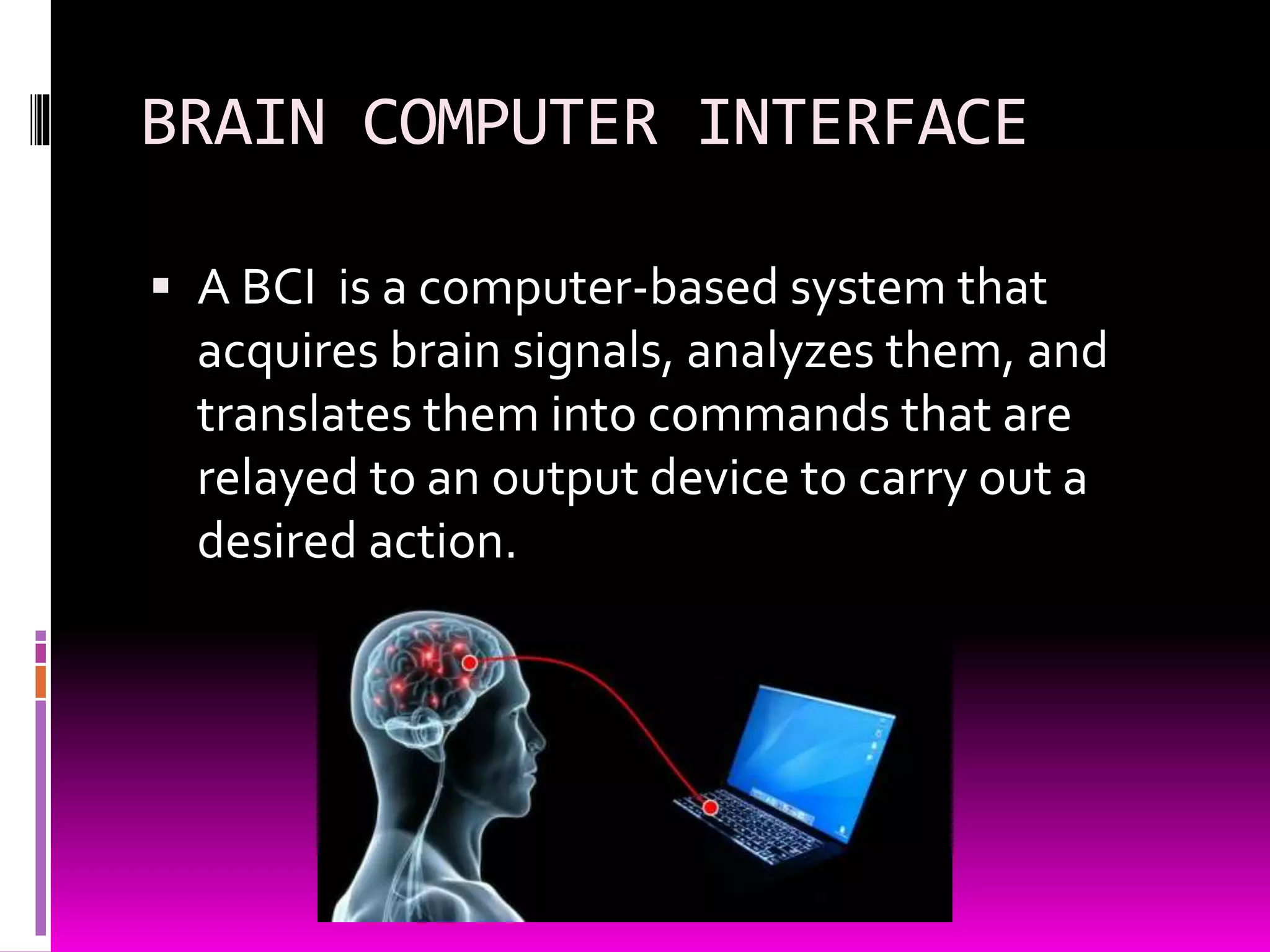
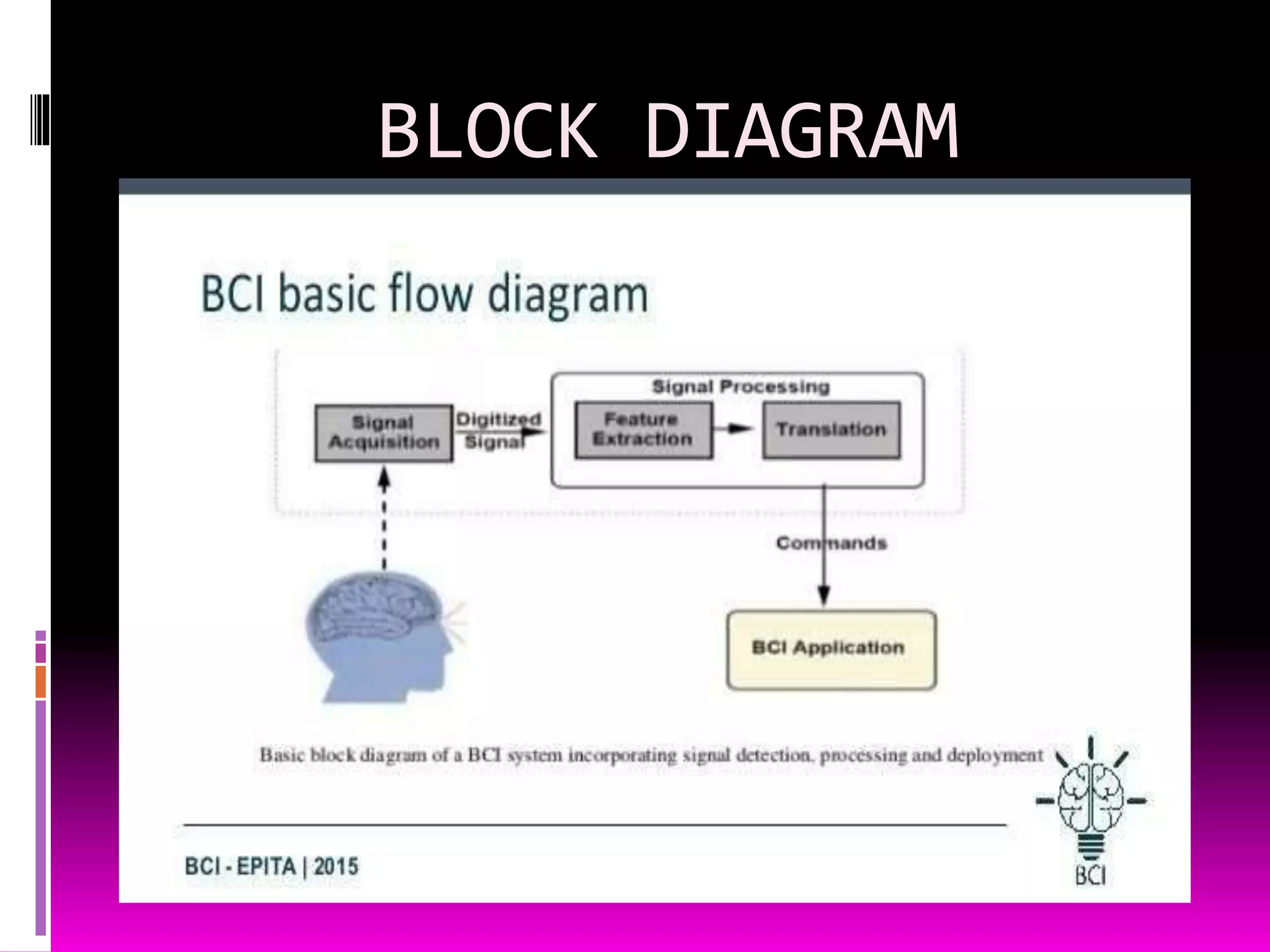
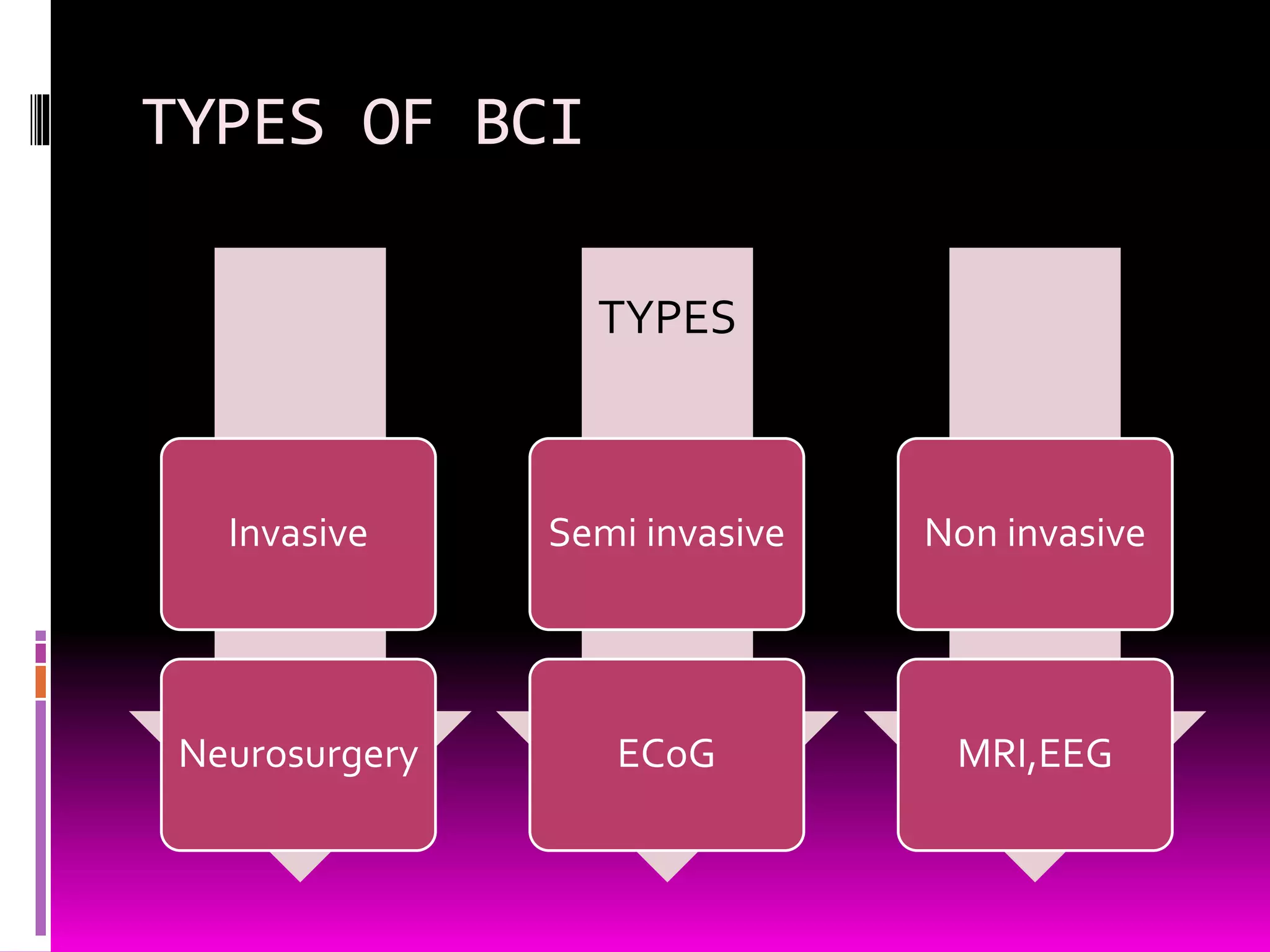
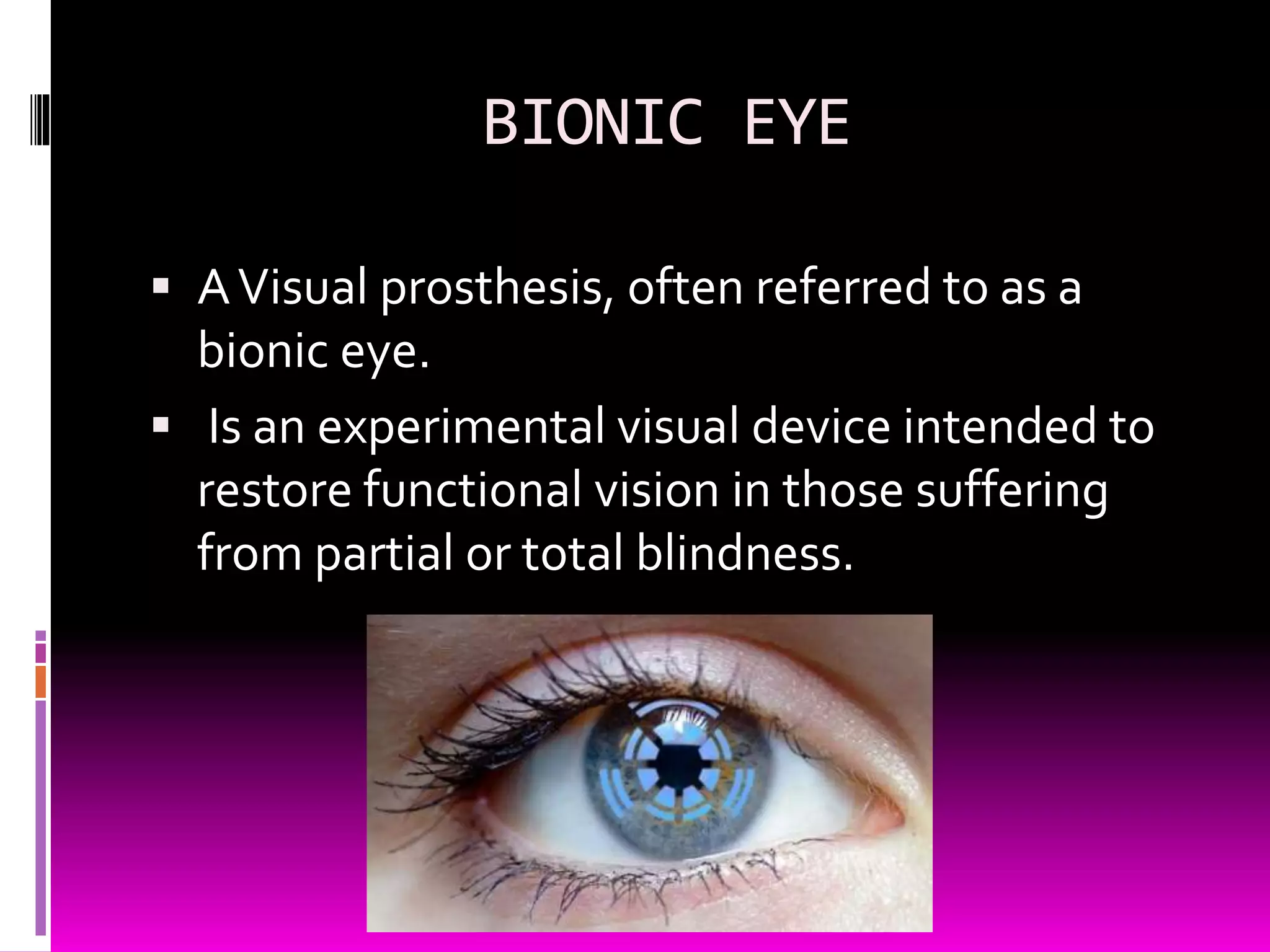
Brain chip technology facilitates communication via neural activity and encompasses brain-computer interfaces (BCIs) that translate brain signals into commands for external devices. It has potential benefits such as enhancing sensory range, aiding paralyzed individuals, and advancing rescue missions, though challenges remain regarding technological maturity and health risks from invasive procedures. Future developments may lead to enhanced sensory perception and novel forms of communication, solidifying brain chip technology's transformative potential.