Submitted To
Dr. Sher Muhammad Shahzad
Submitted By
Waqas Azeem
Reg No
PAGF12E033
University College of Agriculture
University of Sargodha
THE BASIC PROBLEM:
RELEASE OF HAZARDOUS MATERIALS

 Enormous quantities of organic & inorganic

compounds are released into the environment each year
as a result of human activities.
 The release may be:
 Deliberate and well regulated (industrial emissions)
 Accidental and largely unavoidable (chemical/oil

spills)
 US EPA estimated that in 1980 at least 57 millions
metric tons of the total waste can be categorized into
three general groups:


Heavy metal, Pb, Cd, Ni and Be can accumulate in
various organs, interfere with normal enzymatic reactions
and cause disease including cancer



Chlorinated hydrocarbons, also known as organochlorides
including pesticides and other organic compounds such
as PCB (polychlorinated biphenyls)
 Research proven a positive correlation between cancer
in lab animals and organochlorides.



Nuclear waste including radioactive material such as
plutonium which are dangerous for thousands of years
What Is Bioremediation?
 Biodegradation - the use of living organisms such as

bacteria, fungi, and plants to degrade chemical
compounds
 Bioremediation – process of cleaning up

environmental sites contaminated with chemical
pollutants by using living organisms to degrade
hazardous materials into less toxic substances
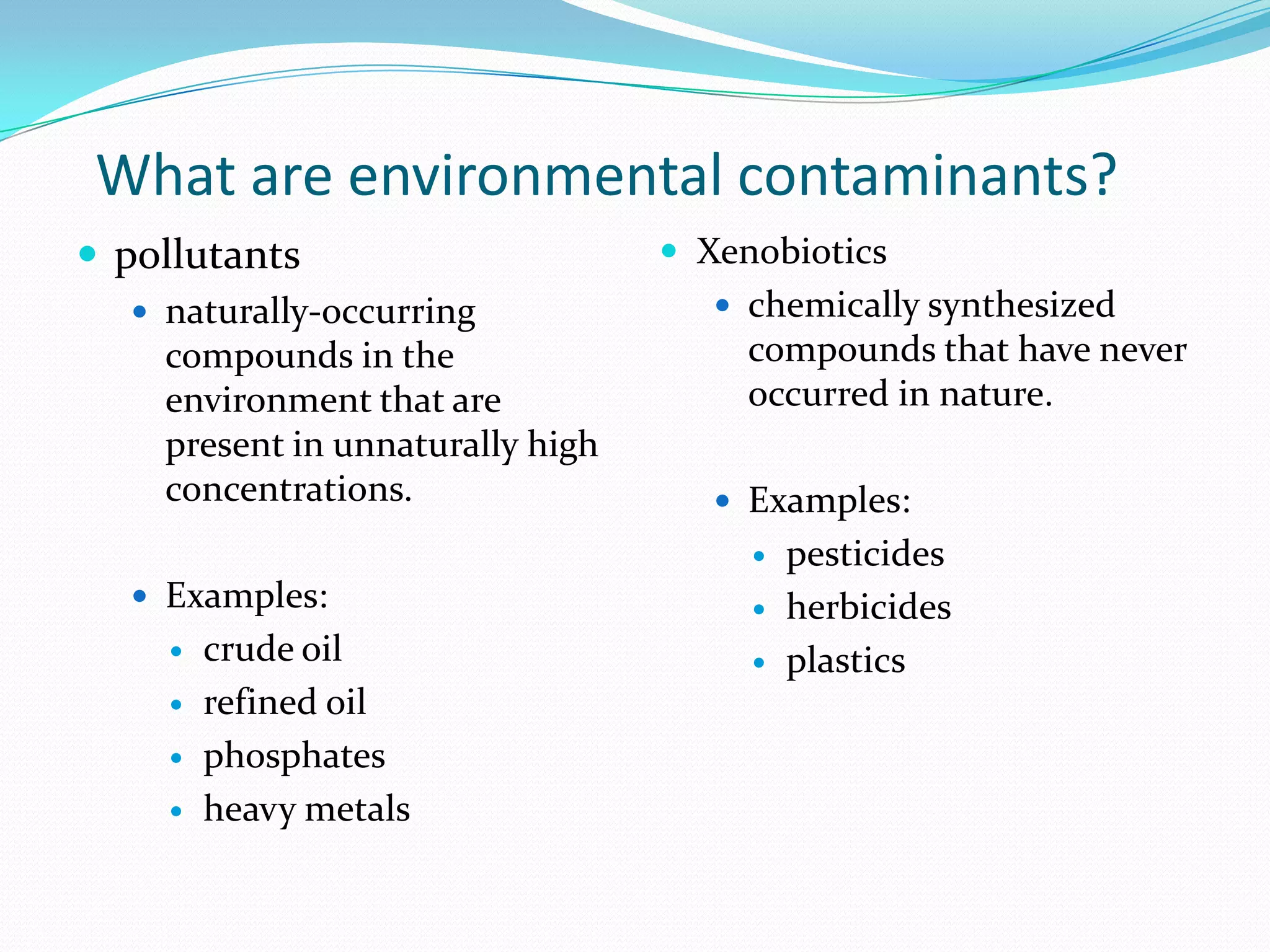
What are environmental contaminants?
 pollutants
 naturally-occurring

compounds in the
environment that are
present in unnaturally high
concentrations.

 Xenobiotics
 chemically synthesized

compounds that have never
occurred in nature.
 Examples:


 Examples:





crude oil
refined oil
phosphates
heavy metals




pesticides
herbicides
plastics
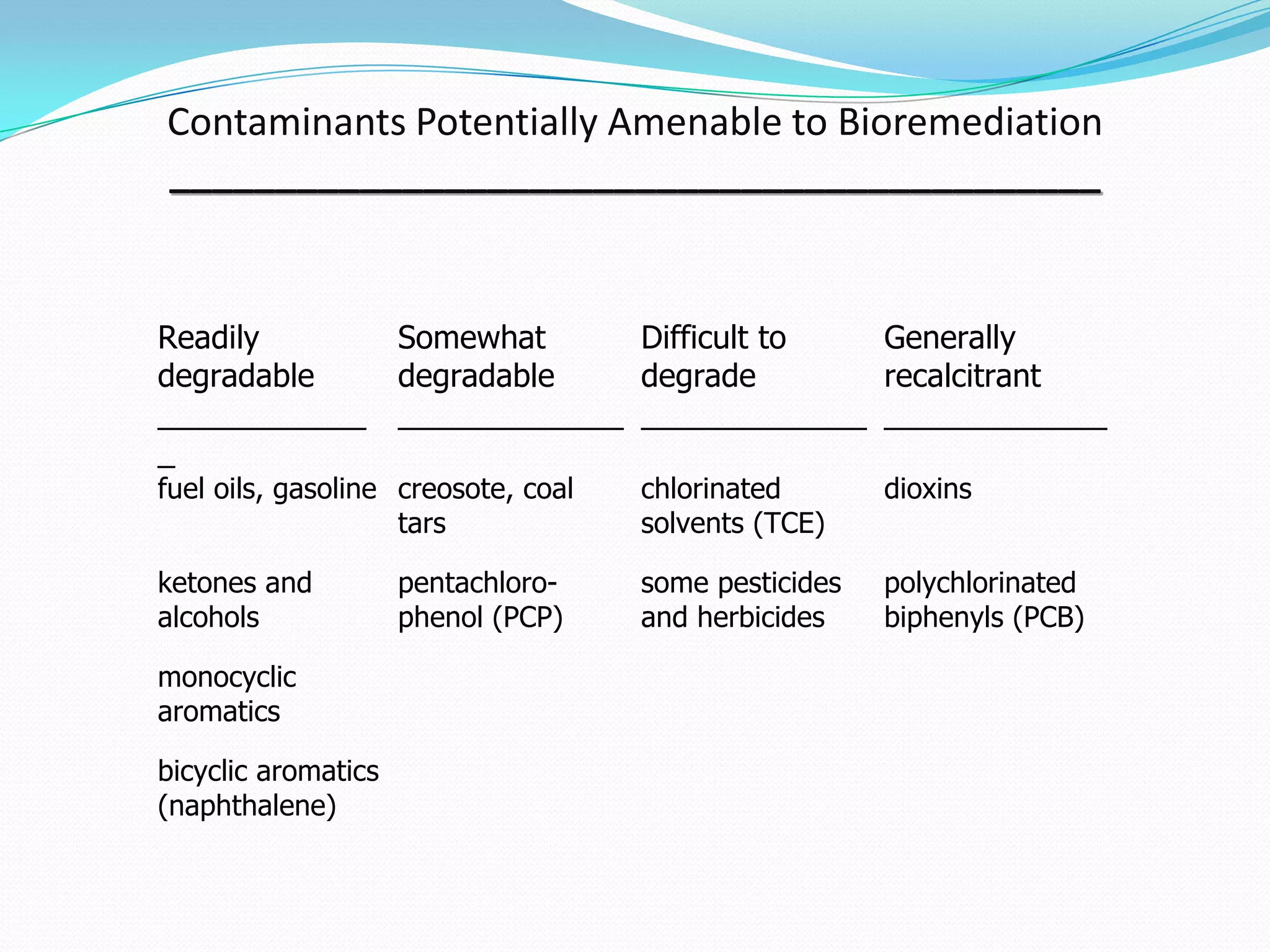
Contaminants Potentially Amenable to Bioremediation
____________________________________________

Readily
degradable
____________
_

Somewhat
Difficult to
Generally
degradable
degrade
recalcitrant
_____________ _____________ _____________

fuel oils, gasoline creosote, coal
tars

chlorinated
solvents (TCE)

dioxins

ketones and
alcohols

pentachlorophenol (PCP)

some pesticides
and herbicides

polychlorinated
biphenyls (PCB)

monocyclic
aromatics
bicyclic aromatics
(naphthalene)
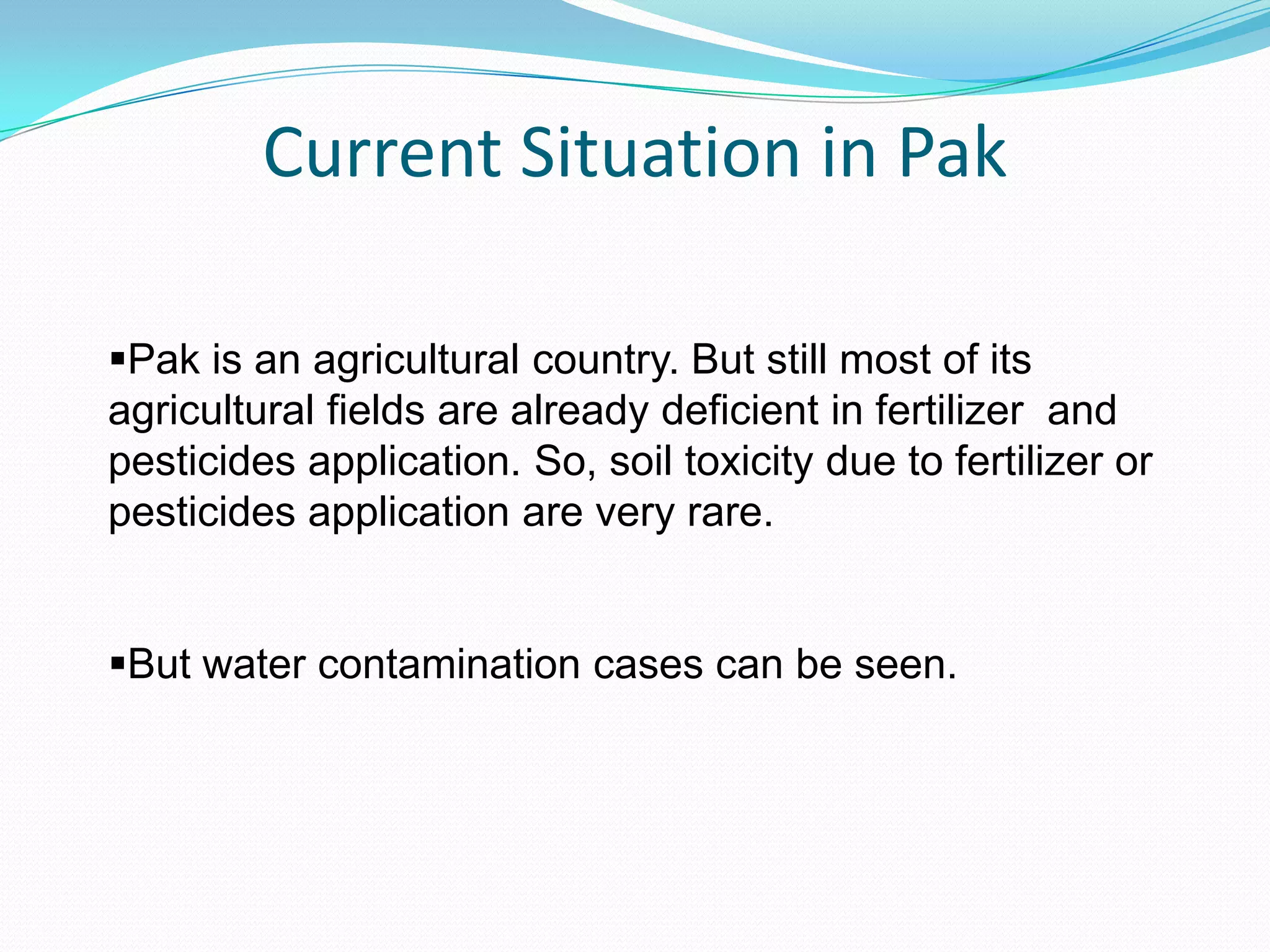
Current Situation in Pak
Pak is an agricultural country. But still most of its
agricultural fields are already deficient in fertilizer and
pesticides application. So, soil toxicity due to fertilizer or
pesticides application are very rare.
But water contamination cases can be seen.
 Karachi, a hub of industrial activity, houses seven

major industrial estates in Korangi, Landhi, SITE,
Federal B Area, North Karachi, Superhighway and Port
Qasim.
 At present, Karachi coastal region has become a

dumping ground of hazardous waste, receiving huge
quantities of untreated domestic & industrial
wastewater through Lyari & Malir Rivers.

 Since most industries have no treatment facility or have

grossly inadequate arrangements.

.
 Accelerated rate of fresh water contamination in the

city is exposing the problem of water scarcity.

 Continued practice will ultimately threatens fresh

water availability and food security for future as well
as health hazards and economic losses.
Current Concern
 Contaminated water is responsible for over 12 million
deaths per year world over.
 More than 40% hospital beds in Pakistan are
occupied by patients with water related diseases.
 According to Economic Survey of Pakistan 2008-09,
economic losses due to water pollution in the country
are estimated at Rs.109.5 billion per year.
 While National Drinking Water Policy Document 2009
mentions the same at about Rs.112 billion per year,
over Rs.300 million a day, in terms of health costs
and lost earnings.
Water Pollution in Karachi
 Karachi, population over 18 million discharged around

446 MGD of wastewater.
 About 70% untreated wastewater discharged into the

Arabian sea.
 All most all chemical waste are dumped untreated into

storm-drains, open nallahs or in the lyari and malir
rivers which ultimately fall into the Arabian Sea.
 The coastal zone, extended up to 135 Km, is exposed to

heavy pollution load of both domestic and industrial
origin.
With new regulations and a greater
environmental concern, industrial effluent
treatment need especial attention.
Why use Bioremediation?

 Most approaches convert harmful pollutants into

relatively harmless materials such as carbon dioxide,
chloride, water, and simple organic molecules
 Processes are generally cleaner
 Biotechnological approaches are essential for
 Detecting pollutants
 Restoring ecosystems
 Learning about conditions that can result in human
diseases
 Converting waste products into valuable energy
BIOREMEDIATION
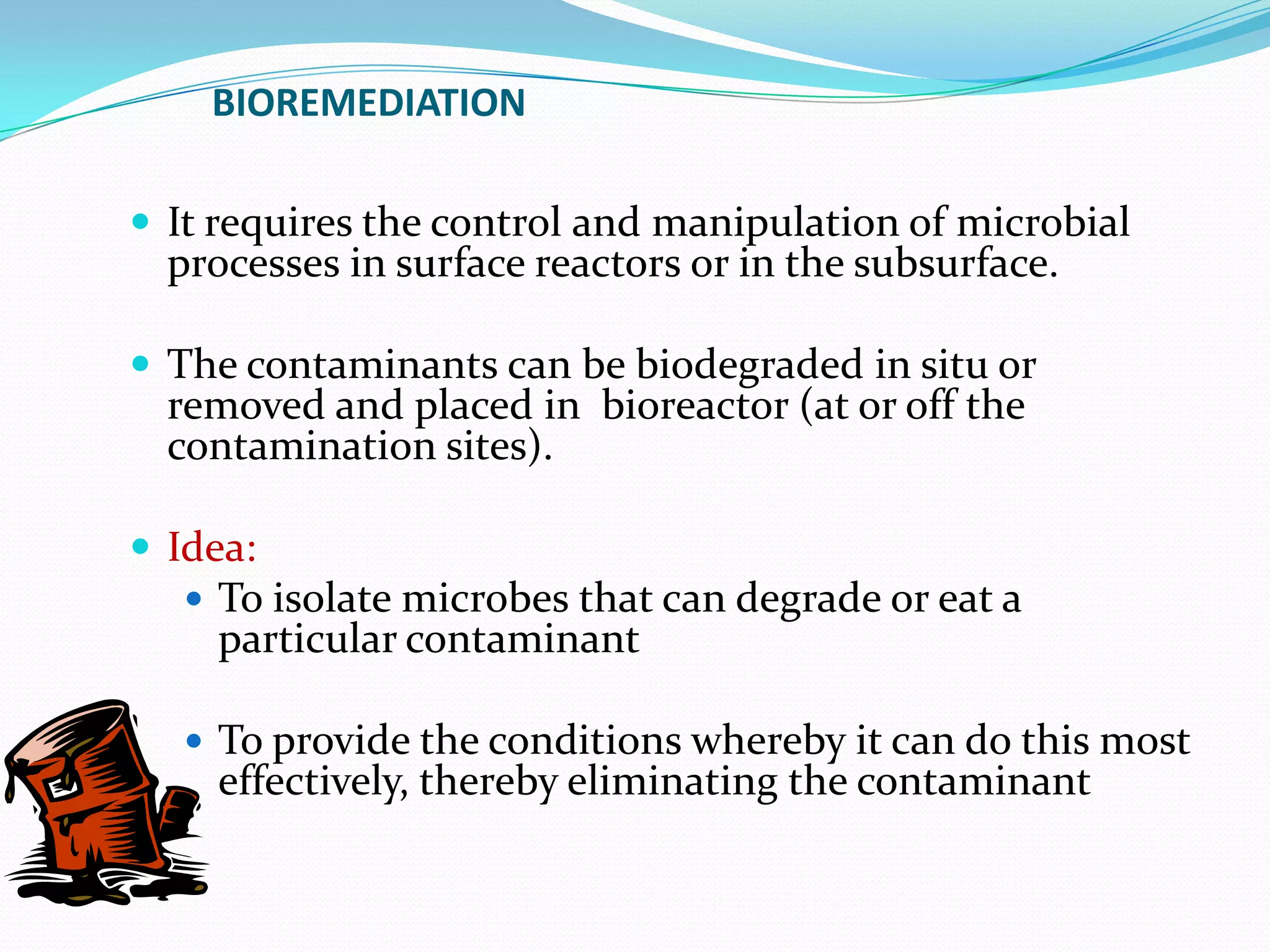
 It requires the control and manipulation of microbial

processes in surface reactors or in the subsurface.

 The contaminants can be biodegraded in situ or

removed and placed in bioreactor (at or off the
contamination sites).

 Idea:
 To isolate microbes that can degrade or eat a

particular contaminant

 To provide the conditions whereby it can do this most

effectively, thereby eliminating the contaminant
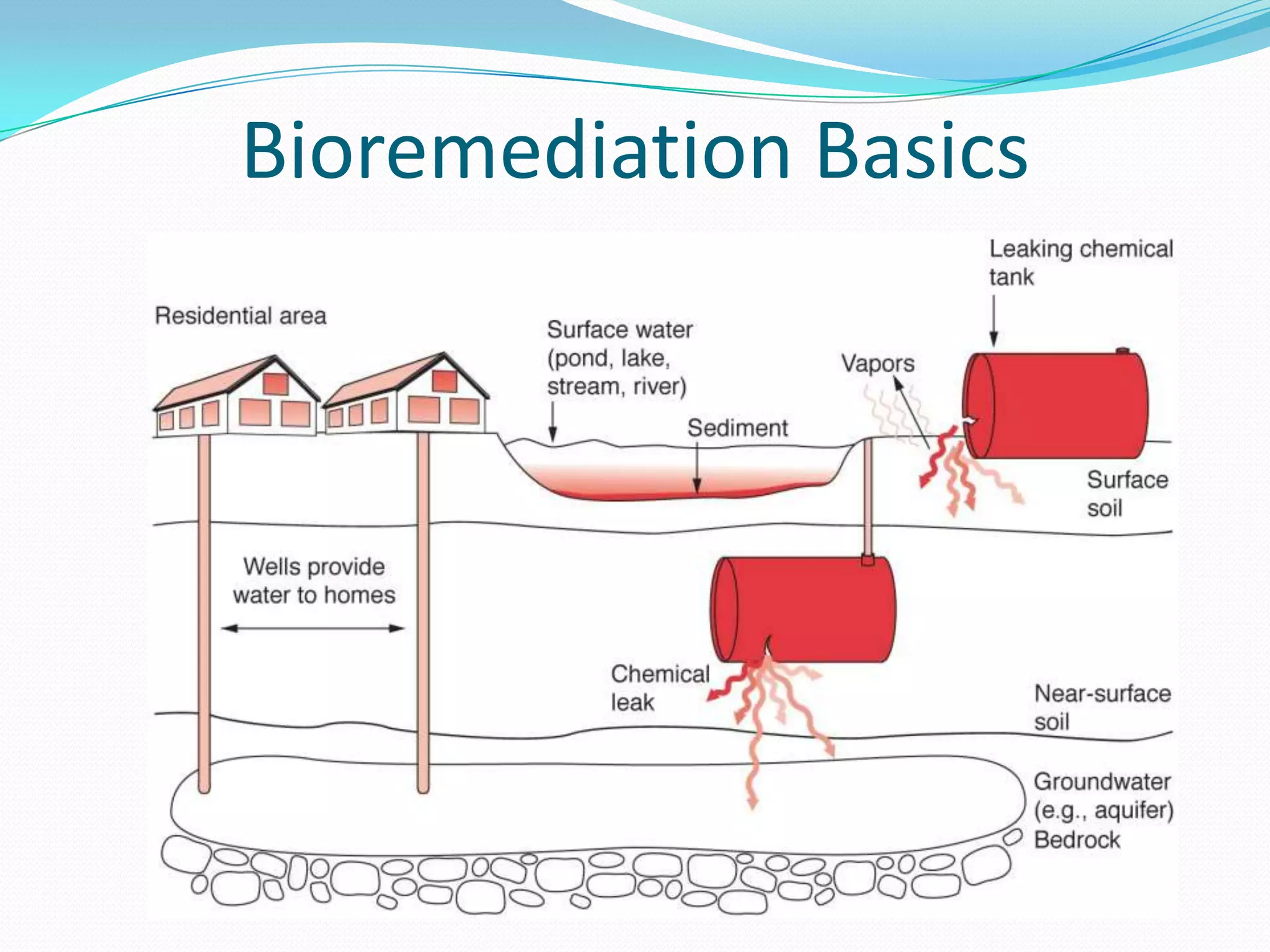
Bioremediation Basics
 What needs to be cleaned up?
 Soil, water, air, and sediment

 Pollutants enter environment in many different ways
 Tanker spill, truck accident, ruptured chemical tank

at industrial site, release of pollutants into air
 Location of accident, the amount of chemicals

released, and the duration of the spill impacts the
parts of the environment affected
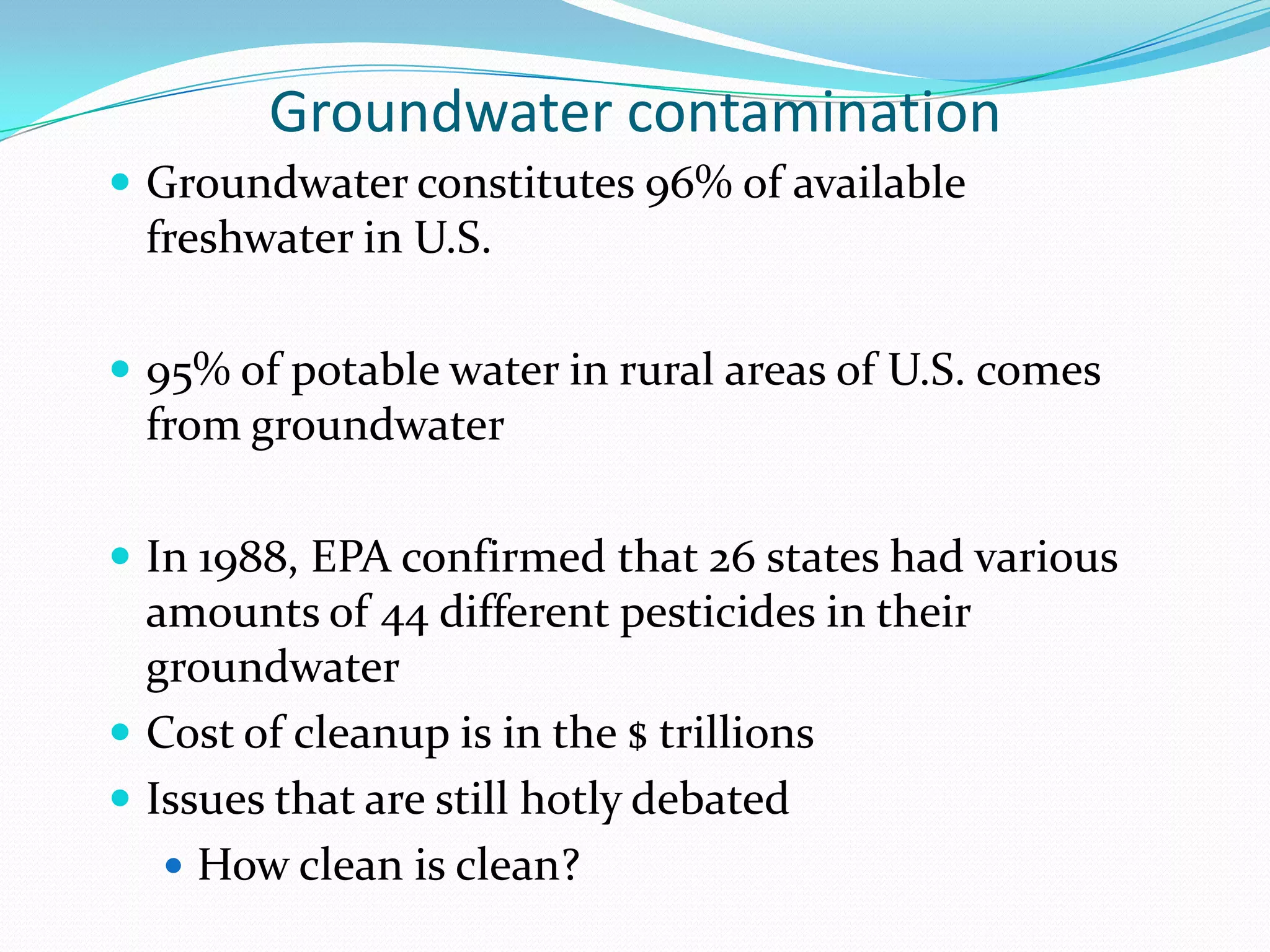
Groundwater contamination
 Groundwater constitutes 96% of available

freshwater in U.S.
 95% of potable water in rural areas of U.S. comes
from groundwater
 In 1988, EPA confirmed that 26 states had various
amounts of 44 different pesticides in their
groundwater
 Cost of cleanup is in the $ trillions
 Issues that are still hotly debated
 How clean is clean?
Bioremediation Basics
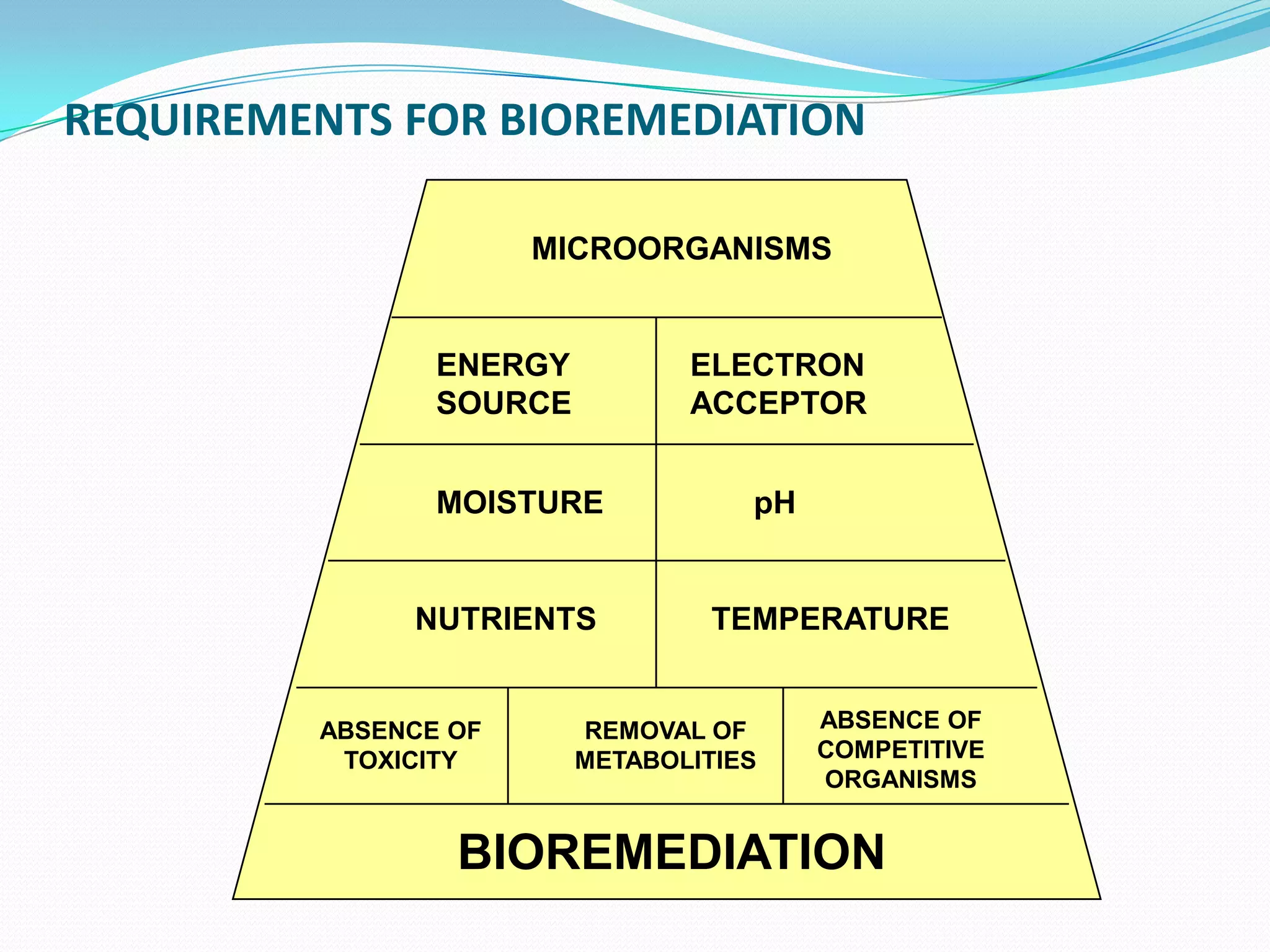
REQUIREMENTS FOR BIOREMEDIATION
MICROORGANISMS

ENERGY
SOURCE

ELECTRON
ACCEPTOR

MOISTURE

NUTRIENTS

ABSENCE OF
TOXICITY

pH

TEMPERATURE

REMOVAL OF
METABOLITIES

ABSENCE OF
COMPETITIVE
ORGANISMS

BIOREMEDIATION
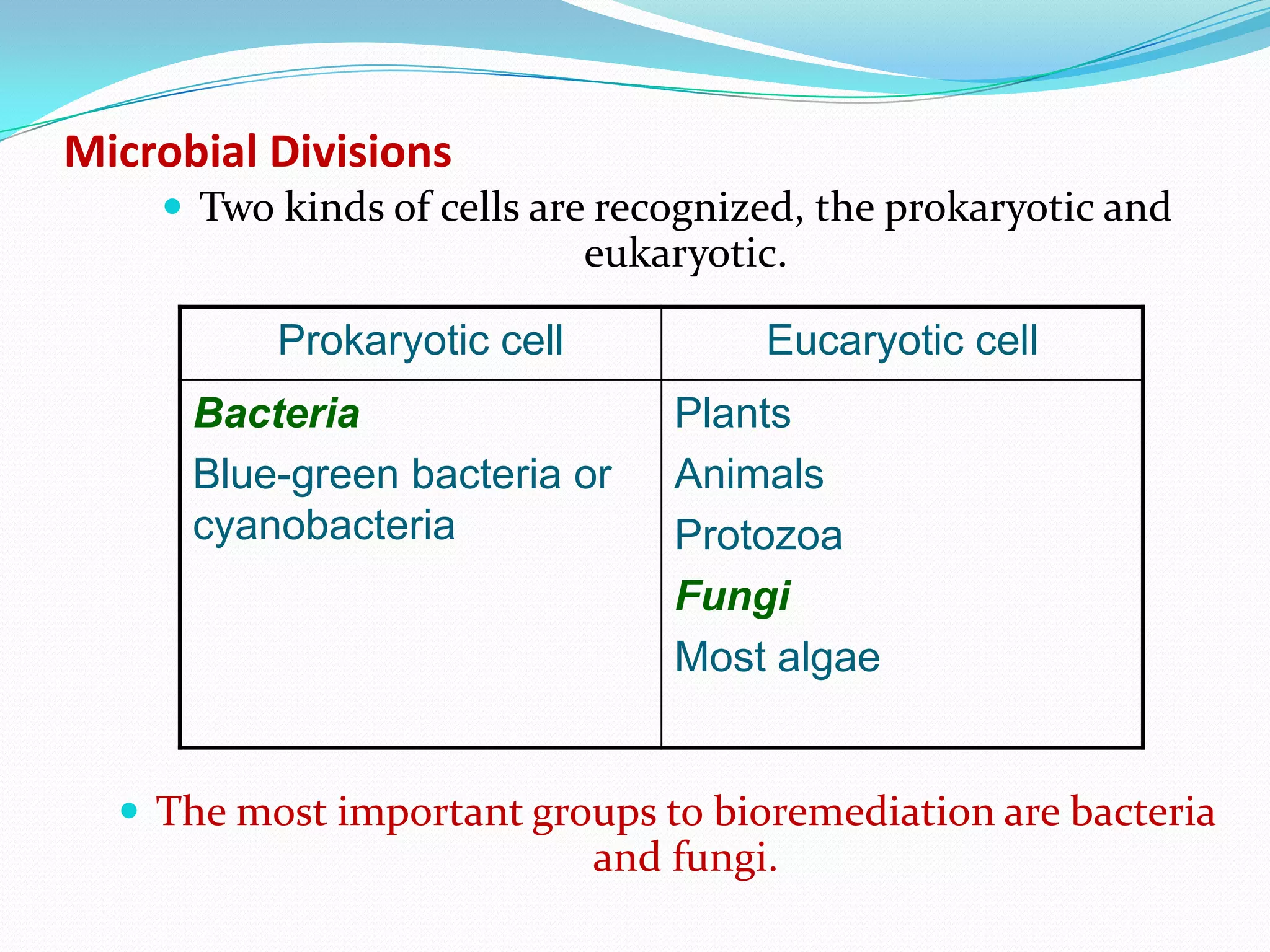
Microbial Divisions
 Two kinds of cells are recognized, the prokaryotic and

eukaryotic.

Prokaryotic cell

Eucaryotic cell

Bacteria
Blue-green bacteria or
cyanobacteria

Plants
Animals
Protozoa
Fungi
Most algae

 The most important groups to bioremediation are bacteria

and fungi.
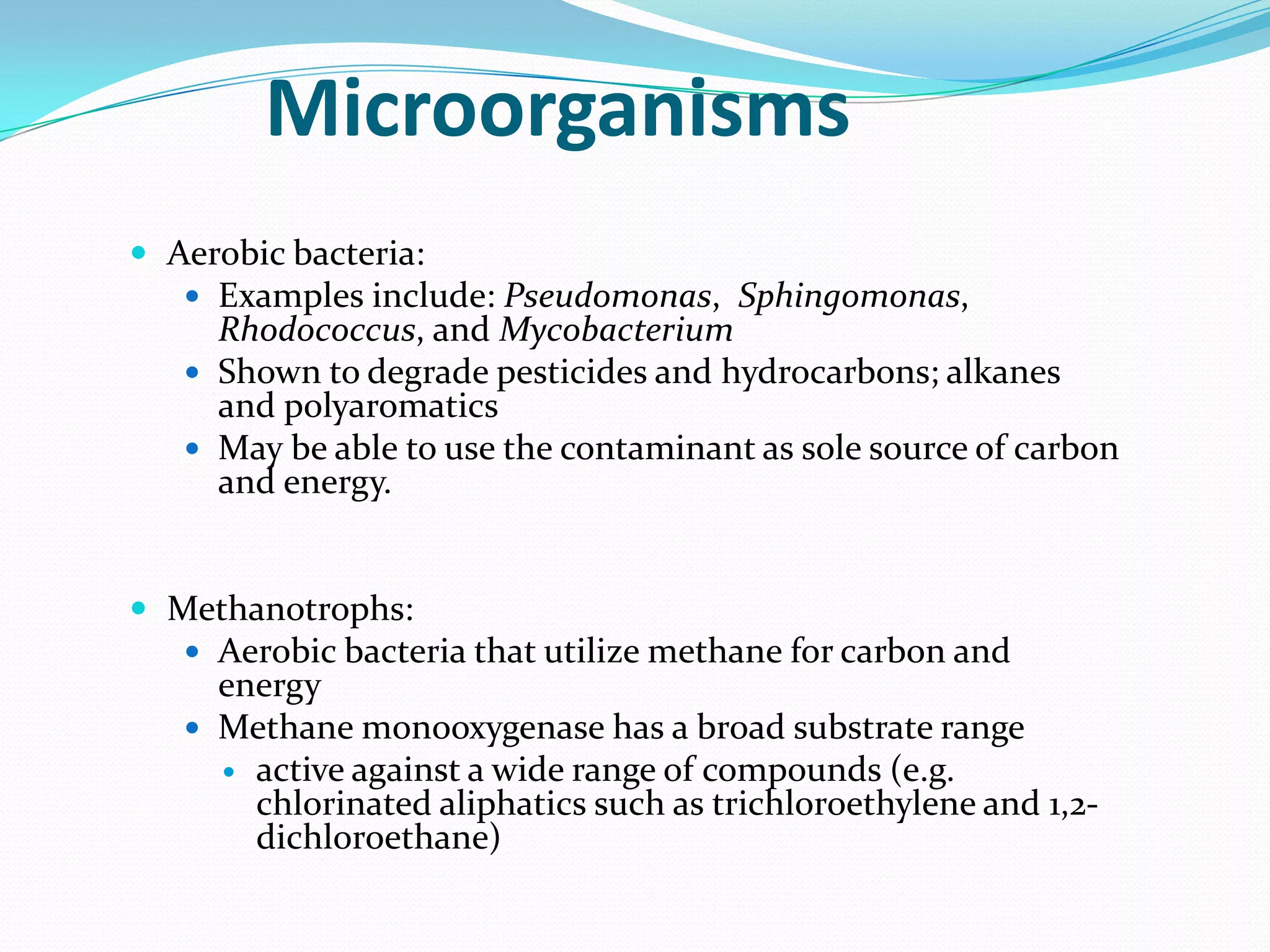
Microorganisms
 Aerobic bacteria:
 Examples include: Pseudomonas, Sphingomonas,

Rhodococcus, and Mycobacterium
 Shown to degrade pesticides and hydrocarbons; alkanes
and polyaromatics
 May be able to use the contaminant as sole source of carbon
and energy.

 Methanotrophs:
 Aerobic bacteria that utilize methane for carbon and

energy
 Methane monooxygenase has a broad substrate range
 active against a wide range of compounds (e.g.
chlorinated aliphatics such as trichloroethylene and 1,2dichloroethane)
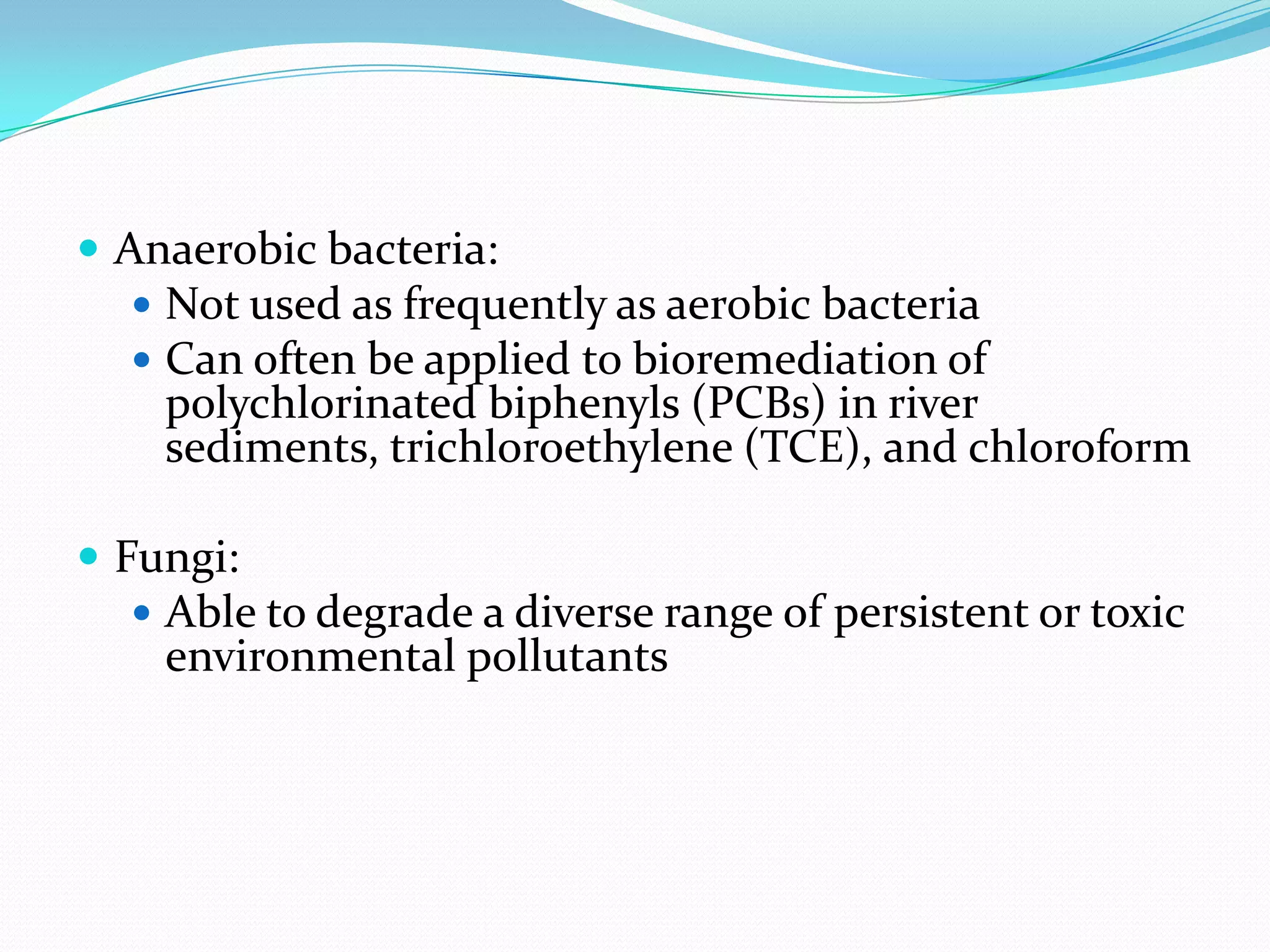
 Anaerobic bacteria:
 Not used as frequently as aerobic bacteria
 Can often be applied to bioremediation of

polychlorinated biphenyls (PCBs) in river
sediments, trichloroethylene (TCE), and chloroform

 Fungi:
 Able to degrade a diverse range of persistent or toxic

environmental pollutants
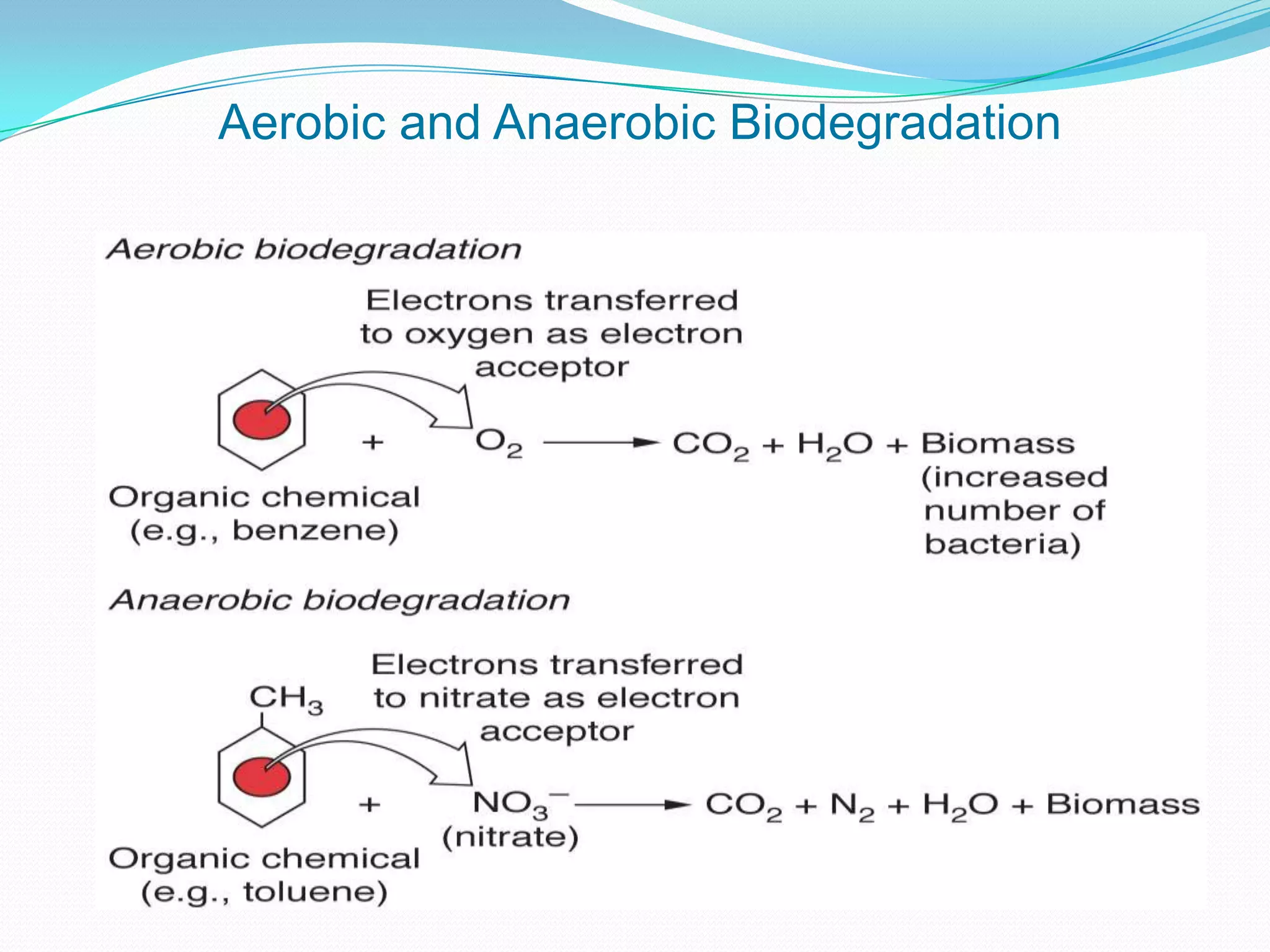
Aerobic and Anaerobic Biodegradation
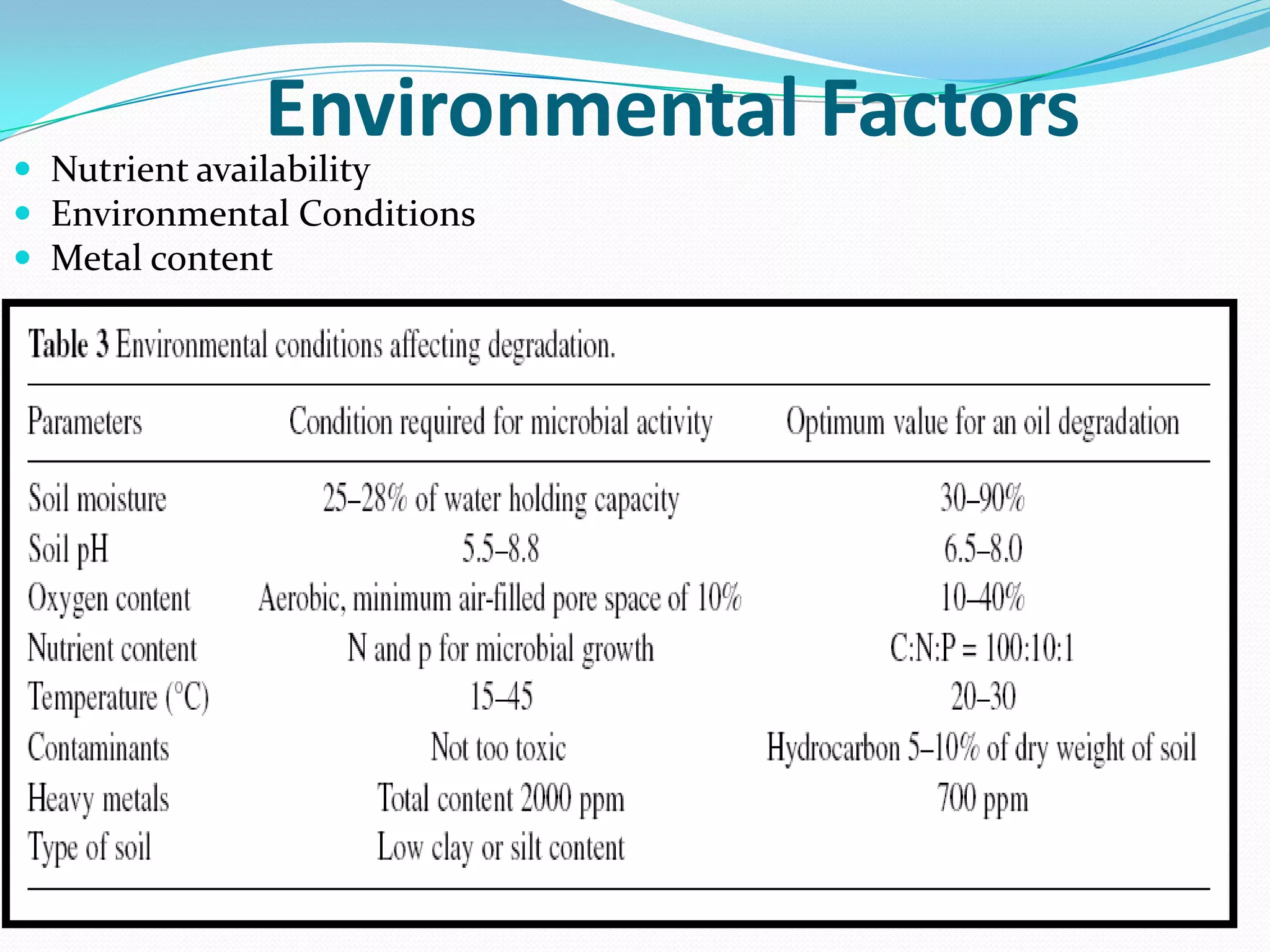
Environmental Factors

 Nutrient availability
 Environmental Conditions
 Metal content
 Microorganisms destroy organic contaminants in

the course of using the chemicals for their own
growth and reproduction.
 Organic chemicals provide:

carbon, source of cell building material, electrons,
source of energy
TYPES OF BIOREMEDIATION
 The two main types of bioremediation are in situ

bioremediation and ex situ bioremediation. In
addition, another offshoot of bioremediation is
phytoremediation.
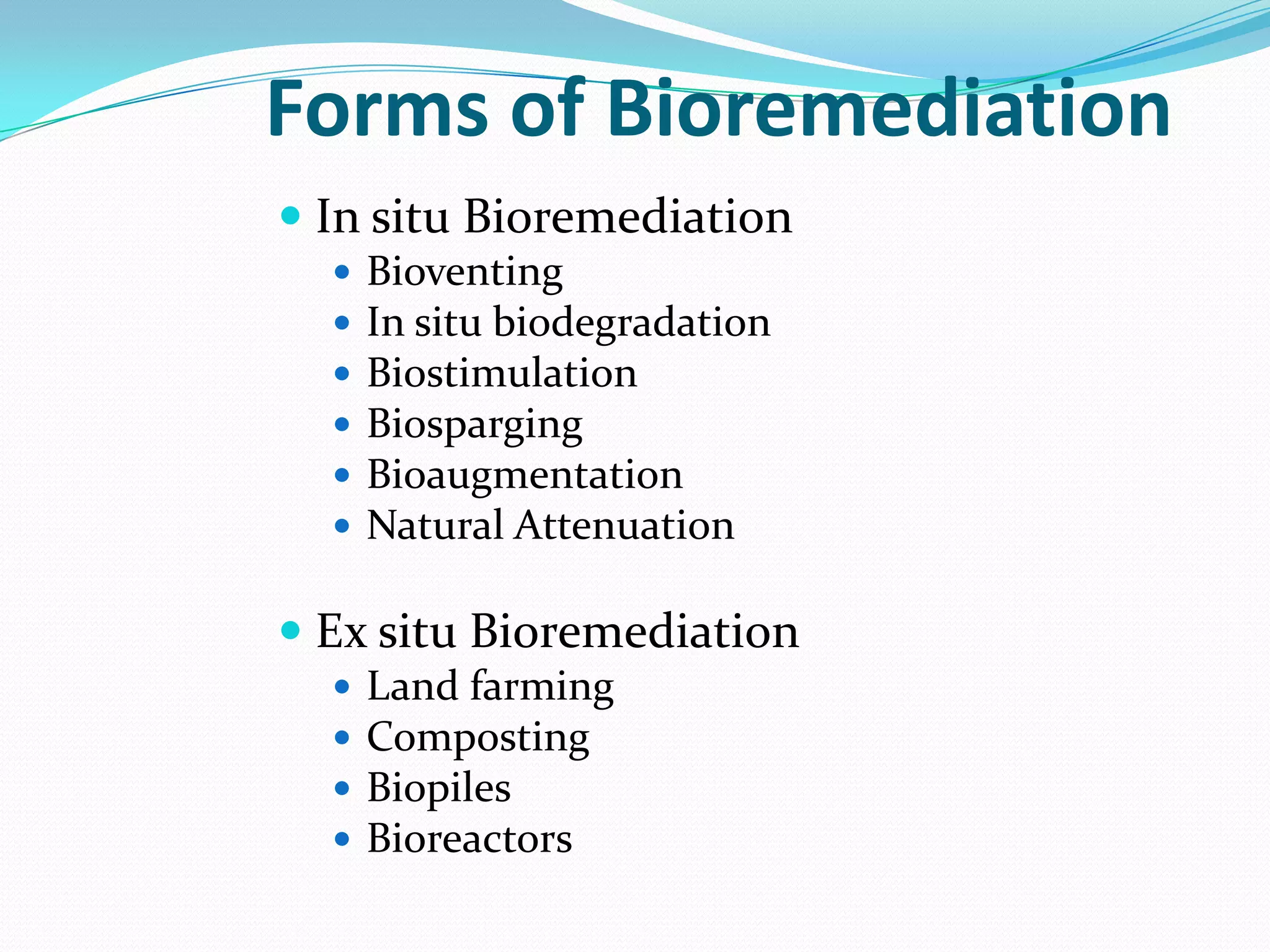
Forms of Bioremediation
 In situ Bioremediation







Bioventing
In situ biodegradation
Biostimulation
Biosparging
Bioaugmentation
Natural Attenuation

 Ex situ Bioremediation





Land farming
Composting
Biopiles
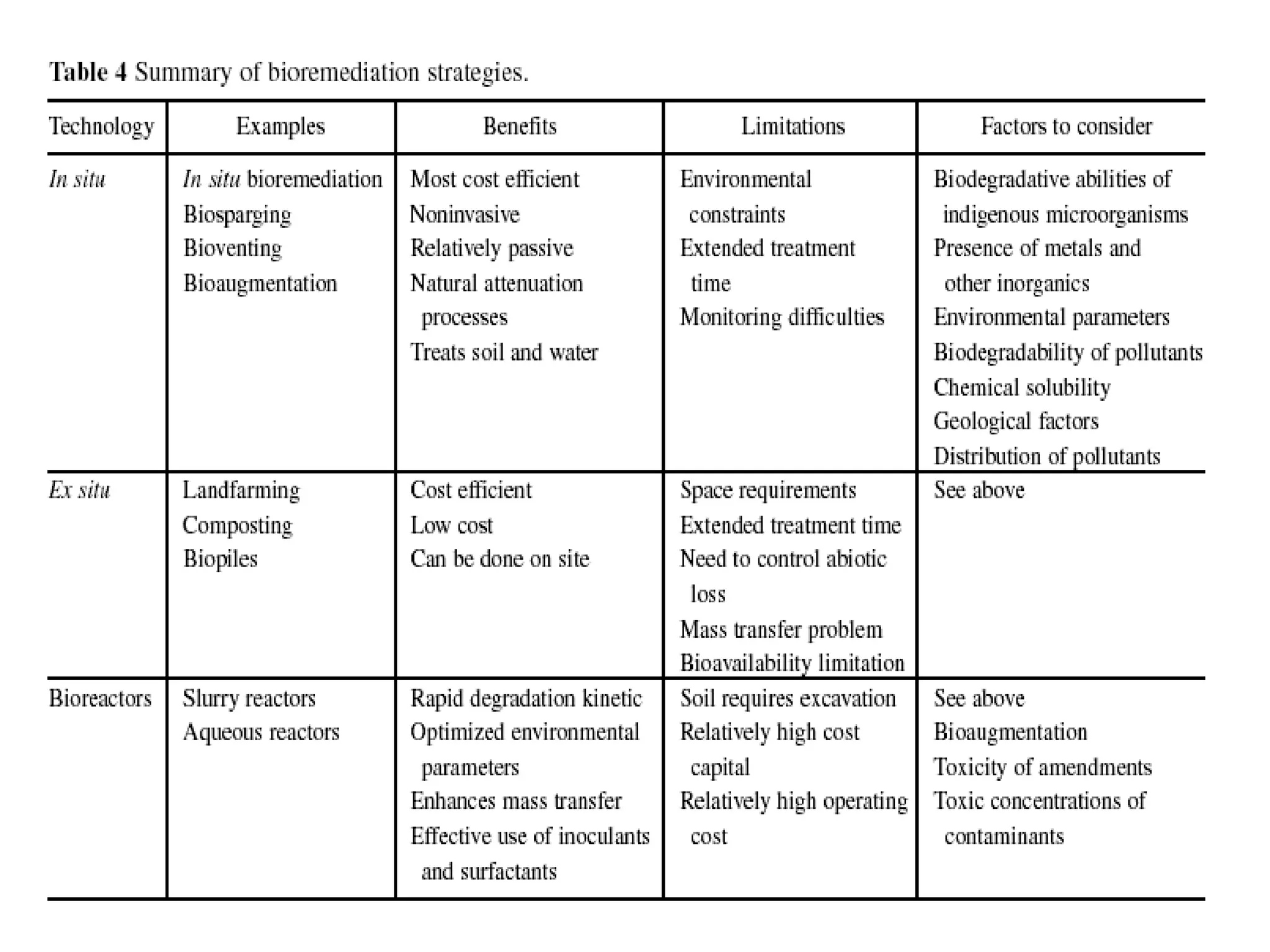
Bioreactors
In Situ Bioremediation
 In situ bioremediation is when the contaminated site is

cleaned up exactly where it occurred.
 It is the most commonly used type of bioremediation

because it is the cheapest and most efficient, so it’s
generally better to use.
 There are two main types of in situ bioremediation:

intrinsic bioremediation and accelerated
bioremediation.
Five Steps of In Situ

Bioremediation
1.

Site investigation

2. Treatability studies

3. Recovery of free product and removal of the
contamination source
4. Design and implementation of the in situ
bioremediation system
5. Monitoring and performance evaluation of the in
situ bioremediation system
Intrinsic Bioremediation
 Intrinsic bioremediation uses microorganisms

already present in the environment to biodegrade
harmful contaminant.

 There is no human intervention involved in this type

of bioremediation, and since it is the cheapest means
of bioremediation available, it is the most commonly
used.

 When intrinsic bioremediation isn’t feasible, scientists

turn next to accelerated bioremediation.
Accelerated Bioremediation
 In accelerated bioremediation, either substrate or
nutrients are added to the environment to help break
down the toxic spill by making the microorganisms
grow more rapidly.
 Usually the microorganisms are indigenous, but
occasionally microorganisms that are very efficient at
degrading a certain contaminant are additionally
added.
 Main advantage is that site disturbance is
minimized, which is particularly important when
the contaminated plume has moved under

permanent structures.
 Biggest limitation of in situ treatment has been the
inability to deal effectively with metal

contaminants mixed with organic compounds.
 The goal of in situ treatment is to manage and

manipulate the subsurface environment
optimize microbial degradation.

to
In Situ Bioremediation
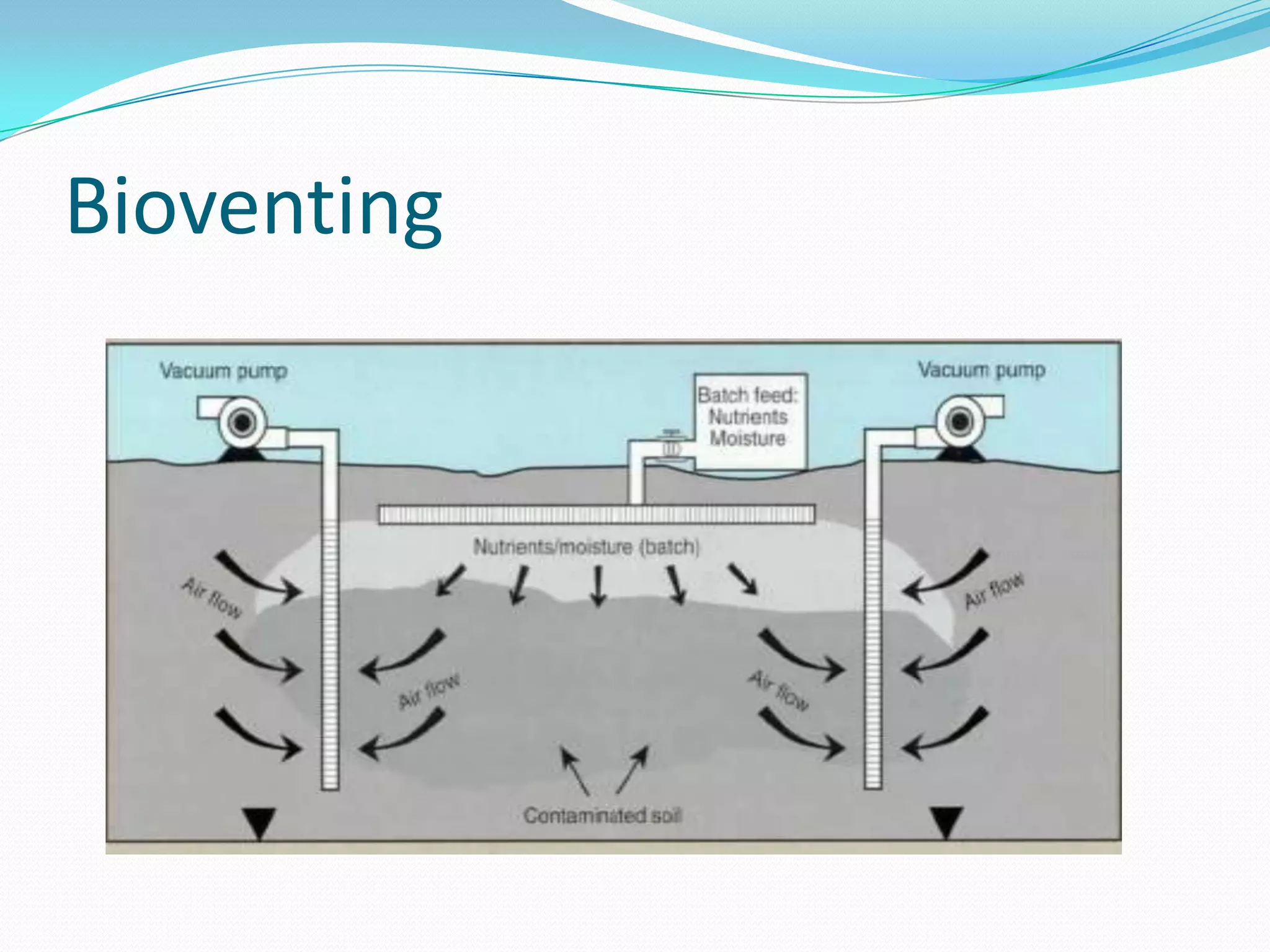
 Land treatments:

Bioventing is the most common in situ treatment
and involves supplying air and nutrients
through wells to contaminated soil to stimulate
the indigenous bacteria.
Bioventing
In situ biodegradation involves supplying oxygen
and nutrients by circulating aqueous solutions
through contaminated soils to stimulate naturally
occurring bacteria to degrade organic contaminants.
 Stimulating Bioremediation
 Nutrient enrichment (fertilization) – fertilizers are

added to a contaminated environment to stimulate
the growth of indigenous microorganisms that can
degrade pollutants
 Bioaugmentation (seeding) –bacteria are added to

the contaminated environment to support
indigenous microbes with biodegradative processes
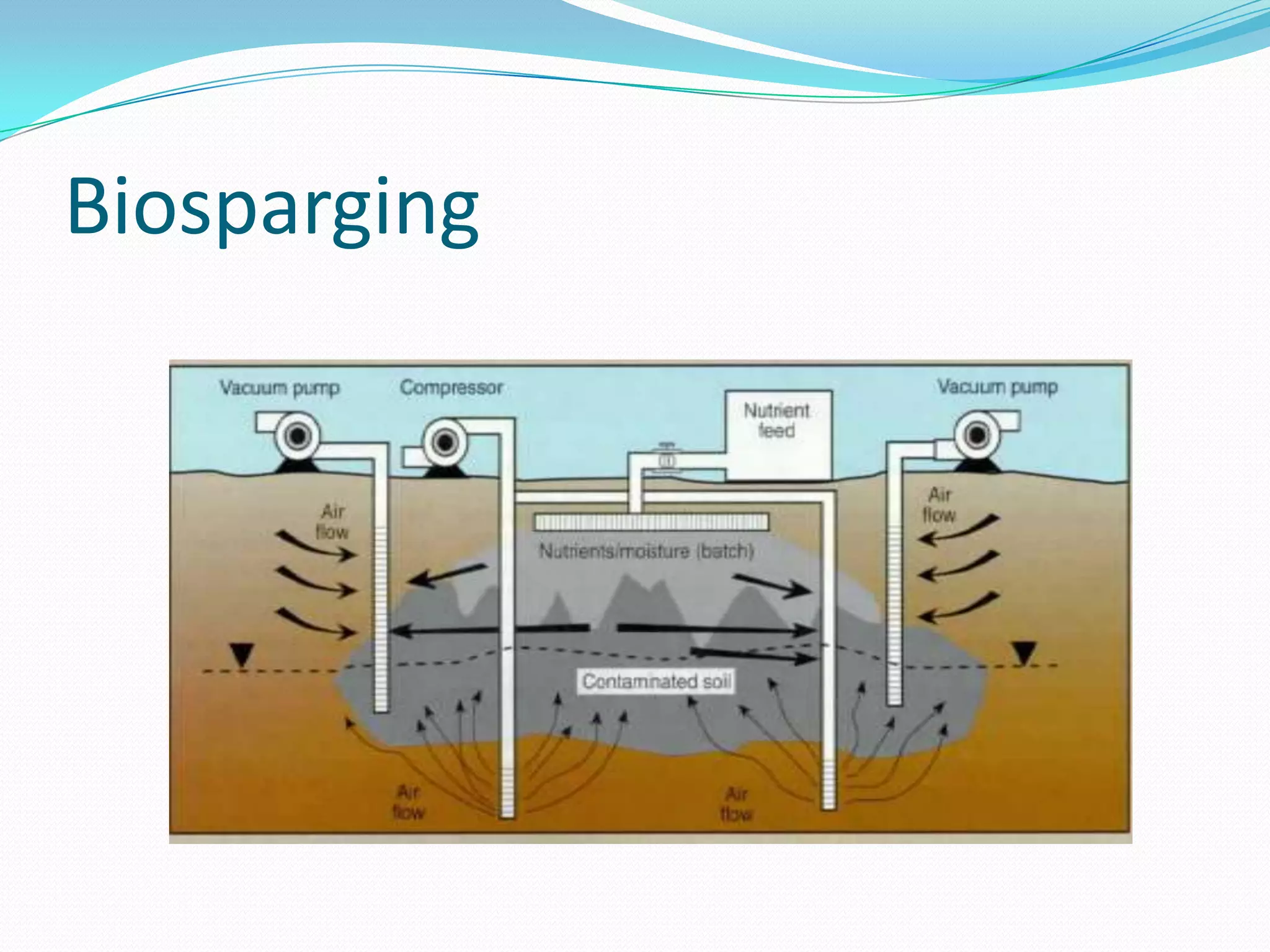
Biosparging involves the injection of air under pressure
below the water table to increase groundwater oxygen
concentrations and enhance the rate of biological
degradation of contaminants by naturally occurring
bacteria.
Biosparging increases the mixing in the saturated zone
and thereby increases the contact between soil and
groundwater.
Biosparging
Ex Situ Bioremediation
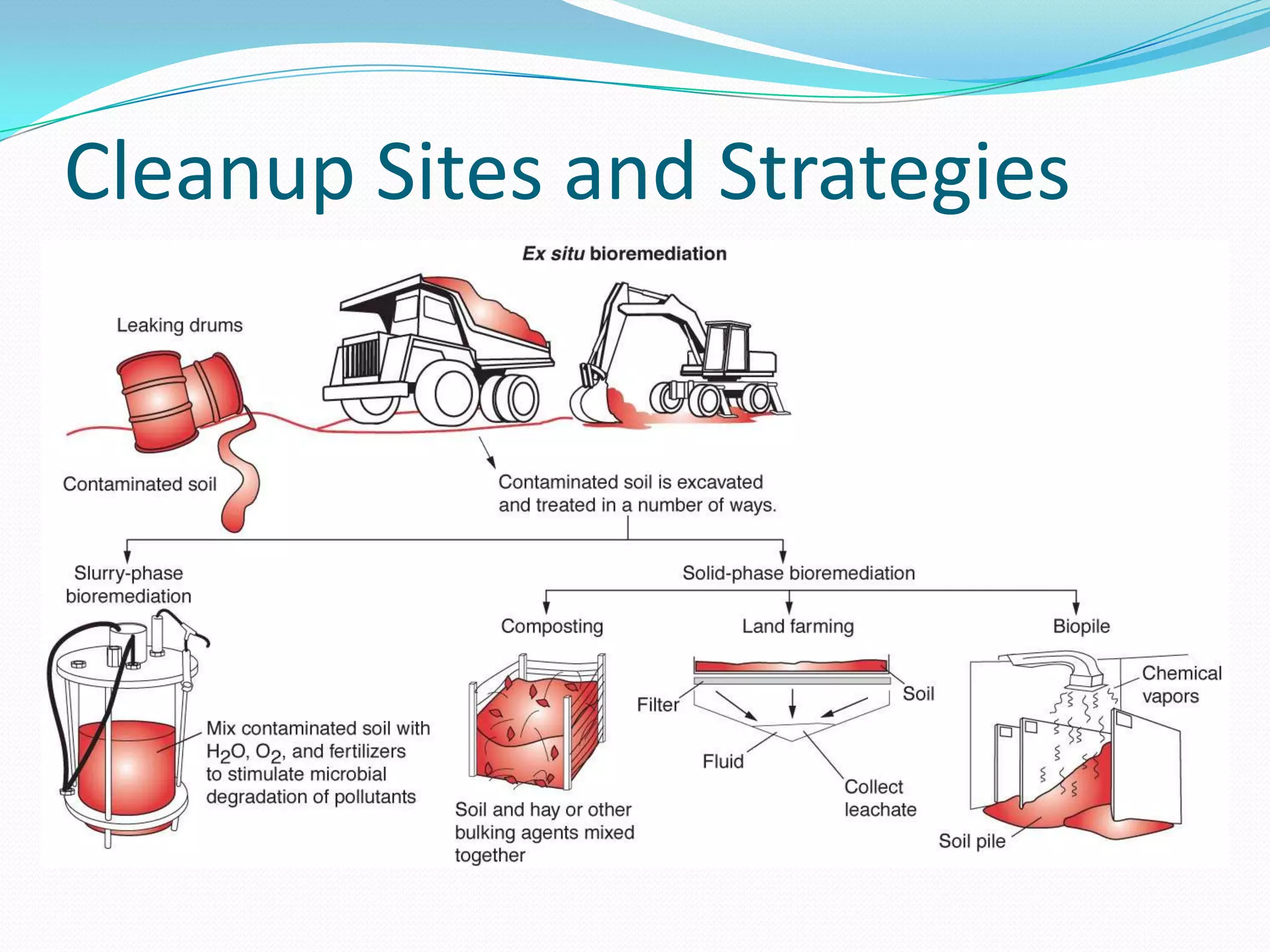
 which is when contaminated land are taken out of
the area to be cleaned up by the organisms.
 This type of bioremediation is generally used only
when the site is threatened for some reason, usually

by the spill that needs to be cleaned up.

 Ex situ bioremediation is only used when necessary
because it’s expensive and damaging to the

area, since the contaminated land is physically
removed.
Cleanup Sites and Strategies
Ex Situ Bioremediation
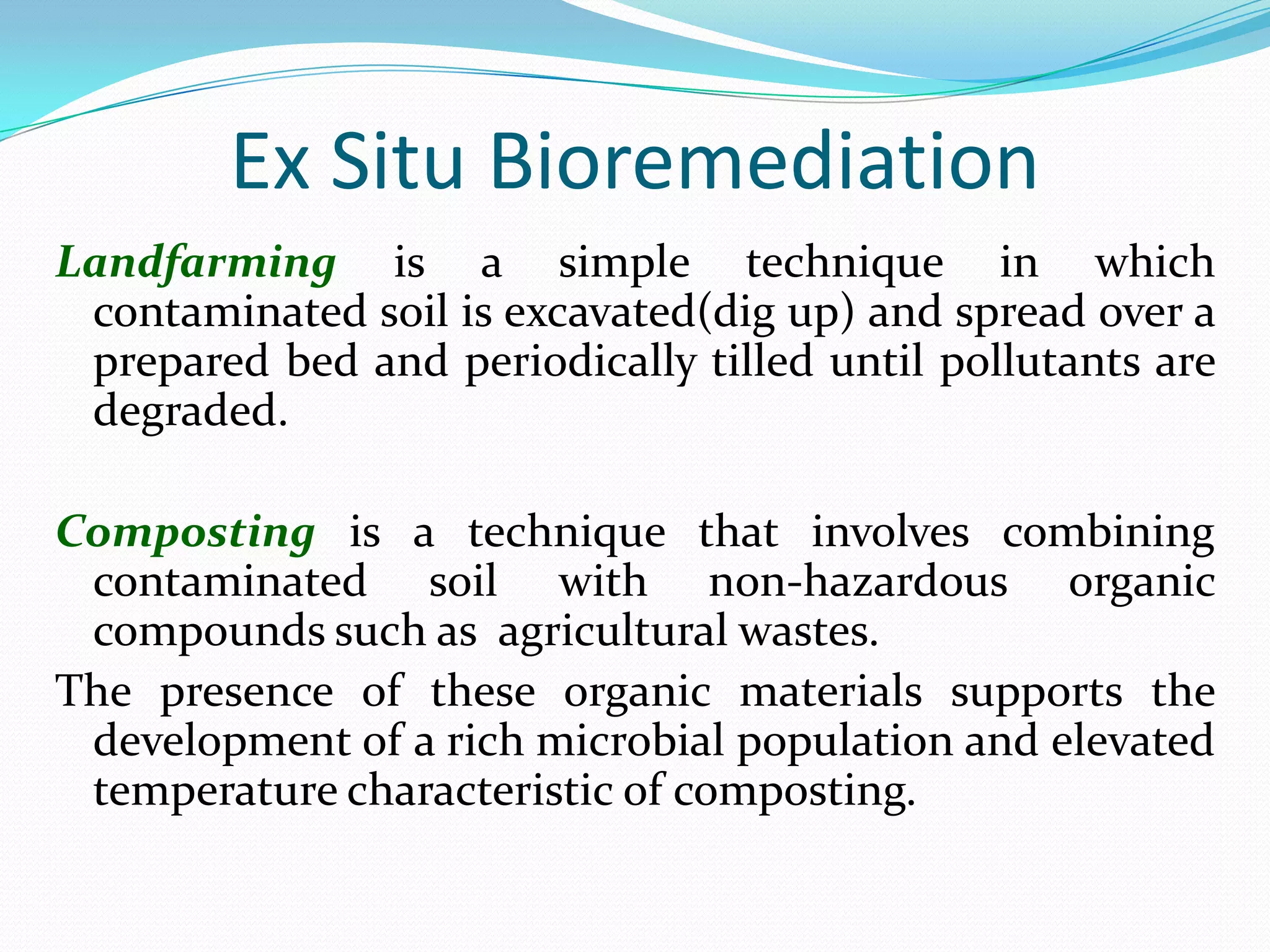
Landfarming is a simple technique in which
contaminated soil is excavated(dig up) and spread over a
prepared bed and periodically tilled until pollutants are
degraded.

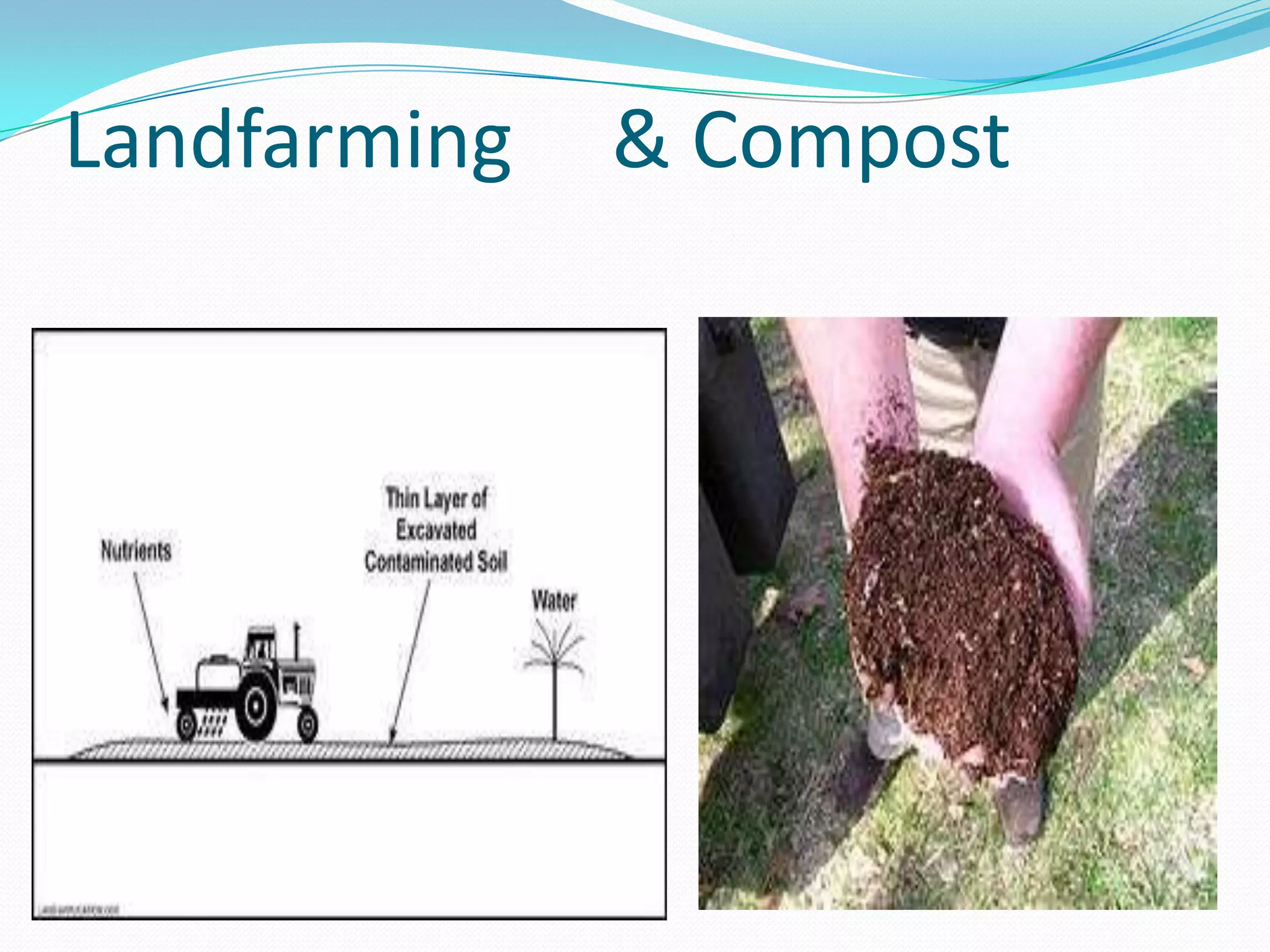
Composting is a technique that involves combining
contaminated soil with non-hazardous organic
compounds such as agricultural wastes.
The presence of these organic materials supports the
development of a rich microbial population and elevated
temperature characteristic of composting.
Landfarming

& Compost
 Bioreactors-Slurry reactors or aqueous reactors are

used for ex situ treatment of contaminated soil and
water pumped up from a contaminated plume.
 Bioremediation in reactors involves the processing of

contaminated solid material (soil, sediment, sludge)
or water through an engineered containment system.
Advantages and Disadvantages
Advantages of bioremediation
 Bioremediation is a natural process and is therefore perceived

by the public
 Bioremediation is useful for the complete destruction of a

wide variety of contaminants.
 Instead

of
transferring
contaminants
from
one
environmental medium to another, for example, from land to
water or air, the complete destruction of target pollutants is
possible.
Adv
 Bioremediation can often be carried out on site,
often without causing a major disruption of
normal activities.

 Bioremediation can prove less expensive than
other technologies that are used for cleanup of
hazardous waste
Advantages and Disadvantages
Disadvantages of bioremediation

 Bioremediation is limited to those compounds that

are biodegradable. Not all compounds are susceptible
to rapid and complete degradation.
 There are some concerns that the products of
biodegradation may be more persistent or toxic than
the parent compound.
 Biological processes are often highly specific.
microbial populations, suitable environmental
growth conditions, and appropriate levels of
nutrients and contaminants.

 Bioremediation often takes longer than other

treatment options.
Cleanup Sites and Strategies
 Turning Wastes into Energy
 Methane gas used to produce electricity
 Soil nutrients can be sold commercially as fertilizers
 Anaerobes in sediment that use organic molecules

to generate energy


Electicigens – electricity-generating microbes.. ?
Applying Genetically Engineered Strains to Clean
Up the Environment
 Petroleum-Eating Bacteria
 Created in 1970s
 Isolated strains of pseudomonas from contaminated

soils
 Contained plasmids that encoded genes for

breaking down the pollutants
Applying Genetically Engineered Strains to Clean
Up the Environment
 E. coli to clean up heavy metals
 Copper, lead, cadmium, chromium, and mercury

 Biosensors – bacteria capable of detecting a variety of

environmental pollutants
 Genetically Modified Plants and Phytoremediation
 Plants that can remove TNT
Future Strategies and Challenges for
Bioremediation
 Recovering Valuable Metals
 Bioremediation of Radioactive Wastes
Thanks for your attention!

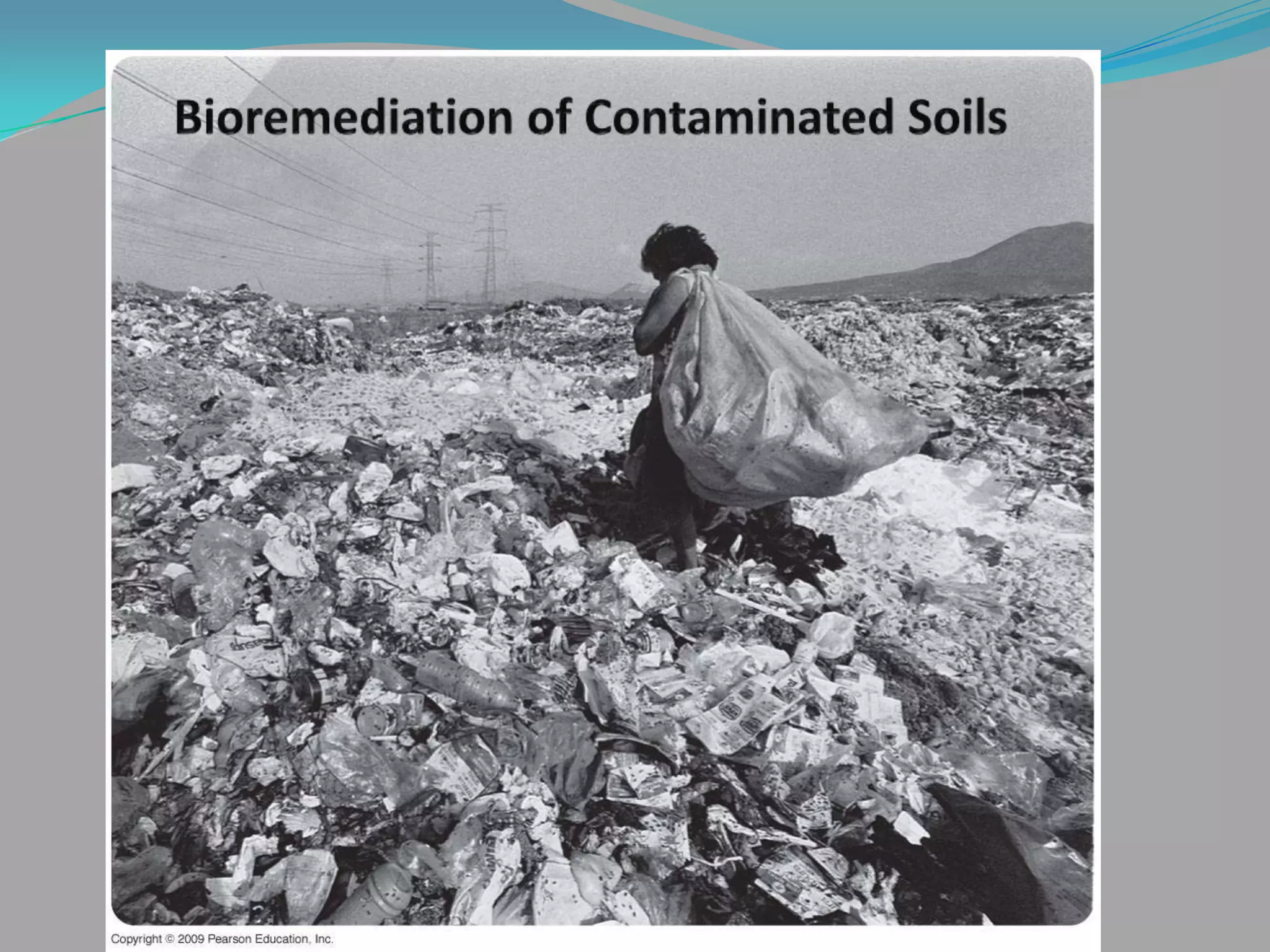
Bioremediation of contaminated soils

  • 3.
    Submitted To Dr. SherMuhammad Shahzad Submitted By Waqas Azeem Reg No PAGF12E033 University College of Agriculture University of Sargodha
  • 4.
    THE BASIC PROBLEM: RELEASEOF HAZARDOUS MATERIALS  Enormous quantities of organic & inorganic compounds are released into the environment each year as a result of human activities.  The release may be:  Deliberate and well regulated (industrial emissions)  Accidental and largely unavoidable (chemical/oil spills)  US EPA estimated that in 1980 at least 57 millions metric tons of the total waste can be categorized into three general groups:
  • 5.
     Heavy metal, Pb,Cd, Ni and Be can accumulate in various organs, interfere with normal enzymatic reactions and cause disease including cancer  Chlorinated hydrocarbons, also known as organochlorides including pesticides and other organic compounds such as PCB (polychlorinated biphenyls)  Research proven a positive correlation between cancer in lab animals and organochlorides.  Nuclear waste including radioactive material such as plutonium which are dangerous for thousands of years
  • 6.
    What Is Bioremediation? Biodegradation - the use of living organisms such as bacteria, fungi, and plants to degrade chemical compounds  Bioremediation – process of cleaning up environmental sites contaminated with chemical pollutants by using living organisms to degrade hazardous materials into less toxic substances
  • 7.
    What are environmentalcontaminants?  pollutants  naturally-occurring compounds in the environment that are present in unnaturally high concentrations.  Xenobiotics  chemically synthesized compounds that have never occurred in nature.  Examples:   Examples:     crude oil refined oil phosphates heavy metals   pesticides herbicides plastics
  • 8.
    Contaminants Potentially Amenableto Bioremediation ____________________________________________ Readily degradable ____________ _ Somewhat Difficult to Generally degradable degrade recalcitrant _____________ _____________ _____________ fuel oils, gasoline creosote, coal tars chlorinated solvents (TCE) dioxins ketones and alcohols pentachlorophenol (PCP) some pesticides and herbicides polychlorinated biphenyls (PCB) monocyclic aromatics bicyclic aromatics (naphthalene)
  • 9.
    Current Situation inPak Pak is an agricultural country. But still most of its agricultural fields are already deficient in fertilizer and pesticides application. So, soil toxicity due to fertilizer or pesticides application are very rare. But water contamination cases can be seen.
  • 10.
     Karachi, ahub of industrial activity, houses seven major industrial estates in Korangi, Landhi, SITE, Federal B Area, North Karachi, Superhighway and Port Qasim.  At present, Karachi coastal region has become a dumping ground of hazardous waste, receiving huge quantities of untreated domestic & industrial wastewater through Lyari & Malir Rivers.  Since most industries have no treatment facility or have grossly inadequate arrangements. .
  • 11.
     Accelerated rateof fresh water contamination in the city is exposing the problem of water scarcity.  Continued practice will ultimately threatens fresh water availability and food security for future as well as health hazards and economic losses.
  • 12.
    Current Concern  Contaminatedwater is responsible for over 12 million deaths per year world over.  More than 40% hospital beds in Pakistan are occupied by patients with water related diseases.  According to Economic Survey of Pakistan 2008-09, economic losses due to water pollution in the country are estimated at Rs.109.5 billion per year.  While National Drinking Water Policy Document 2009 mentions the same at about Rs.112 billion per year, over Rs.300 million a day, in terms of health costs and lost earnings.
  • 13.
    Water Pollution inKarachi  Karachi, population over 18 million discharged around 446 MGD of wastewater.  About 70% untreated wastewater discharged into the Arabian sea.  All most all chemical waste are dumped untreated into storm-drains, open nallahs or in the lyari and malir rivers which ultimately fall into the Arabian Sea.  The coastal zone, extended up to 135 Km, is exposed to heavy pollution load of both domestic and industrial origin.
  • 14.
    With new regulationsand a greater environmental concern, industrial effluent treatment need especial attention.
  • 15.
    Why use Bioremediation? Most approaches convert harmful pollutants into relatively harmless materials such as carbon dioxide, chloride, water, and simple organic molecules  Processes are generally cleaner
  • 16.
     Biotechnological approachesare essential for  Detecting pollutants  Restoring ecosystems  Learning about conditions that can result in human diseases  Converting waste products into valuable energy
  • 17.
    BIOREMEDIATION  It requiresthe control and manipulation of microbial processes in surface reactors or in the subsurface.  The contaminants can be biodegraded in situ or removed and placed in bioreactor (at or off the contamination sites).  Idea:  To isolate microbes that can degrade or eat a particular contaminant  To provide the conditions whereby it can do this most effectively, thereby eliminating the contaminant
  • 18.
    Bioremediation Basics  Whatneeds to be cleaned up?  Soil, water, air, and sediment  Pollutants enter environment in many different ways  Tanker spill, truck accident, ruptured chemical tank at industrial site, release of pollutants into air  Location of accident, the amount of chemicals released, and the duration of the spill impacts the parts of the environment affected
  • 19.
    Groundwater contamination  Groundwaterconstitutes 96% of available freshwater in U.S.  95% of potable water in rural areas of U.S. comes from groundwater  In 1988, EPA confirmed that 26 states had various amounts of 44 different pesticides in their groundwater  Cost of cleanup is in the $ trillions  Issues that are still hotly debated  How clean is clean?
  • 20.
  • 21.
    REQUIREMENTS FOR BIOREMEDIATION MICROORGANISMS ENERGY SOURCE ELECTRON ACCEPTOR MOISTURE NUTRIENTS ABSENCEOF TOXICITY pH TEMPERATURE REMOVAL OF METABOLITIES ABSENCE OF COMPETITIVE ORGANISMS BIOREMEDIATION
  • 22.
    Microbial Divisions  Twokinds of cells are recognized, the prokaryotic and eukaryotic. Prokaryotic cell Eucaryotic cell Bacteria Blue-green bacteria or cyanobacteria Plants Animals Protozoa Fungi Most algae  The most important groups to bioremediation are bacteria and fungi.
  • 23.
    Microorganisms  Aerobic bacteria: Examples include: Pseudomonas, Sphingomonas, Rhodococcus, and Mycobacterium  Shown to degrade pesticides and hydrocarbons; alkanes and polyaromatics  May be able to use the contaminant as sole source of carbon and energy.  Methanotrophs:  Aerobic bacteria that utilize methane for carbon and energy  Methane monooxygenase has a broad substrate range  active against a wide range of compounds (e.g. chlorinated aliphatics such as trichloroethylene and 1,2dichloroethane)
  • 24.
     Anaerobic bacteria: Not used as frequently as aerobic bacteria  Can often be applied to bioremediation of polychlorinated biphenyls (PCBs) in river sediments, trichloroethylene (TCE), and chloroform  Fungi:  Able to degrade a diverse range of persistent or toxic environmental pollutants
  • 25.
    Aerobic and AnaerobicBiodegradation
  • 26.
    Environmental Factors  Nutrientavailability  Environmental Conditions  Metal content
  • 27.
     Microorganisms destroyorganic contaminants in the course of using the chemicals for their own growth and reproduction.  Organic chemicals provide: carbon, source of cell building material, electrons, source of energy
  • 28.
    TYPES OF BIOREMEDIATION The two main types of bioremediation are in situ bioremediation and ex situ bioremediation. In addition, another offshoot of bioremediation is phytoremediation.
  • 29.
    Forms of Bioremediation In situ Bioremediation       Bioventing In situ biodegradation Biostimulation Biosparging Bioaugmentation Natural Attenuation  Ex situ Bioremediation     Land farming Composting Biopiles Bioreactors
  • 30.
    In Situ Bioremediation In situ bioremediation is when the contaminated site is cleaned up exactly where it occurred.  It is the most commonly used type of bioremediation because it is the cheapest and most efficient, so it’s generally better to use.  There are two main types of in situ bioremediation: intrinsic bioremediation and accelerated bioremediation.
  • 31.
    Five Steps ofIn Situ Bioremediation 1. Site investigation 2. Treatability studies 3. Recovery of free product and removal of the contamination source 4. Design and implementation of the in situ bioremediation system 5. Monitoring and performance evaluation of the in situ bioremediation system
  • 32.
    Intrinsic Bioremediation  Intrinsicbioremediation uses microorganisms already present in the environment to biodegrade harmful contaminant.  There is no human intervention involved in this type of bioremediation, and since it is the cheapest means of bioremediation available, it is the most commonly used.  When intrinsic bioremediation isn’t feasible, scientists turn next to accelerated bioremediation.
  • 33.
    Accelerated Bioremediation  Inaccelerated bioremediation, either substrate or nutrients are added to the environment to help break down the toxic spill by making the microorganisms grow more rapidly.  Usually the microorganisms are indigenous, but occasionally microorganisms that are very efficient at degrading a certain contaminant are additionally added.
  • 34.
     Main advantageis that site disturbance is minimized, which is particularly important when the contaminated plume has moved under permanent structures.  Biggest limitation of in situ treatment has been the inability to deal effectively with metal contaminants mixed with organic compounds.  The goal of in situ treatment is to manage and manipulate the subsurface environment optimize microbial degradation. to
  • 35.
    In Situ Bioremediation Land treatments: Bioventing is the most common in situ treatment and involves supplying air and nutrients through wells to contaminated soil to stimulate the indigenous bacteria.
  • 36.
  • 37.
    In situ biodegradationinvolves supplying oxygen and nutrients by circulating aqueous solutions through contaminated soils to stimulate naturally occurring bacteria to degrade organic contaminants.
  • 38.
     Stimulating Bioremediation Nutrient enrichment (fertilization) – fertilizers are added to a contaminated environment to stimulate the growth of indigenous microorganisms that can degrade pollutants  Bioaugmentation (seeding) –bacteria are added to the contaminated environment to support indigenous microbes with biodegradative processes
  • 39.
    Biosparging involves theinjection of air under pressure below the water table to increase groundwater oxygen concentrations and enhance the rate of biological degradation of contaminants by naturally occurring bacteria. Biosparging increases the mixing in the saturated zone and thereby increases the contact between soil and groundwater.
  • 40.
  • 41.
    Ex Situ Bioremediation which is when contaminated land are taken out of the area to be cleaned up by the organisms.  This type of bioremediation is generally used only when the site is threatened for some reason, usually by the spill that needs to be cleaned up.  Ex situ bioremediation is only used when necessary because it’s expensive and damaging to the area, since the contaminated land is physically removed.
  • 42.
  • 43.
    Ex Situ Bioremediation Landfarmingis a simple technique in which contaminated soil is excavated(dig up) and spread over a prepared bed and periodically tilled until pollutants are degraded. Composting is a technique that involves combining contaminated soil with non-hazardous organic compounds such as agricultural wastes. The presence of these organic materials supports the development of a rich microbial population and elevated temperature characteristic of composting.
  • 44.
  • 45.
     Bioreactors-Slurry reactorsor aqueous reactors are used for ex situ treatment of contaminated soil and water pumped up from a contaminated plume.  Bioremediation in reactors involves the processing of contaminated solid material (soil, sediment, sludge) or water through an engineered containment system.
  • 47.
    Advantages and Disadvantages Advantagesof bioremediation  Bioremediation is a natural process and is therefore perceived by the public  Bioremediation is useful for the complete destruction of a wide variety of contaminants.  Instead of transferring contaminants from one environmental medium to another, for example, from land to water or air, the complete destruction of target pollutants is possible.
  • 48.
    Adv  Bioremediation canoften be carried out on site, often without causing a major disruption of normal activities.  Bioremediation can prove less expensive than other technologies that are used for cleanup of hazardous waste
  • 49.
    Advantages and Disadvantages Disadvantagesof bioremediation  Bioremediation is limited to those compounds that are biodegradable. Not all compounds are susceptible to rapid and complete degradation.  There are some concerns that the products of biodegradation may be more persistent or toxic than the parent compound.
  • 50.
     Biological processesare often highly specific. microbial populations, suitable environmental growth conditions, and appropriate levels of nutrients and contaminants.  Bioremediation often takes longer than other treatment options.
  • 51.
    Cleanup Sites andStrategies  Turning Wastes into Energy  Methane gas used to produce electricity  Soil nutrients can be sold commercially as fertilizers  Anaerobes in sediment that use organic molecules to generate energy  Electicigens – electricity-generating microbes.. ?
  • 52.
    Applying Genetically EngineeredStrains to Clean Up the Environment  Petroleum-Eating Bacteria  Created in 1970s  Isolated strains of pseudomonas from contaminated soils  Contained plasmids that encoded genes for breaking down the pollutants
  • 53.
    Applying Genetically EngineeredStrains to Clean Up the Environment  E. coli to clean up heavy metals  Copper, lead, cadmium, chromium, and mercury  Biosensors – bacteria capable of detecting a variety of environmental pollutants  Genetically Modified Plants and Phytoremediation  Plants that can remove TNT
  • 54.
    Future Strategies andChallenges for Bioremediation  Recovering Valuable Metals  Bioremediation of Radioactive Wastes
  • 55.
    Thanks for yourattention!