 Atmospheric corrosion is surely the most visible of all corrosion
 processes, for example, rusty bridges, flag poles, buildings, and outdoor
 monuments. The large segment of the paint industry committed to the
 manufacture and application of products for the protection of metals,
 as well as the large-scale operations of the galvanizing industry attest
 to the importance of controlling atmospheric corrosion.
 Economic losses caused by atmospheric corrosion are tremendous
 and therefore account for the disappearance of a significant portion
 of metal produced. Consider, for instance, agricultural machinery,
 steel structures, fences, exposed metals on buildings, automobile
 mufflers or bodies, and the myriad of other metal items that are sent
 to the scrap yard when they become unusable as a result of corrosion.
 These constitute direct losses from corrosion.
 Atmospheric corrosion has been reported to account for more
 failures in terms of cost and tonnage than any other type of material
 degradation processes. This particular type of material degradation
 has recently received more attention, particularly by the aircraft
 industry, since the Aloha incident in 1988, when a Boeing 737 lost a
 major portion of the upper fuselage in full flight at 7300 m [1].
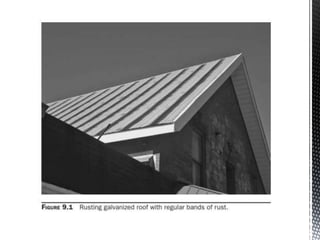
 All of the general types of corrosion attack occur in the atmosphere.
 Since the corroding metal is not bathed in large quantities of electrolyte,
 most atmospheric corrosion operates in highly localized corrosion cells,
 sometimes producing patterns difficult to explain as in the example of
 the rusting galvanized roof shown in Fig. 9.1.
 Thus, calculation of the electrode potentials on the basis of ion
 concentration, the determination of polarization characteristics, and
 other electrochemical operations are not as simple in atmospheric
 corrosion as they are in liquid immersion corrosion. However, all of
 the electrochemical factors which are significant in corrosion processes
 do operate in the atmosphere
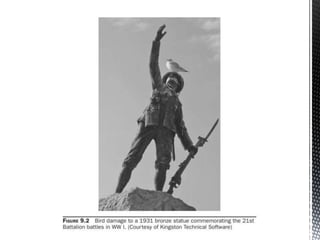
 While atmospheres have been traditionally classified into four basic
 types, most environments are in fact mixed and present no clear
 demarcation. Furthermore, the type of atmosphere may vary with the
 wind pattern, particularly where corrosive pollutants are present, or
 with local conditions (Fig. 9.2) [2].
 1. Industrial
 2. Marine
 3. Rural
 4. Indoor
 Industrial
 An industrial atmosphere is characterized by pollution composed
 mainly of sulfur compounds such as sulfur dioxide (SO2), a precursor to
 acid rain, and nitrogen oxides (NOx), the backbone of smog in modern
 cities. Sulfur dioxide from burning coal or other fossil fuels is picked up
 by moisture on dust particles as sulfurous acid. This is oxidized by some
 catalytic process on the dust particles to sulfuric acid, which settles in
 microscopic droplets and fall as acid rain on exposed surfaces. The
 result is that contaminants in an industrial atmosphere, plus dew or fog,
 produce a highly corrosive, wet, acid film on exposed surfaces
 In addition to the normal industrial atmosphere in or near
 chemical plants, other corrosive pollutants may be present. These are
 usually various forms of chloride which may be much more corrosive
 than the acid sulfates. The reactivity of acid chlorides with most
 metals is more pronounced than the reactivity of other pollutants
 such as phosphates and nitrates.
 Marine
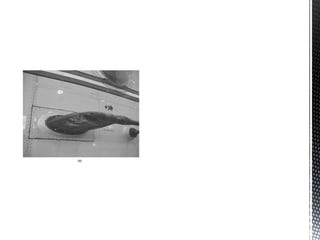
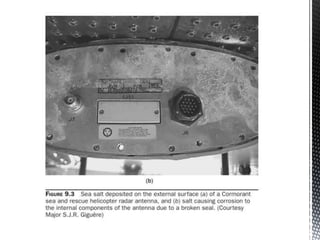
 A marine atmosphere is laden with fine particles of sea mist carried
 by the wind to settle on exposed surfaces as salt crystals. The quantity
 of salt deposited may vary greatly with wind velocity and it may, in
 extreme weather conditions, even form a very corrosive salt crust,
 similar to what is experienced on a regular basis by sea patrolling
 aircraft or helicopters [Figs. 9.3(a) and (b)].
 The quantity of salt contamination decreases with distance from the
 ocean, and is greatly affected by wind currents. The marine atmosphere
 also includes the space above the sea surfaces where splashing and
 heavy sea spray are encountered. The equipment exposed to these splash
 zones are indeed subjected to the worst conditions of intermittent
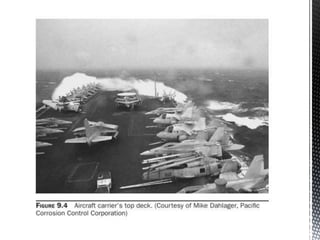
 immersion with wet and dry cycling of the corrosive agent (Fig. 9.4)
 3. Rural
 Rural atmospheres are typically the most benign and do not contain strong
chemical contaminants, that is unless one is close to a farm operation
where byproducts made of various waste materials can be
 extremely corrosive to most metals
 Arid or tropical atmospheres are special variations of the rural
 atmosphere. In arid climates there is little or no rainfall, but there
 may be a high relative humidity and occasional condensation. This
 situation is encountered along the desert coast of northern Africa. In
 the Tropics, in addition to the high average temperature, the daily
 cycle includes a high relative humidity, intense sunlight, and long
 periods of condensation during the night. In sheltered areas, the
 wetness from condensation may persist long after sunrise. Such
 conditions may produce a highly corrosive environment.
 Indoor
 Normal indoor atmospheres are generally considered to be quite
 mild when ambient humidity and other corrosive components are
 under control. However, some combinations of conditions may
 actually cause relatively severe corrosion problems. While there is no
 typical contaminant or set of conditions associated with an indoor
 atmosphere, any enclosed space which is not evacuated or filled with
 a liquid can be considered an indoor atmosphere. If not ventilated,
 such an environment may contain fumes, which in the presence of
 condensation or high humidity could prove to be highly corrosive.
 Even in the absence of any other corrosive agent, the constant
 condensation on a cold metallic surface may cause an environment similar
 to constant immersion for which a component may not have been chosen
 or prepared for. Such systems are commonly encountered in confined
 areas close to ground level or, worse, below ground where high humidity
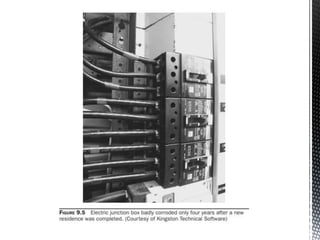
 may prevail. Figure 9.5 shows the advanced corrosion of the frame and
 contacts in an electric junction box only four years after a building was
 completed. While the junction box in this example was only at the ground
 level, the wires coming to the box were buried without additional
 insulation and in constant contact with much cooler ground than ambient
 air in the room. The repeated condensation of ambient humidity on the
 electrical box support and on many of its connections caused enough
 corrosion in such a short period of time to require the complete
replacement
 of the system to avoid unscheduled power interruptions.
Atmospheric Corrosion

Atmospheric Corrosion

  • 2.
     Atmospheric corrosionis surely the most visible of all corrosion  processes, for example, rusty bridges, flag poles, buildings, and outdoor  monuments. The large segment of the paint industry committed to the  manufacture and application of products for the protection of metals,  as well as the large-scale operations of the galvanizing industry attest  to the importance of controlling atmospheric corrosion.  Economic losses caused by atmospheric corrosion are tremendous  and therefore account for the disappearance of a significant portion  of metal produced. Consider, for instance, agricultural machinery,  steel structures, fences, exposed metals on buildings, automobile  mufflers or bodies, and the myriad of other metal items that are sent  to the scrap yard when they become unusable as a result of corrosion.  These constitute direct losses from corrosion.
  • 3.
     Atmospheric corrosionhas been reported to account for more  failures in terms of cost and tonnage than any other type of material  degradation processes. This particular type of material degradation  has recently received more attention, particularly by the aircraft  industry, since the Aloha incident in 1988, when a Boeing 737 lost a  major portion of the upper fuselage in full flight at 7300 m [1].  All of the general types of corrosion attack occur in the atmosphere.  Since the corroding metal is not bathed in large quantities of electrolyte,  most atmospheric corrosion operates in highly localized corrosion cells,  sometimes producing patterns difficult to explain as in the example of  the rusting galvanized roof shown in Fig. 9.1.
  • 4.
     Thus, calculationof the electrode potentials on the basis of ion  concentration, the determination of polarization characteristics, and  other electrochemical operations are not as simple in atmospheric  corrosion as they are in liquid immersion corrosion. However, all of  the electrochemical factors which are significant in corrosion processes  do operate in the atmosphere
  • 6.
     While atmosphereshave been traditionally classified into four basic  types, most environments are in fact mixed and present no clear  demarcation. Furthermore, the type of atmosphere may vary with the  wind pattern, particularly where corrosive pollutants are present, or  with local conditions (Fig. 9.2) [2].  1. Industrial  2. Marine  3. Rural  4. Indoor
  • 8.
     Industrial  Anindustrial atmosphere is characterized by pollution composed  mainly of sulfur compounds such as sulfur dioxide (SO2), a precursor to  acid rain, and nitrogen oxides (NOx), the backbone of smog in modern  cities. Sulfur dioxide from burning coal or other fossil fuels is picked up  by moisture on dust particles as sulfurous acid. This is oxidized by some  catalytic process on the dust particles to sulfuric acid, which settles in  microscopic droplets and fall as acid rain on exposed surfaces. The  result is that contaminants in an industrial atmosphere, plus dew or fog,  produce a highly corrosive, wet, acid film on exposed surfaces
  • 9.
     In additionto the normal industrial atmosphere in or near  chemical plants, other corrosive pollutants may be present. These are  usually various forms of chloride which may be much more corrosive  than the acid sulfates. The reactivity of acid chlorides with most  metals is more pronounced than the reactivity of other pollutants  such as phosphates and nitrates.
  • 10.
     Marine  Amarine atmosphere is laden with fine particles of sea mist carried  by the wind to settle on exposed surfaces as salt crystals. The quantity  of salt deposited may vary greatly with wind velocity and it may, in  extreme weather conditions, even form a very corrosive salt crust,  similar to what is experienced on a regular basis by sea patrolling  aircraft or helicopters [Figs. 9.3(a) and (b)].
  • 13.
     The quantityof salt contamination decreases with distance from the  ocean, and is greatly affected by wind currents. The marine atmosphere  also includes the space above the sea surfaces where splashing and  heavy sea spray are encountered. The equipment exposed to these splash  zones are indeed subjected to the worst conditions of intermittent  immersion with wet and dry cycling of the corrosive agent (Fig. 9.4)
  • 15.
     3. Rural Rural atmospheres are typically the most benign and do not contain strong chemical contaminants, that is unless one is close to a farm operation where byproducts made of various waste materials can be  extremely corrosive to most metals
  • 16.
     Arid ortropical atmospheres are special variations of the rural  atmosphere. In arid climates there is little or no rainfall, but there  may be a high relative humidity and occasional condensation. This  situation is encountered along the desert coast of northern Africa. In  the Tropics, in addition to the high average temperature, the daily  cycle includes a high relative humidity, intense sunlight, and long  periods of condensation during the night. In sheltered areas, the  wetness from condensation may persist long after sunrise. Such  conditions may produce a highly corrosive environment.
  • 17.
     Indoor  Normalindoor atmospheres are generally considered to be quite  mild when ambient humidity and other corrosive components are  under control. However, some combinations of conditions may  actually cause relatively severe corrosion problems. While there is no  typical contaminant or set of conditions associated with an indoor  atmosphere, any enclosed space which is not evacuated or filled with  a liquid can be considered an indoor atmosphere. If not ventilated,  such an environment may contain fumes, which in the presence of  condensation or high humidity could prove to be highly corrosive.
  • 18.
     Even inthe absence of any other corrosive agent, the constant  condensation on a cold metallic surface may cause an environment similar
  • 19.
     to constantimmersion for which a component may not have been chosen  or prepared for. Such systems are commonly encountered in confined  areas close to ground level or, worse, below ground where high humidity  may prevail. Figure 9.5 shows the advanced corrosion of the frame and  contacts in an electric junction box only four years after a building was  completed. While the junction box in this example was only at the ground  level, the wires coming to the box were buried without additional  insulation and in constant contact with much cooler ground than ambient  air in the room. The repeated condensation of ambient humidity on the  electrical box support and on many of its connections caused enough  corrosion in such a short period of time to require the complete replacement  of the system to avoid unscheduled power interruptions.