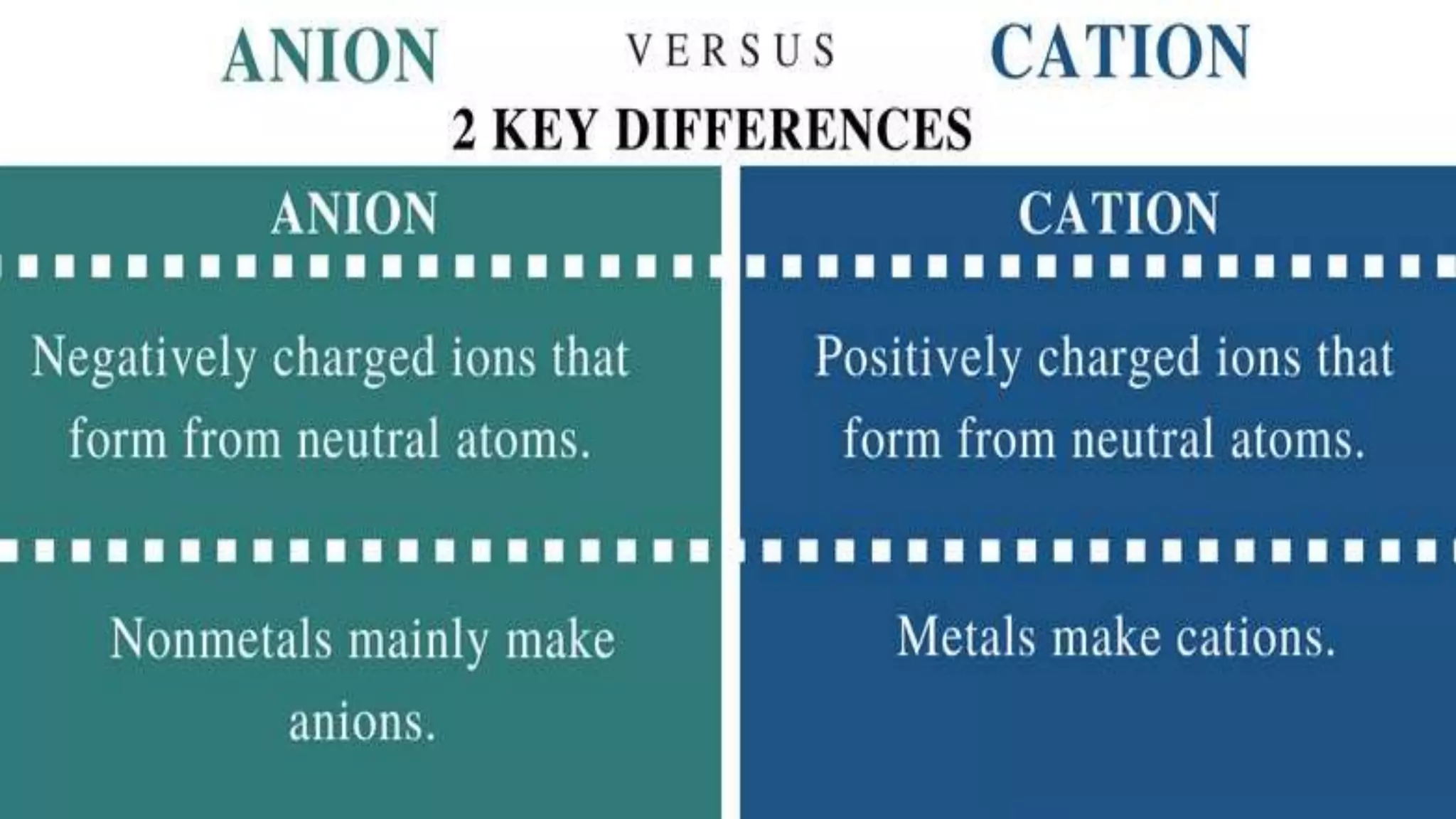
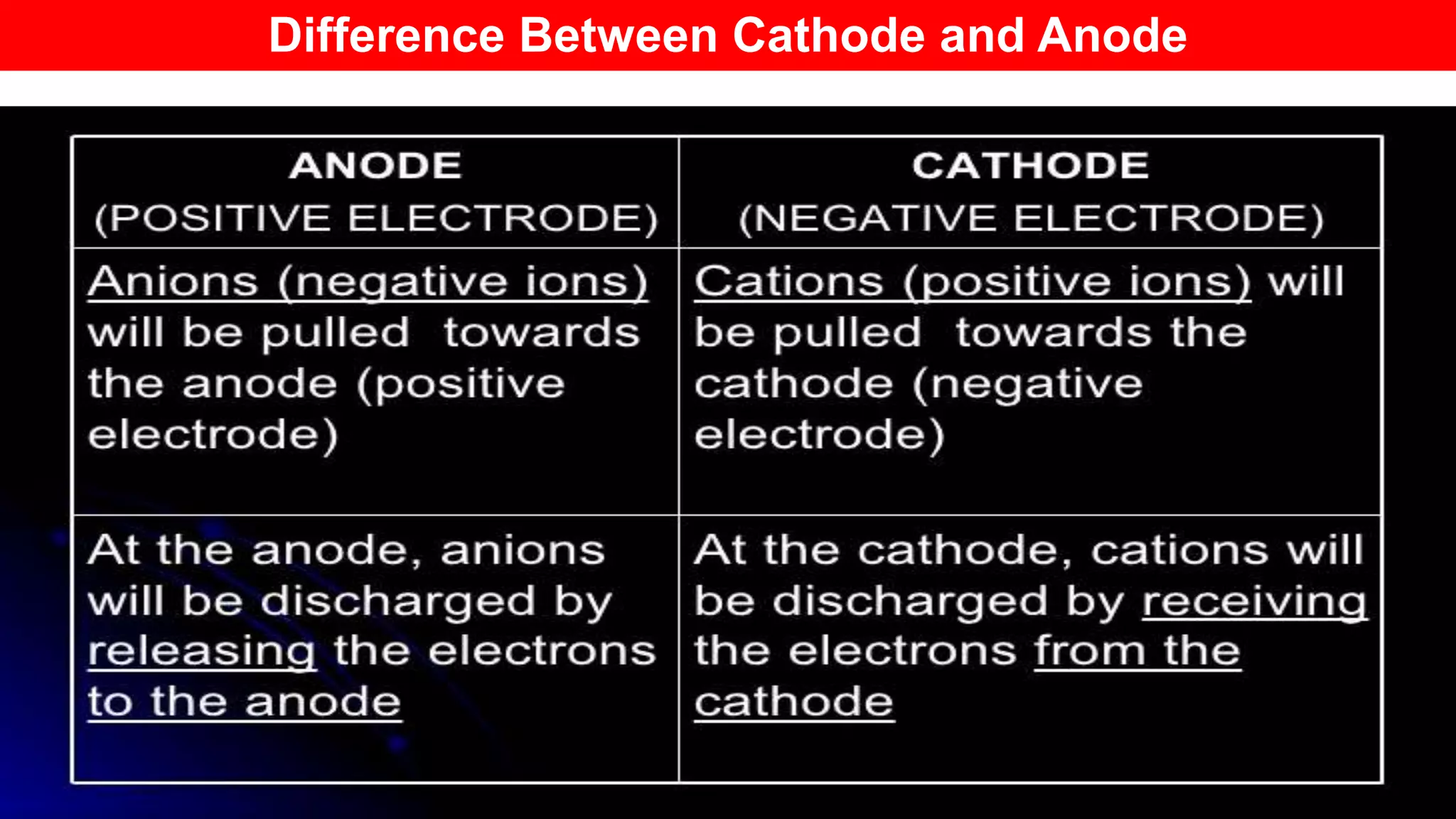
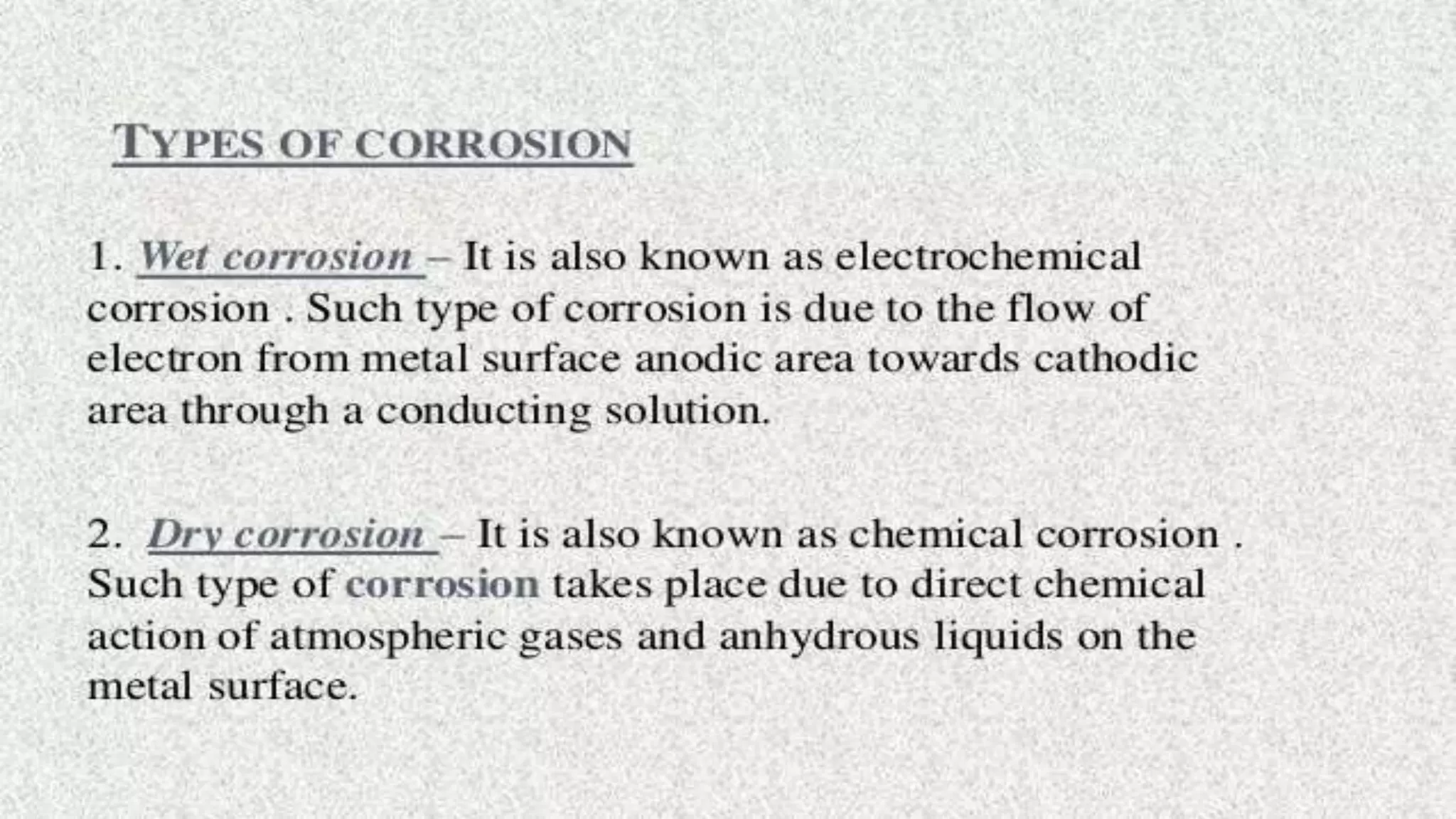
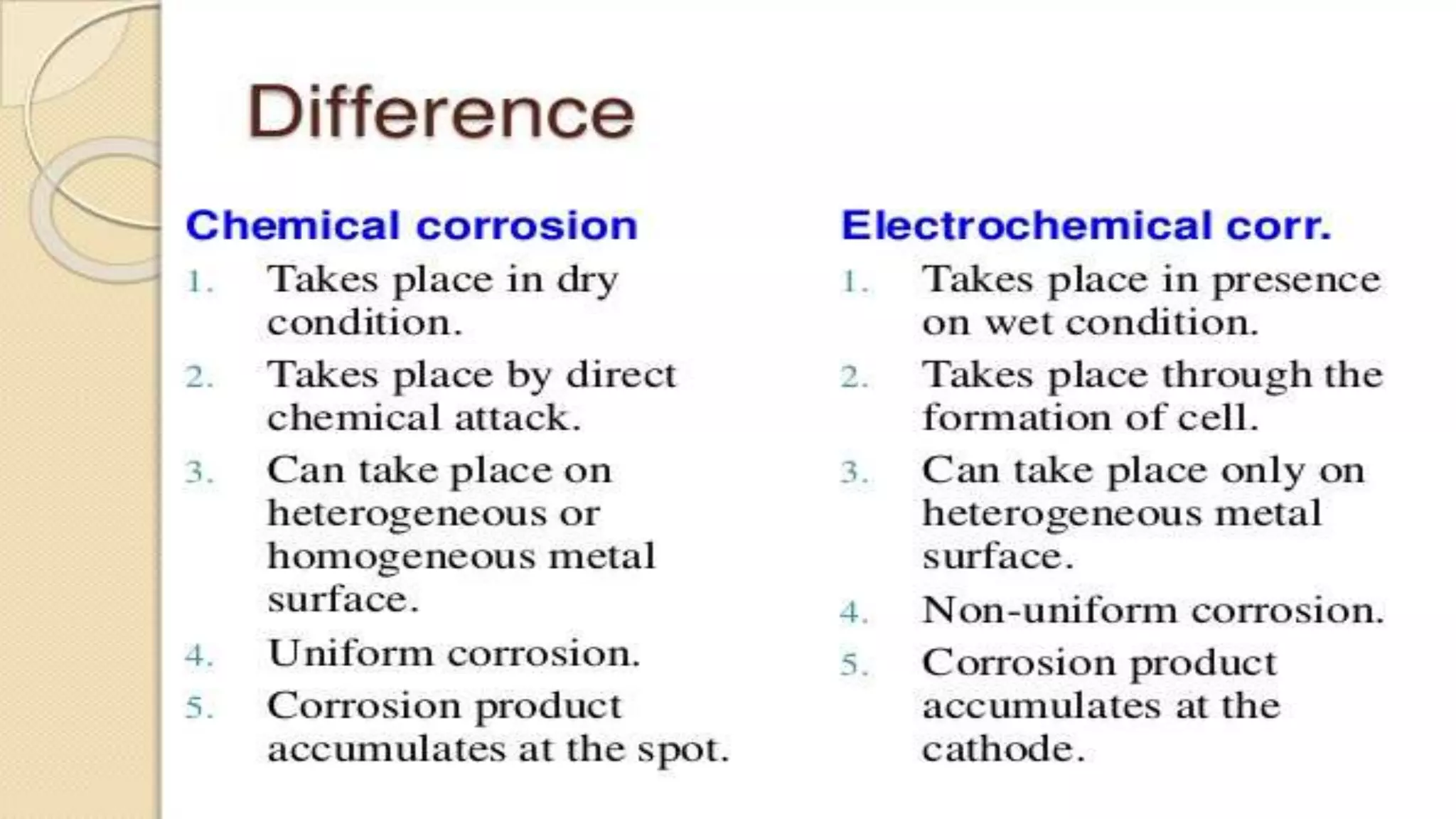
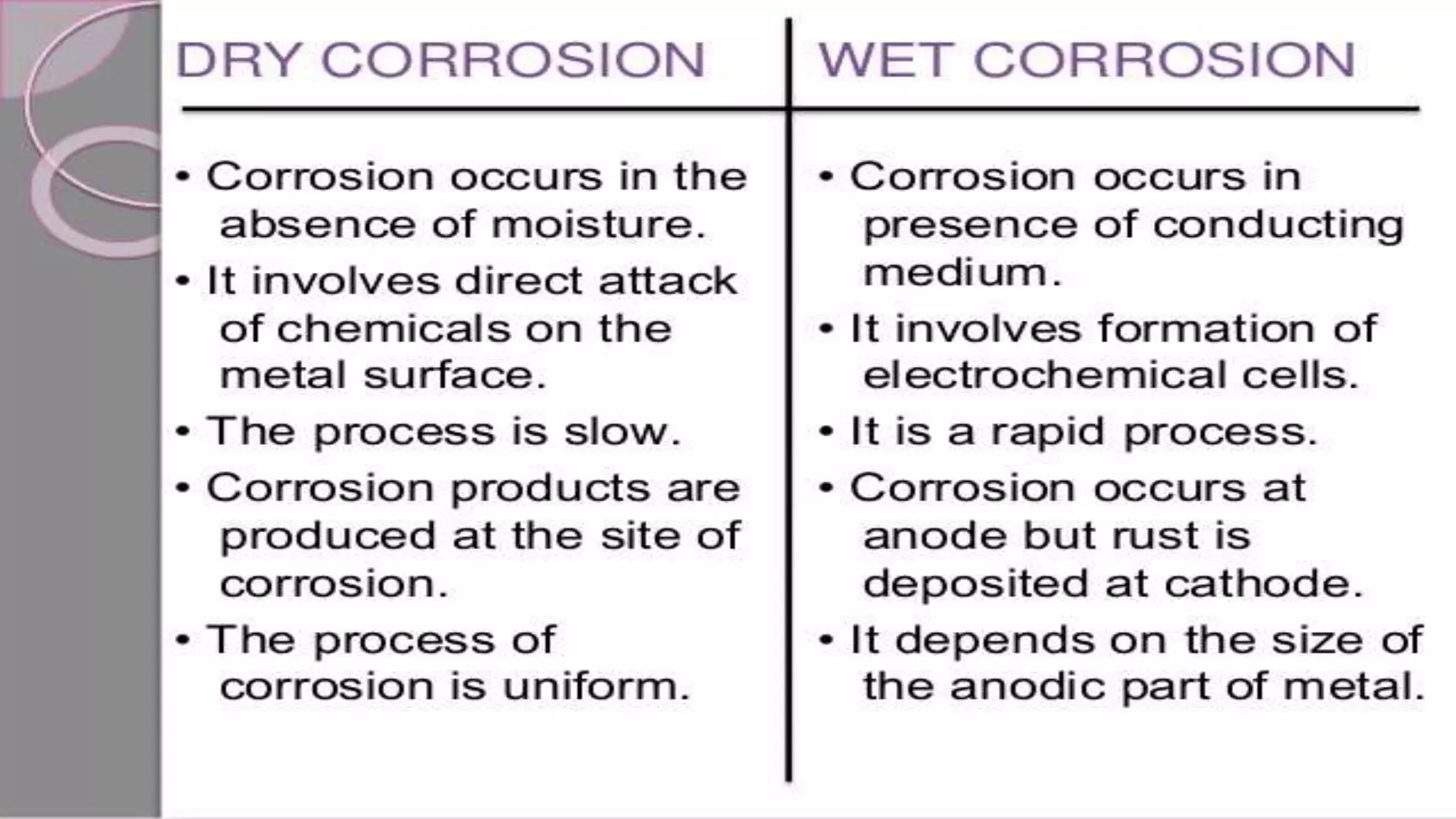
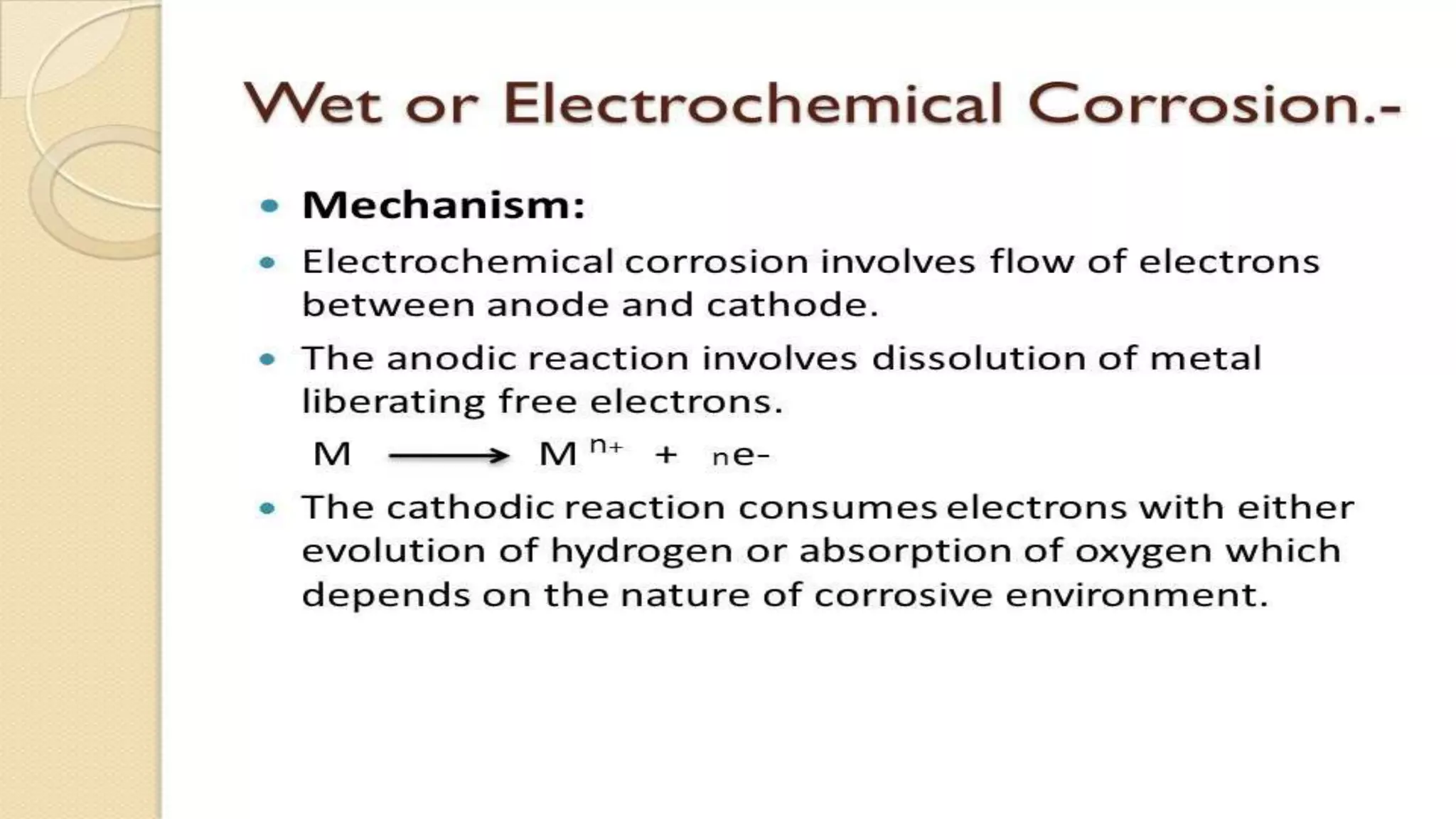
Difference Between Cathode and Anode
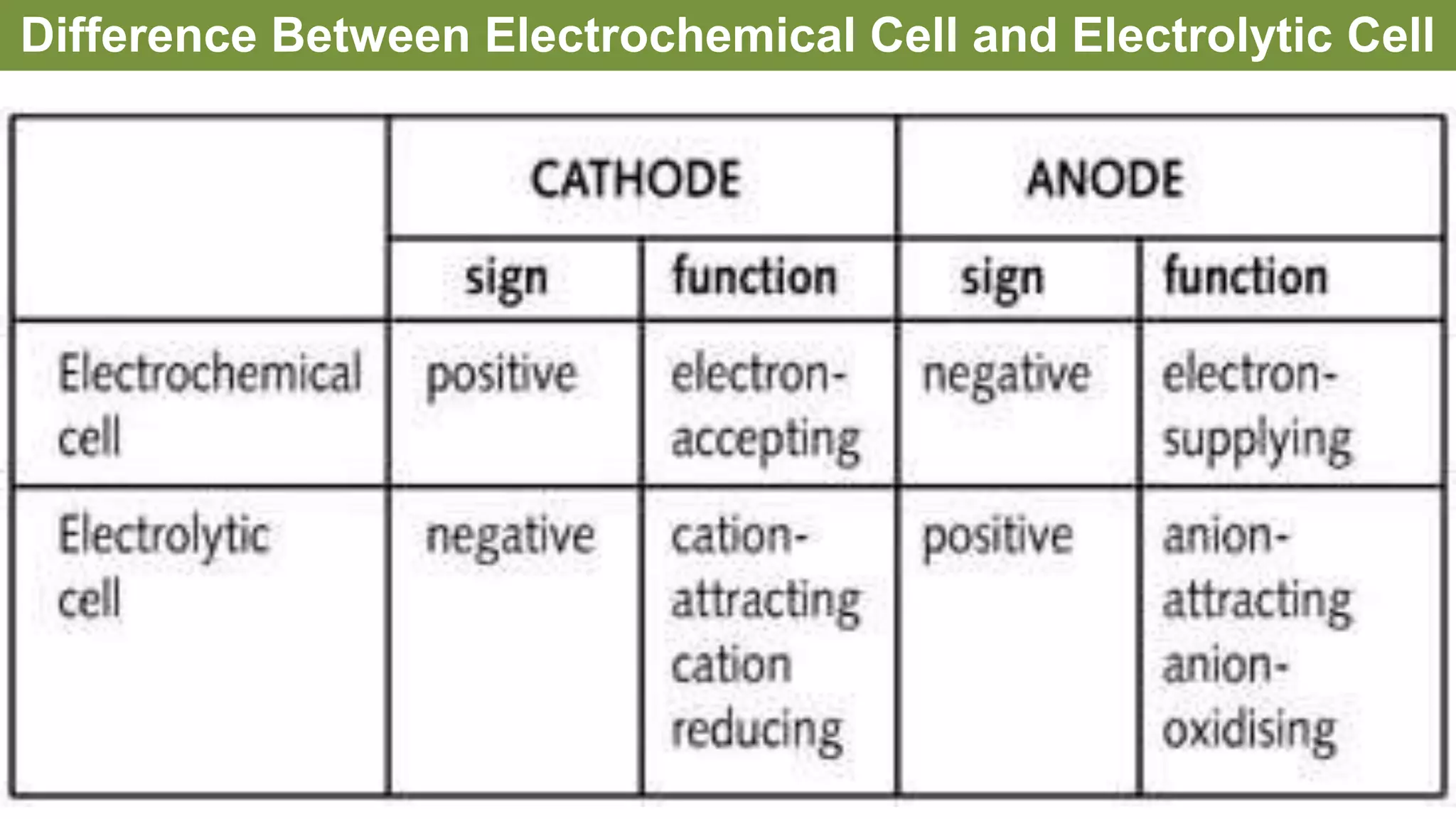
Difference Between Electrochemical Cell and Electrolytic Cell
Electrochemical Series
The arrangement of elements in order of increasing electrode
potential values is called “Electrochemical Series”.
The Electrochemical Series is also called “Activity Series”.
The series has been established by measuring the potential of
various electrodes versus standard hydrogen electrode (SHE).
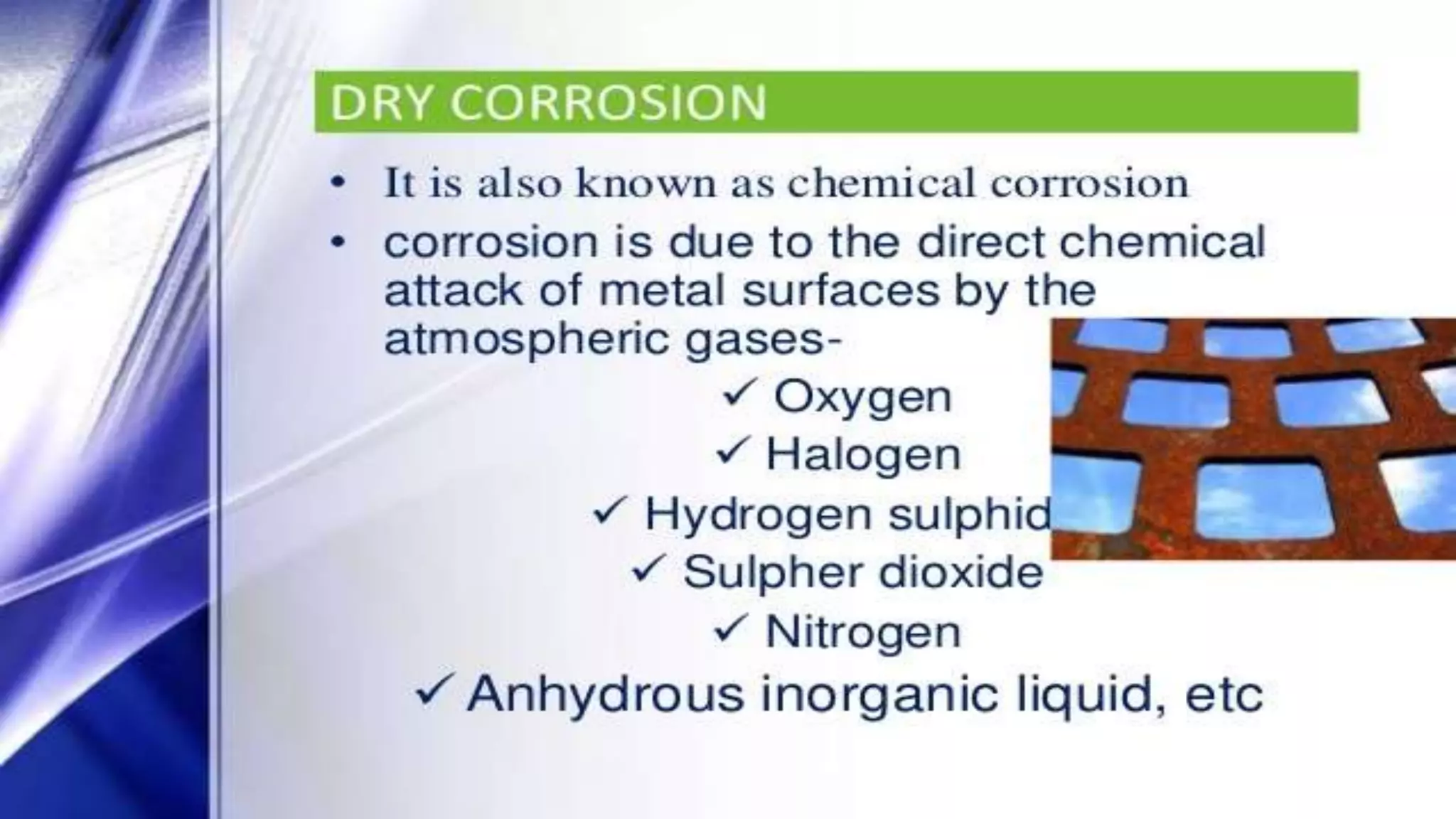
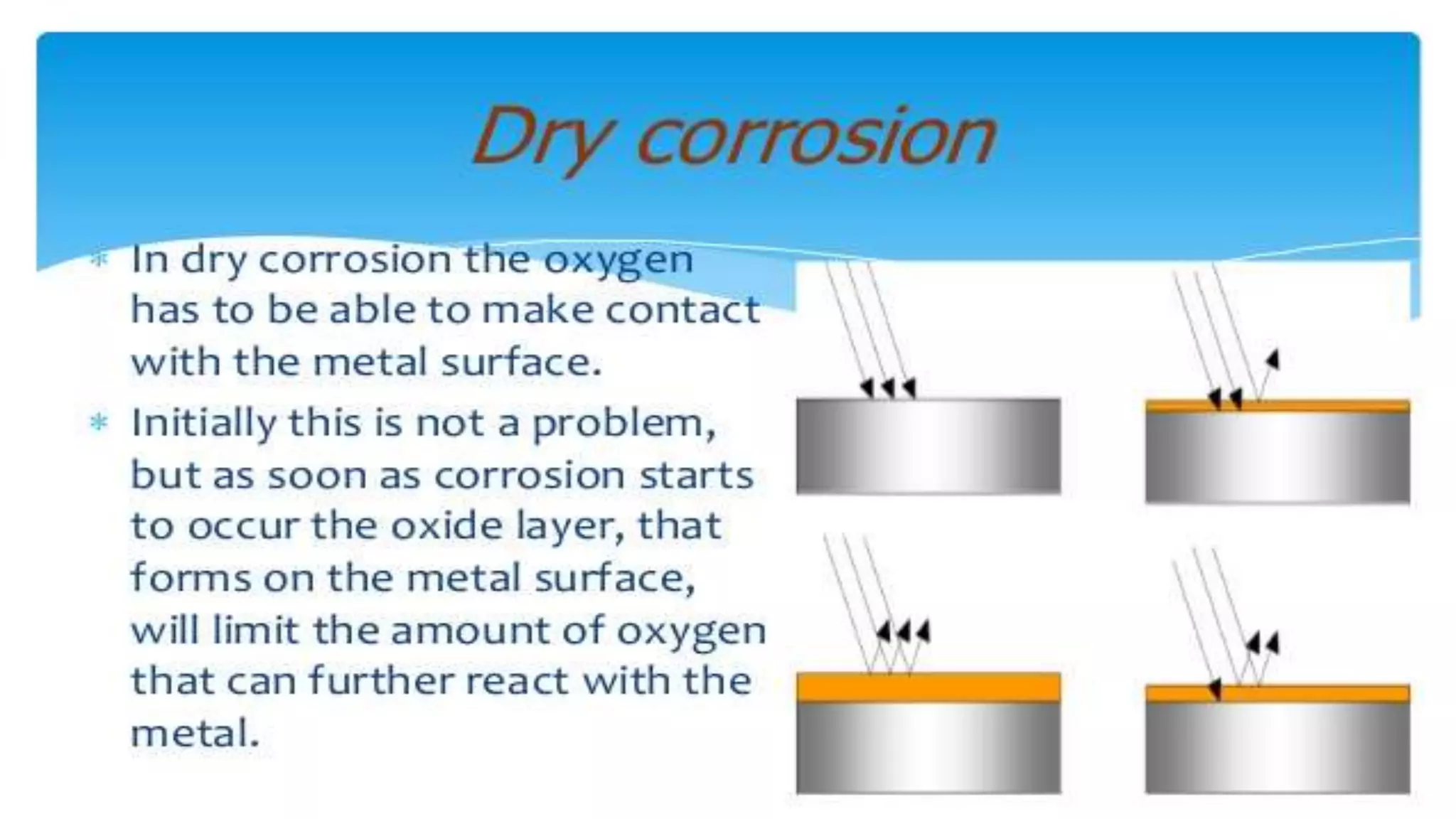
Mechanism of Dry Corossion
-
Galvanic corrosion, also known as
bimetallic corrosion, is an electrochemical
process whereby one metal corrodes in
preference to another metal that it is in contact
with through an electrolyte. Galvanic
corrosion occurs when two dissimilar metals
are immersed in a conductive solution and are
electrically connected.
Galvanic Corrosion
Concentration Corrosion
It is due to the electrochemical attack on metal surface, exposed
to an electrolyte of varying concentrations or of varying aeration.
It occurs when one part of metal is exposed to a different air
concentration from the other part.
This causes a difference in potential difference between
differently aerated areas. It has been found experimentally that
poor oxygenated parts are anodic.
Pitting Corrosion
Pitting corrosion is very localized form of corrosion, which causes
small holes in the metal affected. Pitting corrosion can be started
by a small scratch or damage to a protective coating.
Pitting is more common in alloys that are protected against
corrosion by using a passivation layer. These include stainless
steel, Nickel alloys and Aluminium alloys etc.
Pitting corrosion is a localized form of corrosion by which
cavities or holes are produced in the material. Pitting is
considered to be more dangerous than uniform corrosion damage
because it is more difficult to detect, predict and design.
Different Types of Pitting Corrosion
1 2
3 4
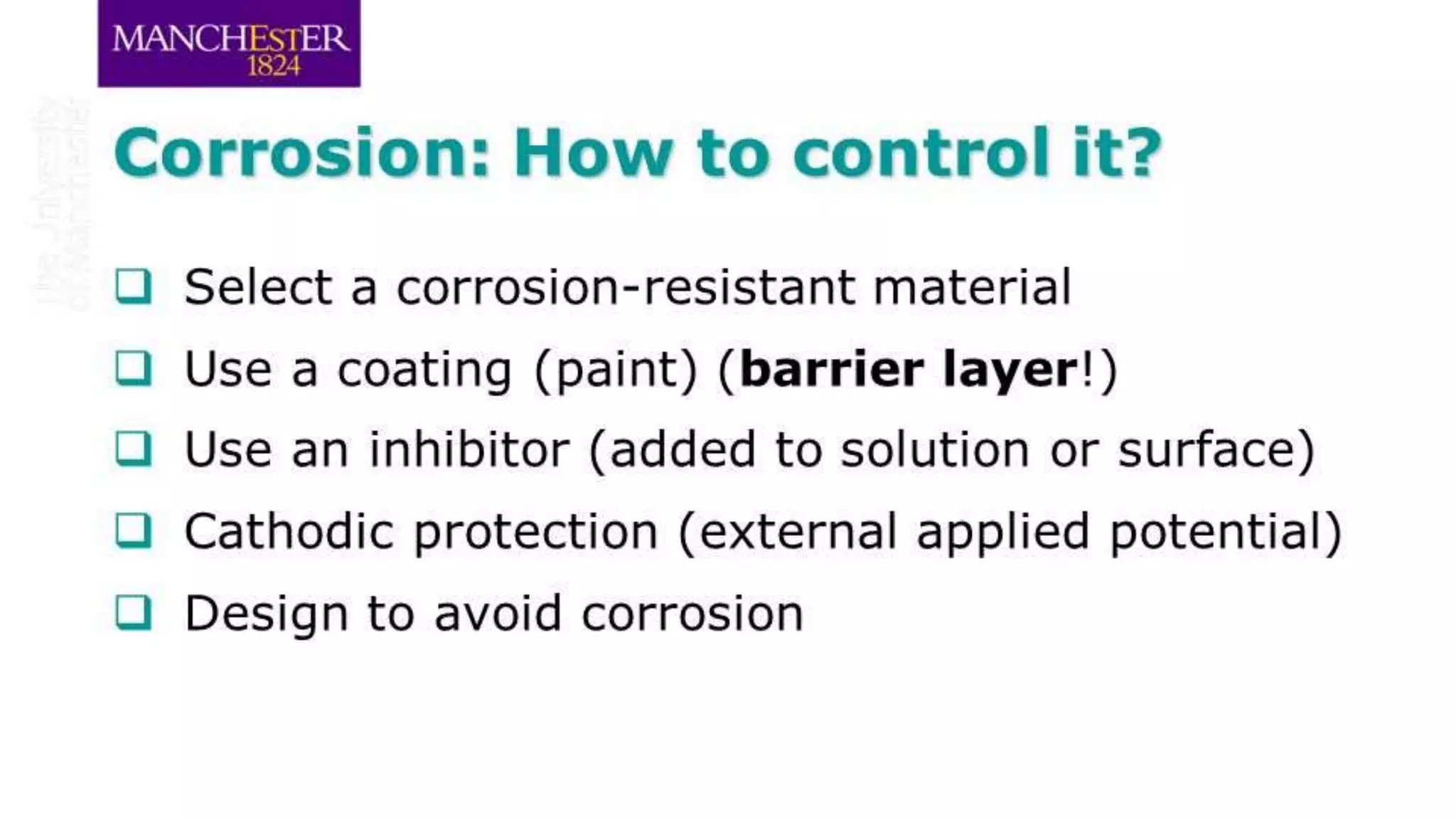
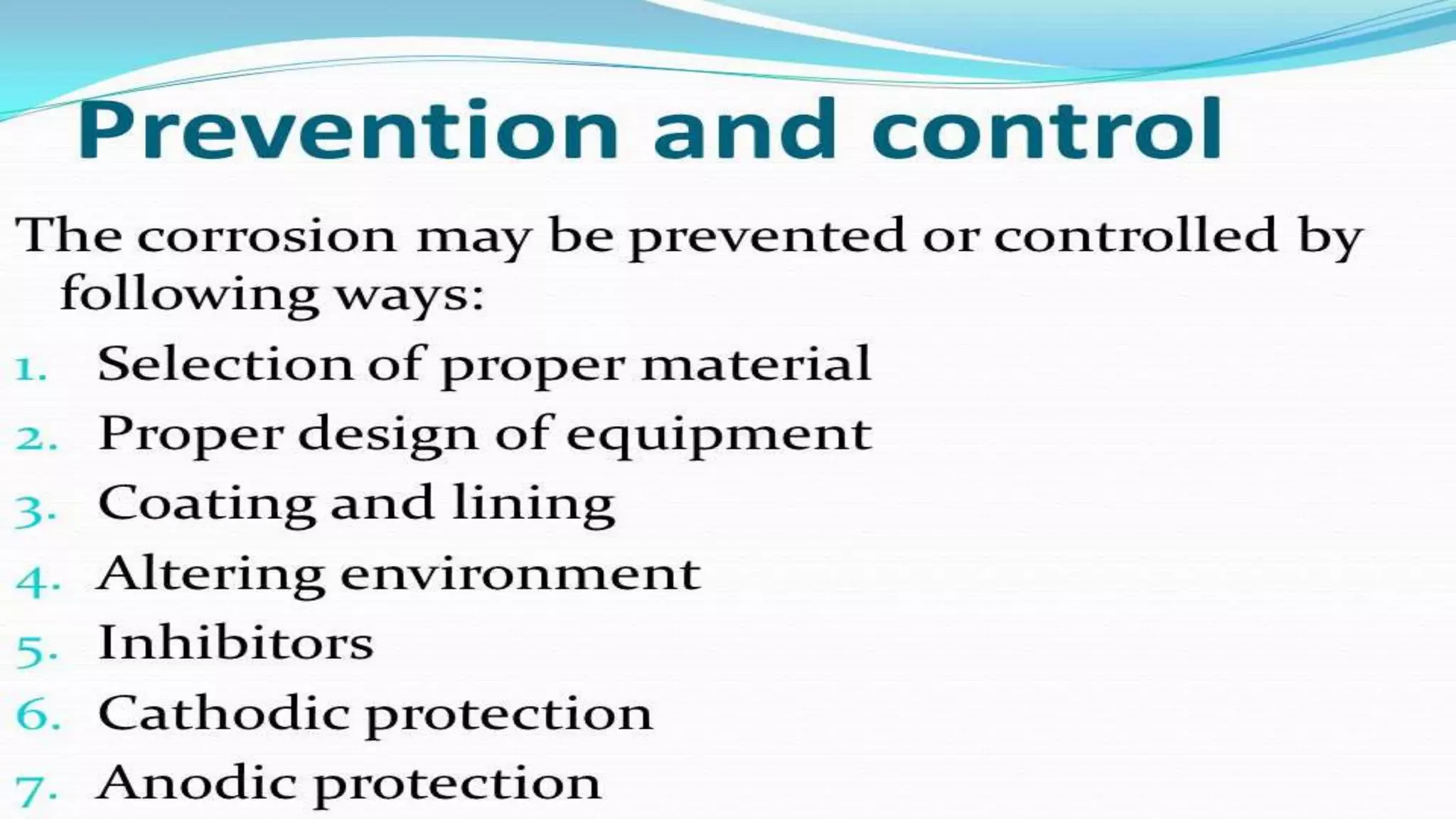
Protection from Corrosion
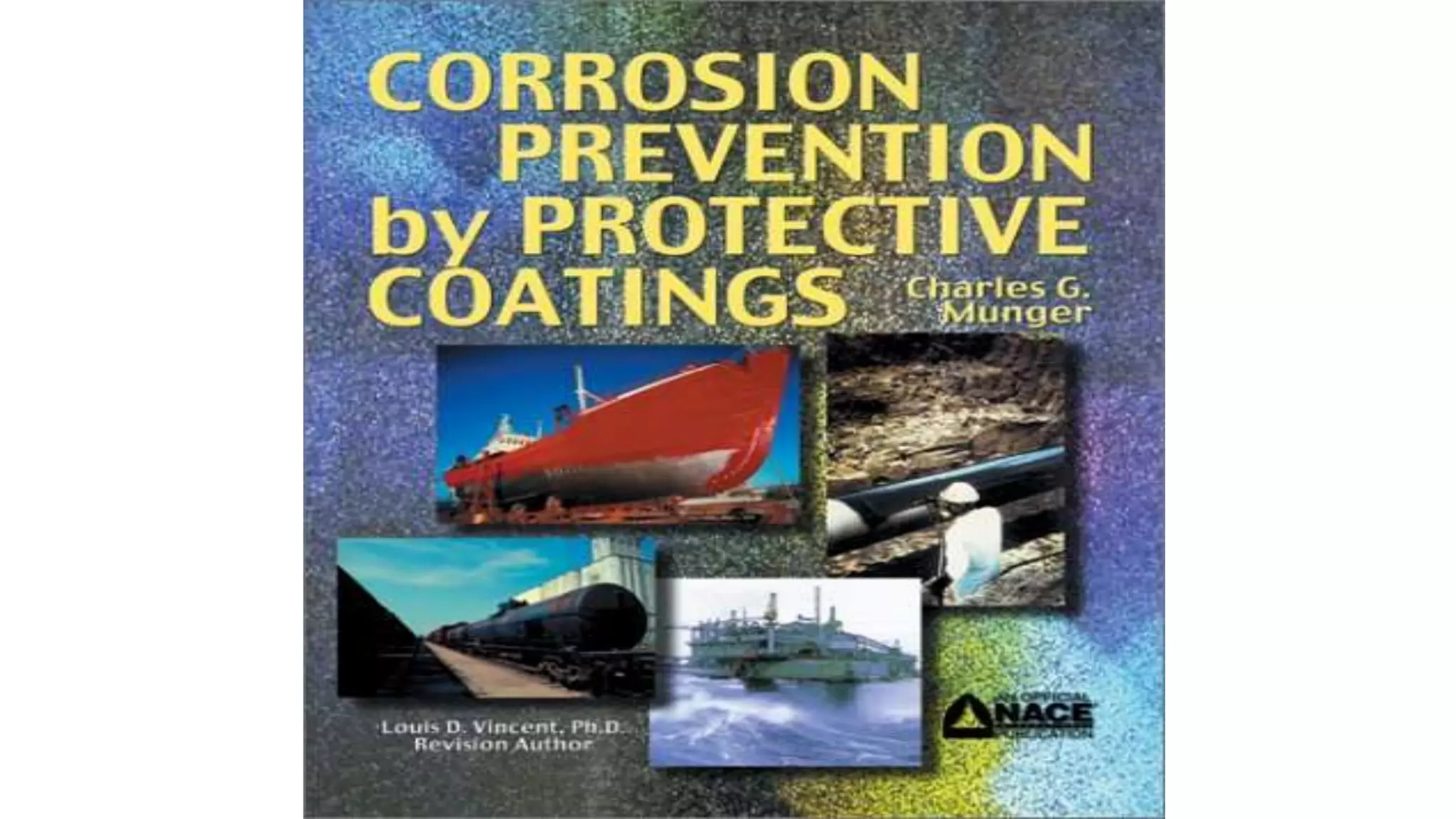
Protection from corrosion by protective coatings
1
2
3
4
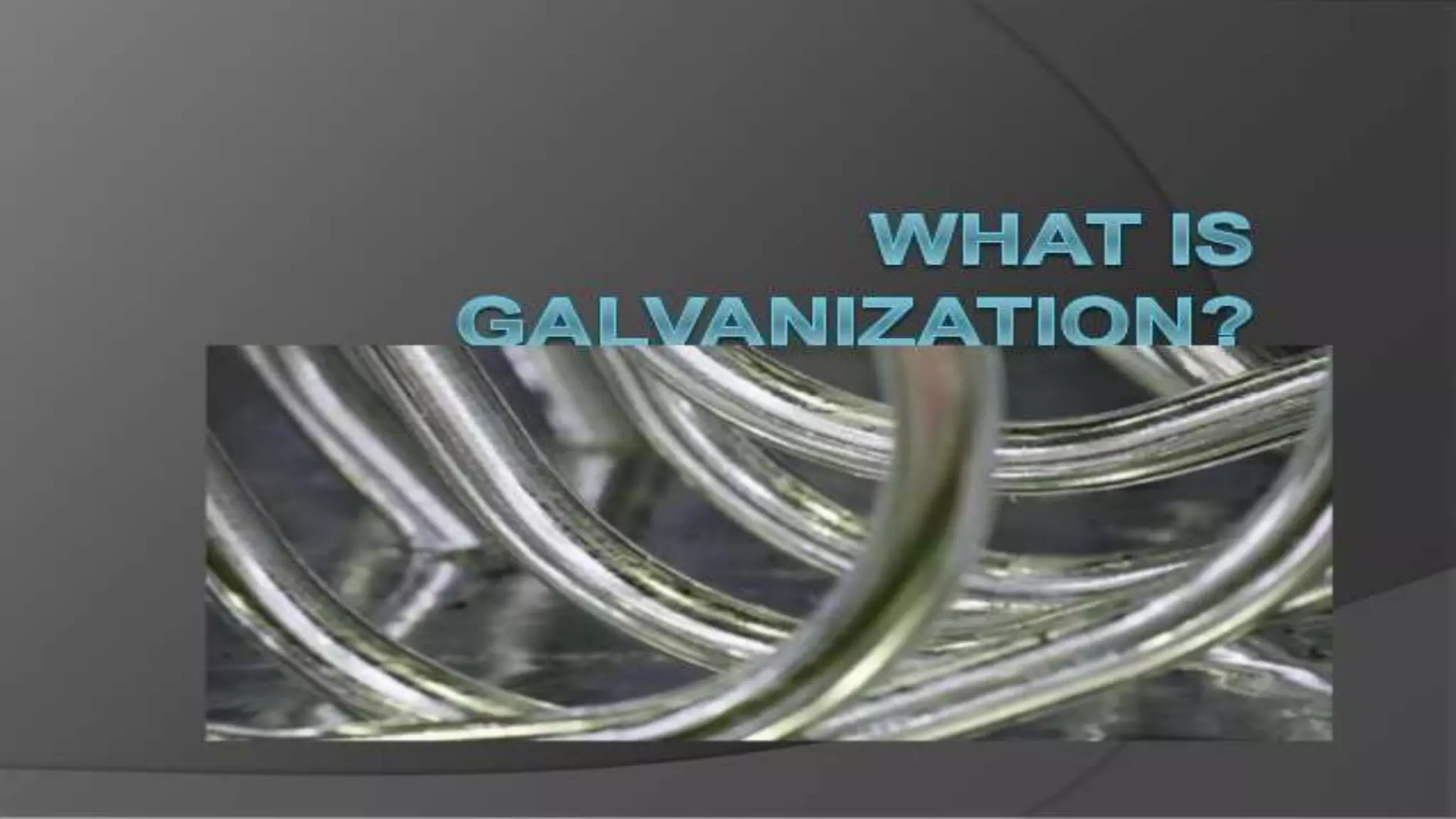
It is also called “Sacrificial Protection”. Because oxidation potential of Zinc (Zn) is
higher than the oxidation potential of Iron (Fe).
Hence, oxidation of Zinc (Zn) occurs first and iron (Fe) will be protected.
Galvanization: Electroplating of Zinc
Application and Uses of Galvanization:-
There are a number of uses for zinc, with zinc metal being the largest and most
common. In fact, fifty percent of the annual production, or approximately 5.5
million tons of zinc, is used for galvanizing to protect steel from corrosion.
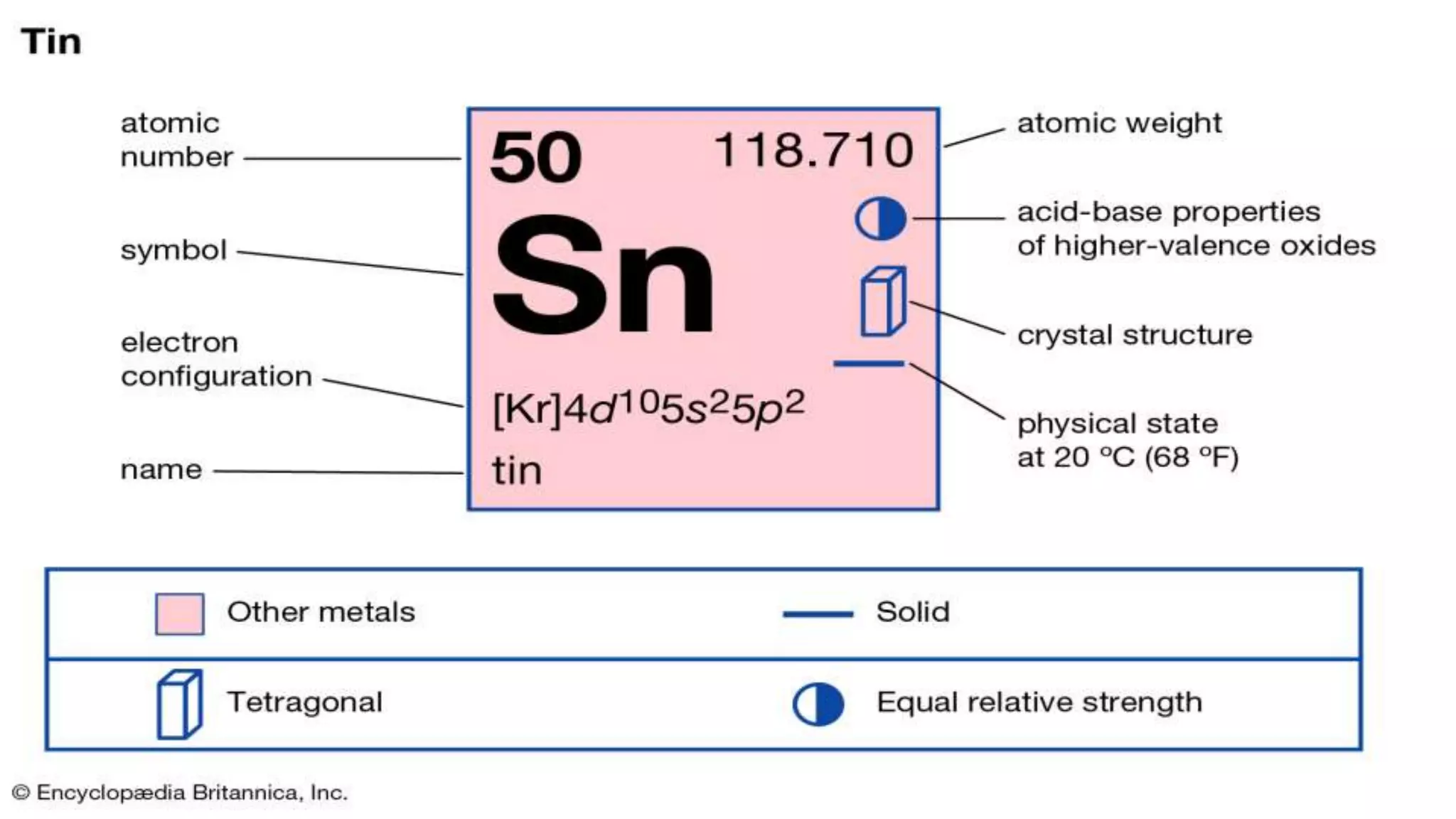
Similarly, Tin (Sn) coating is called “Tinning”.
Tinning is the process of thinly coating sheets of
wrought iron or steel with tin, and the resulting
product is known as tinplate.
Cathodic Protection: Sacrificial Anode
Protection of metal from corrosion by connecting it with a more active metal (i.e.
more anodic metal e.g. Mg, Al etc.)
The connected active metal undergoes corrosion, thereby protecting the parental
metal from corrosion.
Modifications in Design
Corrosion and its Control

Corrosion and its Control

  • 9.
  • 10.
    Difference Between ElectrochemicalCell and Electrolytic Cell
  • 11.
    Electrochemical Series The arrangementof elements in order of increasing electrode potential values is called “Electrochemical Series”. The Electrochemical Series is also called “Activity Series”. The series has been established by measuring the potential of various electrodes versus standard hydrogen electrode (SHE).
  • 21.
    Mechanism of DryCorossion -
  • 22.
    Galvanic corrosion, alsoknown as bimetallic corrosion, is an electrochemical process whereby one metal corrodes in preference to another metal that it is in contact with through an electrolyte. Galvanic corrosion occurs when two dissimilar metals are immersed in a conductive solution and are electrically connected. Galvanic Corrosion
  • 24.
    Concentration Corrosion It isdue to the electrochemical attack on metal surface, exposed to an electrolyte of varying concentrations or of varying aeration. It occurs when one part of metal is exposed to a different air concentration from the other part. This causes a difference in potential difference between differently aerated areas. It has been found experimentally that poor oxygenated parts are anodic.
  • 25.
    Pitting Corrosion Pitting corrosionis very localized form of corrosion, which causes small holes in the metal affected. Pitting corrosion can be started by a small scratch or damage to a protective coating. Pitting is more common in alloys that are protected against corrosion by using a passivation layer. These include stainless steel, Nickel alloys and Aluminium alloys etc. Pitting corrosion is a localized form of corrosion by which cavities or holes are produced in the material. Pitting is considered to be more dangerous than uniform corrosion damage because it is more difficult to detect, predict and design.
  • 26.
    Different Types ofPitting Corrosion
  • 27.
  • 28.
  • 29.
    Protection from corrosionby protective coatings
  • 33.
  • 36.
    It is alsocalled “Sacrificial Protection”. Because oxidation potential of Zinc (Zn) is higher than the oxidation potential of Iron (Fe). Hence, oxidation of Zinc (Zn) occurs first and iron (Fe) will be protected. Galvanization: Electroplating of Zinc
  • 39.
    Application and Usesof Galvanization:- There are a number of uses for zinc, with zinc metal being the largest and most common. In fact, fifty percent of the annual production, or approximately 5.5 million tons of zinc, is used for galvanizing to protect steel from corrosion.
  • 41.
    Similarly, Tin (Sn)coating is called “Tinning”. Tinning is the process of thinly coating sheets of wrought iron or steel with tin, and the resulting product is known as tinplate.
  • 42.
    Cathodic Protection: SacrificialAnode Protection of metal from corrosion by connecting it with a more active metal (i.e. more anodic metal e.g. Mg, Al etc.) The connected active metal undergoes corrosion, thereby protecting the parental metal from corrosion.
  • 45.