Molecular Immunogenetics
THE APPENDIX
The Appendix
Introduction
1889 Mac Burney described location, the clinical
features of appendicitis and the importance of
operative intervention and muscle-splitting
incision.
Molecular Immunogenetics
The Appendix
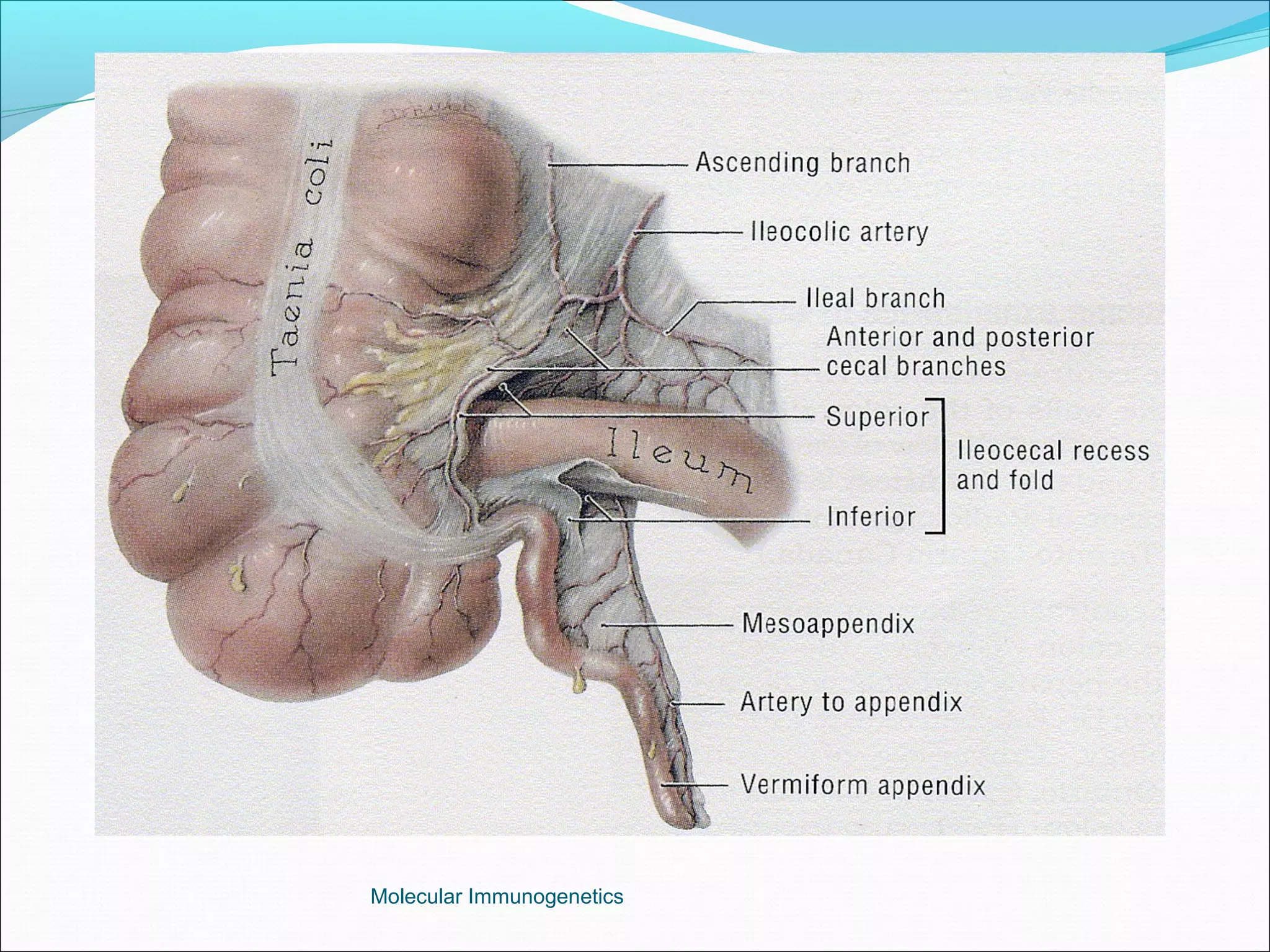
Surgical Anatomy
Surface anatomy
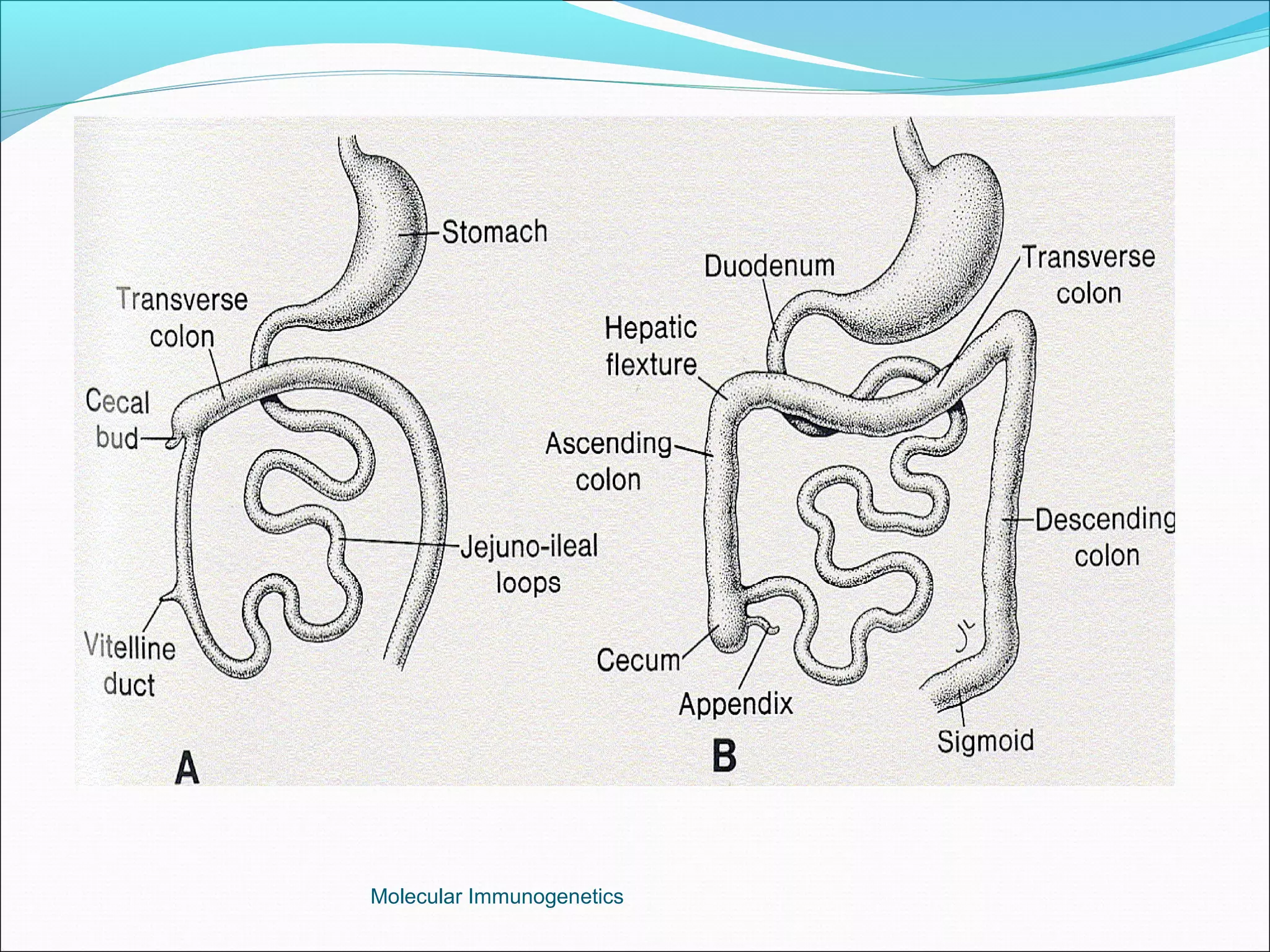
Development: diverticulum of ceacum appearing in
the 8th
week of life
Positions: constant base, tip varies (retroceacal, pelvic,
subcaecal, preileal, pericolic)
Blood supply
Location during surgery
Surrounding anatomical structures
Part of the gut lymphoid tissue.
Molecular Immunogenetics
The appendix sits at the junction of the small intestine and
large intestine. It’s a thin tube about four inches long. Normally,
the appendix sits in the lower right abdomen.
The function of the appendix is unknown. One theory is that
the appendix acts as a storehouse for good bacteria,
“rebooting” the digestive system after diarrheal illnesses. Other
experts believe the appendix is just a useless remnant from
our evolutionary past. Surgical removal of the appendix causes
no observable health problems.
Molecular Immunogenetics
For years, the appendix was credited with very little physiological
function. We now know, however, that the appendix serves an
important role in the fetus and in young adults. Endocrine cells appear
in the appendix of the human fetus at around the 11th week of
development. These endocrine cells of the fetal appendix have been
shown to produce various biogenic amines and peptide hormones,
compounds that assist with various biological control (homeostatic)
mechanisms. There had been little prior evidence of this or any other
role of the appendix in animal research, because the appendix does not
exist in domestic mammals.
Molecular Immunogenetics
Among adult humans, the appendix is now thought to be involved
primarily in immune functions. Lymphoid tissue begins to accumulate
in the appendix shortly after birth and reaches a peak between the
second and third decades of life, decreasing rapidly thereafter and
practically disappearing after the age of 60. During the early years of
development, however, the appendix has been shown to function as a
lymphoid organ, assisting with the maturation of B lymphocytes (one
variety of white blood cell) and in the production of the class of
antibodies known as immunoglobulin A (IgA) antibodies. Researchers
have also shown that the appendix is involved in the production of
molecules that help to direct the movement of lymphocytes to various
other locations in the body
Molecular Immunogenetics
In this context, the function of the appendix appears to be to expose
white blood cells to the wide variety of antigens, or foreign
substances, present in the gastrointestinal tract. Thus, the appendix
probably helps to suppress potentially destructive humoral (blood-
and lymph-borne) antibody responses while promoting local
immunity. The appendix--like the tiny structures called Peyer's
patches in other areas of the gastrointestinal tract--takes up antigens
from the contents of the intestines and reacts to these contents. This
local immune system plays a vital role in the physiological immune
response and in the control of food, drug, microbial or viral antigens.
The connection between these local immune reactions and
inflammatory bowel diseases, as well as autoimmune reactions in
which the individual's own tissues are attacked by the immune
system, is currently under investigation.
The Appendix
Acute Appendicitis
Epidemiology
Most common surgical emergency.
Slightly more common in men.
Incidence are falling from 100 to 50 in 100 000 (1975-1991).
1 in 6 of the population will have an appendectomy.
In Saudi Arabia incidence are comparable to western figures
? More common in European societies (Diet).
? Relation to class status.
Age > 2 yrs, (associated with lymphoid development).
Up to 16% of appendicectomies are normal 75% are in women
Molecular Immunogenetics
The Appendix
Acute Appendicitis
Pathology I
Luminal obstruction.
 Lymphoid hyperplasia 60%
 Faecolith 35%.
 Inspissated barium.
 Fruit seeds. }<4%
 Worms. < 1%
 Extra-luminal obstruction eg Ca Cecum
Raised intra-luminal pressure
 Mucus accumulation
 Multiplication of bacteria.
( E.Coli, Bacteroids, peptostreptococcus, Psuedomonas)
 Venous and lymphoid congestion and.
Molecular Immunogenetics
The Appendix
Acute Appendicitis
Pathology II
 Impaired arterial flow, thrombosis and gangrene.
 Perforation may occur through devitalized tissue.
Histological terms used:
 Catarrhal appendicitis
 Suppurative ;;;
 Necrotic ;;;
 Gangrenous ;;;
 Perforated ;;;
 Appendicular mass
The risk of perforation is not inevitable.
Molecular Immunogenetics
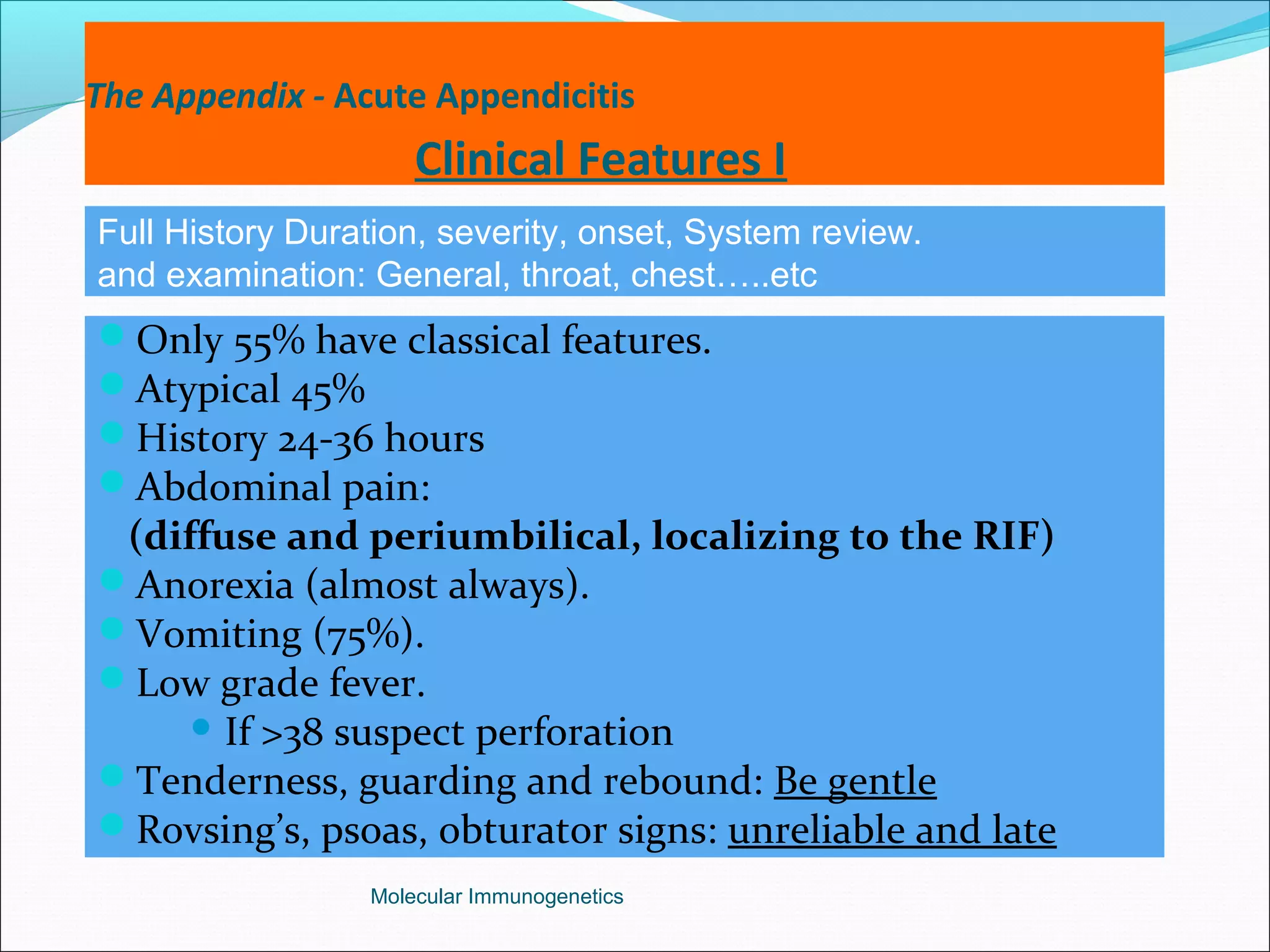
The Appendix - Acute Appendicitis
Clinical Features I
Only 55% have classical features.
Atypical 45%
History 24-36 hours
Abdominal pain:
(diffuse and periumbilical, localizing to the RIF)
Anorexia (almost always).
Vomiting (75%).
Low grade fever.
 If >38 suspect perforation
Tenderness, guarding and rebound: Be gentle
Rovsing’s, psoas, obturator signs: unreliable and late
Molecular Immunogenetics
Full History Duration, severity, onset, System review.
and examination: General, throat, chest…..etc
The Appendix - Acute Appendicitis
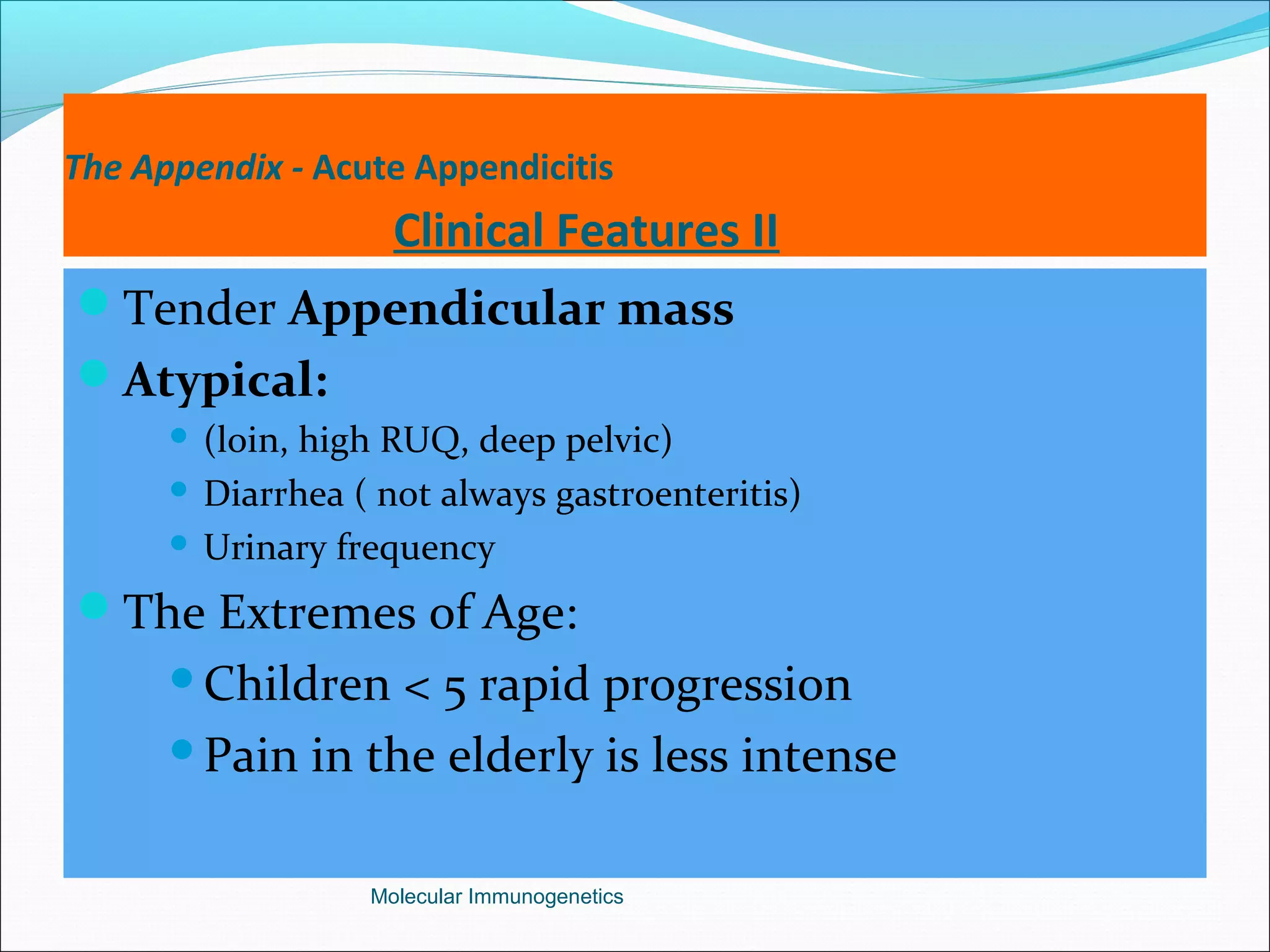
Clinical Features II
Tender Appendicular mass
Atypical:
 (loin, high RUQ, deep pelvic)
 Diarrhea ( not always gastroenteritis)
 Urinary frequency
The Extremes of Age:
Children < 5 rapid progression
Pain in the elderly is less intense
Molecular Immunogenetics
The Appendix - Acute Appendicitis
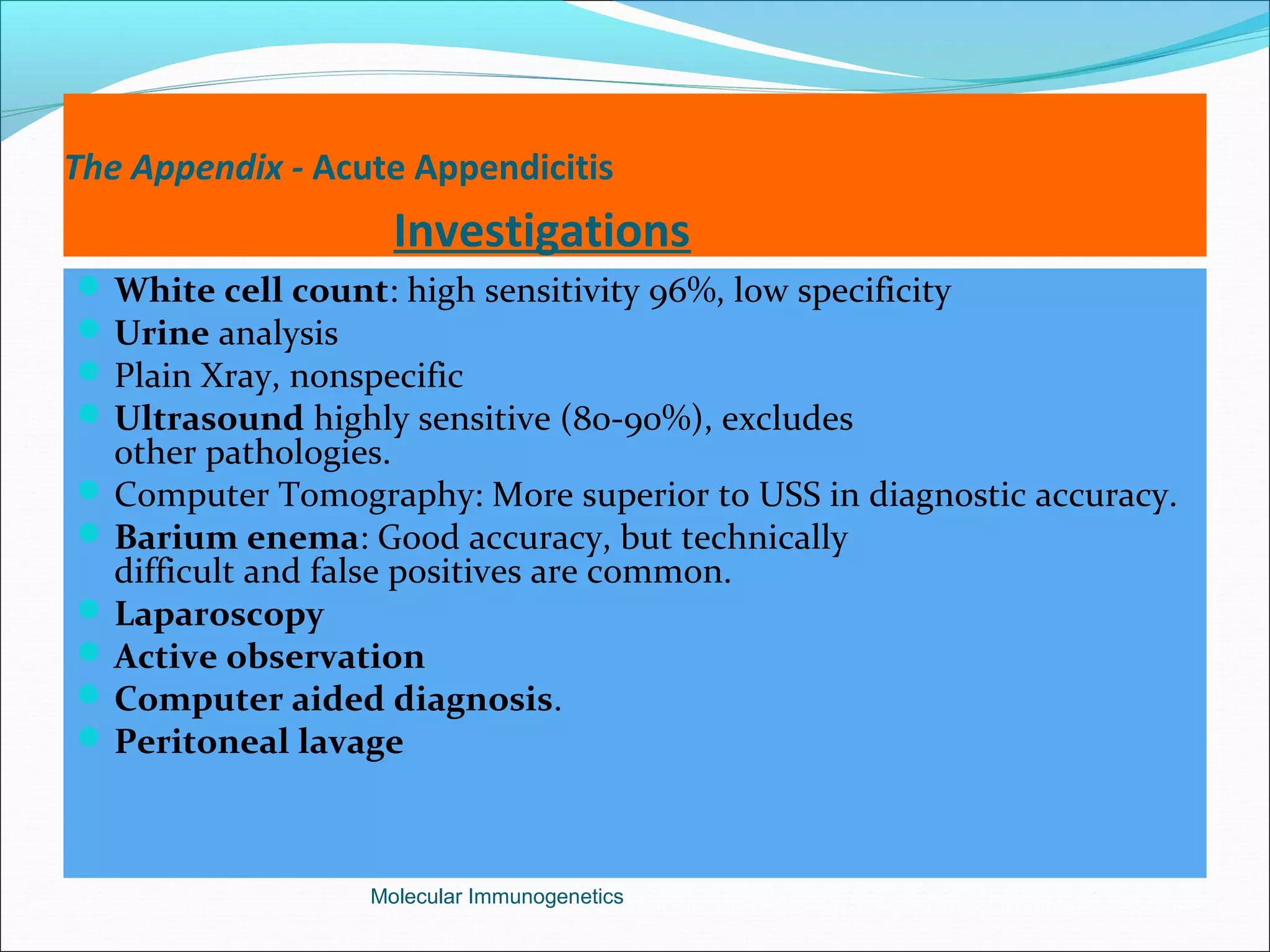
Investigations
White cell count: high sensitivity 96%, low specificity
Urine analysis
Plain Xray, nonspecific
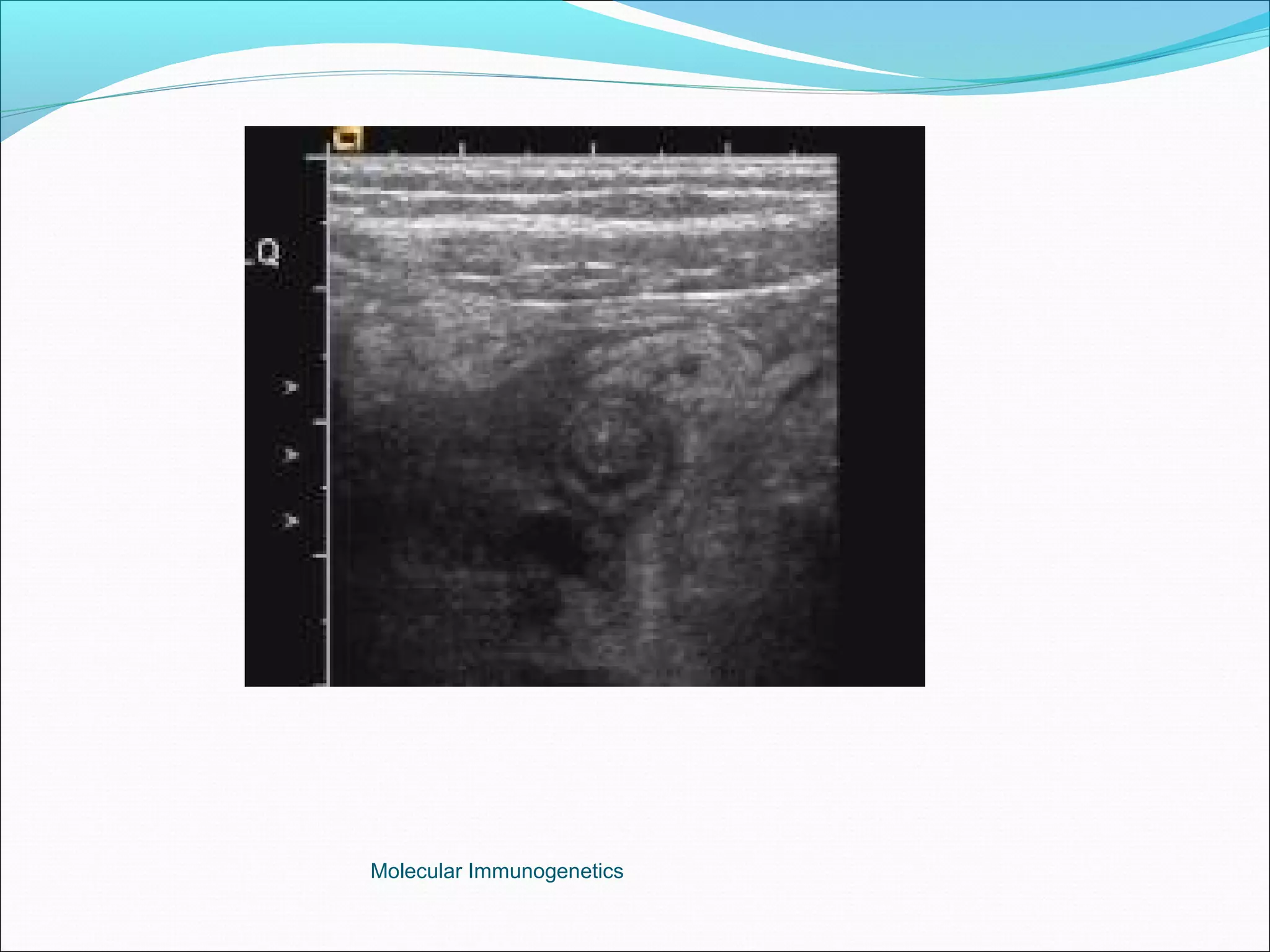
Ultrasound highly sensitive (80-90%), excludes
other pathologies.
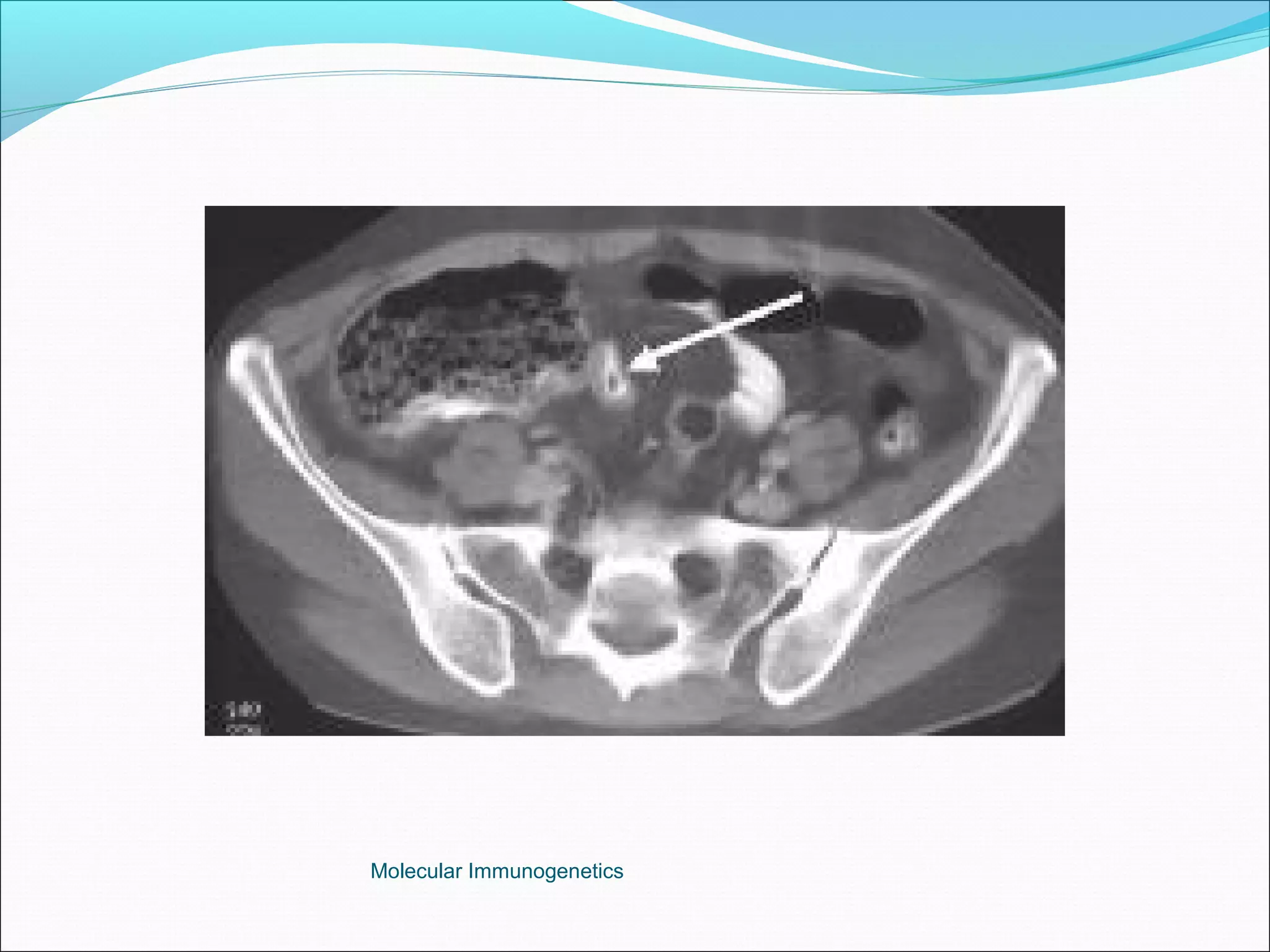
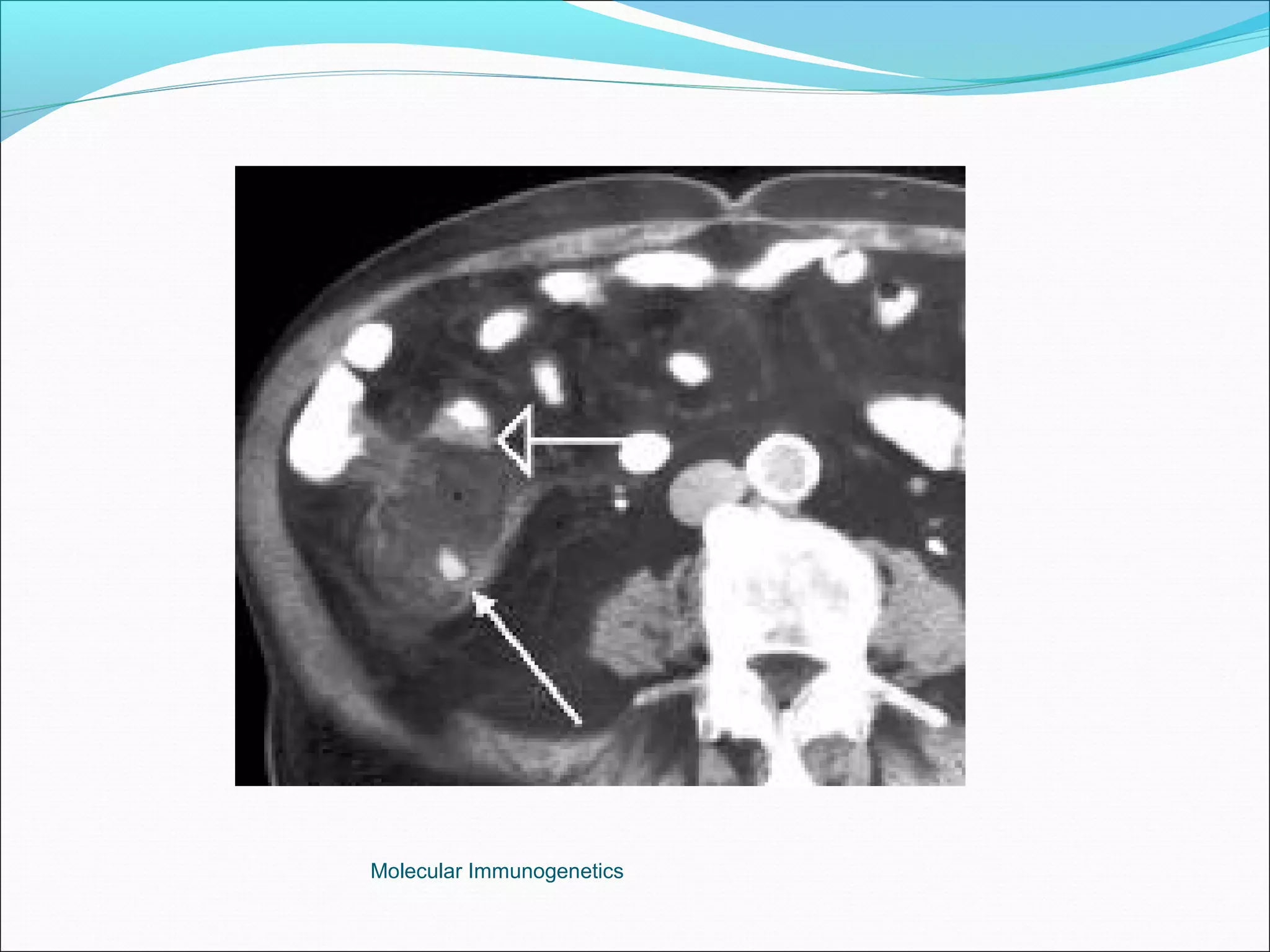
Computer Tomography: More superior to USS in diagnostic accuracy.
Barium enema: Good accuracy, but technically
difficult and false positives are common.
Laparoscopy
Active observation
Computer aided diagnosis.
Peritoneal lavage
Molecular Immunogenetics
The Appendix - Acute Appendicitis
The Very Young
Diagnosis may be more difficult to establish, WBC is
likely to be normal
(12% are normal).
Children are more likely to progress to perforated
appendix
(? Under-developed Greater Omentum).
Molecular Immunogenetics
The Appendix - Acute Appendicitis
The Very Old
Greater morbidity and mortality
Less typical presentation
Cancer may be a possibility as an underlying
cause.
Perforation of 50% and mortality of 20% has been
reported
Molecular Immunogenetics
The Appendix - Acute Appendicitis
The Pregnant
Implications: Clinical Findings, Lab Ix, SurgeryImplications: Clinical Findings, Lab Ix, Surgery
1: 2000 pregnancies.
More common in the first two trimesters
The appendix is pushed superiorly and laterally
WBC > 15
Premature Labor 10-15% with surgery
Perforated appendix leads to fetal death in 20%
Rapid diagnosis and treatment is advised.
Molecular Immunogenetics
The Appendix - Acute Appendicitis
In AIDS Patients
Be aware of CMV or Kaposi sarcoma as the
underlying cause
WBC may not rise
Molecular Immunogenetics
The Appendix - Acute Appendicitis
The Management
Preop:
 IVI,
 analgesia,
 IV antibiotics
Conventional appendicectomy
Types of incisions
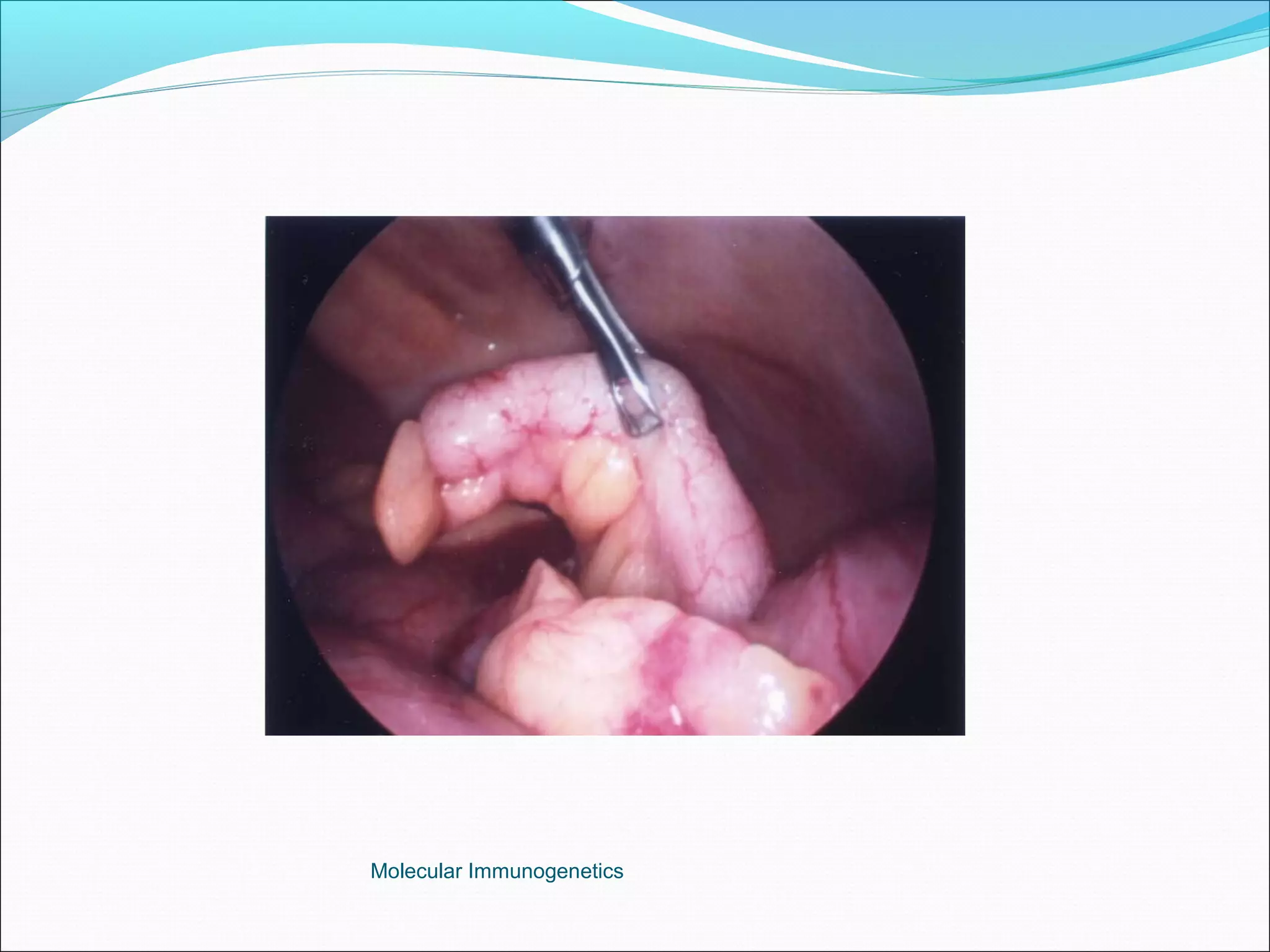
Laparoscopic appendicectomy:
(questions regarding pain, hospital stay, operation time,
to daily activity, wound infection)
Molecular Immunogenetics
The Appendix - Acute Appendicitis
Post-Operative
1. Check the vitals
2. Check the abdominal signs and bowel
movement
3. Check the wound
4. Advise on mobilization
5. In OPD:
1. Check wound
2. Check the Histology
Molecular Immunogenetics
The Appendix - Acute Appendicitis
Prognosis
Mortality: from 0.2% to 1%
Complications increase with perforation
Morbidity:
 Wound abscess,
 Wound infection (less with MacBurney’s incision),
 Wound dehiscence
 Intra-abdominal abscess,
 Faecal fistula,
 Intestinal obstruction,
 Adhesive band,
 inguinal hernia.
 Fertility
Molecular Immunogenetics
The Appendix - Acute Appendicitis
Problems
Mass palpable pre-operatively
Appendix is normal at operation
Tumor is found in appendix
Prophylactic appendicectomy
Molecular Immunogenetics
The Appendix – Chronic Appendicular Conditions
Chronic Appendicitis
A loose term referring to a multitude of
conditions associated with RIF pain and in which
pathology of the appendix has been found.
Molecular Immunogenetics
The Appendix – Chronic Appendicular Conditions
Appendicular Mass
 Results from either:
1. Localized by edematous, adherent omentum and
loops of small bowel
2. Appendicular abscess
 Incidence is 10%
 Higher in children
 Management controversy:
Interval vs Immediate appendicectomy
Molecular Immunogenetics
The Appendix – Chronic Appendicular Conditions
Tumors of The Appendix
Carcinoid:
 Arise from Kluchitsky cells
 Mean age 20-40
 Yellow bulbar mass
 In F>M
 In third decade of life
 Usually lies near the tip
 In the absence of LN spread with <2 cm in diameter
appendicectomy is sufficient. Otherwise a R
hemicolectomy is necessary.
Adenocarcinoma and Lymphoma.
Molecular Immunogenetics
Referance
•Ajmani ML, Ajmani K (1983). the position length and arterial supply of
vermiform appendix. Anatomisecher Anzeiger 153(4): 369-374
•Al-fallouji MM, Mchbrien MP (1993). Appendectomy in Al-fallouji MA
Mebrien MP (edn) Evolution of some important surgical procedures
Headway press, Great Britain pp.273.
•Badoe EA (1994). The appendix: in Badoe EA Achampong E, Jaja MO
(editors) Principle and Practice of surgery including pathology in the
tropics, second edn. Tema Ghana publishing corporation 1199-501.
•Bakheit MA, Warille AA (1999) Anomalies of the vermiform appendix and
Prevalence of acute appendicitis in Khartoum East Afr med. j.,
1616:336-340.
•Balteazar EJ, Gade M (1976). The normal and abnormal development of
appendix Radiology 121:599 -604
•Birnbaum BA Wilson SR (2000). Appendicitis at the millennium, radiology
215:337-348
Molecular Immunogenetics

Appendix

  • 1.
  • 2.
    The Appendix Introduction 1889 MacBurney described location, the clinical features of appendicitis and the importance of operative intervention and muscle-splitting incision. Molecular Immunogenetics
  • 3.
    The Appendix Surgical Anatomy Surfaceanatomy Development: diverticulum of ceacum appearing in the 8th week of life Positions: constant base, tip varies (retroceacal, pelvic, subcaecal, preileal, pericolic) Blood supply Location during surgery Surrounding anatomical structures Part of the gut lymphoid tissue. Molecular Immunogenetics
  • 4.
  • 5.
  • 6.
    Molecular Immunogenetics The appendixsits at the junction of the small intestine and large intestine. It’s a thin tube about four inches long. Normally, the appendix sits in the lower right abdomen. The function of the appendix is unknown. One theory is that the appendix acts as a storehouse for good bacteria, “rebooting” the digestive system after diarrheal illnesses. Other experts believe the appendix is just a useless remnant from our evolutionary past. Surgical removal of the appendix causes no observable health problems.
  • 7.
    Molecular Immunogenetics For years,the appendix was credited with very little physiological function. We now know, however, that the appendix serves an important role in the fetus and in young adults. Endocrine cells appear in the appendix of the human fetus at around the 11th week of development. These endocrine cells of the fetal appendix have been shown to produce various biogenic amines and peptide hormones, compounds that assist with various biological control (homeostatic) mechanisms. There had been little prior evidence of this or any other role of the appendix in animal research, because the appendix does not exist in domestic mammals.
  • 8.
    Molecular Immunogenetics Among adulthumans, the appendix is now thought to be involved primarily in immune functions. Lymphoid tissue begins to accumulate in the appendix shortly after birth and reaches a peak between the second and third decades of life, decreasing rapidly thereafter and practically disappearing after the age of 60. During the early years of development, however, the appendix has been shown to function as a lymphoid organ, assisting with the maturation of B lymphocytes (one variety of white blood cell) and in the production of the class of antibodies known as immunoglobulin A (IgA) antibodies. Researchers have also shown that the appendix is involved in the production of molecules that help to direct the movement of lymphocytes to various other locations in the body
  • 9.
    Molecular Immunogenetics In thiscontext, the function of the appendix appears to be to expose white blood cells to the wide variety of antigens, or foreign substances, present in the gastrointestinal tract. Thus, the appendix probably helps to suppress potentially destructive humoral (blood- and lymph-borne) antibody responses while promoting local immunity. The appendix--like the tiny structures called Peyer's patches in other areas of the gastrointestinal tract--takes up antigens from the contents of the intestines and reacts to these contents. This local immune system plays a vital role in the physiological immune response and in the control of food, drug, microbial or viral antigens. The connection between these local immune reactions and inflammatory bowel diseases, as well as autoimmune reactions in which the individual's own tissues are attacked by the immune system, is currently under investigation.
  • 10.
    The Appendix Acute Appendicitis Epidemiology Mostcommon surgical emergency. Slightly more common in men. Incidence are falling from 100 to 50 in 100 000 (1975-1991). 1 in 6 of the population will have an appendectomy. In Saudi Arabia incidence are comparable to western figures ? More common in European societies (Diet). ? Relation to class status. Age > 2 yrs, (associated with lymphoid development). Up to 16% of appendicectomies are normal 75% are in women Molecular Immunogenetics
  • 11.
    The Appendix Acute Appendicitis PathologyI Luminal obstruction.  Lymphoid hyperplasia 60%  Faecolith 35%.  Inspissated barium.  Fruit seeds. }<4%  Worms. < 1%  Extra-luminal obstruction eg Ca Cecum Raised intra-luminal pressure  Mucus accumulation  Multiplication of bacteria. ( E.Coli, Bacteroids, peptostreptococcus, Psuedomonas)  Venous and lymphoid congestion and. Molecular Immunogenetics
  • 12.
    The Appendix Acute Appendicitis PathologyII  Impaired arterial flow, thrombosis and gangrene.  Perforation may occur through devitalized tissue. Histological terms used:  Catarrhal appendicitis  Suppurative ;;;  Necrotic ;;;  Gangrenous ;;;  Perforated ;;;  Appendicular mass The risk of perforation is not inevitable. Molecular Immunogenetics
  • 13.
    The Appendix -Acute Appendicitis Clinical Features I Only 55% have classical features. Atypical 45% History 24-36 hours Abdominal pain: (diffuse and periumbilical, localizing to the RIF) Anorexia (almost always). Vomiting (75%). Low grade fever.  If >38 suspect perforation Tenderness, guarding and rebound: Be gentle Rovsing’s, psoas, obturator signs: unreliable and late Molecular Immunogenetics Full History Duration, severity, onset, System review. and examination: General, throat, chest…..etc
  • 14.
    The Appendix -Acute Appendicitis Clinical Features II Tender Appendicular mass Atypical:  (loin, high RUQ, deep pelvic)  Diarrhea ( not always gastroenteritis)  Urinary frequency The Extremes of Age: Children < 5 rapid progression Pain in the elderly is less intense Molecular Immunogenetics
  • 15.
    The Appendix -Acute Appendicitis Investigations White cell count: high sensitivity 96%, low specificity Urine analysis Plain Xray, nonspecific Ultrasound highly sensitive (80-90%), excludes other pathologies. Computer Tomography: More superior to USS in diagnostic accuracy. Barium enema: Good accuracy, but technically difficult and false positives are common. Laparoscopy Active observation Computer aided diagnosis. Peritoneal lavage Molecular Immunogenetics
  • 16.
  • 17.
  • 18.
    The Appendix -Acute Appendicitis The Very Young Diagnosis may be more difficult to establish, WBC is likely to be normal (12% are normal). Children are more likely to progress to perforated appendix (? Under-developed Greater Omentum). Molecular Immunogenetics
  • 19.
    The Appendix -Acute Appendicitis The Very Old Greater morbidity and mortality Less typical presentation Cancer may be a possibility as an underlying cause. Perforation of 50% and mortality of 20% has been reported Molecular Immunogenetics
  • 20.
    The Appendix -Acute Appendicitis The Pregnant Implications: Clinical Findings, Lab Ix, SurgeryImplications: Clinical Findings, Lab Ix, Surgery 1: 2000 pregnancies. More common in the first two trimesters The appendix is pushed superiorly and laterally WBC > 15 Premature Labor 10-15% with surgery Perforated appendix leads to fetal death in 20% Rapid diagnosis and treatment is advised. Molecular Immunogenetics
  • 21.
    The Appendix -Acute Appendicitis In AIDS Patients Be aware of CMV or Kaposi sarcoma as the underlying cause WBC may not rise Molecular Immunogenetics
  • 22.
    The Appendix -Acute Appendicitis The Management Preop:  IVI,  analgesia,  IV antibiotics Conventional appendicectomy Types of incisions Laparoscopic appendicectomy: (questions regarding pain, hospital stay, operation time, to daily activity, wound infection) Molecular Immunogenetics
  • 23.
  • 24.
    The Appendix -Acute Appendicitis Post-Operative 1. Check the vitals 2. Check the abdominal signs and bowel movement 3. Check the wound 4. Advise on mobilization 5. In OPD: 1. Check wound 2. Check the Histology Molecular Immunogenetics
  • 25.
    The Appendix -Acute Appendicitis Prognosis Mortality: from 0.2% to 1% Complications increase with perforation Morbidity:  Wound abscess,  Wound infection (less with MacBurney’s incision),  Wound dehiscence  Intra-abdominal abscess,  Faecal fistula,  Intestinal obstruction,  Adhesive band,  inguinal hernia.  Fertility Molecular Immunogenetics
  • 26.
  • 27.
    The Appendix -Acute Appendicitis Problems Mass palpable pre-operatively Appendix is normal at operation Tumor is found in appendix Prophylactic appendicectomy Molecular Immunogenetics
  • 28.
    The Appendix –Chronic Appendicular Conditions Chronic Appendicitis A loose term referring to a multitude of conditions associated with RIF pain and in which pathology of the appendix has been found. Molecular Immunogenetics
  • 29.
    The Appendix –Chronic Appendicular Conditions Appendicular Mass  Results from either: 1. Localized by edematous, adherent omentum and loops of small bowel 2. Appendicular abscess  Incidence is 10%  Higher in children  Management controversy: Interval vs Immediate appendicectomy Molecular Immunogenetics
  • 30.
    The Appendix –Chronic Appendicular Conditions Tumors of The Appendix Carcinoid:  Arise from Kluchitsky cells  Mean age 20-40  Yellow bulbar mass  In F>M  In third decade of life  Usually lies near the tip  In the absence of LN spread with <2 cm in diameter appendicectomy is sufficient. Otherwise a R hemicolectomy is necessary. Adenocarcinoma and Lymphoma. Molecular Immunogenetics
  • 31.
    Molecular Immunogenetics Referance •Ajmani ML,Ajmani K (1983). the position length and arterial supply of vermiform appendix. Anatomisecher Anzeiger 153(4): 369-374 •Al-fallouji MM, Mchbrien MP (1993). Appendectomy in Al-fallouji MA Mebrien MP (edn) Evolution of some important surgical procedures Headway press, Great Britain pp.273. •Badoe EA (1994). The appendix: in Badoe EA Achampong E, Jaja MO (editors) Principle and Practice of surgery including pathology in the tropics, second edn. Tema Ghana publishing corporation 1199-501. •Bakheit MA, Warille AA (1999) Anomalies of the vermiform appendix and Prevalence of acute appendicitis in Khartoum East Afr med. j., 1616:336-340. •Balteazar EJ, Gade M (1976). The normal and abnormal development of appendix Radiology 121:599 -604 •Birnbaum BA Wilson SR (2000). Appendicitis at the millennium, radiology 215:337-348
  • 32.