THE VERMIFORM
APPENDIX
Dr. Sumaia Intiser Shafa
Honorary Medical Officer
Surgery Unit IV
ShSMCH
Introduction
The vermiform appendix is considered by most to be a vestigial organ; its
importance in surgery results only from its propensity for inflammation,
which results in the clinical syndrome known as ‘acute appendicitis’. Acute
appendicitis is the most common cause of an ‘acute abdomen’ in young
adults and, as such, the associated symptoms and signs have become a
paradigm for clinical teaching. The diagnosis of appendicitis remains
essentially clinical. Appendicectomy is the most frequently performed
urgent abdominal operation and is often the first major procedure
performed by a surgeon in training.
Embryology
The appendix arise from the midgut. The caecal diverticulum
appears at week 6 and is the precursor of the caecum and
vermiform appendix. The appendix is histologically visible by 8
weeks of gestation.
During childhood, the continued growth of the caecum
commonly rotates the appendix into a retrocaecal but
intraperitoneal position.
In one-quarter of cases rotation does not occur resulting in a
pelvic, subcaecal or paracaecal position.
Anatomy
The vermiform appendix is a blind muscular tube with a mucosal,
submucosal, muscular and serosal layers.
The appendix presents base, body, tip and mesoappendix.
 The position of the base of the appendix is constant, being found at
the confluence of the three taeniae coli, which fuse to form the outer
longitudinal muscle coat of the appendix.
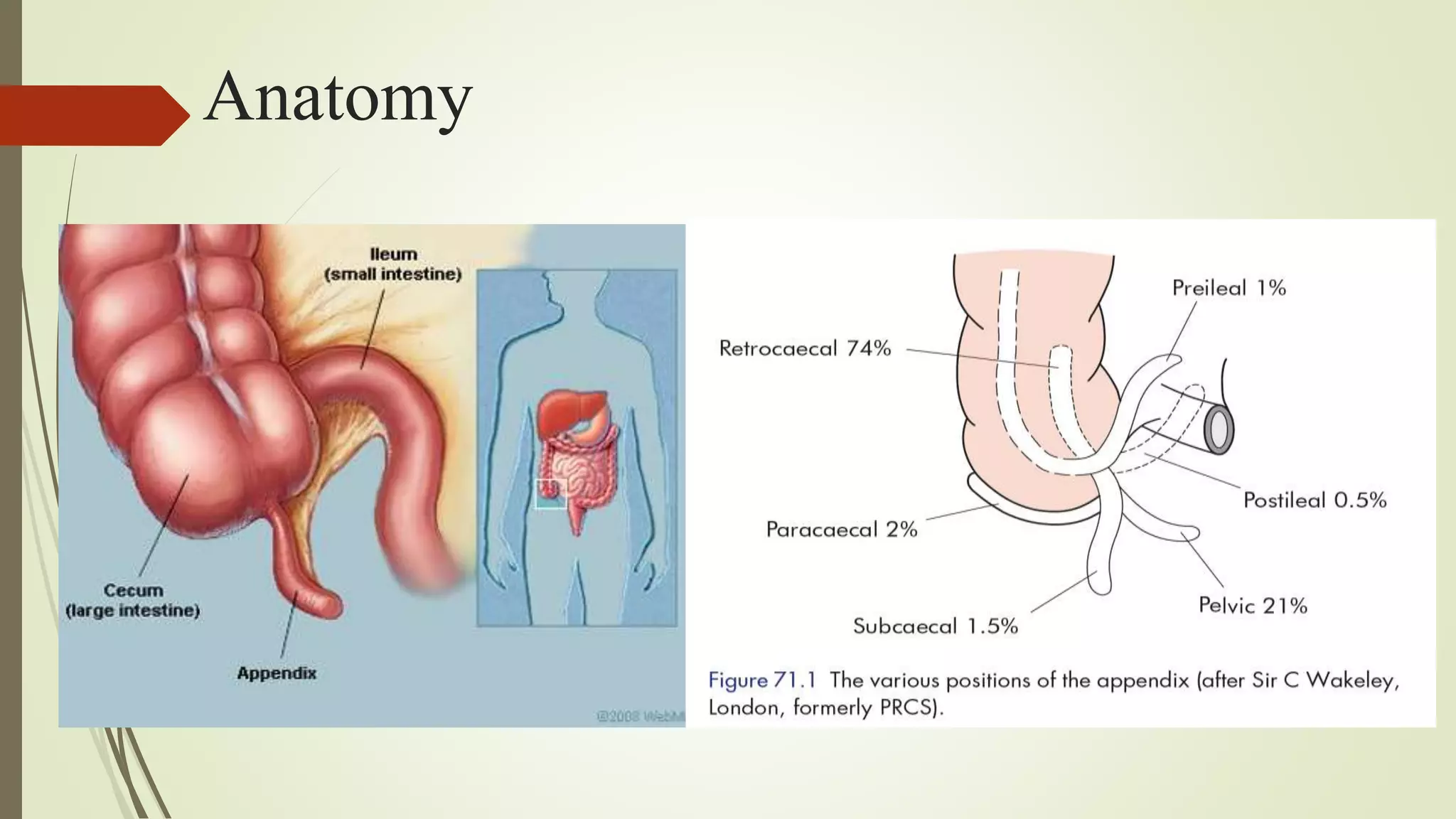
 The position of the tip varies- Retrocaecal 74%, pelvic 21%,
paracaecal 2%, subcaecal 1.5%, preileal 1%, postileal 0.5%.
The length of the appendix varies from 2cm to 20cm, average being
7.5cm to 10cm.
Anatomy
Anatomy
The mesoappendix arises from the lower surface of the mesentery of
the terminal ileum.
Sometimes the distal one-third of the appendix is bereft of
mesoappendix.
Surface Anatomy
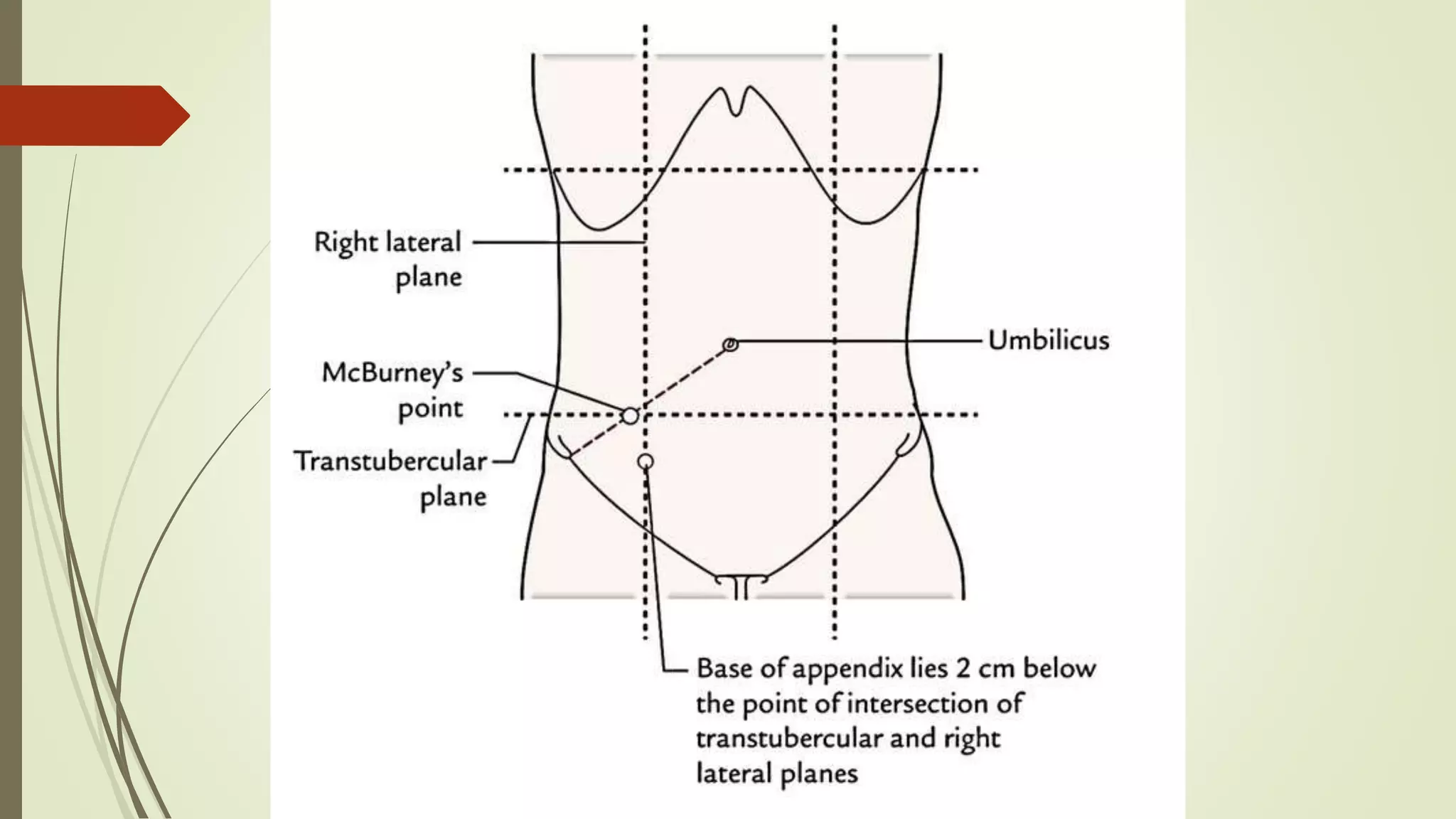
The base of the appendix is represented by a point about 2cm below
the intersection between the transtubercular and right lateral planes.
The tip is represented by ‘McBurney’s point’, which is at the junction
of medial two-third and lateral one-third of a line which extends from
the umbilicus to the right anterior superior iliac spine. This point also
indicates maximum tenderness in a patient suffering from acute
inflammation of the appendix.
Microscopic Anatomy
From inside outwards it presents four layers- Mucosal, submucosal,
muscular and serosal.
The lumen is irregular, being encroached upon by multiple
longitudinal folds of mucous membrane lined by columnar cell
intestinal mucosa of colonic type. Crypts are present, but are not
numerous. In the base of the crypts lie argentaffin cells or Kulchtisky
cells, which may give rise to carcinoid tumours.
The submucosa contains numerous lymphatic aggregations or
follicles.
Microscopic Anatomy
Figure: Normal vermiform
appendix. The narrow
lumen is bounded by
mucosa which may be
arranged in folds. There is
usually abundant lymphoid
tissue in the mucosa,
especially in younger
individuals. This may
encroach on and further
narrow the lumen. The
mucosa is bounded by a
relatively thin muscularis
mucosa.
Blood supply and Lymphatic drainage
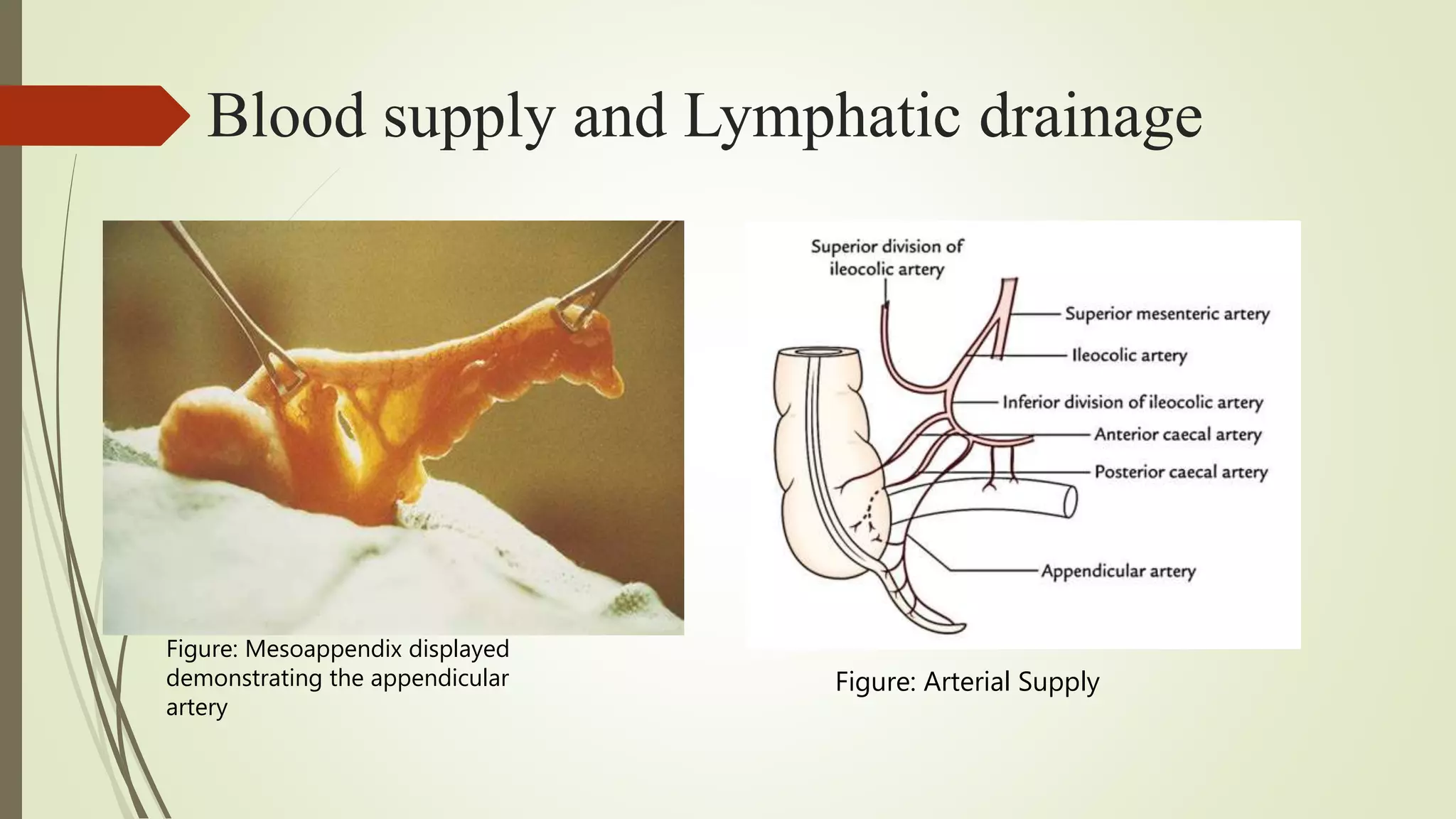
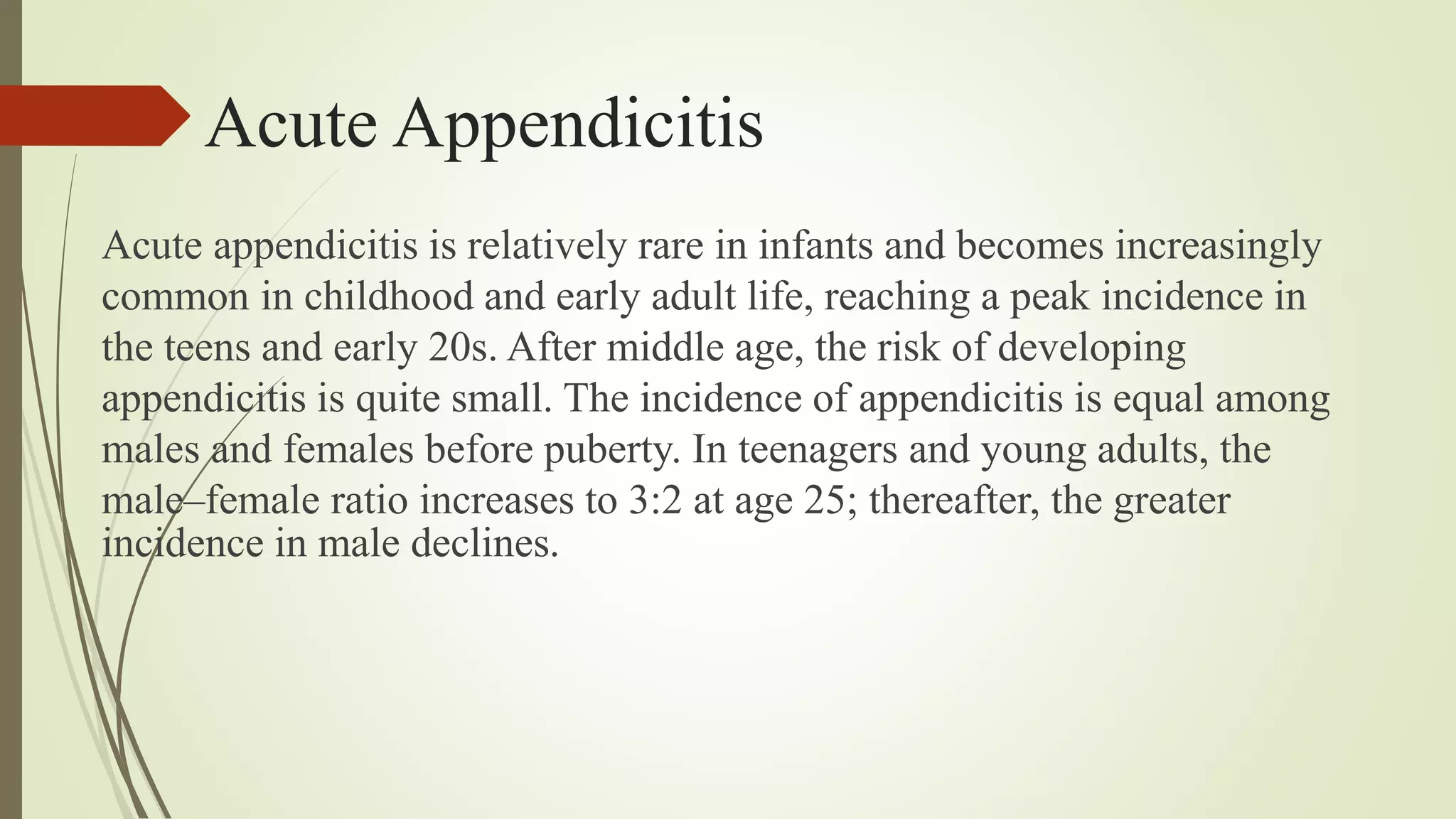
The appendicular artery, a branch of the lower division of the ileocolic
artery, passes behind the terminal ileum to enter the mesoappendix a
short distance from the base of the appendix. It then comes to lie in the
free border of the mesoappendix. An accessory appendicular artery may
be present but, in most people, the appendicular artery is an ‘end-artery’,
thrombosis of which results in necrosis of the appendix.
Vein corresponds to the artery and drains into superior mesenteric vein.
Four, six or more lymphatic channels traverse the mesoappendix to
empty into superior mesenteric lymph nodes via ileocaecal nodes.
Blood supply and Lymphatic drainage
Figure: Mesoappendix displayed
demonstrating the appendicular
artery
Figure: Arterial Supply
Blood supply and Lymphatic drainage
Acute Appendicitis
Acute appendicitis is relatively rare in infants and becomes increasingly
common in childhood and early adult life, reaching a peak incidence in
the teens and early 20s. After middle age, the risk of developing
appendicitis is quite small. The incidence of appendicitis is equal among
males and females before puberty. In teenagers and young adults, the
male–female ratio increases to 3:2 at age 25; thereafter, the greater
incidence in male declines.
Aetiology
Decreased dietary fibre and increased consumption of refined
carbohydrates may be important.
Bacterial proliferation within the appendix, no single organism is
responsible. A mixed growth of aerobic and anaerobic organisms is usual.
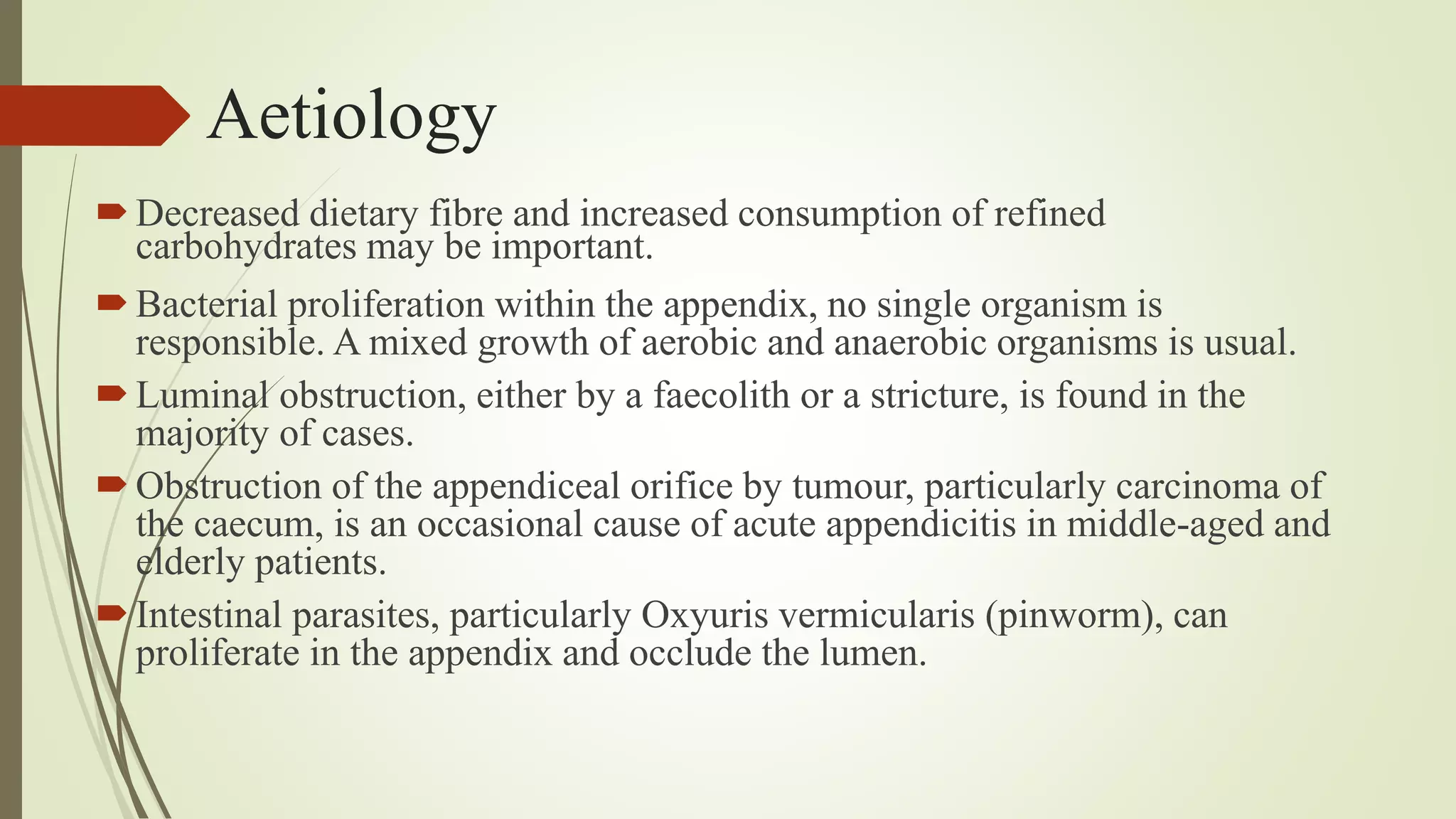
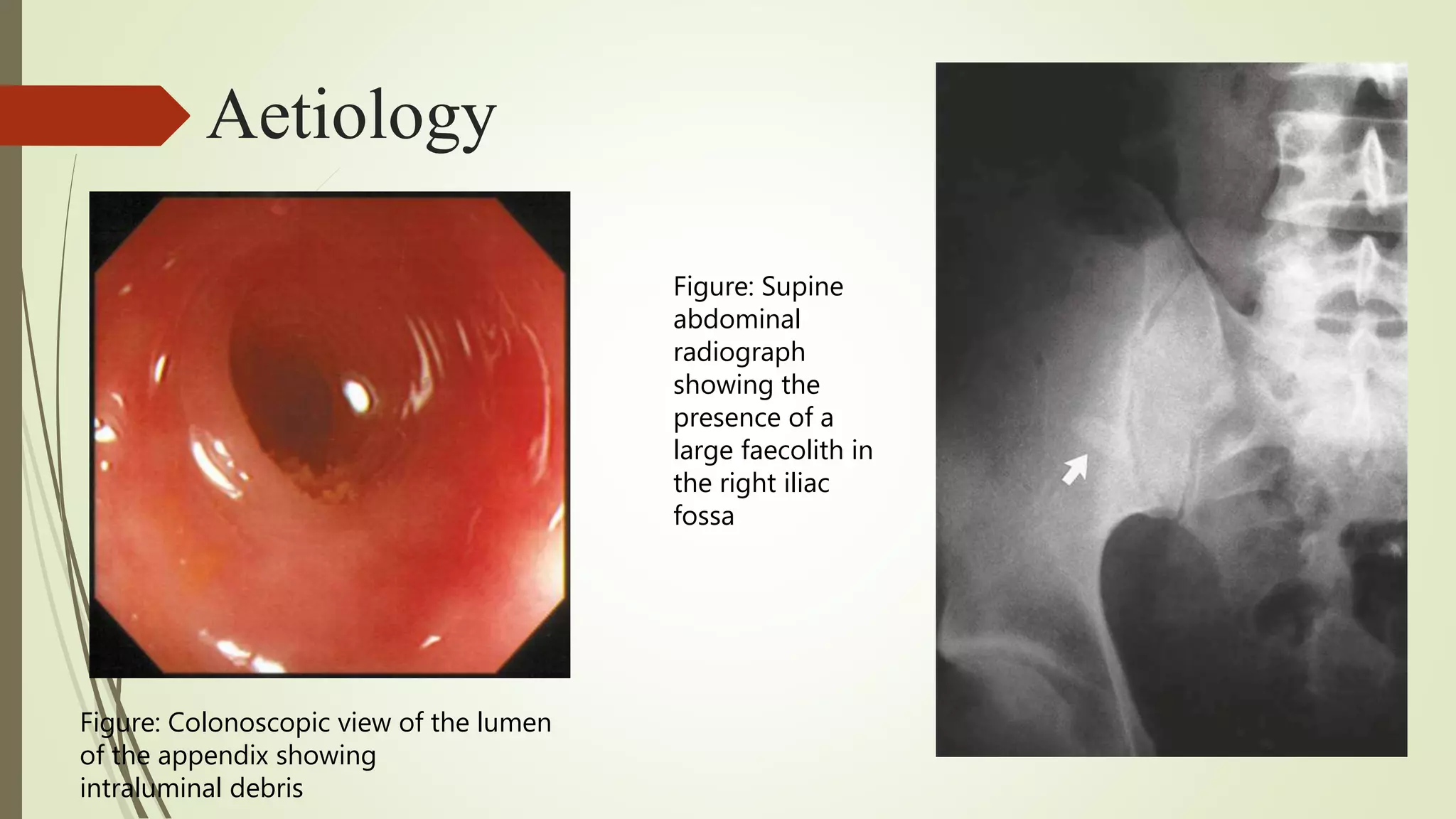
Luminal obstruction, either by a faecolith or a stricture, is found in the
majority of cases.
Obstruction of the appendiceal orifice by tumour, particularly carcinoma of
the caecum, is an occasional cause of acute appendicitis in middle-aged and
elderly patients.
Intestinal parasites, particularly Oxyuris vermicularis (pinworm), can
proliferate in the appendix and occlude the lumen.
Aetiology
Figure: Colonoscopic view of the lumen
of the appendix showing
intraluminal debris
Figure: Supine
abdominal
radiograph
showing the
presence of a
large faecolith in
the right iliac
fossa
Pathology
Pathology
Alternatively, the greater omentum and loops of small bowel become
adherent to the inflamed appendix, walling off the spread of peritoneal
contamination, and resulting in a phlegmonous mass or paracaecal
abscess.
Rarely, appendiceal inflammation resolves, leaving a distended mucus-
filled organ termed a ‘mucocele’ of the appendix.
Pathology
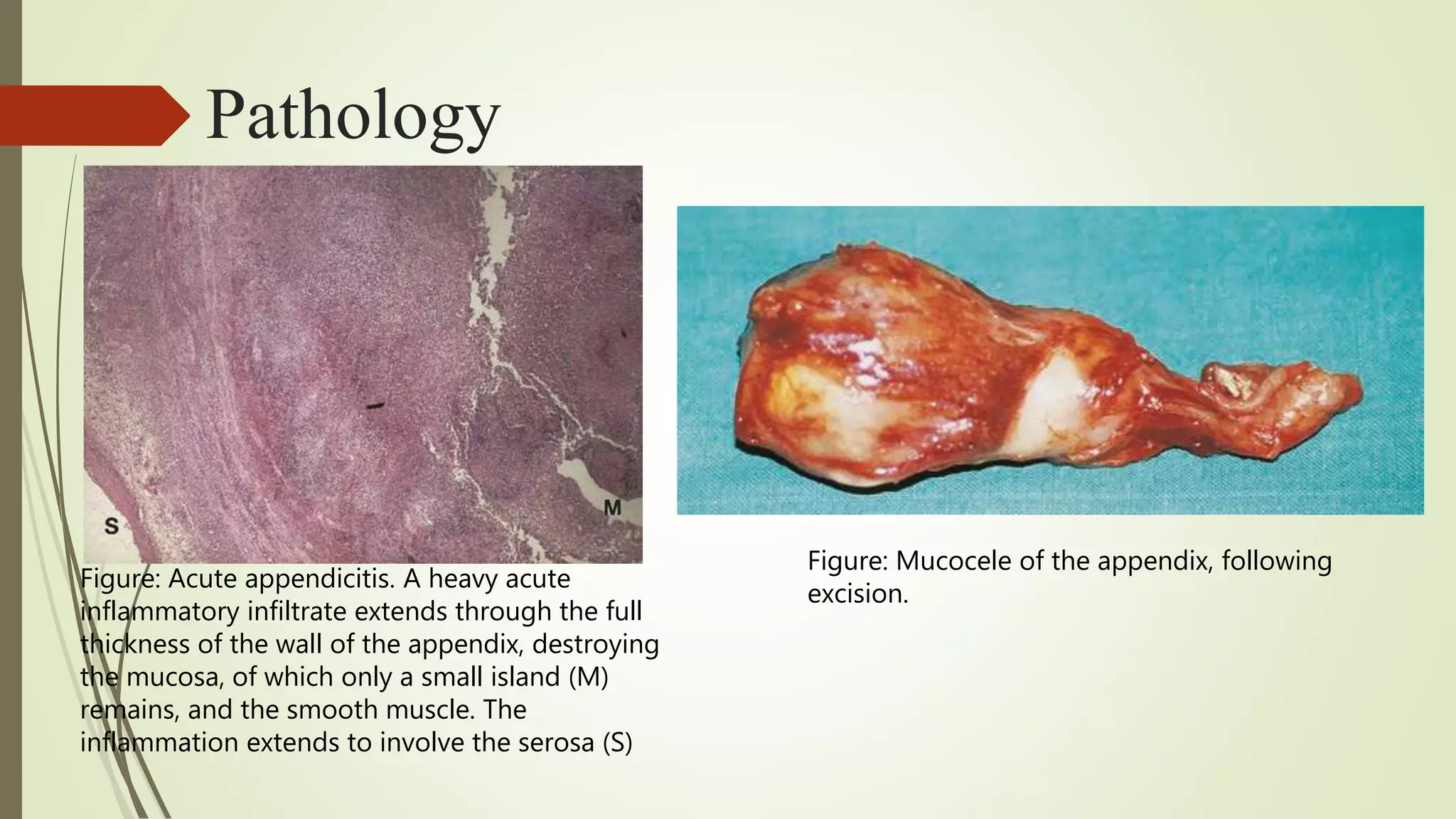
Figure: Acute appendicitis. A heavy acute
inflammatory infiltrate extends through the full
thickness of the wall of the appendix, destroying
the mucosa, of which only a small island (M)
remains, and the smooth muscle. The
inflammation extends to involve the serosa (S)
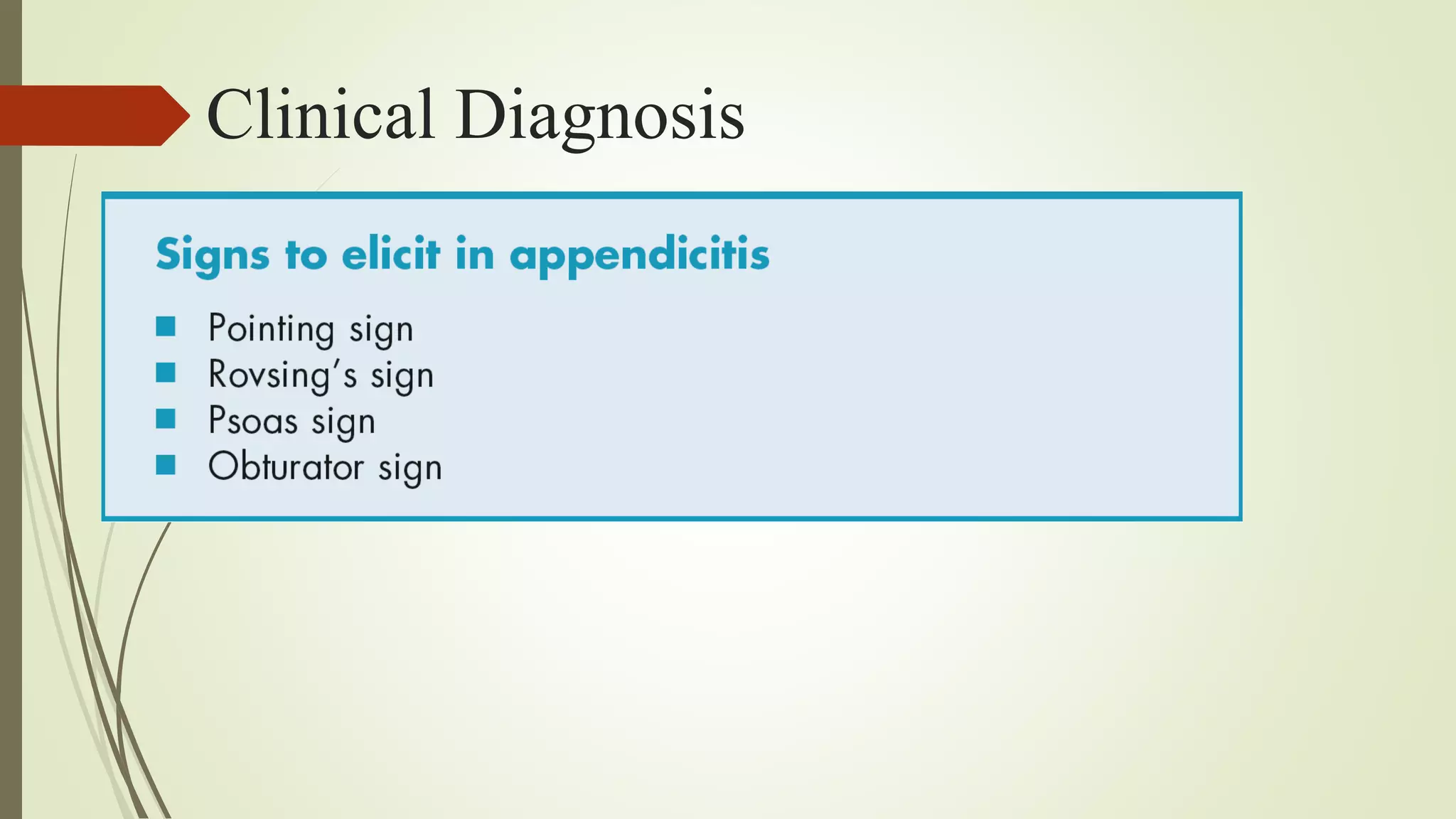
Figure: Mucocele of the appendix, following
excision.
Pathology
The potential for diffuse peritonitis is a great threat of acute
appendicitis. Peritonitis occurs as a result of free migration of bacteria
through an ischaemic appendicular wall, frank perforation of a
gangrenous appendix or delayed perforation of an appendix abscess.
Clinical Diagnosis
Clinical Diagnosis
Clinical Diagnosis
Special Features
According to the position of the Appendix-
Retrocaecal
Pelvic
Postileal
According to Age-
Infants
Children
The elderly
The obese
Pregnancy
Differential Diagnosis
Investigations
Investigations
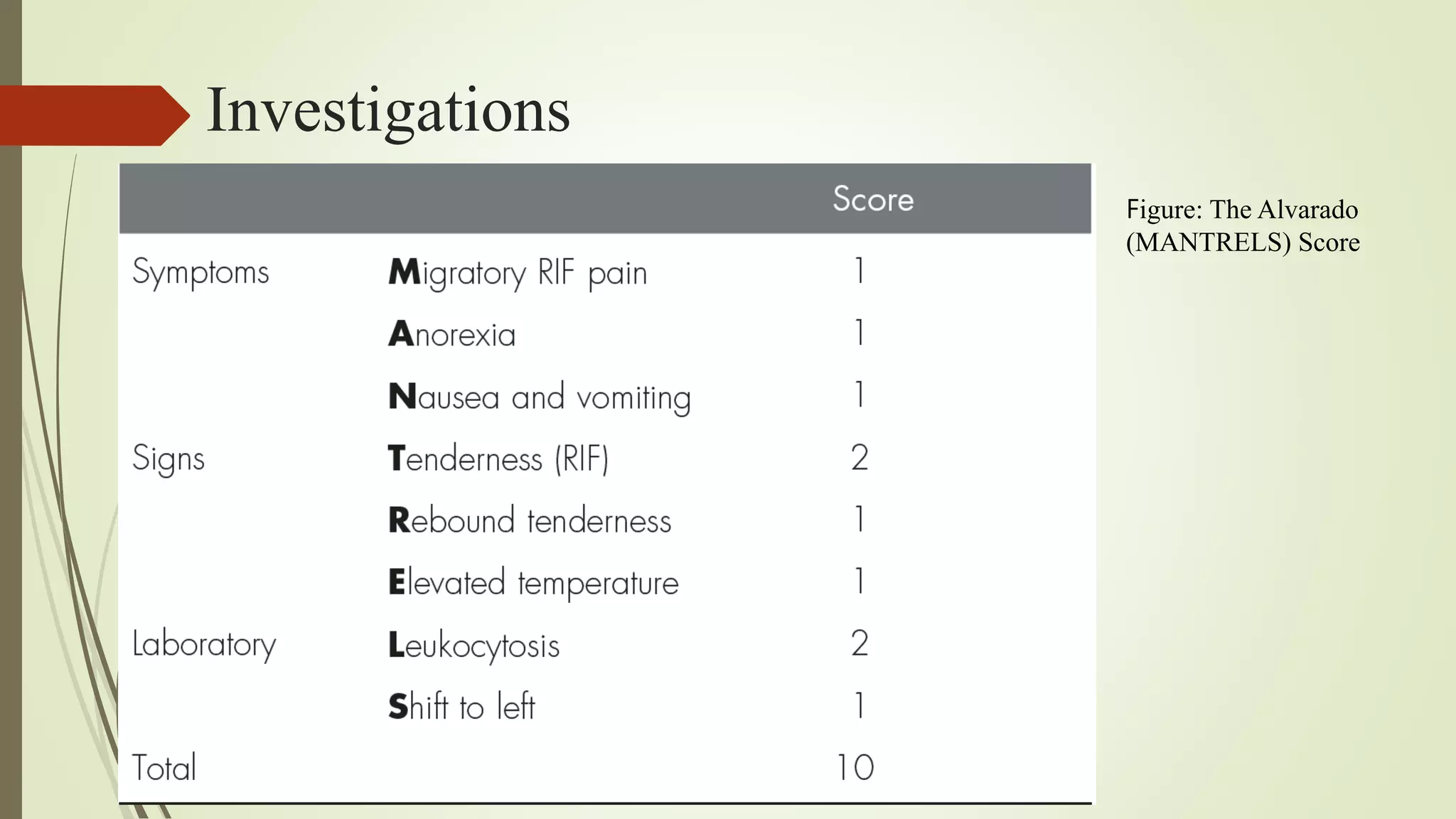
Figure: The Alvarado
(MANTRELS) Score
Investigations
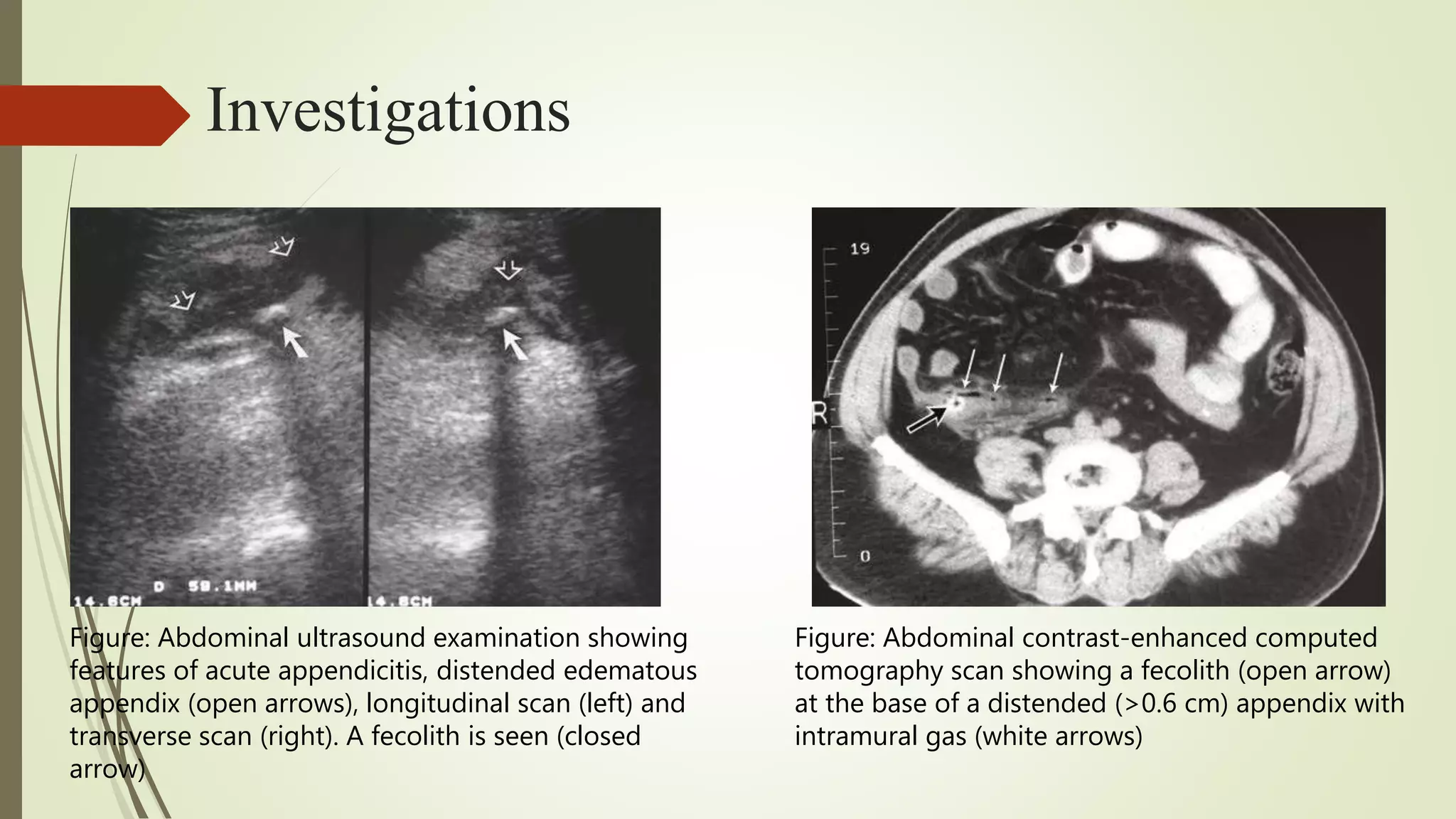
Figure: Abdominal ultrasound examination showing
features of acute appendicitis, distended edematous
appendix (open arrows), longitudinal scan (left) and
transverse scan (right). A fecolith is seen (closed
arrow)
Figure: Abdominal contrast-enhanced computed
tomography scan showing a fecolith (open arrow)
at the base of a distended (>0.6 cm) appendix with
intramural gas (white arrows)
Appendicectomy
Appendicectomy should be performed under general anaesthetic
with the patient supine on the operating table. When a laparoscopic
technique is to be used, the bladder must be empty.
Prior to preparing the entire abdomen with an appropriate antiseptic
solution, the right iliac fossa should be palpated for a mass. If a mass is
felt, it may, on occasion, be preferable to adopt a conservative approach.
Draping of the abdomen is in accordance with the planned operative
technique, taking account of any requirement to extend the incision or
convert a laparoscopic technique to an open operation.
Appendicectomy
Conventional Approach-
Gridiron incision
Rutherford Morrison’s muscle cutting incision
Lanz incision
Lowe midline incision
Right lower paramedian incision
Appendicectomy
Appendicectomy
Appendicectomy
Figure: Laparoscopic
Approach
Appendicectomy
Figure:
Laparoscopic
Approach
Appendicectomy
Problems encountered during appendicectomy-
A normal appendix is found
An appendix is not found
An appendicular tumor is found
An appendix abscess is found, and appendix cannot be removed easily
Appendicitis complicating crohn’s disease
Pelvic abscess
Appendix mass
Appendix Mass
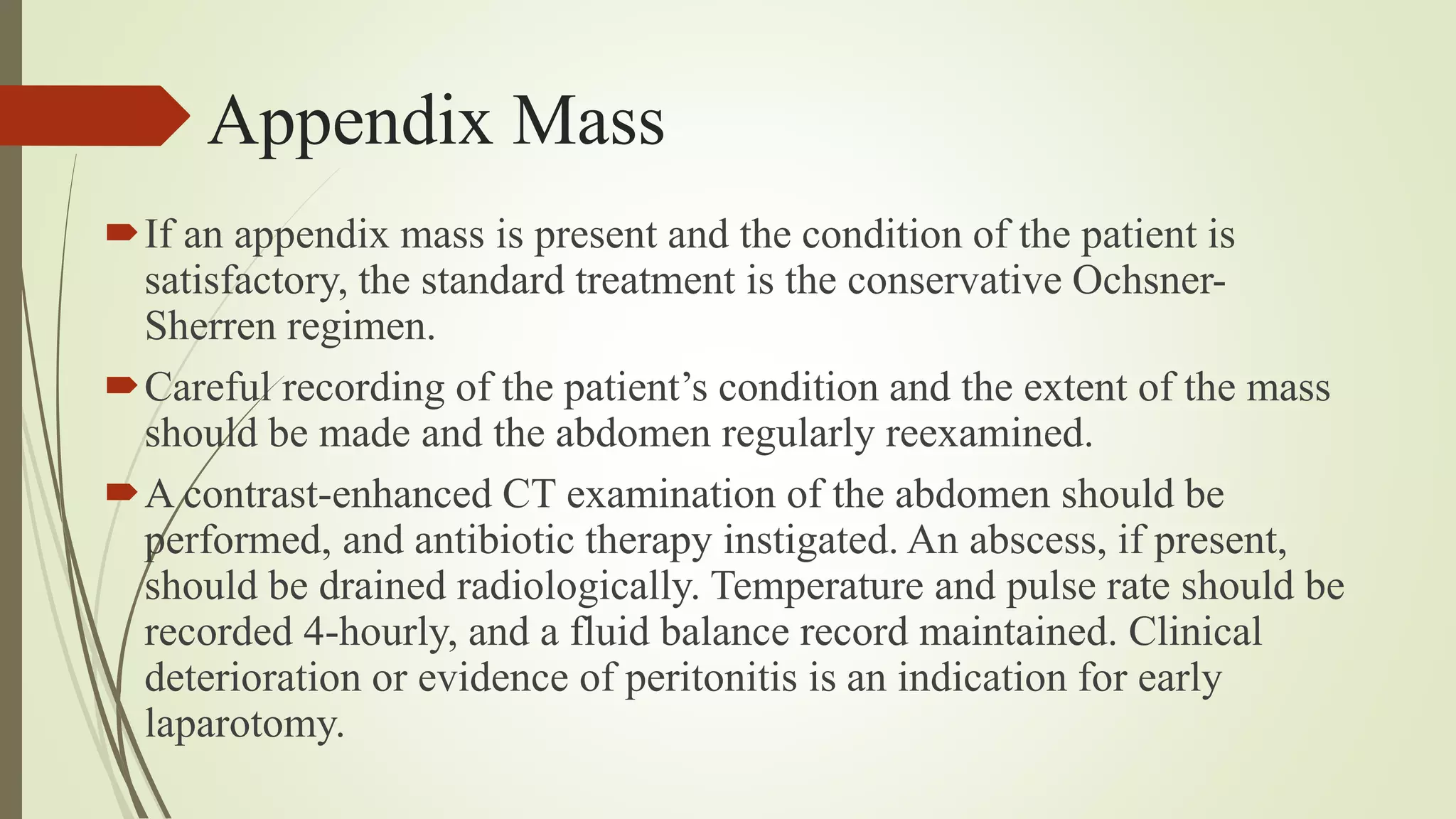
If an appendix mass is present and the condition of the patient is
satisfactory, the standard treatment is the conservative Ochsner-
Sherren regimen.
Careful recording of the patient’s condition and the extent of the mass
should be made and the abdomen regularly reexamined.
A contrast-enhanced CT examination of the abdomen should be
performed, and antibiotic therapy instigated. An abscess, if present,
should be drained radiologically. Temperature and pulse rate should be
recorded 4-hourly, and a fluid balance record maintained. Clinical
deterioration or evidence of peritonitis is an indication for early
laparotomy.
Appendix Mass
Appendicectomy
Postoperative Complications-
Wound infection
Intra-abdominal abscess
Ileus
Respiratory
Venous thrombosis and embolism
Portal pyemia (pylephlebitis)
Fecal fistula
Adhesive intestinal obstruction
Appendicectomy
Recurrent Acute Appendicitis
Appendicitis is notoriously recurrent.
The attacks vary in intensity and may occur every few months, and the
majority of cases ultimately culminate in severe acute appendicitis.
The appendix in these cases shows fibrosis indicative of previous
inflammation
Neoplasm of the Appendix
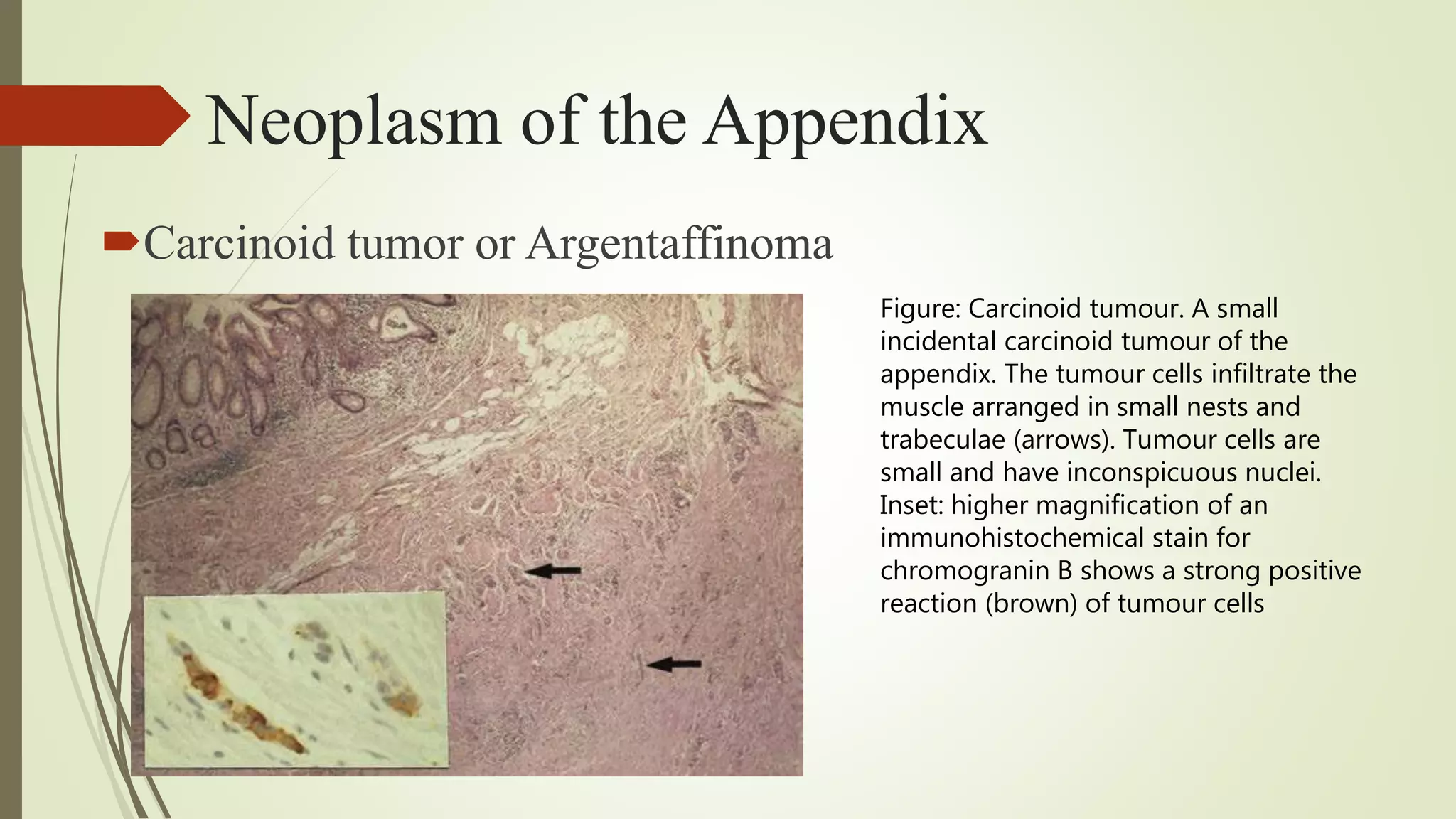
Carcinoid tumor or Argentaffinoma
Figure: Carcinoid tumour. A small
incidental carcinoid tumour of the
appendix. The tumour cells infiltrate the
muscle arranged in small nests and
trabeculae (arrows). Tumour cells are
small and have inconspicuous nuclei.
Inset: higher magnification of an
immunohistochemical stain for
chromogranin B shows a strong positive
reaction (brown) of tumour cells
Neoplasm of the Appendix
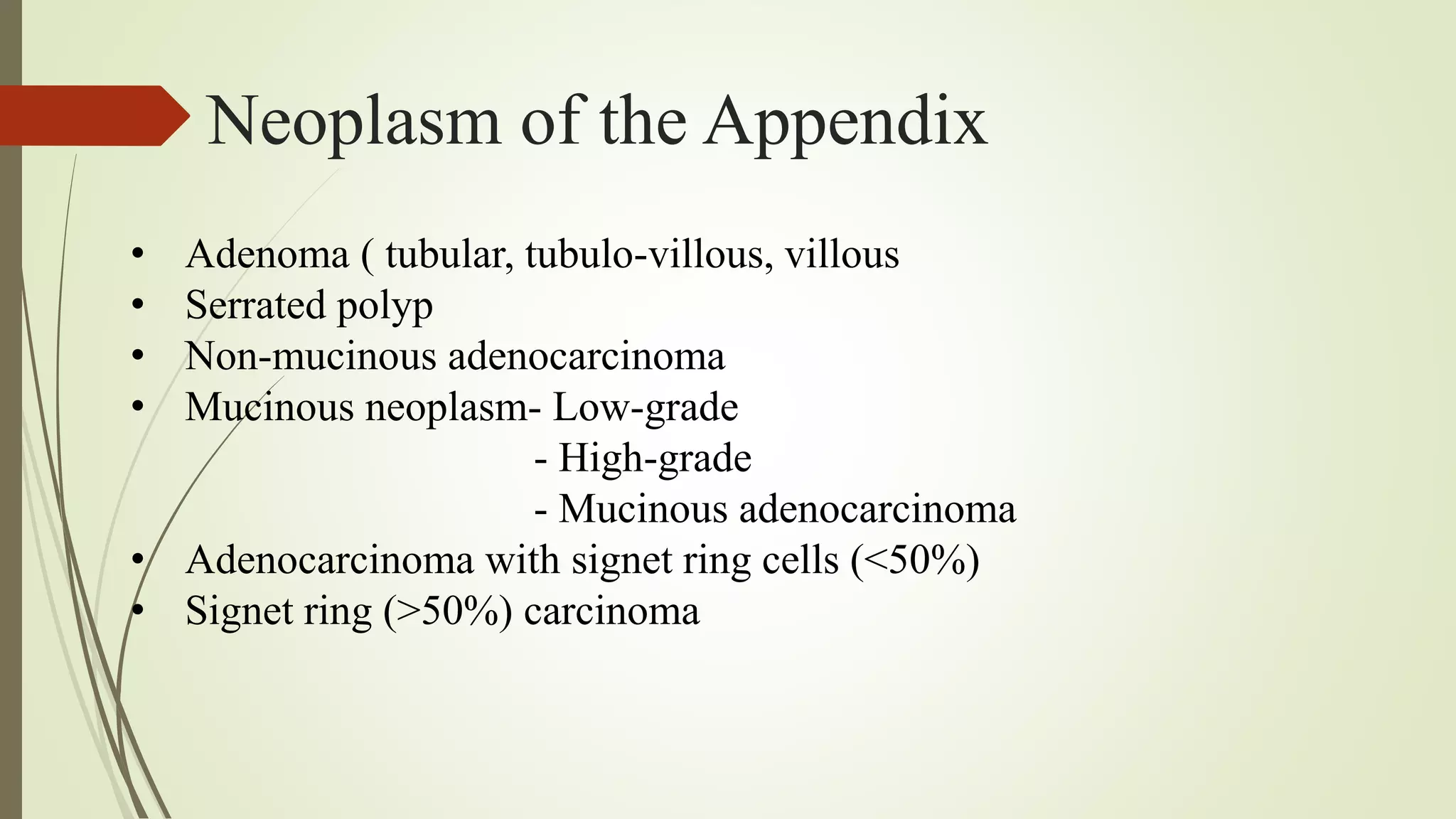
• Adenoma ( tubular, tubulo-villous, villous
• Serrated polyp
• Non-mucinous adenocarcinoma
• Mucinous neoplasm- Low-grade
- High-grade
- Mucinous adenocarcinoma
• Adenocarcinoma with signet ring cells (<50%)
• Signet ring (>50%) carcinoma
Neoplasm of the Appendix
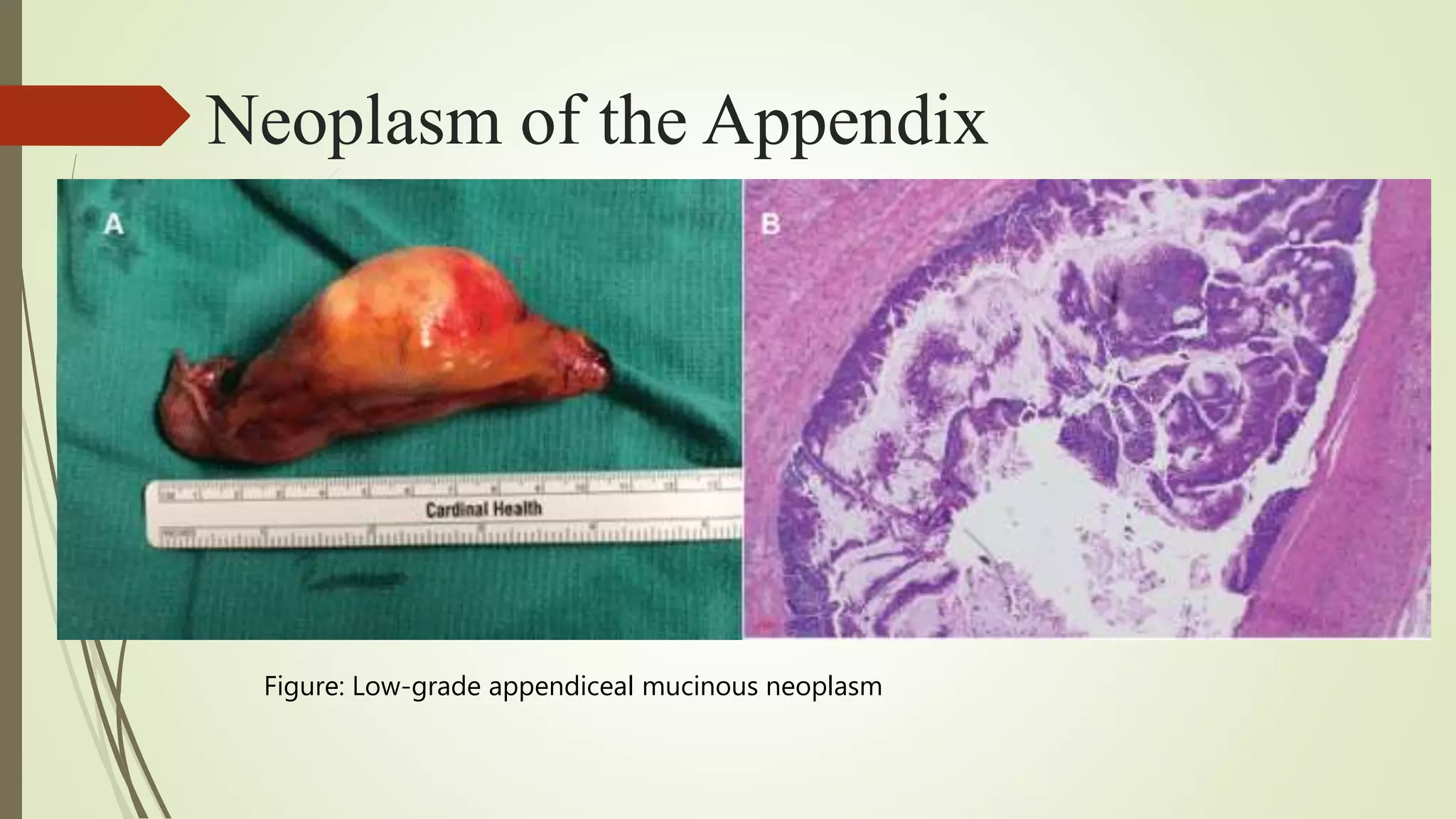
Figure: Low-grade appendiceal mucinous neoplasm
Neoplasm of the Appendix
Figure: Perforated mucin
producing tumor of the
appendix
Neoplasm of the Appendix
Pseudomyxoma peritonei-
Acellular mucin
Low-grade mucinous carcinoma peritonei
High-grade mucinous carcinoma peritonei
High-grade mucinous carcinoma peritonei with signet ring cells
Neoplasm of the Appendix
Figure: Pseudomyxoma
peritonei. Operative
photograph illustrating
the extensive
peritoneal seeding by
mucin-producing cells

The Vermiform Appendix.pptx

  • 1.
    THE VERMIFORM APPENDIX Dr. SumaiaIntiser Shafa Honorary Medical Officer Surgery Unit IV ShSMCH
  • 2.
    Introduction The vermiform appendixis considered by most to be a vestigial organ; its importance in surgery results only from its propensity for inflammation, which results in the clinical syndrome known as ‘acute appendicitis’. Acute appendicitis is the most common cause of an ‘acute abdomen’ in young adults and, as such, the associated symptoms and signs have become a paradigm for clinical teaching. The diagnosis of appendicitis remains essentially clinical. Appendicectomy is the most frequently performed urgent abdominal operation and is often the first major procedure performed by a surgeon in training.
  • 3.
    Embryology The appendix arisefrom the midgut. The caecal diverticulum appears at week 6 and is the precursor of the caecum and vermiform appendix. The appendix is histologically visible by 8 weeks of gestation. During childhood, the continued growth of the caecum commonly rotates the appendix into a retrocaecal but intraperitoneal position. In one-quarter of cases rotation does not occur resulting in a pelvic, subcaecal or paracaecal position.
  • 4.
    Anatomy The vermiform appendixis a blind muscular tube with a mucosal, submucosal, muscular and serosal layers. The appendix presents base, body, tip and mesoappendix.  The position of the base of the appendix is constant, being found at the confluence of the three taeniae coli, which fuse to form the outer longitudinal muscle coat of the appendix.  The position of the tip varies- Retrocaecal 74%, pelvic 21%, paracaecal 2%, subcaecal 1.5%, preileal 1%, postileal 0.5%. The length of the appendix varies from 2cm to 20cm, average being 7.5cm to 10cm.
  • 5.
  • 6.
    Anatomy The mesoappendix arisesfrom the lower surface of the mesentery of the terminal ileum. Sometimes the distal one-third of the appendix is bereft of mesoappendix.
  • 8.
    Surface Anatomy The baseof the appendix is represented by a point about 2cm below the intersection between the transtubercular and right lateral planes. The tip is represented by ‘McBurney’s point’, which is at the junction of medial two-third and lateral one-third of a line which extends from the umbilicus to the right anterior superior iliac spine. This point also indicates maximum tenderness in a patient suffering from acute inflammation of the appendix.
  • 9.
    Microscopic Anatomy From insideoutwards it presents four layers- Mucosal, submucosal, muscular and serosal. The lumen is irregular, being encroached upon by multiple longitudinal folds of mucous membrane lined by columnar cell intestinal mucosa of colonic type. Crypts are present, but are not numerous. In the base of the crypts lie argentaffin cells or Kulchtisky cells, which may give rise to carcinoid tumours. The submucosa contains numerous lymphatic aggregations or follicles.
  • 10.
    Microscopic Anatomy Figure: Normalvermiform appendix. The narrow lumen is bounded by mucosa which may be arranged in folds. There is usually abundant lymphoid tissue in the mucosa, especially in younger individuals. This may encroach on and further narrow the lumen. The mucosa is bounded by a relatively thin muscularis mucosa.
  • 11.
    Blood supply andLymphatic drainage The appendicular artery, a branch of the lower division of the ileocolic artery, passes behind the terminal ileum to enter the mesoappendix a short distance from the base of the appendix. It then comes to lie in the free border of the mesoappendix. An accessory appendicular artery may be present but, in most people, the appendicular artery is an ‘end-artery’, thrombosis of which results in necrosis of the appendix. Vein corresponds to the artery and drains into superior mesenteric vein. Four, six or more lymphatic channels traverse the mesoappendix to empty into superior mesenteric lymph nodes via ileocaecal nodes.
  • 12.
    Blood supply andLymphatic drainage Figure: Mesoappendix displayed demonstrating the appendicular artery Figure: Arterial Supply
  • 13.
    Blood supply andLymphatic drainage
  • 14.
    Acute Appendicitis Acute appendicitisis relatively rare in infants and becomes increasingly common in childhood and early adult life, reaching a peak incidence in the teens and early 20s. After middle age, the risk of developing appendicitis is quite small. The incidence of appendicitis is equal among males and females before puberty. In teenagers and young adults, the male–female ratio increases to 3:2 at age 25; thereafter, the greater incidence in male declines.
  • 15.
    Aetiology Decreased dietary fibreand increased consumption of refined carbohydrates may be important. Bacterial proliferation within the appendix, no single organism is responsible. A mixed growth of aerobic and anaerobic organisms is usual. Luminal obstruction, either by a faecolith or a stricture, is found in the majority of cases. Obstruction of the appendiceal orifice by tumour, particularly carcinoma of the caecum, is an occasional cause of acute appendicitis in middle-aged and elderly patients. Intestinal parasites, particularly Oxyuris vermicularis (pinworm), can proliferate in the appendix and occlude the lumen.
  • 16.
    Aetiology Figure: Colonoscopic viewof the lumen of the appendix showing intraluminal debris Figure: Supine abdominal radiograph showing the presence of a large faecolith in the right iliac fossa
  • 17.
  • 18.
    Pathology Alternatively, the greateromentum and loops of small bowel become adherent to the inflamed appendix, walling off the spread of peritoneal contamination, and resulting in a phlegmonous mass or paracaecal abscess. Rarely, appendiceal inflammation resolves, leaving a distended mucus- filled organ termed a ‘mucocele’ of the appendix.
  • 19.
    Pathology Figure: Acute appendicitis.A heavy acute inflammatory infiltrate extends through the full thickness of the wall of the appendix, destroying the mucosa, of which only a small island (M) remains, and the smooth muscle. The inflammation extends to involve the serosa (S) Figure: Mucocele of the appendix, following excision.
  • 20.
    Pathology The potential fordiffuse peritonitis is a great threat of acute appendicitis. Peritonitis occurs as a result of free migration of bacteria through an ischaemic appendicular wall, frank perforation of a gangrenous appendix or delayed perforation of an appendix abscess.
  • 21.
  • 22.
  • 23.
  • 24.
    Special Features According tothe position of the Appendix- Retrocaecal Pelvic Postileal According to Age- Infants Children The elderly The obese Pregnancy
  • 25.
  • 26.
  • 27.
  • 28.
    Investigations Figure: Abdominal ultrasoundexamination showing features of acute appendicitis, distended edematous appendix (open arrows), longitudinal scan (left) and transverse scan (right). A fecolith is seen (closed arrow) Figure: Abdominal contrast-enhanced computed tomography scan showing a fecolith (open arrow) at the base of a distended (>0.6 cm) appendix with intramural gas (white arrows)
  • 29.
    Appendicectomy Appendicectomy should beperformed under general anaesthetic with the patient supine on the operating table. When a laparoscopic technique is to be used, the bladder must be empty. Prior to preparing the entire abdomen with an appropriate antiseptic solution, the right iliac fossa should be palpated for a mass. If a mass is felt, it may, on occasion, be preferable to adopt a conservative approach. Draping of the abdomen is in accordance with the planned operative technique, taking account of any requirement to extend the incision or convert a laparoscopic technique to an open operation.
  • 30.
    Appendicectomy Conventional Approach- Gridiron incision RutherfordMorrison’s muscle cutting incision Lanz incision Lowe midline incision Right lower paramedian incision
  • 31.
  • 32.
  • 33.
  • 34.
  • 35.
    Appendicectomy Problems encountered duringappendicectomy- A normal appendix is found An appendix is not found An appendicular tumor is found An appendix abscess is found, and appendix cannot be removed easily Appendicitis complicating crohn’s disease Pelvic abscess Appendix mass
  • 36.
    Appendix Mass If anappendix mass is present and the condition of the patient is satisfactory, the standard treatment is the conservative Ochsner- Sherren regimen. Careful recording of the patient’s condition and the extent of the mass should be made and the abdomen regularly reexamined. A contrast-enhanced CT examination of the abdomen should be performed, and antibiotic therapy instigated. An abscess, if present, should be drained radiologically. Temperature and pulse rate should be recorded 4-hourly, and a fluid balance record maintained. Clinical deterioration or evidence of peritonitis is an indication for early laparotomy.
  • 37.
  • 38.
    Appendicectomy Postoperative Complications- Wound infection Intra-abdominalabscess Ileus Respiratory Venous thrombosis and embolism Portal pyemia (pylephlebitis) Fecal fistula Adhesive intestinal obstruction
  • 39.
  • 40.
    Recurrent Acute Appendicitis Appendicitisis notoriously recurrent. The attacks vary in intensity and may occur every few months, and the majority of cases ultimately culminate in severe acute appendicitis. The appendix in these cases shows fibrosis indicative of previous inflammation
  • 41.
    Neoplasm of theAppendix Carcinoid tumor or Argentaffinoma Figure: Carcinoid tumour. A small incidental carcinoid tumour of the appendix. The tumour cells infiltrate the muscle arranged in small nests and trabeculae (arrows). Tumour cells are small and have inconspicuous nuclei. Inset: higher magnification of an immunohistochemical stain for chromogranin B shows a strong positive reaction (brown) of tumour cells
  • 42.
    Neoplasm of theAppendix • Adenoma ( tubular, tubulo-villous, villous • Serrated polyp • Non-mucinous adenocarcinoma • Mucinous neoplasm- Low-grade - High-grade - Mucinous adenocarcinoma • Adenocarcinoma with signet ring cells (<50%) • Signet ring (>50%) carcinoma
  • 43.
    Neoplasm of theAppendix Figure: Low-grade appendiceal mucinous neoplasm
  • 44.
    Neoplasm of theAppendix Figure: Perforated mucin producing tumor of the appendix
  • 45.
    Neoplasm of theAppendix Pseudomyxoma peritonei- Acellular mucin Low-grade mucinous carcinoma peritonei High-grade mucinous carcinoma peritonei High-grade mucinous carcinoma peritonei with signet ring cells
  • 46.
    Neoplasm of theAppendix Figure: Pseudomyxoma peritonei. Operative photograph illustrating the extensive peritoneal seeding by mucin-producing cells