Tapeshwar Yadav
(Lecturer)
BMLT, DNHE,
M.Sc. Medical Biochemistry
ANTIOXIDANTS
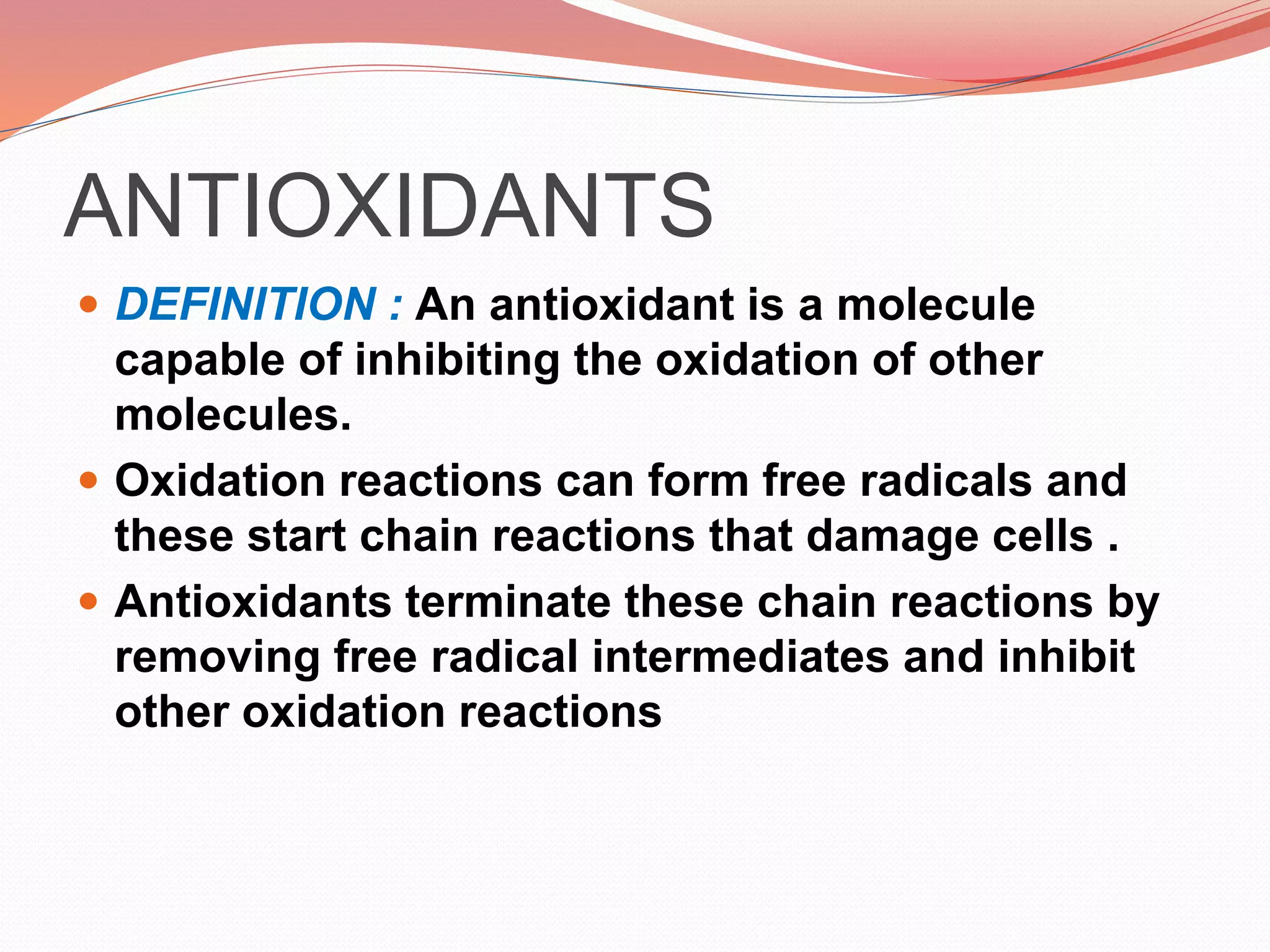
 DEFINITION : An antioxidant is a molecule
capable of inhibiting the oxidation of other
molecules.
 Oxidation reactions can form free radicals and
these start chain reactions that damage cells .
 Antioxidants terminate these chain reactions by
removing free radical intermediates and inhibit
other oxidation reactions
TYPES OF ANTIOXIDANTS
 These are three types
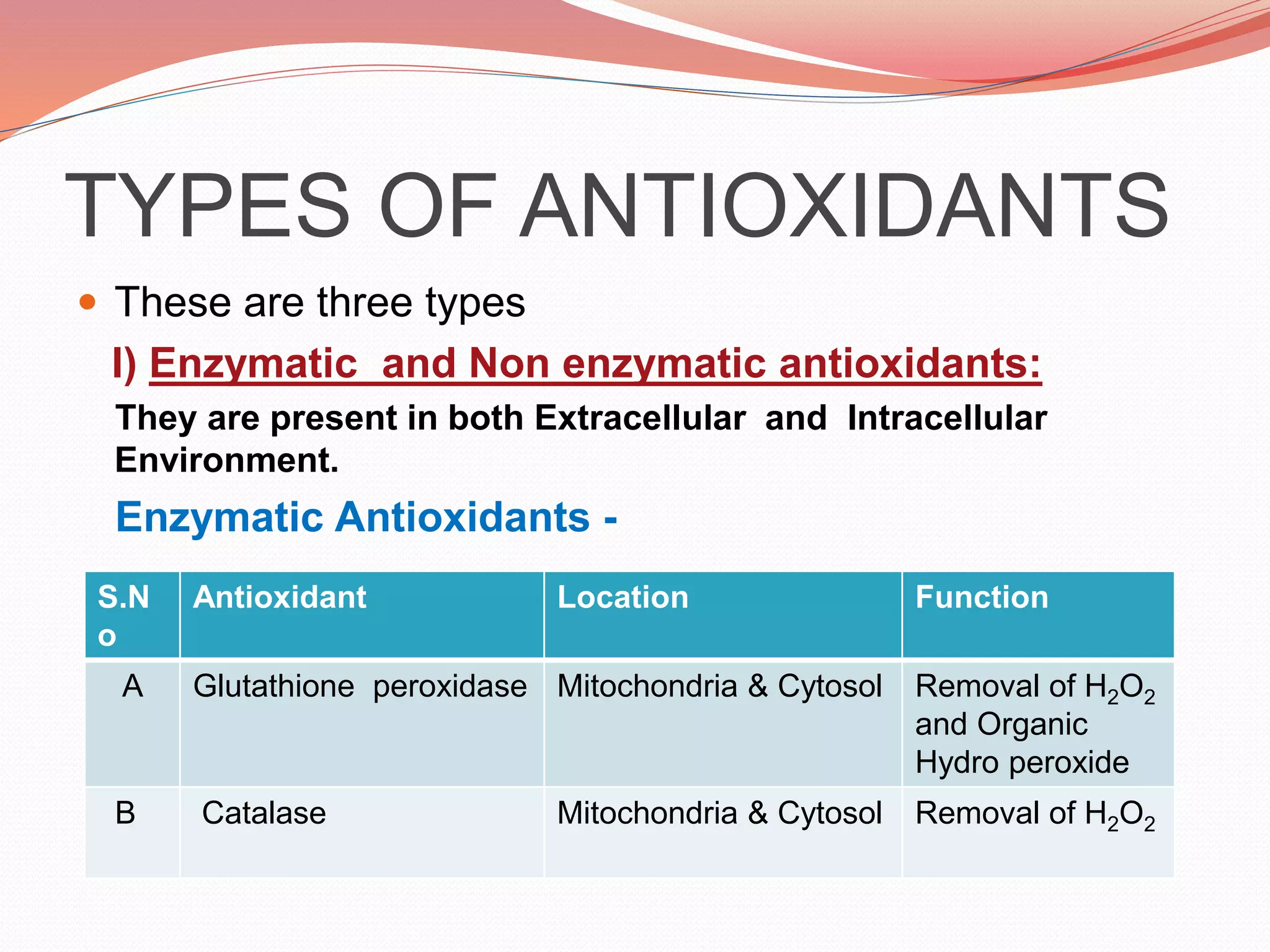
I) Enzymatic and Non enzymatic antioxidants:
They are present in both Extracellular and Intracellular
Environment.
Enzymatic Antioxidants -
S.N
o
Antioxidant Location Function
A Glutathione peroxidase Mitochondria & Cytosol Removal of H2O2
and Organic
Hydro peroxide
B Catalase Mitochondria & Cytosol Removal of H2O2
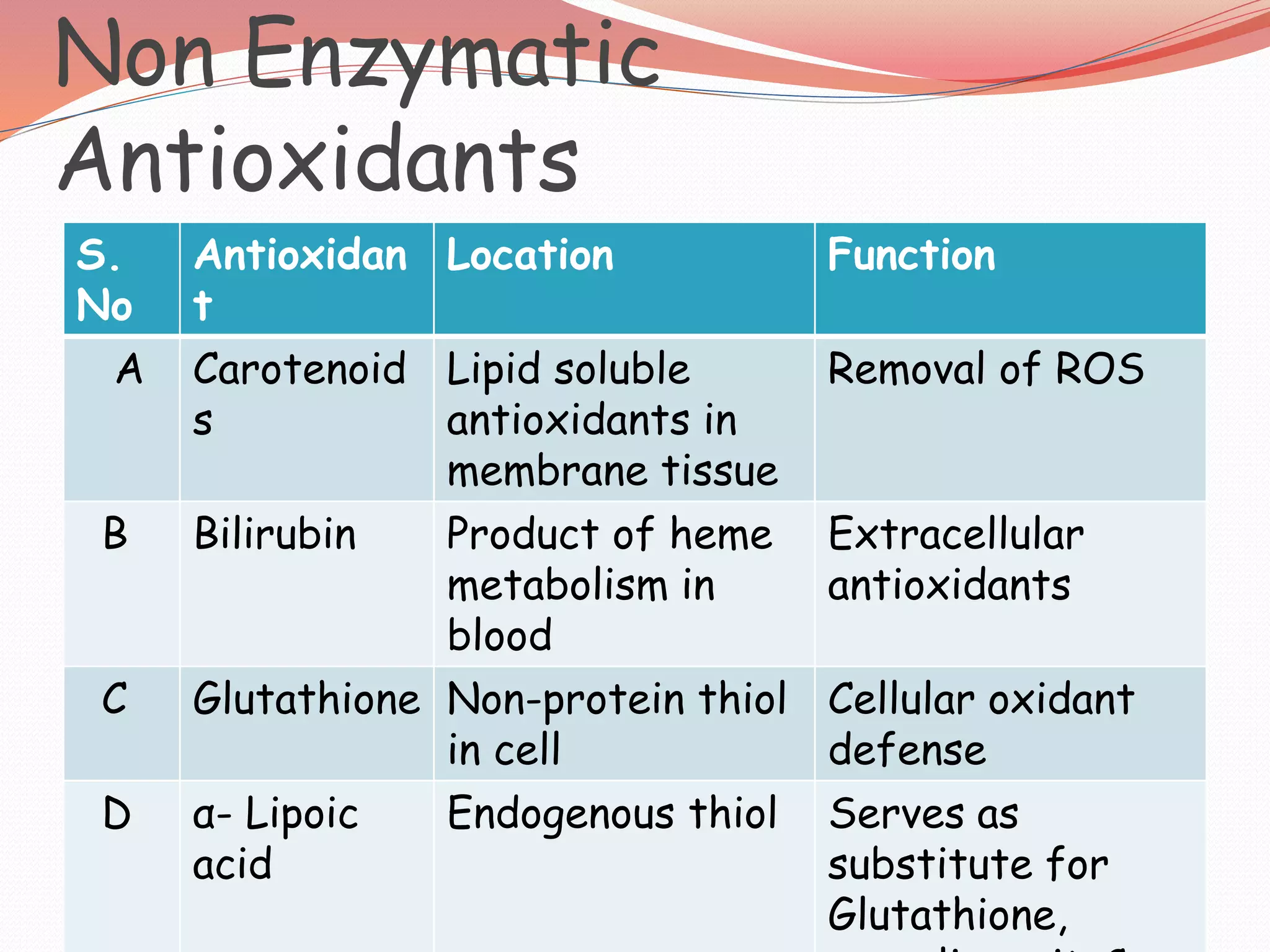
Non Enzymatic
Antioxidants
S.
No
Antioxidan
t
Location Function
A Carotenoid
s
Lipid soluble
antioxidants in
membrane tissue
Removal of ROS
B Bilirubin Product of heme
metabolism in
blood
Extracellular
antioxidants
C Glutathione Non-protein thiol
in cell
Cellular oxidant
defense
D α- Lipoic
acid
Endogenous thiol Serves as
substitute for
Glutathione,
E Viamin C Aqueous
phase of cell
cell
Free scavenger, recycle
recycle vit- E
F Vitamin E Cell Chain breaking
Antioxidant
G Uric acid Product of
Purine
Metabolism
Scavenging of OH
radical
II) Natural and Dietary Sources
a) Natural sources :
Chlorophyll derivatives , Carotenoids ,
Essential oils , Phytosterols, Alkaloids,
Phenolics, Nitrogen containing compounds.
b)Dietary antioxidants :
Camosol ,Rosmanol , Camosoic acid,
III) Based on Defense Mechanism :
a) Preventive Antioxidants :
Peroxidase, Catalase , Lactoferrin,
Carotenoids Etc….
b)Radical scavenging Antioxidants :
Vitamin C and Carotenoids.
c) Repair and DENOVO antioxidants
d) Enzyme inhibitor Antioxidants
Functions of Antioxidants :
 Antioxidants such as vit- C & vit- E boost our
immune system.
 Certain phytochemicals have beneficial effect
on heart diseases.
 Antioxidants lower the level of LDL-
cholesterol, thus preventing plaque
deposition in the blood vessels.
 It is beneficial in cancer prevention.
 Antioxidants neutralize substances that can
damage the genetic material by oxidation.
Vitamins as Antioxidants
CAROTENES :
 A carotene is one of four Antioxidants that are vital
for our
general health and wellbeing.
There are four carotene compounds :
α-Carotene, β-Carotene,
γ-Carotene, δ-Carotene.
 α-Carotene & β-Carotene are the powerful
antioxidants
 β-Carotene is an antiageing micronutrient and play a
significant role in reducing the effects of certain
illnesses such as heart disease, decreased immune
function, cataracts, cancer.
 Much like beta, alpha-carotene is found in foods like:
Carrots ,Sweet potatoes ,Squash ,Brussel
sprouts,Kiwi, Spinach, Broccoli, Kale, Mang0,
Cantaloupe
ASCORBIC ACID(VIT-C) :
 It is a hydrophilic antioxidant.
 Neutralization of H2O2
 Maintain healthy collagen in skin,
Repair damaged tissue, healthy teeth
and bones, boost immune system
 As a free radical fighter helps ward off wrinkles and
many illnesses linked to oxidation, cataracts,
arthritis, heart disease and cancer
 Vitamin C functions as an anti-inflammatory, and
helps the body fight inflammatory diseases,
including fibromyalgia, and chronic fatigue, angina,
bronchitis, bruises, canker sores, constipation,
diabetes, vitamin C helps the body absorb iron, it is
also useful in treating iron deficiency and anemia.
 Sources : Broccoli, Strawberries, Kale, Citrus fruits
like oranges, limes, and lemons, Tomatoes ,Bell
peppers Cabbage, Watermelon, potatoes and
spinach.
TOCOPHEROLS ( vit- E) :
 It is a lipid soluble and among them α- tocopherol is
biologically active
 It is an antioxidant present in all cellular membranes
and protects against lipid peroxidation and normal
ageing process.
 It directly acts on oxyradicals and serve important
chain breaking antioxidant.
 Vitamin E is used as treatment for many chronic
diseases including Alzeimer’s disease, osteoarthritis
and prostate enlargement.
 Sources : Peanut oil, cotton seed oil, sunflower oil,
whole grains, green leafy vegetables.
ΑLPHA LIPOIC ACID :
 It is universal anti oxidant
 It is also called Thioctic acid
 It helps to converts glucose to energy, detoxifies the
body, fights inflammation in the skin and helps
stabilizes blood sugar
 It plays a key role in recycling other important
antioxidants such as ascorbic acid, α tocopherol and
Glutathione.
 It penetrates through tissues composed of fat and
those made of water such as Nervous tissue and
Heart
 Sources : Spinach , Liver , Brewer’s yeast
Minerals as Antioxidants
SELENIUM :
 It is an essential trace element and is proved to be
antioxidant
 It works with Vit –E in fighting free radicals
 It is required for the functioning of an important enzyme
Glutathione peroxidase
 Selenium protects the body from free radical damage
in two ways
a) It is incorporated into proteins to make
selenoproteins (acts as antioxidant)
b) It helps in the body manufacture its own natural
antioxidant Glutathione
 It reduce colorectal, lung and prostrate cancer
 Sources : sea foods, meats ,organ meats, whole grains.
Hormones as Antioxidants
MELATONIN :
 It is a powerful antioxidant that can easily cross cell
membranes and the Blood brain barrier
 It does not undergo redox cycling
 Melatonin cannot be reduced its former state as it
forms stable compounds after reacting with free
radicals
 It has been referred as a terminal /Suicidal
antioxidant
Metabolic Antioxidant
GLUTATHIONE :
 It is the mother of all Antioxidants
 It is a Tripeptide made of Cysteine, Glutamic acid
and Glycine
 It is a Hydrophillic antioxidant found in every cell in
Human body
 It is the most important antioxidant due to the fact
that it is directly found in cells and breakdown the
free radicals with in the cells, hence it is often called
“Mother of all Antioxidants”.
 Sources: Garlic, Broccoli, Onions, Dairy products,
Oats, Chicken, Watermelon.
URIC ACID :
 It is the most abundant and uncomplicated antioxidant
found in the body
 It has the highest concentration of any oxidant found in
blood cells and is hydrophilic and it accounts for more
than half of all antioxidant capacity
 It is a marker of oxidative stress and is a powerful
scavenger of singlet oxygen and hydroxyl radicals.
 Elevated levels of uric acid in diseases associated with
oxidative stress such as stroke & atherosclerosis,
Parkinson’s disease.
 Sources: sweetbreads, liver, beef, meat extracts etc..
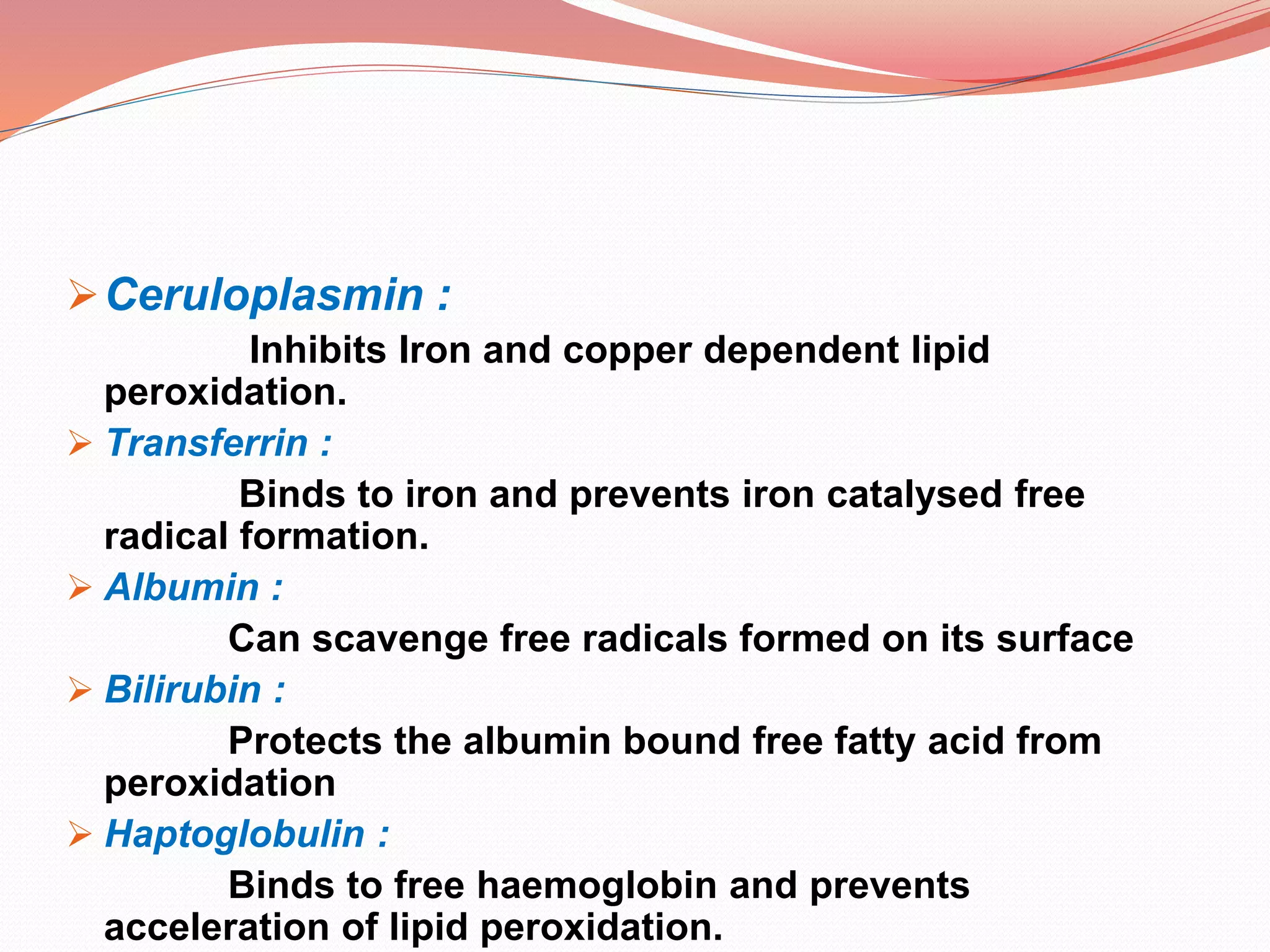
Ceruloplasmin :
Inhibits Iron and copper dependent lipid
peroxidation.
 Transferrin :
Binds to iron and prevents iron catalysed free
radical formation.
 Albumin :
Can scavenge free radicals formed on its surface
 Bilirubin :
Protects the albumin bound free fatty acid from
peroxidation
 Haptoglobulin :
Binds to free haemoglobin and prevents
acceleration of lipid peroxidation.
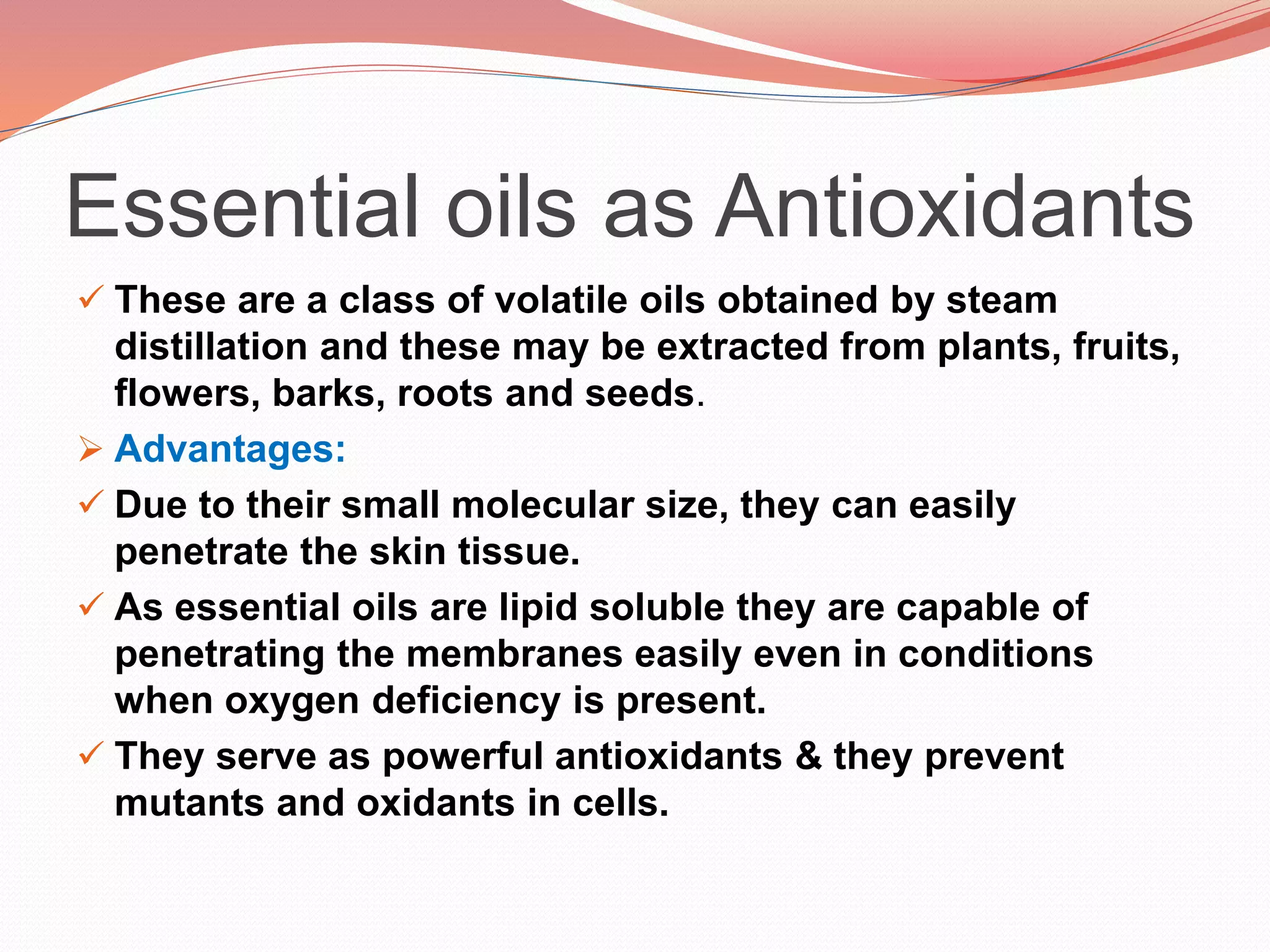
Essential oils as Antioxidants
 These are a class of volatile oils obtained by steam
distillation and these may be extracted from plants, fruits,
flowers, barks, roots and seeds.
 Advantages:
 Due to their small molecular size, they can easily
penetrate the skin tissue.
 As essential oils are lipid soluble they are capable of
penetrating the membranes easily even in conditions
when oxygen deficiency is present.
 They serve as powerful antioxidants & they prevent
mutants and oxidants in cells.
Pro-oxidants
 These are chemicals that induce oxidative stress
either through creating reactive oxygen species or
inhibiting antioxidant systems
 The oxidative stress produced by these chemicals
can damage cells and tissues
 Some substances can acts as either antioxidants or
prooxidants depending on the specific set of
condition.
 Eg: Transitional metals (Mn, Fe, Cu), Vit C and Uric
acid.
Uses in technology
 Food preservatives:
 Antioxidants used as food additives to help guard
against food deterioration
 Exposure to oxygen & sunlight are the 2 main factors
in the oxidation of food.
 Natural preservatives- vit C & vit E
 Synthetic antioxidants- Propyl gallate, Tertiary butyl
hydro quinone(TBHQ), Butylated hydroxy
anisole(BHA), Butylated hydroxy toluene(BHT)
 Unsaturated fats- drying, smoking, salting or
fermenting.
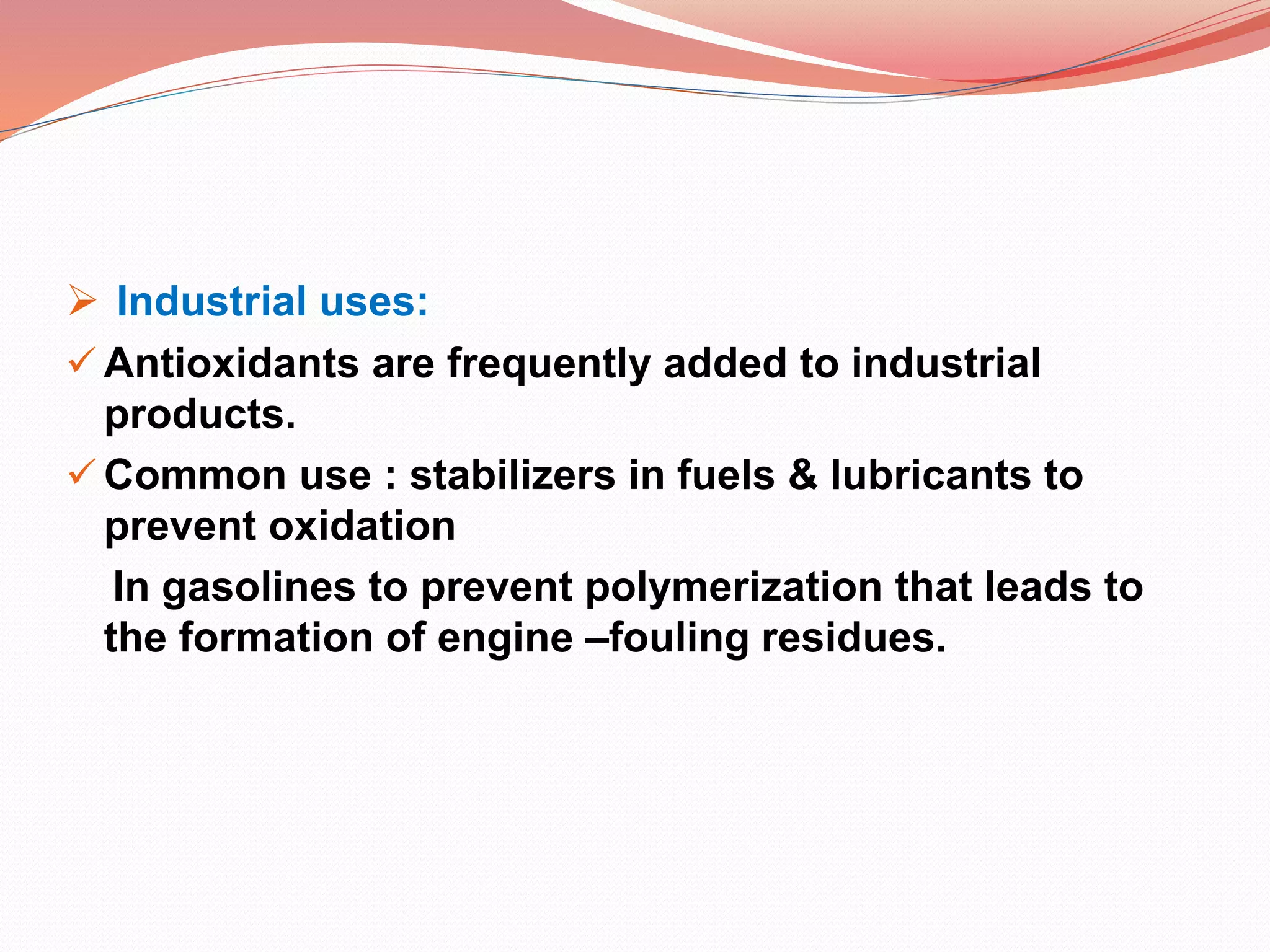
 Industrial uses:
 Antioxidants are frequently added to industrial
products.
 Common use : stabilizers in fuels & lubricants to
prevent oxidation
In gasolines to prevent polymerization that leads to
the formation of engine –fouling residues.
Antioxidant

Antioxidant

  • 1.
  • 2.
    ANTIOXIDANTS  DEFINITION :An antioxidant is a molecule capable of inhibiting the oxidation of other molecules.  Oxidation reactions can form free radicals and these start chain reactions that damage cells .  Antioxidants terminate these chain reactions by removing free radical intermediates and inhibit other oxidation reactions
  • 3.
    TYPES OF ANTIOXIDANTS These are three types I) Enzymatic and Non enzymatic antioxidants: They are present in both Extracellular and Intracellular Environment. Enzymatic Antioxidants - S.N o Antioxidant Location Function A Glutathione peroxidase Mitochondria & Cytosol Removal of H2O2 and Organic Hydro peroxide B Catalase Mitochondria & Cytosol Removal of H2O2
  • 4.
    Non Enzymatic Antioxidants S. No Antioxidan t Location Function ACarotenoid s Lipid soluble antioxidants in membrane tissue Removal of ROS B Bilirubin Product of heme metabolism in blood Extracellular antioxidants C Glutathione Non-protein thiol in cell Cellular oxidant defense D α- Lipoic acid Endogenous thiol Serves as substitute for Glutathione,
  • 5.
    E Viamin CAqueous phase of cell cell Free scavenger, recycle recycle vit- E F Vitamin E Cell Chain breaking Antioxidant G Uric acid Product of Purine Metabolism Scavenging of OH radical
  • 6.
    II) Natural andDietary Sources a) Natural sources : Chlorophyll derivatives , Carotenoids , Essential oils , Phytosterols, Alkaloids, Phenolics, Nitrogen containing compounds. b)Dietary antioxidants : Camosol ,Rosmanol , Camosoic acid, III) Based on Defense Mechanism : a) Preventive Antioxidants : Peroxidase, Catalase , Lactoferrin, Carotenoids Etc….
  • 7.
    b)Radical scavenging Antioxidants: Vitamin C and Carotenoids. c) Repair and DENOVO antioxidants d) Enzyme inhibitor Antioxidants
  • 8.
    Functions of Antioxidants:  Antioxidants such as vit- C & vit- E boost our immune system.  Certain phytochemicals have beneficial effect on heart diseases.  Antioxidants lower the level of LDL- cholesterol, thus preventing plaque deposition in the blood vessels.  It is beneficial in cancer prevention.  Antioxidants neutralize substances that can damage the genetic material by oxidation.
  • 9.
    Vitamins as Antioxidants CAROTENES:  A carotene is one of four Antioxidants that are vital for our general health and wellbeing. There are four carotene compounds : α-Carotene, β-Carotene, γ-Carotene, δ-Carotene.  α-Carotene & β-Carotene are the powerful antioxidants  β-Carotene is an antiageing micronutrient and play a significant role in reducing the effects of certain illnesses such as heart disease, decreased immune function, cataracts, cancer.
  • 10.
     Much likebeta, alpha-carotene is found in foods like: Carrots ,Sweet potatoes ,Squash ,Brussel sprouts,Kiwi, Spinach, Broccoli, Kale, Mang0, Cantaloupe ASCORBIC ACID(VIT-C) :  It is a hydrophilic antioxidant.  Neutralization of H2O2  Maintain healthy collagen in skin, Repair damaged tissue, healthy teeth and bones, boost immune system  As a free radical fighter helps ward off wrinkles and many illnesses linked to oxidation, cataracts, arthritis, heart disease and cancer
  • 11.
     Vitamin Cfunctions as an anti-inflammatory, and helps the body fight inflammatory diseases, including fibromyalgia, and chronic fatigue, angina, bronchitis, bruises, canker sores, constipation, diabetes, vitamin C helps the body absorb iron, it is also useful in treating iron deficiency and anemia.  Sources : Broccoli, Strawberries, Kale, Citrus fruits like oranges, limes, and lemons, Tomatoes ,Bell peppers Cabbage, Watermelon, potatoes and spinach.
  • 12.
    TOCOPHEROLS ( vit-E) :  It is a lipid soluble and among them α- tocopherol is biologically active  It is an antioxidant present in all cellular membranes and protects against lipid peroxidation and normal ageing process.  It directly acts on oxyradicals and serve important chain breaking antioxidant.  Vitamin E is used as treatment for many chronic diseases including Alzeimer’s disease, osteoarthritis and prostate enlargement.  Sources : Peanut oil, cotton seed oil, sunflower oil, whole grains, green leafy vegetables.
  • 13.
    ΑLPHA LIPOIC ACID:  It is universal anti oxidant  It is also called Thioctic acid  It helps to converts glucose to energy, detoxifies the body, fights inflammation in the skin and helps stabilizes blood sugar  It plays a key role in recycling other important antioxidants such as ascorbic acid, α tocopherol and Glutathione.  It penetrates through tissues composed of fat and those made of water such as Nervous tissue and Heart  Sources : Spinach , Liver , Brewer’s yeast
  • 14.
    Minerals as Antioxidants SELENIUM:  It is an essential trace element and is proved to be antioxidant  It works with Vit –E in fighting free radicals  It is required for the functioning of an important enzyme Glutathione peroxidase  Selenium protects the body from free radical damage in two ways a) It is incorporated into proteins to make selenoproteins (acts as antioxidant) b) It helps in the body manufacture its own natural antioxidant Glutathione  It reduce colorectal, lung and prostrate cancer  Sources : sea foods, meats ,organ meats, whole grains.
  • 15.
    Hormones as Antioxidants MELATONIN:  It is a powerful antioxidant that can easily cross cell membranes and the Blood brain barrier  It does not undergo redox cycling  Melatonin cannot be reduced its former state as it forms stable compounds after reacting with free radicals  It has been referred as a terminal /Suicidal antioxidant
  • 16.
    Metabolic Antioxidant GLUTATHIONE : It is the mother of all Antioxidants  It is a Tripeptide made of Cysteine, Glutamic acid and Glycine  It is a Hydrophillic antioxidant found in every cell in Human body  It is the most important antioxidant due to the fact that it is directly found in cells and breakdown the free radicals with in the cells, hence it is often called “Mother of all Antioxidants”.  Sources: Garlic, Broccoli, Onions, Dairy products, Oats, Chicken, Watermelon.
  • 17.
    URIC ACID : It is the most abundant and uncomplicated antioxidant found in the body  It has the highest concentration of any oxidant found in blood cells and is hydrophilic and it accounts for more than half of all antioxidant capacity  It is a marker of oxidative stress and is a powerful scavenger of singlet oxygen and hydroxyl radicals.  Elevated levels of uric acid in diseases associated with oxidative stress such as stroke & atherosclerosis, Parkinson’s disease.  Sources: sweetbreads, liver, beef, meat extracts etc..
  • 18.
    Ceruloplasmin : Inhibits Ironand copper dependent lipid peroxidation.  Transferrin : Binds to iron and prevents iron catalysed free radical formation.  Albumin : Can scavenge free radicals formed on its surface  Bilirubin : Protects the albumin bound free fatty acid from peroxidation  Haptoglobulin : Binds to free haemoglobin and prevents acceleration of lipid peroxidation.
  • 19.
    Essential oils asAntioxidants  These are a class of volatile oils obtained by steam distillation and these may be extracted from plants, fruits, flowers, barks, roots and seeds.  Advantages:  Due to their small molecular size, they can easily penetrate the skin tissue.  As essential oils are lipid soluble they are capable of penetrating the membranes easily even in conditions when oxygen deficiency is present.  They serve as powerful antioxidants & they prevent mutants and oxidants in cells.
  • 20.
    Pro-oxidants  These arechemicals that induce oxidative stress either through creating reactive oxygen species or inhibiting antioxidant systems  The oxidative stress produced by these chemicals can damage cells and tissues  Some substances can acts as either antioxidants or prooxidants depending on the specific set of condition.  Eg: Transitional metals (Mn, Fe, Cu), Vit C and Uric acid.
  • 21.
    Uses in technology Food preservatives:  Antioxidants used as food additives to help guard against food deterioration  Exposure to oxygen & sunlight are the 2 main factors in the oxidation of food.  Natural preservatives- vit C & vit E  Synthetic antioxidants- Propyl gallate, Tertiary butyl hydro quinone(TBHQ), Butylated hydroxy anisole(BHA), Butylated hydroxy toluene(BHT)  Unsaturated fats- drying, smoking, salting or fermenting.
  • 22.
     Industrial uses: Antioxidants are frequently added to industrial products.  Common use : stabilizers in fuels & lubricants to prevent oxidation In gasolines to prevent polymerization that leads to the formation of engine –fouling residues.