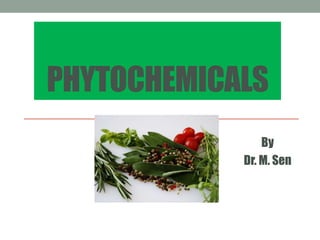

PHYTOCHEMICALS 
By 
Dr. M. Sen
Learning Objectives 
At the end of this lesson, the student will know: 
• What are phytonutrients? 
• What their functions are in the human body 
• The way they act 
• Some important phytonutrients
What are they? 
• Phytonutrients (also referred to as 
phytochemicals) are compounds found in plants. 
• They serve various functions in plants, helping to 
protect the plant's vitality. 
• For example, some phytonutrients protect the 
plant from UV radiation while others protect it 
from insect attack.
• Not only do phytonutrients award benefit to the 
plants but they also provide benefits to those who 
enjoy plant food. 
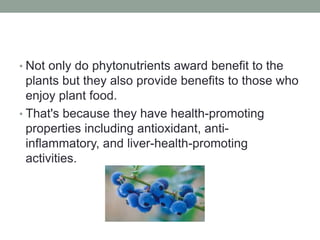
• That's because they have health-promoting 
properties including antioxidant, anti-inflammatory, 
and liver-health-promoting 
activities.
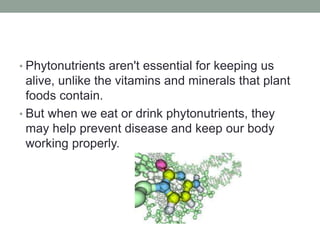
• Phytonutrients aren't essential for keeping us 
alive, unlike the vitamins and minerals that plant 
foods contain. 
• But when we eat or drink phytonutrients, they 
may help prevent disease and keep our body 
working properly.
Why are colors important? 
• Interestingly, a lot of the phytochemicals that are 
good for us also produce bright colors in 
vegetables and fruits. 
• This is where the saying "Eat Your Colors" comes 
from. 
• It's also important to understand that each of these 
foods contains many different phytochemicals that 
can take care of different oxidation reactions in our 
cells.
Health benefits of Phyto-nutrients 
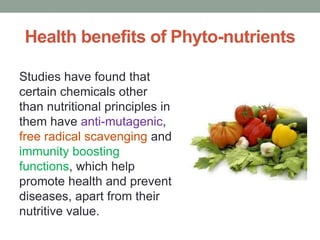
Studies have found that 
certain chemicals other 
than nutritional principles in 
them have anti-mutagenic, 
free radical scavenging and 
immunity boosting 
functions, which help 
promote health and prevent 
diseases, apart from their 
nutritive value.
Mode of Action 
• Studies suggest that cancers occur due to a 
series of mutational events occurring at the 
cellular level triggered by free-oxygen radicals 
and reactive oxygen species (ROS). 
• These free radicals have the ability to damage 
cell’s DNA, cell membrane and proteins like ion 
channels, receptors, etc.
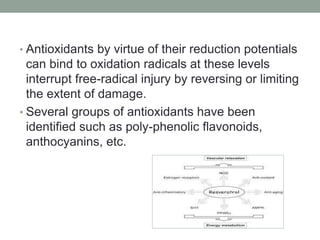
• Antioxidants by virtue of their reduction potentials 
can bind to oxidation radicals at these levels 
interrupt free-radical injury by reversing or limiting 
the extent of damage. 
• Several groups of antioxidants have been 
identified such as poly-phenolic flavonoids, 
anthocyanins, etc.
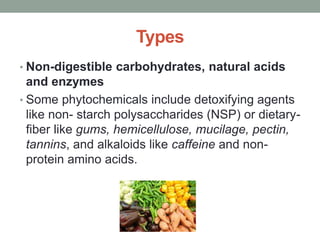
Types 
• Non-digestible carbohydrates, natural acids 
and enzymes 
• Some phytochemicals include detoxifying agents 
like non- starch polysaccharides (NSP) or dietary-fiber 
like gums, hemicellulose, mucilage, pectin, 
tannins, and alkaloids like caffeine and non-protein 
amino acids.
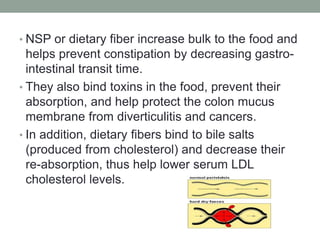
• NSP or dietary fiber increase bulk to the food and 
helps prevent constipation by decreasing gastro-intestinal 
transit time. 
• They also bind toxins in the food, prevent their 
absorption, and help protect the colon mucus 
membrane from diverticulitis and cancers. 
• In addition, dietary fibers bind to bile salts 
(produced from cholesterol) and decrease their 
re-absorption, thus help lower serum LDL 
cholesterol levels.
Plant Vitamins and Minerals 
• Pro-vitamin A (beta carotene) 
• Vitamin C 
• Vitamin K 
• Vitamin E 
• Most B vitamins (except B12) 
• Many minerals
Plant sterols 
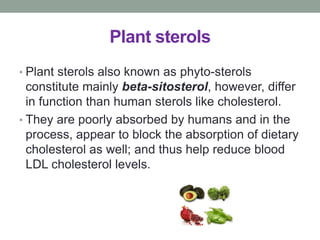
• Plant sterols also known as phyto-sterols 
constitute mainly beta-sitosterol, however, differ 
in function than human sterols like cholesterol. 
• They are poorly absorbed by humans and in the 
process, appear to block the absorption of dietary 
cholesterol as well; and thus help reduce blood 
LDL cholesterol levels.
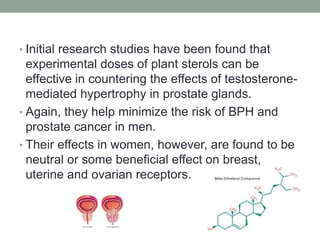
• Initial research studies have been found that 
experimental doses of plant sterols can be 
effective in countering the effects of testosterone-mediated 
hypertrophy in prostate glands. 
• Again, they help minimize the risk of BPH and 
prostate cancer in men. 
• Their effects in women, however, are found to be 
neutral or some beneficial effect on breast, 
uterine and ovarian receptors.
Types of Phytosterols 
• They are present in almonds, cashews, peanuts, 
sesame seeds, sunflower seeds, whole wheat, 
maize, soybeans, many vegetable oils. 
• Campesterol - buckwheat. 
• Beta Sitosterol – avocados, rice bran, wheat 
germ, corn oils, fennel, peanuts, soybeans, 
hawthorn, basil, buckwheat. 
• Gamma sitosterol - buckwheat. 
• Tocopherols (vitamin E)
Other Sterols in plants 
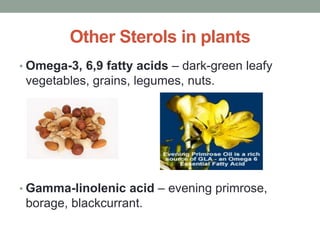
• Omega-3, 6,9 fatty acids – dark-green leafy 
vegetables, grains, legumes, nuts. 
• Gamma-linolenic acid – evening primrose, 
borage, blackcurrant.
Terpenoids 
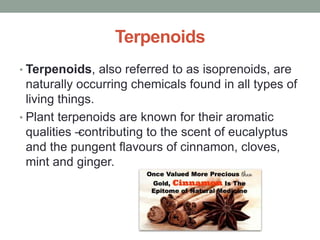
• Terpenoids, also referred to as isoprenoids, are 
naturally occurring chemicals found in all types of 
living things. 
• Plant terpenoids are known for their aromatic 
qualities – contributing to the scent of eucalyptus 
and the pungent flavours of cinnamon, cloves, 
mint and ginger.
Tri-terpenoids 
• Saponins – soybeans, beans, other legumes, 
maize, alfalfa. 
• Oleanolic acid - American pokeweed, garlic, java 
apple, cloves. 
• Ursolic acid - apples, basil, bilberries, 
cranberries, elder flower, peppermint, lavender, 
oregano, thyme, prunes. 
• Betulinic acid - Ber tree, white birch, persimmon 
family, jambul (Syzygium formosanum), chaga, 
and many other Syzygium species.
Monoterpenes 
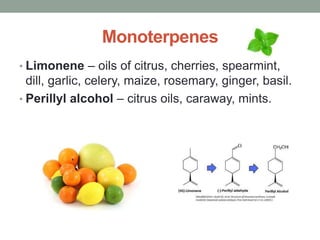
• Limonene – oils of citrus, cherries, spearmint, 
dill, garlic, celery, maize, rosemary, ginger, basil. 
• Perillyl alcohol – citrus oils, caraway, mints.
Carotenoids 
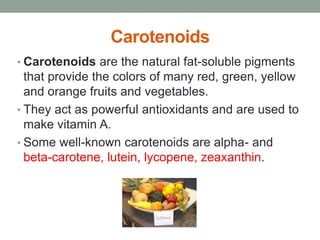
• Carotenoids are the natural fat-soluble pigments 
that provide the colors of many red, green, yellow 
and orange fruits and vegetables. 
• They act as powerful antioxidants and are used to 
make vitamin A. 
• Some well-known carotenoids are alpha- and 
beta-carotene, lutein, lycopene, zeaxanthin.
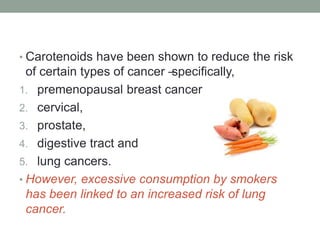
• Carotenoids have been shown to reduce the risk 
of certain types of cancer – specifically, 
1. premenopausal breast cancer 
2. cervical, 
3. prostate, 
4. digestive tract and 
5. lung cancers. 
• However, excessive consumption by smokers 
has been linked to an increased risk of lung 
cancer.
Sources 
• α-Carotene –in carrots, pumpkins, maize, 
tangerine, orange. 
• β-Carotene –in dark, leafy greens and red, 
orange and yellow fruits and vegetables. 
• Lycopene – Vietnam Gac, tomatoes, grapefruit, 
watermelon, guava, apricots, carrots, autumn 
olive. 
• Phytofluene – star fruit, sweet potato, orange. 
• Phytoene – sweet potato, orange.
Xanthophylls 
• These are yellow pigments, also classed as 
Carotenoids. 
• Canthaxanthin – paprika. 
• Cryptoxanthin in – mango, tangerine, orange, 
papaya, peaches, avocado, pea, grapefruit, kiwi. 
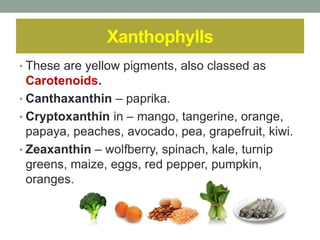
• Zeaxanthin – wolfberry, spinach, kale, turnip 
greens, maize, eggs, red pepper, pumpkin, 
oranges.
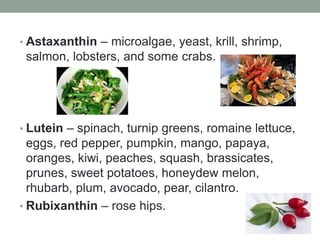
• Astaxanthin – microalgae, yeast, krill, shrimp, 
salmon, lobsters, and some crabs. 
• Lutein – spinach, turnip greens, romaine lettuce, 
eggs, red pepper, pumpkin, mango, papaya, 
oranges, kiwi, peaches, squash, brassicates, 
prunes, sweet potatoes, honeydew melon, 
rhubarb, plum, avocado, pear, cilantro. 
• Rubixanthin – rose hips.
Other health benefits attributed to carotenoids 
include protection against: 
• heart disease, 
• cataracts and macular degeneration, 
• improvement in blood sugar regulation, and 
• protection of nerve cells, which may help prevent 
or reduce the severity of Alzheimer’s disease.
Phenolic acids 
• Salicylic acid – peppermint, licorice, peanut, 
wheat. 
• Vanillin – vanilla beans, cloves. 
• Gallic acid – tea, mango, strawberries, rhubarb, 
soy. 
• Ellagic acid – walnuts, strawberries, cranberries, 
blackberries, guava, grapes. 
• Tannic acid – nettles, tea, berries.
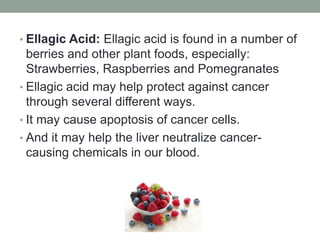
• Ellagic Acid: Ellagic acid is found in a number of 
berries and other plant foods, especially: 
Strawberries, Raspberries and Pomegranates 
• Ellagic acid may help protect against cancer 
through several different ways. 
• It may cause apoptosis of cancer cells. 
• And it may help the liver neutralize cancer-causing 
chemicals in our blood.
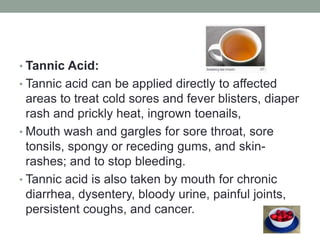
• Tannic Acid: 
• Tannic acid can be applied directly to affected 
areas to treat cold sores and fever blisters, diaper 
rash and prickly heat, ingrown toenails, 
• Mouth wash and gargles for sore throat, sore 
tonsils, spongy or receding gums, and skin-rashes; 
and to stop bleeding. 
• Tannic acid is also taken by mouth for chronic 
diarrhea, dysentery, bloody urine, painful joints, 
persistent coughs, and cancer.
Phenols 
• Phenols are organic chemicals characterized by the 
presence of phenol structural units. 
Biological role in plants: 
1. Release and suppression of growth hormones. 
2. UV screens to protect against ionizing radiation 
and to provide coloration (plant pigments). 
3. Deterrence of herbivores. 
4. Prevention of microbial infections (phyto-alexins). 
5. Signaling molecules in ripening and other growth 
processes.
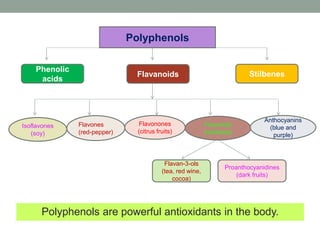
Phenolic 
acids 
Isoflavones 
(soy) 
Flavones 
(red-pepper) 
Polyphenols 
Flavanoids Stilbenes 
Flavonones 
(citrus fruits) 
Flavonols 
(colorless) 
Anthocyanins 
(blue and 
purple) 
Flavan-3-ols 
(tea, red wine, 
cocoa) 
Proanthocyanidines 
(dark fruits) 
Polyphenols are powerful antioxidants in the body.
• Bioflavonoids have been termed “natural 
biological response modifiers” because of their 
ability to adapt and moderate the body’s reaction 
to microbes – allergens, viruses, and carcinogens. 
• They have the demonstrated antiallergenic, anti-inflammatory, 
antimicrobial, and anti-cancer 
activity. 
• Bioflavonoids also serve as powerful antioxidants, 
protecting against oxidative stress and free-radical 
damage.
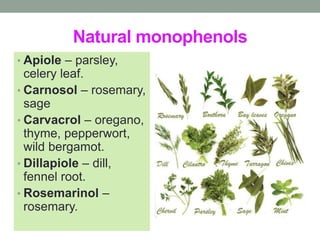
Natural monophenols 
• Apiole – parsley, 
celery leaf. 
• Carnosol – rosemary, 
sage 
• Carvacrol – oregano, 
thyme, pepperwort, 
wild bergamot. 
• Dillapiole – dill, 
fennel root. 
• Rosemarinol – 
rosemary.
Curcuminoids 
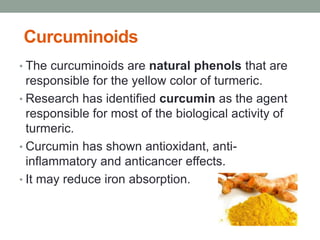
• The curcuminoids are natural phenols that are 
responsible for the yellow color of turmeric. 
• Research has identified curcumin as the agent 
responsible for most of the biological activity of 
turmeric. 
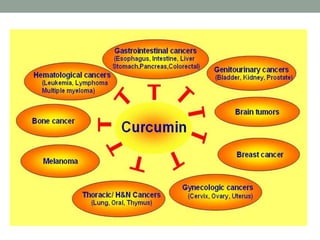
• Curcumin has shown antioxidant, anti-inflammatory 
and anticancer effects. 
• It may reduce iron absorption.
• Diagnostic use 
• Preliminary research has found that curcuminoid 
binds to amyloid proteins associated with 
Alzheimer's disease. 
• Because curcumin increases fluorescent activity 
after it binds to amyloid protein, curcumin is being 
studied as a possible identifier. 
• Tests have detected amyloid proteins in human 
eyes, offering the possibility that simple eye 
exams could provide early detection of the 
disease.
Polyphenols/Bioflavanoids 
• These are red, blue, purple pigments. 
• They may affect cell-to-cell signaling, receptor 
sensitivity, inflammatory enzyme activity and 
gene regulation. 
• Polyphenol antioxidant’s ability is to scavenge 
free radicals and up-regulate certain metal 
chelation reactions. 
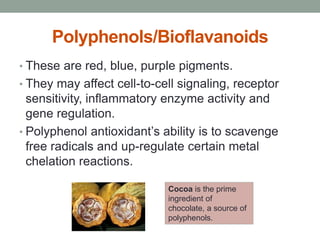
Cocoa is the prime 
ingredient of 
chocolate, a source of 
polyphenols.
Anthocyanins 
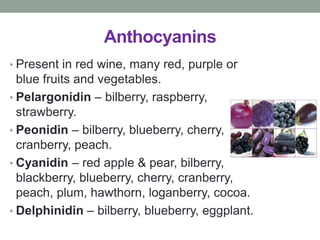
• Present in red wine, many red, purple or 
blue fruits and vegetables. 
• Pelargonidin – bilberry, raspberry, 
strawberry. 
• Peonidin – bilberry, blueberry, cherry, 
cranberry, peach. 
• Cyanidin – red apple & pear, bilberry, 
blackberry, blueberry, cherry, cranberry, 
peach, plum, hawthorn, loganberry, cocoa. 
• Delphinidin – bilberry, blueberry, eggplant.
Flavonols 
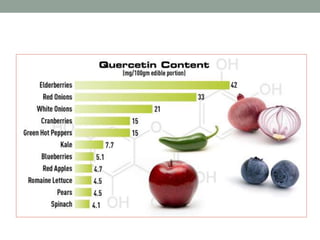
• Flavonols such a quercetin has antioxidant 
properties as well as anti-inflammatory effects. 
• Quercetin – red and yellow onions, tea, wine, 
apples, cranberries, buckwheat, beans. 
• Gingerol – ginger. 
• Kaempferol – tea, strawberries, gooseberries, 
cranberries, grapefruit, apples, peas, brassicates 
(broccoli, kale, cabbage), chives, spinach, leek, 
tomatoes.
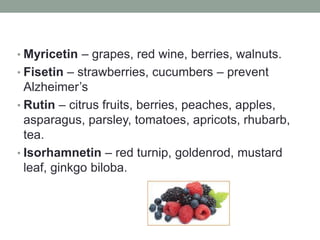
• Myricetin – grapes, red wine, berries, walnuts. 
• Fisetin – strawberries, cucumbers – prevent 
Alzheimer’s 
• Rutin – citrus fruits, berries, peaches, apples, 
asparagus, parsley, tomatoes, apricots, rhubarb, 
tea. 
• Isorhamnetin – red turnip, goldenrod, mustard 
leaf, ginkgo biloba.
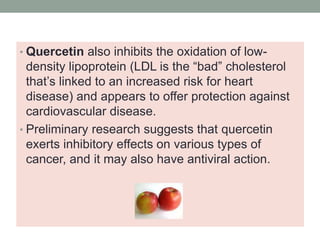
• Quercetin also inhibits the oxidation of low-density 
lipoprotein (LDL is the “bad” cholesterol 
that’s linked to an increased risk for heart 
disease) and appears to offer protection against 
cardiovascular disease. 
• Preliminary research suggests that quercetin 
exerts inhibitory effects on various types of 
cancer, and it may also have antiviral action.
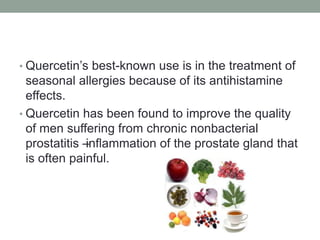
• Quercetin’s best-known use is in the treatment of 
seasonal allergies because of its antihistamine 
effects. 
• Quercetin has been found to improve the quality 
of men suffering from chronic nonbacterial 
prostatitis – inflammation of the prostate gland that 
is often painful.
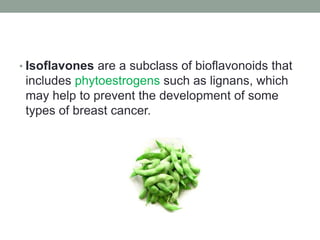
• Isoflavones are a subclass of bioflavonoids that 
includes phytoestrogens such as lignans, which 
may help to prevent the development of some 
types of breast cancer.
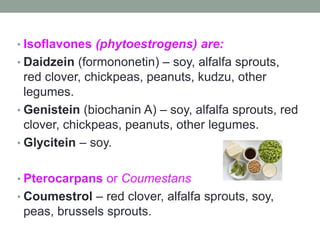
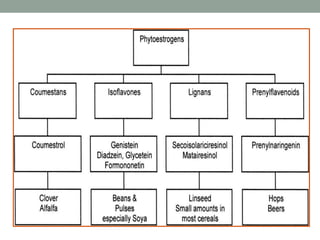
• Isoflavones (phytoestrogens) are: 
• Daidzein (formononetin) – soy, alfalfa sprouts, 
red clover, chickpeas, peanuts, kudzu, other 
legumes. 
• Genistein (biochanin A) – soy, alfalfa sprouts, red 
clover, chickpeas, peanuts, other legumes. 
• Glycitein – soy. 
• Pterocarpans or Coumestans 
• Coumestrol – red clover, alfalfa sprouts, soy, 
peas, brussels sprouts.
Phytoestrogens 
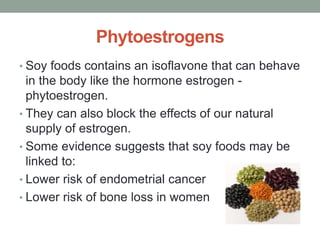
• Soy foods contains an isoflavone that can behave 
in the body like the hormone estrogen - 
phytoestrogen. 
• They can also block the effects of our natural 
supply of estrogen. 
• Some evidence suggests that soy foods may be 
linked to: 
• Lower risk of endometrial cancer 
• Lower risk of bone loss in women
Lignans 
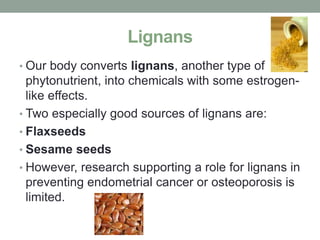
• Our body converts lignans, another type of 
phytonutrient, into chemicals with some estrogen-like 
effects. 
• Two especially good sources of lignans are: 
• Flaxseeds 
• Sesame seeds 
• However, research supporting a role for lignans in 
preventing endometrial cancer or osteoporosis is 
limited.
Flavan-3-ols (flavanols) 
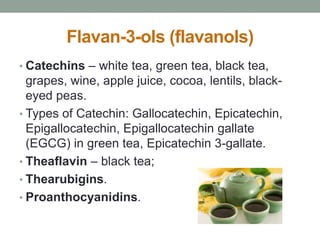
• Catechins – white tea, green tea, black tea, 
grapes, wine, apple juice, cocoa, lentils, black-eyed 
peas. 
• Types of Catechin: Gallocatechin, Epicatechin, 
Epigallocatechin, Epigallocatechin gallate 
(EGCG) in green tea, Epicatechin 3-gallate. 
• Theaflavin – black tea; 
• Thearubigins. 
• Proanthocyanidins.
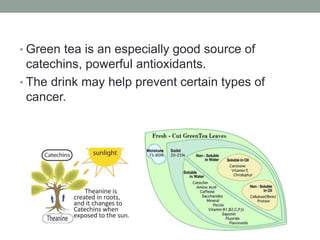
• Green tea is an especially good source of 
catechins, powerful antioxidants. 
• The drink may help prevent certain types of 
cancer.
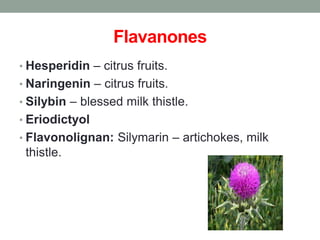
Flavanones 
• Hesperidin – citrus fruits. 
• Naringenin – citrus fruits. 
• Silybin – blessed milk thistle. 
• Eriodictyol 
• Flavonolignan: Silymarin – artichokes, milk 
thistle.
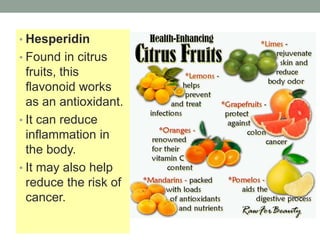
• Hesperidin 
• Found in citrus 
fruits, this 
flavonoid works 
as an antioxidant. 
• It can reduce 
inflammation in 
the body. 
• It may also help 
reduce the risk of 
cancer.
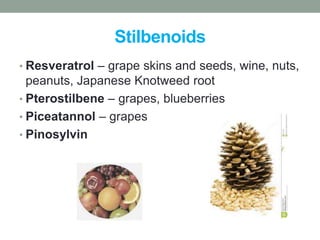
Stilbenoids 
• Resveratrol – grape skins and seeds, wine, nuts, 
peanuts, Japanese Knotweed root 
• Pterostilbene – grapes, blueberries 
• Piceatannol – grapes 
• Pinosylvin
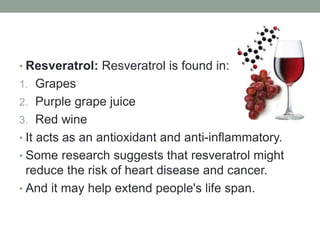
• Resveratrol: Resveratrol is found in: 
1. Grapes 
2. Purple grape juice 
3. Red wine 
• It acts as an antioxidant and anti-inflammatory. 
• Some research suggests that resveratrol might 
reduce the risk of heart disease and cancer. 
• And it may help extend people's life span.
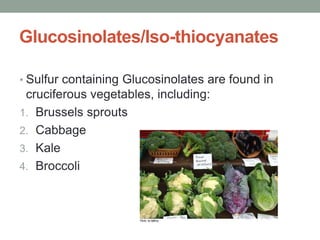
Glucosinolates/Iso-thiocyanates 
• Sulfur containing Glucosinolates are found in 
cruciferous vegetables, including: 
1. Brussels sprouts 
2. Cabbage 
3. Kale 
4. Broccoli
• The sulfur compounds give these vegetables 
their sharp odor and flavor. 
• The glucosinolates turn into other chemicals 
during the cooking process and while we digest 
these foods. 
• Our bodies metabolize glucosinolates into 
isothiocyanates. 
• And exposing cancer cells to benzyl, 
isothiocyanate kills them by reducing STAT-3 
protein, which promotes the survival and rapid 
reproduction of cancer cells.
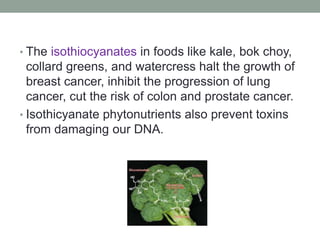
• The isothiocyanates in foods like kale, bok choy, 
collard greens, and watercress halt the growth of 
breast cancer, inhibit the progression of lung 
cancer, cut the risk of colon and prostate cancer. 
• Isothicyanate phytonutrients also prevent toxins 
from damaging our DNA.
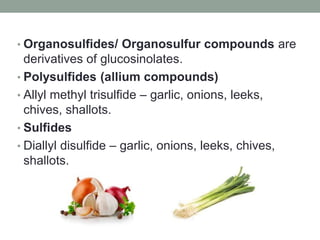
• Organosulfides/ Organosulfur compounds are 
derivatives of glucosinolates. 
• Polysulfides (allium compounds) 
• Allyl methyl trisulfide – garlic, onions, leeks, 
chives, shallots. 
• Sulfides 
• Diallyl disulfide – garlic, onions, leeks, chives, 
shallots.
Indoles 
• Indole-3-carbinol – cabbage, kale, brussels 
sprouts, rutabaga, mustard greens, broccoli. 
• 3,3'-Diindolylmethane or DIM - broccoli family, 
brussels sprouts, cabbage, kale 
• Allicin and Alliin - garlic 
• Allyl isothiocyanate - horseradish, mustard, 
wasabi 
• Piperine - black pepper 
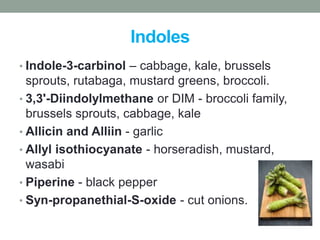
• Syn-propanethial-S-oxide - cut onions.
Betalains 
• Betacyanins 
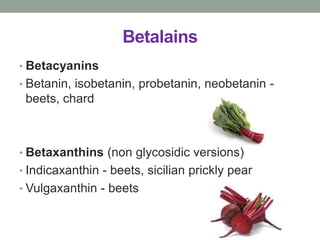
• Betanin, isobetanin, probetanin, neobetanin - 
beets, chard 
• Betaxanthins (non glycosidic versions) 
• Indicaxanthin - beets, sicilian prickly pear 
• Vulgaxanthin - beets
Hydroxycinnamic acids 
• Caffeic acid – burdock, hawthorn, artichoke, 
pear, basil, thyme, oregano, apple, olive oil. 
• Chlorogenic acid – echinacea, strawberries, 
pineapple, coffee, sunflower, blueberries. 
• Cinnamic acid – cinnamon, aloe. 
• Ferulic acid – oats, rice, artichoke, orange, 
pineapple, apple, peanut. 
• Coumarin – citrus fruits, maize.
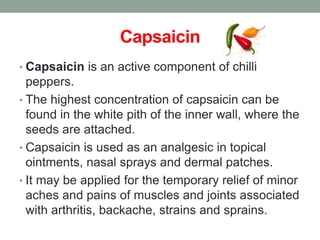
Capsaicin 
• Capsaicin is an active component of chilli 
peppers. 
• The highest concentration of capsaicin can be 
found in the white pith of the inner wall, where the 
seeds are attached. 
• Capsaicin is used as an analgesic in topical 
ointments, nasal sprays and dermal patches. 
• It may be applied for the temporary relief of minor 
aches and pains of muscles and joints associated 
with arthritis, backache, strains and sprains.
• Capsaicin creams are used to treat psoriasis as 
an effective way to reduce itching and 
inflammation. 
• It selectively binds to a protein known as TRPV1 
that resides on the membranes of pain and heat-sensing 
neurons. 
• Capsaicin may be used to help regulate blood 
sugar levels by affecting carbohydrate breakdown 
after a meal. It also increases satiety and reduces 
energy as well as fat intake.
Wise Food Choices 
• Experts agree that the phytonutrients in plant 
based foods may help prevent disease and 
promote health. 
• Aim to include a variety of plant based foods 
such as vegetables and fruit, whole grains, 
nuts, seeds and legumes in your meals and 
snacks every day.
Homework 
• Make a list of foods you ate today. 
• Find out some of the phytochemicals these 
foods contained.
Thank you. 
Any Questions?

Phytochemicals

  • 1.
  • 2.
    Learning Objectives Atthe end of this lesson, the student will know: • What are phytonutrients? • What their functions are in the human body • The way they act • Some important phytonutrients
  • 3.
    What are they? • Phytonutrients (also referred to as phytochemicals) are compounds found in plants. • They serve various functions in plants, helping to protect the plant's vitality. • For example, some phytonutrients protect the plant from UV radiation while others protect it from insect attack.
  • 4.
    • Not onlydo phytonutrients award benefit to the plants but they also provide benefits to those who enjoy plant food. • That's because they have health-promoting properties including antioxidant, anti-inflammatory, and liver-health-promoting activities.
  • 5.
    • Phytonutrients aren'tessential for keeping us alive, unlike the vitamins and minerals that plant foods contain. • But when we eat or drink phytonutrients, they may help prevent disease and keep our body working properly.
  • 6.
    Why are colorsimportant? • Interestingly, a lot of the phytochemicals that are good for us also produce bright colors in vegetables and fruits. • This is where the saying "Eat Your Colors" comes from. • It's also important to understand that each of these foods contains many different phytochemicals that can take care of different oxidation reactions in our cells.
  • 7.
    Health benefits ofPhyto-nutrients Studies have found that certain chemicals other than nutritional principles in them have anti-mutagenic, free radical scavenging and immunity boosting functions, which help promote health and prevent diseases, apart from their nutritive value.
  • 8.
    Mode of Action • Studies suggest that cancers occur due to a series of mutational events occurring at the cellular level triggered by free-oxygen radicals and reactive oxygen species (ROS). • These free radicals have the ability to damage cell’s DNA, cell membrane and proteins like ion channels, receptors, etc.
  • 9.
    • Antioxidants byvirtue of their reduction potentials can bind to oxidation radicals at these levels interrupt free-radical injury by reversing or limiting the extent of damage. • Several groups of antioxidants have been identified such as poly-phenolic flavonoids, anthocyanins, etc.
  • 10.
    Types • Non-digestiblecarbohydrates, natural acids and enzymes • Some phytochemicals include detoxifying agents like non- starch polysaccharides (NSP) or dietary-fiber like gums, hemicellulose, mucilage, pectin, tannins, and alkaloids like caffeine and non-protein amino acids.
  • 11.
    • NSP ordietary fiber increase bulk to the food and helps prevent constipation by decreasing gastro-intestinal transit time. • They also bind toxins in the food, prevent their absorption, and help protect the colon mucus membrane from diverticulitis and cancers. • In addition, dietary fibers bind to bile salts (produced from cholesterol) and decrease their re-absorption, thus help lower serum LDL cholesterol levels.
  • 12.
    Plant Vitamins andMinerals • Pro-vitamin A (beta carotene) • Vitamin C • Vitamin K • Vitamin E • Most B vitamins (except B12) • Many minerals
  • 13.
    Plant sterols •Plant sterols also known as phyto-sterols constitute mainly beta-sitosterol, however, differ in function than human sterols like cholesterol. • They are poorly absorbed by humans and in the process, appear to block the absorption of dietary cholesterol as well; and thus help reduce blood LDL cholesterol levels.
  • 14.
    • Initial researchstudies have been found that experimental doses of plant sterols can be effective in countering the effects of testosterone-mediated hypertrophy in prostate glands. • Again, they help minimize the risk of BPH and prostate cancer in men. • Their effects in women, however, are found to be neutral or some beneficial effect on breast, uterine and ovarian receptors.
  • 15.
    Types of Phytosterols • They are present in almonds, cashews, peanuts, sesame seeds, sunflower seeds, whole wheat, maize, soybeans, many vegetable oils. • Campesterol - buckwheat. • Beta Sitosterol – avocados, rice bran, wheat germ, corn oils, fennel, peanuts, soybeans, hawthorn, basil, buckwheat. • Gamma sitosterol - buckwheat. • Tocopherols (vitamin E)
  • 16.
    Other Sterols inplants • Omega-3, 6,9 fatty acids – dark-green leafy vegetables, grains, legumes, nuts. • Gamma-linolenic acid – evening primrose, borage, blackcurrant.
  • 17.
    Terpenoids • Terpenoids,also referred to as isoprenoids, are naturally occurring chemicals found in all types of living things. • Plant terpenoids are known for their aromatic qualities – contributing to the scent of eucalyptus and the pungent flavours of cinnamon, cloves, mint and ginger.
  • 18.
    Tri-terpenoids • Saponins– soybeans, beans, other legumes, maize, alfalfa. • Oleanolic acid - American pokeweed, garlic, java apple, cloves. • Ursolic acid - apples, basil, bilberries, cranberries, elder flower, peppermint, lavender, oregano, thyme, prunes. • Betulinic acid - Ber tree, white birch, persimmon family, jambul (Syzygium formosanum), chaga, and many other Syzygium species.
  • 19.
    Monoterpenes • Limonene– oils of citrus, cherries, spearmint, dill, garlic, celery, maize, rosemary, ginger, basil. • Perillyl alcohol – citrus oils, caraway, mints.
  • 20.
    Carotenoids • Carotenoidsare the natural fat-soluble pigments that provide the colors of many red, green, yellow and orange fruits and vegetables. • They act as powerful antioxidants and are used to make vitamin A. • Some well-known carotenoids are alpha- and beta-carotene, lutein, lycopene, zeaxanthin.
  • 21.
    • Carotenoids havebeen shown to reduce the risk of certain types of cancer – specifically, 1. premenopausal breast cancer 2. cervical, 3. prostate, 4. digestive tract and 5. lung cancers. • However, excessive consumption by smokers has been linked to an increased risk of lung cancer.
  • 22.
    Sources • α-Carotene–in carrots, pumpkins, maize, tangerine, orange. • β-Carotene –in dark, leafy greens and red, orange and yellow fruits and vegetables. • Lycopene – Vietnam Gac, tomatoes, grapefruit, watermelon, guava, apricots, carrots, autumn olive. • Phytofluene – star fruit, sweet potato, orange. • Phytoene – sweet potato, orange.
  • 23.
    Xanthophylls • Theseare yellow pigments, also classed as Carotenoids. • Canthaxanthin – paprika. • Cryptoxanthin in – mango, tangerine, orange, papaya, peaches, avocado, pea, grapefruit, kiwi. • Zeaxanthin – wolfberry, spinach, kale, turnip greens, maize, eggs, red pepper, pumpkin, oranges.
  • 24.
    • Astaxanthin –microalgae, yeast, krill, shrimp, salmon, lobsters, and some crabs. • Lutein – spinach, turnip greens, romaine lettuce, eggs, red pepper, pumpkin, mango, papaya, oranges, kiwi, peaches, squash, brassicates, prunes, sweet potatoes, honeydew melon, rhubarb, plum, avocado, pear, cilantro. • Rubixanthin – rose hips.
  • 25.
    Other health benefitsattributed to carotenoids include protection against: • heart disease, • cataracts and macular degeneration, • improvement in blood sugar regulation, and • protection of nerve cells, which may help prevent or reduce the severity of Alzheimer’s disease.
  • 26.
    Phenolic acids •Salicylic acid – peppermint, licorice, peanut, wheat. • Vanillin – vanilla beans, cloves. • Gallic acid – tea, mango, strawberries, rhubarb, soy. • Ellagic acid – walnuts, strawberries, cranberries, blackberries, guava, grapes. • Tannic acid – nettles, tea, berries.
  • 27.
    • Ellagic Acid:Ellagic acid is found in a number of berries and other plant foods, especially: Strawberries, Raspberries and Pomegranates • Ellagic acid may help protect against cancer through several different ways. • It may cause apoptosis of cancer cells. • And it may help the liver neutralize cancer-causing chemicals in our blood.
  • 28.
    • Tannic Acid: • Tannic acid can be applied directly to affected areas to treat cold sores and fever blisters, diaper rash and prickly heat, ingrown toenails, • Mouth wash and gargles for sore throat, sore tonsils, spongy or receding gums, and skin-rashes; and to stop bleeding. • Tannic acid is also taken by mouth for chronic diarrhea, dysentery, bloody urine, painful joints, persistent coughs, and cancer.
  • 29.
    Phenols • Phenolsare organic chemicals characterized by the presence of phenol structural units. Biological role in plants: 1. Release and suppression of growth hormones. 2. UV screens to protect against ionizing radiation and to provide coloration (plant pigments). 3. Deterrence of herbivores. 4. Prevention of microbial infections (phyto-alexins). 5. Signaling molecules in ripening and other growth processes.
  • 30.
    Phenolic acids Isoflavones (soy) Flavones (red-pepper) Polyphenols Flavanoids Stilbenes Flavonones (citrus fruits) Flavonols (colorless) Anthocyanins (blue and purple) Flavan-3-ols (tea, red wine, cocoa) Proanthocyanidines (dark fruits) Polyphenols are powerful antioxidants in the body.
  • 31.
    • Bioflavonoids havebeen termed “natural biological response modifiers” because of their ability to adapt and moderate the body’s reaction to microbes – allergens, viruses, and carcinogens. • They have the demonstrated antiallergenic, anti-inflammatory, antimicrobial, and anti-cancer activity. • Bioflavonoids also serve as powerful antioxidants, protecting against oxidative stress and free-radical damage.
  • 32.
    Natural monophenols •Apiole – parsley, celery leaf. • Carnosol – rosemary, sage • Carvacrol – oregano, thyme, pepperwort, wild bergamot. • Dillapiole – dill, fennel root. • Rosemarinol – rosemary.
  • 33.
    Curcuminoids • Thecurcuminoids are natural phenols that are responsible for the yellow color of turmeric. • Research has identified curcumin as the agent responsible for most of the biological activity of turmeric. • Curcumin has shown antioxidant, anti-inflammatory and anticancer effects. • It may reduce iron absorption.
  • 34.
    • Diagnostic use • Preliminary research has found that curcuminoid binds to amyloid proteins associated with Alzheimer's disease. • Because curcumin increases fluorescent activity after it binds to amyloid protein, curcumin is being studied as a possible identifier. • Tests have detected amyloid proteins in human eyes, offering the possibility that simple eye exams could provide early detection of the disease.
  • 36.
    Polyphenols/Bioflavanoids • Theseare red, blue, purple pigments. • They may affect cell-to-cell signaling, receptor sensitivity, inflammatory enzyme activity and gene regulation. • Polyphenol antioxidant’s ability is to scavenge free radicals and up-regulate certain metal chelation reactions. Cocoa is the prime ingredient of chocolate, a source of polyphenols.
  • 37.
    Anthocyanins • Presentin red wine, many red, purple or blue fruits and vegetables. • Pelargonidin – bilberry, raspberry, strawberry. • Peonidin – bilberry, blueberry, cherry, cranberry, peach. • Cyanidin – red apple & pear, bilberry, blackberry, blueberry, cherry, cranberry, peach, plum, hawthorn, loganberry, cocoa. • Delphinidin – bilberry, blueberry, eggplant.
  • 38.
    Flavonols • Flavonolssuch a quercetin has antioxidant properties as well as anti-inflammatory effects. • Quercetin – red and yellow onions, tea, wine, apples, cranberries, buckwheat, beans. • Gingerol – ginger. • Kaempferol – tea, strawberries, gooseberries, cranberries, grapefruit, apples, peas, brassicates (broccoli, kale, cabbage), chives, spinach, leek, tomatoes.
  • 39.
    • Myricetin –grapes, red wine, berries, walnuts. • Fisetin – strawberries, cucumbers – prevent Alzheimer’s • Rutin – citrus fruits, berries, peaches, apples, asparagus, parsley, tomatoes, apricots, rhubarb, tea. • Isorhamnetin – red turnip, goldenrod, mustard leaf, ginkgo biloba.
  • 40.
    • Quercetin alsoinhibits the oxidation of low-density lipoprotein (LDL is the “bad” cholesterol that’s linked to an increased risk for heart disease) and appears to offer protection against cardiovascular disease. • Preliminary research suggests that quercetin exerts inhibitory effects on various types of cancer, and it may also have antiviral action.
  • 42.
    • Quercetin’s best-knownuse is in the treatment of seasonal allergies because of its antihistamine effects. • Quercetin has been found to improve the quality of men suffering from chronic nonbacterial prostatitis – inflammation of the prostate gland that is often painful.
  • 43.
    • Isoflavones area subclass of bioflavonoids that includes phytoestrogens such as lignans, which may help to prevent the development of some types of breast cancer.
  • 44.
    • Isoflavones (phytoestrogens)are: • Daidzein (formononetin) – soy, alfalfa sprouts, red clover, chickpeas, peanuts, kudzu, other legumes. • Genistein (biochanin A) – soy, alfalfa sprouts, red clover, chickpeas, peanuts, other legumes. • Glycitein – soy. • Pterocarpans or Coumestans • Coumestrol – red clover, alfalfa sprouts, soy, peas, brussels sprouts.
  • 45.
    Phytoestrogens • Soyfoods contains an isoflavone that can behave in the body like the hormone estrogen - phytoestrogen. • They can also block the effects of our natural supply of estrogen. • Some evidence suggests that soy foods may be linked to: • Lower risk of endometrial cancer • Lower risk of bone loss in women
  • 47.
    Lignans • Ourbody converts lignans, another type of phytonutrient, into chemicals with some estrogen-like effects. • Two especially good sources of lignans are: • Flaxseeds • Sesame seeds • However, research supporting a role for lignans in preventing endometrial cancer or osteoporosis is limited.
  • 48.
    Flavan-3-ols (flavanols) •Catechins – white tea, green tea, black tea, grapes, wine, apple juice, cocoa, lentils, black-eyed peas. • Types of Catechin: Gallocatechin, Epicatechin, Epigallocatechin, Epigallocatechin gallate (EGCG) in green tea, Epicatechin 3-gallate. • Theaflavin – black tea; • Thearubigins. • Proanthocyanidins.
  • 49.
    • Green teais an especially good source of catechins, powerful antioxidants. • The drink may help prevent certain types of cancer.
  • 50.
    Flavanones • Hesperidin– citrus fruits. • Naringenin – citrus fruits. • Silybin – blessed milk thistle. • Eriodictyol • Flavonolignan: Silymarin – artichokes, milk thistle.
  • 51.
    • Hesperidin •Found in citrus fruits, this flavonoid works as an antioxidant. • It can reduce inflammation in the body. • It may also help reduce the risk of cancer.
  • 52.
    Stilbenoids • Resveratrol– grape skins and seeds, wine, nuts, peanuts, Japanese Knotweed root • Pterostilbene – grapes, blueberries • Piceatannol – grapes • Pinosylvin
  • 53.
    • Resveratrol: Resveratrolis found in: 1. Grapes 2. Purple grape juice 3. Red wine • It acts as an antioxidant and anti-inflammatory. • Some research suggests that resveratrol might reduce the risk of heart disease and cancer. • And it may help extend people's life span.
  • 54.
    Glucosinolates/Iso-thiocyanates • Sulfurcontaining Glucosinolates are found in cruciferous vegetables, including: 1. Brussels sprouts 2. Cabbage 3. Kale 4. Broccoli
  • 55.
    • The sulfurcompounds give these vegetables their sharp odor and flavor. • The glucosinolates turn into other chemicals during the cooking process and while we digest these foods. • Our bodies metabolize glucosinolates into isothiocyanates. • And exposing cancer cells to benzyl, isothiocyanate kills them by reducing STAT-3 protein, which promotes the survival and rapid reproduction of cancer cells.
  • 56.
    • The isothiocyanatesin foods like kale, bok choy, collard greens, and watercress halt the growth of breast cancer, inhibit the progression of lung cancer, cut the risk of colon and prostate cancer. • Isothicyanate phytonutrients also prevent toxins from damaging our DNA.
  • 57.
    • Organosulfides/ Organosulfurcompounds are derivatives of glucosinolates. • Polysulfides (allium compounds) • Allyl methyl trisulfide – garlic, onions, leeks, chives, shallots. • Sulfides • Diallyl disulfide – garlic, onions, leeks, chives, shallots.
  • 58.
    Indoles • Indole-3-carbinol– cabbage, kale, brussels sprouts, rutabaga, mustard greens, broccoli. • 3,3'-Diindolylmethane or DIM - broccoli family, brussels sprouts, cabbage, kale • Allicin and Alliin - garlic • Allyl isothiocyanate - horseradish, mustard, wasabi • Piperine - black pepper • Syn-propanethial-S-oxide - cut onions.
  • 59.
    Betalains • Betacyanins • Betanin, isobetanin, probetanin, neobetanin - beets, chard • Betaxanthins (non glycosidic versions) • Indicaxanthin - beets, sicilian prickly pear • Vulgaxanthin - beets
  • 60.
    Hydroxycinnamic acids •Caffeic acid – burdock, hawthorn, artichoke, pear, basil, thyme, oregano, apple, olive oil. • Chlorogenic acid – echinacea, strawberries, pineapple, coffee, sunflower, blueberries. • Cinnamic acid – cinnamon, aloe. • Ferulic acid – oats, rice, artichoke, orange, pineapple, apple, peanut. • Coumarin – citrus fruits, maize.
  • 61.
    Capsaicin • Capsaicinis an active component of chilli peppers. • The highest concentration of capsaicin can be found in the white pith of the inner wall, where the seeds are attached. • Capsaicin is used as an analgesic in topical ointments, nasal sprays and dermal patches. • It may be applied for the temporary relief of minor aches and pains of muscles and joints associated with arthritis, backache, strains and sprains.
  • 62.
    • Capsaicin creamsare used to treat psoriasis as an effective way to reduce itching and inflammation. • It selectively binds to a protein known as TRPV1 that resides on the membranes of pain and heat-sensing neurons. • Capsaicin may be used to help regulate blood sugar levels by affecting carbohydrate breakdown after a meal. It also increases satiety and reduces energy as well as fat intake.
  • 63.
    Wise Food Choices • Experts agree that the phytonutrients in plant based foods may help prevent disease and promote health. • Aim to include a variety of plant based foods such as vegetables and fruit, whole grains, nuts, seeds and legumes in your meals and snacks every day.
  • 64.
    Homework • Makea list of foods you ate today. • Find out some of the phytochemicals these foods contained.
  • 65.
    Thank you. AnyQuestions?