This document discusses abdominal abscesses, including:
- Definitions and types of abdominal abscesses
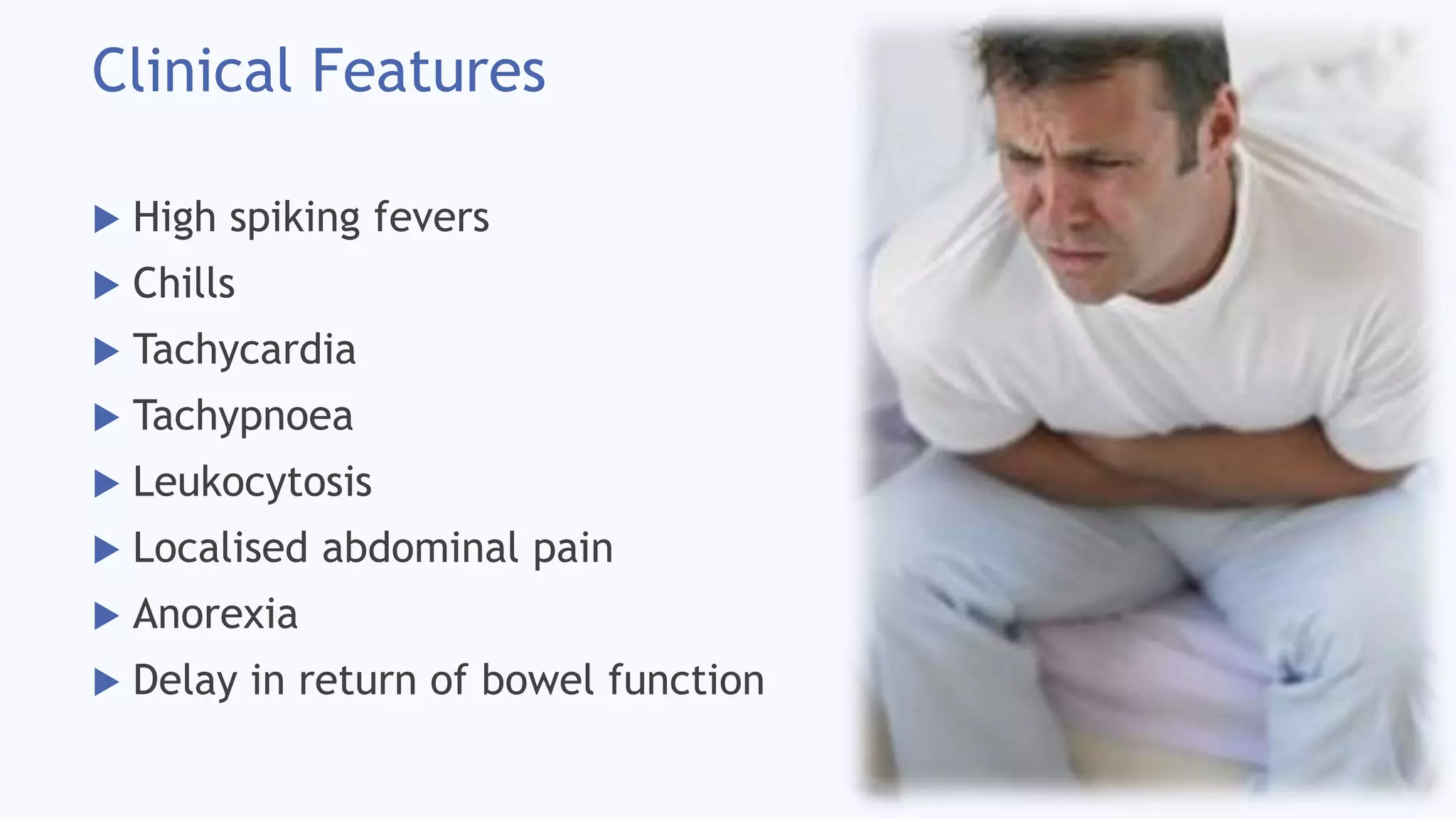
- Pathophysiology, factors that favor abscess formation, and clinical features
- Diagnostic tests including X-ray, CT scan, USG, and MRI
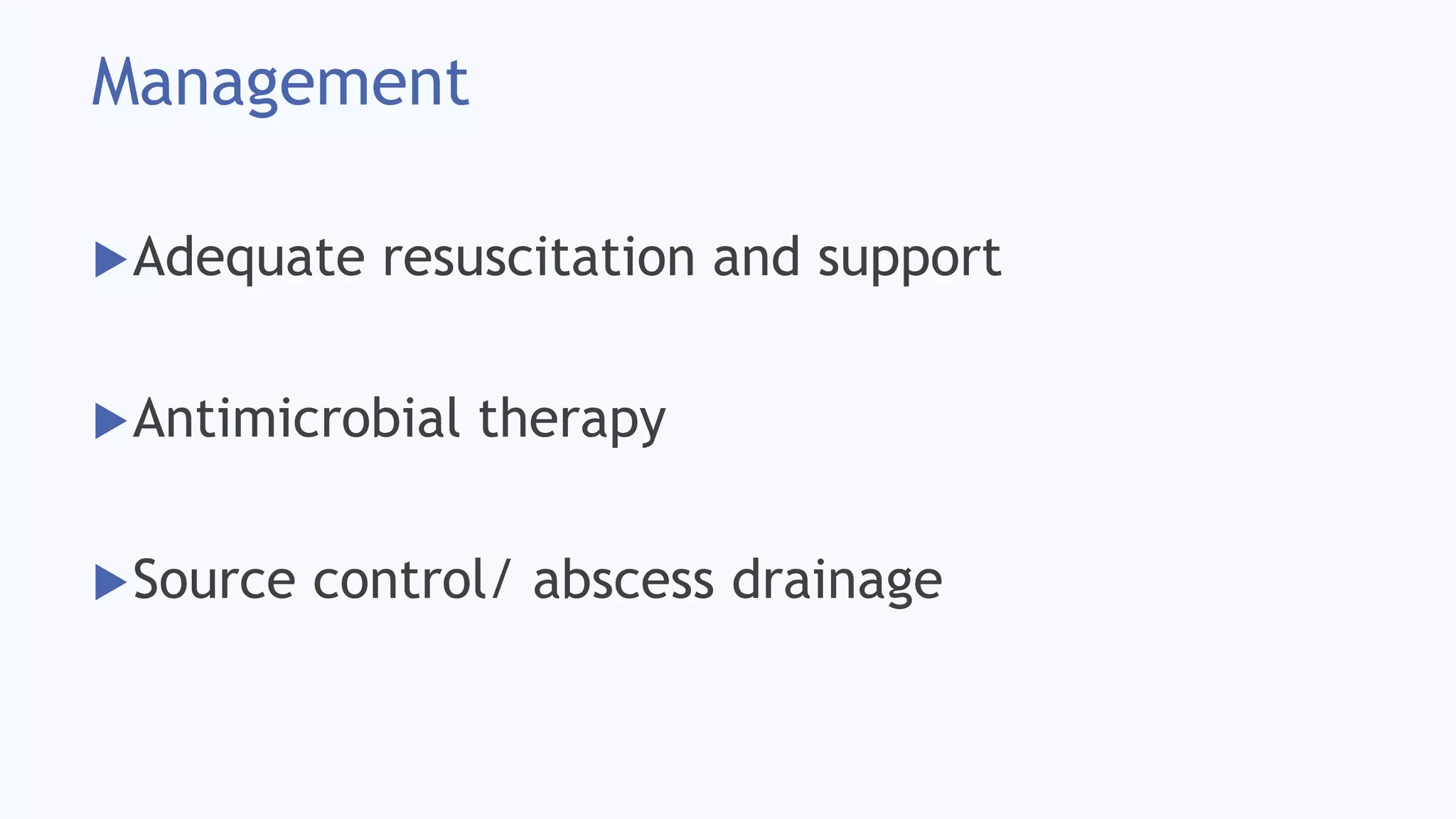
- Management including adequate resuscitation, antimicrobial therapy, and source control through percutaneous or surgical drainage
- Specific discussions of pyogenic liver abscesses, amoebic liver abscesses, prerequisites and complications of percutaneous drainage, and criteria for drain removal
Abdominal Abscess
“ well-definedcollections of infected purulent material that
are walled off from the rest of the peritoneal cavity by
inflammatory adhesions, loops of intestines and their
mesentry, the greater omentum or other abdominal viscera”
-Maingot’s 12th ed.
Pathophysiology
3 major defensemechanisms of peritoneal cavity
Mechanical clearance via Diaphragmatic Lymphatics
Phagocytosis and destruction of adherent bacteria
Sequestration and walling off of bacteria, with delayed
clearance
Abdominal Xrays
Airfluid levels
Extraluminal gas
Soft tissue mass displacing the bowel
Elevated diaphragm
Collapse/consolidation at lung base
16.
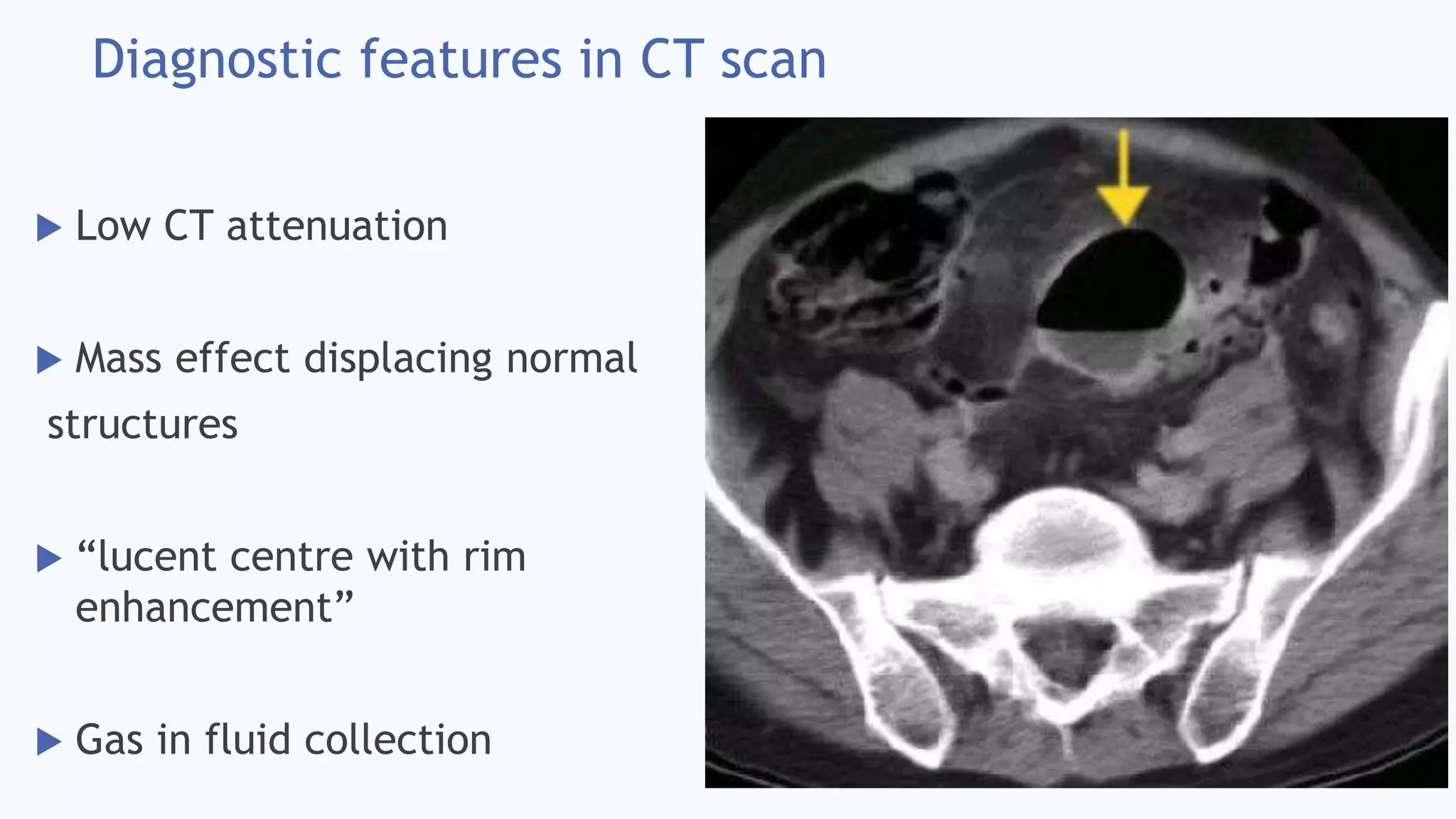
Diagnostic features inCT scan
Low CT attenuation
Mass effect displacing normal
structures
“lucent centre with rim
enhancement”
Gas in fluid collection
17.
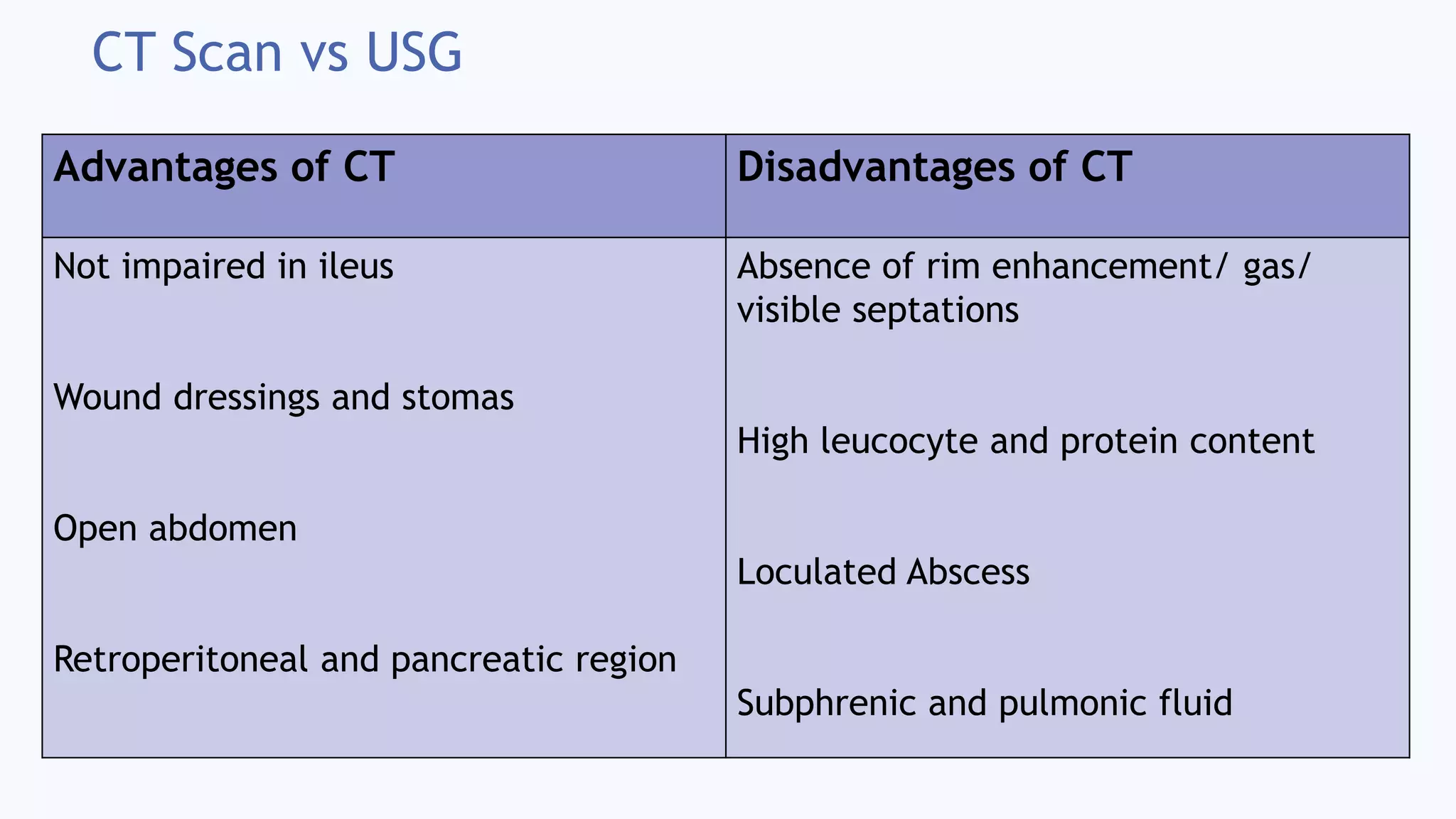
CT Scan vsUSG
Advantages of CT Disadvantages of CT
Not impaired in ileus
Wound dressings and stomas
Open abdomen
Retroperitoneal and pancreatic region
Absence of rim enhancement/ gas/
visible septations
High leucocyte and protein content
Loculated Abscess
Subphrenic and pulmonic fluid
Antimicrobial Therapy
3 Categories:
community- acquired infections of mild to moderate severity
High risk/ severe community- acquired infections
Health care associated infections
22.
Community acquired infections
Mild-moderateseverity
(perforated/ abscessed appendicitis and other
infections of mild-moderate severity)
High Risk or Severe
(severe physiological disturbance, advanced age,
immunocompromised state)
Cefoxitin
Ertapenem
Moxifloxacin
Ticaricillin-clavulanic acid
Imipenem-cilastin
Meropenem
Doripenem
Piperacillin-tazobactum
Cefazolin
Cefuroxime
Ceftriaxone
Cefotaxime + Metronidazole
Ciprofloxacin
Levofloxacin
Cefepime
Ceftazidime
+ Metronidazole
Ciprofolacin
Levofloxacin
23.
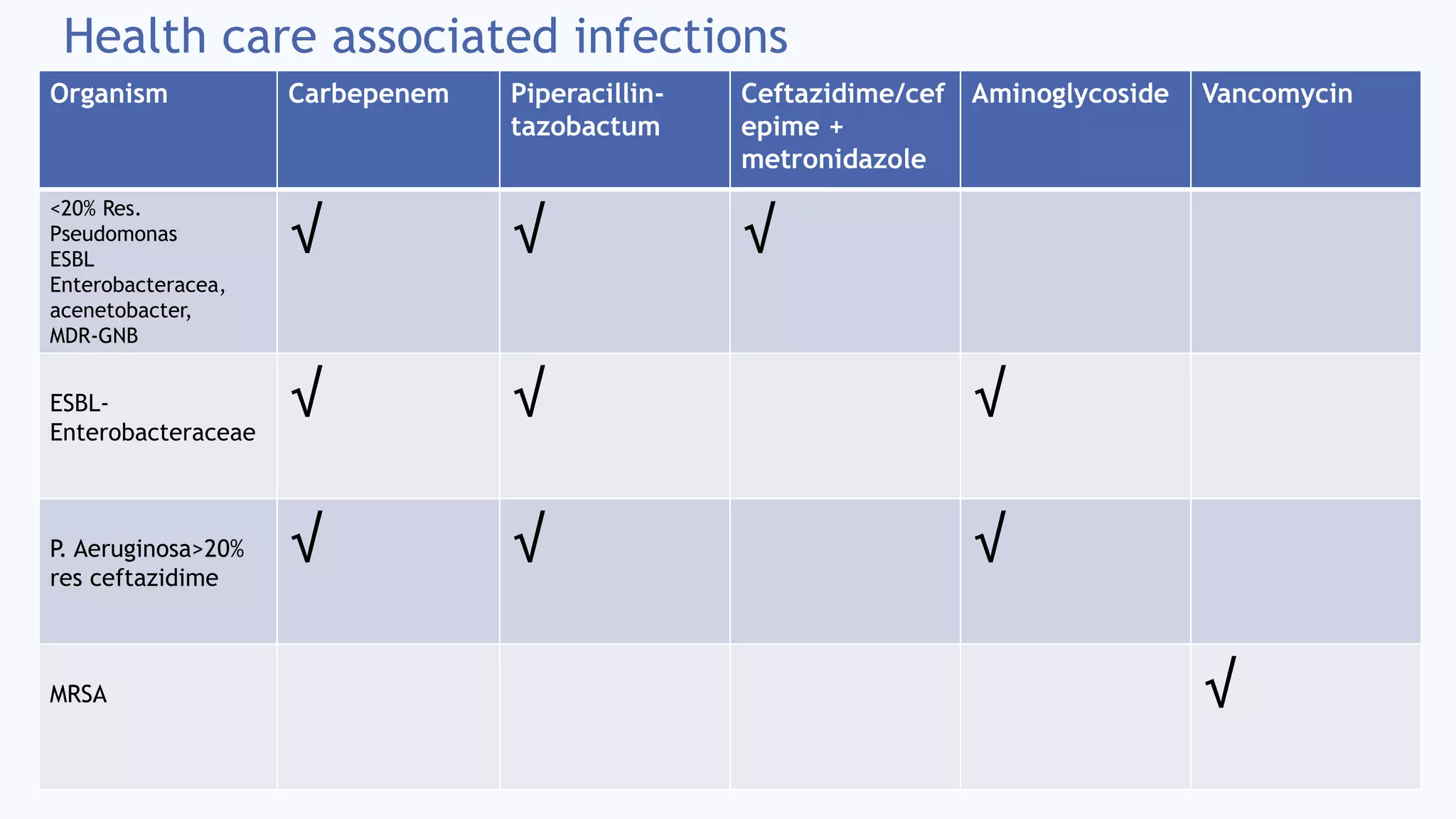
Health care associatedinfections
Organism Carbepenem Piperacillin-
tazobactum
Ceftazidime/cef
epime +
metronidazole
Aminoglycoside Vancomycin
<20% Res.
Pseudomonas
ESBL
Enterobacteracea,
acenetobacter,
MDR-GNB
√ √ √
ESBL-
Enterobacteraceae
√ √ √
P. Aeruginosa>20%
res ceftazidime
√ √ √
MRSA √
24.
Pyogenic liver abscesses
<3cm
Single/multiple
Antibiotic therapy
PCD if not responding
> 3 cm
unilocular
antibiotics
PCD by needle
aspiration or
catheter
Surgical therapy
if not responding
multilocular
antibiotics
Percutaneous
drainage
Surgical therapy by
resection / drainage if
not responsive
25.
Amoebic Liver abscess
Metronidazole 750mg TID for 14 days
Chloroquine
Dihydromentine
Drainage ---- needle aspirations
Percutaneous catheter drainage
Prerequisites for percutaneousdrainage
Anatomically safe route
Well defined unilocular abscess cavity
Surgical & radiological evaluation
Surgical backup for technical failure
28.
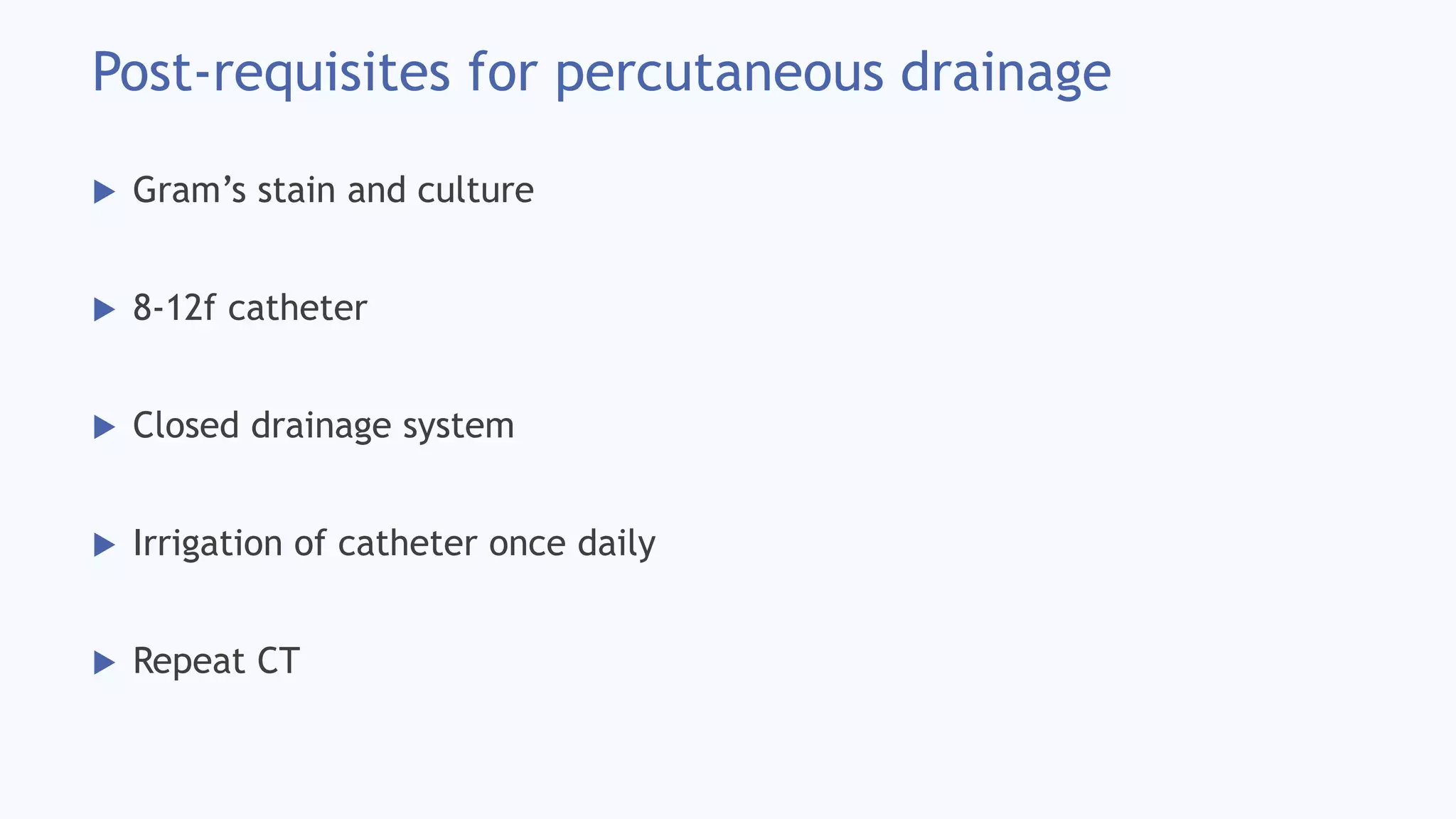
Post-requisites for percutaneousdrainage
Gram’s stain and culture
8-12f catheter
Closed drainage system
Irrigation of catheter once daily
Repeat CT
Criteria for removalof a Drain
Clinical resolution of septic parameters
Minimal drainage from the catheter
CT evidence of resolution
31.
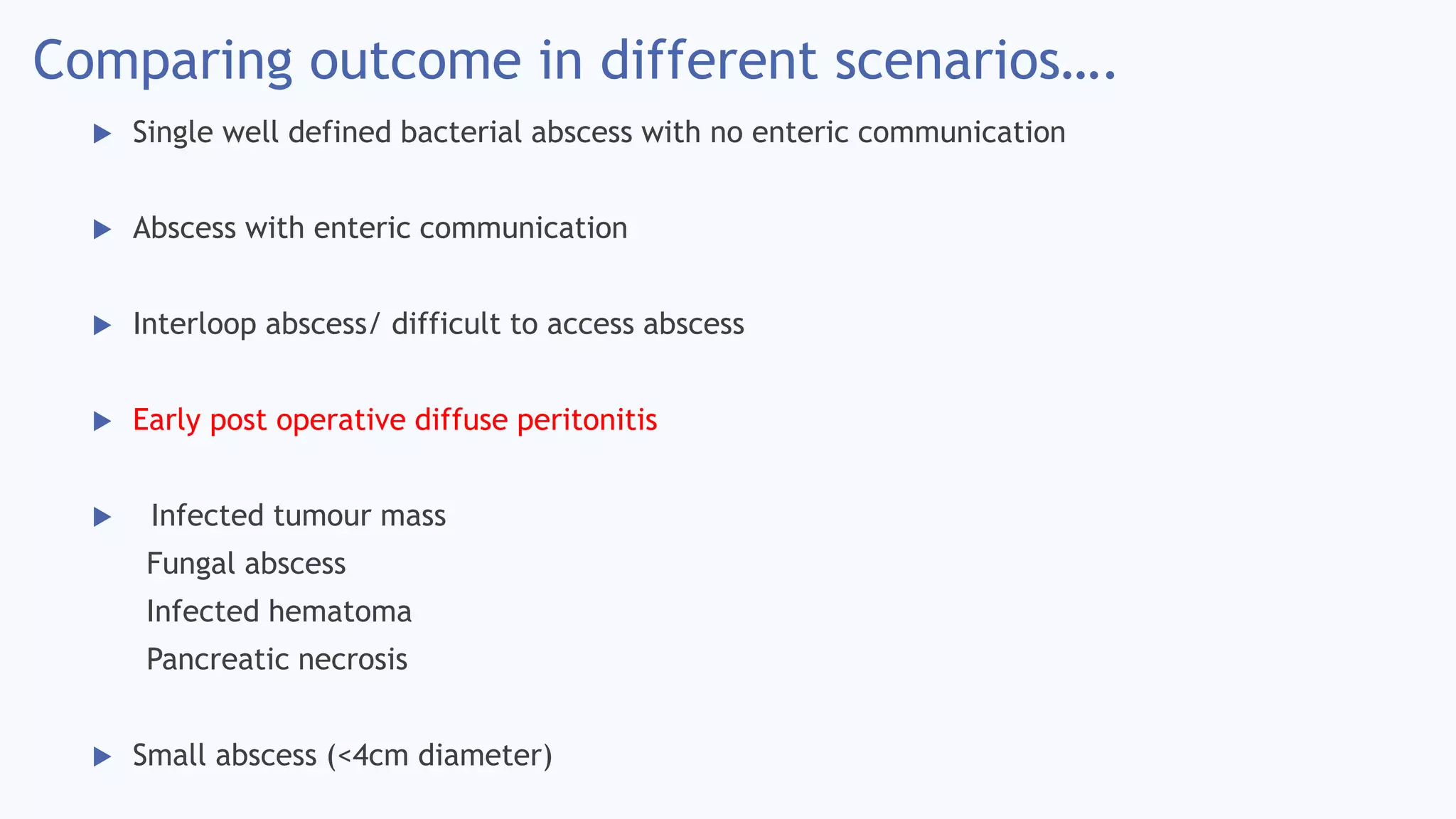
Comparing outcome indifferent scenarios….
Single well defined bacterial abscess with no enteric communication
Abscess with enteric communication
Interloop abscess/ difficult to access abscess
Early post operative diffuse peritonitis
Infected tumour mass
Fungal abscess
Infected hematoma
Pancreatic necrosis
Small abscess (<4cm diameter)
32.
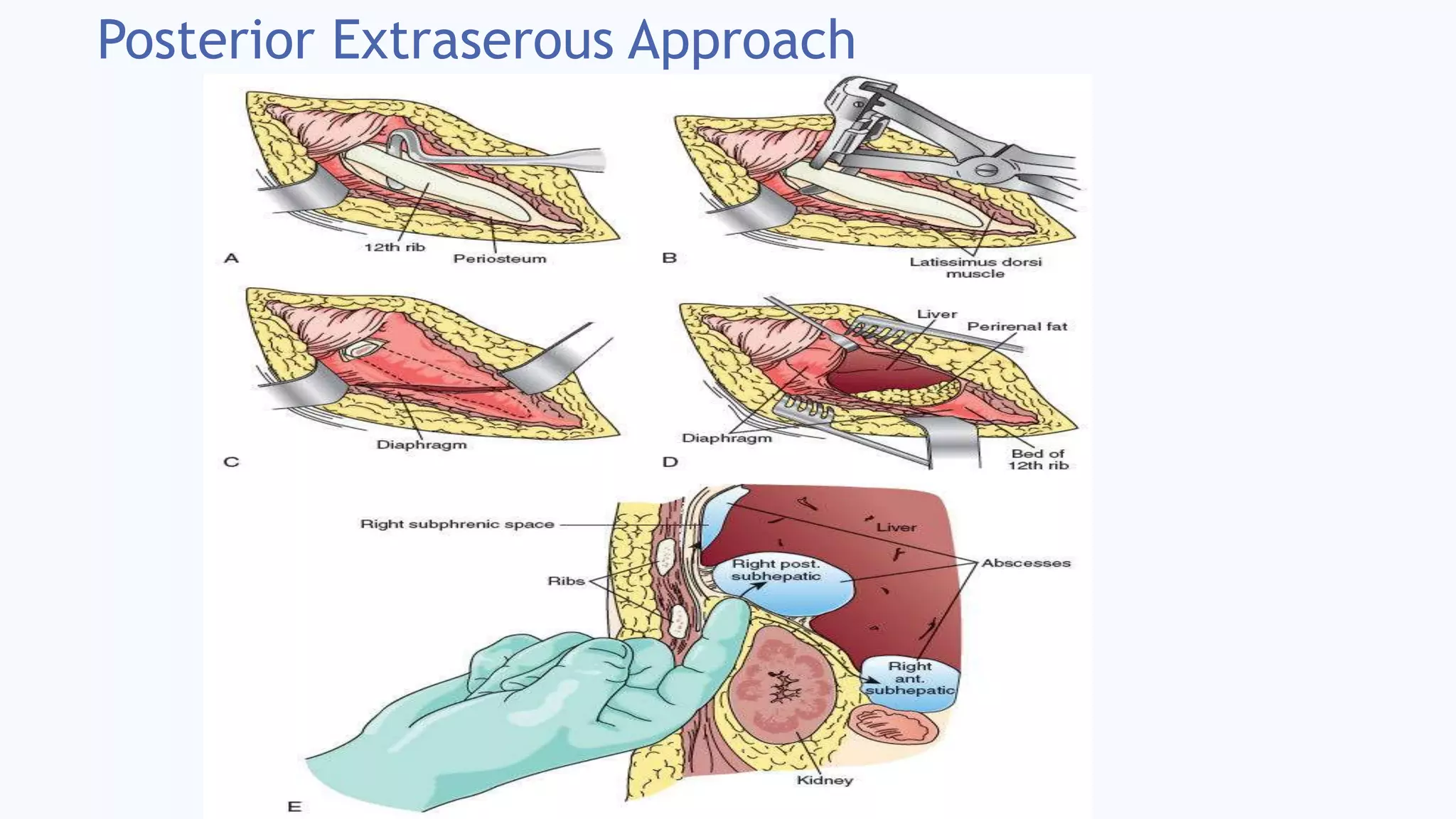
Surgical Drainage
Failureof percutaneous drainage
Diffuse infection
Content of abscess is too thick
Access is impossible