Spontaneous Bacterial
Peritonitis(SBP)
Basant Raj Joshi
Intern
Department of Internal Medicine
2018.7.1.Sunday
Definition
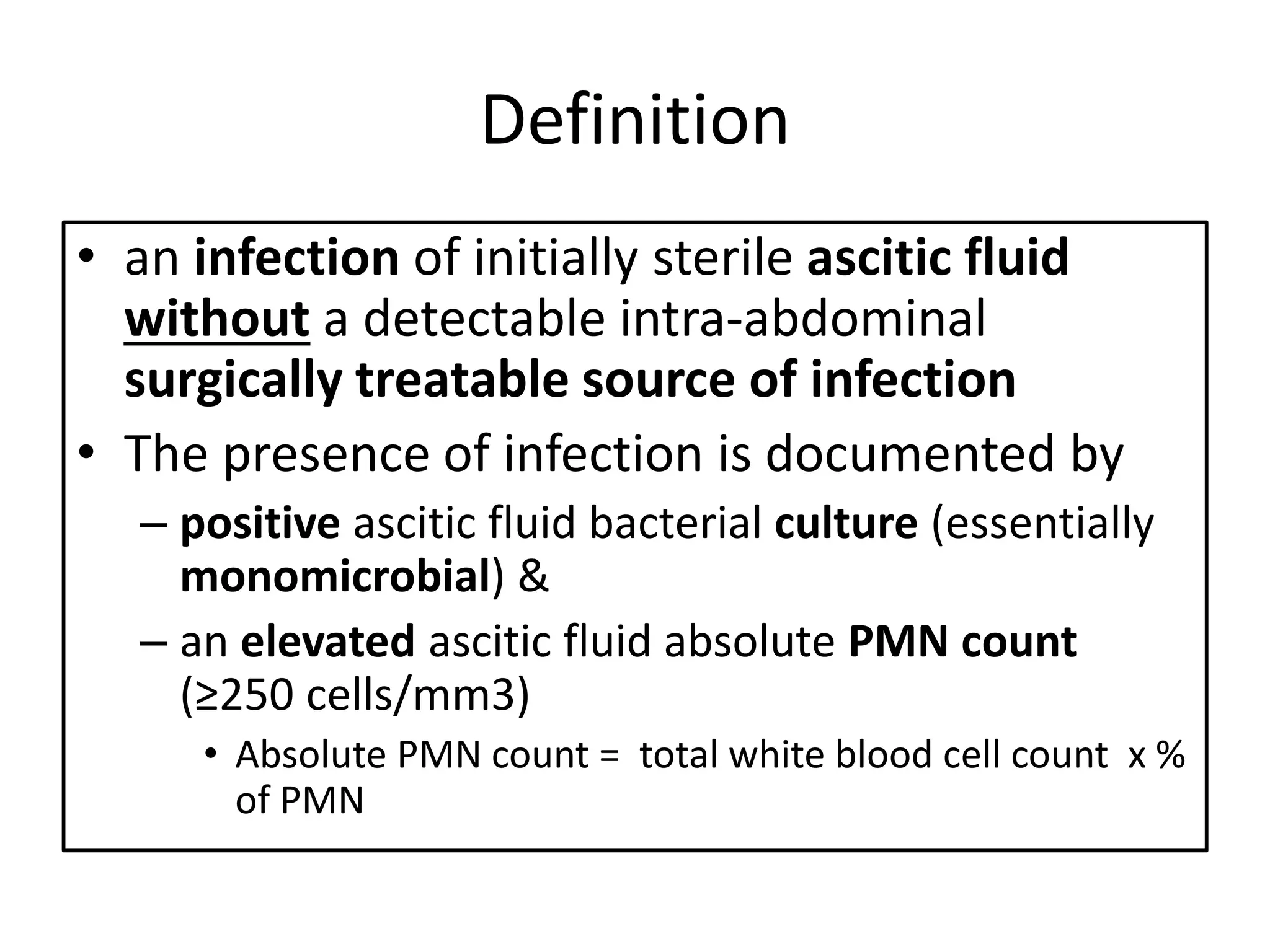
• an infection of initially sterile ascitic fluid
without a detectable intra-abdominal
surgically treatable source of infection
• The presence of infection is documented by
– positive ascitic fluid bacterial culture (essentially
monomicrobial) &
– an elevated ascitic fluid absolute PMN count
(≥250 cells/mm3)
• Absolute PMN count = total white blood cell count x %
of PMN
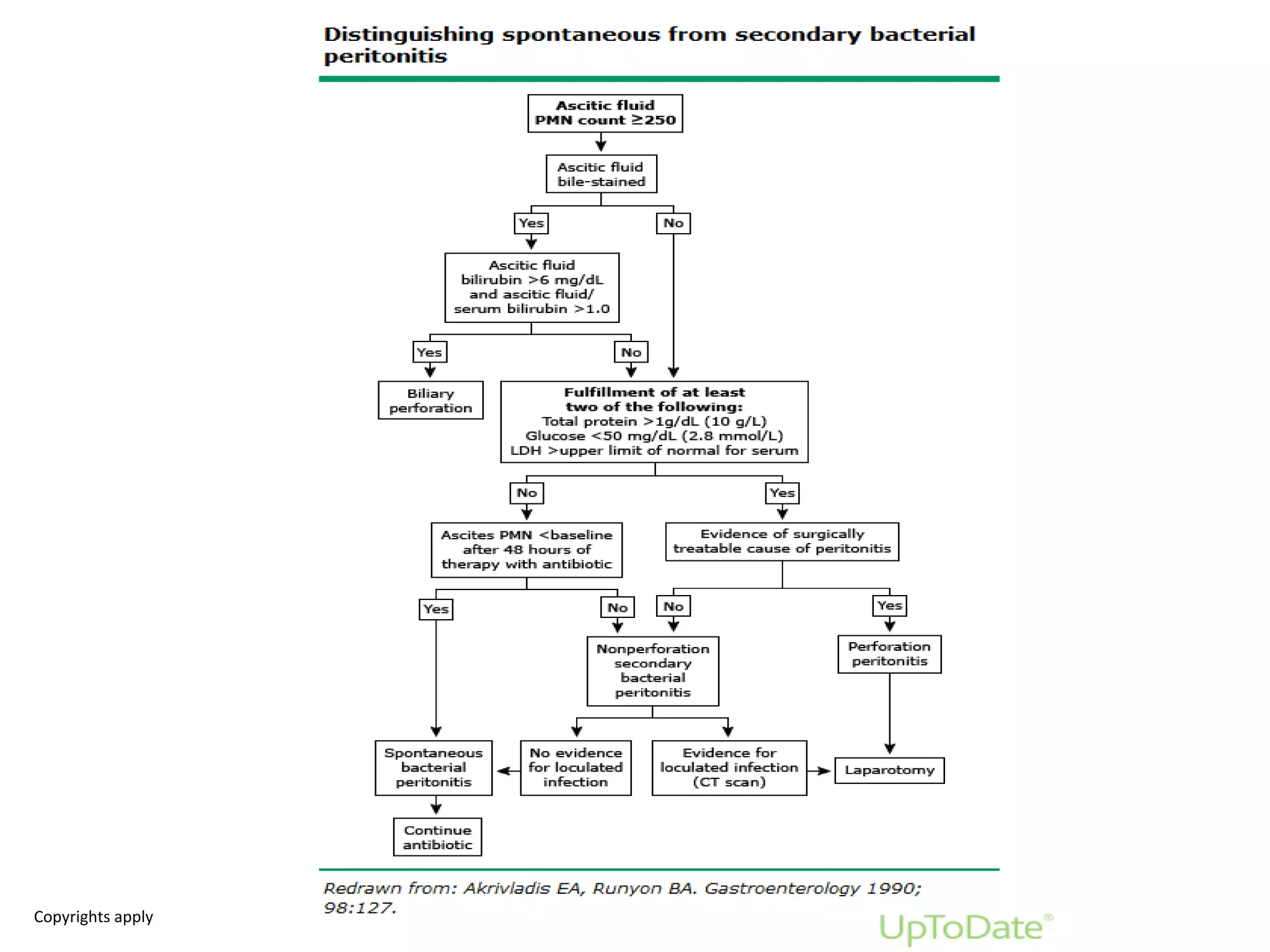
Secondary Bacterial Peritonitis
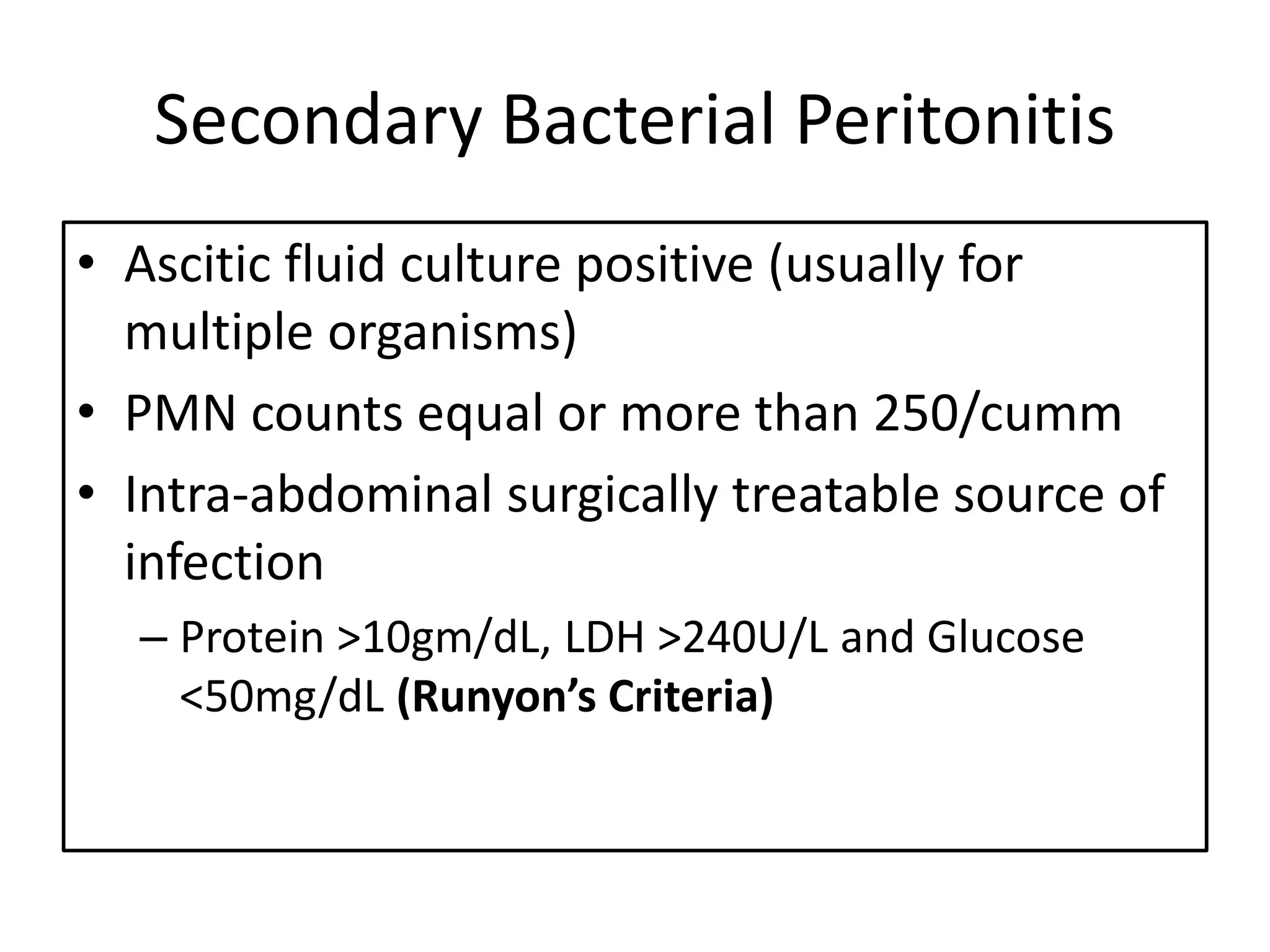
• Ascitic fluid culture positive (usually for
multiple organisms)
• PMN counts equal or more than 250/cumm
• Intra-abdominal surgically treatable source of
infection
– Protein >10gm/dL, LDH >240U/L and Glucose
<50mg/dL (Runyon’s Criteria)
Variants
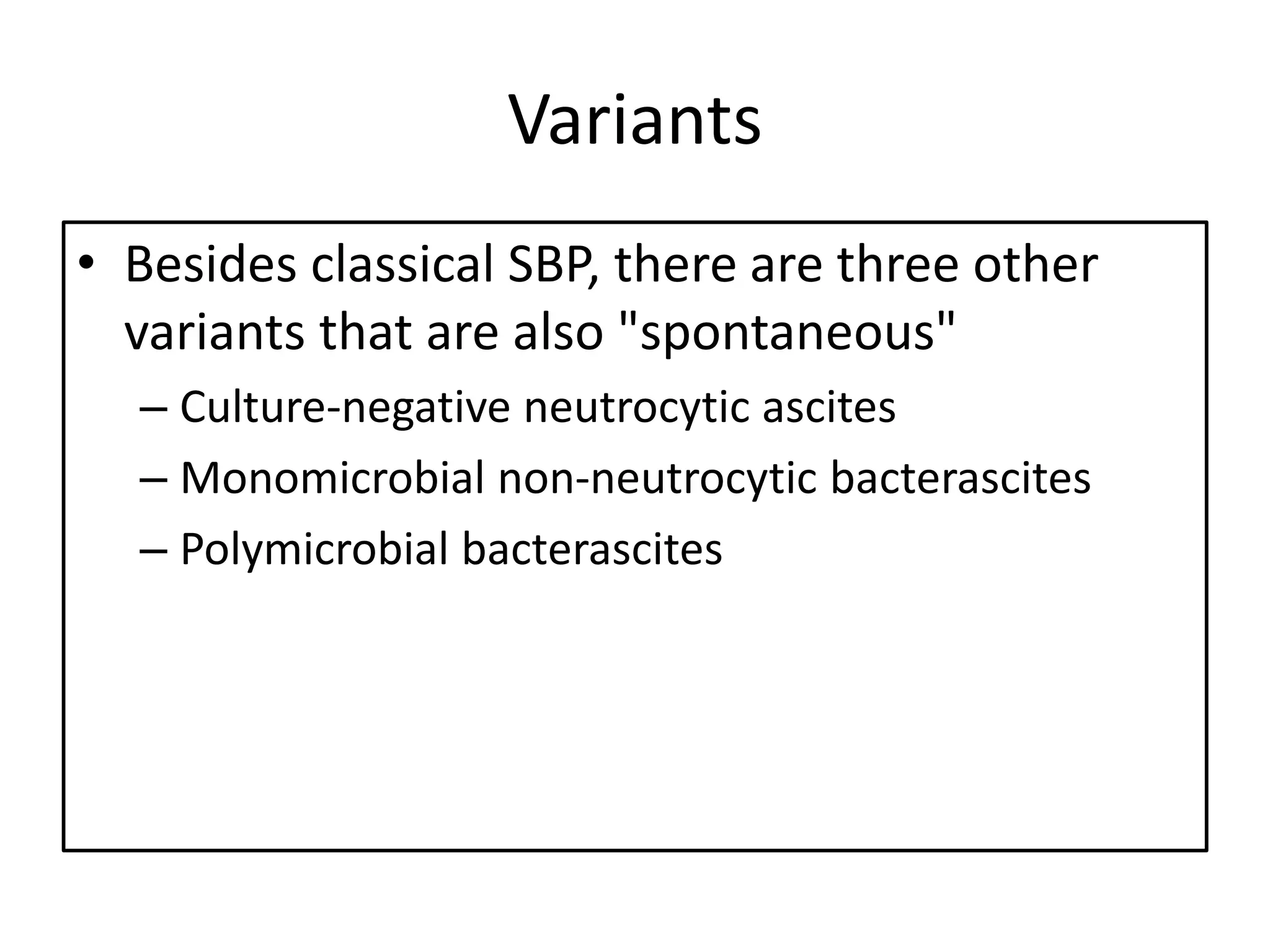
• Besides classical SBP, there are three other
variants that are also "spontaneous"
– Culture-negative neutrocytic ascites
– Monomicrobial non-neutrocytic bacterascites
– Polymicrobial bacterascites
Culture-negative Neutrocytic Ascites
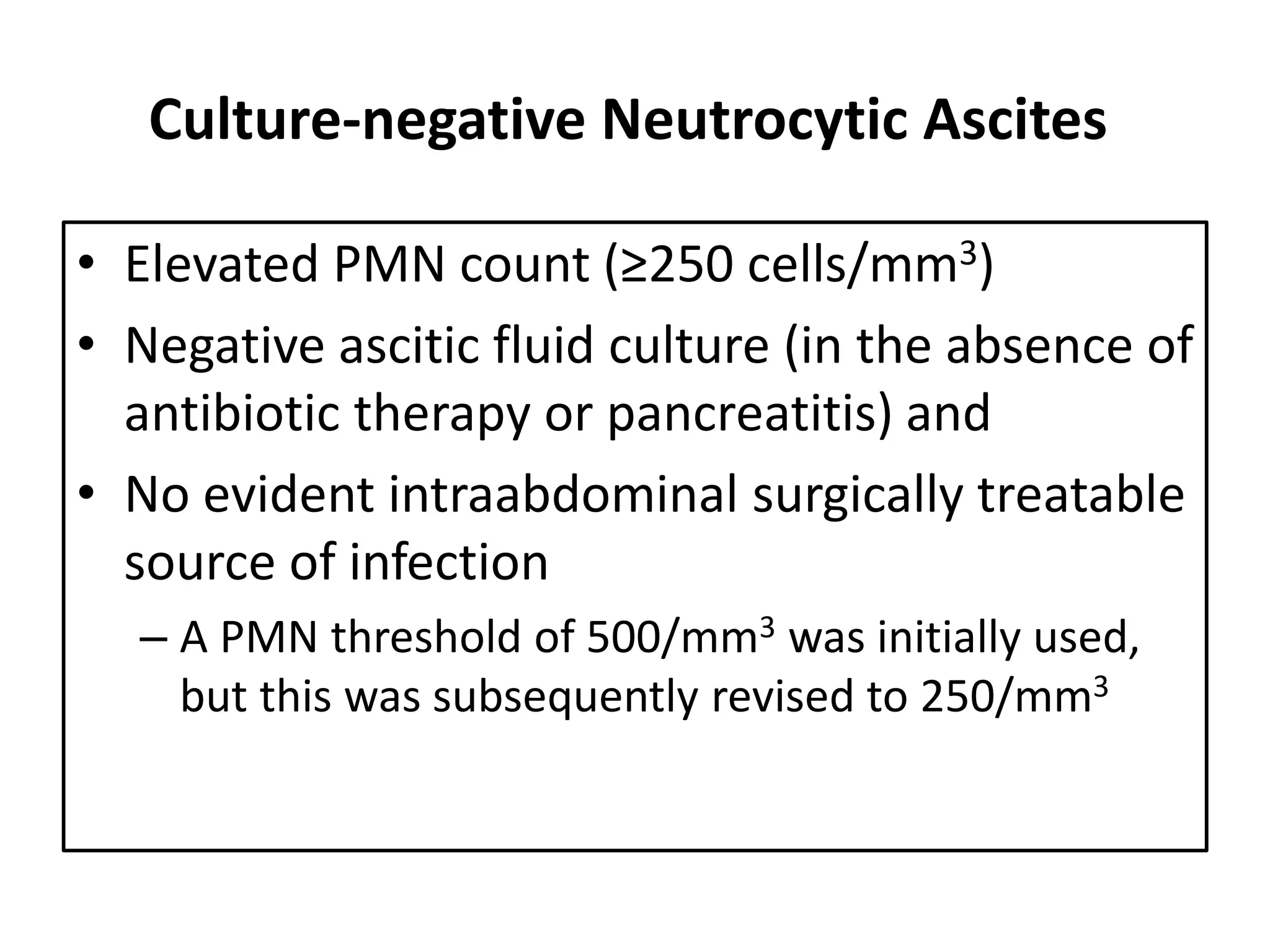
• Elevated PMN count (≥250 cells/mm3)
• Negative ascitic fluid culture (in the absence of
antibiotic therapy or pancreatitis) and
• No evident intraabdominal surgically treatable
source of infection
– A PMN threshold of 500/mm3 was initially used,
but this was subsequently revised to 250/mm3
MONOMICROBIAL NON-NEUTROCYTIC
BACTERASCITES(MNB)
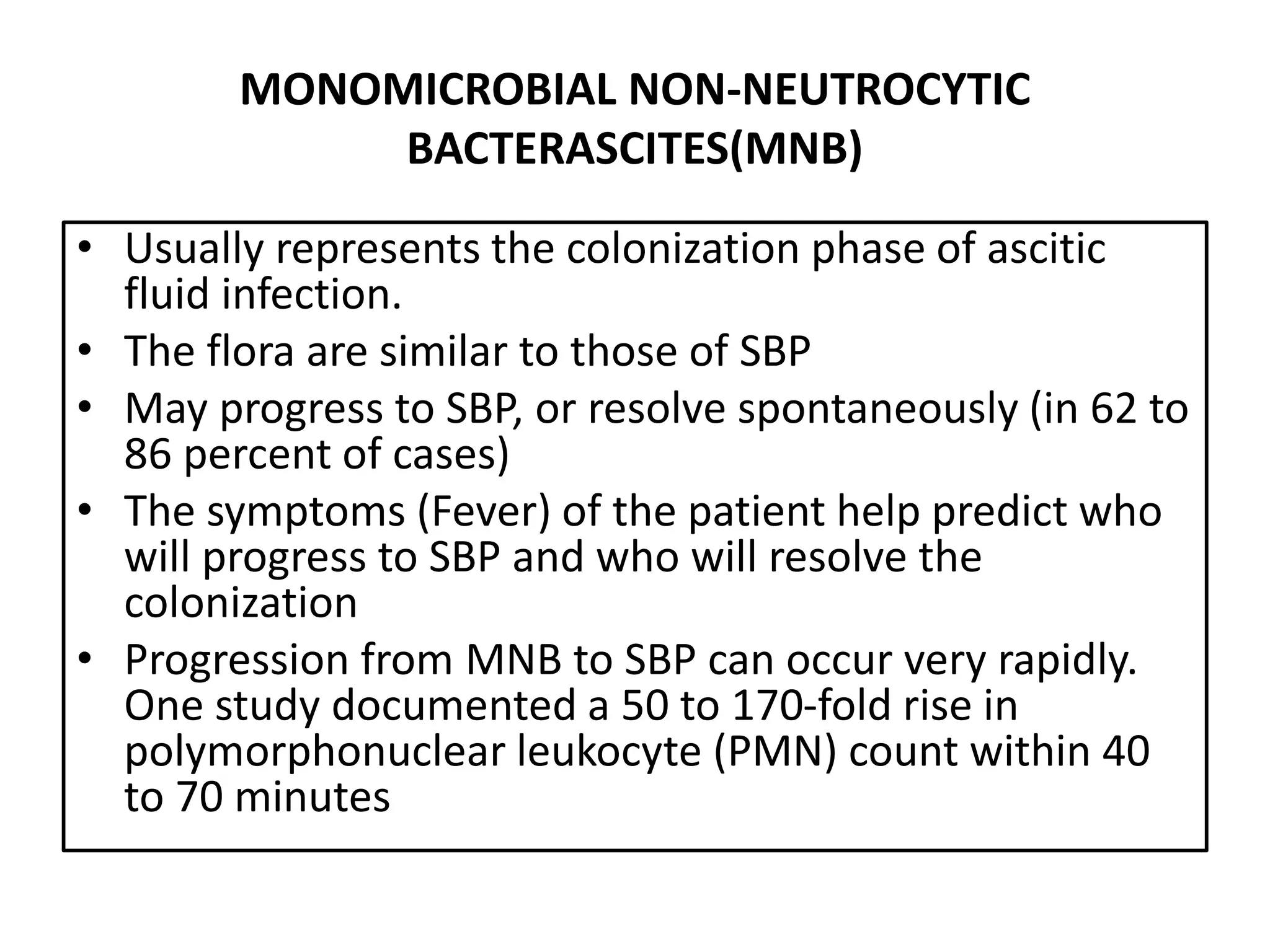
• Usually represents the colonization phase of ascitic
fluid infection.
• The flora are similar to those of SBP
• May progress to SBP, or resolve spontaneously (in 62 to
86 percent of cases)
• The symptoms (Fever) of the patient help predict who
will progress to SBP and who will resolve the
colonization
• Progression from MNB to SBP can occur very rapidly.
One study documented a 50 to 170-fold rise in
polymorphonuclear leukocyte (PMN) count within 40
to 70 minutes
POLYMICROBIAL BACTERASCITES
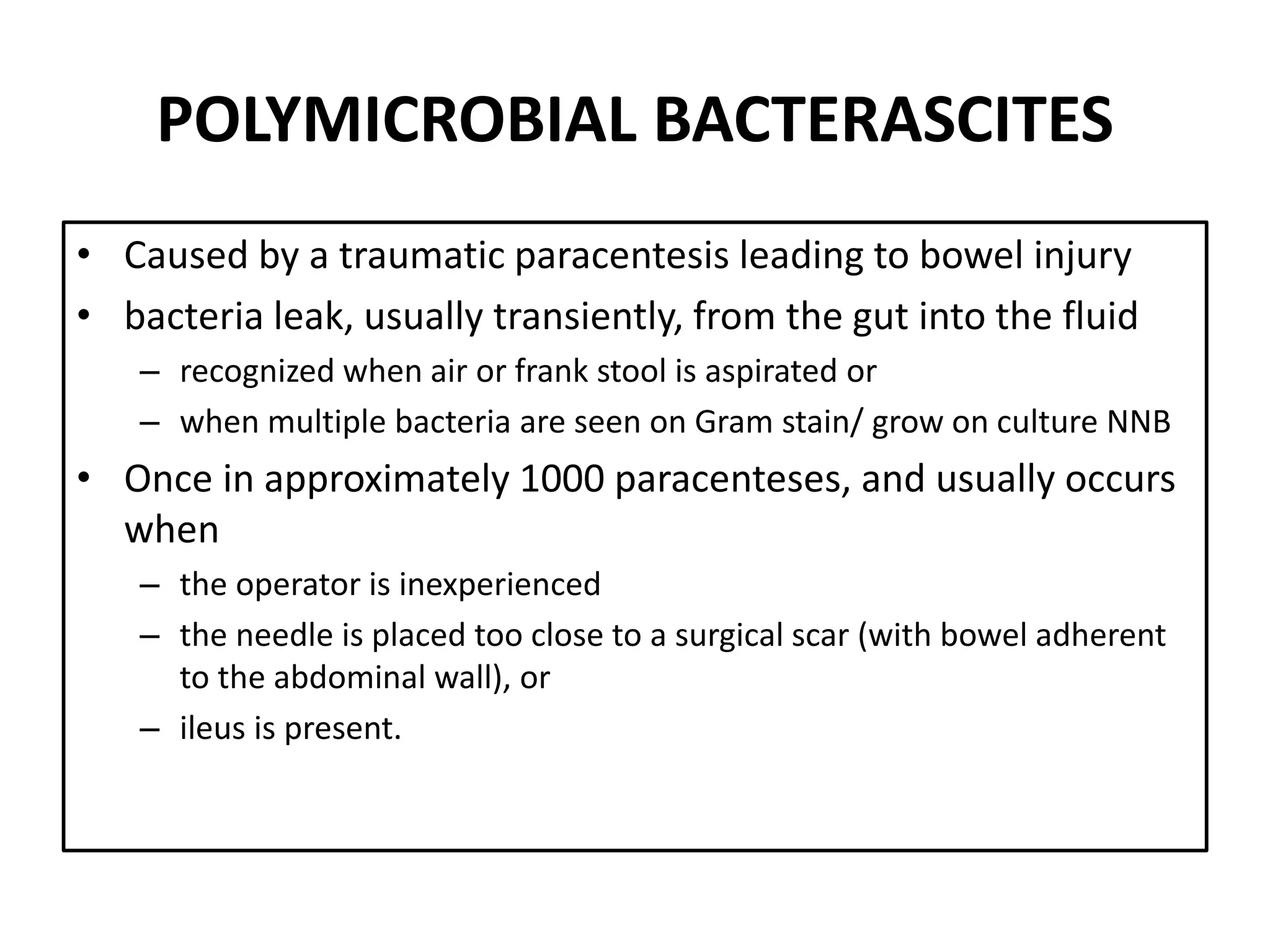
• Caused by a traumatic paracentesis leading to bowel injury
• bacteria leak, usually transiently, from the gut into the fluid
– recognized when air or frank stool is aspirated or
– when multiple bacteria are seen on Gram stain/ grow on culture NNB
• Once in approximately 1000 paracenteses, and usually occurs
when
– the operator is inexperienced
– the needle is placed too close to a surgical scar (with bowel adherent
to the abdominal wall), or
– ileus is present.
Variants
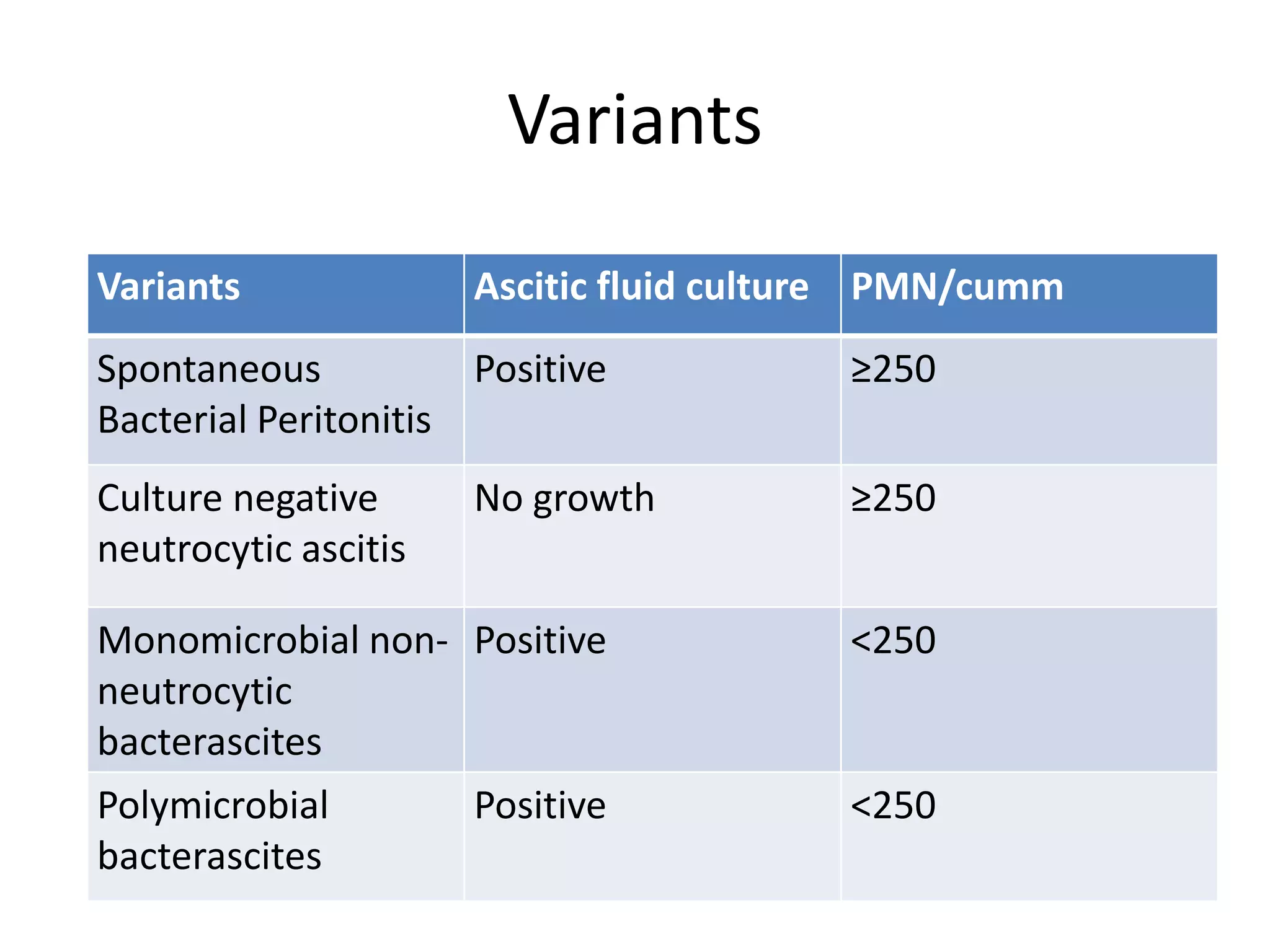
Variants Ascitic fluid culture PMN/cumm
Spontaneous
Bacterial Peritonitis
Positive ≥250
Culture negative
neutrocytic ascitis
No growth ≥250
Monomicrobial non-
neutrocytic
bacterascites
Positive <250
Polymicrobial
bacterascites
Positive <250
Risk Factors
• Advanced cirrhosis
• Paracentesis
• GI bleeding
• Proton pump inhibitors (decrease phagocyte oxidative
burst)
• UTIs
• Deficient ascitic fluid bactericidal activity
– AF c3 level <13mg/dL
– AF total protein <1gm/dL
• Serum total bilirubin concentration above 2.5 mg/dL
• Previous episode of SBP
Pathogenesis
Mechanism
• Translocation: Gut bacteria  traverse the intestinal
wall, and colonize mesenteric lymph nodes.
• Bacterascites can occur if the lymphatic carrying the
contaminated lymph ruptures
– because of the high flow and
– high pressure associated with portal hypertension
• Alternatively, mesenteric lymphatics  systemic
circulation  percolate through the liver  weep
across Glisson's capsule to enter the ascitic fluid
• Hematogenous: Bacteria that eventually cause SBP can
also originate in sites other than the gut via bacteremic
seeding
Copyrights apply
Battle lost by host
• Organism in ascitic fluid  battle ensues between the
virulence of the bacteria and the host's resistance
• If microbes are serum-resistant (cannot be killed by
serum alone)  require functional phagocytes
• Opsonization and phagocytosis by first line of defense
(resident macrophages) : if it fails  complement is
activated and cytokines are released
• PMNs enter the peritoneum to seek and destroy the
invading organisms
• If complement levels are inadequate or the PMNs are
dysfunctional  colonization is successful
Clinical features
• Fever
• Abdominal pain
• Tender abdomen
• Rebound tenderness
• Decreased bowel sounds
• Altered mental status
Diagnosis
• Clinical features
• Diagnostic paracentesis
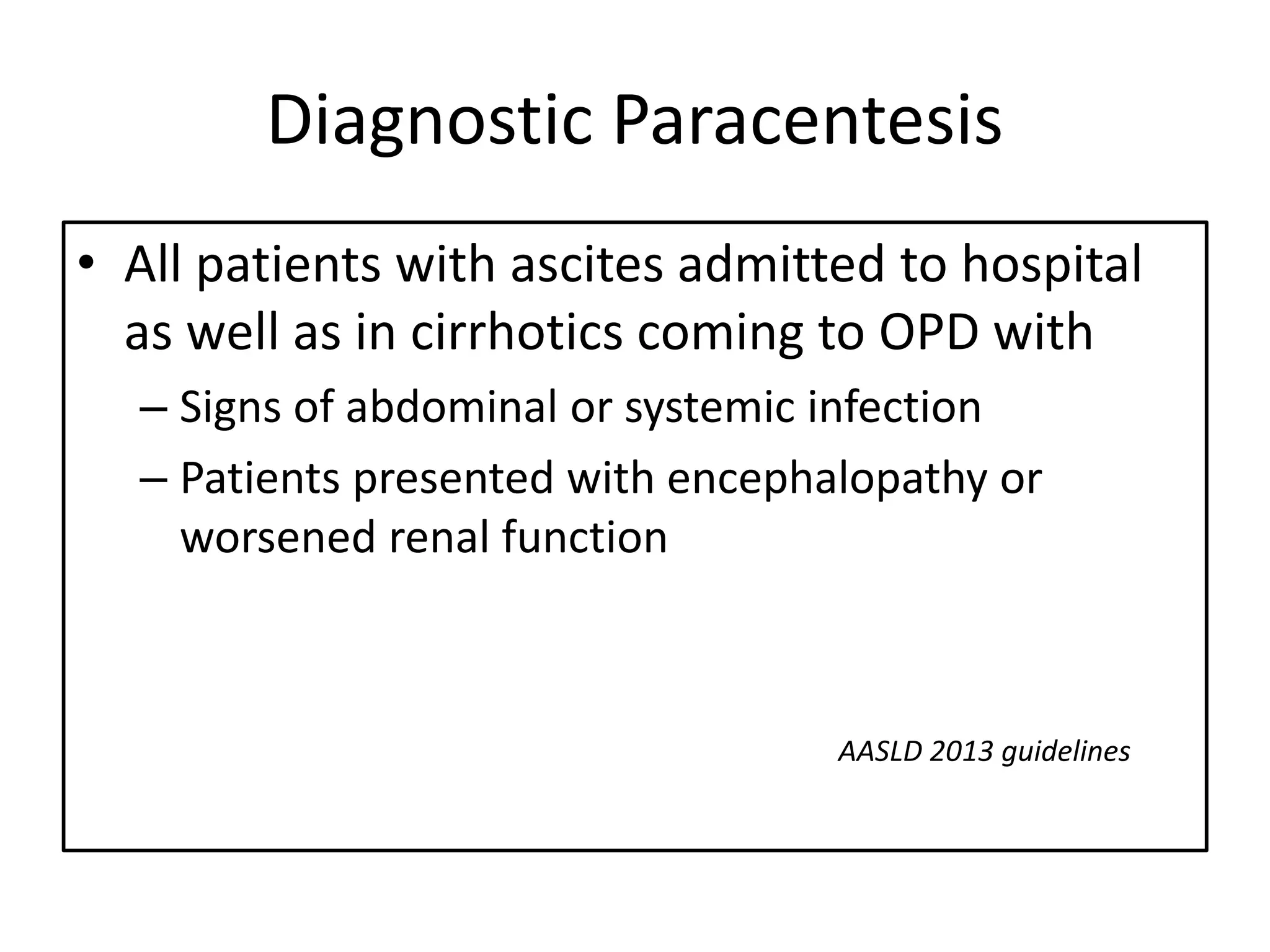
Diagnostic Paracentesis
• All patients with ascites admitted to hospital
as well as in cirrhotics coming to OPD with
– Signs of abdominal or systemic infection
– Patients presented with encephalopathy or
worsened renal function
AASLD 2013 guidelines
Investigations
• The ascitic fluid should be tested for the following
– Aerobic and anaerobic culture
– Cell count and differential
– Gram stain
– Albumin
– Protein
– Glucose
– Lactate dehydrogenase
– Amylase
– Bilirubin (if the fluid is dark orange or brown)
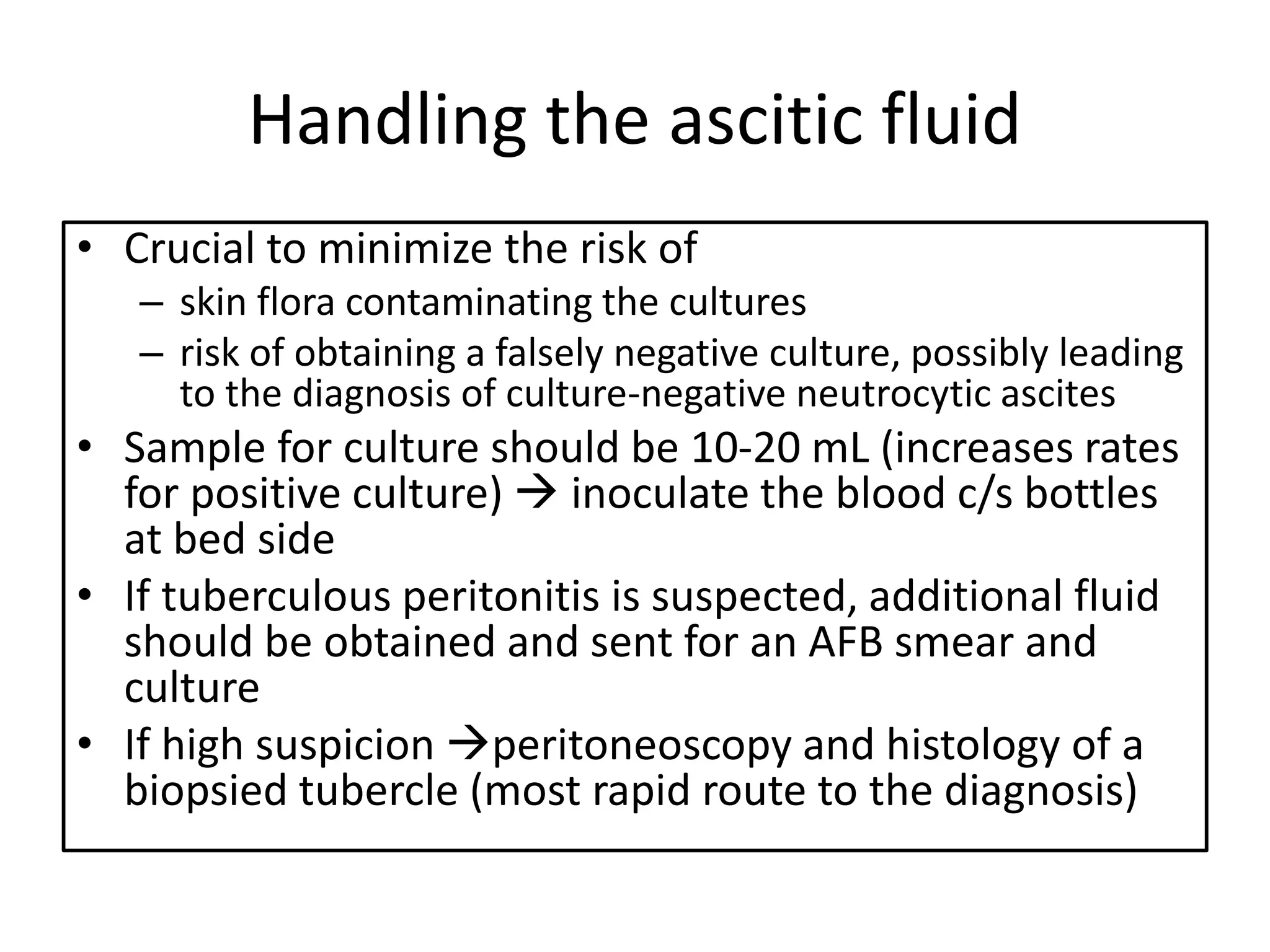
Handling the ascitic fluid
• Crucial to minimize the risk of
– skin flora contaminating the cultures
– risk of obtaining a falsely negative culture, possibly leading
to the diagnosis of culture-negative neutrocytic ascites
• Sample for culture should be 10-20 mL (increases rates
for positive culture)  inoculate the blood c/s bottles
at bed side
• If tuberculous peritonitis is suspected, additional fluid
should be obtained and sent for an AFB smear and
culture
• If high suspicion peritoneoscopy and histology of a
biopsied tubercle (most rapid route to the diagnosis)
D/Dx
• Tuberculous peritonitis
• Malignancy-related ascites
• Any process that leads to death of cells (eg,
lysing tumor cells) can activate complement or
cytokines that can attract PMNs into the
peritoneal cavity
• Traumatic paracentesis
D/Dx
• Hemorrhage into the ascitic fluid leads to red cell
and white cell entry into the fluid
• A corrected PMN count should be calculated if
there is bloody fluid
– Corrected = Observed PMN – Observed Red cells/250
– If the bleeding episode occurred prior to paracentesis,
the corrected PMN count may be a negative number
(the PMNs that entered the fluid may have lysed as
PMNs lyse rapidly, much more so than red cells)
Copyrights apply
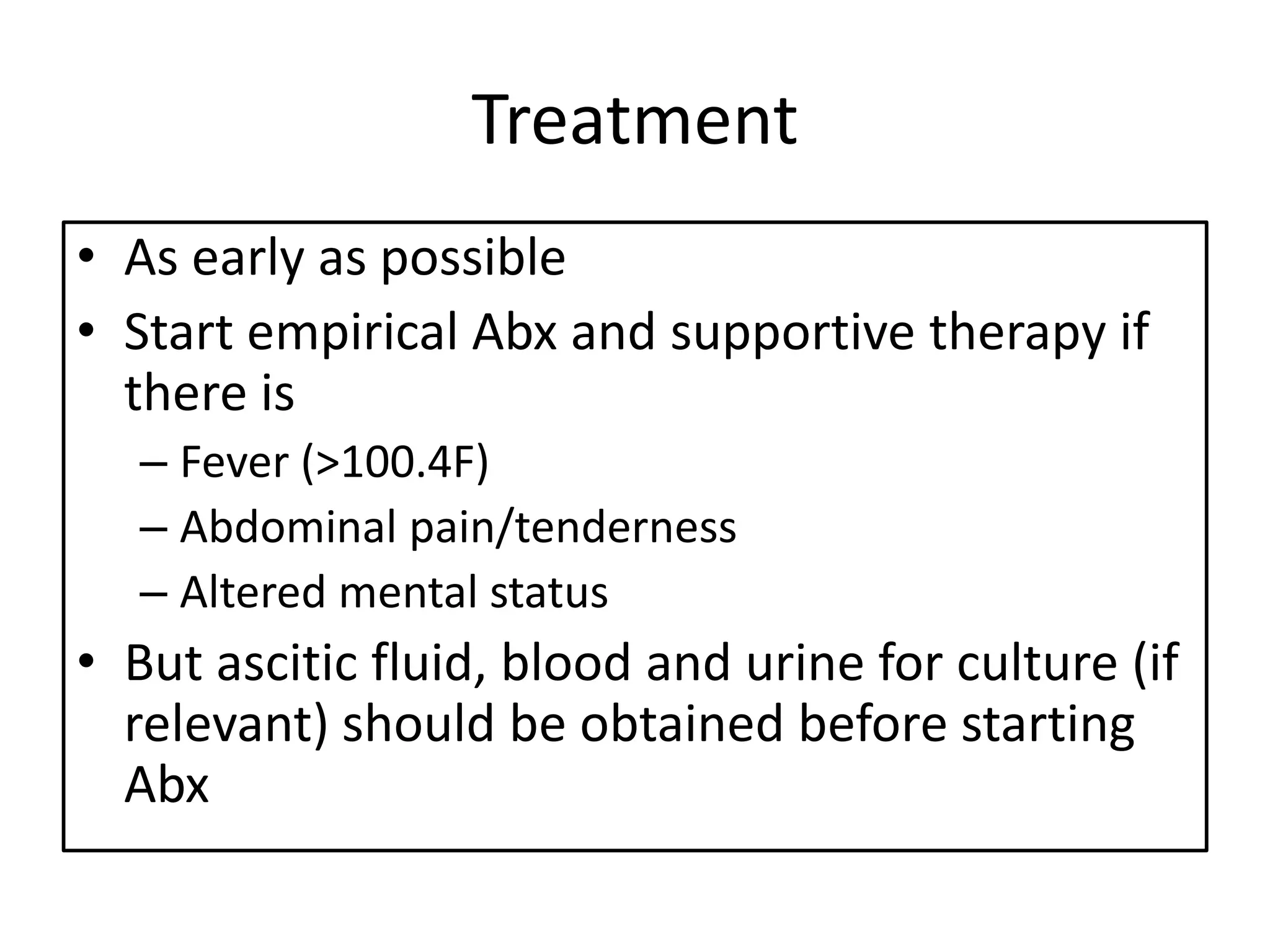
Treatment
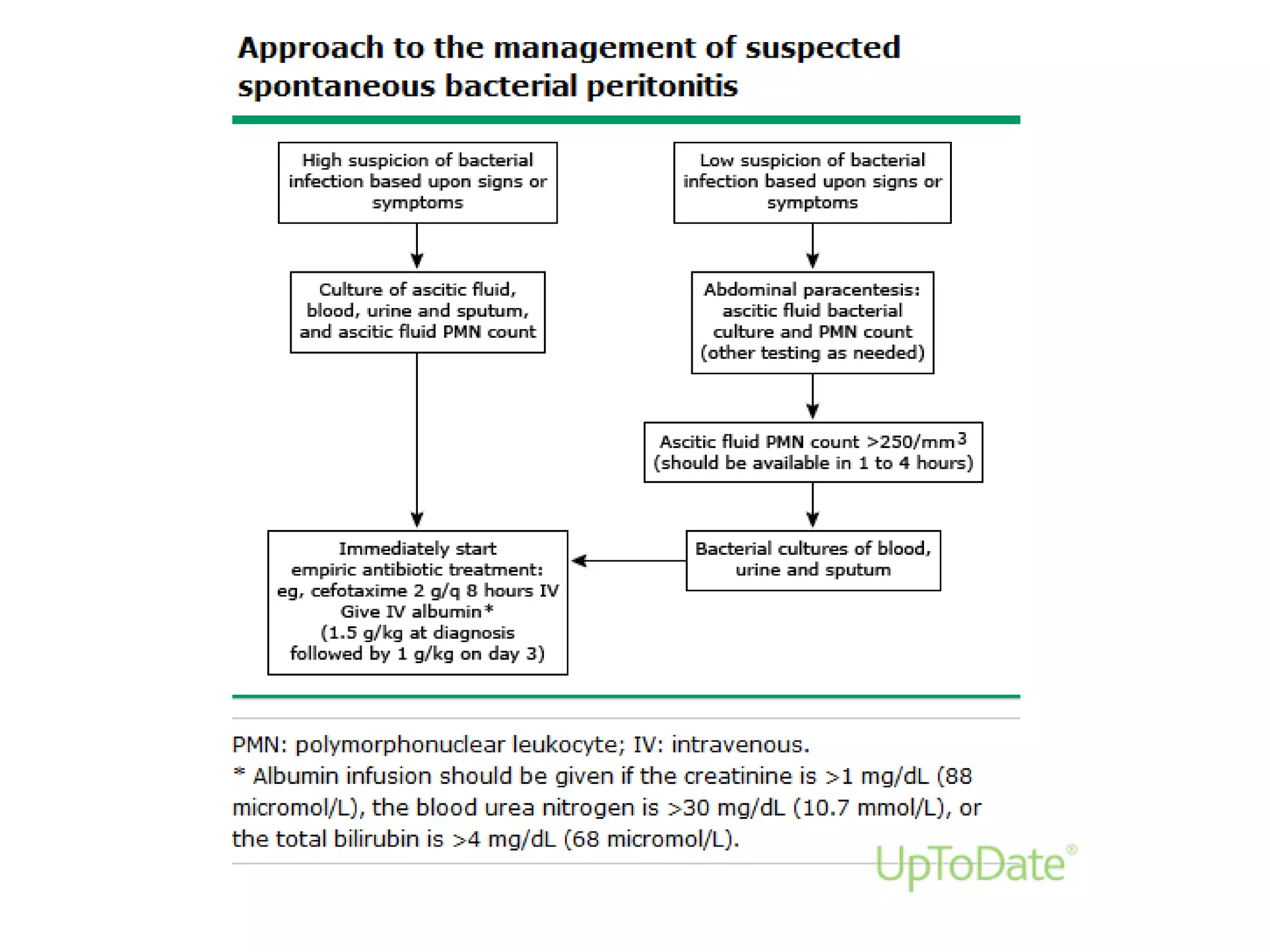
• As early as possible
• Start empirical Abx and supportive therapy if
there is
– Fever (>100.4F)
– Abdominal pain/tenderness
– Altered mental status
• But ascitic fluid, blood and urine for culture (if
relevant) should be obtained before starting
Abx
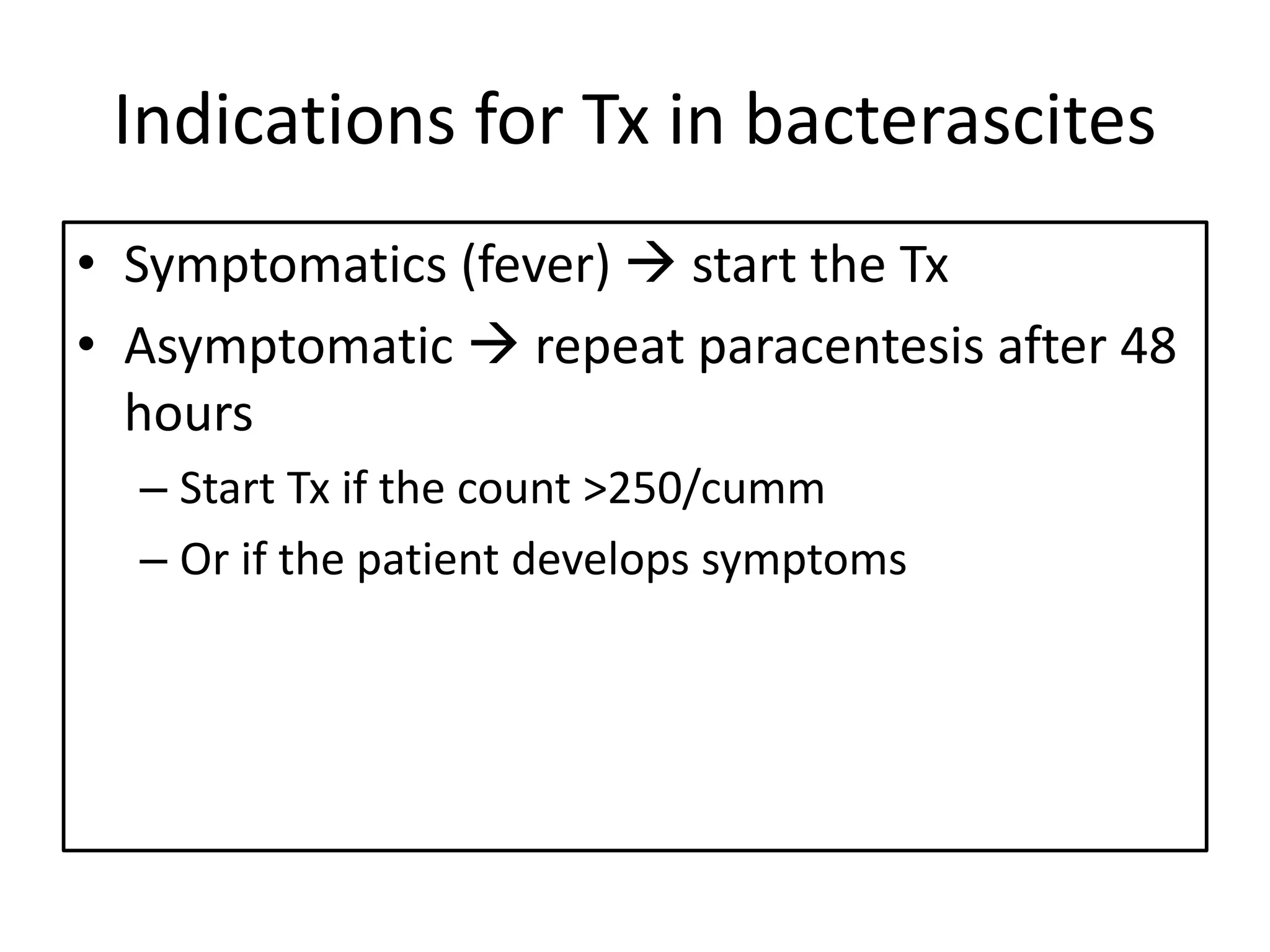
Indications for Tx in bacterascites
• Symptomatics (fever)  start the Tx
• Asymptomatic  repeat paracentesis after 48
hours
– Start Tx if the count >250/cumm
– Or if the patient develops symptoms
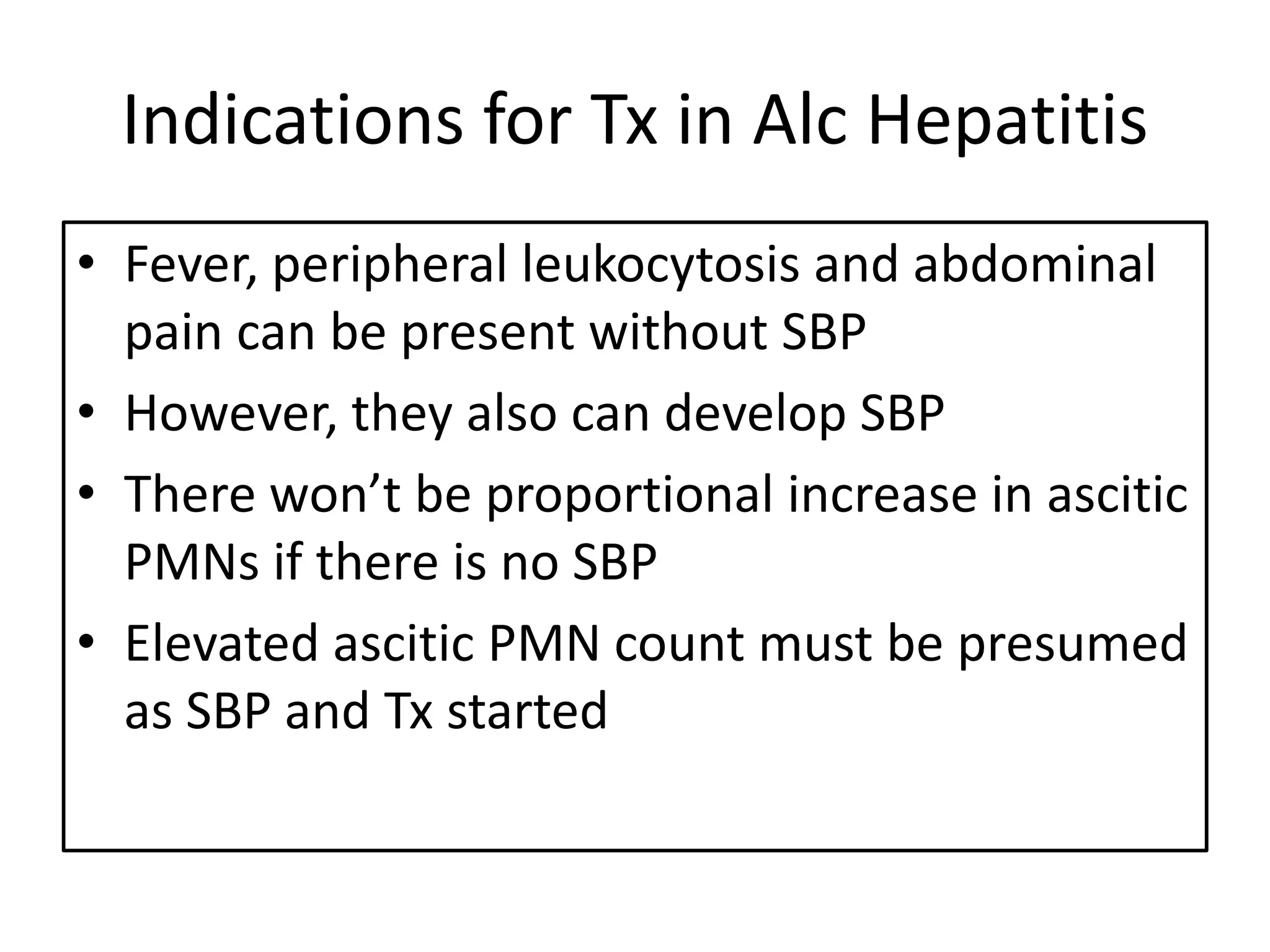
Indications for Tx in Alc Hepatitis
• Fever, peripheral leukocytosis and abdominal
pain can be present without SBP
• However, they also can develop SBP
• There won’t be proportional increase in ascitic
PMNs if there is no SBP
• Elevated ascitic PMN count must be presumed
as SBP and Tx started
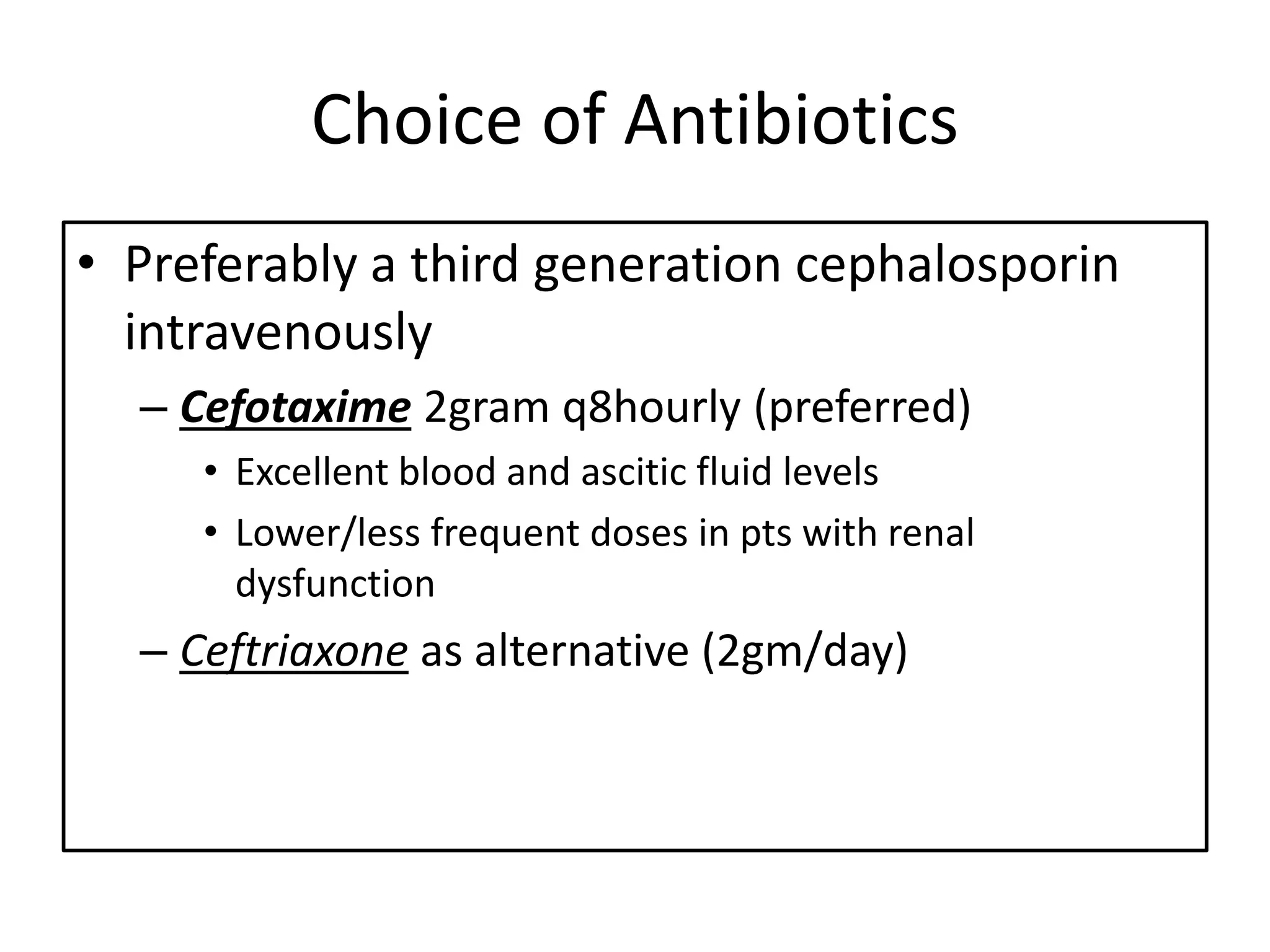
Choice of Antibiotics
• Preferably a third generation cephalosporin
intravenously
– Cefotaxime 2gram q8hourly (preferred)
• Excellent blood and ascitic fluid levels
• Lower/less frequent doses in pts with renal
dysfunction
– Ceftriaxone as alternative (2gm/day)
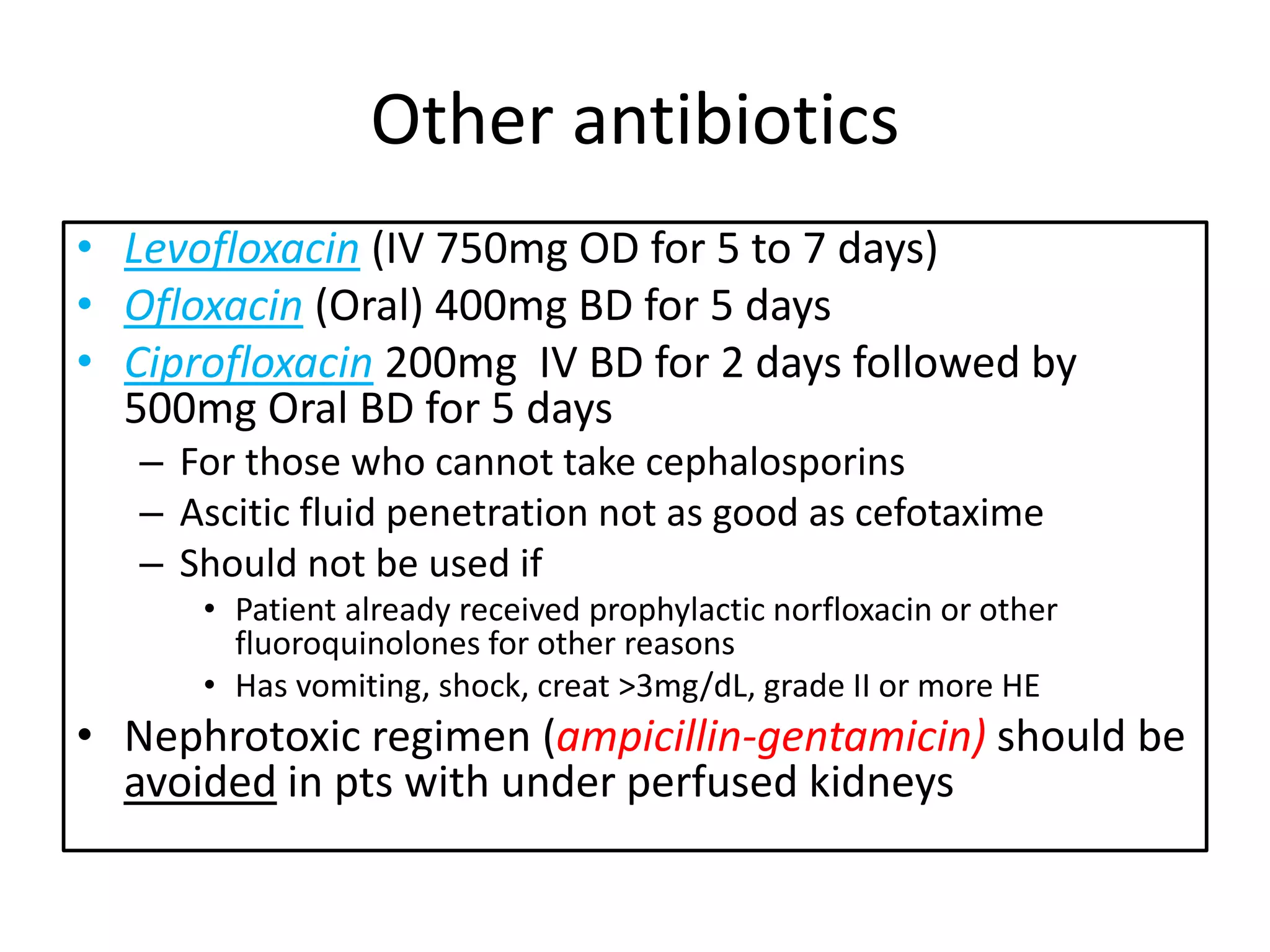
Other antibiotics
• Levofloxacin (IV 750mg OD for 5 to 7 days)
• Ofloxacin (Oral) 400mg BD for 5 days
• Ciprofloxacin 200mg IV BD for 2 days followed by
500mg Oral BD for 5 days
– For those who cannot take cephalosporins
– Ascitic fluid penetration not as good as cefotaxime
– Should not be used if
• Patient already received prophylactic norfloxacin or other
fluoroquinolones for other reasons
• Has vomiting, shock, creat >3mg/dL, grade II or more HE
• Nephrotoxic regimen (ampicillin-gentamicin) should be
avoided in pts with under perfused kidneys
Duration of Therapy
• Short course(5days) is as effective as Longer
(10days) treatment in terms of
– Bacteriologic cure rate (91 vs 93%)
– Recurrent infection (11.6 vs 12.8%)
– Infection related mortality (0 vs 4.2%)
• Treating until 48 hours after the signs and
symptoms have disappeared is also effective.
Duration of Therapy
• Longer treatment considered in
– Unusual organisms (eg. Pseudomonas)
– Organism resistant to standard antibiotic therapy
– Organism routinely associated with endocarditis (eg.
Staphylococcus aureus or viridans group Streptococci)
• Reassess after 5 days  discontinue if dramatic
usual improvement
• If fever pain persists, repeat paracentesis and
decide based on PMN counts
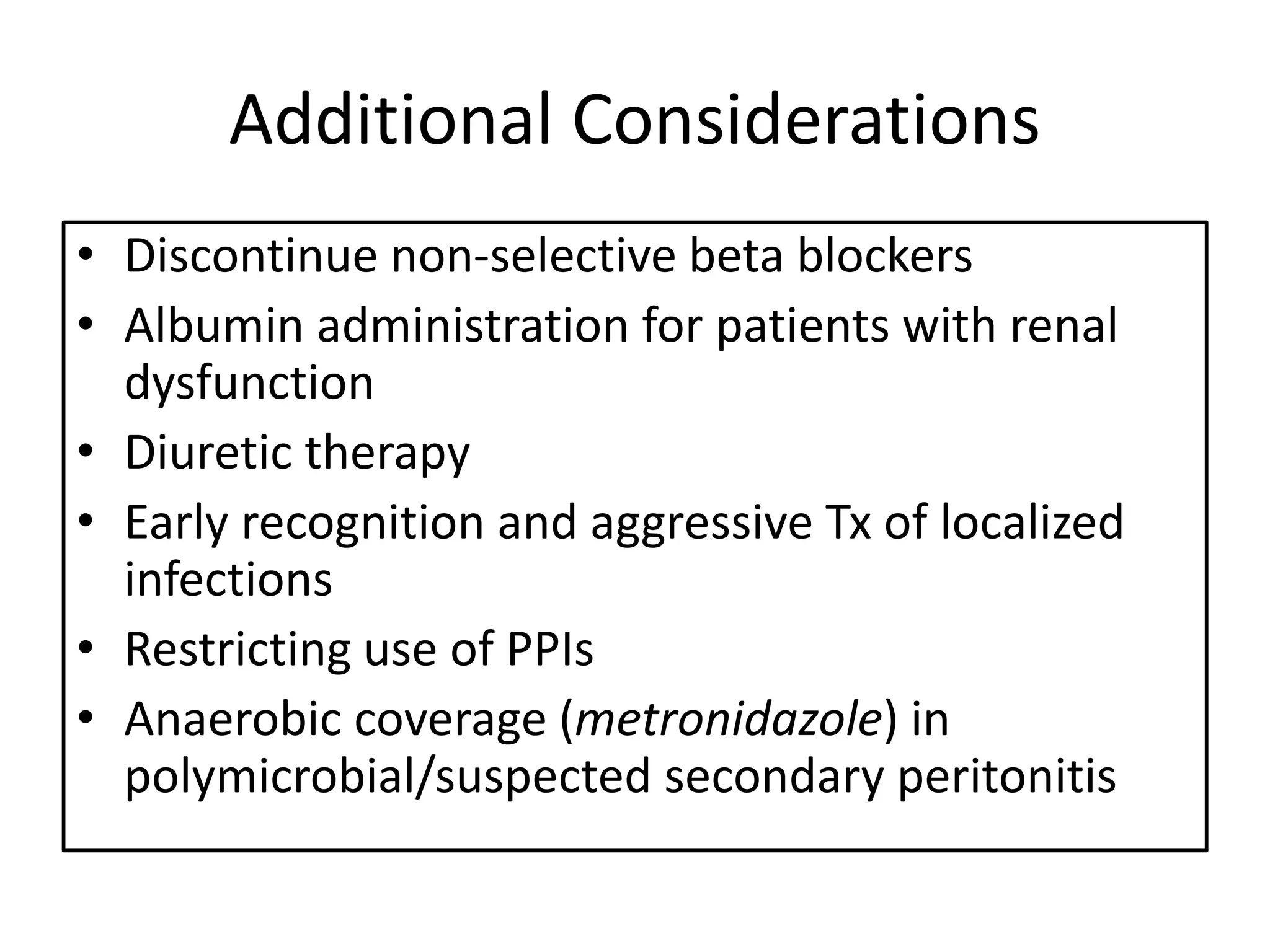
Additional Considerations
• Discontinue non-selective beta blockers
• Albumin administration for patients with renal
dysfunction
• Diuretic therapy
• Early recognition and aggressive Tx of localized
infections
• Restricting use of PPIs
• Anaerobic coverage (metronidazole) in
polymicrobial/suspected secondary peritonitis
Prognosis
• In hemodynamically stable patients –
• In patients who have already developed septic
shock –
• Long term outcome –
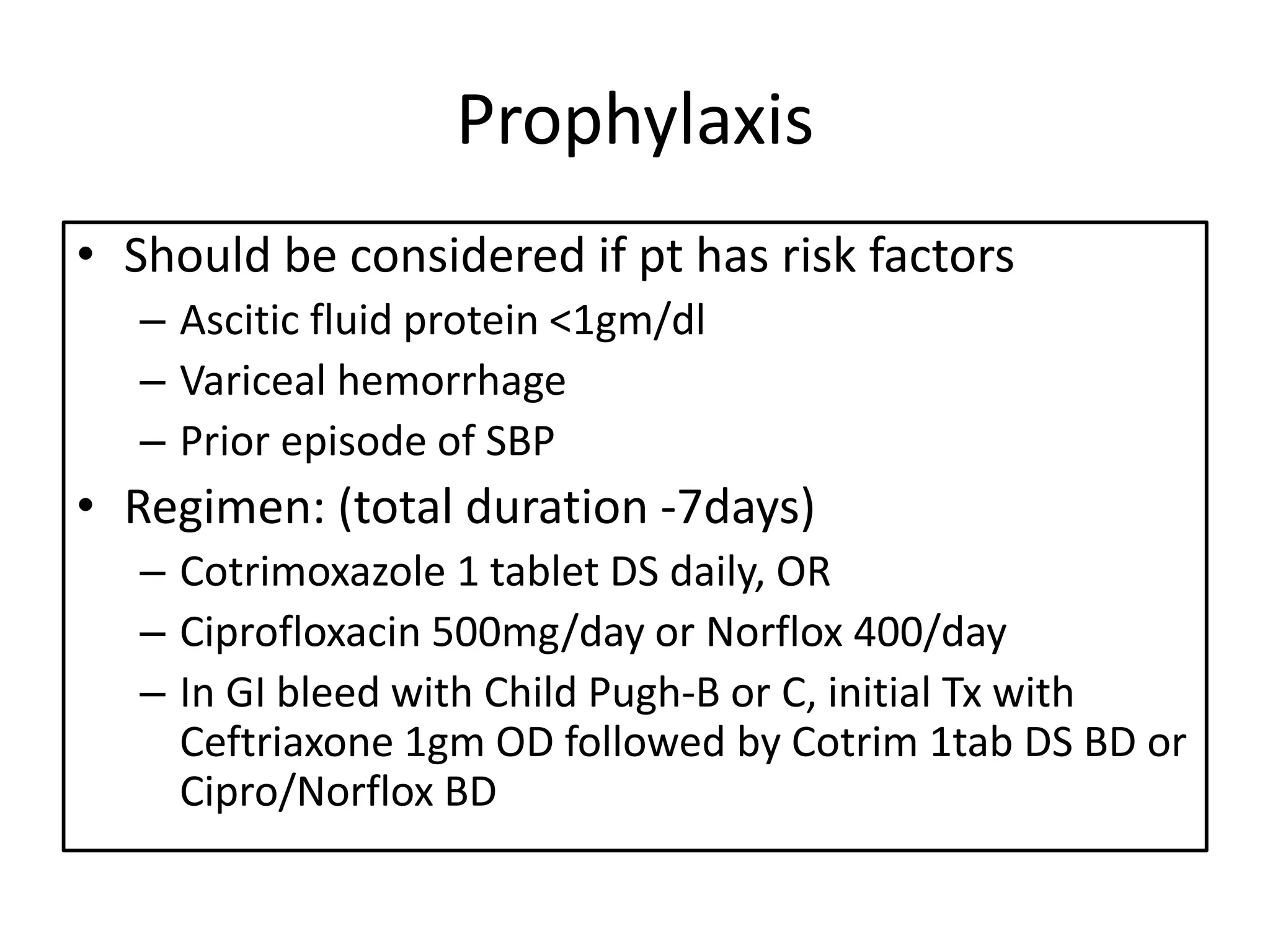
Prophylaxis
• Should be considered if pt has risk factors
– Ascitic fluid protein <1gm/dl
– Variceal hemorrhage
– Prior episode of SBP
• Regimen: (total duration -7days)
– Cotrimoxazole 1 tablet DS daily, OR
– Ciprofloxacin 500mg/day or Norflox 400/day
– In GI bleed with Child Pugh-B or C, initial Tx with
Ceftriaxone 1gm OD followed by Cotrim 1tab DS BD or
Cipro/Norflox BD
References
• UpToDate, Bruce A Runyon et al. 2018. Pathogenesis of spontaneous bacterial peritonitis.
[ONLINE] Available at: https://www.uptodate.com/contents/pathogenesis-of-spontaneous-
bacterial-
peritonitis?search=spontaneous%20bacterial%20peritonitis&source=search_result&selected
Title=4~69&usage_type=default&display_rank=4. [Accessed 30 June 2018].
• L., D., 2016. Harrisons Manual of Medicine, 19th Edition. McGraw-Hill Education / Medical.
• UpToDate, Bruce A Runyon et al. 2018. Spontaneous bacterial peritonitis variants. [ONLINE]
Available at: https://www.uptodate.com/contents/spontaneous-bacterial-peritonitis-
variants?search=spontaneous%20bacterial%20peritonitis&source=search_result&selectedTitl
e=5~69&usage_type=default&display_rank=5. [Accessed 30 June 2018].
• UpToDate, Bruce A Runyon et al. 2018. Spontaneous bacterial peritonitis in adults: Clinical
manifestations. [ONLINE] Available at: https://www.uptodate.com/contents/spontaneous-
bacterial-peritonitis-in-adults-clinical-
manifestations?search=spontaneous%20bacterial%20peritonitis&source=search_result&sele
ctedTitle=3~69&usage_type=default&display_rank=3. [Accessed 30 June 2018].
References
• UpToDate, Bruce A Runyon et al. 2018. Spontaneous bacterial
peritonitis in adults: Diagnosis. [ONLINE] Available
at: https://www.uptodate.com/contents/spontaneous-bacterial-
peritonitis-in-adults-
diagnosis?search=spontaneous%20bacterial%20peritonitis&source
=search_result&selectedTitle=2~69&usage_type=default&display_r
ank=2. [Accessed 30 June 2018].
• UpToDate, Bruce A Runyon et al. 2018. Spontaneous bacterial
peritonitis in adults: Treatment and prophylaxis. [ONLINE] Available
at: https://www.uptodate.com/contents/spontaneous-bacterial-
peritonitis-in-adults-treatment-and-
prophylaxis?search=spontaneous%20bacterial%20peritonitis&sourc
e=search_result&selectedTitle=1~69&usage_type=default&display_
rank=1. [Accessed 30 June 2018].
Thank you!

Spontaneous Bacterial Peritonitis (SBP)

  • 1.
    Spontaneous Bacterial Peritonitis(SBP) Basant RajJoshi Intern Department of Internal Medicine 2018.7.1.Sunday
  • 2.
    Definition • an infectionof initially sterile ascitic fluid without a detectable intra-abdominal surgically treatable source of infection • The presence of infection is documented by – positive ascitic fluid bacterial culture (essentially monomicrobial) & – an elevated ascitic fluid absolute PMN count (≥250 cells/mm3) • Absolute PMN count = total white blood cell count x % of PMN
  • 3.
    Secondary Bacterial Peritonitis •Ascitic fluid culture positive (usually for multiple organisms) • PMN counts equal or more than 250/cumm • Intra-abdominal surgically treatable source of infection – Protein >10gm/dL, LDH >240U/L and Glucose <50mg/dL (Runyon’s Criteria)
  • 4.
    Variants • Besides classicalSBP, there are three other variants that are also "spontaneous" – Culture-negative neutrocytic ascites – Monomicrobial non-neutrocytic bacterascites – Polymicrobial bacterascites
  • 5.
    Culture-negative Neutrocytic Ascites •Elevated PMN count (≥250 cells/mm3) • Negative ascitic fluid culture (in the absence of antibiotic therapy or pancreatitis) and • No evident intraabdominal surgically treatable source of infection – A PMN threshold of 500/mm3 was initially used, but this was subsequently revised to 250/mm3
  • 6.
    MONOMICROBIAL NON-NEUTROCYTIC BACTERASCITES(MNB) • Usuallyrepresents the colonization phase of ascitic fluid infection. • The flora are similar to those of SBP • May progress to SBP, or resolve spontaneously (in 62 to 86 percent of cases) • The symptoms (Fever) of the patient help predict who will progress to SBP and who will resolve the colonization • Progression from MNB to SBP can occur very rapidly. One study documented a 50 to 170-fold rise in polymorphonuclear leukocyte (PMN) count within 40 to 70 minutes
  • 7.
    POLYMICROBIAL BACTERASCITES • Causedby a traumatic paracentesis leading to bowel injury • bacteria leak, usually transiently, from the gut into the fluid – recognized when air or frank stool is aspirated or – when multiple bacteria are seen on Gram stain/ grow on culture NNB • Once in approximately 1000 paracenteses, and usually occurs when – the operator is inexperienced – the needle is placed too close to a surgical scar (with bowel adherent to the abdominal wall), or – ileus is present.
  • 8.
    Variants Variants Ascitic fluidculture PMN/cumm Spontaneous Bacterial Peritonitis Positive ≥250 Culture negative neutrocytic ascitis No growth ≥250 Monomicrobial non- neutrocytic bacterascites Positive <250 Polymicrobial bacterascites Positive <250
  • 9.
    Risk Factors • Advancedcirrhosis • Paracentesis • GI bleeding • Proton pump inhibitors (decrease phagocyte oxidative burst) • UTIs • Deficient ascitic fluid bactericidal activity – AF c3 level <13mg/dL – AF total protein <1gm/dL • Serum total bilirubin concentration above 2.5 mg/dL • Previous episode of SBP
  • 10.
  • 11.
    Mechanism • Translocation: Gutbacteria  traverse the intestinal wall, and colonize mesenteric lymph nodes. • Bacterascites can occur if the lymphatic carrying the contaminated lymph ruptures – because of the high flow and – high pressure associated with portal hypertension • Alternatively, mesenteric lymphatics  systemic circulation  percolate through the liver  weep across Glisson's capsule to enter the ascitic fluid • Hematogenous: Bacteria that eventually cause SBP can also originate in sites other than the gut via bacteremic seeding
  • 13.
  • 14.
    Battle lost byhost • Organism in ascitic fluid  battle ensues between the virulence of the bacteria and the host's resistance • If microbes are serum-resistant (cannot be killed by serum alone)  require functional phagocytes • Opsonization and phagocytosis by first line of defense (resident macrophages) : if it fails  complement is activated and cytokines are released • PMNs enter the peritoneum to seek and destroy the invading organisms • If complement levels are inadequate or the PMNs are dysfunctional  colonization is successful
  • 16.
    Clinical features • Fever •Abdominal pain • Tender abdomen • Rebound tenderness • Decreased bowel sounds • Altered mental status
  • 17.
    Diagnosis • Clinical features •Diagnostic paracentesis
  • 18.
    Diagnostic Paracentesis • Allpatients with ascites admitted to hospital as well as in cirrhotics coming to OPD with – Signs of abdominal or systemic infection – Patients presented with encephalopathy or worsened renal function AASLD 2013 guidelines
  • 19.
    Investigations • The asciticfluid should be tested for the following – Aerobic and anaerobic culture – Cell count and differential – Gram stain – Albumin – Protein – Glucose – Lactate dehydrogenase – Amylase – Bilirubin (if the fluid is dark orange or brown)
  • 20.
    Handling the asciticfluid • Crucial to minimize the risk of – skin flora contaminating the cultures – risk of obtaining a falsely negative culture, possibly leading to the diagnosis of culture-negative neutrocytic ascites • Sample for culture should be 10-20 mL (increases rates for positive culture)  inoculate the blood c/s bottles at bed side • If tuberculous peritonitis is suspected, additional fluid should be obtained and sent for an AFB smear and culture • If high suspicion peritoneoscopy and histology of a biopsied tubercle (most rapid route to the diagnosis)
  • 21.
    D/Dx • Tuberculous peritonitis •Malignancy-related ascites • Any process that leads to death of cells (eg, lysing tumor cells) can activate complement or cytokines that can attract PMNs into the peritoneal cavity • Traumatic paracentesis
  • 22.
    D/Dx • Hemorrhage intothe ascitic fluid leads to red cell and white cell entry into the fluid • A corrected PMN count should be calculated if there is bloody fluid – Corrected = Observed PMN – Observed Red cells/250 – If the bleeding episode occurred prior to paracentesis, the corrected PMN count may be a negative number (the PMNs that entered the fluid may have lysed as PMNs lyse rapidly, much more so than red cells)
  • 23.
  • 24.
    Treatment • As earlyas possible • Start empirical Abx and supportive therapy if there is – Fever (>100.4F) – Abdominal pain/tenderness – Altered mental status • But ascitic fluid, blood and urine for culture (if relevant) should be obtained before starting Abx
  • 26.
    Indications for Txin bacterascites • Symptomatics (fever)  start the Tx • Asymptomatic  repeat paracentesis after 48 hours – Start Tx if the count >250/cumm – Or if the patient develops symptoms
  • 27.
    Indications for Txin Alc Hepatitis • Fever, peripheral leukocytosis and abdominal pain can be present without SBP • However, they also can develop SBP • There won’t be proportional increase in ascitic PMNs if there is no SBP • Elevated ascitic PMN count must be presumed as SBP and Tx started
  • 28.
    Choice of Antibiotics •Preferably a third generation cephalosporin intravenously – Cefotaxime 2gram q8hourly (preferred) • Excellent blood and ascitic fluid levels • Lower/less frequent doses in pts with renal dysfunction – Ceftriaxone as alternative (2gm/day)
  • 29.
    Other antibiotics • Levofloxacin(IV 750mg OD for 5 to 7 days) • Ofloxacin (Oral) 400mg BD for 5 days • Ciprofloxacin 200mg IV BD for 2 days followed by 500mg Oral BD for 5 days – For those who cannot take cephalosporins – Ascitic fluid penetration not as good as cefotaxime – Should not be used if • Patient already received prophylactic norfloxacin or other fluoroquinolones for other reasons • Has vomiting, shock, creat >3mg/dL, grade II or more HE • Nephrotoxic regimen (ampicillin-gentamicin) should be avoided in pts with under perfused kidneys
  • 30.
    Duration of Therapy •Short course(5days) is as effective as Longer (10days) treatment in terms of – Bacteriologic cure rate (91 vs 93%) – Recurrent infection (11.6 vs 12.8%) – Infection related mortality (0 vs 4.2%) • Treating until 48 hours after the signs and symptoms have disappeared is also effective.
  • 31.
    Duration of Therapy •Longer treatment considered in – Unusual organisms (eg. Pseudomonas) – Organism resistant to standard antibiotic therapy – Organism routinely associated with endocarditis (eg. Staphylococcus aureus or viridans group Streptococci) • Reassess after 5 days  discontinue if dramatic usual improvement • If fever pain persists, repeat paracentesis and decide based on PMN counts
  • 32.
    Additional Considerations • Discontinuenon-selective beta blockers • Albumin administration for patients with renal dysfunction • Diuretic therapy • Early recognition and aggressive Tx of localized infections • Restricting use of PPIs • Anaerobic coverage (metronidazole) in polymicrobial/suspected secondary peritonitis
  • 33.
    Prognosis • In hemodynamicallystable patients – • In patients who have already developed septic shock – • Long term outcome –
  • 34.
    Prophylaxis • Should beconsidered if pt has risk factors – Ascitic fluid protein <1gm/dl – Variceal hemorrhage – Prior episode of SBP • Regimen: (total duration -7days) – Cotrimoxazole 1 tablet DS daily, OR – Ciprofloxacin 500mg/day or Norflox 400/day – In GI bleed with Child Pugh-B or C, initial Tx with Ceftriaxone 1gm OD followed by Cotrim 1tab DS BD or Cipro/Norflox BD
  • 35.
    References • UpToDate, BruceA Runyon et al. 2018. Pathogenesis of spontaneous bacterial peritonitis. [ONLINE] Available at: https://www.uptodate.com/contents/pathogenesis-of-spontaneous- bacterial- peritonitis?search=spontaneous%20bacterial%20peritonitis&source=search_result&selected Title=4~69&usage_type=default&display_rank=4. [Accessed 30 June 2018]. • L., D., 2016. Harrisons Manual of Medicine, 19th Edition. McGraw-Hill Education / Medical. • UpToDate, Bruce A Runyon et al. 2018. Spontaneous bacterial peritonitis variants. [ONLINE] Available at: https://www.uptodate.com/contents/spontaneous-bacterial-peritonitis- variants?search=spontaneous%20bacterial%20peritonitis&source=search_result&selectedTitl e=5~69&usage_type=default&display_rank=5. [Accessed 30 June 2018]. • UpToDate, Bruce A Runyon et al. 2018. Spontaneous bacterial peritonitis in adults: Clinical manifestations. [ONLINE] Available at: https://www.uptodate.com/contents/spontaneous- bacterial-peritonitis-in-adults-clinical- manifestations?search=spontaneous%20bacterial%20peritonitis&source=search_result&sele ctedTitle=3~69&usage_type=default&display_rank=3. [Accessed 30 June 2018].
  • 36.
    References • UpToDate, BruceA Runyon et al. 2018. Spontaneous bacterial peritonitis in adults: Diagnosis. [ONLINE] Available at: https://www.uptodate.com/contents/spontaneous-bacterial- peritonitis-in-adults- diagnosis?search=spontaneous%20bacterial%20peritonitis&source =search_result&selectedTitle=2~69&usage_type=default&display_r ank=2. [Accessed 30 June 2018]. • UpToDate, Bruce A Runyon et al. 2018. Spontaneous bacterial peritonitis in adults: Treatment and prophylaxis. [ONLINE] Available at: https://www.uptodate.com/contents/spontaneous-bacterial- peritonitis-in-adults-treatment-and- prophylaxis?search=spontaneous%20bacterial%20peritonitis&sourc e=search_result&selectedTitle=1~69&usage_type=default&display_ rank=1. [Accessed 30 June 2018].
  • 37.

Editor's Notes

  • #27 Fever and altered mental status
  • #34 1 to 2 year survival rate, non infection related mortality, and considering liver transplantation
  • #35 Prophylaxis reduced mortality