PROSTATE:
BENIGN AND
MALIGNANT
Zaid Azhar
2017-097
Overview
 Introduction
 Location and size
 Structure - gross and
microscopic
 Neurovascular supply
 Function
Slide 4-5
Slides 6-12
Slides 13-15
Slide 16
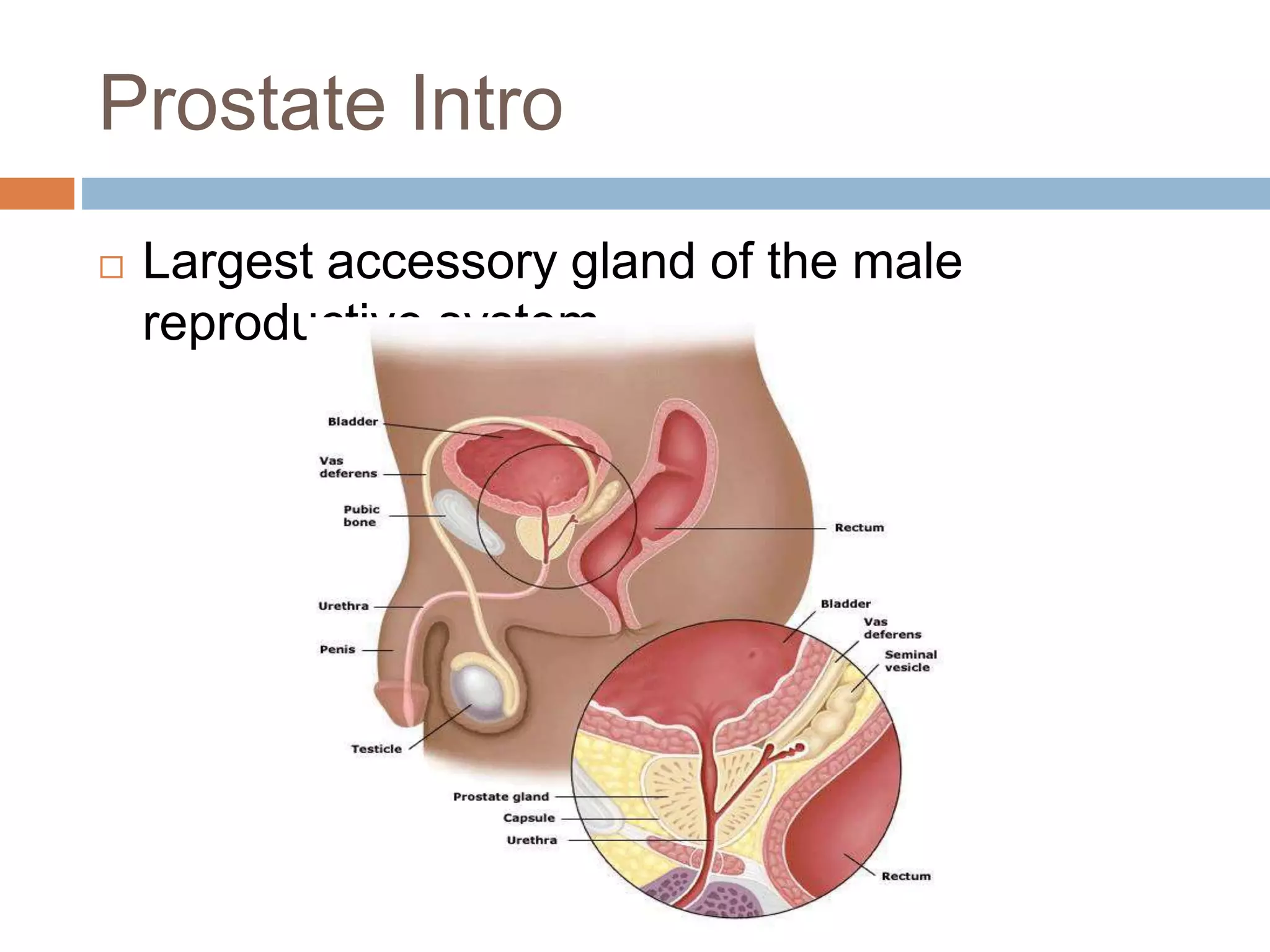
Prostate Intro
 Largest accessory gland of the male
reproductive system.
Location
 The prostate
surrounds the urethra
just below the urinary
bladder.
Size
 Dimensions : 3cm
long 4cm wide and
2cm in AP depth.
 Walnut sized in
normal males.
 Mean weight : 11
grams.
Gross structure
Gross structure
 2/3rd is glandular.
 1/3rd is fibromuscular.
 Lies in the prostatic sheath formed by visceral
layer of pelvic fascia which fixes the prostate
via puboprostatic ligament anteriorly and
rectovesical septum posteriorly.
Zonal classification
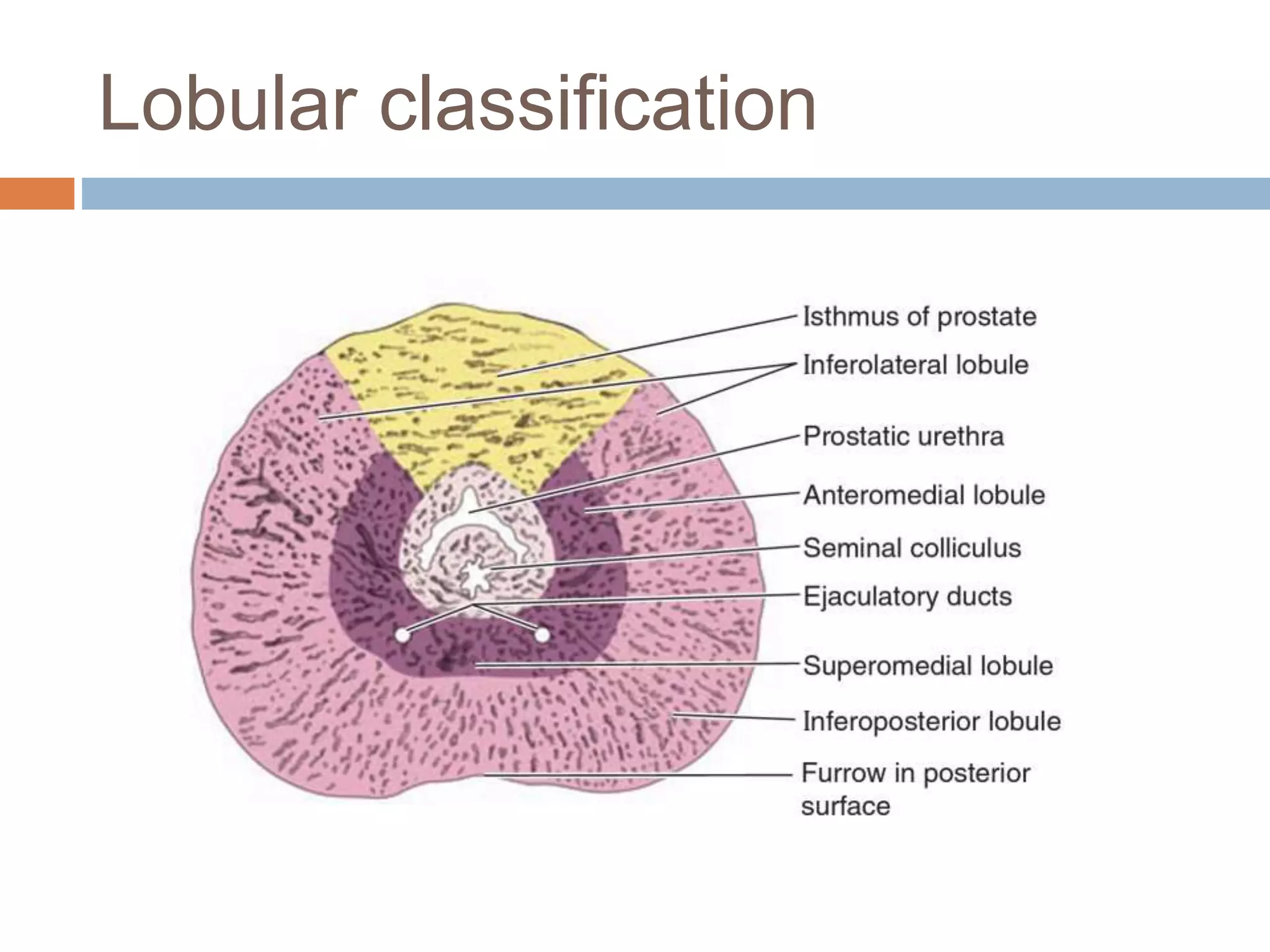
Lobular classification
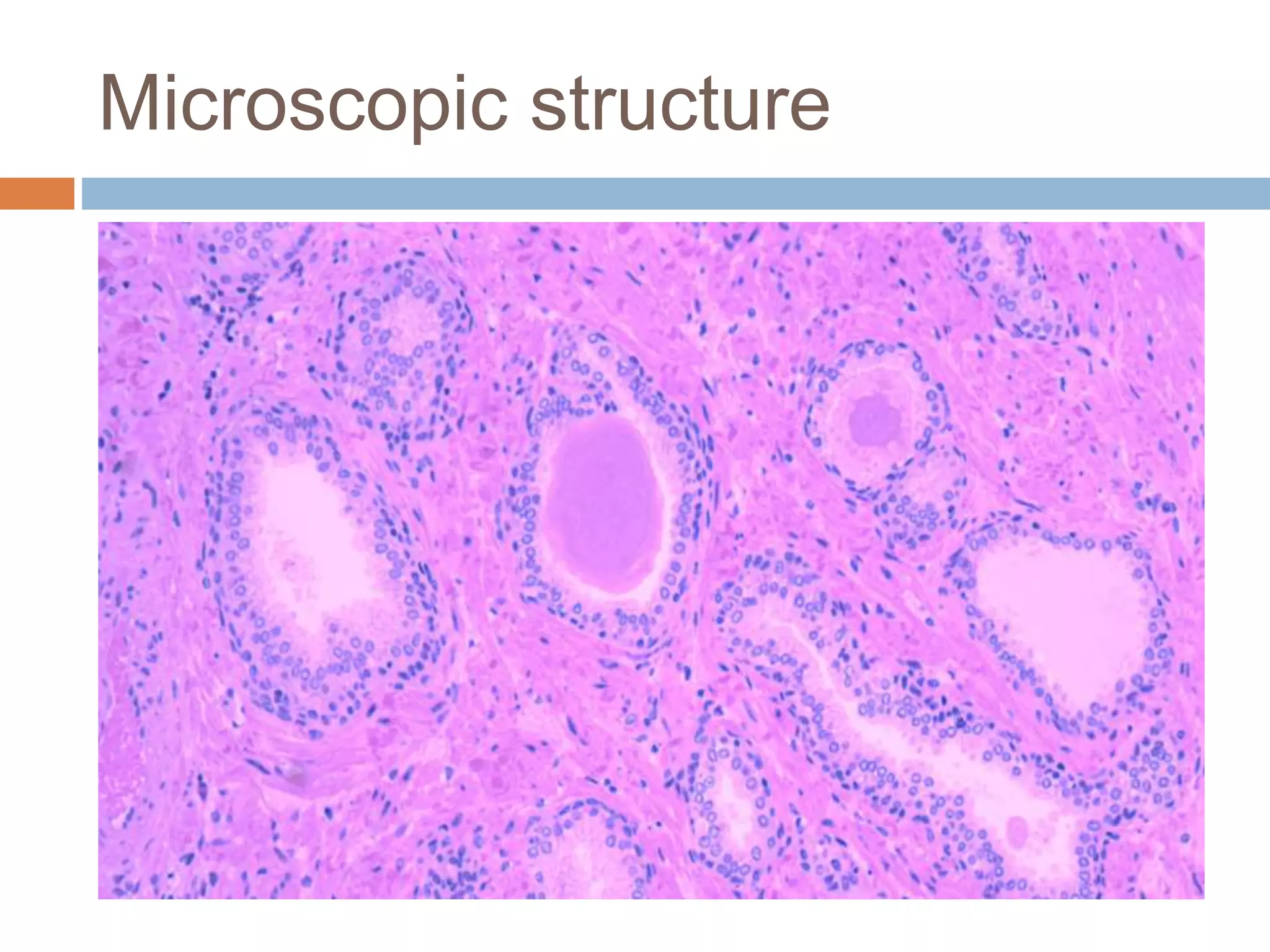
Microscopic structure
 Dense
fibromuscular
stroma
Microscopic structure
 Tuboalveolar glands
 Corpus amylacium
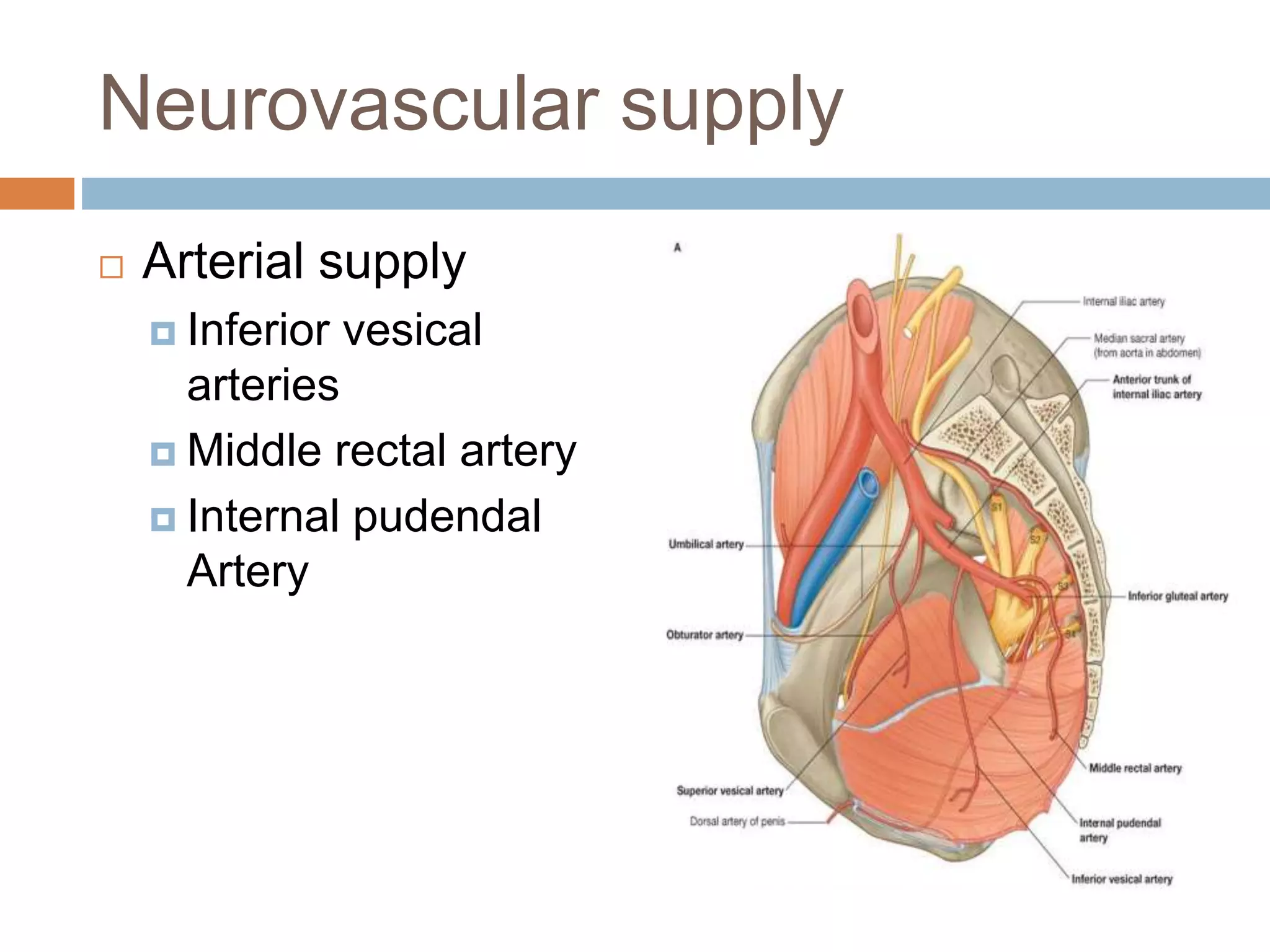
Neurovascular supply
 Arterial supply
 Inferior vesical
arteries
 Middle rectal artery
 Internal pudendal
Artery
Neurovascular supply
 Venous drainage
 Prostatic venous
plexus outside
capsule drains into
internal iliac veins
 Lymphatic
drainage
 Internal iliac lymph
nodes
Neurovascular supply
 Nervous supply
 Inferior hypogastric
plexuses
 Sympathetic
Functions
 Prostate releases prostatic fluid with the following
functions:
 Forms around 20% volume of semen.
 Important for proper functioning of sperm cells therefore
male fertility.
 Prostate Specific antigen (PSA) enzyme makes the
semen thinner.
 Spermine insures sperm cell motility.
 The muscles of the prostate ensure forceful expulsion of
semen into the urethra and outwards during ejaculation.
 Closing of the urethra up to the bladder during ejaculation.
 Conversion of testosterone is to a biologically active form,
DHT (dihydrotestosterone).
Case 1
 A 60-year-old man presents to his primary care
physician with a 3-month history of increasing
urinary frequency and nocturia 3 times every
night. He has limited his fluid consumption and
caffeine intake in the evening without much
benefit. There is no personal or family history
of prostate cancer. Examination demonstrates
no suprapubic mass or tenderness. A rectal
examination demonstrates normal rectal tone
and a moderately enlarged prostate without
nodules or tenderness.
Benign Prostatic Hyperplasia
Benign Prostatic Hyperplasia -
Content
 Introduction
 Epidemiology
 Pathogenesis
 Symptoms - LUTS
 Examination – DRE,
other
 Labs – Imaging, Urine
tests
 Treatment – Medical,
Surgical, Minimally
Slides 20-22
Slide 23
Slides 24-25
Slides 26-27
Slides 28-30
Slides 31-33
Slides 34-41
Benign Prostatic Hyperplasia
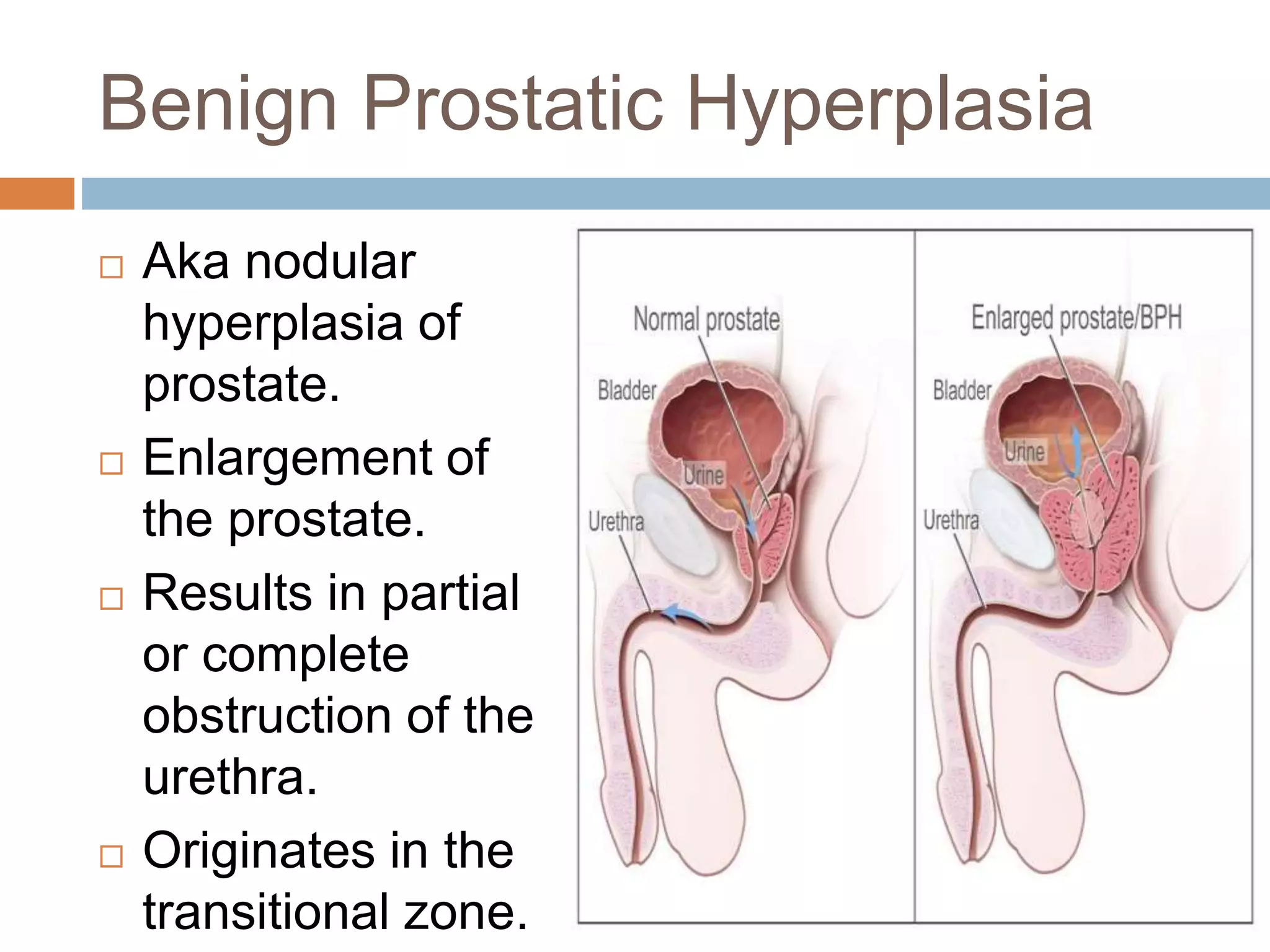
 Aka nodular
hyperplasia of
prostate.
 Enlargement of
the prostate.
 Results in partial
or complete
obstruction of the
urethra.
 Originates in the
transitional zone.
Location of transitional zone
Microscopic comparison
Normal BPH
BPH epidimeology
 Globally, BPH affects
about 210 million males
(6% of the population).
 Histological evidence of
BPH can be seen as
follows:
 Age 40 : 20%
 Age 60 : 70%
 Age 80 : 90%
 Approximately around
30% of males over 50
show symptoms
BPH Pathophysiology
 BPH involves hyperplasia of prostatic stromal and
epithelial cells.
 BPH involves hyperplasia (an increase in the
number of cells) rather than hypertrophy (a growth
in the size of individual cells).
 Formation of large, fairly discrete nodules in the
transition zone of the prostate.
 The nodules impinge on the urethra and cause
obstruction to passage of urine.
 Resistance to urine flow requires the bladder to
work harder and lead to progressive hypertrophy,
instability, or weakness (atony) of the bladder
muscle
BPH Pathogenesis
 Stems from action of
DHT on Androgen
receptors.
 Increased growth
factor production and
growth factor receptor
activation.
Obstructive symptoms of BPH
 Decrease in force & caliber of
the stream due to urethral
compression.
 Hesitancy occurs because
the detrusor takes a longer
time to generate the initial
increased pressure to
overcome the urethral
resistance.
 Intermittency occurs because
the detrusor is unable to
sustain the increased
pressure until the end of
voiding.
 Terminal dribbling of urine &
incomplete sense of bladder
Irritative symptoms of BPH
 Frequency
 Incomplete emptying
during each void results in
shorter intervals
between voids.
 The presence of enlarged
prostate provokes the
bladder to trigger a voiding
response more frequently
than in normal individuals,
especially if the prostate is
growing intravesically.
 Nocturia as normal
cortical inhibitors are
lessened and the normal
urethral and sphincteric
tone is reduced during
Examination
Digital Rectal Examination
 Patient lies on side
with legs pressed
against abdomen.
 A lubricated, gloved
finger of one hand is
inserted gently into the
rectum.
 A full bladder allows
the prostate to be
palpable:
 BPH: enlarged, smooth
 Tumor: stony hard,
Examination - Other
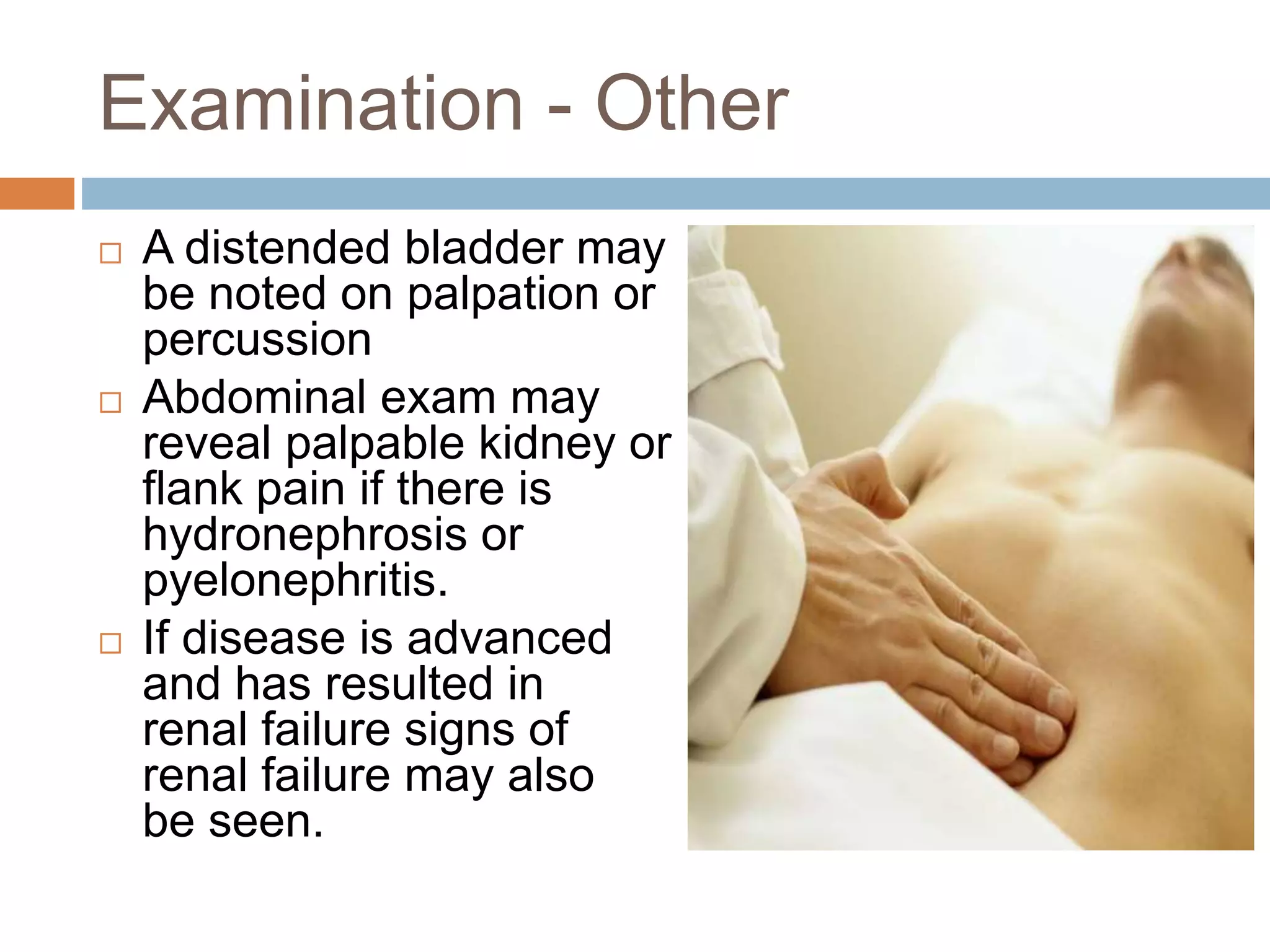
 A distended bladder may
be noted on palpation or
percussion
 Abdominal exam may
reveal palpable kidney or
flank pain if there is
hydronephrosis or
pyelonephritis.
 If disease is advanced
and has resulted in
renal failure signs of
renal failure may also
be seen.
BPH Labs - Imaging
 Ultrasonography
 useful for
measuring
bladder &
prostate volume
as well as
residual urine.
 Estimation of
prostatic size as
most urologists
prefer to perform
TURP for glands
under
BPH Labs – Urine tests
 Uroflowmetry: at a
volume of 125-150ml,
normal individuals have
average flow rates of
12ml/sec & peak flow
close to 20ml/sec
 Mild 11-15 ml/sec
 Moderate between 7
and 10 ml/sec
 Severe < 7ml/sec
BPH Labs – Urine tests
 Urinalysis and microscopy
 infection
 presence of hematuria.
 Residual urine estimated by
U/S or catheterizations.
Volumes >150 ml are
considered significant since
they constitute
approximately one-third of
normal bladder volume.
 Serum urea & creatinine: to
assess kidney function
Treatment of BPH
 Because BPH is not invariably progressive, the
timing of intervention for each patient is variable.
 Absolute indications for treatment include severe
obstructive symptoms & renal insufficiency.
 Relative indications include moderate symptoms
of prostatism, recurrent UTI and hematuria.
 Until recently, surgery was the mainstay of
therapy for BPH. In the last decade or so , there
has been a tremendous resurgence of interest in
non surgical therapies.
BPH Treatment - Medicine
 Alpha – 1 adrenergic antagonists
 Ideally suited for treatment of obstruction because
they can reduce resistance along bladder outlet
without impairing detrusor contractility. E.g.
Tamsulosin, Prazosin. Indication is that the prostate
size should be less than 40gm and it may cause
retrograde ejaculation
 5 alpha – reductase inhibitor
 Finestride is an anti androgen that inhibits 5 alpha –
reductase which converts testosterone to
dihydrotestosterone. Indication is that the prostate
size should be less than 40gm
BPH Treatment - Surgery
 Transurethrally
(TURP)
 Retropubically
(RPP)
 Through the bladder
(transvesical; TVP)
 From the perineum
BPH Treatment - Surgery
 Transurethral
Resection of
Prostate (TURP)
 The obstructing
portion of the
prostate is removed
via urethra.
BPH Treatment - Surgery
 Retropubical Resection of Prostate (RPP)
 Recti sheet are split and bladder exposed.
 Anterior capsule of prostate exposed.
 Obstructing portion of prostate removed.
BPH Treatment - Surgery
 Transvesical Resection of Prostate (TVP)
 The bladder is opened, and the prostate
enucleated by putting a finger into the urethra.
 Perineal Resection of Prostate
 This has now been abandoned for the treatment
of BPH.
BPH Treatment – Minimally
invasive
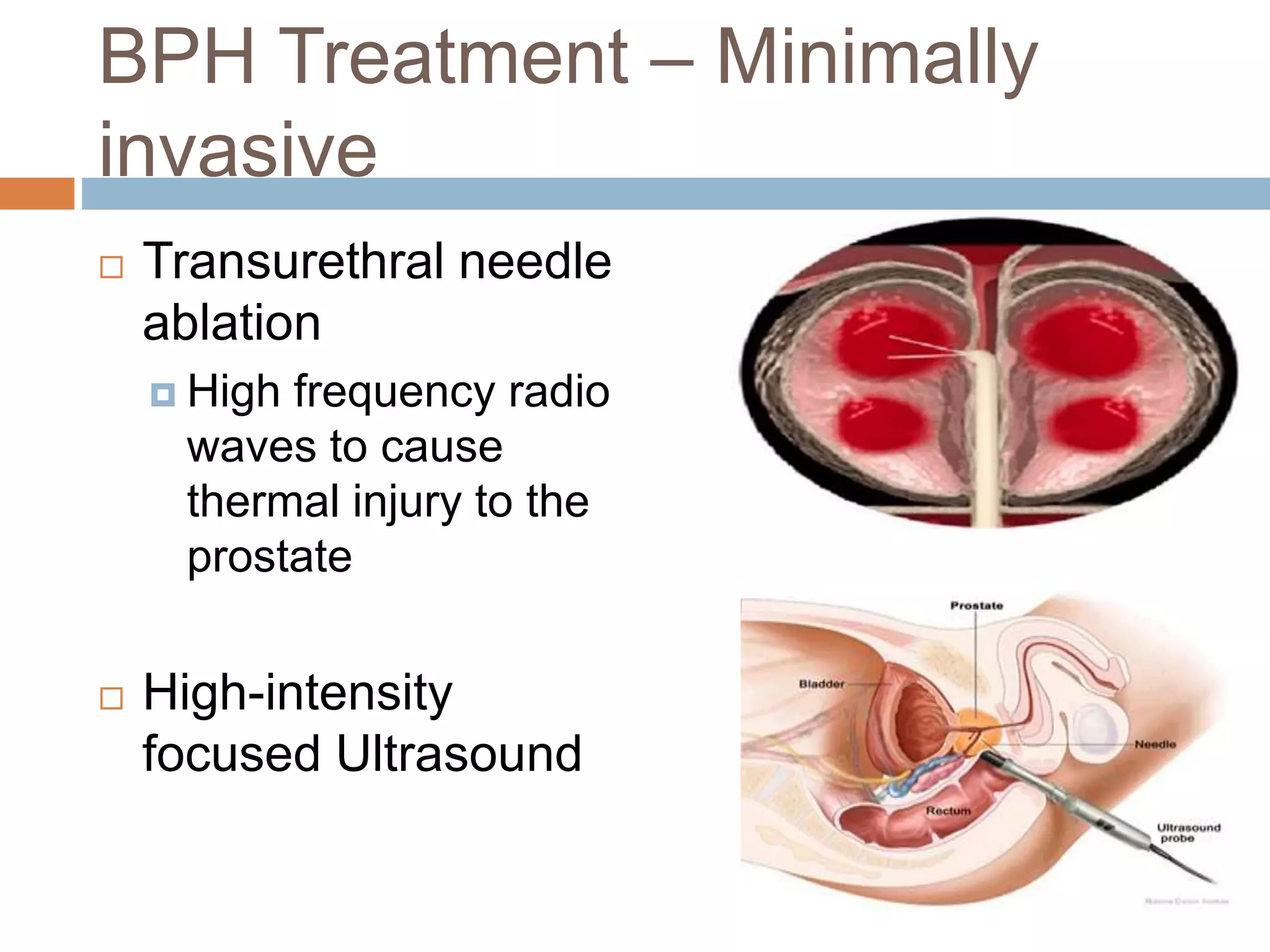
 Transurethral needle
ablation
 High frequency radio
waves to cause
thermal injury to the
prostate
 High-intensity
focused Ultrasound
BPH Treatment – Minimally
invasive
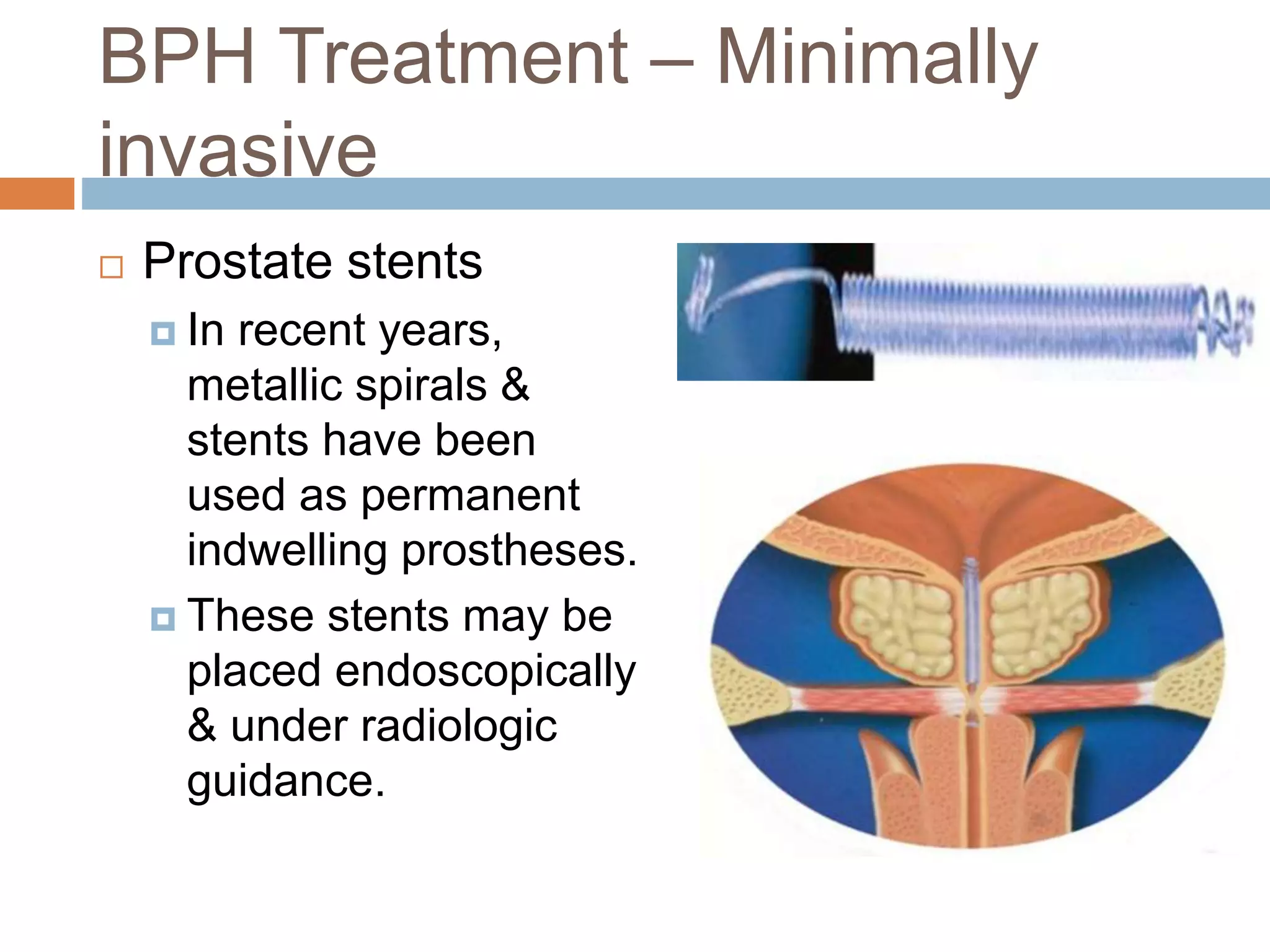
 Prostate stents
 In recent years,
metallic spirals &
stents have been
used as permanent
indwelling prostheses.
 These stents may be
placed endoscopically
& under radiologic
guidance.
Case 2
 A 60-year-old black male presents to his primary
care physician with complaints of difficulty in
passing urine. He describes a weak stream and a
sense of incomplete voiding. He describes
nocturia (5 episodes per night) and has been
taking an alpha-blocker for this with minimal
improvement. He says he can last about 60 to 90
minutes without urinating. He denies any
suprapubic tenderness, dysuria, or hematuria. He
further denies any back pain or gastrointestinal
complaints. Rectal exam reveals his prostate to
be approximately 60 g, asymmetrical with a large
2-cm nodule at the right base. PSA was 50ng/mL
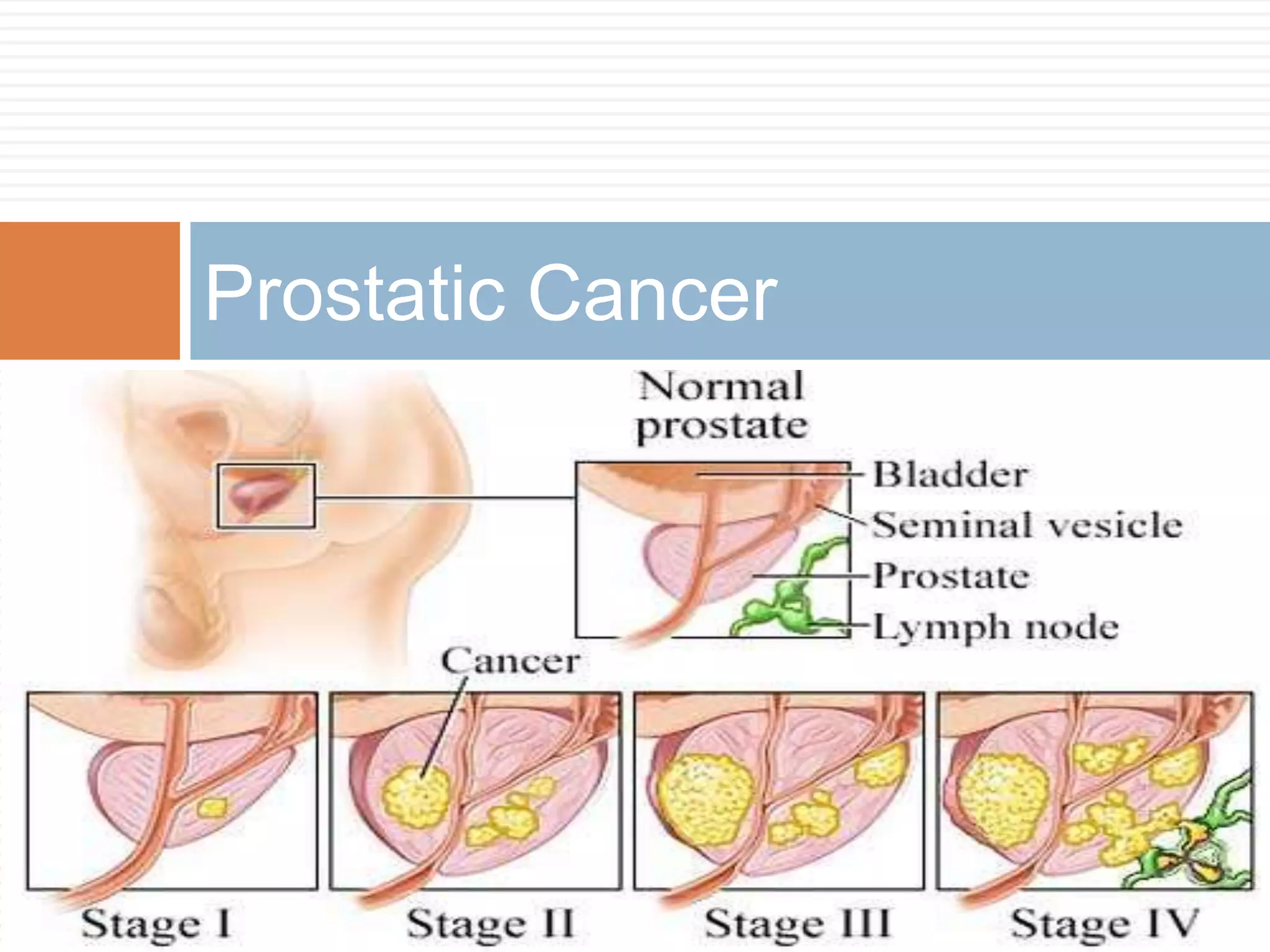
Prostatic Cancer
Prostatic cancer- Content
 Introduction
 Epidemiology
 Etiology and
Mutations
 Grading, Staging and
progression
 Signs and symptoms
 Labs – Serum, biopsy
and Imaging
 Treatment –
Prostectomy and
Slide 45
Slide 46
Slides 47-48
Slides 49-52
Slides 53-54
Slides 55-57
Slides 58-61
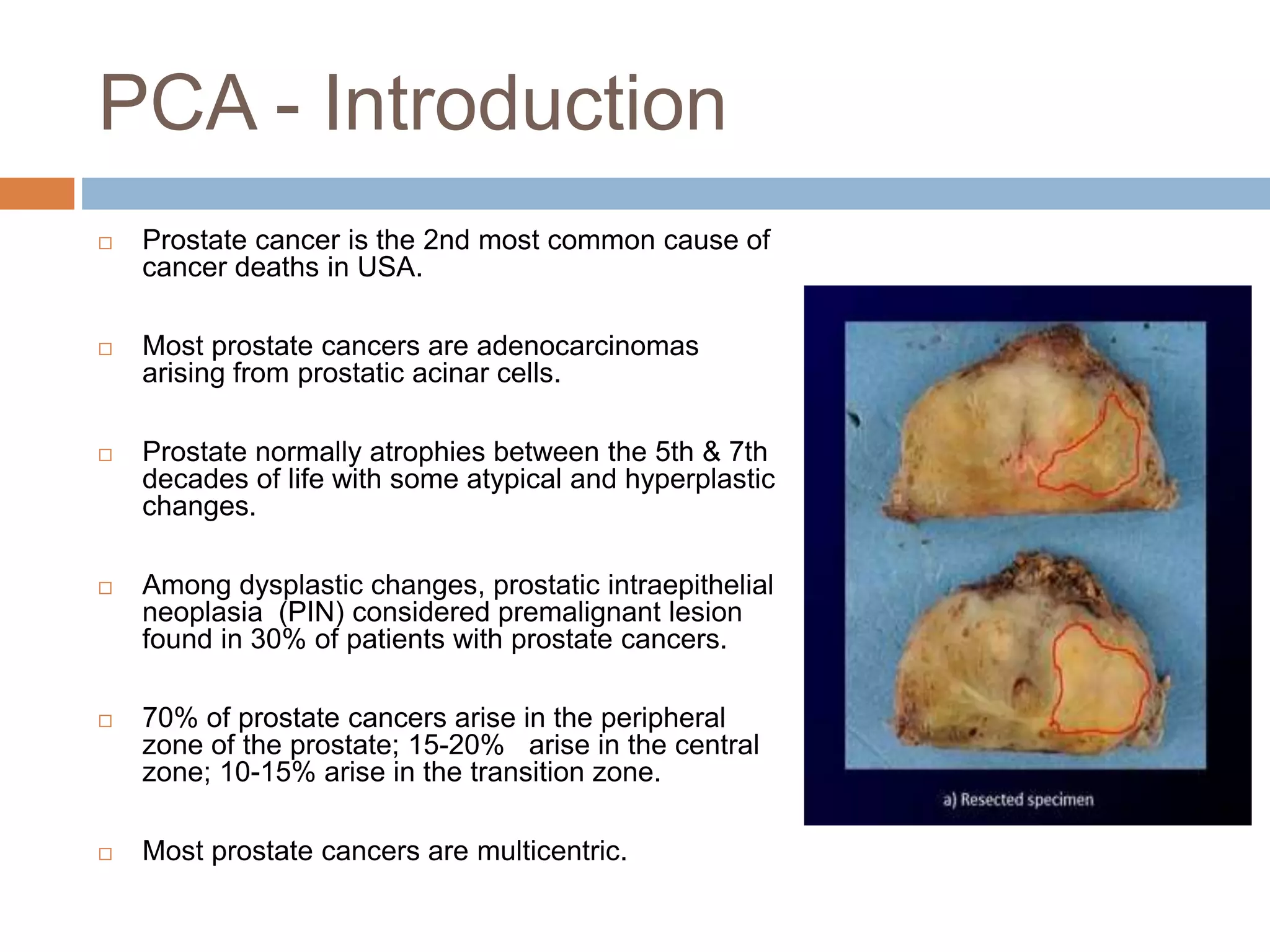
PCA - Introduction
 Prostate cancer is the 2nd most common cause of
cancer deaths in USA.
 Most prostate cancers are adenocarcinomas
arising from prostatic acinar cells.
 Prostate normally atrophies between the 5th & 7th
decades of life with some atypical and hyperplastic
changes.
 Among dysplastic changes, prostatic intraepithelial
neoplasia (PIN) considered premalignant lesion
found in 30% of patients with prostate cancers.
 70% of prostate cancers arise in the peripheral
zone of the prostate; 15-20% arise in the central
zone; 10-15% arise in the transition zone.
 Most prostate cancers are multicentric.
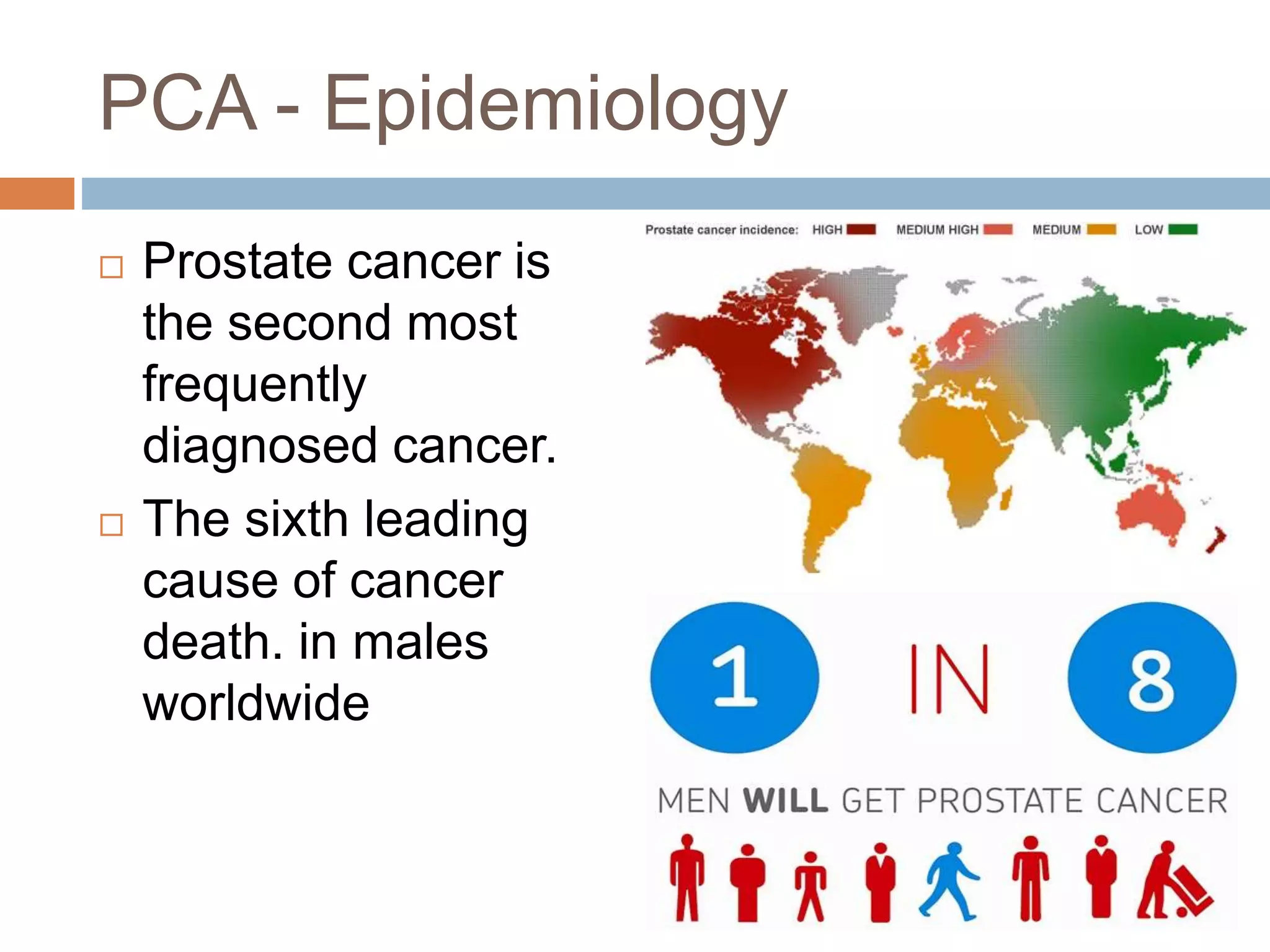
PCA - Epidemiology
 Prostate cancer is
the second most
frequently
diagnosed cancer.
 The sixth leading
cause of cancer
death. in males
worldwide
Etiology
 Genetic predispositon
 Age
 Race
 Family history
 Hormone levels - androgens
 Environmental factors
 Diet – increased ingestion of fats, soy products
PCA – Genetic mutations
 X- Linked Androgen Receptor gene
 Polymorphic sequence of CAG
 Shorter the chain, more sensitivity to androgens, greater risk of cancer
 Project Methodology
 ETS/TMPRSS2
 ETS family of transcription factor is placed under TMPRSS2 promoter due to a
mutation
 Overexpression of ETS leads to production of invasive epithelial cells
 MYC oncogene – amplification at 8q24
 GSTP1 gene – epigenetic hypermethylation
 TP53 gene – loss by deletion
 BRCA2 gene – loss in tumor suppression
 HOXb13 – controls prostatic development
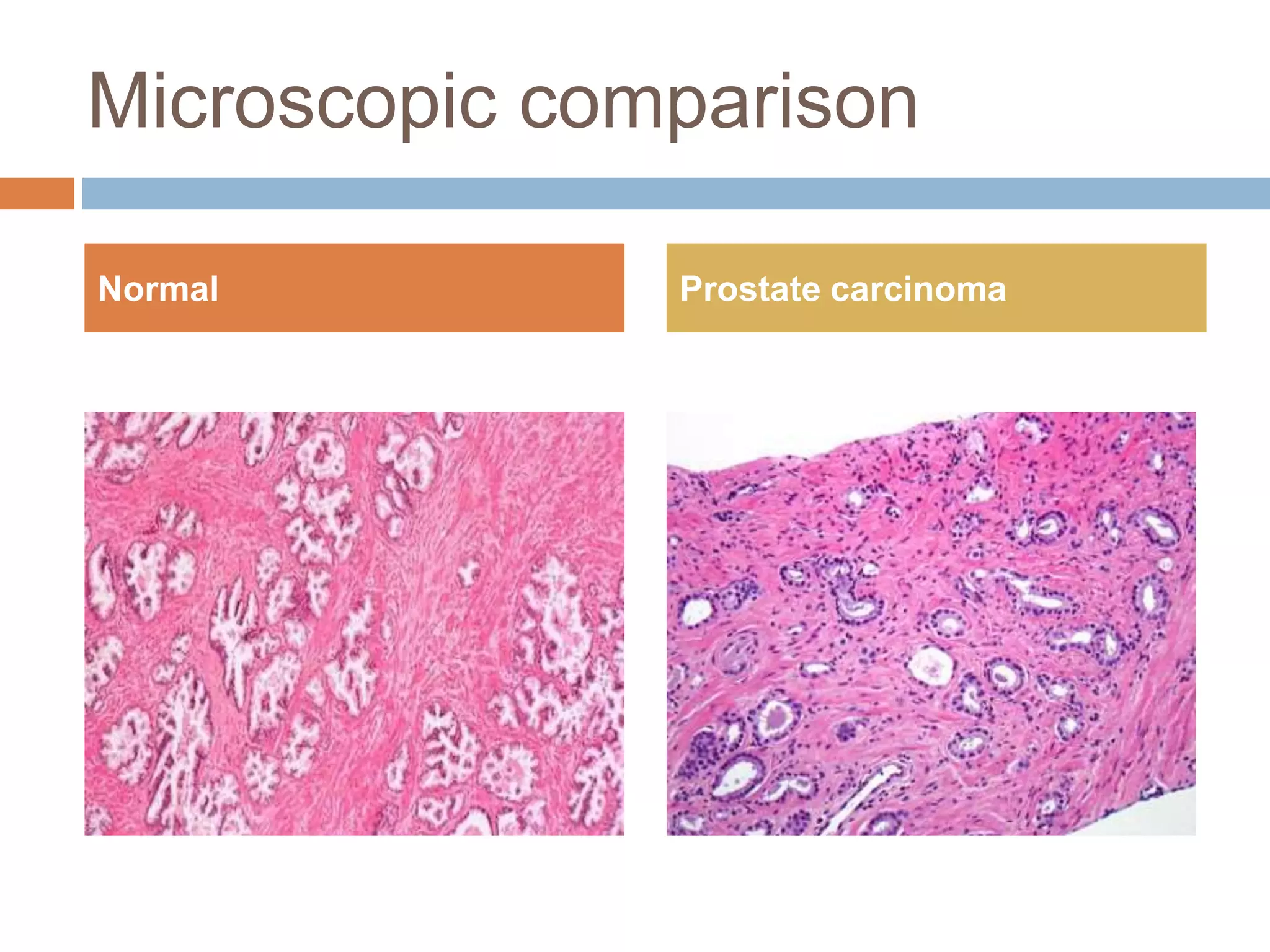
Microscopic comparison
Normal Prostate carcinoma
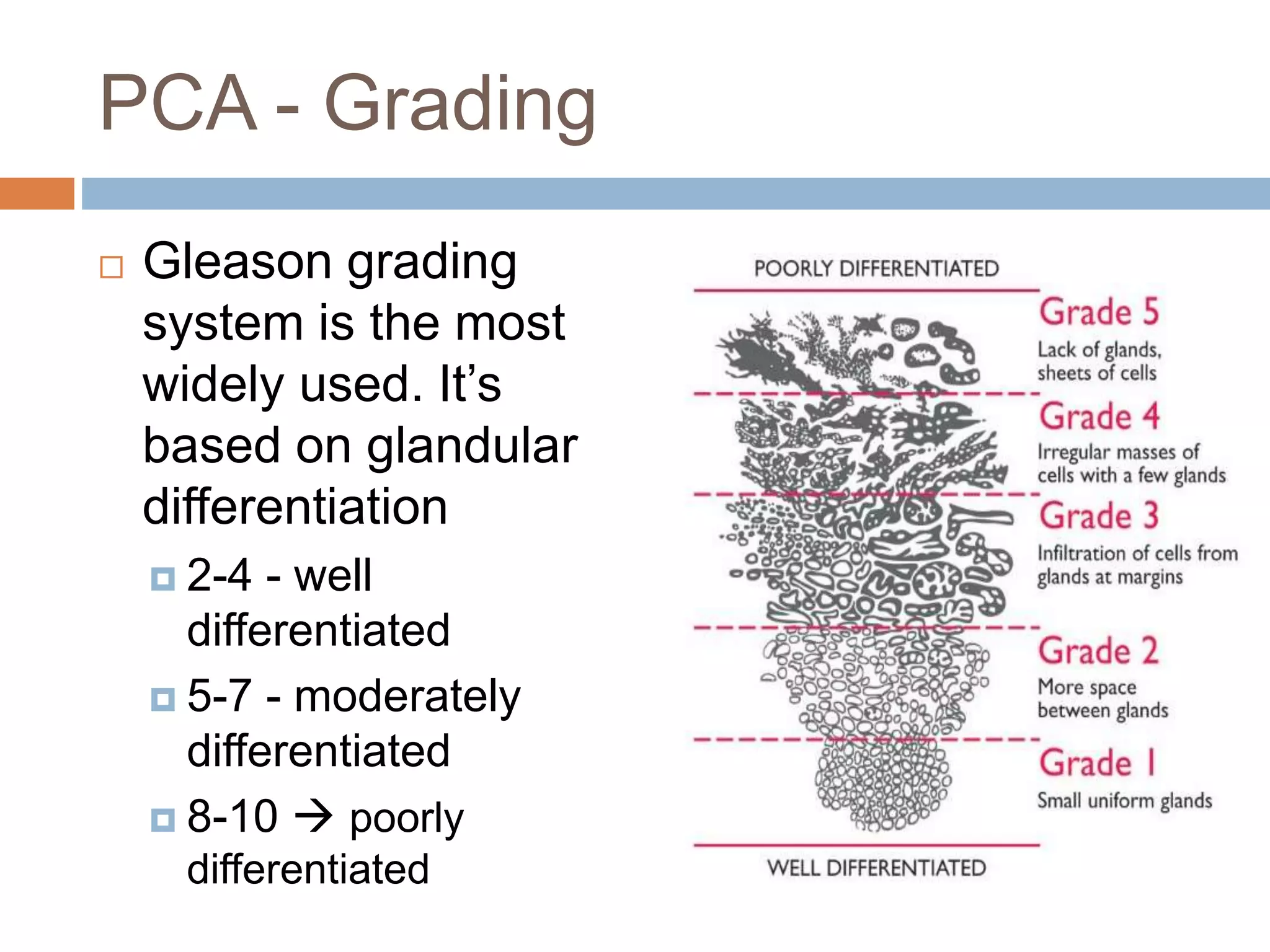
PCA - Grading
 Gleason grading
system is the most
widely used. It’s
based on glandular
differentiation
 2-4 - well
differentiated
 5-7 - moderately
differentiated
 8-10  poorly
differentiated
PCA - Staging
PCA - Staging
PCA progression
 Cancers arising in
close proximity are
prone to spread early
to the urethra,
periprostatic tissues,
bladder and seminal
vesicles
 Seminal vesicle
invasion is associated
with high likelihood of
distant metastases
 Rectal invasion is rare
due to the tough
Denonvilliers’ fascia in
 Osseous metastasis
is most common form
of hematogenous
metastasis
 Common sites are
lumbar spines,
proximal femur,
thoracic spines, ribs,
sternum and skull
Local Metastases Distal Metastases
PCA - Symptoms
 Most prostate cancers
are discovered because
of elevated PSA or with
incidental finding on
rectal examination.
 Prostate cancers rarely
cause symptoms but
may present with
bladder outlet
obstruction, acute
urinary retention,
hematuria or
incontinence
PCA - Signs
 Digital Rectal
Examination
 Irregular firm or hard
prostatic nodule
during rectal
examination.
 Median sulcus is
absent
PCA Labs - Serum
 Prostate Specific Antigen (PSA)
 Glycoprotein secreted in the cytoplasm of the
prostatic cells.
 normal value in young adult 0-4 ng/dL.
 PSA elevation is proportional to the size of the
transitional zone. 1g of prostate cancer will
raise PSA by 0.3 ng/dL.
 PSA production by the malignant cell depends
on the degree of differentiation, well
differientiated gland will secrete more PSA.
 Prostate cancer with poor differentiation have
normal PSA.
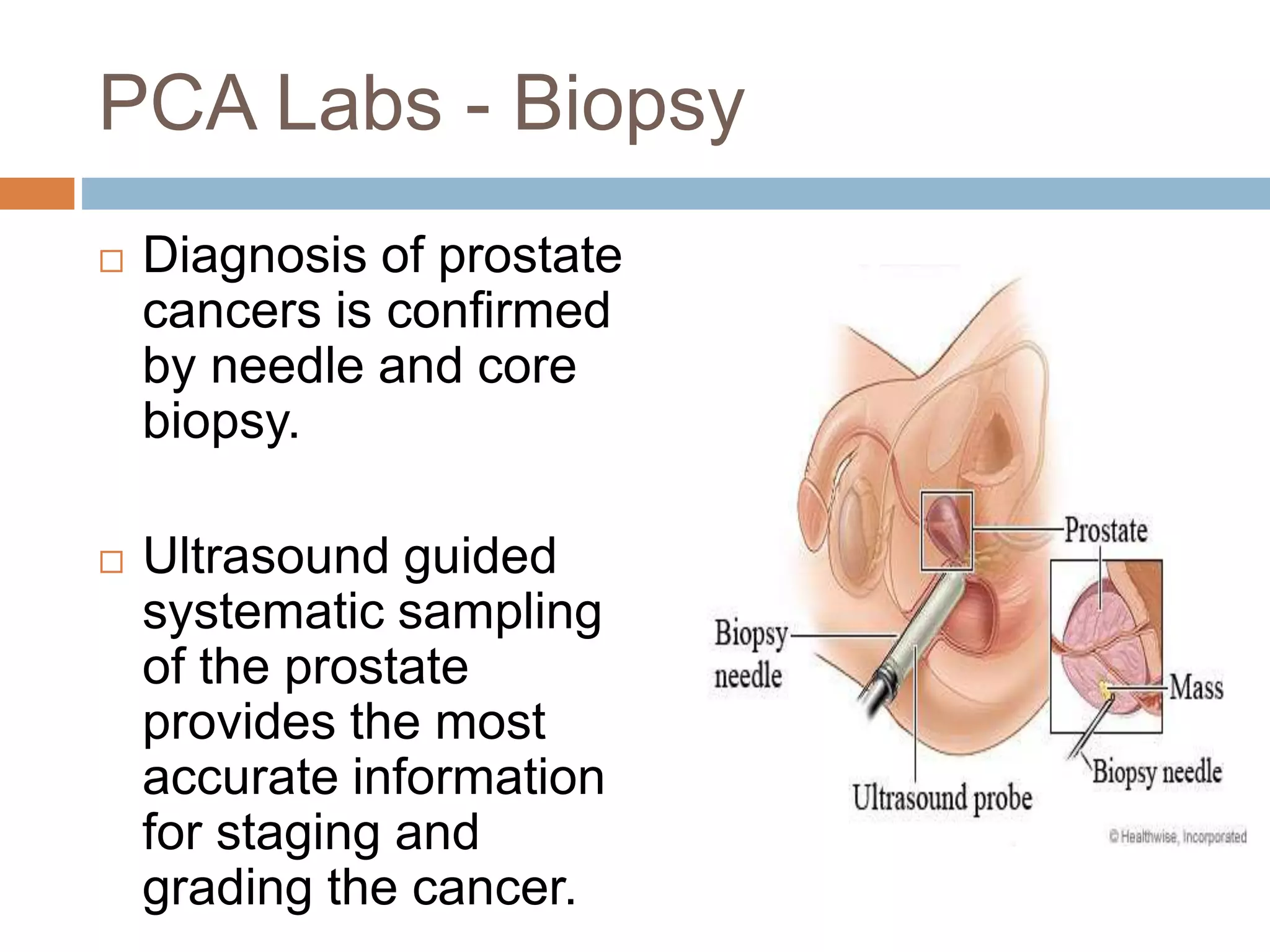
PCA Labs - Biopsy
 Diagnosis of prostate
cancers is confirmed
by needle and core
biopsy.
 Ultrasound guided
systematic sampling
of the prostate
provides the most
accurate information
for staging and
grading the cancer.
PCA Labs - Imaging
 Trans-rectal Ultrasound
(TRUS)
 Can identify 60% of
cancers even if non-
palpable.
 More accurate than DRE
at detecting extra-capsular
extension.
 Allow biopsy of seminal
vesicles which improve
staging accuracy.
 Disadvantage of TRUS
include the inability to look
at the pelvic lymph nodes.
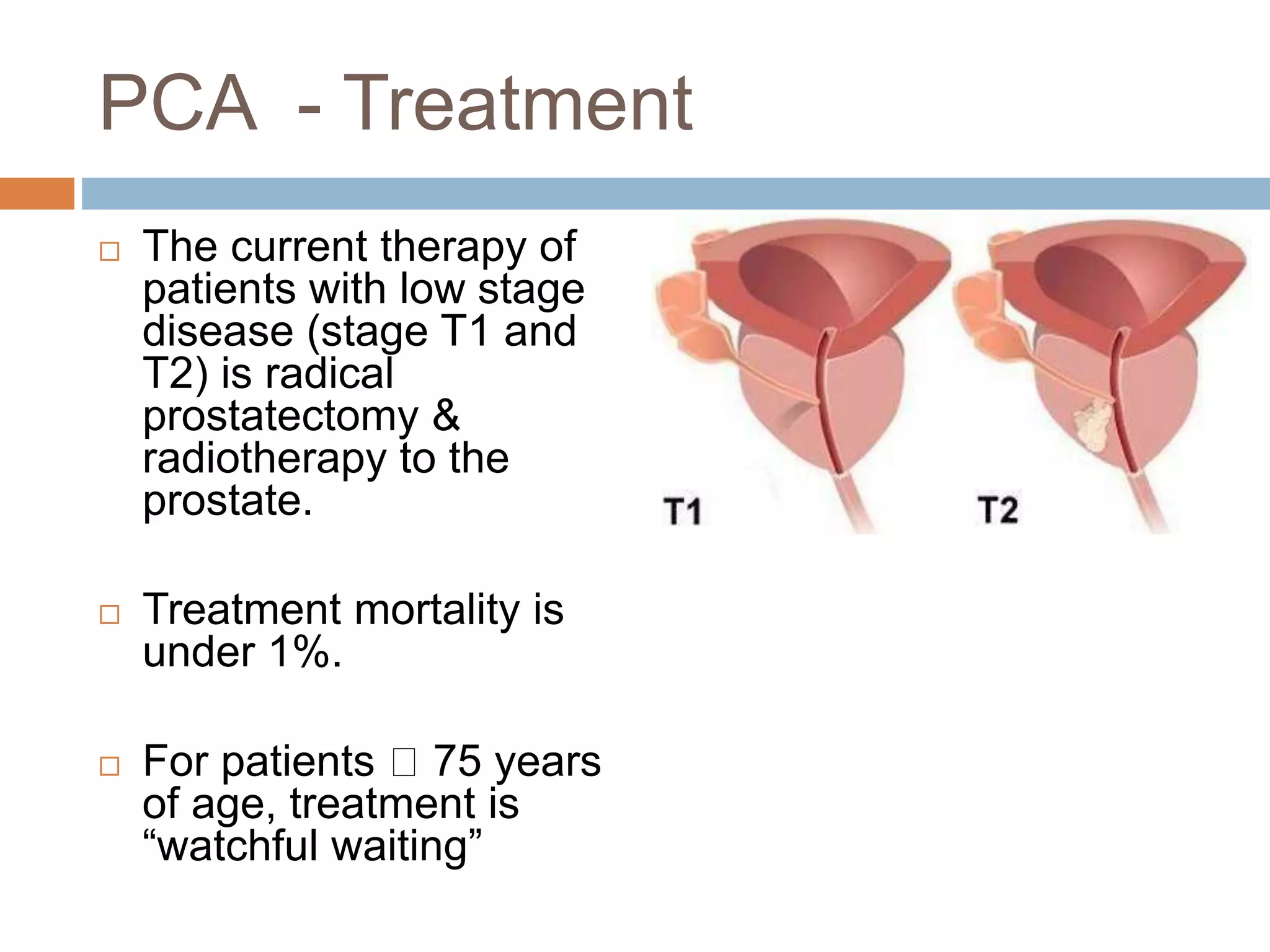
PCA - Treatment
 The current therapy of
patients with low stage
disease (stage T1 and
T2) is radical
prostatectomy &
radiotherapy to the
prostate.
 Treatment mortality is
under 1%.
 For patients 75 years
of age, treatment is
“watchful waiting”
PCA – Treatment
Prostatectomy
 Retropubic approach
allows simultaneous access
to the prostate and the pelvic
LN, but it is often associated
with a greater amount of
blood loss from the dorsal
vein complex.
 Perineal approach
requires separate incision for
pelvic LN, associated with
minimal blood loss and it is
preferred for obese
individuals.
 5 yrs disease free survival
for Stage T1 is 92% and for
stage T2 is 86%
PCA – Treatment Radiation
Therapy
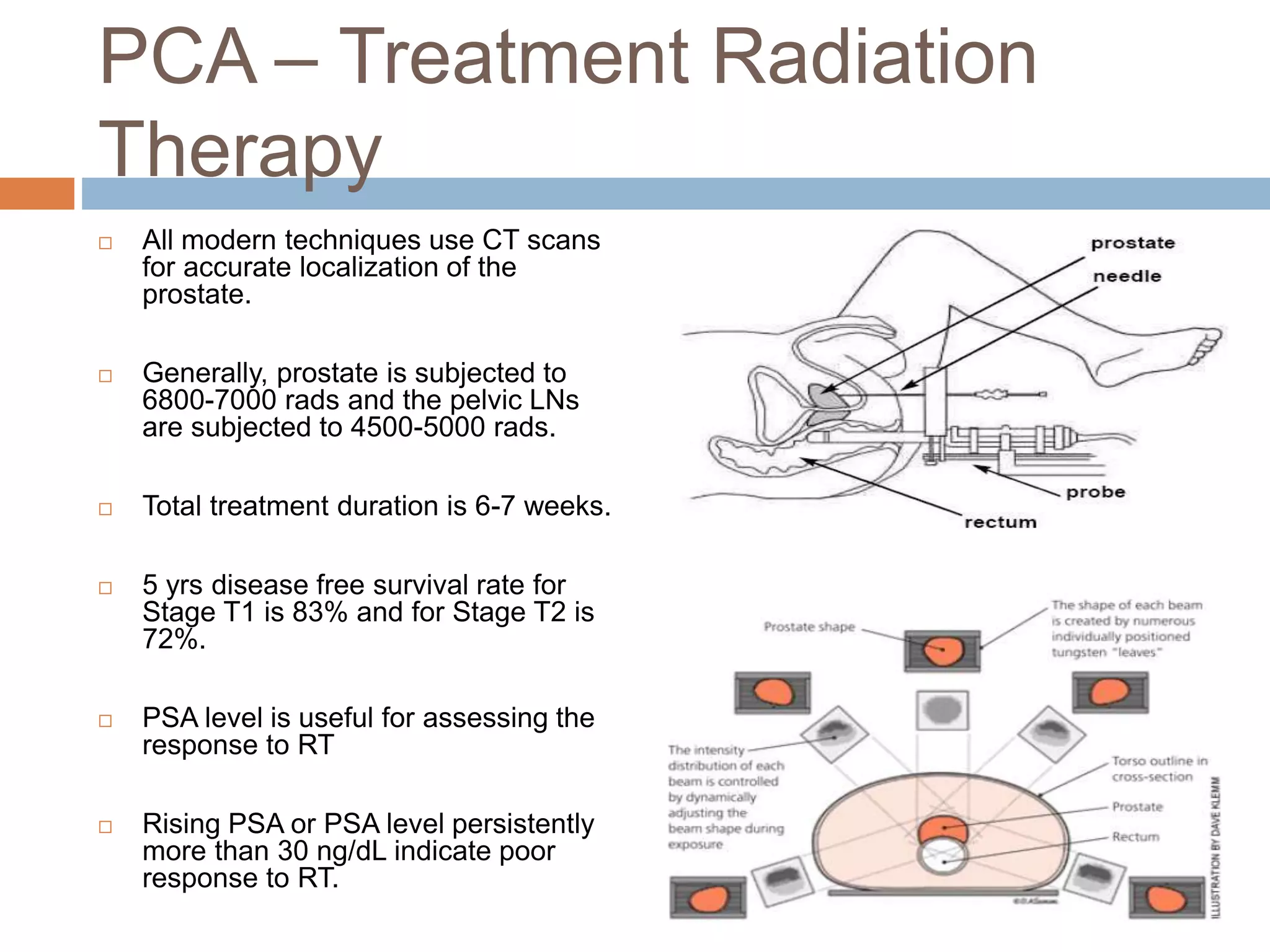
 All modern techniques use CT scans
for accurate localization of the
prostate.
 Generally, prostate is subjected to
6800-7000 rads and the pelvic LNs
are subjected to 4500-5000 rads.
 Total treatment duration is 6-7 weeks.
 5 yrs disease free survival rate for
Stage T1 is 83% and for Stage T2 is
72%.
 PSA level is useful for assessing the
response to RT
 Rising PSA or PSA level persistently
more than 30 ng/dL indicate poor
response to RT.
PCA - Treatment
 T3 and T4 disease:
 Androgen ablation coupled with radiotherapy is
standard treatment for younger men with T3 and
T4 disease.
 Metastatic disease
 Androgen ablation will provide relief for
symptomatic patients. Systemic chemotherapy
with docetaxel should be considered in youger
fitter men.
Comparison between BPH and
PCA
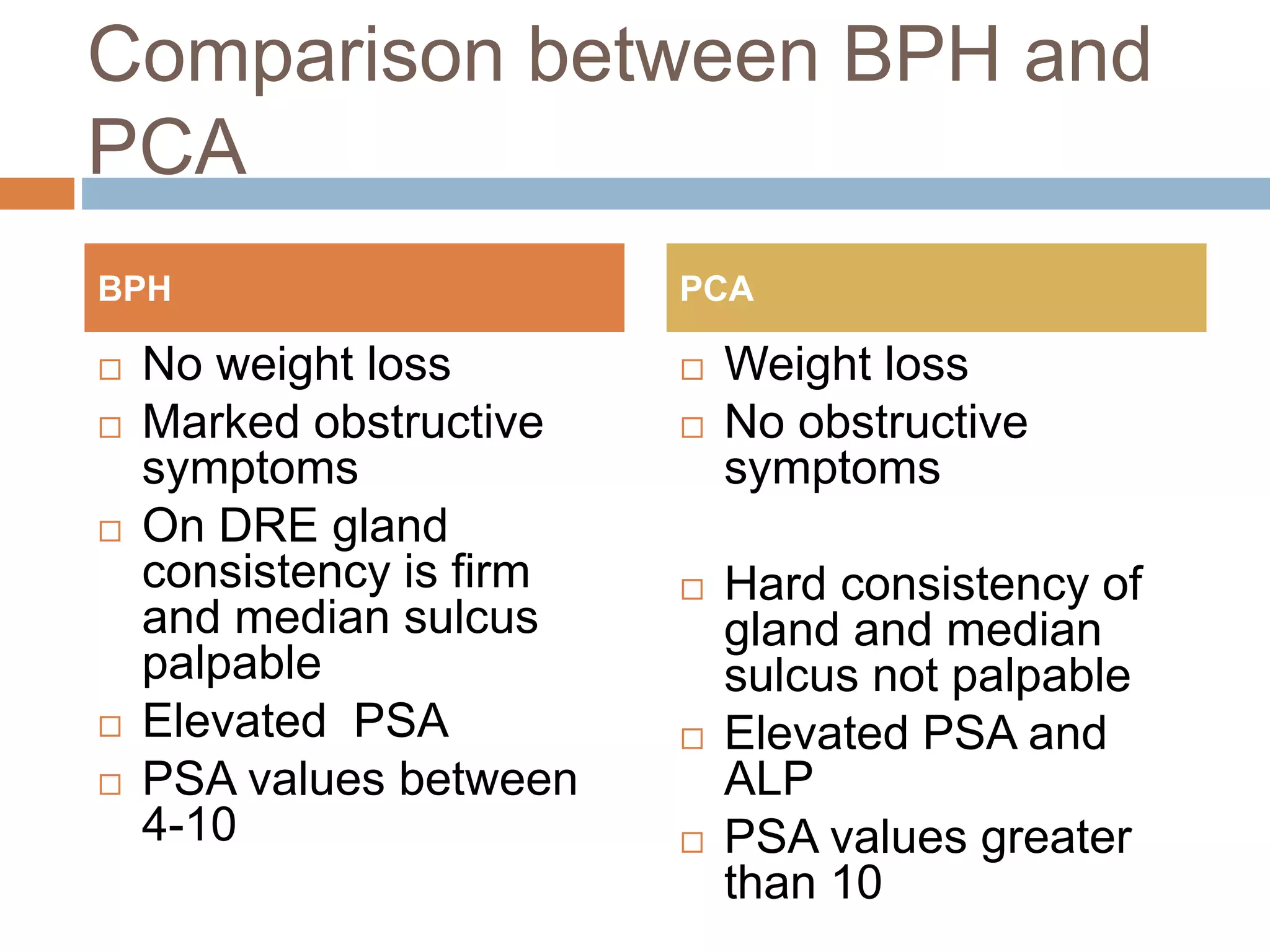
 No weight loss
 Marked obstructive
symptoms
 On DRE gland
consistency is firm
and median sulcus
palpable
 Elevated PSA
 PSA values between
4-10
 Weight loss
 No obstructive
symptoms
 Hard consistency of
gland and median
sulcus not palpable
 Elevated PSA and
ALP
 PSA values greater
than 10
BPH PCA
Resources
 SIU school of Medicine database
 Wholifeprostate.com
 Ucdavis.com
 Academicamc.edu
 Pubmed health
 Prostate cancer by Nancy Dawson
 Urologic Pathology: The Prostate by Myron
Tannenbaum
 Stats by The Lancet Systemic analysis of Global
Burden of Disease 2163-2196
 Images courtesy of Netter’s atlas, Gray’s Anatomy
for Students
Prostate

Prostate

  • 1.
  • 2.
    Overview  Introduction  Locationand size  Structure - gross and microscopic  Neurovascular supply  Function Slide 4-5 Slides 6-12 Slides 13-15 Slide 16
  • 3.
    Prostate Intro  Largestaccessory gland of the male reproductive system.
  • 4.
    Location  The prostate surroundsthe urethra just below the urinary bladder.
  • 5.
    Size  Dimensions :3cm long 4cm wide and 2cm in AP depth.  Walnut sized in normal males.  Mean weight : 11 grams.
  • 6.
  • 7.
    Gross structure  2/3rdis glandular.  1/3rd is fibromuscular.  Lies in the prostatic sheath formed by visceral layer of pelvic fascia which fixes the prostate via puboprostatic ligament anteriorly and rectovesical septum posteriorly.
  • 8.
  • 9.
  • 10.
  • 11.
  • 12.
    Microscopic structure  Tuboalveolarglands  Corpus amylacium
  • 13.
    Neurovascular supply  Arterialsupply  Inferior vesical arteries  Middle rectal artery  Internal pudendal Artery
  • 14.
    Neurovascular supply  Venousdrainage  Prostatic venous plexus outside capsule drains into internal iliac veins  Lymphatic drainage  Internal iliac lymph nodes
  • 15.
    Neurovascular supply  Nervoussupply  Inferior hypogastric plexuses  Sympathetic
  • 16.
    Functions  Prostate releasesprostatic fluid with the following functions:  Forms around 20% volume of semen.  Important for proper functioning of sperm cells therefore male fertility.  Prostate Specific antigen (PSA) enzyme makes the semen thinner.  Spermine insures sperm cell motility.  The muscles of the prostate ensure forceful expulsion of semen into the urethra and outwards during ejaculation.  Closing of the urethra up to the bladder during ejaculation.  Conversion of testosterone is to a biologically active form, DHT (dihydrotestosterone).
  • 17.
    Case 1  A60-year-old man presents to his primary care physician with a 3-month history of increasing urinary frequency and nocturia 3 times every night. He has limited his fluid consumption and caffeine intake in the evening without much benefit. There is no personal or family history of prostate cancer. Examination demonstrates no suprapubic mass or tenderness. A rectal examination demonstrates normal rectal tone and a moderately enlarged prostate without nodules or tenderness.
  • 18.
  • 19.
    Benign Prostatic Hyperplasia- Content  Introduction  Epidemiology  Pathogenesis  Symptoms - LUTS  Examination – DRE, other  Labs – Imaging, Urine tests  Treatment – Medical, Surgical, Minimally Slides 20-22 Slide 23 Slides 24-25 Slides 26-27 Slides 28-30 Slides 31-33 Slides 34-41
  • 20.
    Benign Prostatic Hyperplasia Aka nodular hyperplasia of prostate.  Enlargement of the prostate.  Results in partial or complete obstruction of the urethra.  Originates in the transitional zone.
  • 21.
  • 22.
  • 23.
    BPH epidimeology  Globally,BPH affects about 210 million males (6% of the population).  Histological evidence of BPH can be seen as follows:  Age 40 : 20%  Age 60 : 70%  Age 80 : 90%  Approximately around 30% of males over 50 show symptoms
  • 24.
    BPH Pathophysiology  BPHinvolves hyperplasia of prostatic stromal and epithelial cells.  BPH involves hyperplasia (an increase in the number of cells) rather than hypertrophy (a growth in the size of individual cells).  Formation of large, fairly discrete nodules in the transition zone of the prostate.  The nodules impinge on the urethra and cause obstruction to passage of urine.  Resistance to urine flow requires the bladder to work harder and lead to progressive hypertrophy, instability, or weakness (atony) of the bladder muscle
  • 25.
    BPH Pathogenesis  Stemsfrom action of DHT on Androgen receptors.  Increased growth factor production and growth factor receptor activation.
  • 26.
    Obstructive symptoms ofBPH  Decrease in force & caliber of the stream due to urethral compression.  Hesitancy occurs because the detrusor takes a longer time to generate the initial increased pressure to overcome the urethral resistance.  Intermittency occurs because the detrusor is unable to sustain the increased pressure until the end of voiding.  Terminal dribbling of urine & incomplete sense of bladder
  • 27.
    Irritative symptoms ofBPH  Frequency  Incomplete emptying during each void results in shorter intervals between voids.  The presence of enlarged prostate provokes the bladder to trigger a voiding response more frequently than in normal individuals, especially if the prostate is growing intravesically.  Nocturia as normal cortical inhibitors are lessened and the normal urethral and sphincteric tone is reduced during
  • 28.
  • 29.
    Digital Rectal Examination Patient lies on side with legs pressed against abdomen.  A lubricated, gloved finger of one hand is inserted gently into the rectum.  A full bladder allows the prostate to be palpable:  BPH: enlarged, smooth  Tumor: stony hard,
  • 30.
    Examination - Other A distended bladder may be noted on palpation or percussion  Abdominal exam may reveal palpable kidney or flank pain if there is hydronephrosis or pyelonephritis.  If disease is advanced and has resulted in renal failure signs of renal failure may also be seen.
  • 31.
    BPH Labs -Imaging  Ultrasonography  useful for measuring bladder & prostate volume as well as residual urine.  Estimation of prostatic size as most urologists prefer to perform TURP for glands under
  • 32.
    BPH Labs –Urine tests  Uroflowmetry: at a volume of 125-150ml, normal individuals have average flow rates of 12ml/sec & peak flow close to 20ml/sec  Mild 11-15 ml/sec  Moderate between 7 and 10 ml/sec  Severe < 7ml/sec
  • 33.
    BPH Labs –Urine tests  Urinalysis and microscopy  infection  presence of hematuria.  Residual urine estimated by U/S or catheterizations. Volumes >150 ml are considered significant since they constitute approximately one-third of normal bladder volume.  Serum urea & creatinine: to assess kidney function
  • 34.
    Treatment of BPH Because BPH is not invariably progressive, the timing of intervention for each patient is variable.  Absolute indications for treatment include severe obstructive symptoms & renal insufficiency.  Relative indications include moderate symptoms of prostatism, recurrent UTI and hematuria.  Until recently, surgery was the mainstay of therapy for BPH. In the last decade or so , there has been a tremendous resurgence of interest in non surgical therapies.
  • 35.
    BPH Treatment -Medicine  Alpha – 1 adrenergic antagonists  Ideally suited for treatment of obstruction because they can reduce resistance along bladder outlet without impairing detrusor contractility. E.g. Tamsulosin, Prazosin. Indication is that the prostate size should be less than 40gm and it may cause retrograde ejaculation  5 alpha – reductase inhibitor  Finestride is an anti androgen that inhibits 5 alpha – reductase which converts testosterone to dihydrotestosterone. Indication is that the prostate size should be less than 40gm
  • 36.
    BPH Treatment -Surgery  Transurethrally (TURP)  Retropubically (RPP)  Through the bladder (transvesical; TVP)  From the perineum
  • 37.
    BPH Treatment -Surgery  Transurethral Resection of Prostate (TURP)  The obstructing portion of the prostate is removed via urethra.
  • 38.
    BPH Treatment -Surgery  Retropubical Resection of Prostate (RPP)  Recti sheet are split and bladder exposed.  Anterior capsule of prostate exposed.  Obstructing portion of prostate removed.
  • 39.
    BPH Treatment -Surgery  Transvesical Resection of Prostate (TVP)  The bladder is opened, and the prostate enucleated by putting a finger into the urethra.  Perineal Resection of Prostate  This has now been abandoned for the treatment of BPH.
  • 40.
    BPH Treatment –Minimally invasive  Transurethral needle ablation  High frequency radio waves to cause thermal injury to the prostate  High-intensity focused Ultrasound
  • 41.
    BPH Treatment –Minimally invasive  Prostate stents  In recent years, metallic spirals & stents have been used as permanent indwelling prostheses.  These stents may be placed endoscopically & under radiologic guidance.
  • 42.
    Case 2  A60-year-old black male presents to his primary care physician with complaints of difficulty in passing urine. He describes a weak stream and a sense of incomplete voiding. He describes nocturia (5 episodes per night) and has been taking an alpha-blocker for this with minimal improvement. He says he can last about 60 to 90 minutes without urinating. He denies any suprapubic tenderness, dysuria, or hematuria. He further denies any back pain or gastrointestinal complaints. Rectal exam reveals his prostate to be approximately 60 g, asymmetrical with a large 2-cm nodule at the right base. PSA was 50ng/mL
  • 43.
  • 44.
    Prostatic cancer- Content Introduction  Epidemiology  Etiology and Mutations  Grading, Staging and progression  Signs and symptoms  Labs – Serum, biopsy and Imaging  Treatment – Prostectomy and Slide 45 Slide 46 Slides 47-48 Slides 49-52 Slides 53-54 Slides 55-57 Slides 58-61
  • 45.
    PCA - Introduction Prostate cancer is the 2nd most common cause of cancer deaths in USA.  Most prostate cancers are adenocarcinomas arising from prostatic acinar cells.  Prostate normally atrophies between the 5th & 7th decades of life with some atypical and hyperplastic changes.  Among dysplastic changes, prostatic intraepithelial neoplasia (PIN) considered premalignant lesion found in 30% of patients with prostate cancers.  70% of prostate cancers arise in the peripheral zone of the prostate; 15-20% arise in the central zone; 10-15% arise in the transition zone.  Most prostate cancers are multicentric.
  • 46.
    PCA - Epidemiology Prostate cancer is the second most frequently diagnosed cancer.  The sixth leading cause of cancer death. in males worldwide
  • 47.
    Etiology  Genetic predispositon Age  Race  Family history  Hormone levels - androgens  Environmental factors  Diet – increased ingestion of fats, soy products
  • 48.
    PCA – Geneticmutations  X- Linked Androgen Receptor gene  Polymorphic sequence of CAG  Shorter the chain, more sensitivity to androgens, greater risk of cancer  Project Methodology  ETS/TMPRSS2  ETS family of transcription factor is placed under TMPRSS2 promoter due to a mutation  Overexpression of ETS leads to production of invasive epithelial cells  MYC oncogene – amplification at 8q24  GSTP1 gene – epigenetic hypermethylation  TP53 gene – loss by deletion  BRCA2 gene – loss in tumor suppression  HOXb13 – controls prostatic development
  • 49.
  • 50.
    PCA - Grading Gleason grading system is the most widely used. It’s based on glandular differentiation  2-4 - well differentiated  5-7 - moderately differentiated  8-10  poorly differentiated
  • 51.
  • 52.
  • 53.
    PCA progression  Cancersarising in close proximity are prone to spread early to the urethra, periprostatic tissues, bladder and seminal vesicles  Seminal vesicle invasion is associated with high likelihood of distant metastases  Rectal invasion is rare due to the tough Denonvilliers’ fascia in  Osseous metastasis is most common form of hematogenous metastasis  Common sites are lumbar spines, proximal femur, thoracic spines, ribs, sternum and skull Local Metastases Distal Metastases
  • 54.
    PCA - Symptoms Most prostate cancers are discovered because of elevated PSA or with incidental finding on rectal examination.  Prostate cancers rarely cause symptoms but may present with bladder outlet obstruction, acute urinary retention, hematuria or incontinence
  • 55.
    PCA - Signs Digital Rectal Examination  Irregular firm or hard prostatic nodule during rectal examination.  Median sulcus is absent
  • 56.
    PCA Labs -Serum  Prostate Specific Antigen (PSA)  Glycoprotein secreted in the cytoplasm of the prostatic cells.  normal value in young adult 0-4 ng/dL.  PSA elevation is proportional to the size of the transitional zone. 1g of prostate cancer will raise PSA by 0.3 ng/dL.  PSA production by the malignant cell depends on the degree of differentiation, well differientiated gland will secrete more PSA.  Prostate cancer with poor differentiation have normal PSA.
  • 57.
    PCA Labs -Biopsy  Diagnosis of prostate cancers is confirmed by needle and core biopsy.  Ultrasound guided systematic sampling of the prostate provides the most accurate information for staging and grading the cancer.
  • 58.
    PCA Labs -Imaging  Trans-rectal Ultrasound (TRUS)  Can identify 60% of cancers even if non- palpable.  More accurate than DRE at detecting extra-capsular extension.  Allow biopsy of seminal vesicles which improve staging accuracy.  Disadvantage of TRUS include the inability to look at the pelvic lymph nodes.
  • 59.
    PCA - Treatment The current therapy of patients with low stage disease (stage T1 and T2) is radical prostatectomy & radiotherapy to the prostate.  Treatment mortality is under 1%.  For patients 75 years of age, treatment is “watchful waiting”
  • 60.
    PCA – Treatment Prostatectomy Retropubic approach allows simultaneous access to the prostate and the pelvic LN, but it is often associated with a greater amount of blood loss from the dorsal vein complex.  Perineal approach requires separate incision for pelvic LN, associated with minimal blood loss and it is preferred for obese individuals.  5 yrs disease free survival for Stage T1 is 92% and for stage T2 is 86%
  • 61.
    PCA – TreatmentRadiation Therapy  All modern techniques use CT scans for accurate localization of the prostate.  Generally, prostate is subjected to 6800-7000 rads and the pelvic LNs are subjected to 4500-5000 rads.  Total treatment duration is 6-7 weeks.  5 yrs disease free survival rate for Stage T1 is 83% and for Stage T2 is 72%.  PSA level is useful for assessing the response to RT  Rising PSA or PSA level persistently more than 30 ng/dL indicate poor response to RT.
  • 62.
    PCA - Treatment T3 and T4 disease:  Androgen ablation coupled with radiotherapy is standard treatment for younger men with T3 and T4 disease.  Metastatic disease  Androgen ablation will provide relief for symptomatic patients. Systemic chemotherapy with docetaxel should be considered in youger fitter men.
  • 63.
    Comparison between BPHand PCA  No weight loss  Marked obstructive symptoms  On DRE gland consistency is firm and median sulcus palpable  Elevated PSA  PSA values between 4-10  Weight loss  No obstructive symptoms  Hard consistency of gland and median sulcus not palpable  Elevated PSA and ALP  PSA values greater than 10 BPH PCA
  • 64.
    Resources  SIU schoolof Medicine database  Wholifeprostate.com  Ucdavis.com  Academicamc.edu  Pubmed health  Prostate cancer by Nancy Dawson  Urologic Pathology: The Prostate by Myron Tannenbaum  Stats by The Lancet Systemic analysis of Global Burden of Disease 2163-2196  Images courtesy of Netter’s atlas, Gray’s Anatomy for Students