Urinalysis
Christos Argyropoulos MD, PhD, FASN
University of New Mexico School of
Medicine
URINALYSIS
THE PISS PROPHETS
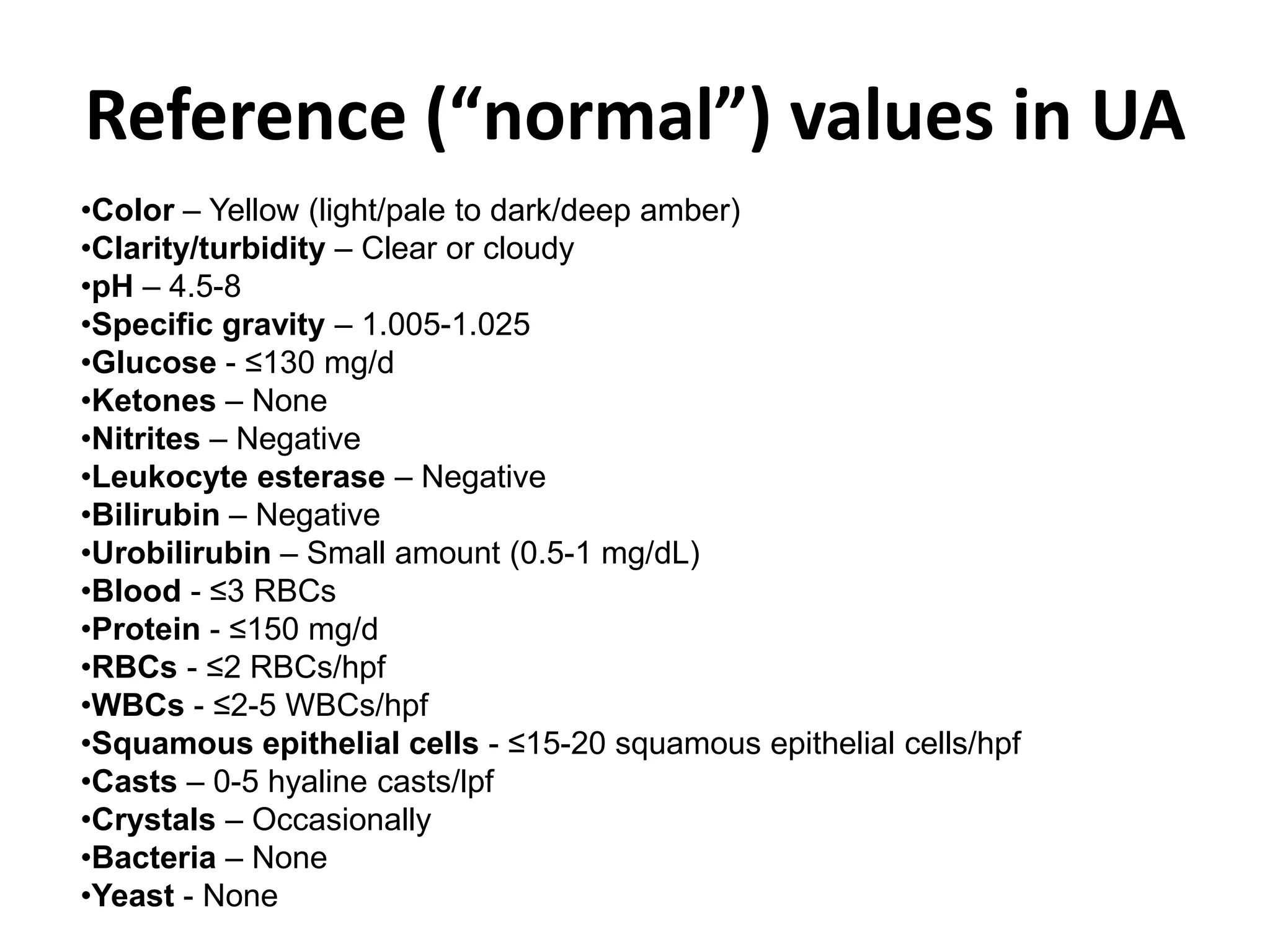
Reference (“normal”) values in UA
•Color – Yellow (light/pale to dark/deep amber)
•Clarity/turbidity – Clear or cloudy
•pH – 4.5-8
•Specific gravity – 1.005-1.025
•Glucose - ≤130 mg/d
•Ketones – None
•Nitrites – Negative
•Leukocyte esterase – Negative
•Bilirubin – Negative
•Urobilirubin – Small amount (0.5-1 mg/dL)
•Blood - ≤3 RBCs
•Protein - ≤150 mg/d
•RBCs - ≤2 RBCs/hpf
•WBCs - ≤2-5 WBCs/hpf
•Squamous epithelial cells - ≤15-20 squamous epithelial cells/hpf
•Casts – 0-5 hyaline casts/lpf
•Crystals – Occasionally
•Bacteria – None
•Yeast - None
Urine color
Am Fam Physician. 2005 Mar 15;71(6):1153-1162.
Odor
• Infection, the most common cause of abnormal urine
odor
• production of ammonia by bacteria.
• Ketones may cause a fruity or sweet odor.
• Other disease Associations
• Maple syrup urine disease (maple syrup odor),
• Phenylketonuria (mousy odor),
• isovaleric acidemia (sweaty feet odor),
• hypermethioninemia (fishy odor).
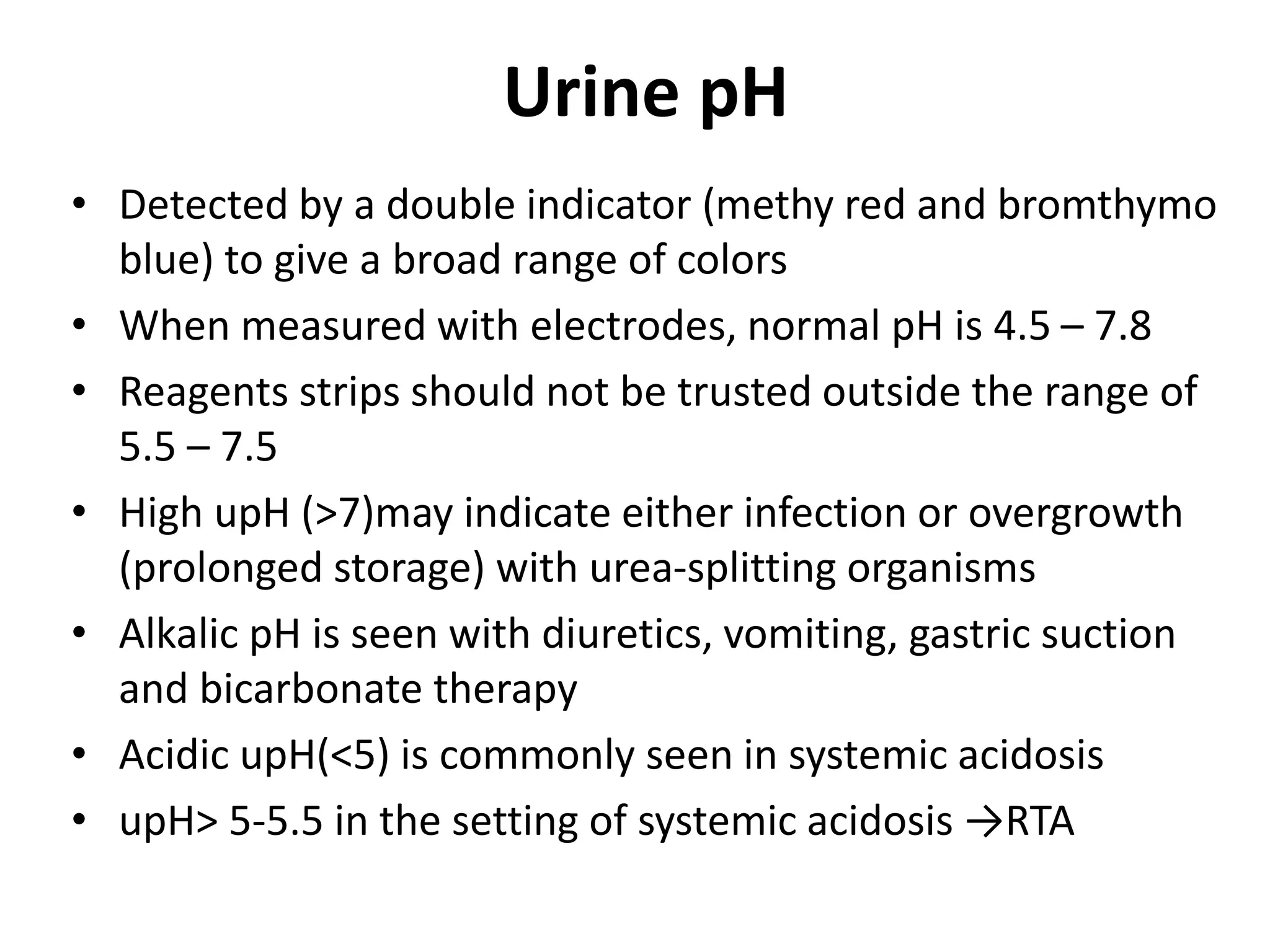
Urine pH
• Detected by a double indicator (methy red and bromthymo
blue) to give a broad range of colors
• When measured with electrodes, normal pH is 4.5 – 7.8
• Reagents strips should not be trusted outside the range of
5.5 – 7.5
• High upH (>7)may indicate either infection or overgrowth
(prolonged storage) with urea-splitting organisms
• Alkalic pH is seen with diuretics, vomiting, gastric suction
and bicarbonate therapy
• Acidic upH(<5) is commonly seen in systemic acidosis
• upH> 5-5.5 in the setting of systemic acidosis →RTA
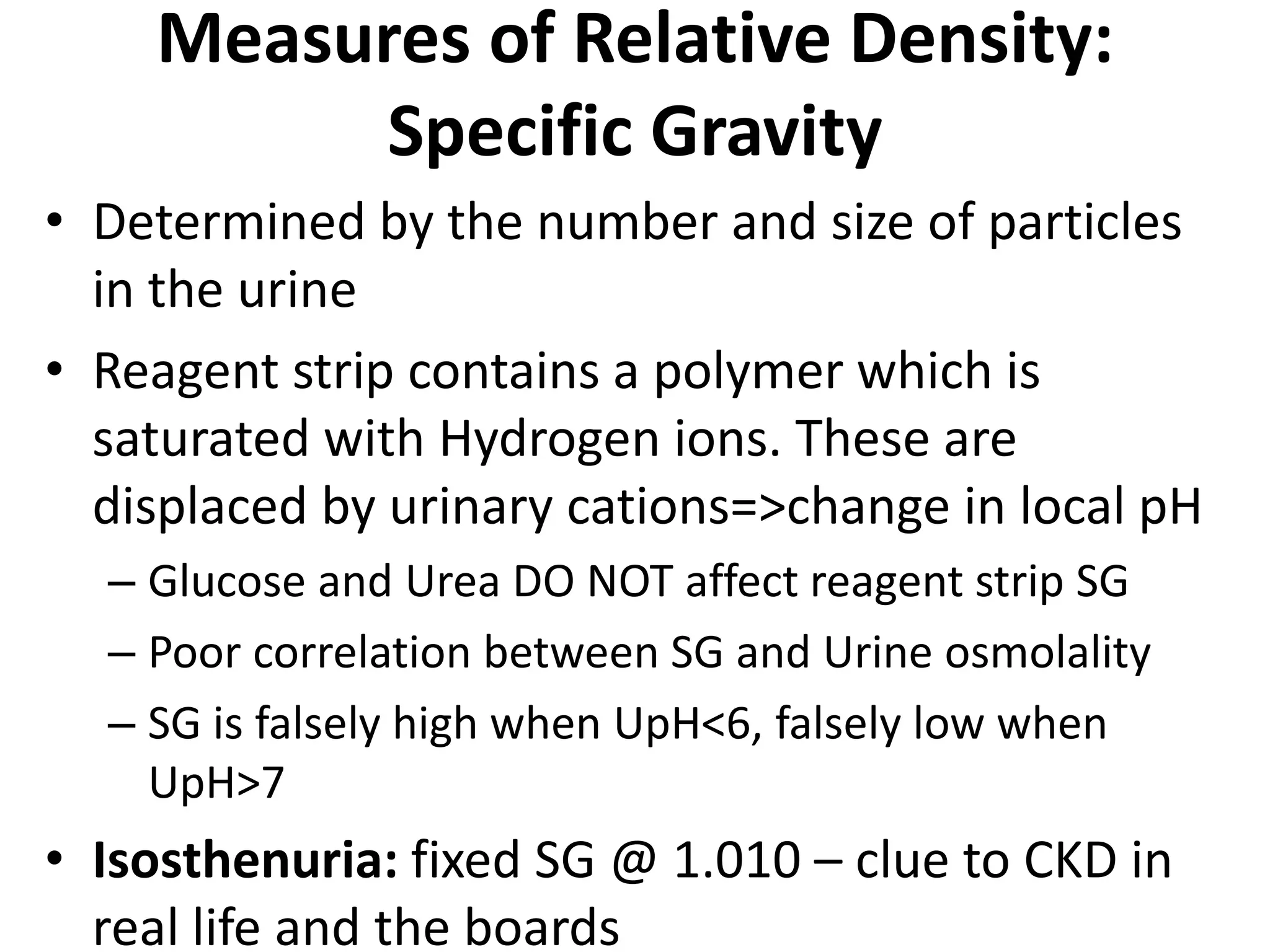
Measures of Relative Density:
Specific Gravity
• Determined by the number and size of particles
in the urine
• Reagent strip contains a polymer which is
saturated with Hydrogen ions. These are
displaced by urinary cations=>change in local pH
– Glucose and Urea DO NOT affect reagent strip SG
– Poor correlation between SG and Urine osmolality
– SG is falsely high when UpH<6, falsely low when
UpH>7
• Isosthenuria: fixed SG @ 1.010 – clue to CKD in
real life and the boards
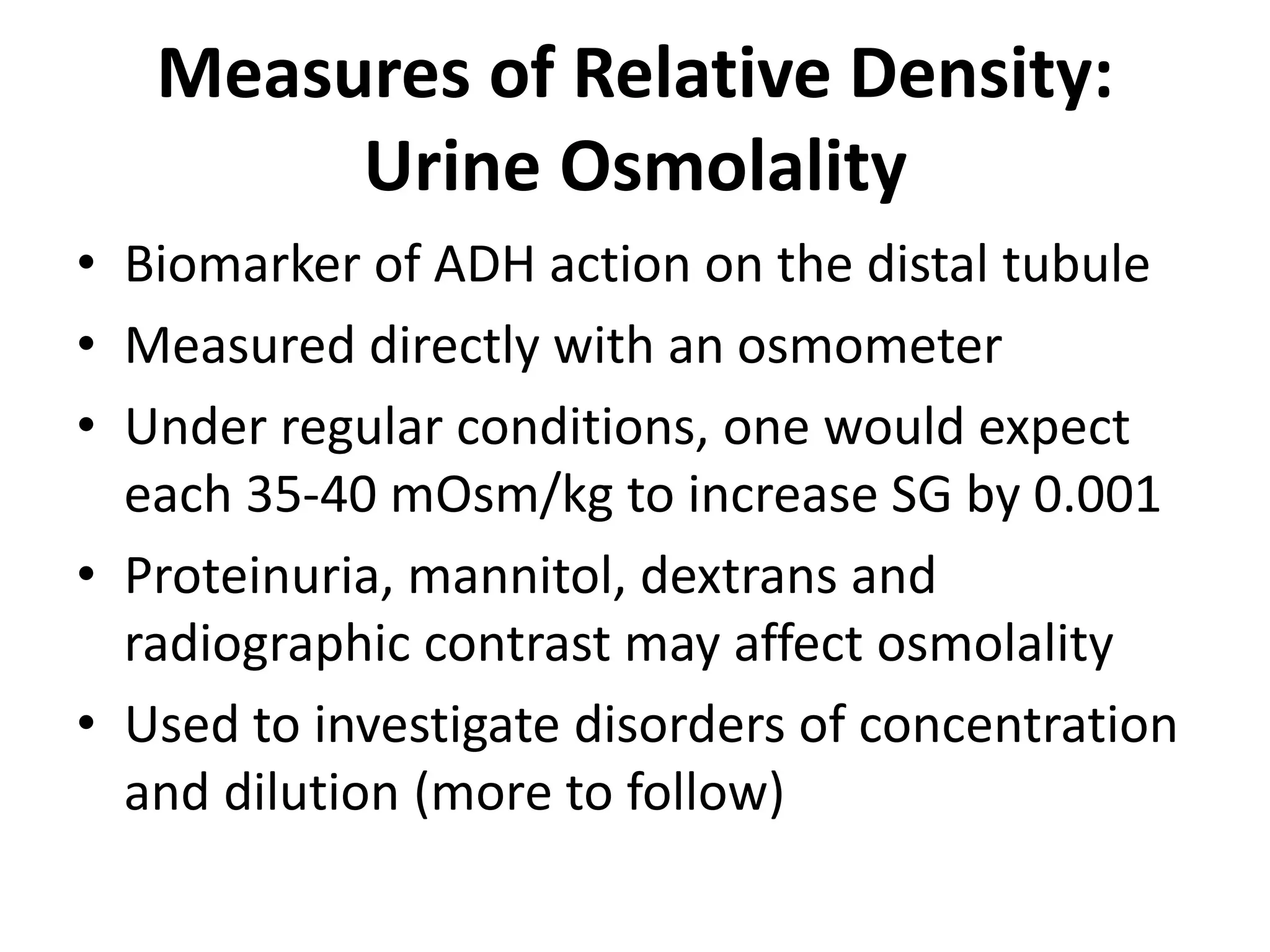
Measures of Relative Density:
Urine Osmolality
• Biomarker of ADH action on the distal tubule
• Measured directly with an osmometer
• Under regular conditions, one would expect
each 35-40 mOsm/kg to increase SG by 0.001
• Proteinuria, mannitol, dextrans and
radiographic contrast may affect osmolality
• Used to investigate disorders of concentration
and dilution (more to follow)
Bilirubin & Urobilinogen
• Only conjugated bilirubin passes into the urine
• Test for bilirubin will be positive in obstructive
jaundice, but negative in hemolysis
• Urine urobilinogen is often positive in
hemolysis
• None of them are great tests for liver disease
despite the high analytic sensitivity of the
reagent
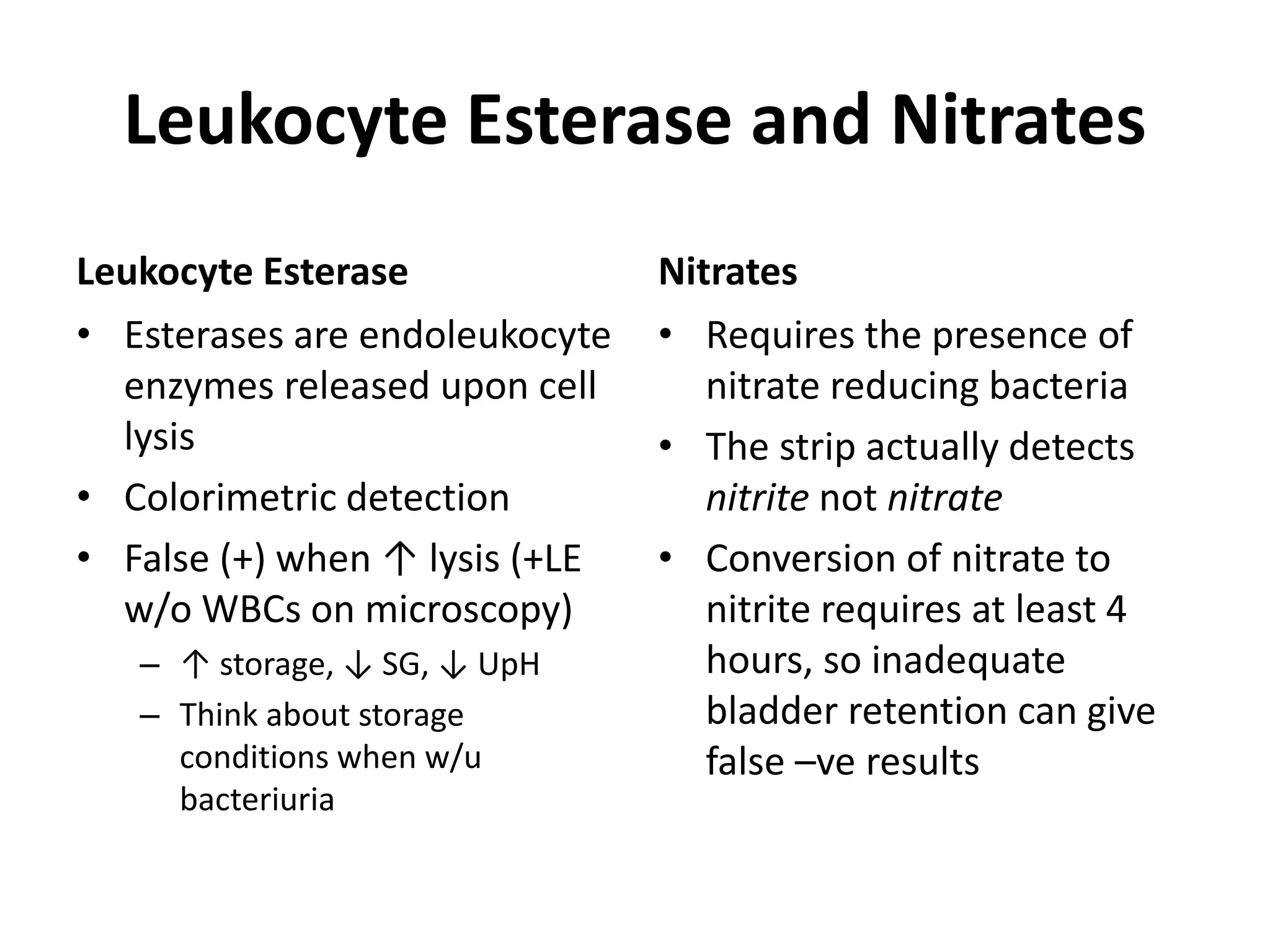
Leukocyte Esterase and Nitrates
Leukocyte Esterase
• Esterases are endoleukocyte
enzymes released upon cell
lysis
• Colorimetric detection
• False (+) when ↑ lysis (+LE
w/o WBCs on microscopy)
– ↑ storage, ↓ SG, ↓ UpH
– Think about storage
conditions when w/u
bacteriuria
Nitrates
• Requires the presence of
nitrate reducing bacteria
• The strip actually detects
nitrite not nitrate
• Conversion of nitrate to
nitrite requires at least 4
hours, so inadequate
bladder retention can give
false –ve results
Energy Substrate Metabolism
Glucose
• Highly sensitive test based
on an oxidative reaction
• Glucose is not normally
present in the urine
• Presence indicates that the
plasma glucose is above the
threshold of renal
reabsorption (180-250
mg/dl) OR interference with
this process:
– Proximal tubulopathies (e.g.
Fanconi s)
– SGLT2 inhibitors
Ketones
• Acetoacetate and acetate
detected with the nitroprusside
reaction (reduction reaction)
• Beta hydroxybutyrate is not
detected via this reaction (and
this is 80% of ketones in human
ketotic states)
• Urine ketones may be +ve when
serum test is –ve (nowadays
indicates starvation ketosis)
– used in the 70s as part of self-
monitoring for diabetes (much
cheaper than glucometer strips)
• Alcoholic KA and DKA will also
give +ve urine tests
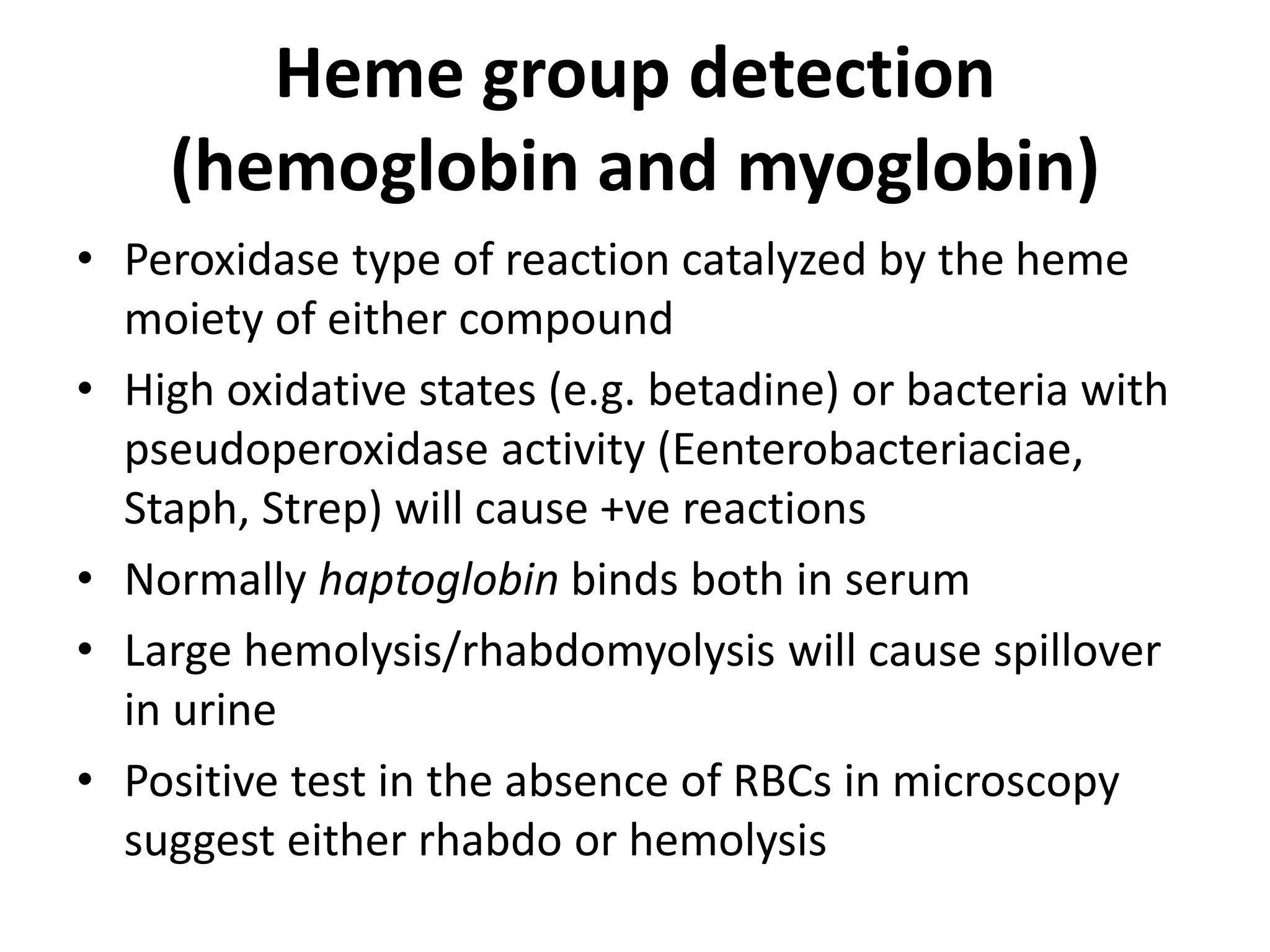
Heme group detection
(hemoglobin and myoglobin)
• Peroxidase type of reaction catalyzed by the heme
moiety of either compound
• High oxidative states (e.g. betadine) or bacteria with
pseudoperoxidase activity (Eenterobacteriaciae,
Staph, Strep) will cause +ve reactions
• Normally haptoglobin binds both in serum
• Large hemolysis/rhabdomyolysis will cause spillover
in urine
• Positive test in the absence of RBCs in microscopy
suggest either rhabdo or hemolysis
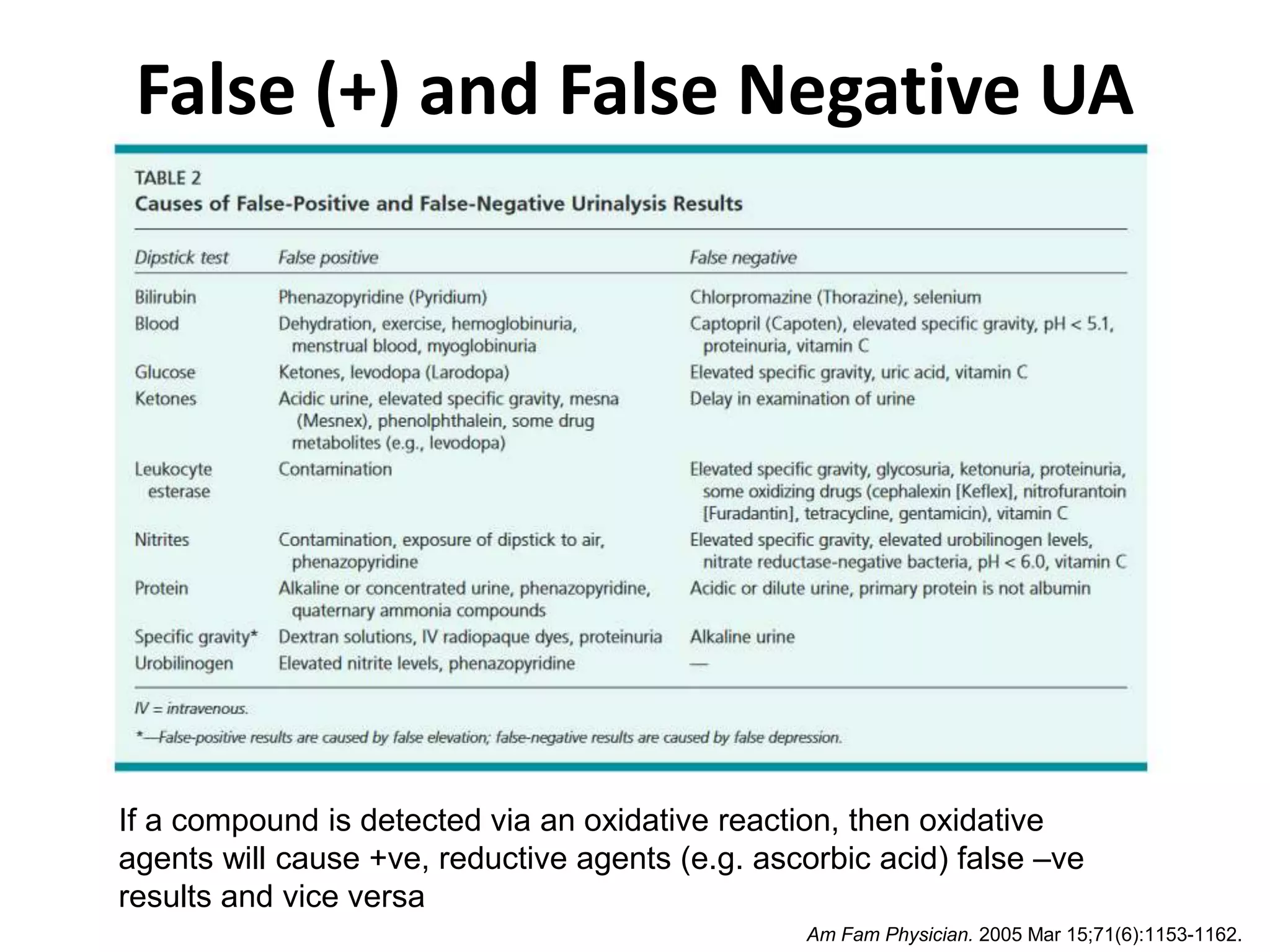
False (+) and False Negative UA
Am Fam Physician. 2005 Mar 15;71(6):1153-1162.
If a compound is detected via an oxidative reaction, then oxidative
agents will cause +ve, reductive agents (e.g. ascorbic acid) false –ve
results and vice versa
URINE MICROSCOPY
More than meets the eye
http://dx.doi.org/10.1053/j.ajkd.2007.11.039
All images from Core Curriculum Nephrology 2008
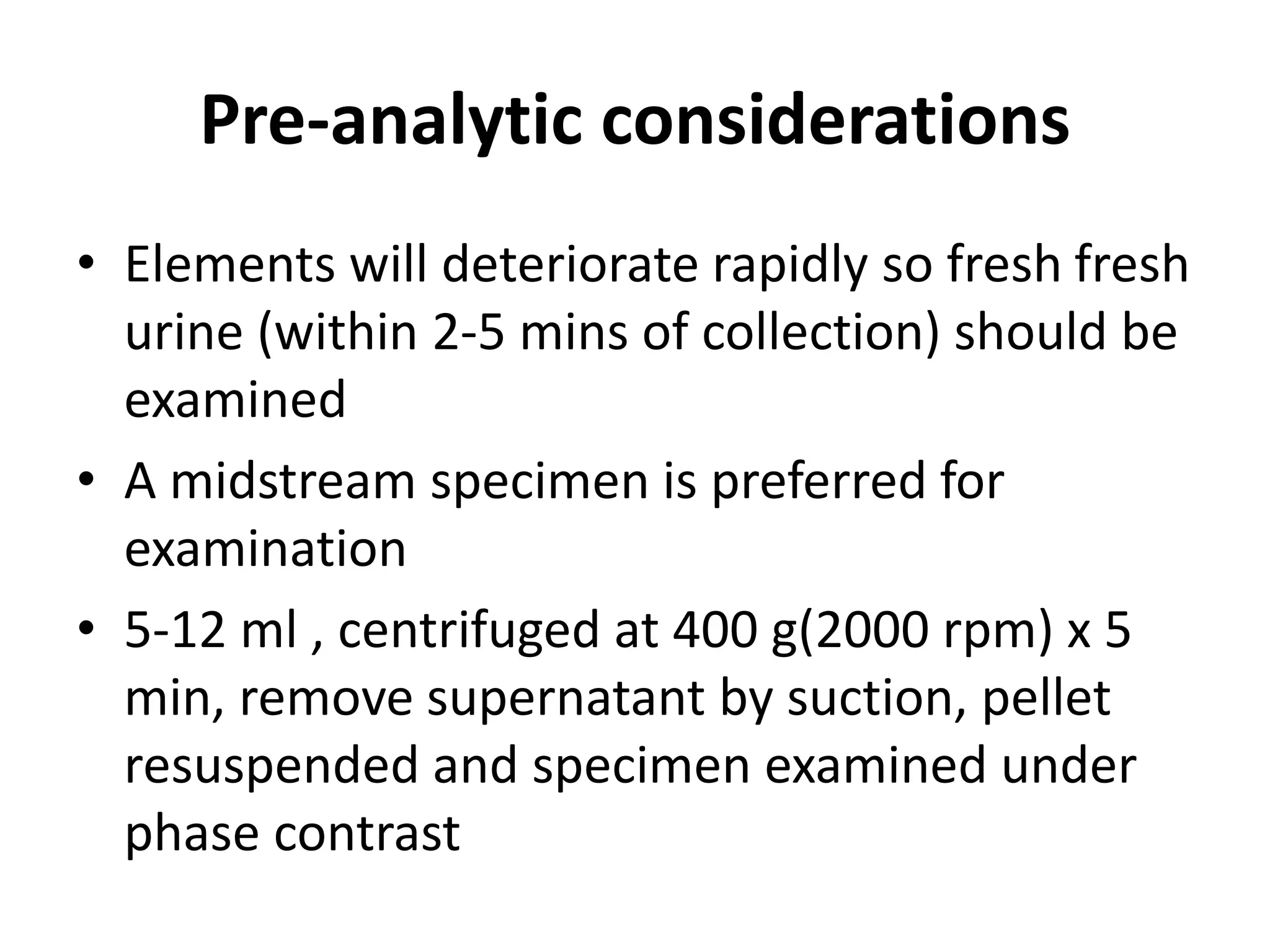
Pre-analytic considerations
• Elements will deteriorate rapidly so fresh fresh
urine (within 2-5 mins of collection) should be
examined
• A midstream specimen is preferred for
examination
• 5-12 ml , centrifuged at 400 g(2000 rpm) x 5
min, remove supernatant by suction, pellet
resuspended and specimen examined under
phase contrast
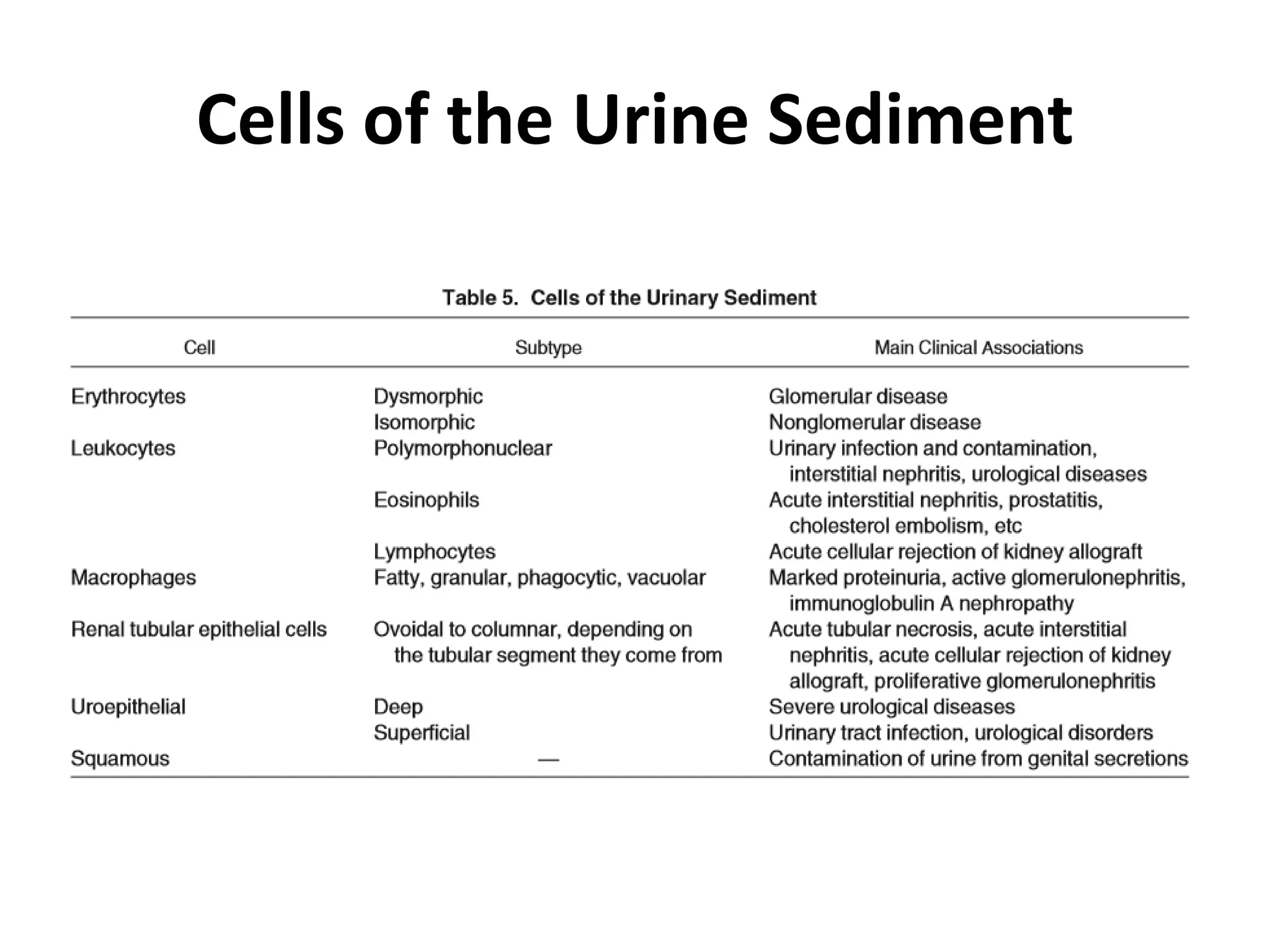
Cells of the Urine Sediment
Renal Causes of Hematuria
Non Renal Causes of Hematuria
Hematuria Algorithm
Am Fam Physician. 2013 Dec 1;88(11):747-754
Hematuria and GU malignancy
Pretest probabilities Risk Factors for GU CA
Am Fam Physician. 2013 Dec 1;88(11):747-754
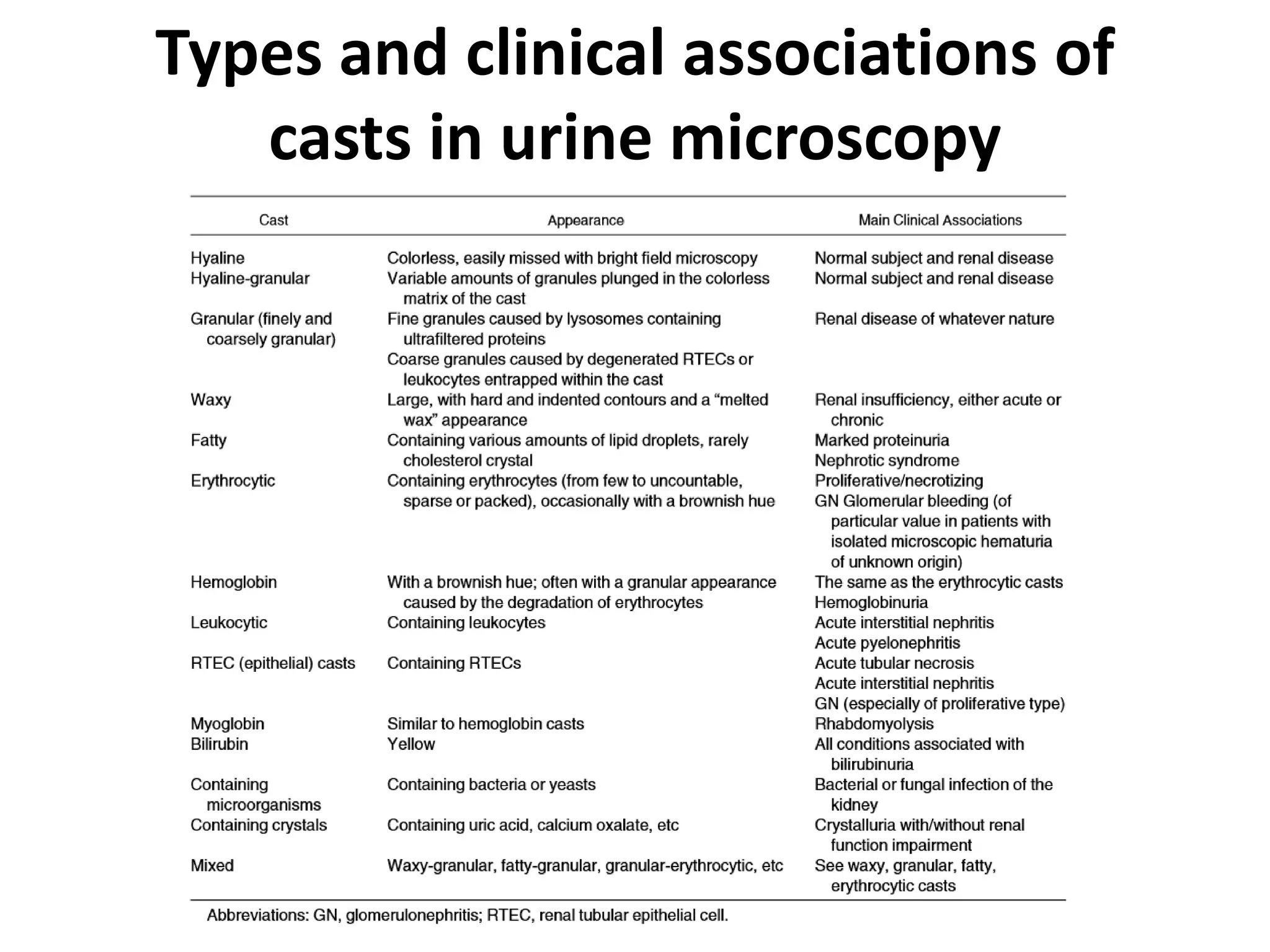
Types and clinical associations of
casts in urine microscopy
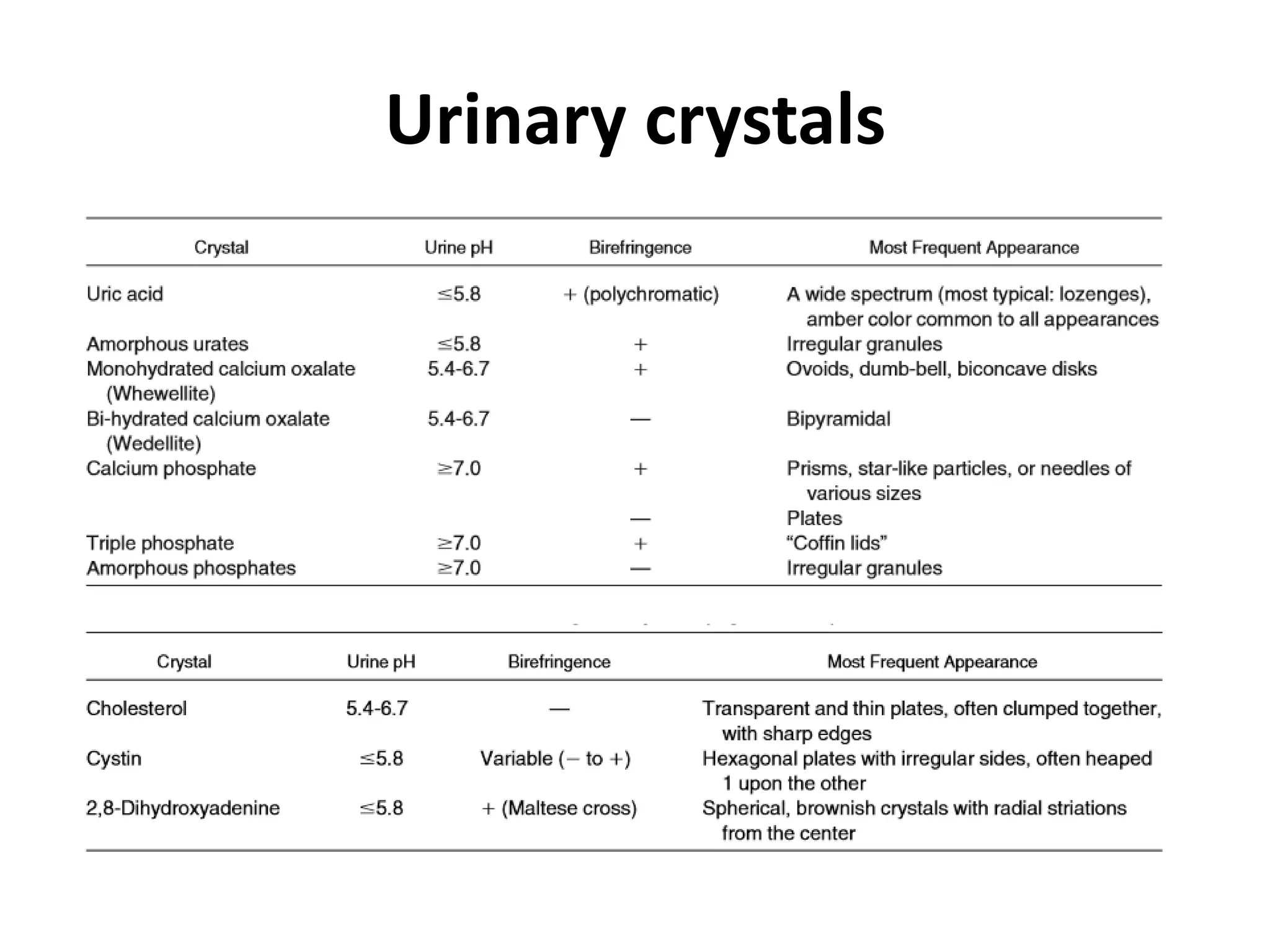
Urinary crystals
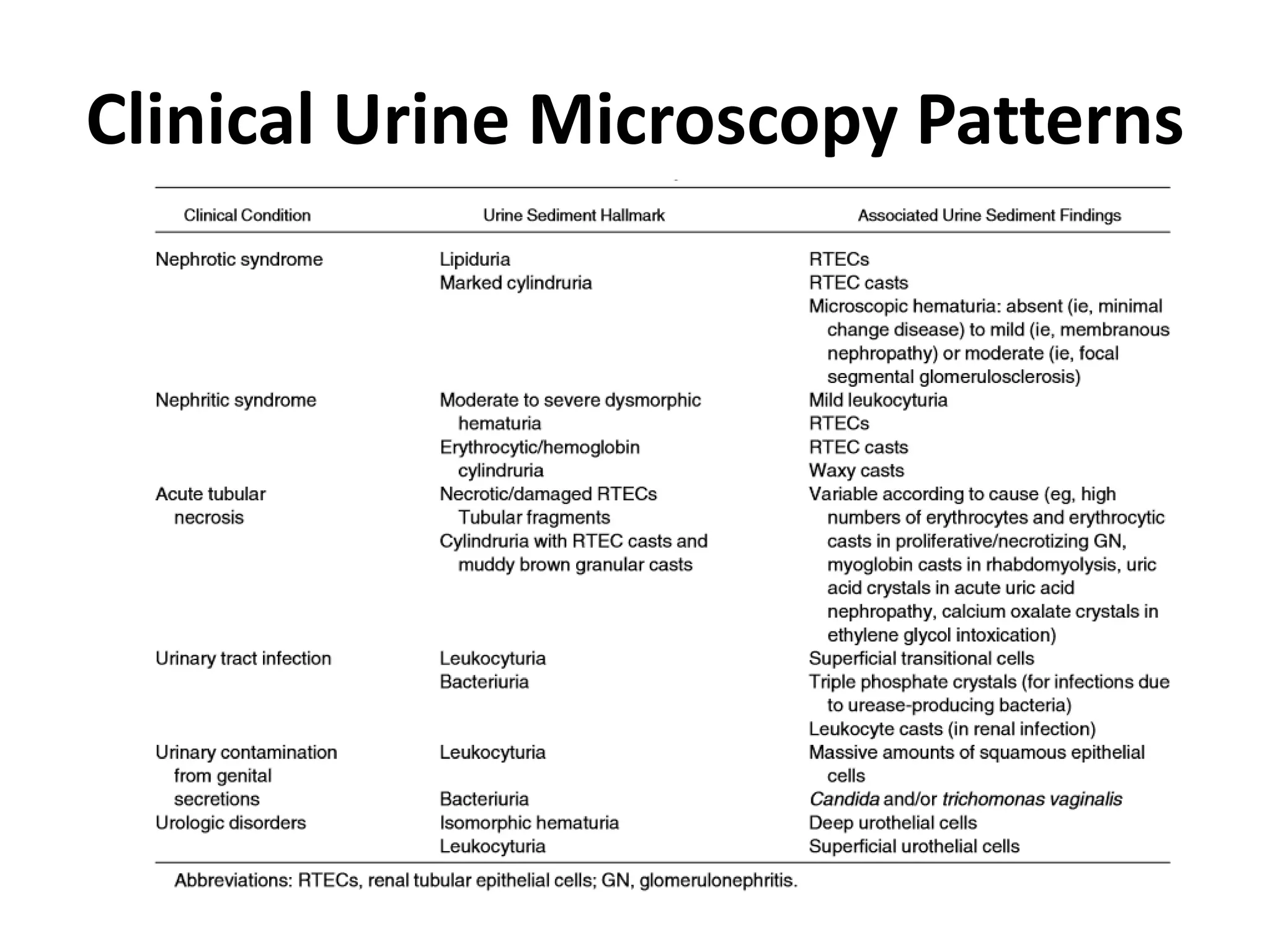
Clinical Urine Microscopy Patterns
Figure 1
American Journal of Kidney Diseases 2008 51, 1052-1067DOI: (10.1053/j.ajkd.2007.11.039)
Copyright © 2008 National Kidney Foundation, Inc. Terms and Conditions
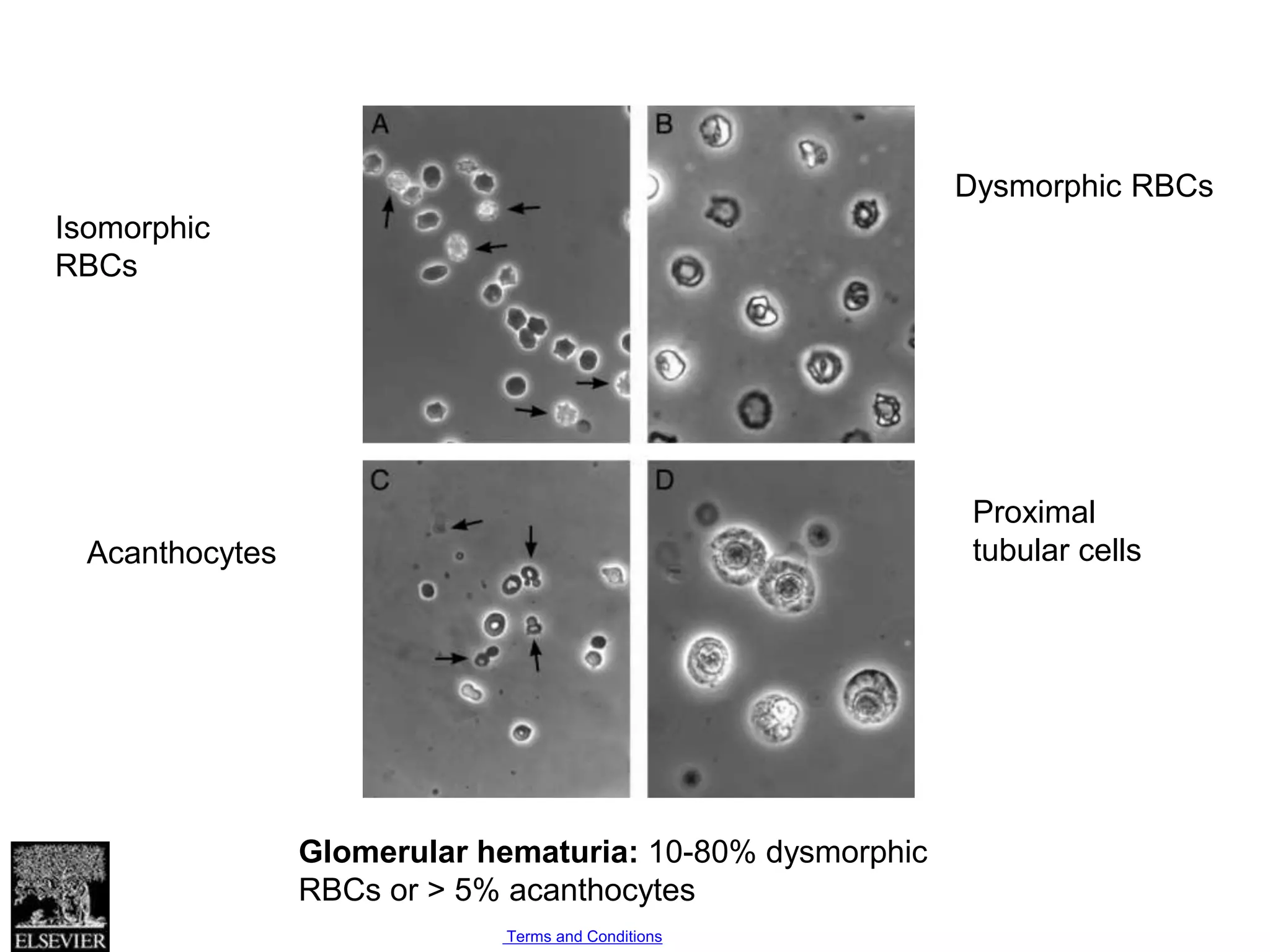
Isomorphic
RBCs
Dysmorphic RBCs
Acanthocytes
Proximal
tubular cells
Glomerular hematuria: 10-80% dysmorphic
RBCs or > 5% acanthocytes
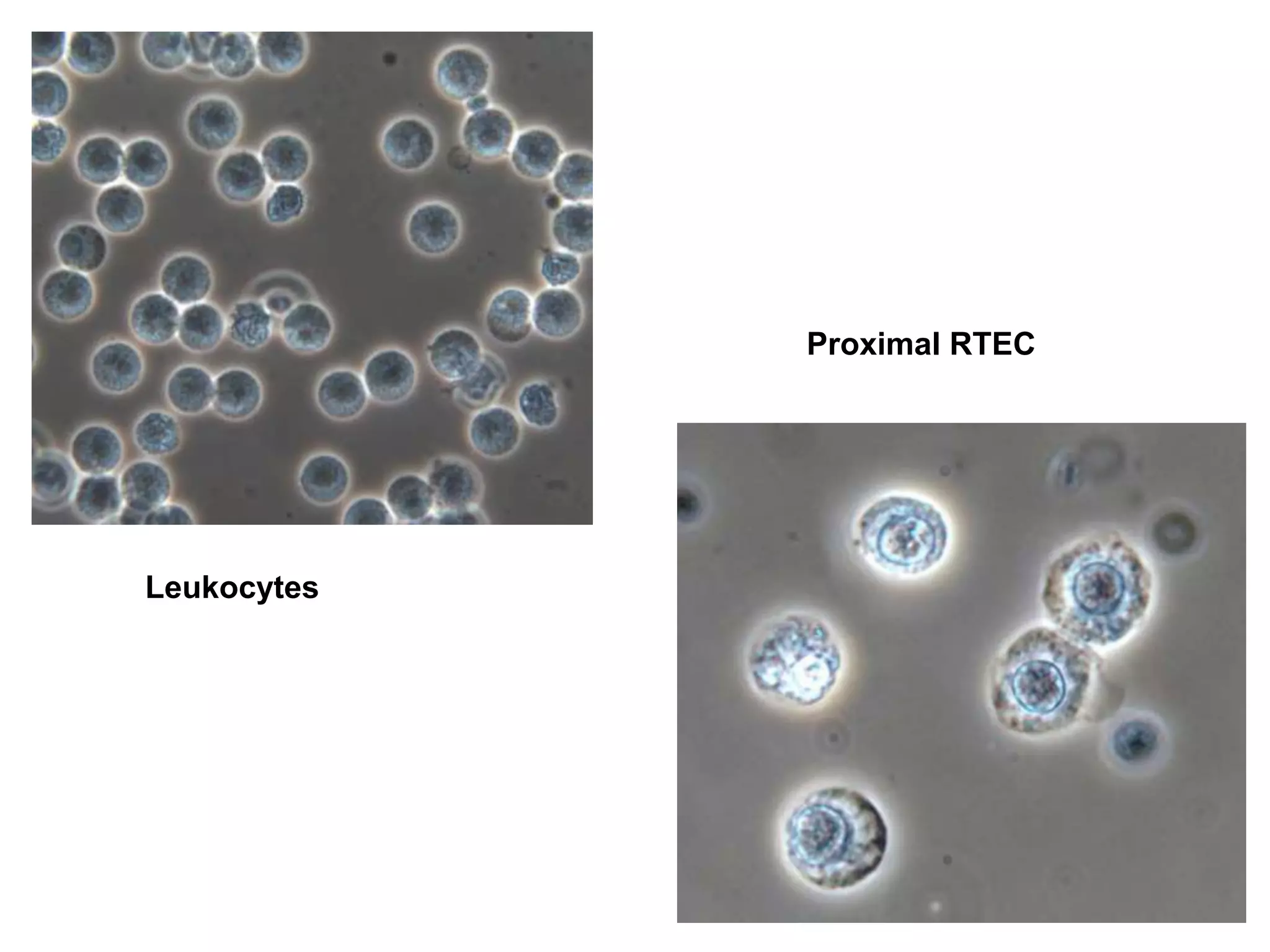
Proximal RTEC
Leukocytes
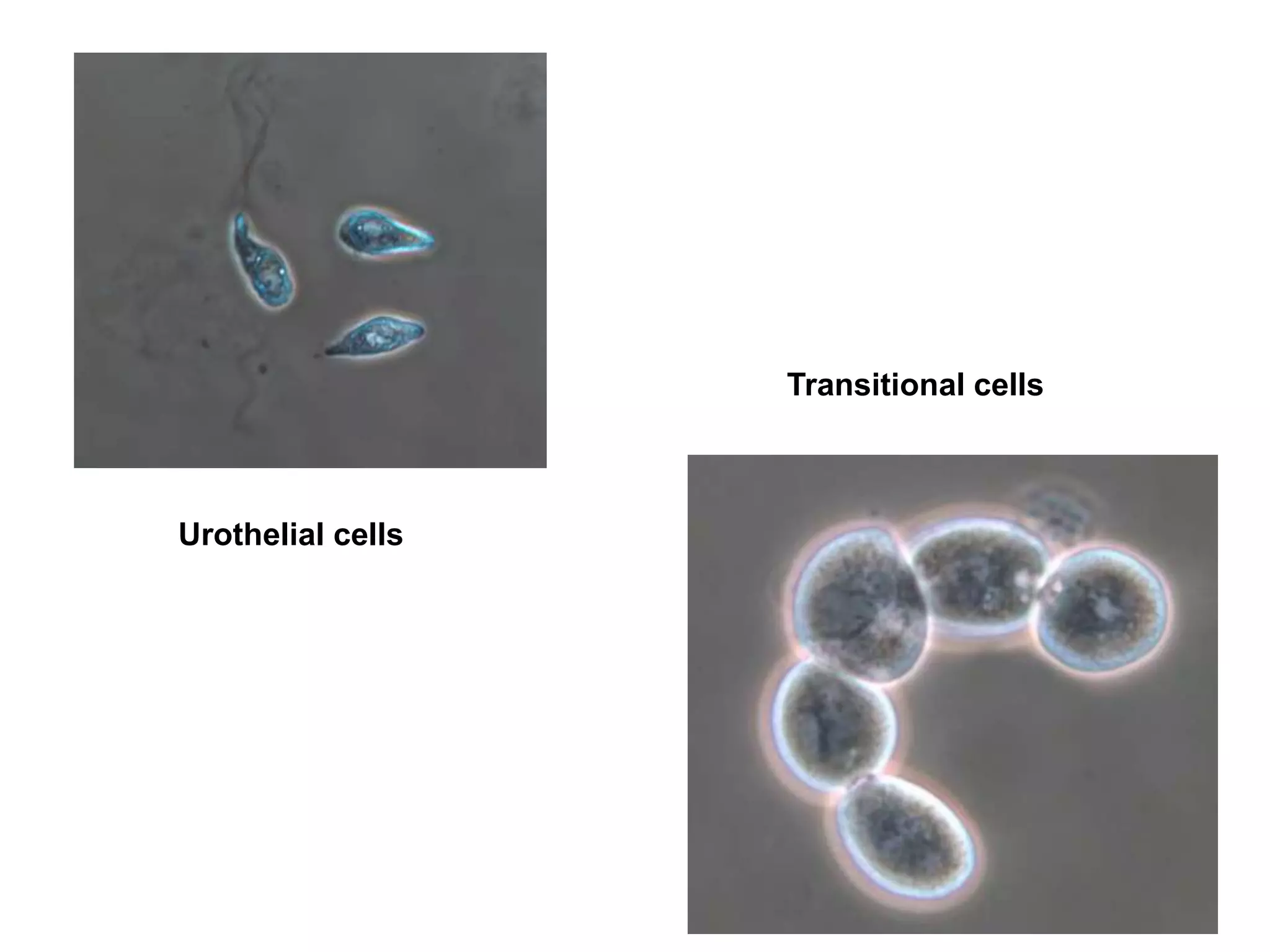
Urothelial cells
Transitional cells
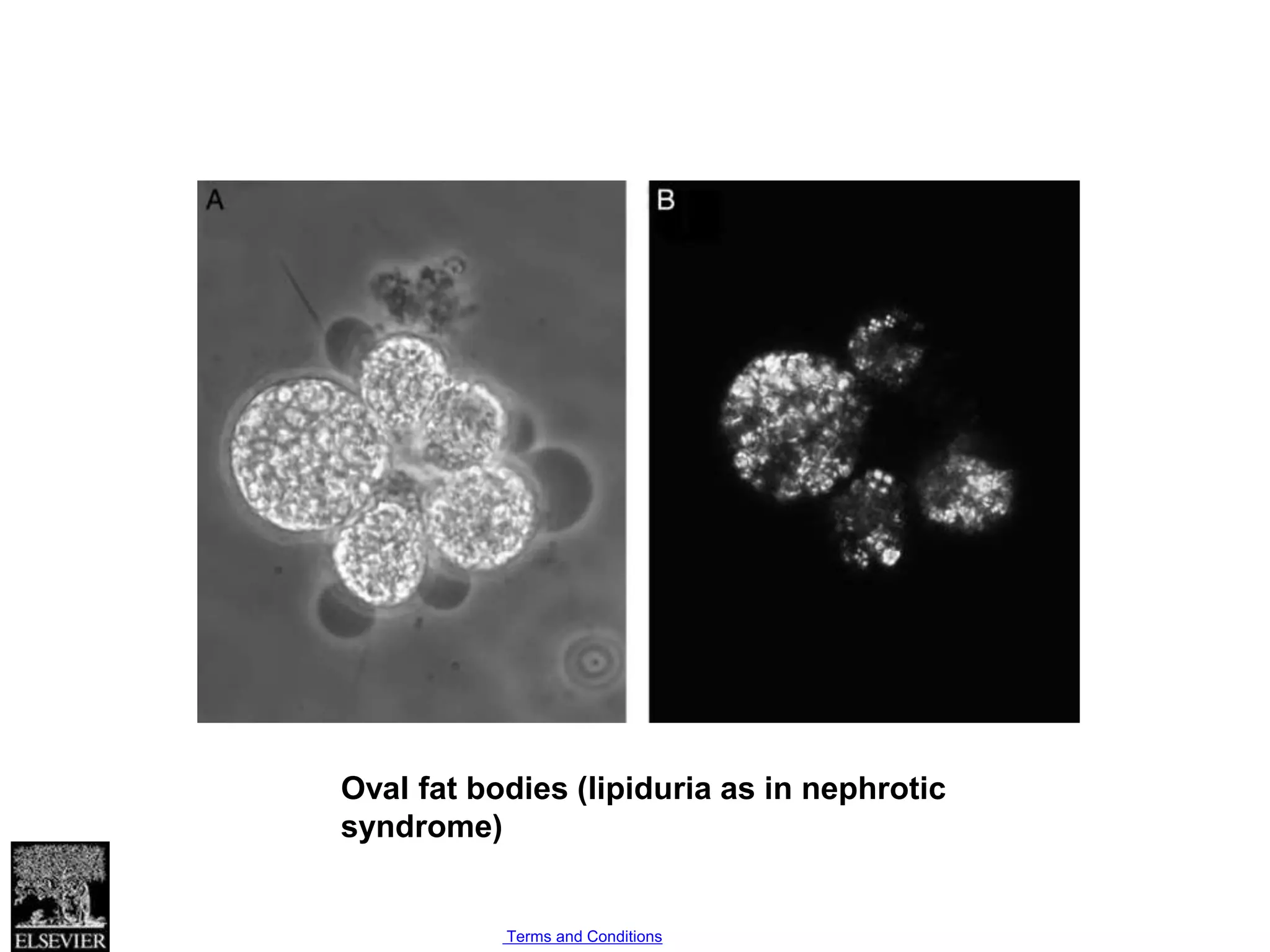
Figure 2
American Journal of Kidney Diseases 2008 51, 1052-1067DOI: (10.1053/j.ajkd.2007.11.039)
Copyright © 2008 National Kidney Foundation, Inc. Terms and Conditions
Oval fat bodies (lipiduria as in nephrotic
syndrome)
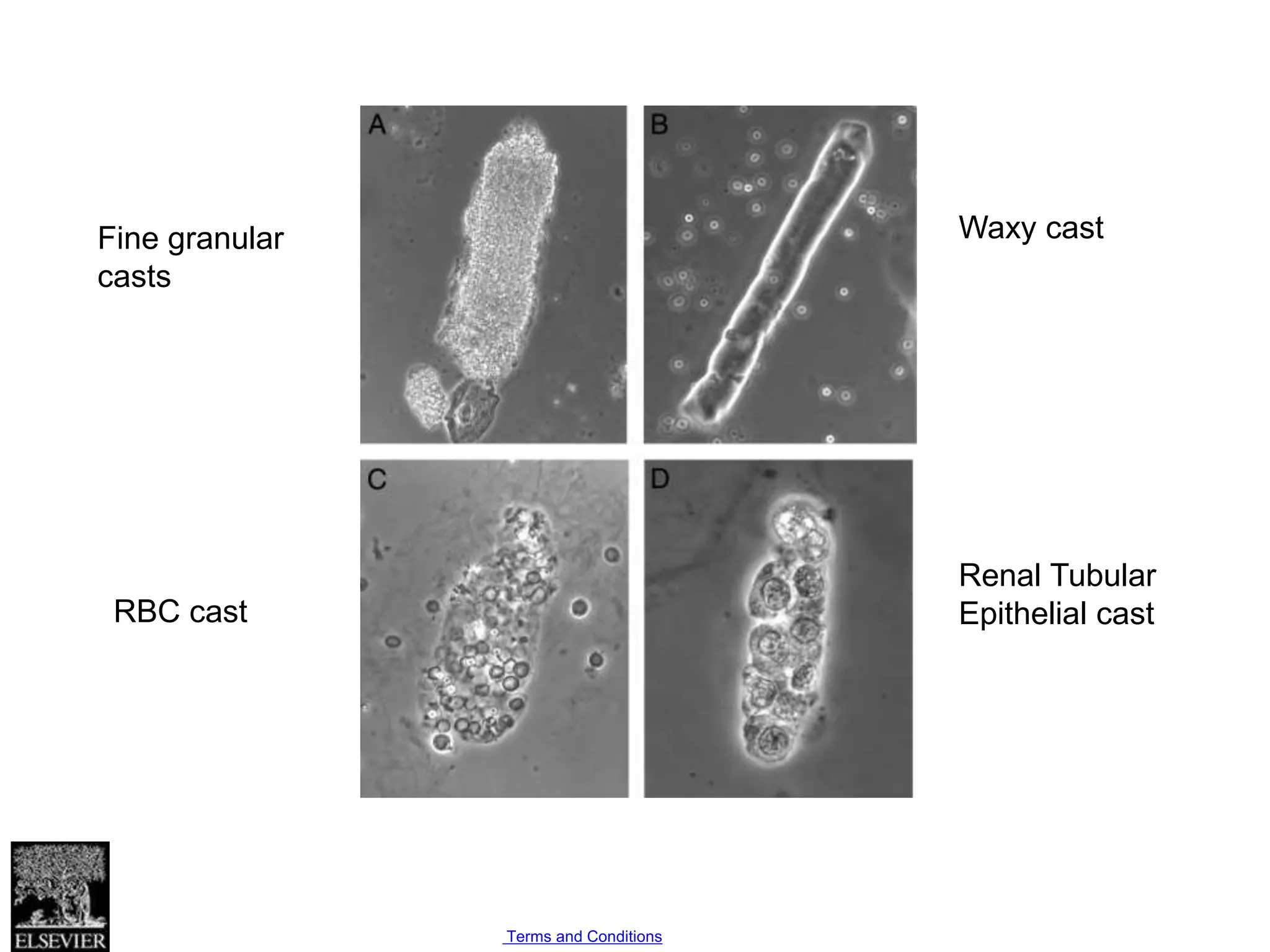
Figure 3
American Journal of Kidney Diseases 2008 51, 1052-1067DOI: (10.1053/j.ajkd.2007.11.039)
Copyright © 2008 National Kidney Foundation, Inc. Terms and Conditions
Fine granular
casts
Waxy cast
RBC cast
Renal Tubular
Epithelial cast
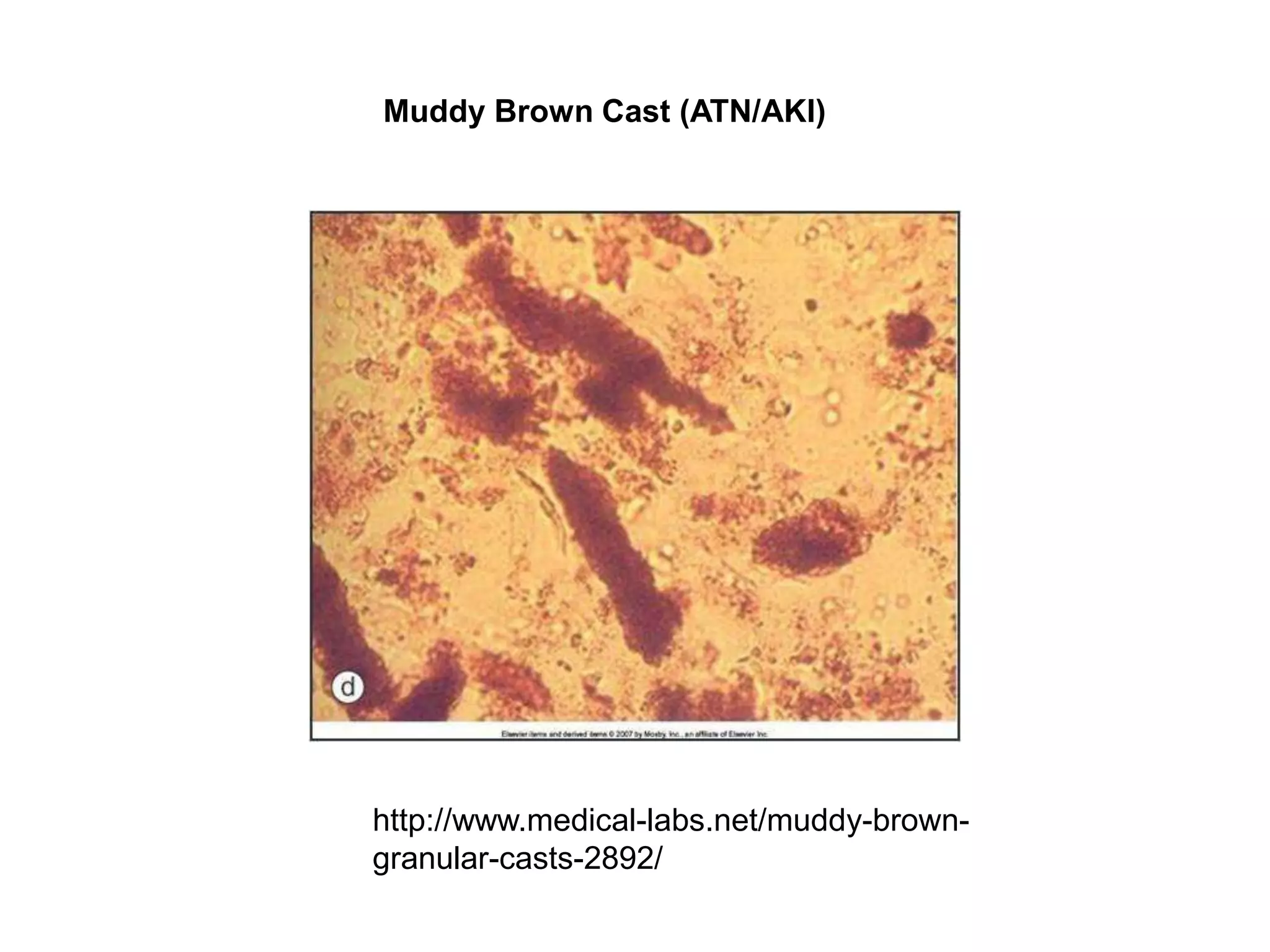
http://www.medical-labs.net/muddy-brown-
granular-casts-2892/
Muddy Brown Cast (ATN/AKI)
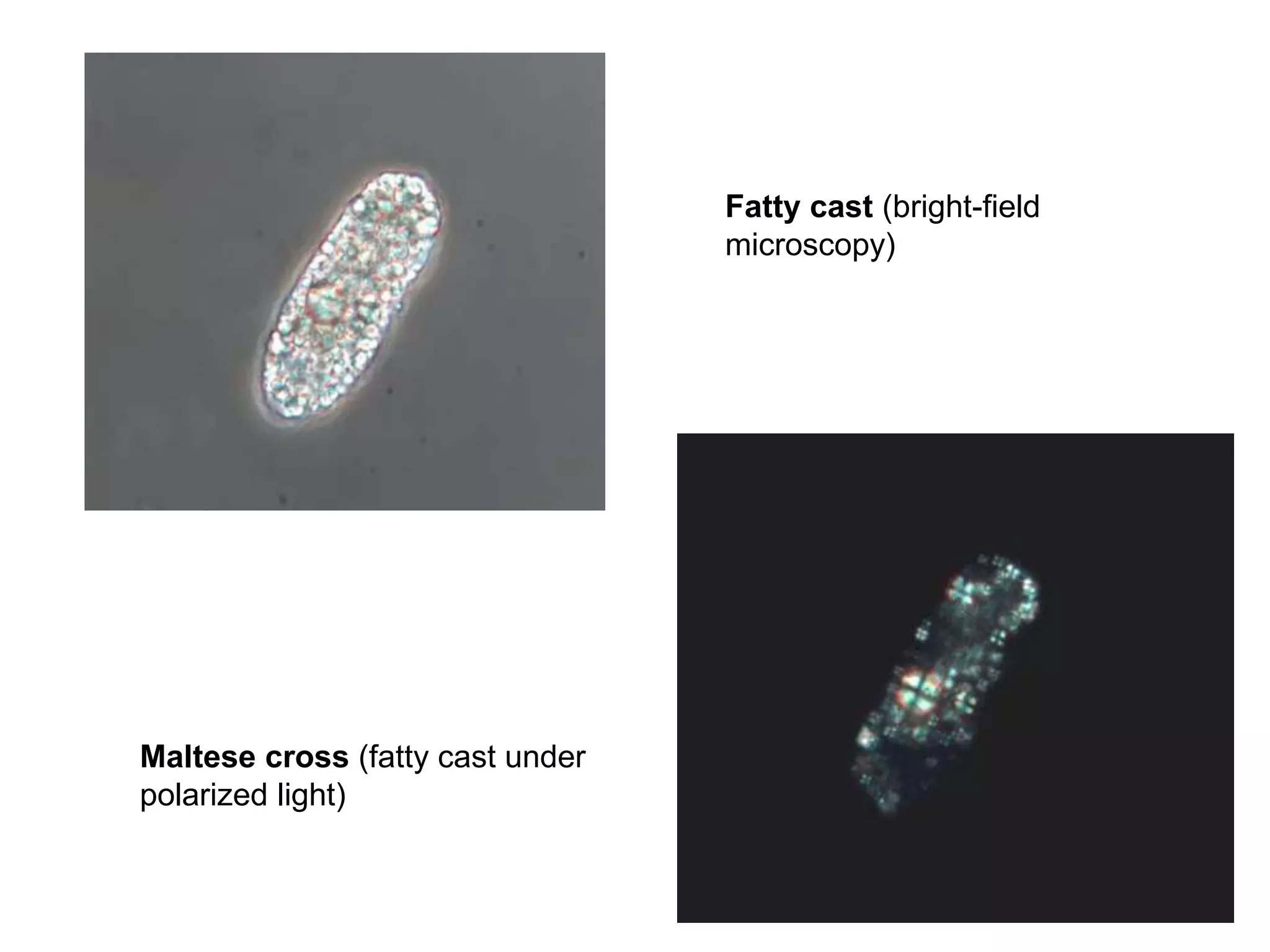
Maltese cross (fatty cast under
polarized light)
Fatty cast (bright-field
microscopy)
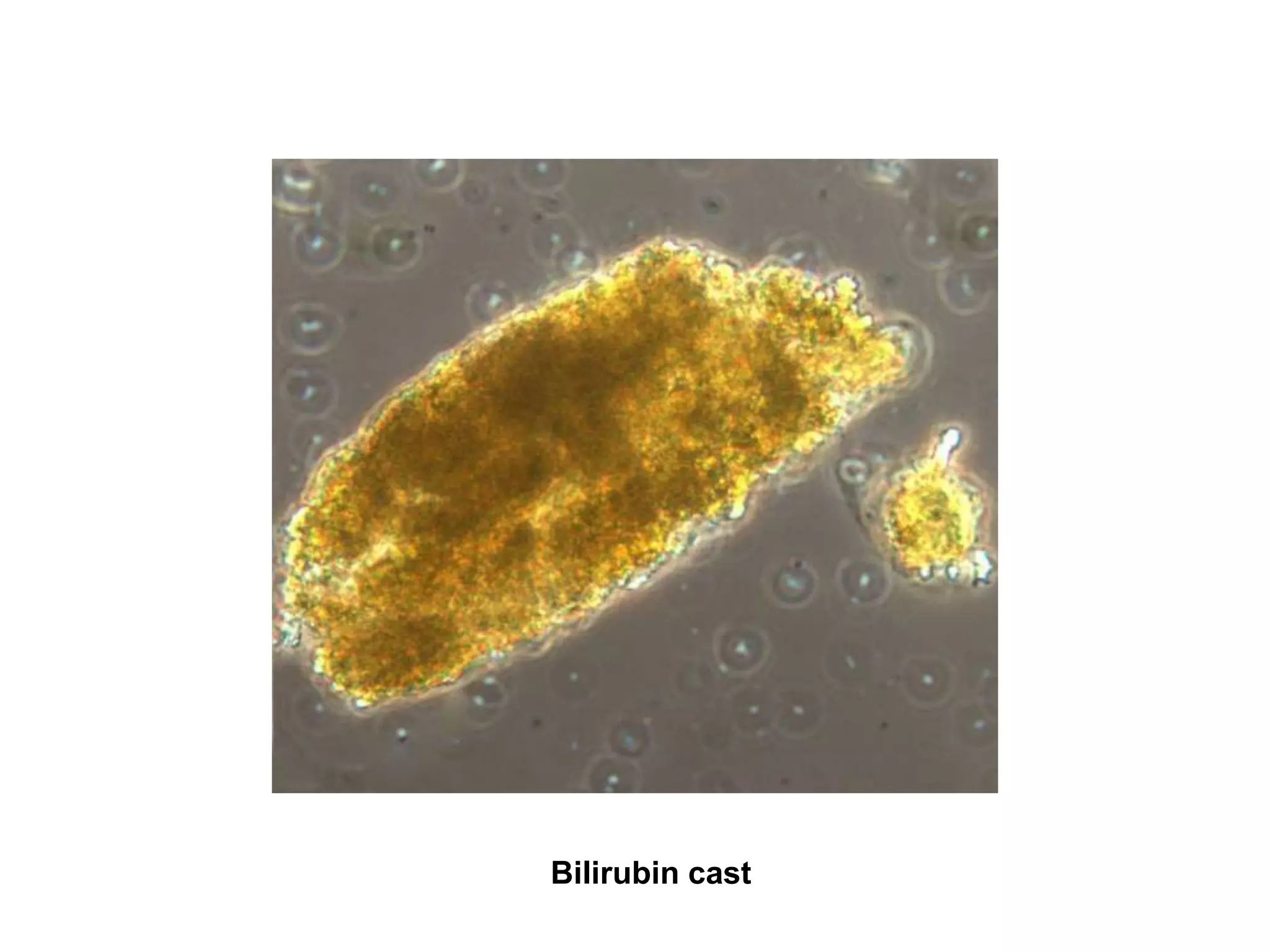
Bilirubin cast
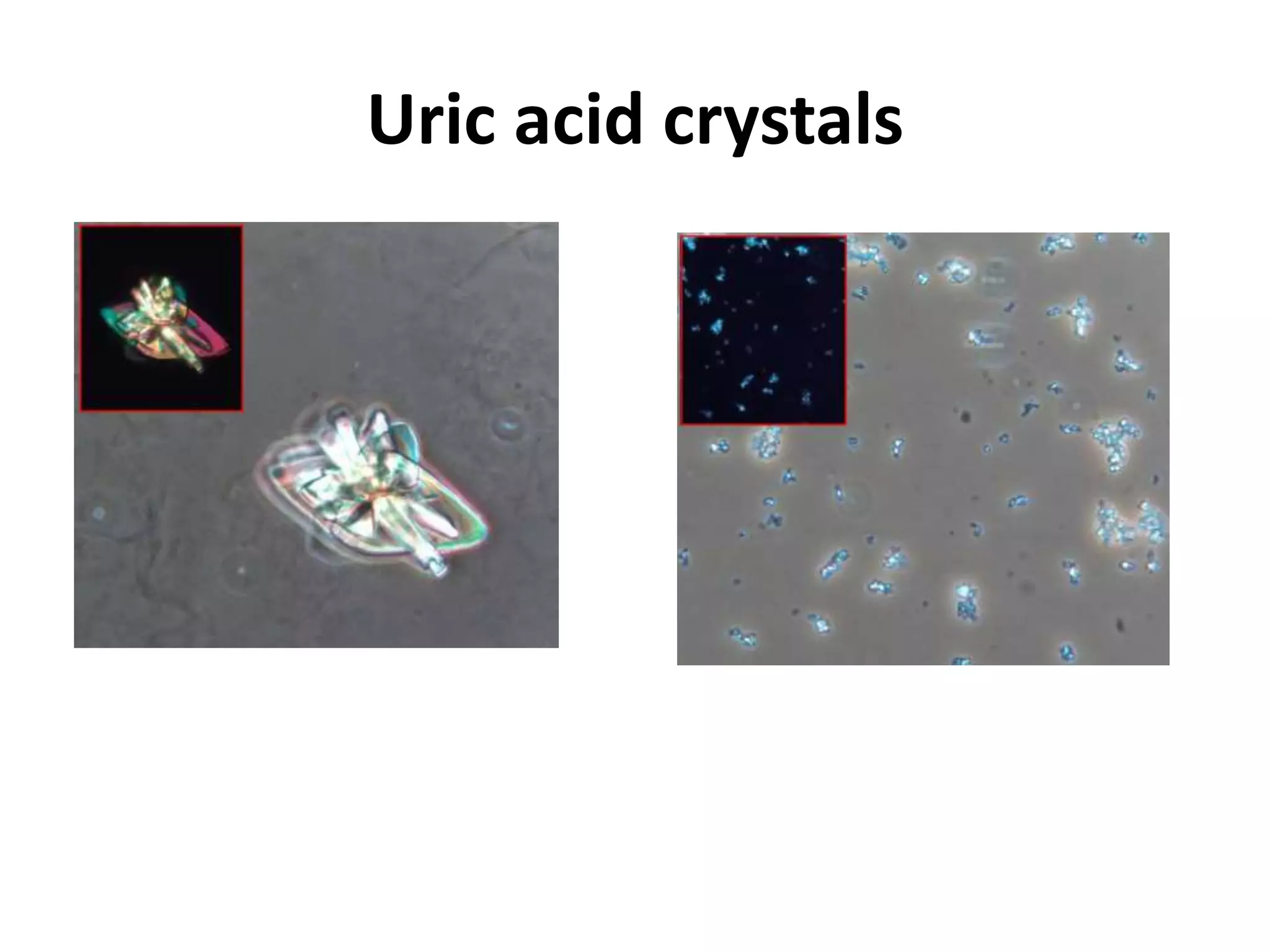
Uric acid crystals
Calcium Oxalate Crystals
Calcium Phosphate Crystals
Figure 4
American Journal of Kidney Diseases 2008 51, 1052-1067DOI: (10.1053/j.ajkd.2007.11.039)
Copyright © 2008 National Kidney Foundation, Inc. Terms and Conditions
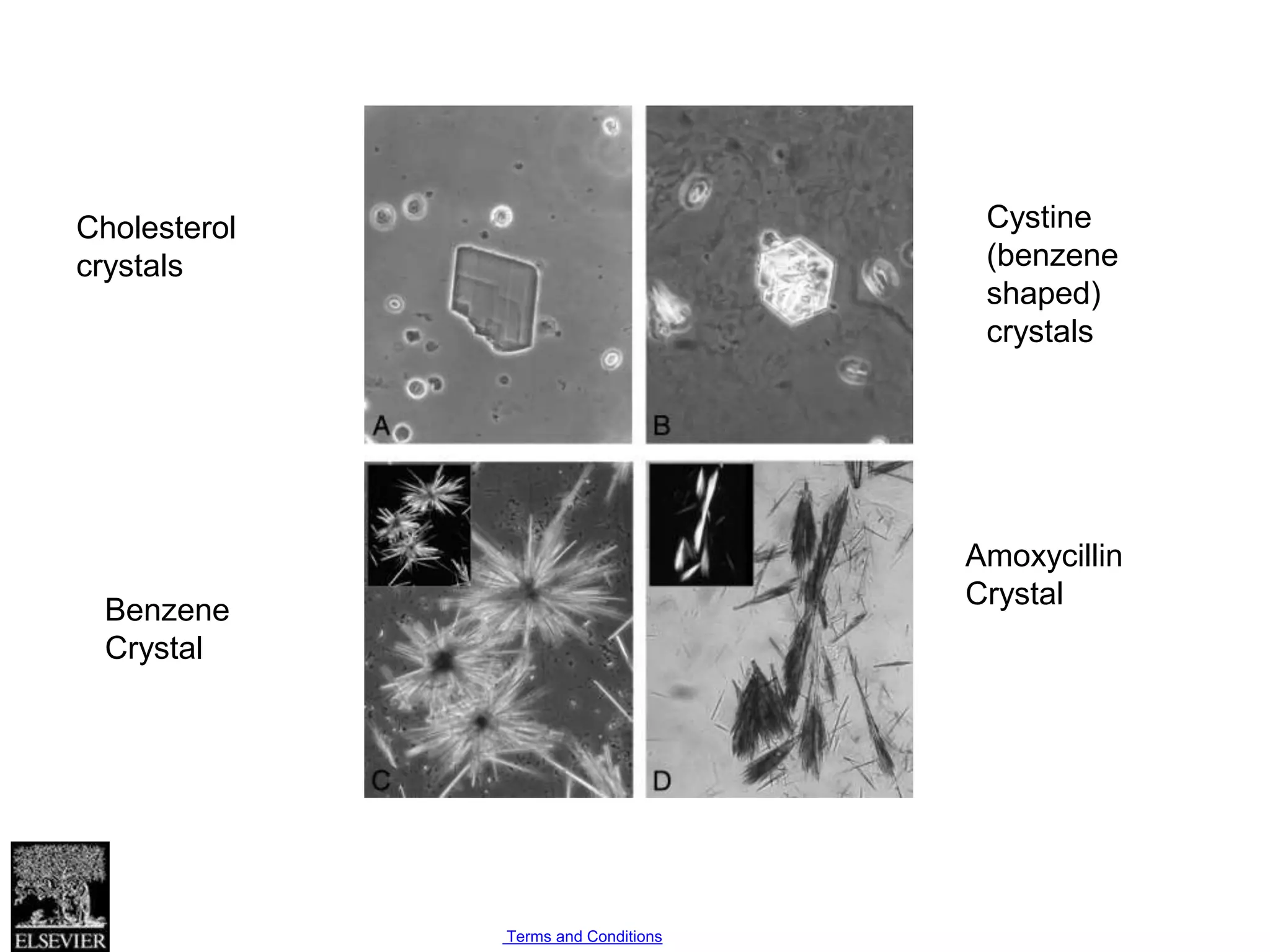
Cholesterol
crystals
Cystine
(benzene
shaped)
crystals
Amoxycillin
Crystal
Benzene
Crystal

Urinalysis

  • 1.
    Urinalysis Christos Argyropoulos MD,PhD, FASN University of New Mexico School of Medicine
  • 2.
  • 3.
    Reference (“normal”) valuesin UA •Color – Yellow (light/pale to dark/deep amber) •Clarity/turbidity – Clear or cloudy •pH – 4.5-8 •Specific gravity – 1.005-1.025 •Glucose - ≤130 mg/d •Ketones – None •Nitrites – Negative •Leukocyte esterase – Negative •Bilirubin – Negative •Urobilirubin – Small amount (0.5-1 mg/dL) •Blood - ≤3 RBCs •Protein - ≤150 mg/d •RBCs - ≤2 RBCs/hpf •WBCs - ≤2-5 WBCs/hpf •Squamous epithelial cells - ≤15-20 squamous epithelial cells/hpf •Casts – 0-5 hyaline casts/lpf •Crystals – Occasionally •Bacteria – None •Yeast - None
  • 4.
    Urine color Am FamPhysician. 2005 Mar 15;71(6):1153-1162.
  • 5.
    Odor • Infection, themost common cause of abnormal urine odor • production of ammonia by bacteria. • Ketones may cause a fruity or sweet odor. • Other disease Associations • Maple syrup urine disease (maple syrup odor), • Phenylketonuria (mousy odor), • isovaleric acidemia (sweaty feet odor), • hypermethioninemia (fishy odor).
  • 6.
    Urine pH • Detectedby a double indicator (methy red and bromthymo blue) to give a broad range of colors • When measured with electrodes, normal pH is 4.5 – 7.8 • Reagents strips should not be trusted outside the range of 5.5 – 7.5 • High upH (>7)may indicate either infection or overgrowth (prolonged storage) with urea-splitting organisms • Alkalic pH is seen with diuretics, vomiting, gastric suction and bicarbonate therapy • Acidic upH(<5) is commonly seen in systemic acidosis • upH> 5-5.5 in the setting of systemic acidosis →RTA
  • 7.
    Measures of RelativeDensity: Specific Gravity • Determined by the number and size of particles in the urine • Reagent strip contains a polymer which is saturated with Hydrogen ions. These are displaced by urinary cations=>change in local pH – Glucose and Urea DO NOT affect reagent strip SG – Poor correlation between SG and Urine osmolality – SG is falsely high when UpH<6, falsely low when UpH>7 • Isosthenuria: fixed SG @ 1.010 – clue to CKD in real life and the boards
  • 8.
    Measures of RelativeDensity: Urine Osmolality • Biomarker of ADH action on the distal tubule • Measured directly with an osmometer • Under regular conditions, one would expect each 35-40 mOsm/kg to increase SG by 0.001 • Proteinuria, mannitol, dextrans and radiographic contrast may affect osmolality • Used to investigate disorders of concentration and dilution (more to follow)
  • 9.
    Bilirubin & Urobilinogen •Only conjugated bilirubin passes into the urine • Test for bilirubin will be positive in obstructive jaundice, but negative in hemolysis • Urine urobilinogen is often positive in hemolysis • None of them are great tests for liver disease despite the high analytic sensitivity of the reagent
  • 10.
    Leukocyte Esterase andNitrates Leukocyte Esterase • Esterases are endoleukocyte enzymes released upon cell lysis • Colorimetric detection • False (+) when ↑ lysis (+LE w/o WBCs on microscopy) – ↑ storage, ↓ SG, ↓ UpH – Think about storage conditions when w/u bacteriuria Nitrates • Requires the presence of nitrate reducing bacteria • The strip actually detects nitrite not nitrate • Conversion of nitrate to nitrite requires at least 4 hours, so inadequate bladder retention can give false –ve results
  • 11.
    Energy Substrate Metabolism Glucose •Highly sensitive test based on an oxidative reaction • Glucose is not normally present in the urine • Presence indicates that the plasma glucose is above the threshold of renal reabsorption (180-250 mg/dl) OR interference with this process: – Proximal tubulopathies (e.g. Fanconi s) – SGLT2 inhibitors Ketones • Acetoacetate and acetate detected with the nitroprusside reaction (reduction reaction) • Beta hydroxybutyrate is not detected via this reaction (and this is 80% of ketones in human ketotic states) • Urine ketones may be +ve when serum test is –ve (nowadays indicates starvation ketosis) – used in the 70s as part of self- monitoring for diabetes (much cheaper than glucometer strips) • Alcoholic KA and DKA will also give +ve urine tests
  • 12.
    Heme group detection (hemoglobinand myoglobin) • Peroxidase type of reaction catalyzed by the heme moiety of either compound • High oxidative states (e.g. betadine) or bacteria with pseudoperoxidase activity (Eenterobacteriaciae, Staph, Strep) will cause +ve reactions • Normally haptoglobin binds both in serum • Large hemolysis/rhabdomyolysis will cause spillover in urine • Positive test in the absence of RBCs in microscopy suggest either rhabdo or hemolysis
  • 13.
    False (+) andFalse Negative UA Am Fam Physician. 2005 Mar 15;71(6):1153-1162. If a compound is detected via an oxidative reaction, then oxidative agents will cause +ve, reductive agents (e.g. ascorbic acid) false –ve results and vice versa
  • 14.
    URINE MICROSCOPY More thanmeets the eye http://dx.doi.org/10.1053/j.ajkd.2007.11.039 All images from Core Curriculum Nephrology 2008
  • 15.
    Pre-analytic considerations • Elementswill deteriorate rapidly so fresh fresh urine (within 2-5 mins of collection) should be examined • A midstream specimen is preferred for examination • 5-12 ml , centrifuged at 400 g(2000 rpm) x 5 min, remove supernatant by suction, pellet resuspended and specimen examined under phase contrast
  • 16.
    Cells of theUrine Sediment
  • 17.
    Renal Causes ofHematuria
  • 18.
    Non Renal Causesof Hematuria
  • 19.
    Hematuria Algorithm Am FamPhysician. 2013 Dec 1;88(11):747-754
  • 20.
    Hematuria and GUmalignancy Pretest probabilities Risk Factors for GU CA Am Fam Physician. 2013 Dec 1;88(11):747-754
  • 21.
    Types and clinicalassociations of casts in urine microscopy
  • 22.
  • 23.
  • 24.
    Figure 1 American Journalof Kidney Diseases 2008 51, 1052-1067DOI: (10.1053/j.ajkd.2007.11.039) Copyright © 2008 National Kidney Foundation, Inc. Terms and Conditions Isomorphic RBCs Dysmorphic RBCs Acanthocytes Proximal tubular cells Glomerular hematuria: 10-80% dysmorphic RBCs or > 5% acanthocytes
  • 25.
  • 26.
  • 27.
    Figure 2 American Journalof Kidney Diseases 2008 51, 1052-1067DOI: (10.1053/j.ajkd.2007.11.039) Copyright © 2008 National Kidney Foundation, Inc. Terms and Conditions Oval fat bodies (lipiduria as in nephrotic syndrome)
  • 28.
    Figure 3 American Journalof Kidney Diseases 2008 51, 1052-1067DOI: (10.1053/j.ajkd.2007.11.039) Copyright © 2008 National Kidney Foundation, Inc. Terms and Conditions Fine granular casts Waxy cast RBC cast Renal Tubular Epithelial cast
  • 29.
  • 30.
    Maltese cross (fattycast under polarized light) Fatty cast (bright-field microscopy)
  • 31.
  • 32.
  • 33.
  • 34.
  • 35.
    Figure 4 American Journalof Kidney Diseases 2008 51, 1052-1067DOI: (10.1053/j.ajkd.2007.11.039) Copyright © 2008 National Kidney Foundation, Inc. Terms and Conditions Cholesterol crystals Cystine (benzene shaped) crystals Amoxycillin Crystal Benzene Crystal