Sodium Glucose
Cotransporter Two Inhibitors
(SGLT2i) Across the Spectrum
of Renal Diseases
CHRISTOS ARGYROPOULOS MD, MS, PHD, FASN
DIVISION CHIEF, NEPHROLOGY, DEPARTMENT OF INTERNAL
MEDICINE UNIVERSITY OF NEW MEXICO HEALTH SCIENCES
Disclosures
Consulting: Health Services Advisory Group, Baxter Corporation, Bayer
Site investigator: Akebia, Amgen
Research support: Dialysis Clinic Inc
Learning Objectives
1. Renal Glucose handling and the role of the
SGLT2 channel
2. Basic Pharmacology and Rationale for SGLT2
inhibition in (diabetic) kidney diseases
3. Clinical Outcomes and Safety of SGLT2i across
the spectrum of cardiorenal disease
Renal Glucose
handling and the role
of the SGLT2 channel
ALWAYS START WITH THE BASICS …
Take home points for this section
1. The kidneys play an important role in carbohydrate homeostasis through the SGLT2
channel
2. This role is ultimately linked to the regulation of the prevailing level of renal function
3. One can target the kidney to develop anti-glycemic drugs that are efficacious
Role of the kidney in glucose homeostasis
1. Gluconeogenesis (cortex) mainly for utilization in the medulla
◦ Fasting post-absorptive state:
◦ 20-25% of the glucose released into the circulation is derived from the kidneys (12-55g)
◦ Kidneys use about 10% of the entire glucose pool (25-35g)
◦ Post-prandial state (4-5 hours after a meal):
◦ Kidneys responsible for 60% of endogenous glucose release (70g)
◦ Renal release of glucose x30% in pts with T2D
2. Reabsorption of filtered glucose by the proximal tubule
◦ GFR of 125 ml/min x 90-100 mg/dL = 160-180g filtered
◦ Nearly all of it is reabsorbed
◦ Primary renal contribution to glucose homeostasis
DOI: 10.1152/ajpendo.00116.2001
DOI: 10.1113/JP271904
DOI: 10.1016/j.diabres.2017.07.033
DOI: 10.1152/physrev.00055.2009
DOI:10.1016/j.tips.2010.11.011
DOI: 10.1016/j.metabol.2014.06.018
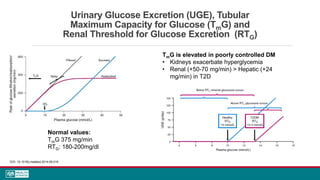
Urinary Glucose Excretion (UGE), Tubular
Maximum Capacity for Glucose (TmG) and
Renal Threshold for Glucose Excretion (RTG)
DOI: 10.1016/j.metabol.2014.06.018
TmG is elevated in poorly controlled DM
• Kidneys exacerbate hyperglycemia
• Renal (+50-70 mg/min) > Hepatic (+24
mg/min) in T2D
Normal values:
TmG 375 mg/min
RTG: 180-200mg/dl
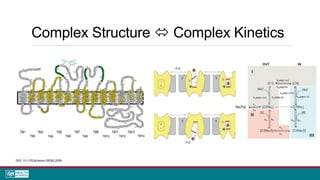
Complex Structure  Complex Kinetics
DOI: 10.1152/physrev.00055.2009
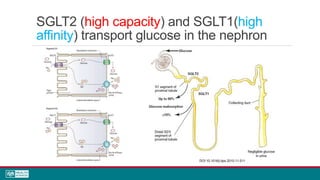
DOI:10.1016/j.tips.2010.11.011
SGLT2 (high capacity) and SGLT1(high
affinity) transport glucose in the nephron
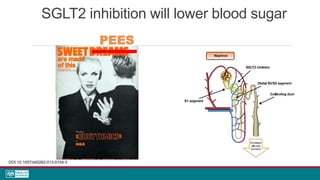
SGLT2 inhibition will lower blood sugar
DOI 10.1007/s40262-013-0104-3
PEES
Rationale for SGLT2
inhibition in (diabetic)
kidney diseases and
basic pharmacology
OF SUGAR, PEE AND DRUGS
Take home points for this section
1. Hyperfiltration initiates diabetic kidney disease and is mediated by SGLT2
2. Abnormalities in Tubulo-Glomerular Feedback (TGF) in experimental diabetic kidney
disease (DKD) may be ameliorated by SGLT2i
3. There are pharmacokinetic and off target differences among SGLT2is whose
significance is small
4. We should be paying more attention to the proximal tubule
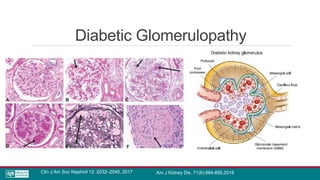
Diabetic Glomerulopathy
Clin J Am Soc Nephrol 12: 2032–2045, 2017 Am J Kidney Dis. 71(6):884-895,2018
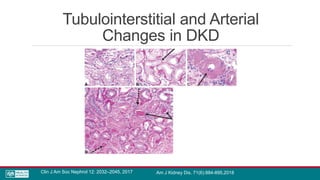
Tubulointerstitial and Arterial
Changes in DKD
Clin J Am Soc Nephrol 12: 2032–2045, 2017 Am J Kidney Dis. 71(6):884-895,2018
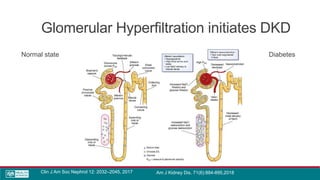
Glomerular Hyperfiltration initiates DKD
Normal state Diabetes
Clin J Am Soc Nephrol 12: 2032–2045, 2017 Am J Kidney Dis. 71(6):884-895,2018
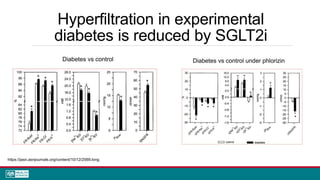
Hyperfiltration in experimental
diabetes is reduced by SGLT2i
SGLT2 and hyperfiltration in experimental diabetes
https://jasn.asnjournals.org/content/10/12/2569.long
Diabetes vs control Diabetes vs control under phlorizin
https://jasn.asnjournals.org/content/10/12/2569.long
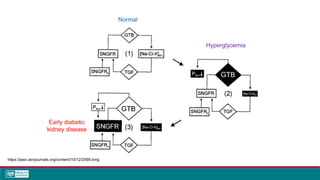
Normal
Hyperglycemia
Early diabetic
kidney disease
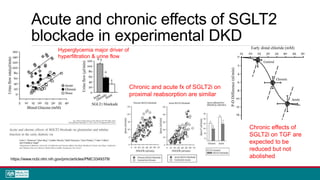
Acute and chronic effects of SGLT2
blockade in experimental DKD
https://www.ncbi.nlm.nih.gov/pmc/articles/PMC3349378/
Chronic and acute fx of SGLT2i on
proximal reabsorption are similar
Hyperglycemia major driver of
hyperfiltration & urine flow
Chronic effects of
SGLT2i on TGF are
expected to be
reduced but not
abolished
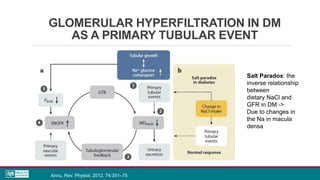
GLOMERULAR HYPERFILTRATION IN DM
AS A PRIMARY TUBULAR EVENT
Annu. Rev. Physiol. 2012. 74:351–75
Salt Paradox: the
inverse relationship
between
dietary NaCl and
GFR in DM ->
Due to changes in
the Na in macula
densa
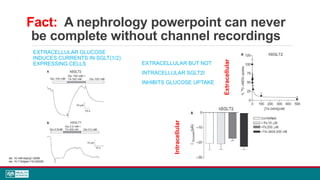
Fact: A nephrology powerpoint can never
be complete without channel recordings
EXTRACELLULAR GLUCOSE
INDUCES CURRENTS IN SGLT(1/2)
EXPRESSING CELLS EXTRACELLULAR BUT NOT
INTRACELLULAR SGLT2I
INHIBITS GLUCOSE UPTAKE
Extracellular
Intracellular
doi: 10.14814/phy2.12058
doi: 10.1124/jpet.116.232025
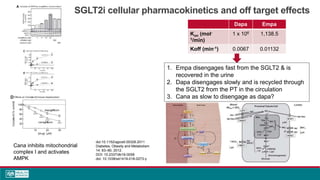
SGLT2i cellular pharmacokinetics and off target effects
Dapa Empa
Kon (mol-
1/min)
1 x 10⁶ 1,138.5
Koff (min-1) 0.0067 0.01132
Cana inhibits mitochondrial
complex I and activates
AMPK
doi:10.1152/ajpcell.00328.2011
Diabetes, Obesity and Metabolism
14: 83–90, 2012.
DOI: 10.2337/db16-0058
doi: 10.1038/s41419-018-0273-y
1. Empa disengages fast from the SGLT2 & is
recovered in the urine
2. Dapa disengages slowly and is recycled through
the SGLT2 from the PT in the circulation
3. Cana as slow to disengage as dapa?
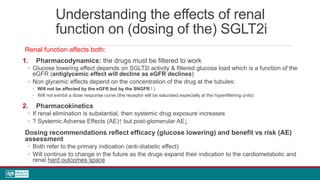
Understanding the effects of renal
function on (dosing of the) SGLT2i
Renal function affects both:
1. Pharmacodynamics: the drugs must be filtered to work
◦ Glucose lowering effect depends on SGLT2i activity & filtered glucose load which is a function of the
eGFR (antiglycemic effect will decline as eGFR declines)
◦ Non glycemic effects depend on the concentration of the drug at the tubules:
◦ Will not be affected by the eGFR but by the SNGFR ! )
◦ Will not exhibit a dose response curve (the receptor will be saturated especially at the hyperfiltering units)
2. Pharmacokinetics
◦ If renal elimination is substantial, then systemic drug exposure increases
◦ ? Systemic Adverse Effects (AE)↑ but post-glomerular AE↓
Dosing recommendations reflect efficacy (glucose lowering) and benefit vs risk (AE)
assessment
◦ Both refer to the primary indication (anti-diabetic effect)
◦ Will continue to change in the future as the drugs expand their indication to the cardiometabolic and
renal hard outcomes space
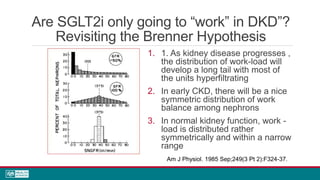
Are SGLT2i only going to “work” in DKD”?
Revisiting the Brenner Hypothesis
1. 1. As kidney disease progresses ,
the distribution of work-load will
develop a long tail with most of
the units hyperfiltrating
2. In early CKD, there will be a nice
symmetric distribution of work
balance among nephrons
3. In normal kidney function, work -
load is distributed rather
symmetrically and within a narrow
range
Am J Physiol. 1985 Sep;249(3 Pt 2):F324-37.
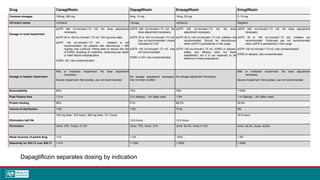
Drug Canagliflozin Dapagliflozin Empagliflozin Ertugliflozin
Common dosages 100mg, 300 mg 5mg, 10 mg 10mg, 25 mg 5, 15 mg
US brand names Invokana Farxiga Jardiance Steglatro
Dosage in renal impairment
eGFR ≥60 mL/minute/1.73 m2: No dose adjustment
necessary.
eGFR 30 to <60 mL/minute/1.73 m2: 100 mg once daily.
eGFR <30 mL/minute/1.73 m2: : initiation is not
recommended, but patients with albuminuria > 300
mg/day may continue 100mg daily to reduce the risk
of ESRD, doubling of creatinine, cardiovascular death
or heart failure hospitalization
ESRD, HD: Use contraindicated.
eGFR ≥45 mL/minute/1.73 m2: No
dose adjustment necessary.
eGFR 30 to <45 mL/minute/1.73 m2:
Use not recommended, unless
indicated for CHF
eGFR <30 mL/minute/1.73 m2: Use
not recommended
ESRD or HD: Use contraindicated.
eGFR ≥45 mL/minute/1.73 m2: No dose
adjustment necessary.
eGFR 30 to <45 mL/minute/1.73 m2: initiation not
recommended. Should be discontinued
when eGFR is persistently in this range
eGFR <30 mL/minute/1.73 m2, ESRD or dialysis:
safety and efficacy have not been
established, but it is not expected to be
effective in these populations
eGFR ≥60 mL/minute/1.73 m2: No dose adjustment
necessary.
eGFR 30 to <60 mL/minute/1.73 m2: Initiation not
recommended. Continued use not recommended
when eGFR is persistently in this range
eGFR <30 mL/minute/1.73 m2: Use contraindicated.
ESRD or dialysis: Use contraindicated.
Dosage in hepatic impairment
Mild or moderate impairment: No dose adjustment
necessary.
Severe impairment: Not studied, use not recommended
No dosage adjustment necessary,
has not been studied.
No dosage adjustment necessary
Mild or moderate impairment: No dose adjustment
necessary.
Severe impairment: Not studied, use not recommended
Bioavailability 65% 72% 78% ~100%
Peak Plasma time 1-2 hr 2 hr (fasting) – 3hr (fatty meal) 1.5hr 1 hr (fasting) – 2hr (after meal)
Protein binding 99% 91% 86.2% 93.6%
Volume of distribution 119L 118L 73.8L 85L
Elimination half life
100 mg dose: 10.6 hours, 300 mg dose: 13.1 hours
12.9 hours 12.4 hours
16.6 hours
Elimination Urine: 33%, Feces: 41.5% Urine: 75%, feces: 21% Urine: 54.4%, feces:41.2% Urine: 50.2%, feces: 40.9%.
Renal recovery of parent drug <1% < 2% ~20% 1.5%
Selectivity for SGLT2 over SGLT1 1:414 1:1200 1:2500 1:2000
Dapagliflozin separates dosing by indication
Clinical Outcomes and
Safety of SGLT2i across
the spectrum of
cardiorenal disease
SHOW ME THE DATA
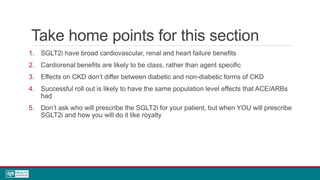
Take home points for this section
1. SGLT2i have broad cardiovascular, renal and heart failure benefits
2. Cardiorenal benefits are likely to be class, rather than agent specific
3. Effects on CKD don’t differ between diabetic and non-diabetic forms of CKD
4. Successful roll out is likely to have the same population level effects that ACE/ARBs
had
5. Don’t ask who will prescribe the SGLT2i for your patient, but when YOU will prescribe
SGLT2i and how you will do it like royalty
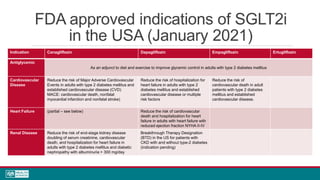
FDA approved indications of SGLT2i
in the USA (January 2021)
Indication Canagliflozin Dapagliflozin Empagliflozin Ertugliflozin
Antiglycemic
As an adjunct to diet and exercise to improve glycemic control in adults with type 2 diabetes mellitus
Cardiovascular
Disease
Reduce the risk of Major Adverse Cardiovascular
Events in adults with type 2 diabetes mellitus and
established cardiovascular disease (CVD)
MACE: cardiovascular death, nonfatal
myocardial infarction and nonfatal stroke)
Reduce the risk of hospitalization for
heart failure in adults with type 2
diabetes mellitus and established
cardiovascular disease or multiple
risk factors
Reduce the risk of
cardiovascular death in adult
patients with type 2 diabetes
mellitus and established
cardiovascular disease.
Heart Failure (partial – see below) Reduce the risk of cardiovascular
death and hospitalization for heart
failure in adults with heart failure with
reduced ejection fraction NYHA II-IV
Renal Disease Reduce the risk of end-stage kidney disease
doubling of serum creatinine, cardiovascular
death, and hospitalization for heart failure in
adults with type 2 diabetes mellitus and diabetic
nephropathy with albuminuria ˃ 300 mg/day
Breakthrough Therapy Designation
(BTD) in the US for patients with
CKD with and without type-2 diabetes
(indication pending)
Current evidence supporting the FDA
approved label of SGLT2i
Cardiovascular safety trials (done to establish the safety of SGLT2i as antiglycemics)
EMPA-REG Outcome (empagliflozin), CANVAS/CANVAS-R (canagliflozin), DECLARE-TIMI-58
(dapagliflozin), VERTIS-CV (ertugliflozin)
Heart Failure Trials:
DAPA-HF (dapagliflozin), EMPEROR-REDUCED (empagliflozin)
Chronic Kidney Disease Trials:
CREDENCE (canagliflozin), DAPA-CKD (diabetic and non-diabetic CKD), EMPA-KIDNEY (still
ongoing)
https://onlinelibrary.wiley.com/doi/epdf/10.1002/clc.23508
https://bitbucket.org/chrisarg/sglt2imetanalysis/
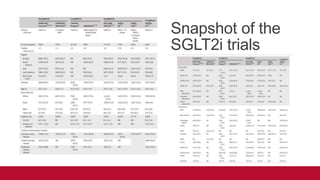
Snapshot of the
SGLT2i trials
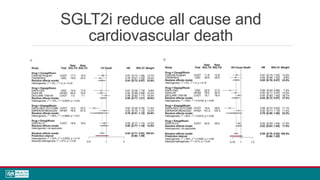
SGLT2i reduce all cause and
cardiovascular death
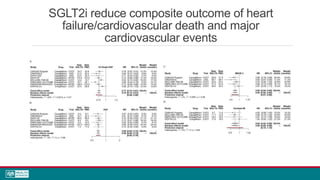
SGLT2i reduce composite outcome of heart
failure/cardiovascular death and major
cardiovascular events
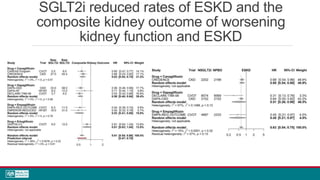
SGLT2i reduced rates of ESKD and the
composite kidney outcome of worsening
kidney function and ESKD
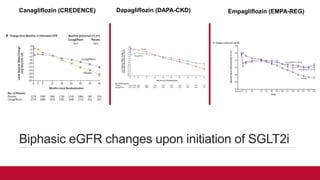
Biphasic eGFR changes upon initiation of SGLT2i
Canagliflozin (CREDENCE) Dapagliflozin (DAPA-CKD) Empagliflozin (EMPA-REG)
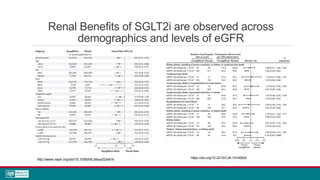
Renal Benefits of SGLT2i are observed across
demographics and levels of eGFR
https://doi.org/10.2215/CJN.10140620
http://www.nejm.org/doi/10.1056/NEJMoa2024816
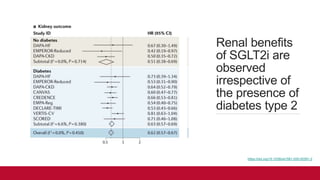
Renal benefits
of SGLT2i are
observed
irrespective of
the presence of
diabetes type 2
https://doi.org/10.1038/s41581-020-00391-2
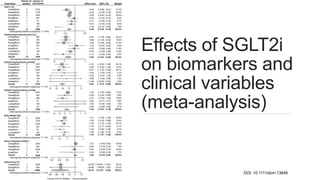
Effects of SGLT2i
on biomarkers and
clinical variables
(meta-analysis)
DOI: 10.1111/dom.13648
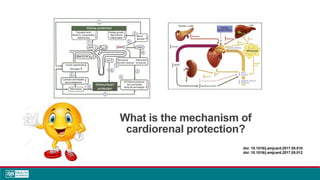
What is the mechanism of
cardiorenal protection?
doi: 10.1016/j.amjcard.2017.05.010
doi: 10.1016/j.amjcard.2017.05.012
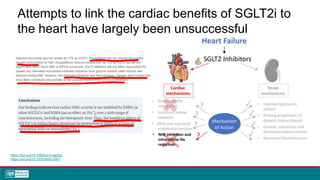
Attempts to link the cardiac benefits of SGLT2i to
the heart have largely been unsuccessful
https://doi.org/10.1093/cvr/cvaa323
https://doi.org/10.2337/db20-0921
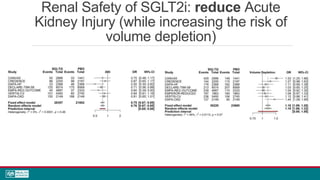
Renal Safety of SGLT2i: reduce Acute
Kidney Injury (while increasing the risk of
volume depletion)
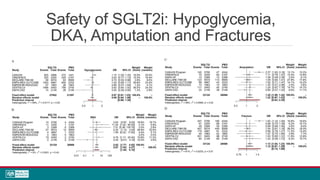
Safety of SGLT2i: Hypoglycemia,
DKA, Amputation and Fractures
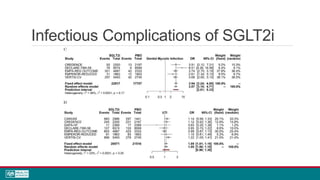
Infectious Complications of SGLT2i
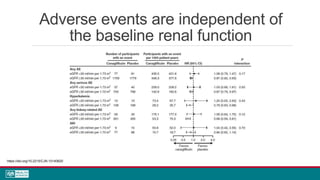
Adverse events are independent of
the baseline renal function
https://doi.org/10.2215/CJN.10140620
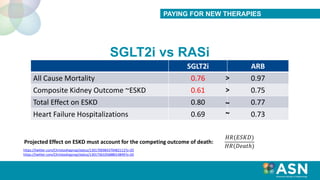
SGLT2i vs RASi
PAYING FOR NEW THERAPIES
SGLT2i ARB
All Cause Mortality 0.76 0.97
Composite Kidney Outcome ~ESKD 0.61 0.75
Total Effect on ESKD 0.80 0.77
Heart Failure Hospitalizations 0.69 0.73
Projected Effect on ESKD must account for the competing outcome of death:
𝐻𝑅(𝐸𝑆𝐾𝐷)
𝐻𝑅(𝐷𝑒𝑎𝑡ℎ)
>
>
~
~
https://twitter.com/ChristosArgyrop/status/1301706984379482113?s=20
https://twitter.com/ChristosArgyrop/status/1301736105688014849?s=20
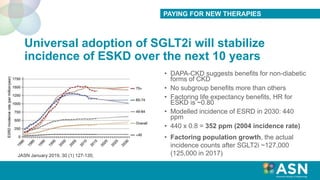
Universal adoption of SGLT2i will stabilize
incidence of ESKD over the next 10 years
• DAPA-CKD suggests benefits for non-diabetic
forms of CKD
• No subgroup benefits more than others
• Factoring life expectancy benefits, HR for
ESKD is ~0.80
• Modelled incidence of ESRD in 2030: 440
ppm
• 440 x 0.8 = 352 ppm (2004 incidence rate)
• Factoring population growth, the actual
incidence counts after SGLT2i ~127,000
(125,000 in 2017)
PAYING FOR NEW THERAPIES
JASN January 2019, 30 (1) 127-135;
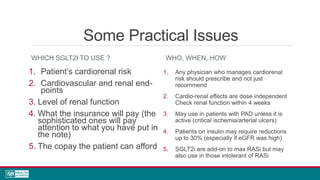
Some Practical Issues
WHICH SGLT2I TO USE ?
1. Patient’s cardiorenal risk
2. Cardiovascular and renal end-
points
3. Level of renal function
4. What the insurance will pay (the
sophisticated ones will pay
attention to what you have put in
the note)
5. The copay the patient can afford
WHO, WHEN, HOW
1. Any physician who manages cardiorenal
risk should prescribe and not just
recommend
2. Cardio-renal effects are dose independent
Check renal function within 4 weeks
3. May use in patients with PAD unless it is
active (critical ischemia/arterial ulcers)
4. Patients on insulin may require reductions
up to 30% (especially if eGFR was high)
5. SGLT2i are add-on to max RASi but may
also use in those intolerant of RASi
Defending SGLT2i
in the chart
https://docs.google.com/document/d/1l1FyXHPCv
BJdcCnyJg-NGtElwlAfQ6fgL0jQdosflSs/edit
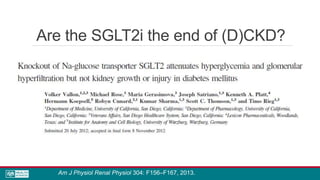
Are the SGLT2i the end of (D)CKD?
Am J Physiol Renal Physiol 304: F156–F167, 2013.
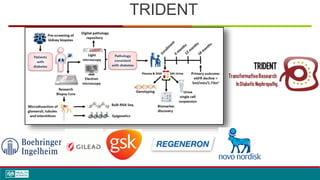
TRIDENT
Thank you for your attention!

Sglt2 across the_spectrum_of_kidney_diseases

  • 1.
    Sodium Glucose Cotransporter TwoInhibitors (SGLT2i) Across the Spectrum of Renal Diseases CHRISTOS ARGYROPOULOS MD, MS, PHD, FASN DIVISION CHIEF, NEPHROLOGY, DEPARTMENT OF INTERNAL MEDICINE UNIVERSITY OF NEW MEXICO HEALTH SCIENCES
  • 2.
    Disclosures Consulting: Health ServicesAdvisory Group, Baxter Corporation, Bayer Site investigator: Akebia, Amgen Research support: Dialysis Clinic Inc
  • 3.
    Learning Objectives 1. RenalGlucose handling and the role of the SGLT2 channel 2. Basic Pharmacology and Rationale for SGLT2 inhibition in (diabetic) kidney diseases 3. Clinical Outcomes and Safety of SGLT2i across the spectrum of cardiorenal disease
  • 4.
    Renal Glucose handling andthe role of the SGLT2 channel ALWAYS START WITH THE BASICS …
  • 5.
    Take home pointsfor this section 1. The kidneys play an important role in carbohydrate homeostasis through the SGLT2 channel 2. This role is ultimately linked to the regulation of the prevailing level of renal function 3. One can target the kidney to develop anti-glycemic drugs that are efficacious
  • 6.
    Role of thekidney in glucose homeostasis 1. Gluconeogenesis (cortex) mainly for utilization in the medulla ◦ Fasting post-absorptive state: ◦ 20-25% of the glucose released into the circulation is derived from the kidneys (12-55g) ◦ Kidneys use about 10% of the entire glucose pool (25-35g) ◦ Post-prandial state (4-5 hours after a meal): ◦ Kidneys responsible for 60% of endogenous glucose release (70g) ◦ Renal release of glucose x30% in pts with T2D 2. Reabsorption of filtered glucose by the proximal tubule ◦ GFR of 125 ml/min x 90-100 mg/dL = 160-180g filtered ◦ Nearly all of it is reabsorbed ◦ Primary renal contribution to glucose homeostasis DOI: 10.1152/ajpendo.00116.2001 DOI: 10.1113/JP271904 DOI: 10.1016/j.diabres.2017.07.033 DOI: 10.1152/physrev.00055.2009 DOI:10.1016/j.tips.2010.11.011 DOI: 10.1016/j.metabol.2014.06.018
  • 7.
    Urinary Glucose Excretion(UGE), Tubular Maximum Capacity for Glucose (TmG) and Renal Threshold for Glucose Excretion (RTG) DOI: 10.1016/j.metabol.2014.06.018 TmG is elevated in poorly controlled DM • Kidneys exacerbate hyperglycemia • Renal (+50-70 mg/min) > Hepatic (+24 mg/min) in T2D Normal values: TmG 375 mg/min RTG: 180-200mg/dl
  • 8.
    Complex Structure Complex Kinetics DOI: 10.1152/physrev.00055.2009
  • 9.
    DOI:10.1016/j.tips.2010.11.011 SGLT2 (high capacity)and SGLT1(high affinity) transport glucose in the nephron
  • 10.
    SGLT2 inhibition willlower blood sugar DOI 10.1007/s40262-013-0104-3 PEES
  • 11.
    Rationale for SGLT2 inhibitionin (diabetic) kidney diseases and basic pharmacology OF SUGAR, PEE AND DRUGS
  • 12.
    Take home pointsfor this section 1. Hyperfiltration initiates diabetic kidney disease and is mediated by SGLT2 2. Abnormalities in Tubulo-Glomerular Feedback (TGF) in experimental diabetic kidney disease (DKD) may be ameliorated by SGLT2i 3. There are pharmacokinetic and off target differences among SGLT2is whose significance is small 4. We should be paying more attention to the proximal tubule
  • 13.
    Diabetic Glomerulopathy Clin JAm Soc Nephrol 12: 2032–2045, 2017 Am J Kidney Dis. 71(6):884-895,2018
  • 14.
    Tubulointerstitial and Arterial Changesin DKD Clin J Am Soc Nephrol 12: 2032–2045, 2017 Am J Kidney Dis. 71(6):884-895,2018
  • 15.
    Glomerular Hyperfiltration initiatesDKD Normal state Diabetes Clin J Am Soc Nephrol 12: 2032–2045, 2017 Am J Kidney Dis. 71(6):884-895,2018
  • 16.
    Hyperfiltration in experimental diabetesis reduced by SGLT2i SGLT2 and hyperfiltration in experimental diabetes https://jasn.asnjournals.org/content/10/12/2569.long Diabetes vs control Diabetes vs control under phlorizin
  • 17.
  • 18.
    Acute and chroniceffects of SGLT2 blockade in experimental DKD https://www.ncbi.nlm.nih.gov/pmc/articles/PMC3349378/ Chronic and acute fx of SGLT2i on proximal reabsorption are similar Hyperglycemia major driver of hyperfiltration & urine flow Chronic effects of SGLT2i on TGF are expected to be reduced but not abolished
  • 19.
    GLOMERULAR HYPERFILTRATION INDM AS A PRIMARY TUBULAR EVENT Annu. Rev. Physiol. 2012. 74:351–75 Salt Paradox: the inverse relationship between dietary NaCl and GFR in DM -> Due to changes in the Na in macula densa
  • 20.
    Fact: A nephrologypowerpoint can never be complete without channel recordings EXTRACELLULAR GLUCOSE INDUCES CURRENTS IN SGLT(1/2) EXPRESSING CELLS EXTRACELLULAR BUT NOT INTRACELLULAR SGLT2I INHIBITS GLUCOSE UPTAKE Extracellular Intracellular doi: 10.14814/phy2.12058 doi: 10.1124/jpet.116.232025
  • 21.
    SGLT2i cellular pharmacokineticsand off target effects Dapa Empa Kon (mol- 1/min) 1 x 10⁶ 1,138.5 Koff (min-1) 0.0067 0.01132 Cana inhibits mitochondrial complex I and activates AMPK doi:10.1152/ajpcell.00328.2011 Diabetes, Obesity and Metabolism 14: 83–90, 2012. DOI: 10.2337/db16-0058 doi: 10.1038/s41419-018-0273-y 1. Empa disengages fast from the SGLT2 & is recovered in the urine 2. Dapa disengages slowly and is recycled through the SGLT2 from the PT in the circulation 3. Cana as slow to disengage as dapa?
  • 22.
    Understanding the effectsof renal function on (dosing of the) SGLT2i Renal function affects both: 1. Pharmacodynamics: the drugs must be filtered to work ◦ Glucose lowering effect depends on SGLT2i activity & filtered glucose load which is a function of the eGFR (antiglycemic effect will decline as eGFR declines) ◦ Non glycemic effects depend on the concentration of the drug at the tubules: ◦ Will not be affected by the eGFR but by the SNGFR ! ) ◦ Will not exhibit a dose response curve (the receptor will be saturated especially at the hyperfiltering units) 2. Pharmacokinetics ◦ If renal elimination is substantial, then systemic drug exposure increases ◦ ? Systemic Adverse Effects (AE)↑ but post-glomerular AE↓ Dosing recommendations reflect efficacy (glucose lowering) and benefit vs risk (AE) assessment ◦ Both refer to the primary indication (anti-diabetic effect) ◦ Will continue to change in the future as the drugs expand their indication to the cardiometabolic and renal hard outcomes space
  • 23.
    Are SGLT2i onlygoing to “work” in DKD”? Revisiting the Brenner Hypothesis 1. 1. As kidney disease progresses , the distribution of work-load will develop a long tail with most of the units hyperfiltrating 2. In early CKD, there will be a nice symmetric distribution of work balance among nephrons 3. In normal kidney function, work - load is distributed rather symmetrically and within a narrow range Am J Physiol. 1985 Sep;249(3 Pt 2):F324-37.
  • 24.
    Drug Canagliflozin DapagliflozinEmpagliflozin Ertugliflozin Common dosages 100mg, 300 mg 5mg, 10 mg 10mg, 25 mg 5, 15 mg US brand names Invokana Farxiga Jardiance Steglatro Dosage in renal impairment eGFR ≥60 mL/minute/1.73 m2: No dose adjustment necessary. eGFR 30 to <60 mL/minute/1.73 m2: 100 mg once daily. eGFR <30 mL/minute/1.73 m2: : initiation is not recommended, but patients with albuminuria > 300 mg/day may continue 100mg daily to reduce the risk of ESRD, doubling of creatinine, cardiovascular death or heart failure hospitalization ESRD, HD: Use contraindicated. eGFR ≥45 mL/minute/1.73 m2: No dose adjustment necessary. eGFR 30 to <45 mL/minute/1.73 m2: Use not recommended, unless indicated for CHF eGFR <30 mL/minute/1.73 m2: Use not recommended ESRD or HD: Use contraindicated. eGFR ≥45 mL/minute/1.73 m2: No dose adjustment necessary. eGFR 30 to <45 mL/minute/1.73 m2: initiation not recommended. Should be discontinued when eGFR is persistently in this range eGFR <30 mL/minute/1.73 m2, ESRD or dialysis: safety and efficacy have not been established, but it is not expected to be effective in these populations eGFR ≥60 mL/minute/1.73 m2: No dose adjustment necessary. eGFR 30 to <60 mL/minute/1.73 m2: Initiation not recommended. Continued use not recommended when eGFR is persistently in this range eGFR <30 mL/minute/1.73 m2: Use contraindicated. ESRD or dialysis: Use contraindicated. Dosage in hepatic impairment Mild or moderate impairment: No dose adjustment necessary. Severe impairment: Not studied, use not recommended No dosage adjustment necessary, has not been studied. No dosage adjustment necessary Mild or moderate impairment: No dose adjustment necessary. Severe impairment: Not studied, use not recommended Bioavailability 65% 72% 78% ~100% Peak Plasma time 1-2 hr 2 hr (fasting) – 3hr (fatty meal) 1.5hr 1 hr (fasting) – 2hr (after meal) Protein binding 99% 91% 86.2% 93.6% Volume of distribution 119L 118L 73.8L 85L Elimination half life 100 mg dose: 10.6 hours, 300 mg dose: 13.1 hours 12.9 hours 12.4 hours 16.6 hours Elimination Urine: 33%, Feces: 41.5% Urine: 75%, feces: 21% Urine: 54.4%, feces:41.2% Urine: 50.2%, feces: 40.9%. Renal recovery of parent drug <1% < 2% ~20% 1.5% Selectivity for SGLT2 over SGLT1 1:414 1:1200 1:2500 1:2000 Dapagliflozin separates dosing by indication
  • 25.
    Clinical Outcomes and Safetyof SGLT2i across the spectrum of cardiorenal disease SHOW ME THE DATA
  • 26.
    Take home pointsfor this section 1. SGLT2i have broad cardiovascular, renal and heart failure benefits 2. Cardiorenal benefits are likely to be class, rather than agent specific 3. Effects on CKD don’t differ between diabetic and non-diabetic forms of CKD 4. Successful roll out is likely to have the same population level effects that ACE/ARBs had 5. Don’t ask who will prescribe the SGLT2i for your patient, but when YOU will prescribe SGLT2i and how you will do it like royalty
  • 27.
    FDA approved indicationsof SGLT2i in the USA (January 2021) Indication Canagliflozin Dapagliflozin Empagliflozin Ertugliflozin Antiglycemic As an adjunct to diet and exercise to improve glycemic control in adults with type 2 diabetes mellitus Cardiovascular Disease Reduce the risk of Major Adverse Cardiovascular Events in adults with type 2 diabetes mellitus and established cardiovascular disease (CVD) MACE: cardiovascular death, nonfatal myocardial infarction and nonfatal stroke) Reduce the risk of hospitalization for heart failure in adults with type 2 diabetes mellitus and established cardiovascular disease or multiple risk factors Reduce the risk of cardiovascular death in adult patients with type 2 diabetes mellitus and established cardiovascular disease. Heart Failure (partial – see below) Reduce the risk of cardiovascular death and hospitalization for heart failure in adults with heart failure with reduced ejection fraction NYHA II-IV Renal Disease Reduce the risk of end-stage kidney disease doubling of serum creatinine, cardiovascular death, and hospitalization for heart failure in adults with type 2 diabetes mellitus and diabetic nephropathy with albuminuria ˃ 300 mg/day Breakthrough Therapy Designation (BTD) in the US for patients with CKD with and without type-2 diabetes (indication pending)
  • 28.
    Current evidence supportingthe FDA approved label of SGLT2i Cardiovascular safety trials (done to establish the safety of SGLT2i as antiglycemics) EMPA-REG Outcome (empagliflozin), CANVAS/CANVAS-R (canagliflozin), DECLARE-TIMI-58 (dapagliflozin), VERTIS-CV (ertugliflozin) Heart Failure Trials: DAPA-HF (dapagliflozin), EMPEROR-REDUCED (empagliflozin) Chronic Kidney Disease Trials: CREDENCE (canagliflozin), DAPA-CKD (diabetic and non-diabetic CKD), EMPA-KIDNEY (still ongoing)
  • 29.
  • 30.
  • 31.
    SGLT2i reduce allcause and cardiovascular death
  • 32.
    SGLT2i reduce compositeoutcome of heart failure/cardiovascular death and major cardiovascular events
  • 33.
    SGLT2i reduced ratesof ESKD and the composite kidney outcome of worsening kidney function and ESKD
  • 34.
    Biphasic eGFR changesupon initiation of SGLT2i Canagliflozin (CREDENCE) Dapagliflozin (DAPA-CKD) Empagliflozin (EMPA-REG)
  • 35.
    Renal Benefits ofSGLT2i are observed across demographics and levels of eGFR https://doi.org/10.2215/CJN.10140620 http://www.nejm.org/doi/10.1056/NEJMoa2024816
  • 36.
    Renal benefits of SGLT2iare observed irrespective of the presence of diabetes type 2 https://doi.org/10.1038/s41581-020-00391-2
  • 37.
    Effects of SGLT2i onbiomarkers and clinical variables (meta-analysis) DOI: 10.1111/dom.13648
  • 38.
    What is themechanism of cardiorenal protection? doi: 10.1016/j.amjcard.2017.05.010 doi: 10.1016/j.amjcard.2017.05.012
  • 39.
    Attempts to linkthe cardiac benefits of SGLT2i to the heart have largely been unsuccessful https://doi.org/10.1093/cvr/cvaa323 https://doi.org/10.2337/db20-0921
  • 40.
    Renal Safety ofSGLT2i: reduce Acute Kidney Injury (while increasing the risk of volume depletion)
  • 41.
    Safety of SGLT2i:Hypoglycemia, DKA, Amputation and Fractures
  • 42.
  • 43.
    Adverse events areindependent of the baseline renal function https://doi.org/10.2215/CJN.10140620
  • 44.
    SGLT2i vs RASi PAYINGFOR NEW THERAPIES SGLT2i ARB All Cause Mortality 0.76 0.97 Composite Kidney Outcome ~ESKD 0.61 0.75 Total Effect on ESKD 0.80 0.77 Heart Failure Hospitalizations 0.69 0.73 Projected Effect on ESKD must account for the competing outcome of death: 𝐻𝑅(𝐸𝑆𝐾𝐷) 𝐻𝑅(𝐷𝑒𝑎𝑡ℎ) > > ~ ~ https://twitter.com/ChristosArgyrop/status/1301706984379482113?s=20 https://twitter.com/ChristosArgyrop/status/1301736105688014849?s=20
  • 45.
    Universal adoption ofSGLT2i will stabilize incidence of ESKD over the next 10 years • DAPA-CKD suggests benefits for non-diabetic forms of CKD • No subgroup benefits more than others • Factoring life expectancy benefits, HR for ESKD is ~0.80 • Modelled incidence of ESRD in 2030: 440 ppm • 440 x 0.8 = 352 ppm (2004 incidence rate) • Factoring population growth, the actual incidence counts after SGLT2i ~127,000 (125,000 in 2017) PAYING FOR NEW THERAPIES JASN January 2019, 30 (1) 127-135;
  • 46.
    Some Practical Issues WHICHSGLT2I TO USE ? 1. Patient’s cardiorenal risk 2. Cardiovascular and renal end- points 3. Level of renal function 4. What the insurance will pay (the sophisticated ones will pay attention to what you have put in the note) 5. The copay the patient can afford WHO, WHEN, HOW 1. Any physician who manages cardiorenal risk should prescribe and not just recommend 2. Cardio-renal effects are dose independent Check renal function within 4 weeks 3. May use in patients with PAD unless it is active (critical ischemia/arterial ulcers) 4. Patients on insulin may require reductions up to 30% (especially if eGFR was high) 5. SGLT2i are add-on to max RASi but may also use in those intolerant of RASi
  • 47.
    Defending SGLT2i in thechart https://docs.google.com/document/d/1l1FyXHPCv BJdcCnyJg-NGtElwlAfQ6fgL0jQdosflSs/edit
  • 48.
    Are the SGLT2ithe end of (D)CKD? Am J Physiol Renal Physiol 304: F156–F167, 2013.
  • 49.
  • 50.
    Thank you foryour attention!

Editor's Notes

  • #17 Changes in glomerularhistology indiabetic glomerulopathy (A)Normal glomerulus. (B)Diffuse mesangial Expansion with mesangial cell proliferation. (C) Prominent mesangial expansion with early nodularity and mesangiolysis. (D) Accumulation of mesangial matrix forming Kimmelstiel–Wilson nodules. (E) Dilation of capillaries forming microaneurysms, with subintimal hyaline (plasmatic insudation) (F) Glomerulosclerosis
  • #18 Tubulointerstitial changes in diabetic kidney disease. (A) Normal renal cortex. (B) Thickened tubular basement membranes and interstitial widening. (C) Arteriole with an intimal accumulation of hyaline material with significant luminal compromise. (D) Renal tubules and interstitium in advancing diabetic kidney disease , with thickening And wrinkled tubular basement membranes (solid arrows), atrophic tubules (dashed arrow), some containing casts, and interstitial widening with fibrosis and inflammatory cells (dotted arrow).
  • #22 . Proposed role of tubular reabsorption in glomerular hyperfiltration in diabetes mellitus. As illustrated in (1), the tubuloglomerular feedback (TGF) refers to the inverse dependency of SNGFR on the luminal Na1, Cl2, and K1 concentration at the macula densa (MD). The glomerulotubular balance (GTB) refers to the flow dependence of tubular reabsorption upstream to the macula densa. SNGFR0 is the input to SNGFR independent of TGF. A primary increase in fractional tubular reabsorption (GTB) in diabetes mellitus elicits a reduction in the TGF signal at the macula densa (2), which increases SNGFR (3). The increase in fractional tubular reabsorption may in addition reduce the hydrostatic pressure in Bowman space (PBow) (2). By increasing the effective filtration pressure, the latter changes may also increase SNGFR, although probably to a minor degree (3). The resulting increase in SNGFR serves to partly restore the fluid and electrolyte load to the distal nephron (3). The concomitant prolonged glomerular hyperperfusion, however, could contribute to the development of diabetic glomerulosclerosis.