INTERPERSONAL THEORY
Harry Stack Sullivan
Overview


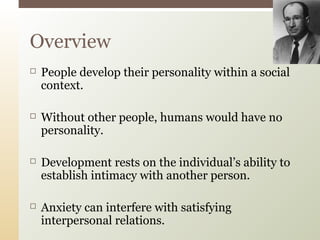
People develop their personality within a social
context.



Without other people, humans would have no
personality.



Development rests on the individual’s ability to
establish intimacy with another person.



Anxiety can interfere with satisfying
interpersonal relations.
Overview


Healthy development entails experiencing
intimacy and lust toward another same
person.
Harry Stack Sullivan










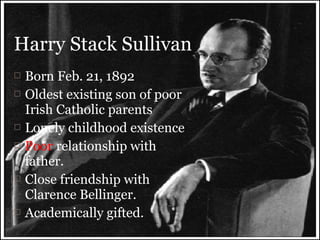
Born Feb. 21, 1892
Oldest existing son of poor
Irish Catholic parents
Lonely childhood existence
Poor relationship with
father.
Close friendship with
Clarence Bellinger.
Academically gifted.
Harry Stack Sullivan








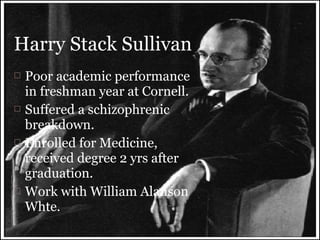
Poor academic performance
in freshman year at Cornell.
Suffered a schizophrenic
breakdown.
Enrolled for Medicine,
received degree 2 yrs after
graduation.
Work with William Alanson
Whte.
Harry Stack Sullivan









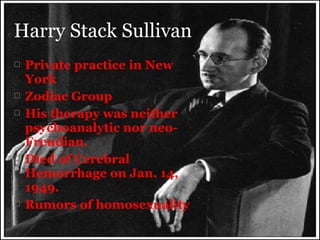
Private practice in New
York
Zodiac Group
His therapy was neither
psychoanalytic nor neoFreudian.
Died of Cerebral
Hemorrhage on Jan. 14,
1949.
Rumors of homosexuality
Personality


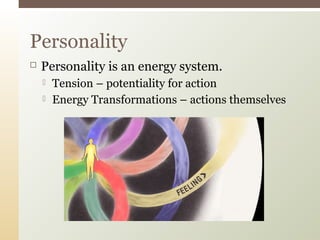
Personality is an energy system.



Tension – potentiality for action
Energy Transformations – actions themselves
Tension








Anxiety, premonitions,
drowsiness, hunger,
sexual excitement.
Not always on a
conscious level
Partial distortions of
reality
Two Types:
 Needs
 Anxiety
Needs





Tensions brought about by a biological
imbalance between the person and
environment.
Episodic
Biological component and interpersonal
relations.




Zonal Needs – arises from a specific body
part.
General Needs – over all well being of a
person.
Tenderness is a basic interpersonal need.
Anxiety





Disjunctive, diffuse and vague, call forth
no consistent action for relief.
Transferred through empathy.
Chief disruptive force blocking the
development of healthy interpersonal
relations.
 Prevents people from learning from
mistakes
 Persisting pursuance of childish wish
for security
 Ensures people will not learn from
experience.
 Its presence is worse than its absence.
Anxiety






Stems from complex interpersonal
relations.
Vaguely represented in awareness
No positive value
Blocks satisfaction of needs
Energy Transformations





Tensions transformed into either overt or covert
actions.
Behaviors that satisfy our needs and reduce anxiety.
May be observable or hidden from other people
(emotions, thoughts)
Energy Transformations







Tensions transformed into either overt or covert
actions.
Behaviors that satisfy our needs and reduce anxiety.
May be observable or hidden from other people
(emotions, thoughts)
Evolves into dynamisms
Dynamisms



Traits or habit patterns
Major Classes:
 Related to specific zones of the body
 Mouth, anus, genitals
 Those related to tensions
 Disjunctive (Malevolence)
 Isolating (Lust)
 Conjunctive (Intimacy and Self- System)
Malevolence










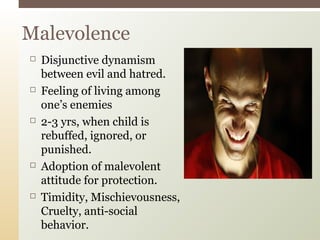
Disjunctive dynamism
between evil and hatred.
Feeling of living among
one’s enemies
2-3 yrs, when child is
rebuffed, ignored, or
punished.
Adoption of malevolent
attitude for protection.
Timidity, Mischievousness,
Cruelty, anti-social
behavior.
Lust







Assumes an isolating
tendency.
Auto-erotic behavior
Hinders an intimate
relationship.
Increases anxiety and
decreases self- worth.
Intimacy








Close interpersonal relationship between 2 people
of equal status.
Equal partnership
Integrating dynamism that draws out loving
reactions from people.
Decreases loneliness and anxiety
Rewarding experiences most healthy people desire.
Self- System
Most complex and inclusive of
all dynamisms.
 Consistent pattern of behavior
that
maintains
people’s
interpersonal
security
by
protecting them from anxiety.
 Principal
stumbling block to
favorable changes in personality.
 Security Operations

Security Operations



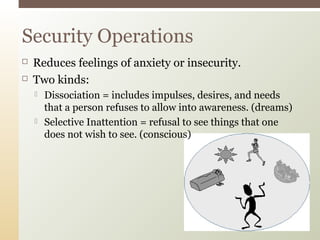
Reduces feelings of anxiety or insecurity.
Two kinds:




Dissociation = includes impulses, desires, and needs
that a person refuses to allow into awareness. (dreams)
Selective Inattention = refusal to see things that one
does not wish to see. (conscious)
Personifications


People’s images of themselves or others



Begins in infancy and continues throughout
development.




Bad mother – good mother
Me
Eidetic Personifications
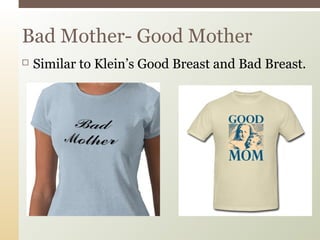
Bad Mother- Good Mother


Similar to Klein’s Good Breast and Bad Breast.
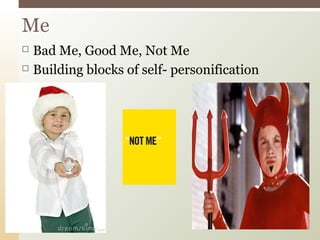
Me



Bad Me, Good Me, Not Me
Building blocks of self- personification
Eidetic Personifications



Imaginary Friends
Projection of traits to other people
Levels of Cognition


Refers to ways of perceiving, imagining, and
conceiving.



Prototaxic – undifferentiated experiences
which are highly personal.
Parataxic – communicated to others in a
distorted fashion.
Syntaxic – consensually validated and
symbolically communicated.




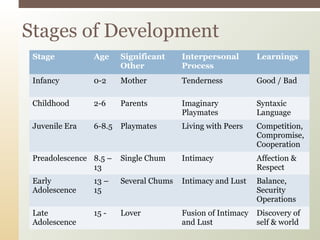
Stages of Development
Stage

Age

Significant
Other

Interpersonal
Process

Learnings

Infancy

0-2

Mother

Tenderness

Good / Bad

Childhood

2-6

Parents

Imaginary
Playmates

Syntaxic
Language

Juvenile Era

6-8.5

Playmates

Living with Peers

Competition,
Compromise,
Cooperation

Preadolescence 8.5 –
13

Single Chum

Intimacy

Affection &
Respect

Early
Adolescence

13 –
15

Several Chums

Intimacy and Lust

Balance,
Security
Operations

Late
Adolescence

15 -

Lover

Fusion of Intimacy
and Lust

Discovery of
self & world
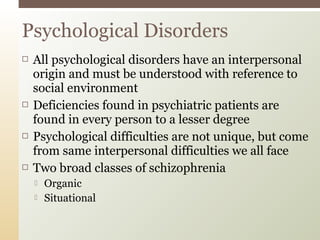
Psychological Disorders








All psychological disorders have an interpersonal
origin and must be understood with reference to
social environment
Deficiencies found in psychiatric patients are
found in every person to a lesser degree
Psychological difficulties are not unique, but come
from same interpersonal difficulties we all face
Two broad classes of schizophrenia



Organic
Situational
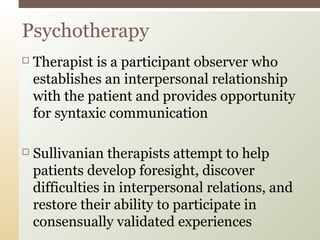
Psychotherapy


Therapist is a participant observer who
establishes an interpersonal relationship
with the patient and provides opportunity
for syntaxic communication



Sullivanian therapists attempt to help
patients develop foresight, discover
difficulties in interpersonal relations, and
restore their ability to participate in
consensually validated experiences

Sullivan's interpersonal theory

  • 1.
  • 2.
    Overview  People develop theirpersonality within a social context.  Without other people, humans would have no personality.  Development rests on the individual’s ability to establish intimacy with another person.  Anxiety can interfere with satisfying interpersonal relations.
  • 3.
    Overview  Healthy development entailsexperiencing intimacy and lust toward another same person.
  • 4.
    Harry Stack Sullivan       BornFeb. 21, 1892 Oldest existing son of poor Irish Catholic parents Lonely childhood existence Poor relationship with father. Close friendship with Clarence Bellinger. Academically gifted.
  • 5.
    Harry Stack Sullivan     Pooracademic performance in freshman year at Cornell. Suffered a schizophrenic breakdown. Enrolled for Medicine, received degree 2 yrs after graduation. Work with William Alanson Whte.
  • 6.
    Harry Stack Sullivan      Privatepractice in New York Zodiac Group His therapy was neither psychoanalytic nor neoFreudian. Died of Cerebral Hemorrhage on Jan. 14, 1949. Rumors of homosexuality
  • 7.
    Personality  Personality is anenergy system.   Tension – potentiality for action Energy Transformations – actions themselves
  • 8.
    Tension     Anxiety, premonitions, drowsiness, hunger, sexualexcitement. Not always on a conscious level Partial distortions of reality Two Types:  Needs  Anxiety
  • 9.
    Needs    Tensions brought aboutby a biological imbalance between the person and environment. Episodic Biological component and interpersonal relations.    Zonal Needs – arises from a specific body part. General Needs – over all well being of a person. Tenderness is a basic interpersonal need.
  • 10.
    Anxiety    Disjunctive, diffuse andvague, call forth no consistent action for relief. Transferred through empathy. Chief disruptive force blocking the development of healthy interpersonal relations.  Prevents people from learning from mistakes  Persisting pursuance of childish wish for security  Ensures people will not learn from experience.  Its presence is worse than its absence.
  • 11.
    Anxiety     Stems from complexinterpersonal relations. Vaguely represented in awareness No positive value Blocks satisfaction of needs
  • 12.
    Energy Transformations    Tensions transformedinto either overt or covert actions. Behaviors that satisfy our needs and reduce anxiety. May be observable or hidden from other people (emotions, thoughts)
  • 13.
    Energy Transformations     Tensions transformedinto either overt or covert actions. Behaviors that satisfy our needs and reduce anxiety. May be observable or hidden from other people (emotions, thoughts) Evolves into dynamisms
  • 14.
    Dynamisms   Traits or habitpatterns Major Classes:  Related to specific zones of the body  Mouth, anus, genitals  Those related to tensions  Disjunctive (Malevolence)  Isolating (Lust)  Conjunctive (Intimacy and Self- System)
  • 15.
    Malevolence      Disjunctive dynamism between eviland hatred. Feeling of living among one’s enemies 2-3 yrs, when child is rebuffed, ignored, or punished. Adoption of malevolent attitude for protection. Timidity, Mischievousness, Cruelty, anti-social behavior.
  • 16.
    Lust     Assumes an isolating tendency. Auto-eroticbehavior Hinders an intimate relationship. Increases anxiety and decreases self- worth.
  • 17.
    Intimacy      Close interpersonal relationshipbetween 2 people of equal status. Equal partnership Integrating dynamism that draws out loving reactions from people. Decreases loneliness and anxiety Rewarding experiences most healthy people desire.
  • 18.
    Self- System Most complexand inclusive of all dynamisms.  Consistent pattern of behavior that maintains people’s interpersonal security by protecting them from anxiety.  Principal stumbling block to favorable changes in personality.  Security Operations 
  • 19.
    Security Operations   Reduces feelingsof anxiety or insecurity. Two kinds:   Dissociation = includes impulses, desires, and needs that a person refuses to allow into awareness. (dreams) Selective Inattention = refusal to see things that one does not wish to see. (conscious)
  • 20.
    Personifications  People’s images ofthemselves or others  Begins in infancy and continues throughout development.    Bad mother – good mother Me Eidetic Personifications
  • 21.
    Bad Mother- GoodMother  Similar to Klein’s Good Breast and Bad Breast.
  • 22.
    Me   Bad Me, GoodMe, Not Me Building blocks of self- personification
  • 23.
  • 24.
    Levels of Cognition  Refersto ways of perceiving, imagining, and conceiving.  Prototaxic – undifferentiated experiences which are highly personal. Parataxic – communicated to others in a distorted fashion. Syntaxic – consensually validated and symbolically communicated.  
  • 25.
    Stages of Development Stage Age Significant Other Interpersonal Process Learnings Infancy 0-2 Mother Tenderness Good/ Bad Childhood 2-6 Parents Imaginary Playmates Syntaxic Language Juvenile Era 6-8.5 Playmates Living with Peers Competition, Compromise, Cooperation Preadolescence 8.5 – 13 Single Chum Intimacy Affection & Respect Early Adolescence 13 – 15 Several Chums Intimacy and Lust Balance, Security Operations Late Adolescence 15 - Lover Fusion of Intimacy and Lust Discovery of self & world
  • 26.
    Psychological Disorders     All psychologicaldisorders have an interpersonal origin and must be understood with reference to social environment Deficiencies found in psychiatric patients are found in every person to a lesser degree Psychological difficulties are not unique, but come from same interpersonal difficulties we all face Two broad classes of schizophrenia   Organic Situational
  • 27.
    Psychotherapy  Therapist is aparticipant observer who establishes an interpersonal relationship with the patient and provides opportunity for syntaxic communication  Sullivanian therapists attempt to help patients develop foresight, discover difficulties in interpersonal relations, and restore their ability to participate in consensually validated experiences