Secondary Metabolism
Prof.as. Najim abbas Al awwady
B.Sc., M.Sc., DEA., Ph.D.
Pharmacology
Paris. France
Biosynthesis
• Formation of a chemical compound by a living organism.
• Biogenesis:
Production or generation of living organisms from other
living organisms.
Primary metabolites :
• Primary metabolites are compounds that are commonly
produced by all plants and that are directly used in plant
growth and development.
• The main primary metabolites are carbohydrates,
proteins, nucleic acids, and lipids.
• Organisms vary widely in their capacity to
synthesize and transform chemicals.
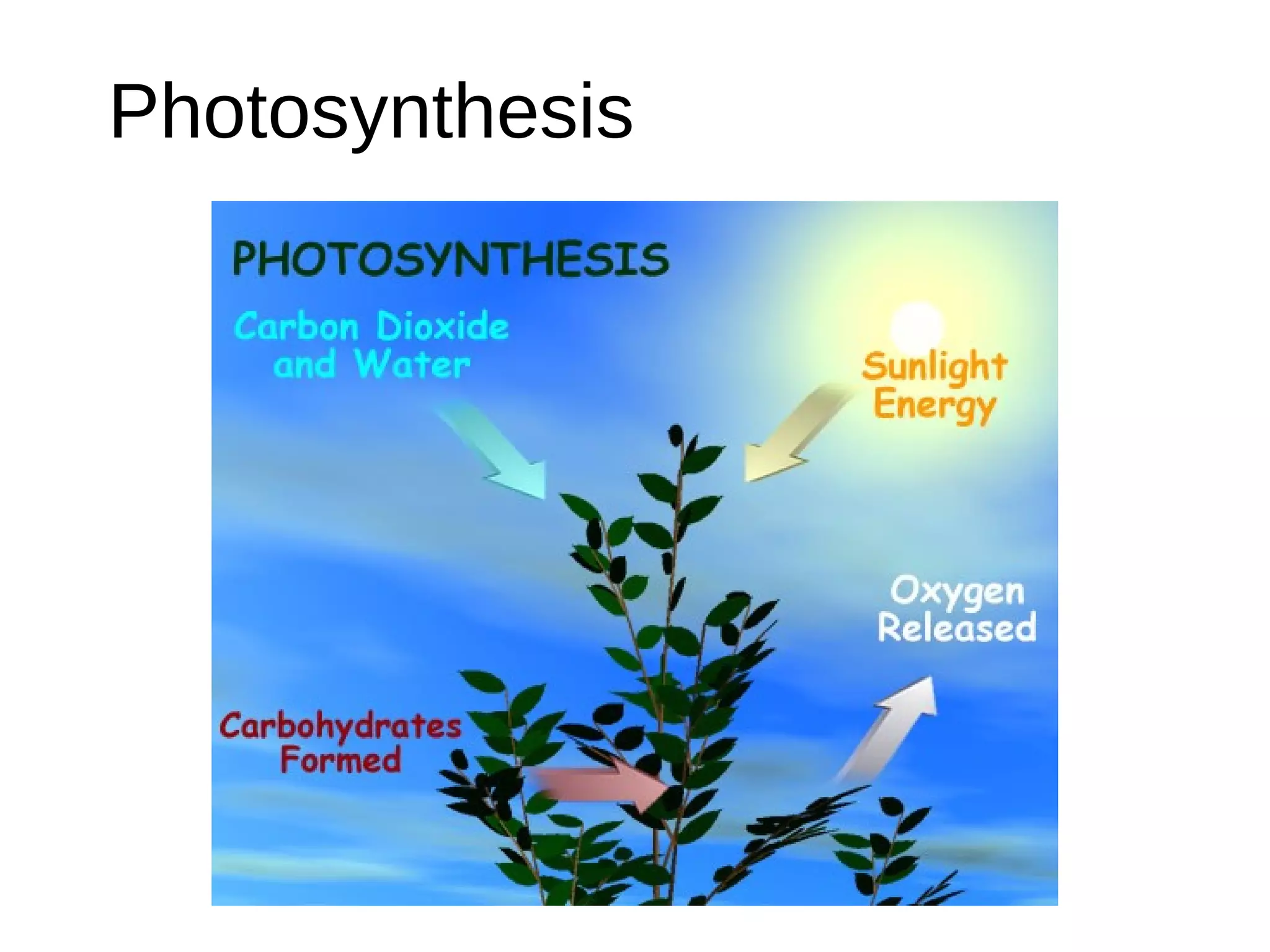
• Plants are very efficient at synthesizing
organic compounds via photosynthesis from
inorganic materials found in the
environment, whilst other organisms such as
animals and microorganisms rely on
obtaining their raw materials in their diet,
e.g. by consuming plants.
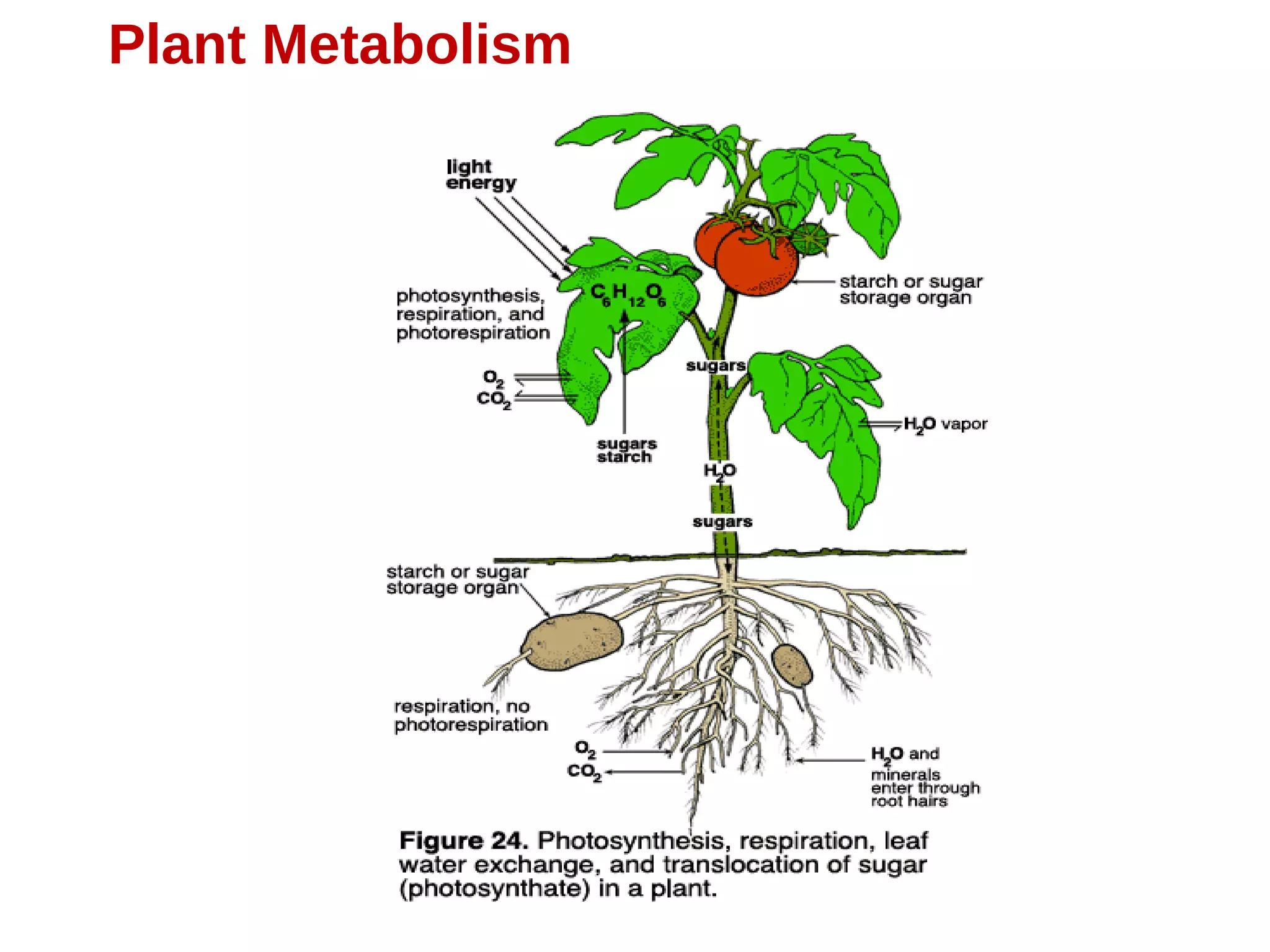
Photosynthesis
Plant Metabolism
The Most Important Equation in Biology
• The pathways for generally modifying and
synthesizing carbohydrates, proteins, fats, and nucleic
acids are found to be essentially the same in all
organisms, apart from minor variations.
• These processes are collectively described as primary
metabolism, with the compounds involved in the
pathways being termed primary metabolites.
• Primary metabolism (≡ Biochemistry)
Secondary Metabolism
• Secondary metabolism, metabolic pathways that are
not essential for growth, development or reproduction,
but that usually have ecological function.
• Secondary metabolites are those chemical compounds
in organisms that are not directly involved in the normal
growth, development or reproduction of an organism. In
this sense they are "secondary".
• Secondary metabolites, are found in only specific
organisms, or groups of organisms, and are an
expression of the individuality of species.
• Secondary metabolites are not necessarily produced
under all conditions, and in the vast majority of cases
the function of these compounds and their benefit to
the organism is not yet known.
• Secondary metabolites can be synthesized by
combining several building blocks of the same type,
or by using a mixture of different building blocks.
• Many of secondary metabolites also contain one or
more sugar units in their structure.
• Plants make a variety of less widely distributed
compounds such as morphine, caffeine, nicotine,
menthol, and rubber. These compounds are the
products of secondary metabolism, which have no
known general metabolic role in plants.
•Most plants have not been examined for secondary
compounds and new compounds are discovered almost daily.
•Secondary compounds are grouped into classes based on
similar structures, biosynthetic pathways, or the kinds of
plants that make them. The largest such classes are the
alkaloids, terpenoids, and phenolics.
•Secondary compounds often occur in combination with one
or more sugars. These combination molecules are known as
glycosides. Usually the sugar is a glucose, galactose or
rhamnose. But some plants have unique sugars.
11
CO2
O2
CO2
Primary metabolic
pathway of carbon
Photosynthesis
Sugars
Glycolysis
Phosphoenolpyruvate
Pyruvate
Acetyl-Co A
Tricarboxylic Acid Cycle
Primary Metabolic
products
Carbohydrates
Erythrose
PO4
Shikmic Acid
Aromatic
Amino Acids
Aliphatic
Amino Acids
Malonyl-CoA
Glycosides
Complex polysaccharides
Aminoglycoside Antibiotics
Corresponding
Secondary Metabolites
Proteins
Phenylpropanoids
Alkaloids
Peptides
Penicillins
Cephalosporins
Fatty Acids
(Lipids)
Fats and Waxes
Erythromycins
Tetracyclines
Anthraquinones
Isoprene
Squalene
Terpenoids
Steroids
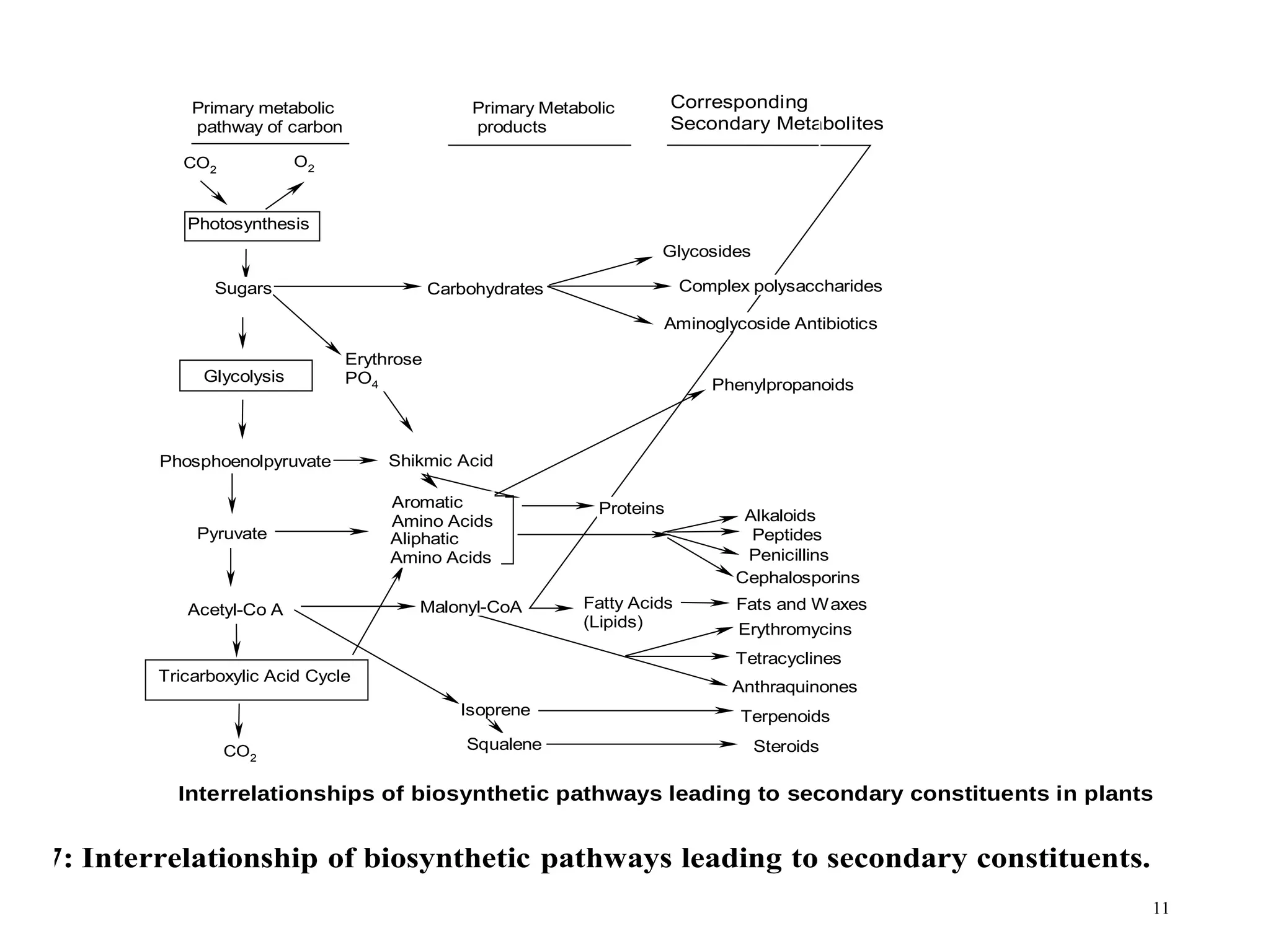
Interrelationships of biosynthetic pathways leading to secondary constituents in plants
Fig 7: Interrelationship of biosynthetic pathways leading to secondary constituents.
hesis of Aromatic Compounds
Polysaccharides
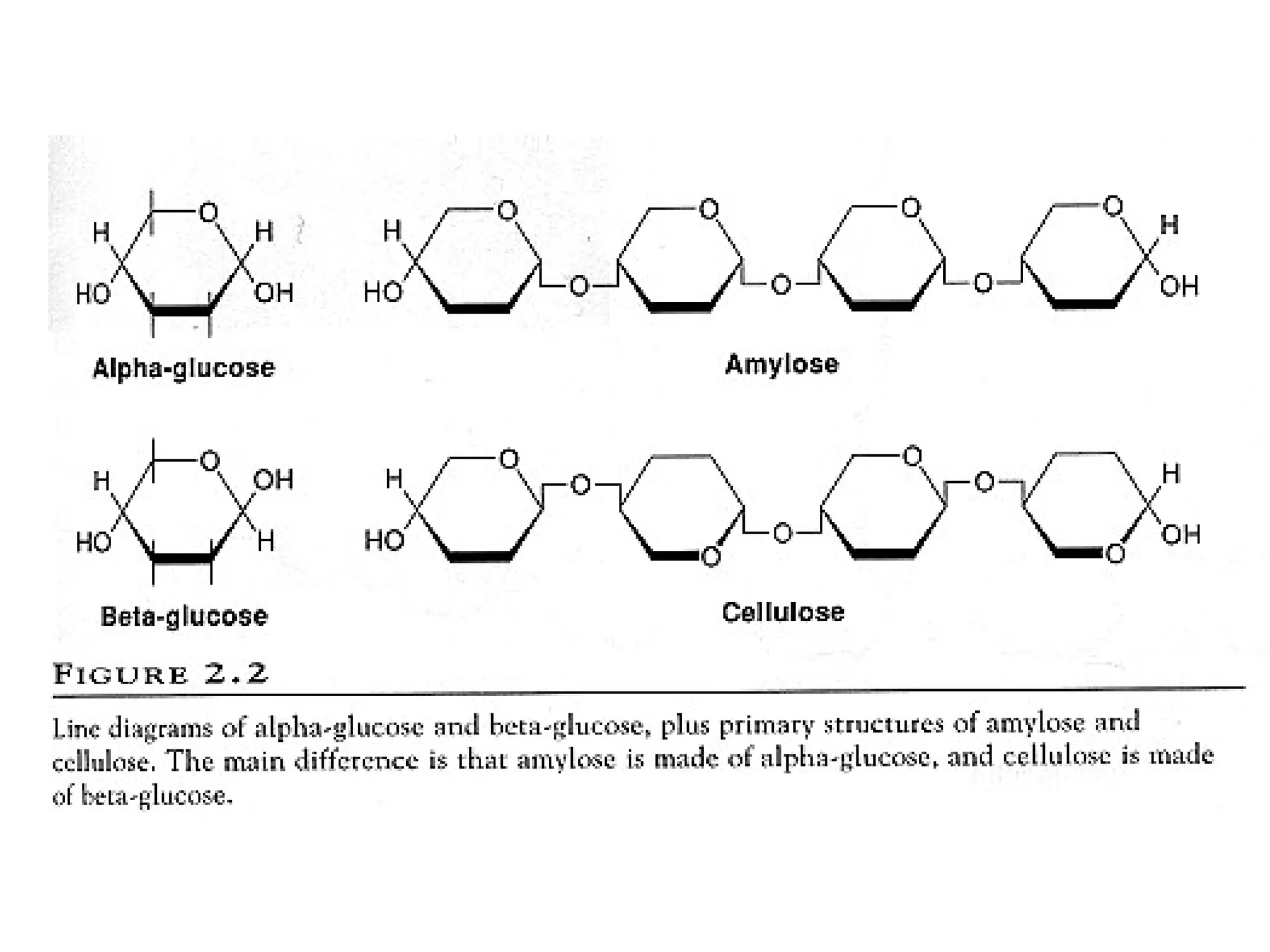
• Structural polysaccharides are used to support plants
• Storage polysaccharides are used to store energy for later
use by the plant
Structural Polysaccharides
• The most common structural polysaccharide in
plants is cellulose. It makes up 40 to 60% of the
cell wall. It is also the most common polymer on
earth
• Cellulose is extremely strong due to its chemical
organization. It is made of a long chain of beta-
glucose molecules – 100 to 15,000 glucose
molecules
Maltose and Sucrose
• Major function of secondary metabolites in the
plants:
1. The most common roles for secondary compounds in
plants are ecological roles that govern
interactions between plants and other organisms.
2. As toxic materials providing defense against predators
like Nicotine and other toxic compounds .
3. Are brightly colored pigments like anthocyanin that
color flowers red and blue which attract pollinators
and fruit and seed dispersers,warn other species.
5. Can give bad taste to protection from animals or insects.
1. Secondary metabolism (≡ Natural products chemistry).
The building blocks
• The building blocks for secondary metabolites are
derived from primary metabolism.
• The number of building blocks needed is surprisingly few.
• The most important building blocks employed in the
biosynthesis of secondary metabolites are derived from:
1.Acetyl coenzyme A (acetyl-CoA)
2.Shikimic acid
3.Mevalonic acid
4.1-deoxyxylulose 5-phosphate
5.Amino acids
1. Acetate pathway
• The form in which acetate is used in most of its
important biochemical reactions is acetyl coenzyme A
(acetyl-CoA).
• Acetyl-CoA is formed by oxidative decarboxylation of
the glycolytic pathway product pyruvic acid.
• Important secondary metabolites formed from the
acetate pathway includes:
1. Phenols
2. Prostaglandins
3. Macrolide antibiotics
. 1 . Coenzyme A: present in all living cells that
functions as an acyl group carrier.
2. Shikimate pathway
P
N
N
N
NH2
O
P
O
O O
OH OH
N
H
N
H
RS
OH
OO
O
O OH
O
P
O
HO
HO
CH3H3C N
Shikimic acid is produced from a combination of
phosphoenolpyruvate, a glycolytic pathway
intermediate, and erythrose 4-phosphate from the
pentose phosphate pathway.
The shikimate pathway leads to a variety of:
1.Phenols
2.Cinnamic acid derivatives
3.Lignans
4.Alkaloids
CH
OH
C N
NCH
O-C6H11O5
-C
O-Glu
CH3
C
C N
CH3
O-C6H11O5
CH3
C
C N
C5H5
O-C6H11O5
Shikimic acid pathway
Phenylalanine Tyrosine Valine Isoleucine
Prunacin Dhurrin linamarin Lotaustralin
Biosynthesis of cyanogenetic glycosides
Fig 11: Biosynthesis of cyanogenetic glycosides
which are the product of shikmic acid pathway. The aglycone of linamarin is derived from valine
and that of lotaustralin from isoleucine (Fig 11)
Isothiocynate glycosides: The aglycone or isothiocyanate glycosides may consist of either
aliphatic derivatives biosynthesized via acetate pathway or aromatic derivatives produced
Phenylalanine
Tyrosine
Ephedrine
Mescaline
Papaverine
Thebaine Codeine Morphine
Dihydroxyphenylalanine
and dopamine
Emetine
Colchicine
Some alkaloids derived from phenylalanine, tyrosine and their derivatives
Fig 15: Alkaloids derived from phenyl alanine, tyrosine and their derivatives.
oids derived from Tryptophan: Tryptophan and its decarboxylation product tryptamin
as the precursor for biosynthesis of a large class of indole alkaloids. The non tryptopha
ns of the alkaloids are, however, derived from monoterpenoid precursors which a
O
OH
OH
OH
OH
OH O
OH
OH
OH
OH
O
OH
Shikimic acid Phenylalanine
Cinnamic acid
C15 intermediate
Malonyl Co A(2 units)
Biosynthetic pathways to Flavonoid Aglycones
Cyanidin
Quercetin
Acetyl Co A
Fig 13: Biosynthesis of flavonoid aglycones
c nuclei of alcohol, aldehyde, lactone and phenol glycosides are derived
ormed via shikimic acid pathway.
3. Mevalonate pathway
• Mevalonic acid is itself formed from three molecules of
acetyl-CoA, but the mevalonate pathway channels
acetate into a different series of compounds than does
the acetate pathway.
• Terpenoids is the major produce of Mevalonate .
4. Deoxyxylulose phosphate
pathway
• Deoxyxylulose phosphate arises from a combination of
two glycolytic pathway intermediates, namely pyruvic
acid and glyceraldehyde 3-phosphate.
• The mevalonate and deoxyxylulose phosphate
pathways are together responsible for the
biosynthesis of a vast array of terpenoid and steroid
metabolites.
5. Amino acids pathway
• Peptides, proteins, alkaloids and many antibiotics are
derived from amino acids.
• The aromatic amino acids phenylalanine, tyrosine,
and tryptophan are themselves products from the
shikimate pathway.
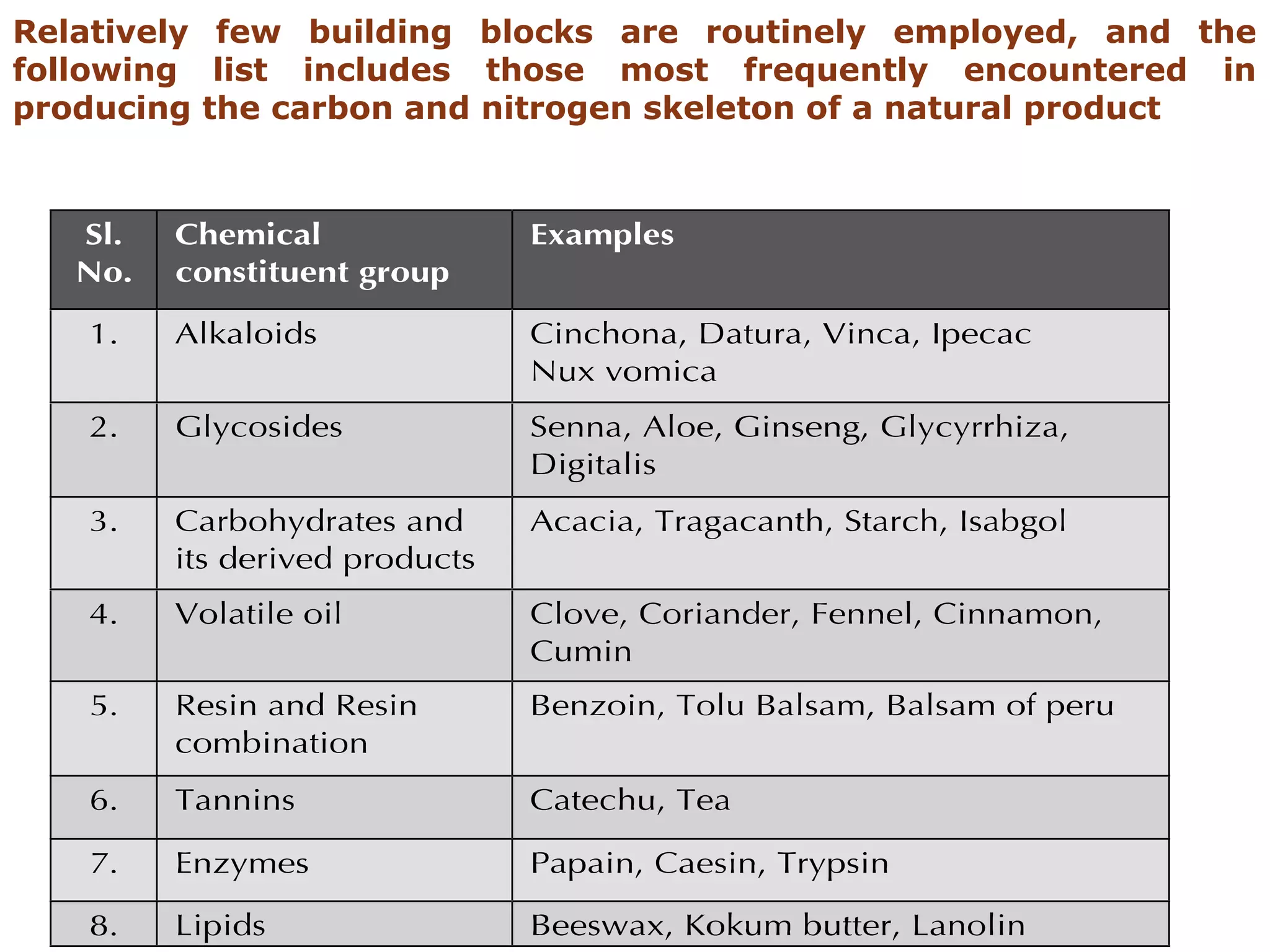
Relatively few building blocks are routinely employed, and the
following list includes those most frequently encountered in
producing the carbon and nitrogen skeleton of a natural product
•Structural type of building blocks
•C1: the simplest of the building blocks is composed of a
single carbon atom, usually in the form of a methyl
group, and most frequently it is attached to oxygen or
nitrogen, but occasionally to carbon. It is derived from
the S-methyl of L-methionine.
•C2: A two-carbon unit may be supplied by acetyl-CoA.
Acetyl-CoA is first converted into the more reactive
malonyl-CoA before its incorporation.
•C5: the branched-chain C5 “isoprene” unit is a feature of
compounds formed from mevalonate or deoxyxylulose
phosphate.
•C6C3: this refers to a phenylpropyl unit and is obtained
from the carbon skeleton of either L-phenylalanine or L-
tyrosine.
•C6C2N: again, this building block is formed from either L-
phenylalanine or L-tyrosine.
•Indole.C2N: the third of the aromatic amino acids is L-
tryptophan.
•C4N: the C4N unit is usually found as a heterocyclic
pyrrolidine system and is produced from L-ornithine
(non-protein amino acid).
•C5N: it is produced by using L-lysine and the unit tends
to be found as a piperidine ring system.
Minor Secondary
Metabolites
• Mustard oil glycosides are nitrogen-sulfur containing
compounds that occur in cabbage, broccoli, horseradish,
watercress and other members of the mustard family
(Brassicaceae). They give the group its characteristic taste and
odor.
• Cyanogenic glycosides occur in several families of plants, but are
especially common in roses (Rosaceae) and peas (Fabaceae).
They are sugar containing compounds that release cyanide gas
when hydrolyzed.
• Cardiac glycosides effect vertebrate heart rate. Especially
common in milkweeds Asclepiadaceae.
• The parsley/carrot family Apiaceae is noted for having aromatic
and poisonous 17 carbon polyacetylenes, Rich in Vitamin A.
Though a few species have alkaloids like Coniium.
32
Carotene
Yellow to Orange colors.
Sources: Carrots, yellow
or orange fruits.
Rich in Vitamin A.
Lycopene
saffron
Most common reactions of s.m.
1.Alkylation reactions
2.Wagner-Meerwein rearrangements
3.Aldol and Claisen reactions
4.Schiff base formation and the Mannich reaction
5.Transamination
6.Decarboxylation reactions
7.Oxidation and reduction reactions
8.Phenolic oxidative coupling
9.Glycosylation reactions
Papaya – Papain and
Chymopapain
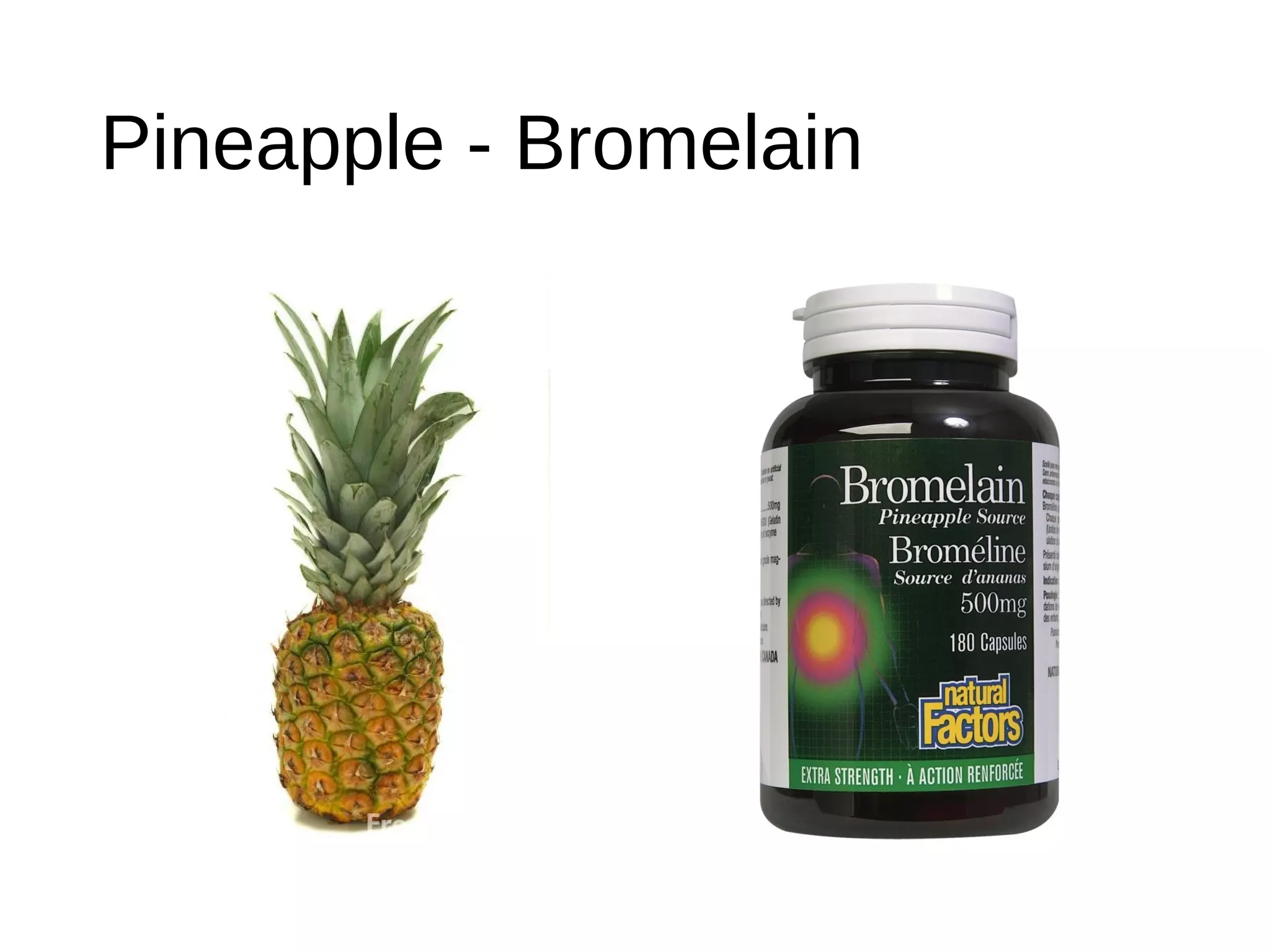
Pineapple - Bromelain
Bayberry Wax
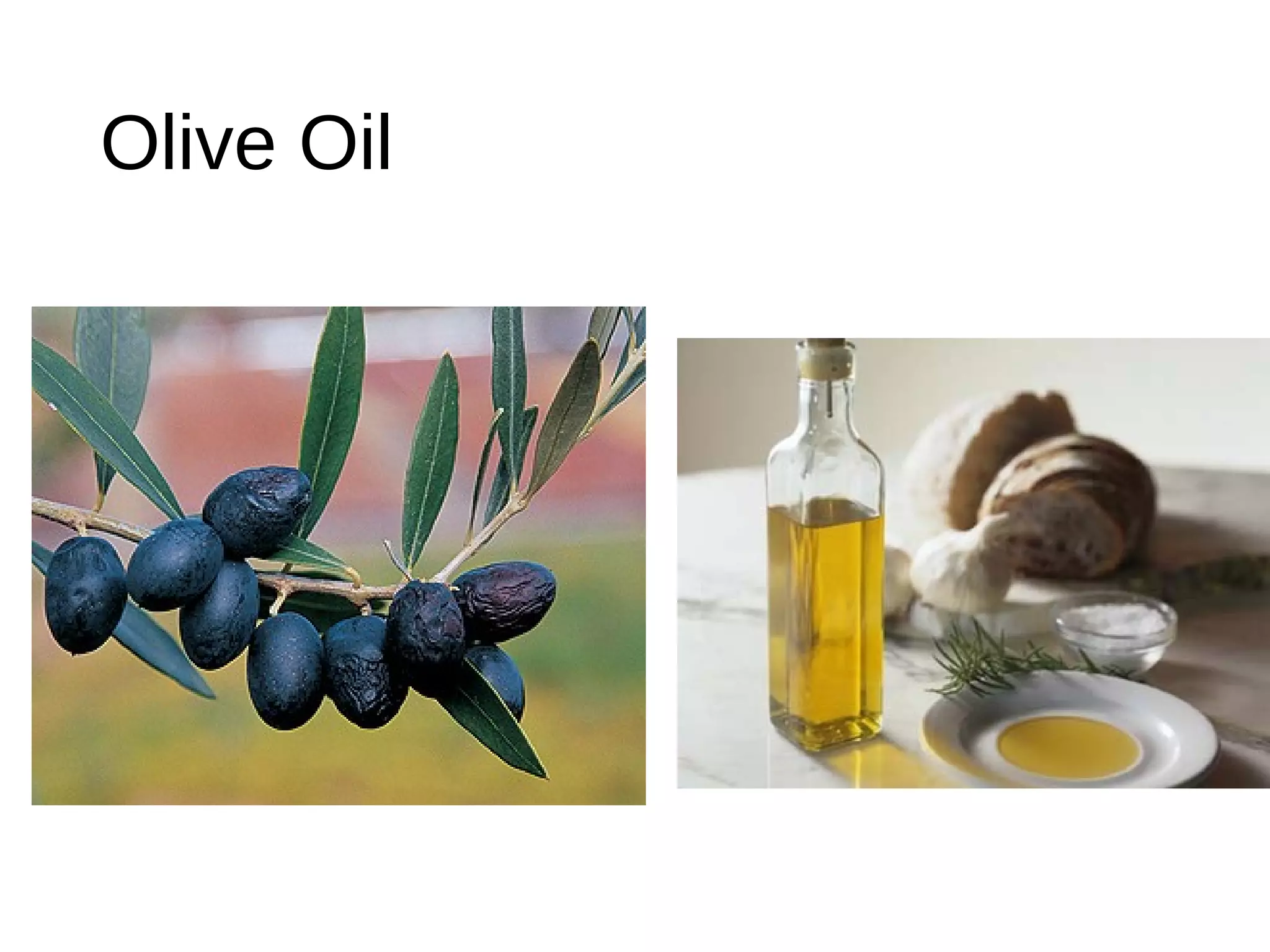
Olive Oil
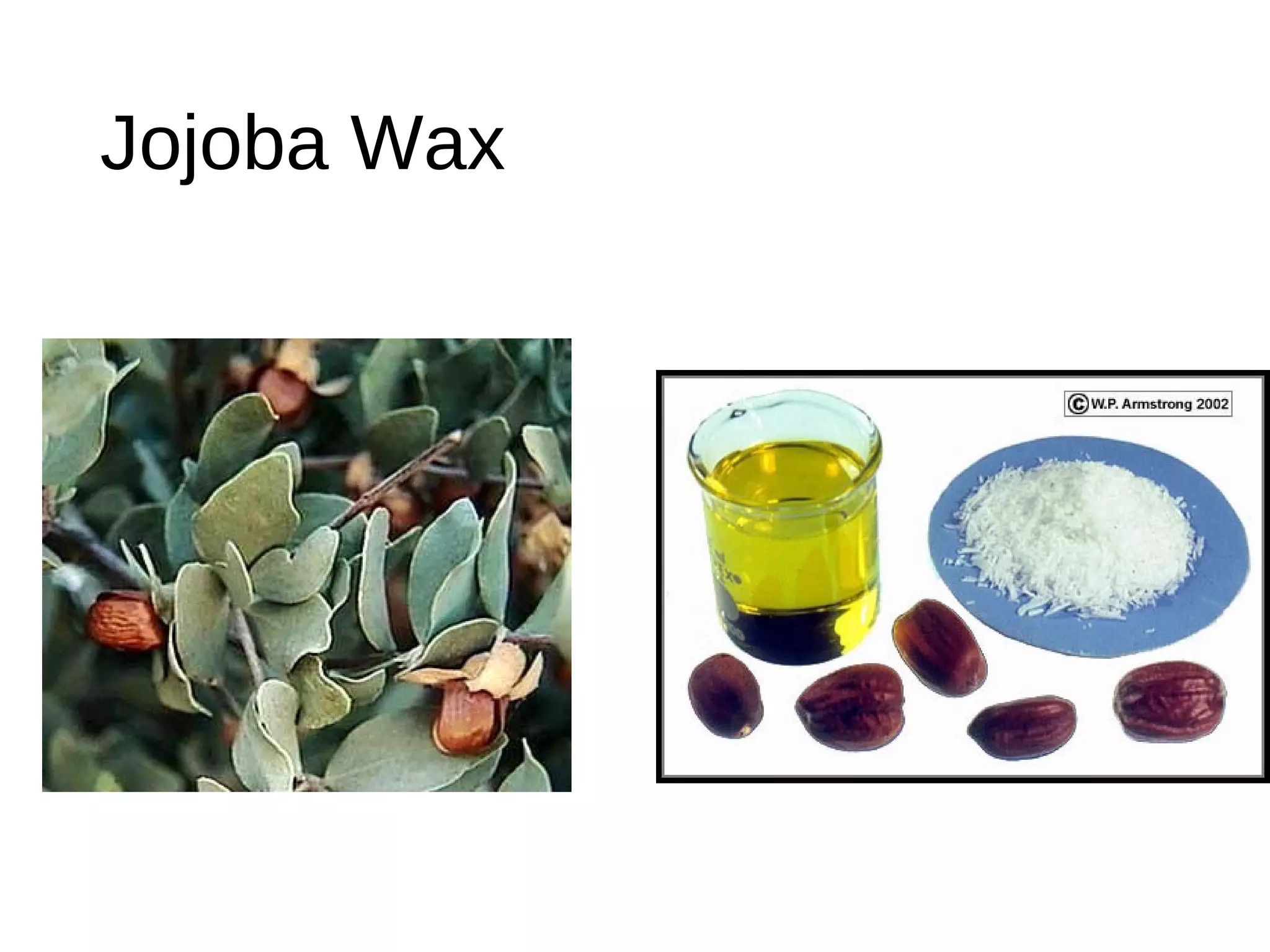
Jojoba Wax

Sec metabo ok 3rd

  • 1.
    Secondary Metabolism Prof.as. Najimabbas Al awwady B.Sc., M.Sc., DEA., Ph.D. Pharmacology Paris. France
  • 2.
    Biosynthesis • Formation ofa chemical compound by a living organism. • Biogenesis: Production or generation of living organisms from other living organisms. Primary metabolites : • Primary metabolites are compounds that are commonly produced by all plants and that are directly used in plant growth and development. • The main primary metabolites are carbohydrates, proteins, nucleic acids, and lipids.
  • 3.
    • Organisms varywidely in their capacity to synthesize and transform chemicals. • Plants are very efficient at synthesizing organic compounds via photosynthesis from inorganic materials found in the environment, whilst other organisms such as animals and microorganisms rely on obtaining their raw materials in their diet, e.g. by consuming plants.
  • 4.
  • 5.
  • 6.
    The Most ImportantEquation in Biology
  • 7.
    • The pathwaysfor generally modifying and synthesizing carbohydrates, proteins, fats, and nucleic acids are found to be essentially the same in all organisms, apart from minor variations. • These processes are collectively described as primary metabolism, with the compounds involved in the pathways being termed primary metabolites. • Primary metabolism (≡ Biochemistry)
  • 8.
    Secondary Metabolism • Secondarymetabolism, metabolic pathways that are not essential for growth, development or reproduction, but that usually have ecological function. • Secondary metabolites are those chemical compounds in organisms that are not directly involved in the normal growth, development or reproduction of an organism. In this sense they are "secondary". • Secondary metabolites, are found in only specific organisms, or groups of organisms, and are an expression of the individuality of species.
  • 9.
    • Secondary metabolitesare not necessarily produced under all conditions, and in the vast majority of cases the function of these compounds and their benefit to the organism is not yet known. • Secondary metabolites can be synthesized by combining several building blocks of the same type, or by using a mixture of different building blocks. • Many of secondary metabolites also contain one or more sugar units in their structure. • Plants make a variety of less widely distributed compounds such as morphine, caffeine, nicotine, menthol, and rubber. These compounds are the products of secondary metabolism, which have no known general metabolic role in plants.
  • 10.
    •Most plants havenot been examined for secondary compounds and new compounds are discovered almost daily. •Secondary compounds are grouped into classes based on similar structures, biosynthetic pathways, or the kinds of plants that make them. The largest such classes are the alkaloids, terpenoids, and phenolics. •Secondary compounds often occur in combination with one or more sugars. These combination molecules are known as glycosides. Usually the sugar is a glucose, galactose or rhamnose. But some plants have unique sugars.
  • 11.
    11 CO2 O2 CO2 Primary metabolic pathway ofcarbon Photosynthesis Sugars Glycolysis Phosphoenolpyruvate Pyruvate Acetyl-Co A Tricarboxylic Acid Cycle Primary Metabolic products Carbohydrates Erythrose PO4 Shikmic Acid Aromatic Amino Acids Aliphatic Amino Acids Malonyl-CoA Glycosides Complex polysaccharides Aminoglycoside Antibiotics Corresponding Secondary Metabolites Proteins Phenylpropanoids Alkaloids Peptides Penicillins Cephalosporins Fatty Acids (Lipids) Fats and Waxes Erythromycins Tetracyclines Anthraquinones Isoprene Squalene Terpenoids Steroids Interrelationships of biosynthetic pathways leading to secondary constituents in plants Fig 7: Interrelationship of biosynthetic pathways leading to secondary constituents. hesis of Aromatic Compounds
  • 12.
    Polysaccharides • Structural polysaccharidesare used to support plants • Storage polysaccharides are used to store energy for later use by the plant
  • 13.
    Structural Polysaccharides • Themost common structural polysaccharide in plants is cellulose. It makes up 40 to 60% of the cell wall. It is also the most common polymer on earth • Cellulose is extremely strong due to its chemical organization. It is made of a long chain of beta- glucose molecules – 100 to 15,000 glucose molecules
  • 14.
  • 17.
    • Major functionof secondary metabolites in the plants: 1. The most common roles for secondary compounds in plants are ecological roles that govern interactions between plants and other organisms. 2. As toxic materials providing defense against predators like Nicotine and other toxic compounds . 3. Are brightly colored pigments like anthocyanin that color flowers red and blue which attract pollinators and fruit and seed dispersers,warn other species. 5. Can give bad taste to protection from animals or insects. 1. Secondary metabolism (≡ Natural products chemistry).
  • 18.
    The building blocks •The building blocks for secondary metabolites are derived from primary metabolism. • The number of building blocks needed is surprisingly few. • The most important building blocks employed in the biosynthesis of secondary metabolites are derived from: 1.Acetyl coenzyme A (acetyl-CoA) 2.Shikimic acid 3.Mevalonic acid 4.1-deoxyxylulose 5-phosphate 5.Amino acids
  • 19.
    1. Acetate pathway •The form in which acetate is used in most of its important biochemical reactions is acetyl coenzyme A (acetyl-CoA). • Acetyl-CoA is formed by oxidative decarboxylation of the glycolytic pathway product pyruvic acid. • Important secondary metabolites formed from the acetate pathway includes: 1. Phenols 2. Prostaglandins 3. Macrolide antibiotics . 1 . Coenzyme A: present in all living cells that functions as an acyl group carrier.
  • 20.
    2. Shikimate pathway P N N N NH2 O P O OO OH OH N H N H RS OH OO O O OH O P O HO HO CH3H3C N Shikimic acid is produced from a combination of phosphoenolpyruvate, a glycolytic pathway intermediate, and erythrose 4-phosphate from the pentose phosphate pathway. The shikimate pathway leads to a variety of: 1.Phenols 2.Cinnamic acid derivatives 3.Lignans 4.Alkaloids
  • 21.
    CH OH C N NCH O-C6H11O5 -C O-Glu CH3 C C N CH3 O-C6H11O5 CH3 C CN C5H5 O-C6H11O5 Shikimic acid pathway Phenylalanine Tyrosine Valine Isoleucine Prunacin Dhurrin linamarin Lotaustralin Biosynthesis of cyanogenetic glycosides Fig 11: Biosynthesis of cyanogenetic glycosides which are the product of shikmic acid pathway. The aglycone of linamarin is derived from valine and that of lotaustralin from isoleucine (Fig 11) Isothiocynate glycosides: The aglycone or isothiocyanate glycosides may consist of either aliphatic derivatives biosynthesized via acetate pathway or aromatic derivatives produced
  • 22.
    Phenylalanine Tyrosine Ephedrine Mescaline Papaverine Thebaine Codeine Morphine Dihydroxyphenylalanine anddopamine Emetine Colchicine Some alkaloids derived from phenylalanine, tyrosine and their derivatives Fig 15: Alkaloids derived from phenyl alanine, tyrosine and their derivatives. oids derived from Tryptophan: Tryptophan and its decarboxylation product tryptamin as the precursor for biosynthesis of a large class of indole alkaloids. The non tryptopha ns of the alkaloids are, however, derived from monoterpenoid precursors which a
  • 23.
    O OH OH OH OH OH O OH OH OH OH O OH Shikimic acidPhenylalanine Cinnamic acid C15 intermediate Malonyl Co A(2 units) Biosynthetic pathways to Flavonoid Aglycones Cyanidin Quercetin Acetyl Co A Fig 13: Biosynthesis of flavonoid aglycones c nuclei of alcohol, aldehyde, lactone and phenol glycosides are derived ormed via shikimic acid pathway.
  • 24.
    3. Mevalonate pathway •Mevalonic acid is itself formed from three molecules of acetyl-CoA, but the mevalonate pathway channels acetate into a different series of compounds than does the acetate pathway. • Terpenoids is the major produce of Mevalonate .
  • 25.
    4. Deoxyxylulose phosphate pathway •Deoxyxylulose phosphate arises from a combination of two glycolytic pathway intermediates, namely pyruvic acid and glyceraldehyde 3-phosphate. • The mevalonate and deoxyxylulose phosphate pathways are together responsible for the biosynthesis of a vast array of terpenoid and steroid metabolites.
  • 26.
    5. Amino acidspathway • Peptides, proteins, alkaloids and many antibiotics are derived from amino acids. • The aromatic amino acids phenylalanine, tyrosine, and tryptophan are themselves products from the shikimate pathway.
  • 27.
    Relatively few buildingblocks are routinely employed, and the following list includes those most frequently encountered in producing the carbon and nitrogen skeleton of a natural product
  • 28.
    •Structural type ofbuilding blocks •C1: the simplest of the building blocks is composed of a single carbon atom, usually in the form of a methyl group, and most frequently it is attached to oxygen or nitrogen, but occasionally to carbon. It is derived from the S-methyl of L-methionine. •C2: A two-carbon unit may be supplied by acetyl-CoA. Acetyl-CoA is first converted into the more reactive malonyl-CoA before its incorporation.
  • 29.
    •C5: the branched-chainC5 “isoprene” unit is a feature of compounds formed from mevalonate or deoxyxylulose phosphate. •C6C3: this refers to a phenylpropyl unit and is obtained from the carbon skeleton of either L-phenylalanine or L- tyrosine. •C6C2N: again, this building block is formed from either L- phenylalanine or L-tyrosine.
  • 30.
    •Indole.C2N: the thirdof the aromatic amino acids is L- tryptophan. •C4N: the C4N unit is usually found as a heterocyclic pyrrolidine system and is produced from L-ornithine (non-protein amino acid). •C5N: it is produced by using L-lysine and the unit tends to be found as a piperidine ring system.
  • 31.
    Minor Secondary Metabolites • Mustardoil glycosides are nitrogen-sulfur containing compounds that occur in cabbage, broccoli, horseradish, watercress and other members of the mustard family (Brassicaceae). They give the group its characteristic taste and odor. • Cyanogenic glycosides occur in several families of plants, but are especially common in roses (Rosaceae) and peas (Fabaceae). They are sugar containing compounds that release cyanide gas when hydrolyzed. • Cardiac glycosides effect vertebrate heart rate. Especially common in milkweeds Asclepiadaceae. • The parsley/carrot family Apiaceae is noted for having aromatic and poisonous 17 carbon polyacetylenes, Rich in Vitamin A. Though a few species have alkaloids like Coniium.
  • 32.
    32 Carotene Yellow to Orangecolors. Sources: Carrots, yellow or orange fruits. Rich in Vitamin A. Lycopene saffron
  • 33.
    Most common reactionsof s.m. 1.Alkylation reactions 2.Wagner-Meerwein rearrangements 3.Aldol and Claisen reactions 4.Schiff base formation and the Mannich reaction 5.Transamination 6.Decarboxylation reactions 7.Oxidation and reduction reactions 8.Phenolic oxidative coupling 9.Glycosylation reactions
  • 34.
    Papaya – Papainand Chymopapain
  • 35.
  • 36.
  • 37.
  • 38.