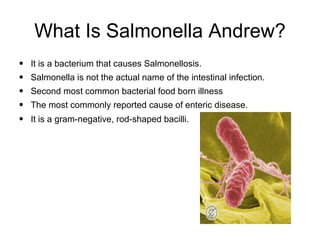
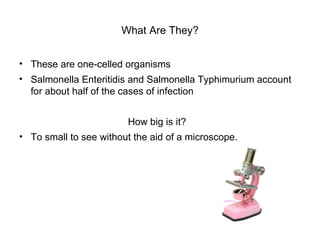
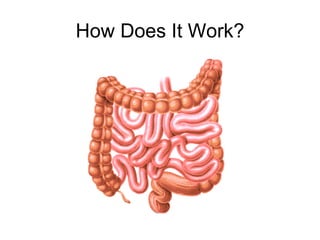
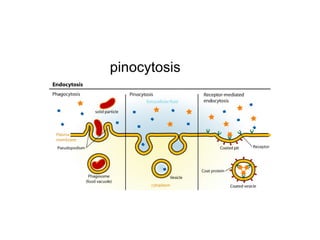
Salmonella was discovered in 1885 by Theobald Smith in pigs. It is a bacterium that causes salmonellosis, the second most common bacterial foodborne illness. Salmonella bacteria are rod-shaped, single-celled microorganisms that invade intestinal cells and multiply inside them. Symptoms of salmonellosis include fever, diarrhea, abdominal pain and nausea. While usually self-limiting, it can sometimes cause more serious illnesses and death, especially in young children, the elderly and those with weak immune systems. Person-to-person and foodborne transmission are common, with undercooked eggs and meats posing major risks. Proper hygiene and food safety practices can help prevent salmonellosis













![CASE_PRESENTATION_ON_subdural_hematoma(SDH)[1 FINAL PPT]-1.pptx](https://cdn.slidesharecdn.com/ss_thumbnails/casepresentationonsubduralhematomasdh1finalppt-1-260129172522-d405d375-thumbnail.jpg?width=640&height=640&fit=bounds)


