Welcome 
to 
Our Presentation
What's the Buzz on Smart 
Grids? 
CASE STUDY
Shahedul Alam Khan 
Lecturer 
Department of Business Administration 
Leading University, Sylhet.
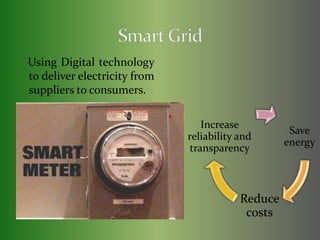
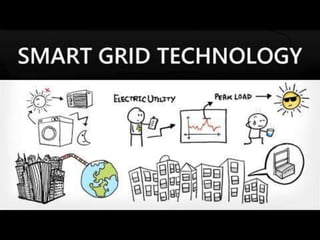
Using Digital technology 
to deliver electricity from 
suppliers to consumers. 
Save 
energy 
Reduce 
costs 
Increase 
reliability and 
transparency
 Allow both consumers and energy companies to make 

more intelligent decisions regarding energy 
consumption and production.
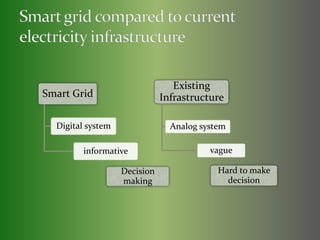
Smart Grid 
Digital system 
informative 
Existing 
Infrastructure 
Analog system 
vague 
Hard to make 
decision 
Decision 
making
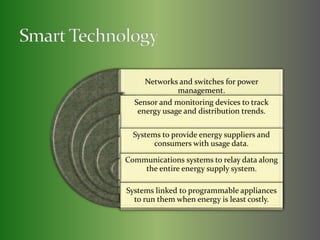
Networks and switches for power 
management. 
Sensor and monitoring devices to track 
energy usage and distribution trends. 
Systems to provide energy suppliers and 
consumers with usage data. 
Communications systems to relay data along 
the entire energy supply system. 
Systems linked to programmable appliances 
to run them when energy is least costly.
 
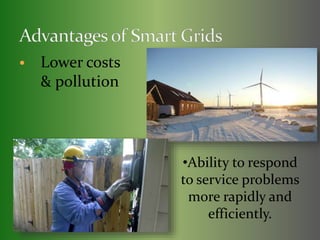
•Ability to respond 
to service problems 
more rapidly and 
efficiently. 
Lower costs 
& pollution
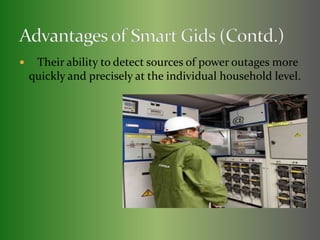
 Their ability to detect sources of power outages more 
quickly and precisely at the individual household level.
 in Asia continent 
 China, south Korea, Malaysia, Indonesia are trying to 
implement smart technology in their power sector. 
 Our neighborhood country India, has already started 
flagship programs 
 to implement such technology in 14 states 
 U.S & U.K smart technologies are first experimented.
It has to be installed, virtually everywhere. 
The creation of an intuitive end-user interface. 
High costs 
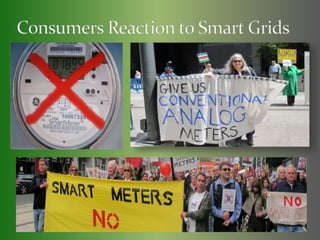
Customers perspective. (intrusive, regulation of usage 
inside homes, up front costs, cyber attacks, privacy 
implications, boost of energy rate)
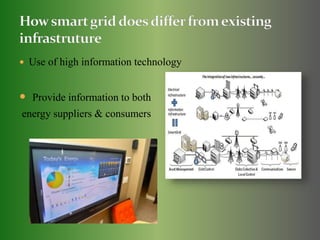
 Use of high information technology 
 Provide information to both 
energy suppliers & consumers
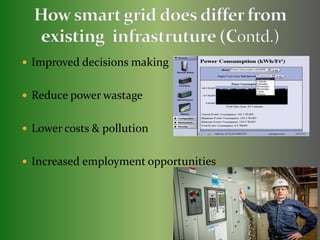
 Improved decisions making 
 Reduce power wastage 
 Lower costs & pollution 
 Increased employment opportunities
The issues that should be deemed in 
developing a smart grid
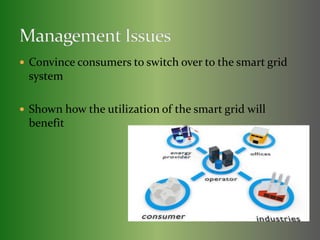
 Convince consumers to switch over to the smart grid 
system 
 Shown how the utilization of the smart grid will 
benefit
 Provide information feedback efficiently 
 consumers to overcoming the intrusive feelings 
 Develop privacy system of consumers
 Operating budgets & profits 
 Implementation of appropriate 
structure
 Networks and switches for power management. 
 Sensor and monitoring devices to track energy 
usage and distribution trends. 
 Systems to provide energy suppliers and 
consumers with usage data. 
 Communications systems to relay data along the 
entire energy supply system. 
 Systems linked to programmable appliances to 
run them when energy is least costly.
 Using websites & mobile phones to monitor their 
energy usage
I think the Challenges that can hamper to the 
development of smart grid as next
 Expensive technology 
 Installing two-way meters 
•Non-user friendly 
Dashboard
Challenges behind Development(Contd.) 
 Retrofitting infrastructure 
 Potential economic impact on 
energy companies 
 Probability of cyber attack and 
loss of privacy 
 Intrusiveness and confusing 
about technology
The different areas of infrastructure the smart 
grid can contribute as next
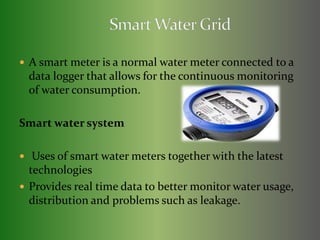
 A smart meter is a normal water meter connected to a 
data logger that allows for the continuous monitoring 
of water consumption. 
Smart water system 
 Uses of smart water meters together with the latest 
technologies 
 Provides real time data to better monitor water usage, 
distribution and problems such as leakage.
 Monitor water flows much like electric usage 
 Turn off lawn sprinklers during the heat of the day or based on 
predetermined schedules 
 Use monitors in lawns and around plants and shrubs to prevent 
over- or under-watering 
 Monitor evaporation rates 
 Monitor pools, fountains, and other water features for usage
 More efficient operations 
 Customer service 
 Environment 
 Resilience 
 Flexibility 
 Affordability
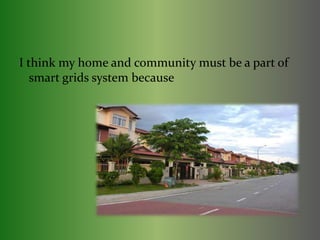
I think my home and community must be a part of 
smart grids system because
 Ensure transparent billing system 
 Help to reduce costs of unnecessary power 
 Help the authority to make proper distribution of 
resources 
 Help to detect the amount of power contributed by 
family and communities in the national grid 
 Reduce tension of power users regarding ghostly bill 
expenses 
 Besides proper distribution of power ensure healthy 
environment
 Though have challenges it’s really smarter
 Have to reduce costs of related technologies by further 
extensive research 
 Technology investments should pursue complementary 
assets 
 Develop user friendly technology 
 Need help of federal government & private sectors 
 Promote Mass awareness
Thank you

MIS: A case study on Smart Grid

  • 1.
    Welcome to OurPresentation
  • 2.
    What's the Buzzon Smart Grids? CASE STUDY
  • 3.
    Shahedul Alam Khan Lecturer Department of Business Administration Leading University, Sylhet.
  • 5.
    Using Digital technology to deliver electricity from suppliers to consumers. Save energy Reduce costs Increase reliability and transparency
  • 6.
     Allow bothconsumers and energy companies to make more intelligent decisions regarding energy consumption and production.
  • 7.
    Smart Grid Digitalsystem informative Existing Infrastructure Analog system vague Hard to make decision Decision making
  • 9.
    Networks and switchesfor power management. Sensor and monitoring devices to track energy usage and distribution trends. Systems to provide energy suppliers and consumers with usage data. Communications systems to relay data along the entire energy supply system. Systems linked to programmable appliances to run them when energy is least costly.
  • 10.
     •Ability torespond to service problems more rapidly and efficiently. Lower costs & pollution
  • 11.
     Their abilityto detect sources of power outages more quickly and precisely at the individual household level.
  • 12.
     in Asiacontinent  China, south Korea, Malaysia, Indonesia are trying to implement smart technology in their power sector.  Our neighborhood country India, has already started flagship programs  to implement such technology in 14 states  U.S & U.K smart technologies are first experimented.
  • 13.
    It has tobe installed, virtually everywhere. The creation of an intuitive end-user interface. High costs Customers perspective. (intrusive, regulation of usage inside homes, up front costs, cyber attacks, privacy implications, boost of energy rate)
  • 15.
     Use ofhigh information technology  Provide information to both energy suppliers & consumers
  • 16.
     Improved decisionsmaking  Reduce power wastage  Lower costs & pollution  Increased employment opportunities
  • 17.
    The issues thatshould be deemed in developing a smart grid
  • 18.
     Convince consumersto switch over to the smart grid system  Shown how the utilization of the smart grid will benefit
  • 19.
     Provide informationfeedback efficiently  consumers to overcoming the intrusive feelings  Develop privacy system of consumers
  • 20.
     Operating budgets& profits  Implementation of appropriate structure
  • 21.
     Networks andswitches for power management.  Sensor and monitoring devices to track energy usage and distribution trends.  Systems to provide energy suppliers and consumers with usage data.  Communications systems to relay data along the entire energy supply system.  Systems linked to programmable appliances to run them when energy is least costly.
  • 23.
     Using websites& mobile phones to monitor their energy usage
  • 24.
    I think theChallenges that can hamper to the development of smart grid as next
  • 25.
     Expensive technology  Installing two-way meters •Non-user friendly Dashboard
  • 26.
    Challenges behind Development(Contd.)  Retrofitting infrastructure  Potential economic impact on energy companies  Probability of cyber attack and loss of privacy  Intrusiveness and confusing about technology
  • 27.
    The different areasof infrastructure the smart grid can contribute as next
  • 28.
     A smartmeter is a normal water meter connected to a data logger that allows for the continuous monitoring of water consumption. Smart water system  Uses of smart water meters together with the latest technologies  Provides real time data to better monitor water usage, distribution and problems such as leakage.
  • 29.
     Monitor waterflows much like electric usage  Turn off lawn sprinklers during the heat of the day or based on predetermined schedules  Use monitors in lawns and around plants and shrubs to prevent over- or under-watering  Monitor evaporation rates  Monitor pools, fountains, and other water features for usage
  • 30.
     More efficientoperations  Customer service  Environment  Resilience  Flexibility  Affordability
  • 33.
    I think myhome and community must be a part of smart grids system because
  • 34.
     Ensure transparentbilling system  Help to reduce costs of unnecessary power  Help the authority to make proper distribution of resources  Help to detect the amount of power contributed by family and communities in the national grid  Reduce tension of power users regarding ghostly bill expenses  Besides proper distribution of power ensure healthy environment
  • 35.
     Though havechallenges it’s really smarter
  • 36.
     Have toreduce costs of related technologies by further extensive research  Technology investments should pursue complementary assets  Develop user friendly technology  Need help of federal government & private sectors  Promote Mass awareness
  • 38.