
Mechanical Ventilation for
Severe Asthma
Niall D. Ferguson, MD, FRCPC, MSc
Assistant Professor
Interdepartmental Division of Critical Care
Medicine
University of Toronto
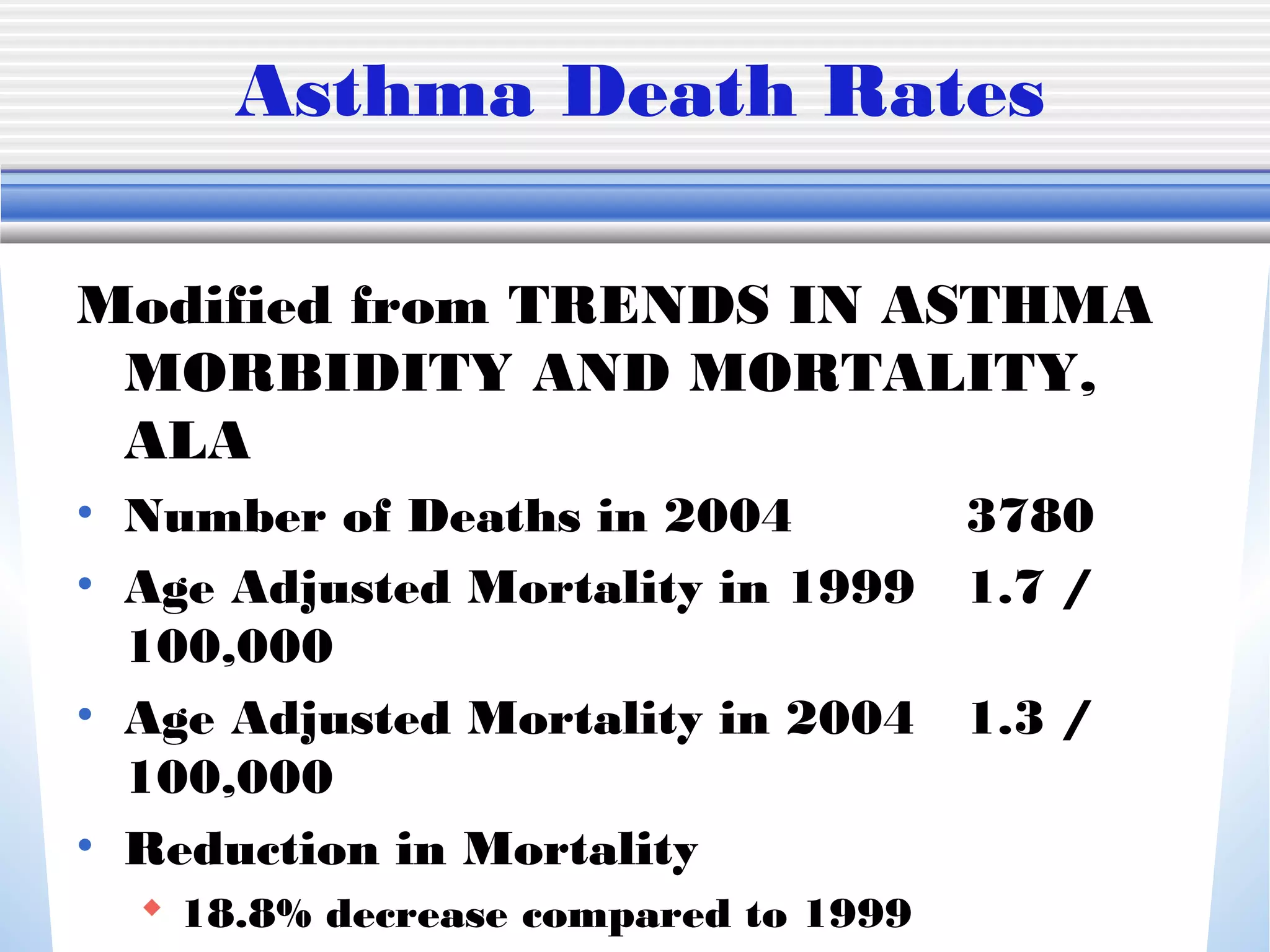
Asthma Death Rates
Modified from TRENDS IN ASTHMA
MORBIDITY AND MORTALITY,
ALA
• Number of Deaths in 2004 3780
• Age Adjusted Mortality in 1999 1.7 /
100,000
• Age Adjusted Mortality in 2004 1.3 /
100,000
• Reduction in Mortality
 18.8% decrease compared to 1999
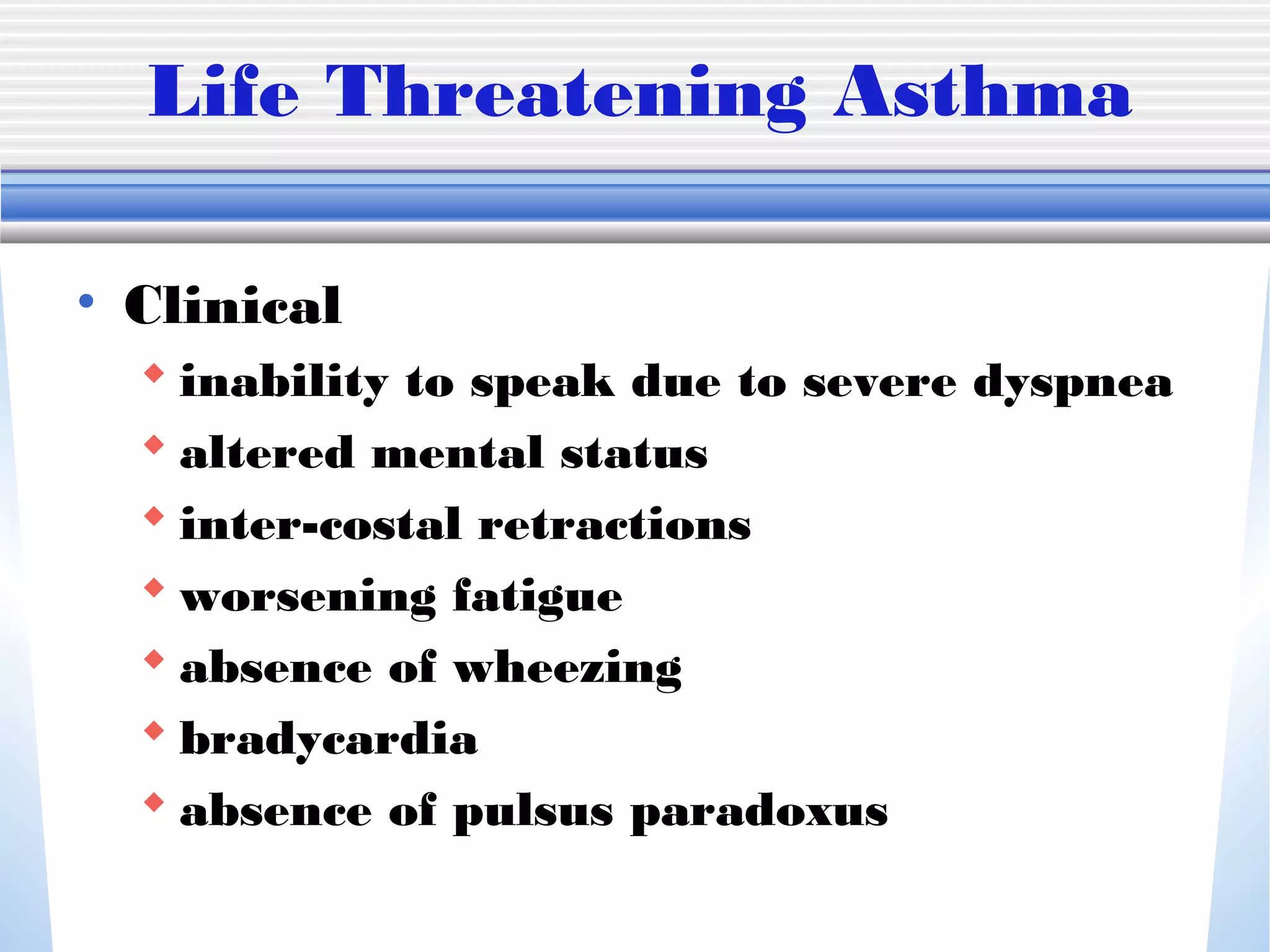
Life Threatening Asthma
• Clinical
 inability to speak due to severe dyspnea
 altered mental status
 inter-costal retractions
 worsening fatigue
 absence of wheezing
 bradycardia
 absence of pulsus paradoxus
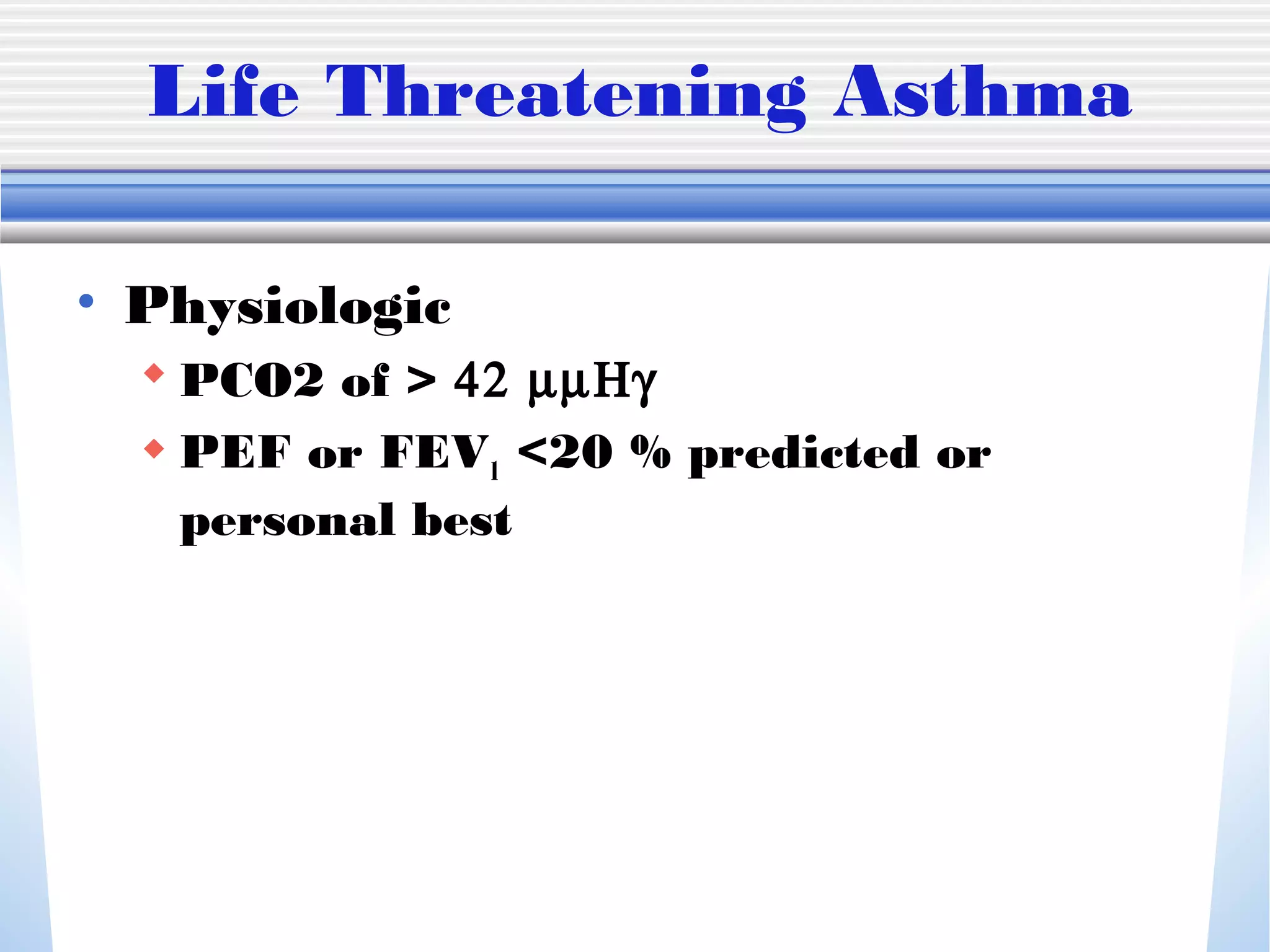
Life Threatening Asthma
• Physiologic
 PCO2 of > 42 µµΗγ
 PEF or FEV1 <20 % predicted or
personal best
Pathophysiology
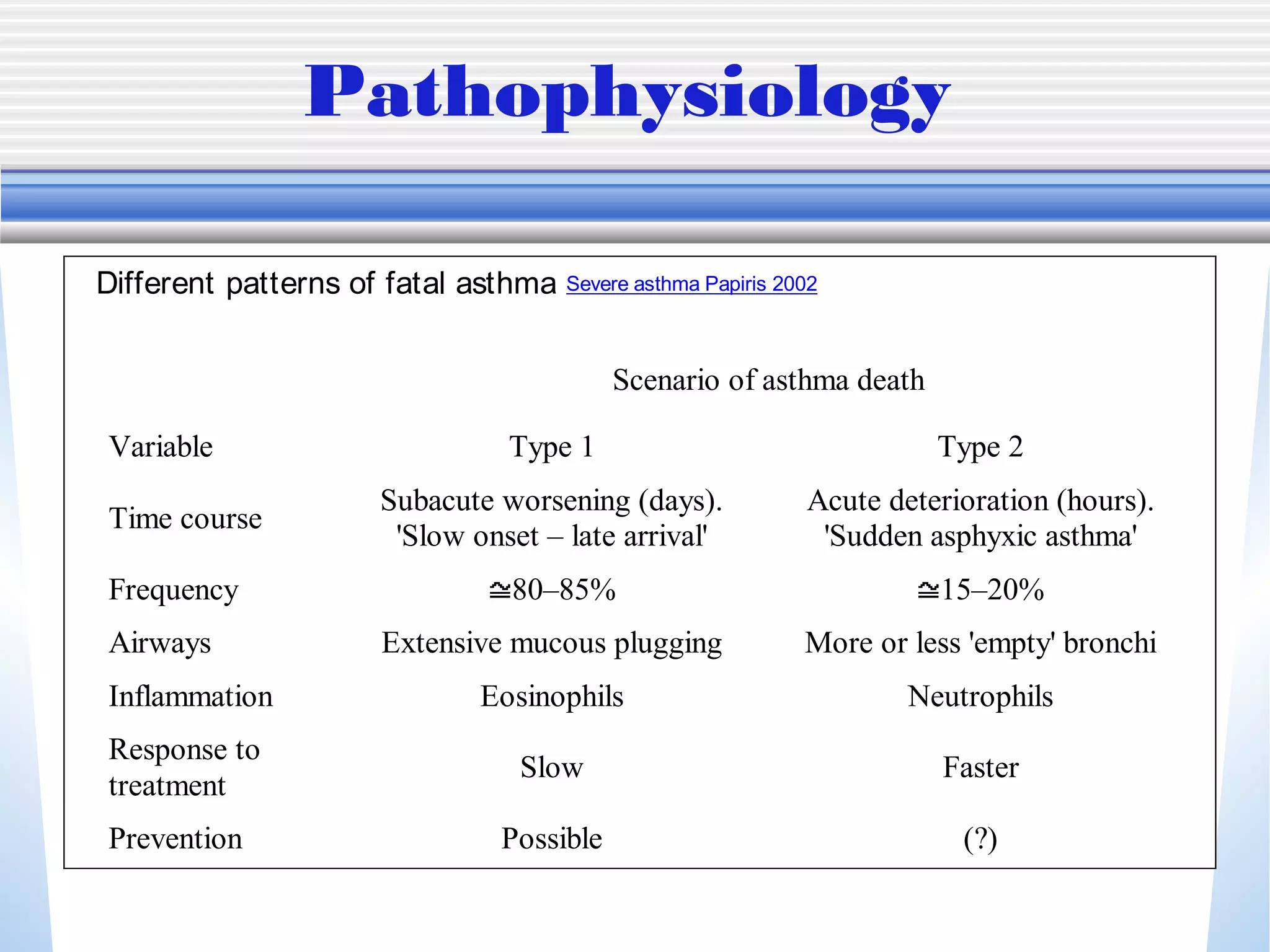
Different patterns of fatal asthma Severe asthma Papiris 2002
Scenario of asthma death
Variable Type 1 Type 2
Time course
Subacute worsening (days).
'Slow onset – late arrival'
Acute deterioration (hours).
'Sudden asphyxic asthma'
Frequency 80–85% 15–20%
Airways Extensive mucous plugging More or less 'empty' bronchi
Inflammation Eosinophils Neutrophils
Response to
treatment
Slow Faster
Prevention Possible (?)
Cause of Death
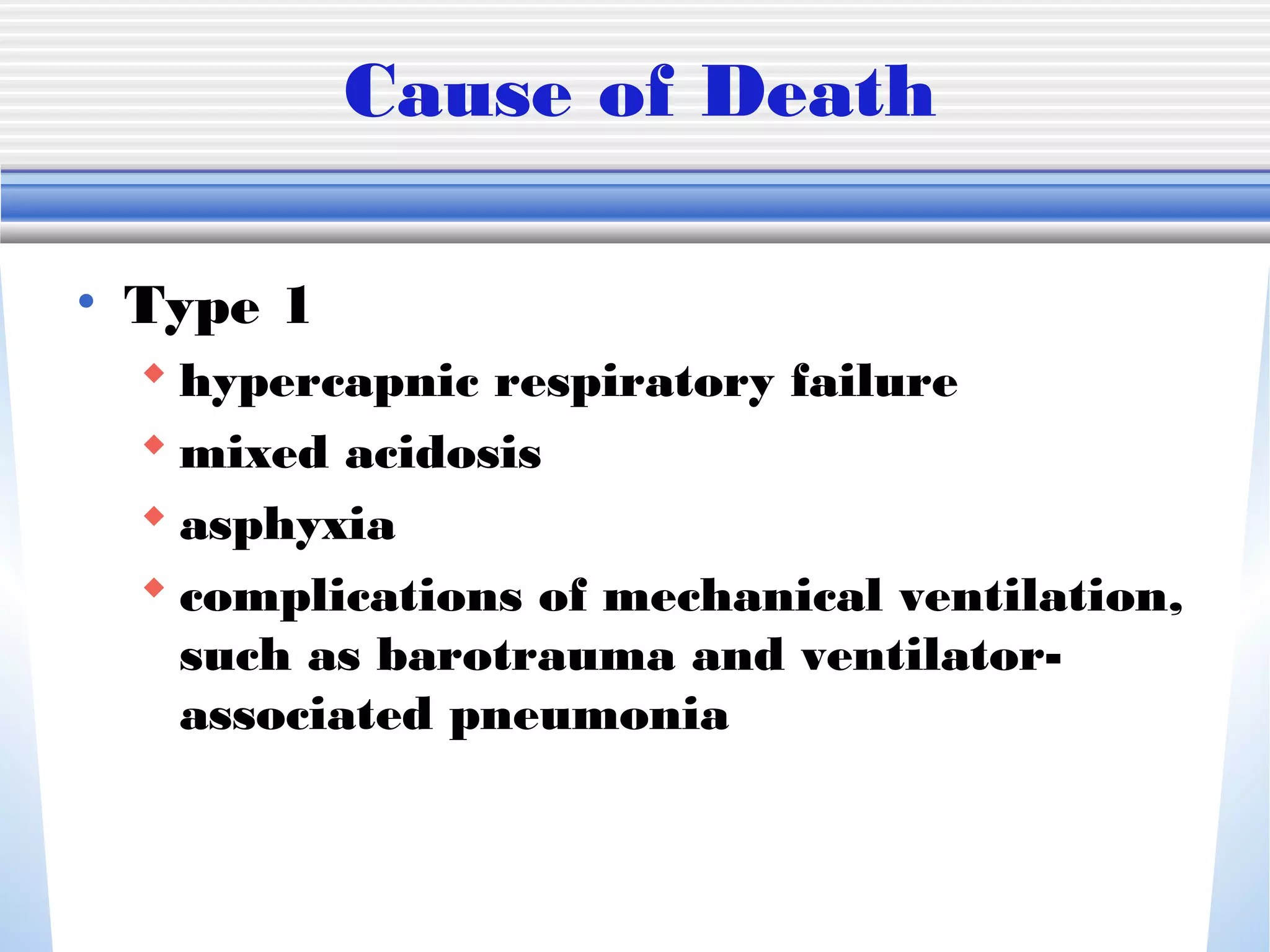
• Type 1
 hypercapnic respiratory failure
 mixed acidosis
 asphyxia
 complications of mechanical ventilation,
such as barotrauma and ventilator-
associated pneumonia
Cause of Death
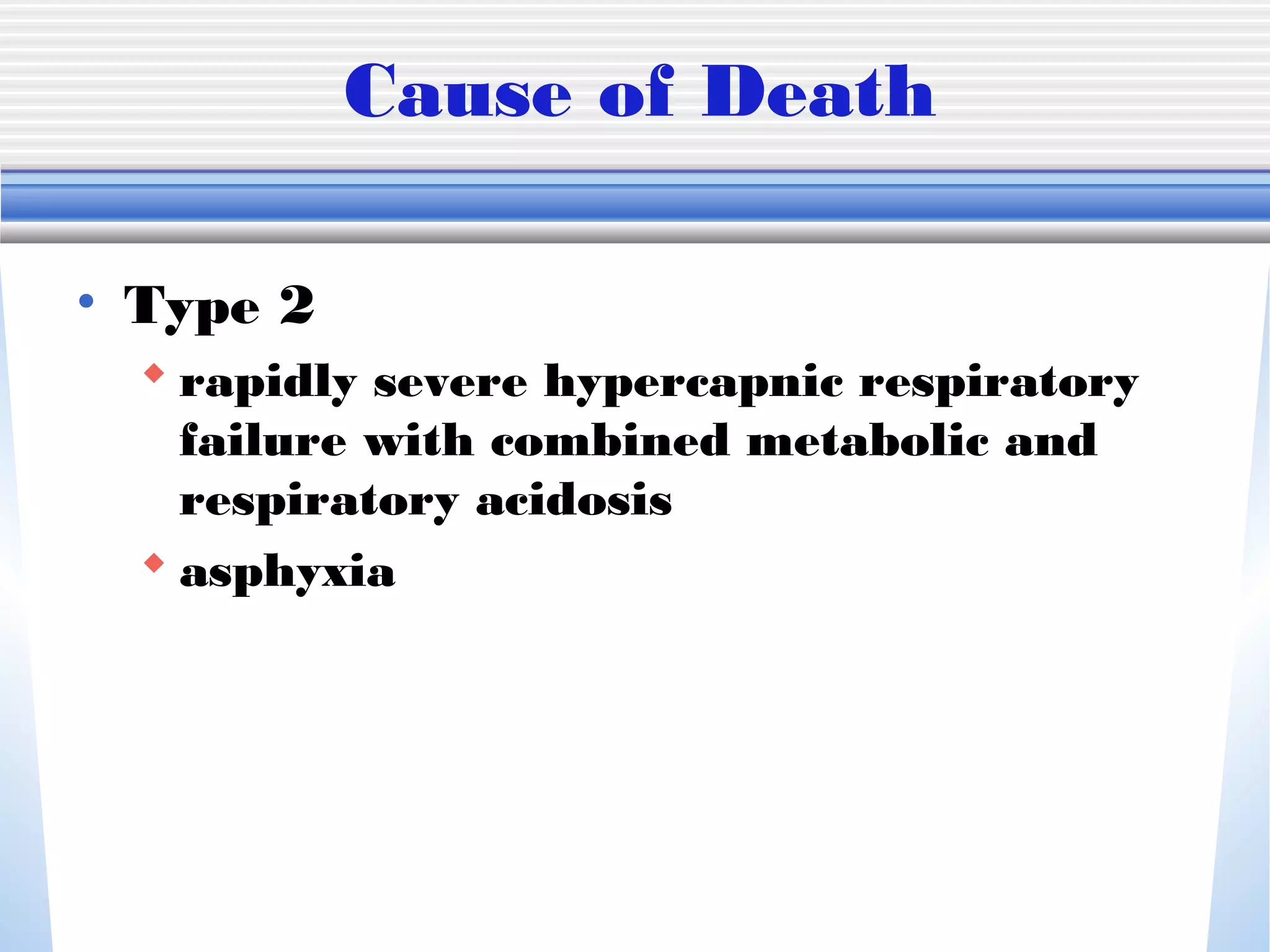
• Type 2
 rapidly severe hypercapnic respiratory
failure with combined metabolic and
respiratory acidosis
 asphyxia
Risk Factors for Death from Asthma
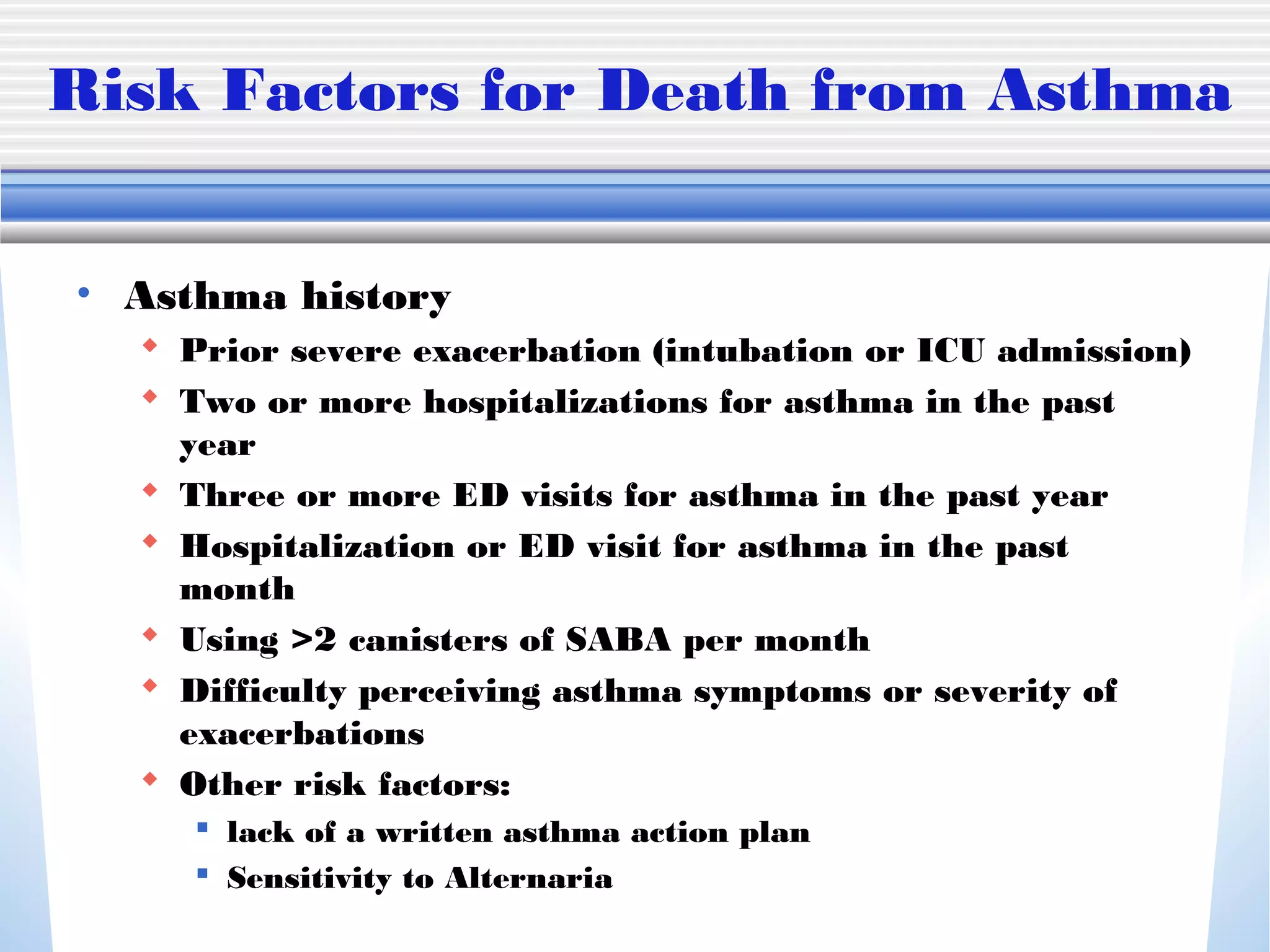
• Asthma history
 Prior severe exacerbation (intubation or ICU admission)
 Two or more hospitalizations for asthma in the past
year
 Three or more ED visits for asthma in the past year
 Hospitalization or ED visit for asthma in the past
month
 Using >2 canisters of SABA per month
 Difficulty perceiving asthma symptoms or severity of
exacerbations
 Other risk factors:
 lack of a written asthma action plan
 Sensitivity to Alternaria
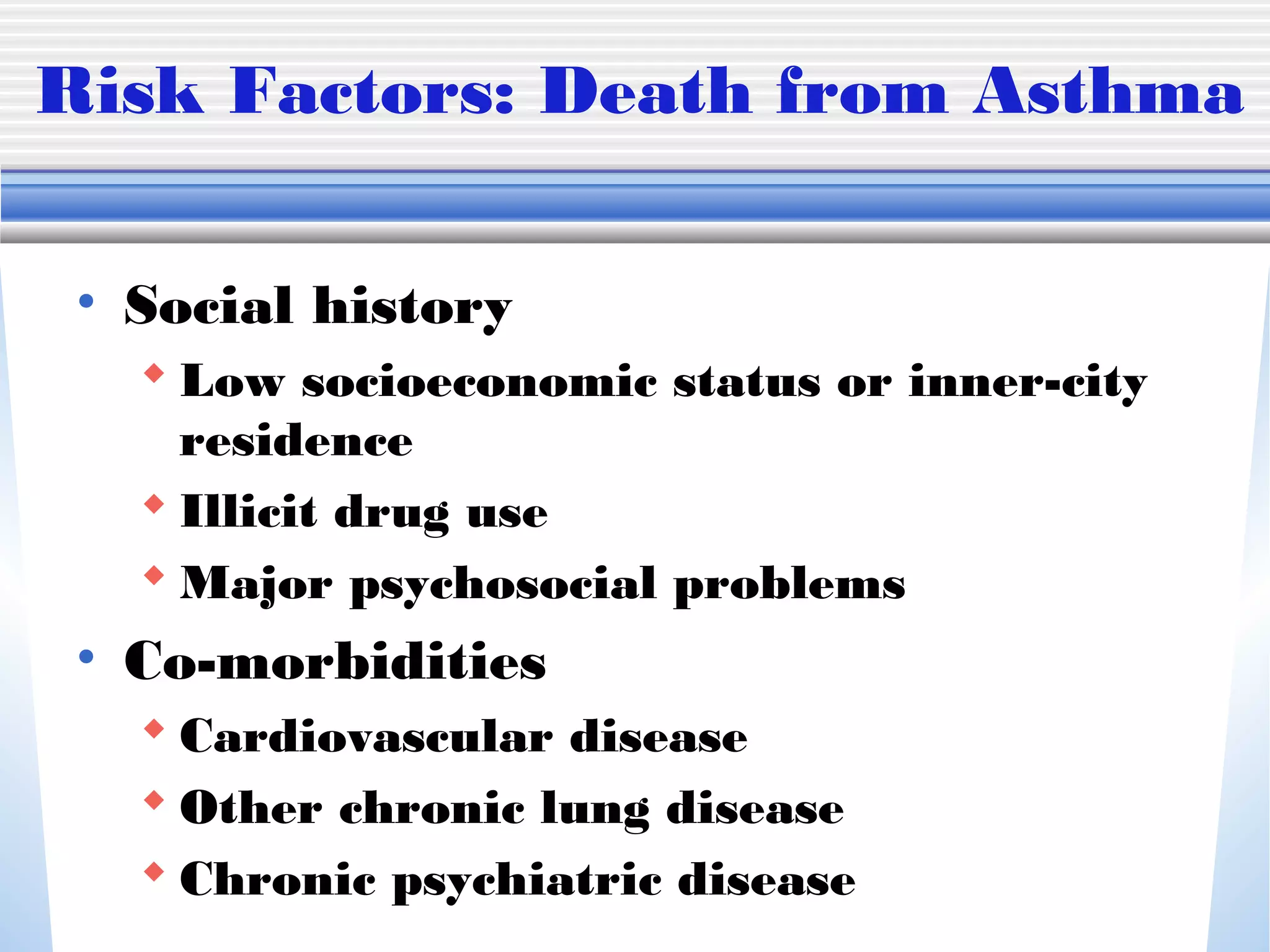
Risk Factors: Death from Asthma
• Social history
 Low socioeconomic status or inner-city
residence
 Illicit drug use
 Major psychosocial problems
• Co-morbidities
 Cardiovascular disease
 Other chronic lung disease
 Chronic psychiatric disease
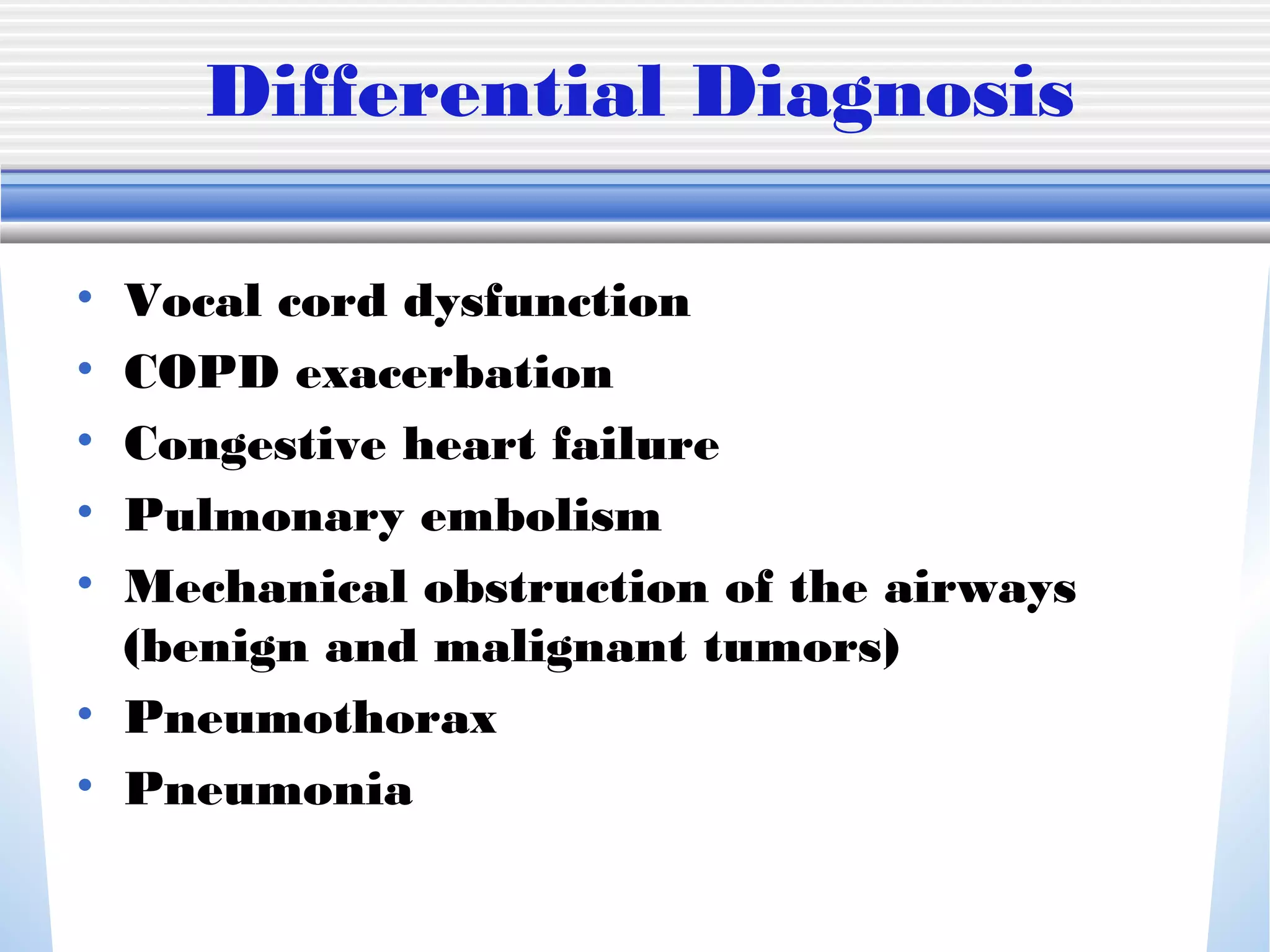
Differential Diagnosis
• Vocal cord dysfunction
• COPD exacerbation
• Congestive heart failure
• Pulmonary embolism
• Mechanical obstruction of the airways
(benign and malignant tumors)
• Pneumothorax
• Pneumonia
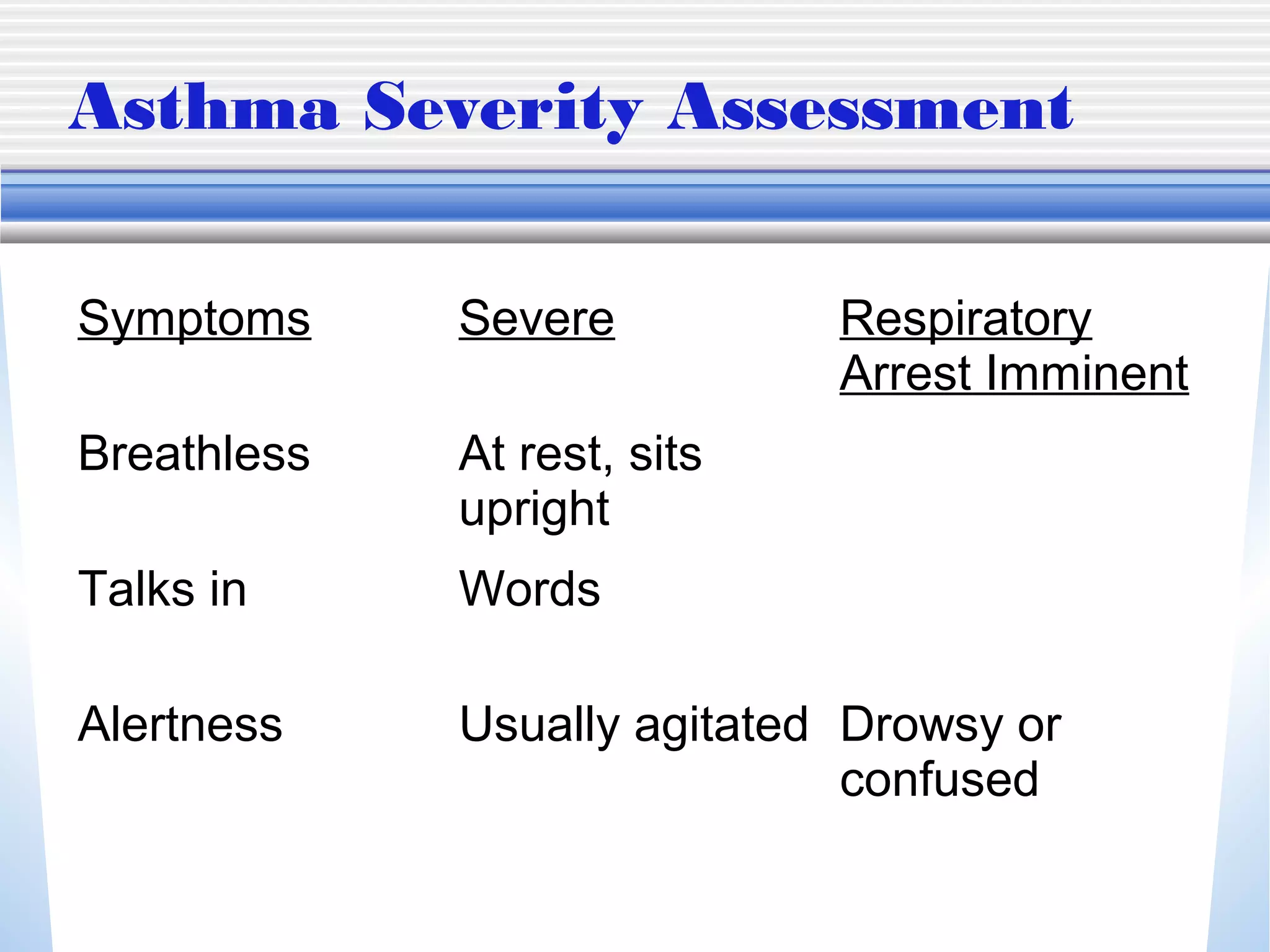
Asthma Severity Assessment
Symptoms Severe Respiratory
Arrest Imminent
Breathless At rest, sits
upright
Talks in Words
Alertness Usually agitated Drowsy or
confused
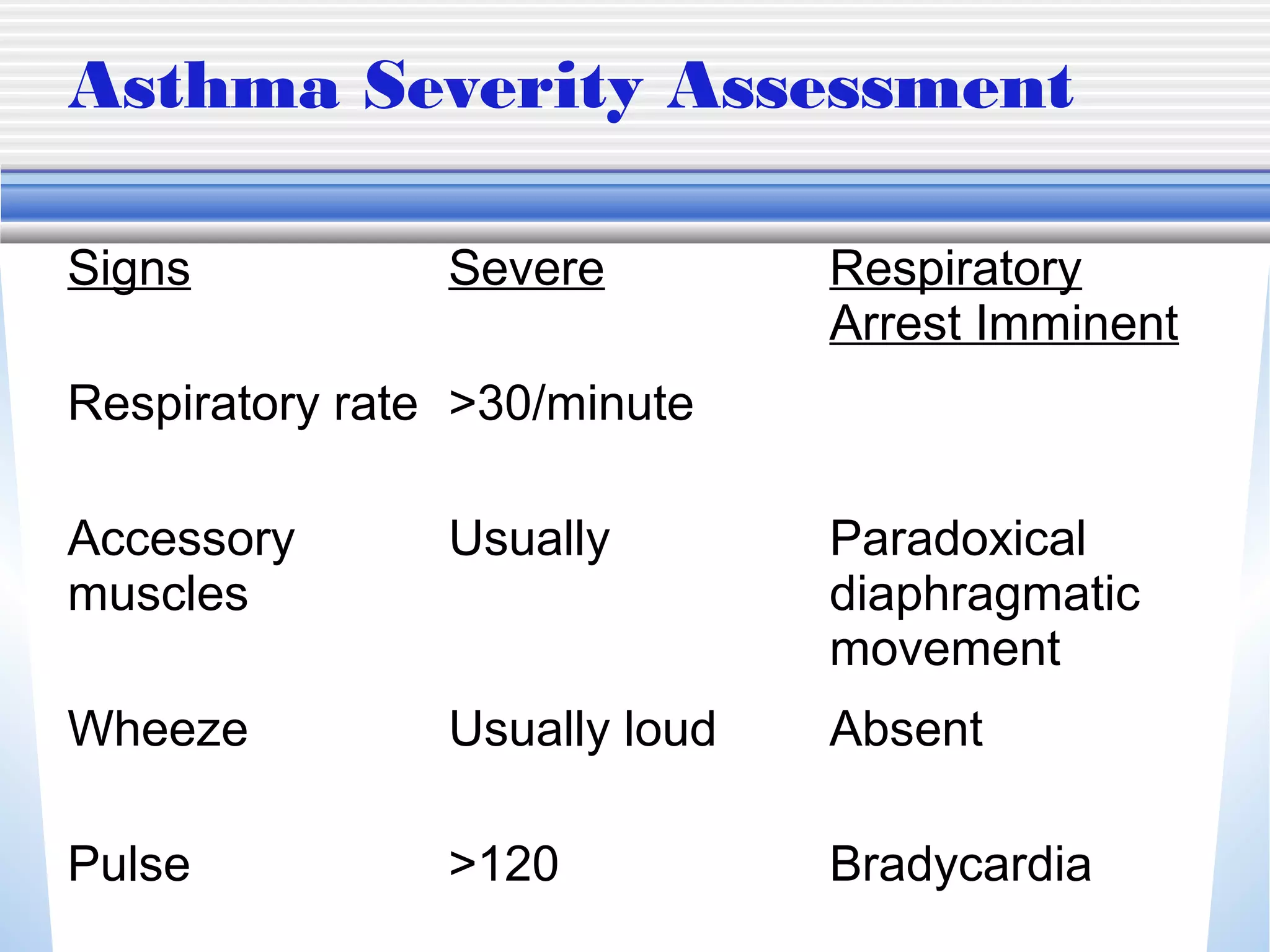
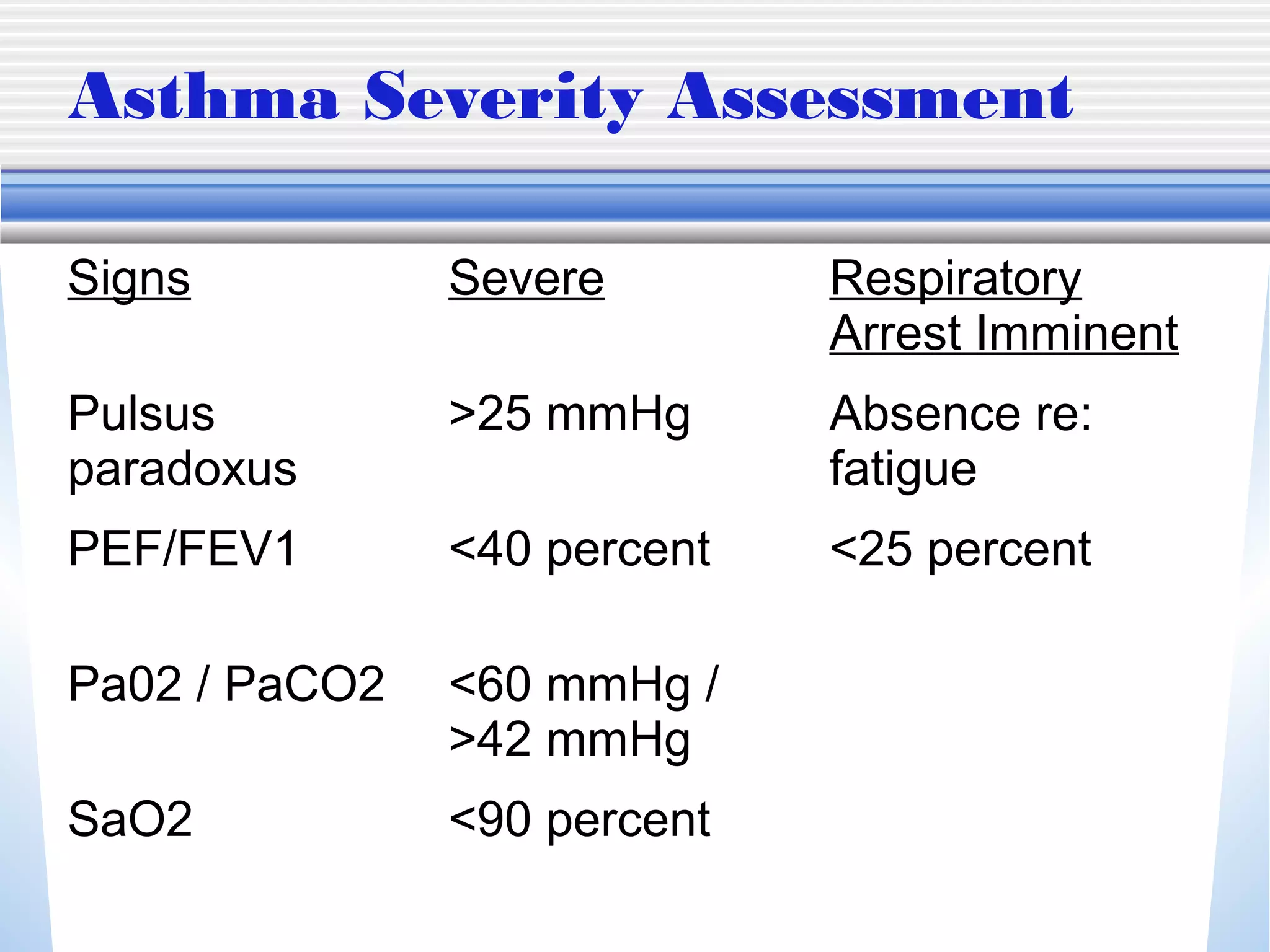
Asthma Severity Assessment
Signs Severe Respiratory
Arrest Imminent
Respiratory rate >30/minute
Accessory
muscles
Usually Paradoxical
diaphragmatic
movement
Wheeze Usually loud Absent
Pulse >120 Bradycardia
Asthma Severity Assessment
Signs Severe Respiratory
Arrest Imminent
Pulsus
paradoxus
>25 mmHg Absence re:
fatigue
PEF/FEV1 <40 percent <25 percent
Pa02 / PaCO2 <60 mmHg /
>42 mmHg
SaO2 <90 percent
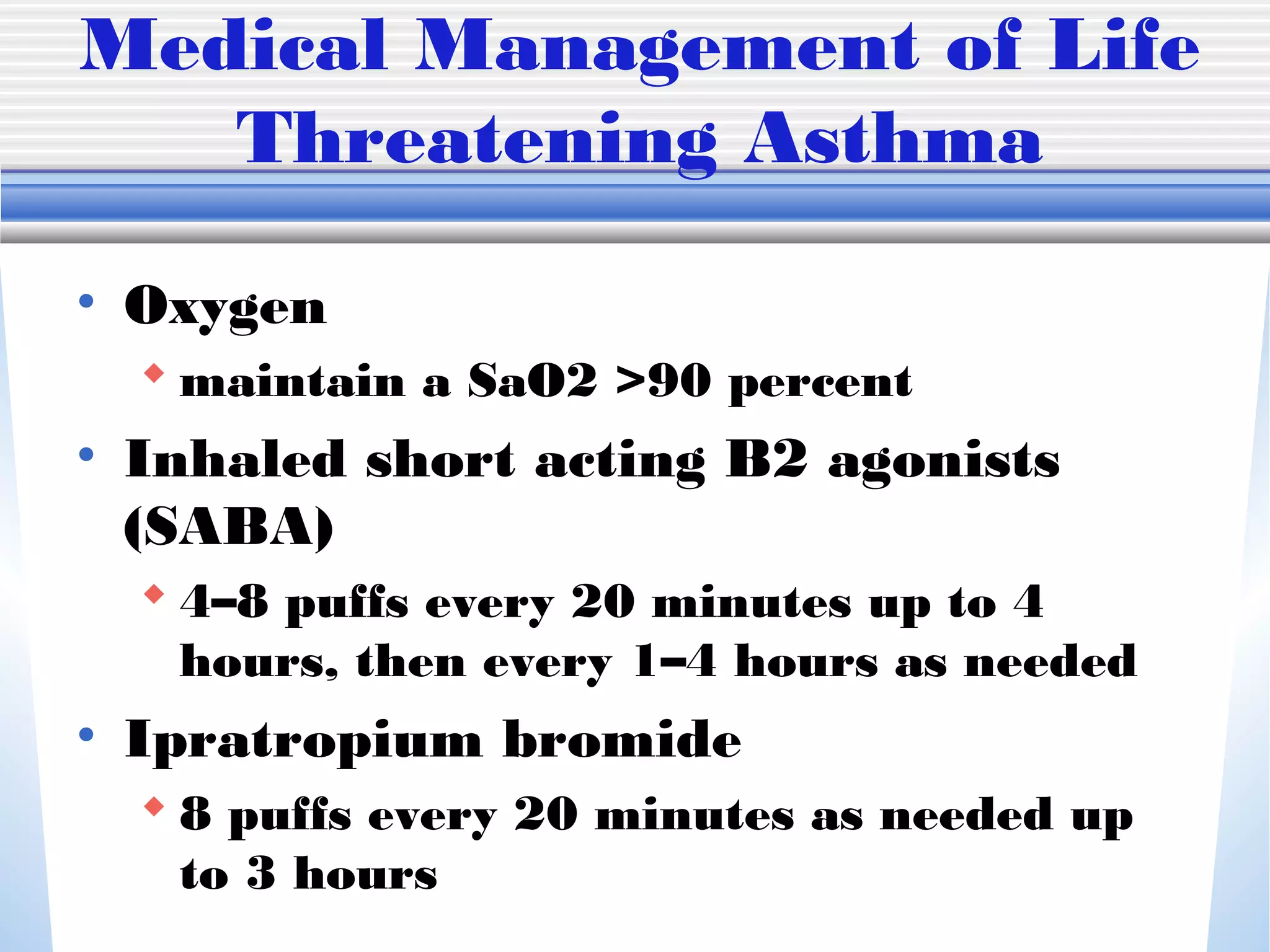
Medical Management of Life
Threatening Asthma
• Oxygen
 maintain a SaO2 >90 percent
• Inhaled short acting B2 agonists
(SABA)
 4–8 puffs every 20 minutes up to 4
hours, then every 1–4 hours as needed
• Ipratropium bromide
 8 puffs every 20 minutes as needed up
to 3 hours
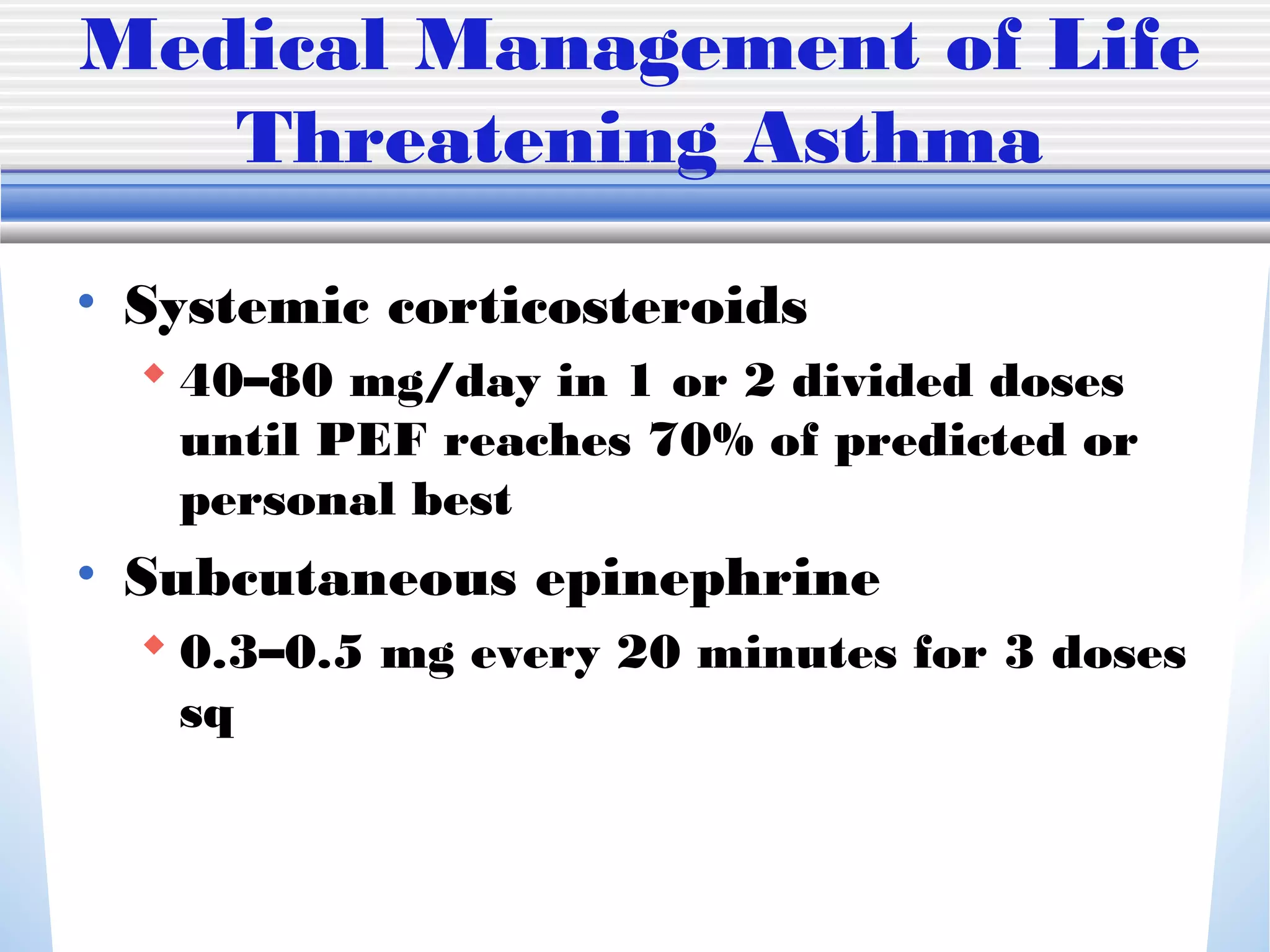
Medical Management of Life
Threatening Asthma
• Systemic corticosteroids
 40–80 mg/day in 1 or 2 divided doses
until PEF reaches 70% of predicted or
personal best
• Subcutaneous epinephrine
 0.3–0.5 mg every 20 minutes for 3 doses
sq
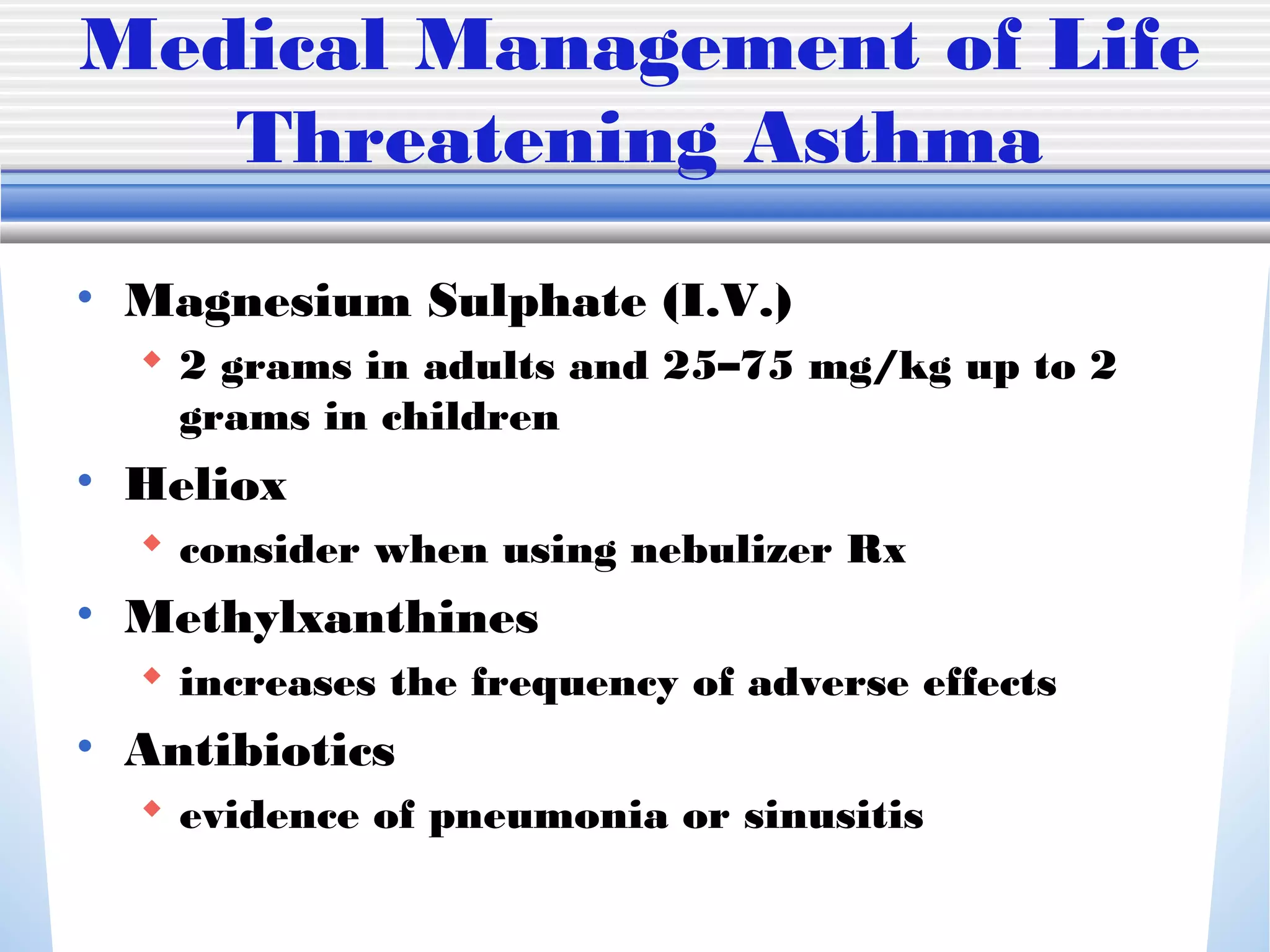
Medical Management of Life
Threatening Asthma
• Magnesium Sulphate (I.V.)
 2 grams in adults and 25–75 mg/kg up to 2
grams in children
• Heliox
 consider when using nebulizer Rx
• Methylxanthines
 increases the frequency of adverse effects
• Antibiotics
 evidence of pneumonia or sinusitis
Monitoring during treatment
• Serial Measurements of Lung Function
 Failure of treatment to improve predicts a more severe
course and the need for hospitalization
• Lab Studies
 Hypercapnia, metabolic acidosis, CBC, electrolytes
• Chest Radiography
 exclude complications such as lobar atelectasis,
pneumothorax, pneumomediastinum,
pneumopericardium, or alternate diagnosis such as
congestive heart failure and pneumonia
• Electrocardiogram
 signs of right heart strain
Severe Life Threatening
Asthma
ICU/Mechanical Ventilation
Criteria for ICU admission
• PaCO2 > 45 mmHg
• impaired consciousness
• respiratory arrest
• significant hypoxia (transcutaneous oxygen
saturation <92%) with severe airway
obstruction
• ICU admission may also be indicated for
respiratory arrest, altered mental status,
myocardial injury, and when there is need
for frequent nebulizer treatments.
Pulmonary Hyperinflation
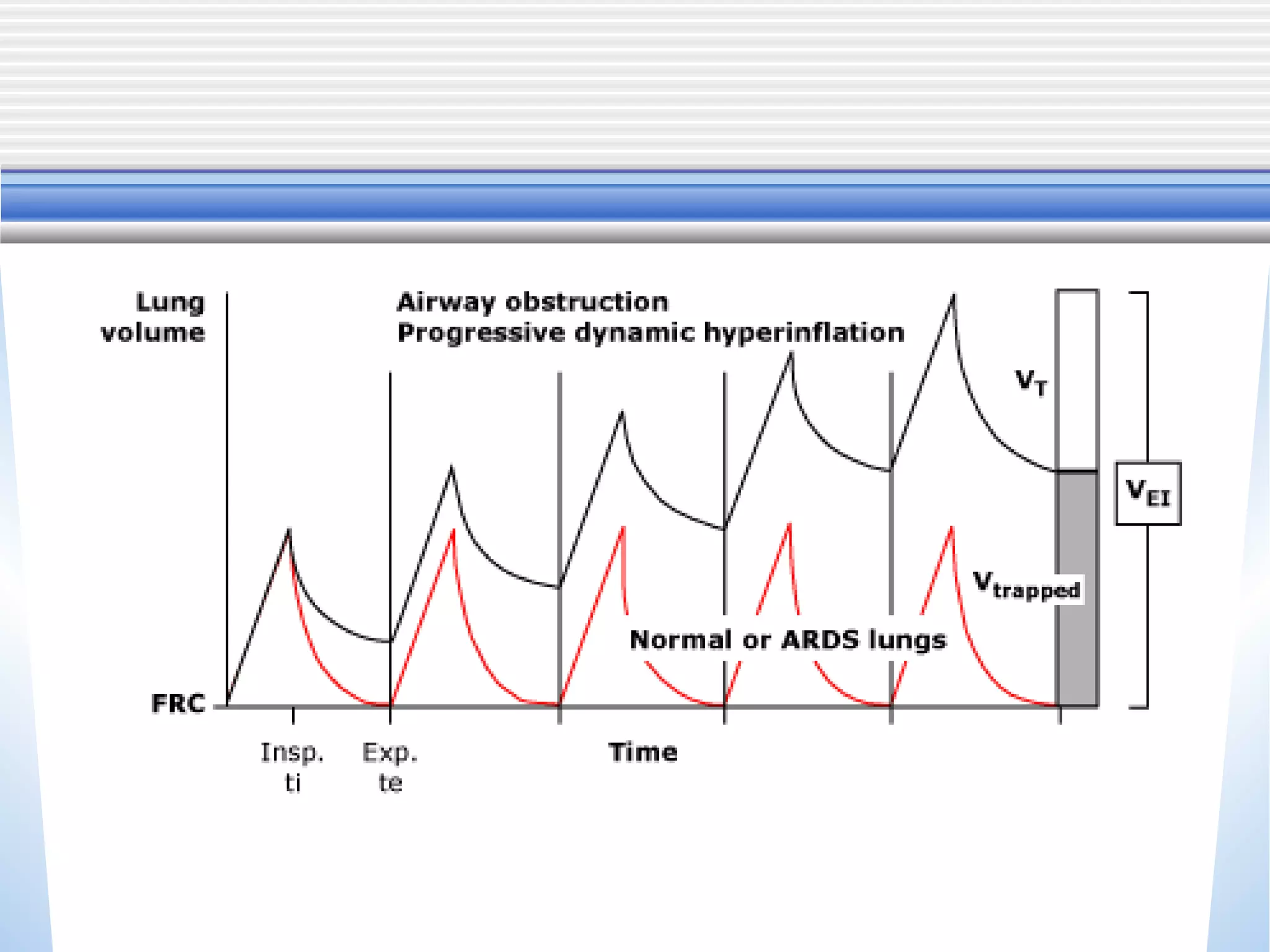
• Increase in functional residual capacity
 Can be as much as 2x normal
• Critical limitation of the expiratory flow:
 Reduced driving forces of the expiratory flow
 Low pulmonary recoil
 High outward recoil of the chest wall generated by
the persistent activation of the inspiratory muscles
 Increased resistance to airflow
 Severely reduced airway caliber
 Expiratory narrowing of the glottic aperture
Pulmonary Hyperinflation
• Increase in the time constant of the
respiratory system (prolonged expiration)
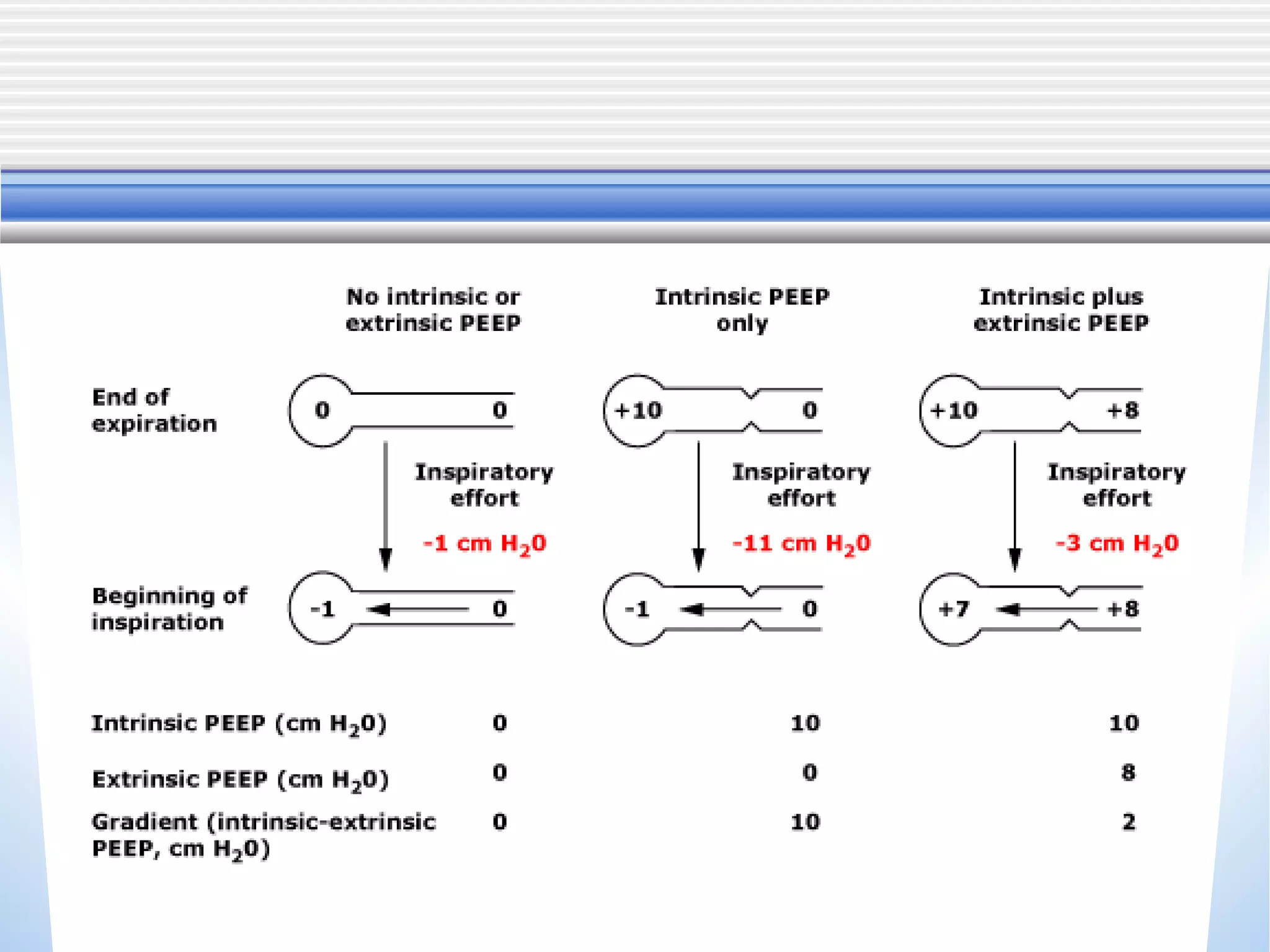
• Inspiration starts before static
equilibrium is reached (PEEPi)
• PEEPi depends on:
 Vt
 Time constant of the respiratory system
 RR (shortening of the expiratory time)
Non-Invasive Ventilation
• Mask CPAP:
 Reduce transdiaphragmatic pressure
 Improve comfort
 Reduce hemodynamic effects (pulsus
paradoxus)
 May re-expands atelectasis
 May decreases airflow obstruction
J Crit Care 1993;8:87
Am Rev Respir Dis 1982;126:812
Chest 1996;110:767
Chest 2003;123:1018
Non-Invasive Ventilation
• Improve gas exchange, alleviate
respiratory distress, prevent
exhaustion and improve
hemodynamics.
• In selected patients NIV can shorten
the attack, improve lung function
and prevent ICU admission.
J Crit Care 1993;8:87
Am Rev Respir Dis 1982;126:812
Chest 1996;110:767
Chest 2003;123:1018
Mechanical Ventilation
• Life saving intervention needed by
a small minority of patients!
• Fewer deaths with controlled
hypoventilation compared with
ventilation in which carbon dioxide
levels were normalized
 historical cohorts and case series have
reported mortality rates of 7.5­23%
Mechanical Ventilation
• Mechanical ventilation is associated with
hypotension, barotrauma, infection, and
myopathy, especially when prolonged
paralysis is required with muscle
relaxants and systemic corticosteroids.
• Adverse effects reported in one
retrospective study of 88 episodes of
mechanical ventilation were hypotension
(20%), barotrauma (14%), and
arrhythmias (10%).
Intubation
• < 1% of asthmatics require
intubation for mechanical
ventilation.
• Rapid sequence intubation is the
method of choice
• Crucial objective is to prevent any
further increase in lung
hyperinflation
Intubation
• Absolute indications:
 Respiratory arrest
 Coma
• With maximum medical therapy:
 Worsening pulmonary function tests
 Decreasing PaO2
 Increasing PaCO2
 Progressive respiratory acidosis
 Declining mental status
 Increasing agitation
Intubation
• Post-intubation hypotension
 25% to 35% of patients after
intubation
 loss of vascular tone due to sedation,
hypovolemia, tension pneumothorax,
or hyperinflation
• Barotrauma was found to
complicate status asthmaticus in 14
to 27% of patients
Mechanical Ventilation
• Initial ventilator settings
 Low RR (8-12 breaths/min)
 Small Vt 6-8 cc/kg of predicted body weight
 High peak inspiratory flow (70-100 L/min)
 Prolonged expiratory time (I:E 1:2-1:3)
 PEEP to compensate for PEEPi if patient is
breathing spontaneously (80% of auto-
PEEP)
 ZEEP if patient is sedated, paralyzed and on
controlled mechanical ventilation to
maximize exhalation.
Permissive Hypercapnia
• PaCO2 up to 90 mm Hg
• Generally tolerated when adequate
oxygenation is achieved
• The main contraindication is
intracranial disease
• Should be avoided in patients who
have already suffered an anoxic
brain injury and cerebral edema
following cardiorespiratory arrest
Mechanical Ventilation
• Assessing lung inflation
 The volume at end-inspiration, termed
Vei, is determined by collecting
expired gas from total lung capacity to
functional residual capacity during 40
to 60 seconds of apnea. A Vei greater
than 20 mL/kg has been correlated
with barotrauma.
• Pplat < 30
• PEEPi Am Rev Respir Dis 1992;146:607.
Sedation
• Propofol for short term intubation
• Midazolam for prolonged
ventilation
• Morphine or fentanyl depending on
hemodynamics
 Morphine can cause histamine release
Sedation and paralysis
• Ketamine
 intravenous anesthetic with sedative,
analgesic, and bronchodilating
properties
 indirectly stimulates catecholamine
release and, in a dose of up to 2 mg/kg,
will produce bronchodilation in the
critically ill asthmatic
Paralysis
• Indication:
 When safe and effective mechanical
ventilation cannot be achieved by
sedation alone
• Short-term muscle paralysis
Medical Rx with MV
• Bronchodilators
 Higher drug dosages are required and
the dosage should be titrated to
achieve a fall in the peak-to-pause
airway pressure gradient
• General anesthetics
 Halothane and enflurane are general
anesthetic bronchodilators that can
acutely reduce peak pressure and
PaCO2 Crit Care Med 2002; 30:477–480
Intensive Care Med 1990; 16:104-107
Chest 1994;106;1401-1406
CHEST 2003; 123:891–896
Heliox
• Heliox, an 80:20 mixture of helium and oxygen,
can be considered in patients with respiratory
acidosis who fail conventional therapy.
• Helium is a low-density, inert gas that lowers
airway resistance and decreases respiratory work.
• Significant improvement may be noted within 10-
20 minutes of initiating therapy in the asthmatic
with severe bronchospasm.
Weaning from MV
• Extubation
 spontaneous breathing trial once:
 PaCO2 normalizes at a minute ventilation
that is less than 12 LPM
 airway resistance is less than 20 cm
H2O/l
 the patient follows commands, and
 neuromuscular weakness has not been
identified
Rescue therapies
• ECLS
 ECMO
 NovaLung
Am J Emerg Med 1997;15:566-569
Chest 1993;103:1651-54
Rescue therapies
• Novalung
 pumpless low resistance gas exchange
membrane reliant on arteriovenous
shunt and a sweep flow oxygen for
membrane diffusion of oxygen and
carbon dioxide.
 Arteriovenous and venovenous
 Patients: rescue therapy for patients
with refractory bronchospasm, who
failed all usual interventions, have
arterial PaCO2 >110 mmHg and have
severe acidosis.
Crit Care Med 2007; 35:945–948
Novalung
• Reasons
 Bronchospasm in acute severe asthma is
usually reversible, iLA should only be required
for short periods of time
 Novalung is highly effective at CO2 clearance.
Usually Oxygenation is not a major problem
 Patients with acute severe asthma have have
sufficient cardiac output and blood pressure
to maintain arteriovenous shunt across the
membrane
• Cons
 Large bore arterial and venous cannulation
 Systemic anticoagulation
Life Threatening Asthma
• Be on the alert in order to identify
high risk patients
• Be ready to initiate life saving
treatments, possibly even including
inhaled anaesthetics and NovaLung
• Try your best to prevent
complications
n.ferguson@utoronto.c
a
October 20-22, 2009
Metro Toronto Convention Centre

Mechanical Ventilation for severe Asthma

  • 1.
    Mechanical Ventilation for SevereAsthma Niall D. Ferguson, MD, FRCPC, MSc Assistant Professor Interdepartmental Division of Critical Care Medicine University of Toronto
  • 2.
    Asthma Death Rates Modifiedfrom TRENDS IN ASTHMA MORBIDITY AND MORTALITY, ALA • Number of Deaths in 2004 3780 • Age Adjusted Mortality in 1999 1.7 / 100,000 • Age Adjusted Mortality in 2004 1.3 / 100,000 • Reduction in Mortality  18.8% decrease compared to 1999
  • 3.
    Life Threatening Asthma •Clinical  inability to speak due to severe dyspnea  altered mental status  inter-costal retractions  worsening fatigue  absence of wheezing  bradycardia  absence of pulsus paradoxus
  • 4.
    Life Threatening Asthma •Physiologic  PCO2 of > 42 µµΗγ  PEF or FEV1 <20 % predicted or personal best
  • 5.
    Pathophysiology Different patterns offatal asthma Severe asthma Papiris 2002 Scenario of asthma death Variable Type 1 Type 2 Time course Subacute worsening (days). 'Slow onset – late arrival' Acute deterioration (hours). 'Sudden asphyxic asthma' Frequency 80–85% 15–20% Airways Extensive mucous plugging More or less 'empty' bronchi Inflammation Eosinophils Neutrophils Response to treatment Slow Faster Prevention Possible (?)
  • 6.
    Cause of Death •Type 1  hypercapnic respiratory failure  mixed acidosis  asphyxia  complications of mechanical ventilation, such as barotrauma and ventilator- associated pneumonia
  • 7.
    Cause of Death •Type 2  rapidly severe hypercapnic respiratory failure with combined metabolic and respiratory acidosis  asphyxia
  • 8.
    Risk Factors forDeath from Asthma • Asthma history  Prior severe exacerbation (intubation or ICU admission)  Two or more hospitalizations for asthma in the past year  Three or more ED visits for asthma in the past year  Hospitalization or ED visit for asthma in the past month  Using >2 canisters of SABA per month  Difficulty perceiving asthma symptoms or severity of exacerbations  Other risk factors:  lack of a written asthma action plan  Sensitivity to Alternaria
  • 9.
    Risk Factors: Deathfrom Asthma • Social history  Low socioeconomic status or inner-city residence  Illicit drug use  Major psychosocial problems • Co-morbidities  Cardiovascular disease  Other chronic lung disease  Chronic psychiatric disease
  • 10.
    Differential Diagnosis • Vocalcord dysfunction • COPD exacerbation • Congestive heart failure • Pulmonary embolism • Mechanical obstruction of the airways (benign and malignant tumors) • Pneumothorax • Pneumonia
  • 11.
    Asthma Severity Assessment SymptomsSevere Respiratory Arrest Imminent Breathless At rest, sits upright Talks in Words Alertness Usually agitated Drowsy or confused
  • 12.
    Asthma Severity Assessment SignsSevere Respiratory Arrest Imminent Respiratory rate >30/minute Accessory muscles Usually Paradoxical diaphragmatic movement Wheeze Usually loud Absent Pulse >120 Bradycardia
  • 13.
    Asthma Severity Assessment SignsSevere Respiratory Arrest Imminent Pulsus paradoxus >25 mmHg Absence re: fatigue PEF/FEV1 <40 percent <25 percent Pa02 / PaCO2 <60 mmHg / >42 mmHg SaO2 <90 percent
  • 14.
    Medical Management ofLife Threatening Asthma • Oxygen  maintain a SaO2 >90 percent • Inhaled short acting B2 agonists (SABA)  4–8 puffs every 20 minutes up to 4 hours, then every 1–4 hours as needed • Ipratropium bromide  8 puffs every 20 minutes as needed up to 3 hours
  • 15.
    Medical Management ofLife Threatening Asthma • Systemic corticosteroids  40–80 mg/day in 1 or 2 divided doses until PEF reaches 70% of predicted or personal best • Subcutaneous epinephrine  0.3–0.5 mg every 20 minutes for 3 doses sq
  • 16.
    Medical Management ofLife Threatening Asthma • Magnesium Sulphate (I.V.)  2 grams in adults and 25–75 mg/kg up to 2 grams in children • Heliox  consider when using nebulizer Rx • Methylxanthines  increases the frequency of adverse effects • Antibiotics  evidence of pneumonia or sinusitis
  • 17.
    Monitoring during treatment •Serial Measurements of Lung Function  Failure of treatment to improve predicts a more severe course and the need for hospitalization • Lab Studies  Hypercapnia, metabolic acidosis, CBC, electrolytes • Chest Radiography  exclude complications such as lobar atelectasis, pneumothorax, pneumomediastinum, pneumopericardium, or alternate diagnosis such as congestive heart failure and pneumonia • Electrocardiogram  signs of right heart strain
  • 18.
  • 19.
    Criteria for ICUadmission • PaCO2 > 45 mmHg • impaired consciousness • respiratory arrest • significant hypoxia (transcutaneous oxygen saturation <92%) with severe airway obstruction • ICU admission may also be indicated for respiratory arrest, altered mental status, myocardial injury, and when there is need for frequent nebulizer treatments.
  • 20.
    Pulmonary Hyperinflation • Increasein functional residual capacity  Can be as much as 2x normal • Critical limitation of the expiratory flow:  Reduced driving forces of the expiratory flow  Low pulmonary recoil  High outward recoil of the chest wall generated by the persistent activation of the inspiratory muscles  Increased resistance to airflow  Severely reduced airway caliber  Expiratory narrowing of the glottic aperture
  • 21.
    Pulmonary Hyperinflation • Increasein the time constant of the respiratory system (prolonged expiration) • Inspiration starts before static equilibrium is reached (PEEPi) • PEEPi depends on:  Vt  Time constant of the respiratory system  RR (shortening of the expiratory time)
  • 24.
    Non-Invasive Ventilation • MaskCPAP:  Reduce transdiaphragmatic pressure  Improve comfort  Reduce hemodynamic effects (pulsus paradoxus)  May re-expands atelectasis  May decreases airflow obstruction J Crit Care 1993;8:87 Am Rev Respir Dis 1982;126:812 Chest 1996;110:767 Chest 2003;123:1018
  • 25.
    Non-Invasive Ventilation • Improvegas exchange, alleviate respiratory distress, prevent exhaustion and improve hemodynamics. • In selected patients NIV can shorten the attack, improve lung function and prevent ICU admission. J Crit Care 1993;8:87 Am Rev Respir Dis 1982;126:812 Chest 1996;110:767 Chest 2003;123:1018
  • 26.
    Mechanical Ventilation • Lifesaving intervention needed by a small minority of patients! • Fewer deaths with controlled hypoventilation compared with ventilation in which carbon dioxide levels were normalized  historical cohorts and case series have reported mortality rates of 7.5­23%
  • 27.
    Mechanical Ventilation • Mechanicalventilation is associated with hypotension, barotrauma, infection, and myopathy, especially when prolonged paralysis is required with muscle relaxants and systemic corticosteroids. • Adverse effects reported in one retrospective study of 88 episodes of mechanical ventilation were hypotension (20%), barotrauma (14%), and arrhythmias (10%).
  • 28.
    Intubation • < 1%of asthmatics require intubation for mechanical ventilation. • Rapid sequence intubation is the method of choice • Crucial objective is to prevent any further increase in lung hyperinflation
  • 29.
    Intubation • Absolute indications: Respiratory arrest  Coma • With maximum medical therapy:  Worsening pulmonary function tests  Decreasing PaO2  Increasing PaCO2  Progressive respiratory acidosis  Declining mental status  Increasing agitation
  • 30.
    Intubation • Post-intubation hypotension 25% to 35% of patients after intubation  loss of vascular tone due to sedation, hypovolemia, tension pneumothorax, or hyperinflation • Barotrauma was found to complicate status asthmaticus in 14 to 27% of patients
  • 31.
    Mechanical Ventilation • Initialventilator settings  Low RR (8-12 breaths/min)  Small Vt 6-8 cc/kg of predicted body weight  High peak inspiratory flow (70-100 L/min)  Prolonged expiratory time (I:E 1:2-1:3)  PEEP to compensate for PEEPi if patient is breathing spontaneously (80% of auto- PEEP)  ZEEP if patient is sedated, paralyzed and on controlled mechanical ventilation to maximize exhalation.
  • 32.
    Permissive Hypercapnia • PaCO2up to 90 mm Hg • Generally tolerated when adequate oxygenation is achieved • The main contraindication is intracranial disease • Should be avoided in patients who have already suffered an anoxic brain injury and cerebral edema following cardiorespiratory arrest
  • 33.
    Mechanical Ventilation • Assessinglung inflation  The volume at end-inspiration, termed Vei, is determined by collecting expired gas from total lung capacity to functional residual capacity during 40 to 60 seconds of apnea. A Vei greater than 20 mL/kg has been correlated with barotrauma. • Pplat < 30 • PEEPi Am Rev Respir Dis 1992;146:607.
  • 34.
    Sedation • Propofol forshort term intubation • Midazolam for prolonged ventilation • Morphine or fentanyl depending on hemodynamics  Morphine can cause histamine release
  • 35.
    Sedation and paralysis •Ketamine  intravenous anesthetic with sedative, analgesic, and bronchodilating properties  indirectly stimulates catecholamine release and, in a dose of up to 2 mg/kg, will produce bronchodilation in the critically ill asthmatic
  • 36.
    Paralysis • Indication:  Whensafe and effective mechanical ventilation cannot be achieved by sedation alone • Short-term muscle paralysis
  • 37.
    Medical Rx withMV • Bronchodilators  Higher drug dosages are required and the dosage should be titrated to achieve a fall in the peak-to-pause airway pressure gradient • General anesthetics  Halothane and enflurane are general anesthetic bronchodilators that can acutely reduce peak pressure and PaCO2 Crit Care Med 2002; 30:477–480 Intensive Care Med 1990; 16:104-107 Chest 1994;106;1401-1406 CHEST 2003; 123:891–896
  • 38.
    Heliox • Heliox, an80:20 mixture of helium and oxygen, can be considered in patients with respiratory acidosis who fail conventional therapy. • Helium is a low-density, inert gas that lowers airway resistance and decreases respiratory work. • Significant improvement may be noted within 10- 20 minutes of initiating therapy in the asthmatic with severe bronchospasm.
  • 39.
    Weaning from MV •Extubation  spontaneous breathing trial once:  PaCO2 normalizes at a minute ventilation that is less than 12 LPM  airway resistance is less than 20 cm H2O/l  the patient follows commands, and  neuromuscular weakness has not been identified
  • 40.
    Rescue therapies • ECLS ECMO  NovaLung Am J Emerg Med 1997;15:566-569 Chest 1993;103:1651-54
  • 41.
    Rescue therapies • Novalung pumpless low resistance gas exchange membrane reliant on arteriovenous shunt and a sweep flow oxygen for membrane diffusion of oxygen and carbon dioxide.  Arteriovenous and venovenous  Patients: rescue therapy for patients with refractory bronchospasm, who failed all usual interventions, have arterial PaCO2 >110 mmHg and have severe acidosis. Crit Care Med 2007; 35:945–948
  • 42.
    Novalung • Reasons  Bronchospasmin acute severe asthma is usually reversible, iLA should only be required for short periods of time  Novalung is highly effective at CO2 clearance. Usually Oxygenation is not a major problem  Patients with acute severe asthma have have sufficient cardiac output and blood pressure to maintain arteriovenous shunt across the membrane • Cons  Large bore arterial and venous cannulation  Systemic anticoagulation
  • 43.
    Life Threatening Asthma •Be on the alert in order to identify high risk patients • Be ready to initiate life saving treatments, possibly even including inhaled anaesthetics and NovaLung • Try your best to prevent complications
  • 44.

Editor's Notes

  • #26 In one study of 21 acute asthmatics with a mean PEFR of 144 L/min, nasal CPAP of 5 or 7.5 cm H2O significantly decreased respiratory rate and dyspnea compared with placebo.
  • #31 If the patient deteriorates or fails to improve despite intensive therapy, intubation and mechanical ventilation must be considered.
  • #47 Since intubation and mechanical ventilation can be life saving but are associated high morbidity and significant mortality