•Stakeholders are individuals or institutions
that are interested in the school curriculum.
Their interests vary in degree and complexity.
They get involved in many different ways in
the implementation, because the curriculum
affects them directly or indirectly.
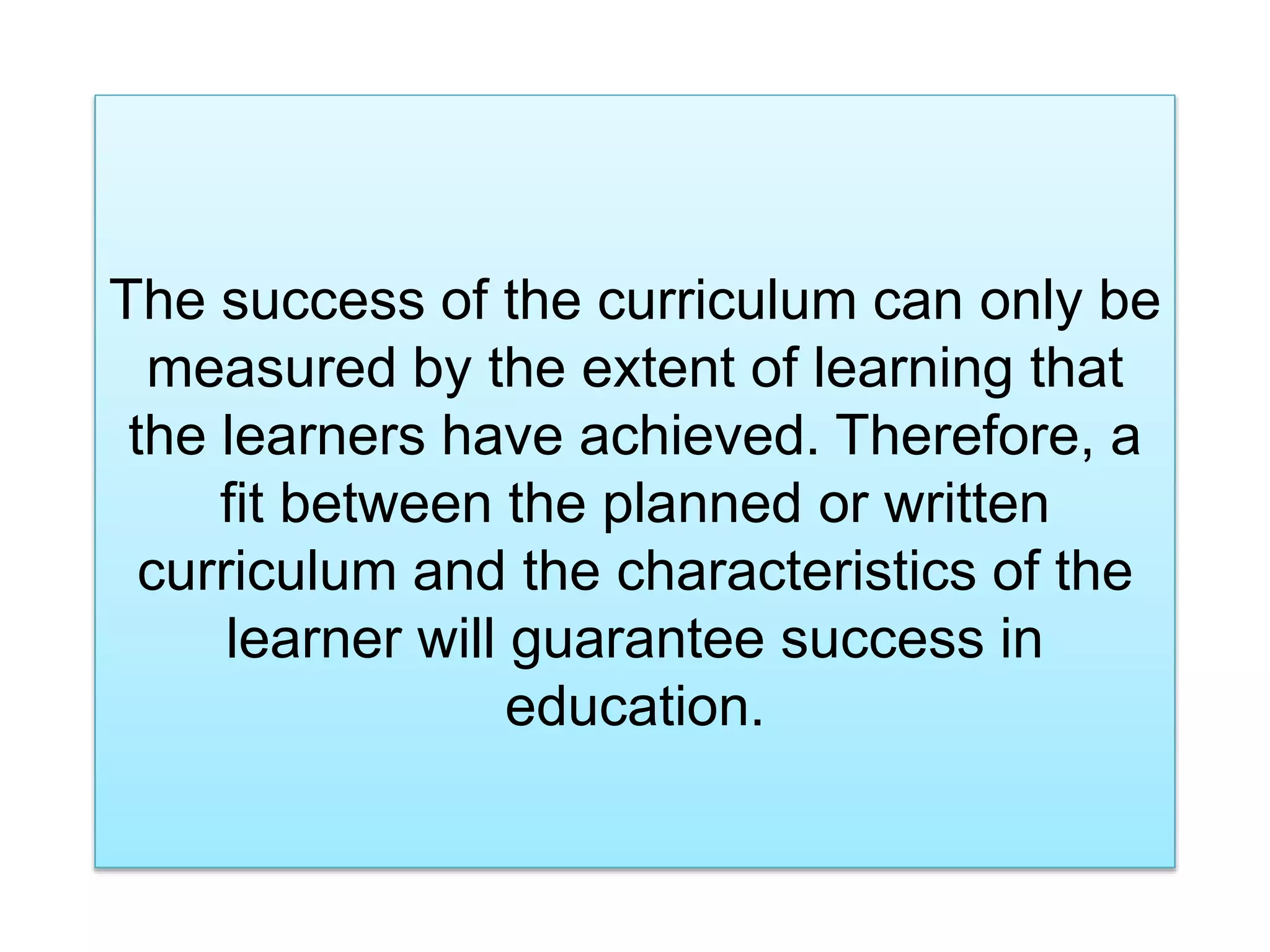
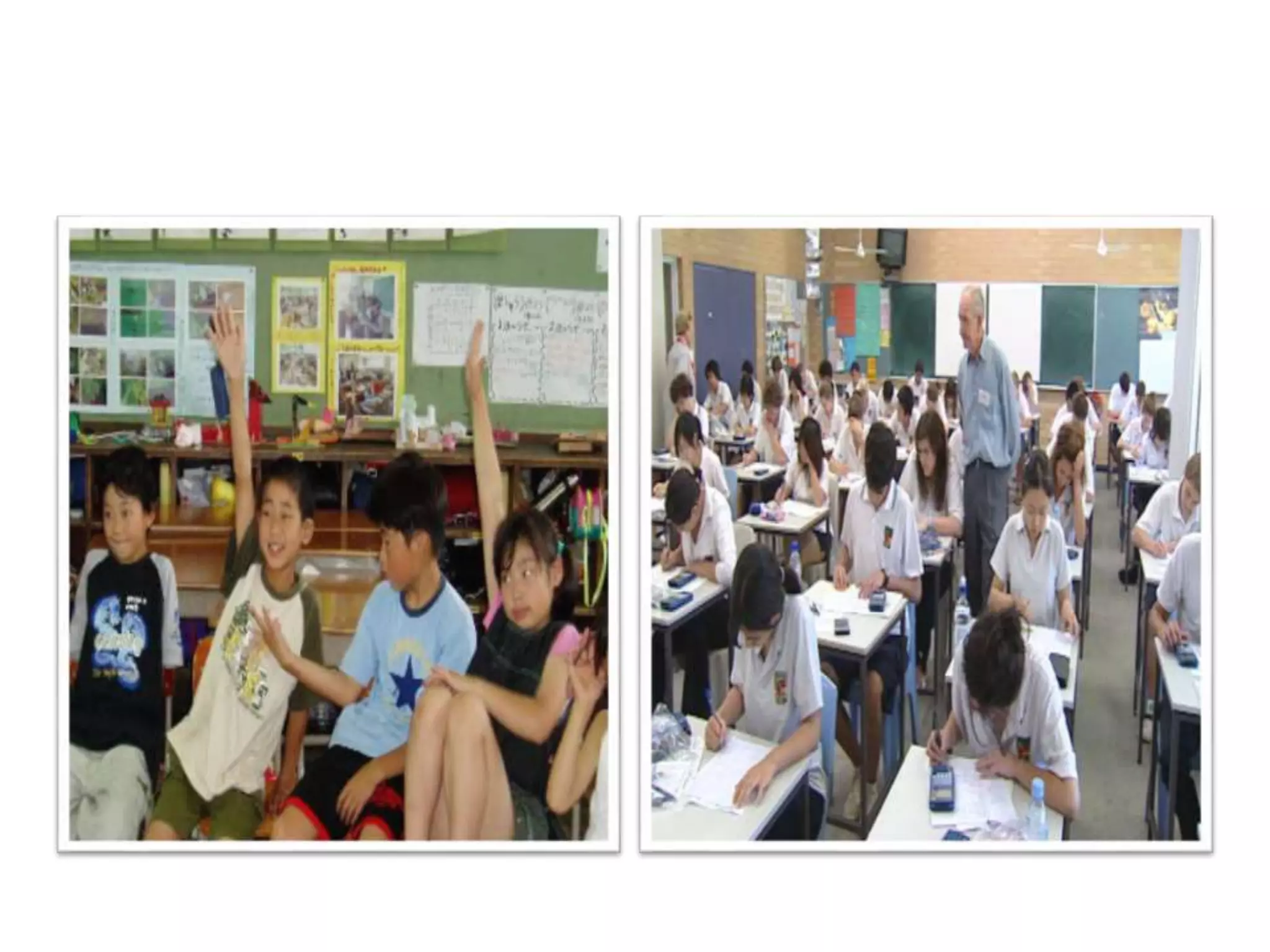
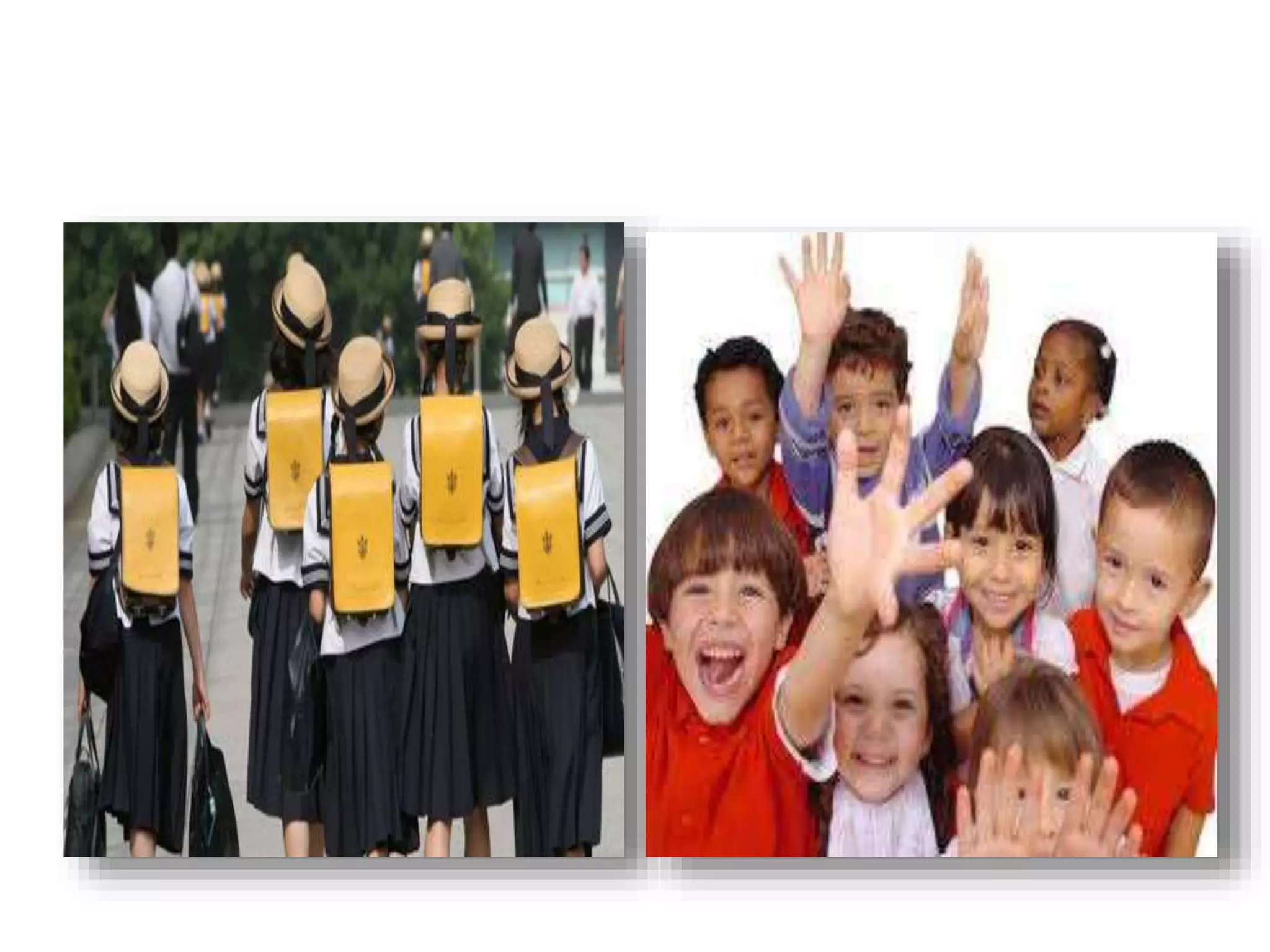
•The learner is placed at the center. The
learners are the very reason a curriculum is
developed. They are the ones who are
directly influenced by it.
•Learners in all levels make or unmake the
curriculum by their active and direct
involvement.
•Consider as the center of the educational
process.
•Learners or students are the very reason
why school exists.
•Learners are the primary stakeholders in the
curriculum
Age, gender, physical, mental, emotional
development, cultural background,
interests, aspirations and personal goals
are some of the factors that should be
considered in the implementation of the
curriculum.
•The students make the curriculum alive.
The success of the curriculum can only be
measured by the extent of learning that
the learners have achieved. Therefore, a
fit between the planned or written
curriculum and the characteristics of the
learner will guarantee success in
education.
•In the teaching and learning process, the
other side of the coin is the teacher.
•Planning and writing the curriculum are the
primary roles of the teacher.
•A teacher is a curriculum maker. He/she
writes curriculum daily through a lesson plan,
unit plan or yearly plan.
•The teachers prepare activities for the
students to do.
•The teacher addresses the goals, needs,
interests, of the learners by creating
experiences from where the students can
learn.
•The teacher designs, enriches and modifies
the curriculum to suit the learner’s
characteristics.
•As a curriculum developer, teachers are part
of textbooks committees, faculty selection
boards, school evaluation committee or
textbook writers themselves.
•Teachers are empowered to develop their
own school curricula taking into
consideration their own expertise, the
context of the school and the abilities of the
learners. By doing so, teachers become
architects of school curriculum.
•On the others hand, a developed curriculum
remains inactive, if it is not implemented. At
this point, teachers’ role shifts from a
developer to an implementer. From a
designer or technician to a decision maker.
•The teachers’ role now shifts from planning
to doing. Doing here implies guiding,
facilitating and directing activities which will
be done by the students.
•The teachers’ role as an implementer is
very crucial. Oftentimes, unsuccessful
implementation of the curriculum becomes

the root of the educational failure, thus
some would say that the root of the
educational problem is the teacher.
•“Teachers are the most crucial persons in
the implementation of a curriculum.”
•“Teachers shape the school curriculum by
sharing the experiences that they have and

the resources they are capable of giving or

imparting to the learners.”
Therefore, no technology can ever replace a
teacher; it will only support the multifaceted
role of the teacher. Thus, the complexity of
teaching requires tremendous maturity,
decision making in the implementation of any
curricular plan as in the choice of materials,
methods or strategy of teaching and modes of
evaluation.
•In school organization, there is always a
curriculum manager or school administrator.
In fact, for school principals, one of their
functions is being a curriculum manager.
•“The school administrators play an
important role in shaping the school
curriculum because they are the people who
are responsible in the formulation of the
schools’ vision, philosophy, mission and
objectives. They provide necessary
leadership in evaluating teaching personnel
and school program. Keeping records of
curriculum and reporting learning outcomes
are also the managers’ responsibilities.”
•“The school administrators have the
responsibility of running the entire school
effectively. They have to oversee the smooth
transition of the child from one grade level to
another and they should see to it that the
curriculum is implemented vertically or
horizontally with very minimal overlaps.
Instead there should be continuity, relevance,
balance, so that overall curriculum will
produce a well rounded person.”
•Indeed the role of the administrators can
never be ignored. The principle of
command responsibility and institutional
leadership rests on the shoulder of the
school administrators.
•“My child and my money go to this school.”
•Parents would be willing to pay the cost of
educating their child for as long as their
children get the best learning or schooling
experiences.
•Parents’ voices are very loud and clear. In
our country, it is a general fact that even in
college the parents are responsible for their
child’s education. The power of the parents
to influence curricula to include instructional
materials and school activities is great,
such that the success of curricula would
somehow depend on their support.
•Effective parental involvement in school
affairs may be linked to parent educational
programs which is central to high quality
educational experiences of the children.
•The parents’ involvement extends from the
confine of the school to the homes.
•In most schools the Parent Association is
organized.
•The success in the implementation of the
curriculum requires resources.
•The community members and materials in the
existing local community can very well substitute
for what are needed to implement the curriculum.
•The whole community can serve as curriculum
resource thus; each member has a great stake in
the curriculum implementation.
•Professional organizations have shown
great influence in school curriculum.
•Some of these organizations are those of
each profession, like teachers’ organization,
lawyers’ organization, medical doctor’
association, engineers’ organization and
many others.
•The government has a great stake in
curriculum implementation.
The government is represented by the
Department of Education (DepED) for basic
education curricula ;
The Commission on Higher Education (CHED)
for the tertiary and graduate education curricula.
This two government agencies have
mandatory and regulatory powers over the
implementation of the curricula.
•The third government agency that has a high
stake in the school’s curricula is the Professional
Regulatory Commission (PRC). It is because the
graduates of the different tertiary degrees must be
certified as professionals.
•The PRC through the Professional Regulatory
Boards, conducts examinations for some degrees
programs like the Licensure Examinations for
Teachers, Accountants, Dentists, Engineers, bar
examination to certify lawyers and the Philippine
Medical Association through its Medical Board of
Examiners conducts medical board exams for the
licensure examination for doctors.
Implementing the Curriculum

Implementing the Curriculum

  • 2.
    •Stakeholders are individualsor institutions that are interested in the school curriculum. Their interests vary in degree and complexity. They get involved in many different ways in the implementation, because the curriculum affects them directly or indirectly.
  • 6.
    •The learner isplaced at the center. The learners are the very reason a curriculum is developed. They are the ones who are directly influenced by it. •Learners in all levels make or unmake the curriculum by their active and direct involvement.
  • 7.
    •Consider as thecenter of the educational process. •Learners or students are the very reason why school exists. •Learners are the primary stakeholders in the curriculum
  • 8.
    Age, gender, physical,mental, emotional development, cultural background, interests, aspirations and personal goals are some of the factors that should be considered in the implementation of the curriculum. •The students make the curriculum alive.
  • 9.
    The success ofthe curriculum can only be measured by the extent of learning that the learners have achieved. Therefore, a fit between the planned or written curriculum and the characteristics of the learner will guarantee success in education.
  • 16.
    •In the teachingand learning process, the other side of the coin is the teacher. •Planning and writing the curriculum are the primary roles of the teacher. •A teacher is a curriculum maker. He/she writes curriculum daily through a lesson plan, unit plan or yearly plan. •The teachers prepare activities for the students to do.
  • 17.
    •The teacher addressesthe goals, needs, interests, of the learners by creating experiences from where the students can learn. •The teacher designs, enriches and modifies the curriculum to suit the learner’s characteristics. •As a curriculum developer, teachers are part of textbooks committees, faculty selection boards, school evaluation committee or textbook writers themselves.
  • 18.
    •Teachers are empoweredto develop their own school curricula taking into consideration their own expertise, the context of the school and the abilities of the learners. By doing so, teachers become architects of school curriculum. •On the others hand, a developed curriculum remains inactive, if it is not implemented. At this point, teachers’ role shifts from a developer to an implementer. From a designer or technician to a decision maker.
  • 19.
    •The teachers’ rolenow shifts from planning to doing. Doing here implies guiding, facilitating and directing activities which will be done by the students. •The teachers’ role as an implementer is very crucial. Oftentimes, unsuccessful implementation of the curriculum becomes the root of the educational failure, thus some would say that the root of the educational problem is the teacher.
  • 20.
    •“Teachers are themost crucial persons in the implementation of a curriculum.” •“Teachers shape the school curriculum by sharing the experiences that they have and the resources they are capable of giving or imparting to the learners.”
  • 21.
    Therefore, no technologycan ever replace a teacher; it will only support the multifaceted role of the teacher. Thus, the complexity of teaching requires tremendous maturity, decision making in the implementation of any curricular plan as in the choice of materials, methods or strategy of teaching and modes of evaluation.
  • 26.
    •In school organization,there is always a curriculum manager or school administrator. In fact, for school principals, one of their functions is being a curriculum manager.
  • 28.
    •“The school administratorsplay an important role in shaping the school curriculum because they are the people who are responsible in the formulation of the schools’ vision, philosophy, mission and objectives. They provide necessary leadership in evaluating teaching personnel and school program. Keeping records of curriculum and reporting learning outcomes are also the managers’ responsibilities.”
  • 29.
    •“The school administratorshave the responsibility of running the entire school effectively. They have to oversee the smooth transition of the child from one grade level to another and they should see to it that the curriculum is implemented vertically or horizontally with very minimal overlaps. Instead there should be continuity, relevance, balance, so that overall curriculum will produce a well rounded person.”
  • 30.
    •Indeed the roleof the administrators can never be ignored. The principle of command responsibility and institutional leadership rests on the shoulder of the school administrators.
  • 33.
    •“My child andmy money go to this school.” •Parents would be willing to pay the cost of educating their child for as long as their children get the best learning or schooling experiences.
  • 34.
    •Parents’ voices arevery loud and clear. In our country, it is a general fact that even in college the parents are responsible for their child’s education. The power of the parents to influence curricula to include instructional materials and school activities is great, such that the success of curricula would somehow depend on their support.
  • 35.
    •Effective parental involvementin school affairs may be linked to parent educational programs which is central to high quality educational experiences of the children.
  • 36.
    •The parents’ involvementextends from the confine of the school to the homes. •In most schools the Parent Association is organized.
  • 41.
    •The success inthe implementation of the curriculum requires resources. •The community members and materials in the existing local community can very well substitute for what are needed to implement the curriculum. •The whole community can serve as curriculum resource thus; each member has a great stake in the curriculum implementation.
  • 44.
    •Professional organizations haveshown great influence in school curriculum. •Some of these organizations are those of each profession, like teachers’ organization, lawyers’ organization, medical doctor’ association, engineers’ organization and many others.
  • 45.
    •The government hasa great stake in curriculum implementation. The government is represented by the Department of Education (DepED) for basic education curricula ; The Commission on Higher Education (CHED) for the tertiary and graduate education curricula. This two government agencies have mandatory and regulatory powers over the implementation of the curricula.
  • 47.
    •The third governmentagency that has a high stake in the school’s curricula is the Professional Regulatory Commission (PRC). It is because the graduates of the different tertiary degrees must be certified as professionals. •The PRC through the Professional Regulatory Boards, conducts examinations for some degrees programs like the Licensure Examinations for Teachers, Accountants, Dentists, Engineers, bar examination to certify lawyers and the Philippine Medical Association through its Medical Board of Examiners conducts medical board exams for the licensure examination for doctors.