Downloaded 1,000 times


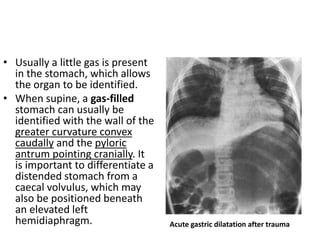
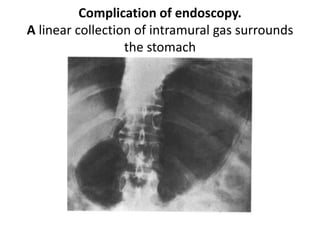
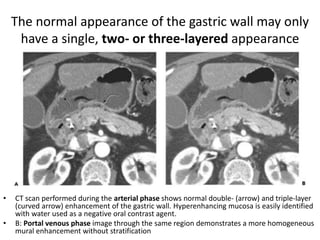
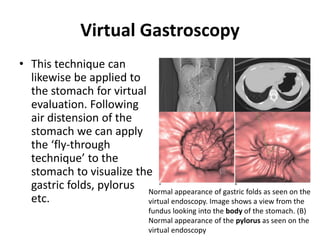
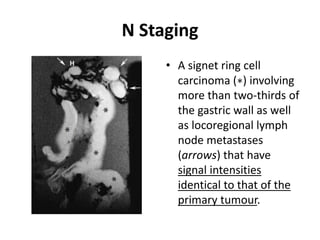
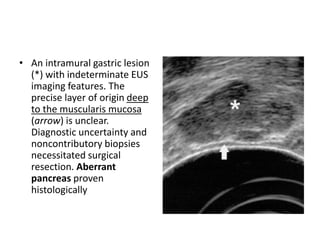
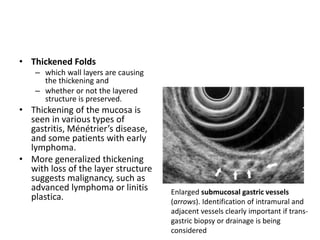
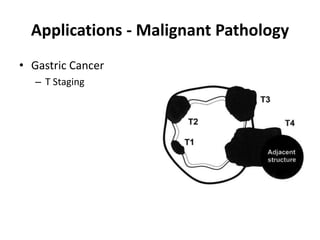
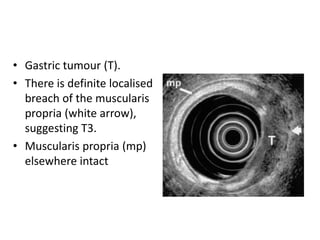
![PET
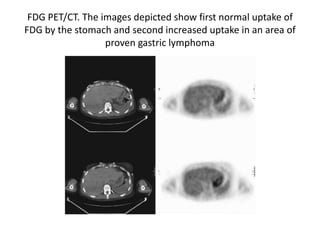
• Positron emission tomography (PET) has proven itself to be
valuable in the evaluation of patients with gastric cancer.
• The study utilizes [F-18] Fluoro-2-deoxy-glucose as a marker
of tumor activity.
• It is a functional technique that images tissue metabolic
activity.
• Fusion of PET with CT is rapidly becoming the standard of
care when diagnosing malignancy.
• PET/CT is currently used for staging and restaging of gastric
lymphoma as well as following response to therapy.](https://image.slidesharecdn.com/ca-imagingofstomach-141003080506-phpapp01/85/Imaging-of-stomach-86-320.jpg)
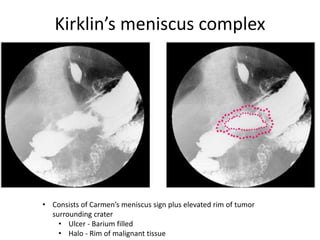
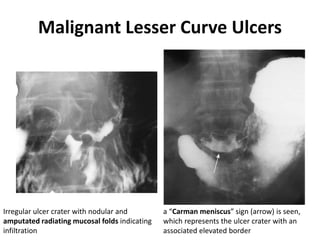
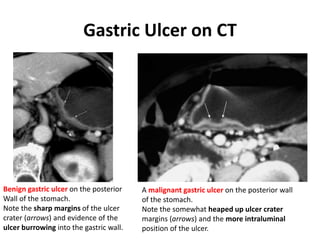
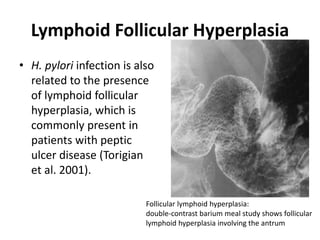
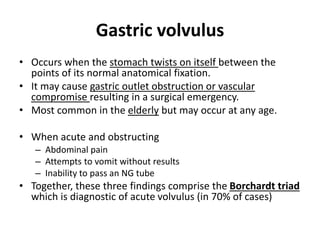
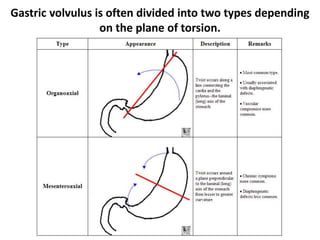
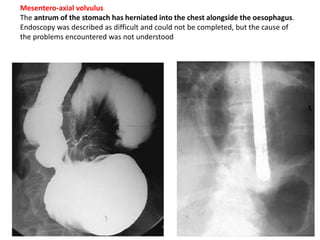
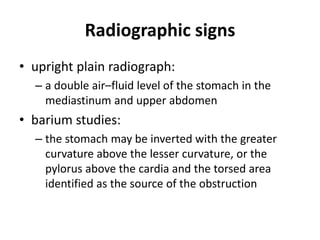

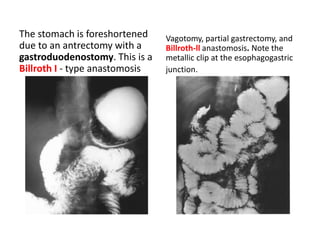
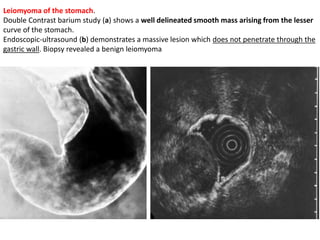
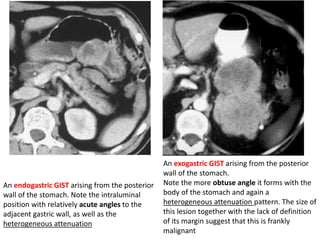
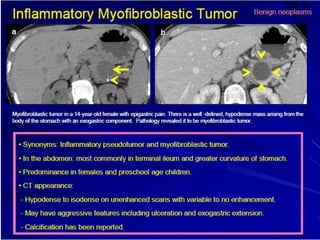
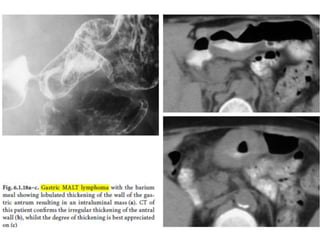
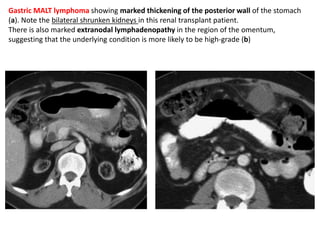
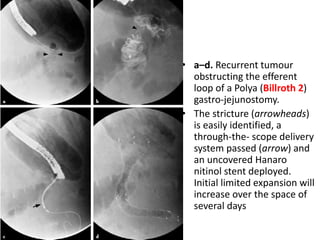



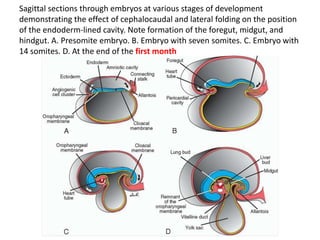
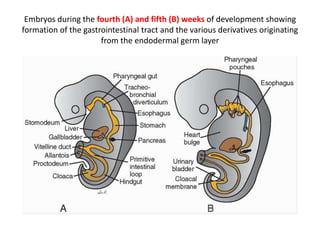
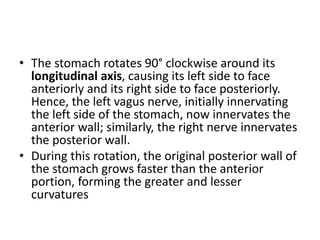
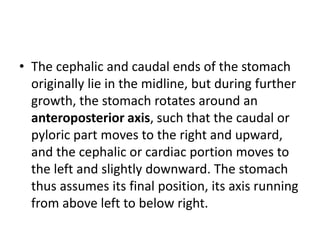
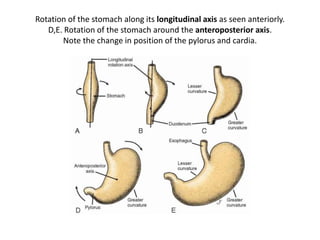
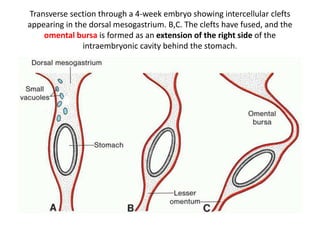
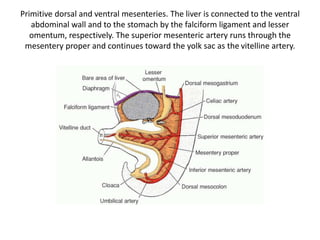
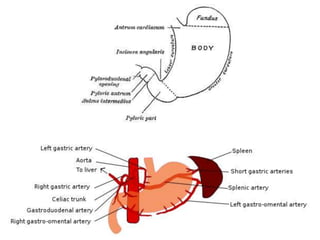
This document discusses the embryology and anatomy of the stomach. It provides the following key points: 1. During embryonic development, the stomach rotates along its longitudinal and anteroposterior axes, causing its final adult position with the cardiac portion on the left and pylorus on the right. 2. The adult stomach is located in the left upper quadrant and extends across the midline, with the greater curvature forming the anterior wall and lesser curvature the posterior wall. 3. Radiological techniques for examining the stomach include barium studies, CT, MRI, and virtual endoscopy, which allow evaluation of stomach morphology, layers, and relationships to surrounding organs.


![PERI-PROSTHETIC FRACTURE NAIL-PLATE CONSTRUCT [NPC].pptx](https://cdn.slidesharecdn.com/ss_thumbnails/drarunkumardrmohamedashrafperiprostheticfrasturenail-plateconstructnpc-260209164459-7e9d15a1-thumbnail.jpg?width=640&height=640&fit=bounds)


