Hypertrophic Obstructive Cardiomyopathy   Dr KURIAN JOSEPH JOURNAL PRESENTATION
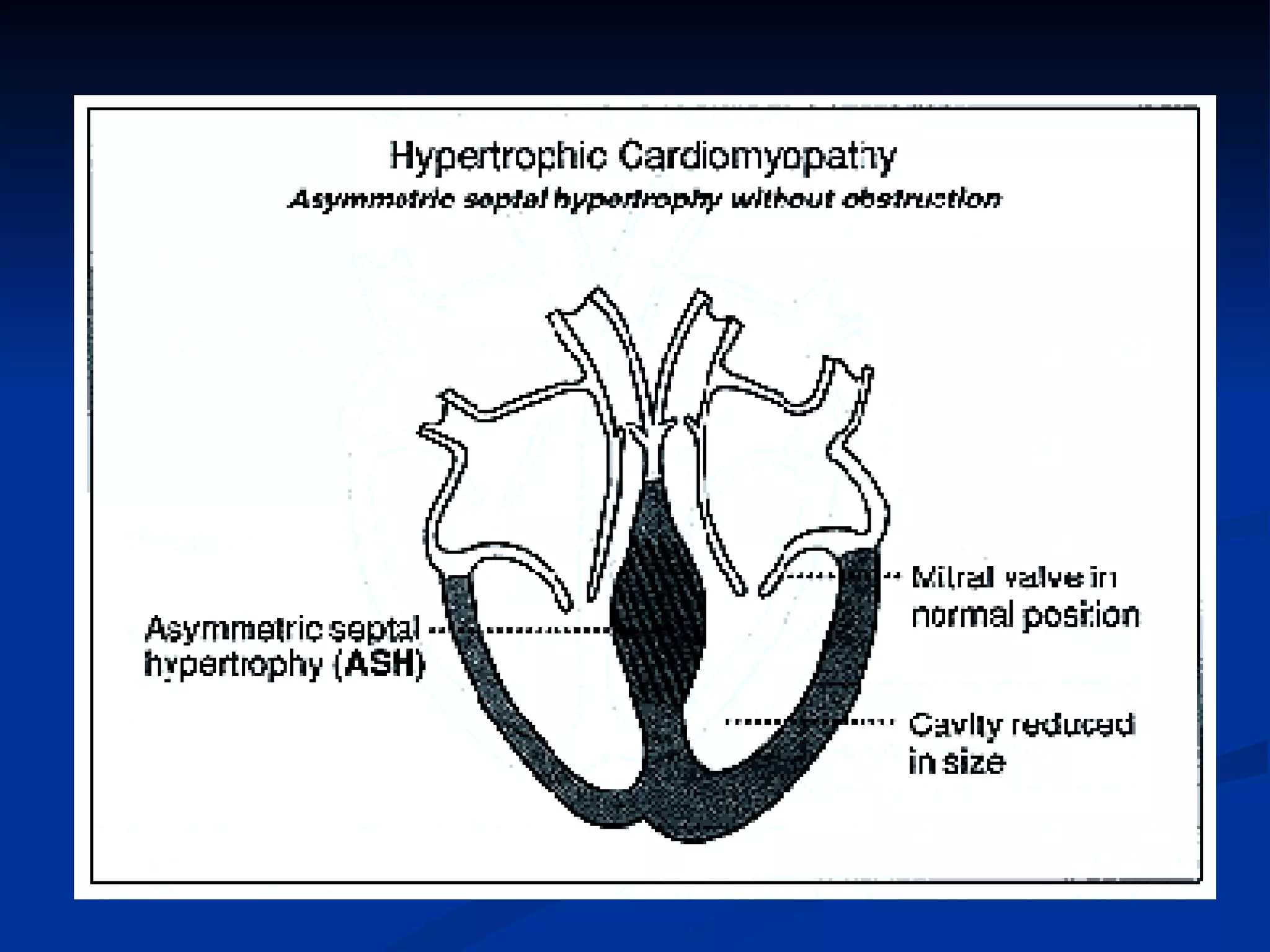
Historical Perspective  HCM was initially described by Teare in 1958  Found massive hypertrophy of ventricular septum in small cohort of young patients who died suddenly  Braunwald was the first to diagnose HCM clinically in the 1960s  Many names for the disease  Idiopathic hypertrophic subaortic stenosis (IHSS) Muscle subaortic stenosis  Hypertrophic obstructive cardiomyopathy (HOCM)
Background  Prevalence of HCM: 1:500 to 1:1000 individuals  This occurrence is higher than previously thought, suggesting a large number of affected but undiagnosed people  Men and African-Americans affected by almost 2:1 ratio over women and Caucasians  Global disease with most cases reported from USA, Canada, Western Europe, Israel, & Asia
Pathophysiology of HCM The pathophysiology of HCM involves 4 interrelated processes: Left ventricular outflow obstruction  Diastolic dysfunction  Myocardial ischemia  Mitral regurgitation
 
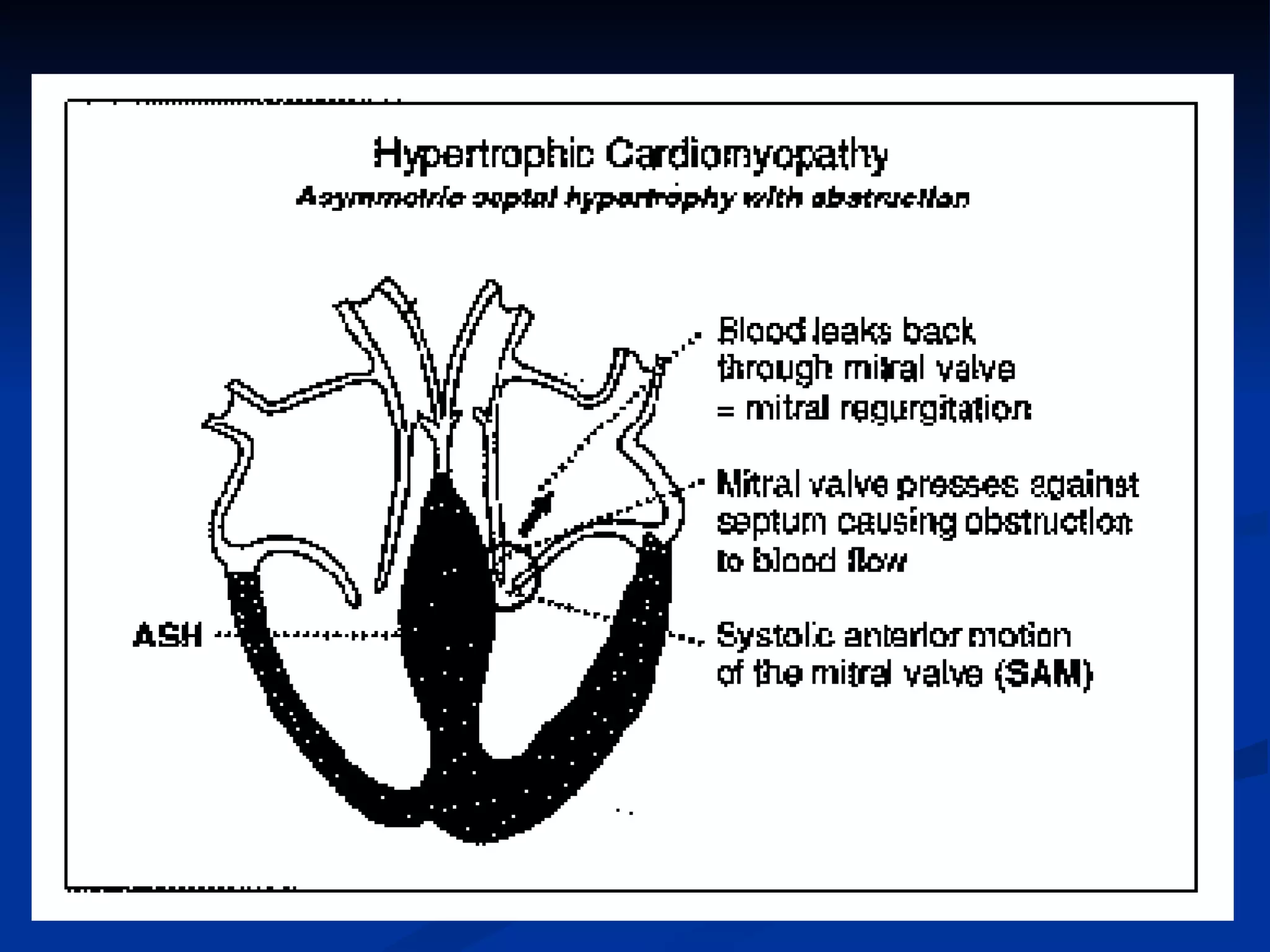
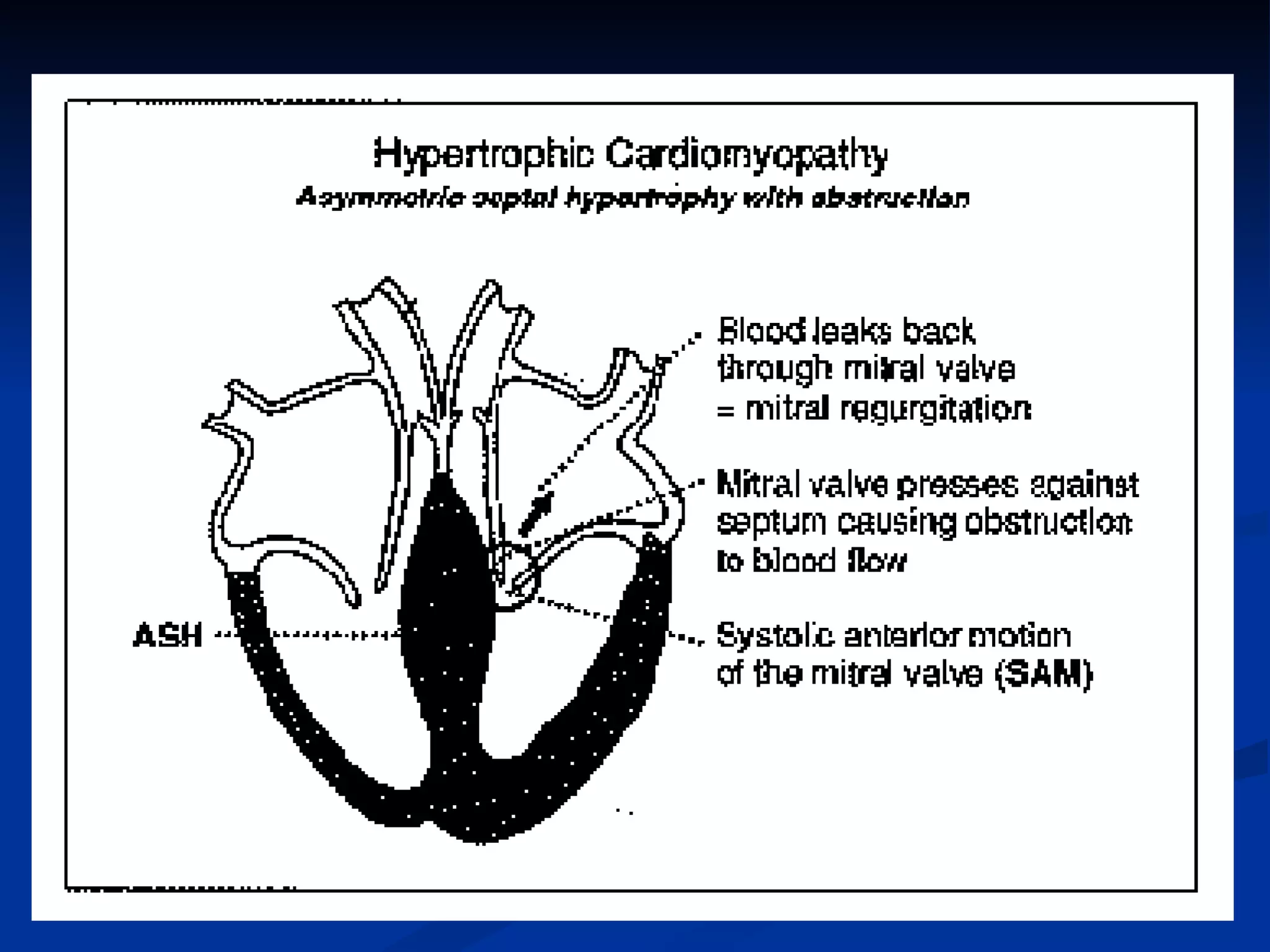
Systolic Anterior Motion -SAM Subaortic outflow obstruction is caused by systolic anterior motion (SAM) of the mitral valve - leaflets toward the ventircular septum SAM is generated by  Venturi effect A drag effect
LV Outflow Obstruction in HCM Physiological Consequences of Obstruction  Elevated intraventricular pressures  Prolongation of ventricular relaxation  Increased myocardial wall stress  Increased oxygen demand  Decrease in forward cardiac output
 
 
Maron MS et al. NEJM.  2003;348:295.
Pathophysiology of HCM Diastolic Dysfunction  Contributing factor in 80% of patients  Impaired relaxation  High systolic contraction load  Ventricular contraction/relaxation not uniform  Accounts for symptoms of exertional dyspnea Abnormal diastolic filling    increased pulmonary venous pressure
Pathophysiology of HCM Myocardial Ischemia  Often occurs without atherosclerotic coronary artery disease  Postulated mechanisms Abnormally small and partially obliterated intramural coronary arteries as a result of hypertrophy  Inadequate number of capillaries for the degree of LV mass
Pathophysiology of HCM Mitral Regurgitation  Results from the systolic anterior motion of the mitral valve  Severity of MR directly proportional to LV outflow obstruction  Results in symptoms of dyspnea, orthopnea in HCM patients
Integrated Pathophysiology Braunwald.  Atlas of Heart Diseases: Cardiomyopathies, Myocarditis, and Pericardial Disease .  1998.
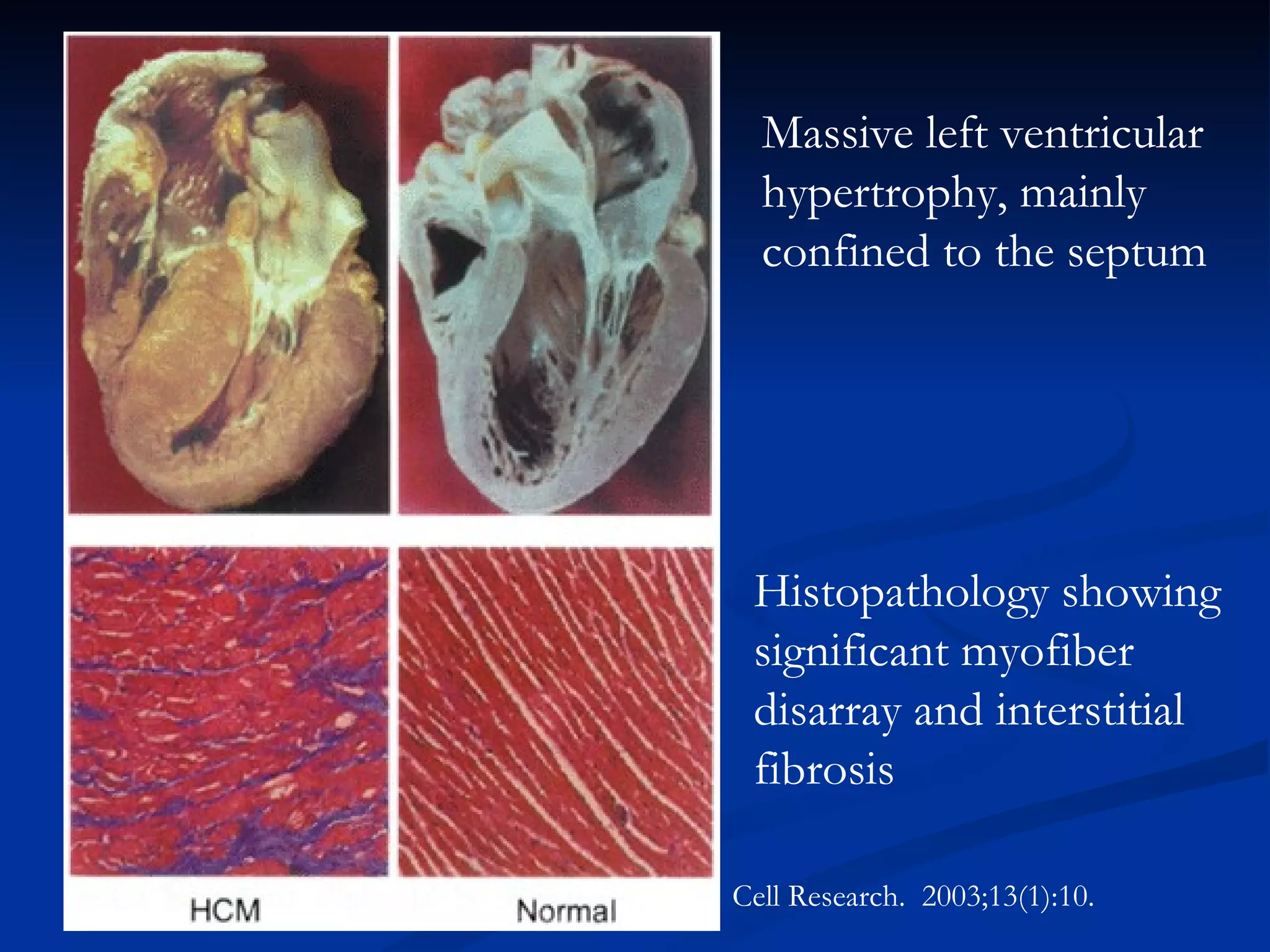
Microscopy The microscopy of HOCM demonstrates Myocyte hypertrophy Myocardial fibre disarry Interstitial and perivascular fibrosis Intimal and medial hypertrophy in intramural arteries. These changes lead to LV diastolic dysfunction by impairing relaxation and reducing compliance and scarring of the myocardium.
Massive left ventricular hypertrophy, mainly confined to the septum   Histopathology showing  significant myofiber  disarray and interstitial  fibrosis  Cell Research.  2003;13(1):10.
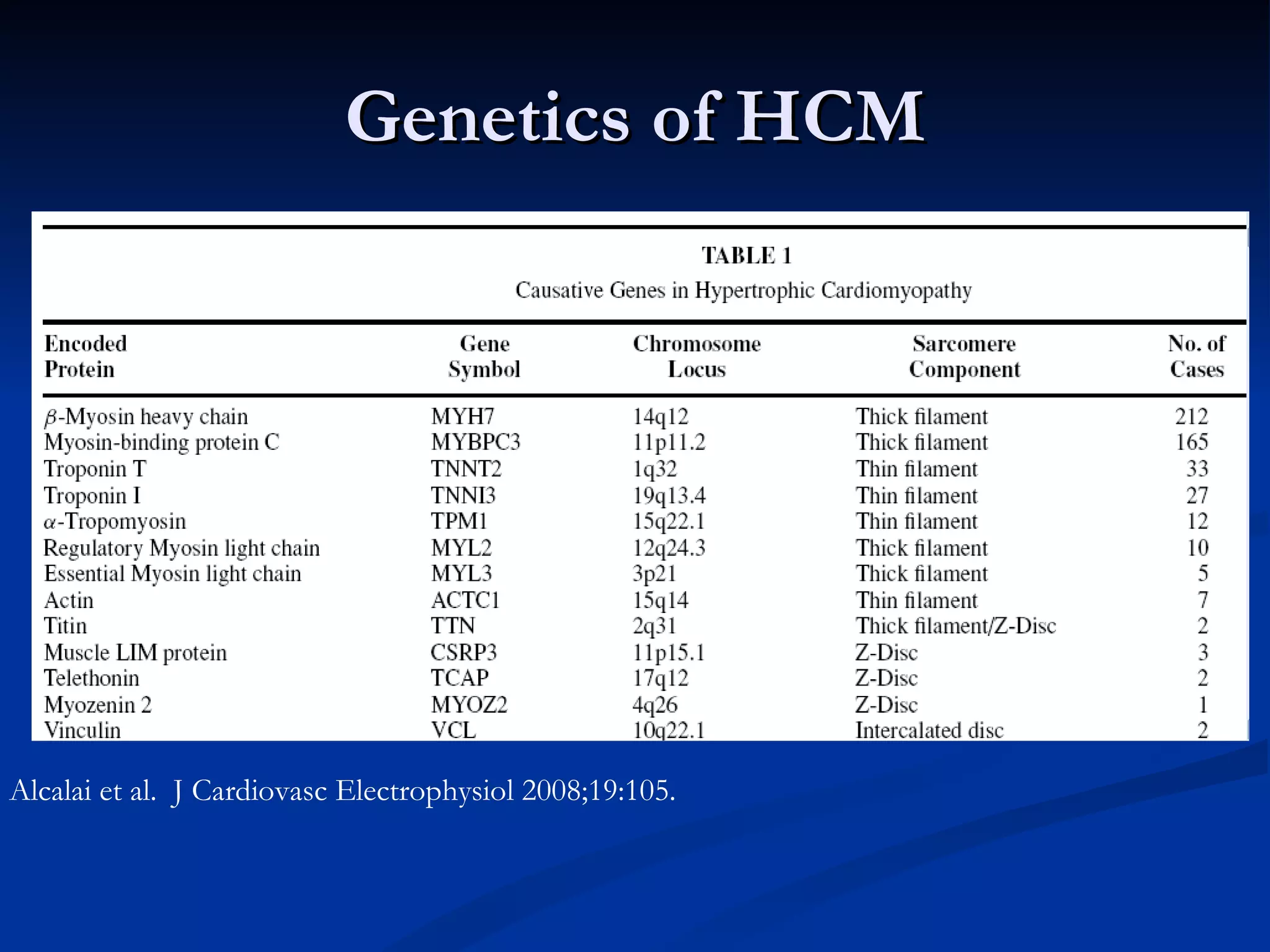
Genetic Basis of HCM  Autosomal dominant trait  Mutations usually in  B-myosin heavy chain, Myosin binding proteinC and cardiac troponin T.  >450 mutations in 13 cardiac sarcomere & myofilament-related genes identified  Alcalai et al.  J Cardiovasc Electrophysiol.  19(1): Jan 2008.
Genetics of HCM Alcalai et al.  J Cardiovasc Electrophysiol 2008;19:105.
Clinical Presentation  Dyspnea on exertion (90%), orthopnea, PND  Angina (70-80%)  Syncope (20%), Presyncope (50%)  outflow obstruction worsens with increased contractility during exertional activities  Sudden cardiac death HCM is most common cause of SCD in young people, including athletes
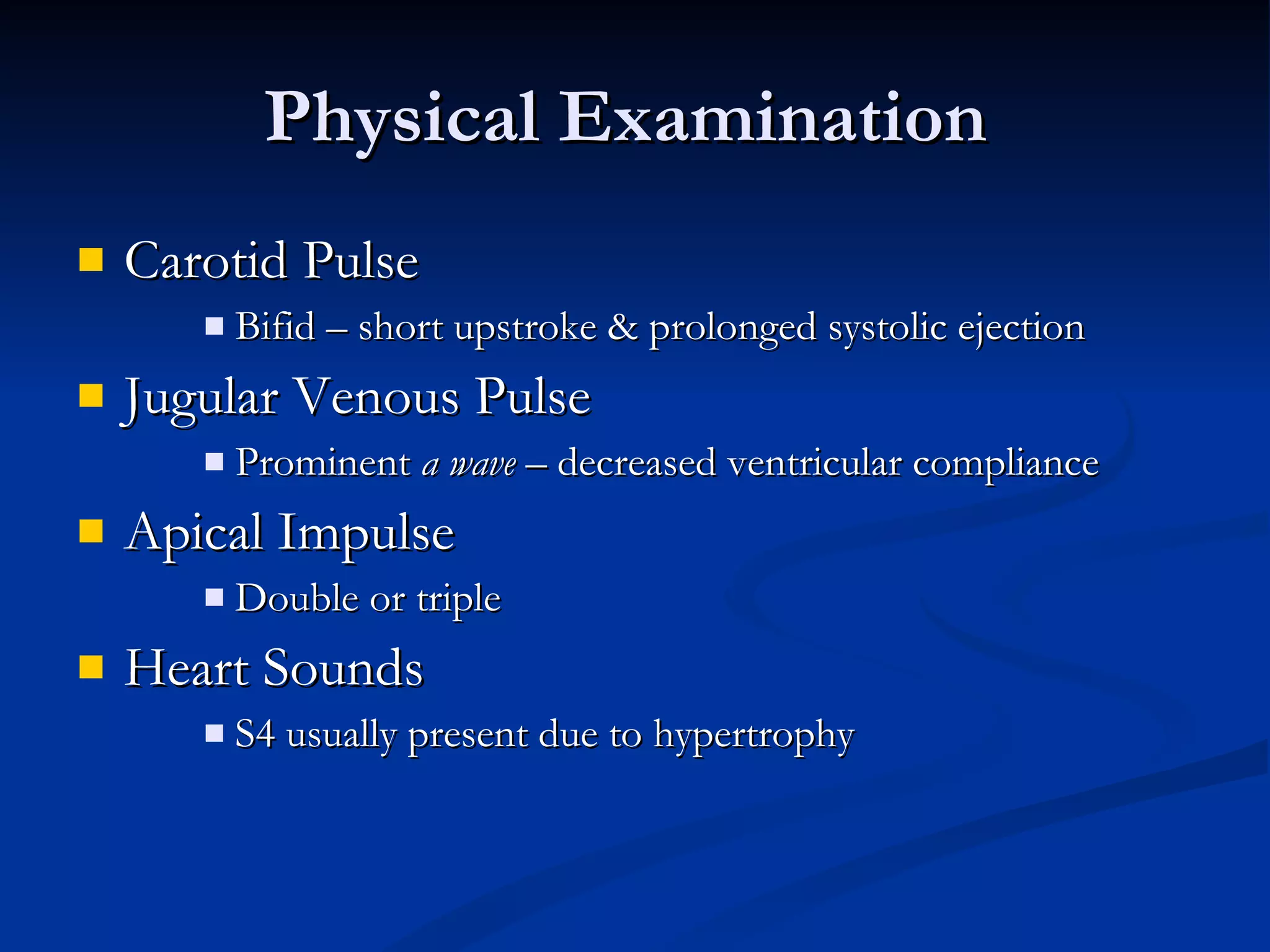
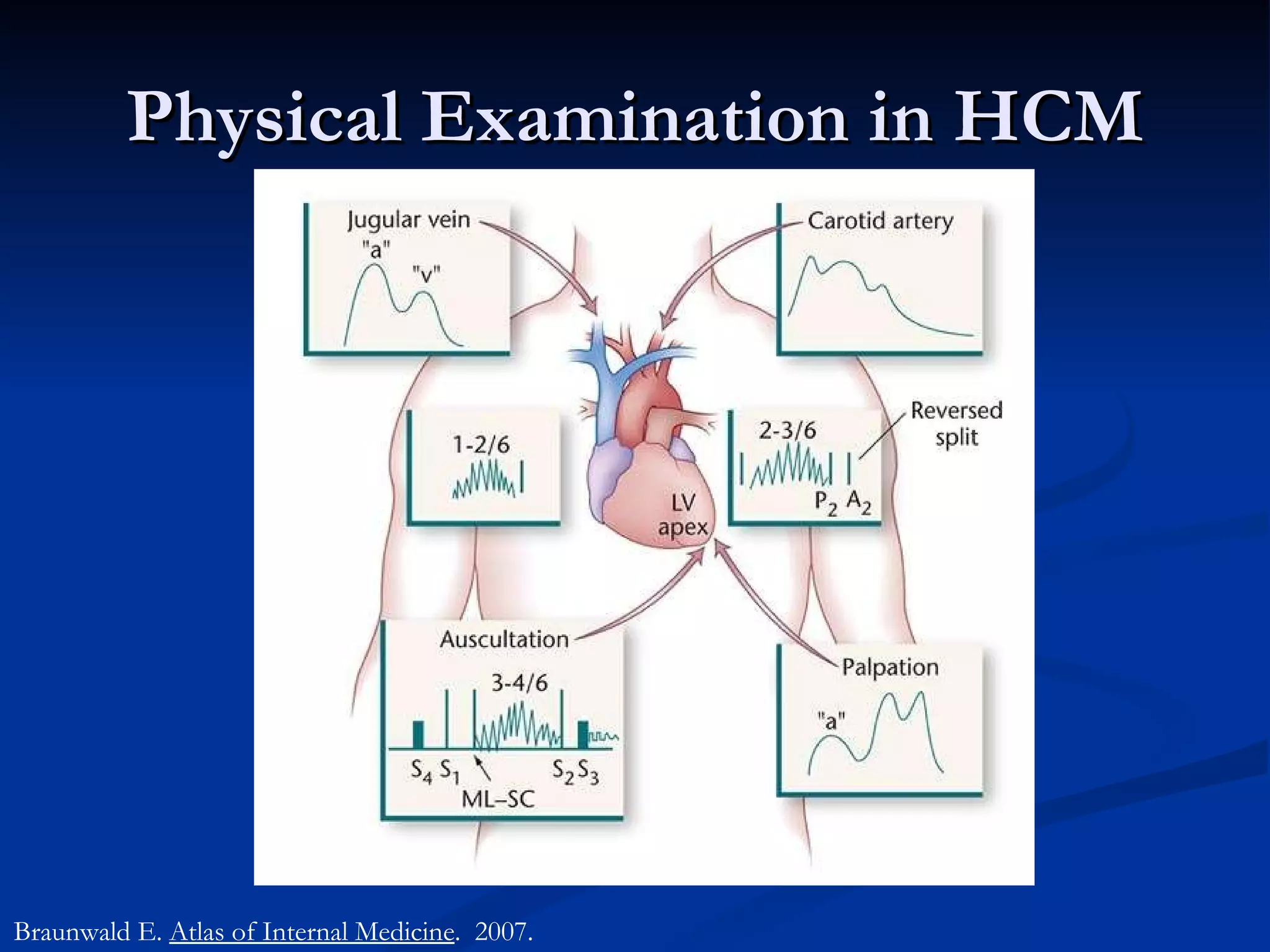
Physical Examination  Carotid Pulse Bifid – short upstroke & prolonged systolic ejection  Jugular Venous Pulse  Prominent  a wave  – decreased ventricular compliance  Apical Impulse  Double or triple  Heart Sounds S4 usually present due to hypertrophy
Physical Examination  Murmur Medium-pitch crescendo-decrescendo systolic murmur along LLSB without radiation  Dynamic maneuvers  Murmur intensity increases with decreased preload (i.e. Valsalva) Murmur intensity decreases with increased preload (i.e. squatting, hand grip)
Dynamic murmur of HOCM Smaller LV volume brings septum closer to anterior MV leaflet: more obstruction and  louder murmur.  Larger LV volume separates  upper septum from anterior MV leaflet: less obstruction and softer murmur.
How to alter LV volume Increase LV volume Squatting Isometric handgrip Beta Blockers Phenylephrine Passive leg lifting Slow heart rate IV volume infusion Decrease LV volume Stand (after squatting) Valsalva maneuver Amyl nitrate Nitroglycerin Increase heart rate Volume depletio n Isoproterenol Exercise
Physical Examination in HCM Braunwald E.  Atlas of Internal Medicine .  2007.
Diagnostic Evaluation  Electrocardiogram Echocardiogram  Catheterization
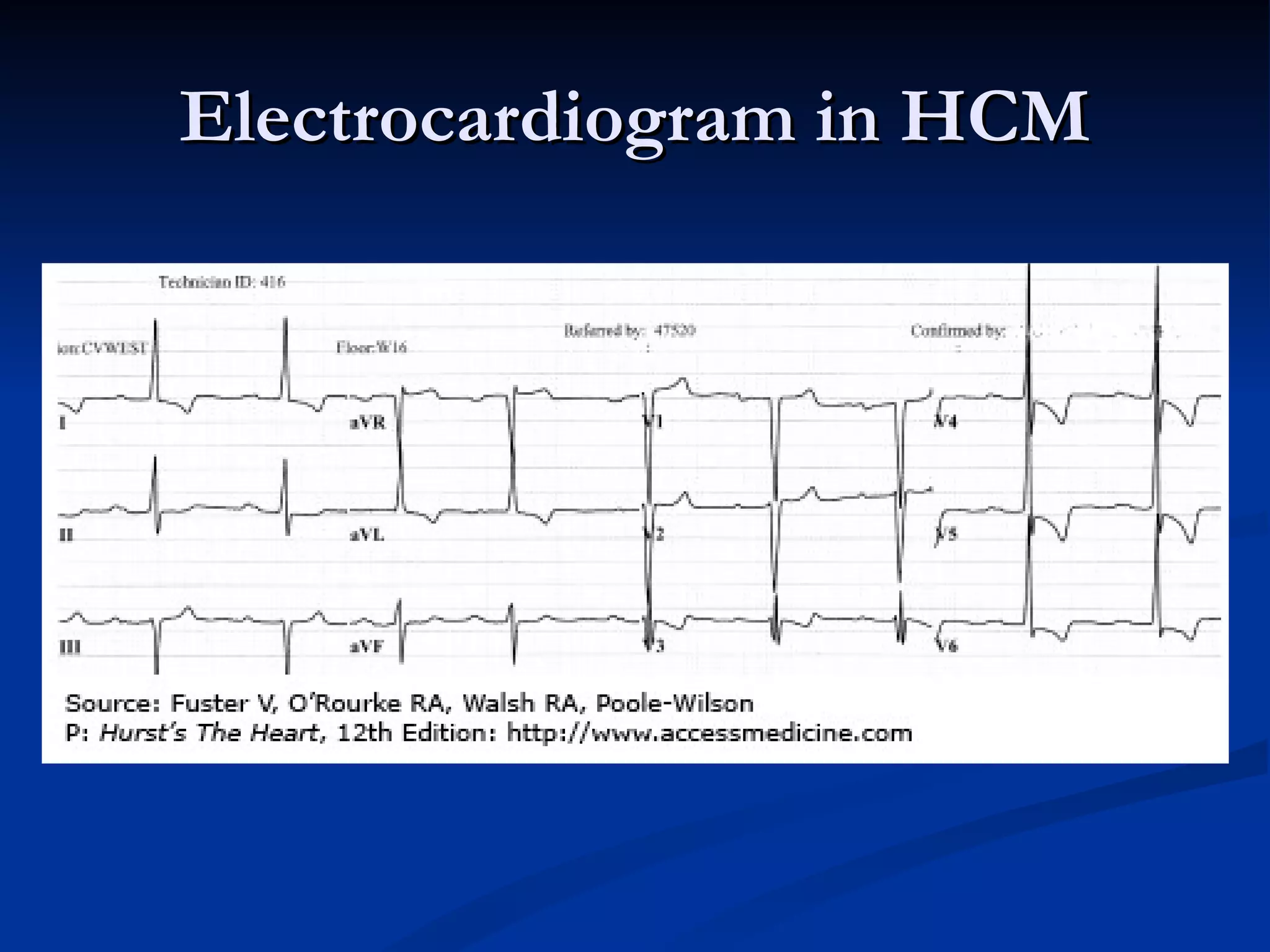
Electrocardiogram in HCM
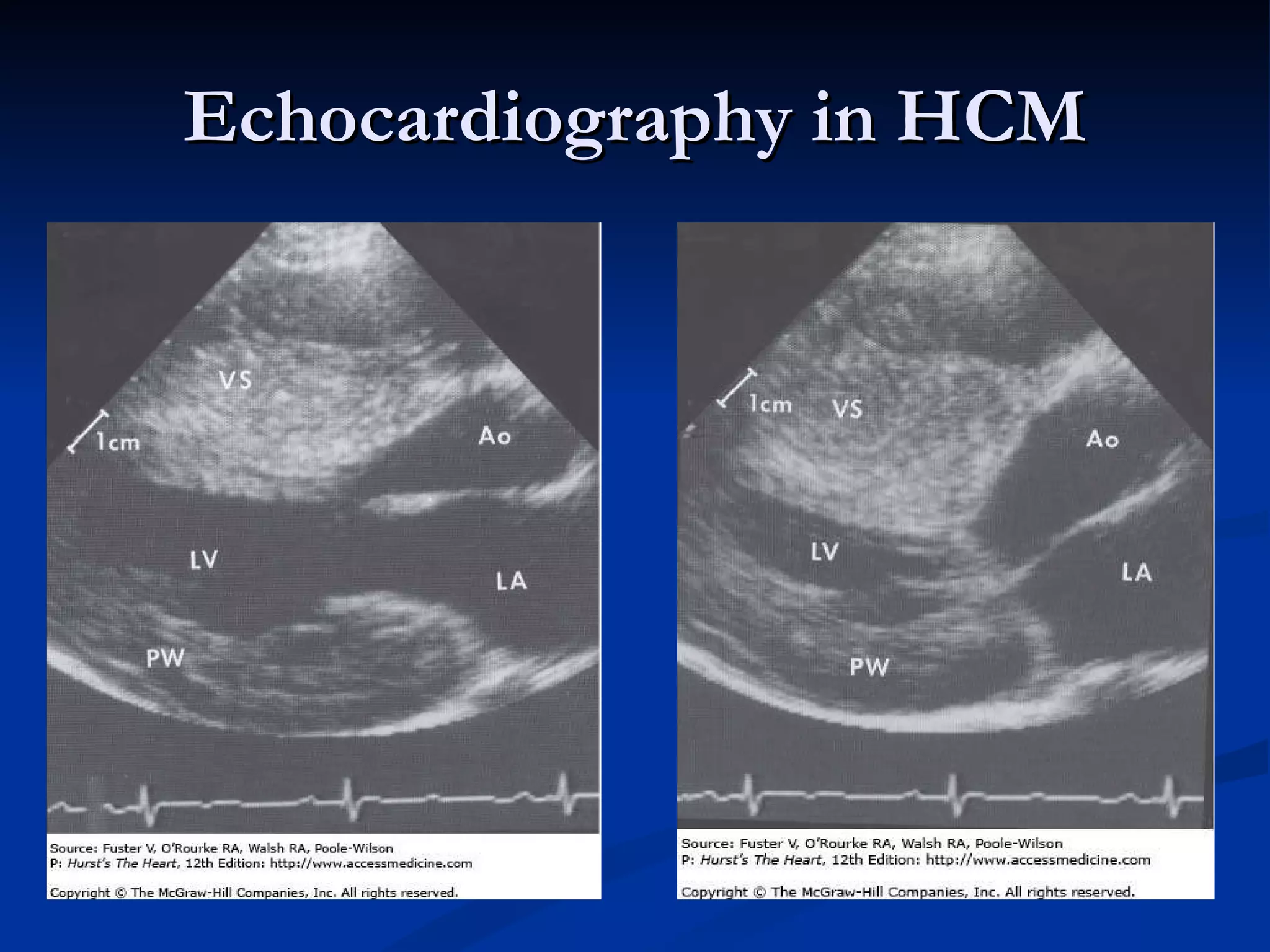
Echocardiography in HCM
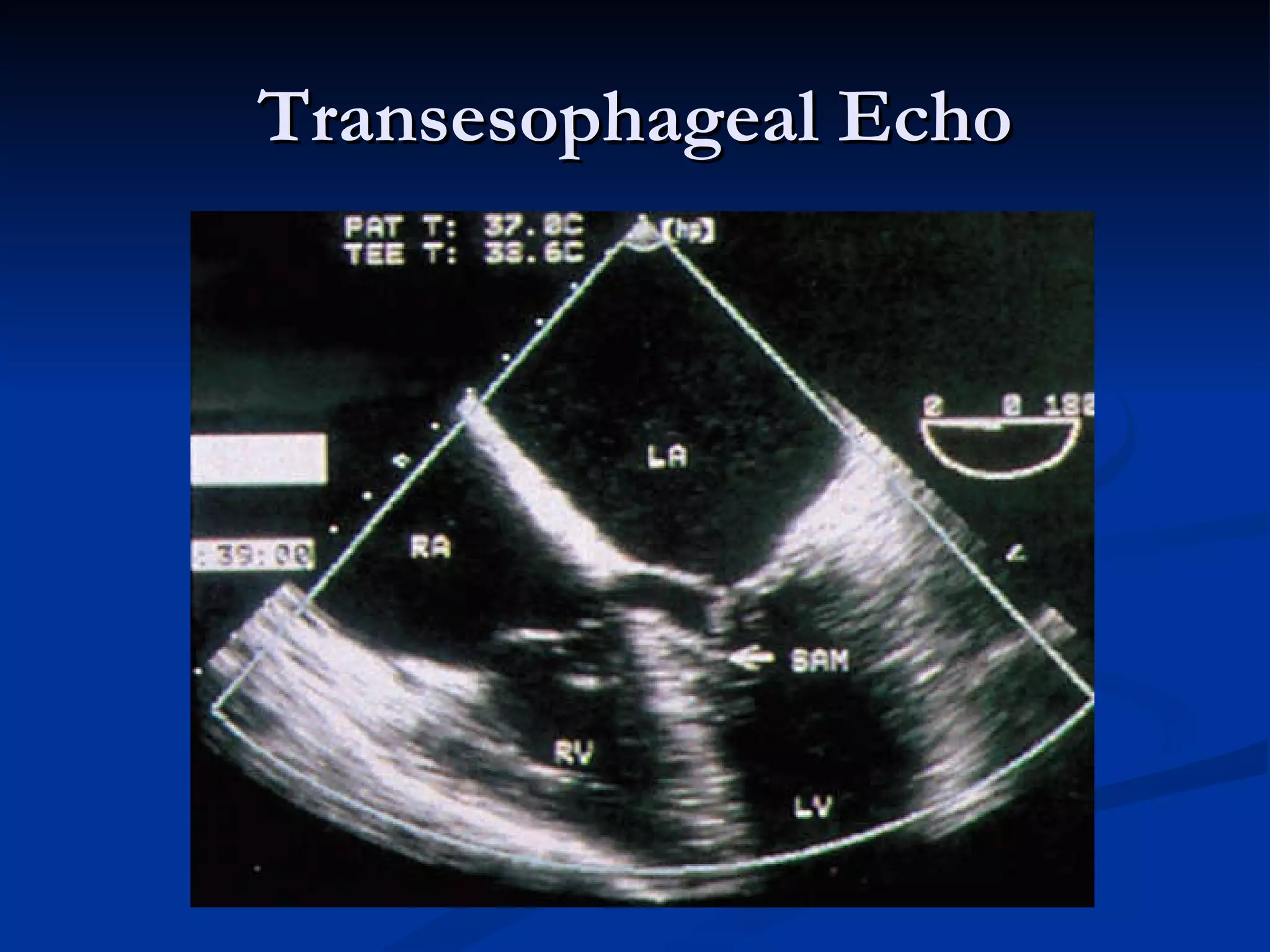
Transesophageal Echo
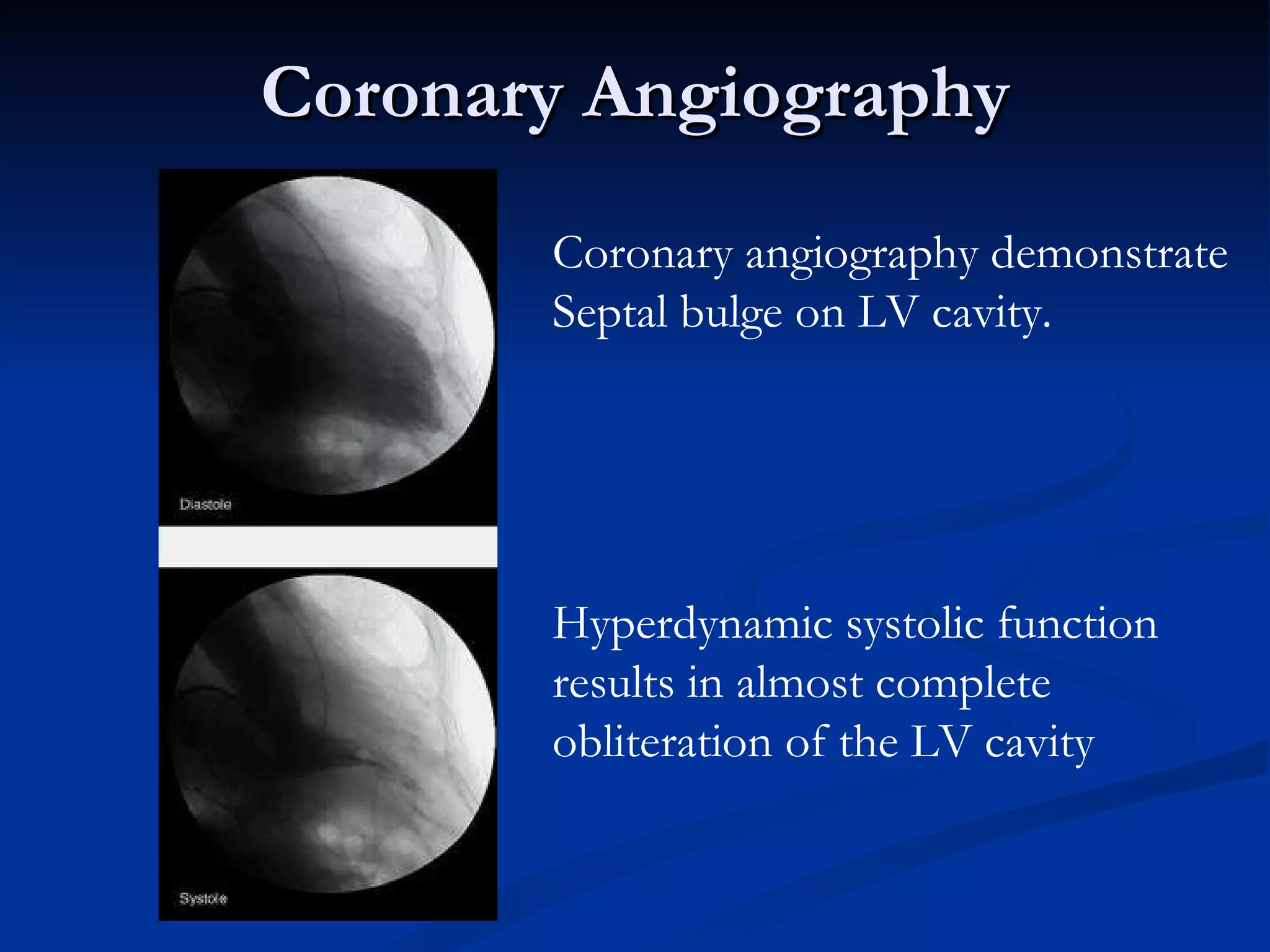
Coronary Angiography Hyperdynamic systolic function results in almost complete obliteration of the LV cavity  Coronary angiography demonstrate  Septal bulge on LV cavity.
Cardiac Magnetic Resonance CMR demonstrates myocardial scarring, which differentiate HCM from other LV hypertrophies CMR is indicated when ECHO views are limited due to unusual distribution of hypertrophy, or to detect milder magnitudes of hypertrophy. CMR with gadolinium enhancement imaging will detect myocardial scarring in about two thirds of HOCM patients.
Sudden Cardiac Death  Unfortunately, SCD can be the first clinical manifestation.  Occur in 15% of patients with HOCM SCD is seen more in young patients during and after physical exercise.  High SCD association is seen in  Prior cardiac arrest First degree relative with HOCM and SCD Multiple syncope associated with syncope Non sustained VT Treatment of choice is ICD. Strenuous sports should be avoided.  No evidence that medical Rx reduces the rick of SCD
Clinical Course of HCM  Heart Failure  Only 10-15% progress to NYHA III-IV  Only 3% will become truly end-stage with systolic dysfunction  Endocarditis  4-5% of HCM patients  Usually mitral valve affected  Atrial Fibrillation  Prevalent in up to 30% of older patients Dependent on atrial kick – CO decreases by 40% if AF present  Autonomic Dysfunction  25% of HCM patients  Associated with poor prognosis
Disease Progression in HCM ACC Consensus Document.  J Am Coll Cardiol. 2003;42(9):1693.
Treatment of HCM  Medical therapy  Device therapy  Surgical septal myectomy  Alcohol septal ablation
ACC Consensus Document.  J Am Coll Cardiol.  2003;42(9):1693.
Medical Therapy  Beta-blockers Increase ventricular diastolic filling/relaxation  Decrease myocardial oxygen consumption  Have not been shown to reduce the incidence of SCD  Verapamil  Augments ventricular diastolic filling/relaxation  Disopyramide  Used in combination with beta-blocker  Negative inotrope
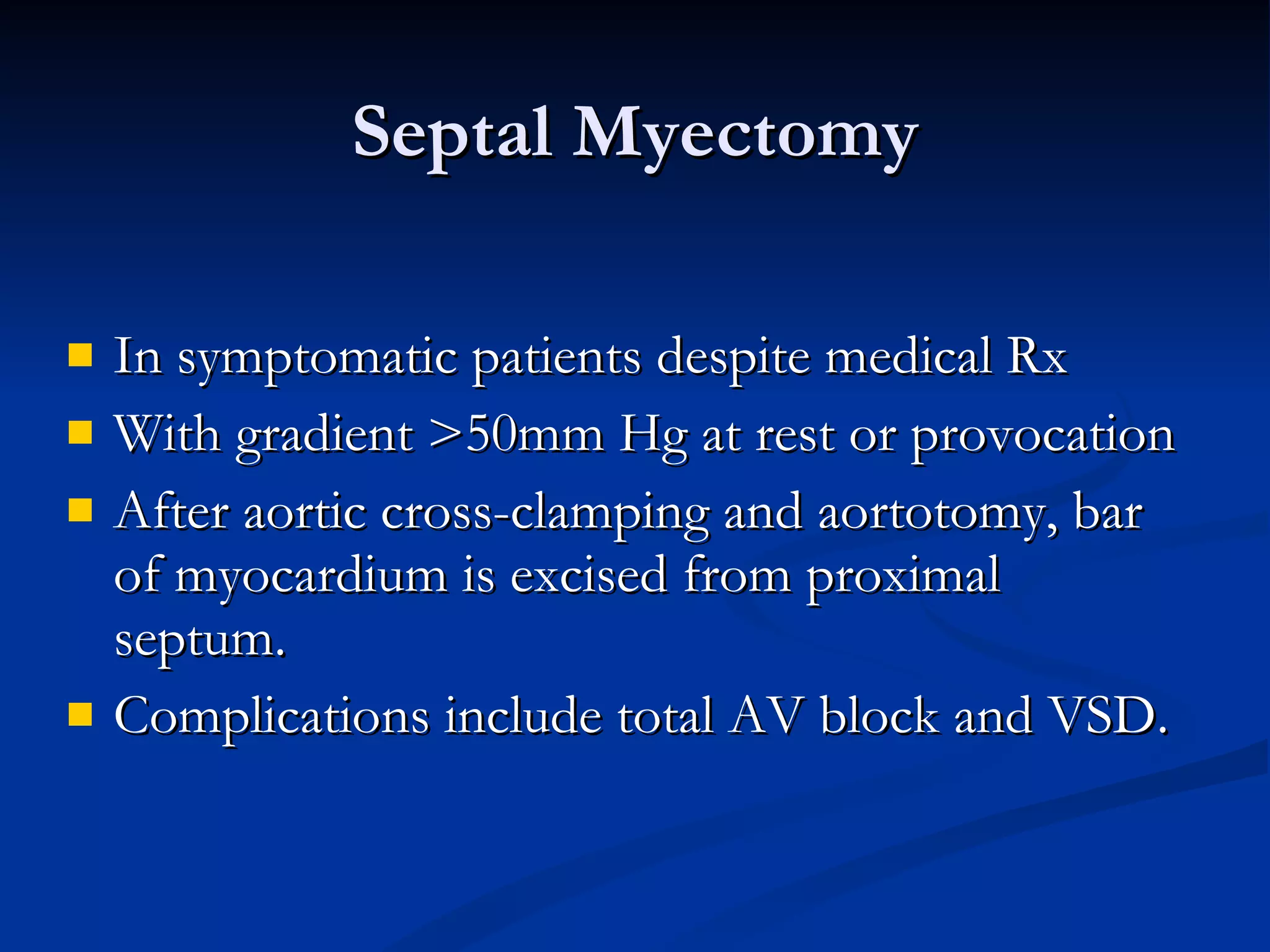
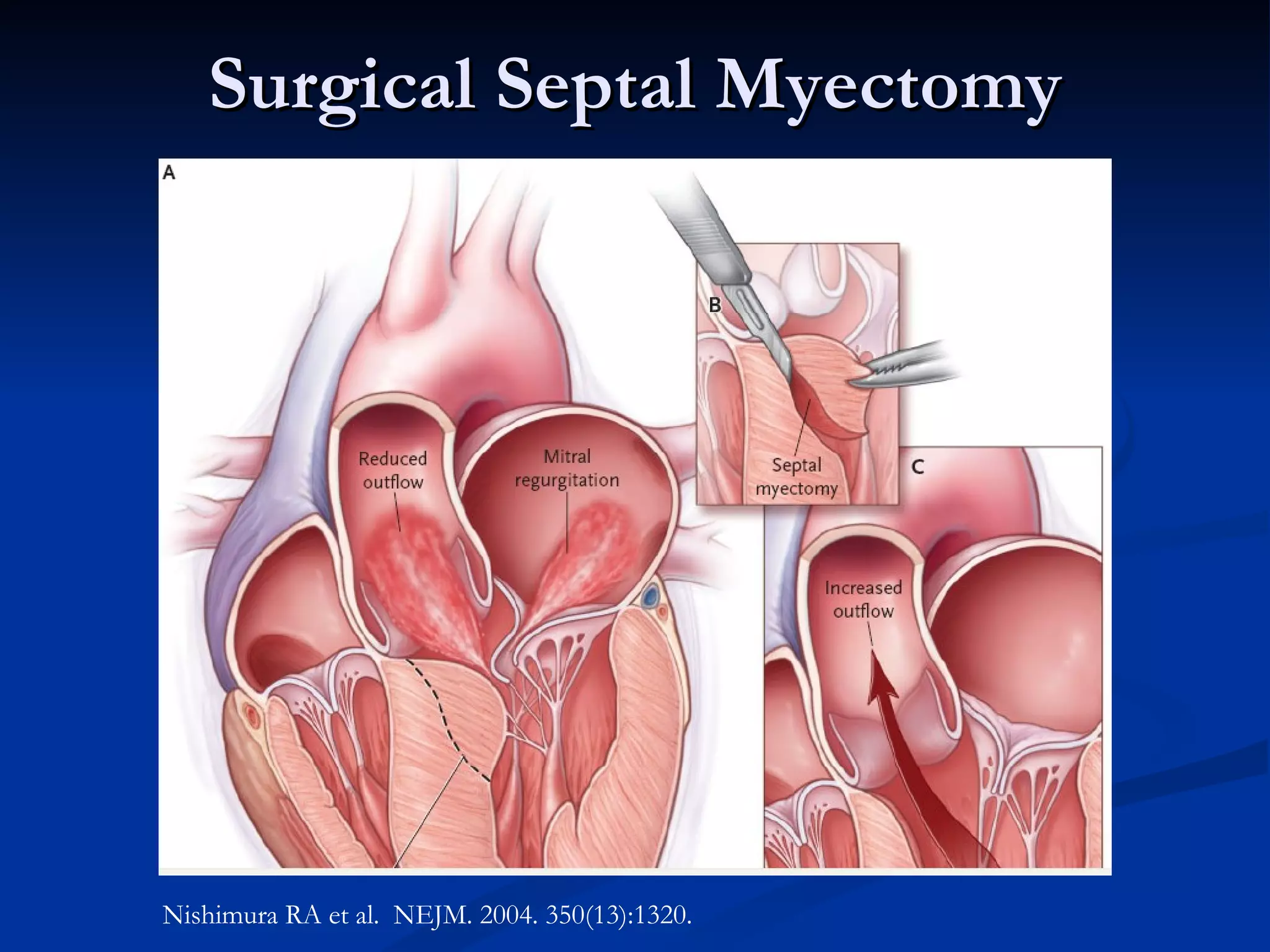
Septal Myectomy In symptomatic patients despite medical Rx With gradient >50mm Hg at rest or provocation After aortic cross-clamping and aortotomy, bar of myocardium is excised from proximal septum. Complications include total AV block and VSD.
Surgical Septal Myectomy Nishimura RA et al.  NEJM. 2004. 350(13):1320.
Alcohol Septal Ablation  Braunwald.  Atlas of Heart Diseases: Cardiomyopathies, Myocarditis, and Pericardial Disease .  1998.
Alcohol Septal Ablation  Before  After
Alcohol Septal Ablation  Successful short-term outcomes LVOT gradient reduced from a mean of 60-70 mmHg to <20 mmHg  Symptomatic improvements, increased exercise tolerance  Long-term data not available yet  Complications  Complete heart block Large myocardial infarctions No randomized efficacy trials yet for alcohol septal ablation vs. surgical myectomy
Circulation.  2008; 18(2): 131-9.
Dual-Chamber Pacing  Proposed benefit: pacing the RV apex will decrease the outflow tract gradient  Several RCTs have found that the improvement in subjective measures provided by dual-chamber pacing is likely a placebo effect  Objective measures such as exercise capacity and oxygen consumption are not improved  No correlation has been found between pacing and reduction of LVOT gradient
Efficacy of Therapeutic Strategies Nishimura et al.  NEJM. 2004. 350(13):1323.
Implantable Cardioverter Defibrillators in HCM   Primary & Secondary Prevention
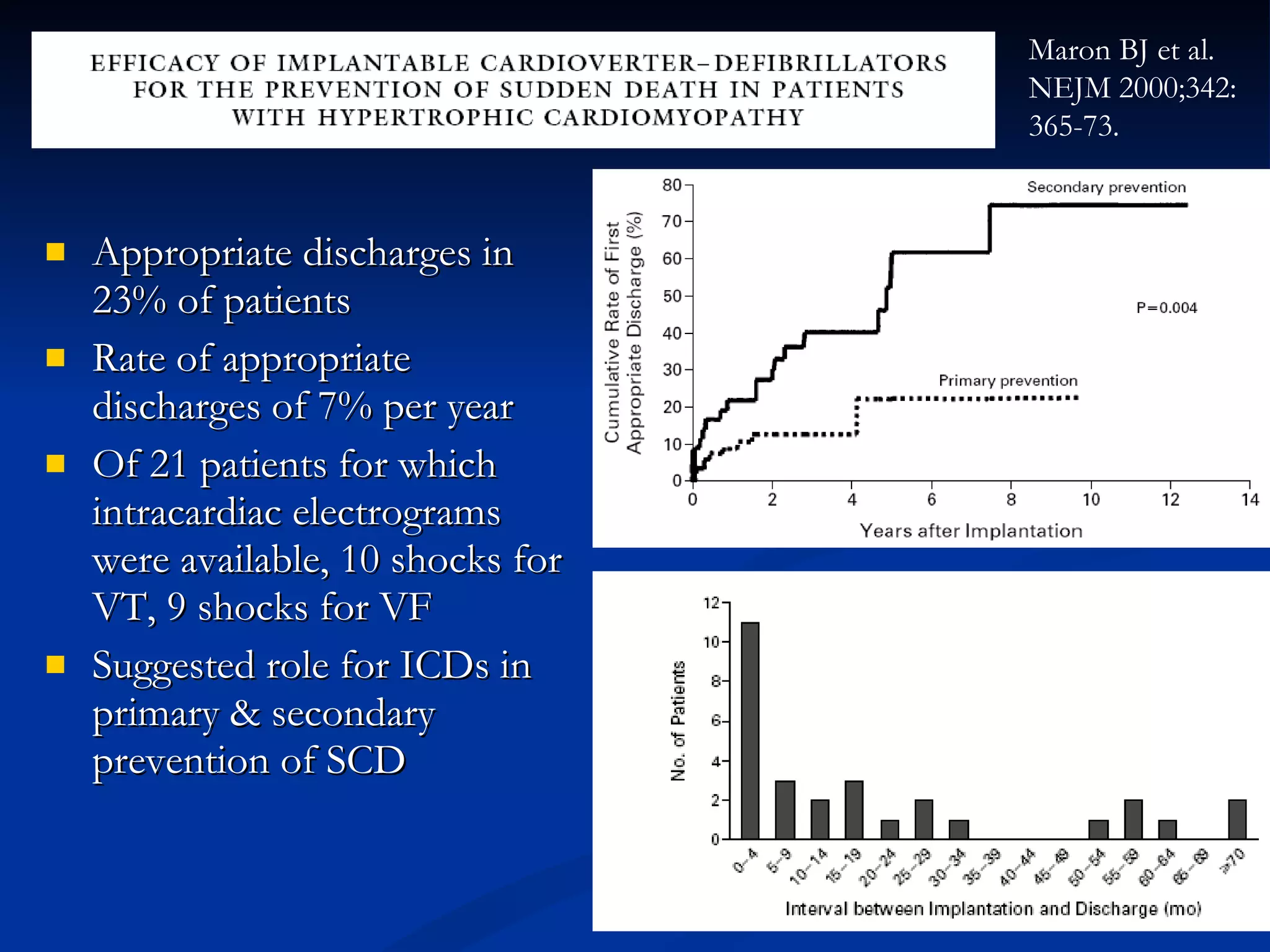
Appropriate discharges in 23% of patients  Rate of appropriate discharges of 7% per year  Of 21 patients for which intracardiac electrograms were available, 10 shocks for VT, 9 shocks for VF Suggested role for ICDs in primary & secondary prevention of SCD Maron BJ et al.  NEJM 2000;342: 365-73.
Risk Stratification – ICDs  Primary Prevention Risk Factors for SCD  Premature HCM-related sudden death in more than 1 relative  History of unexplained syncope  Multiple or prolonged NSVT on Holter  Hypotensive blood pressure response to exercise  Massive LVH  How many risk factors warrant ICD placement?
Multicenter registry study w/ 506 pts from 1986-2003  Mean follow-up 3.7 yrs Average age 41 years old  Primary Outcome: appropriate ICD interventions terminating VF/VT  JAMA.  2007;298(4): 405-12.
JAMA.  2007;298(4): 405-12.  J Cardiovasc Electrophysiol 2008;19(10).
3500 asymptomatic elite athletes (75% male), mean age 20.5 +/- 5.8 years, no family hx of HCM  12-lead ECG, 2D-Echo  53 athletes (1.5%) had LVH  3 athletes (0.08%) had ECG and echo features of HCM   J Am Coll Cardiol  2008;51(10):1033-9.
HCM vs. Athlete’s Heart  Circulation 1995;91.
Thank You!

HYPERTROPHIC OBSTRUCTIVE CARDIOMYOPATHY (HOCM)

  • 1.
    Hypertrophic Obstructive Cardiomyopathy Dr KURIAN JOSEPH JOURNAL PRESENTATION
  • 2.
    Historical Perspective HCM was initially described by Teare in 1958 Found massive hypertrophy of ventricular septum in small cohort of young patients who died suddenly Braunwald was the first to diagnose HCM clinically in the 1960s Many names for the disease Idiopathic hypertrophic subaortic stenosis (IHSS) Muscle subaortic stenosis Hypertrophic obstructive cardiomyopathy (HOCM)
  • 3.
    Background Prevalenceof HCM: 1:500 to 1:1000 individuals This occurrence is higher than previously thought, suggesting a large number of affected but undiagnosed people Men and African-Americans affected by almost 2:1 ratio over women and Caucasians Global disease with most cases reported from USA, Canada, Western Europe, Israel, & Asia
  • 4.
    Pathophysiology of HCMThe pathophysiology of HCM involves 4 interrelated processes: Left ventricular outflow obstruction Diastolic dysfunction Myocardial ischemia Mitral regurgitation
  • 5.
  • 6.
    Systolic Anterior Motion-SAM Subaortic outflow obstruction is caused by systolic anterior motion (SAM) of the mitral valve - leaflets toward the ventircular septum SAM is generated by Venturi effect A drag effect
  • 7.
    LV Outflow Obstructionin HCM Physiological Consequences of Obstruction Elevated intraventricular pressures Prolongation of ventricular relaxation Increased myocardial wall stress Increased oxygen demand Decrease in forward cardiac output
  • 8.
  • 9.
  • 10.
    Maron MS etal. NEJM. 2003;348:295.
  • 11.
    Pathophysiology of HCMDiastolic Dysfunction Contributing factor in 80% of patients Impaired relaxation High systolic contraction load Ventricular contraction/relaxation not uniform Accounts for symptoms of exertional dyspnea Abnormal diastolic filling  increased pulmonary venous pressure
  • 12.
    Pathophysiology of HCMMyocardial Ischemia Often occurs without atherosclerotic coronary artery disease Postulated mechanisms Abnormally small and partially obliterated intramural coronary arteries as a result of hypertrophy Inadequate number of capillaries for the degree of LV mass
  • 13.
    Pathophysiology of HCMMitral Regurgitation Results from the systolic anterior motion of the mitral valve Severity of MR directly proportional to LV outflow obstruction Results in symptoms of dyspnea, orthopnea in HCM patients
  • 14.
    Integrated Pathophysiology Braunwald. Atlas of Heart Diseases: Cardiomyopathies, Myocarditis, and Pericardial Disease . 1998.
  • 15.
    Microscopy The microscopyof HOCM demonstrates Myocyte hypertrophy Myocardial fibre disarry Interstitial and perivascular fibrosis Intimal and medial hypertrophy in intramural arteries. These changes lead to LV diastolic dysfunction by impairing relaxation and reducing compliance and scarring of the myocardium.
  • 16.
    Massive left ventricularhypertrophy, mainly confined to the septum Histopathology showing significant myofiber disarray and interstitial fibrosis Cell Research. 2003;13(1):10.
  • 17.
    Genetic Basis ofHCM Autosomal dominant trait Mutations usually in B-myosin heavy chain, Myosin binding proteinC and cardiac troponin T. >450 mutations in 13 cardiac sarcomere & myofilament-related genes identified Alcalai et al. J Cardiovasc Electrophysiol. 19(1): Jan 2008.
  • 18.
    Genetics of HCMAlcalai et al. J Cardiovasc Electrophysiol 2008;19:105.
  • 19.
    Clinical Presentation Dyspnea on exertion (90%), orthopnea, PND Angina (70-80%) Syncope (20%), Presyncope (50%) outflow obstruction worsens with increased contractility during exertional activities Sudden cardiac death HCM is most common cause of SCD in young people, including athletes
  • 20.
    Physical Examination Carotid Pulse Bifid – short upstroke & prolonged systolic ejection Jugular Venous Pulse Prominent a wave – decreased ventricular compliance Apical Impulse Double or triple Heart Sounds S4 usually present due to hypertrophy
  • 21.
    Physical Examination Murmur Medium-pitch crescendo-decrescendo systolic murmur along LLSB without radiation Dynamic maneuvers Murmur intensity increases with decreased preload (i.e. Valsalva) Murmur intensity decreases with increased preload (i.e. squatting, hand grip)
  • 22.
    Dynamic murmur ofHOCM Smaller LV volume brings septum closer to anterior MV leaflet: more obstruction and louder murmur. Larger LV volume separates upper septum from anterior MV leaflet: less obstruction and softer murmur.
  • 23.
    How to alterLV volume Increase LV volume Squatting Isometric handgrip Beta Blockers Phenylephrine Passive leg lifting Slow heart rate IV volume infusion Decrease LV volume Stand (after squatting) Valsalva maneuver Amyl nitrate Nitroglycerin Increase heart rate Volume depletio n Isoproterenol Exercise
  • 24.
    Physical Examination inHCM Braunwald E. Atlas of Internal Medicine . 2007.
  • 25.
    Diagnostic Evaluation Electrocardiogram Echocardiogram Catheterization
  • 26.
  • 27.
  • 28.
  • 29.
    Coronary Angiography Hyperdynamicsystolic function results in almost complete obliteration of the LV cavity Coronary angiography demonstrate Septal bulge on LV cavity.
  • 30.
    Cardiac Magnetic ResonanceCMR demonstrates myocardial scarring, which differentiate HCM from other LV hypertrophies CMR is indicated when ECHO views are limited due to unusual distribution of hypertrophy, or to detect milder magnitudes of hypertrophy. CMR with gadolinium enhancement imaging will detect myocardial scarring in about two thirds of HOCM patients.
  • 31.
    Sudden Cardiac Death Unfortunately, SCD can be the first clinical manifestation. Occur in 15% of patients with HOCM SCD is seen more in young patients during and after physical exercise. High SCD association is seen in Prior cardiac arrest First degree relative with HOCM and SCD Multiple syncope associated with syncope Non sustained VT Treatment of choice is ICD. Strenuous sports should be avoided. No evidence that medical Rx reduces the rick of SCD
  • 32.
    Clinical Course ofHCM Heart Failure Only 10-15% progress to NYHA III-IV Only 3% will become truly end-stage with systolic dysfunction Endocarditis 4-5% of HCM patients Usually mitral valve affected Atrial Fibrillation Prevalent in up to 30% of older patients Dependent on atrial kick – CO decreases by 40% if AF present Autonomic Dysfunction 25% of HCM patients Associated with poor prognosis
  • 33.
    Disease Progression inHCM ACC Consensus Document. J Am Coll Cardiol. 2003;42(9):1693.
  • 34.
    Treatment of HCM Medical therapy Device therapy Surgical septal myectomy Alcohol septal ablation
  • 35.
    ACC Consensus Document. J Am Coll Cardiol. 2003;42(9):1693.
  • 36.
    Medical Therapy Beta-blockers Increase ventricular diastolic filling/relaxation Decrease myocardial oxygen consumption Have not been shown to reduce the incidence of SCD Verapamil Augments ventricular diastolic filling/relaxation Disopyramide Used in combination with beta-blocker Negative inotrope
  • 37.
    Septal Myectomy Insymptomatic patients despite medical Rx With gradient >50mm Hg at rest or provocation After aortic cross-clamping and aortotomy, bar of myocardium is excised from proximal septum. Complications include total AV block and VSD.
  • 38.
    Surgical Septal MyectomyNishimura RA et al. NEJM. 2004. 350(13):1320.
  • 39.
    Alcohol Septal Ablation Braunwald. Atlas of Heart Diseases: Cardiomyopathies, Myocarditis, and Pericardial Disease . 1998.
  • 40.
  • 41.
    Alcohol Septal Ablation Successful short-term outcomes LVOT gradient reduced from a mean of 60-70 mmHg to <20 mmHg Symptomatic improvements, increased exercise tolerance Long-term data not available yet Complications Complete heart block Large myocardial infarctions No randomized efficacy trials yet for alcohol septal ablation vs. surgical myectomy
  • 42.
    Circulation. 2008;18(2): 131-9.
  • 43.
    Dual-Chamber Pacing Proposed benefit: pacing the RV apex will decrease the outflow tract gradient Several RCTs have found that the improvement in subjective measures provided by dual-chamber pacing is likely a placebo effect Objective measures such as exercise capacity and oxygen consumption are not improved No correlation has been found between pacing and reduction of LVOT gradient
  • 44.
    Efficacy of TherapeuticStrategies Nishimura et al. NEJM. 2004. 350(13):1323.
  • 45.
    Implantable Cardioverter Defibrillatorsin HCM Primary & Secondary Prevention
  • 46.
    Appropriate discharges in23% of patients Rate of appropriate discharges of 7% per year Of 21 patients for which intracardiac electrograms were available, 10 shocks for VT, 9 shocks for VF Suggested role for ICDs in primary & secondary prevention of SCD Maron BJ et al. NEJM 2000;342: 365-73.
  • 47.
    Risk Stratification –ICDs Primary Prevention Risk Factors for SCD Premature HCM-related sudden death in more than 1 relative History of unexplained syncope Multiple or prolonged NSVT on Holter Hypotensive blood pressure response to exercise Massive LVH How many risk factors warrant ICD placement?
  • 48.
    Multicenter registry studyw/ 506 pts from 1986-2003 Mean follow-up 3.7 yrs Average age 41 years old Primary Outcome: appropriate ICD interventions terminating VF/VT JAMA. 2007;298(4): 405-12.
  • 49.
    JAMA. 2007;298(4):405-12. J Cardiovasc Electrophysiol 2008;19(10).
  • 50.
    3500 asymptomatic eliteathletes (75% male), mean age 20.5 +/- 5.8 years, no family hx of HCM 12-lead ECG, 2D-Echo 53 athletes (1.5%) had LVH 3 athletes (0.08%) had ECG and echo features of HCM J Am Coll Cardiol 2008;51(10):1033-9.
  • 51.
    HCM vs. Athlete’sHeart Circulation 1995;91.
  • 52.

Editor's Notes

  • #20 Positive family history
  • #25 Carotid artery = spike-and-dome arterial pulse Jugular venous pulse = prominent ‘a’ wave (rises on inspiration = reflects RV diastolic dysfunction) LV Apex = triple beat (left atrial gallop + double systolic impulse) Auscultation = late-onset, crescendo-descrescendo systolic murmur Severe subaortic obstruction = reversed splitting of 2 nd heart sound
  • #27 Abnormal ECG is seen in only 80% of the patients. Increased voltages c/w left ventricular hypertrophy Repolarization changes Q waves-Widespread deep, broad Q. = not ischemia – reflect anterior septal thickness Many show arrhythmias. Giant negative T waves on ECG.
  • #28 Parasternal long axis view during diastole (left) and systole (right) ECHO shows hppertrophy(Ant septum&gt;13mm and post septum of free wall &gt; 15mm.) Septum&gt; 1.3 times the thickness of LV free wall. Septum may show “Ground Glass” appearance, due to myocardial fibrosis. SAM of mitral valve, associated with MR. Spade shaped LV cavity.
  • #38 Decreased projection of basal septum into the LVOT
  • #39 Gold standard for pts w/ drug-refractory HCM Resect a small portion of myocardium from septum – enlarges LVOT and relieves obstruction; also causes concomitant mitral regurg to disappear Operative mortality: &lt;1% Complications rare (heart block, VSD, aortic regurg)
  • #40 Alcohol septal ablation. A catheter is inserted into the LAD and directed into the septal branch that supplies blood to the hypertrophied portion of the septum. The septal artery catheter balloon is inflated preventing backwash of alcohol into the remainder of the coronary tree. Through a distal port on the balloon-tipped catheter,1-3 mL of ethanol is injected into the septal artery resulting in a controlled myocardial infarction. This scarring leads to progressive thinning of the septum  outflow tract enlargement (mimicking LV remodeling that occurs after myectomy).
  • #42 Complete heart block: 30-40% in early studies, now &lt;10% using smaller doses of alcohol more selectively Large MIs: from alcohol leakage into other coronary arteries
  • #43 Non-randomized study – aim to determine outcomes in a tertiary referral center Of 601 patients referred between 1998-2006, 138 chose alcohol septal ablation Median age 64 yo Fewer procedural complications in patients w/ myectomy: combined post-procedural complication rate 26% in ablation vs. 5% in myectomy 2 deaths – 1 patient transferred from OSH w/ cardiogenic shock, 1 patient w/ pulmonary HTN Overall survival: 93.5% at 2 yrs, 88% at 4 yrs
  • #44 Decreased projection of basal septum into the LVOT
  • #47 Initial registry study in 2000 looking at the efficacy of ICDs for the prevention of SCD in HCM patients Retrospective multicenter study of 19 centers in US and Italy 128 consecutive patients enrolled; ICDs placed between 1984-1998 85 pts = primary prevention 43 pts = secondary prevention
  • #49 35% of the primary prevention patients received ICDs based on the presence of only 1 risk factor No significant differences in the likelihood of appropriate discharges among HCM patients with 1,2,or greater than 3 high-risk markers.
  • #50 Suggests that presence of even 1 risk factor is an indication for ICD in HCM However, need large study looking at the prognostic power of each risk factor over a long period of time
  • #52 Long-term athletic training can produce “athlete’s heart” = increased LV diastolic cavity dimensions/wall thickness/mass.