herpes virusinfections
PRESENTEDBY-
OMVERMA
ASSISTANT PROFESSOR
RELIANCEINSTITUTEOF NURSING
DHAMTARI
INTRODUCTION
They are known as the human herpesviruses and
are herpes simplex virus type 1, herpes simplex
virus type 2, varicella-zoster virus,
cytomegalovirus, Epstein-Barr virus,
human herpesvirus 6, human herpesvirus 7 and,
most recently, Kaposi's Sarcoma herpesvirus.
Herpesviruses
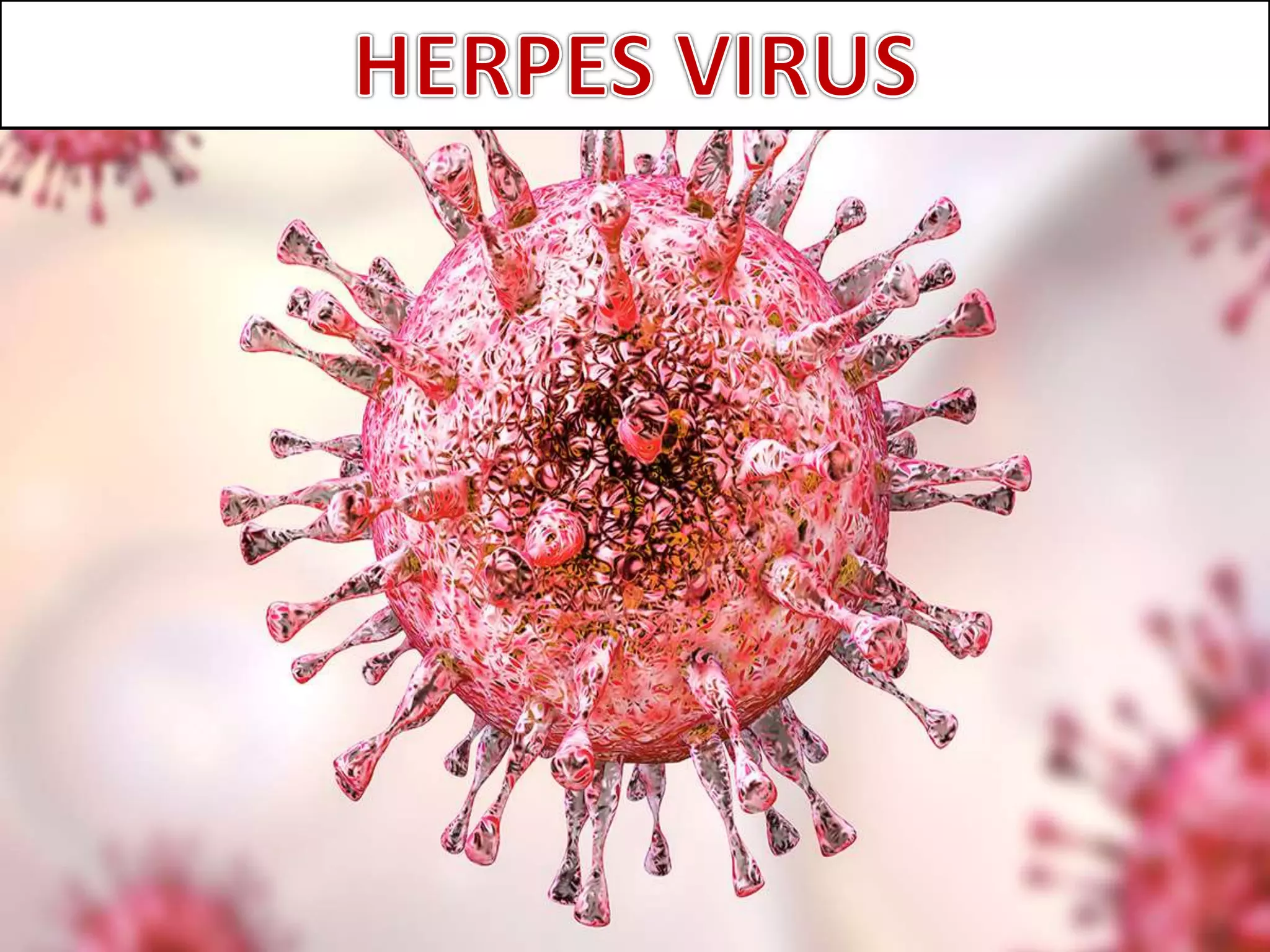
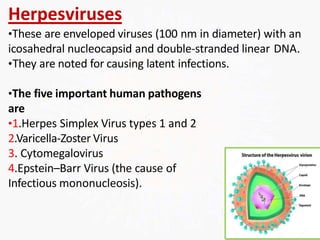
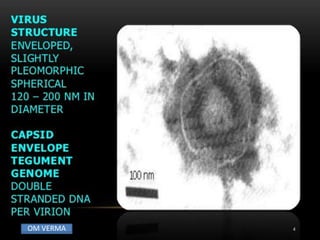
•These are enveloped viruses (100 nm in diameter) with an
icosahedral nucleocapsid and double-stranded linear DNA.
•They are noted for causing latent infections.
•The five important human pathogens
are
•1.Herpes Simplex Virus types 1 and 2
2.Varicella-Zoster Virus
3. Cytomegalovirus
4.Epstein–Barr Virus (the cause of
Infectious mononucleosis).
1.HERPES SIMPLEX VIRUS
The herpes simplex virus, also known as HSV, is an
infection that causes herpes. Herpes can appear in
various parts of the body, most commonly on the genitals
or mouth. There are two types of the herpes simplex
virus.
HSV-1: primarily causes oral herpes, and is generally
responsible for cold sores and fever blisters around the
mouth and on the face.
HSV-2: primarily causes genital herpes, and is generally
responsible for genital herpes outbreaks.
HERPES SIMPLEX VIRUSES
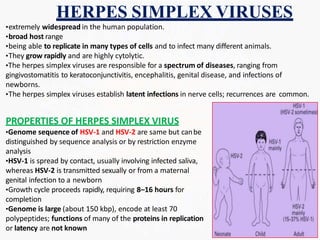
•extremely widespread in the human population.
•broad host range
•being able to replicate in many types of cells and to infect many different animals.
•They grow rapidly and are highly cytolytic.
•The herpes simplex viruses are responsible for a spectrum of diseases, ranging from
gingivostomatitis to keratoconjunctivitis, encephalitis, genital disease, and infections of
newborns.
•The herpes simplex viruses establish latent infections in nerve cells; recurrences are common.
PROPERTIES OF HERPES SIMPLEX VIRUS
•Genome sequence of HSV-1 and HSV-2 are same but canbe
distinguished by sequence analysis or by restriction enzyme
analysis
•HSV-1 is spread by contact, usually involving infected saliva,
whereas HSV-2 is transmitted sexually or from a maternal
genital infection to a newborn
•Growth cycle proceeds rapidly, requiring 8–16 hours for
completion
•Genome is large (about 150 kbp), encode at least 70
polypeptides; functions of many of the proteins in replication
or latency are not known
HSV-1 ETIOLOGY
can be contracted from general interactions such as:
eating from the same utensils
sharing lip balm
Kissing
The virus spreads more quickly when an infected person is
experiencing an outbreak. An estimated 67 percent Trusted
Source of people ages 49 or younger are seropositive for HSV-
1, though they may never experience an outbreak. It’s also
possible to get genital herpes from HSV-1 if someone who
performed oral sex had cold sores during that time.
HSV-2
HSV-2 is contracted through forms of sexual contact
with a person who has HSV-2. An estimated 20
percent of sexually active adults in the United States
are infected with HSV-2, according to the American
Academy of Dermatology (AAD). HSV-2 infections are
spread through contact with a herpes sore. In
contrast, most people get HSV-1 from an infected
person who is asymptomatic, or does not have sores.
Pathogenesis
Cytolyticinfectious necrosis of infected cells together with the inflammatoryresponse
Lesions induced by HSV-1 and HSV-2 are the same, resembling those of varicella-zostervirus
Characteristic histopathologic changes include ballooning of infected cells, production of Cowdry
type A intranuclear inclusion bodies, margination of chromatin and formation of multinucleated
giant cells
Cell fusion provides an efficient method for cell-to-cell spread ofHSV
A. PRIMARY INFECTION
transmitted by contact of a susceptible person with an individual excretingvirus
The virus must encounter mucosal surfaces or broken skin in order for an infection to be initiated
(unbroken skin isresistant).
HSV-1 infections are usually limited to the oropharynx, and virus is spread by respiratorydroplets
or by direct contact with infected saliva.
 HSV-2 is usually transmitted by genitalroutes.
Viralreplication occurs first at the site of infection. Virus then invades local nerve endings and is
transported by retrograde axonalflow
Primary HSV infections are usually mild; in fact, most are asymptomatic. Only rarely doessystemic
disease develop.
Widespread organ involvement can result when an immunocompromised host is not able tolimit
viral replication and viremiaensues.
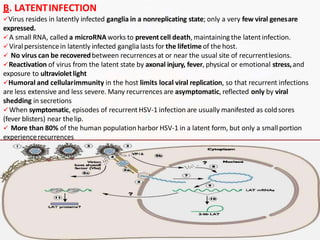
B. LATENTINFECTION
Virus resides in latently infected ganglia in a nonreplicating state; only a very few viral genesare
expressed.
A small RNA, called a microRNA works to preventcell death, maintaining the latentinfection.
Viralpersistencein latently infected ganglia lasts for the lifetime of the host.
 No virus can be recoveredbetween recurrencesat or near the usual site of recurrentlesions.
Reactivation of virus from the latent state by axonal injury, fever, physical or emotional stress,and
exposure to ultravioletlight
Humoral and cellularimmunity in the host limits local viral replication, so that recurrent infections
are less extensive and less severe. Many recurrences are asymptomatic, reflected only by viral
shedding in secretions
When symptomatic, episodes of recurrent HSV-1 infection are usually manifested as coldsores
(fever blisters) near thelip.
 More than 80% of the human population harbor HSV-1 in a latent form, but only a small portion
experiencerecurrences
Symptoms
A. OROPHARYNGEAL DISEASE
•Symptomatic disease
•most frequently in small children (1–5 years of age)
•involves the buccal and gingival mucosa of the mouth
•Incubation period is short (about 3–5 days, with a range of
2–12 days)
•clinical illness: lasts 2–3 weeks.
•Symptoms include fever, sore throat, vesicular and ulcerative
lesions, gingivostomatitis, and malaise. Gingivitis (swollen,
tender gums) is the most striking and commonlesion.
•Primary infections in adults commonly cause pharyngitis
and tonsillitis. Localized lymphadenopathy mayoccur.
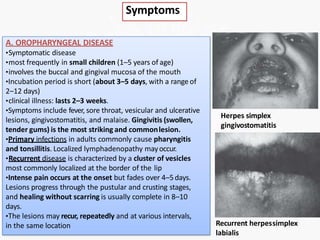
•Recurrent disease is characterized by a cluster of vesicles
most commonly localized at the border of the lip
•Intense pain occurs at the onset but fades over 4–5days.
Lesions progress through the pustular and crusting stages,
and healing without scarring is usually complete in 8–10
days.
•The lesions may recur, repeatedly and at various intervals,
in the same location
Herpes simplex
gingivostomatitis
Recurrent herpessimplex
labialis
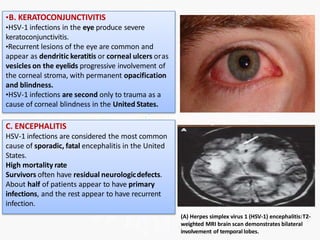
•B. KERATOCONJUNCTIVITIS
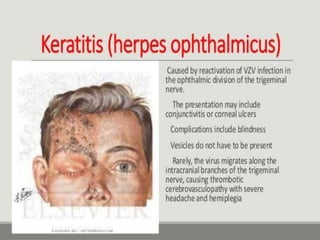
•HSV-1 infections in the eye produce severe
keratoconjunctivitis.
•Recurrent lesions of the eye are common and
appear as dendritic keratitis or corneal ulcers oras
vesicles on the eyelids progressive involvement of
the corneal stroma, with permanent opacification
and blindness.
•HSV-1 infections are second only to trauma as a
cause of corneal blindness in the United States.
C. ENCEPHALITIS
HSV-1 infections are considered the most common
cause of sporadic, fatal encephalitis in the United
States.
High mortality rate
Survivors often have residual neurologicdefects.
About half of patients appear to have primary
infections, and the rest appear to have recurrent
infection.
(A) Herpes simplex virus 1 (HSV-1) encephalitis:T2-
weighted MRI brain scan demonstrates bilateral
involvement of temporal lobes.
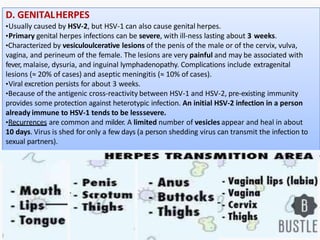
D. GENITALHERPES
•Usually caused by HSV-2, but HSV-1 can also cause genital herpes.
•Primary genital herpes infections can be severe, with ill-ness lasting about 3 weeks.
•Characterized by vesiculoulcerative lesions of the penis of the male or of the cervix, vulva,
vagina, and perineum of the female. The lesions are very painful and may be associated with
fever, malaise, dysuria, and inguinal lymphadenopathy. Complications include extragenital
lesions (≈ 20% of cases) and aseptic meningitis (≈ 10% of cases).
•Viral excretion persists for about 3 weeks.
•Because of the antigenic cross-reactivity between HSV-1 and HSV-2, pre-existing immunity
provides some protection against heterotypic infection. An initial HSV-2 infection in a person
already immune to HSV-1 tends to be lesssevere.
•Recurrences are common and milder. A limited number of vesicles appear and heal in about
10 days. Virus is shed for only a few days (a person shedding virus can transmit the infection to
sexual partners).
E. INFECTIONS IN
IMMUNOCOMPROMISEDHOSTS
•Are at increased risk of developing
severe HSV infections.
•Include patients
immunosuppressed by disease or
therapy (especially those with
deficient cellular immunity)
malnourished
•Renal, cardiac, and bone marrow
transplant recipients, with
hematologic malignancies and AIDS
•Herpes lesions may spread and
involve the respiratory tract,
oesophagus, and intestinal
mucosa. Malnourished childrenare
prone to fatal disseminated HSV
infections.
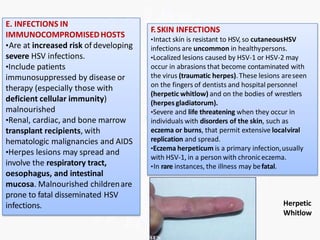
F.SKIN INFECTIONS
•Intact skin is resistant to HSV, so cutaneousHSV
infections are uncommon in healthypersons.
•Localized lesions caused by HSV-1 or HSV-2 may
occur in abrasions that become contaminated with
the virus (traumatic herpes).These lesions areseen
on the fingers of dentists and hospital personnel
(herpetic whitlow) and on the bodies of wrestlers
(herpes gladiatorum).
•Severe and life threatening when they occur in
individuals with disorders of the skin, such as
eczema or burns, that permit extensive localviral
replication and spread.
•Eczema herpeticum is a primary infection,usually
with HSV-1, in a person with chroniceczema.
•In rare instances, the illness may befatal.
Herpetic
Whitlow
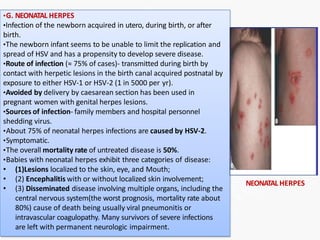
•G. NEONATAL HERPES
•Infection of the newborn acquired in utero, during birth, or after
birth.
•The newborn infant seems to be unable to limit the replication and
spread of HSV and has a propensity to develop severe disease.
•Route of infection (≈ 75% of cases)- transmitted during birth by
contact with herpetic lesions in the birth canal acquired postnatal by
exposure to either HSV-1 or HSV-2 (1 in 5000 per yr).
•Avoided by delivery by caesarean section has been used in
pregnant women with genital herpes lesions.
•Sources of infection- family members and hospital personnel
shedding virus.
•About 75% of neonatal herpes infections are caused by HSV-2.
•Symptomatic.
•The overall mortality rate of untreated disease is 50%.
•Babies with neonatal herpes exhibit three categories of disease:
• (1)Lesions localized to the skin, eye, and Mouth;
• (2) Encephalitis with or without localized skin involvement;
• (3) Disseminated disease involving multiple organs, including the
central nervous system(the worst prognosis, mortality rate about
80%) cause of death being usually viral pneumonitis or
intravascular coagulopathy. Many survivors of severe infections
are left with permanent neurologic impairment.
NEONATALHERPES
LABORATORYDIAGNOSIS
A. CYTOPATHOLOGY-stain scrapings from the base of a vesicle (eg, with Giemsa’s stain)
B. ISOLATION AND IDENTIFICATION OF VIRUS- lesions, throat washings, cerebrospinal
fluid, and stool, both during primary infection and during asymptomatic periods. Then
identified by Nt test or immunofluorescence staining with specific antiserum. Typing done
using monoclonal antibody or by restriction endonuclease
C. POLYMERASE CHAIN REACTION (PCR) of viral DNA from cerebrospinal fluid.
D.SEROLOGY-Antibodies appear in 4–7 days after infection and reach a peak in 2–4 weeks.
They persist for the life of the host. Limited by the multiple antigens shared by HSV-1 and HSV-2.
There may also be some heterotypic anamnestic responses to varicella-zoster virus in persons
infected with HSV,and vice versa.
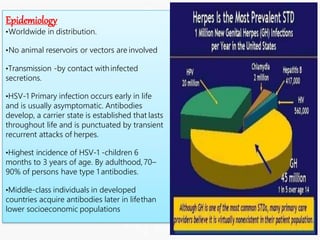
Epidemiology
•Worldwide in distribution.
•No animal reservoirs or vectors are involved
•Transmission -by contact withinfected
secretions.
•HSV-1 Primary infection occurs early in life
and is usually asymptomatic. Antibodies
develop, a carrier state is established that lasts
throughout life and is punctuated by transient
recurrent attacks of herpes.
•Highest incidence of HSV-1 -children 6
months to 3 years of age. By adulthood,70–
90% of persons have type 1 antibodies.
•Middle-class individuals in developed
countries acquire antibodies later in lifethan
lower socioeconomic populations
HSV-2 is usually acquired as a sexually transmitted disease, so antibodies to this virus are
seldom found before puberty. Estimated 40–60 million infected individuals in theUS.
•20% of adults in the US possess HSV-2 antibodies, with seroprevalence higheramong
women than men and higher among blacks thanwhites.
•Recurrent genital infections may be symptomatic or asymptomatic. Either situationprovides
a reservoir of virus for transmission to susceptiblepersons.
•HSV-2 tends to recur more often than HSV-1, irrespective of the site ofinfection.
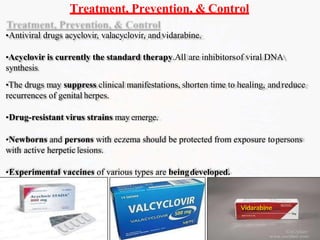
Treatment, Prevention, & Control
•Antiviral drugs acyclovir, valacyclovir, andvidarabine.
•Acyclovir is currently the standard therapy.All are inhibitorsof viral DNA
synthesis.
•The drugs may suppress clinical manifestations, shorten time to healing, andreduce
recurrences of genital herpes.
•Drug-resistant virus strains may emerge.
•Newborns and persons with eczema should be protected from exposure topersons
with active herpeticlesions.
•Experimental vaccines of various types are beingdeveloped.
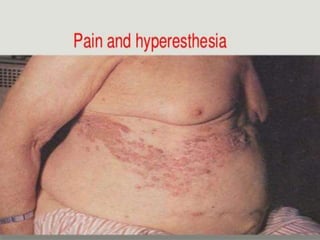
Vidarabine
VARICELLA-ZOSTER VIRUS
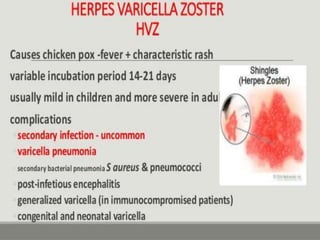
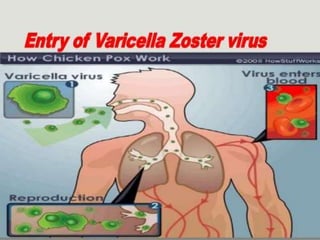
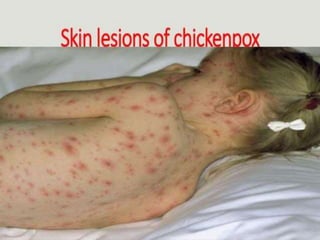
Varicella-zoster virus (VZV) is the cause of
chickenpox and herpes zoster (also called
shingles). Chickenpox follows initial exposure to
the virus and is typically a relatively mild, self-
limited childhood illness with a characteristic
exanthem.
Diseases or conditions caused: Chickenpox;
Shingles; Encephalitis
VARICELLA-ZOSTER VIRUS
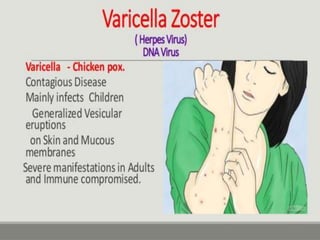
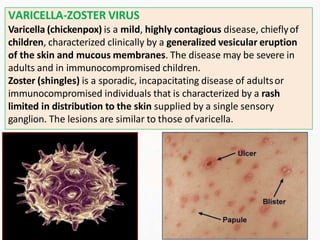
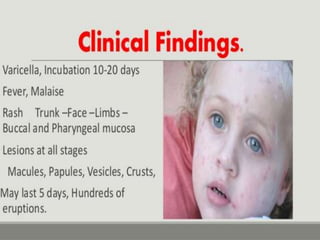
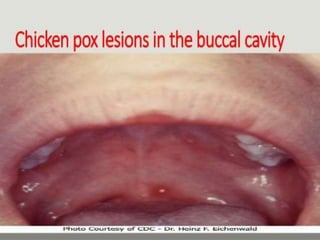
Varicella (chickenpox) is a mild, highly contagious disease, chieflyof
children, characterized clinically by a generalized vesicular eruption
of the skin and mucous membranes. The disease may be severe in
adults and in immunocompromised children.
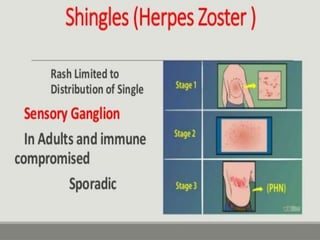
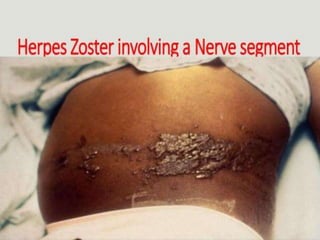
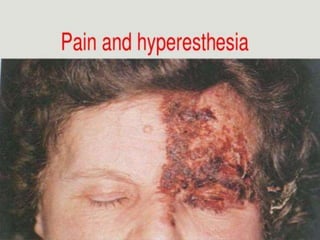
Zoster (shingles) is a sporadic, incapacitating disease of adultsor
immunocompromised individuals that is characterized by a rash
limited in distribution to the skin supplied by a single sensory
ganglion. The lesions are similar to those ofvaricella.
ETIOLOGY
OM VERMA
OM VERMA
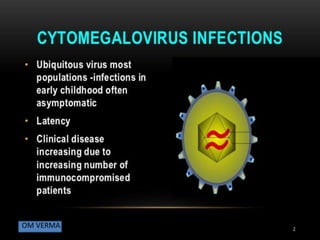
CYTOMEGALOVIRUS
•The name for the classic cytomegalic inclusion disease derives from the propensity for
massive enlargement of cytomegalovirus-infectedcells.
•Cytomegalic inclusion disease is a generalized infection of infants caused by
intrauterine or early postnatal infection with the cytomegaloviruses.
•Severe infections in adults who are immunosuppressed.
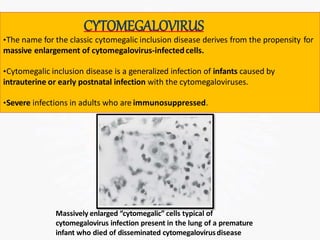
Massively enlarged “cytomegalic” cells typical of
cytomegalovirus infection present in the lung of a premature
infant who died of disseminated cytomegalovirusdisease
OM VERMA
Properties of the Virus
largest genetic content DNA genome (240 kbp) and 200 proteins
Cell surface glycoprotein, Fc receptor bind nonspecifically to Fc portion of antibody & help
infected cells evade immune elimination
The major immediate early promoter-enhancer is used experimentally to support high-level
expression of foreign genes.
Replicates in vitro only in human fibroblasts, although often isolated from epithelial cells of
the host.
Replicates very slowly in culturedcells
Very little virus becomes cell-free; infection is spread primarilycell-to-cell.
Takes several weeks for an entire monolayer of cultured cells to become involved.
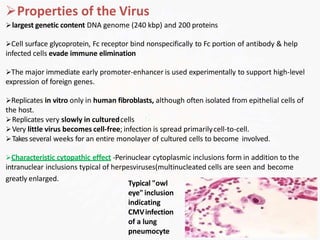
Characteristic cytopathic effect -Perinuclear cytoplasmic inclusions form in addition to the
intranuclear inclusions typical of herpesviruses(multinucleated cells are seen and become
greatly enlarged.
Typical "owl
eye"inclusion
indicating
CMVinfection
of a lung
pneumocyte
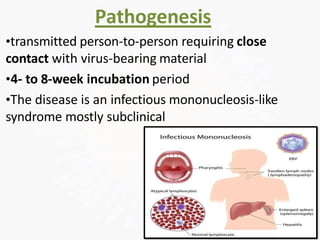
Pathogenesis
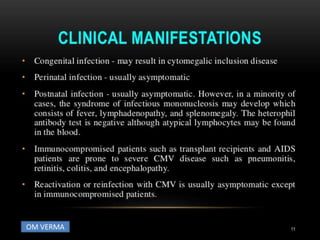
•transmitted person-to-person requiring close
contact with virus-bearing material
•4- to 8-week incubation period
•The disease is an infectious mononucleosis-like
syndrome mostly subclinical
Symptoms
• malaise, myalgia, protracted fever,liver function
abnormalities, and lymphocytosis
• Subclinical hepatitis is common
• Pneumonia is a frequent complication (bone
marrow transplant recipients)
• result in death of the fetus in utero , survivors
develop significant CNS defects within 2 years;
severe hearing loss, ocular abnormalities,
deafness, and mental retardation arecommon
OM VERMA
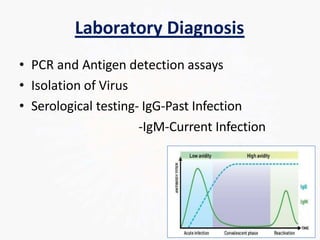
Laboratory Diagnosis
• PCR and Antigen detection assays
• Isolation of Virus
• Serological testing- IgG-Past Infection
-IgM-Current Infection
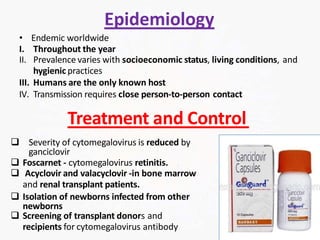
Treatment and Control
 Severity of cytomegalovirus is reduced by
ganciclovir
 Foscarnet - cytomegalovirus retinitis.
 Acyclovir and valacyclovir -in bone marrow
and renal transplant patients.
 Isolation of newborns infected from other
newborns
 Screening of transplant donors and
recipients for cytomegalovirus antibody
Epidemiology
• Endemic worldwide
I. Throughout the year
II. Prevalence varies with socioeconomic status, living conditions, and
hygienic practices
III. Humans are the only known host
IV. Transmission requires close person-to-person contact
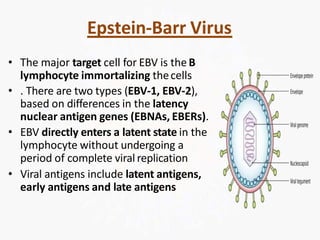
Epstein-Barr Virus
• The major target cell for EBV is the B
lymphocyte immortalizing thecells
• . There are two types (EBV-1, EBV-2),
based on differences in the latency
nuclear antigen genes (EBNAs, EBERs).
• EBV directly enters a latent state in the
lymphocyte without undergoing a
period of complete viral replication
• Viral antigens include latent antigens,
early antigens and late antigens
ETIOLOGY
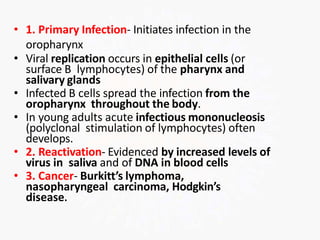
• 1. Primary Infection- Initiates infection in the
oropharynx
• Viral replication occurs in epithelial cells (or
surface B lymphocytes) of the pharynx and
salivary glands
• Infected B cells spread the infection from the
oropharynx throughout the body.
• In young adults acute infectious mononucleosis
(polyclonal stimulation of lymphocytes) often
develops.
• 2. Reactivation- Evidenced by increased levels of
virus in saliva and of DNA in blood cells
• 3. Cancer- Burkitt’s lymphoma,
nasopharyngeal carcinoma, Hodgkin’s
disease.
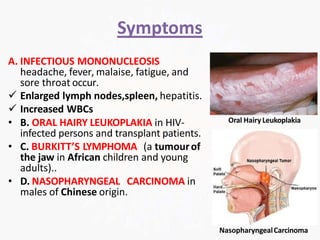
Symptoms
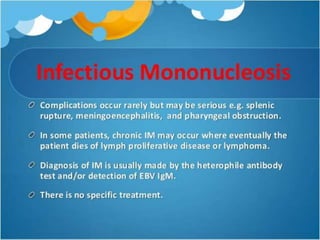
A. INFECTIOUS MONONUCLEOSIS
headache, fever, malaise, fatigue, and
sore throat occur.
 Enlarged lymph nodes,spleen, hepatitis.
 Increased WBCs
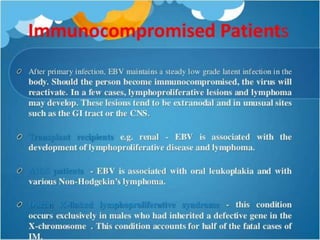
• B. ORAL HAIRY LEUKOPLAKIA in HIV-
infected persons and transplant patients.
• C. BURKITT’S LYMPHOMA (a tumourof
the jaw in African children and young
adults)..
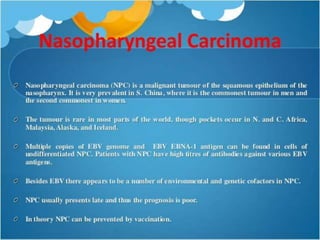
• D. NASOPHARYNGEAL CARCINOMA in
males of Chinese origin.
Oral Hairy Leukoplakia
NasopharyngealCarcinoma
Laboratory Diagnosis
• ISOLATION AND IDENTIFICATION OF VIRUS BY
NUCLEIC ACID HYBRIDIZATION
• SEROLOGY ELISA tests, immunoblot assays,
and indirect immunofluorescence tests
• IgM type- current infection.
• IgG -past infection and indicates immunity.
Epidemiology
 Common in all parts of the world
 100,000 cases of infectious mononucleosis annuallyin
the US
 Developing areas >90% of children infected by age6.
 Industrialized nations >50% infections are delayeduntil
late adolescence and youngadulthood
Treatment, Prevention and Control
No vaccine available.
Acyclovir reduces EBV shedding from the oropharynx ,
but does not affect the number of EBV-immortalized B
cells, and
No treatment for Immunocompromised patients.
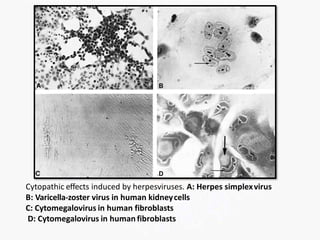
Cytopathic effects induced by herpesviruses. A: Herpes simplexvirus
B: Varicella-zoster virus in human kidneycells
C: Cytomegalovirus in human fibroblasts
D: Cytomegalovirus in human fibroblasts
Herpes virus
Herpes virus
Herpes virus

Herpes virus

  • 2.
  • 3.
    INTRODUCTION They are knownas the human herpesviruses and are herpes simplex virus type 1, herpes simplex virus type 2, varicella-zoster virus, cytomegalovirus, Epstein-Barr virus, human herpesvirus 6, human herpesvirus 7 and, most recently, Kaposi's Sarcoma herpesvirus.
  • 4.
    Herpesviruses •These are envelopedviruses (100 nm in diameter) with an icosahedral nucleocapsid and double-stranded linear DNA. •They are noted for causing latent infections. •The five important human pathogens are •1.Herpes Simplex Virus types 1 and 2 2.Varicella-Zoster Virus 3. Cytomegalovirus 4.Epstein–Barr Virus (the cause of Infectious mononucleosis).
  • 5.
    1.HERPES SIMPLEX VIRUS Theherpes simplex virus, also known as HSV, is an infection that causes herpes. Herpes can appear in various parts of the body, most commonly on the genitals or mouth. There are two types of the herpes simplex virus. HSV-1: primarily causes oral herpes, and is generally responsible for cold sores and fever blisters around the mouth and on the face. HSV-2: primarily causes genital herpes, and is generally responsible for genital herpes outbreaks.
  • 6.
    HERPES SIMPLEX VIRUSES •extremelywidespread in the human population. •broad host range •being able to replicate in many types of cells and to infect many different animals. •They grow rapidly and are highly cytolytic. •The herpes simplex viruses are responsible for a spectrum of diseases, ranging from gingivostomatitis to keratoconjunctivitis, encephalitis, genital disease, and infections of newborns. •The herpes simplex viruses establish latent infections in nerve cells; recurrences are common. PROPERTIES OF HERPES SIMPLEX VIRUS •Genome sequence of HSV-1 and HSV-2 are same but canbe distinguished by sequence analysis or by restriction enzyme analysis •HSV-1 is spread by contact, usually involving infected saliva, whereas HSV-2 is transmitted sexually or from a maternal genital infection to a newborn •Growth cycle proceeds rapidly, requiring 8–16 hours for completion •Genome is large (about 150 kbp), encode at least 70 polypeptides; functions of many of the proteins in replication or latency are not known
  • 7.
    HSV-1 ETIOLOGY can becontracted from general interactions such as: eating from the same utensils sharing lip balm Kissing The virus spreads more quickly when an infected person is experiencing an outbreak. An estimated 67 percent Trusted Source of people ages 49 or younger are seropositive for HSV- 1, though they may never experience an outbreak. It’s also possible to get genital herpes from HSV-1 if someone who performed oral sex had cold sores during that time.
  • 8.
    HSV-2 HSV-2 is contractedthrough forms of sexual contact with a person who has HSV-2. An estimated 20 percent of sexually active adults in the United States are infected with HSV-2, according to the American Academy of Dermatology (AAD). HSV-2 infections are spread through contact with a herpes sore. In contrast, most people get HSV-1 from an infected person who is asymptomatic, or does not have sores.
  • 9.
    Pathogenesis Cytolyticinfectious necrosis ofinfected cells together with the inflammatoryresponse Lesions induced by HSV-1 and HSV-2 are the same, resembling those of varicella-zostervirus Characteristic histopathologic changes include ballooning of infected cells, production of Cowdry type A intranuclear inclusion bodies, margination of chromatin and formation of multinucleated giant cells Cell fusion provides an efficient method for cell-to-cell spread ofHSV A. PRIMARY INFECTION transmitted by contact of a susceptible person with an individual excretingvirus The virus must encounter mucosal surfaces or broken skin in order for an infection to be initiated (unbroken skin isresistant). HSV-1 infections are usually limited to the oropharynx, and virus is spread by respiratorydroplets or by direct contact with infected saliva.  HSV-2 is usually transmitted by genitalroutes. Viralreplication occurs first at the site of infection. Virus then invades local nerve endings and is transported by retrograde axonalflow Primary HSV infections are usually mild; in fact, most are asymptomatic. Only rarely doessystemic disease develop. Widespread organ involvement can result when an immunocompromised host is not able tolimit viral replication and viremiaensues.
  • 10.
    B. LATENTINFECTION Virus residesin latently infected ganglia in a nonreplicating state; only a very few viral genesare expressed. A small RNA, called a microRNA works to preventcell death, maintaining the latentinfection. Viralpersistencein latently infected ganglia lasts for the lifetime of the host.  No virus can be recoveredbetween recurrencesat or near the usual site of recurrentlesions. Reactivation of virus from the latent state by axonal injury, fever, physical or emotional stress,and exposure to ultravioletlight Humoral and cellularimmunity in the host limits local viral replication, so that recurrent infections are less extensive and less severe. Many recurrences are asymptomatic, reflected only by viral shedding in secretions When symptomatic, episodes of recurrent HSV-1 infection are usually manifested as coldsores (fever blisters) near thelip.  More than 80% of the human population harbor HSV-1 in a latent form, but only a small portion experiencerecurrences
  • 11.
    Symptoms A. OROPHARYNGEAL DISEASE •Symptomaticdisease •most frequently in small children (1–5 years of age) •involves the buccal and gingival mucosa of the mouth •Incubation period is short (about 3–5 days, with a range of 2–12 days) •clinical illness: lasts 2–3 weeks. •Symptoms include fever, sore throat, vesicular and ulcerative lesions, gingivostomatitis, and malaise. Gingivitis (swollen, tender gums) is the most striking and commonlesion. •Primary infections in adults commonly cause pharyngitis and tonsillitis. Localized lymphadenopathy mayoccur. •Recurrent disease is characterized by a cluster of vesicles most commonly localized at the border of the lip •Intense pain occurs at the onset but fades over 4–5days. Lesions progress through the pustular and crusting stages, and healing without scarring is usually complete in 8–10 days. •The lesions may recur, repeatedly and at various intervals, in the same location Herpes simplex gingivostomatitis Recurrent herpessimplex labialis
  • 12.
    •B. KERATOCONJUNCTIVITIS •HSV-1 infectionsin the eye produce severe keratoconjunctivitis. •Recurrent lesions of the eye are common and appear as dendritic keratitis or corneal ulcers oras vesicles on the eyelids progressive involvement of the corneal stroma, with permanent opacification and blindness. •HSV-1 infections are second only to trauma as a cause of corneal blindness in the United States. C. ENCEPHALITIS HSV-1 infections are considered the most common cause of sporadic, fatal encephalitis in the United States. High mortality rate Survivors often have residual neurologicdefects. About half of patients appear to have primary infections, and the rest appear to have recurrent infection. (A) Herpes simplex virus 1 (HSV-1) encephalitis:T2- weighted MRI brain scan demonstrates bilateral involvement of temporal lobes.
  • 13.
    D. GENITALHERPES •Usually causedby HSV-2, but HSV-1 can also cause genital herpes. •Primary genital herpes infections can be severe, with ill-ness lasting about 3 weeks. •Characterized by vesiculoulcerative lesions of the penis of the male or of the cervix, vulva, vagina, and perineum of the female. The lesions are very painful and may be associated with fever, malaise, dysuria, and inguinal lymphadenopathy. Complications include extragenital lesions (≈ 20% of cases) and aseptic meningitis (≈ 10% of cases). •Viral excretion persists for about 3 weeks. •Because of the antigenic cross-reactivity between HSV-1 and HSV-2, pre-existing immunity provides some protection against heterotypic infection. An initial HSV-2 infection in a person already immune to HSV-1 tends to be lesssevere. •Recurrences are common and milder. A limited number of vesicles appear and heal in about 10 days. Virus is shed for only a few days (a person shedding virus can transmit the infection to sexual partners).
  • 14.
    E. INFECTIONS IN IMMUNOCOMPROMISEDHOSTS •Areat increased risk of developing severe HSV infections. •Include patients immunosuppressed by disease or therapy (especially those with deficient cellular immunity) malnourished •Renal, cardiac, and bone marrow transplant recipients, with hematologic malignancies and AIDS •Herpes lesions may spread and involve the respiratory tract, oesophagus, and intestinal mucosa. Malnourished childrenare prone to fatal disseminated HSV infections. F.SKIN INFECTIONS •Intact skin is resistant to HSV, so cutaneousHSV infections are uncommon in healthypersons. •Localized lesions caused by HSV-1 or HSV-2 may occur in abrasions that become contaminated with the virus (traumatic herpes).These lesions areseen on the fingers of dentists and hospital personnel (herpetic whitlow) and on the bodies of wrestlers (herpes gladiatorum). •Severe and life threatening when they occur in individuals with disorders of the skin, such as eczema or burns, that permit extensive localviral replication and spread. •Eczema herpeticum is a primary infection,usually with HSV-1, in a person with chroniceczema. •In rare instances, the illness may befatal. Herpetic Whitlow
  • 15.
    •G. NEONATAL HERPES •Infectionof the newborn acquired in utero, during birth, or after birth. •The newborn infant seems to be unable to limit the replication and spread of HSV and has a propensity to develop severe disease. •Route of infection (≈ 75% of cases)- transmitted during birth by contact with herpetic lesions in the birth canal acquired postnatal by exposure to either HSV-1 or HSV-2 (1 in 5000 per yr). •Avoided by delivery by caesarean section has been used in pregnant women with genital herpes lesions. •Sources of infection- family members and hospital personnel shedding virus. •About 75% of neonatal herpes infections are caused by HSV-2. •Symptomatic. •The overall mortality rate of untreated disease is 50%. •Babies with neonatal herpes exhibit three categories of disease: • (1)Lesions localized to the skin, eye, and Mouth; • (2) Encephalitis with or without localized skin involvement; • (3) Disseminated disease involving multiple organs, including the central nervous system(the worst prognosis, mortality rate about 80%) cause of death being usually viral pneumonitis or intravascular coagulopathy. Many survivors of severe infections are left with permanent neurologic impairment. NEONATALHERPES
  • 16.
    LABORATORYDIAGNOSIS A. CYTOPATHOLOGY-stain scrapingsfrom the base of a vesicle (eg, with Giemsa’s stain) B. ISOLATION AND IDENTIFICATION OF VIRUS- lesions, throat washings, cerebrospinal fluid, and stool, both during primary infection and during asymptomatic periods. Then identified by Nt test or immunofluorescence staining with specific antiserum. Typing done using monoclonal antibody or by restriction endonuclease C. POLYMERASE CHAIN REACTION (PCR) of viral DNA from cerebrospinal fluid. D.SEROLOGY-Antibodies appear in 4–7 days after infection and reach a peak in 2–4 weeks. They persist for the life of the host. Limited by the multiple antigens shared by HSV-1 and HSV-2. There may also be some heterotypic anamnestic responses to varicella-zoster virus in persons infected with HSV,and vice versa.
  • 17.
    Epidemiology •Worldwide in distribution. •Noanimal reservoirs or vectors are involved •Transmission -by contact withinfected secretions. •HSV-1 Primary infection occurs early in life and is usually asymptomatic. Antibodies develop, a carrier state is established that lasts throughout life and is punctuated by transient recurrent attacks of herpes. •Highest incidence of HSV-1 -children 6 months to 3 years of age. By adulthood,70– 90% of persons have type 1 antibodies. •Middle-class individuals in developed countries acquire antibodies later in lifethan lower socioeconomic populations
  • 18.
    HSV-2 is usuallyacquired as a sexually transmitted disease, so antibodies to this virus are seldom found before puberty. Estimated 40–60 million infected individuals in theUS. •20% of adults in the US possess HSV-2 antibodies, with seroprevalence higheramong women than men and higher among blacks thanwhites. •Recurrent genital infections may be symptomatic or asymptomatic. Either situationprovides a reservoir of virus for transmission to susceptiblepersons. •HSV-2 tends to recur more often than HSV-1, irrespective of the site ofinfection.
  • 19.
    Treatment, Prevention, &Control •Antiviral drugs acyclovir, valacyclovir, andvidarabine. •Acyclovir is currently the standard therapy.All are inhibitorsof viral DNA synthesis. •The drugs may suppress clinical manifestations, shorten time to healing, andreduce recurrences of genital herpes. •Drug-resistant virus strains may emerge. •Newborns and persons with eczema should be protected from exposure topersons with active herpeticlesions. •Experimental vaccines of various types are beingdeveloped. Vidarabine
  • 20.
  • 21.
    Varicella-zoster virus (VZV)is the cause of chickenpox and herpes zoster (also called shingles). Chickenpox follows initial exposure to the virus and is typically a relatively mild, self- limited childhood illness with a characteristic exanthem. Diseases or conditions caused: Chickenpox; Shingles; Encephalitis
  • 25.
    VARICELLA-ZOSTER VIRUS Varicella (chickenpox)is a mild, highly contagious disease, chieflyof children, characterized clinically by a generalized vesicular eruption of the skin and mucous membranes. The disease may be severe in adults and in immunocompromised children. Zoster (shingles) is a sporadic, incapacitating disease of adultsor immunocompromised individuals that is characterized by a rash limited in distribution to the skin supplied by a single sensory ganglion. The lesions are similar to those ofvaricella.
  • 26.
  • 42.
  • 43.
  • 44.
    CYTOMEGALOVIRUS •The name forthe classic cytomegalic inclusion disease derives from the propensity for massive enlargement of cytomegalovirus-infectedcells. •Cytomegalic inclusion disease is a generalized infection of infants caused by intrauterine or early postnatal infection with the cytomegaloviruses. •Severe infections in adults who are immunosuppressed. Massively enlarged “cytomegalic” cells typical of cytomegalovirus infection present in the lung of a premature infant who died of disseminated cytomegalovirusdisease
  • 45.
  • 46.
    Properties of theVirus largest genetic content DNA genome (240 kbp) and 200 proteins Cell surface glycoprotein, Fc receptor bind nonspecifically to Fc portion of antibody & help infected cells evade immune elimination The major immediate early promoter-enhancer is used experimentally to support high-level expression of foreign genes. Replicates in vitro only in human fibroblasts, although often isolated from epithelial cells of the host. Replicates very slowly in culturedcells Very little virus becomes cell-free; infection is spread primarilycell-to-cell. Takes several weeks for an entire monolayer of cultured cells to become involved. Characteristic cytopathic effect -Perinuclear cytoplasmic inclusions form in addition to the intranuclear inclusions typical of herpesviruses(multinucleated cells are seen and become greatly enlarged. Typical "owl eye"inclusion indicating CMVinfection of a lung pneumocyte
  • 47.
    Pathogenesis •transmitted person-to-person requiringclose contact with virus-bearing material •4- to 8-week incubation period •The disease is an infectious mononucleosis-like syndrome mostly subclinical
  • 48.
    Symptoms • malaise, myalgia,protracted fever,liver function abnormalities, and lymphocytosis • Subclinical hepatitis is common • Pneumonia is a frequent complication (bone marrow transplant recipients) • result in death of the fetus in utero , survivors develop significant CNS defects within 2 years; severe hearing loss, ocular abnormalities, deafness, and mental retardation arecommon
  • 49.
  • 50.
    Laboratory Diagnosis • PCRand Antigen detection assays • Isolation of Virus • Serological testing- IgG-Past Infection -IgM-Current Infection
  • 51.
    Treatment and Control Severity of cytomegalovirus is reduced by ganciclovir  Foscarnet - cytomegalovirus retinitis.  Acyclovir and valacyclovir -in bone marrow and renal transplant patients.  Isolation of newborns infected from other newborns  Screening of transplant donors and recipients for cytomegalovirus antibody Epidemiology • Endemic worldwide I. Throughout the year II. Prevalence varies with socioeconomic status, living conditions, and hygienic practices III. Humans are the only known host IV. Transmission requires close person-to-person contact
  • 53.
    Epstein-Barr Virus • Themajor target cell for EBV is the B lymphocyte immortalizing thecells • . There are two types (EBV-1, EBV-2), based on differences in the latency nuclear antigen genes (EBNAs, EBERs). • EBV directly enters a latent state in the lymphocyte without undergoing a period of complete viral replication • Viral antigens include latent antigens, early antigens and late antigens
  • 54.
  • 58.
    • 1. PrimaryInfection- Initiates infection in the oropharynx • Viral replication occurs in epithelial cells (or surface B lymphocytes) of the pharynx and salivary glands • Infected B cells spread the infection from the oropharynx throughout the body. • In young adults acute infectious mononucleosis (polyclonal stimulation of lymphocytes) often develops. • 2. Reactivation- Evidenced by increased levels of virus in saliva and of DNA in blood cells • 3. Cancer- Burkitt’s lymphoma, nasopharyngeal carcinoma, Hodgkin’s disease.
  • 59.
    Symptoms A. INFECTIOUS MONONUCLEOSIS headache,fever, malaise, fatigue, and sore throat occur.  Enlarged lymph nodes,spleen, hepatitis.  Increased WBCs • B. ORAL HAIRY LEUKOPLAKIA in HIV- infected persons and transplant patients. • C. BURKITT’S LYMPHOMA (a tumourof the jaw in African children and young adults).. • D. NASOPHARYNGEAL CARCINOMA in males of Chinese origin. Oral Hairy Leukoplakia NasopharyngealCarcinoma
  • 62.
    Laboratory Diagnosis • ISOLATIONAND IDENTIFICATION OF VIRUS BY NUCLEIC ACID HYBRIDIZATION • SEROLOGY ELISA tests, immunoblot assays, and indirect immunofluorescence tests • IgM type- current infection. • IgG -past infection and indicates immunity.
  • 63.
    Epidemiology  Common inall parts of the world  100,000 cases of infectious mononucleosis annuallyin the US  Developing areas >90% of children infected by age6.  Industrialized nations >50% infections are delayeduntil late adolescence and youngadulthood Treatment, Prevention and Control No vaccine available. Acyclovir reduces EBV shedding from the oropharynx , but does not affect the number of EBV-immortalized B cells, and No treatment for Immunocompromised patients.
  • 64.
    Cytopathic effects inducedby herpesviruses. A: Herpes simplexvirus B: Varicella-zoster virus in human kidneycells C: Cytomegalovirus in human fibroblasts D: Cytomegalovirus in human fibroblasts