Downloaded 419 times
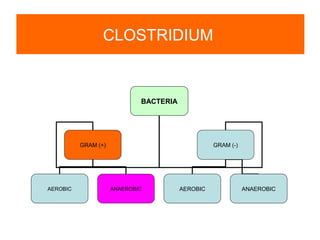
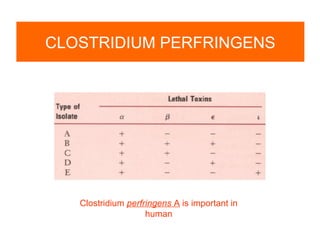
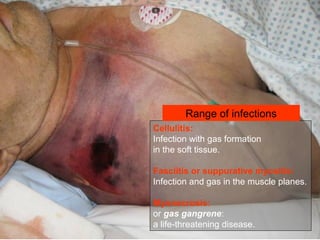
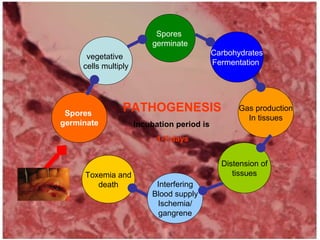
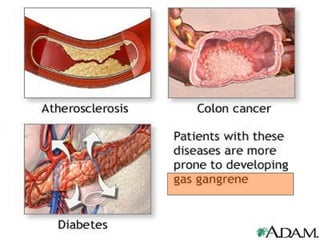
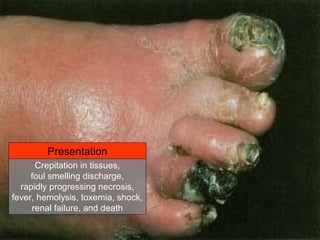
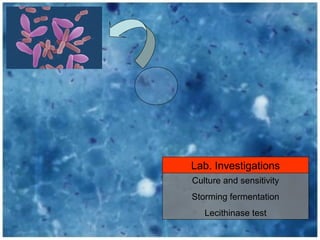
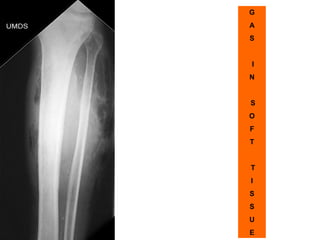
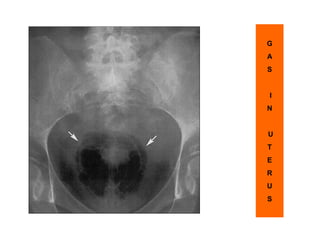
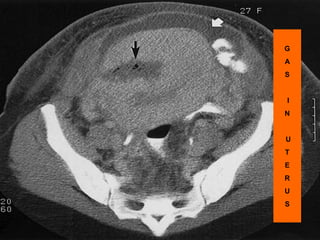
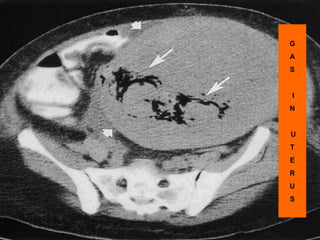
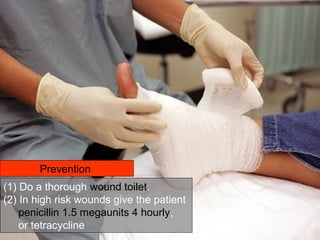
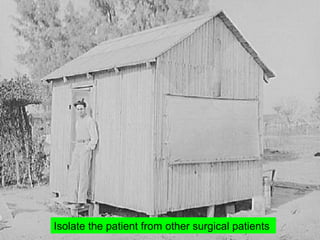

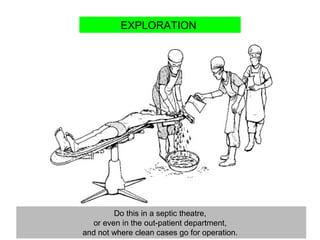
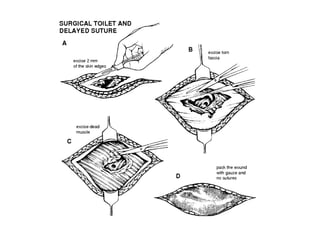
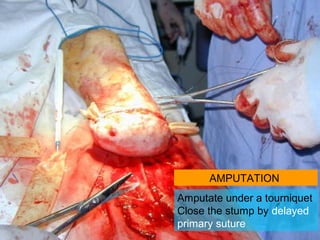
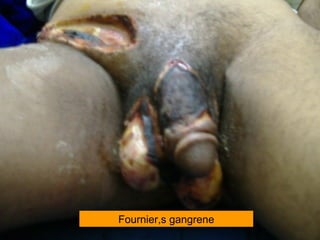
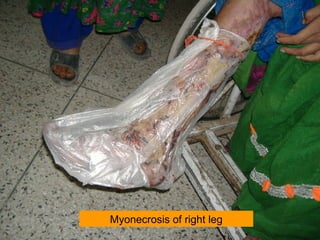
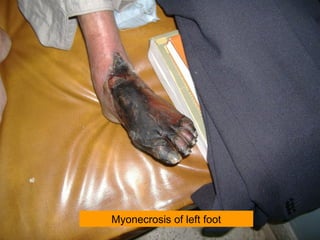
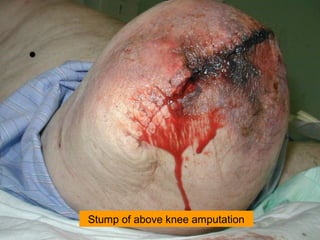
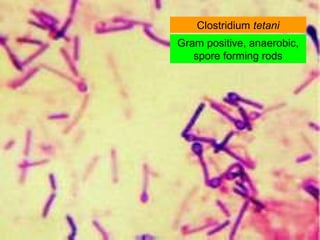

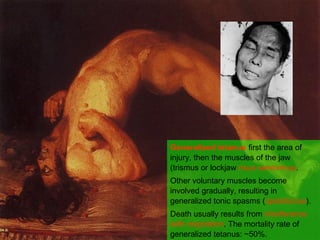
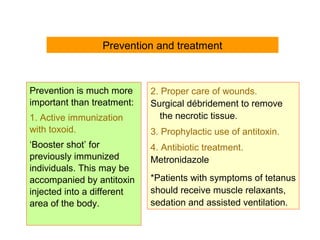
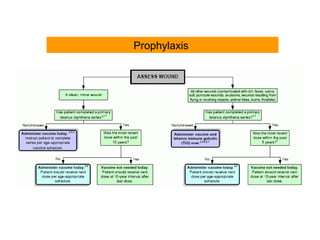


This document discusses myonecrosis or gas gangrene caused by Clostridium perfringens bacteria. It begins by describing the bacteria and types of infections it causes, including cellulitis, fasciitis, myositis, and the life-threatening condition of myonecrosis (gas gangrene). The pathogenesis involves the bacteria's spores germinating and vegetative cells multiplying, which produce gas and toxins through carbohydrate fermentation. This leads to tissue distension, ischemia, gangrene, and toxemia. Presentation includes crepitus, foul discharge, rapid necrosis, and symptoms of shock. Treatment involves thorough wound cleansing, antibiotics like penicillin or tetracycline, and possible amputation if infection


