Chapter 15 Microbial Mechanisms of Pathogenicity
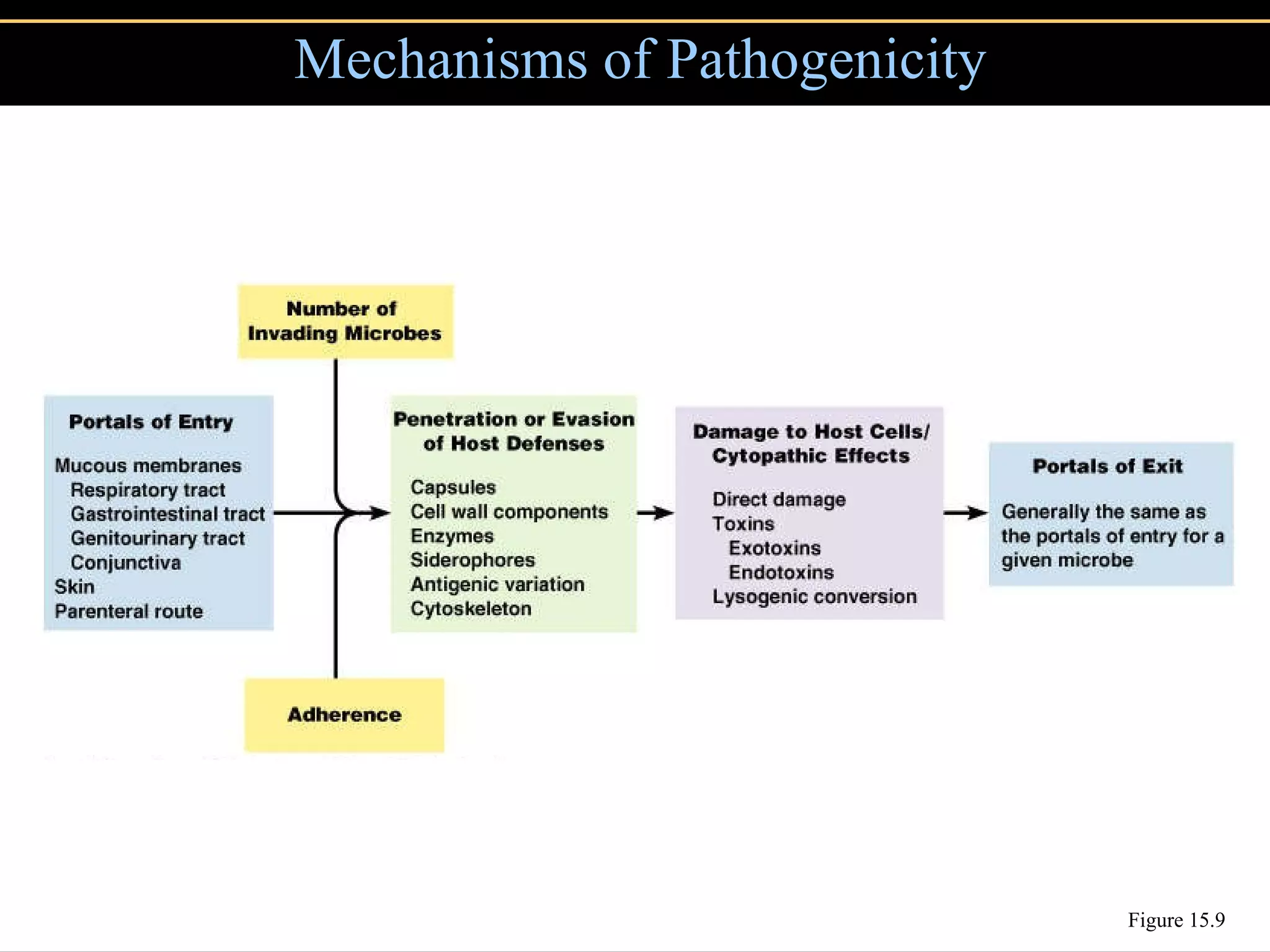
Microbial Mechanisms of Pathogenicity Pathogenicity The ability to cause disease Virulence The extent of pathogenicity ~when a microbe overpowers the hosts defenses, disease results ~ They need to gain  entry ,  adhere ,  penetrate  and cause  damage  to cause disease.
Disease: Pathogens may cause damage to host Direct damage  in the immediate vicinity Grow and multiply and clog cells and passageways Far removed from site of invasion by  toxins Toxins spread through blood and lymph By  hypersensitivity The host’s reaction may cause the damage
Portals of Entry Mucous membranes Respiratory tract Gastrointestinal tract Genitourinary tract Conjunctiva Skin Tough so rare -  Necator americanus - hookworm Parenteral  route Puncture, injection, bites, cuts, wounds, surgery, etc How microorganisms enter a host?
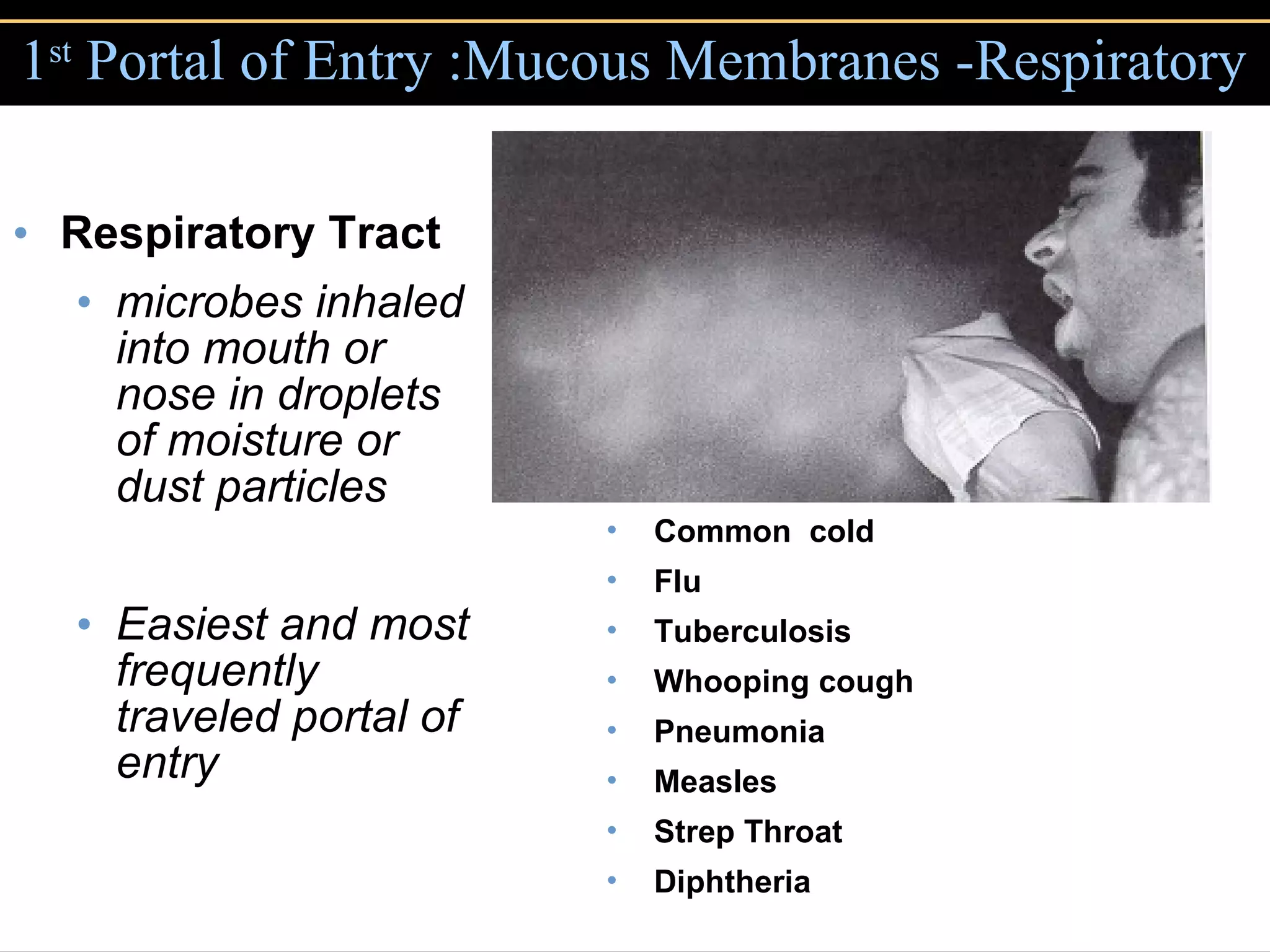
1 st  Portal of Entry :Mucous Membranes -Respiratory Respiratory Tract microbes inhaled into mouth or nose in droplets of moisture or dust particles Easiest and most frequently traveled portal of entry Common  cold Flu Tuberculosis Whooping cough Pneumonia Measles Strep Throat Diphtheria
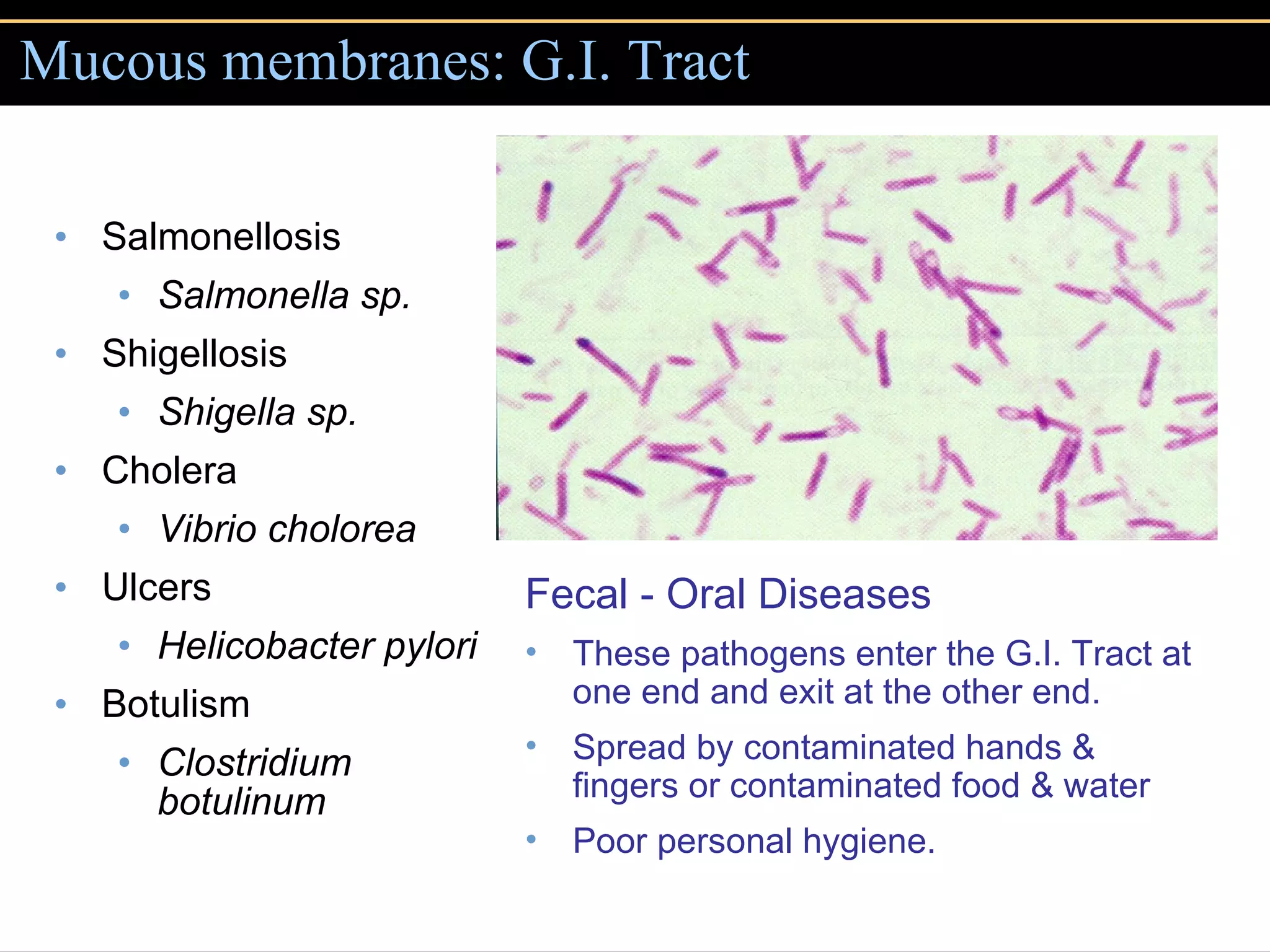
Mucous membranes: G.I. Tract Salmonellosis Salmonella sp. Shigellosis Shigella sp. Cholera Vibrio cholorea Ulcers Helicobacter pylori Botulism Clostridium botulinum Fecal - Oral Diseases   These pathogens enter the G.I. Tract at one end and exit at the other end. Spread by contaminated hands & fingers or contaminated food & water Poor personal hygiene.
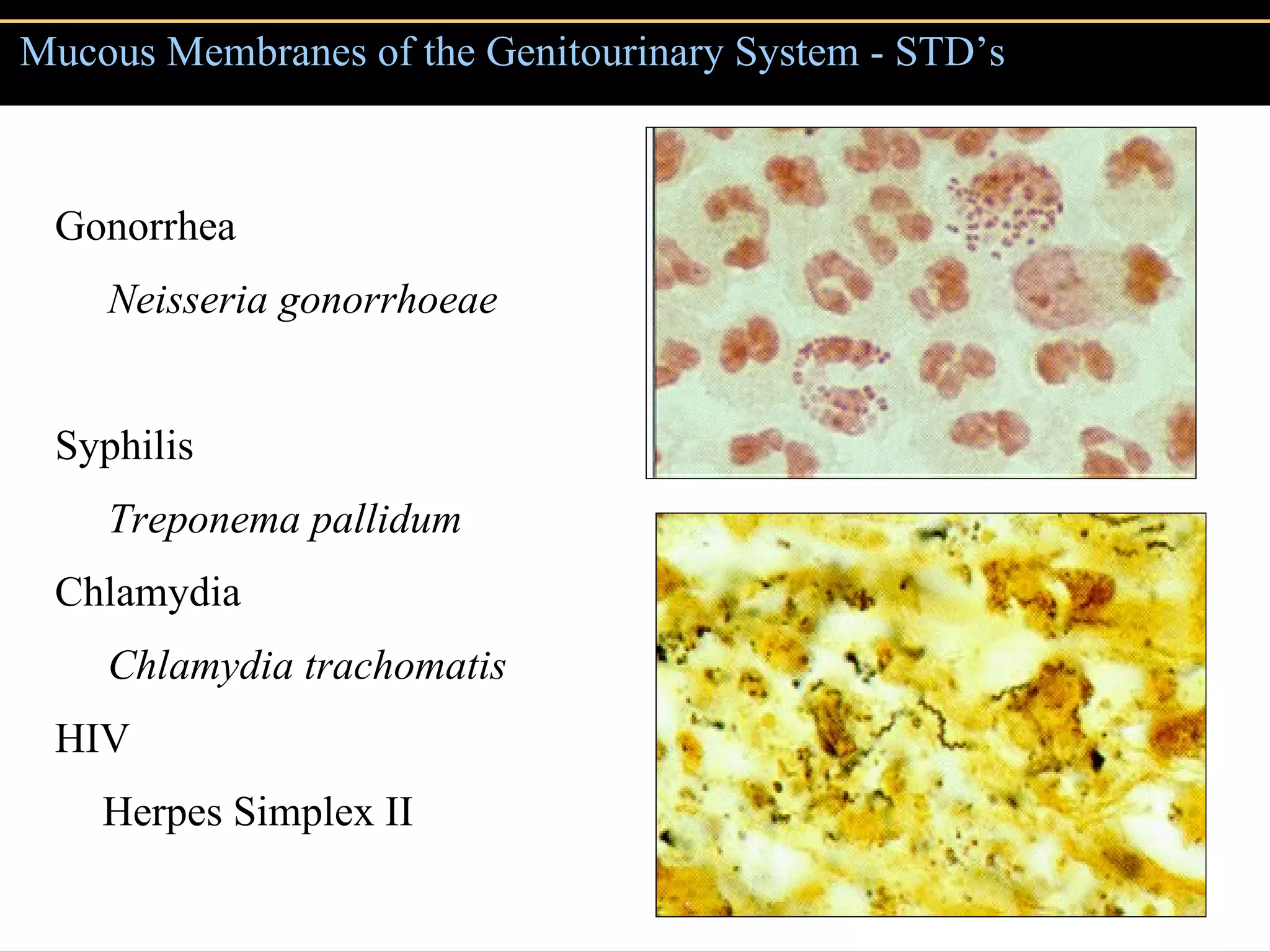
Mucous Membranes of the Genitourinary System - STD’s Gonorrhea Neisseria gonorrhoeae Syphilis Treponema pallidum Chlamydia Chlamydia trachomatis HIV Herpes Simplex II
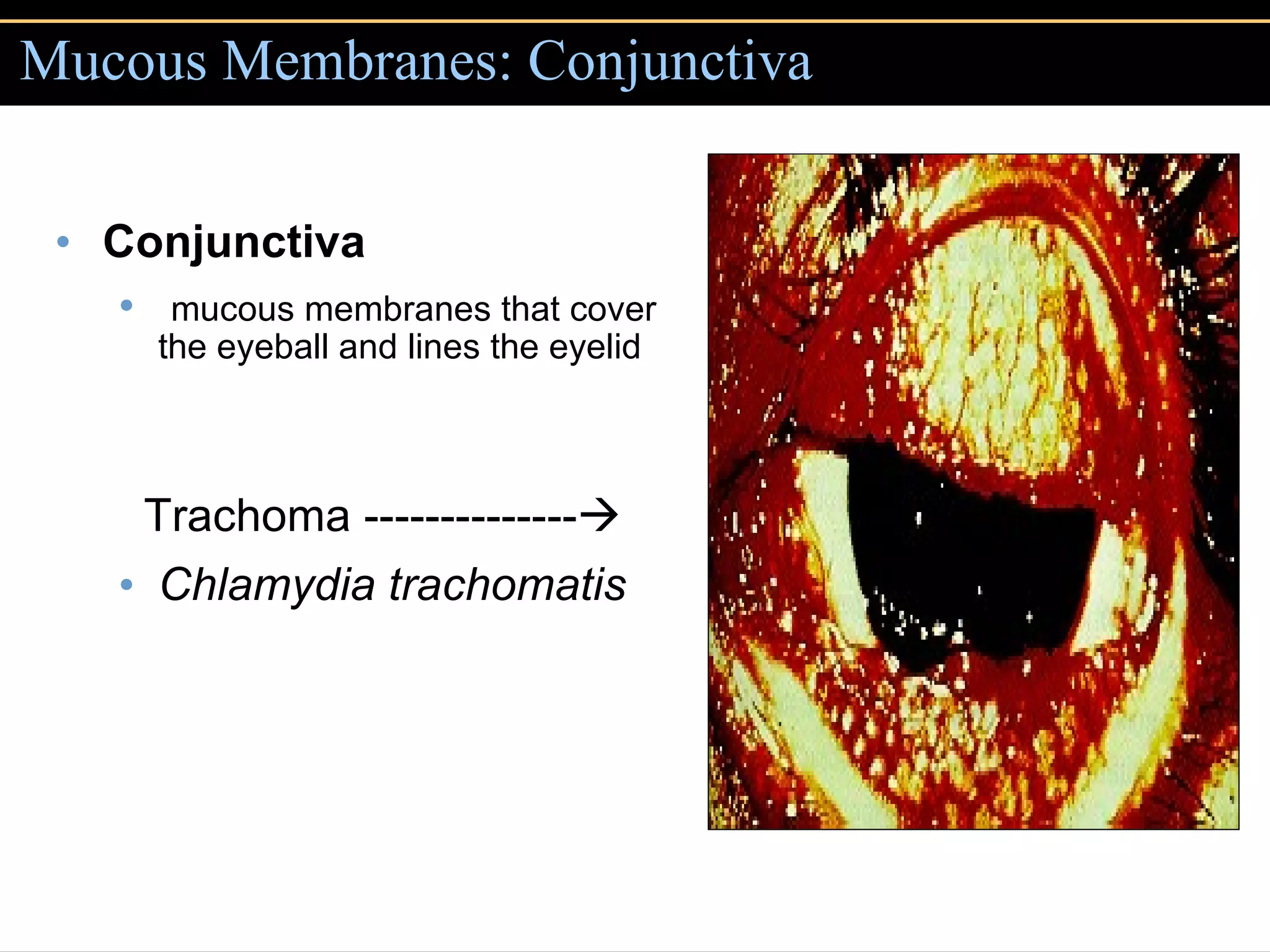
Mucous Membranes: Conjunctiva Conjunctiva   mucous membranes that cover the eyeball and lines the eyelid Trachoma --------------  Chlamydia trachomatis
2nd Portal of Entry: Skin Skin -  the largest organ of the body . When unbroken is an effective barrier for most microorganisms. Some microbes can gain entrance thru openings in the skin: hair follicles and sweat glands
3rd Portal of Entry: Parenteral Microorganisms are  deposited   into  the tissues below the skin or mucous membranes Punctures injections bites scratches surgery splitting of skin due to swelling or dryness
Preferred Portal of Entry ~ Just because a pathogen enters your body it does not mean it’s going to cause disease ~ Pathogens -  preferred portal of entry Small pox via variolation Streptococcus pneumoniae   if inhaled can cause pneumonia if enters the G.I. Tract, no disease Salmonella typhi   if enters the G.I. Tract can cause Typhoid Fever if on skin, no disease
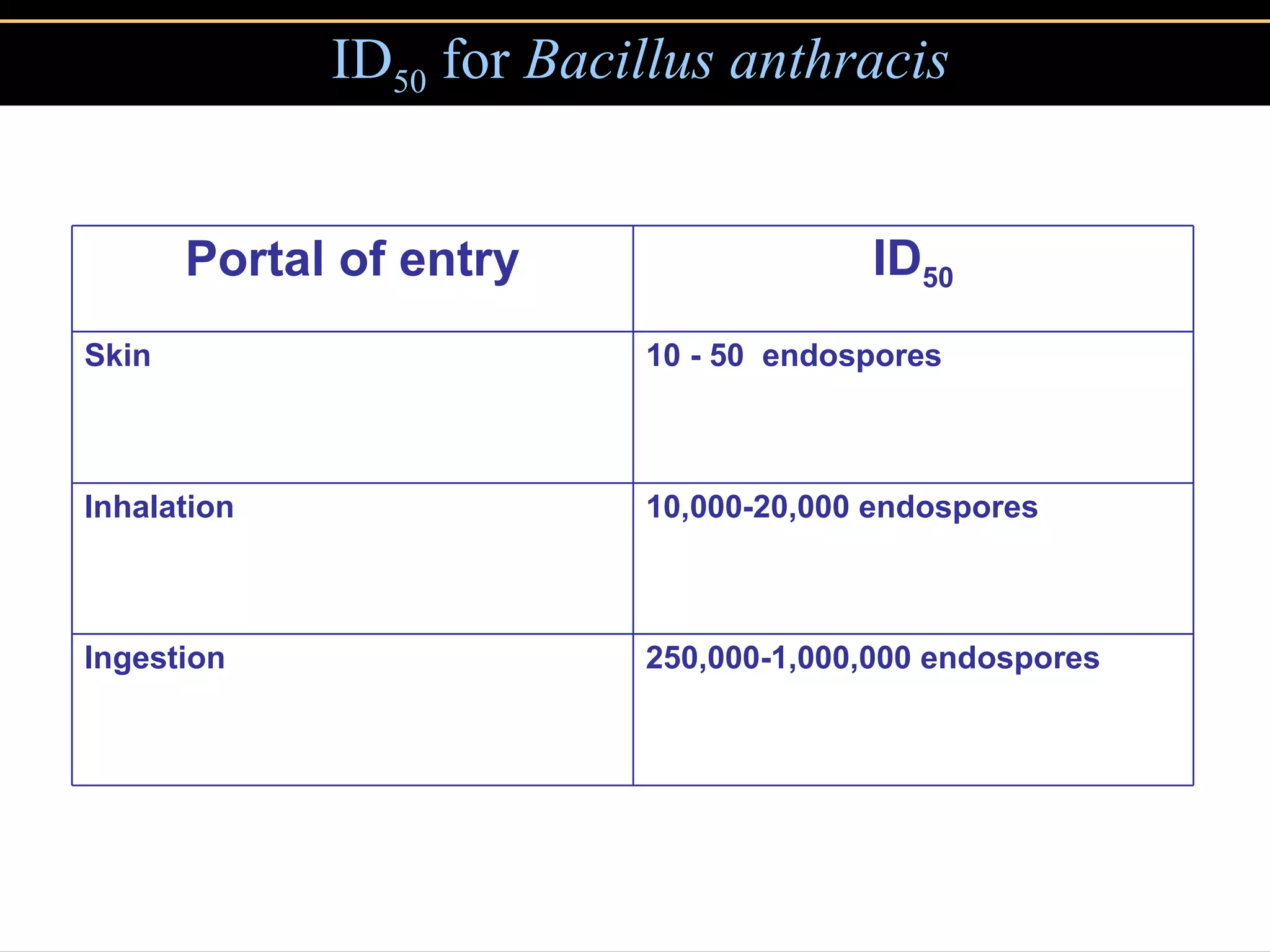
ID 50 : Infectious dose for 50% of the test population - virulence of pathogens LD 50 : Lethal dose (of a toxin) for 50% of the test population - potency of toxin Numbers of Invading Microbes ~  the probability of disease increases as the number of pathogens increases ~
ID 50  for  Bacillus anthracis 250,000-1,000,000 endospores Ingestion 10,000-20,000 endospores Inhalation 10 - 50  endospores Skin ID 50 Portal of entry
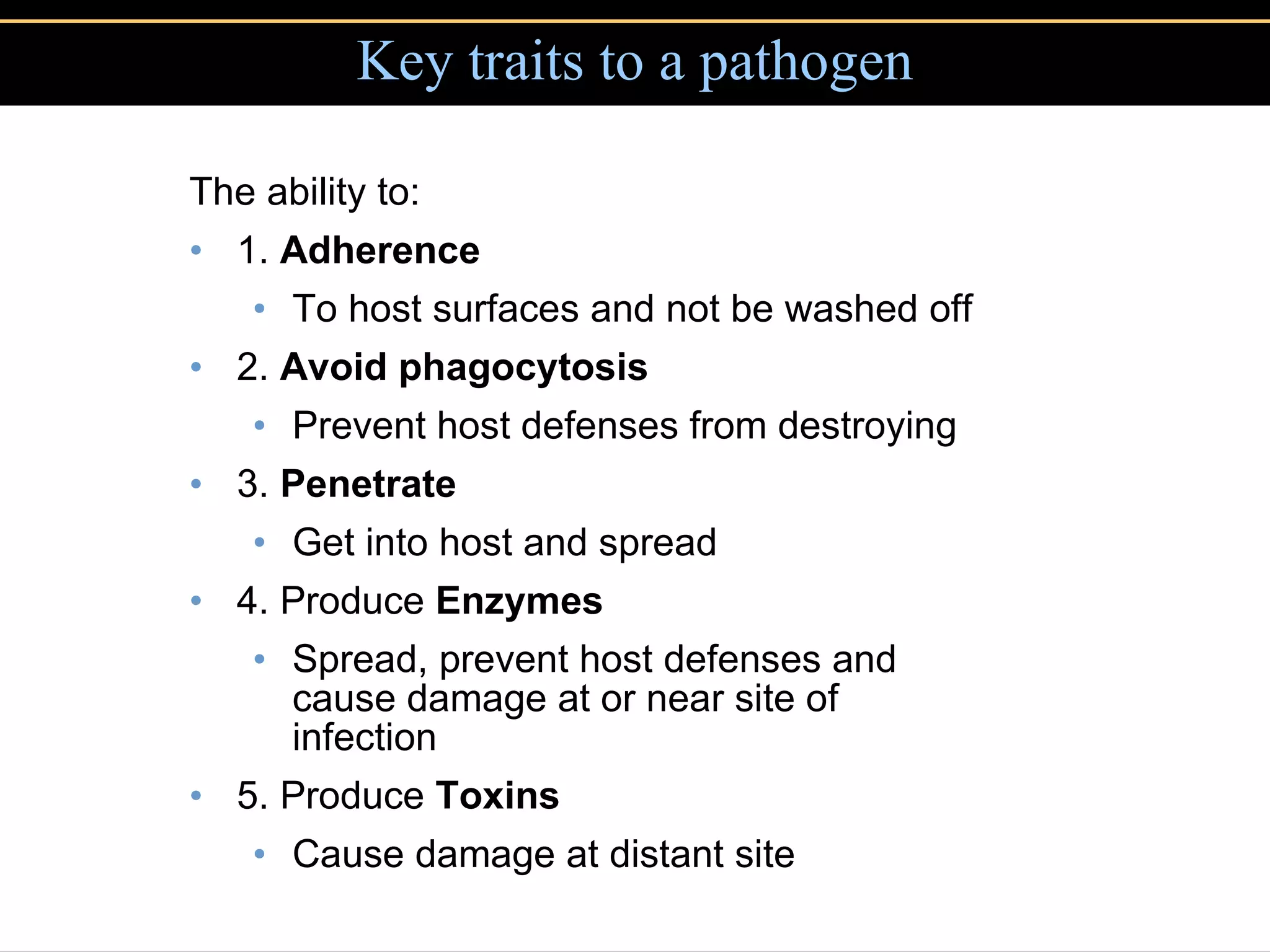
Key traits to a pathogen The ability to: 1.  Adherence To host surfaces and not be washed off 2.  Avoid phagocytosis Prevent host defenses from destroying 3.  Penetrate Get into host and spread 4. Produce  Enzymes Spread, prevent host defenses and cause damage at or near site of infection 5. Produce  Toxins Cause damage at distant site
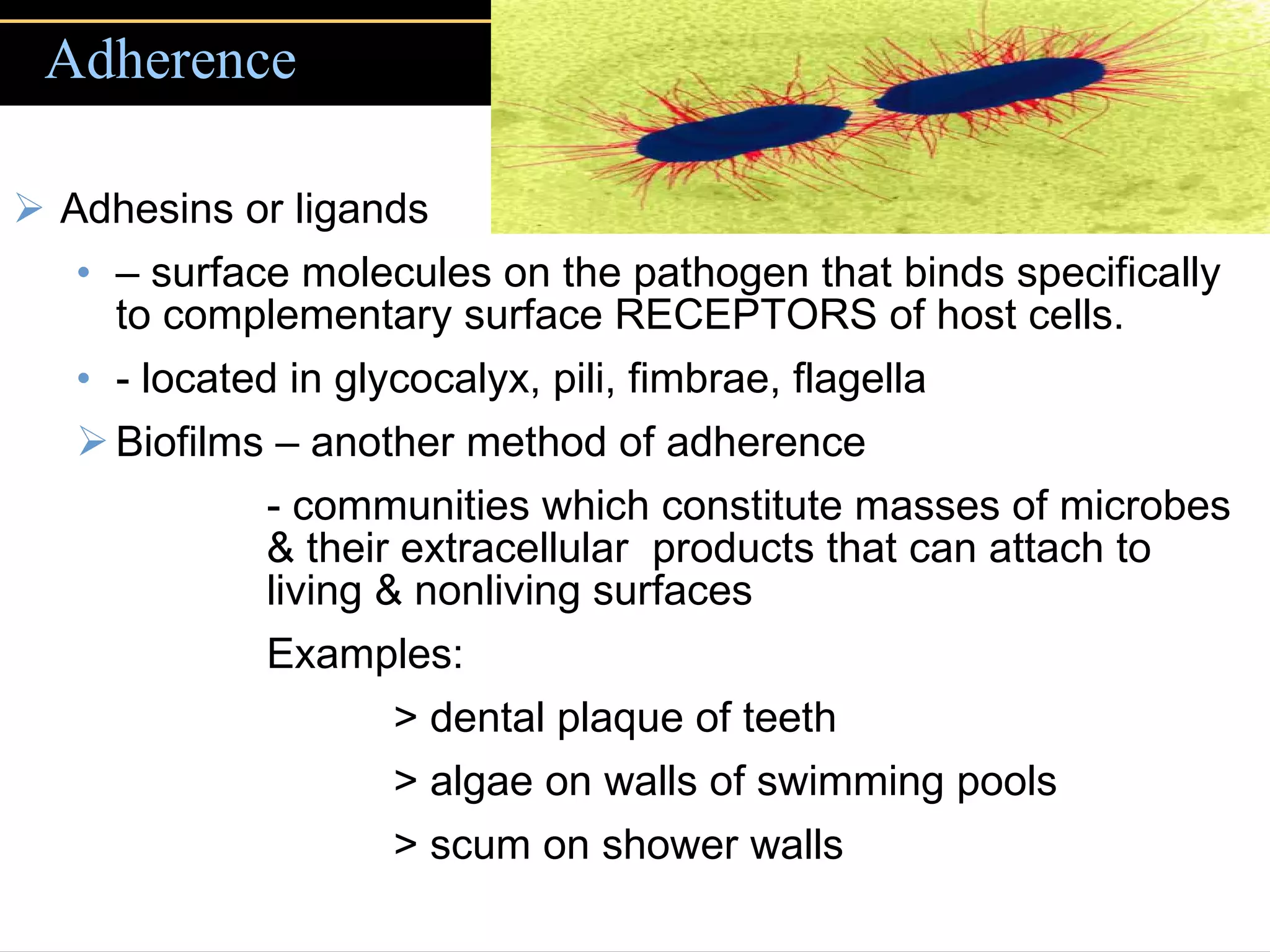
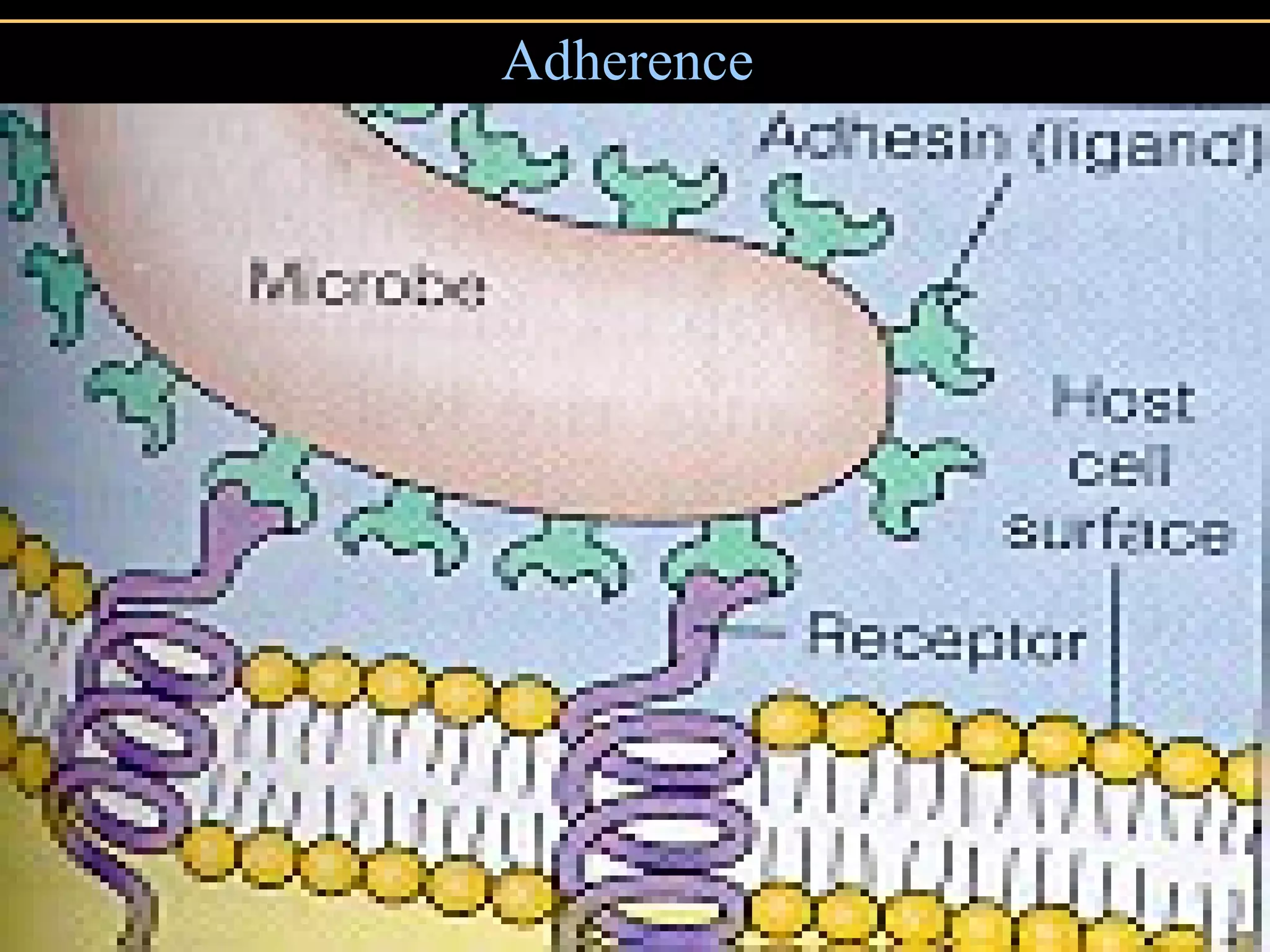
Adhesins or ligands  –  surface molecules on the pathogen that binds specifically to complementary surface RECEPTORS of host cells. - located in glycocalyx, pili, fimbrae, flagella Biofilms – another method of adherence  - communities which constitute masses of microbes  & their extracellular  products that can attach to  living & nonliving surfaces Examples:  > dental plaque of teeth > algae on walls of swimming pools > scum on shower walls Adherence
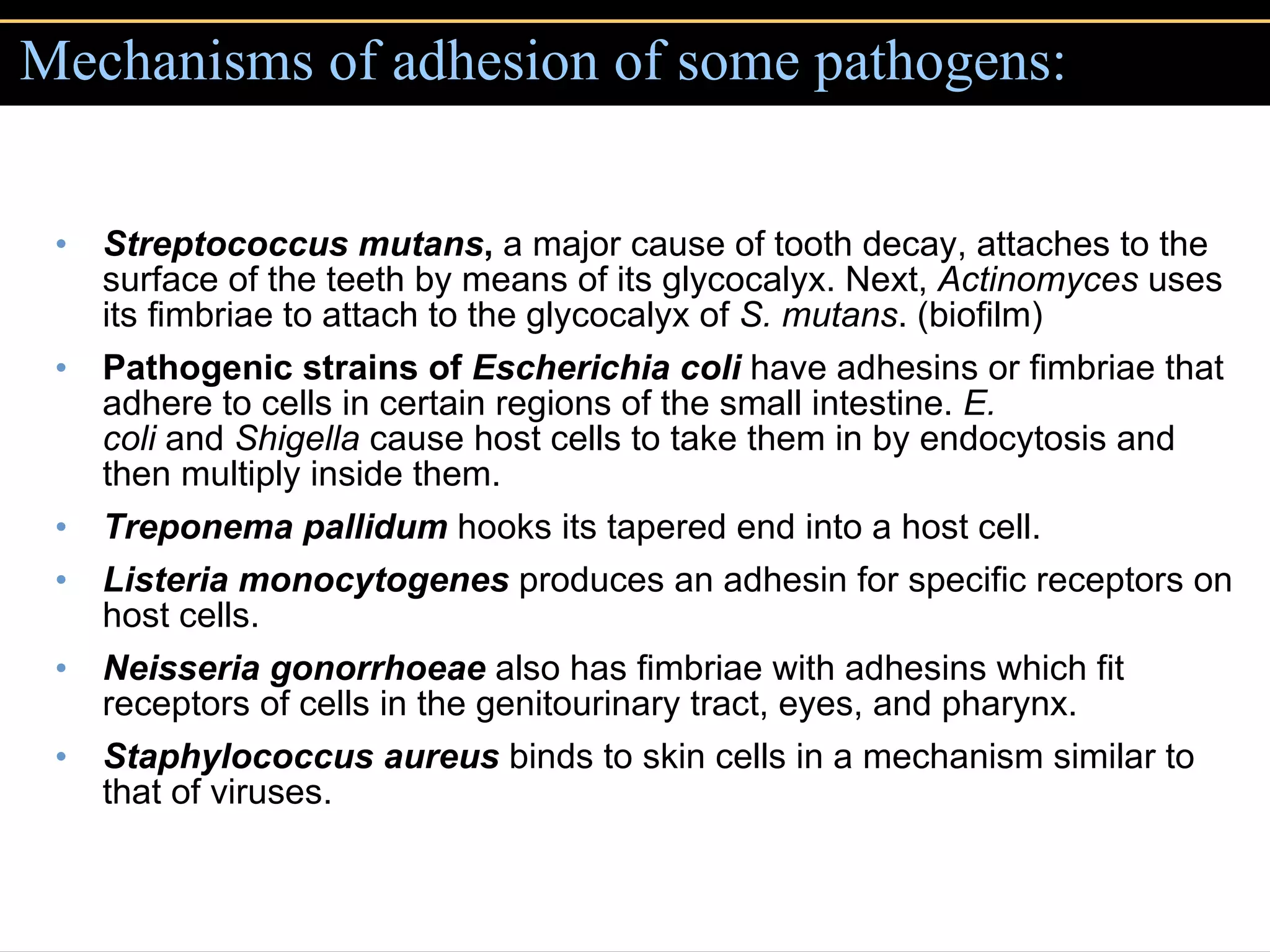
Mechanisms of adhesion of some pathogens: Streptococcus mutans ,  a major cause of tooth decay, attaches to the surface of the teeth by means of its glycocalyx. Next,  Actinomyces  uses its fimbriae to attach to the glycocalyx of  S. mutans . (biofilm) Pathogenic strains of  Escherichia coli   have adhesins or fimbriae that adhere to cells in certain regions of the small intestine.  E. coli  and  Shigella  cause host cells to take them in by endocytosis and then multiply inside them.  Treponema pallidum   hooks its tapered end into a host cell. Listeria monocytogenes  produces an adhesin for specific receptors on host cells. Neisseria gonorrhoeae  also has fimbriae with adhesins which fit receptors of cells in the genitourinary tract, eyes, and pharynx. Staphylococcus aureus  binds to skin cells in a mechanism similar to that of viruses.
Adherence
How bacterial pathogens penetrate host defenses? Factors contribute to the ability of bacteria to invade a host: Capsules Enzymes  Antigenic variation Penetration into the host cell cytoskeleton
Capsules Resist the host’s defenses by impairing phagocytosis Chemical substances of capsules that contribute to virulence: M protein  – heat resistant & acid-resistant protein - mediates attachment of bacterium to  epithelial cells of the host & helps  bacterium resist phagocytosis by white  blood cells ex.  Streptococcus pyogenes Opa  – outer membrane protein; together with  fimbrae  attach to host cells ex.  Neisseria gonorrhea  – grows in human epithelial cells & leukocytes Waxes  – resist digestion by phagocytes ex.  e x .   Mycobacterium tuberculosis
Increase virulence by use of enzymes And avoid phagocytosis Bacterial Enzymes Coagulase Coagulate the fibrinogen in blood  Kinases Break down fibrin and dissolve blood  clots formed by the body to isolate  infection streptokinase and staphylolinase Hyaluronidase Breaks down polysaccharide that holds together connective tissue Collagenase Hydrolyzes protein collagen IgA proteases Destroy IgA antibodies  Hemolysins Lyses RBC’s  Enzymes
Antigenic Variation Process in which a pathogen alter their surface antigens to avoid host antibodies Examples: >  N. gonorrhea  ( have copies of the Opa-encoding genes, resulting in cells with different antigens and in cells that express different antigens over time.) > Influenzavirus  -  flu >  Trypanosoma brucie gambiense  –  sleeping sickness
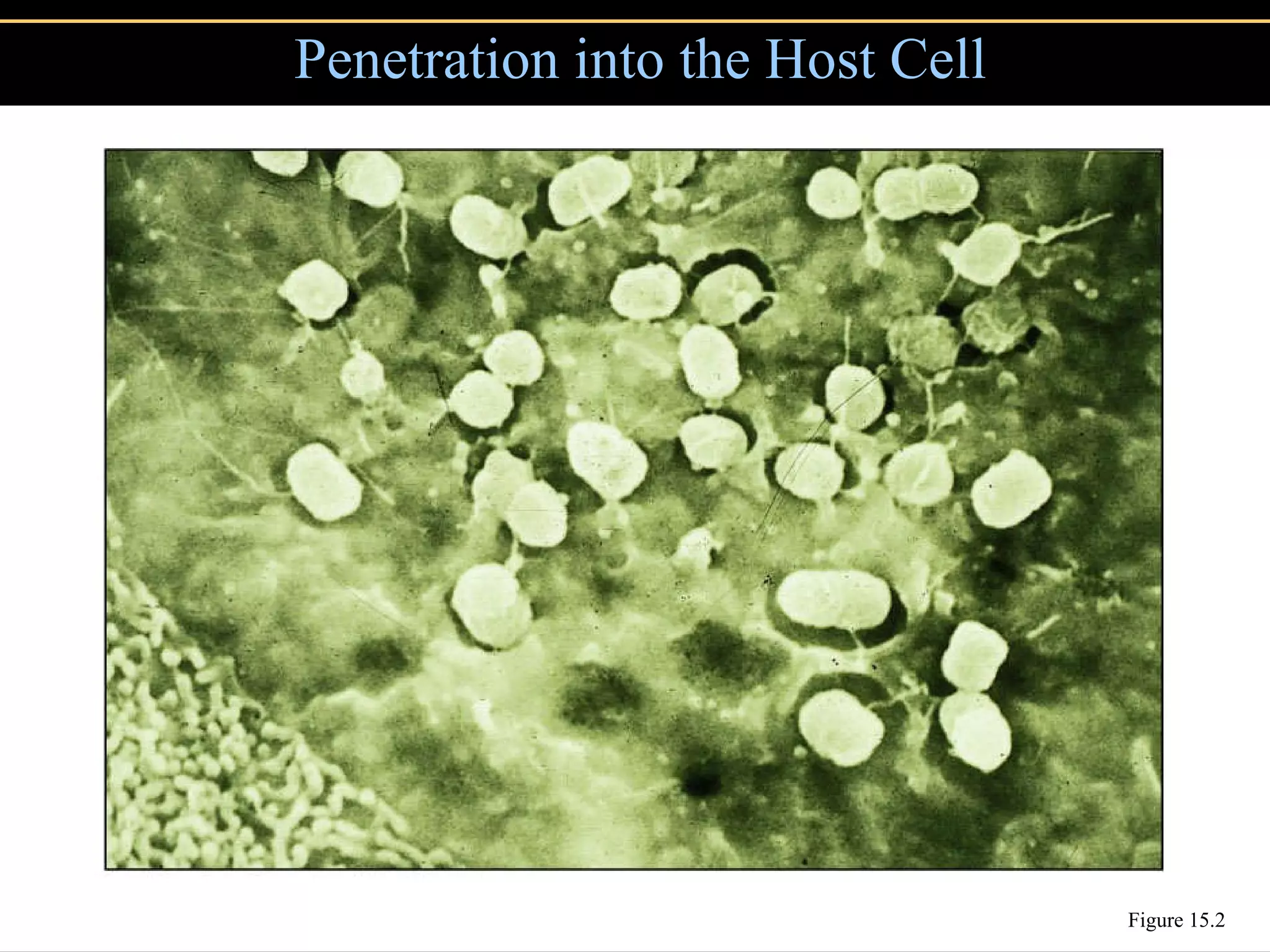
Penetration into the Host Cell Figure 15.2
Penetration into the Host Cell Cytoskeleton Microbes attach by adhesions Triggers signals in host cell that activates factors that results in the entry of some bacteria Bacteria produce invasions, which rearrange actin Causes cytoskeleton disruption Allows bacteria to enter
How Bacterial Pathogens Damage Host Cells? If pathogen overcomes host defenses then microorganism can damage host cells by: Using host cell nutrients Causing direct damage Inducing hypersensitivity reactions Producing toxins
Using the Host’s Nutrients Bacteria require iron Most iron in body tightly bound to iron-transport proteins Some bacteria produce  siderophores  (a protein) -  take iron away from iron-transport proteins
Direct Damage Use host cell for nutrients and produce waste products As pathogens metabolize and multiply in cells, cells usually rupture Then move onto other cells
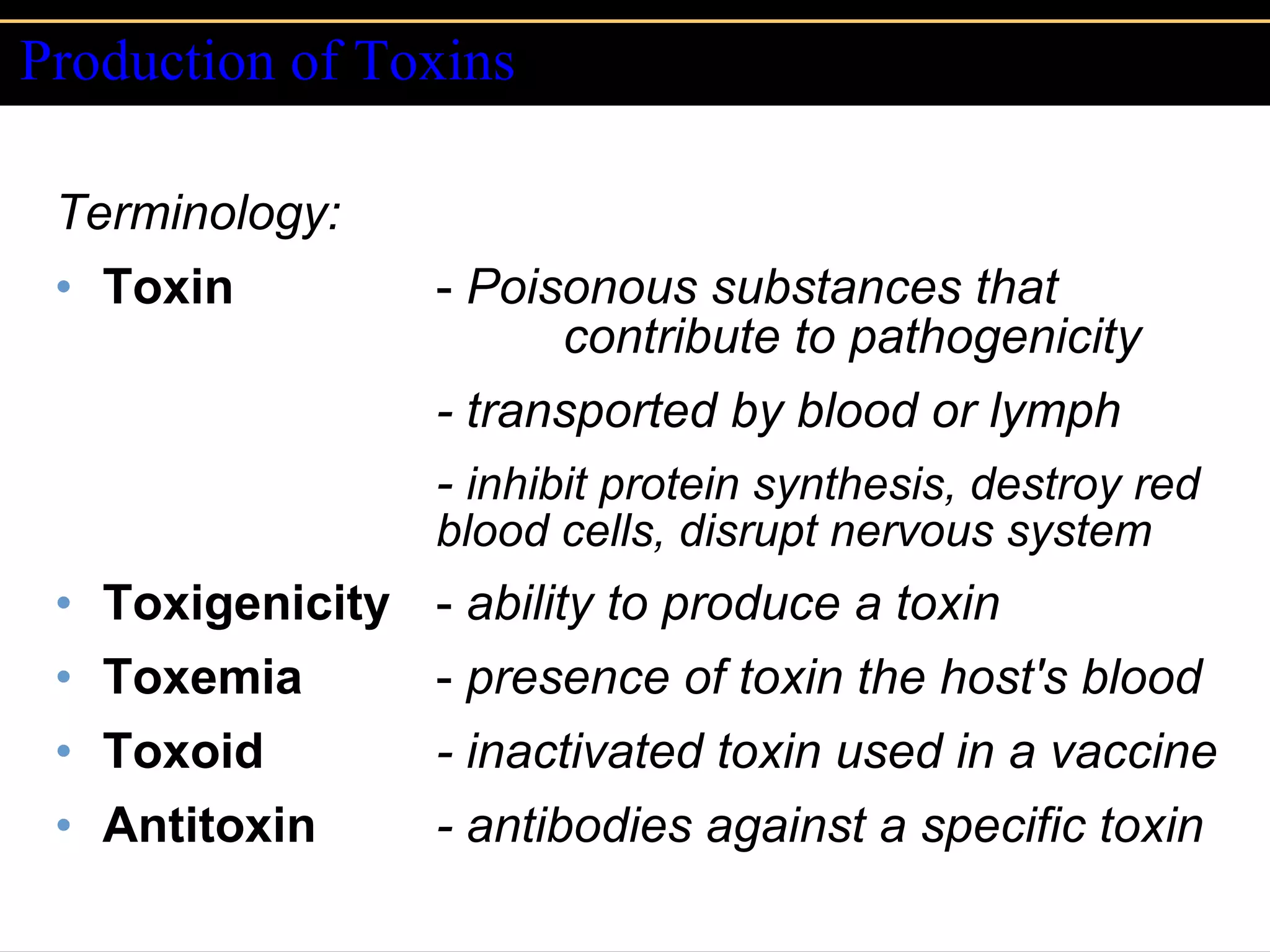
Production of Toxins Terminology: Toxin -  Poisonous substances that  contribute to pathogenicity - transported by blood or lymph -  inhibit protein synthesis, destroy red  blood cells, disrupt nervous system Toxigenicity -  ability to produce a toxin Toxemia -  presence of toxin the host's blood Toxoid - inactivated toxin used in a vaccine Antitoxin - antibodies against a specific toxin
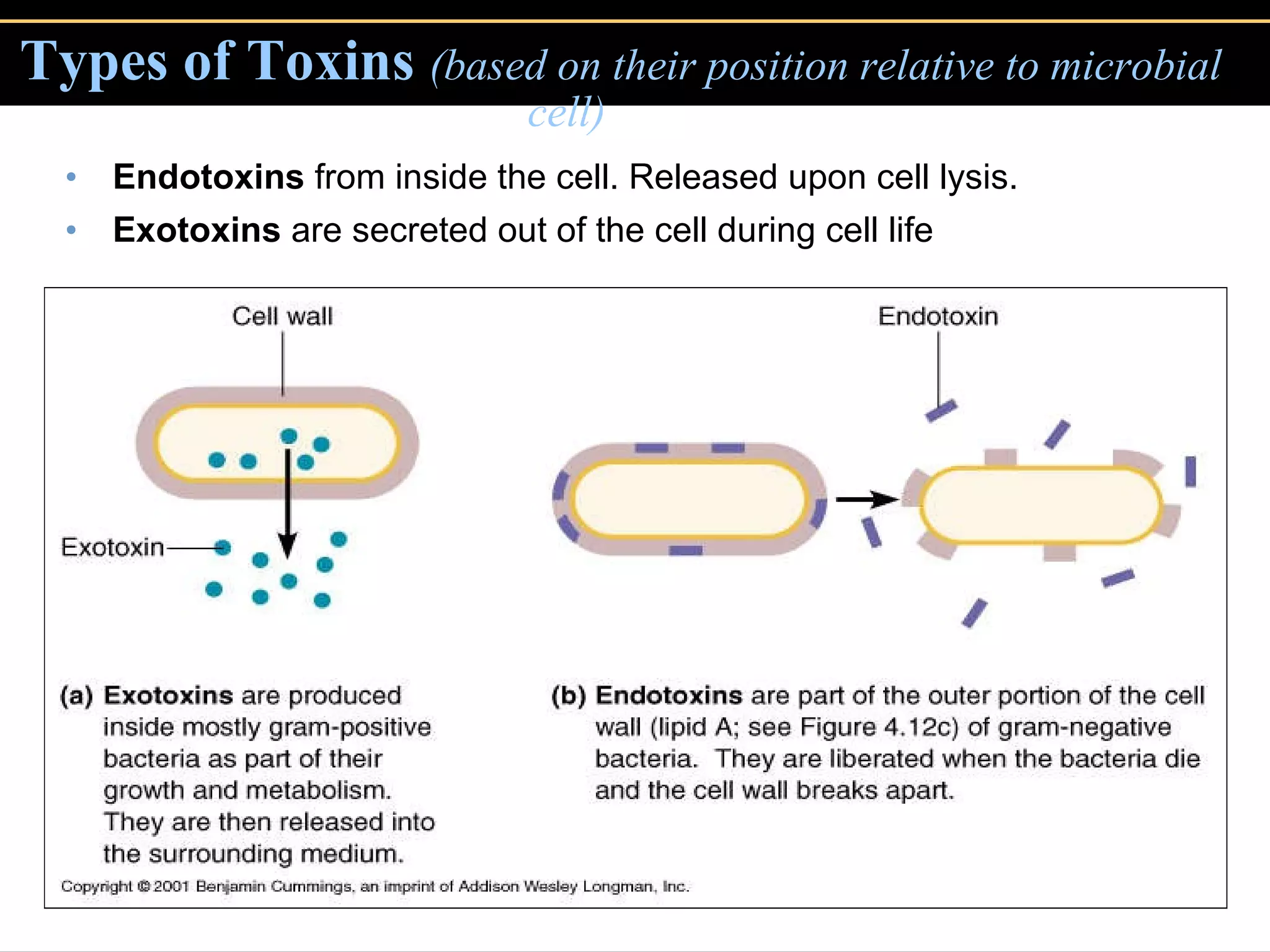
Types of Toxins   (based on their position relative to microbial  cell) Endotoxins  from inside the cell. Released upon cell lysis. Exotoxins  are secreted out of the cell during cell life
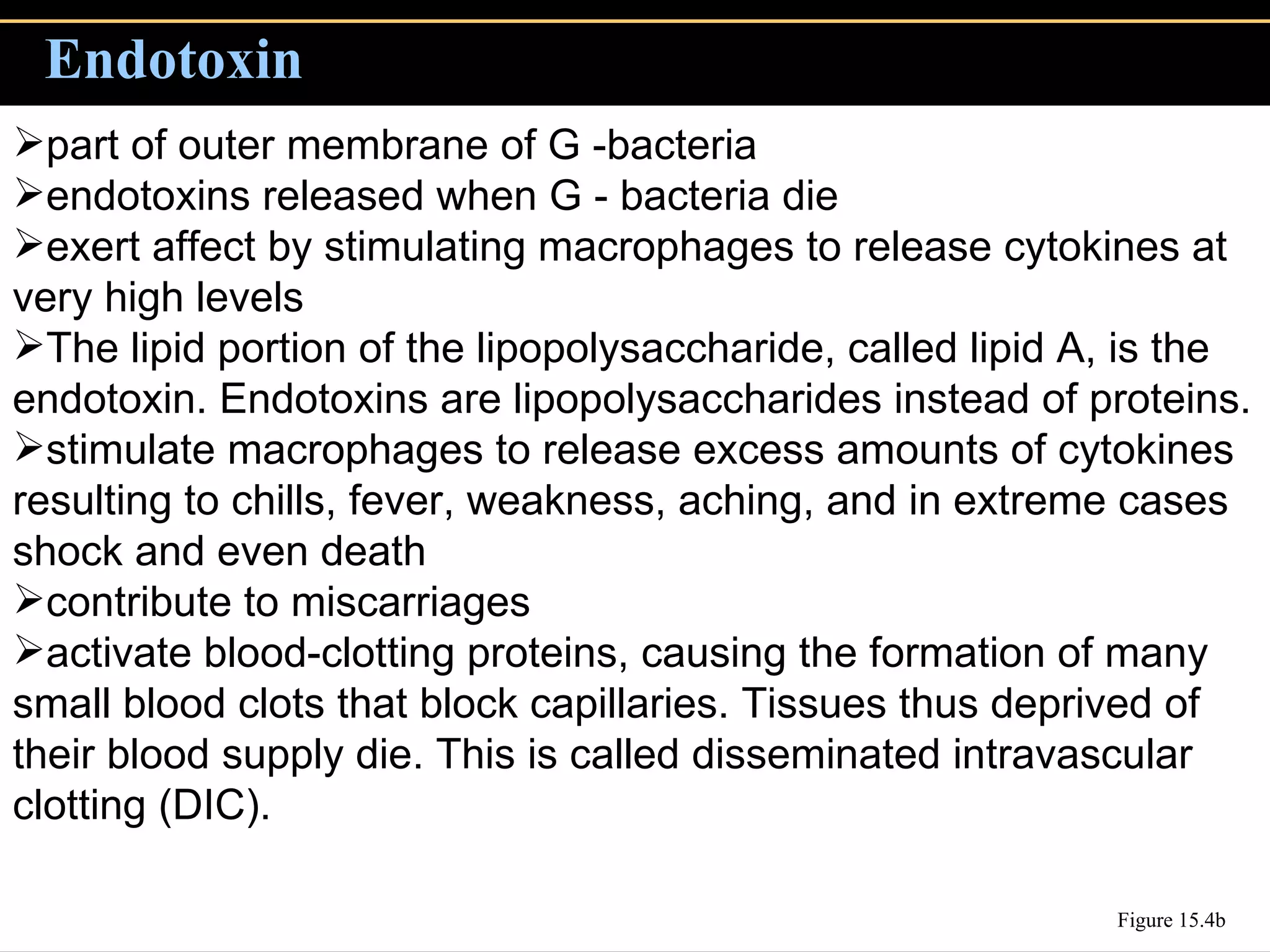
Exotoxins Figure 15.4a Produced inside some bacteria as part of growth and metabolism and then secreted Diffuse easily within blood and rapidly travel throughout body Destroy parts of host cells or inhibit metabolic functions
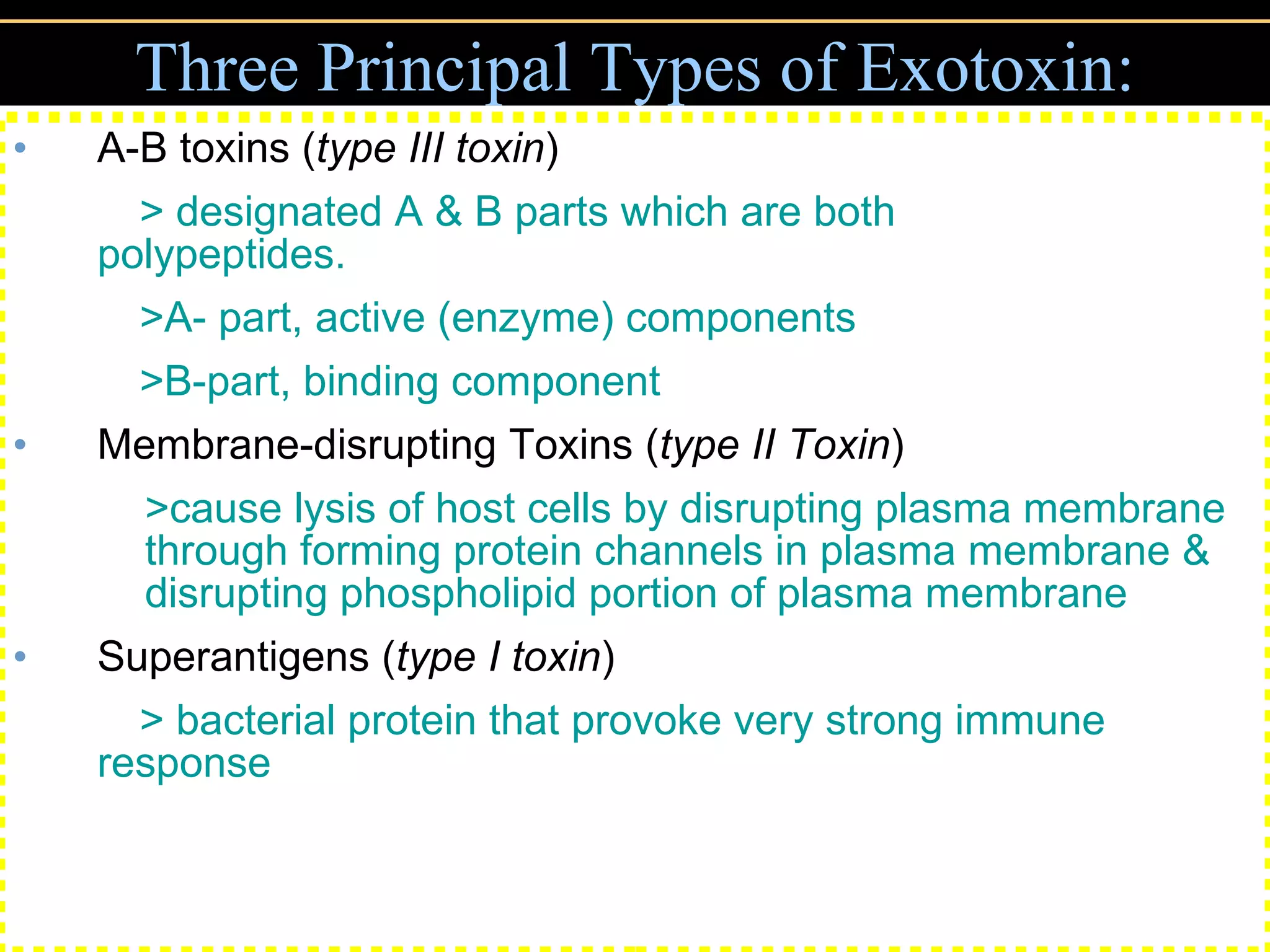
Three Principal Types of Exotoxin: A-B toxins ( type III toxin ) > designated A & B parts which are both  polypeptides. >A- part, active (enzyme) components >B-part, binding component Membrane-disrupting Toxins ( type II Toxin ) >cause lysis of host cells by disrupting plasma membrane through forming protein channels in plasma membrane & disrupting phospholipid portion of plasma membrane Superantigens ( type I toxin ) > bacterial protein that provoke very strong immune  response
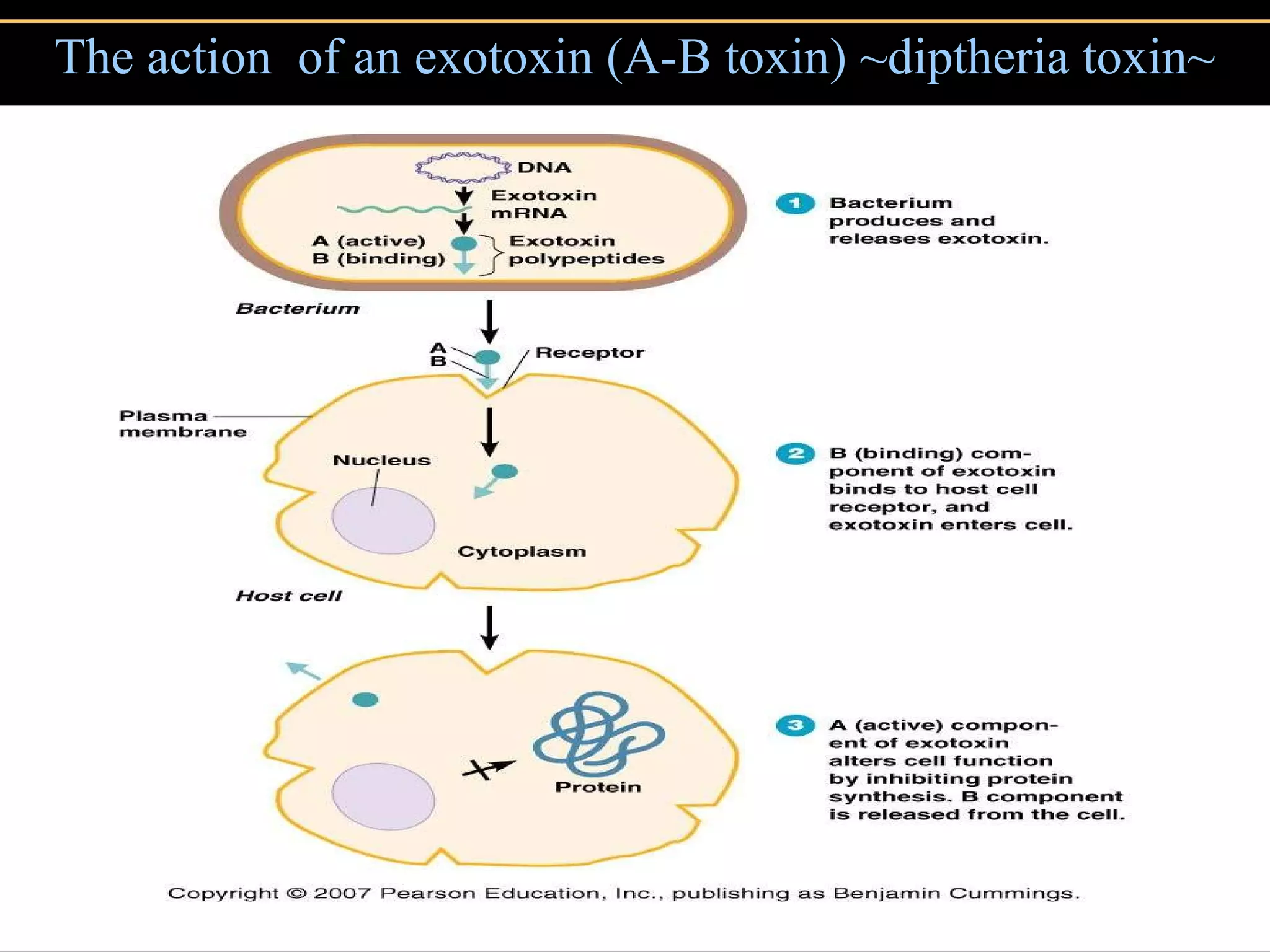
The action  of an exotoxin (A-B toxin) ~diptheria toxin~
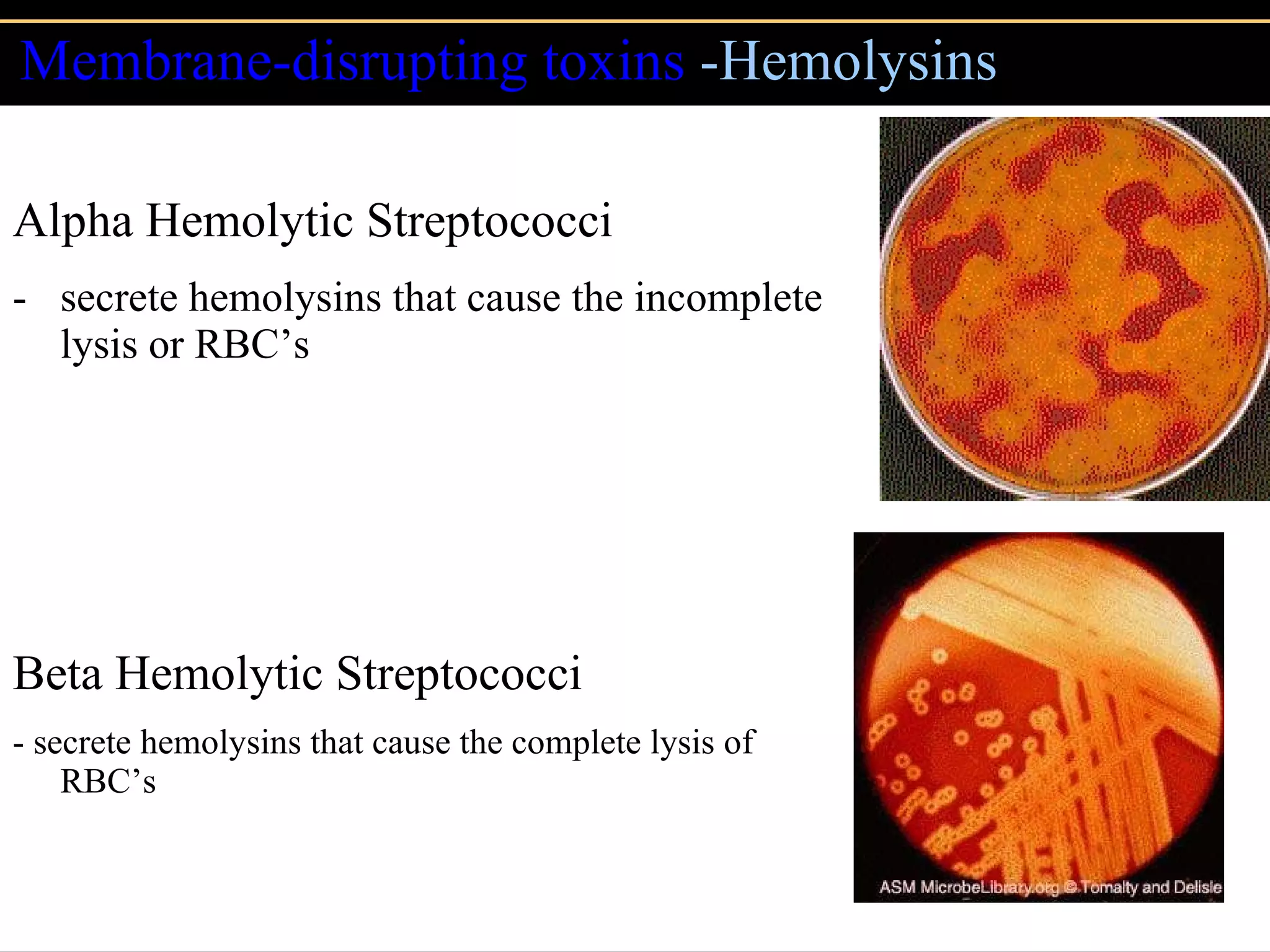
Membrane-disrupting toxins  -Hemolysins Alpha Hemolytic Streptococci  secrete hemolysins that cause the incomplete lysis or RBC’s Beta Hemolytic Streptococci   - secrete hemolysins that cause the complete lysis of RBC’s
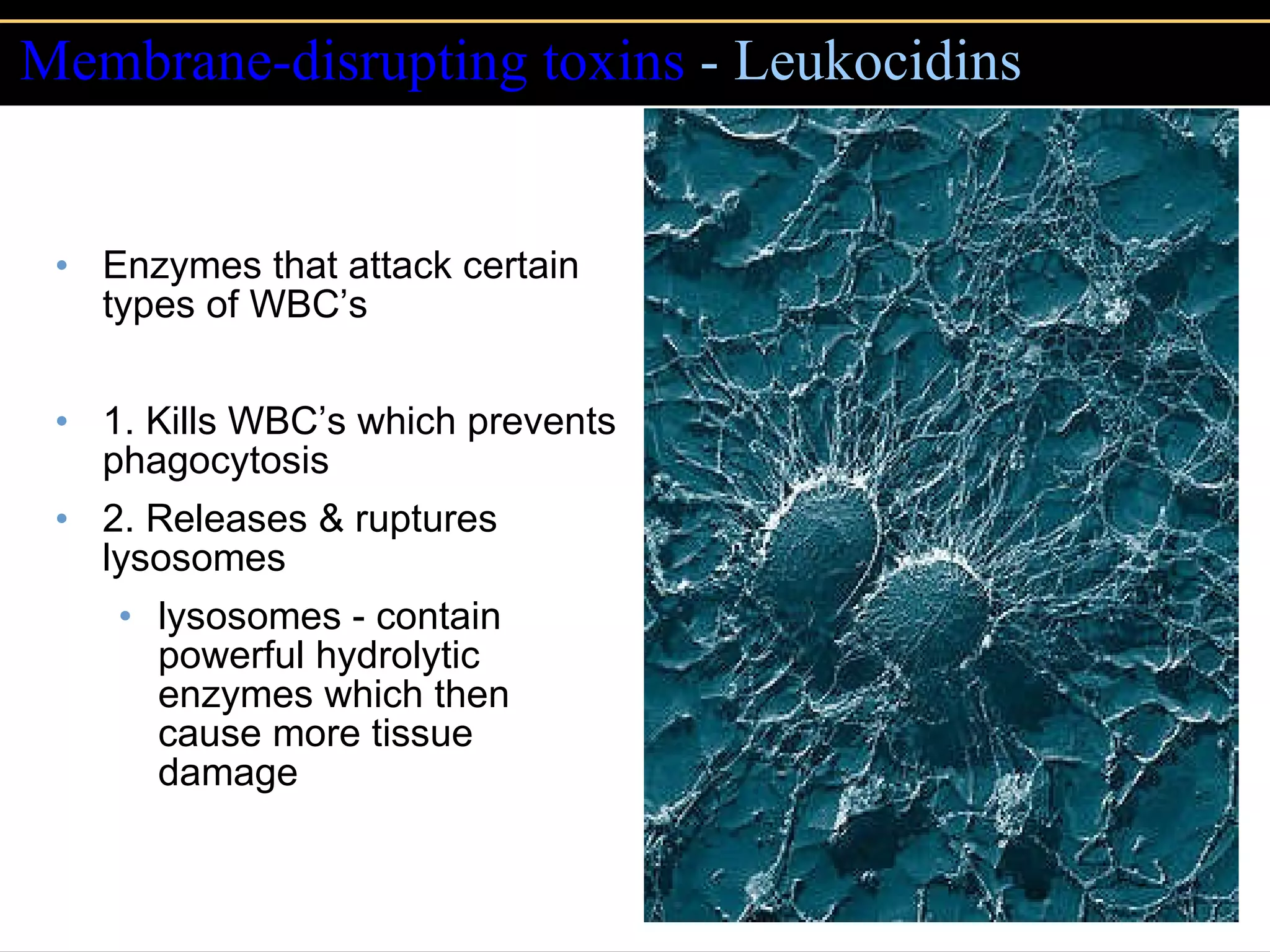
Membrane-disrupting toxins  - Leukocidins Enzymes that attack certain types of WBC’s 1. Kills WBC’s which prevents phagocytosis 2. Releases & ruptures lysosomes lysosomes - contain powerful hydrolytic enzymes which then cause more tissue damage
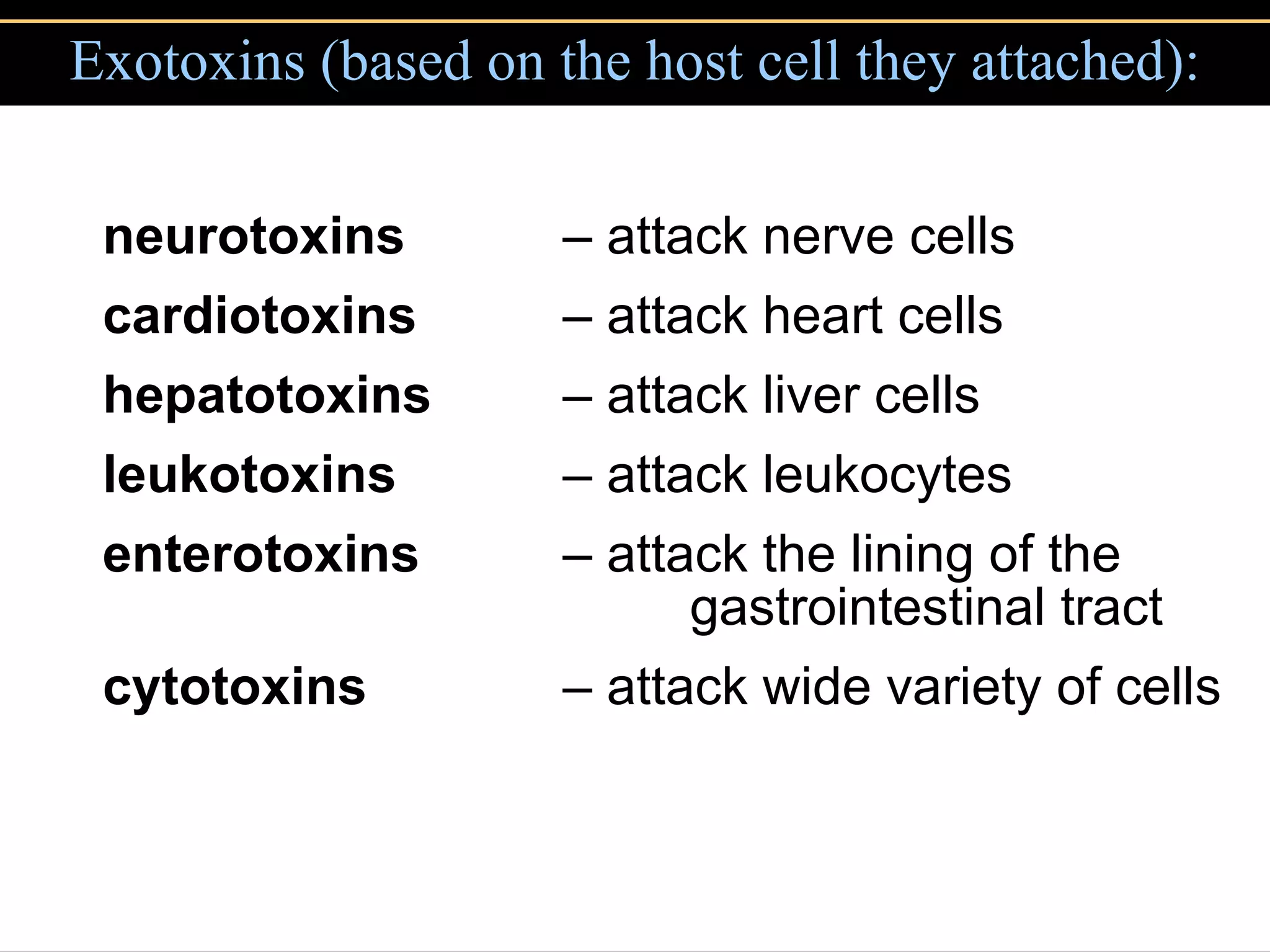
Exotoxins (based on the host cell they attached): neurotoxins   – attack nerve cells cardiotoxins – attack heart cells hepatotoxins  – attack liver cells leukotoxins   – attack leukocytes enterotoxins   – attack the lining of the  gastrointestinal tract cytotoxins   – attack wide variety of cells
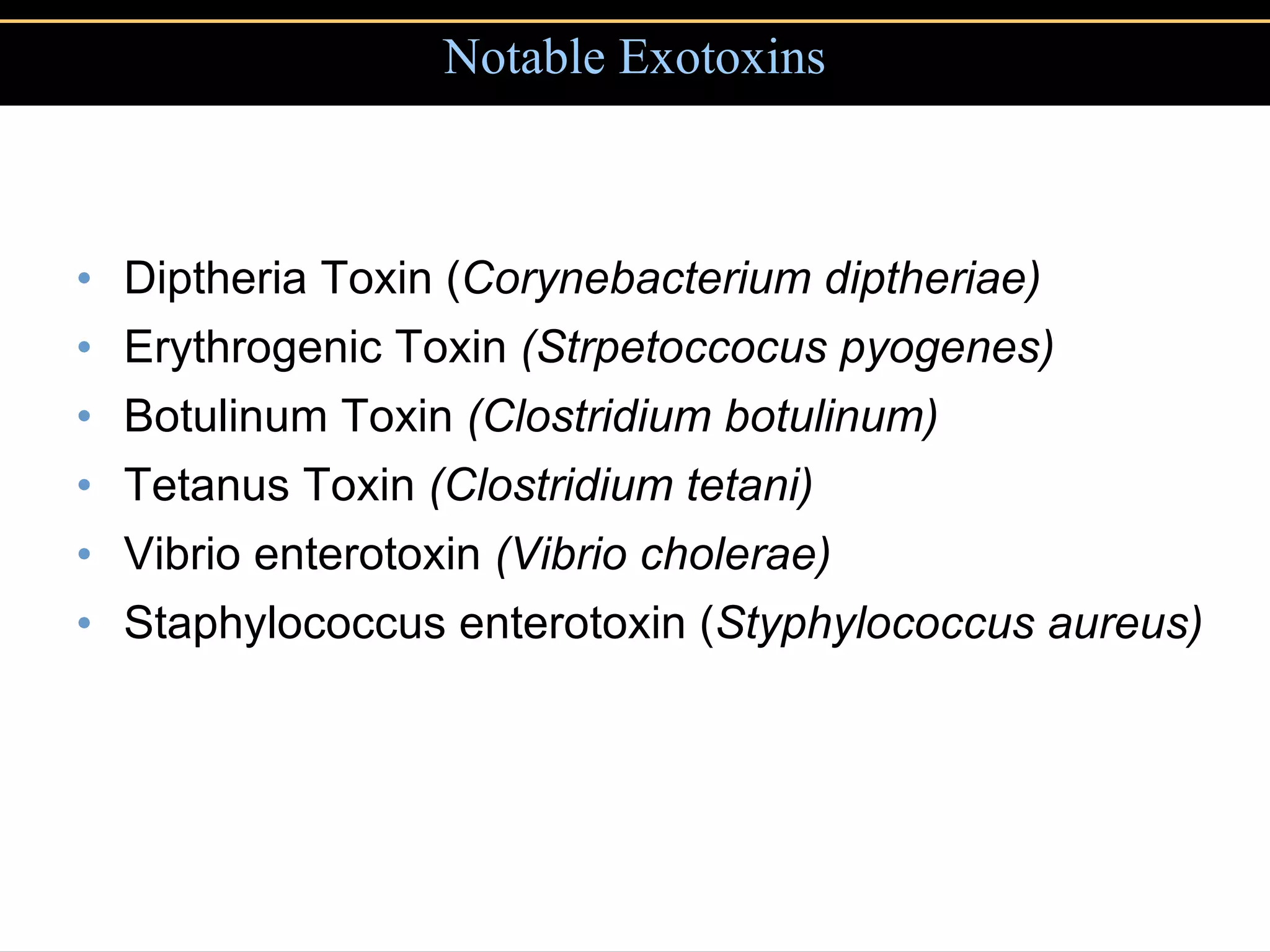
Notable Exotoxins Diptheria Toxin ( Corynebacterium diptheriae) Erythrogenic Toxin  (Strpetoccocus pyogenes) Botulinum Toxin  (Clostridium botulinum) Tetanus Toxin  (Clostridium tetani) Vibrio enterotoxin  (Vibrio cholerae) Staphylococcus enterotoxin ( Styphylococcus aureus)
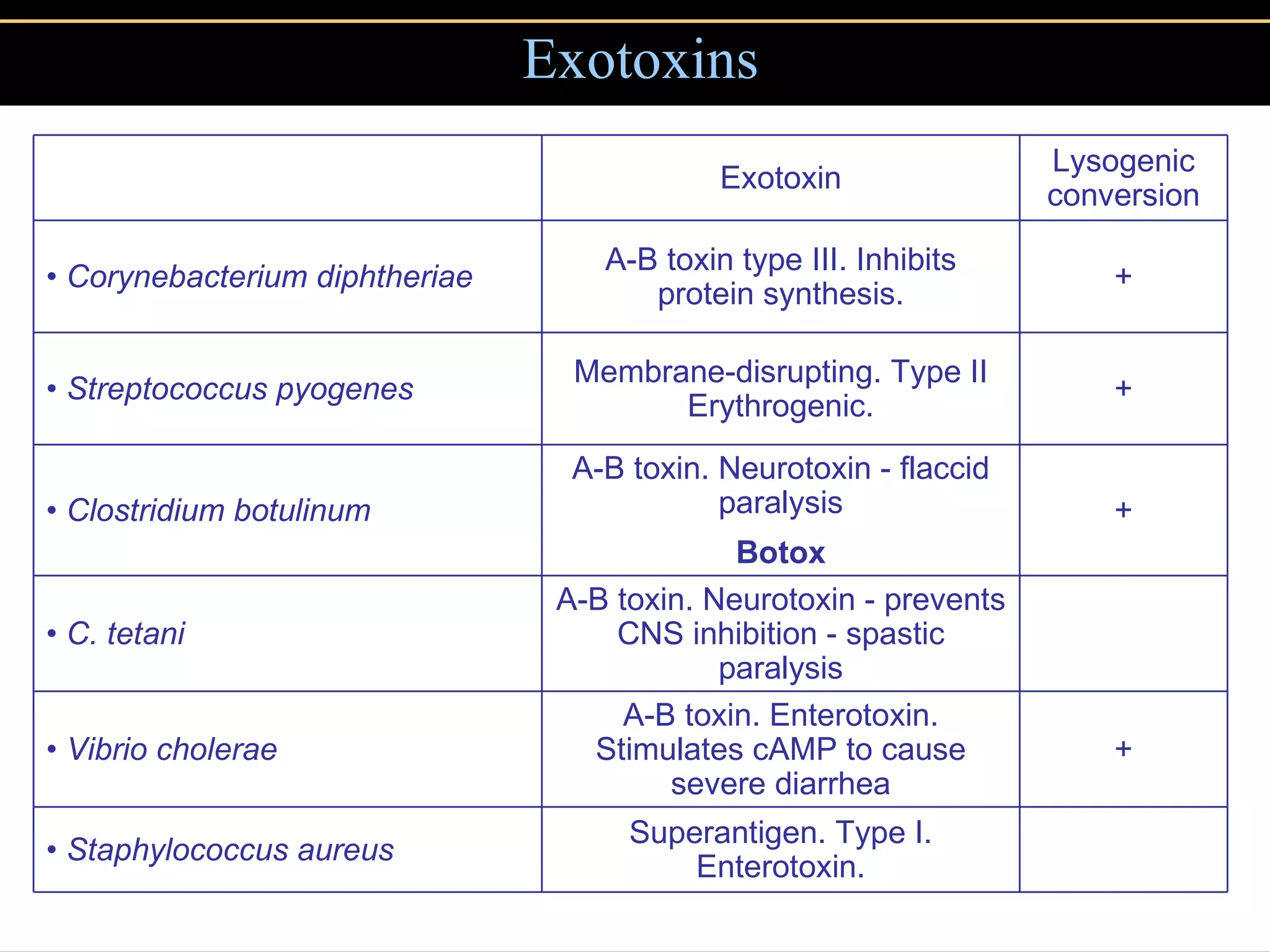
Exotoxins Superantigen. Type I. Enterotoxin. •  Staphylococcus aureus + A-B toxin. Enterotoxin. Stimulates cAMP to cause severe diarrhea •  Vibrio cholerae A-B toxin. Neurotoxin - prevents CNS inhibition - spastic paralysis •  C. tetani + A-B toxin. Neurotoxin - flaccid paralysis Botox •  Clostridium botulinum + Membrane-disrupting. Type II Erythrogenic. •  Streptococcus pyogenes + A-B toxin type III. Inhibits protein synthesis. •  Corynebacterium diphtheriae Lysogenic conversion Exotoxin
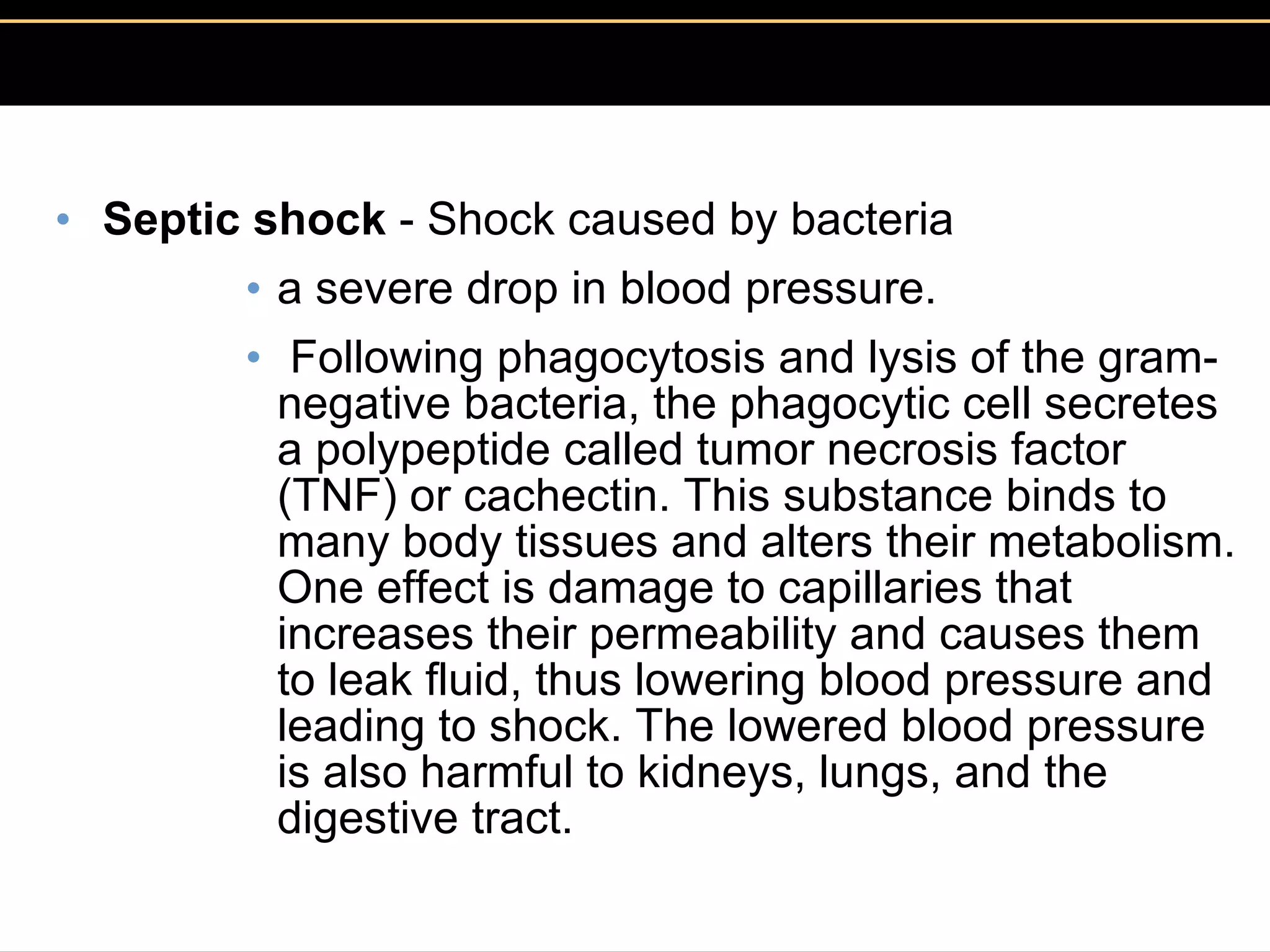
Endotoxin Figure 15.4b part of outer membrane of G -bacteria endotoxins released when G - bacteria die  exert affect by stimulating macrophages to release cytokines at very high levels The lipid portion of the lipopolysaccharide, called lipid A, is the endotoxin. Endotoxins are lipopolysaccharides instead of proteins. stimulate macrophages to release excess amounts of cytokines resulting to chills, fever, weakness, aching, and in extreme cases shock and even death  contribute to miscarriages activate blood-clotting proteins, causing the formation of many small blood clots that block capillaries. Tissues thus deprived of their blood supply die. This is called disseminated intravascular clotting (DIC).
Septic shock  - Shock caused by bacteria  a severe drop in blood pressure. Following phagocytosis and lysis of the gram-negative bacteria, the phagocytic cell secretes a polypeptide called tumor necrosis factor (TNF) or cachectin. This substance binds to many body tissues and alters their metabolism. One effect is damage to capillaries that increases their permeability and causes them to leak fluid, thus lowering blood pressure and leading to shock. The lowered blood pressure is also harmful to kidneys, lungs, and the digestive tract.
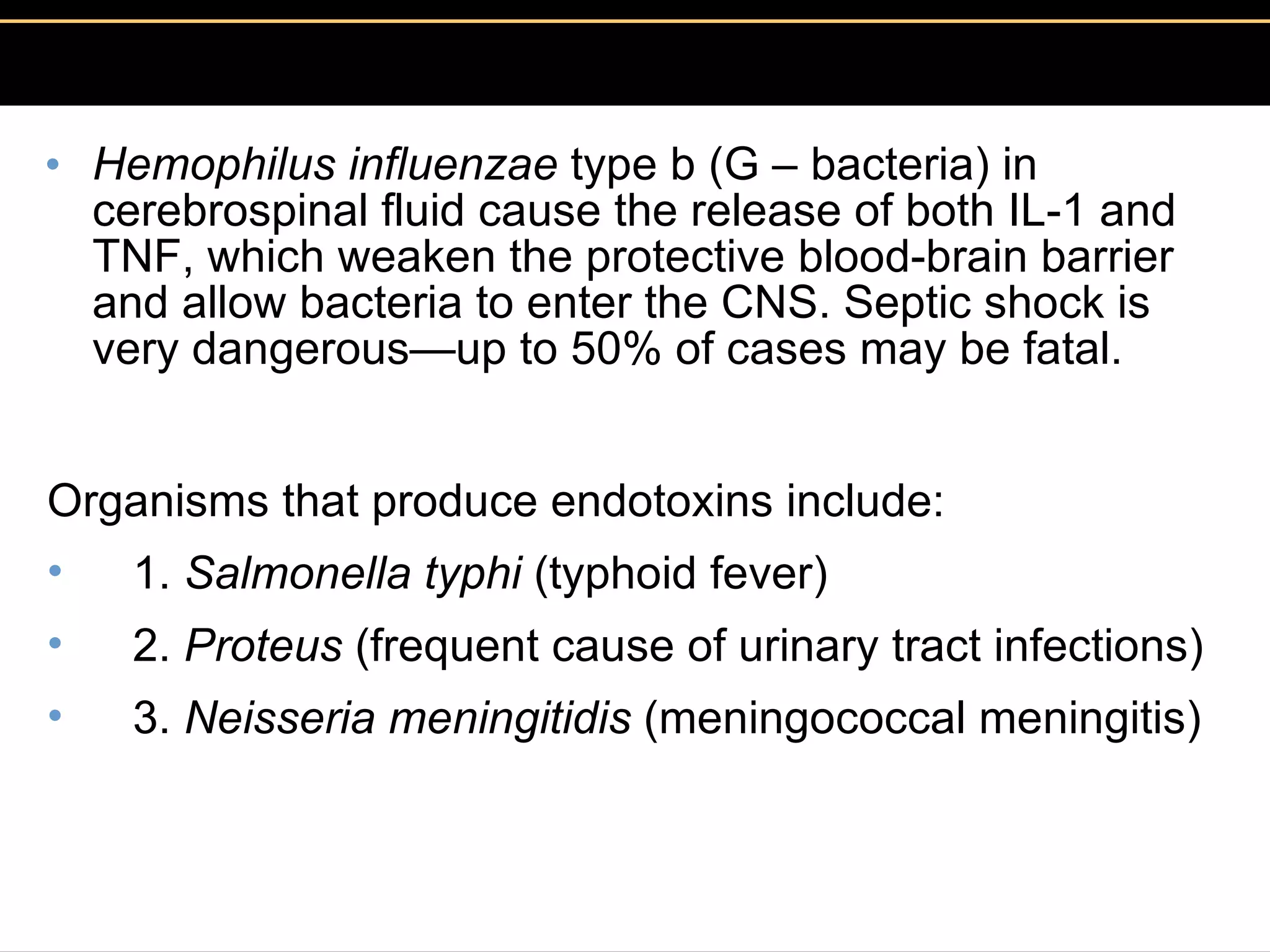
Hemophilus influenzae  type b (G – bacteria) in cerebrospinal fluid cause the release of both IL-1 and TNF, which weaken the protective blood-brain barrier and allow bacteria to enter the CNS. Septic shock is very dangerous—up to 50% of cases may be fatal. Organisms that produce endotoxins include:     1.  Salmonella typhi  (typhoid fever)     2.  Proteus  (frequent cause of urinary tract infections)     3.  Neisseria meningitidis  (meningococcal meningitis)
If bacteria have grown and produced endotoxins in material that is later sterilized, the endotoxins retain their potency even though no living bacteria are still present. A test called the  Limulus  amoebocyte lysate (LAL) can be used to detect even traces of endotoxin.
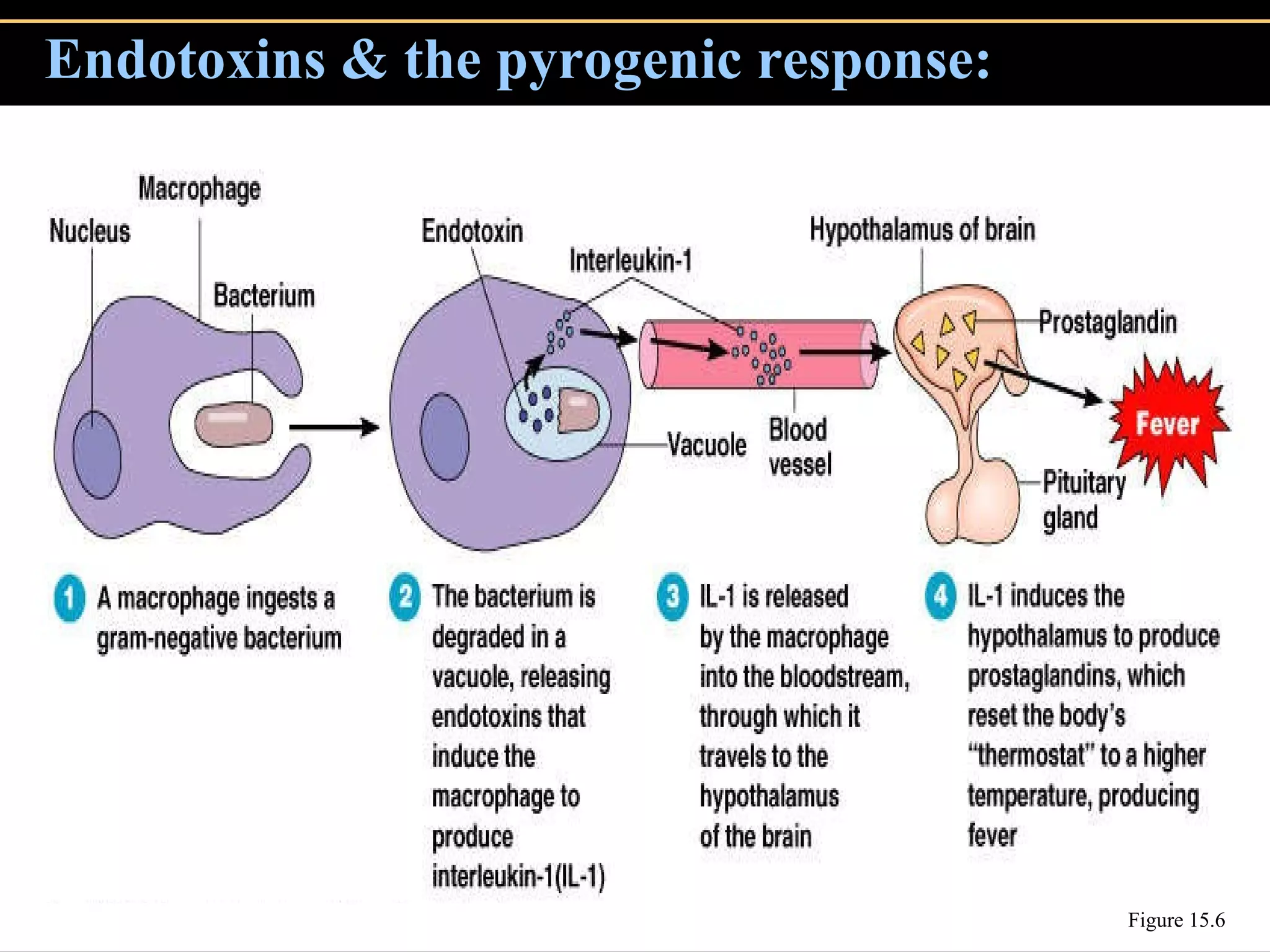
Endotoxins & the pyrogenic response: Figure 15.6
PLASMIDS, LYSOGENY, AND PATHOGENICITY   Plasmids - small circular pieces of DNA that are not  part of the main bacterial chromosome and  contain genes not found on the main  chromosome - replicated and passed on to daughter cells  during cell division.  - may contribute to bacterial pathogenicity,  often by carrying genes for making toxins.  - with the plasmid, the bacteria cause  additional harm to the host.
Lysogeny – a state in which bacteriophages incorporate their DNA into the bacterial chromosome ,thus, becoming a prophage.  Lysogenic cells - cells containing the prophage.  Lysogenic conversion - genes carried on the phage DNA  may give lysogenic cells new characteristics.  Toxins produced due to genes of prophages:       Diphtheria toxin       Erythrogenic toxin       Staphylococcal enterotoxin       Pyrogenic toxin       Botulinum neurotoxin       Capsule of  Streptococcus pneumoniae  (not exactly a toxin but contributes to virulence)       Vibrio toxin
Mechanisms of Pathogenicity Figure 15.9

Fat2.chapter15 (pathogenicity)

  • 1.
    Chapter 15 MicrobialMechanisms of Pathogenicity
  • 2.
    Microbial Mechanisms ofPathogenicity Pathogenicity The ability to cause disease Virulence The extent of pathogenicity ~when a microbe overpowers the hosts defenses, disease results ~ They need to gain entry , adhere , penetrate and cause damage to cause disease.
  • 3.
    Disease: Pathogens maycause damage to host Direct damage in the immediate vicinity Grow and multiply and clog cells and passageways Far removed from site of invasion by toxins Toxins spread through blood and lymph By hypersensitivity The host’s reaction may cause the damage
  • 4.
    Portals of EntryMucous membranes Respiratory tract Gastrointestinal tract Genitourinary tract Conjunctiva Skin Tough so rare - Necator americanus - hookworm Parenteral route Puncture, injection, bites, cuts, wounds, surgery, etc How microorganisms enter a host?
  • 5.
    1 st Portal of Entry :Mucous Membranes -Respiratory Respiratory Tract microbes inhaled into mouth or nose in droplets of moisture or dust particles Easiest and most frequently traveled portal of entry Common cold Flu Tuberculosis Whooping cough Pneumonia Measles Strep Throat Diphtheria
  • 6.
    Mucous membranes: G.I.Tract Salmonellosis Salmonella sp. Shigellosis Shigella sp. Cholera Vibrio cholorea Ulcers Helicobacter pylori Botulism Clostridium botulinum Fecal - Oral Diseases These pathogens enter the G.I. Tract at one end and exit at the other end. Spread by contaminated hands & fingers or contaminated food & water Poor personal hygiene.
  • 7.
    Mucous Membranes ofthe Genitourinary System - STD’s Gonorrhea Neisseria gonorrhoeae Syphilis Treponema pallidum Chlamydia Chlamydia trachomatis HIV Herpes Simplex II
  • 8.
    Mucous Membranes: ConjunctivaConjunctiva mucous membranes that cover the eyeball and lines the eyelid Trachoma --------------  Chlamydia trachomatis
  • 9.
    2nd Portal ofEntry: Skin Skin - the largest organ of the body . When unbroken is an effective barrier for most microorganisms. Some microbes can gain entrance thru openings in the skin: hair follicles and sweat glands
  • 10.
    3rd Portal ofEntry: Parenteral Microorganisms are deposited into the tissues below the skin or mucous membranes Punctures injections bites scratches surgery splitting of skin due to swelling or dryness
  • 11.
    Preferred Portal ofEntry ~ Just because a pathogen enters your body it does not mean it’s going to cause disease ~ Pathogens - preferred portal of entry Small pox via variolation Streptococcus pneumoniae if inhaled can cause pneumonia if enters the G.I. Tract, no disease Salmonella typhi if enters the G.I. Tract can cause Typhoid Fever if on skin, no disease
  • 12.
    ID 50 :Infectious dose for 50% of the test population - virulence of pathogens LD 50 : Lethal dose (of a toxin) for 50% of the test population - potency of toxin Numbers of Invading Microbes ~ the probability of disease increases as the number of pathogens increases ~
  • 13.
    ID 50 for Bacillus anthracis 250,000-1,000,000 endospores Ingestion 10,000-20,000 endospores Inhalation 10 - 50 endospores Skin ID 50 Portal of entry
  • 14.
    Key traits toa pathogen The ability to: 1. Adherence To host surfaces and not be washed off 2. Avoid phagocytosis Prevent host defenses from destroying 3. Penetrate Get into host and spread 4. Produce Enzymes Spread, prevent host defenses and cause damage at or near site of infection 5. Produce Toxins Cause damage at distant site
  • 15.
    Adhesins or ligands – surface molecules on the pathogen that binds specifically to complementary surface RECEPTORS of host cells. - located in glycocalyx, pili, fimbrae, flagella Biofilms – another method of adherence - communities which constitute masses of microbes & their extracellular products that can attach to living & nonliving surfaces Examples: > dental plaque of teeth > algae on walls of swimming pools > scum on shower walls Adherence
  • 16.
    Mechanisms of adhesionof some pathogens: Streptococcus mutans , a major cause of tooth decay, attaches to the surface of the teeth by means of its glycocalyx. Next,  Actinomyces  uses its fimbriae to attach to the glycocalyx of  S. mutans . (biofilm) Pathogenic strains of  Escherichia coli   have adhesins or fimbriae that adhere to cells in certain regions of the small intestine.  E. coli  and  Shigella  cause host cells to take them in by endocytosis and then multiply inside them.  Treponema pallidum   hooks its tapered end into a host cell. Listeria monocytogenes  produces an adhesin for specific receptors on host cells. Neisseria gonorrhoeae  also has fimbriae with adhesins which fit receptors of cells in the genitourinary tract, eyes, and pharynx. Staphylococcus aureus  binds to skin cells in a mechanism similar to that of viruses.
  • 17.
  • 18.
    How bacterial pathogenspenetrate host defenses? Factors contribute to the ability of bacteria to invade a host: Capsules Enzymes Antigenic variation Penetration into the host cell cytoskeleton
  • 19.
    Capsules Resist thehost’s defenses by impairing phagocytosis Chemical substances of capsules that contribute to virulence: M protein – heat resistant & acid-resistant protein - mediates attachment of bacterium to epithelial cells of the host & helps bacterium resist phagocytosis by white blood cells ex. Streptococcus pyogenes Opa – outer membrane protein; together with fimbrae attach to host cells ex. Neisseria gonorrhea – grows in human epithelial cells & leukocytes Waxes – resist digestion by phagocytes ex. e x . Mycobacterium tuberculosis
  • 20.
    Increase virulence byuse of enzymes And avoid phagocytosis Bacterial Enzymes Coagulase Coagulate the fibrinogen in blood Kinases Break down fibrin and dissolve blood clots formed by the body to isolate infection streptokinase and staphylolinase Hyaluronidase Breaks down polysaccharide that holds together connective tissue Collagenase Hydrolyzes protein collagen IgA proteases Destroy IgA antibodies Hemolysins Lyses RBC’s Enzymes
  • 21.
    Antigenic Variation Processin which a pathogen alter their surface antigens to avoid host antibodies Examples: > N. gonorrhea ( have copies of the Opa-encoding genes, resulting in cells with different antigens and in cells that express different antigens over time.) > Influenzavirus - flu > Trypanosoma brucie gambiense – sleeping sickness
  • 22.
    Penetration into theHost Cell Figure 15.2
  • 23.
    Penetration into theHost Cell Cytoskeleton Microbes attach by adhesions Triggers signals in host cell that activates factors that results in the entry of some bacteria Bacteria produce invasions, which rearrange actin Causes cytoskeleton disruption Allows bacteria to enter
  • 24.
    How Bacterial PathogensDamage Host Cells? If pathogen overcomes host defenses then microorganism can damage host cells by: Using host cell nutrients Causing direct damage Inducing hypersensitivity reactions Producing toxins
  • 25.
    Using the Host’sNutrients Bacteria require iron Most iron in body tightly bound to iron-transport proteins Some bacteria produce siderophores (a protein) - take iron away from iron-transport proteins
  • 26.
    Direct Damage Usehost cell for nutrients and produce waste products As pathogens metabolize and multiply in cells, cells usually rupture Then move onto other cells
  • 27.
    Production of ToxinsTerminology: Toxin - Poisonous substances that contribute to pathogenicity - transported by blood or lymph - inhibit protein synthesis, destroy red blood cells, disrupt nervous system Toxigenicity - ability to produce a toxin Toxemia - presence of toxin the host's blood Toxoid - inactivated toxin used in a vaccine Antitoxin - antibodies against a specific toxin
  • 28.
    Types of Toxins (based on their position relative to microbial cell) Endotoxins from inside the cell. Released upon cell lysis. Exotoxins are secreted out of the cell during cell life
  • 29.
    Exotoxins Figure 15.4aProduced inside some bacteria as part of growth and metabolism and then secreted Diffuse easily within blood and rapidly travel throughout body Destroy parts of host cells or inhibit metabolic functions
  • 30.
    Three Principal Typesof Exotoxin: A-B toxins ( type III toxin ) > designated A & B parts which are both polypeptides. >A- part, active (enzyme) components >B-part, binding component Membrane-disrupting Toxins ( type II Toxin ) >cause lysis of host cells by disrupting plasma membrane through forming protein channels in plasma membrane & disrupting phospholipid portion of plasma membrane Superantigens ( type I toxin ) > bacterial protein that provoke very strong immune response
  • 31.
    The action of an exotoxin (A-B toxin) ~diptheria toxin~
  • 32.
    Membrane-disrupting toxins -Hemolysins Alpha Hemolytic Streptococci secrete hemolysins that cause the incomplete lysis or RBC’s Beta Hemolytic Streptococci - secrete hemolysins that cause the complete lysis of RBC’s
  • 33.
    Membrane-disrupting toxins - Leukocidins Enzymes that attack certain types of WBC’s 1. Kills WBC’s which prevents phagocytosis 2. Releases & ruptures lysosomes lysosomes - contain powerful hydrolytic enzymes which then cause more tissue damage
  • 34.
    Exotoxins (based onthe host cell they attached): neurotoxins – attack nerve cells cardiotoxins – attack heart cells hepatotoxins – attack liver cells leukotoxins – attack leukocytes enterotoxins – attack the lining of the gastrointestinal tract cytotoxins – attack wide variety of cells
  • 35.
    Notable Exotoxins DiptheriaToxin ( Corynebacterium diptheriae) Erythrogenic Toxin (Strpetoccocus pyogenes) Botulinum Toxin (Clostridium botulinum) Tetanus Toxin (Clostridium tetani) Vibrio enterotoxin (Vibrio cholerae) Staphylococcus enterotoxin ( Styphylococcus aureus)
  • 36.
    Exotoxins Superantigen. TypeI. Enterotoxin. • Staphylococcus aureus + A-B toxin. Enterotoxin. Stimulates cAMP to cause severe diarrhea • Vibrio cholerae A-B toxin. Neurotoxin - prevents CNS inhibition - spastic paralysis • C. tetani + A-B toxin. Neurotoxin - flaccid paralysis Botox • Clostridium botulinum + Membrane-disrupting. Type II Erythrogenic. • Streptococcus pyogenes + A-B toxin type III. Inhibits protein synthesis. • Corynebacterium diphtheriae Lysogenic conversion Exotoxin
  • 37.
    Endotoxin Figure 15.4bpart of outer membrane of G -bacteria endotoxins released when G - bacteria die exert affect by stimulating macrophages to release cytokines at very high levels The lipid portion of the lipopolysaccharide, called lipid A, is the endotoxin. Endotoxins are lipopolysaccharides instead of proteins. stimulate macrophages to release excess amounts of cytokines resulting to chills, fever, weakness, aching, and in extreme cases shock and even death contribute to miscarriages activate blood-clotting proteins, causing the formation of many small blood clots that block capillaries. Tissues thus deprived of their blood supply die. This is called disseminated intravascular clotting (DIC).
  • 38.
    Septic shock - Shock caused by bacteria a severe drop in blood pressure. Following phagocytosis and lysis of the gram-negative bacteria, the phagocytic cell secretes a polypeptide called tumor necrosis factor (TNF) or cachectin. This substance binds to many body tissues and alters their metabolism. One effect is damage to capillaries that increases their permeability and causes them to leak fluid, thus lowering blood pressure and leading to shock. The lowered blood pressure is also harmful to kidneys, lungs, and the digestive tract.
  • 39.
    Hemophilus influenzae  typeb (G – bacteria) in cerebrospinal fluid cause the release of both IL-1 and TNF, which weaken the protective blood-brain barrier and allow bacteria to enter the CNS. Septic shock is very dangerous—up to 50% of cases may be fatal. Organisms that produce endotoxins include:     1.  Salmonella typhi  (typhoid fever)     2.  Proteus  (frequent cause of urinary tract infections)     3.  Neisseria meningitidis  (meningococcal meningitis)
  • 40.
    If bacteria havegrown and produced endotoxins in material that is later sterilized, the endotoxins retain their potency even though no living bacteria are still present. A test called the Limulus  amoebocyte lysate (LAL) can be used to detect even traces of endotoxin.
  • 41.
    Endotoxins & thepyrogenic response: Figure 15.6
  • 42.
    PLASMIDS, LYSOGENY, ANDPATHOGENICITY   Plasmids - small circular pieces of DNA that are not part of the main bacterial chromosome and contain genes not found on the main chromosome - replicated and passed on to daughter cells during cell division. - may contribute to bacterial pathogenicity, often by carrying genes for making toxins. - with the plasmid, the bacteria cause additional harm to the host.
  • 43.
    Lysogeny – astate in which bacteriophages incorporate their DNA into the bacterial chromosome ,thus, becoming a prophage. Lysogenic cells - cells containing the prophage. Lysogenic conversion - genes carried on the phage DNA may give lysogenic cells new characteristics. Toxins produced due to genes of prophages:       Diphtheria toxin       Erythrogenic toxin       Staphylococcal enterotoxin       Pyrogenic toxin       Botulinum neurotoxin       Capsule of  Streptococcus pneumoniae  (not exactly a toxin but contributes to virulence)       Vibrio toxin
  • 44.