ENTERPRISE RESOURCE
          PLANNING
AGENDA


         Introduction to ERP        1


         Market Share, Key Player   2


         Fuctionaloty Details       3


         Future Trends              4
What is ERP?
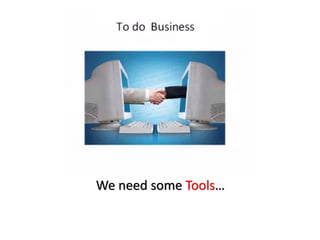
We need some Tools…
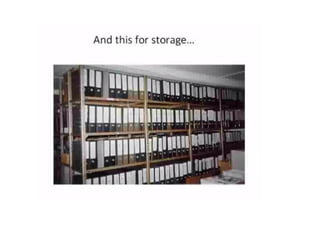
Long ago…
Later on…
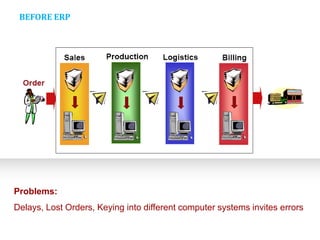
BEFORE ERP


Problems:
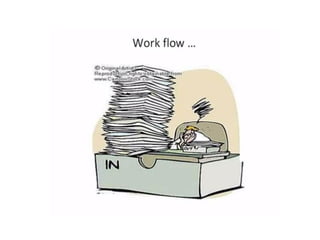
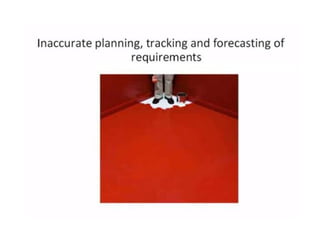
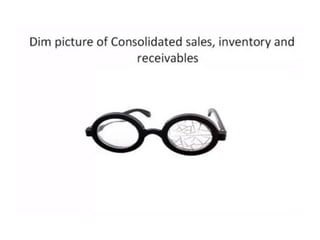
Delays, Lost Orders, Keying into different computer systems invites errors
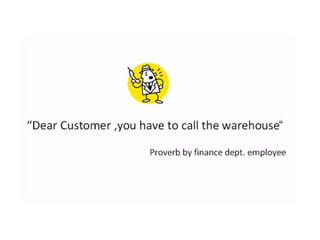
Not Feasible for clients, right? …
What is the solution, then?
OR
Introduction

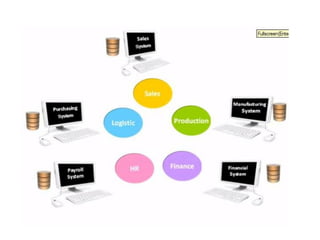
Enterprise-wide system which integrates the
business functions and processes of an org

       Integration of business functions into one
       seamless app


             Replaces Countless Dept. &
             Workgroup Information Systems


                 Usually runs on a RDBMS
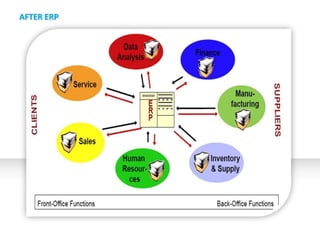
AFTER ERP
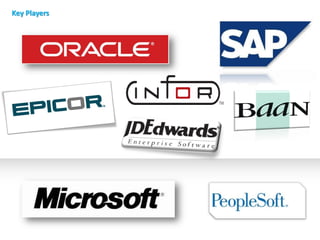
Key Players
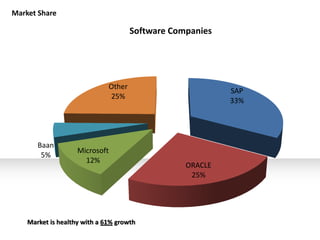
Market Share

                                      Software Companies


                              Other
                                                           SAP
                              25%
                                                           33%


       Baan
                    Microsoft
        5%
                      12%
                                                  ORACLE
                                                   25%


    Market is healthy with a 61% growth
Moving to ERP system is NOT easy
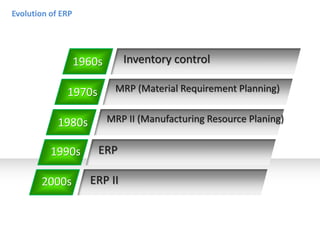
Evolution of ERP


                   1960s      Inventory control

              1970s         MRP (Material Requirement Planning)


            1980s          MRP II (Manufacturing Resource Planing)


          1990s        ERP

       2000s         ERP II
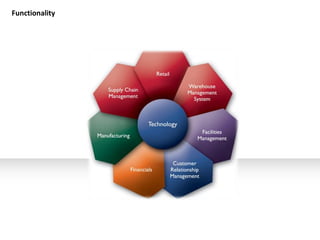
Functionality
Future Directions of ERP:


 There is an increasing demand for innovative applications like E-
  Commerce, SCM, and HR/Customer self services.

 ERP applications are complex, multi module suites of Business
  Management Software.
New Markets

•Vendors are supplementing their direct sales force with reseller
channels.

•Lowering entry price of the software to make it financially viable for
SMEs.

•Reduced Functionality.

•Improving the Implementation methodologies for faster deployment.

•Porting the products to platforms such as Microsoft Windows NT.
New Channels


• SAP AG, Oracle, Baan are building reseller channels both in US &
  worldwide.

• To reach smaller businesses, ERP software is made financially more
  attractive by lowering the entry price point for each module & by
  ramping up the Total Cost by basing the Price on User Licenses.

•   Oracle is offering software for middle market from companies such
    as Platinum Software & Great Plains Software.
New Business Segments
• Variants of ERP to Service vertical markets.

• Specialized areas such as SCM , CRM, Demand Forecasting, Sales
  Force Automation etc.

• PeopleSoft bought Red Pepper Software to enhance its SCM offering.

• Baan acquired Aurum Software for its CRM tools & also teamed up
  with Hyperion Software to strengthen its Financial Modules.
Current updates related with ERP……


• 14th sept 2010: Wipro & Oracle join to make integrated lifecycle
  management solution.

• 1st june 2011: Cloud ERP.

• 28 july 2011: BITS Pilani Selects Oracle PeopleSoft Enterprise
  Applications to streamline its business processes.
Conclusion

   ERP systems allow companies to better understand
    their business.

   With ERP software, companies can standardize
    business processes and more easily enact best
    practices.

   By creating more efficient processes, companies can
    concentrate their efforts on serving their customers
    and maximizing profit.
Prepared by


Yuvraj Zala

Introduction to Enterprise Resource and Plannig (ERP)

  • 1.
  • 2.
    AGENDA Introduction to ERP 1 Market Share, Key Player 2 Fuctionaloty Details 3 Future Trends 4
  • 3.
  • 8.
    We need someTools…
  • 9.
  • 12.
  • 14.
    BEFORE ERP Problems: Delays, LostOrders, Keying into different computer systems invites errors
  • 21.
    Not Feasible forclients, right? …
  • 22.
    What is thesolution, then?
  • 24.
  • 26.
    Introduction Enterprise-wide system whichintegrates the business functions and processes of an org Integration of business functions into one seamless app Replaces Countless Dept. & Workgroup Information Systems Usually runs on a RDBMS
  • 27.
  • 28.
  • 29.
    Market Share Software Companies Other SAP 25% 33% Baan Microsoft 5% 12% ORACLE 25% Market is healthy with a 61% growth
  • 31.
    Moving to ERPsystem is NOT easy
  • 35.
    Evolution of ERP 1960s Inventory control 1970s MRP (Material Requirement Planning) 1980s MRP II (Manufacturing Resource Planing) 1990s ERP 2000s ERP II
  • 37.
  • 38.
    Future Directions ofERP:  There is an increasing demand for innovative applications like E- Commerce, SCM, and HR/Customer self services.  ERP applications are complex, multi module suites of Business Management Software.
  • 39.
    New Markets •Vendors aresupplementing their direct sales force with reseller channels. •Lowering entry price of the software to make it financially viable for SMEs. •Reduced Functionality. •Improving the Implementation methodologies for faster deployment. •Porting the products to platforms such as Microsoft Windows NT.
  • 40.
    New Channels • SAPAG, Oracle, Baan are building reseller channels both in US & worldwide. • To reach smaller businesses, ERP software is made financially more attractive by lowering the entry price point for each module & by ramping up the Total Cost by basing the Price on User Licenses. • Oracle is offering software for middle market from companies such as Platinum Software & Great Plains Software.
  • 41.
    New Business Segments •Variants of ERP to Service vertical markets. • Specialized areas such as SCM , CRM, Demand Forecasting, Sales Force Automation etc. • PeopleSoft bought Red Pepper Software to enhance its SCM offering. • Baan acquired Aurum Software for its CRM tools & also teamed up with Hyperion Software to strengthen its Financial Modules.
  • 42.
    Current updates relatedwith ERP…… • 14th sept 2010: Wipro & Oracle join to make integrated lifecycle management solution. • 1st june 2011: Cloud ERP. • 28 july 2011: BITS Pilani Selects Oracle PeopleSoft Enterprise Applications to streamline its business processes.
  • 43.
    Conclusion ERP systems allow companies to better understand their business.  With ERP software, companies can standardize business processes and more easily enact best practices.  By creating more efficient processes, companies can concentrate their efforts on serving their customers and maximizing profit.
  • 44.