WELCOME
RAZAK SCHOOL OF GOVERNMENT
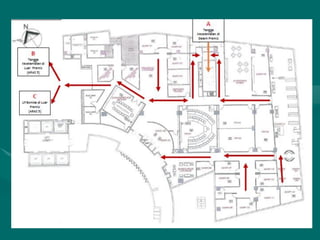
SAFETY BRIEFING
Unit 102:
Conducting Stakeholder
Analysis
Impact! Impact!... Impact!!!
RSOG Stakeholder Analysis 5
Course Objectives
• Conduct stakeholder analysis
• Use the stakeholder assessment matrix
RSOG Stakeholder Analysis 6
Activity 1: Recap
• Refer to newspaper clippings
• Each participant to read the article (Speed
reading: 5 minutes)
• Give your own comments / opinions on the
PURPOSE of stakeholder engagement
(Discussion: 10 minutes)
INCLUSIVE & SUSTAINABLE
RSOG Stakeholder Analysis 7
Why Analyse Stakeholders?
• Understand your clients/beneficiary interests,
needs and capabilities
• Clarify all groups that might have an interest in a
project or project concept
• Identify potential opportunities and threats to
project implementation
• Determine the extent to which certain groups
should participate in project planning,
implementation and evaluation
RSOG Stakeholder Analysis 8
4 Steps in Analysing Stakeholders
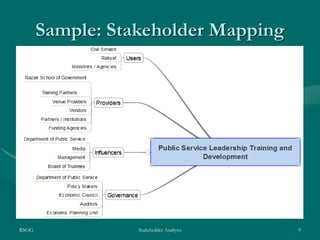
1. First identify your key stakeholders. Mind mapping is
a good way to do this.
2. Identify their interests in the initiative or project
3. Assess the impact – power and interest of
stakeholders in relation to the project
4. Develop potential strategy for building participation
and stakeholder commitment. Consider to gain
support or to reduce obstacles.
RSOG Stakeholder Analysis 9
Sample: Stakeholder Mapping
RSOG Stakeholder Analysis 10
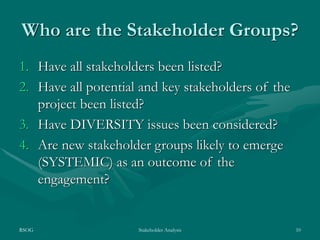
Who are the Stakeholder Groups?
1. Have all stakeholders been listed?
2. Have all potential and key stakeholders of the
project been listed?
3. Have DIVERSITY issues been considered?
4. Are new stakeholder groups likely to emerge
(SYSTEMIC) as an outcome of the
engagement?
RSOG Stakeholder Analysis 11
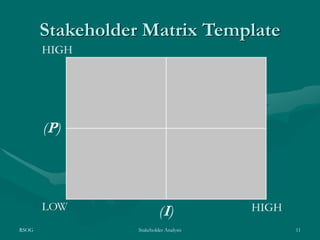
Stakeholder Matrix Template
RSOG Stakeholder Analysis 12
What are the Interests of
each Stakeholder/Group?
1. What are their expectations?
2. What benefits will they accrue?
3. What resources will they commit (or avoid
committing) to the project?
4. Do they have other interests that might conflict
with the project?
5. How do they regard other stakeholders on the
list?
RSOG Stakeholder Analysis 13
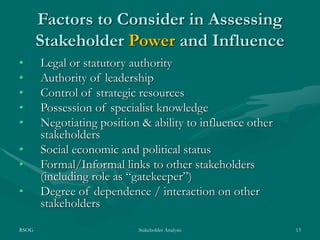
Factors to Consider in Assessing
Stakeholder Power and Influence
• Legal or statutory authority
• Authority of leadership
• Control of strategic resources
• Possession of specialist knowledge
• Negotiating position & ability to influence other
stakeholders
• Social economic and political status
• Formal/Informal links to other stakeholders
(including role as “gatekeeper”)
• Degree of dependence / interaction on other
stakeholders
RSOG Stakeholder Analysis 14
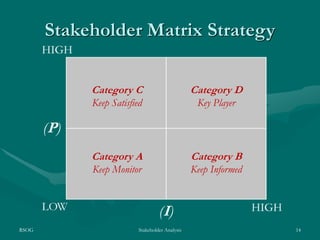
Stakeholder Matrix Strategy
Category A
Keep Monitor
Category B
Keep Informed
Category C
Keep Satisfied
Category D
Key Player
RSOG Stakeholder Analysis 15
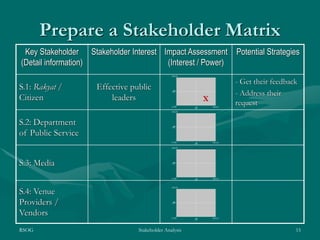
Prepare a Stakeholder Matrix
Key Stakeholder
(Detail information)
Stakeholder Interest Impact Assessment
(Interest / Power)
Potential Strategies
S.1: Rakyat /
Citizen
Effective public
leaders
- Get their feedback
- Address their
request
S.2: Department
of Public Service
S.3: Media
S.4: Venue
Providers /
Vendors
X
RSOG Stakeholder Analysis 16
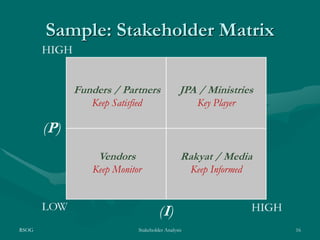
Sample: Stakeholder Matrix
Vendors
Keep Monitor
Rakyat / Media
Keep Informed
Funders / Partners
Keep Satisfied
JPA / Ministries
Key Player
RSOG Stakeholder Analysis 17
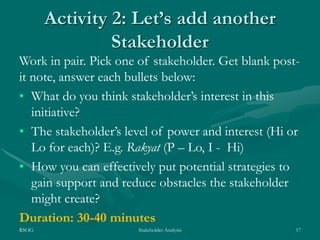
Activity 2: Let’s add another
Stakeholder
Work in pair. Pick one of stakeholder. Get blank post-
it note, answer each bullets below:
• What do you think stakeholder’s interest in this
initiative?
• The stakeholder’s level of power and interest (Hi or
Lo for each)? E.g. Rakyat (P – Lo, I - Hi)
• How you can effectively put potential strategies to
gain support and reduce obstacles the stakeholder
might create?
Duration: 30-40 minutes
RSOG Stakeholder Analysis 18
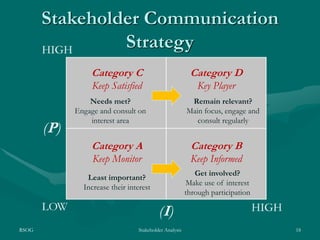
Stakeholder Communication
Strategy
Category A
Keep Monitor
Category B
Keep Informed
Category C
Keep Satisfied
Category D
Key Player
Least important?
Increase their interest
Remain relevant?
Main focus, engage and
consult regularly
Needs met?
Engage and consult on
interest area
Get involved?
Make use of interest
through participation
RSOG Stakeholder Analysis 19
ENGAGE EARLY,
ENGAGE OFTEN!

Conducting Stakeholder Analysis (SA)

  • 1.
  • 2.
  • 4.
  • 5.
    RSOG Stakeholder Analysis5 Course Objectives • Conduct stakeholder analysis • Use the stakeholder assessment matrix
  • 6.
    RSOG Stakeholder Analysis6 Activity 1: Recap • Refer to newspaper clippings • Each participant to read the article (Speed reading: 5 minutes) • Give your own comments / opinions on the PURPOSE of stakeholder engagement (Discussion: 10 minutes) INCLUSIVE & SUSTAINABLE
  • 7.
    RSOG Stakeholder Analysis7 Why Analyse Stakeholders? • Understand your clients/beneficiary interests, needs and capabilities • Clarify all groups that might have an interest in a project or project concept • Identify potential opportunities and threats to project implementation • Determine the extent to which certain groups should participate in project planning, implementation and evaluation
  • 8.
    RSOG Stakeholder Analysis8 4 Steps in Analysing Stakeholders 1. First identify your key stakeholders. Mind mapping is a good way to do this. 2. Identify their interests in the initiative or project 3. Assess the impact – power and interest of stakeholders in relation to the project 4. Develop potential strategy for building participation and stakeholder commitment. Consider to gain support or to reduce obstacles.
  • 9.
    RSOG Stakeholder Analysis9 Sample: Stakeholder Mapping
  • 10.
    RSOG Stakeholder Analysis10 Who are the Stakeholder Groups? 1. Have all stakeholders been listed? 2. Have all potential and key stakeholders of the project been listed? 3. Have DIVERSITY issues been considered? 4. Are new stakeholder groups likely to emerge (SYSTEMIC) as an outcome of the engagement?
  • 11.
    RSOG Stakeholder Analysis11 Stakeholder Matrix Template
  • 12.
    RSOG Stakeholder Analysis12 What are the Interests of each Stakeholder/Group? 1. What are their expectations? 2. What benefits will they accrue? 3. What resources will they commit (or avoid committing) to the project? 4. Do they have other interests that might conflict with the project? 5. How do they regard other stakeholders on the list?
  • 13.
    RSOG Stakeholder Analysis13 Factors to Consider in Assessing Stakeholder Power and Influence • Legal or statutory authority • Authority of leadership • Control of strategic resources • Possession of specialist knowledge • Negotiating position & ability to influence other stakeholders • Social economic and political status • Formal/Informal links to other stakeholders (including role as “gatekeeper”) • Degree of dependence / interaction on other stakeholders
  • 14.
    RSOG Stakeholder Analysis14 Stakeholder Matrix Strategy Category A Keep Monitor Category B Keep Informed Category C Keep Satisfied Category D Key Player
  • 15.
    RSOG Stakeholder Analysis15 Prepare a Stakeholder Matrix Key Stakeholder (Detail information) Stakeholder Interest Impact Assessment (Interest / Power) Potential Strategies S.1: Rakyat / Citizen Effective public leaders - Get their feedback - Address their request S.2: Department of Public Service S.3: Media S.4: Venue Providers / Vendors X
  • 16.
    RSOG Stakeholder Analysis16 Sample: Stakeholder Matrix Vendors Keep Monitor Rakyat / Media Keep Informed Funders / Partners Keep Satisfied JPA / Ministries Key Player
  • 17.
    RSOG Stakeholder Analysis17 Activity 2: Let’s add another Stakeholder Work in pair. Pick one of stakeholder. Get blank post- it note, answer each bullets below: • What do you think stakeholder’s interest in this initiative? • The stakeholder’s level of power and interest (Hi or Lo for each)? E.g. Rakyat (P – Lo, I - Hi) • How you can effectively put potential strategies to gain support and reduce obstacles the stakeholder might create? Duration: 30-40 minutes
  • 18.
    RSOG Stakeholder Analysis18 Stakeholder Communication Strategy Category A Keep Monitor Category B Keep Informed Category C Keep Satisfied Category D Key Player Least important? Increase their interest Remain relevant? Main focus, engage and consult regularly Needs met? Engage and consult on interest area Get involved? Make use of interest through participation
  • 19.
    RSOG Stakeholder Analysis19 ENGAGE EARLY, ENGAGE OFTEN!