Networking Basics 
& 
Cisco 
Aadarsh Srivastava 
Resident Engineer in Lenovo 
Date: 07-09-2014
Networking Basics
Network 
Connectivity of two or more than two devices so that 
they can communicate with each other. 
Network = Connectivity + Communication 
Network = Hardware + 
Software
Network Types 
• Local Area Network (LAN) 
A high speed network that covers a relatively small geographic 
area, contained within a single building or campus. 
• Wide Area Network (WAN) 
A network that spans large geographical locations, usually to 
interconnect multiple LANs. 
• Metropolitan Area Network (MAN) 
A network that spans several LANs across a city-wide 
geographic area.
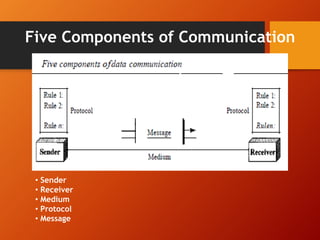
Five Components of Communication 
• Sender 
• Receiver 
• Medium 
• Protocol 
• Message
Protocol 
• Rules that govern the method by which devices 
share data and services.
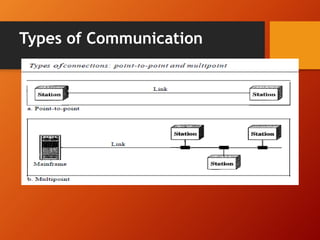
Types of Communication
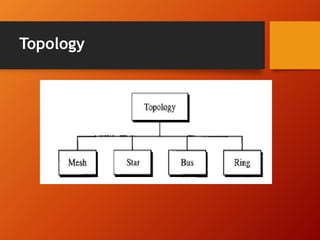
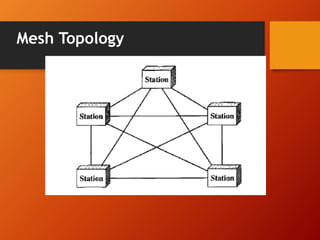
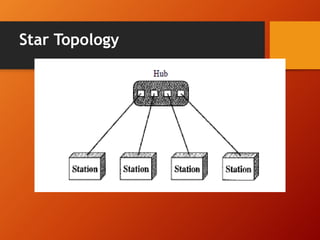
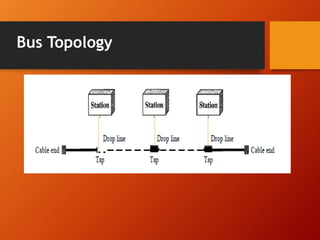
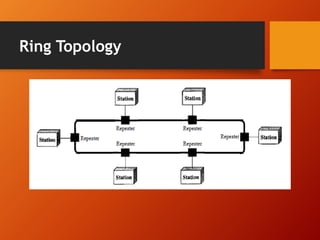
Topology
Mesh Topology
Star Topology
Bus Topology
Ring Topology
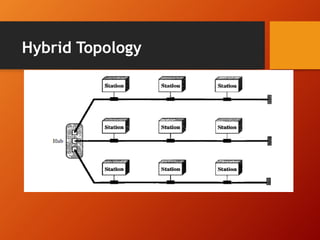
Hybrid Topology
Internet 
• internet 
is two or more networks that can 
communicate with each other. 
• Internet 
is collaboration of more than hundreds of 
thousands of interconnected networks.
OSI Model 
• Established in 1947, the International 
Standards Organization (ISO) is a multinational 
body dedicated to worldwide agreement on 
international standards. 
• In 1978, Open System Interconnection (OSI) 
model was introduced. 
ISO is the organisation. OSI is the model.
OSI Model 
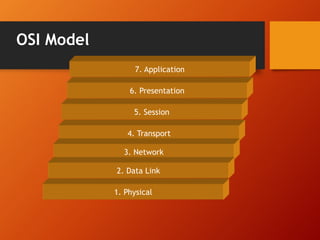
7. Application 
6. Presentation 
5. Session 
4. Transport 
3. Network 
2. Data Link 
1. Physical
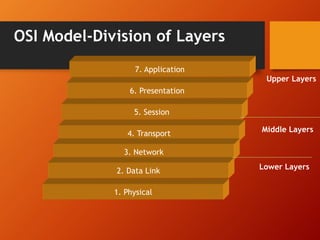
OSI Model-Division of Layers 
7. Application 
6. Presentation 
5. Session 
4. Transport 
3. Network 
2. Data Link 
1. Physical 
Upper Layers 
Middle Layers 
Lower Layers
The Function of a Layer 
• Each layer deals with one aspect of networking 
• Layer 1 deals with the communication media 
• Each layer communicates with the adjacent 
layers 
• In both directions 
• Ex: Network layer communicates with: 
• Transport layer 
• Data Link layer 
• Each layer formats the data packet 
• Ex: Adds or deletes addresses
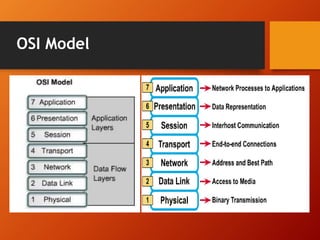
OSI Model
OSI in Action 
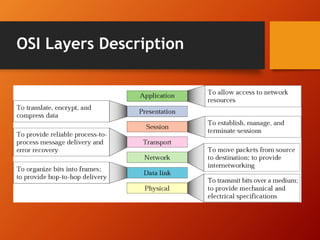
• A message begins at the top application layer and 
moves down the OSI layers to the bottom physical 
layer. 
• As the message descends, each successive OSI 
model layer adds a header to it. 
• A header is layer-specific information that basically 
explains what functions the layer carried out. 
• Conversely, at the receiving end, headers are 
striped from the message as it travels up the 
corresponding layers.
OSI Layers Description
Commonly Used Network Devices 
• Hubs 
• Switches 
• Routers 
• IP Phones 
• Network Security Products
Network Devices Manufacturers 
• Cisco Systems 
• HP 
• Huawei 
• ZTE 
• Juniper Networks 
• D-Link 
• Telco Systems 
• Alcatel-Lucent 
• Arista Networks 
• Mellanox
Cisco Systems
Company Overview 
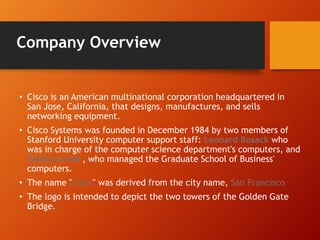
• Cisco is an American multinational corporation headquartered in 
San Jose, California, that designs, manufactures, and sells 
networking equipment. 
• Cisco Systems was founded in December 1984 by two members of 
Stanford University computer support staff: Leonard Bosack who 
was in charge of the computer science department's computers, and 
Sandy Lerner, who managed the Graduate School of Business' 
computers. 
• The name "Cisco" was derived from the city name, San Francisco 
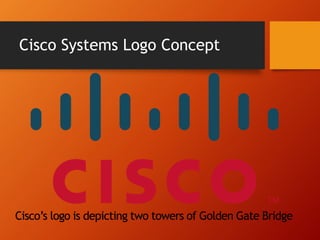
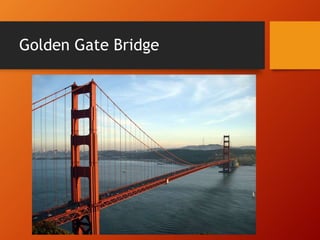
• The logo is intended to depict the two towers of the Golden Gate 
Bridge.
Cisco Systems Logo Concept
Golden Gate Bridge
Company Overview 
• Cisco Systems, Inc. is the worldwide 
leader in networking for the Internet. 
• Today, networks are an essential part of 
business, education, government and 
home communications. 
• Cisco Internet Protocol-based (IP) 
networking solutions are the foundation 
of these networks.
Company Overview cont’d 
• In 1984, Cisco’s first product which 
consisted of exact replicas of Stanford's 
"Blue Box" router and a stolen copy of the 
University's multiple 
potocol router software. 
• Between 1992 and 1994, Cisco acquired 
several companies in Ethernet switching, 
such as Kalpana, Grand Junction, and most 
notably, Mario Mazzola's Crescendo 
Communications which together formed 
the Catalyst business unit.
Cisco’s Products List 
• Routers and switches 
• Security and surveillance 
• Voice and conferencing 
• Wireless 
• Network storage systems
References 
• https://en.wikipedia.org/wiki/Cisco 
• http://www.cisco.com/cisco/web/solutions/s 
mall_business/resource_center/articles/conne 
ct_employees_and_offices/networking_basics/
About ODSI 
UK Office 
ODSI 
11 St John's Road Stourbridge West Midlands DY8 1EJ 
Phone: 0203 005 9500 
Email: sales@odsi.co.uk 
Web: www.odsi.co.uk
By - Aadarsh Srivastava 
Contact – 7827019719 
Facebook – aadarsh7777777 
Thank You

Networking Basic and Cisco History

  • 1.
    Networking Basics & Cisco Aadarsh Srivastava Resident Engineer in Lenovo Date: 07-09-2014
  • 2.
  • 3.
    Network Connectivity oftwo or more than two devices so that they can communicate with each other. Network = Connectivity + Communication Network = Hardware + Software
  • 4.
    Network Types •Local Area Network (LAN) A high speed network that covers a relatively small geographic area, contained within a single building or campus. • Wide Area Network (WAN) A network that spans large geographical locations, usually to interconnect multiple LANs. • Metropolitan Area Network (MAN) A network that spans several LANs across a city-wide geographic area.
  • 5.
    Five Components ofCommunication • Sender • Receiver • Medium • Protocol • Message
  • 6.
    Protocol • Rulesthat govern the method by which devices share data and services.
  • 7.
  • 8.
  • 9.
  • 10.
  • 11.
  • 12.
  • 13.
  • 14.
    Internet • internet is two or more networks that can communicate with each other. • Internet is collaboration of more than hundreds of thousands of interconnected networks.
  • 15.
    OSI Model •Established in 1947, the International Standards Organization (ISO) is a multinational body dedicated to worldwide agreement on international standards. • In 1978, Open System Interconnection (OSI) model was introduced. ISO is the organisation. OSI is the model.
  • 16.
    OSI Model 7.Application 6. Presentation 5. Session 4. Transport 3. Network 2. Data Link 1. Physical
  • 17.
    OSI Model-Division ofLayers 7. Application 6. Presentation 5. Session 4. Transport 3. Network 2. Data Link 1. Physical Upper Layers Middle Layers Lower Layers
  • 18.
    The Function ofa Layer • Each layer deals with one aspect of networking • Layer 1 deals with the communication media • Each layer communicates with the adjacent layers • In both directions • Ex: Network layer communicates with: • Transport layer • Data Link layer • Each layer formats the data packet • Ex: Adds or deletes addresses
  • 19.
  • 20.
    OSI in Action • A message begins at the top application layer and moves down the OSI layers to the bottom physical layer. • As the message descends, each successive OSI model layer adds a header to it. • A header is layer-specific information that basically explains what functions the layer carried out. • Conversely, at the receiving end, headers are striped from the message as it travels up the corresponding layers.
  • 21.
  • 22.
    Commonly Used NetworkDevices • Hubs • Switches • Routers • IP Phones • Network Security Products
  • 23.
    Network Devices Manufacturers • Cisco Systems • HP • Huawei • ZTE • Juniper Networks • D-Link • Telco Systems • Alcatel-Lucent • Arista Networks • Mellanox
  • 24.
  • 25.
    Company Overview •Cisco is an American multinational corporation headquartered in San Jose, California, that designs, manufactures, and sells networking equipment. • Cisco Systems was founded in December 1984 by two members of Stanford University computer support staff: Leonard Bosack who was in charge of the computer science department's computers, and Sandy Lerner, who managed the Graduate School of Business' computers. • The name "Cisco" was derived from the city name, San Francisco • The logo is intended to depict the two towers of the Golden Gate Bridge.
  • 26.
  • 27.
  • 28.
    Company Overview •Cisco Systems, Inc. is the worldwide leader in networking for the Internet. • Today, networks are an essential part of business, education, government and home communications. • Cisco Internet Protocol-based (IP) networking solutions are the foundation of these networks.
  • 29.
    Company Overview cont’d • In 1984, Cisco’s first product which consisted of exact replicas of Stanford's "Blue Box" router and a stolen copy of the University's multiple potocol router software. • Between 1992 and 1994, Cisco acquired several companies in Ethernet switching, such as Kalpana, Grand Junction, and most notably, Mario Mazzola's Crescendo Communications which together formed the Catalyst business unit.
  • 30.
    Cisco’s Products List • Routers and switches • Security and surveillance • Voice and conferencing • Wireless • Network storage systems
  • 31.
    References • https://en.wikipedia.org/wiki/Cisco • http://www.cisco.com/cisco/web/solutions/s mall_business/resource_center/articles/conne ct_employees_and_offices/networking_basics/
  • 32.
    About ODSI UKOffice ODSI 11 St John's Road Stourbridge West Midlands DY8 1EJ Phone: 0203 005 9500 Email: sales@odsi.co.uk Web: www.odsi.co.uk
  • 33.
    By - AadarshSrivastava Contact – 7827019719 Facebook – aadarsh7777777 Thank You