










October 2014 
DESIGN THINKING: CREATIVITY 
TRANSFORMING THE CUSTOMER EXPERIENCE
UX Strategy and Design Thinker for places you 
recognize; Apple, Intel, Microsoft, Hitachi, 
Raytheon, eBay and Starbucks 
DIANE
How Design Thinking can be used to define and 
design a complex solution that enables quick and 
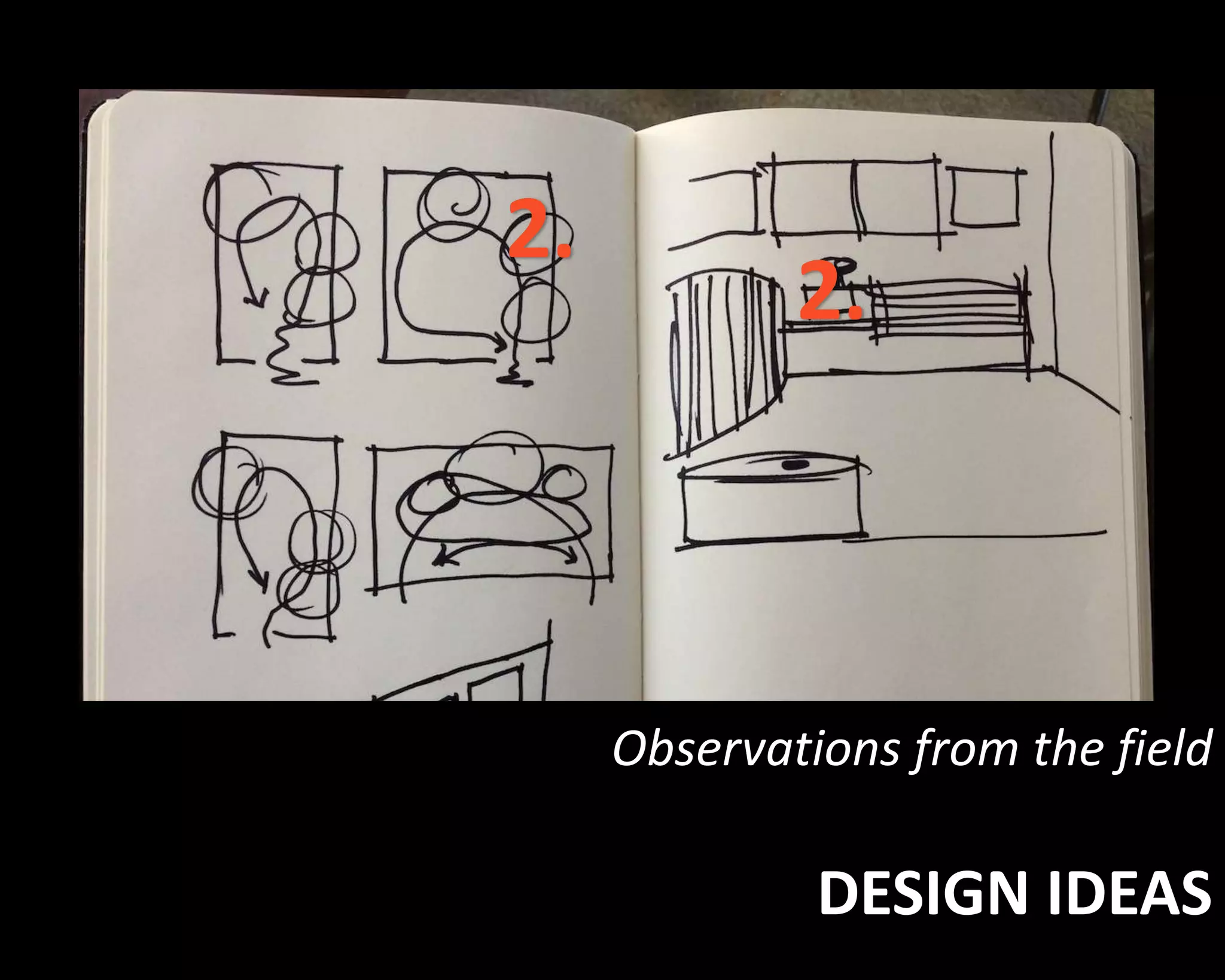
easy access to accurate, up-to-date, and relevant 
information. 
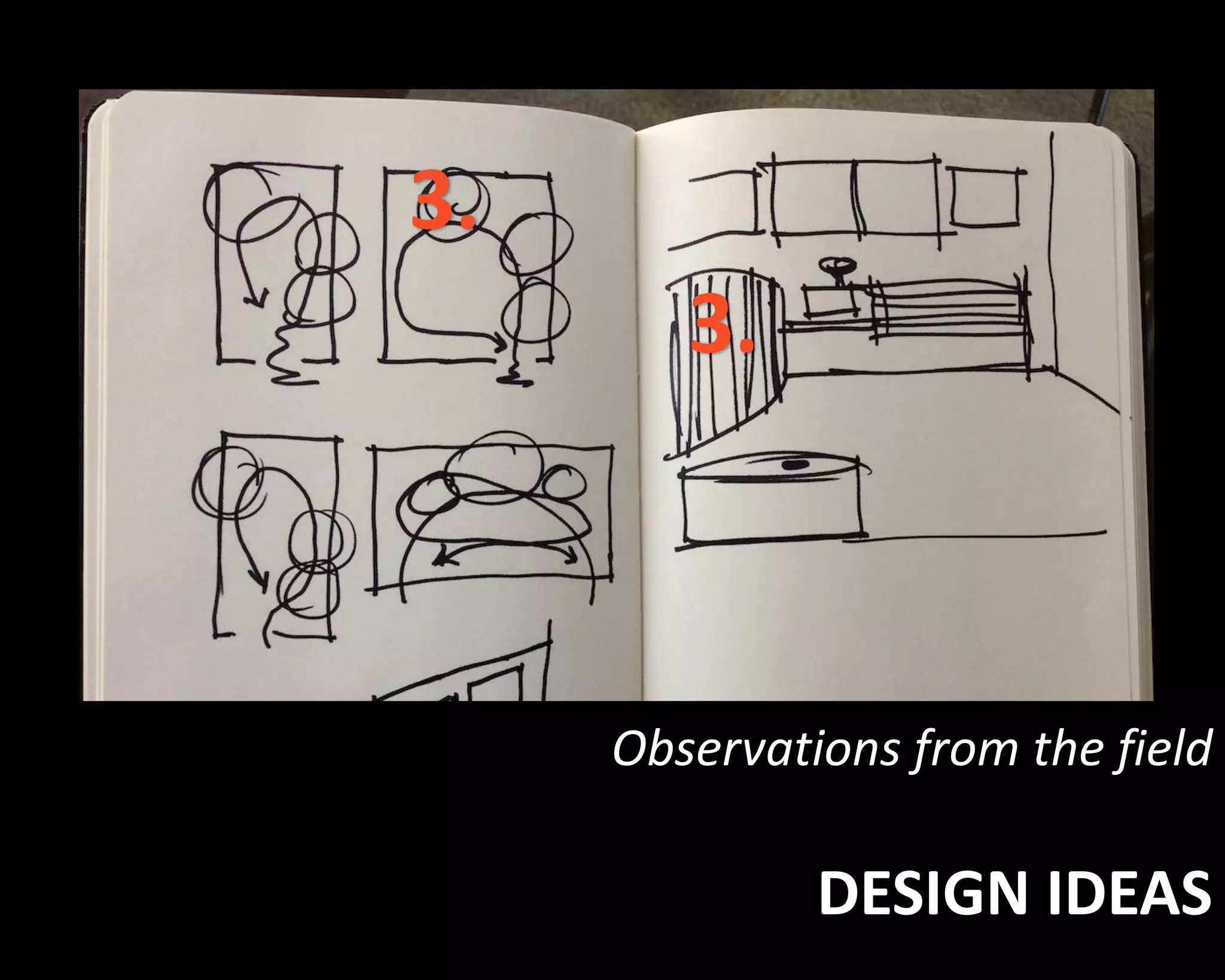
WHAT WE HAVE IN STORE FOR YOU
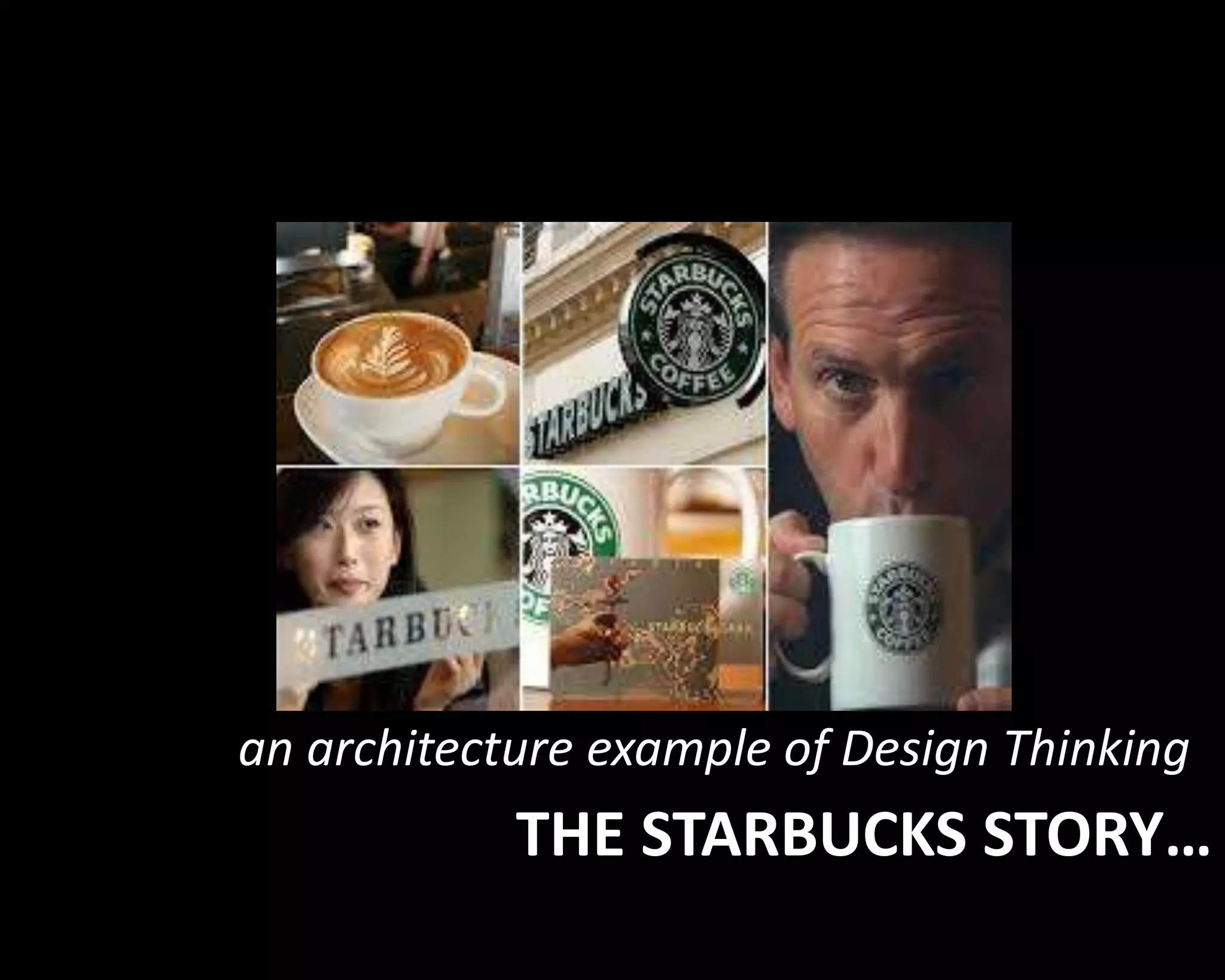
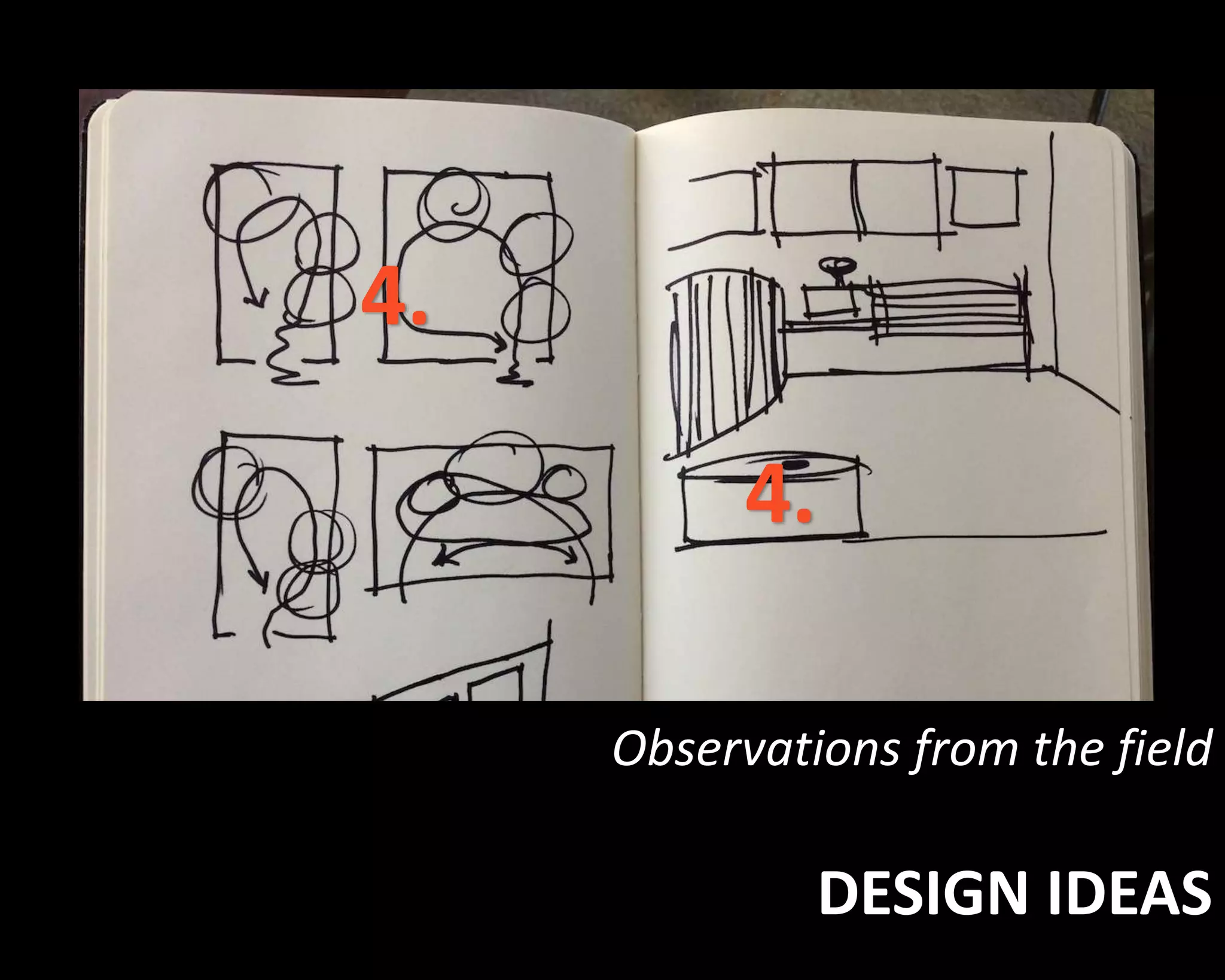
an architecture example of Design Thinking 
THE STARBUCKS STORY…
Starbucks 
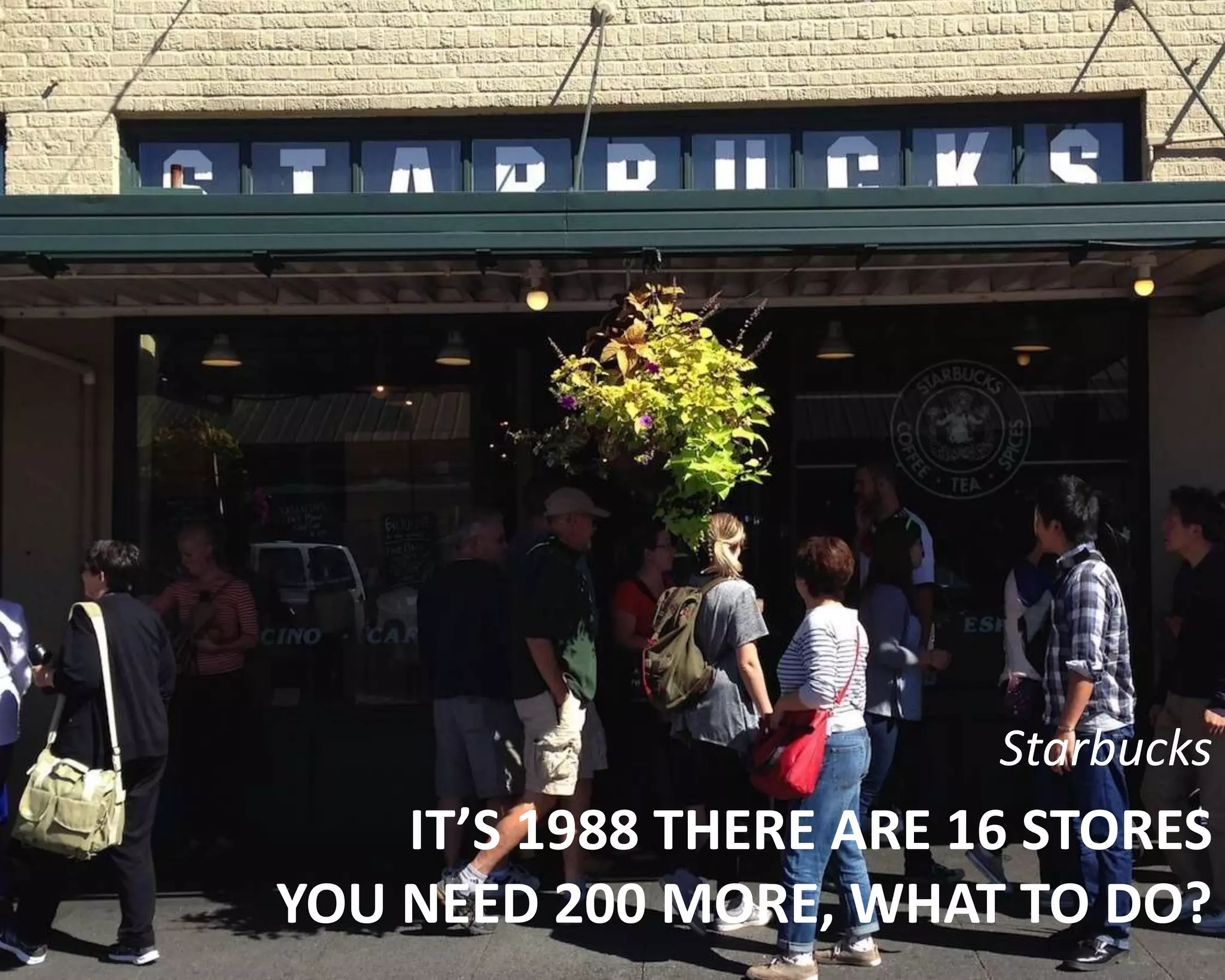
IT’S 1988 THERE ARE 16 STORES 
YOU NEED 200 MORE, WHAT TO DO?
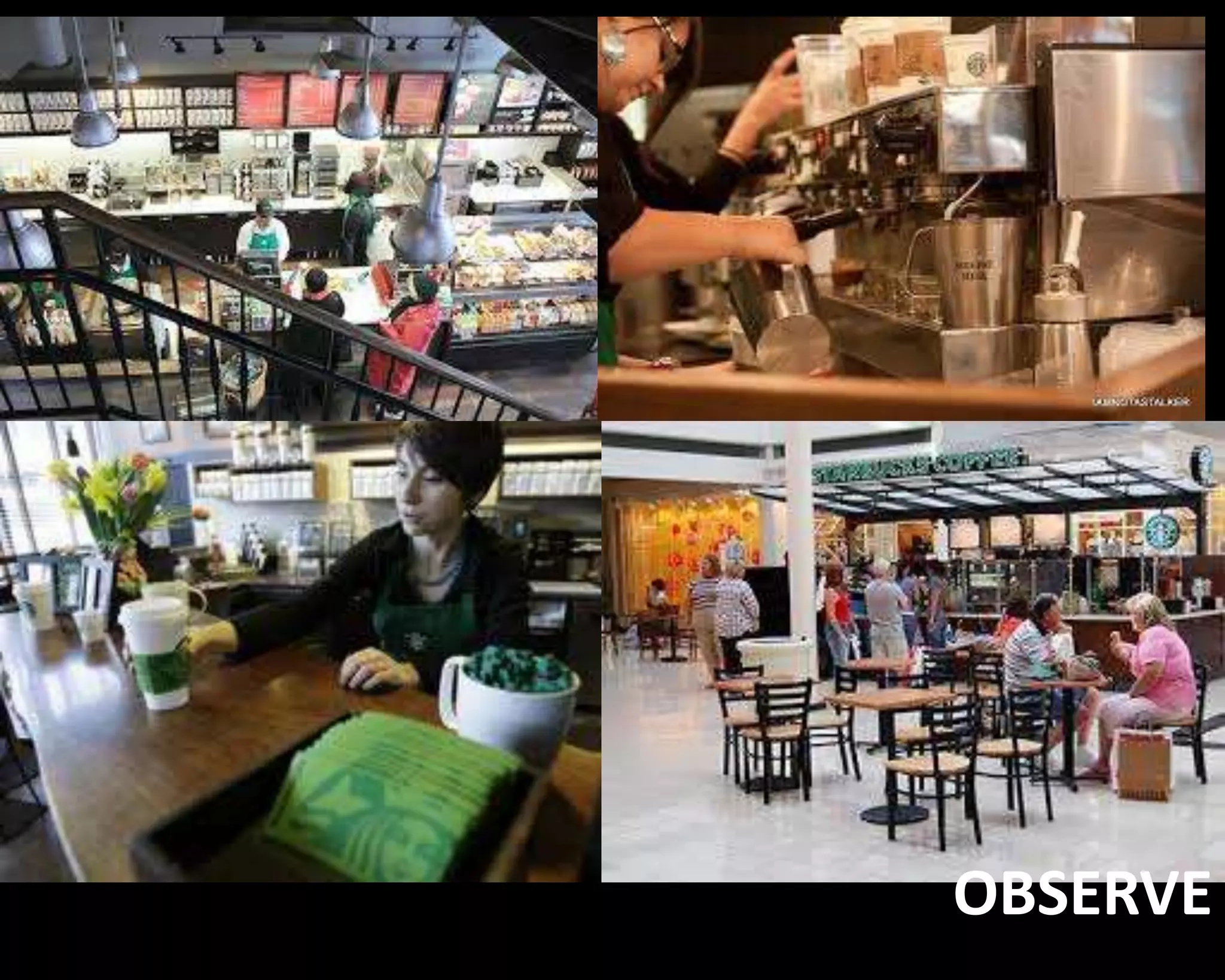
OBSERVE
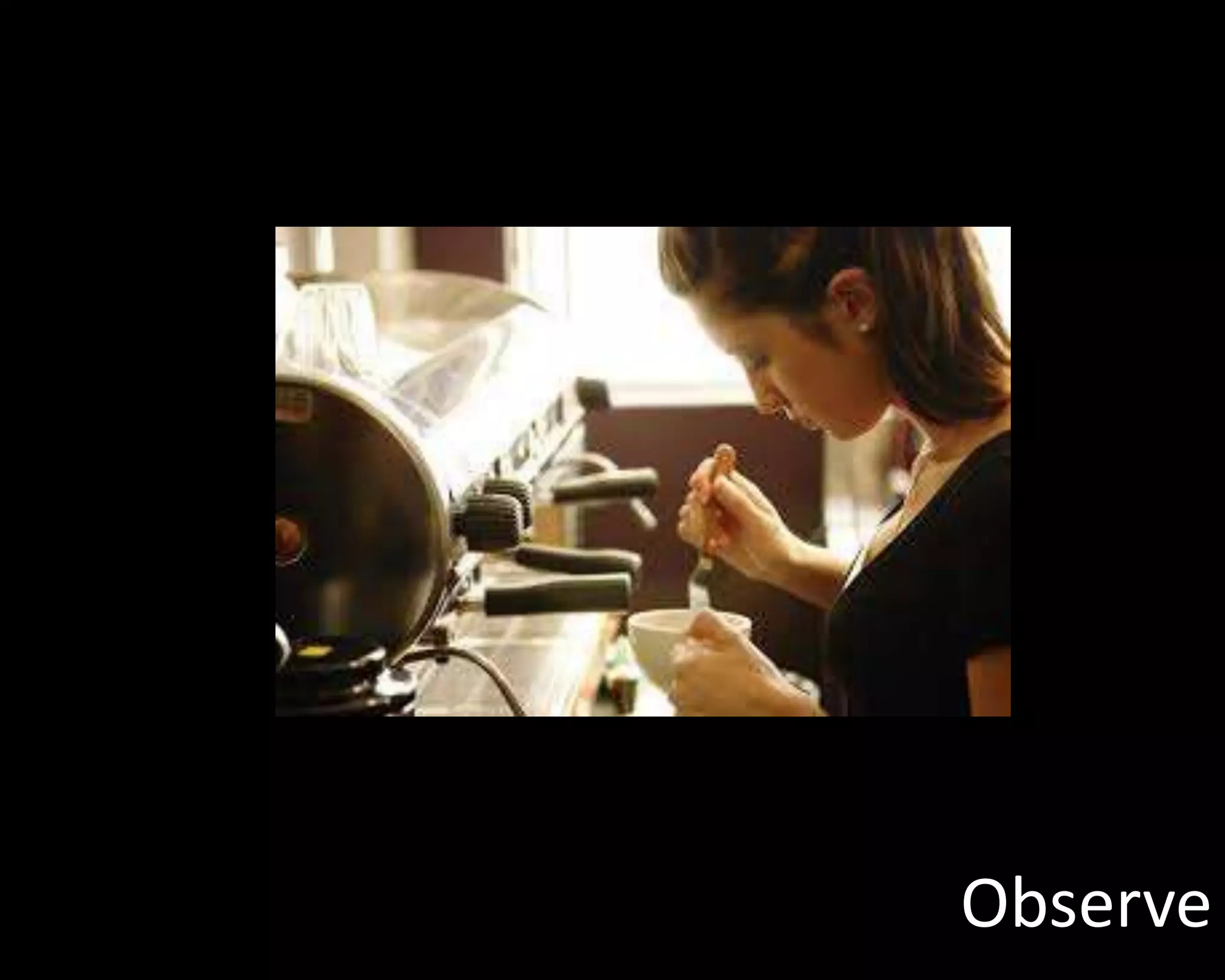
Observe
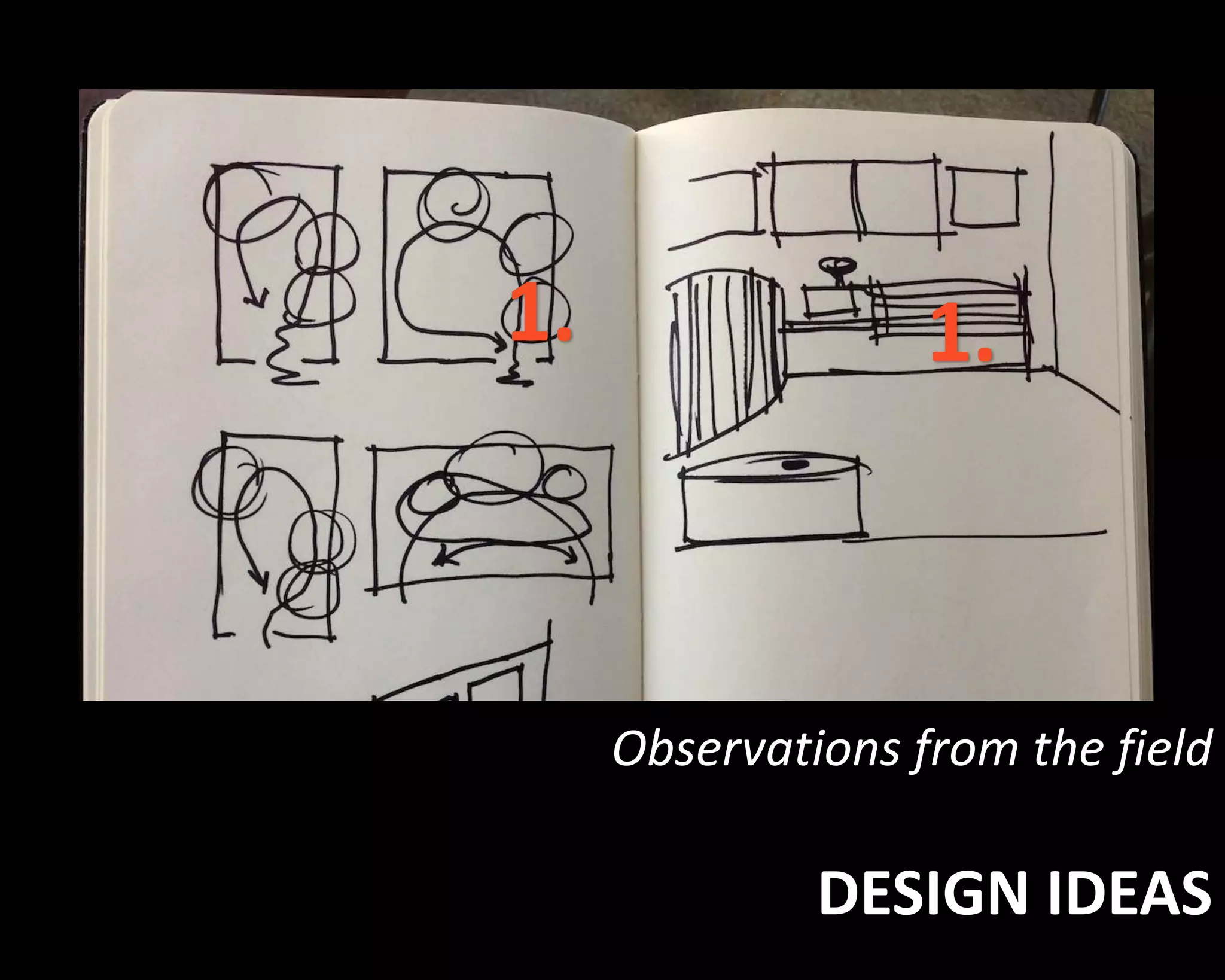
1. 1. 
Observations from the field 
DESIGN IDEAS
Observations from the field 
DESIGN IDEAS 
2. 
2.
Observations from the field 
DESIGN IDEAS 
3. 
3.
Observations from the field 
DESIGN IDEAS 
4. 
4.
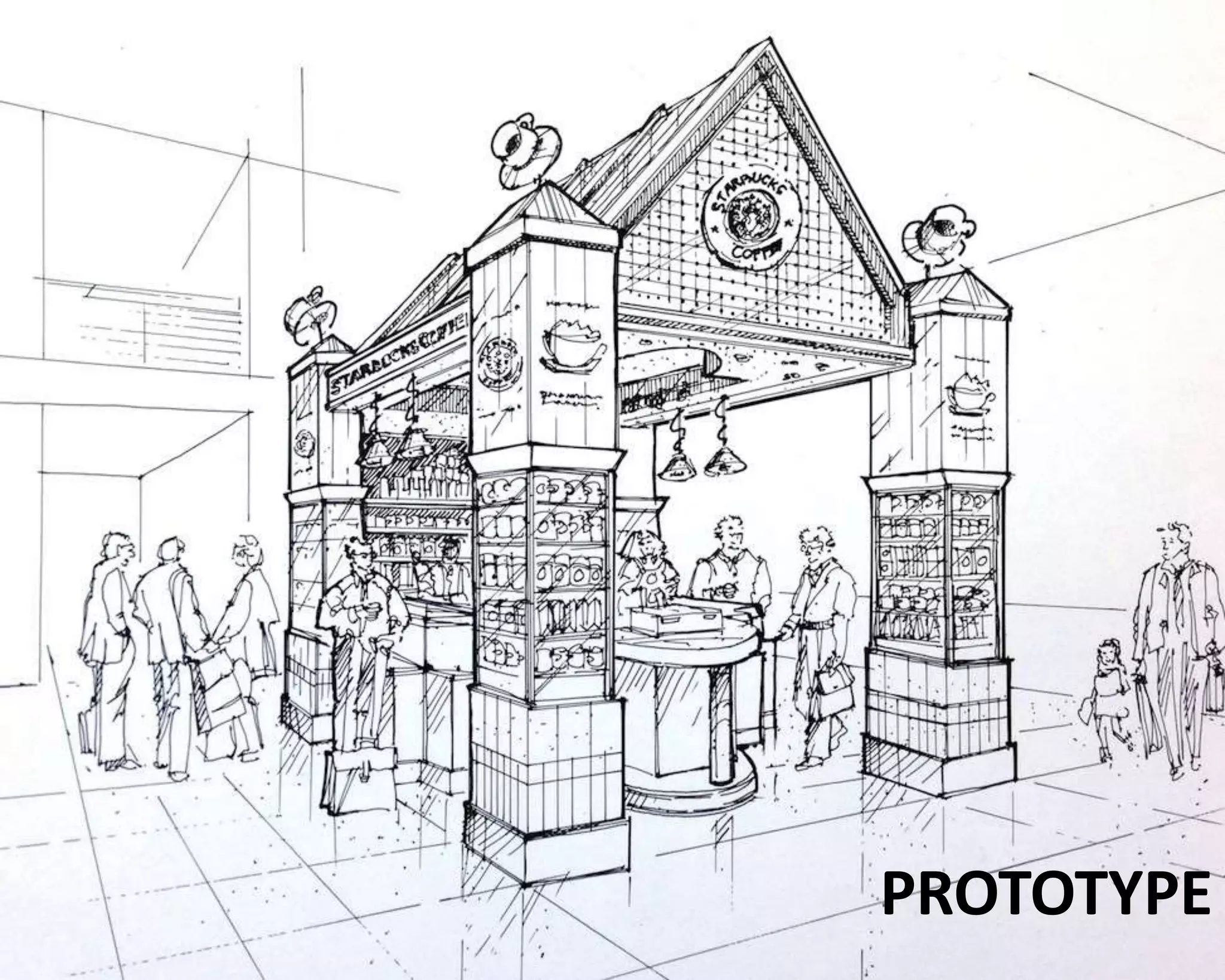
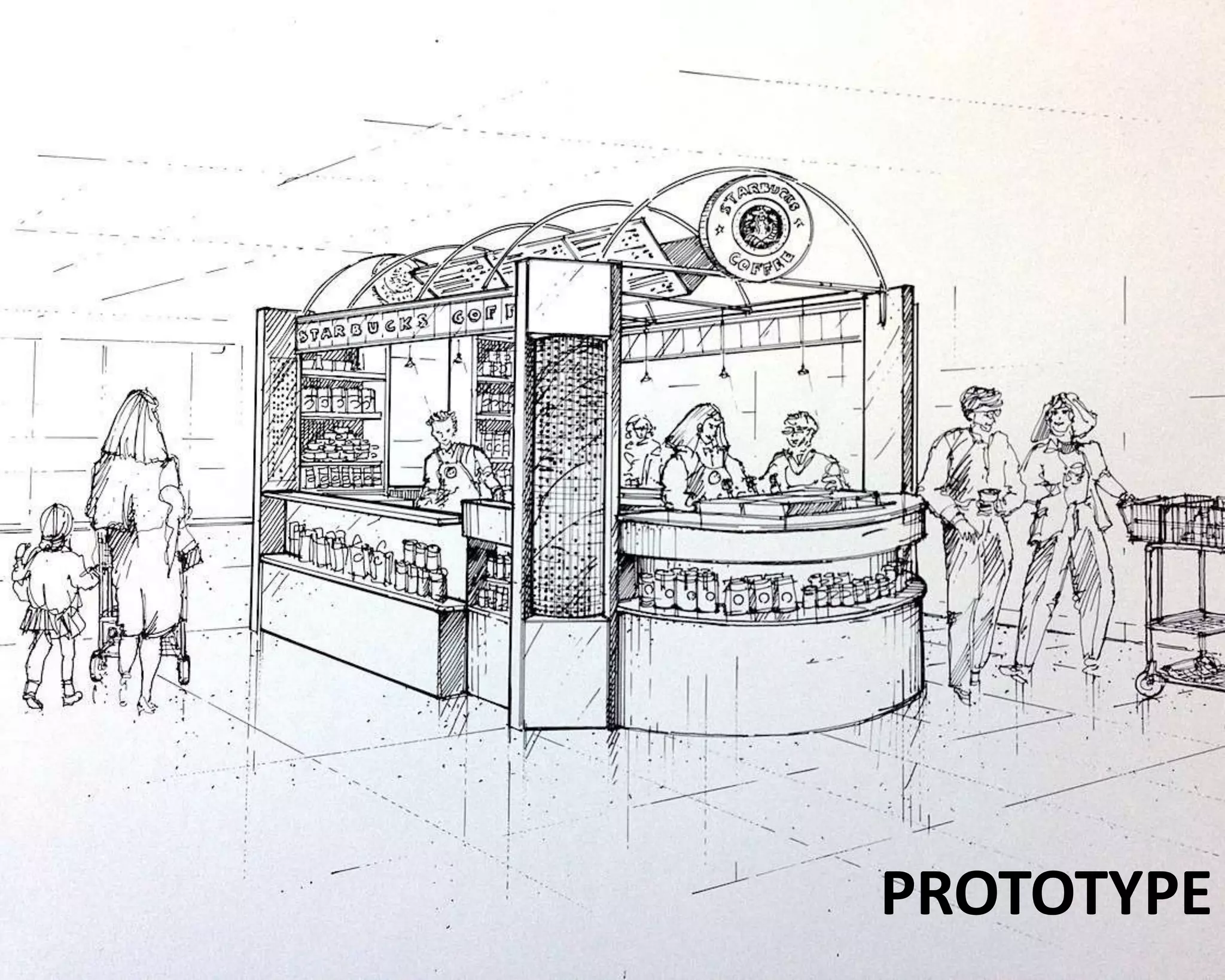
PROTOTYPE
PROTOTYPE
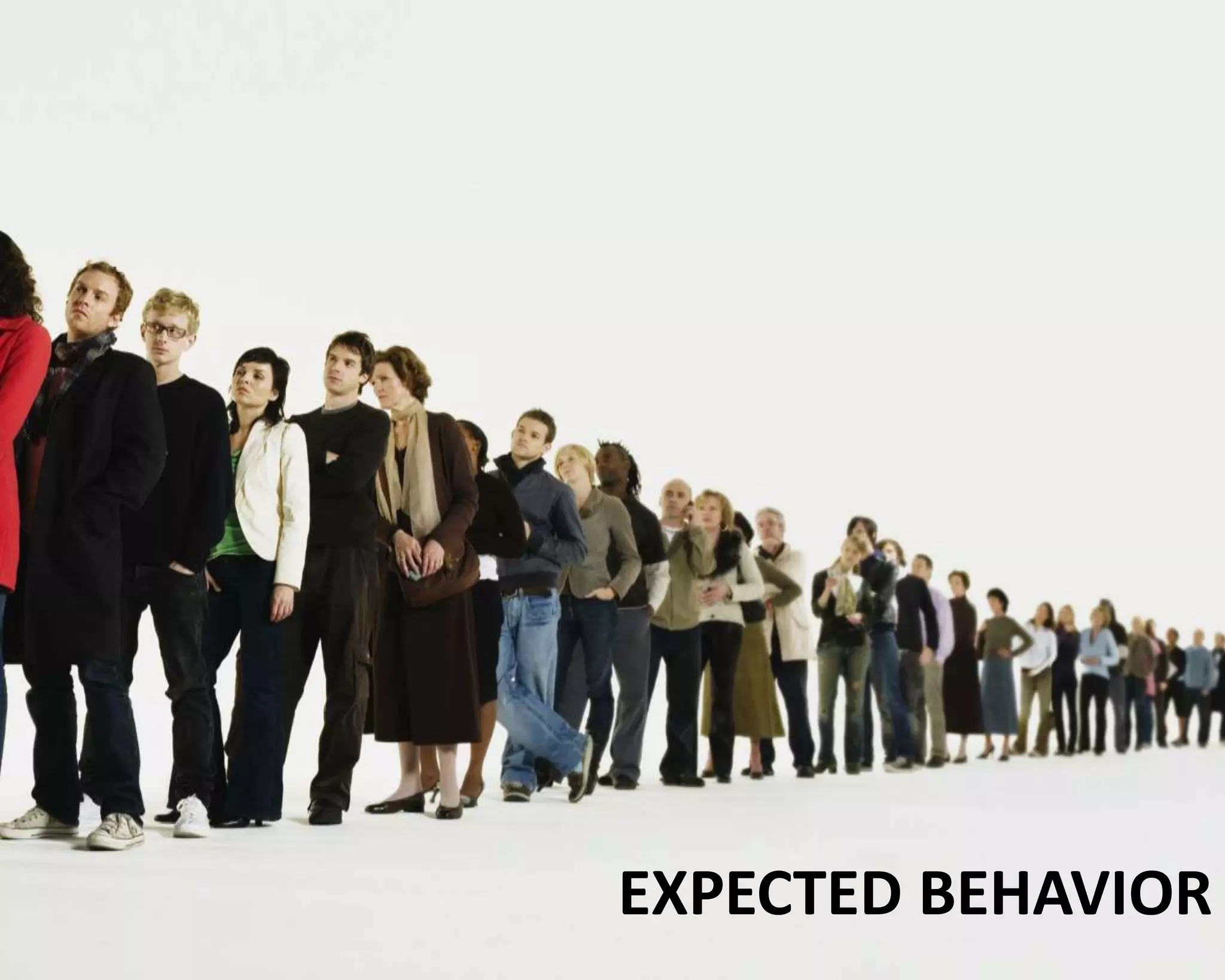
EXPECTED BEHAVIOR
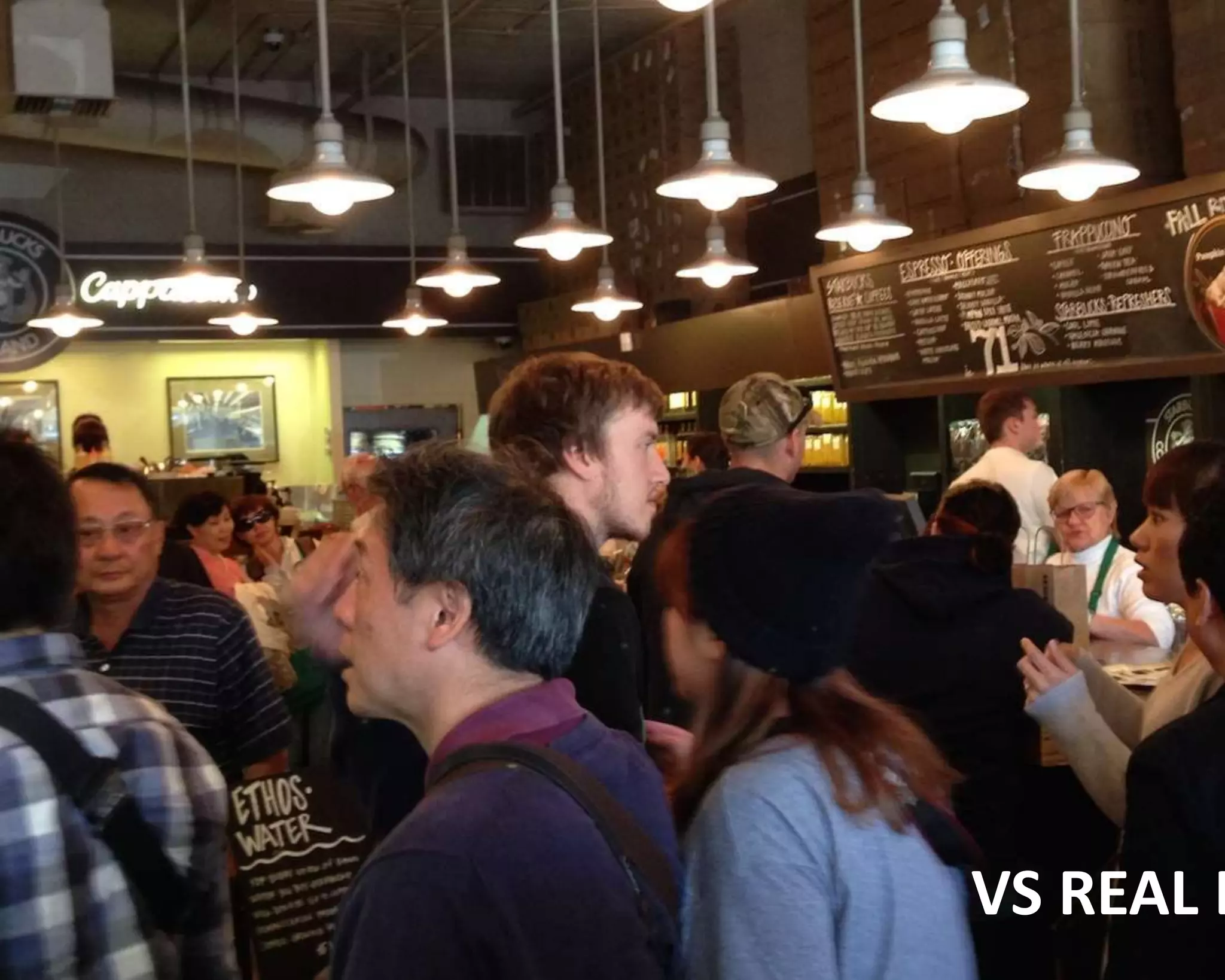
VS REAL LIFE
STARBUCKS NOW
Nigel Cross 
Richard Buchanan 
David Schon 
David Kelly
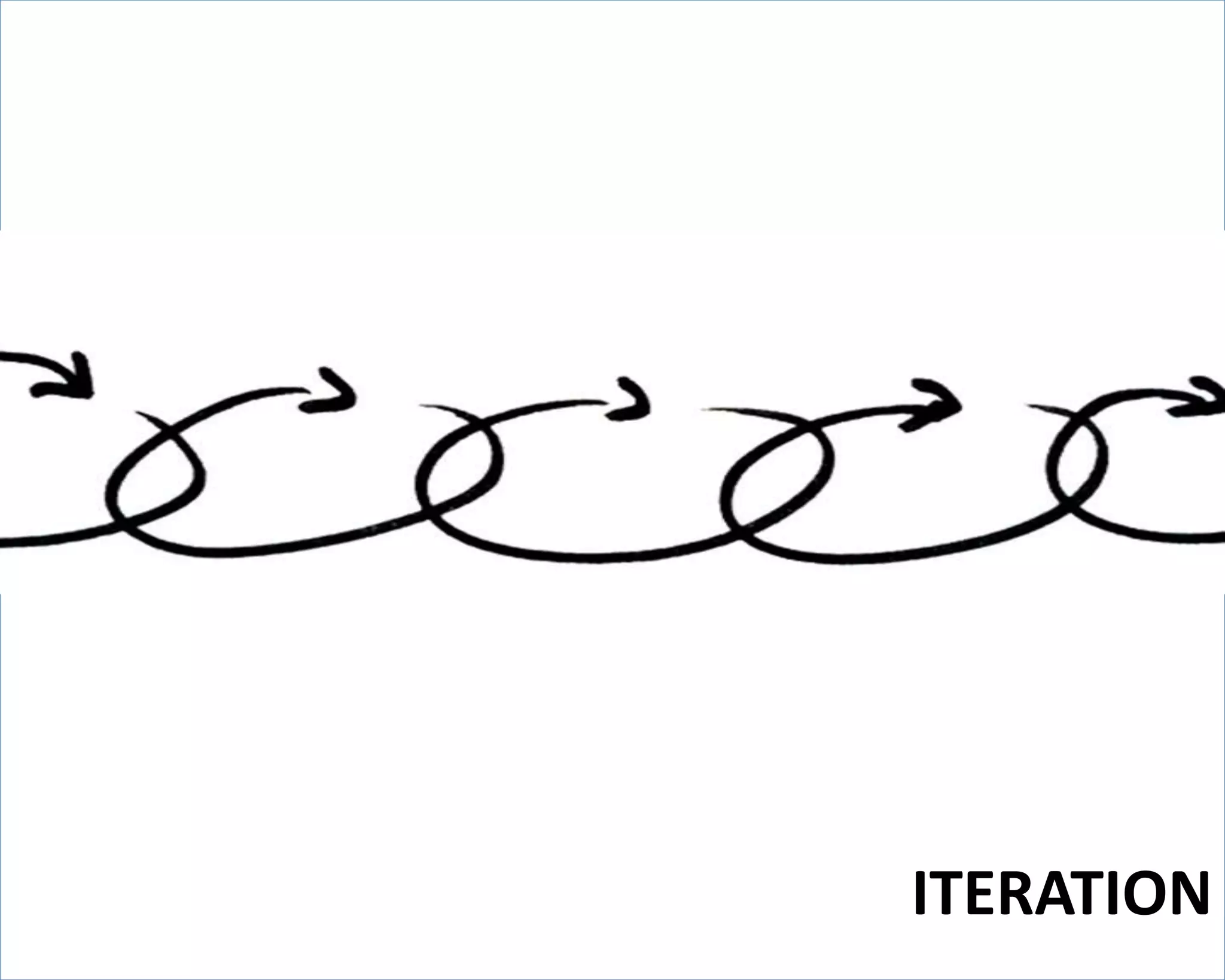
ITERATION
? ? 
? ? ? 
? 
? 
? 
? ? 
? 
? 
? ? 
? ?
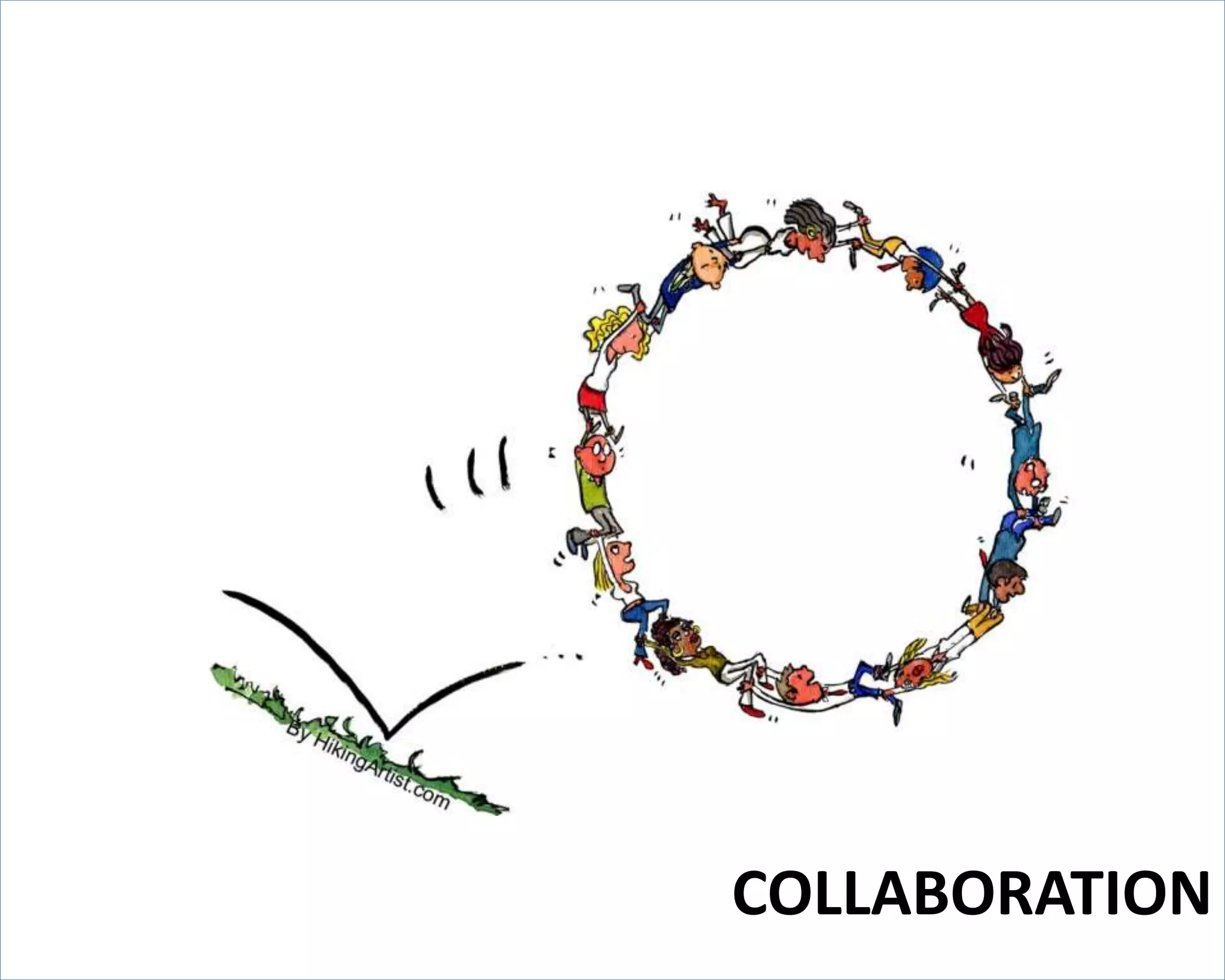
COLLABORATION
OPTIMISM
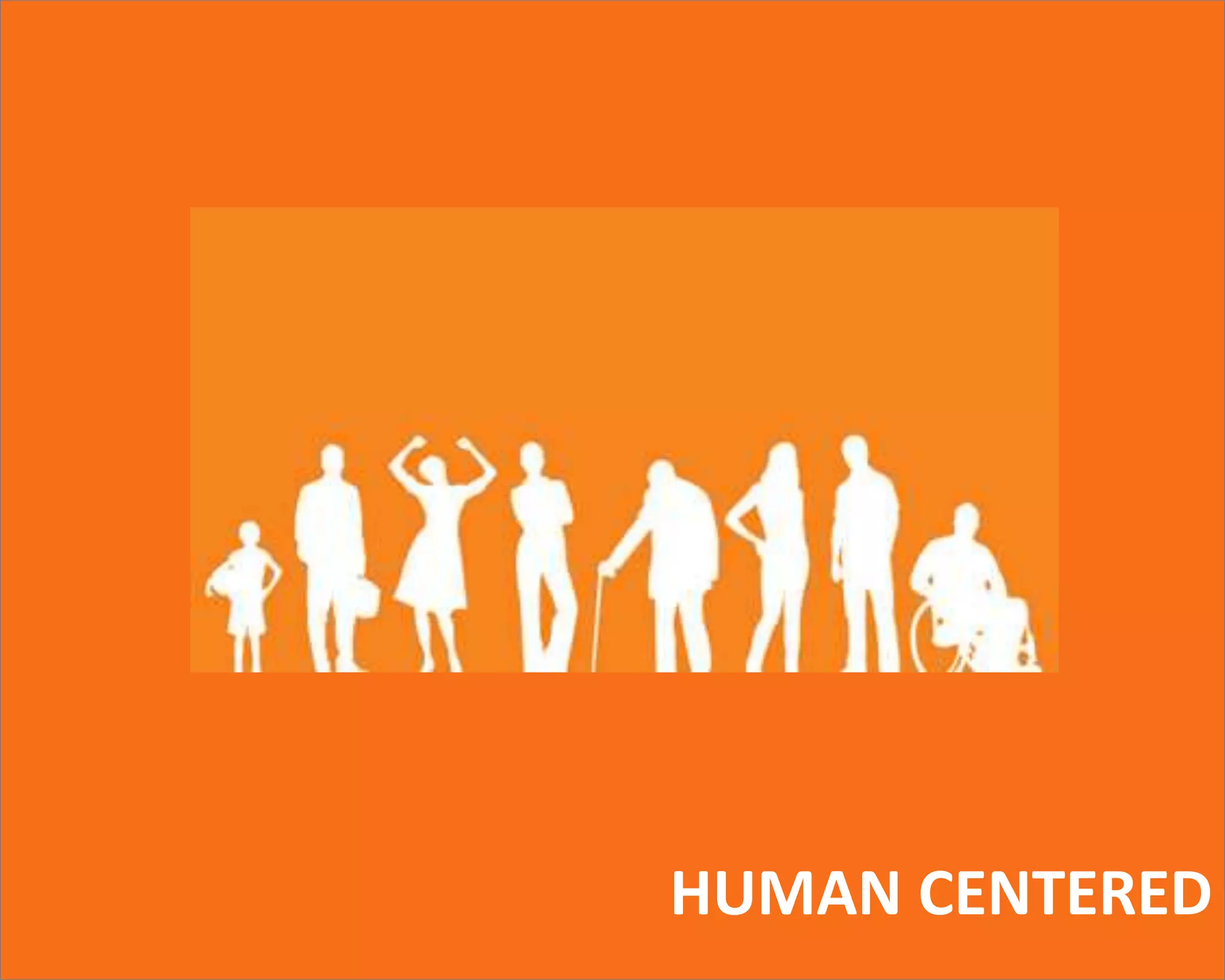
HUMAN CENTERED
INTEGRATED THINKING
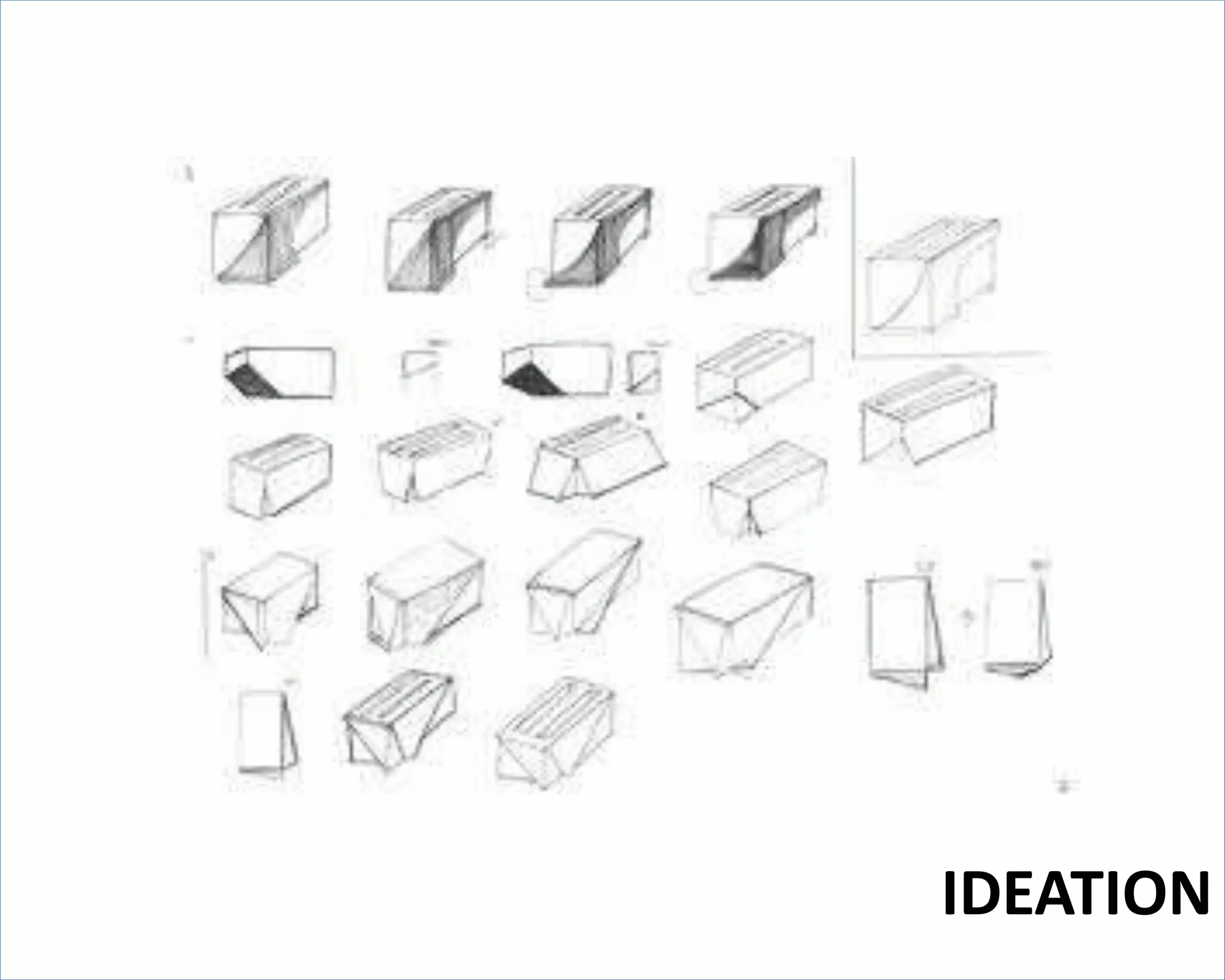
IDEATION
STRATEGIC EXPANSION
MEASURE
Isn’t that what I’m doing now? 
NO!
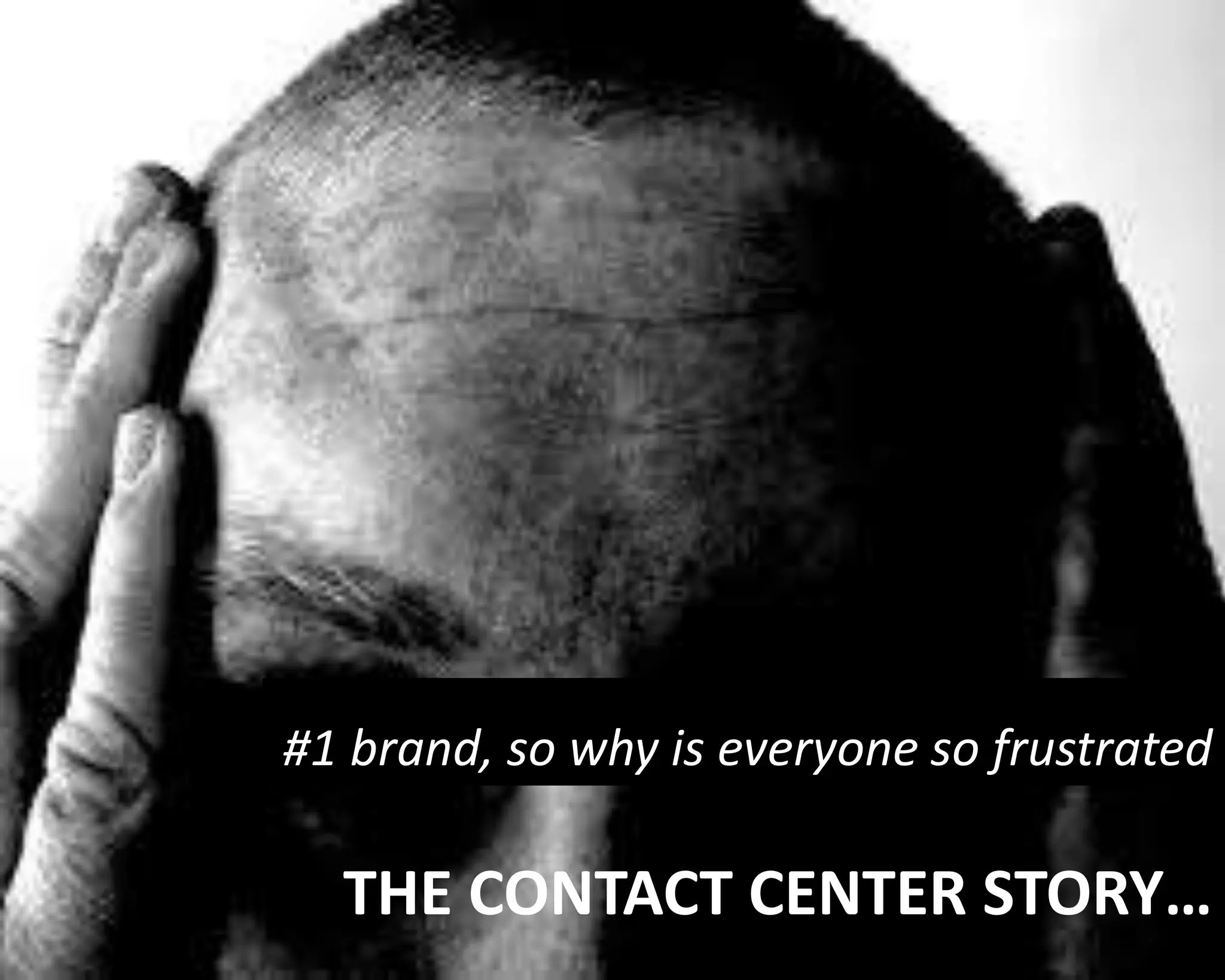
#1 brand, so why is everyone so frustrated 
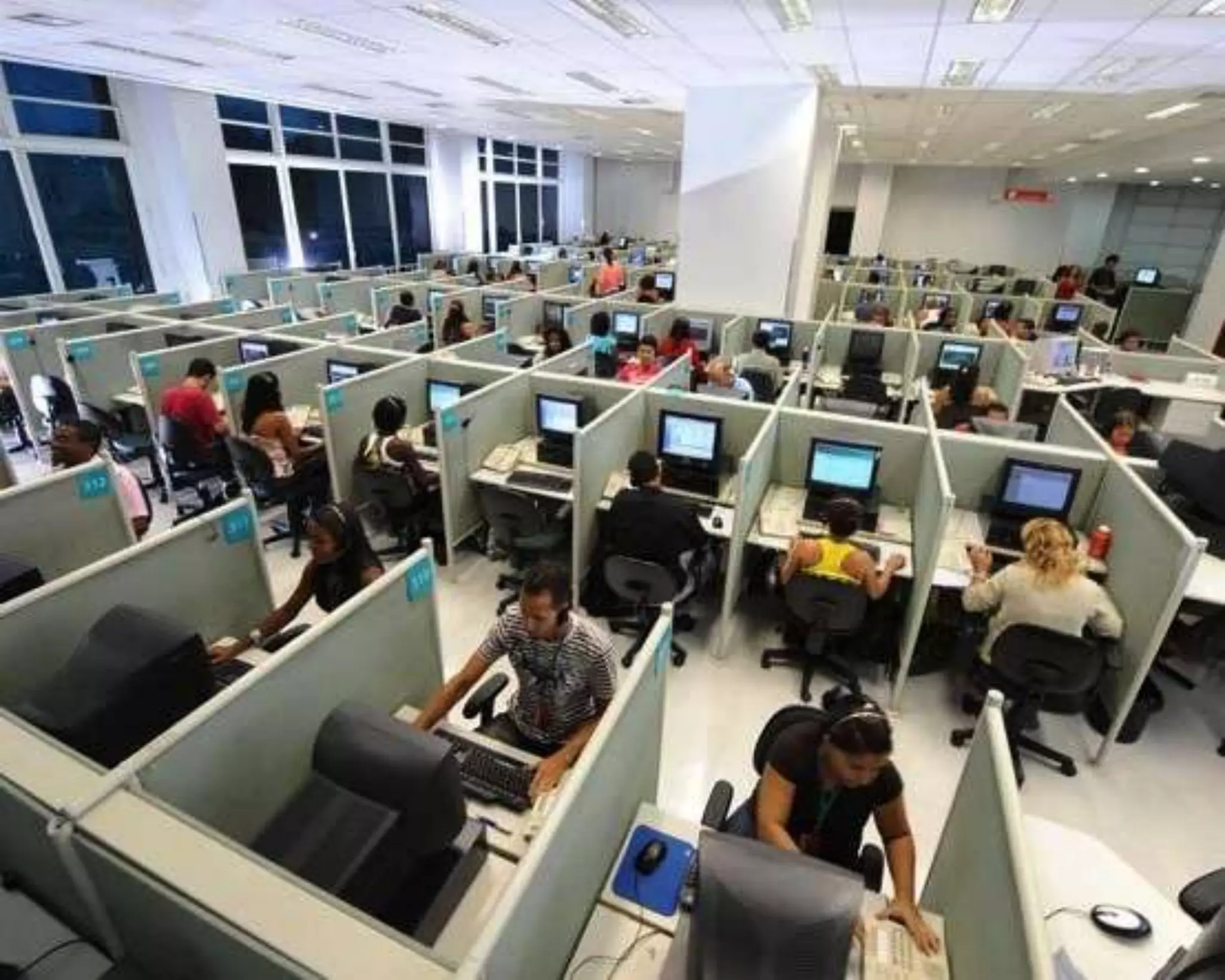
THE CONTACT CENTER STORY…
What if anything were possible? 
COLLABORATION WITH END USERS
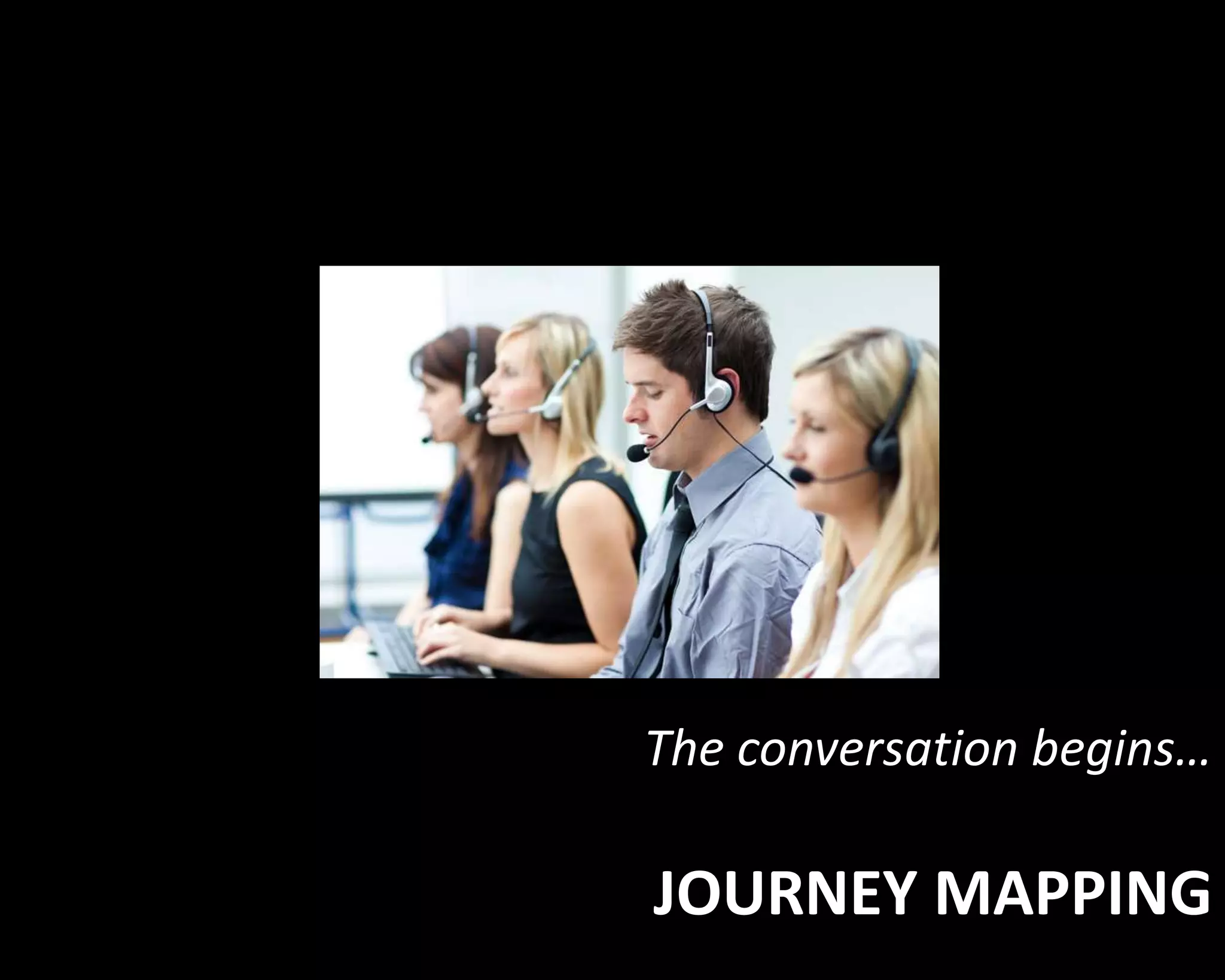
The conversation begins… 
JOURNEY MAPPING
W A I T I N G 
W A I T I N G 
W A I T I N G 
W A I T I N G 
W A I T I N G
What we need is a really powerful search engine 
GOOGLE?
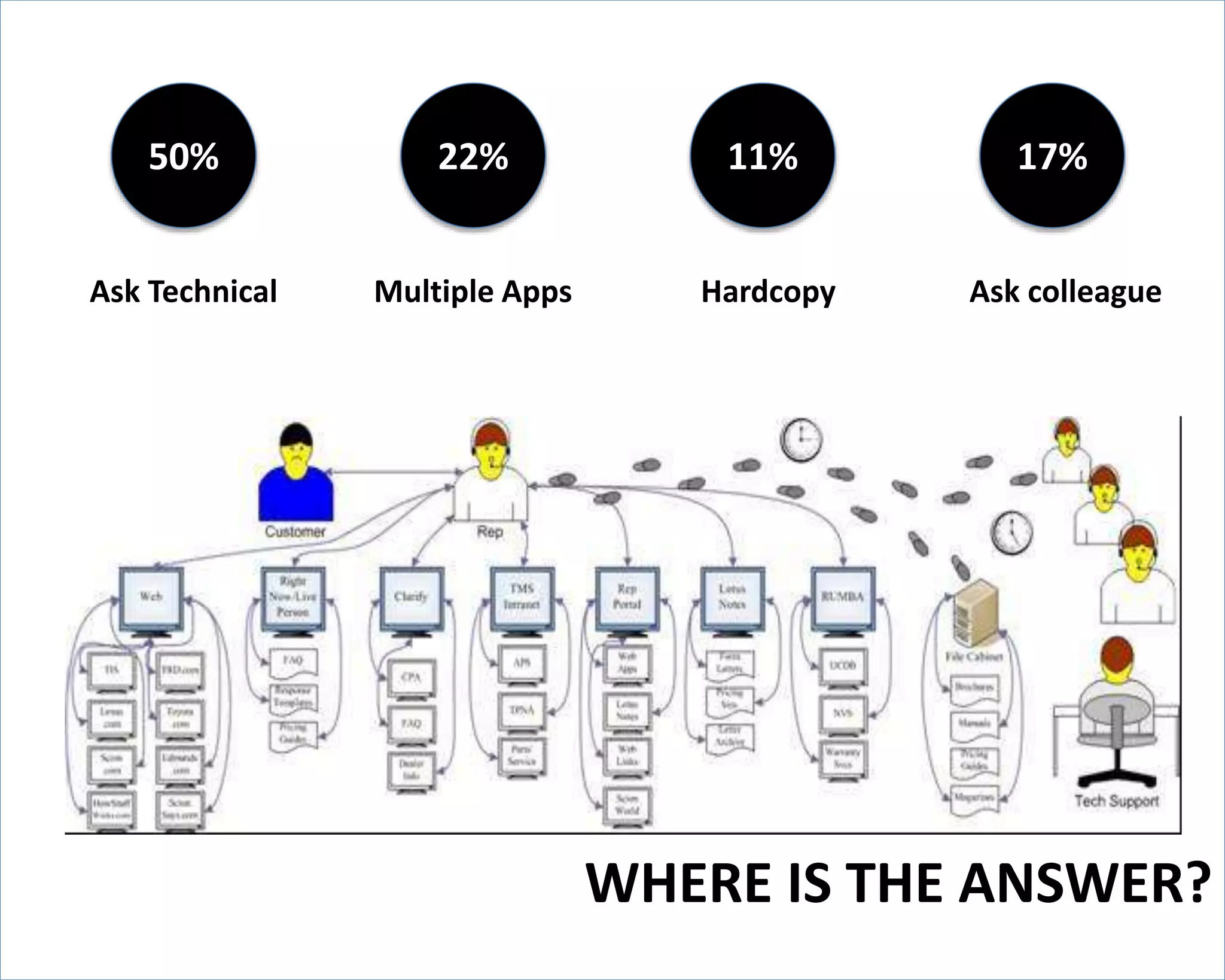
50% 22% 11% 17% 
Ask Technical Multiple Apps Hardcopy Ask colleague 
WHERE IS THE ANSWER?
120 PLUS POSSIBLE SOURCES
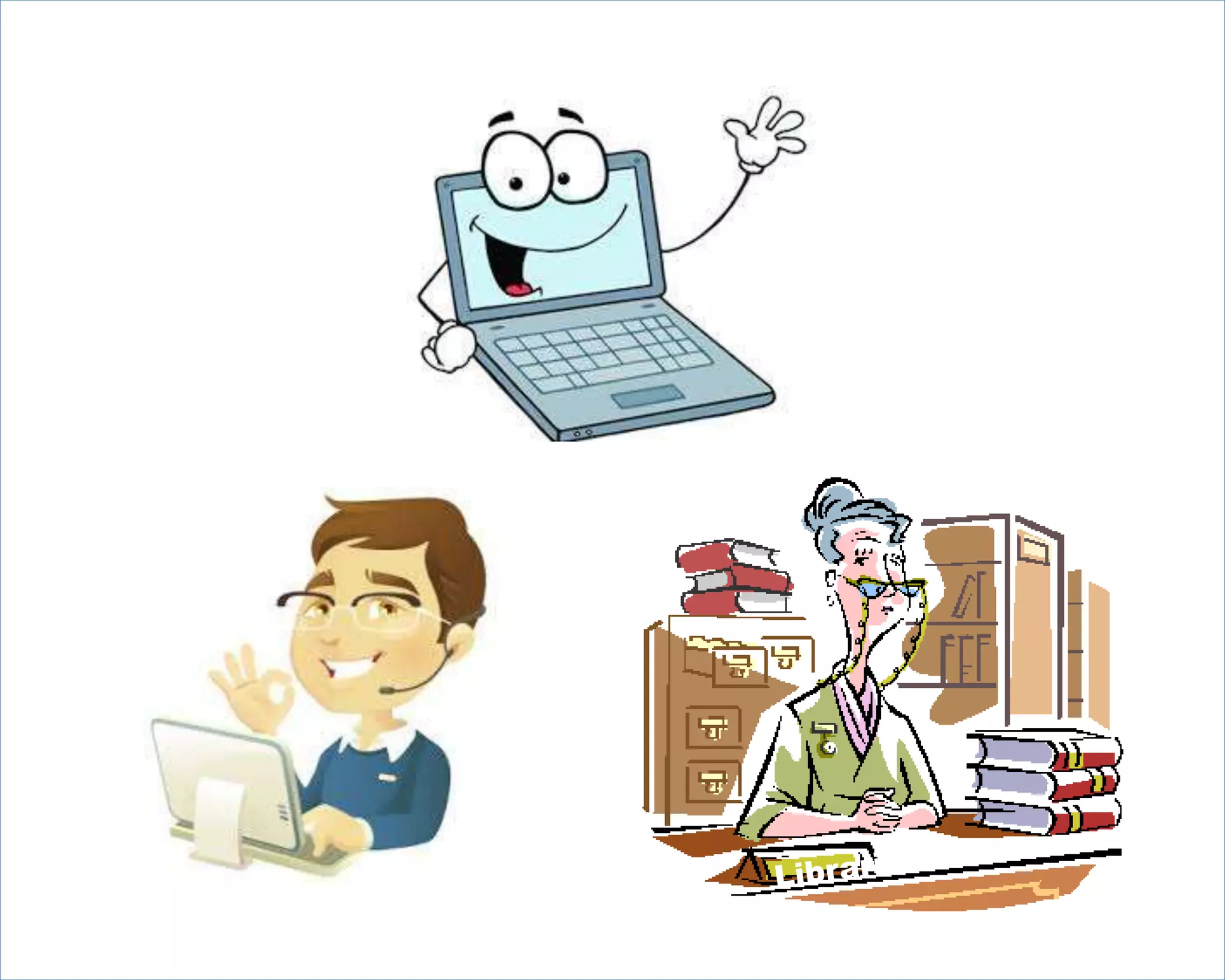
LIBRARY
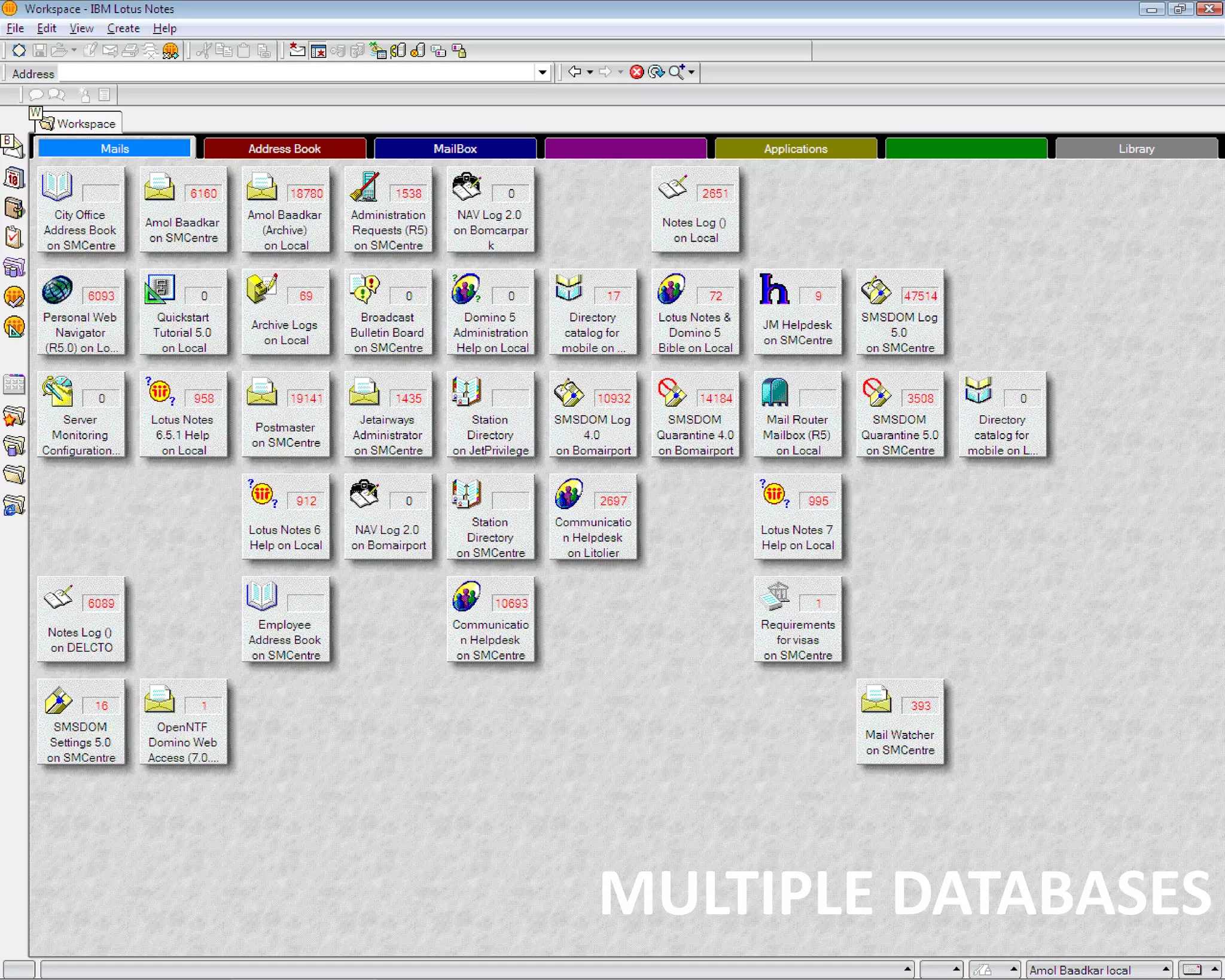
MULTIPLE DATABASES
13 WINDOWS OPEN AT A TIME
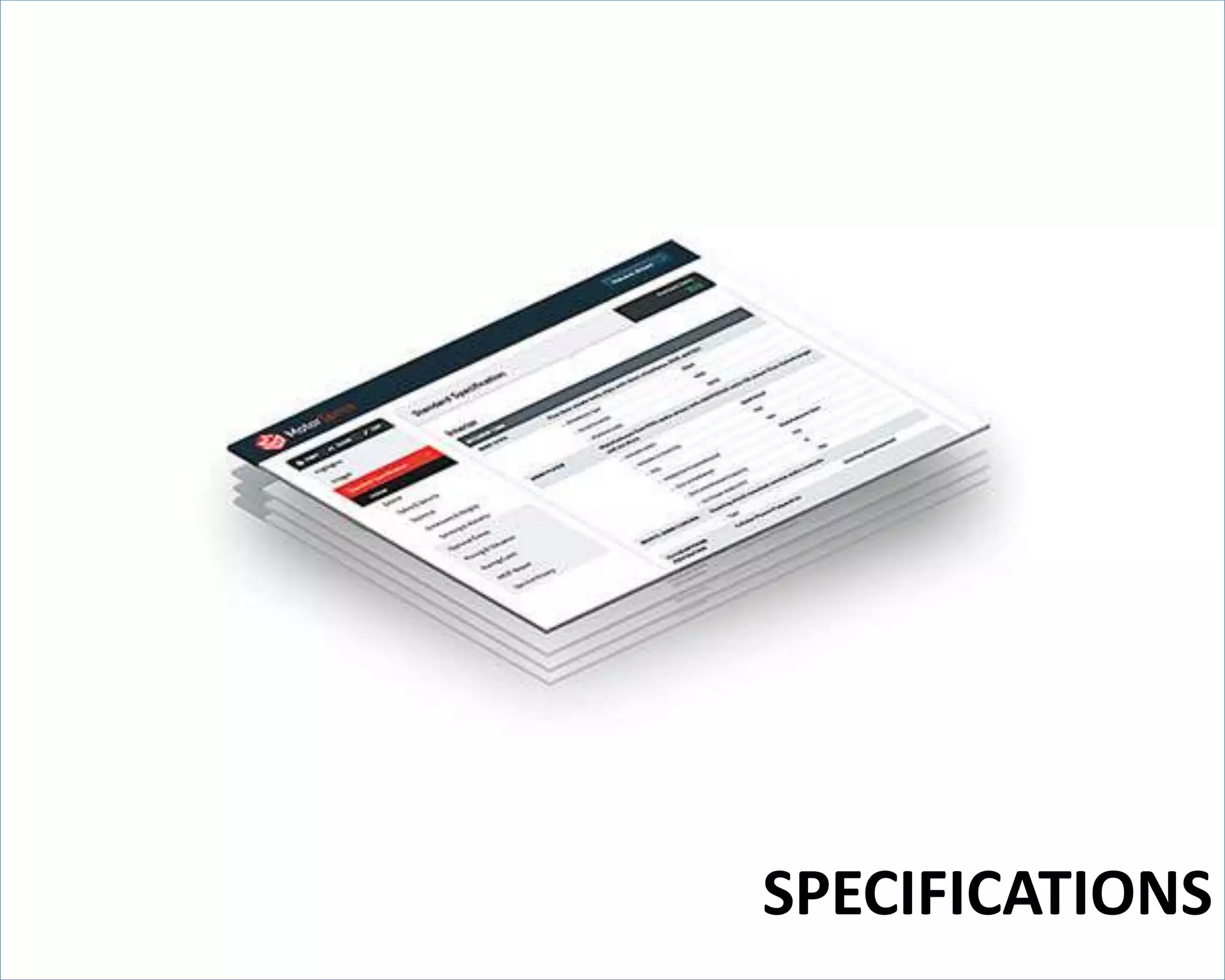
SPECIFICATIONS
So, what did we do? 
VISUALIZE THE END STATE
fun and done!
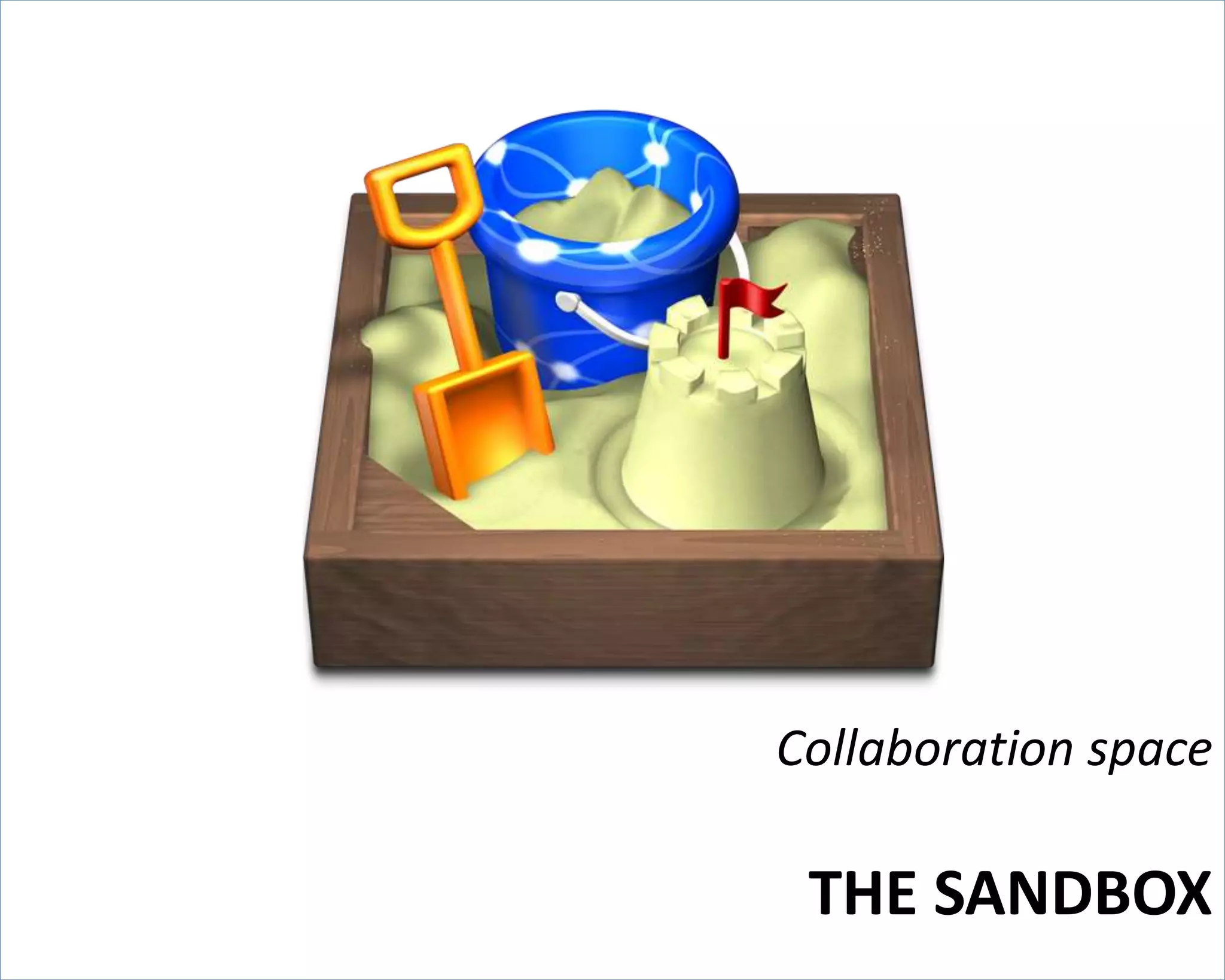
Collaboration space 
THE SANDBOX
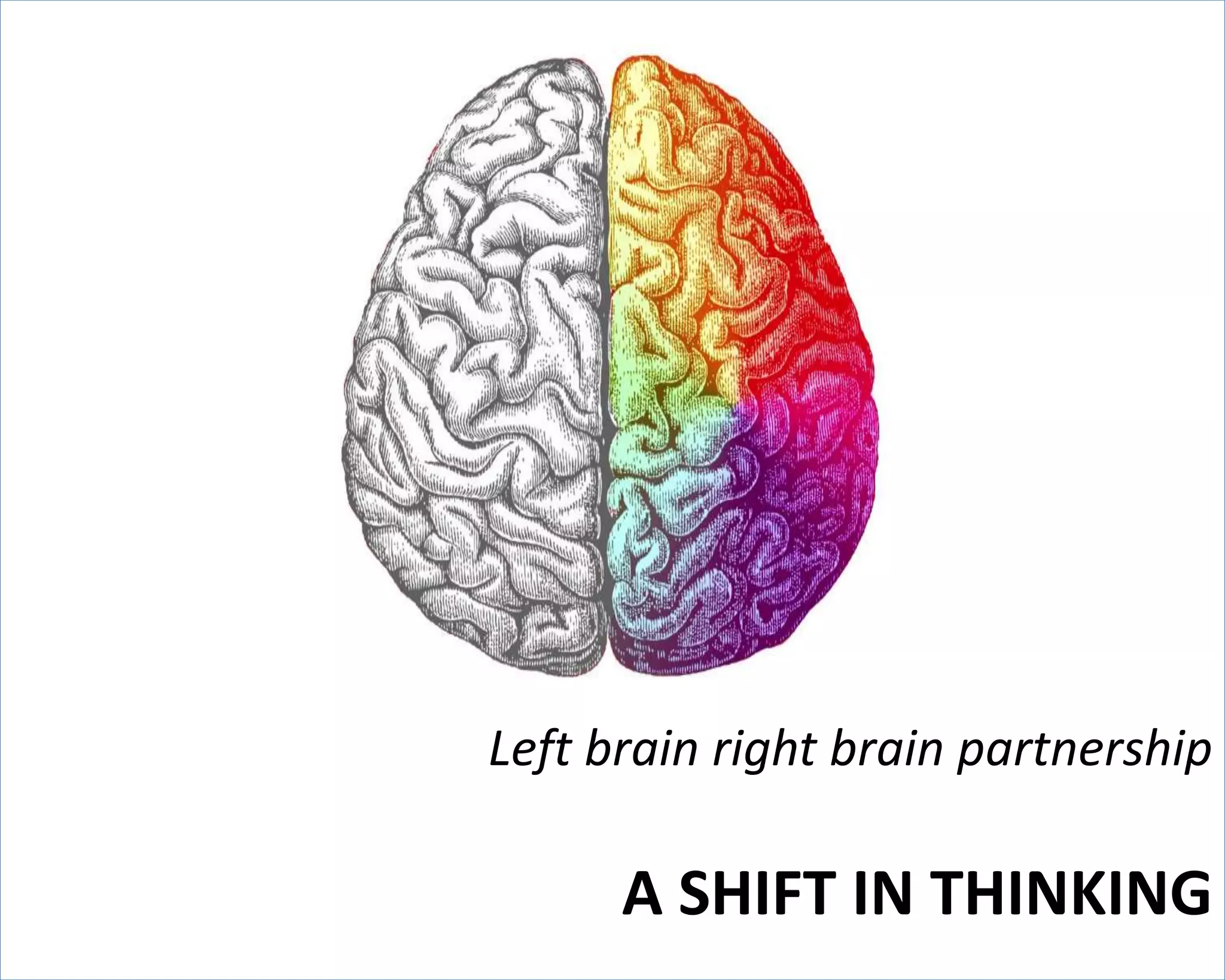
Left brain right brain partnership 
A SHIFT IN THINKING
plan for success 
fun & done 
9-times
rapid prototype
Successful rollout to all 3 contact centers 
SUCCESS METRICS
What the call center representatives REALLY 
needed to meet new job requirements 
KEY TAKEAWAYS
How best to introduce a new transformative 
solution with little or no disruption 
KEY TAKEAWAYS
How we increased the rate of adoption across 
multiple organizations and cultures 
KEY TAKEAWAYS
DIANE 
dianej@curiosita.biz
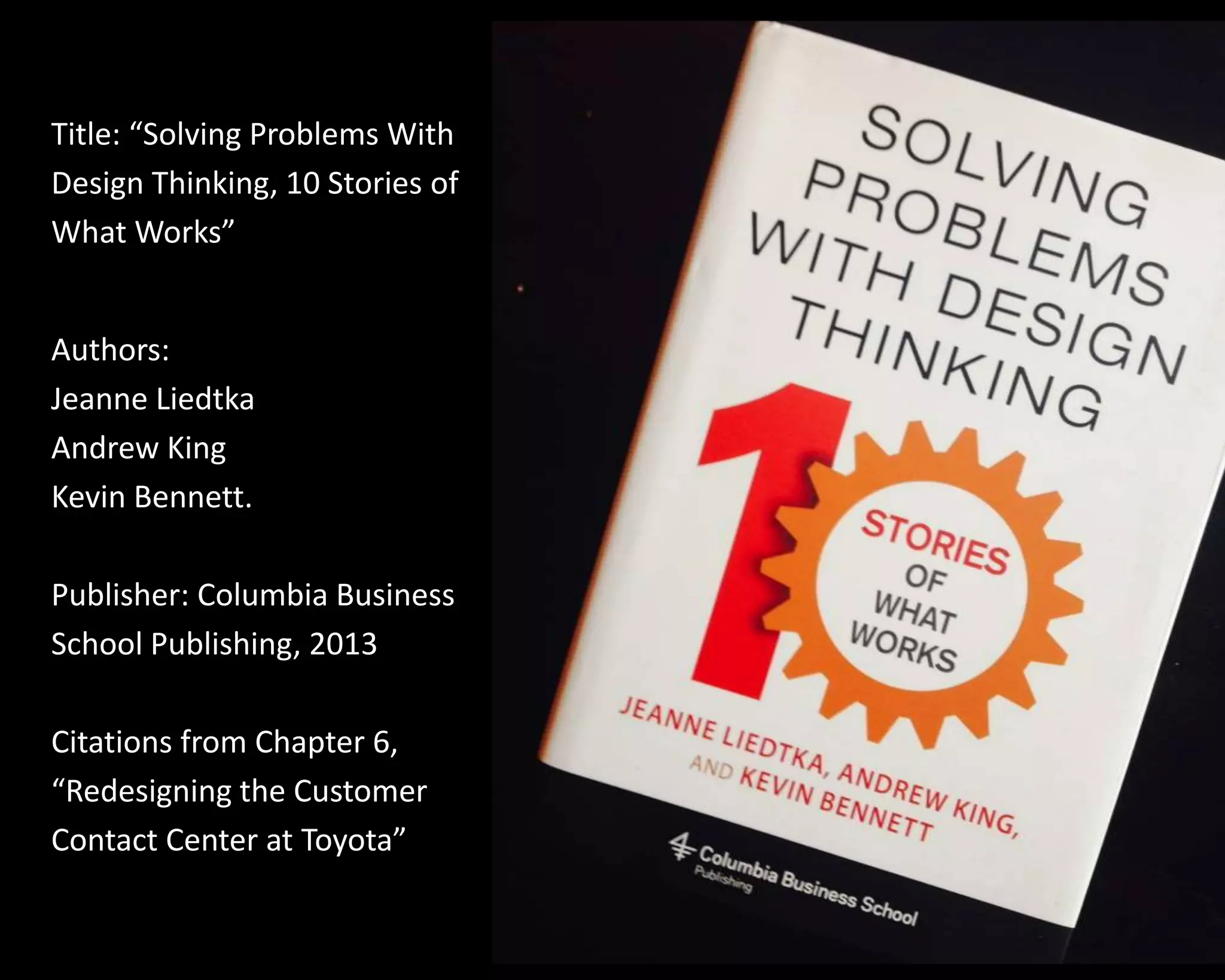
Title: “Solving Problems With 
Design Thinking, 10 Stories of 
What Works” 
Authors: 
Jeanne Liedtka 
Andrew King 
Kevin Bennett. 
Publisher: Columbia Business 
School Publishing, 2013 
Citations from Chapter 6, 
“Redesigning the Customer 
Contact Center at Toyota”
Thank you 
Questions?

Design Thinking: Creativity Transforming the Customer Experience

Editor's Notes

  • #2 Introduction
  • #3 Design Thinker for over 30 years, architect, User Experience Researcher and Design Strategist.
  • #4 How many of you have heard of Design Thinking? I am here to talk to you about how Design Thinking can improve problem identification, deliver results and accelerate adoption.
  • #5 I would like to share with you a story about my personal use of Design Thinking at a place you all know well, Starbucks many many years ago. In 1988 Howard Schultz asked me to present how a place could support $3.00 coffee beverages in a unique experience in for instance, Des Moines Iowa? He had asked a similar question to 3 other architecture firms, but he was still looking for an answer. My story is a very small part of the story, we all know how successful his vision has been.
  • #6 Design Thinking Tool: Possibilities question in the beginning, Howard asked, what to do physically to sell coffee to 1000 people? - Starbucks coffee experience as a competitive advantage - Focus on customer and employee - Repeatable model… still using the formula 25+ years later - Success was all about the number of happy customers per hour
  • #7 Design Thinking Tool: Ethnography Understand the context: Observation in the existing stores and other retail outlets. Put on an apron and watch employees and customers behave normally in their environment.
  • #8 Observation behind the counter, and as customer, building empathy for each role, understanding patterns and requirements
  • #9 Design Thinking Tool: Ideation What I observed, most people enter spaces and move right, they walk on the right side exploring to the rear of the space and then turn back along the left side. The stores would need to be set up with 4 key interactions; 1. Offer pastry, candy, sweets, and food while standing in line.
  • #10 2. Order with cashier, delivers drip coffee
  • #11 3. Theater of the barista, espresso drinks made to order and delivered by customer name
  • #12 4.Customize your purchase with condiments, milk, sugar, stir and napkins
  • #13 Design Thinking Tool: Ideation How to create a store within a store?
  • #14 Design Thinking Tool: Rapid Prototyping Kiosk prototypes for various locations
  • #15 Design Thinking Tool: Ethnography So, how do we move 1000 people in 2 hrs. through the 4 stages? - Design components - Implement in a predictable way - Provide an natural and expected experience
  • #16 Design Thinking Principle: Human centered There are rules only human behavior, to understand you must go to the source and observe reality Typical observed behavior Visual clues Consistent execution Repeatable process that builds a cognitive response
  • #17 Design Thinking Principle: Iteration Customer behavior changes with brand maturity
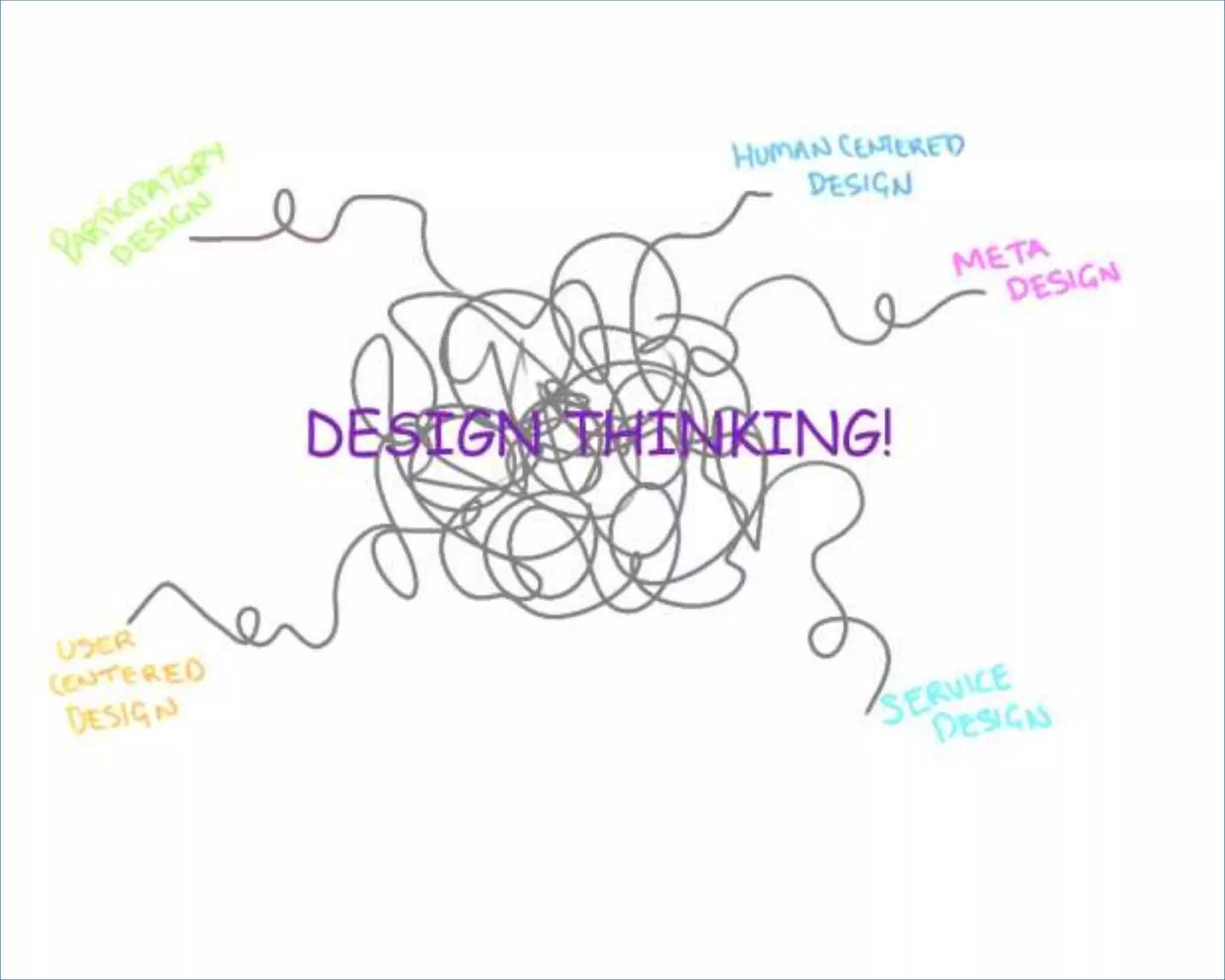
  • #18 What is Design Thinking? It is a human-centric process that requires a detached viewpoint, collaborative effort, empathetic observation, supports idea integration, with rapid prototyping and continuous testing and measurement. This approach requires the team to begin with “I don’t know” which is fundamentally where one must start the process of discovery.
  • #19 Daddies of Design Thinking: Nigel Cross, Nigel believed that the design process was special due to tacit knowledge and instinctive process, arguing design can stand alone as a craft independent from other disciplines-especially science. Richard Buchanan’s widely influential paper published in 1992 titled, Wicked Problems in Design Thinking, busted out ‘wicked’ and ‘design thinking’ into mainstream culture. This paper was also influential because it explicitly connects design thinking to innovation. Donald Schon, favorite among design researchers, Schon was an ultimate thinker. Hi book The Reflective Practioner made an attempt to individualize design as a unique practice through cognative reflections and explanations on its process. David Kelly Managing Partner at IDEO and founder of the Stanford Institute of Design, D’school, has promoted Design Thinking outside design environments. The d’school at Stanford is a multi-disciplinary offering encouraging collaboration between engineers, social scientists and the business school to name a few.
  • #20 Design Thinking Principle: Iteration Design Thinking is about approaching problems and opportunities in a very non-linear way. Much like Agile methodology, constantly learning, testing, measuring – rinse and repeat. Accelerates adoption buy increasing understanding, focusing on the right solution, engaging with the end users throughout the process.
  • #31 Design Thinking Tool: Possibilities question At the heart of design thinking lies a different set of questions, with the most powerful being ‘What if anything were possible?’ So many innovation efforts begin by accepting the constraints at hand. Without the courage to set today’s obstacles aside long enough to envision what would be ideal, we relegate ourselves to stunted ambitions and incremental change. “The contact center was called together by management and asked, “If you were king or queen for the day, what would you say you need in order to do your job - the ideal way? The answer that came back was that the reps were most frustrated by the challenges of answering customers’ questions in a timely manner. Elaine passed that information to Lexus and they agreed to collaborate with Scion on a combined new system.”
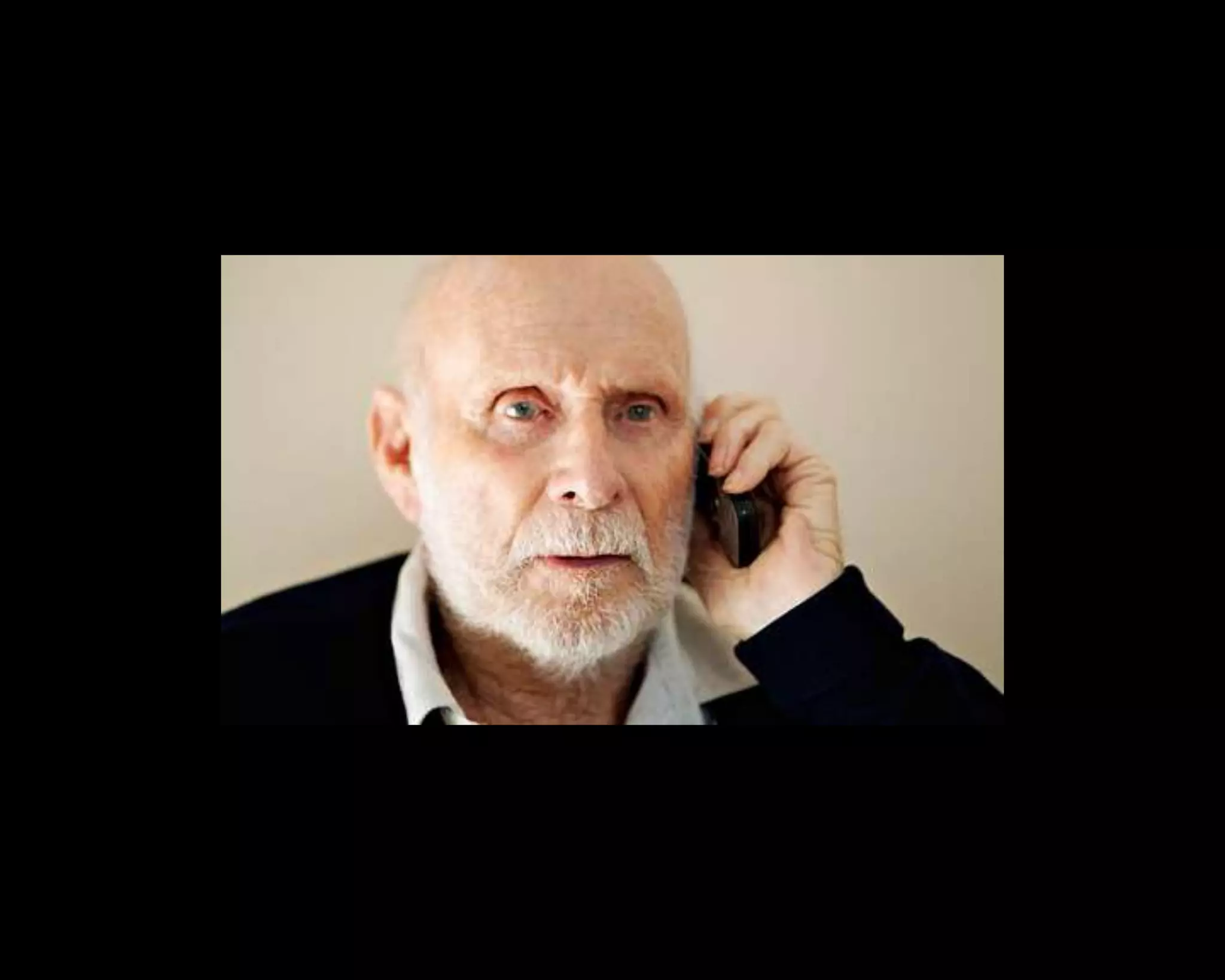
  • #32 Scenario: Toyota customer on the phone calling the call center to find out about service for his new car.
  • #33 Design Thinking Tool: Journey mapping “The contact center made every effort to answer each question, most took 3 calls to resolve.” Ethnography, sitting with reps to observe the process
  • #34 Lets do the dance. We observed a conversation similar to this: Customer: Hello, I need the recommended tire pressure for my car? Rep: What make and model car do you have? Customer: 2005 or 2006 Prius. Rep: Do you have the vin number? Customer: Yes, it is JTX2984233GH97238 Rep: I found it, your recommended tire is 40/42 psi Rep: Is there anything else you need while we are on the phone? Customer: Yes I need a tune up, do you have my dealers number? Rep: The closest dealer to your home is Long Toyota, their service number is 555-555-0000 Rep: Is there anything else I can help you with? Customer: I forgot to write it down, can you remind me of the tire pressure. Rep: It should be 40/42 psi. is there anything else you might need? Customer: Not now, thank you Rep: You might want to take care of this service request while you are at the dealer, it is a free service. Customer: What is the number of the dealer close to my office, on S. Smith Street? Rep: That would be 555-555-1111 Customer: Thank you
  • #35 “Customers wait while the Associate looks for the answer for an average of 20-40 minutes or 3 call backs”
  • #36 How to get to the root cause of the problem using Design Thinking.
  • #37 Design Thinking Tool: Ethnography The idea of diving deep into the perspectives and needs of outside customers seems obvious to most business people. We often fail, however, to take advantage of these tools to better understand our internal partners and stakeholders whose support is essential to the success of our innovation efforts. We developed a structured interview protocol, ethnographically driven, for use in interviewing a small number of the agents. We conducted ½ day, side-by-side observations of real customer interactions. This was meant to uncover new ideas, new choices and new alternatives to the previous solution, as well as to verify the source of the perceived problem.
  • #38 Design Thinking Principle: Integrated thinking Journey mapping is one of the most powerful weapons in the designer’s arsenal. It focuses on tracing a stakeholder’s “journey” as he or she performs a series of steps involved in an experience, with special attention to the emotional highs and lows. It is most often used to map a customer’s journey, but it can be equally insightful when used to gain a deeper understanding of employees’ work routines.
  • #39 Design Thinking Tool: Mind mapping Finding: 120 plus possible information sources. Hard to know which way to go from here. We identified each source, the owners and set up meetings with them to discuss our options. We generated insights about the content that helped the team prioritize, create technical requirements and develop a governance model.
  • #40 Finding: 11% of the information was found to be in the library
  • #41 Finding: some of the 22% of apps many were found to be in lotus notes databases.
  • #42 Finding: 100 plus bookmarks and 13 browser windows open at a time
  • #43 Finding: many answers were found to be in the specifications online and in print
  • #44 Design Thinking tool: Visualization Initially, the solution seemed as straight-forward as the problem: create a new database for the reps to use – but in the end, what Gayle and her team created was something more transformational – a revision of the entire process, both human and technical. It was also apparent to all at this point that this was not an IT only solution and it would fundamentally transform the organization if successful. It was decided to closely partner the IT team with business and the training and change management functions. We created a 3-legged stool for decision making and engaged all levels from the beginning to the end of the project. IT lead, Uof T management and business leadership.
  • #45 Transition from the present to a very different future is rarely painless. Design thinking and change management are both built on the basic idea that the more we know about the people we’re trying to create value for or innovate for and the more involved they are in the process, the better off everyone will be.
  • #46 Design Thinking Principle: The power of play Playing allows us to break free of our often linear mindsets. The concept of a sandbox is a powerful innovation tool because it gives a clear place for play. Here, the sandbox combines a physical space with a prototype of the new system that allows users to build new pathways and structures. Combined with competition and freedom to have fun, the sandbox helps reveal things that serious trials may miss.
  • #47 Design Thinking Principle: Collaboration Design thinking is useful in keeping multiple functions engaged because continually iterating gives everyone many points of interaction to move forward toward the goal. They told us: ‘No one has ever sat down and walked us through for us to understand what we were actually doing. We just come in, do our piece, and don’t really even know what the project is.’ I think they found a new sense of ownership. Continually focusing on the larger goal can keep members aligned, and communicative leadership can keep all stakeholders moving in the same direction. Design thinking is useful in keeping multiple functions engaged because continually iterating gives everyone many points of interaction to move forward toward the goal.
  • #48 Design Thinking Principle: Human centered Focused on people and not technology, work with the call center associates to understand what will work for them. When situations are complex and changing, effectively engaging all levels of the organization is far more likely to get you where you want to be, and the team’s commitment to creating an inclusive conversation among all of the parties involved – especially the call center reps at the front line, paid off handsomely here. Change Agents assigned, full time and part time from each contact center to be: Training leads Facilitators Advisors
  • #49 Design Thinking Principle: Optimism We put the engineers through the same training class, insisting that they sit through a half day session to really understand what the team was attempting to do and why, and what the results needed to look like for customers. Initially, the engineers thought we were crazy. “They’re usually in and out: they come in for whatever they’ve got to do, they get it done and then they leave,” as Gayle explained, “they come and go throughout the project depending on their expertise.” Focus on why we are doing this with the whole team including the software developers: Half day change management class for all team members User driven requirements UI designed and tested by end users
  • #50 Using Design Thinking we brought about a shift in thinking - left brain right brain partnership: Human centered focus led to a better solution Technology became a facilitator not the focus Embraced by those who need to make it work Tested by user to ensure success
  • #53 Design Thinking Tools: Measure 2 fewer calls Decrease call time by well over a minute Generate millions in savings Empower employees
  • #54 What did you learn? Design Thinking principal: Possibilities Design Thinking principle: Collaboration Design Thinking tool: Journey mapping Design Thinking tool: Ethnography
  • #55 What did you learn? Design Thinking Principle: Collaboration Design Thinking Principle: Human centered Design Thinking Principle: Iteration Design Thinking Tool: Rapid prototyping
  • #56 What did you learn? Design Thinking Principle: Optimism Design Thinking Principle: The power of play Design Thinking Principle: Iteration Design Thinking Tool: Rapid prototype
  • #57 You may contact me with question or comments at: dianej@curiosita.biz
  • #58 In parting, if you would like to know more about Design Thinking and its practical application across industries please read, “Solving Problems With Design Thinking, Ten Stories of What Works”, by Jeanne Liedtka, Andrew King and Kevin Bennett. By Columbia Business School Press.