WHAT DESIGN THINKING IS AND HOW IT IS
USED IN SOFTWARE DEVELOPMENT
WHAT IS DESIGN THINKING?
In simple terms, it is a framework that puts user
needs at the core of any product development
“Design thinking is a human-centered
approach to innovation that draws from the
designer’s toolkit to integrate the needs of
people, the possibilities of technology, and
the requirements for business success.”
— Tim Brown*, CEO of IDEO,an international design and consulting
firm
Design thinking is all about iterative
prototyping when you test each idea and see
whether it is a Solution that will address the
customers’ problem.
SO WHAT EXACTLY IS DESIGN
THINKING PROCESS?
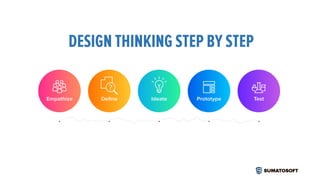
DESIGN THINKING STEP BY STEP
Design Thinking is not about design [only]
Design Thinking may refer to any area: from
automotive industry to software development
– and is appropriate for all stages of building
a product
LET’S TAKE THE SOFTWARE
DEVELOPMENT PROCESS AS AN
EXAMPLE
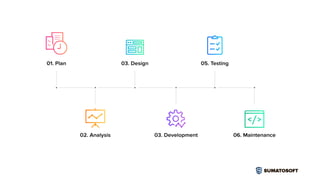
To make it as clear as possible: design
thinking can be applied at each stage of
software development lifecycle
(planning, development, testing, etc.)
WHY IS DESIGN THINKING SO
IMPORTANT IN THE CONTEXT OF
SOFTWARE PRODUCTS DESIGN AND
DEVELOPMENT?
1. When you have a thorough knowledge
of what user problem is (the define step)
you can suggest a few solutions to this
problem (the ideate step) and finally
choose the best one and create the best
possible product.
2. Design Thinking is a powerful tool that
through specific design enables
companies to make customers do what
they want (spoiler: and they do not mind)
3. Developers pass all stages, from
empathy to testing, and strive to provide
users with a solution that would make the
search across products as fast and
convenient as possible.
“Design thinking is a noteworthy approach to
building custom software products. It brings
together clients’ business goals and end user
needs and embeds them in a perfectly tailored
solution that addresses the problem as effectively
as possible.”
— Vladimir Shidlovsky, Co-Founder and CTO at SumatoSoft
IN CONCLUSION
Tangible benefits of design thinking
in software development
1. FEASIBILITY CHECK
Design thinking enables software development
companies to test the feasibility of the future product
and its functionality at the initial stage. It allows them
to keep end user needs in mind, clearly specify all
requirements and translate all this into product
features.
2. No alarms and no surprises
Once you tested your MVP and gathered feedback from
users, the team can securely and confidently proceed
to the product development. You can be quite sure that
there will be little or no difference between the
approved concept and final version.
3. Clarity and transparency
Design thinking approach allows software developers
to see and clearly understand the end goals, problems
and have a detailed vision of the solution they should
eventually deliver.
3. Continuous improvement
The product can be (and sometimes should be)
modified after its release when user feedback is at
hand. Now you can see it crystal clear: which features
work and which ones do not; how the product can be
enhanced and what suggestions should be
incorporated.
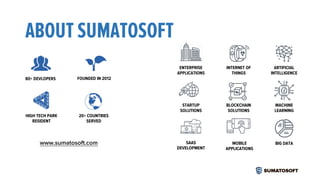
ABOUT SUMATOSOFT
80+ DEVLOPERS FOUNDED IN 2012
HIGH TECH PARK
RESIDENT
20+ COUNTRIES
SERVED
www.sumatosoft.com
ENTERPRISE
APPLICATIONS
STARTUP
SOLUTIONS
SAAS
DEVELOPMENT
INTERNET OF
THINGS
BLOCKCHAIN
SOLUTIONS
ARTIFICIAL
INTELLIGENCE
MACHINE
LEARNING
BIG DATAMOBILE
APPLICATIONS
www.sumatosoft.com

What Design Thinking Is and How It Is Used in Software Development

  • 1.
    WHAT DESIGN THINKINGIS AND HOW IT IS USED IN SOFTWARE DEVELOPMENT
  • 2.
    WHAT IS DESIGNTHINKING? In simple terms, it is a framework that puts user needs at the core of any product development
  • 3.
    “Design thinking isa human-centered approach to innovation that draws from the designer’s toolkit to integrate the needs of people, the possibilities of technology, and the requirements for business success.” — Tim Brown*, CEO of IDEO,an international design and consulting firm
  • 4.
    Design thinking isall about iterative prototyping when you test each idea and see whether it is a Solution that will address the customers’ problem.
  • 5.
    SO WHAT EXACTLYIS DESIGN THINKING PROCESS?
  • 6.
  • 7.
    Design Thinking isnot about design [only]
  • 8.
    Design Thinking mayrefer to any area: from automotive industry to software development – and is appropriate for all stages of building a product
  • 9.
    LET’S TAKE THESOFTWARE DEVELOPMENT PROCESS AS AN EXAMPLE
  • 11.
    To make itas clear as possible: design thinking can be applied at each stage of software development lifecycle (planning, development, testing, etc.)
  • 12.
    WHY IS DESIGNTHINKING SO IMPORTANT IN THE CONTEXT OF SOFTWARE PRODUCTS DESIGN AND DEVELOPMENT?
  • 13.
    1. When youhave a thorough knowledge of what user problem is (the define step) you can suggest a few solutions to this problem (the ideate step) and finally choose the best one and create the best possible product.
  • 14.
    2. Design Thinkingis a powerful tool that through specific design enables companies to make customers do what they want (spoiler: and they do not mind)
  • 15.
    3. Developers passall stages, from empathy to testing, and strive to provide users with a solution that would make the search across products as fast and convenient as possible.
  • 16.
    “Design thinking isa noteworthy approach to building custom software products. It brings together clients’ business goals and end user needs and embeds them in a perfectly tailored solution that addresses the problem as effectively as possible.” — Vladimir Shidlovsky, Co-Founder and CTO at SumatoSoft
  • 17.
    IN CONCLUSION Tangible benefitsof design thinking in software development
  • 18.
    1. FEASIBILITY CHECK Designthinking enables software development companies to test the feasibility of the future product and its functionality at the initial stage. It allows them to keep end user needs in mind, clearly specify all requirements and translate all this into product features.
  • 19.
    2. No alarmsand no surprises Once you tested your MVP and gathered feedback from users, the team can securely and confidently proceed to the product development. You can be quite sure that there will be little or no difference between the approved concept and final version.
  • 20.
    3. Clarity andtransparency Design thinking approach allows software developers to see and clearly understand the end goals, problems and have a detailed vision of the solution they should eventually deliver.
  • 21.
    3. Continuous improvement Theproduct can be (and sometimes should be) modified after its release when user feedback is at hand. Now you can see it crystal clear: which features work and which ones do not; how the product can be enhanced and what suggestions should be incorporated.
  • 22.
    ABOUT SUMATOSOFT 80+ DEVLOPERSFOUNDED IN 2012 HIGH TECH PARK RESIDENT 20+ COUNTRIES SERVED www.sumatosoft.com ENTERPRISE APPLICATIONS STARTUP SOLUTIONS SAAS DEVELOPMENT INTERNET OF THINGS BLOCKCHAIN SOLUTIONS ARTIFICIAL INTELLIGENCE MACHINE LEARNING BIG DATAMOBILE APPLICATIONS
  • 23.